
















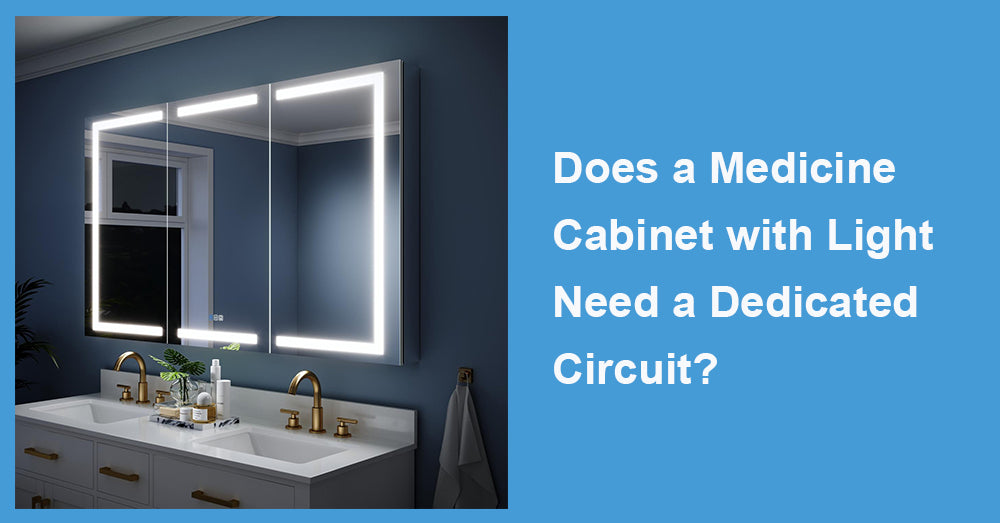
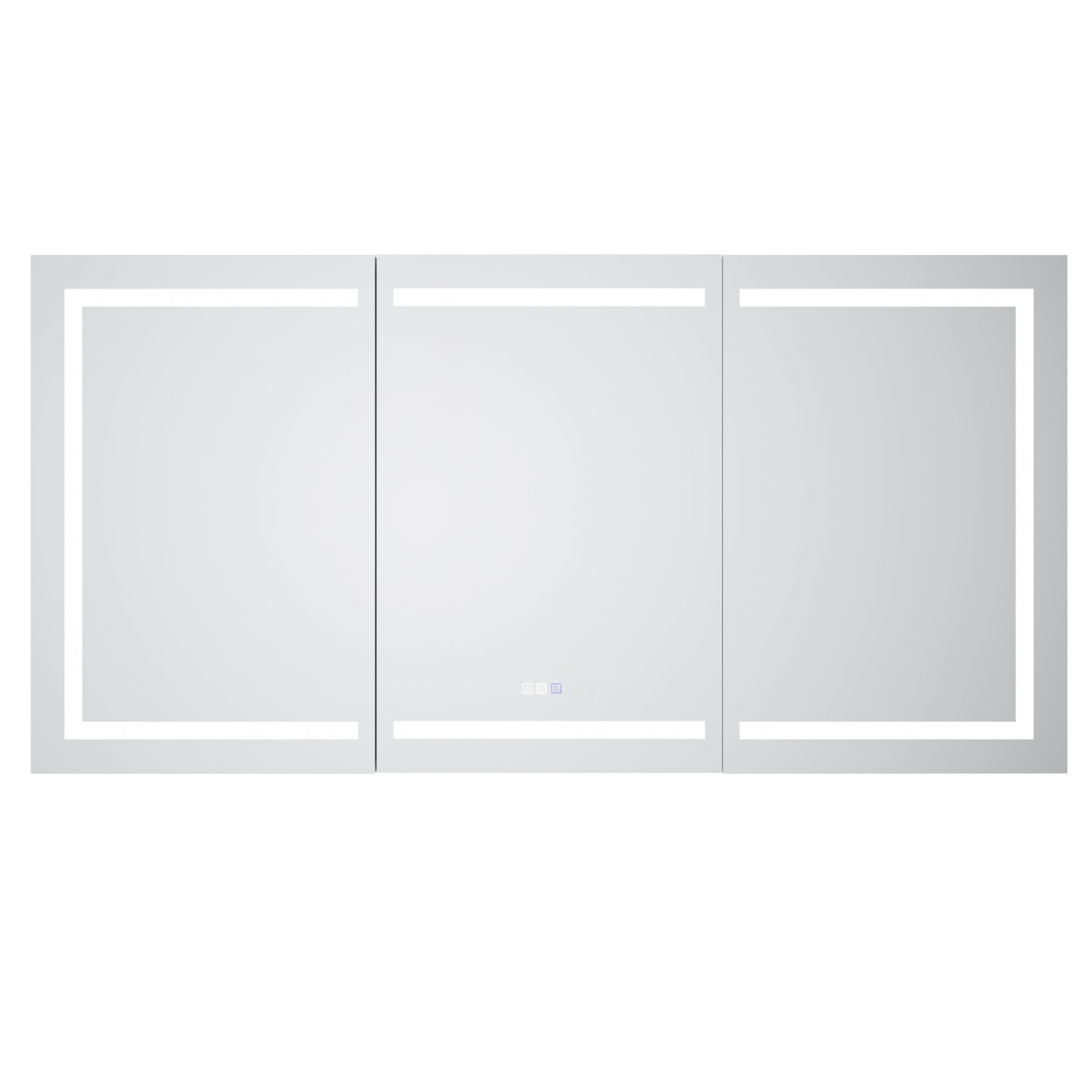
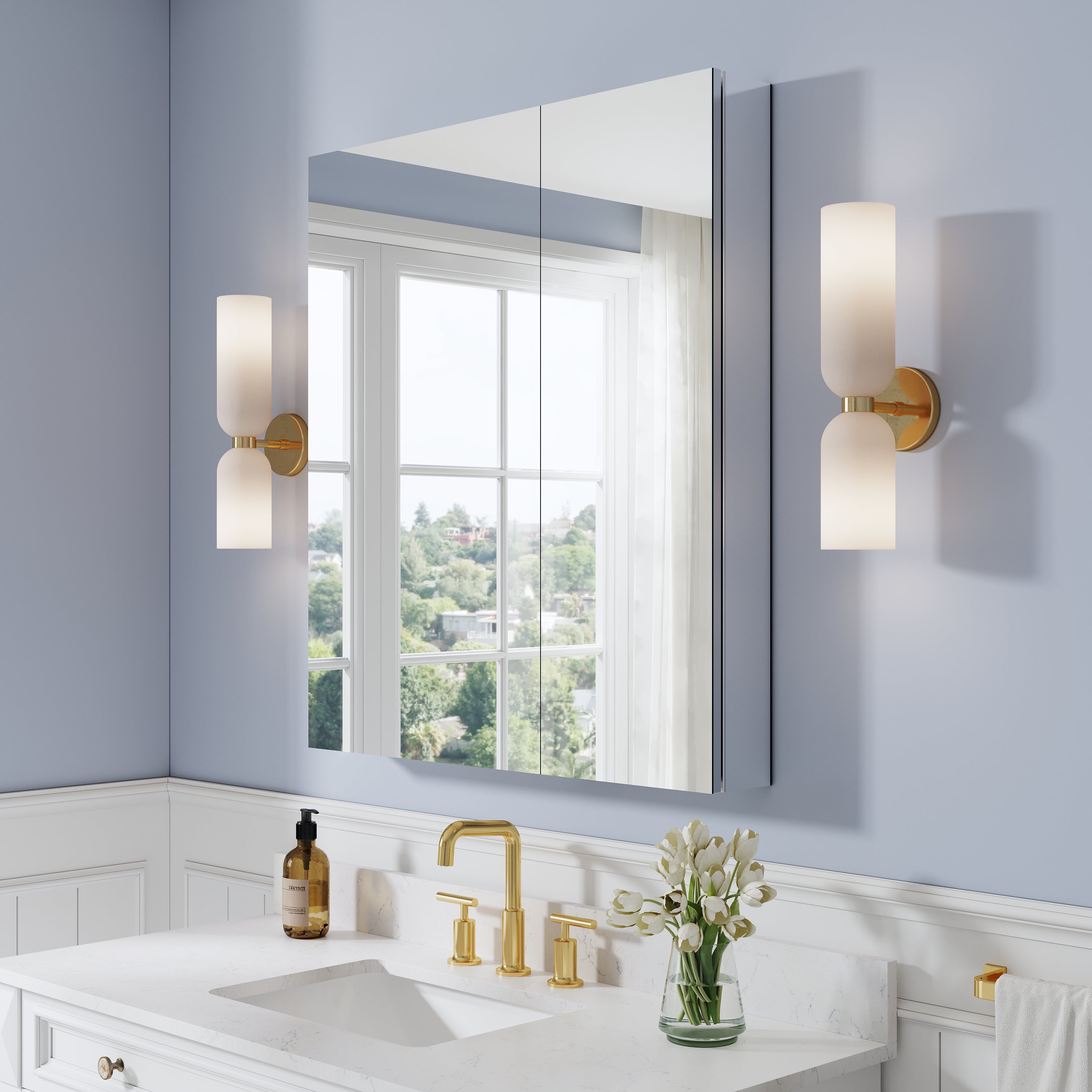
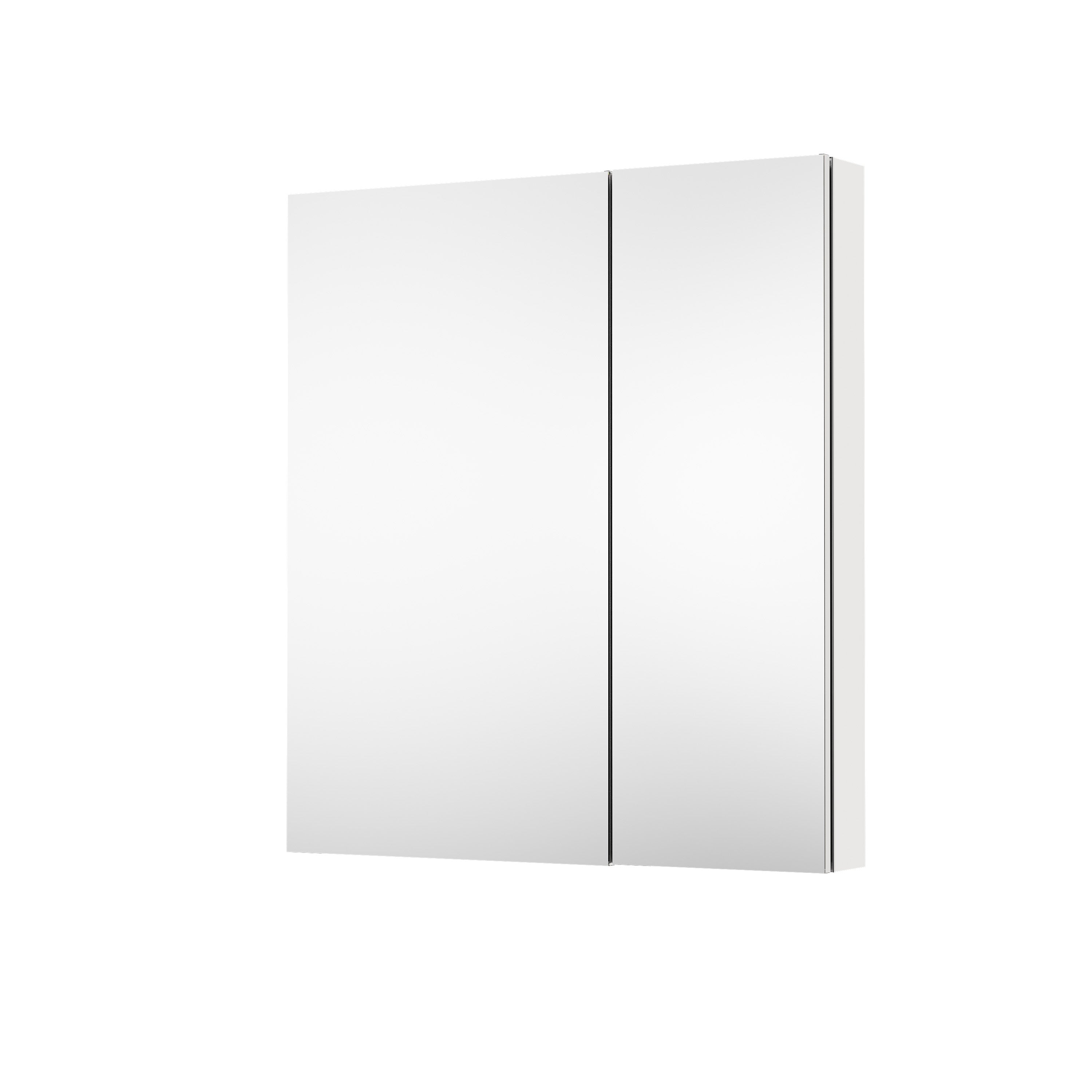
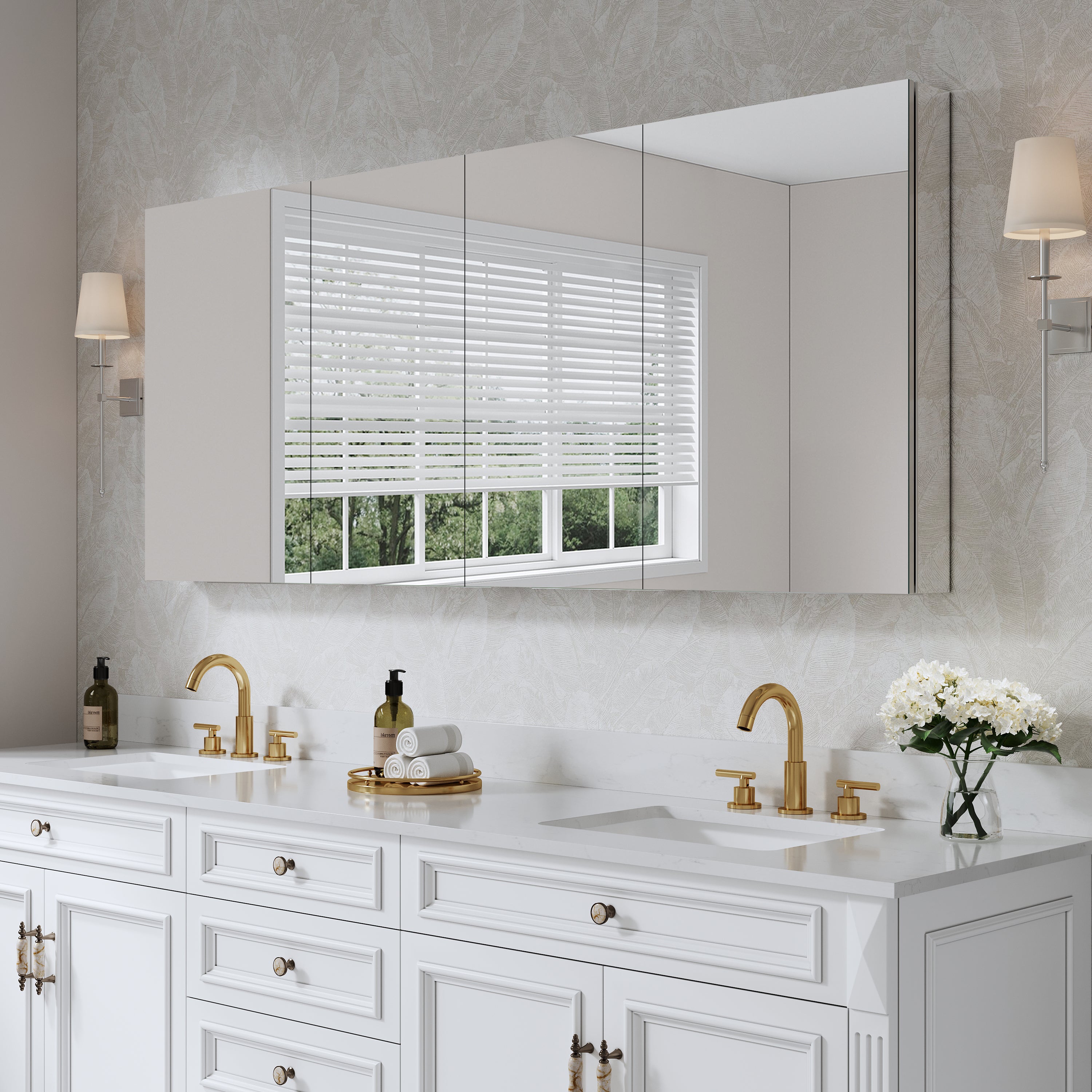
When you buy a medicine cabinet with light, you might wonder if it needs its own circuit. The good news is that in a U.S. bathroom, the cabinet itself usually does not need its own circuit.
A medicine cabinet with light needs to be on the right bathroom circuit, with sufficient capacity and the appropriate protection.
A slim LED cabinet is a small load.
The hair dryer, heater, fan, towel warmer, or old wiring already in the wall is often the bigger issue.
What the Code Actually Says
Most US electrical work starts with the National Electrical Code, also called the NEC or NFPA 70. Your local city or county can change parts of it, so the inspector's rule is the one that counts.
The NEC is the baseline for planning. For bathrooms, the NEC calls for at least one 20-amp branch circuit for bathroom receptacle outlets.
That circuit is allowed to feed receptacles in more than one bathroom, but if it does, it cannot also serve lights or fans.
If the circuit serves one bathroom, it may also supply other equipment in that same bathroom when the total load is suitable. A simple hardwired LED cabinet is often added to the bathroom lighting circuit.
GFCI Is Not a Nice Extra
Bathroom wiring gets stricter because people use water, metal fixtures, wet hands, and plug-in appliances in the same small space.
The NEC requires GFCI protection for bathroom receptacles in dwelling units.
It also requires at least one receptacle within 3 ft of the outside edge of each sink basin.
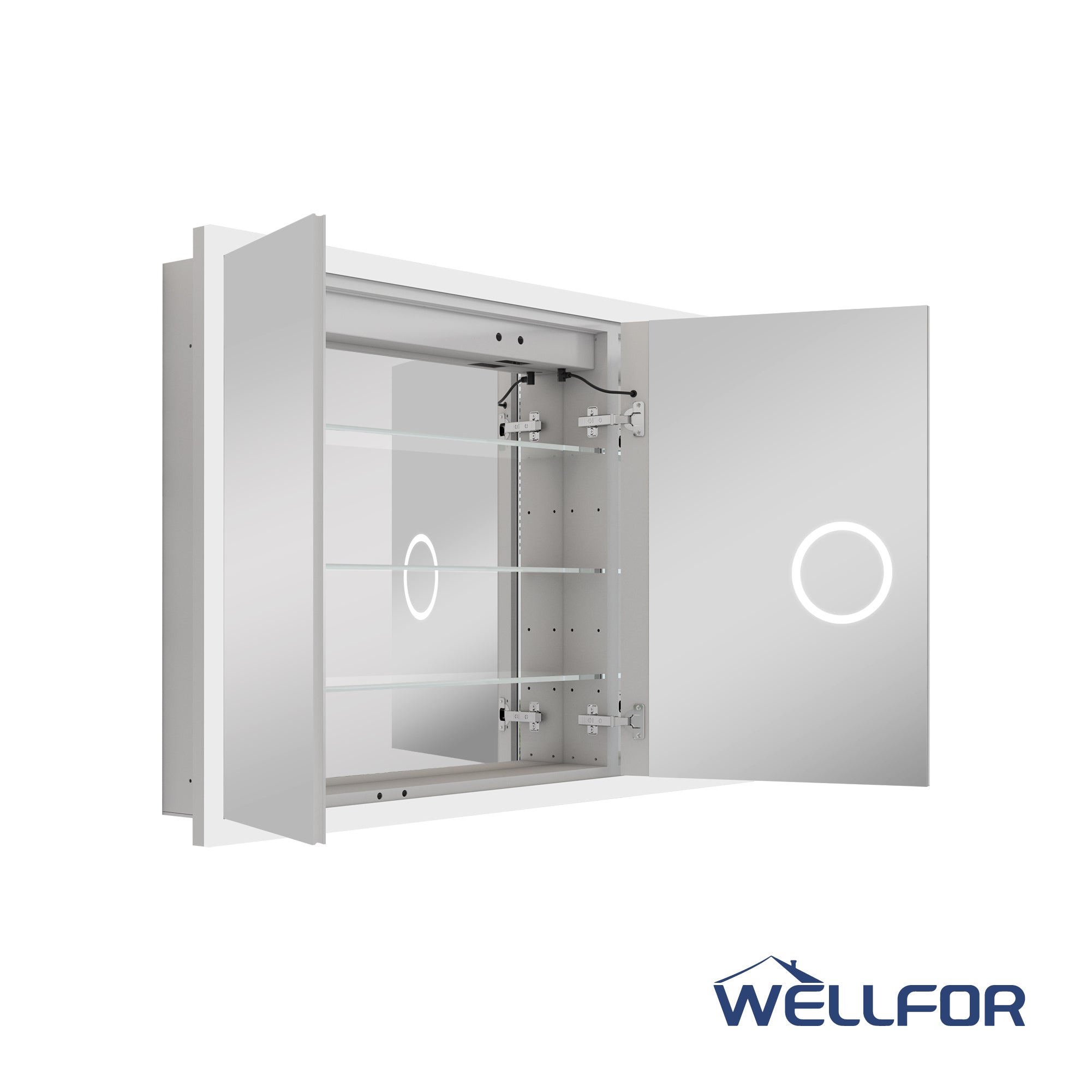
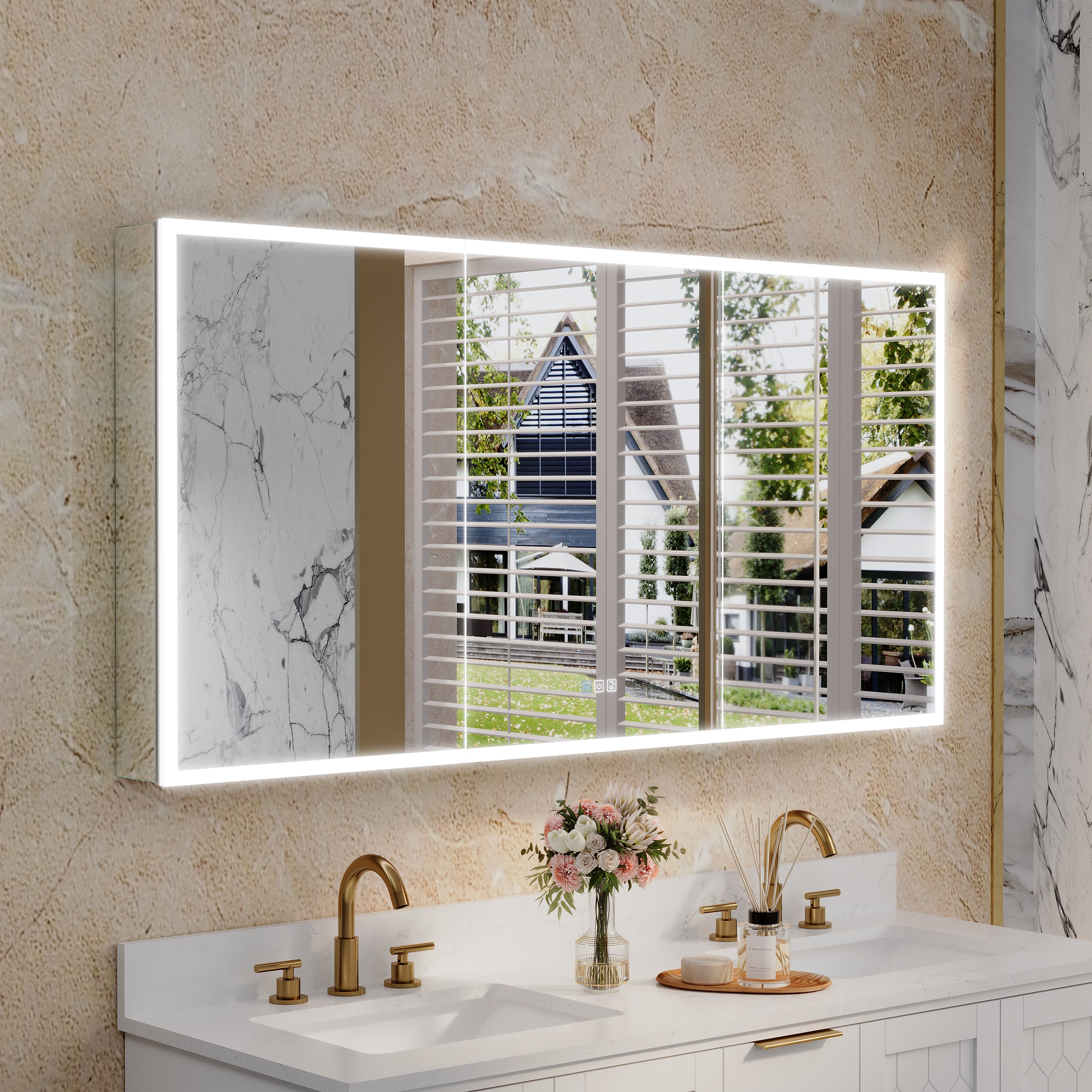
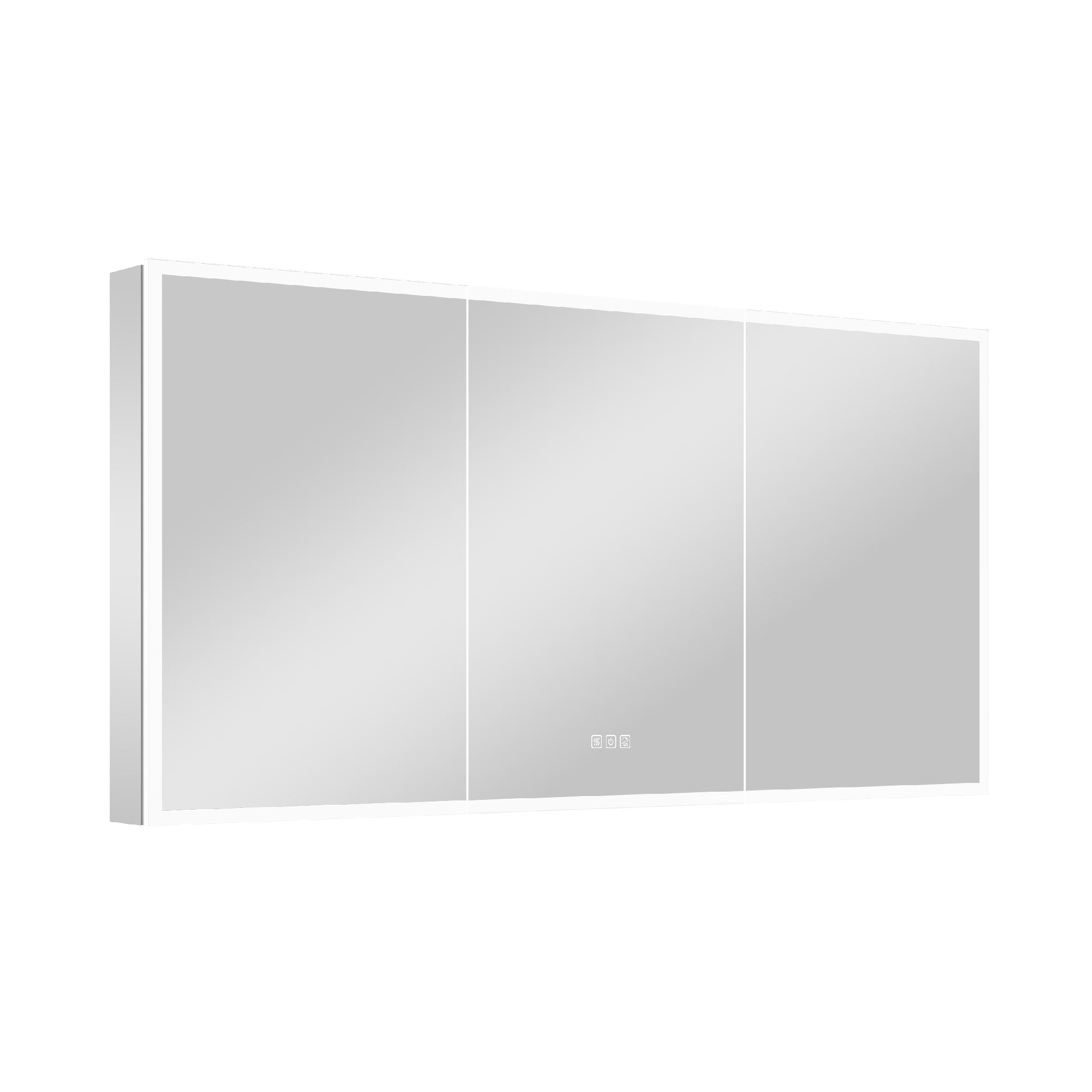
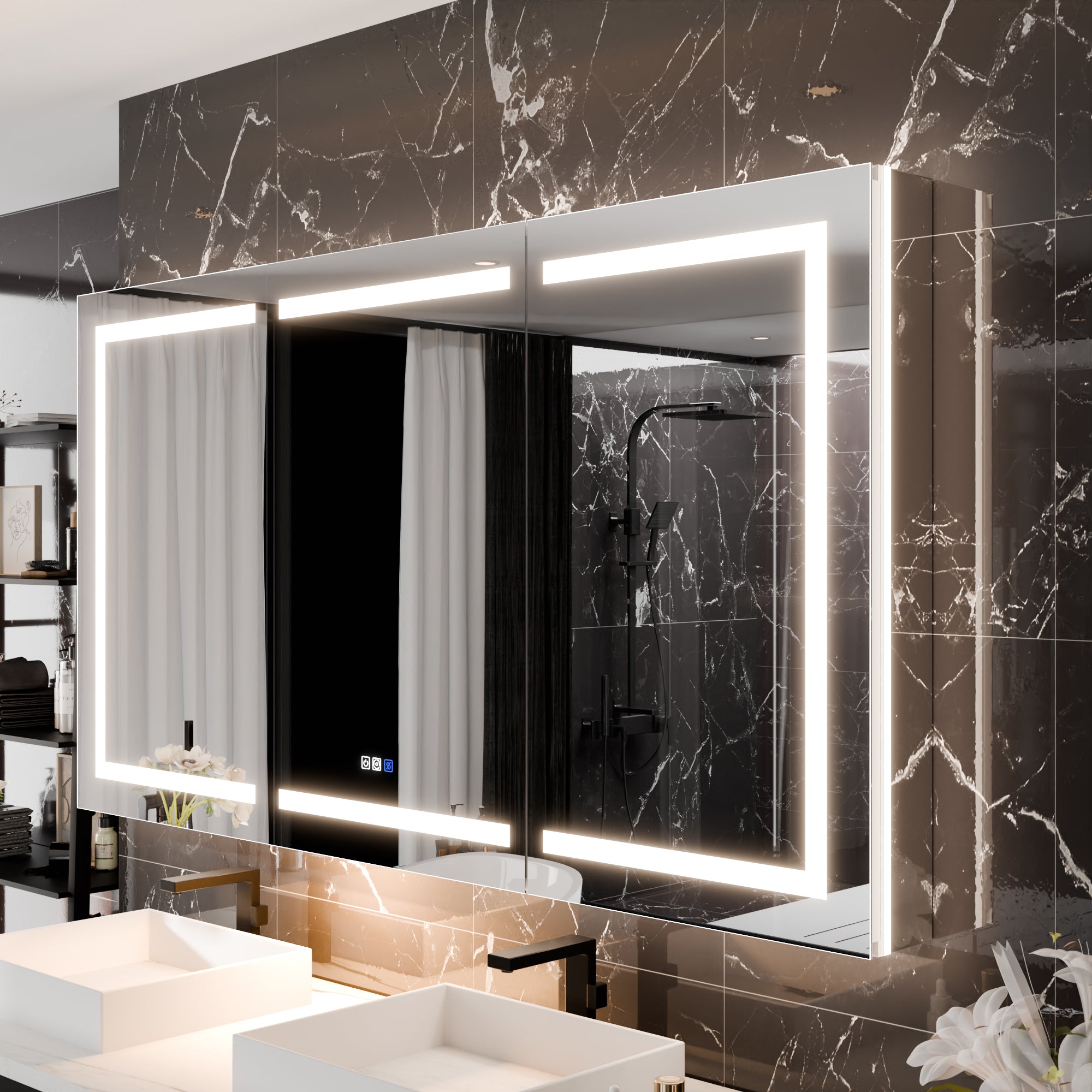
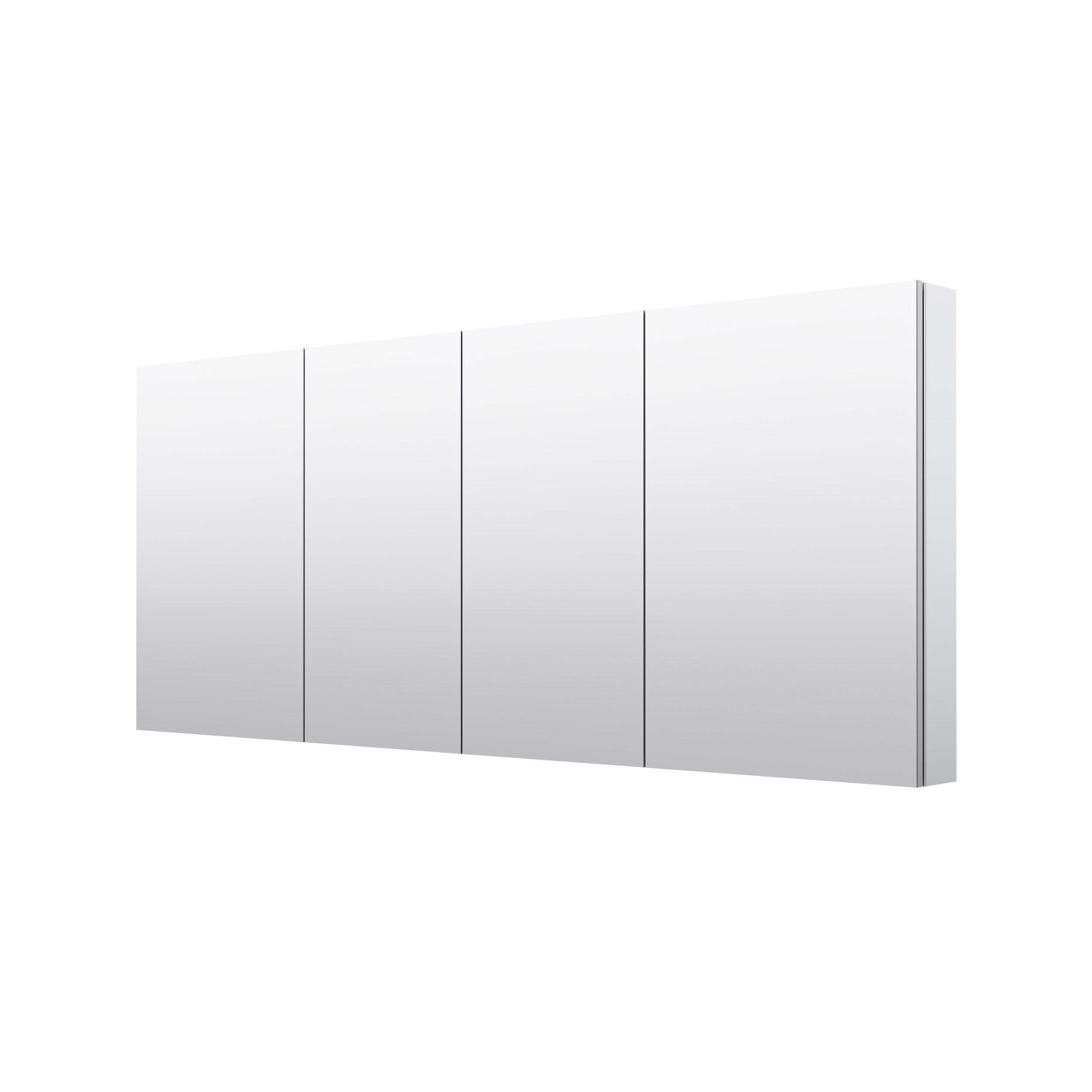
So look closely at the medicine cabinet with light you plan to buy.
Is it a light and mirror?
Does it include an internal outlet, USB port, shaver socket, defogger, or touch control?
Why the Cabinet Usually Isn't the Big Load
Most modern lighted cabinets use LEDs.
According to data from the U.S. Department of Energy, compared to incandescent bulbs, household LED lights consume at least 75% less energy and last up to 25 times longer.
That is why the electrical draw is often modest.
Here is the math in English.
A 36 in. LED cabinet rated at 40 watts uses 0.33 amps on a 120-volt circuit.
Add a 30-watt defogger. You are still around 0.58 amps.
A 1,500-watt hair dryer pulls 12.5 amps.
That comparison does not mean you can ignore the medicine cabinet with light.
It means the cabinet is usually not the appliance that pushes a bathroom circuit over the edge.

When a Separate Circuit Is Worth It
A dedicated circuit is the move when the manufacturer requires it.
It is also worth considering when the cabinet is loaded with extras: defogger, internal outlet, USB charging, night-light, Bluetooth audio, clock, motion sensor, and color-temperature controls.
Those features may still draw power, but they make the installation more complicated.
Hardwired vs. Plug-In
A cabinet usually gives the cleanest look.
It connects through an approved box and may be controlled by a wall switch, touch switch, or sensor.
The installer still has to handle grounding, cable clamps, box fill, and access to any required junction box.
A plug-in cabinet can be fine if a protected receptacle is already in the right place.
Do not hide an extension cord behind the cabinet, run a cord through the wall, or bury a plug where it cannot be reached unless the product is specifically listed for that setup.
Bottom Line
A standard LED medicine cabinet with light usually does not need its own circuit.
It does need a planned bathroom circuit.
Before buying, check the spec sheet for 120 V, 60 Hz, watts, amps, damp-location language, GFCI notes, and any dedicated-circuit requirement.
Then ask one question:
Is this medicine cabinet with light the meaningful new load, or is the bathroom circuit already doing too much?
If the answer is not obvious, bring in an electrician before the wall is closed.
A medicine cabinet with light is an addition to any bathroom, and with the right planning, it can be safely and easily installed.
The key is to make sure it is on the circuit with enough capacity and protection.
A medicine cabinet with light can be a way to add some extra light and style to your bathroom.
Quick Homeowner Check Before Installation
Before you order the cabinet, open the spec sheet and read it slowly. Look for 120 V, 60 Hz, watts, amps, damp-location language, GFCI notes, and any line that says dedicated circuit. If the product has a defogger, internal outlet or charger, do not treat it like a plain mirror light.
Also look at the breaker panel. If the same breaker already shuts off more than one bathroom, or if it trips when a hair dryer runs, that is a warning sign. The cabinet may be small, but the circuit may already be busy. In that case, a separate circuit can be the cleaner choice.
Source: NEC/NFPA 70, 2023 edition, Sections 210.11(C)(3), 210.8(A)(1), 210.52(D), and 110.3(B). Source: OSHA, Nationally Recognized Testing Laboratory Program. Source: U.S. Department of Energy, "LED Lighting."
One more practical point: do not hide an extension cord behind the cabinet or run a cord through the wall. If it is a plug-in model, the plug should go into a properly protected receptacle that is meant to be accessible. If it is hardwired, the splice belongs in an approved electrical box, not loose behind the mirror.



















Leave a comment
This site is protected by hCaptcha and the hCaptcha Privacy Policy and Terms of Service apply.