






















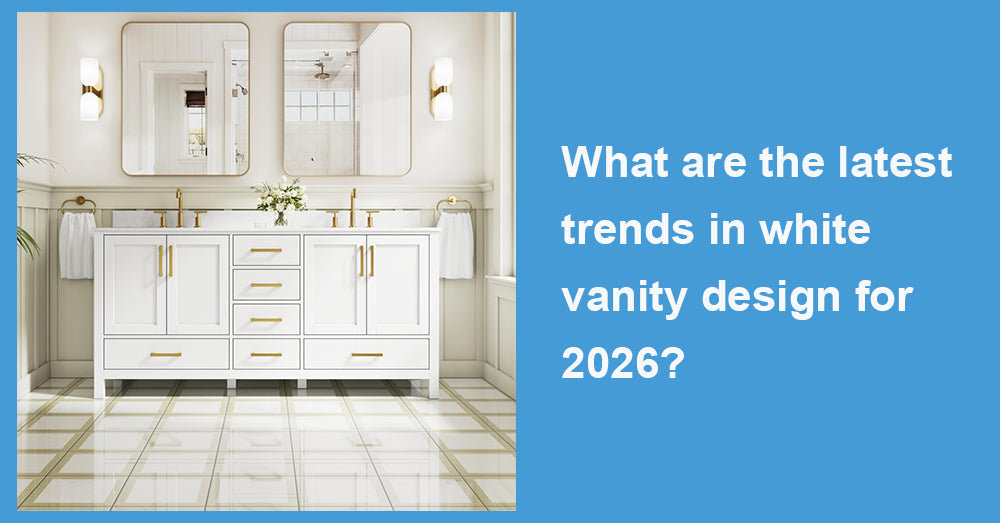
The white vanity is not disappearing in 2026, but it is becoming less predictable. The plain white cabinet with a basic sink top is giving way to warmer paint colors, furniture-style construction, textured doors, stone surfaces, and storage planned around daily routines. White remains the second-most selected vanity color at 20%, while off-white accounts for another 10%. At the same time, white and off-white together represent 68% of upgraded vanity countertop colors, showing that light finishes still have a firm place in bathroom design.
1. Warm White Is Replacing Bright Builder White
Cool, blue-toned white finishes are becoming harder to coordinate with the earthy materials appearing in new bathroom collections. For 2026, designers are leaning toward ivory, linen, almond white, soft cream, and other whites with beige or gray undertones.
These colors still brighten the room, but they feel less clinical beside wood flooring, limestone-look tile, brushed metal, or warm LED lighting. The shift fits a broader preference for light neutrals. In the NKBA 2026 Bath Trends Report, 96% of respondents identified neutrals as the leading bathroom color direction. Off-white was selected by 58%, light brown or tan by 54%, and white by 40%.
A warm white vanity also ages more gracefully than a sharply colored cabinet. It can move between transitional, coastal, organic modern, and traditional settings as surrounding finishes change.
2. White Cabinets Are Being Paired With Natural Wood
One of the more noticeable changes is the move away from fully white bathrooms. A white vanity may now include an oak drawer front, a walnut shelf, wood legs, or an open storage section beneath the cabinet.
The contrast keeps the vanity light while preventing it from looking flat.White-painted doors can frame a natural wood center section, or a wood toe kick can make a freestanding cabinet look more like furniture. On larger 60-inch or 72-inch double vanities, breaking up the white finish also reduces visual bulk.
Natural materials are playing a larger role across the bathroom. NKBA reports that wood-faced vanities, identified by 62% of respondents, have overtaken painted vanities at 53%. Rather than competing with that movement, white vanity design is beginning to borrow from it.
3. Flat Panels and Slim Shaker Doors Are Moving Forward
Traditional Shaker doors are still widely used, but the profiles are becoming narrower and cleaner. Wide frames and heavy molding can make a white cabinet feel dated, particularly in a compact bathroom. Slim Shaker doors preserve some architectural detail without adding much visual weight.
Flat-panel fronts offer an even quieter appearance. Houzz data shows that Shaker-style doors remain the leading choice at 49%, while flat-panel doors account for 26%. Raised-panel fronts now represent 15%, and fluted or reeded styles remain a smaller but more design-focused category at 3%.
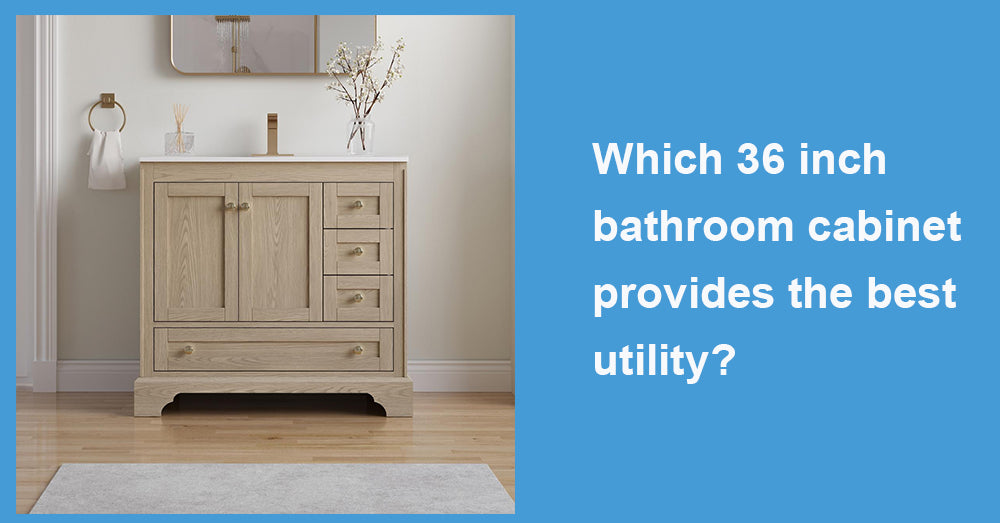
Fluting is often used as an accent rather than across the entire cabinet. A 36-inch vanity may have a reeded center drawer with plain doors below, while a 72-inch model might use textured fronts only on the central storage section.
4. Countertops Are Softer and Less Glossy
A white vanity no longer has to be paired with a perfectly plain white top. Quartz with light taupe veins, creamy quartzite, softly patterned marble, and limestone-look porcelain are bringing more depth to pale cabinets.
Engineered quartz remains the leading vanity countertop material at 45%. Quartzite follows at 20%, granite at 14%, and marble at 13%. The stronger interest in quartzite and marble reflects a preference for surfaces that show some natural movement rather than uniform color.
Matte, honed, and satin finishes are also appearing more often. They soften glare from vanity lighting and work well with warm white paint. Edge profiles tend to be simple, although thicker 1 1/2 inch to 2-inch mitered edges are being used on larger cabinets to give the top more architectural presence.

5. Storage Is Becoming More Personal
The outside of a 2026 vanity may look quiet, but the inside is becoming more specific. Deep drawers are being divided for cosmetics, grooming tools, medications, and smaller electrical devices. Hidden outlets allow hair dryers or toothbrushes to remain plugged in without leaving cords across the countertop.
NKBA notes growing interest in item-specific storage, including charging stations, electrical integration, custom dividers, and compartments for makeup and hair tools. The goal is not simply to fit more products inside the cabinet. It is to prevent the white countertop from becoming a collection of bottles and cables.
Customization is already influencing purchasing decisions. Houzz found that 55% of upgraded vanities are fully custom or semi-custom, compared with 8% that are ready to assemble. Even stock vanities are beginning to imitate custom work through adjustable shelves, U-shaped drawers, removable organizers, and multiple hardware choices.
6. Floating White Vanities Are Becoming More Practical
Floating cabinets remain a smaller segment than built-in and freestanding models, but their role is changing. They are no longer limited to stark minimalist bathrooms. A warm white floating vanity with rounded corners, a textured front, or a stone backsplash can feel soft rather than severe.
Wall-mounted designs account for 11% of upgraded vanity installations, compared with 58% for built-in models and 30% for freestanding cabinets. Their appeal is strongest in smaller bathrooms, where visible flooring beneath the cabinet can make the room feel wider.
Installation height also provides some flexibility. A floating vanity can be positioned around a user’s preferred counter height, though plumbing, wall reinforcement, and accessibility requirements need to be considered before installation.
7. Hardware Is Quieter and More Integrated
Polished chrome is no longer the automatic partner for a white cabinet. Brushed nickel, muted brass, champagne bronze, and matte black are being used to adjust the mood of the same basic finish.
Brushed and satin surfaces suit the softer direction of 2026 bathrooms. NKBA found that matte faucet finishes were identified as popular by 54% of respondents, brushed finishes by 51%, and satin by 46%, all ahead of polished finishes at 39%.
Some cabinets are removing visible pulls altogether. Finger grooves, integrated metal channels, and push-to-open fronts create uninterrupted white surfaces. Where handles remain, longer pulls with slim profiles are replacing small decorative knobs on contemporary models.
9. White Is Staying, but the Standard Formula Is Changing
Current renovation spending gives manufacturers and retailers reason to keep refining established categories rather than abandoning them. Harvard’s Joint Center for Housing Studies expects annual homeowner improvement and maintenance spending to reach approximately $518 billion by the end of 2026.
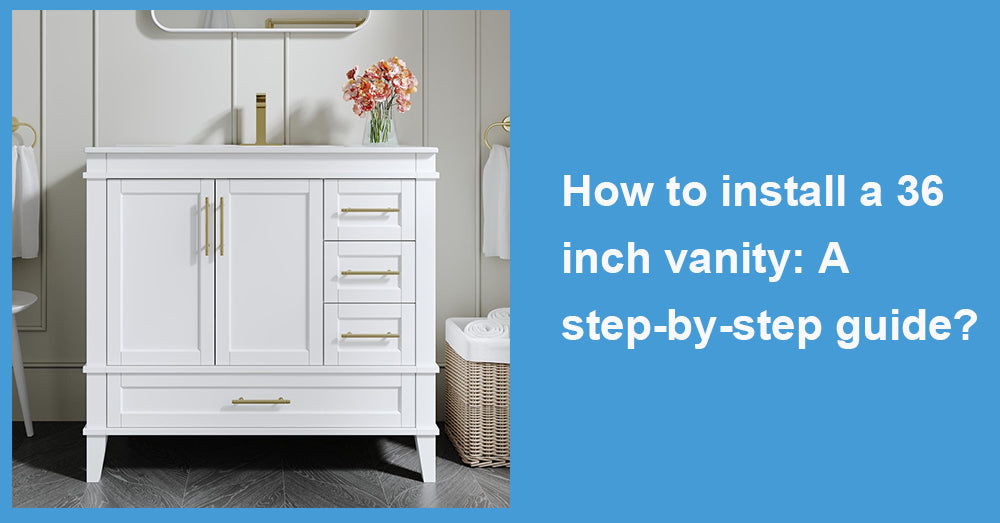
Within that environment, white continues to offer flexibility, especially across common vanity widths such as 30 inches, 36 inches, 48 inches, 60 inches, and 72 inches. What has changed is the detail around it. Warmer shades, mixed materials, tailored storage, quieter hardware, and more expressive stone are turning the white vanity into something less generic and more closely tied to the room around it.









































Leave a comment
This site is protected by hCaptcha and the hCaptcha Privacy Policy and Terms of Service apply.