






















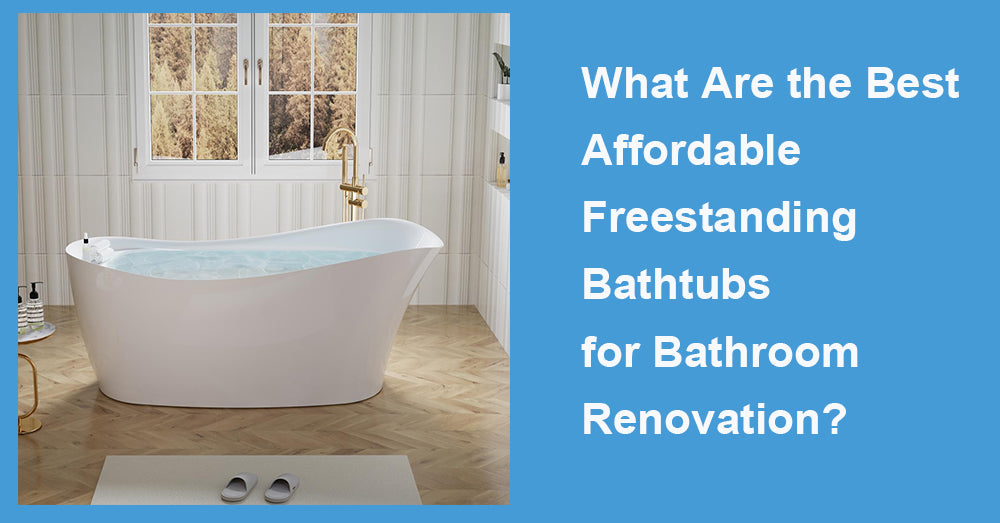
Bathtubs used to be reserved solely for luxury, exclusive to magazines or hotels. Today, as supply chains improve, more options become available in design, and prices become more friendly, they are becoming a reality in many renovations. If you are looking for something affordable freestanding bathtubs, this guide outlines the important aspects of materials, shapes, buying, channels, and installation in plain and simple language so you can buy with confidence without overspending.
1) What counts as a "good affordable" tub?
"Affordable" shouldn't mean "the cheapest you can find." A true value pick balances four things:
· Looks: clean lines, balanced proportions, a smooth, glossy surface.
· Structure: solid wall thickness, reinforced base, stable support legs or frame.
· Ease of install: manageable weight, standard drain/overflow parts, accessible after-sales service.
· Comfort: supportive back angle, enough soaking depth, decent heat retention, smooth drainage.
If a tub meets these in its price class, it's a strong, affordable choice.
2) Materials: pros, cons, and value
Acrylic (the budget hero)
· Pros: lightweight, various shapes, easy to clean, decent heat retention, and a friendly price. Minor scratches can often be polished out.
· What to look for: high-gloss acrylic surface with fiberglass/resin reinforcement, consistent wall thickness, and a sturdy base frame.
· Best for: most home renovations, upstairs baths, and retrofits.
Stone resin / solid surface
· Pros: dense, upscale look and feel, excellent heat retention.
· Cons: heavier and pricier than acrylic; moving it upstairs can be tough.
· Best for: when you want extra "heft" and a luxury vibe, and you can handle the weight and cost.
Cast iron / enameled steel (classic but heavy)
· Pros: very durable, scratch-resistant, timeless look.
· Cons: cumbersome; may require floor load checks and more labor. Usually not "affordable" once installation is counted.
· Best for: ground-floor installations or projects with a strong structure and a classic design brief.
Bottom line: If you want affordable + flexible installation, acrylic is usually the top pick. Consider stone resin if you have a bit more budget and can manage the weight.
3) Popular shapes and size tips
· Oval/egg: universally flattering; works with modern, Scandinavian, or minimalist styles.
· Symmetrical "boat" shape: higher ends on both sides; comfortable for reclining from either end.
· Single-slipper (one high back): Ergonomic for reading or longer soaks, providing great head/neck support.
· With or without skirt/trim: Trimless options look cleaner, but they require better finishing and leveling.
Size guidance for typical homes:
· Small bathrooms: 1500–1600 mm (≈ 59–63″). Look for narrow-body designs and leave clear walking space.
· Standard bathrooms: 1650–1700 mm (≈ 65–67 inches) strike a balance between comfort and footprint.
· Larger spaces: 1700–1800+ mm (≈ 67–71″) allow deeper soaking or two-person models.
Tip: The height of the tub affects comfort and safety when stepping in/out. For households with kids or seniors, pick a moderate height and add slip-resistant flooring.
4) Details that make a big difference
· Wall thickness & reinforcement: even walls prevent hot spots or flex. A reinforced base (steel frame or thicker composite) keeps the tub stable.
· Heat retention: Thicker walls, combined with an insulated backing, help retain heat for more extended periods.
· Drain & overflow quality: look for standardized fittings, a smooth and easy-to-close feel, and rapid drainage.
· Surface finish: consistent high-gloss with no ripples or pinholes; rounded edges that don’t feel sharp.
· Ergonomics: check the backrest angle, shoulder width, footwell room, and whether you can change positions comfortably.
· Weight & floor loading: remember the combined weight of the tub, water, and person. Old upper floors need extra attention.

5) Where to buy on a budget
E-commerce marketplaces
· Pros: huge selection, lots of reviews, frequent promotions, and delivery to your door.
· Watch for: “delivery to room” vs “curbside,” fees for stairs/elevator, and clear damage-claim terms. Confirm what’s in the box (drain/overflow, feet, templates) and how after-sales service works.
Home-improvement stores/brand showrooms
· Pros: You can see the finish, test the comfort, and inspect the build quality in person; service policies are typically clear.
· Cons: price tags can be higher than online, though sales events help.
· Best use: shortlist models with in-store testing, then compare pricing across channels.
Factory direct / outlet stores
· Pros: substantial value for the money, with occasional simple customization options (hole positions, finish details).
· Cons: logistics and installation may be DIY-coordinated; insist on a written warranty and shipping damage responsibility.
· Best use: if you're comfortable managing delivery/installation and want maximum spec for the price.
Smart strategy: try offline, buy online (if the same model), or negotiate in-store during promotions. Always compare the total cost, which includes price, shipping, delivery to the room, installation, and after-sales support.
6) Installation checklist
· Drain location: match the tub's waste outlet (center/end drain) to your plumbing or plan for adjustments.
· Faucet plan: Decide on a floor-mount filler or wall spout early; floor fillers require a solid base and a correct rough-in.
· Waterproofing & slip resistance: do full waterproofing on walls/floor; seal edges; use slip-resistant tile or a bath mat where you step out.
· Moving path: measure elevators, corridors, and door frames; consider two-piece packaging or lightweight acrylic if access is tight.
· Supplies on hand: silicone (mildew-resistant), adjustable feet, overflow/waste kit, braided hoses, shutoff valves.
7) Spend where it matters
· Structure first: pay for better acrylic layers, a reinforced base, and a quality drain set. These determine lifespan and day-to-day experience.
· Finish second: a high-grade gloss is easier to clean and has a premium look.
· Fittings matter: a reliable floor-mount filler and quality valves prevent leaks and frustration.
· Delivery & setup: Large items can sometimes get damaged—choose sellers with clear damage coverage and room-of-choice delivery when possible.
8) Common pitfalls to avoid
· Buying by photo only: insist on specs—overall size, weight, wall construction, drain type, and what's included.
· Ignoring service: Check warranty length and spare parts availability; record unboxing for any claims.
· Underestimating hot-water needs: deep tubs + high-flow fillers need a water heater that can keep up.
· Forgetting circulation space: maintain comfortable walkways between the tub, shower, vanity, and toilet.
Quick Starter List: Five Simple Buying Rules
1. Choose acrylic for the best price-to-installability ratio; consider stone resin only if you need the premium feel.
2. Sit-test the tub in person if possible; comfort and back angle matter more than you think.
3. Check reinforcement (base frame, uniform walls) and standardized drain/overflow.
4. Plan plumbing + filler early to avoid rework; confirm your water heater's capacity.
5. Compare the total cost, not just the list price—delivery, setup, and after-sales support should be included.
Bottom line
You do not need a five-star budget to obtain affordable freestanding bathtubs that looks and feels amazing. Start with acrylic for cost and convenience, then pay attention to reinforcement, finish, and drainage, and use a mixed channel strategy. Plot your plumbing, faucet, and path before you place your order, and work with a seller that has dependable after-sales support. Do these things, and you will achieve the "luxury bathroom" experience - without the five-star price.









































Leave a comment
This site is protected by hCaptcha and the hCaptcha Privacy Policy and Terms of Service apply.