














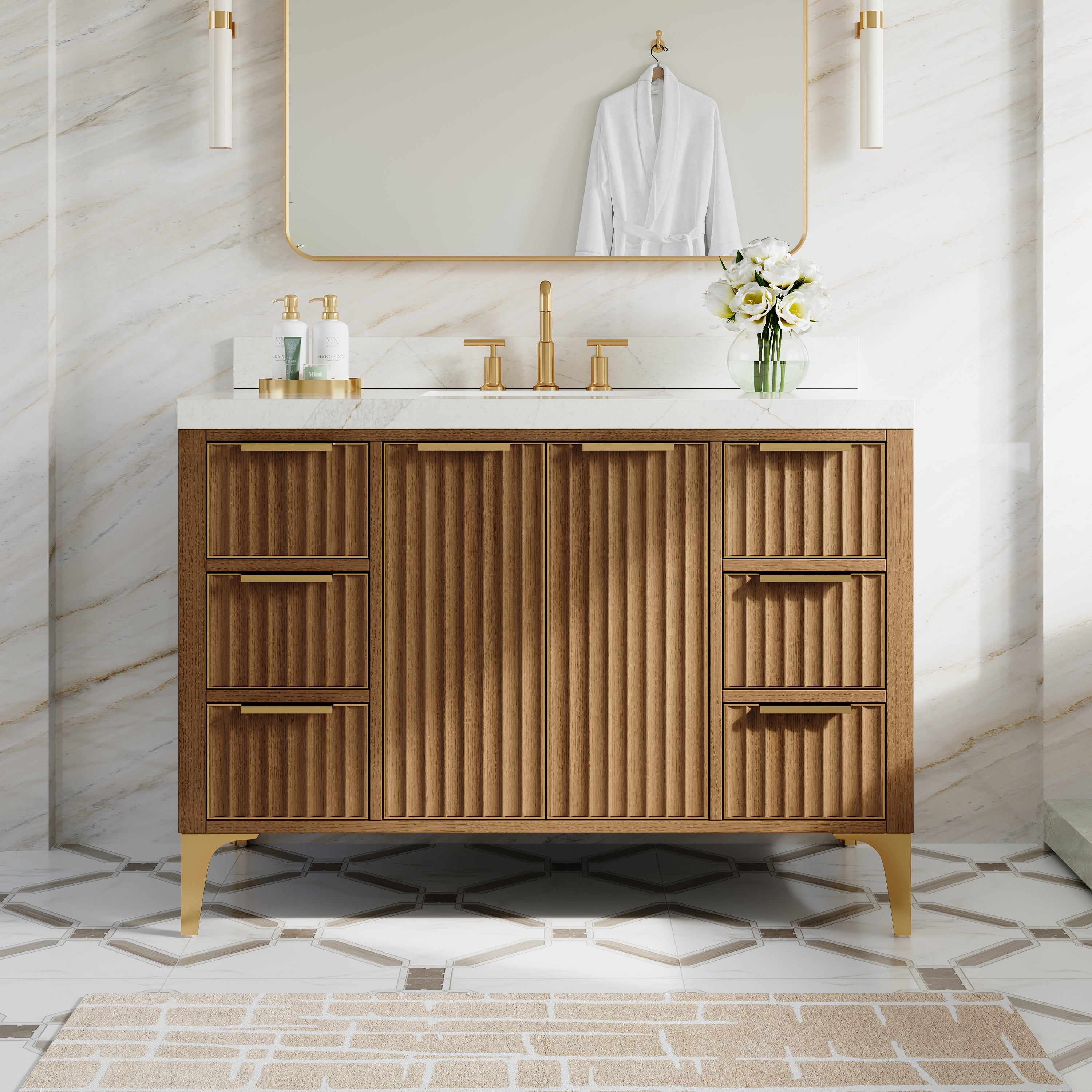
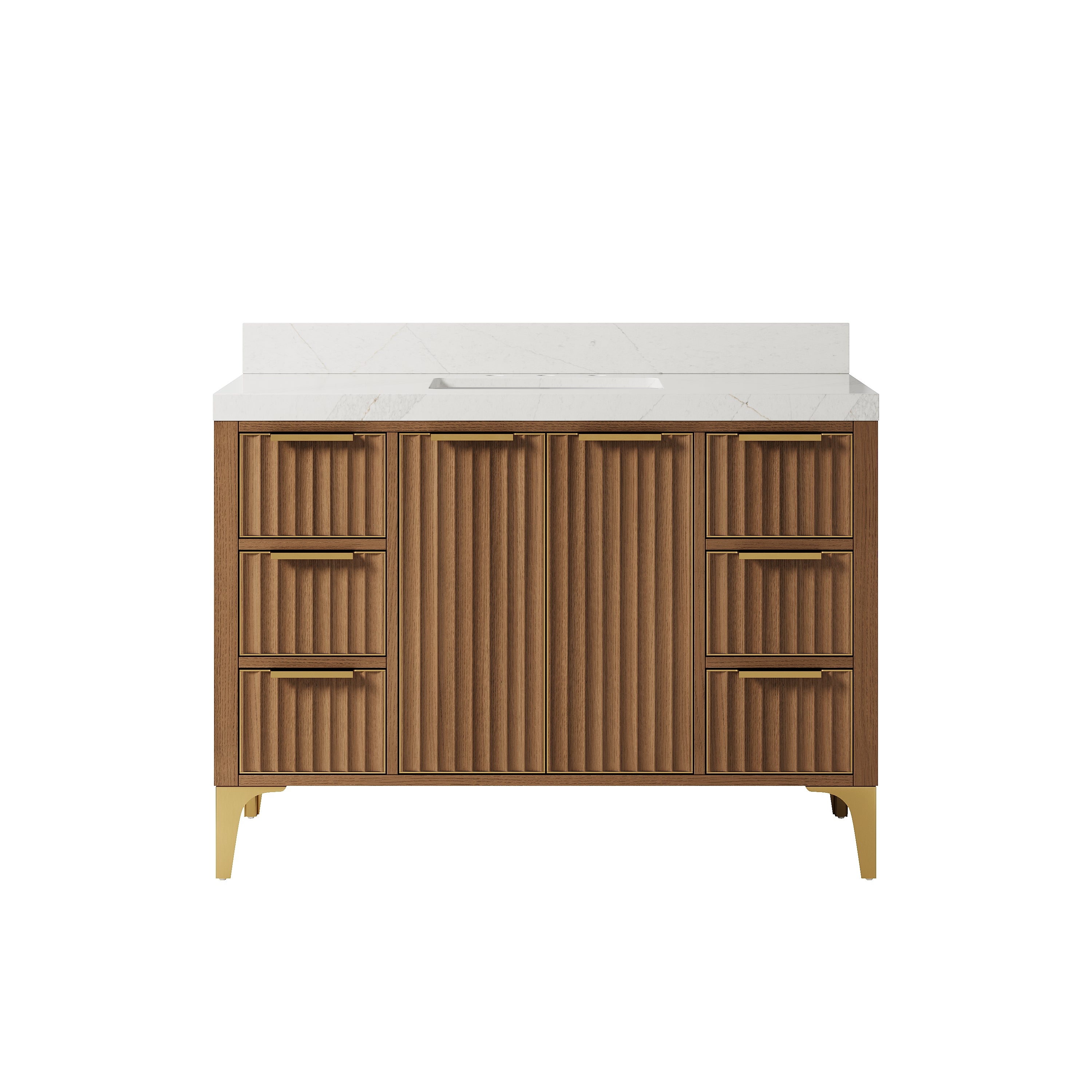


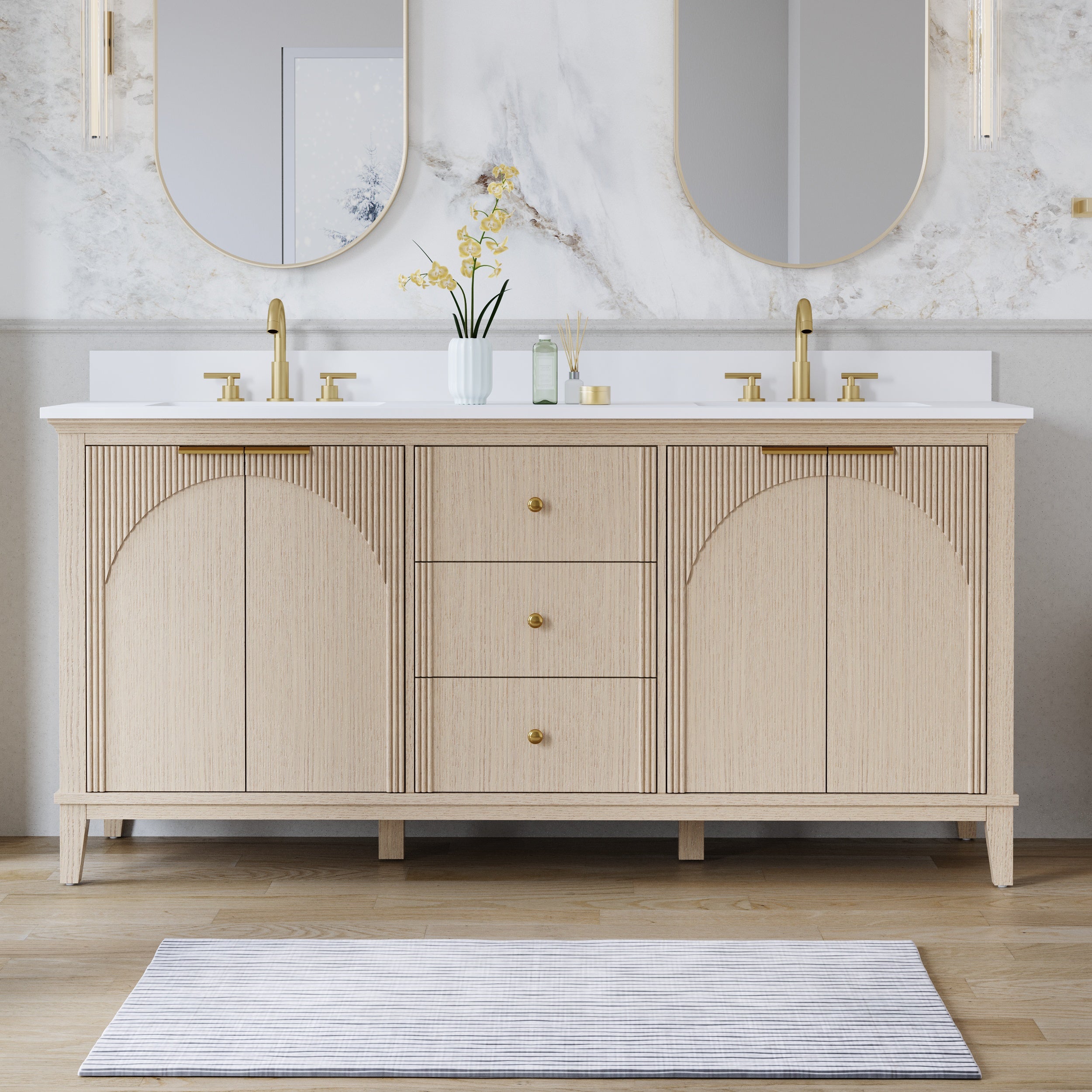
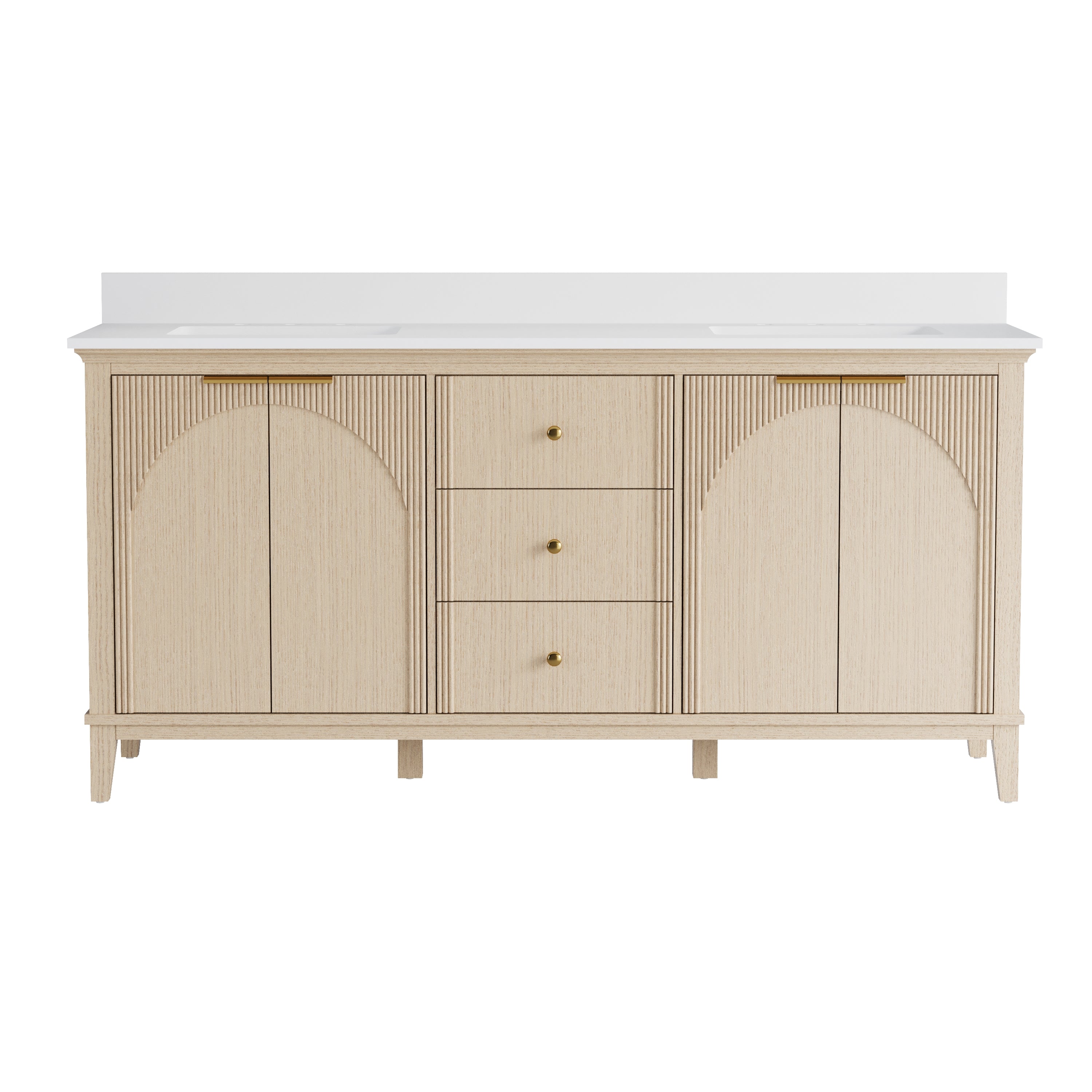
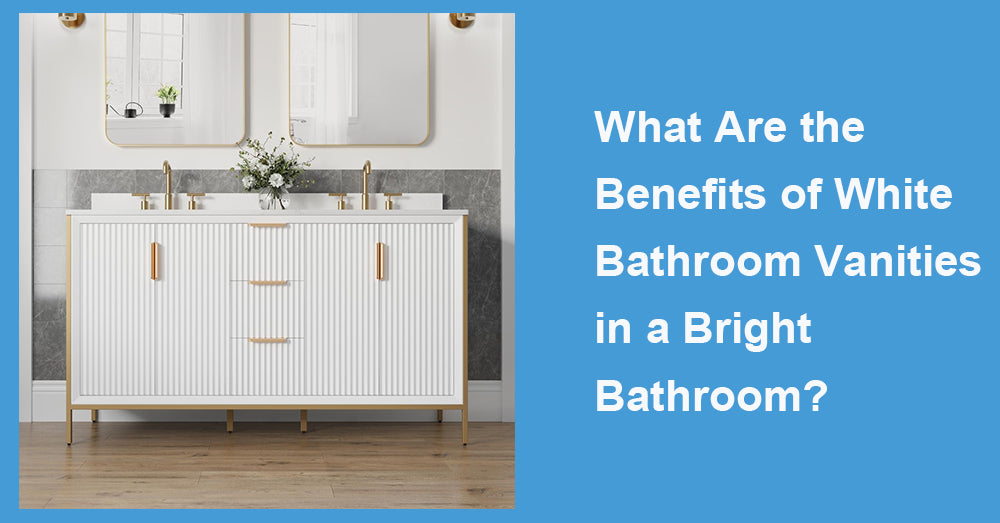
White bathroom vanities can do more than reinforce a light color scheme. In a bright bathroom, they improve visual continuity, reduce the sense of bulk around the sink, and make other materials feel more intentional. After more than 20 years of working with bathroom cabinetry, I have learned that white performs best as a foundation rather than the entire design. The cabinet still needs the right proportions, storage, finish quality, and contrast.
1. White Bathroom Vanities Help Light Travel Through the Room
A bright bathroom benefits from surfaces that distribute light instead of absorbing it. White cabinetry reflects daylight from windows and skylights, while also responding well to layered electric lighting in the evening.
A vanity positioned opposite a window can help carry brightness deeper into the room. In a long bathroom, a white cabinet often feels less heavy than dark wood.
Brightness Still Depends on Placement
One common misconception is that any white vanity will make a bathroom look larger. Color helps, but placement matters more.
A cabinet that blocks circulation, sits too close to the toilet, or extends into the shower-door path will still make the room feel cramped. Before ordering, mark the full footprint with painter’s tape, including the countertop overhang. Then open every nearby door and drawer.
2. White Creates a Calm Background for Stronger Materials
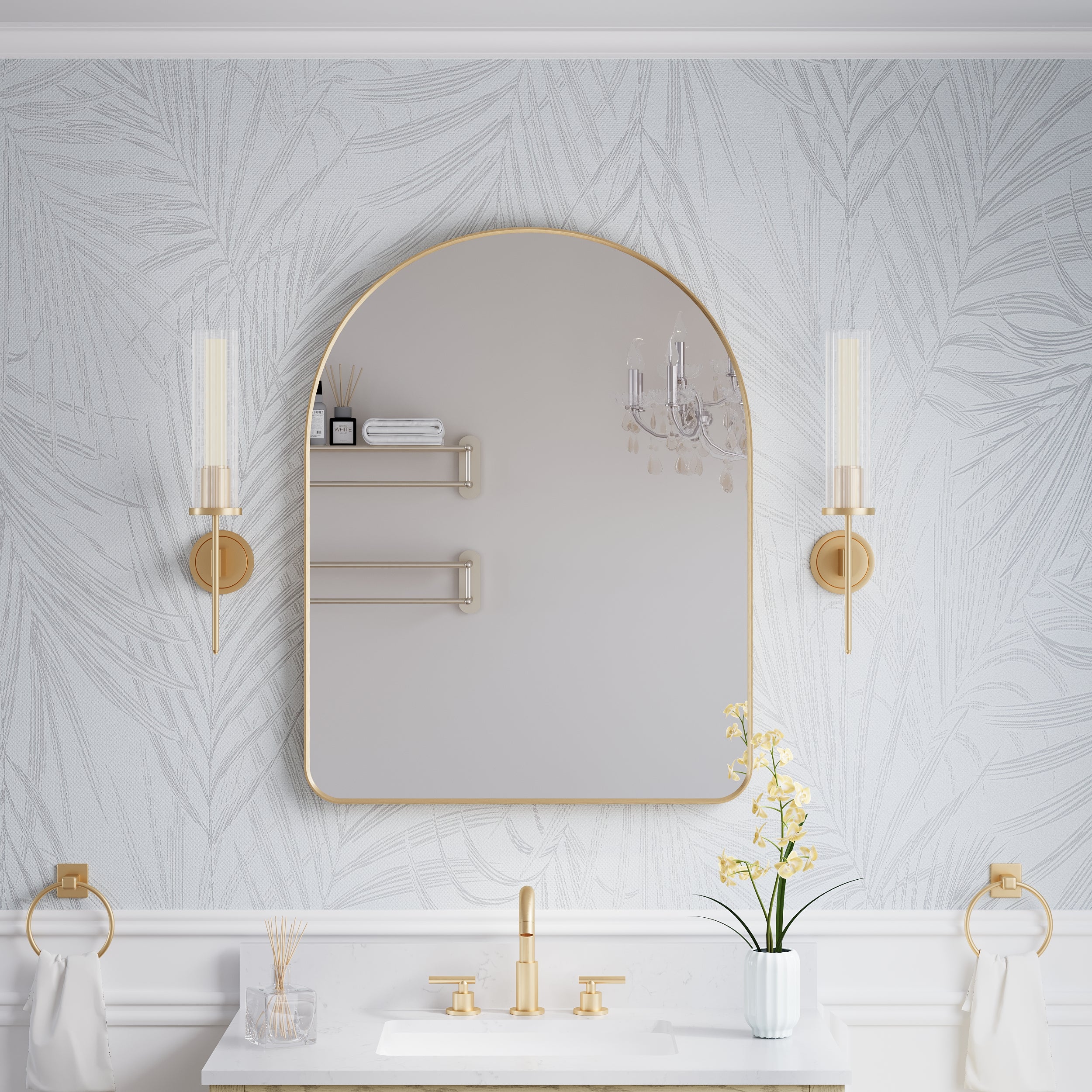
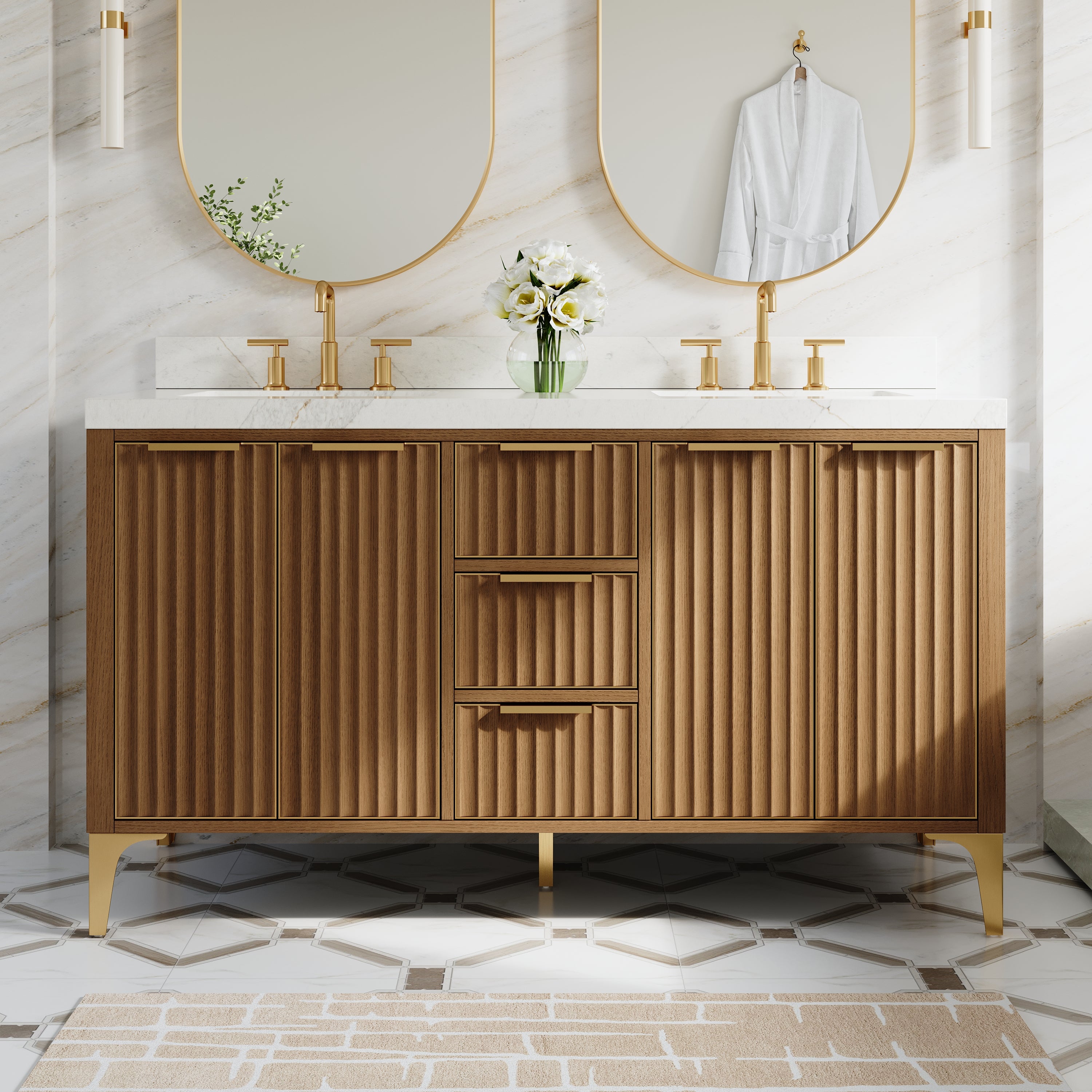
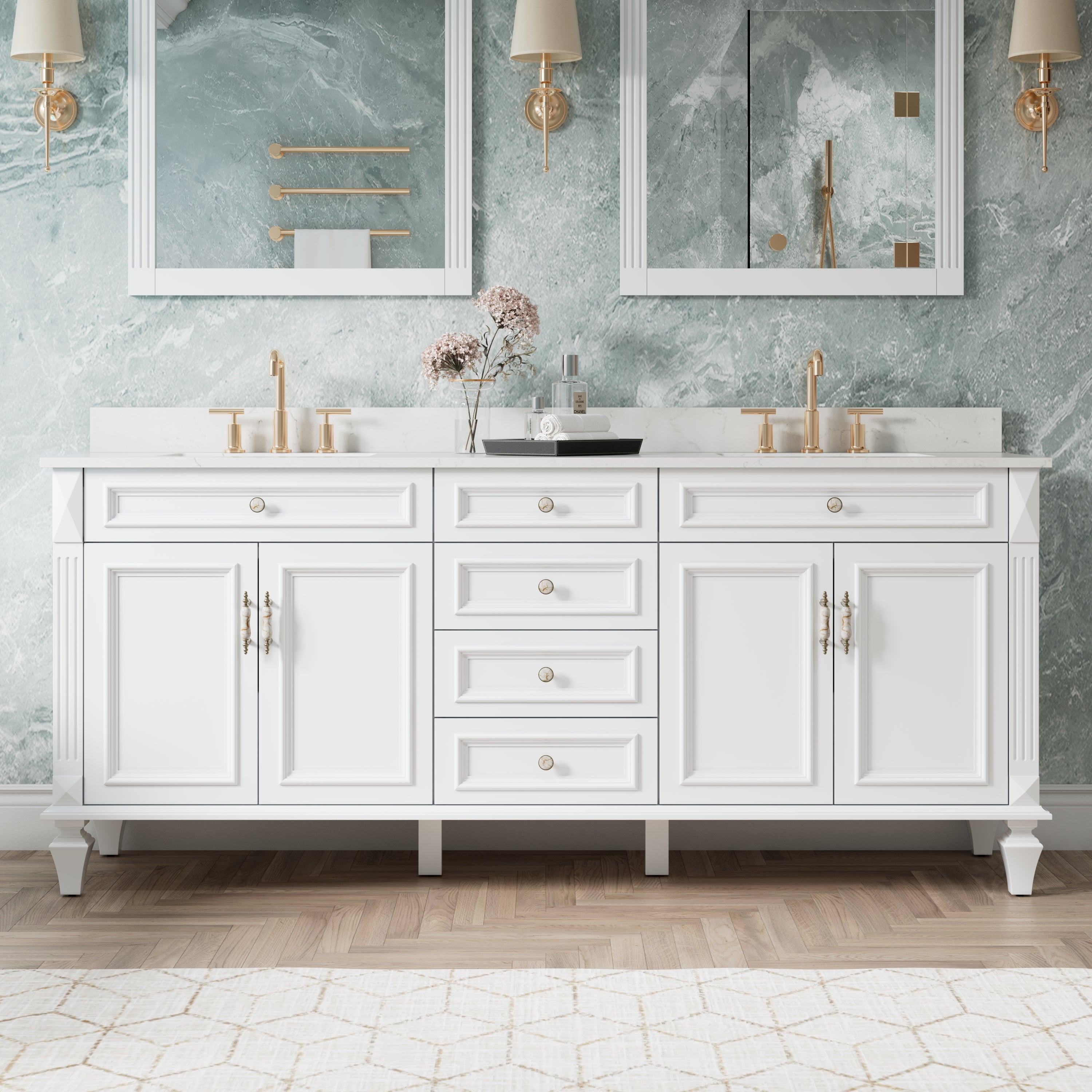
In a bright bathroom, the vanity does not always need to be the focal point. A white cabinet can support a dramatic stone countertop, patterned floor tile, fluted glass, or a sculptural mirror without competing with it.
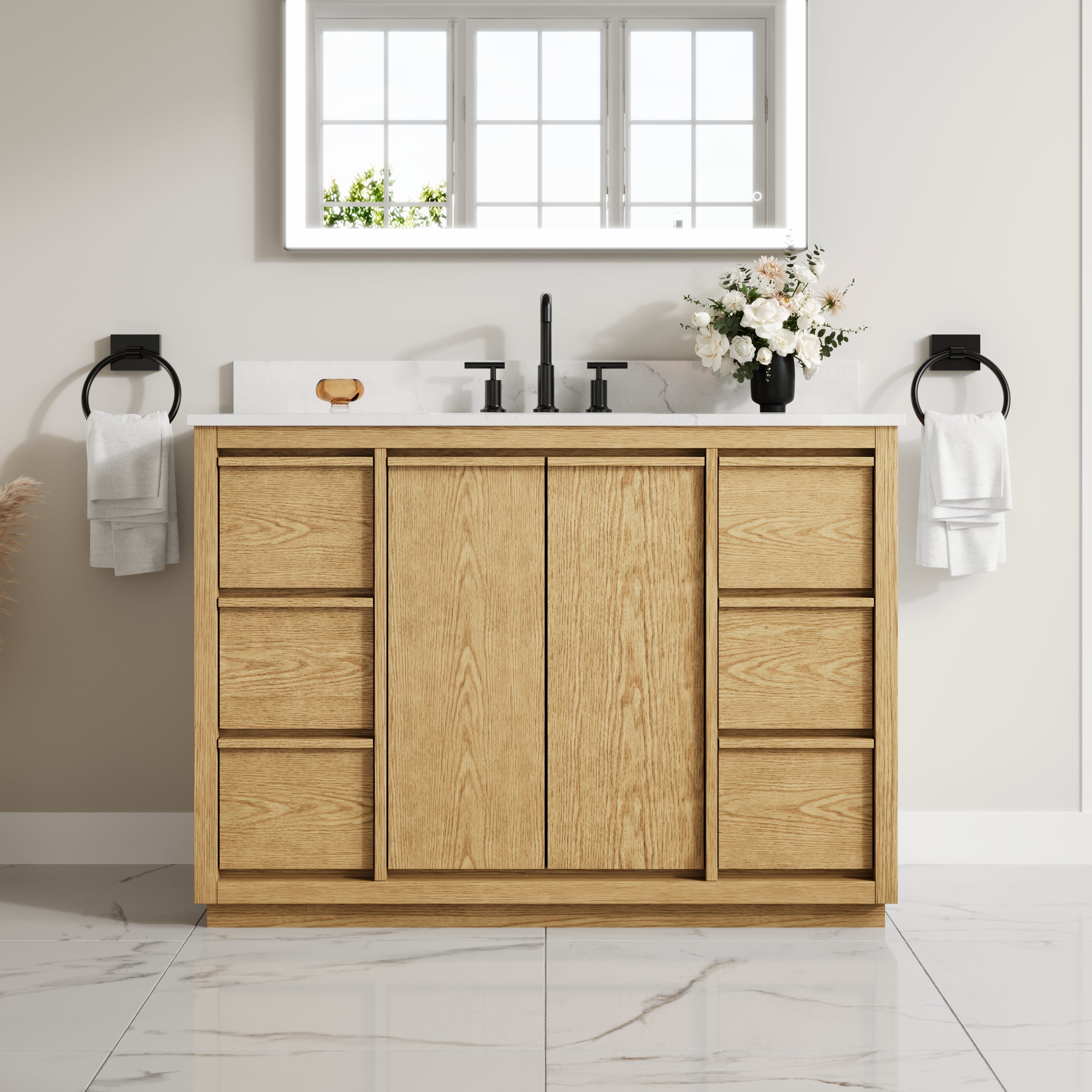
A warm-veined quartz top softens the cabinet. Matte black hardware adds definition, while brushed brass brings warmth. The same vanity can move in different directions depending on the surrounding materials.
Avoid the All-White Showroom Effect
A bright bathroom can become flat when the walls, floor, vanity, countertop, sink, and lighting all share nearly the same tone.
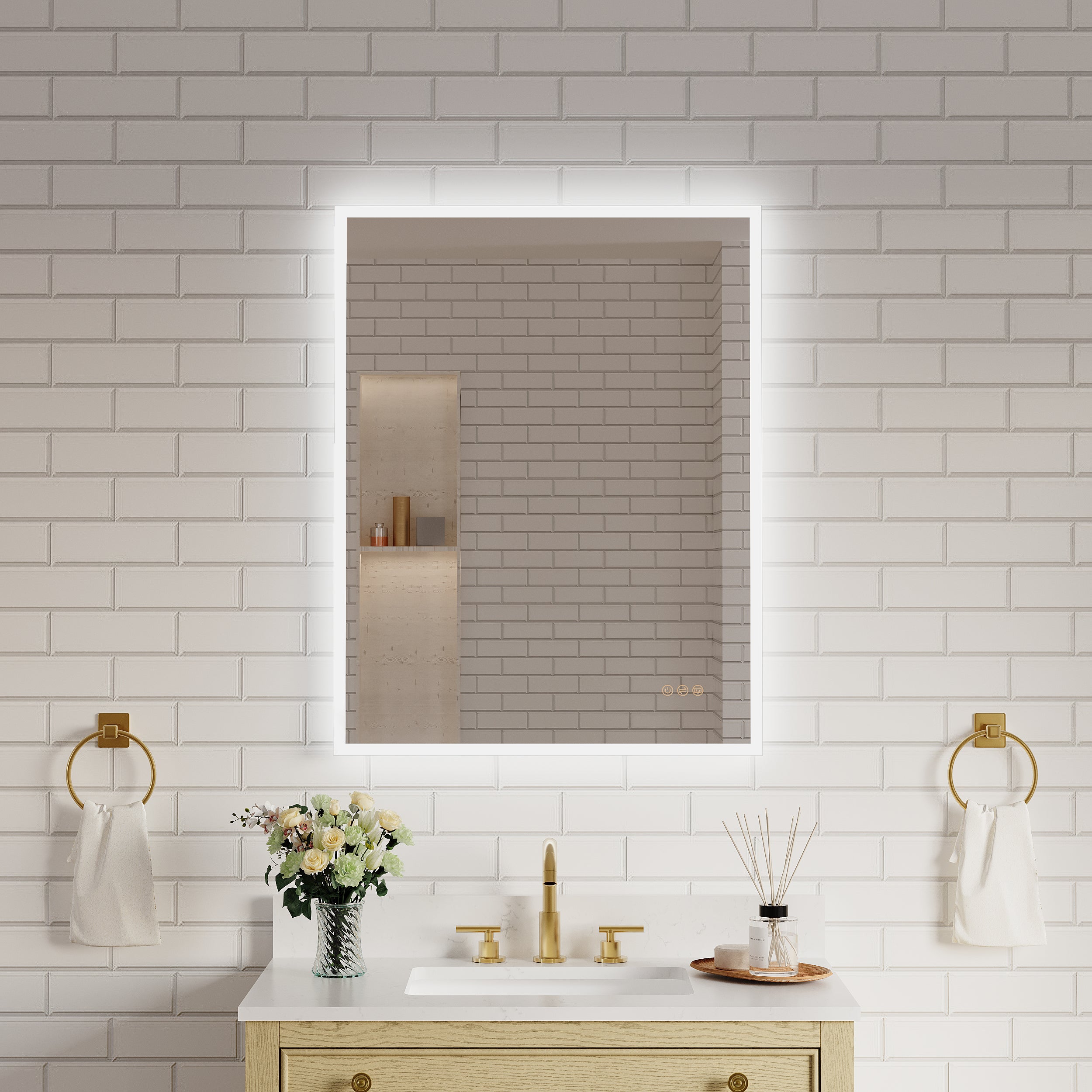
Texture is the better correction. Consider handmade-look tile, subtle stone veining, a wood-framed mirror, woven baskets, or towels with visible texture. These details create depth without making the room feel busy.
3. White Makes the Bathroom Easier to Update
Bathroom cabinetry is expensive and inconvenient to replace. Decorative accessories are not.
White works well as a long-term choice because it can remain while the mirror, lighting, wall color, hardware, and textiles change. A bathroom that begins with brushed nickel and cool gray walls can later shift toward brass, beige paint, and natural wood accents without requiring a new vanity.
The limitation is that not every white looks timeless. Very blue whites can feel harsh, while creamy finishes may appear yellow under cool LEDs. Compare samples in the actual room before ordering.
4. The Finish Can Support Better Cleaning Habits
White surfaces reveal toothpaste, makeup, dust, water marks, and product spills quickly. In a busy children’s bathroom, that can be inconvenient.
There is also a practical benefit: mess is easier to notice before it sits for days, helping prevent tinted products from becoming stubborn stains.
Finish quality matters. A durable satin coating is usually easier to maintain than a high-gloss surface that shows fine scratches. Detailed doors also collect more dust than simple slab or shaker fronts.
5. Storage Determines Whether the Vanity Stays Calm
Bright rooms expose clutter. Bottles and grooming tools stand out against pale surfaces, so interior organization becomes essential.
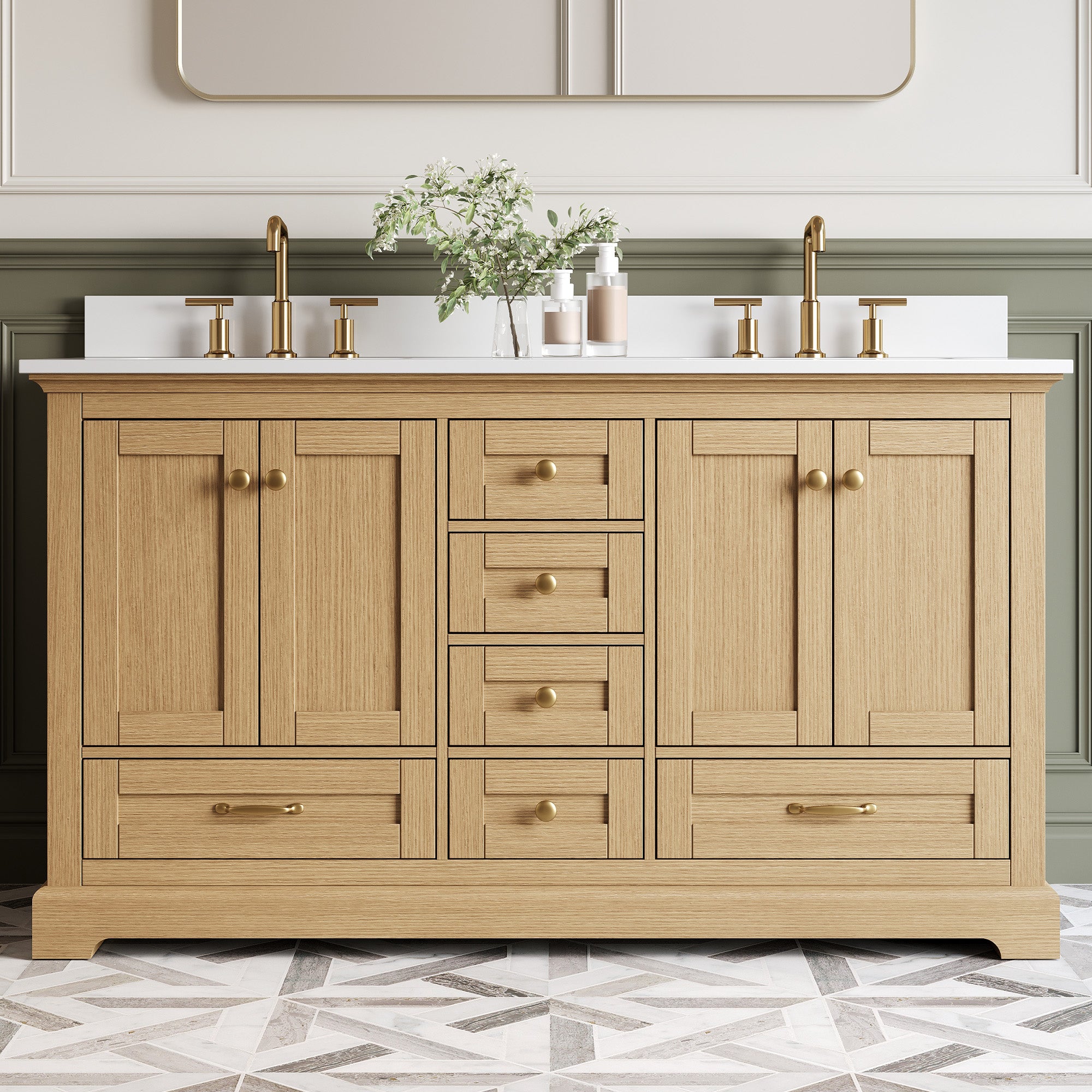
Deep drawers are useful for skincare, cosmetics, brushes, and small grooming tools. Cabinet space beneath the sink works better for tall cleaning products, spare paper goods, and folded towels.
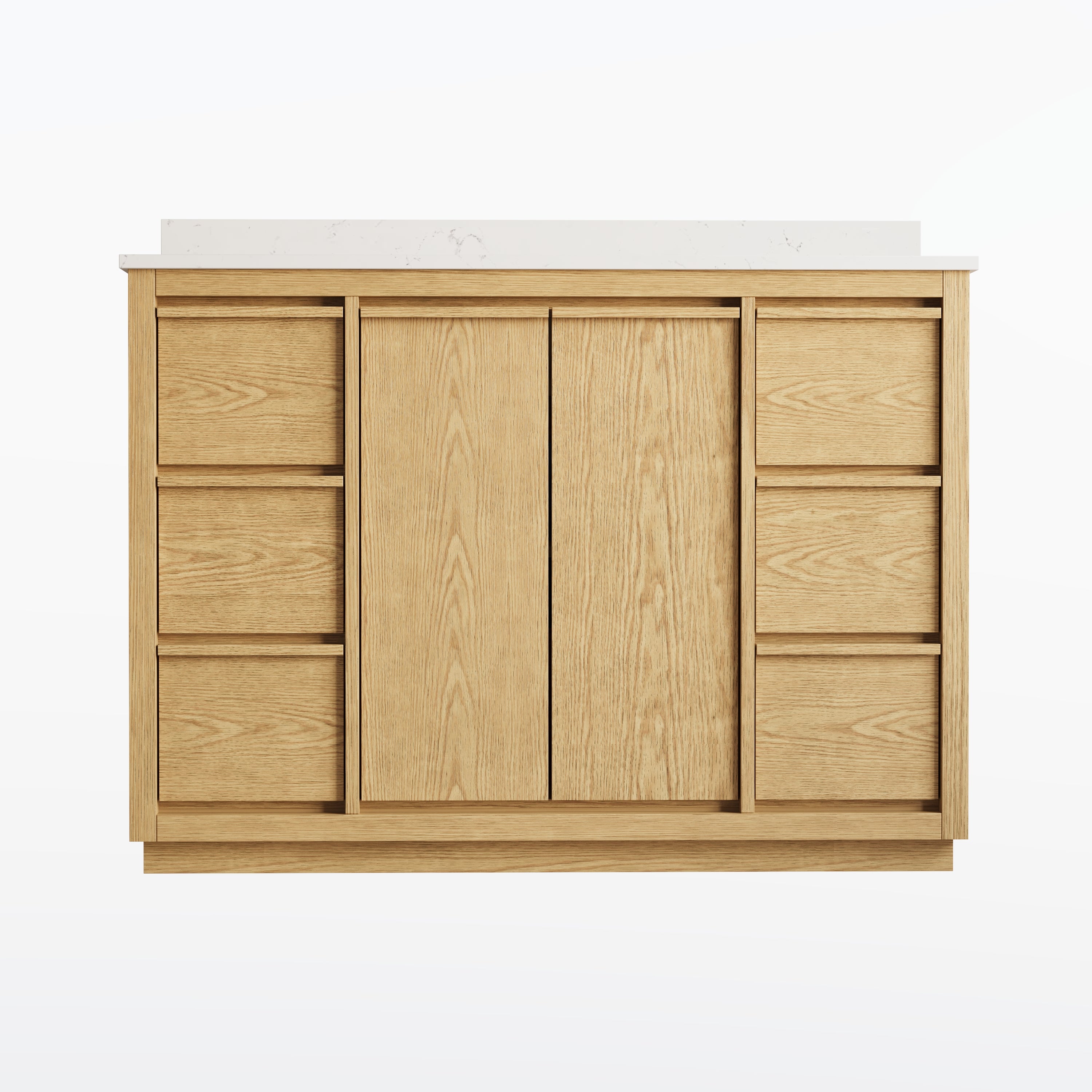
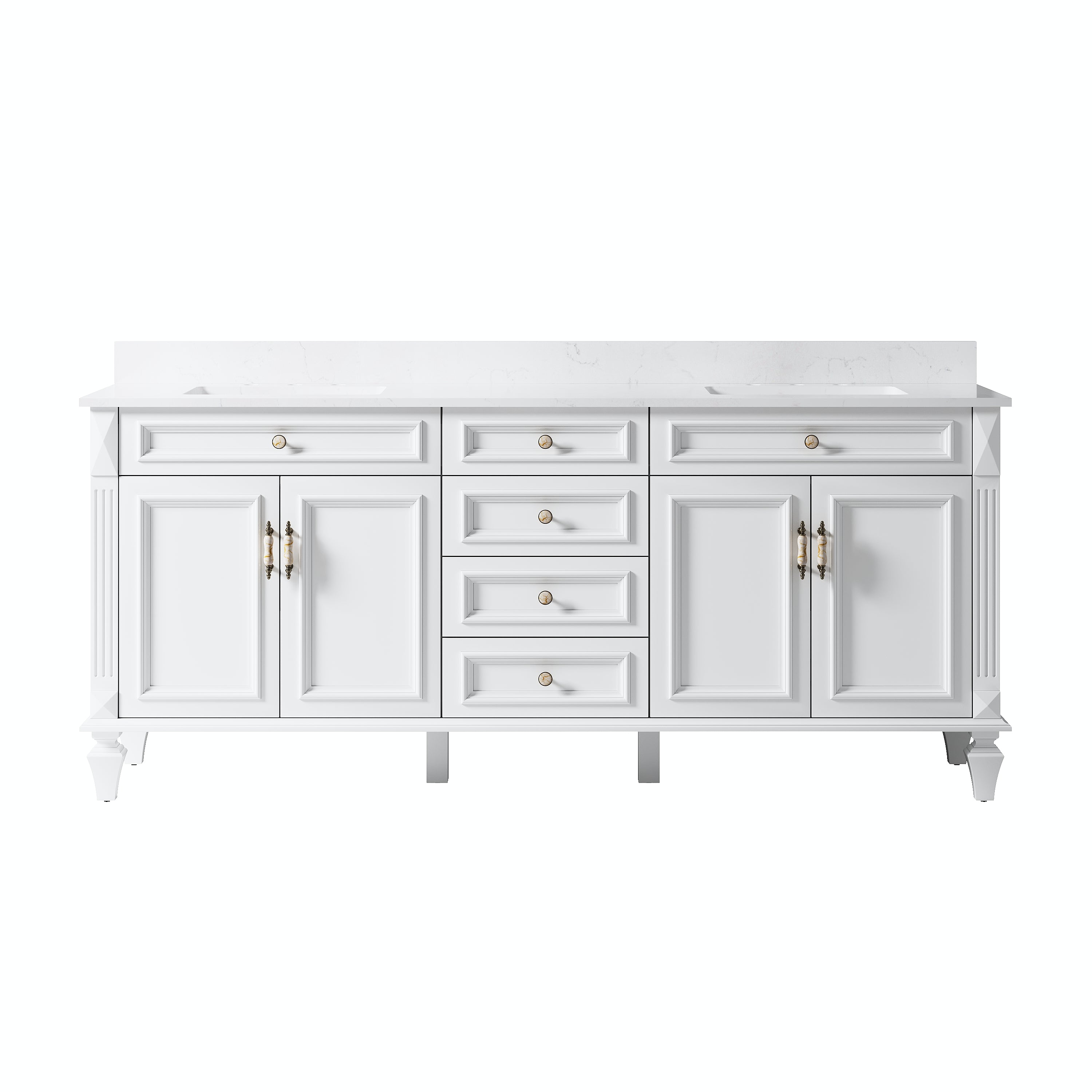
Do not assume every drawer front is functional. Some are fixed because the sink occupies the space behind them, and plumbing cutouts can reduce storage.
For a shared family bathroom, I would prioritize practical drawers over decorative legs. In a lightly used guest bath, a simpler cabinet may be enough.
6. Know When White Is the Right Choice
White bathroom vanities are especially effective in rooms with strong natural light, pale tile, limited floor area, or a decorative feature that deserves attention. They also work well in modern, coastal, transitional, and classic bathrooms.
They may be less suitable when the goal is a dark, intimate atmosphere or a strongly rustic room built around visible wood grain. Homeowners who dislike frequent spot cleaning may prefer a medium-toned wood finish that hides ordinary marks more easily.
The room’s use should guide the decision, not a showroom image.

7. Installation Quality Is Easy to See on White Cabinetry
White finishes make uneven gaps, crooked handles, chipped edges, and poor caulk lines more visible. Precise installation matters.
Set the cabinet level so doors and drawers remain aligned. Seal the sink, countertop, faucet openings, and backsplash joints carefully. Test every plumbing connection before loading the vanity.
For routine care, use a soft cloth and mild, non-abrasive cleaner. Wipe standing water promptly, run the exhaust fan after showers, and inspect beneath the sink several times a year for slow leaks.
When comparing Wellfor models, choose white bathroom vanities by looking first at construction, usable storage, room dimensions, and the finish undertone. Bring a countertop or tile sample into the space before making the final decision. The right cabinet should support the bathroom’s brightness without leaving it cold, and it should make daily routines easier rather than simply photographing well.



















Leave a comment
This site is protected by hCaptcha and the hCaptcha Privacy Policy and Terms of Service apply.