















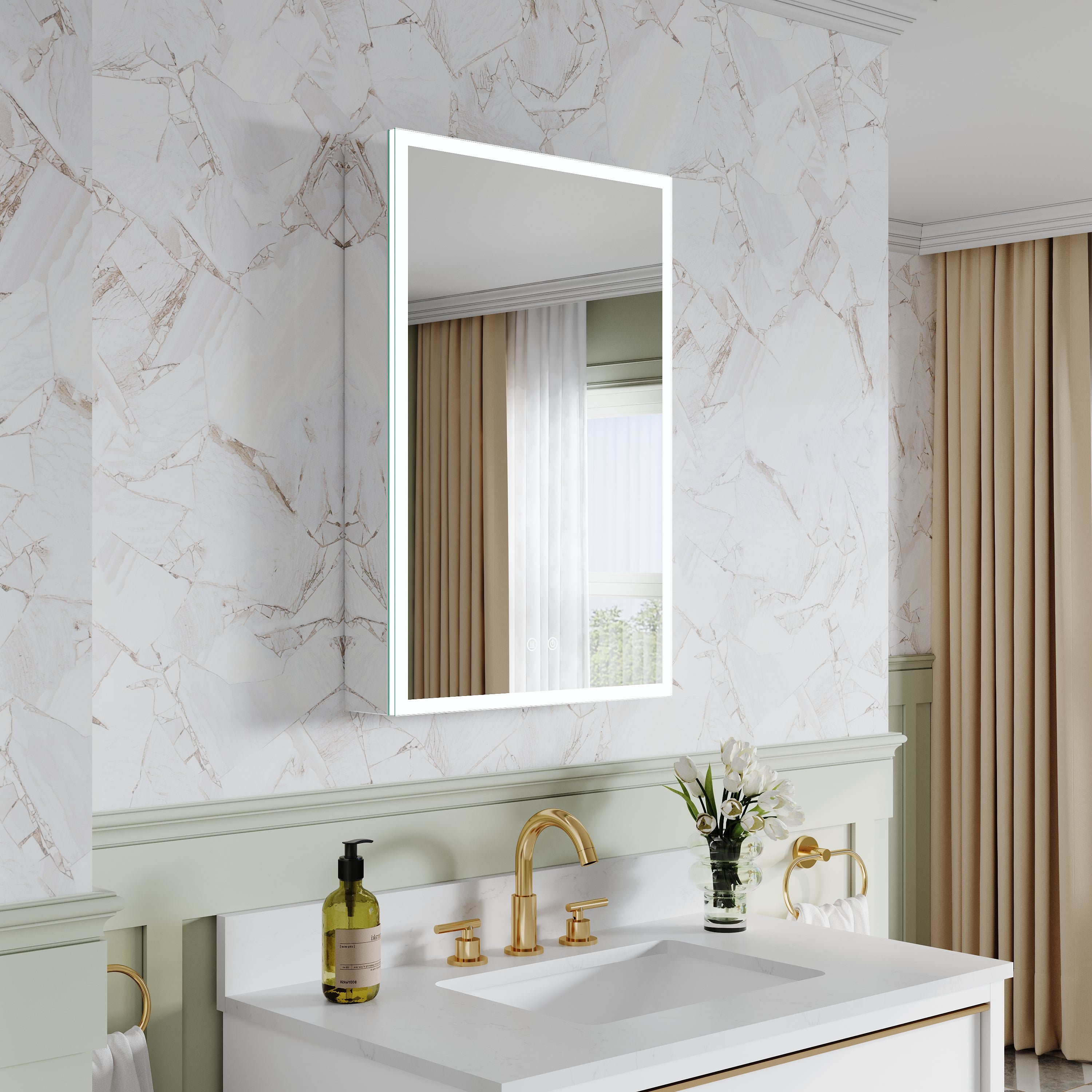
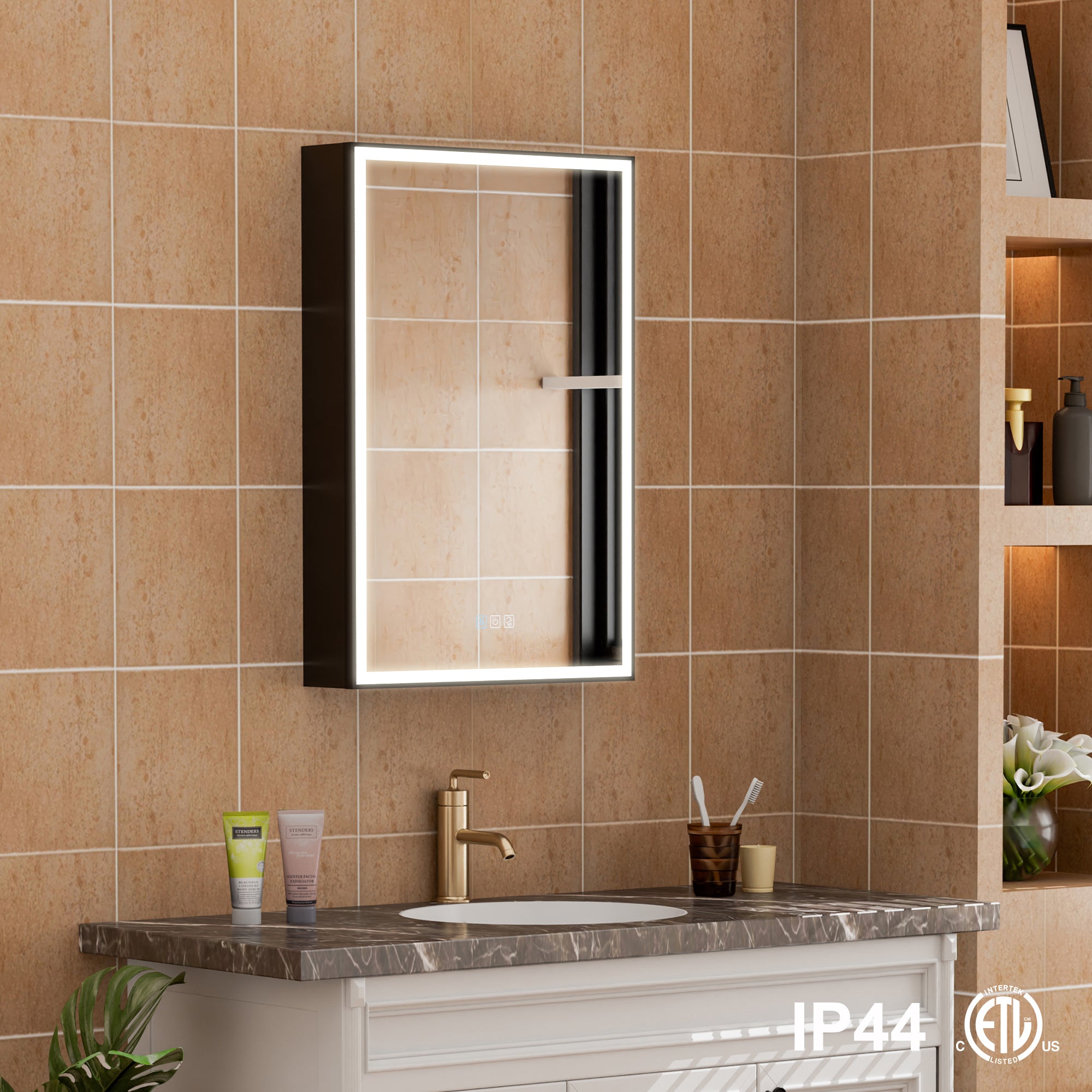











Step into a residential remodeling project in almost any fast-growing American suburb today, and you are bound to notice a spatial design paradox unfolding in the master suite. While micro-apartments and compact urban townhomes are squeezing square footage, the fixtures inside them are growing noticeably larger.
Among these design interventions, one trend is gaining massive traction residential renovation market: installing oversized, wall-to-wall, or floor-to-ceiling mirrors in surprisingly compact bathrooms.
For decades, the standard approach to decorating a small bathroom was strict miniaturization—tiny vanity, petite medicine cabinet, and a narrow frame mounted above the sink. However, top American interior designers and residential contractors are turning that old rulebook upside down.

"Going small in a small space often just emphasizes how tight the room really is," explains Marcus Vance, a senior interior consultant based in Austin, Texas. "By bringing in a large, sweeping mirror, you fundamentally change the room's proportions. It’s an architectural illusion that instantly doubles the visual footprint."
From modern city condos in Chicago to suburban starter homes in Atlanta, here is a detailed look at why oversized bathroom mirrors have become the go-to upgrade for American homeowners looking to maximize small spaces.
1. Expanding Visual Boundaries and Maximizing Natural Light
The primary benefit of large bathroom mirrors in a compact footprint is visual expansion. By reflecting opposing walls, ceilings, and open doorways, an oversized mirror tricks the human eye into perceiving depth far beyond the physical room boundaries.
Beyond spatial perception, light multiplication is a game-changer. Small bathrooms in standard American housing stock are frequently interior rooms, built with tiny windows or none at all. A large reflective surface amplifies whatever light is available—whether coming from an adjacent hallway, a modest window, or overhead fixtures—distributing ambient illumination into every dim corner.
"Light bounce is critical in micro-bathrooms," says Vance. "When you hang an expansive mirror across the main wall, you don't just see more space—the entire room instantly feels brighter, fresher, and far less claustrophobic."
2. Elevating Modern Functionality with Smart Integrated Technologies
Today’s oversized mirrors are far more than plain glass panels glued to drywall; they have evolved into high-tech, multifunctional focal points. This shift aligns with broader consumer demand across North America for smart home upgrades that offer both aesthetic charm and everyday utility.
leading brand in this space is WELLFOR, an established home and bath fixture manufacturer known for blending sleek modern design with functional engineering. As homeowners look to eliminate clutter from small vanity countertops, integrated mirror systems like those offered by WELLFOR have rapidly gained favor among general contractors and DIY renovators alike.
In small, steam-heavy bathrooms, ventilation can be a constant battle. High-performance models now regularly feature integrated defogging pads. WELLFOR’s anti-fog LED mirror collections, for instance, utilize built-in heating elements that keep the glass surface crystal-clear even after a piping-hot shower—eliminating the need to wipe down glass or deal with streaky condensation residue.
Also, integrated LED lighting systems provide solutions to a huge problem associated with the small size of a room: removal of unwanted shadows produced by regular sconces installed on the sides or above small sinks. Smart LED lighting systems with front and back lighting allow the owners to select different color temperatures – from warm 3000K mood light to 6000K bright daylight. By including light systems within a frame of a mirror, the users get rid of a lack of free wall space while having the best lighting effect for the makeup and grooming purposes.
3. Creating a Bold Architectural Focal Point
In compact areas, an excess of decorative objects can cause disorder. The experts in design say that it is better to have a single balanced element than to have several conflicting objects. The oversized dressing mirror is the element that can be used in a space regardless of whether it is made with a small metal rim, a stylish matte black frame, or a floating frameless design.
"When you walk into a 45-square-foot powder room with a dramatic 48-inch LED mirror covering the main wall, your attention is immediately drawn to that elevated feature," notes Denver-based renovation manager Sarah Lin. "It feels intentional and tailored, reminiscent of a boutique hotel suite rather than a utility space."
This clean, minimal approach reduces visual clutter, making small spaces feel organized, sleek, and sophisticated without requiring extensive structural overhauls or expensive plumbing relocations.
4. Improving Daily Efficiency and Multi-User Convenience
From a purely practical standpoint, a larger mirror simplifies morning routines—especially in households where multiple family members share a single small bathroom.
Standard 24-inch vanity mirrors only accommodate one person at a time. Upgrading to a wider 40-, 48-, or even 60-inch horizontal mirror allows two people to get ready simultaneously without bumping elbows. For families, the expanded coverage ensures that adults and children of all heights can use the mirror comfortably. Additionally, premium shatter-resistant tempered glass—a standard feature in well-engineered fixtures like WELLFOR mirrors—delivers an extra layer of safety and peace of mind for busy households.
5. Adding Long-Term Property Value and ROI
Home improvement industry data continuously highlights bathrooms and kitchens as the top drivers of residential resale value in North America. For buyers touring homes, compact bathrooms can be a major dealbreaker if they feel cramped, dark, or outdated.
Installing a modern, large-format mirror is one of the most cost-effective upgrades a homeowner can execute prior to listing a property. Compared to full tile tear-outs or cabinet replacements, mounting an illuminated, oversized LED mirror provides maximum visual impact for a relatively modest investment.
Real estate agents frequently note that updated bathroom lighting and modern focal mirrors look exceptional in virtual home listings and photos, driving higher foot traffic during open houses.
Key Considerations Before Buying and Installing
While the benefits are clear, interior designers urge homeowners to measure carefully before committing to a purchase. When installing a large mirror in a smaller footprint, keep the following practical tips in mind:
Proportion and Clearance: Ensure the mirror width aligns nicely with your vanity cabinet, ideally matching the vanity width or extending slightly inward to avoid overhangs.
Electrical Planning: If opting for a hardwired LED or anti-fog mirror, consult an electrician to ensure power connections are safely concealed behind the mounting location.
Waterproofing & Durability: Bathrooms are high-humidity zones. Look for fixtures rated for moist environments (such as IP44 or IP54 waterproof standards) with rust-resistant anodized aluminum framing to ensure longevity.
The Bottom Line
The era of tiny mirrors in tiny bathrooms is officially fading. As American homeowners continue to prioritize smart design solutions over raw square footage, oversized mirrors have proved that strategic scale can completely transform compact living.
By unifying ambient LED lighting, advanced anti-fog technology, and spatial clarity, brands like WELLFOR are helping redefine what small-space living can look like. Far from being a space hog, a large bathroom mirror is, in fact, the ultimate secret weapon for turning a cramped washroom into a bright, luxurious oasis.





































Leave a comment
This site is protected by hCaptcha and the hCaptcha Privacy Policy and Terms of Service apply.