
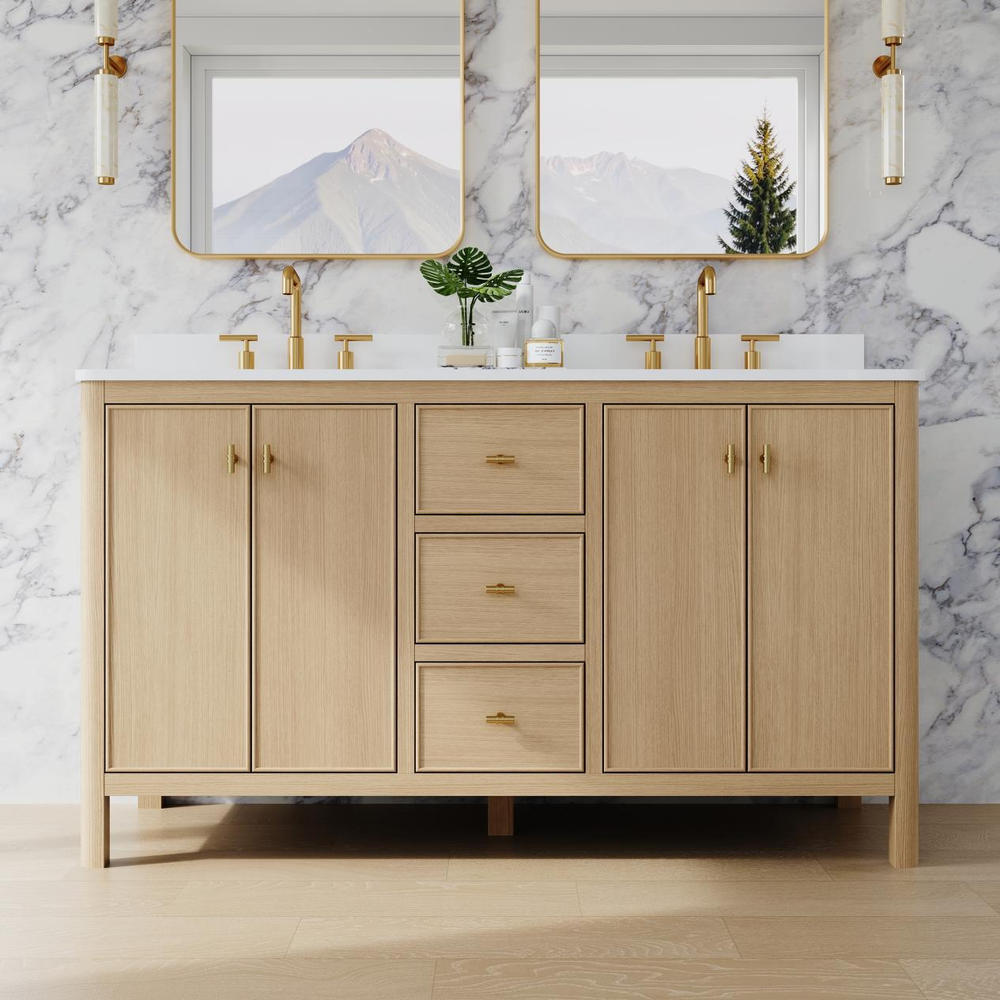


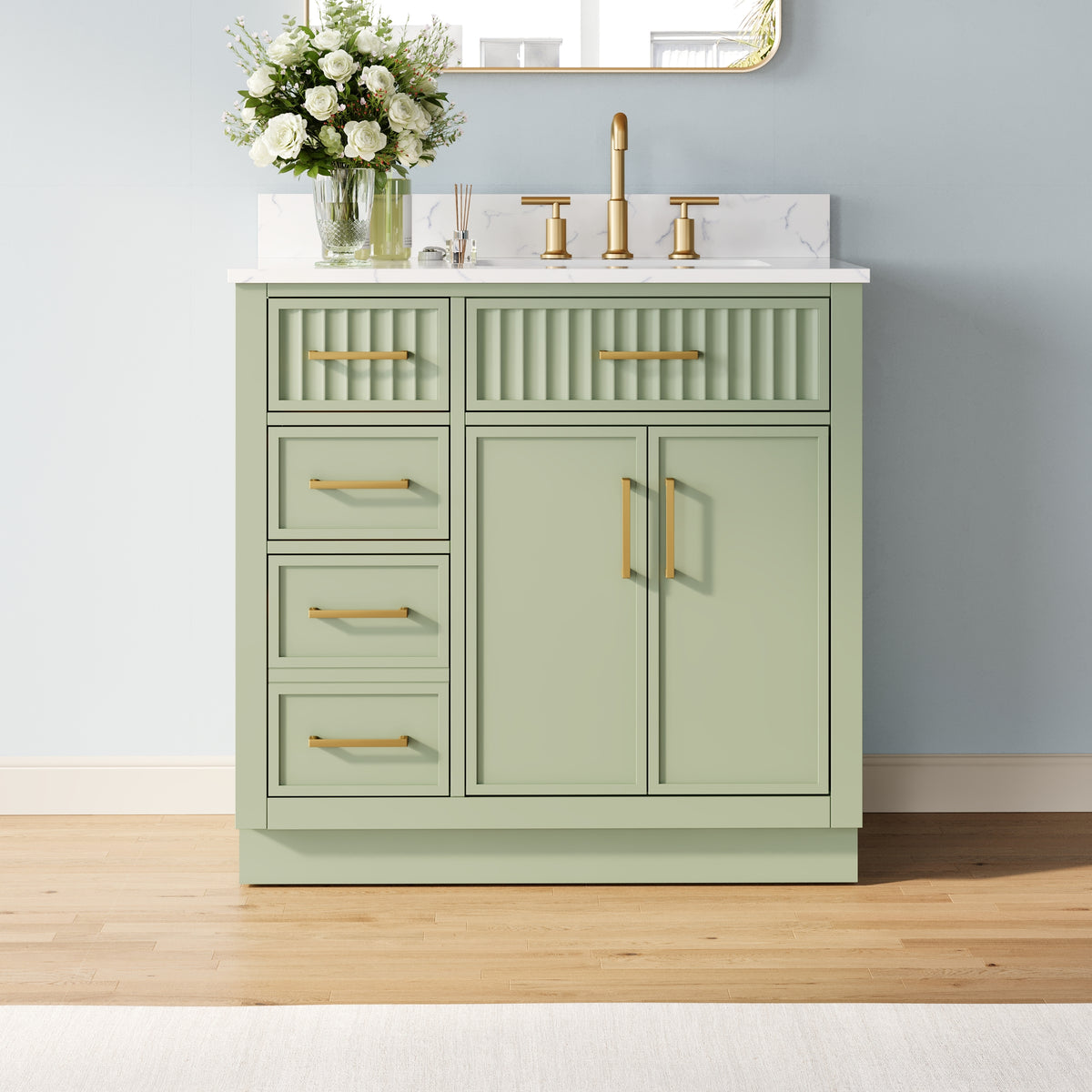
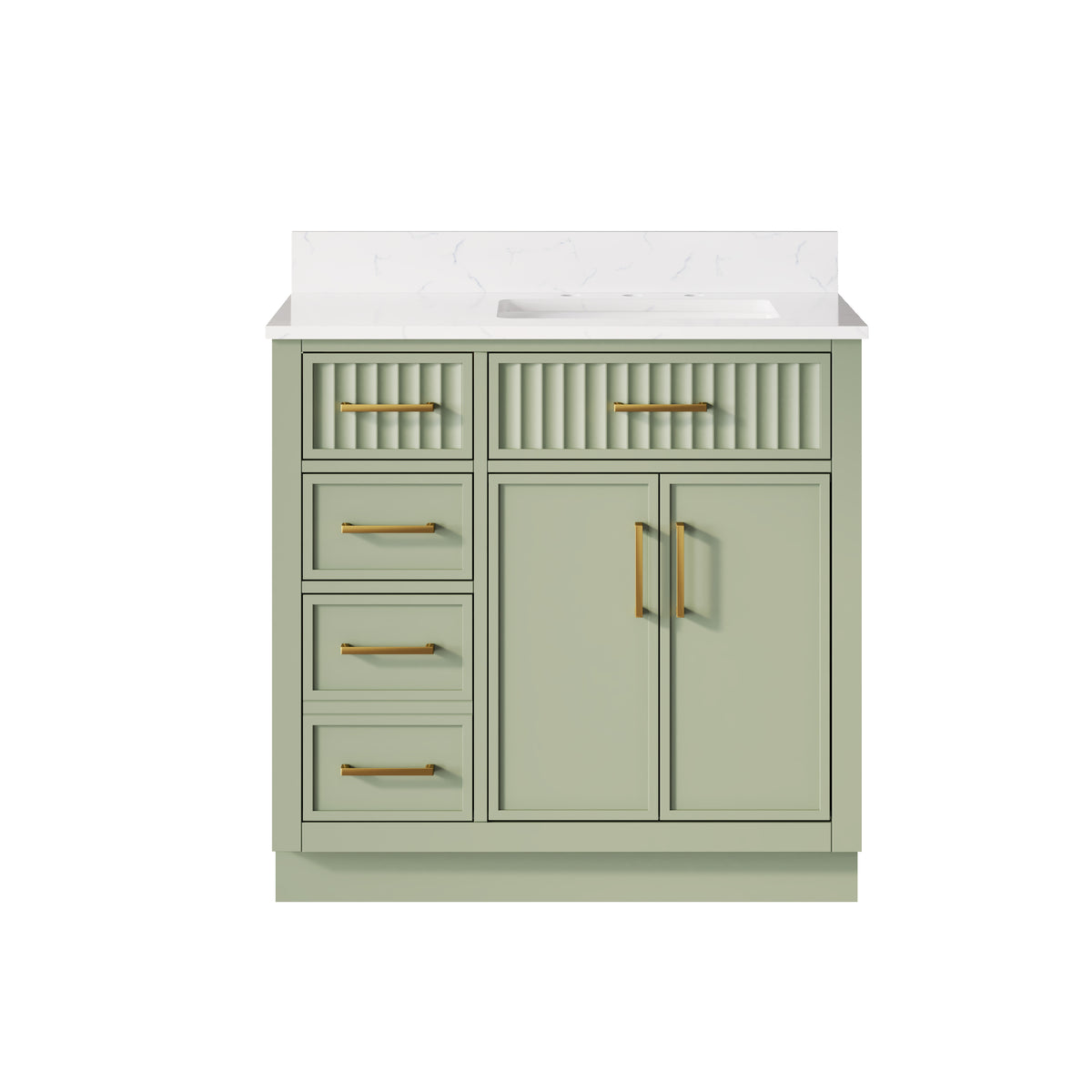
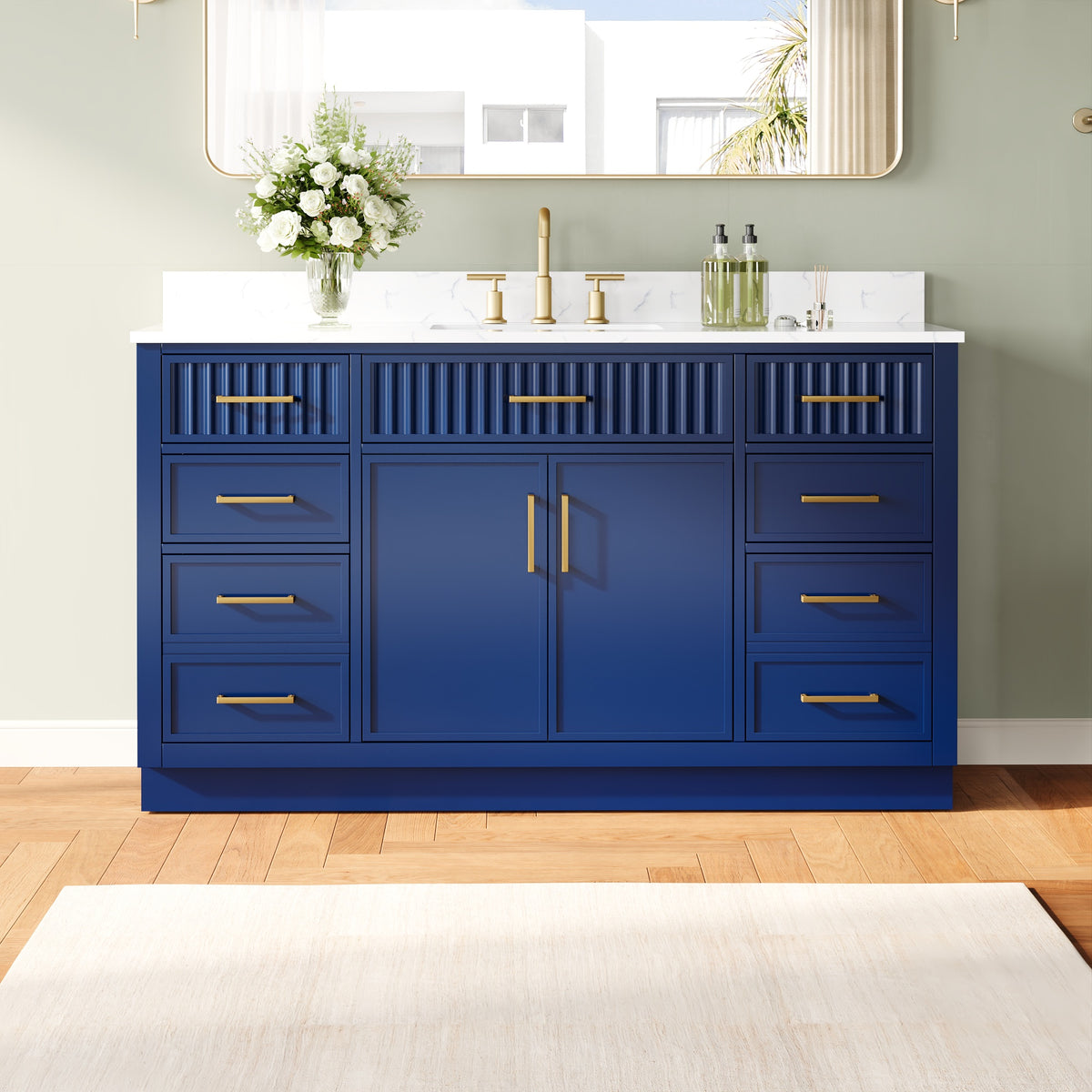
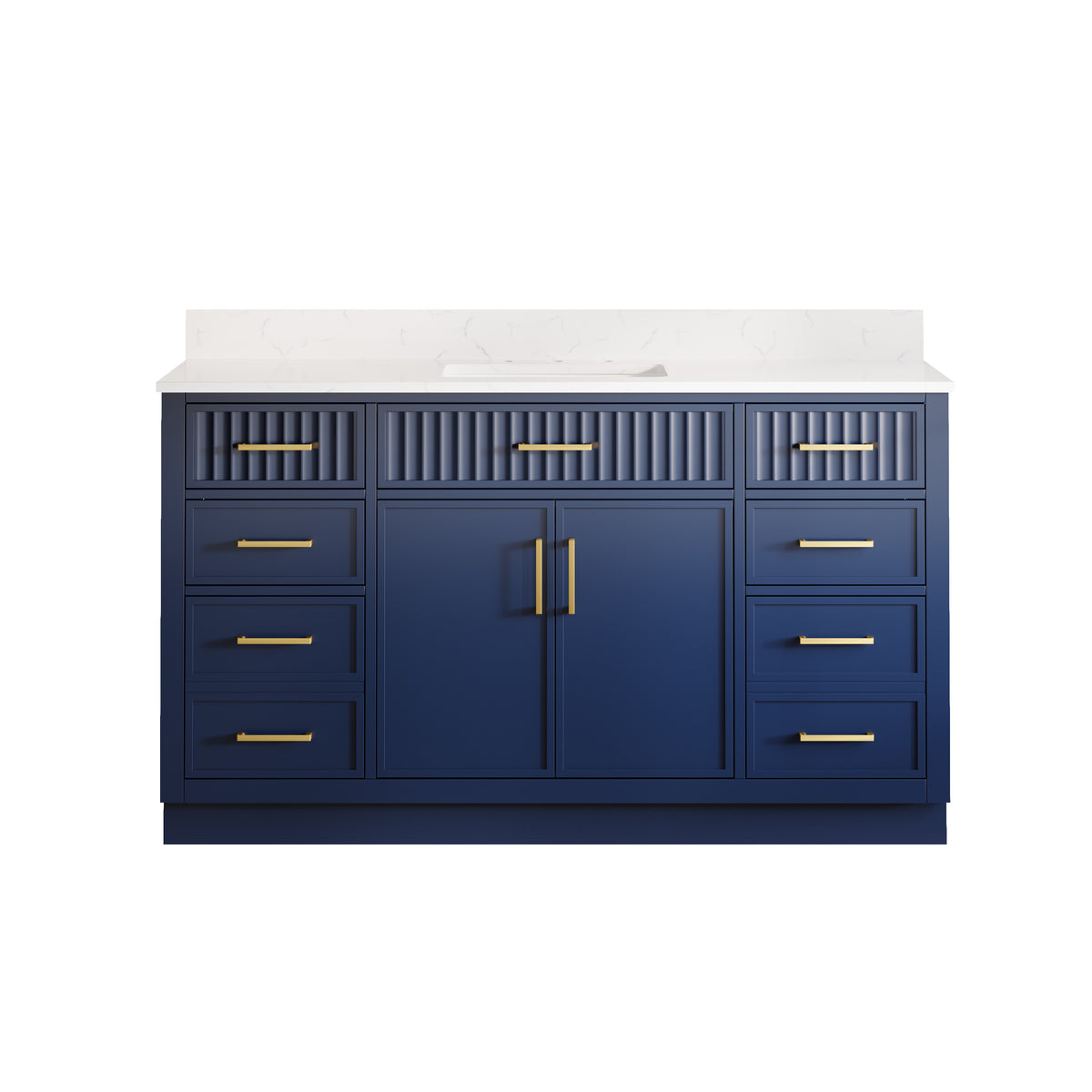
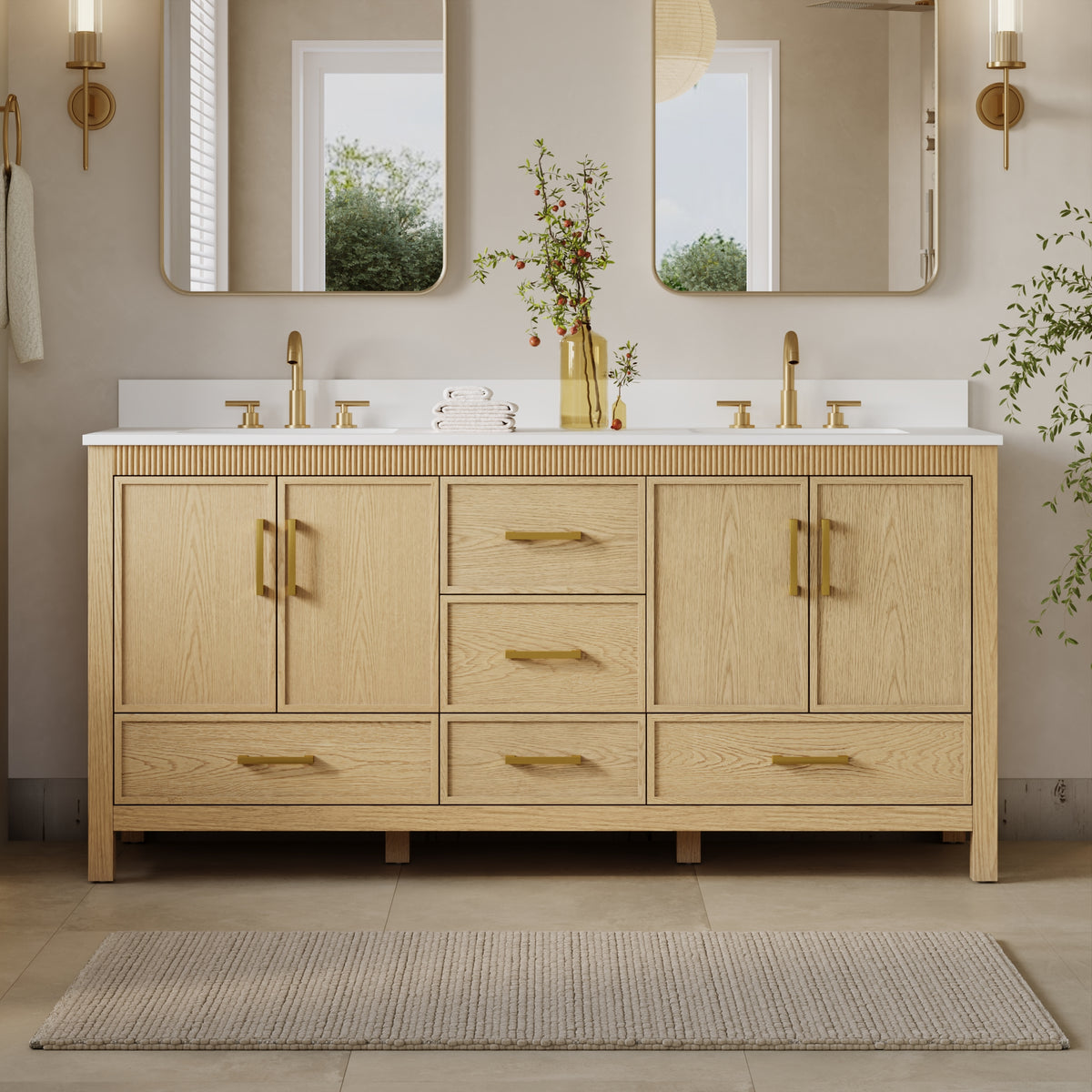
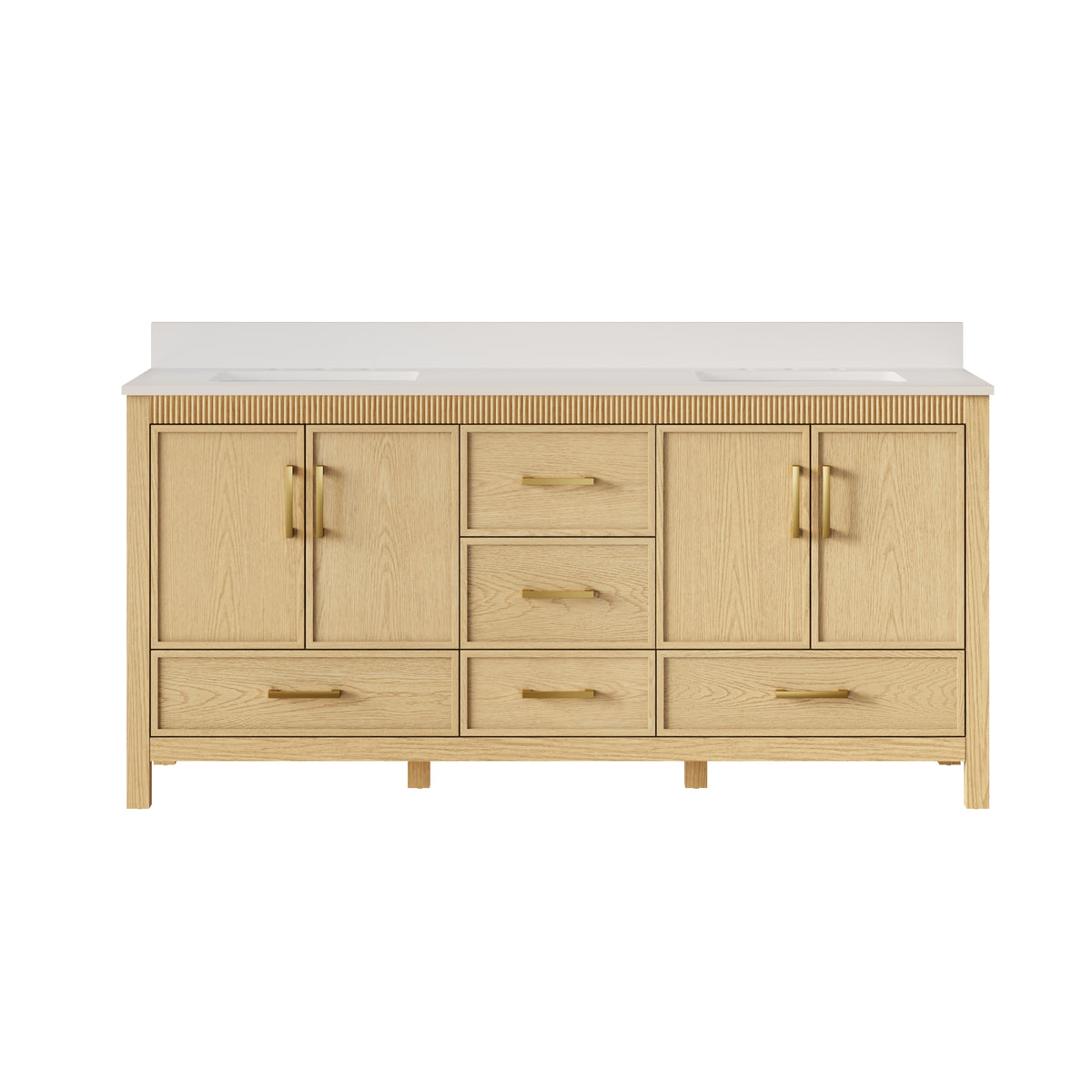
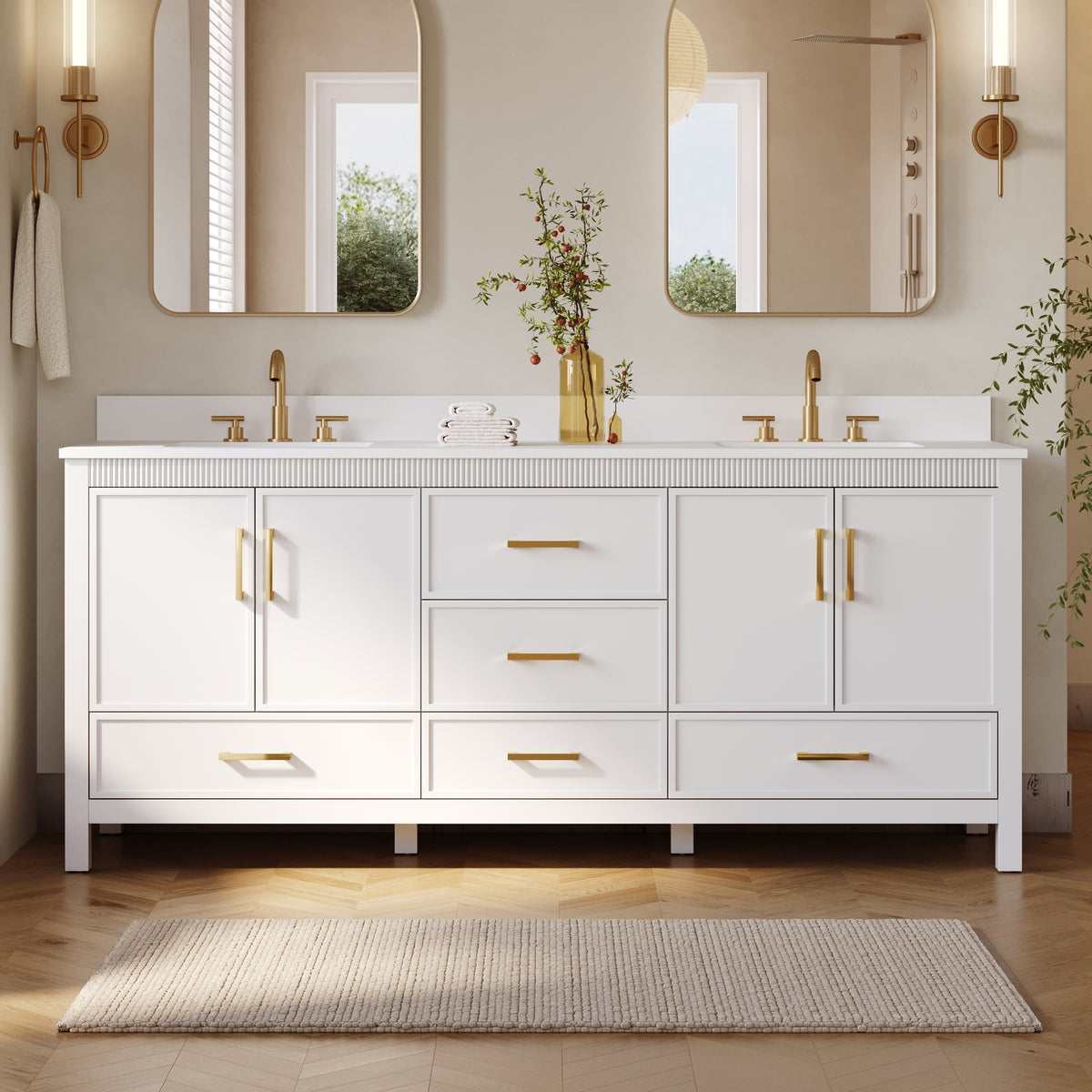
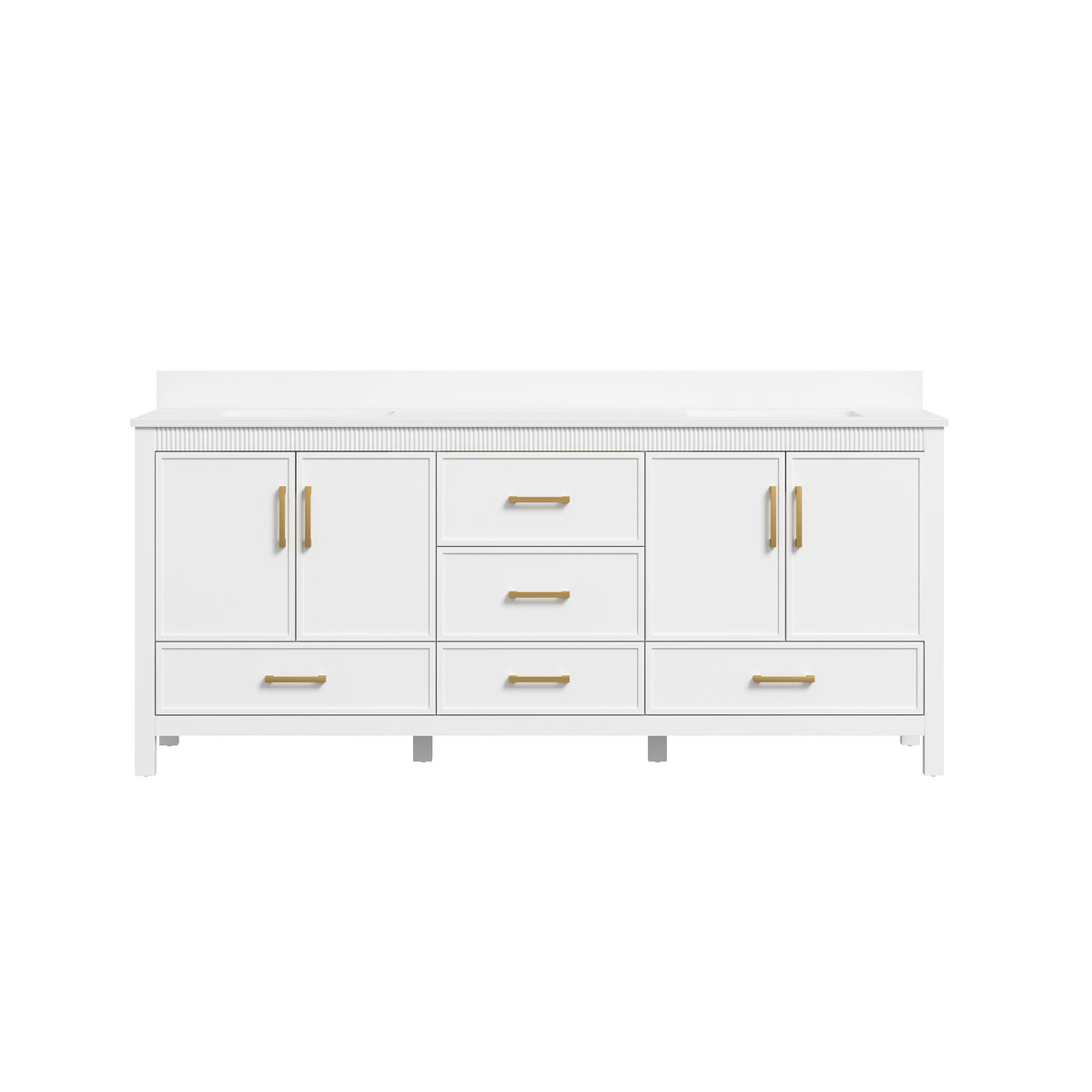
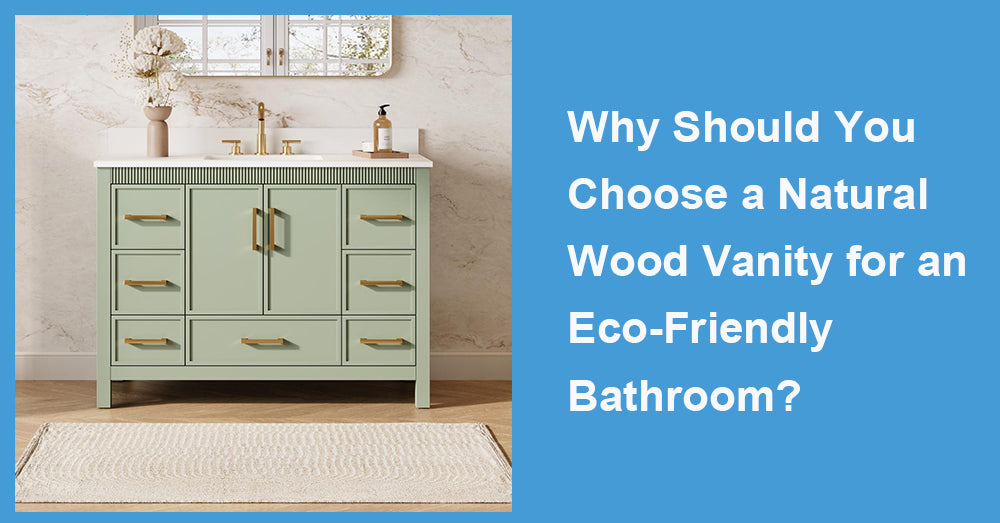
Most "green" bathroom remodels are a lie. People slap down some bamboo flooring, buy a low-flow toilet, and then hang a vanity made of particleboard glued together with formaldehyde. That’s not eco-friendly. That’s greenwashing with extra steps. A natural wood vanity is different. But only if you know what you’re actually buying. The word "wood" on a spec sheet means almost nothing today. Here’s the real breakdown—no fluff, no corporate spin.
The Formaldehyde Problem in "Eco" Vanities
Engineered wood is cheap. Particleboard and MDF are made by mixing wood fibers with resin adhesives, most commonly urea-formaldehyde. Those adhesives off-gas for months or years after installation. Formaldehyde is classified by the International Agency for Research on Cancer as a known human carcinogen at sufficient exposure levels.
The EPA stepped in. TSCA Title VI and California’s CARB Phase 2 set legal emission limits for composite wood sold in the US. Emissions dropped. But here’s the catch: those rules are a ceiling, not zero. Compliant MDF still emits. Solid wood doesn’t have that problem because it’s cut from a single piece of lumber—no formaldehyde binders distributed through the material.
The numbers make it worse. A 2022 study tested five common furniture panels in an environmental chamber. Veneer-MDF had a TVOC concentration of 836.49 μg/m³. Solid wood ecological board was the lowest of the group, with formaldehyde emission ranked dead last among the five materials tested. MDF isn’t just a durability compromise. It’s an air quality compromise.
What "Eco-Friendly" Actually Means on a Label
You can’t just trust the word "natural." Look for two certifications. The first is FSC. FSC-certified wood means the lumber comes from responsibly managed forests that support ecosystems globally. Without that stamp, you’re guessing where the wood came from and how the forest was treated.
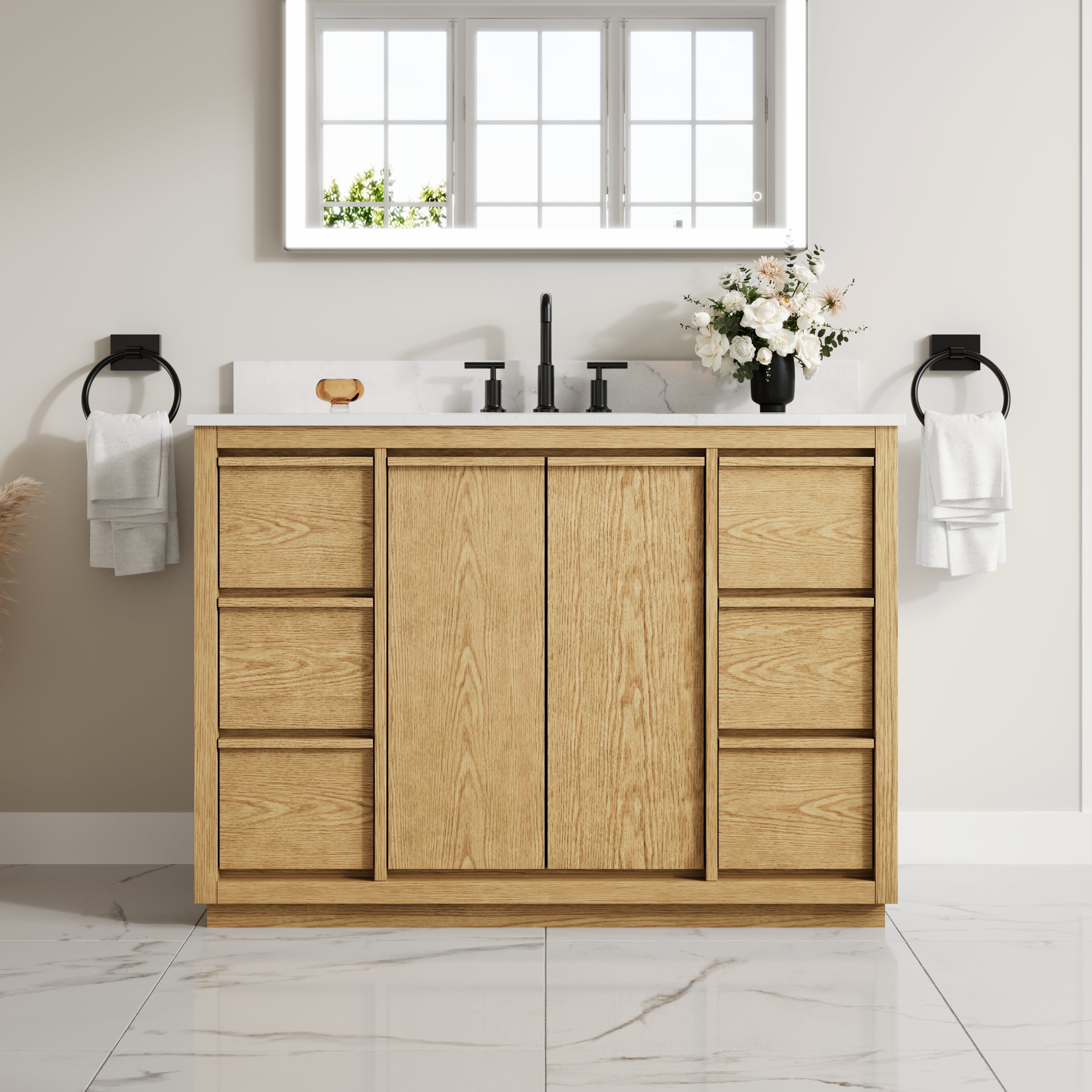
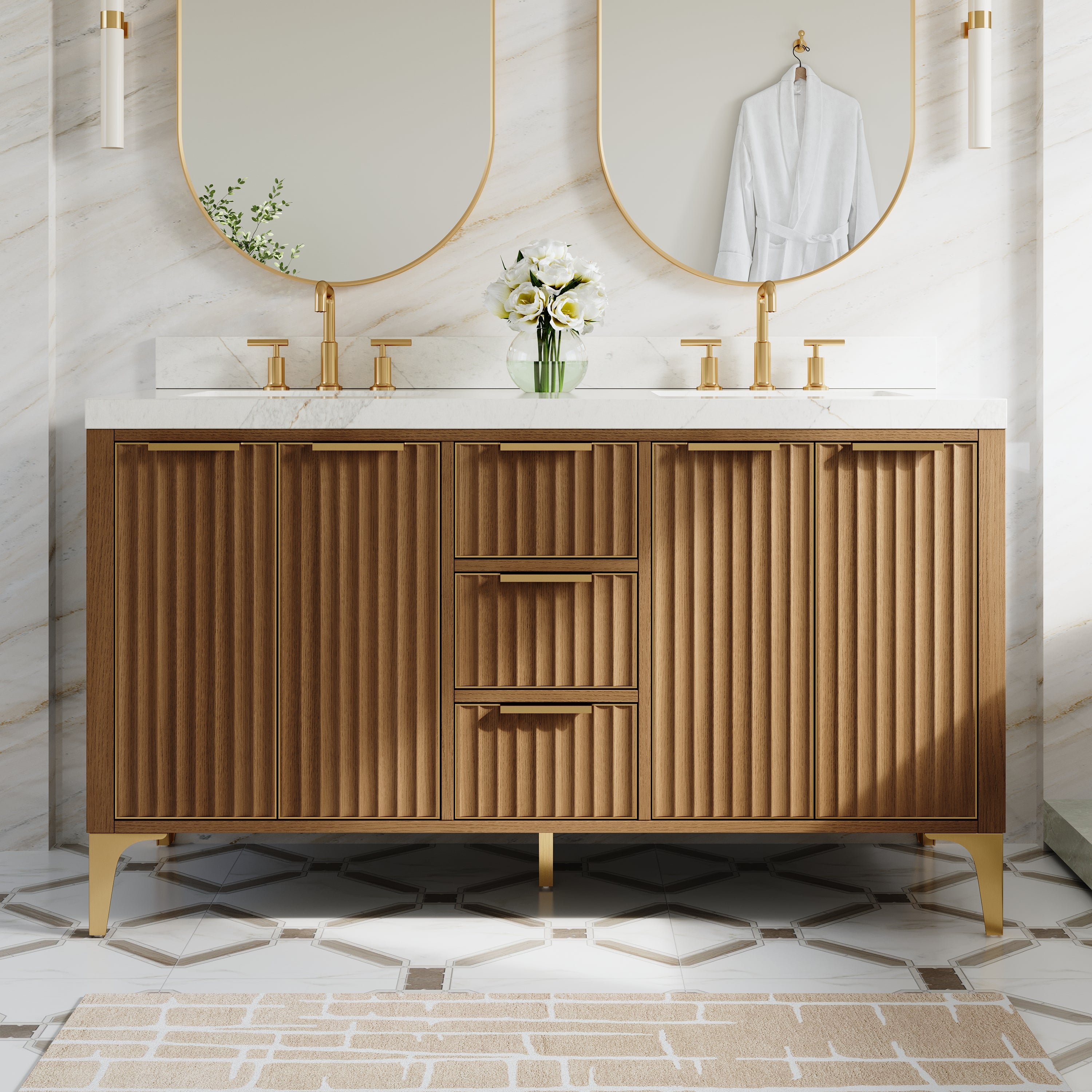
The second is GREENGUARD Gold. A vanity with this certification has been screened for over 10,000 chemicals and VOCs. That’s the standard for a nursery or a bedroom, not just a bathroom. If a natural wood vanity has both FSC and GREENGUARD Gold, you’re buying something that’s actually low-emitting, not just marketed that way. One West Elm model that carries both uses oak veneer over an engineered frame with solid wood legs, finished with a water-based topcoat and kiln-dried for durability. That’s the playbook: certified wood, low-VOC finish, sealed panels.
Don't Fall for the Bamboo Trap
Here is another massive trap. Everyone thinks bamboo is the ultimate green material. It grows fast, right?
Wrong. Bamboo is a grass. To build a flat, solid vanity out of round grass stalks, factories have to slice it into strips, boil it, and glue it back together using industrial resins. In many cases, the adhesive used in cheap bamboo cabinets is far worse for your indoor air quality than a standard hardwood. If a brand is pushing bamboo as a green alternative, read the fine print on the binders. Stick to actual trees.
The Moisture Myth That Sells You Plastic
The bathroom is wet. Everyone knows this. So the industry tells you wood can’t survive, and you need engineered plastic laminate instead. That’s not true. It’s just harder to do right with wood.
Fine Woodworking tested 91 finishes and found something uncomfortable: no coating entirely prevents wood from adsorbing moisture. Popular penetrating oils like linseed oil and tung oil barely slow vapor down at all. If you buy an "oiled" natural wood vanity and park it next to a shower, you’re asking for warped panels and sticking drawers.
What actually works? Film-forming finishes. Polyurethane and two-part polyurethane are the standard for wet areas—bathrooms and kitchens. The key isn’t just the finish. It’s the coverage. Any woodwork in a bathroom should be finished on all surfaces: front, back, inside, outside, and edges. The end grain is the most vulnerable spot. If the factory only coated the face and left the back and edges raw, moisture will find its way in and the panel will move. A properly sealed vanity will handle the humidity. A cheaply finished one won’t, no matter what the marketing says.

The Hidden Danger Under the Sink
Most people forget the plumbing. The pipes under your sink sweat. In the summer, cold water lines literally drip condensation into the back of the cabinet.
If you buy a natural wood vanity, check the bottom tray. Is it sealed? If it’s raw wood or cheap plywood, that condensation will pool up. Within a year, you’ll have mold growing in the dark. A good vanity will have a fully finished bottom panel or a waterproof liner. If it doesn't, cut a plastic mat to fit the bottom. It sounds cheap, but it saves the cabinet.
The Real Durability Argument
An eco-friendly product that fails in five years isn’t eco-friendly. It’s waste with a nice label. Solid wood can be sanded and refinished. MDF that swells from a leak is landfill material. That difference is the entire sustainability argument in one sentence.
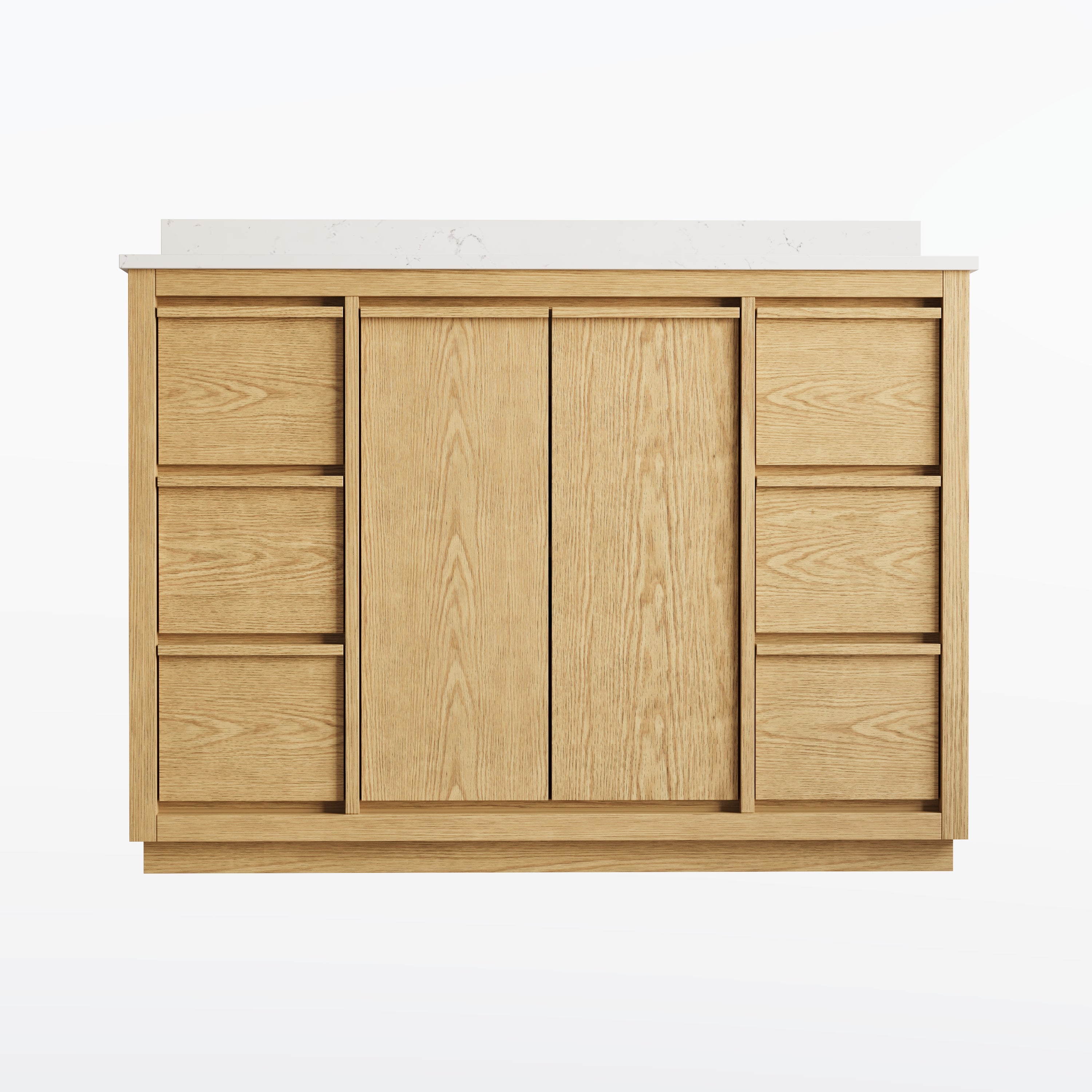
There’s a trade-off. Solid wood moves with the seasons. It expands and contracts across the grain, not along it. Quartersawn wood is more stable because the growth rings are perpendicular to the face, which limits that movement. That’s why quality natural wood vanities use quartersawn stock for doors and drawer fronts. It costs more. It lasts longer. It doesn’t cup and warp when the shower runs hot for twenty minutes.
The maintenance routine is not zero-effort. Wipe up standing water. Don’t let the faucet base sit wet for days. Recoat the finish every few years if it starts looking dull. That’s the deal. You trade a little attention for a cabinet that doesn’t off-gas formaldehyde and doesn’t need to be replaced in a decade.
Conclusion
A natural wood vanity is the more eco-friendly choice—when it’s FSC-certified, GREENGUARD Gold, and sealed on every surface with a film-forming finish. Skip any one of those three and you’re buying the aesthetic of sustainability without the substance. The cheap MDF box with a wood-grain sticker is not saving the planet. It’s just off-gassing in your bathroom while you brush your teeth.

















Leave a comment
This site is protected by hCaptcha and the hCaptcha Privacy Policy and Terms of Service apply.