












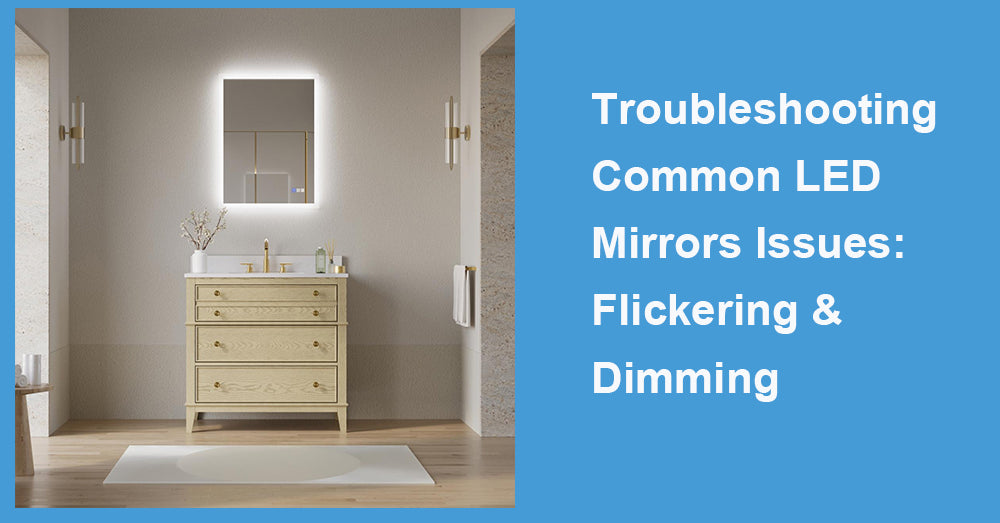
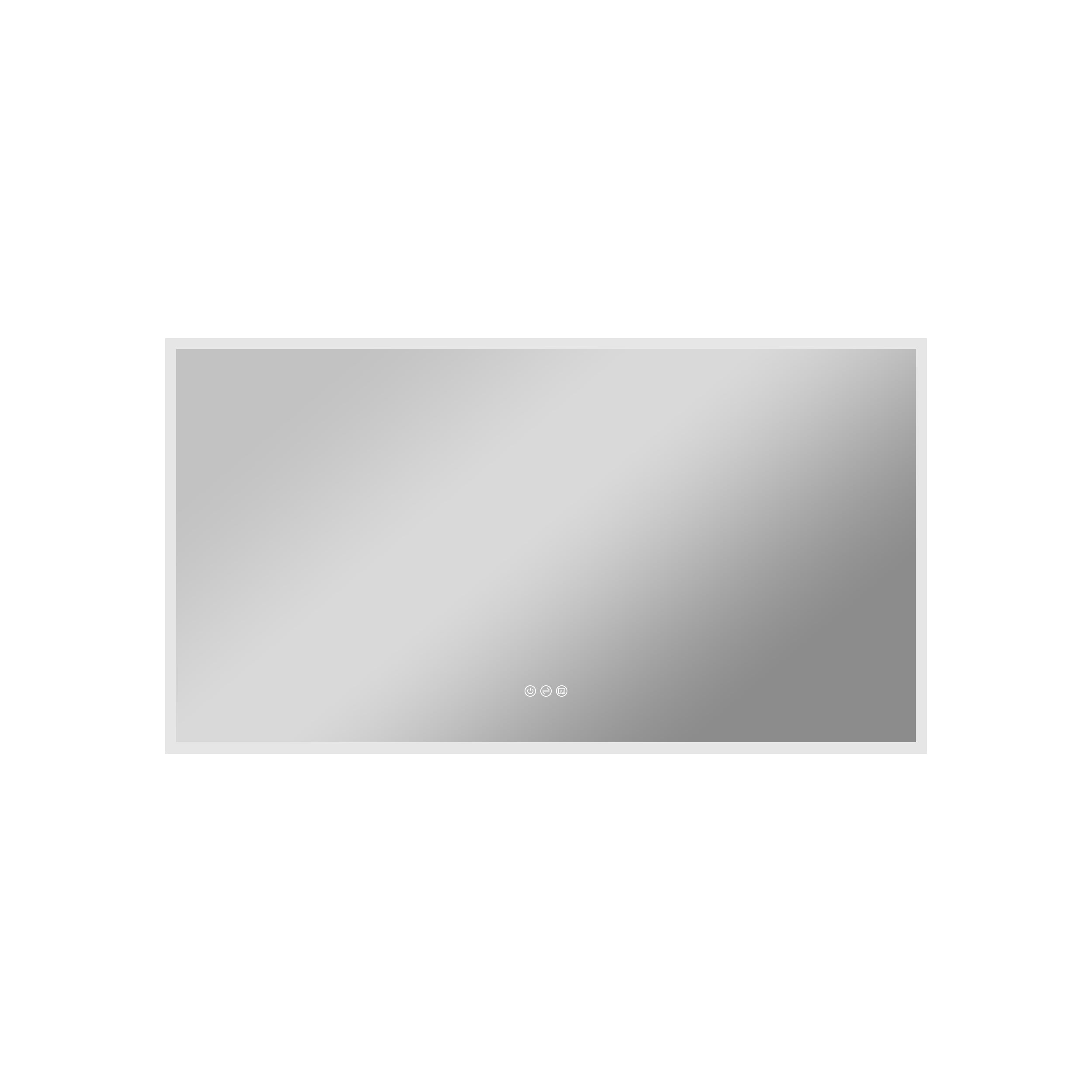
LED mirrors have become a standard feature in modern bathrooms because they combine task lighting, cleaner visual lines, and lower energy use in one product. But when flickering, unstable dimming, or inconsistent brightness starts to appear, the user experience drops quickly. These issues are usually not random. The U.S. Department of Energy explains that flicker is simply a change in light output over time. For LED products, that behavior is often determined by the driver, the dimmer, or their interaction. DOE research also notes that dimming can induce or increase flicker, especially when the control system and the LED electronics are not working well together.
1. Why Flickering Happens in LED Mirrors
The most common cause of flickering in LED mirrors is not the LED chips themselves, but the power electronics behind them. LED light sources need a driver to convert incoming electrical power into the form that the LEDs actually use. DOE materials on flicker and dimming note that the amount of flicker in an LED source is generally determined by the LED driver or the dimmer-and-driver pairing when dimming is involved. In other words, a mirror may look like a glass product on the outside, but its lighting behavior depends heavily on the quality of the electronics hidden behind the frame.
Flicker can also occur at different frequencies, and not all of it is equally noticeable to the eye. DOE explains that low-frequency flicker has drawn concern because certain ranges can affect visual comfort and even contribute to distraction or discomfort. Research cited in DOE documents indicates that low-frequency flicker, especially in the 3-70 Hz range, can have serious neurological implications for some populations. In contrast, flicker around 100 Hz has been associated with headaches and migraines in some circumstances. That does not mean every flickering mirror creates a health event. Still, it does explain why users often notice the problem quickly and describe it as tiring or irritating rather than merely cosmetic.
2. Dimming Problems Usually Point to Compatibility Issues
When an LED mirror dims unevenly, drops out at low levels, buzzes, or flickers more as dimming begins, the problem is often due to compatibility issues. DOE presentations on LED dimming state clearly that LED dimming performance depends on both the driver's capabilities and its compatibility with the dimming equipment. Unlike incandescent products, LED systems do not always respond predictably to older phase-cut dimmers. DOE’s CALiPER work found that LED lamps interact with phase-cut dimmers in ways incandescent lamps do not, and that the same dimmer can produce very different results depending on the specific LED product connected to it.
This is one reason some mirrors appear fine at full brightness but become unstable when the light level is reduced. DOE research notes that dimming LED sources can change driver behavior, affect flicker, and even alter power quality. The change in performance is often less predictable than with older lamp technologies. So when a user reports that a mirror flickers only at 20% or 30% brightness, it often indicates that the dimmer and the internal LED driver are not fully compatible across the entire dimming range.
3. Old Wall Dimmers Are a Frequent Hidden Cause
A surprisingly common troubleshooting mistake is focusing only on the mirror and ignoring the wall control. Many installed dimmers were originally selected for incandescent or halogen loads, not integrated LED systems. NEMA’s LED Dimming Compatibility Program was created specifically to help identify dimmers and LED products that work together, which shows how widespread this mismatch problem has been in the field. NEMA also states that its compatibility marking is intended to help users identify LED lamps and dimmers that are designed to work together.
DOE materials add more context by explaining that not all phase-cut dimmers behave the same way with LED products, and performance can vary with input voltage and control method. Some dimmers may produce acceptable light at the top of the range but unstable behavior near the bottom. Others may not provide a good electrical environment for the LED driver at all. In practical terms, if an LED mirror starts flickering after a remodel but the wiring and product are otherwise sound, the wall dimmer should move near the top of the suspect list.

4. Power Supply and Wiring Problems Can Also Trigger Flicker
Not every flicker problem is caused by dimming. A mirror wired to an unstable circuit, a loose connection, or a poorly performing driver can also show intermittent flashing, pulsing, or momentary brightness drops. DOE’s flicker guidance explains that changes in light output over time can originate in the source electronics, and DOE presentations on phase-cut dimming note that reduced RMS voltage, unstable timing behavior, and insufficient current paths can all contribute to objectionable flicker in LED systems. Those findings apply broadly to integrated LED products, including bathroom mirrors.
That is why troubleshooting should begin with basic electrical checks before blaming the glass, the light strip, or the touch switch. If flicker occurs even without dimming, it may indicate a driver issue, a wiring issue, or inconsistent incoming power. If flicker appears only when another appliance turns on, that may suggest a broader circuit-quality problem rather than a mirror defect alone. The mirror is often where the symptom becomes visible, even if the root cause sits elsewhere in the electrical path.
5. What to Check First When Brightness Feels Wrong
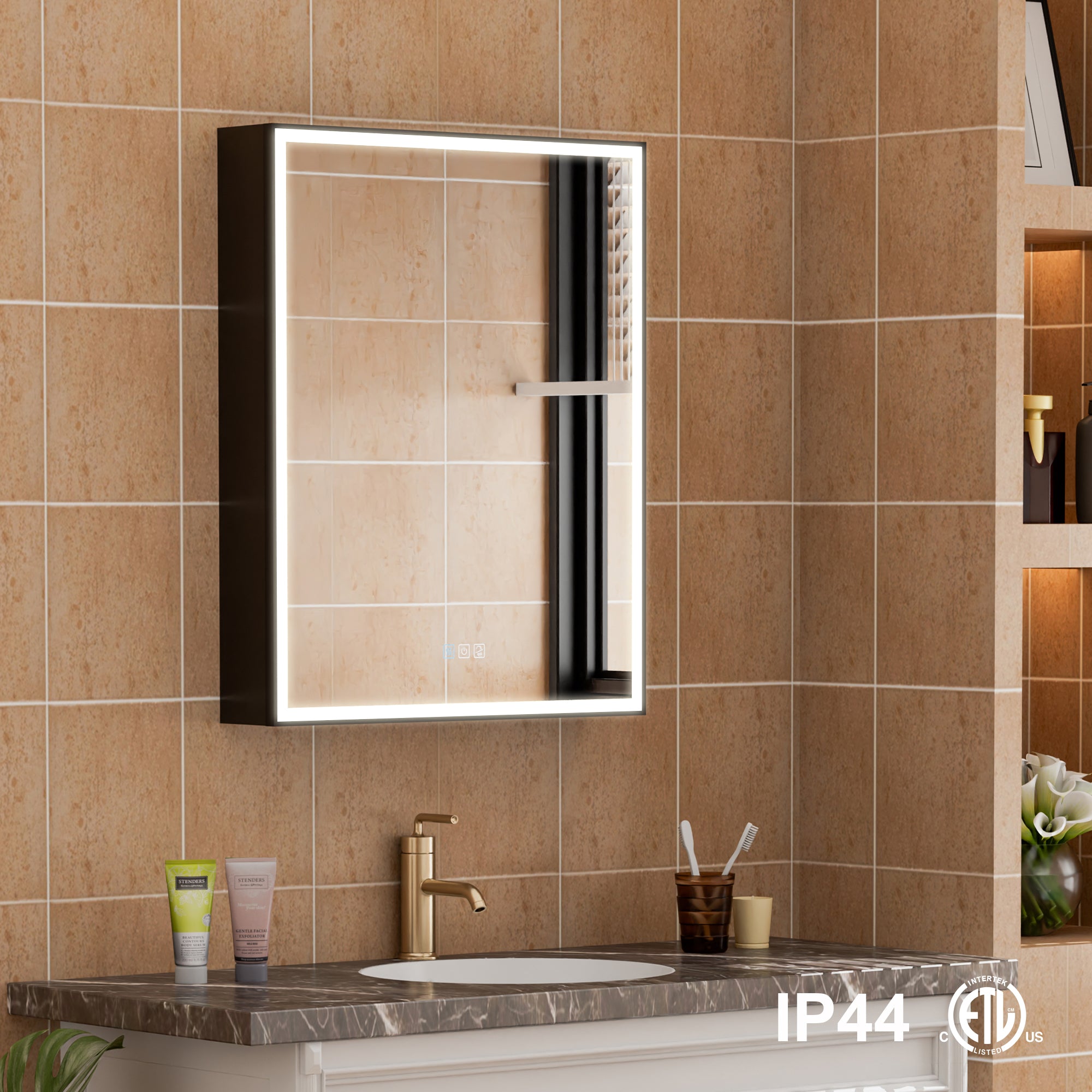
When a mirror seems too dim, too bright, or uneven during adjustment, the first practical step is to separate user settings from hardware faults. Some mirrors include built-in touch dimming, memory functions, anti-fog controls, or color temperature adjustment. If those controls are working inconsistently, the issue may be in the onboard electronics rather than the wall switch. If the mirror operates normally on its own controls but behaves badly on an external dimmer, compatibility becomes the more likely explanation. DOE repeatedly recommends testing LED products with the intended control strategy, because substitutions in either the light source or the dimmer can significantly alter results.
Another smart check is whether the product documentation identifies approved dimmers or dimming methods. ENERGY STAR materials discussing LED dimming note the importance of tested dimmer selections and compatibility reporting for specific lamp-and-dimmer combinations. In plain terms, not every dimmer marketed as “LED compatible” will behave equally well with every integrated LED mirror. A tested pairing is always more reliable than a guess.
6. When Replacement Is Smarter Than Repeated Adjustment
Some flicker and dimming issues can be solved with a dimmer swap, a wiring correction, or a driver replacement. Others are a sign that the electronics inside the mirror were never robust enough to deliver stable performance. DOE research on flicker emphasizes that final acceptability often depends on the specific driver strategy, dimming method, and waveform characteristics, and that better outcomes come from high-frequency approaches or designs that avoid problematic pulse-width modulation behavior. In simple terms, good LED performance is engineered, not improvised.
For brands, installers, and buyers, the lesson is straightforward. If an LED mirror flickers, dims unpredictably, or becomes unstable at low light levels, the smartest response is to investigate the driver, the dimmer, and the circuit as a whole. The visible symptom may seem simple, but the cause is usually electronic compatibility issues. When those components are matched correctly, LED mirrors can deliver smooth dimming, stable brightness, and the clean everyday performance users expect from a premium bathroom product.



















Leave a comment
This site is protected by hCaptcha and the hCaptcha Privacy Policy and Terms of Service apply.