
















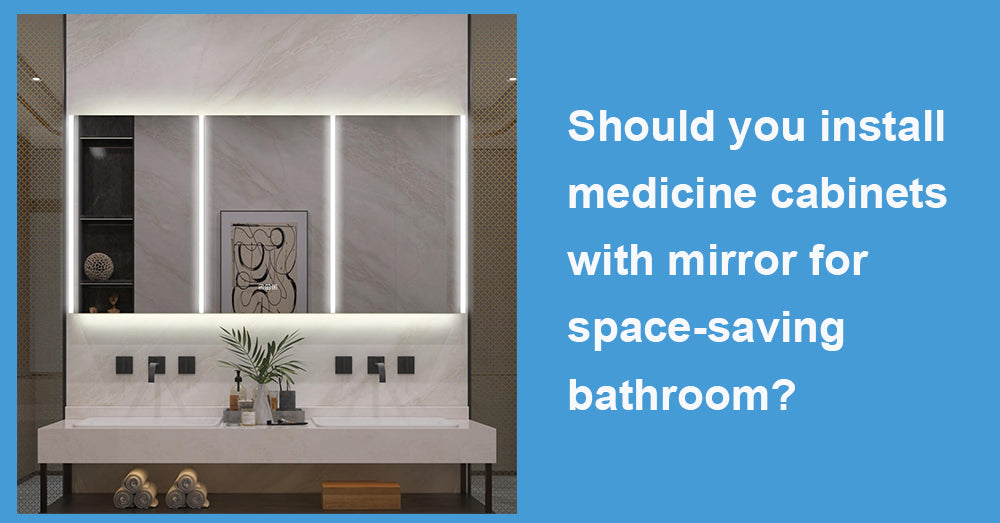
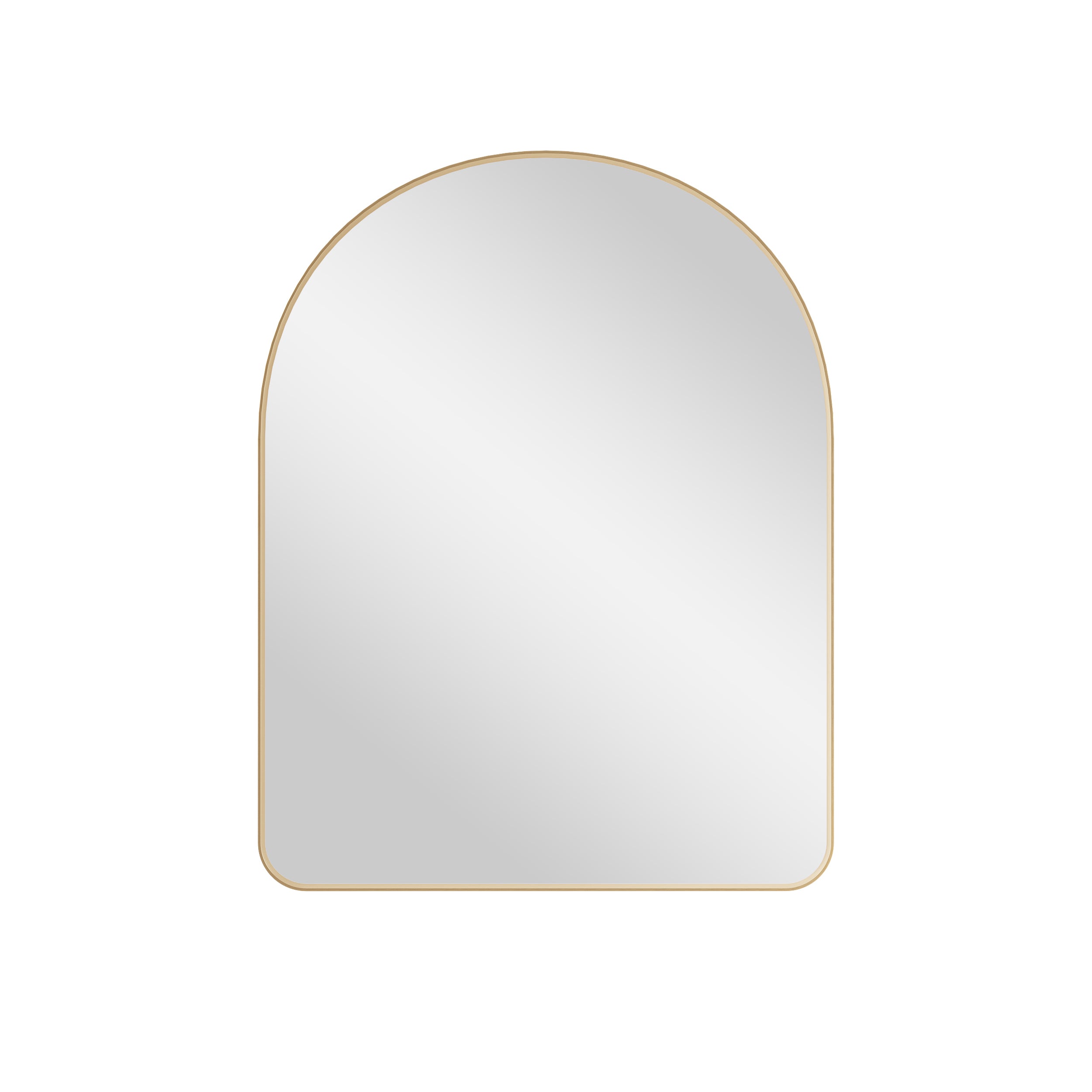
In current bathroom decoration and renovation projects, "space efficiency" has become an unavoidable core issue. Whether it is urban apartments, small-sized residences, or modern families that pursue simplicity and orderliness, how to achieve a balance between storage, aesthetics, and functionality within a limited bathroom area has always been a challenge for consumers and designers. In this context, medicine cabinet with mirror has returned to the center of industry discussions. So, is it really necessary to install mirror cabinets in the bathroom to save space? Does this seemingly traditional design still conform to current decoration trends and practical needs?
1. The pressure of bathroom space drives the revival of mirror cabinets
In recent years, the overall bathroom area has shown a trend of "functional retention and spatial tightening". The multiple functions of washing, storage, makeup, and care are concentrated in a relatively limited space, making the problems of cluttered countertops and insufficient storage more prominent.
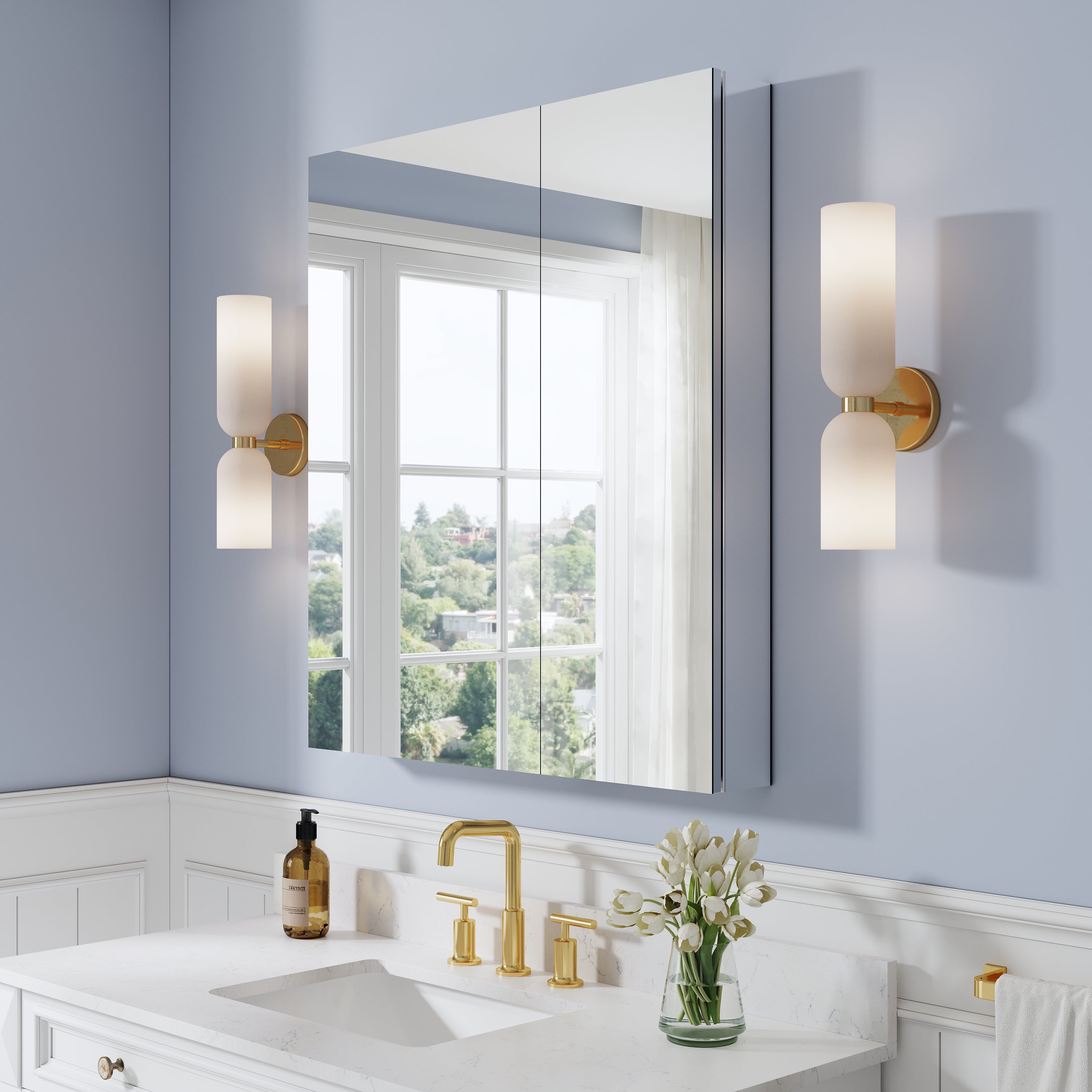
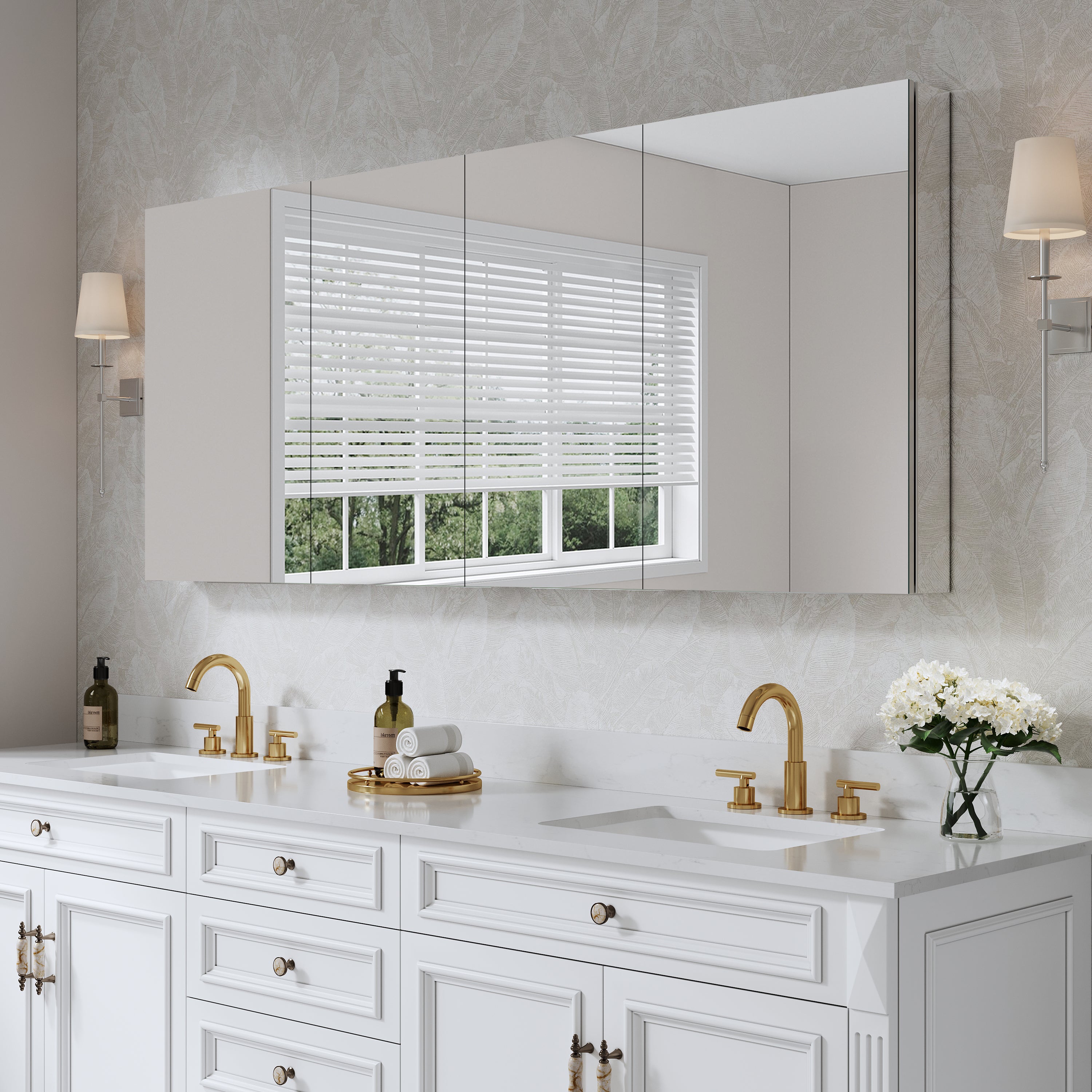
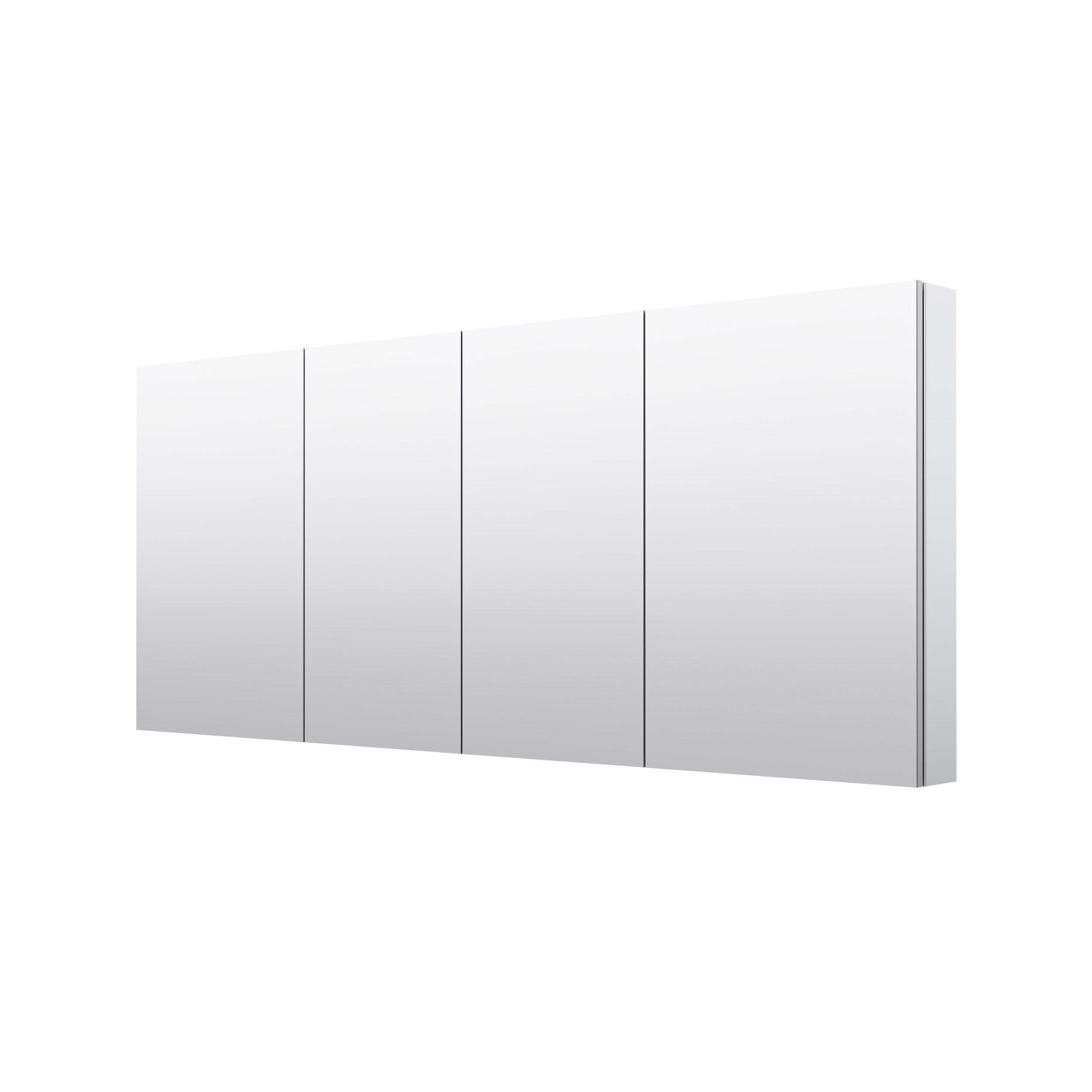
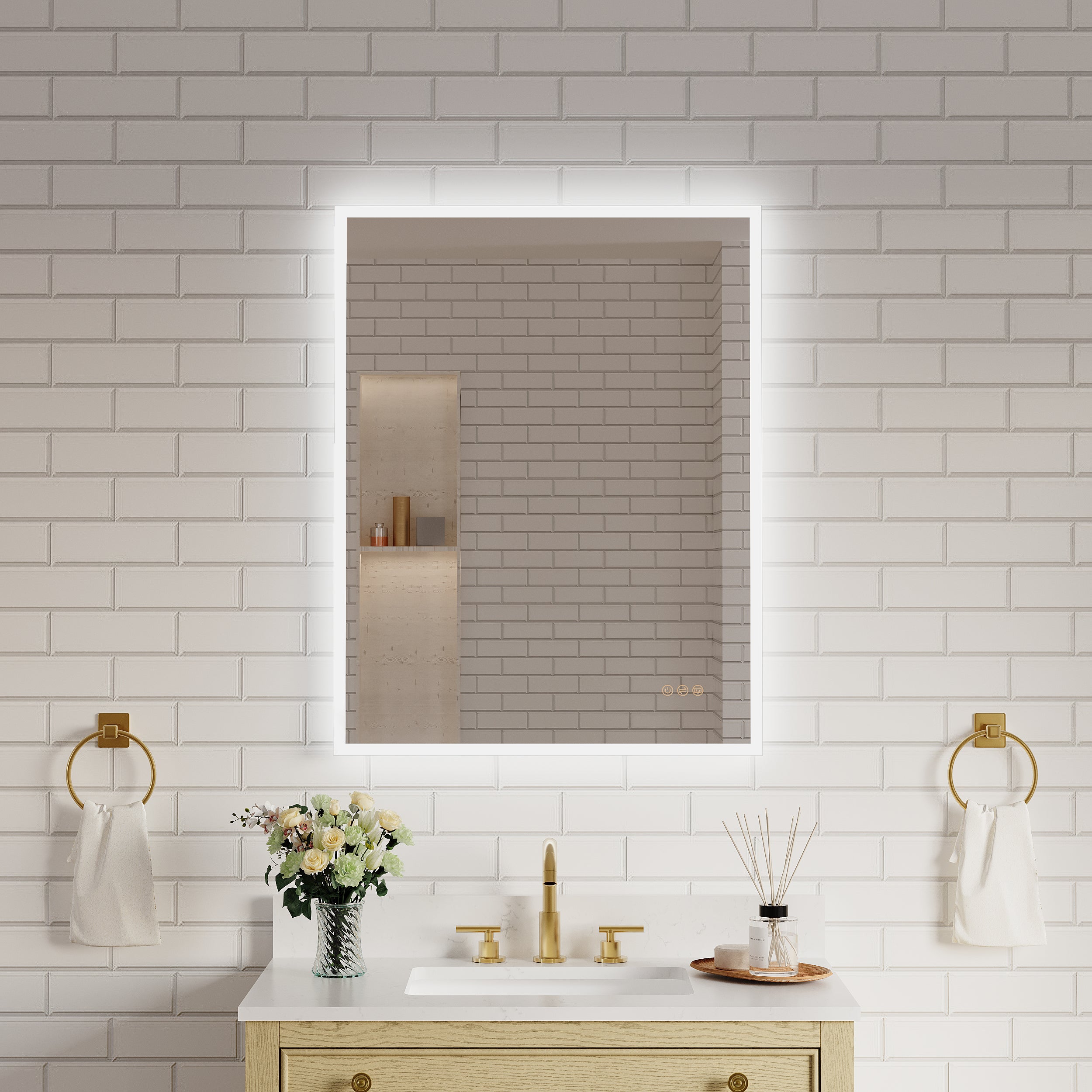
Industry observations show that more and more decoration projects are reducing external solutions such as independent shelves and countertop storage boxes, and instead adopting vertical wall space. Under this logic, the mirror cabinet has once again become a design priority due to its dual nature of "mirror+storage". Compared to simple bathroom mirrors, mirror cabinets do not take up additional floor or countertop space. Still, they can significantly increase storage capacity and are considered an effective tool for optimizing small spaces.
2. Where does the spatial value of a Medicine Cabinet lie?
From an industry perspective, the true advantage of mirror cabinets is not in "increasing storage" but in turning previously overlooked spaces into efficient areas.
Traditional bathroom mirrors are only visual elements, while mirror cabinets convert the thickness of the wall behind the mirror into usable space. This design logic is fundamental in small bathrooms - it avoids adding extra furniture and does not disrupt the flow. Compared to installing open shelves on the wall, mirror cabinets can also hide clutter, making the bathroom look cleaner and more organized.
More importantly, the storage height of the mirror cabinet is usually within the user's most active line of sight and arm range, which conforms to ergonomics and improves daily use efficiency.
3. Should a small bathroom be equipped with a mirror cabinet?
From a large number of renovation cases and design feedback, it can be seen that small bathrooms are precisely the most valuable scenario for medical cabinets.
In situations where countertop space is limited, daily items such as toiletries, skincare products, and electric toothbrushes often pile up around the washbasin, which not only affects aesthetics but also reduces user comfort. The presence of a mirror cabinet allows for the centralized storage of these items in the space behind the mirror, keeping the countertop clean.
In addition, mirror cabinets can reduce reliance on independent high cabinets or side cabinets, which is particularly important for already small bathrooms. Therefore, from the perspective of space efficiency, mirror cabinets are not an "optional" option, but a "core configuration" for many small bathrooms.
4. Embedded vs Wall-Mounted: The Key Difference in Space Saving
Whether it truly saves space largely depends on the mirror cabinet's installation method.
Recessed Medicine Cabinet
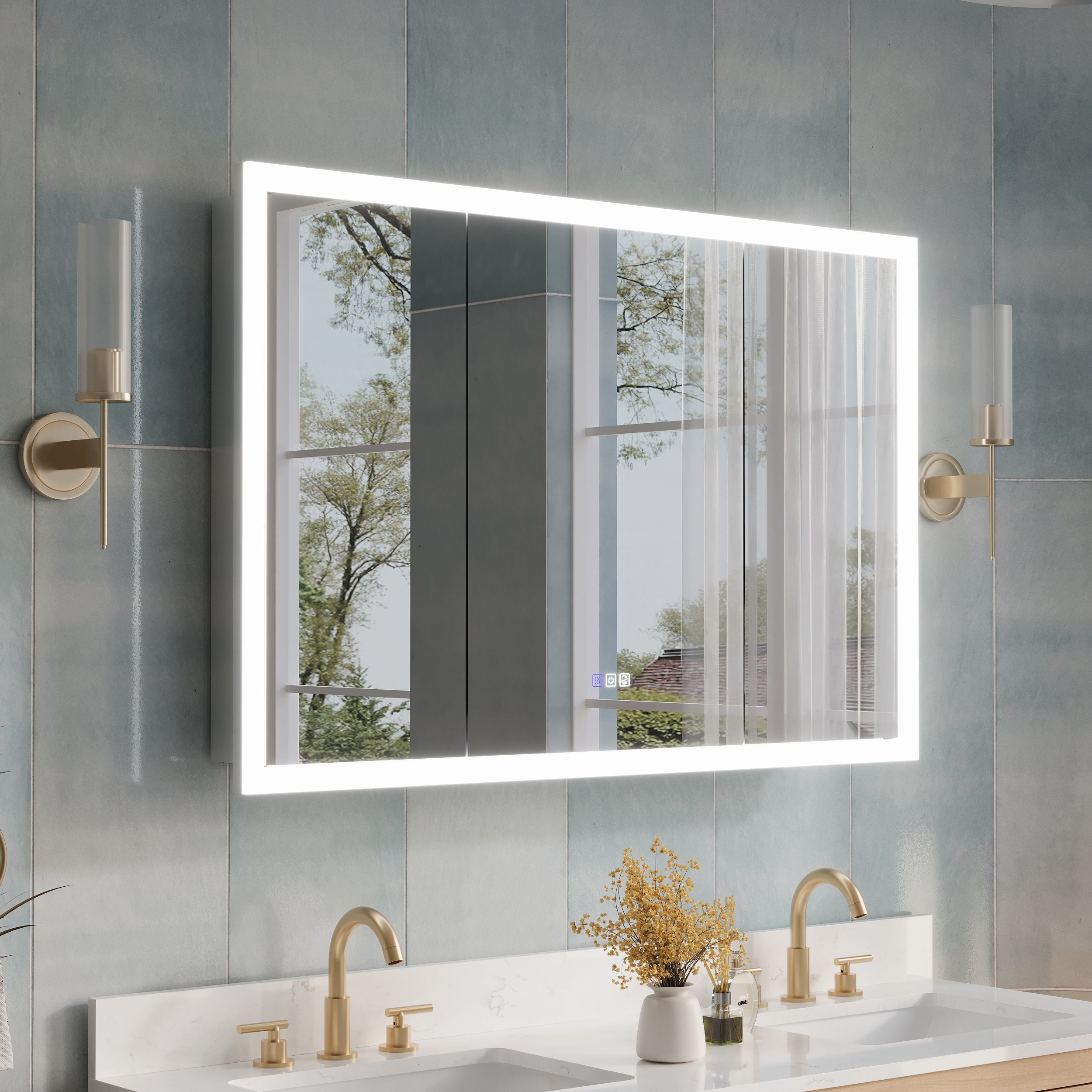
Embedded design hides the cabinet flush with the wall and takes up almost no additional space. This approach is visually cleaner and better suited for bathroom decoration that emphasizes simplicity, modernity, or sophistication. For new house decoration or complete renovation projects, embedded mirror cabinets are considered the most ideal space solution in the industry.
Surface-Mounted Medicine Cabinet
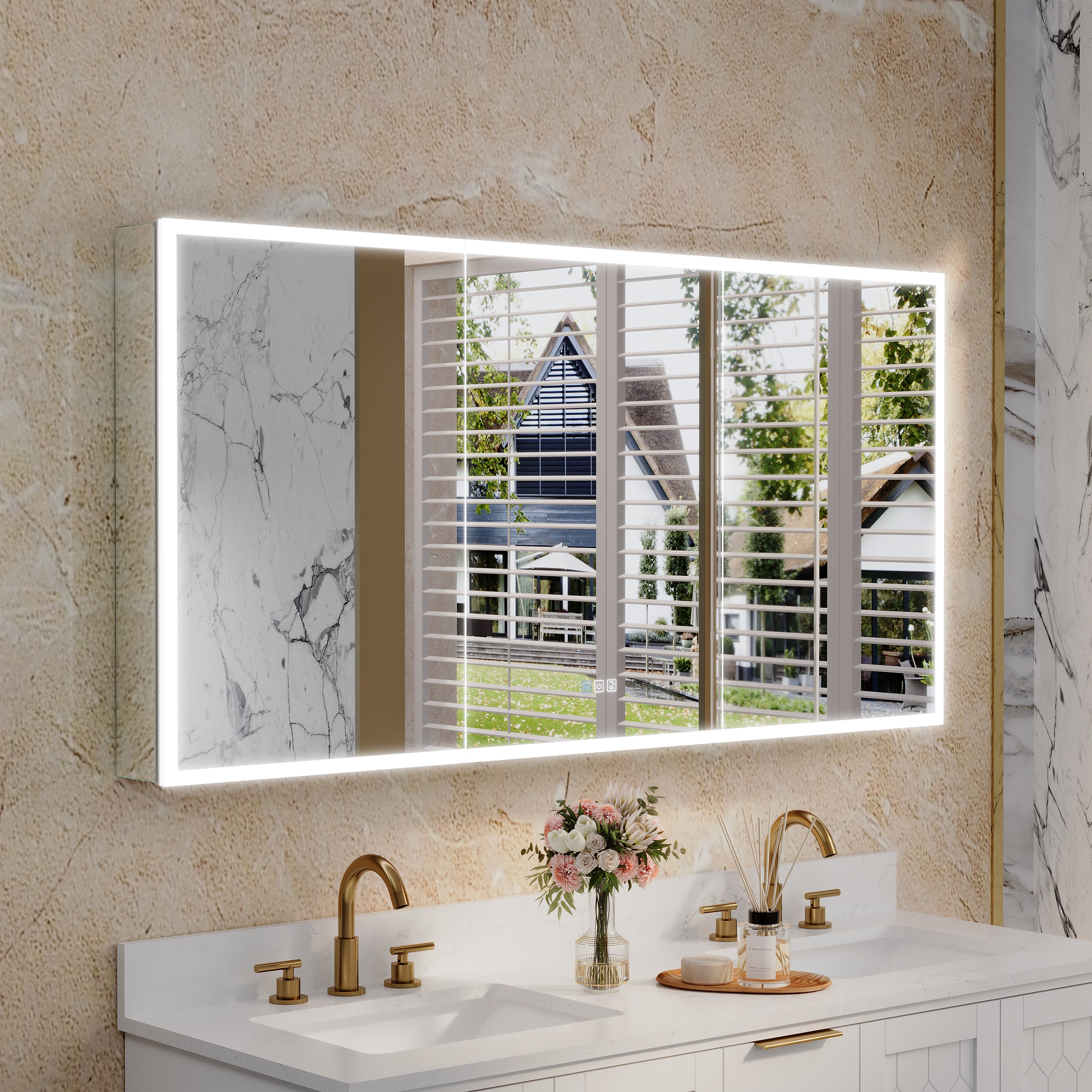
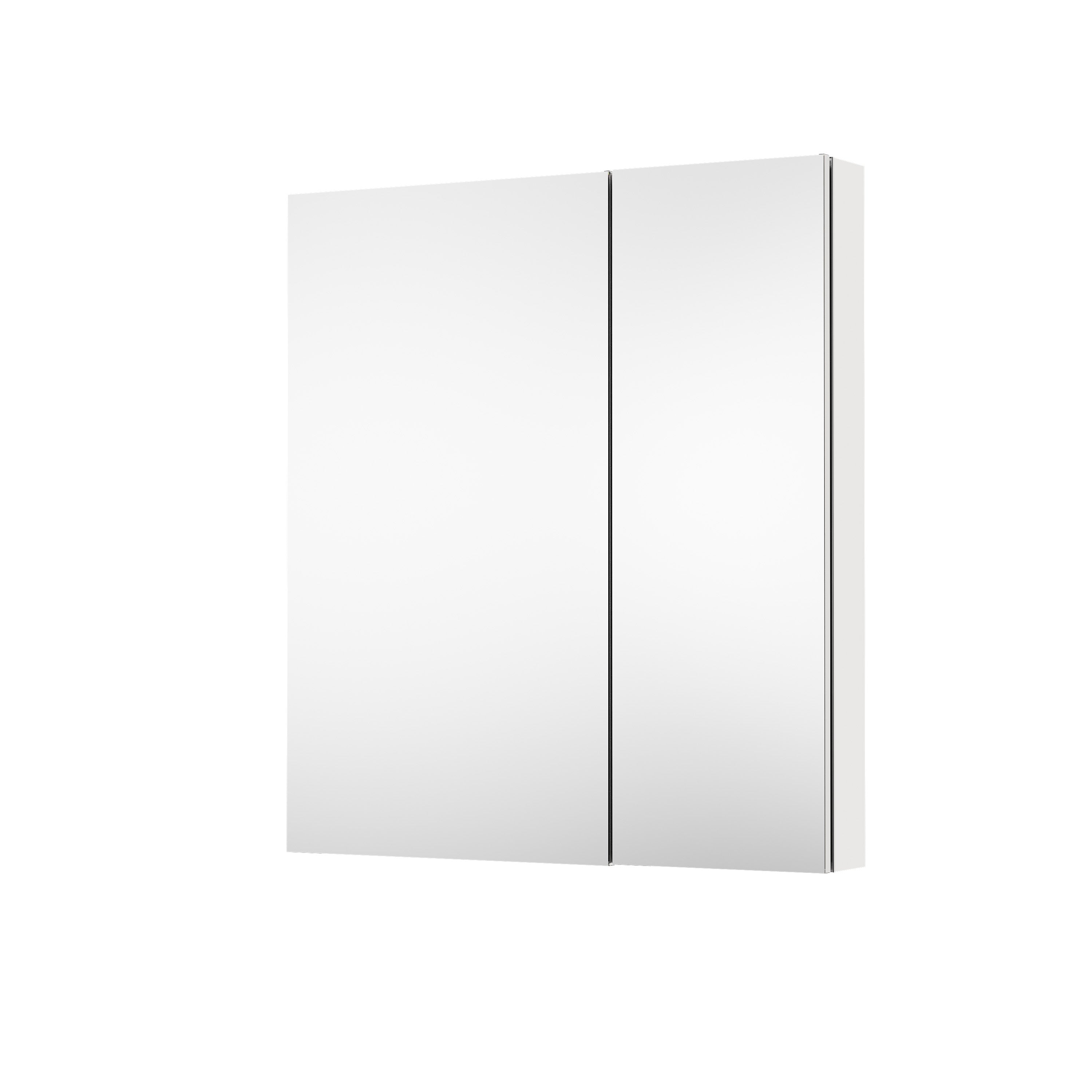
Wall-mounted mirror cabinets are easy to install and suitable for partial renovation or scenes where wall modifications are inconvenient. But its protruding structure may create a sense of oppression in small spaces. Therefore, in projects that emphasize "ultimate space saving", embedded systems are usually more recommended.
5. Has modern medicine cabinet shed its "old-fashioned impression"?
Many consumers still hold stereotypes about mirror cabinets, believing that their design is outdated and their style is monotonous. However, in line with recent industry trends, modern medicine cabinets have undergone significant changes.
The current market for mirror cabinets emphasizes more on:
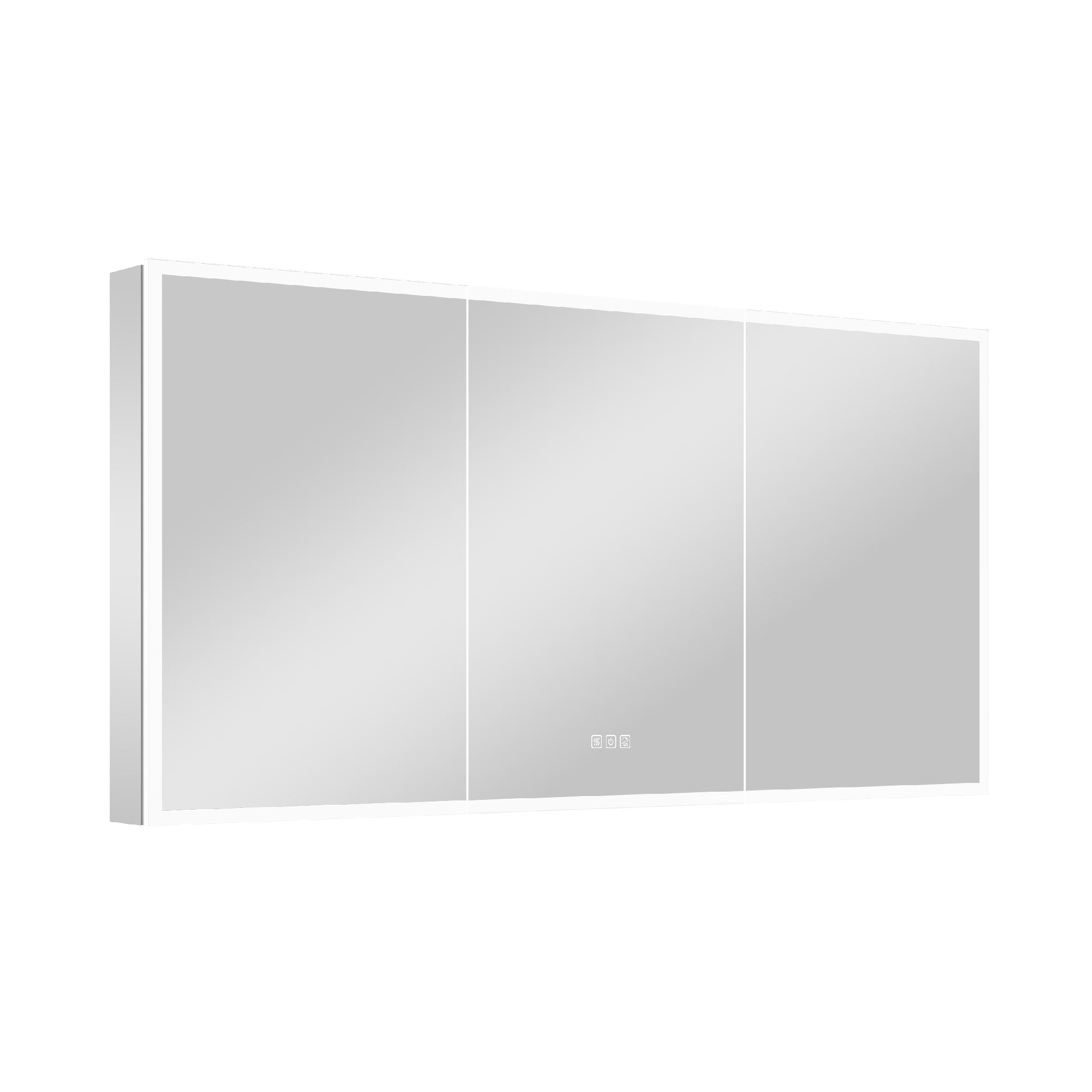
Thin border and simple lines
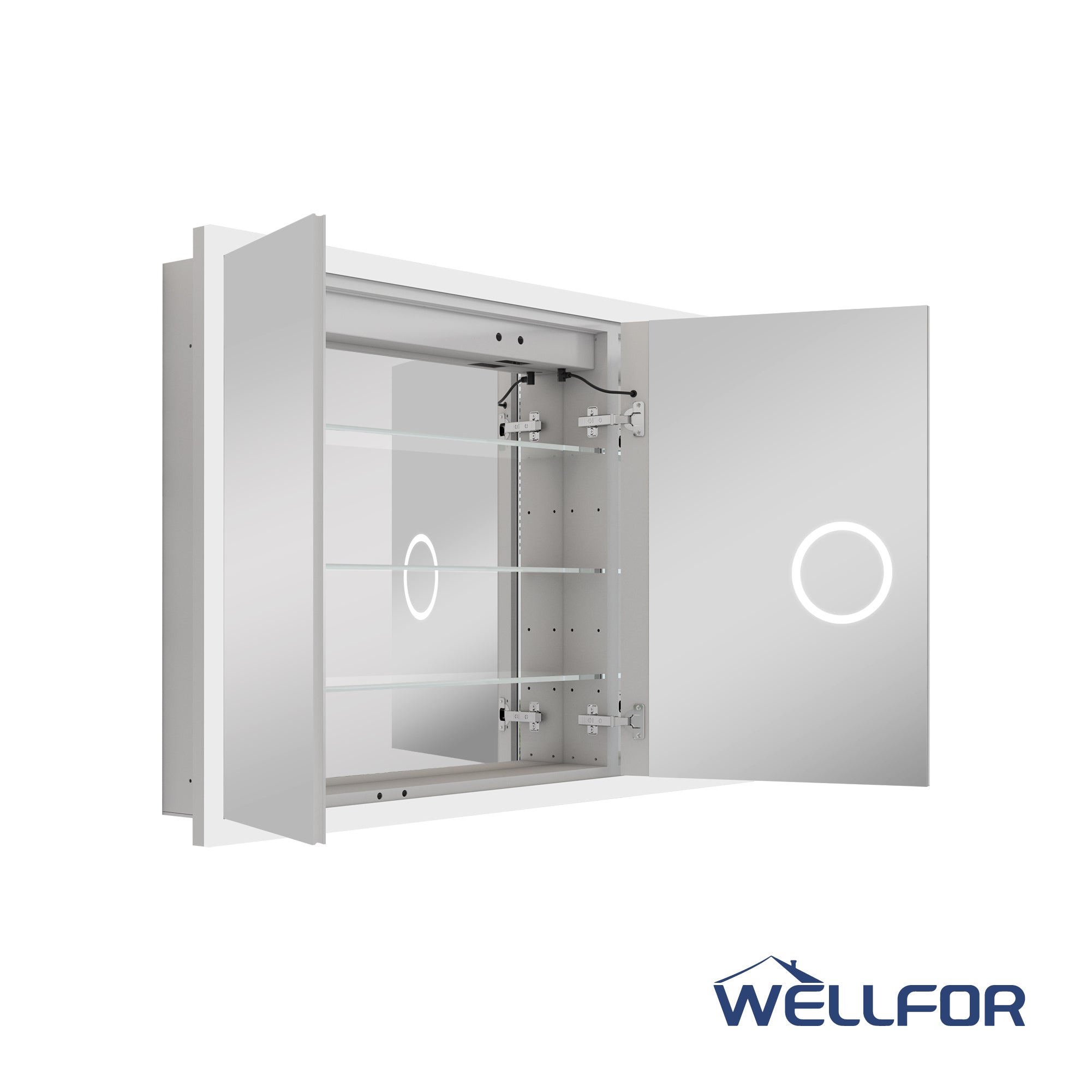
Reasonably partition internally, rather than being deep and messy
Anti-fog mirror and soft lighting design
Hidden hinge and buffer opening and closing structure
These upgrades make the mirror cabinet no longer just a storage tool, but a part of bathroom design. For users who want to save space while maintaining aesthetics, modern mirror cabinets can already meet their dual needs.
6. Will saving space sacrifice the user experience?
A common question in industry discussions is: Will mirror cabinets affect the user experience due to "compressing space"? Based on actual usage feedback, this concern is gradually disappearing.
Reasonably designed mirror cabinets usually have adjustable shelves that can be adjusted to accommodate the heights of different items, avoiding "space waste". At the same time, the opening angle, buffer structure, and internal lighting of the mirror cabinet door are constantly optimized to ensure smooth and comfortable use.
Compared to scattered countertop storage, mirror cabinets make daily picking and placing more efficient, reducing the time cost of repeated organization.
7. From a long-term usage perspective, is the mirror cabinet worth it?
From the perspective of the decoration lifecycle, the value of mirror cabinets is not only reflected in the current space saving, but also in the long-term stability and maintenance costs.
Unlike frequently replaced storage boxes or floor cabinets, high-quality mirror cabinets typically have a longer lifespan and can adjust their internal layout according to changing household needs. A cleaner bathroom environment also helps reduce the cleaning burden caused by damp and stagnant water.
At this level, the mirror cabinet is not only a spatial solution, but also a rational investment for long-term use.

Conclusion
Overall, if one of the goals of bathroom decoration is to save space, improve cleanliness, and optimize daily user experience, then installing medicine cabinets with mirrors is not redundant, but a highly suitable choice for modern bathroom needs. Especially in small bathrooms or designs that emphasize efficient use of space, mirror cabinets transform previously overlooked wall spaces into high-value areas by integrating mirror and storage functions. Under the premise of reasonable installation methods, design styles, and internal structures, mirror cabinets not only do not compress space, but also make the bathroom appear more orderly, spacious, and durable, becoming a configuration worthy of serious consideration in bathroom space optimization.













Leave a comment
This site is protected by hCaptcha and the hCaptcha Privacy Policy and Terms of Service apply.