















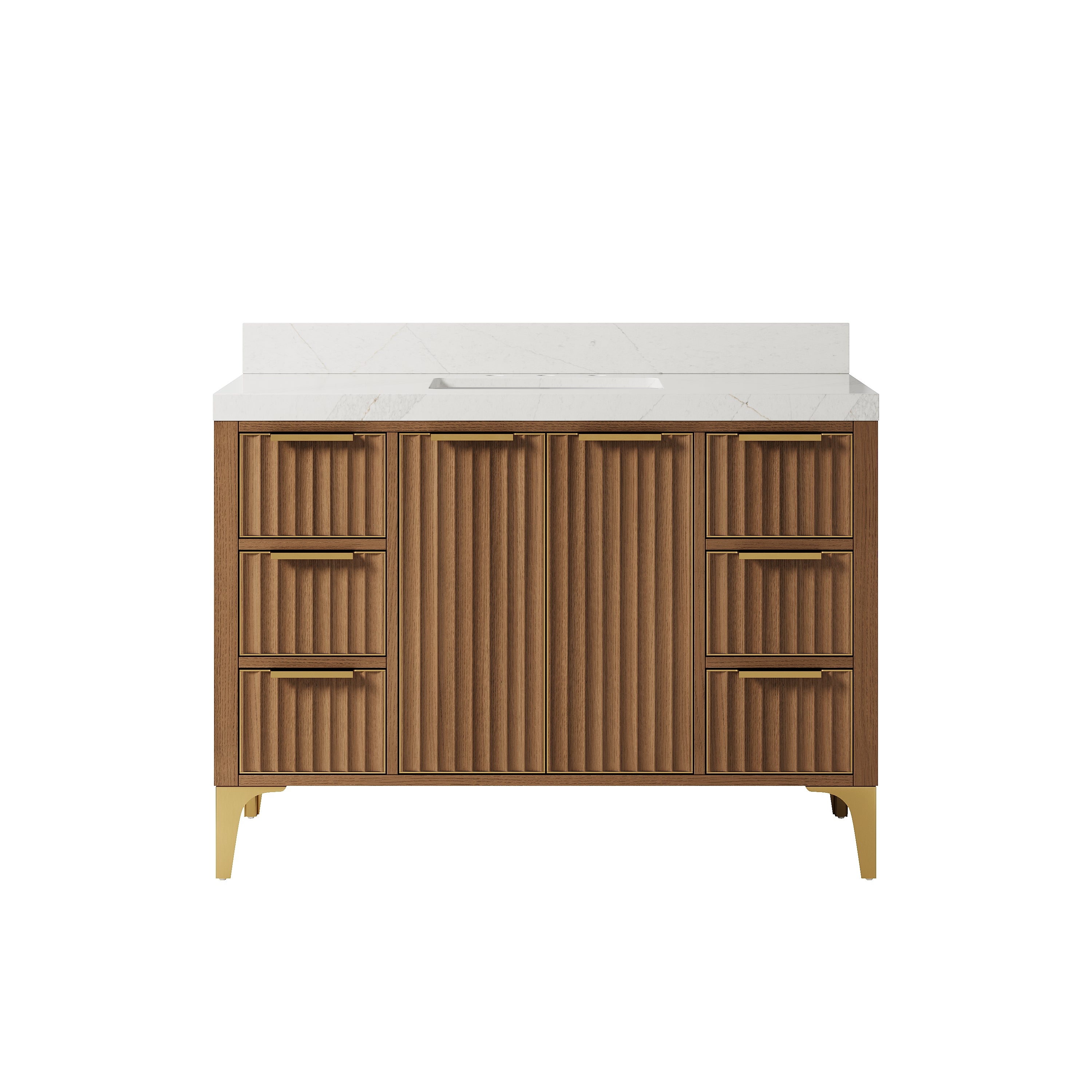



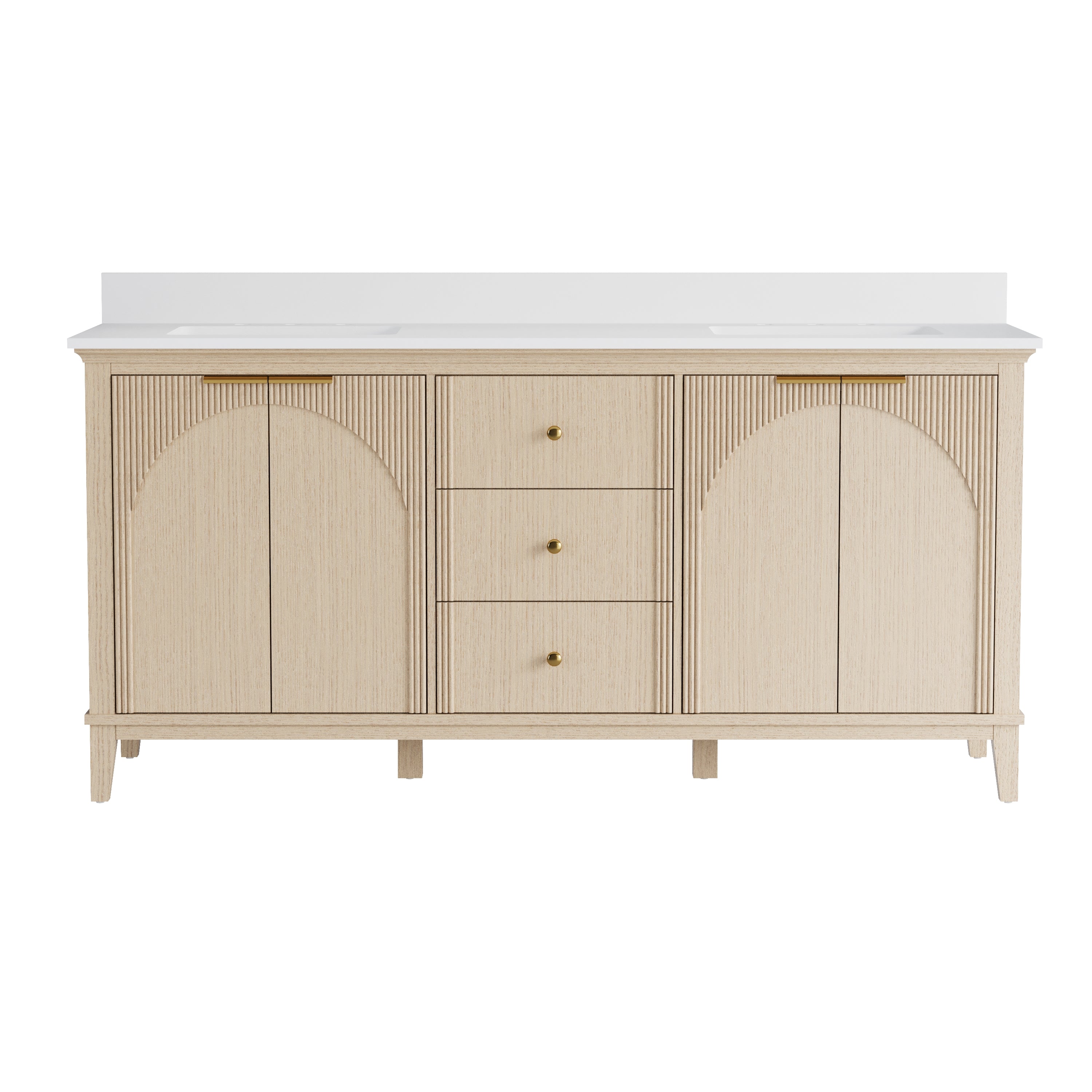
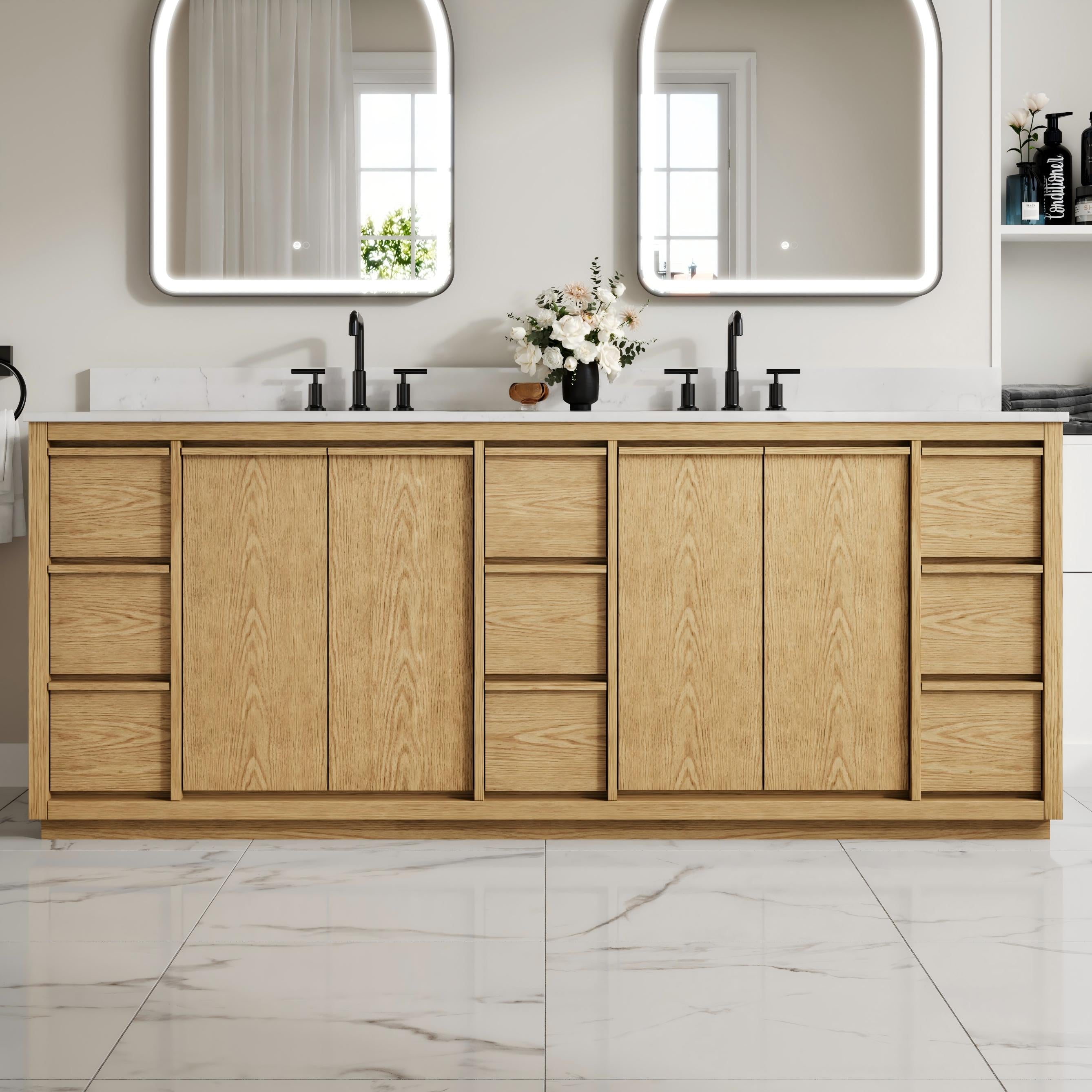
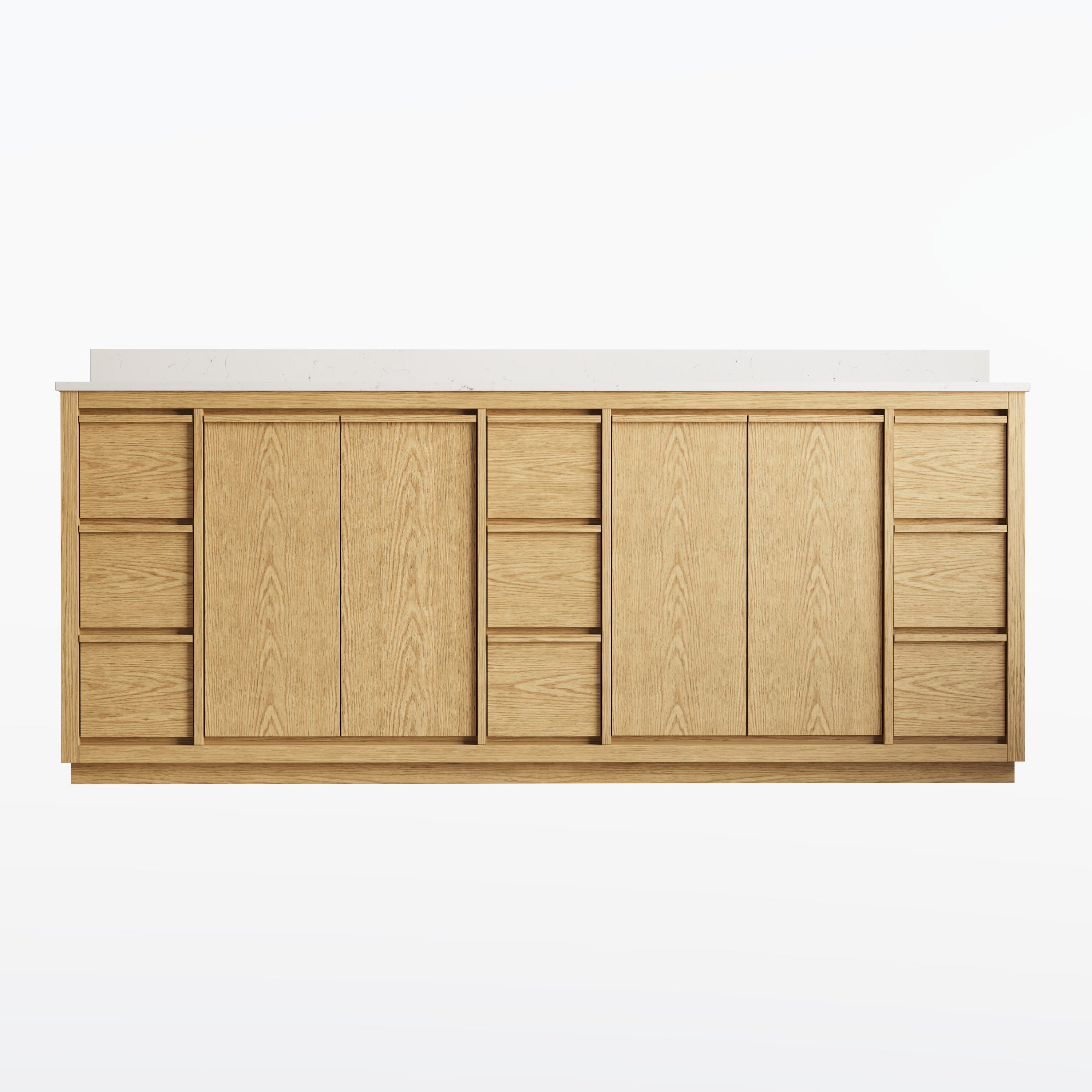

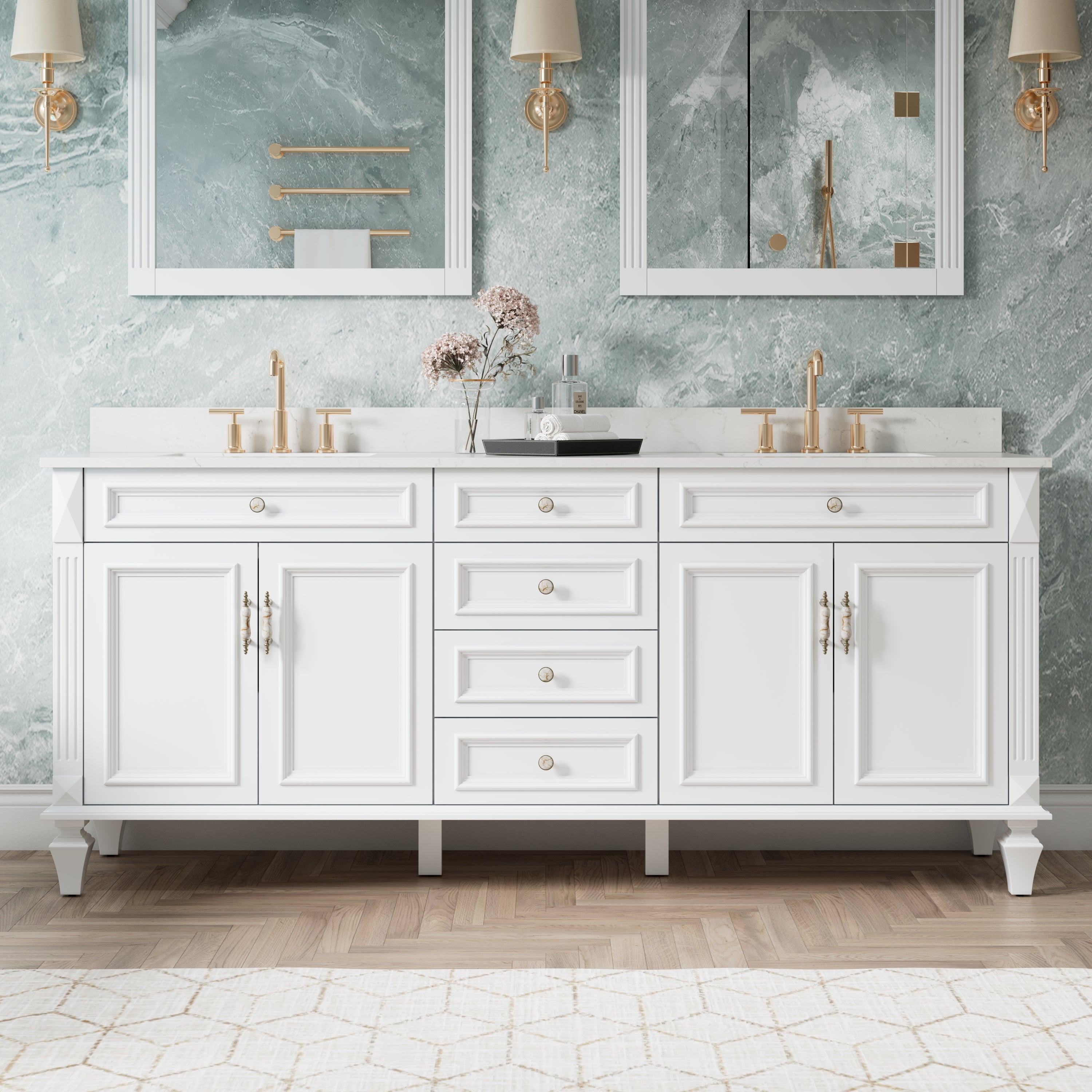
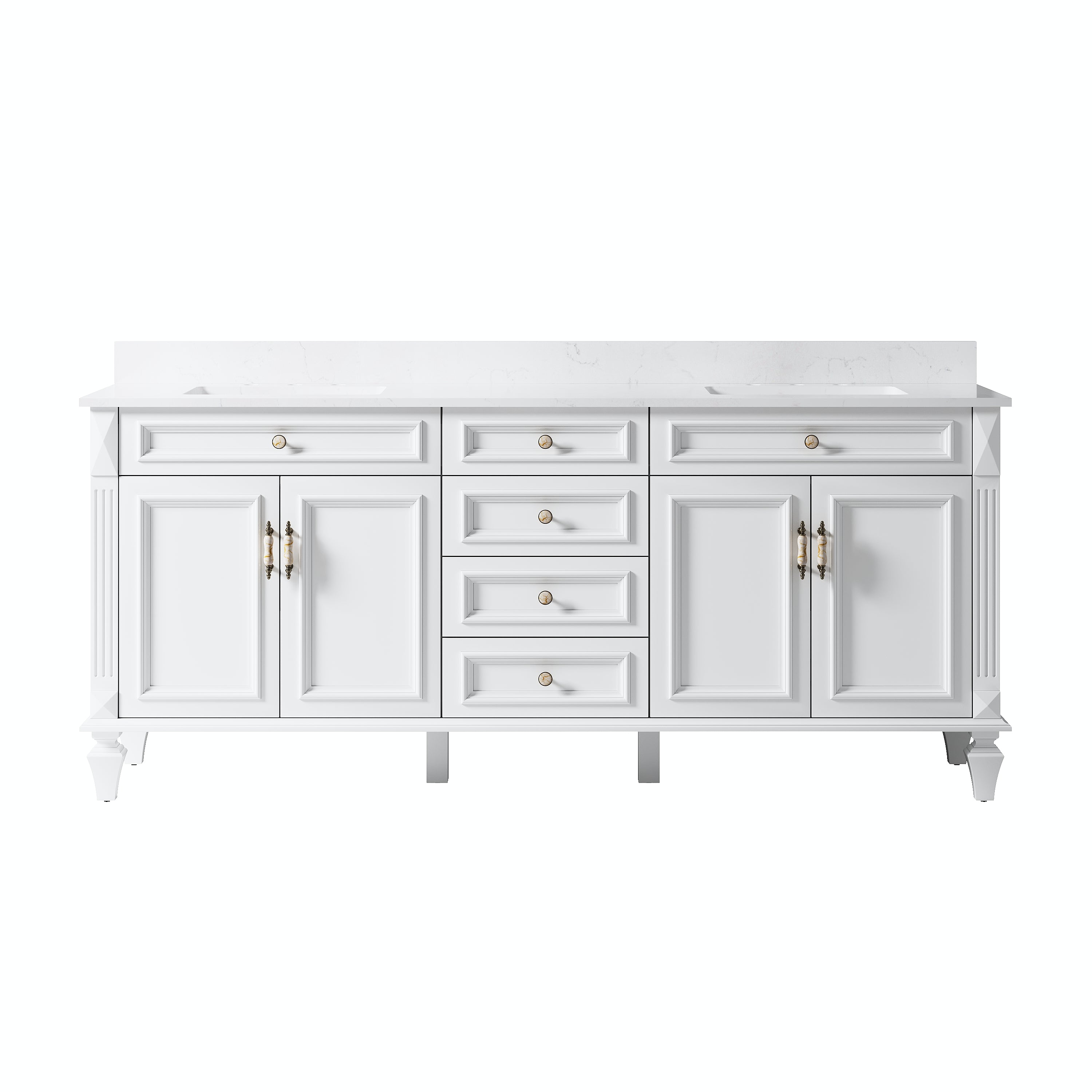
A white bathroom vanity with sink can simplify a renovation by combining several major components into one coordinated purchase. After more than 20 years of working with bathroom cabinetry, I have seen these packages save homeowners from measurement errors, mismatched finishes, and last-minute countertop fabrication. They can make installation easier, but they are not completely plug-and-play. Plumbing positions, faucet holes, cabinet dimensions, and delivery conditions still need careful attention.
1. A Coordinated Package Reduces Product-Matching Problems
Buying a cabinet, countertop, and sink separately gives you more design freedom, but it also creates more opportunities for error. The countertop must fit the cabinet, the sink must fit the cutout, and the finished height must suit the room.
A vanity-and-sink package removes much of that uncertainty. The basin is already selected for the top, and the countertop is sized for the cabinet. Some models arrive with the sink attached, while others include separate components designed to fit together.
This is especially useful for a guest bathroom, rental renovation, or straightforward replacement project where custom fabrication is unnecessary.
2. A White Bathroom Vanity with Sink Is Not Always Fully Complete
One of the most common buying mistakes is assuming that every item shown in a product photograph is included.
The faucet, drain assembly, backsplash, side splash, mirror, supply lines, and mounting hardware may be sold separately. Even when the sink is included, it may not be installed at the factory.
Read the product contents carefully. Confirm whether the top is attached, whether the basin is integrated or undermounted, and whether the backsplash comes in the package.
Check the Faucet-Hole Configuration
A countertop may be drilled for a single-hole, centerset, or widespread faucet. These layouts are not interchangeable without modifying the surface.
Choose the faucet before installation, or at least confirm its required hole pattern. Drilling a finished quartz, ceramic, or cultured-marble top after delivery may be difficult and could damage it.
3. White Makes the Package Easy to Coordinate
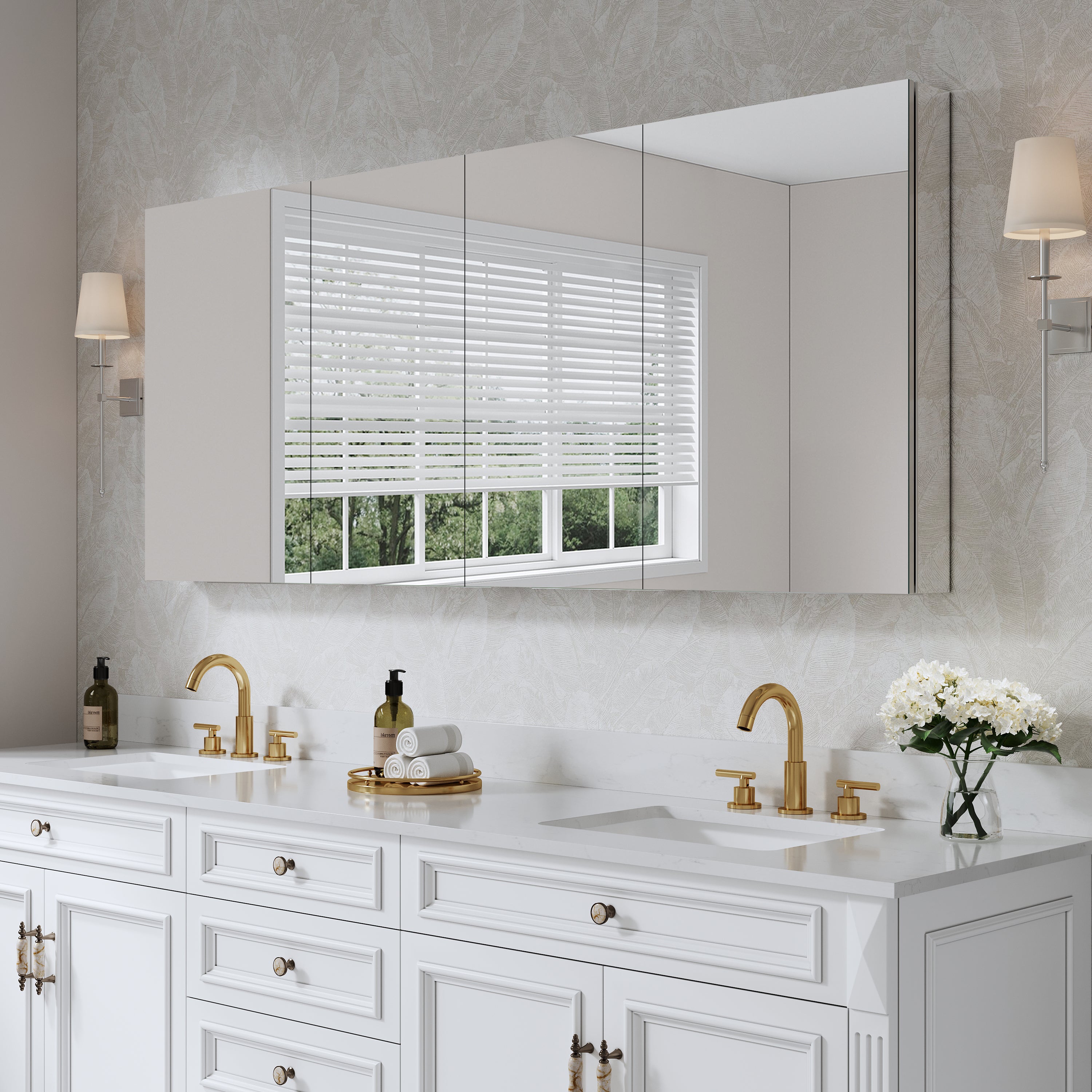
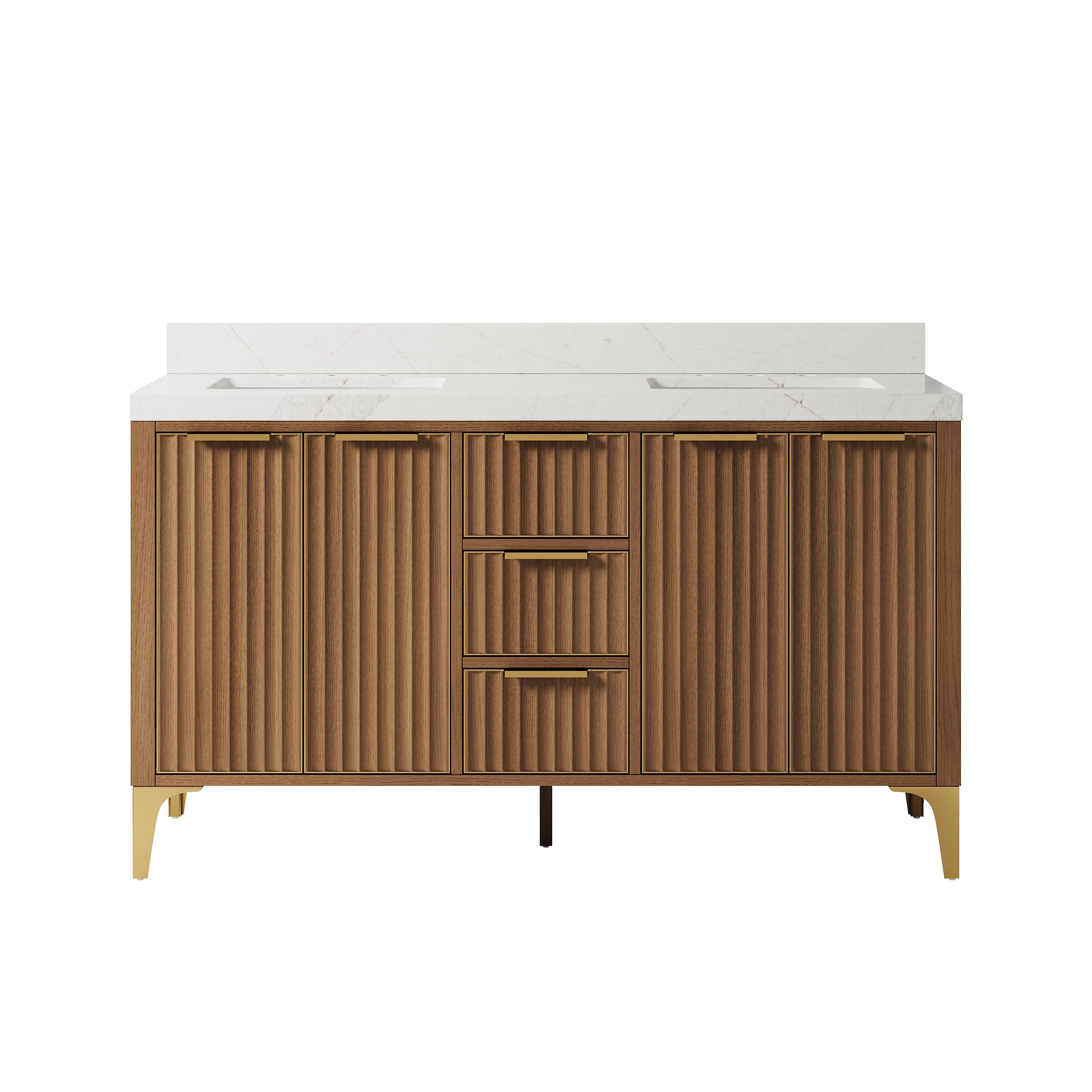
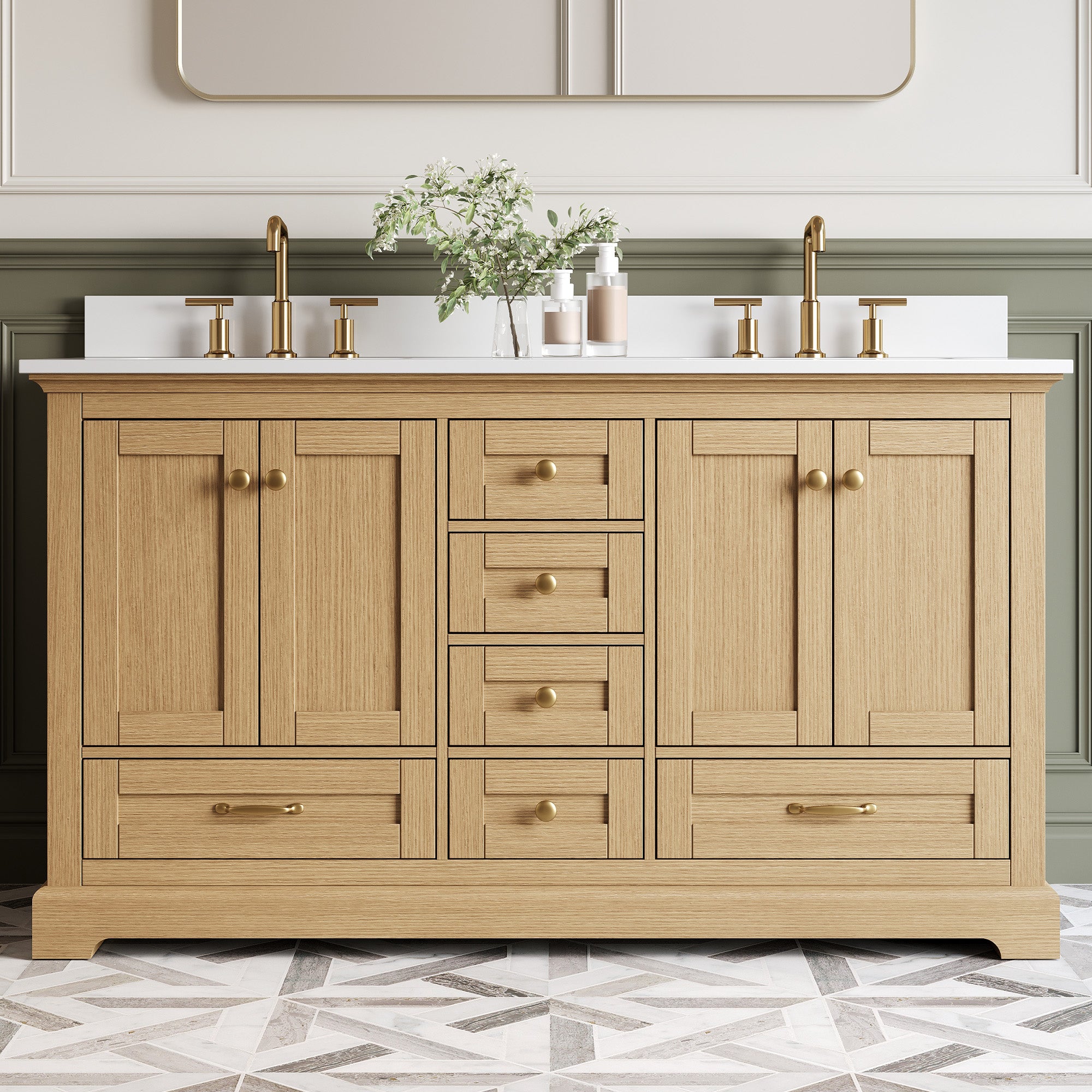
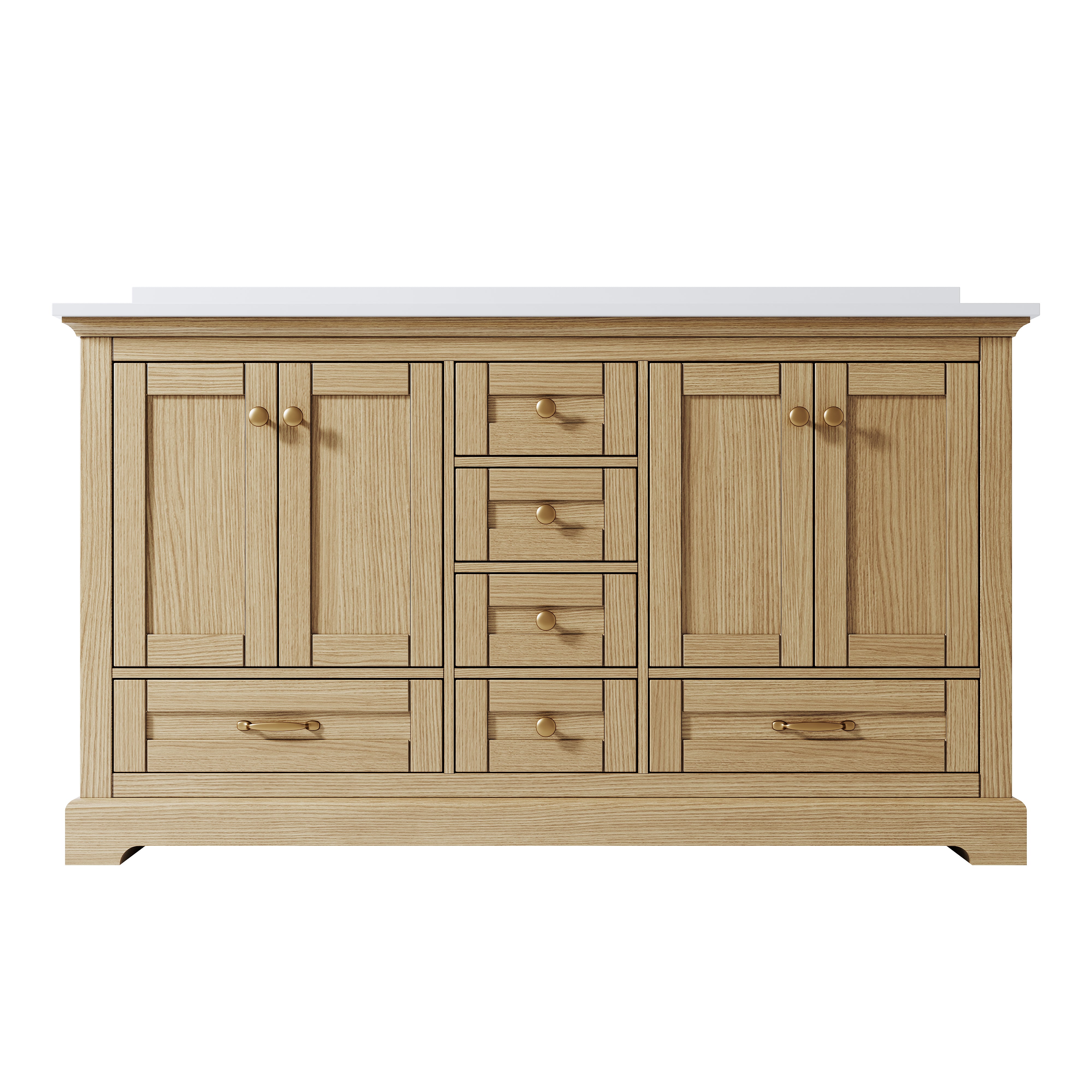
A white cabinet works with a broad range of bathroom finishes. It can sit beside gray-veined quartz, beige tile, wood-look flooring, matte black fixtures, brushed nickel, or warm brass.
That flexibility is valuable during a renovation because the vanity does not force every other selection into one narrow style. Flat-front doors can look modern, while shaker panels fit transitional bathrooms. More detailed doors can support a traditional interior.
White also reflects light, helping a small or windowless bathroom feel less heavy.
Not Every White Is the Same
Some finishes are crisp and cool. Others lean cream, gray, or warm beige. A bright white cabinet may look harsh beside ivory tile, while a warm white can appear yellow under cool LED lighting.
Compare samples with the floor, wall paint, countertop, and bathroom lighting whenever possible. Slight variation is acceptable. Conflicting undertones are harder to ignore.
4. The Sink Style Affects Daily Use
An integrated sink creates a smooth surface with fewer seams, which makes routine cleaning easier. Cultured-marble and ceramic tops often use this approach.
An undermount basin gives the countertop a cleaner edge and allows water to be wiped directly into the sink. It usually provides a more refined appearance, though the joint beneath the top must be installed correctly.
Vessel sinks make a stronger design statement but add height and may reduce usable counter space. They also require careful faucet placement to prevent splashing.
For most family and guest bathrooms, I prefer a moderately sized undermount or integrated basin. An oversized sink may look impressive online while leaving very little room for soap, skincare, or grooming products.
5. Easier Installation Still Requires Accurate Measurements
Measure the available wall at floor level, countertop height, and near the upper edge of the cabinet. Include the countertop overhang, which may extend beyond the vanity box.
Check the depth as well. A standard vanity can project too far into a narrow bathroom, interfering with the toilet, entrance, or shower door.
Use painter’s tape to mark the complete footprint. Stand at the proposed sink position and open every nearby door or drawer.
The delivery route matters too. Measure doorways, hallways, stairs, and tight corners. A cabinet with an attached stone top can be heavy and awkward to move.
6. Plumbing Compatibility Can Decide Whether Installation Is Simple
Record the drain and supply-line positions before ordering. Compare those measurements with the cabinet’s interior diagram.
Drawers often require the plumbing to remain within a specific central area. If pipes conflict with drawer boxes, the installer may need to relocate them or cut into the cabinet. Either option can increase labor and reduce storage.
A freestanding vanity is often easier to adapt to existing plumbing. Floating models create a lighter appearance and simplify floor cleaning, but they require secure wall framing and more precise installation.
7. Consider the Advantages and Limitations of White
White cabinetry makes bathrooms feel clean and adaptable, but it shows toothpaste, makeup, hair dye, fingerprints, and dust more readily than many wood finishes.
Poor-quality paint may chip around corners and handles. High-gloss coatings reveal fine scratches, while heavily detailed doors collect residue in grooves. A durable satin or matte finish is usually the easiest to maintain.
A white vanity may not suit a dark, intimate bathroom or a strongly rustic space where natural grain is central to the design. It is most effective in modern, transitional, coastal, and light traditional bathrooms.

8. Install and Maintain the Package Carefully
Set the cabinet level so doors and drawers remain aligned. Secure it according to the manufacturer’s instructions, then seal the sink, faucet openings, countertop, and backsplash joints.
Test the drain and supply connections before filling the cabinet. Leave enough access beneath the sink for future inspections.
Use a soft cloth and mild, non-abrasive cleaner for routine care. Wipe standing water promptly, remove colored spills before they stain, and run the exhaust fan after showers. Check the plumbing several times a year for slow leaks.
When comparing Wellfor options, verify the package contents, full dimensions, faucet-hole layout, sink type, storage, and plumbing compatibility before ordering. A white bathroom vanity with sink can make installation more predictable, but the best purchase is one that fits the room, arrives with the components you actually need, and remains practical after the renovation is finished.

























Leave a comment
This site is protected by hCaptcha and the hCaptcha Privacy Policy and Terms of Service apply.