
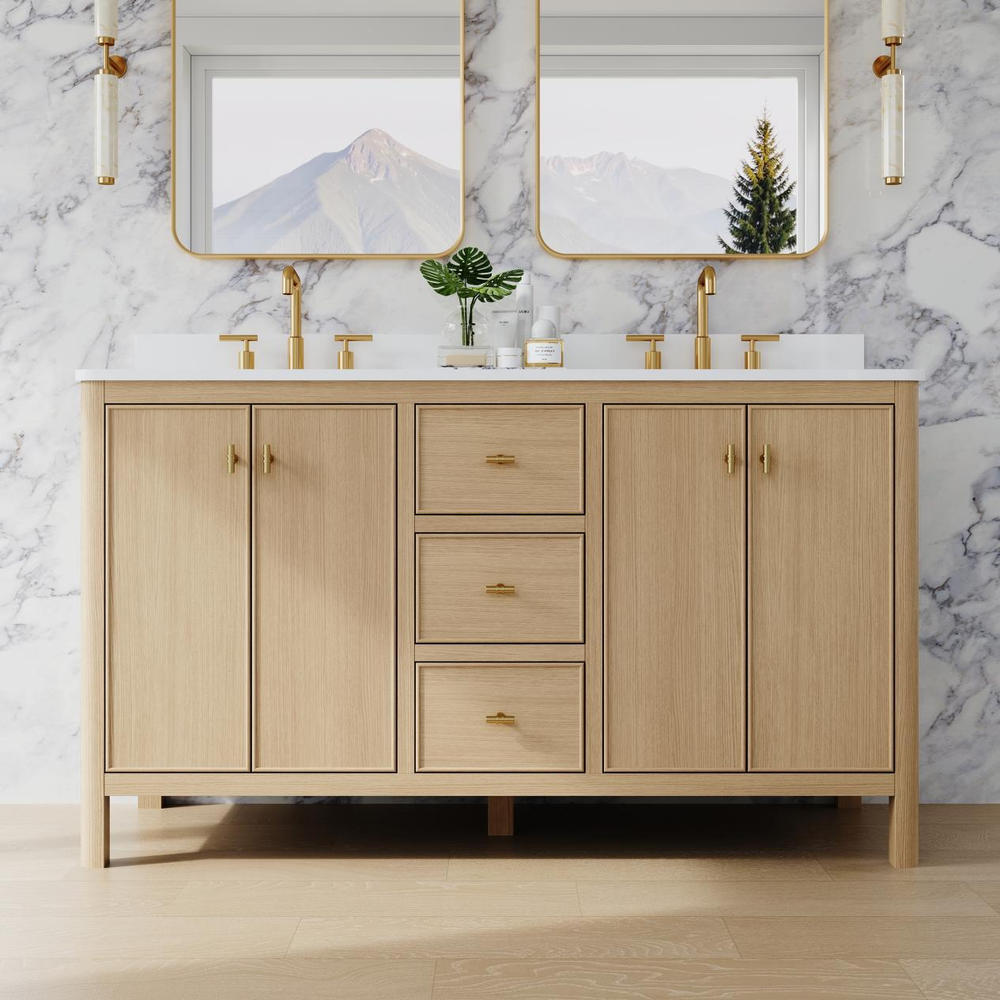
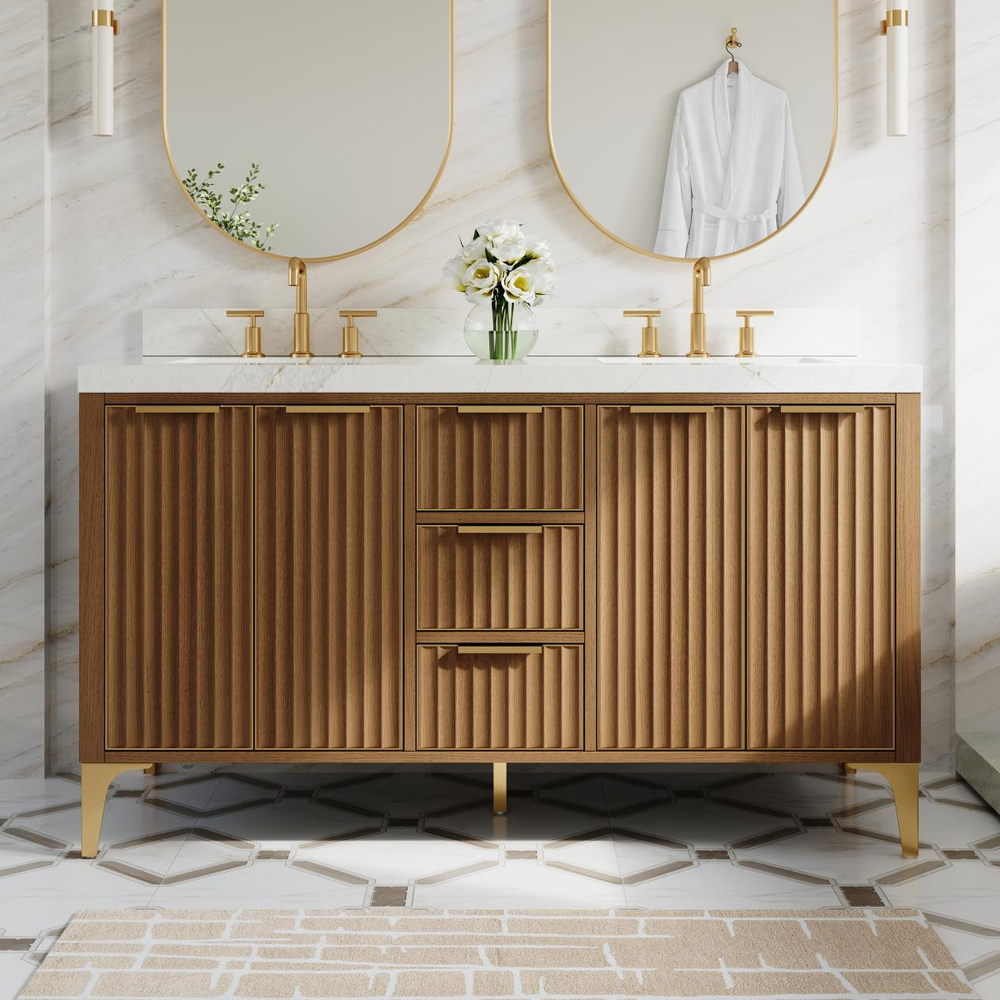





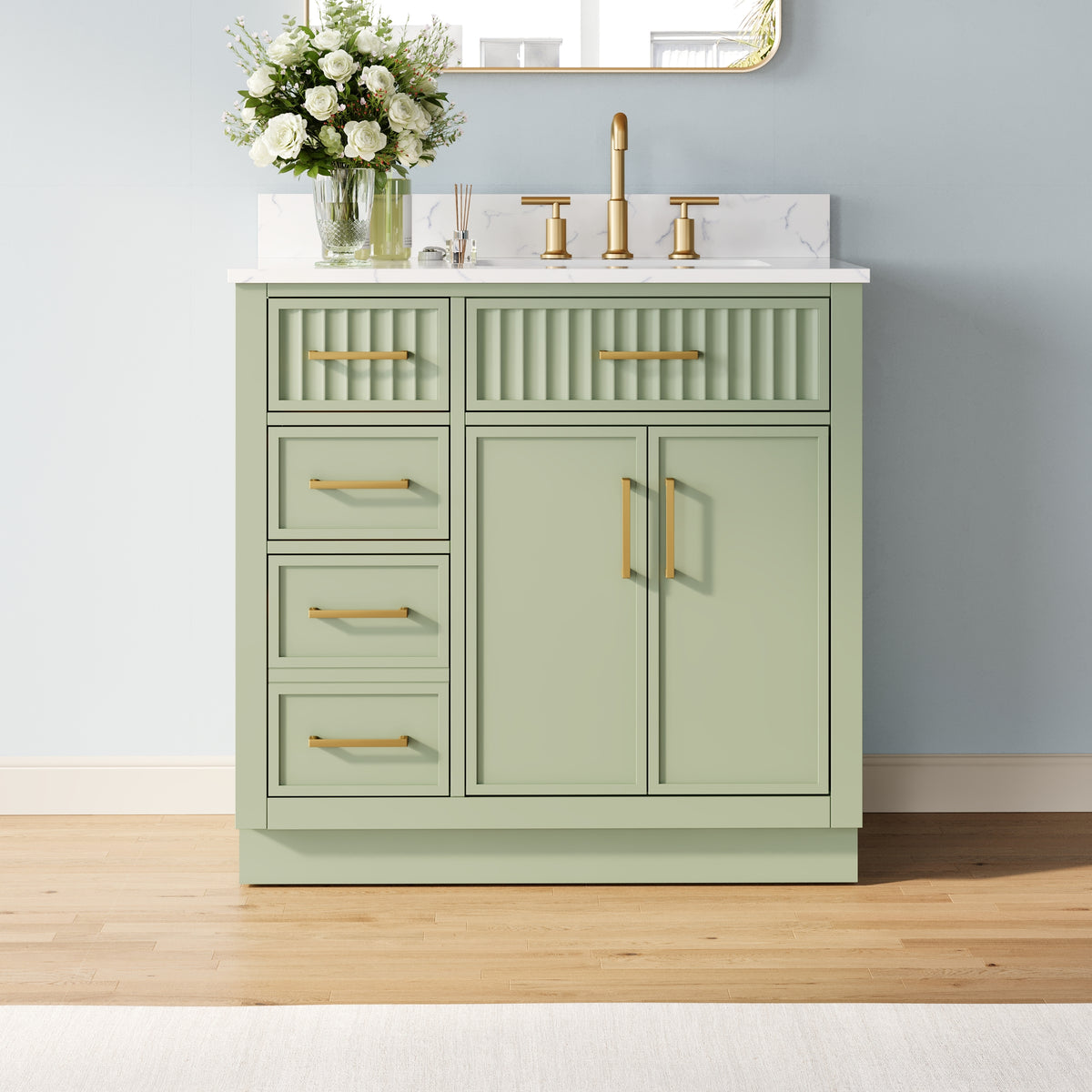
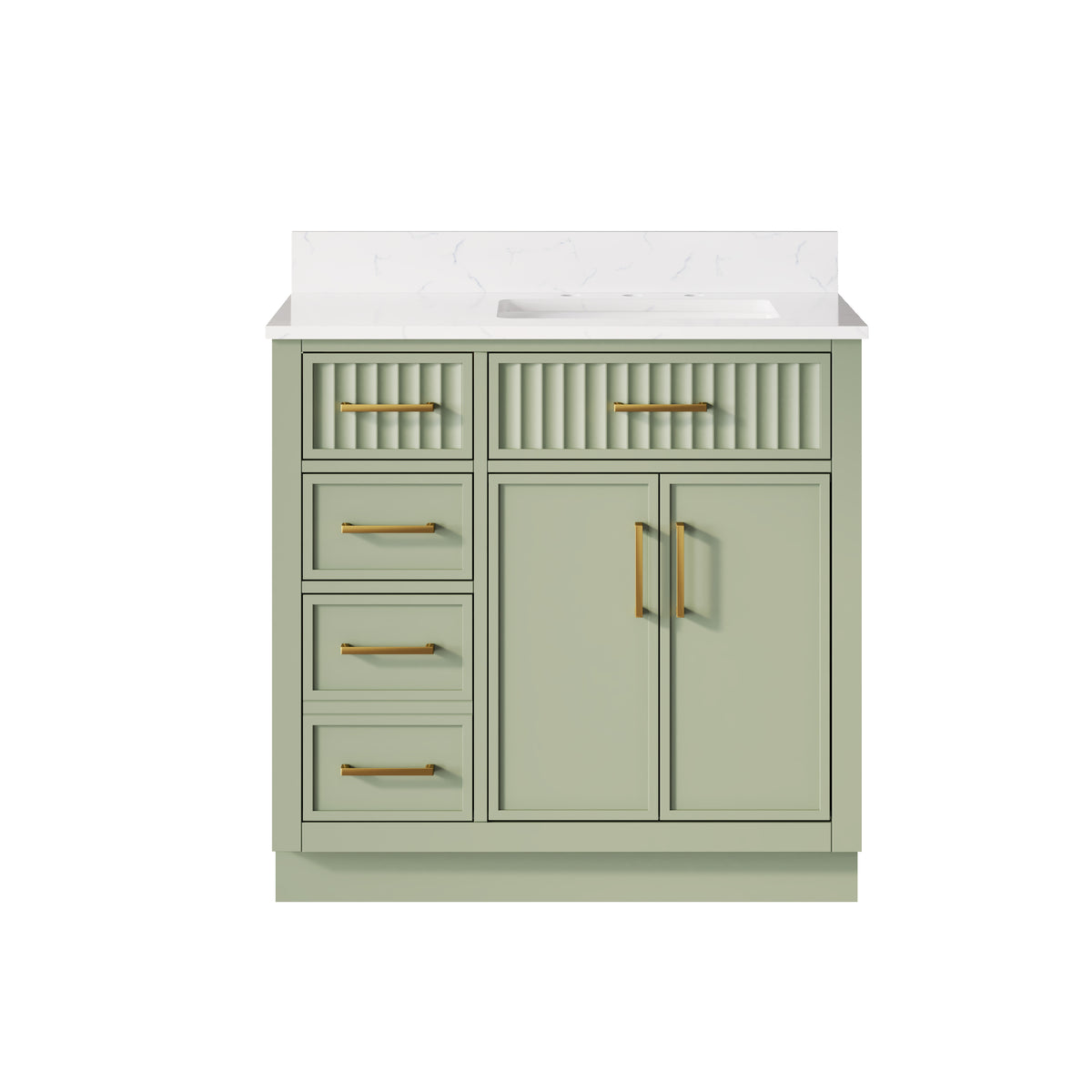
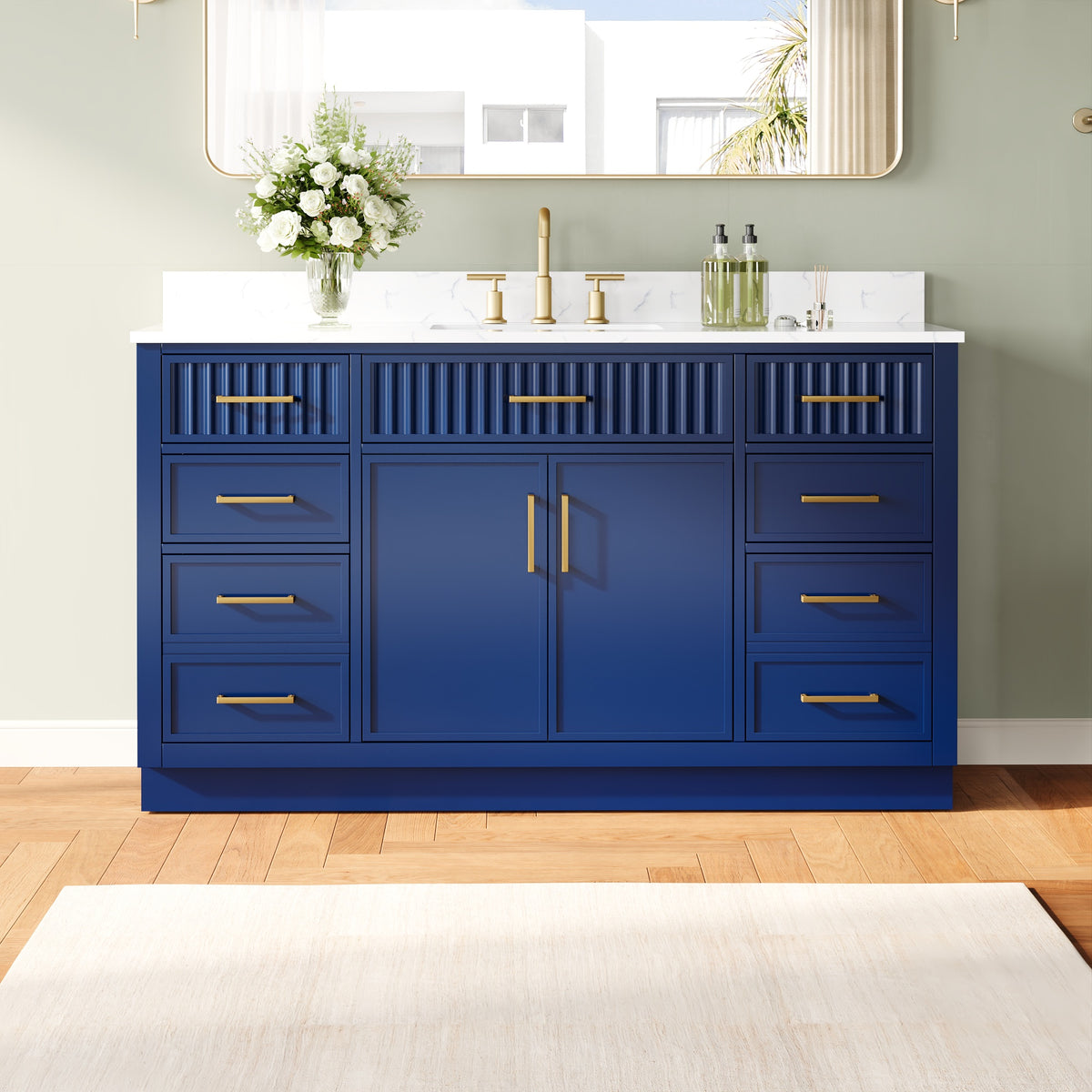
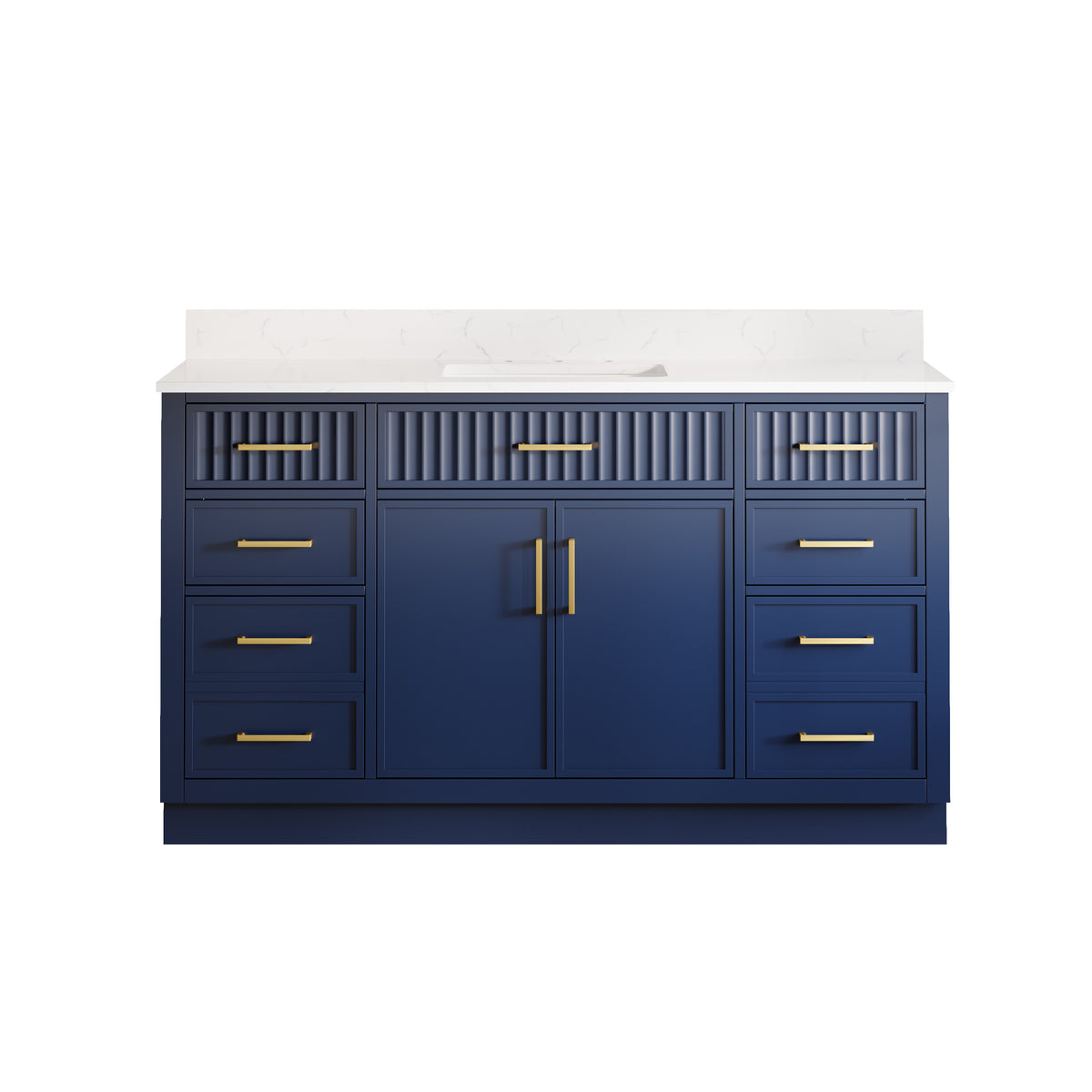
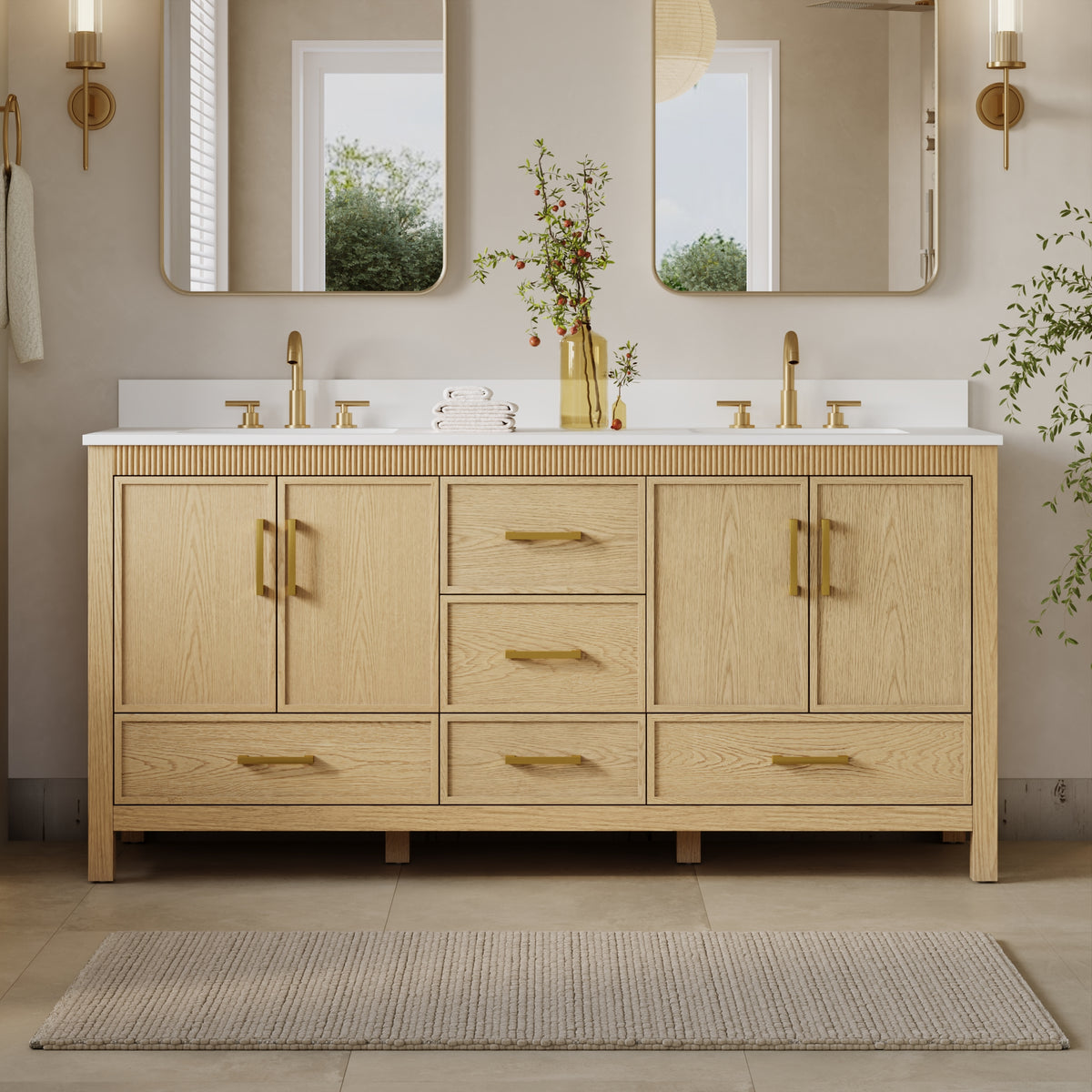
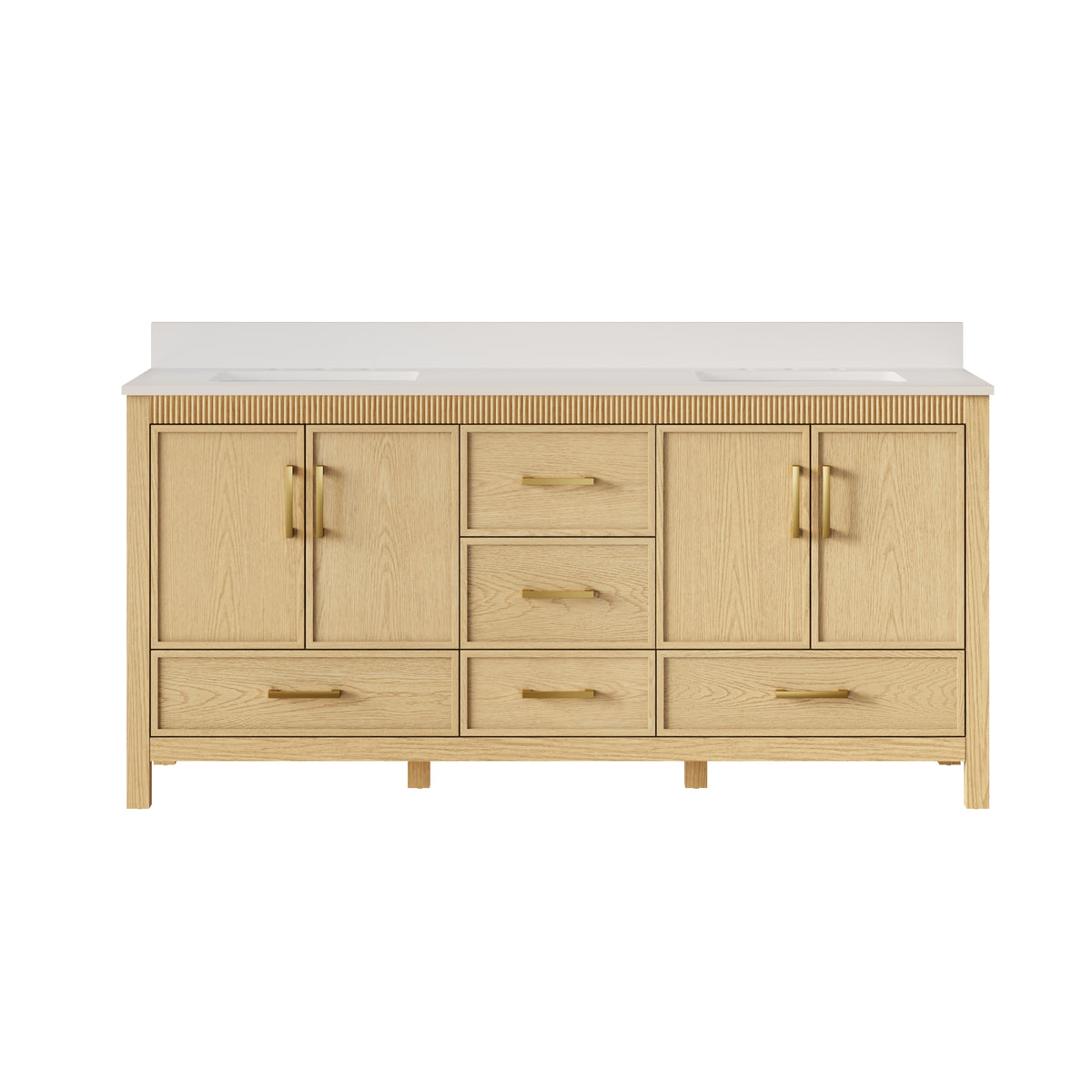
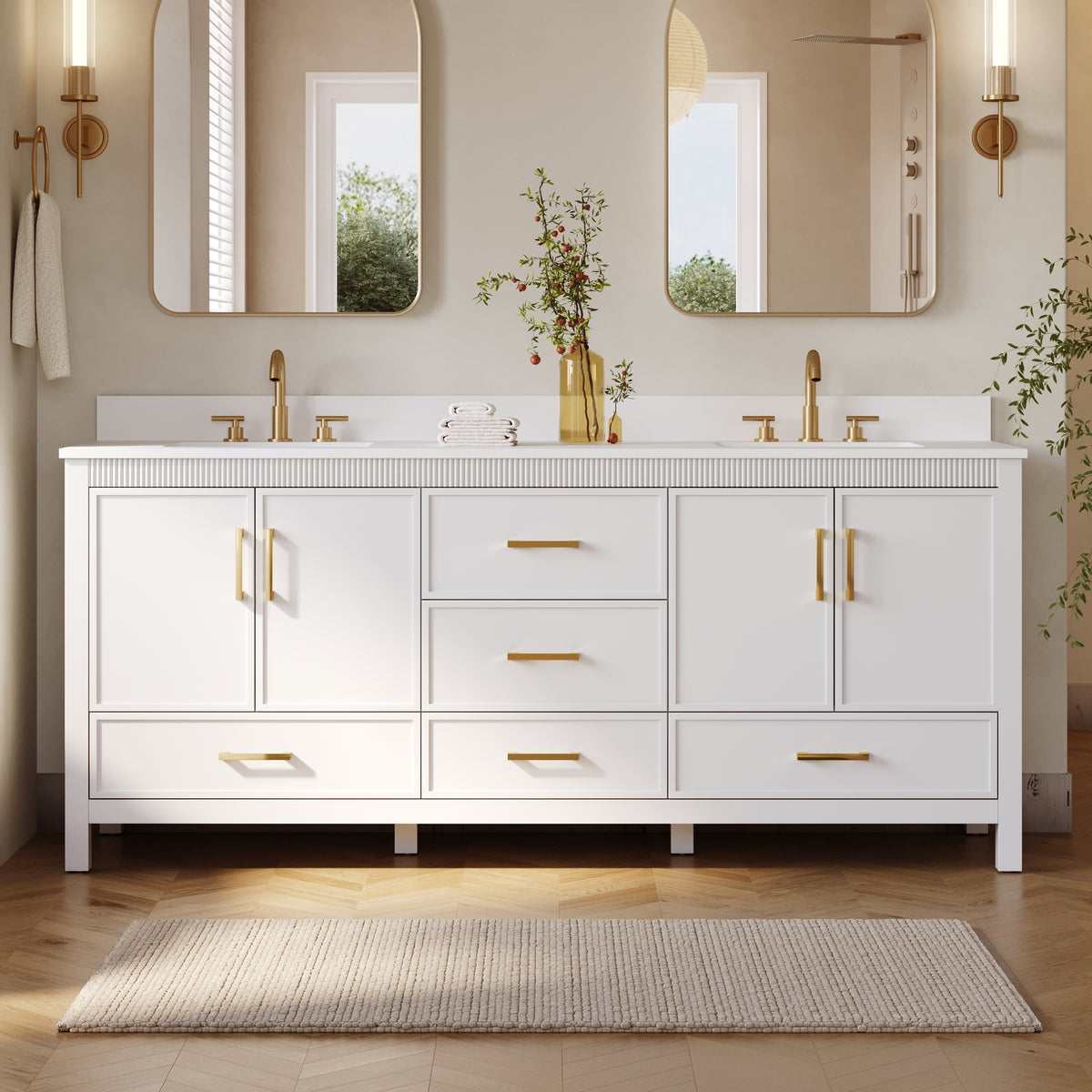
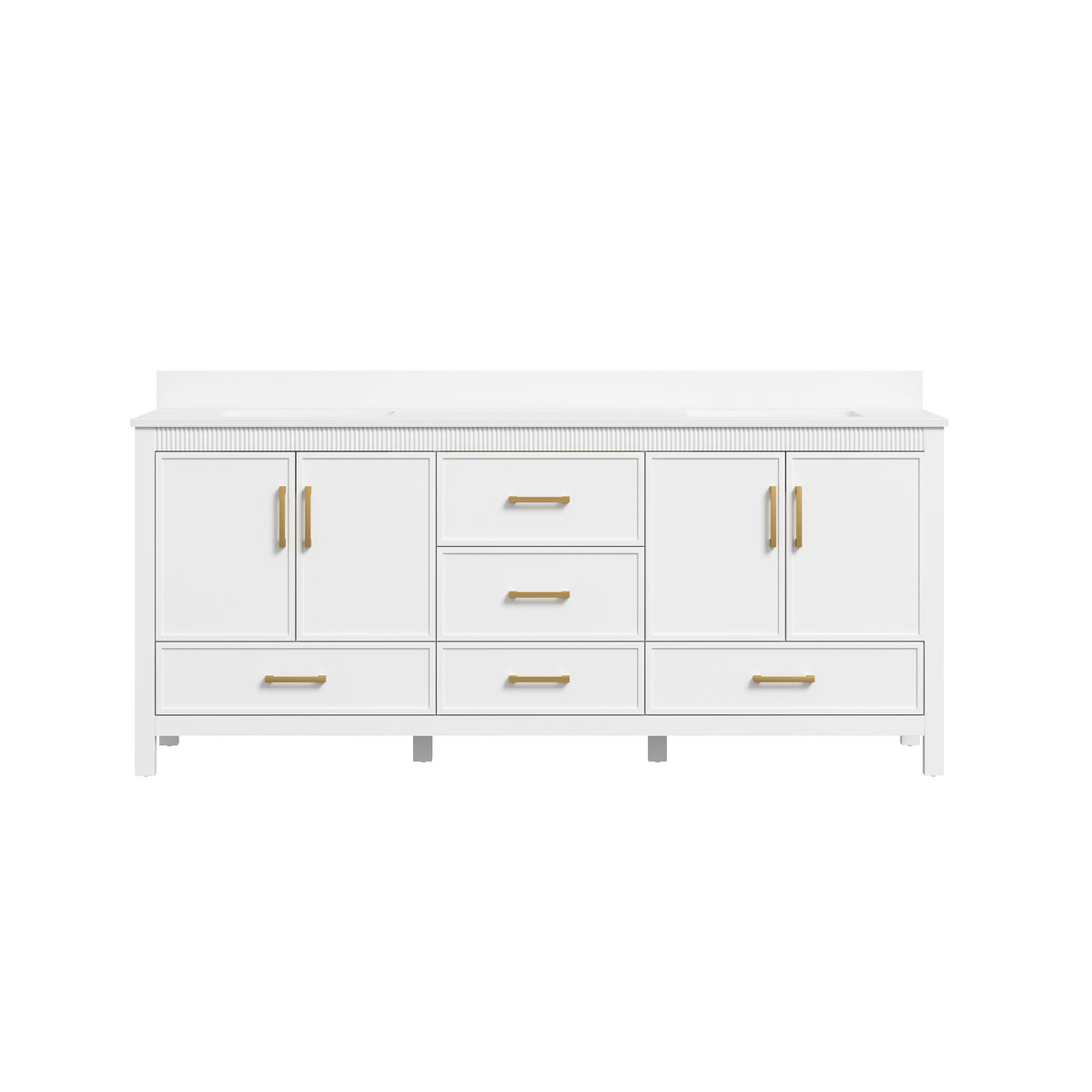
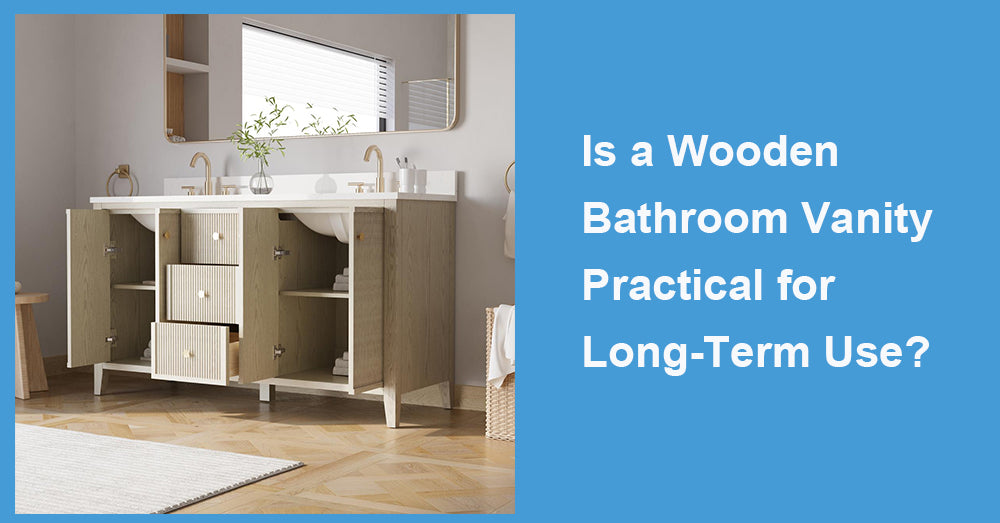
A wooden bathroom vanity can bring warmth, texture, and a more natural appearance to a bathroom, but its long-term performance depends on more than the type of wood. Bathrooms expose cabinetry to humidity, occasional splashes, cleaning products, and temperature changes. These conditions can gradually affect even expensive furniture. The good news is that a well-constructed wooden vanity can remain attractive and functional for many years. The key is understanding how different materials behave, what protective finishes actually do, and how much maintenance the cabinet will require.
1. Understand What Makes a Wooden Bathroom Vanity Durable
Not every vanity advertised as wooden is made entirely from solid lumber. Many manufacturers combine solid wood frames, plywood panels, engineered wood, and decorative veneers.
That construction is not necessarily a disadvantage.
Solid wood offers natural grain patterns, repairability, and substantial strength. However, it expands and contracts as moisture levels change. Without proper construction and finishing, that movement can cause doors to shift or panels to develop cracks.
Quality plywood can provide excellent dimensional stability, particularly when its edges are properly sealed. Lower-grade particleboard is generally more vulnerable to swelling if water penetrates its protective surface.
Construction Matters More Than Marketing Labels
When evaluating a vanity, inspect the cabinet joints, drawer boxes, hinges, and exposed edges.
A cabinet made from carefully selected materials with durable hardware may perform better than a poorly constructed solid wood model.
Pay particular attention to the area beneath the sink. This compartment often experiences the greatest moisture exposure because of plumbing connections, cleaning supplies, and occasional leaks.
2. Moisture Resistance Determines Long-Term Performance
Wood and water have a complicated relationship. Brief exposure to humidity is not automatically damaging, but repeated moisture absorption can gradually weaken finishes and distort cabinet components.
A bathroom with effective ventilation presents a different environment from one where condensation remains on the walls after every shower.
Protective coatings help limit moisture penetration. Polyurethane, conversion varnish, and other manufacturer-applied finishes can provide suitable protection when correctly formulated and applied.
Still, no ordinary wooden cabinet should be considered completely waterproof.
Water that repeatedly collects around the sink, runs down cabinet doors, or enters unfinished joints can eventually cause deterioration.
Watch the Areas Most Likely to Fail
Cabinet edges, plumbing openings, drawer fronts, and the joint between the countertop and cabinet deserve particular attention.
These locations are easy to overlook during routine cleaning.
If the countertop seal deteriorates, water may enter the cabinet structure without immediately becoming visible. By the time swelling appears, repairing the affected material may be difficult.
Inspect these areas periodically rather than waiting for visible damage.
3. Daily Bathroom Habits Affect How Long Wood Lasts
A wooden vanity in a lightly used guest bathroom may experience very different conditions from one serving a busy family.
Consider a household where several people shower each morning. Warm moisture builds up, wet towels hang nearby, and water frequently splashes around the sink.
Under those conditions, ventilation and cleaning habits become especially important.
Run the bathroom exhaust fan during showers and continue operating it afterward until excess humidity clears. Wipe standing water from the countertop and cabinet surfaces rather than allowing it to evaporate naturally.
Avoid leaving damp washcloths against wooden doors.
These habits require little effort but can make a meaningful difference over time.
4. Why Wooden Vanities Remain Popular in Bathroom Design
One reason homeowners continue choosing wood is its versatility.
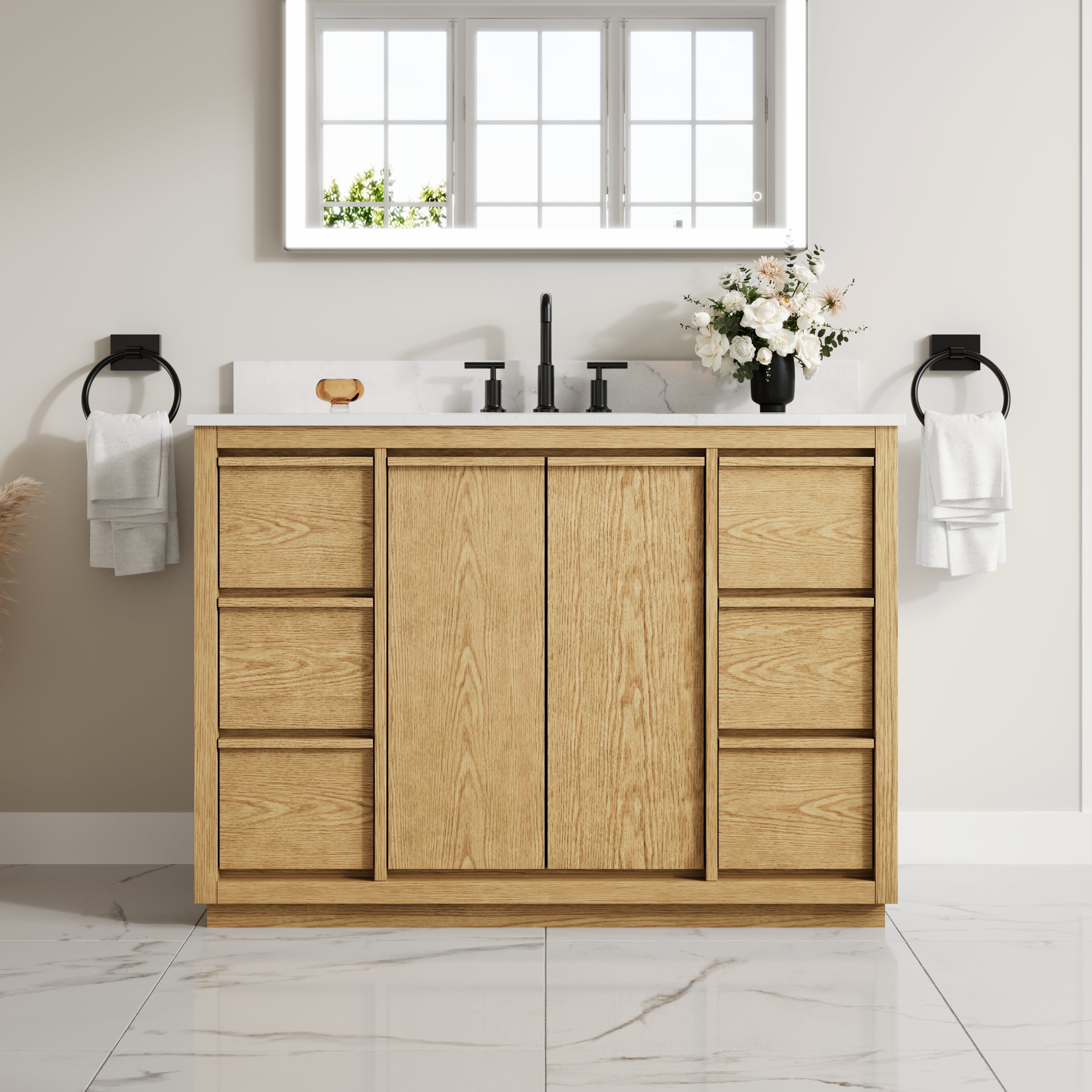
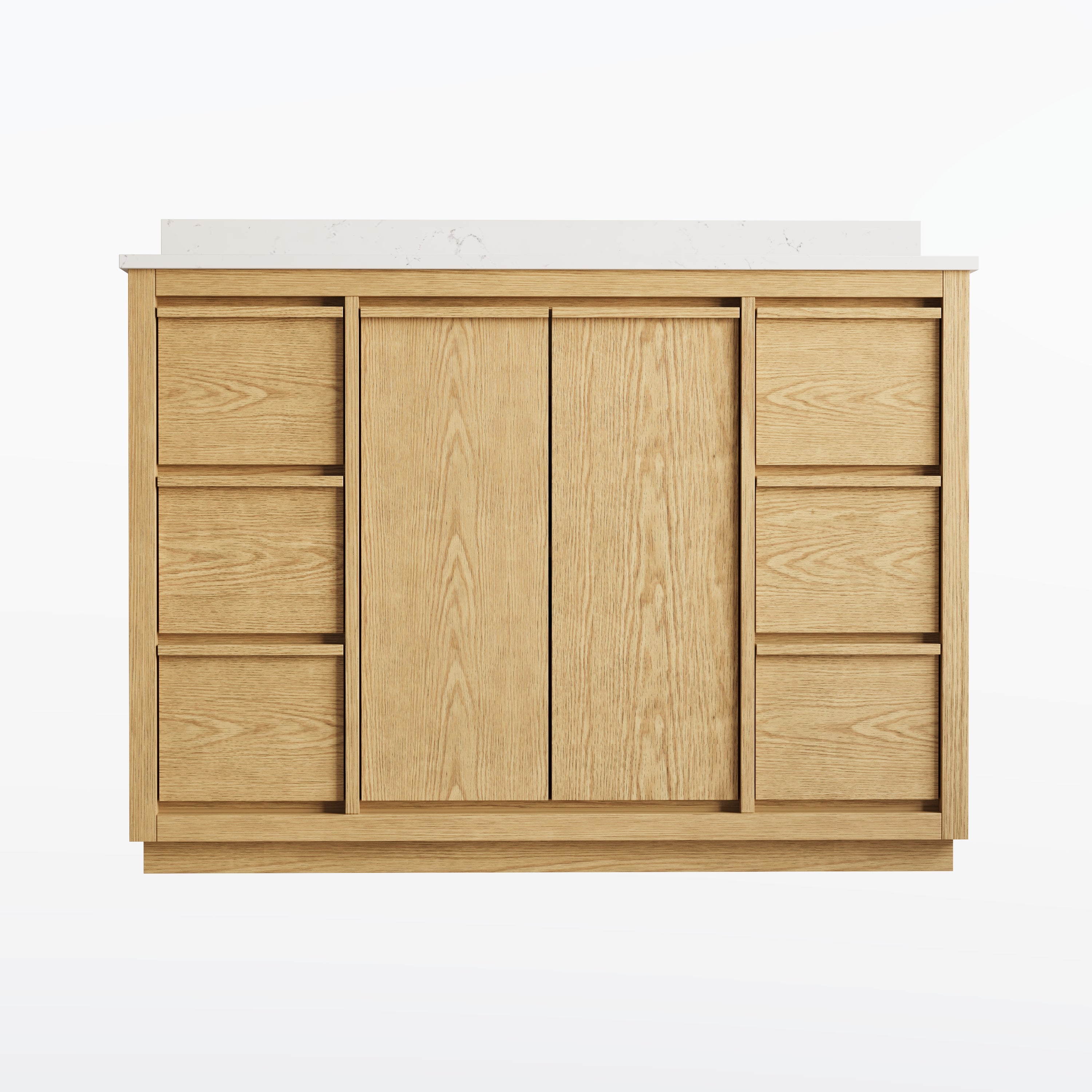
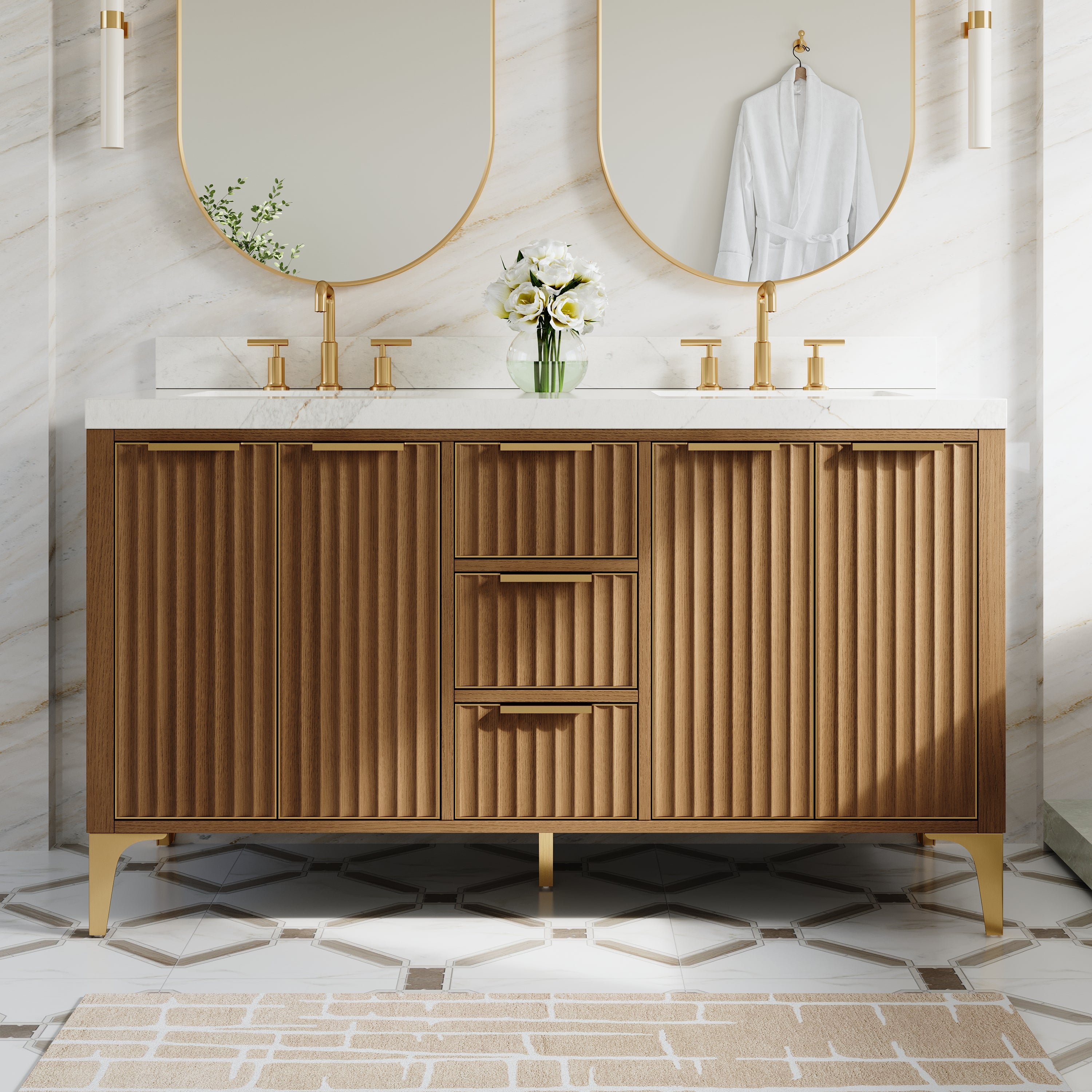
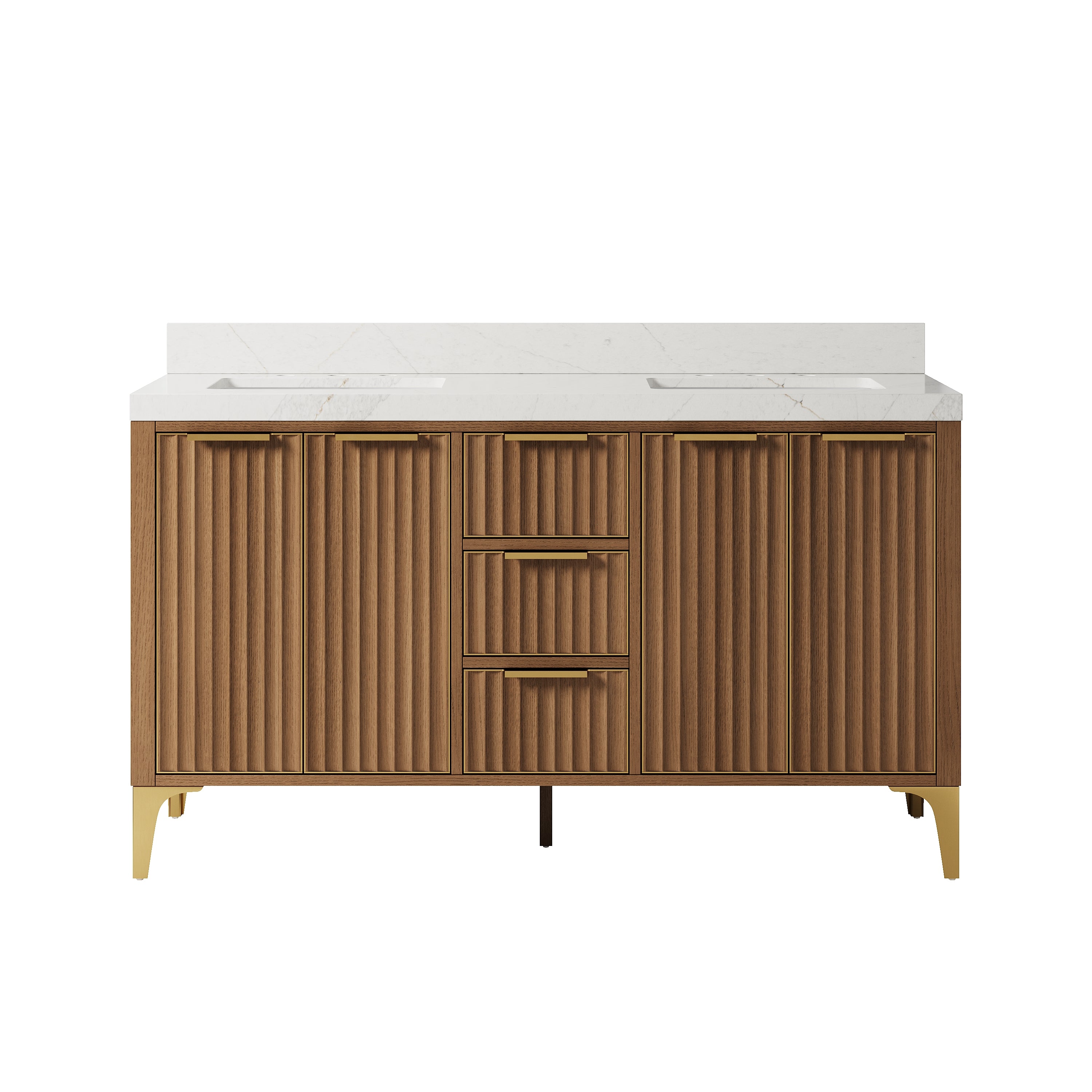
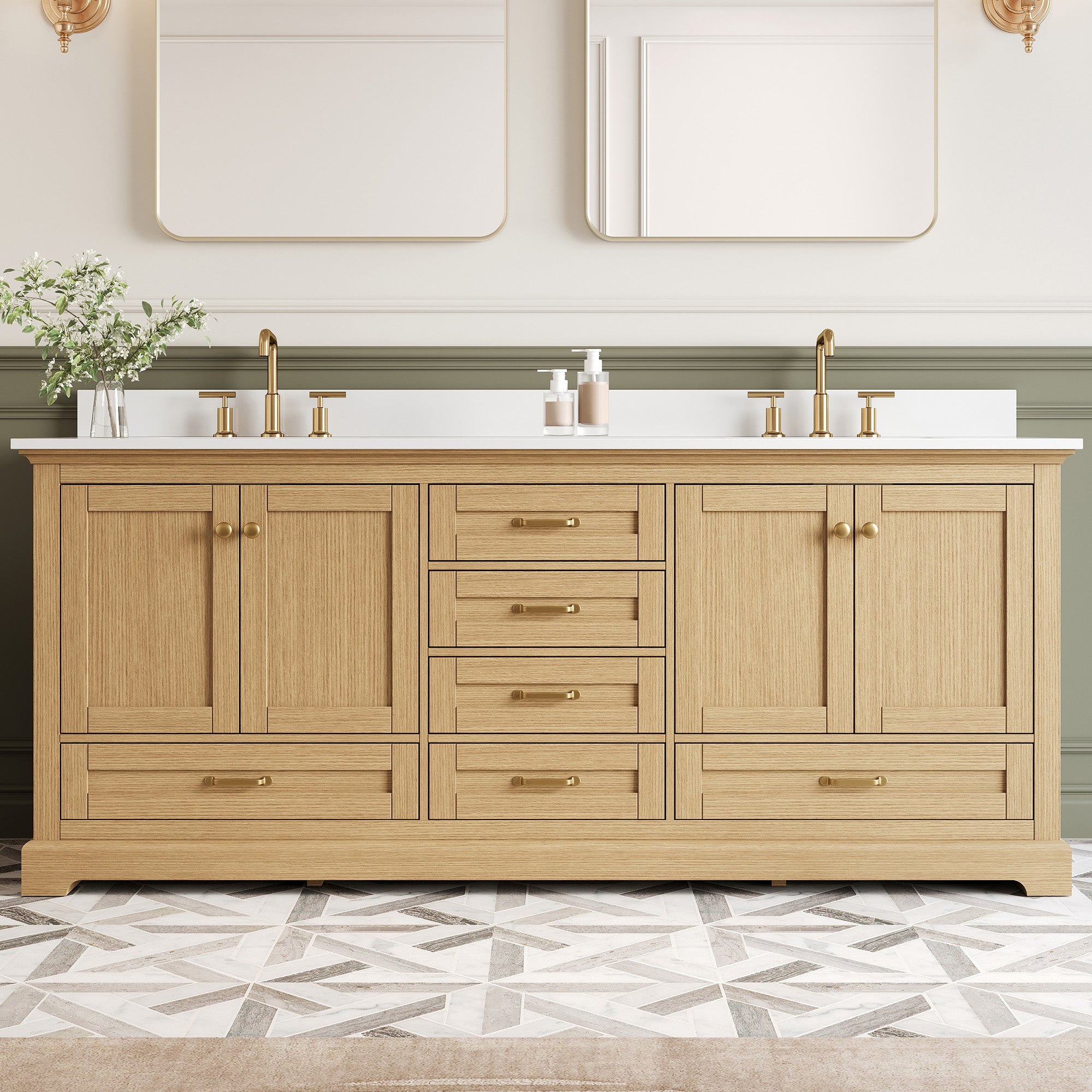
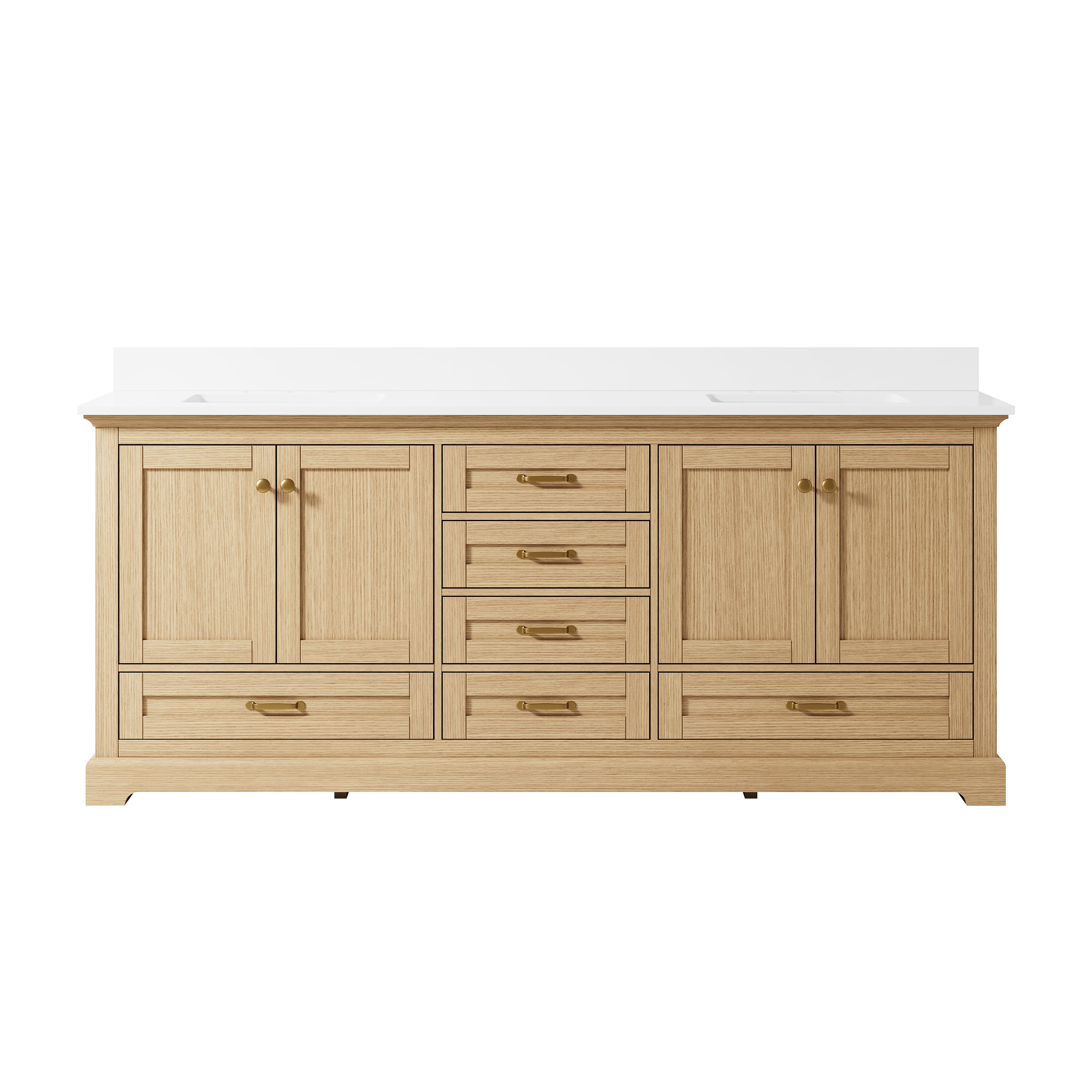
Natural oak finishes work well with contemporary bathrooms, while walnut tones introduce richness without requiring elaborate decorative details. Painted wood cabinetry can complement traditional interiors or create contrast against stone countertops.
Wood also brings visual warmth to bathrooms dominated by tile, glass, and metal.
Unlike highly reflective surfaces, natural grain introduces subtle variations that make the room feel less clinical.
There are practical advantages as well. Certain solid wood components can be sanded and refinished, although veneered or factory-coated surfaces may have more limited repair options.
The Drawbacks Buyers Should Consider
Wooden cabinetry usually requires more attention to moisture than metal or some synthetic alternatives.
Deep scratches can expose vulnerable material, and damaged finishes may require specialized repair. Natural wood can also change color over time through exposure to light and environmental conditions.
If a bathroom has persistent condensation, poor ventilation, or frequent water leaks, correcting those problems should come before investing in expensive wooden furniture.
5. Choose Materials and Features for Your Household
For family bathrooms, prioritize moisture-resistant construction, smooth drawer operation, and finishes that are easy to clean.
Soft-close hinges and full-extension drawers can improve daily convenience, but hardware quality matters more than the presence of these features alone.
A vanity with a raised base may make floor cleaning easier, while a wall-mounted design can reduce contact with occasional surface moisture. Both still require proper installation and protection from leaks.
When reviewing wooden bathroom vanity options from Wellfor, examine material specifications, cabinet dimensions, countertop compatibility, and recommended maintenance procedures.
Do not rely exclusively on product photographs.
Ask whether the cabinet uses solid wood, plywood, or engineered panels, and confirm how exposed edges are protected.
6. Proper Installation Helps Prevent Premature Damage
Before installation, inspect the bathroom for plumbing leaks, uneven flooring, and inadequate ventilation.
The vanity should sit level, with appropriate clearance for supply lines and drain connections. Follow the manufacturer's instructions for securing the cabinet to the wall and installing the countertop.
Use suitable sealant where specified, particularly around areas exposed to sink splashes.
Avoid sealing every gap indiscriminately, since some cabinet designs require ventilation or access for maintenance.
After installation, check plumbing connections for leaks and inspect the cabinet interior during the first several weeks of use.
A small unnoticed drip can cause more damage than years of normal humidity exposure.
7. Maintain the Finish Without Damaging the Wood
Routine cleaning should be gentle.
Use a soft cloth with a mild cleaner approved for the cabinet finish. Avoid abrasive powders, harsh solvents, and excessive water.
Dry the surface after cleaning, paying attention to corners and decorative grooves.
Check hinges periodically and tighten loose hardware when necessary. If the finish develops chips or scratches, address them promptly using manufacturer-recommended repair products.
Avoid applying furniture oils or waxes unless the finish specifically requires them. Some treatments can leave residue or interfere with protective coatings.

8. Make the Purchase Based on Real Bathroom Conditions
A wooden vanity is a sensible investment when the bathroom has reliable ventilation, properly maintained plumbing, and occupants willing to handle basic surface care.
For a frequently used family bathroom, choose stable cabinet construction and a durable factory finish over elaborate detailing.
If the room experiences persistent moisture problems, address the underlying conditions first or consider materials that are less sensitive to water exposure.
Before ordering a wooden bathroom vanity, compare construction materials, inspect warranty terms, verify the dimensions, and consider how the cabinet will handle your household's daily routine.
A thoughtfully selected vanity, installed correctly and kept dry, can offer the warmth of natural wood without turning everyday bathroom maintenance into a demanding project.

















Leave a comment
This site is protected by hCaptcha and the hCaptcha Privacy Policy and Terms of Service apply.