
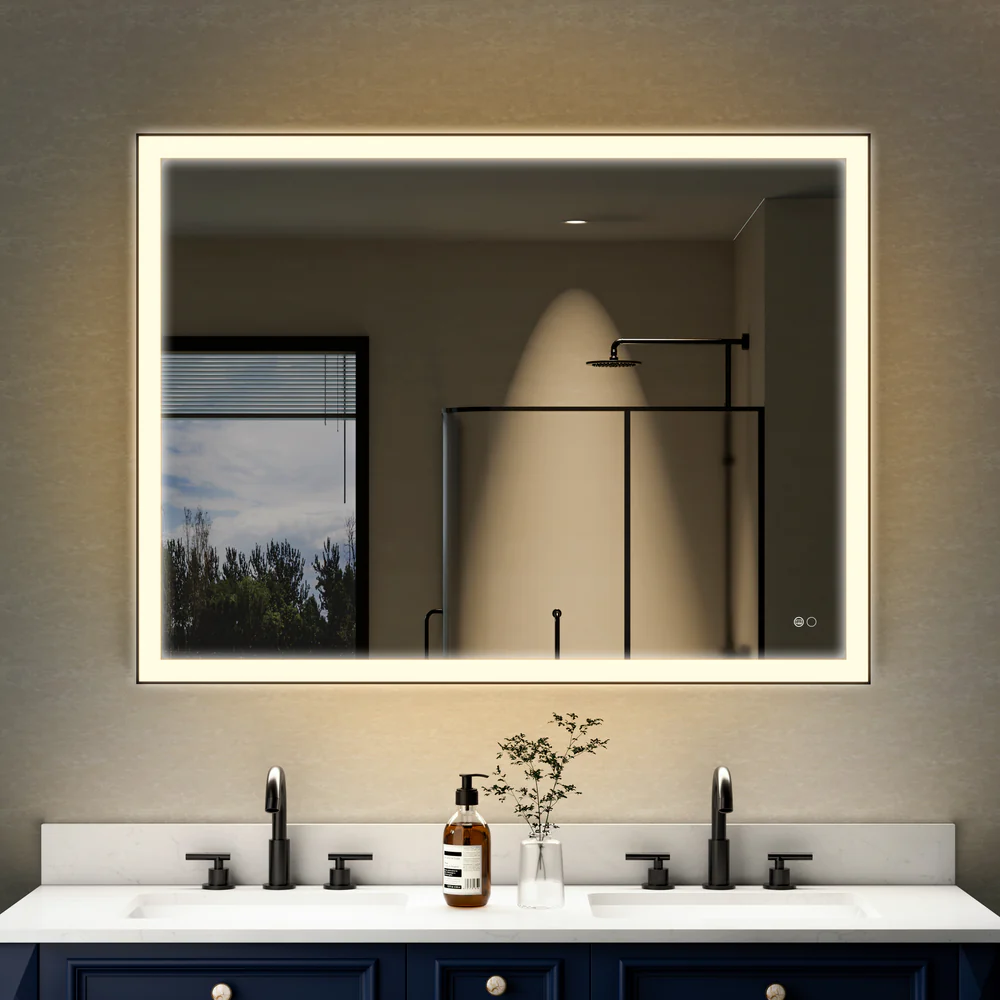
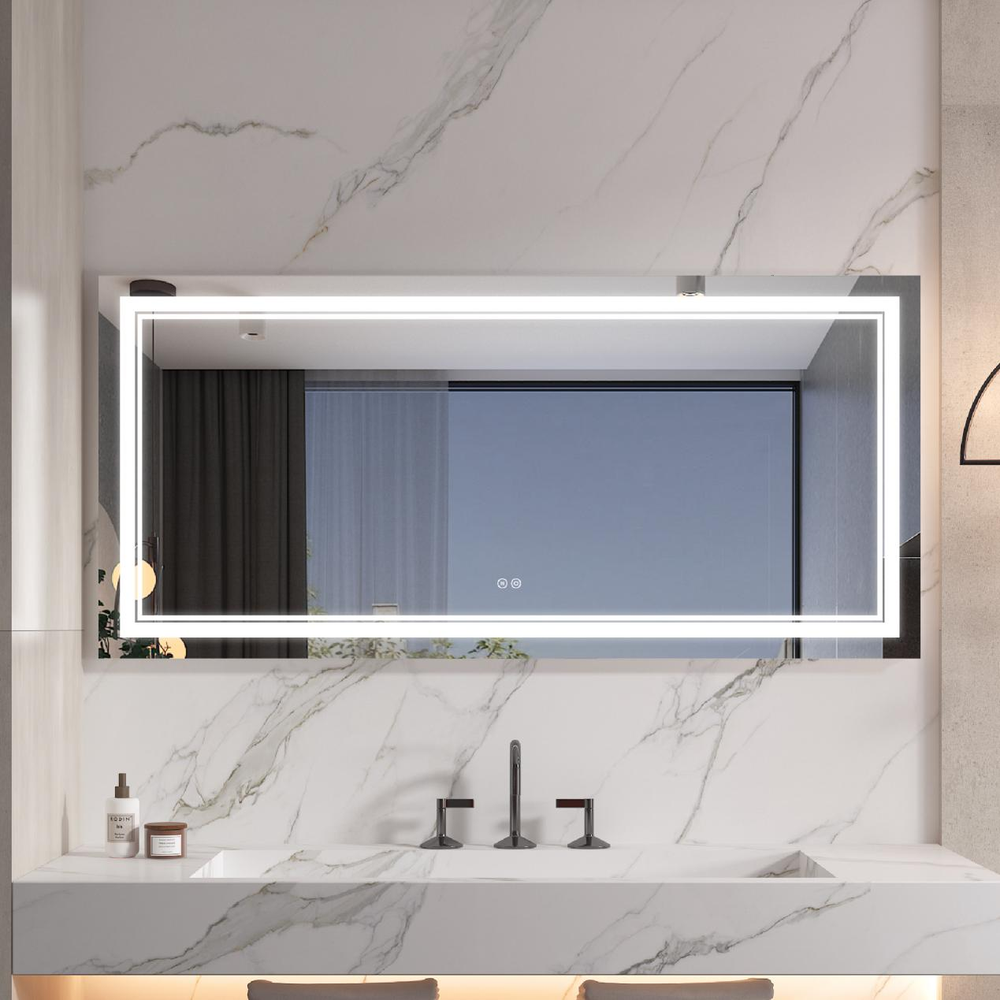
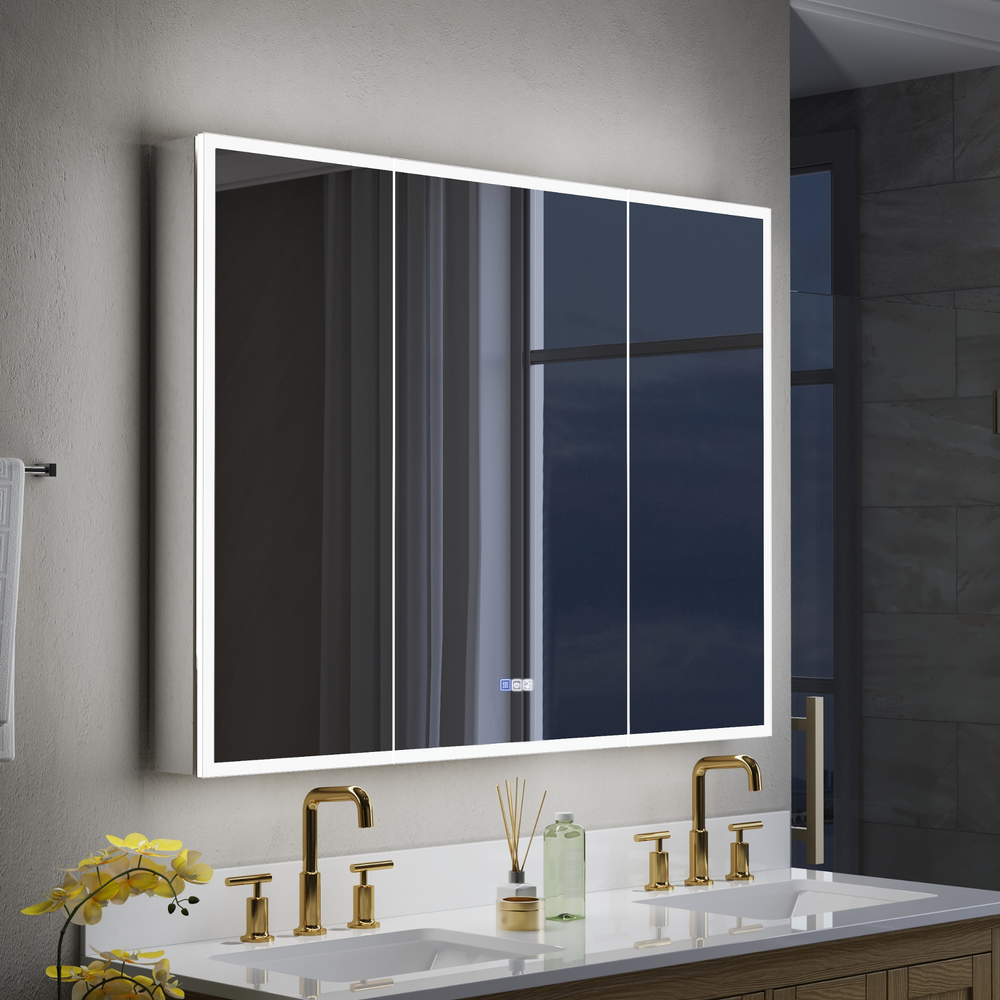
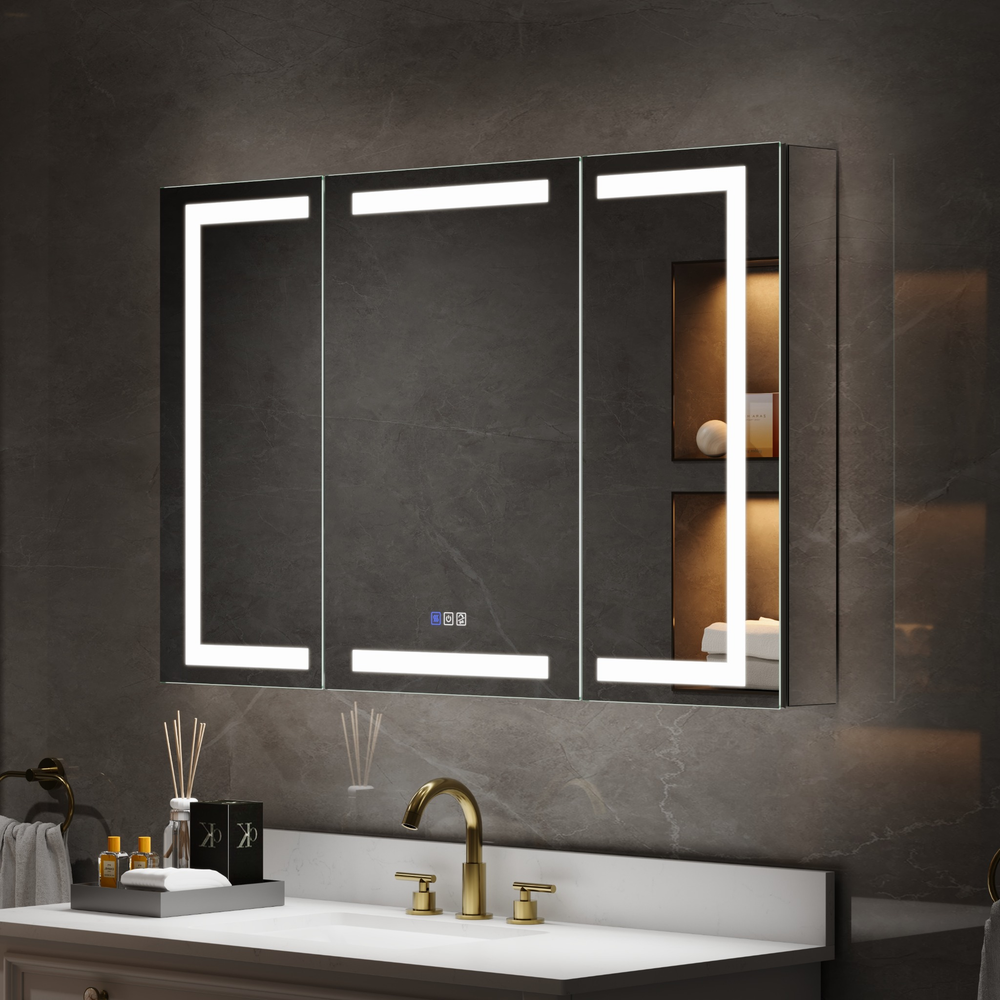




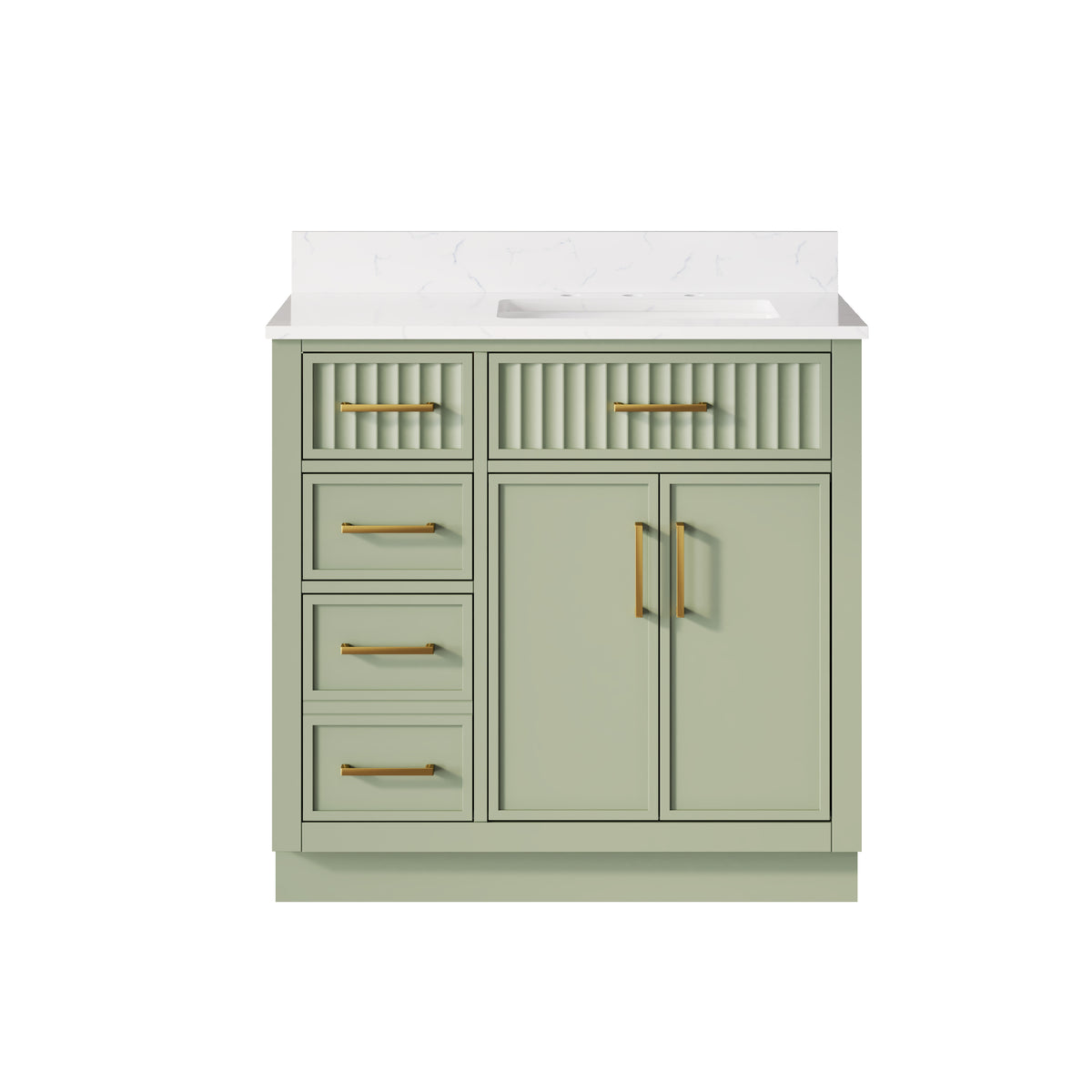
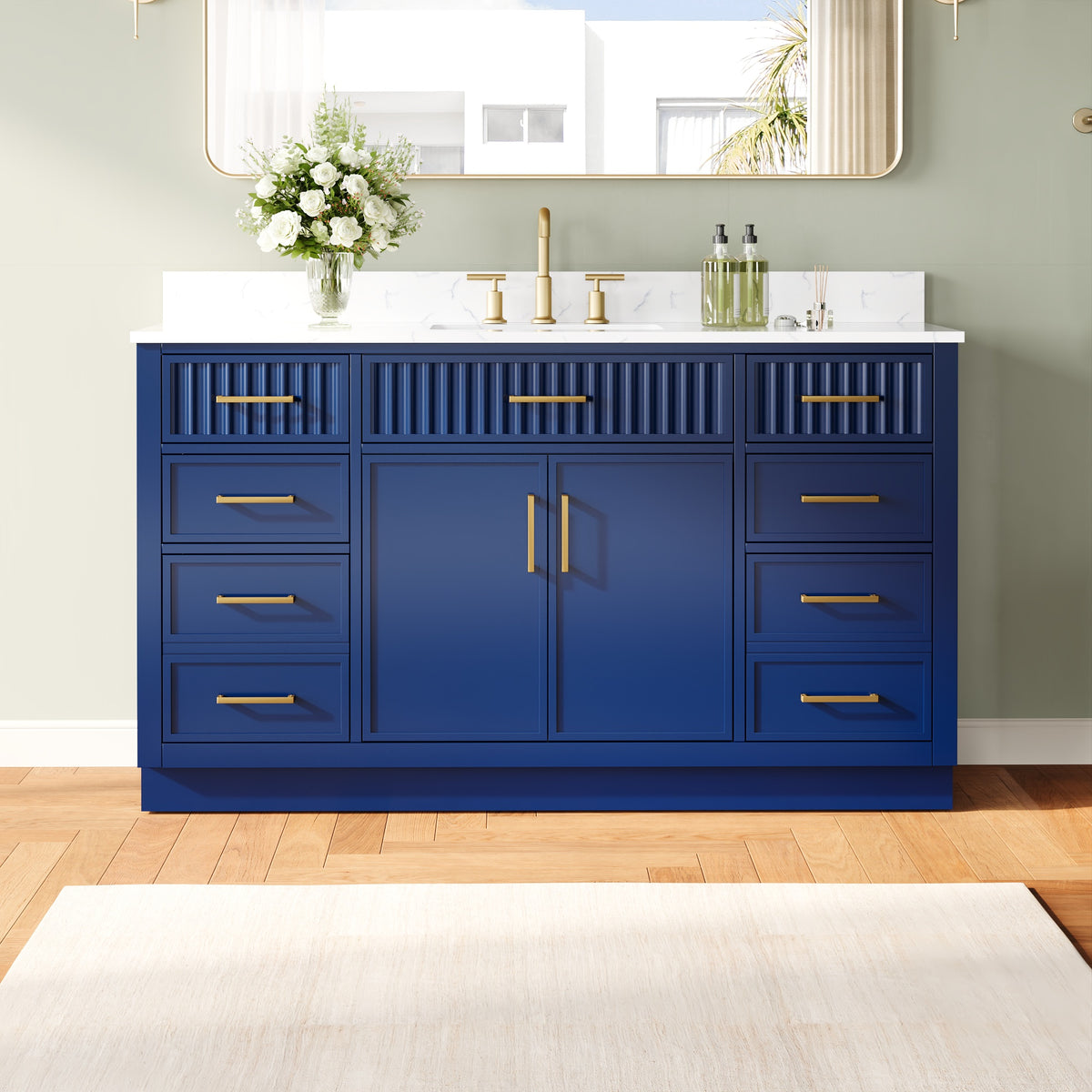
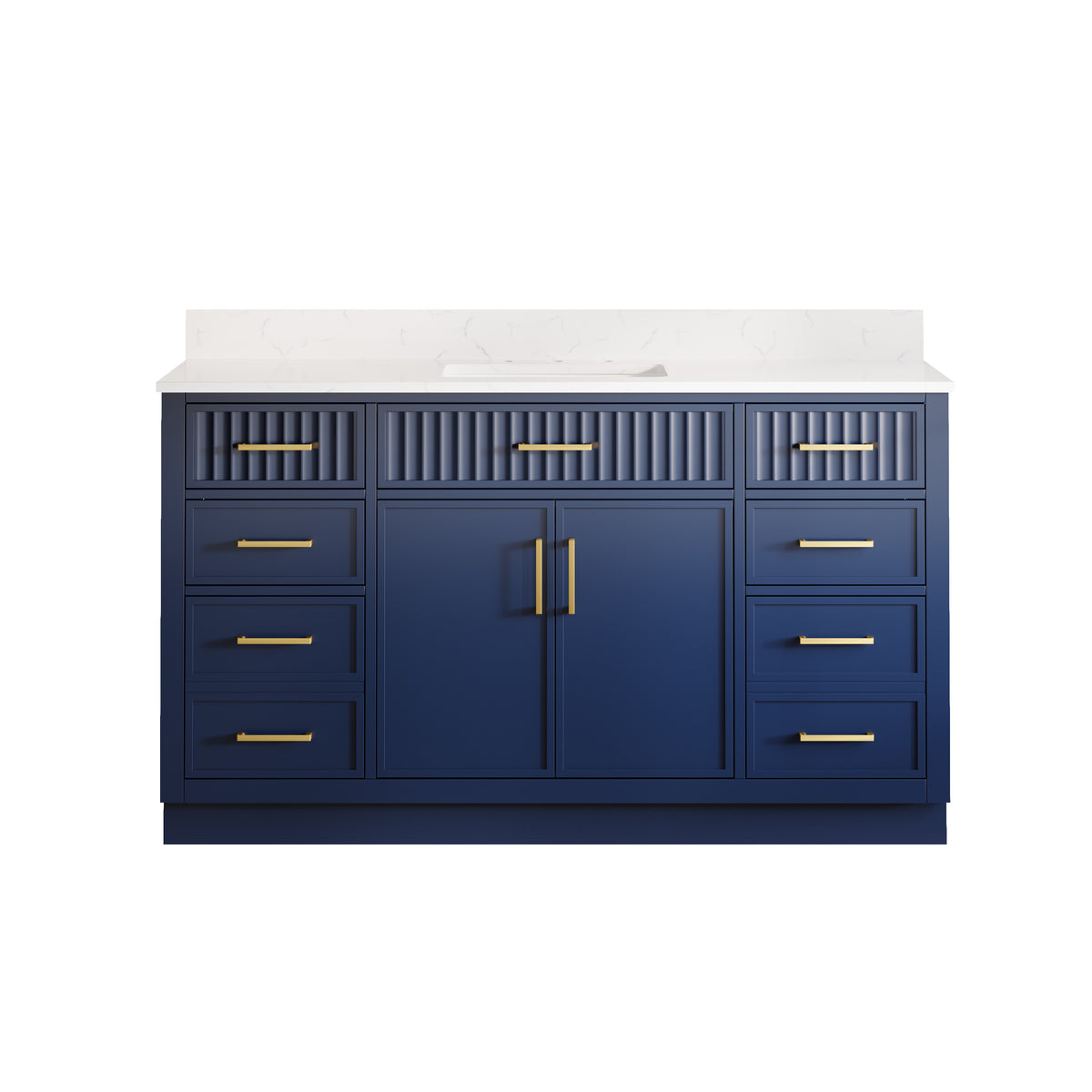
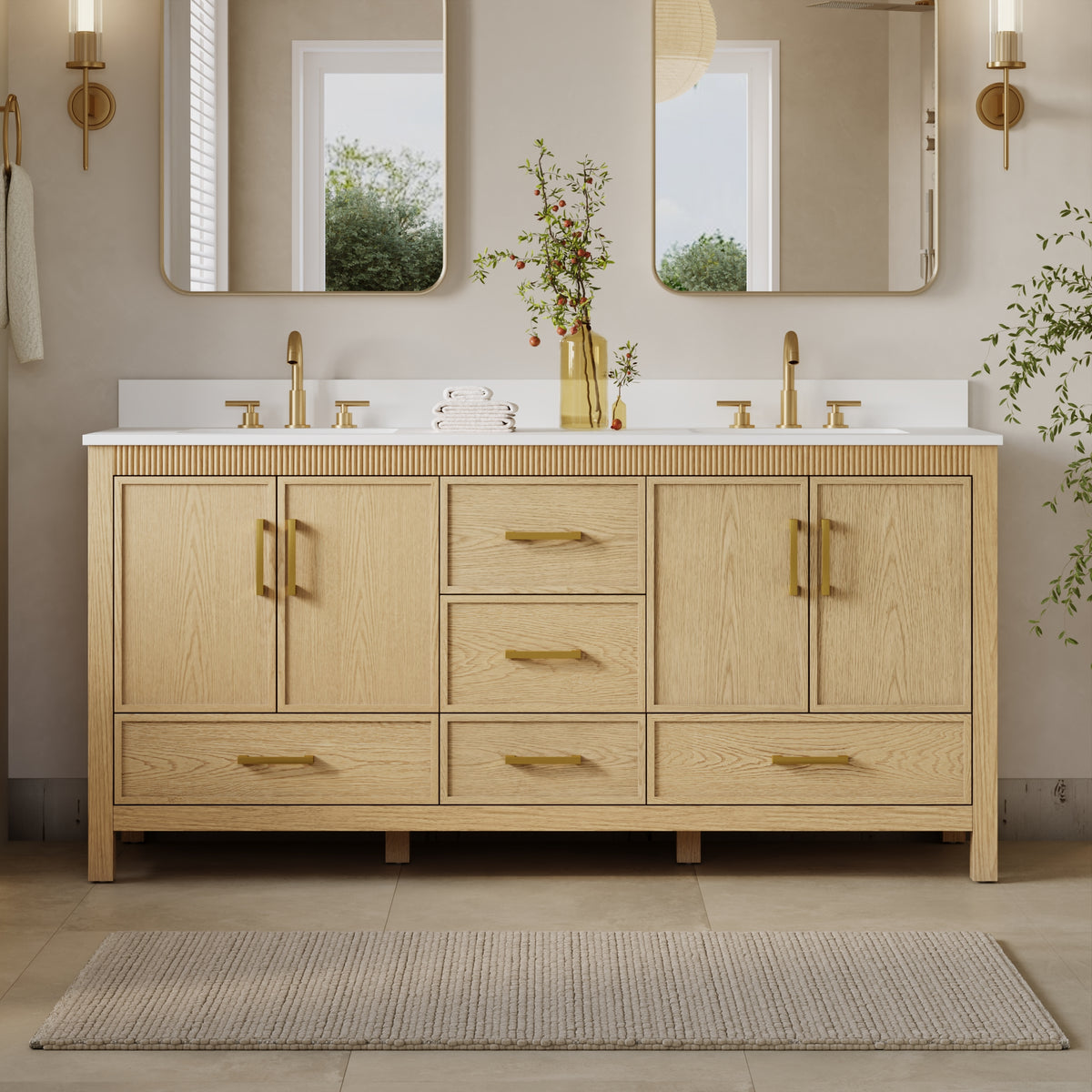
A large vanity mirror can transform the way a bathroom looks and functions, but its placement matters more than many homeowners realize. A beautiful mirror installed a few inches too high may leave shorter family members struggling to see themselves. One positioned too low can make the vanity feel cramped. Getting the best view requires more than centering a mirror above the sink. Height, lighting, proportions, wall construction, and everyday viewing habits all influence the final result.
1. Choose the Right Size for Your Large Vanity Mirror
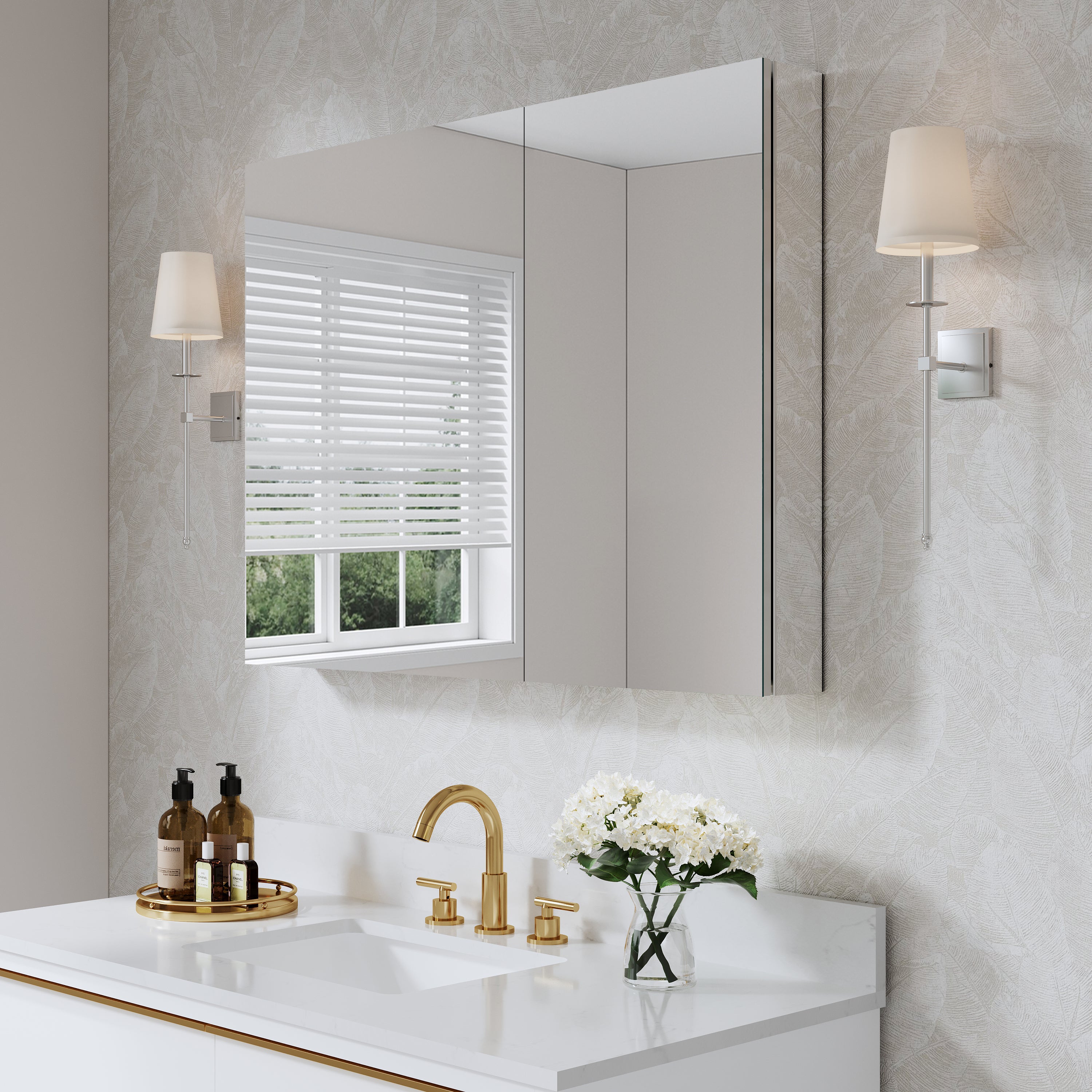
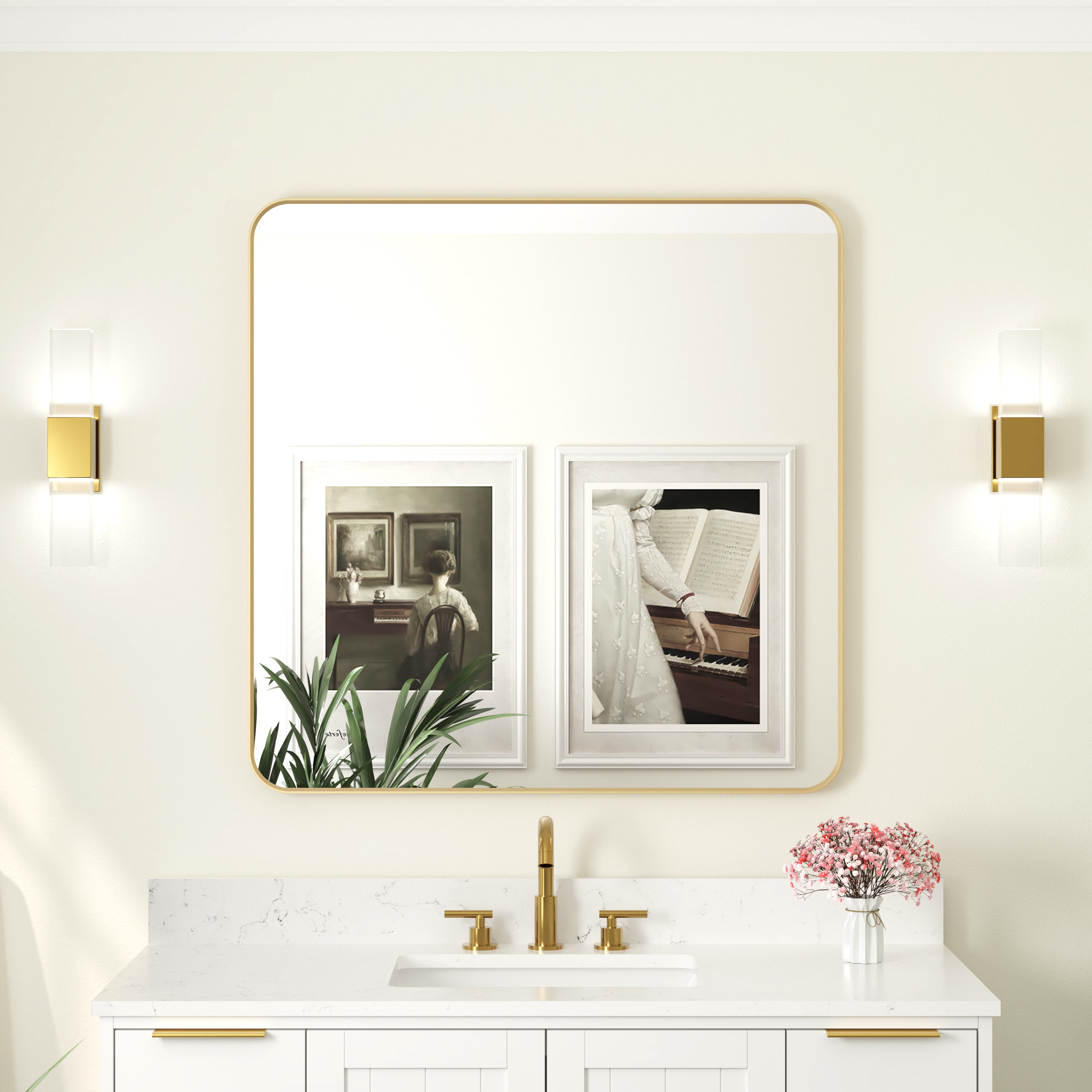
The first decision is determining how much wall space the mirror should occupy. A common approach is choosing a mirror slightly narrower than the vanity, creating balanced margins on both sides.
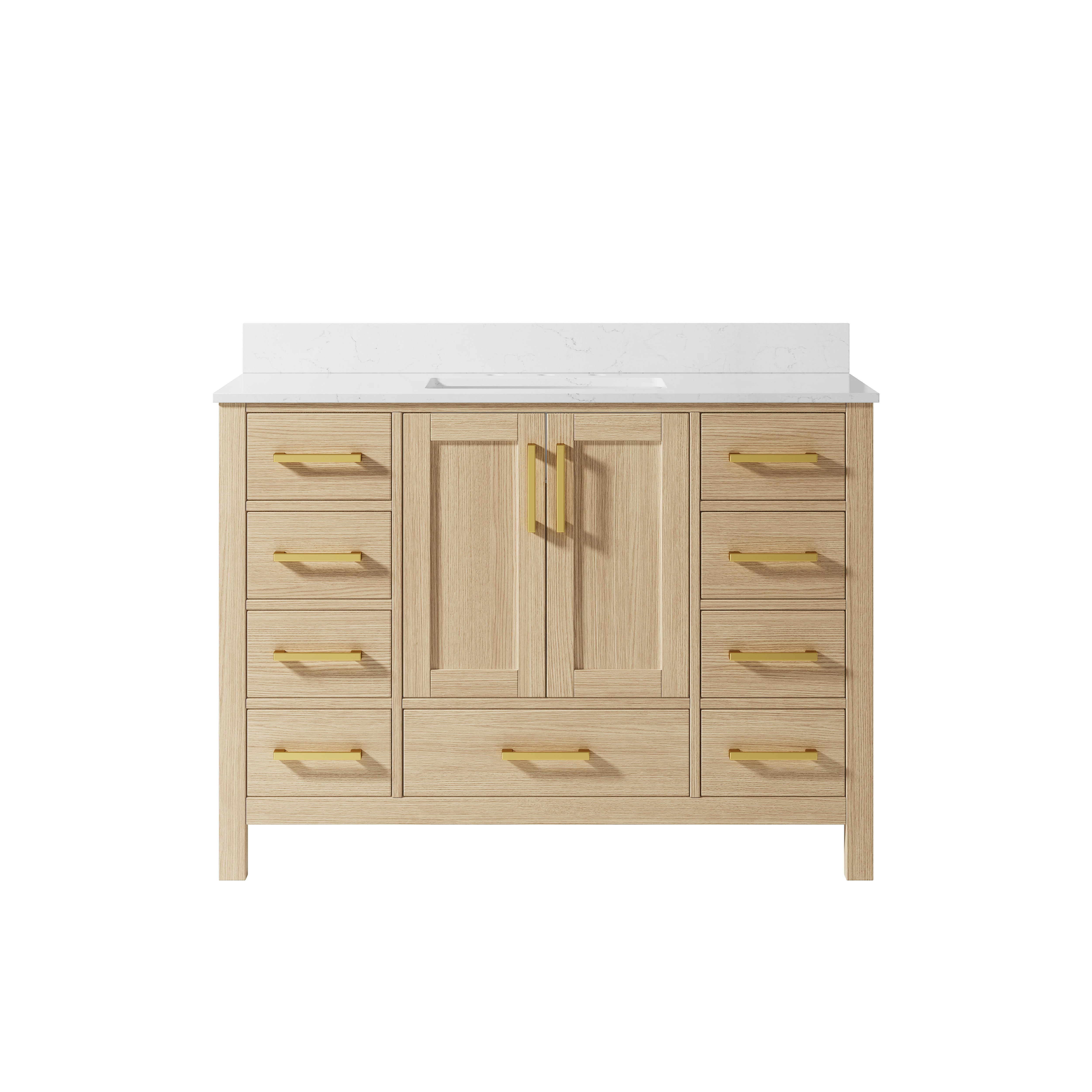
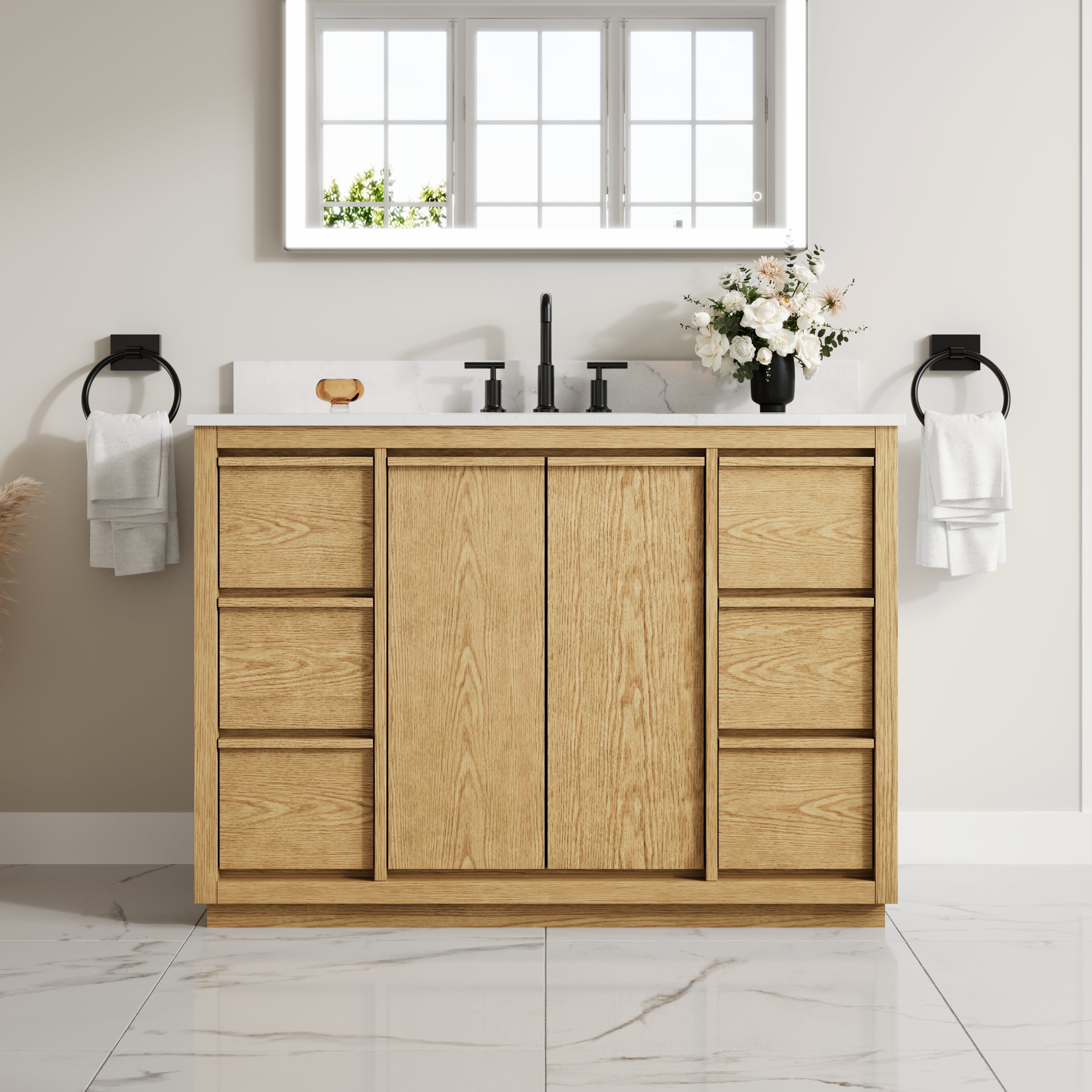
For a 48-inch bathroom vanity, for example, a mirror measuring approximately 36 to 44 inches wide may create comfortable proportions. This is a design guideline rather than a fixed rule.
A mirror extending nearly the full vanity width can also work beautifully, especially in contemporary bathrooms.
Consider the Bathroom's Actual Layout
Before choosing dimensions, examine nearby windows, wall cabinets, outlets, and lighting fixtures.
A large mirror can visually expand a compact bathroom by reflecting available light. However, an oversized model may overpower a narrow vanity or leave insufficient room for wall-mounted sconces.
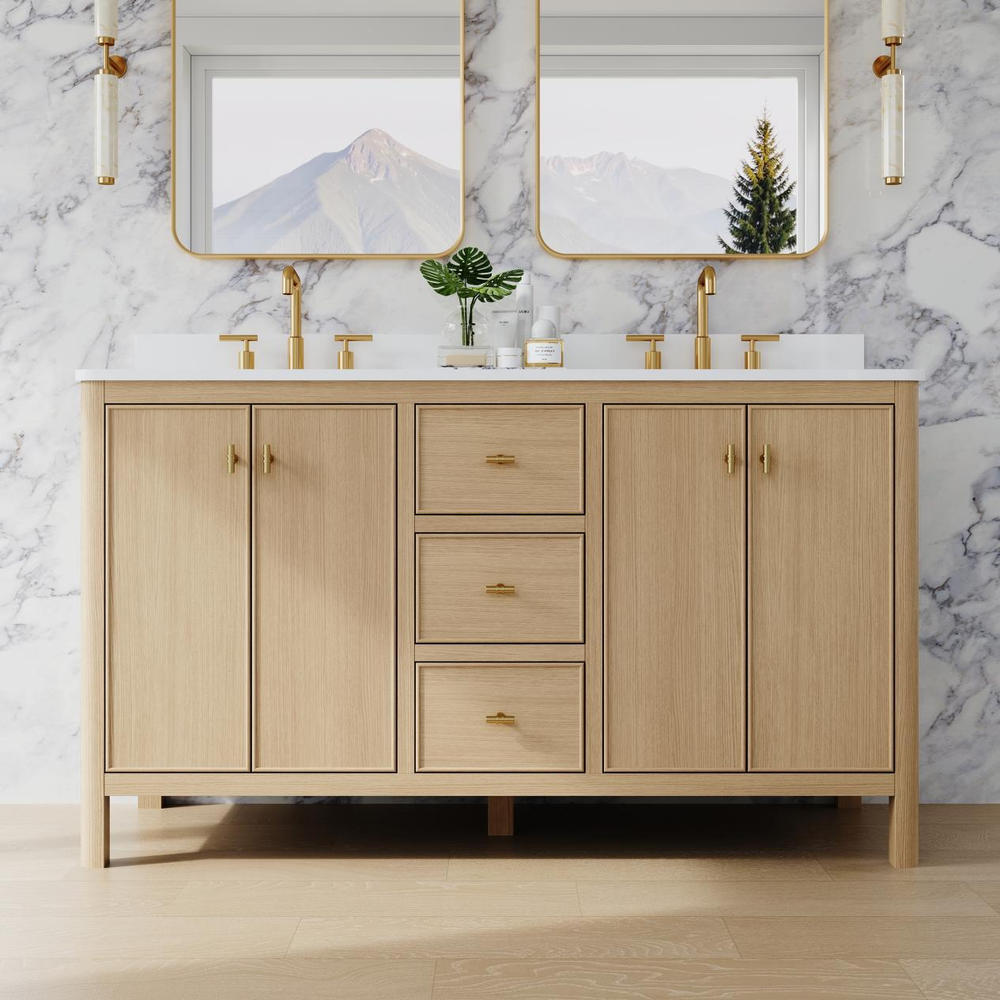
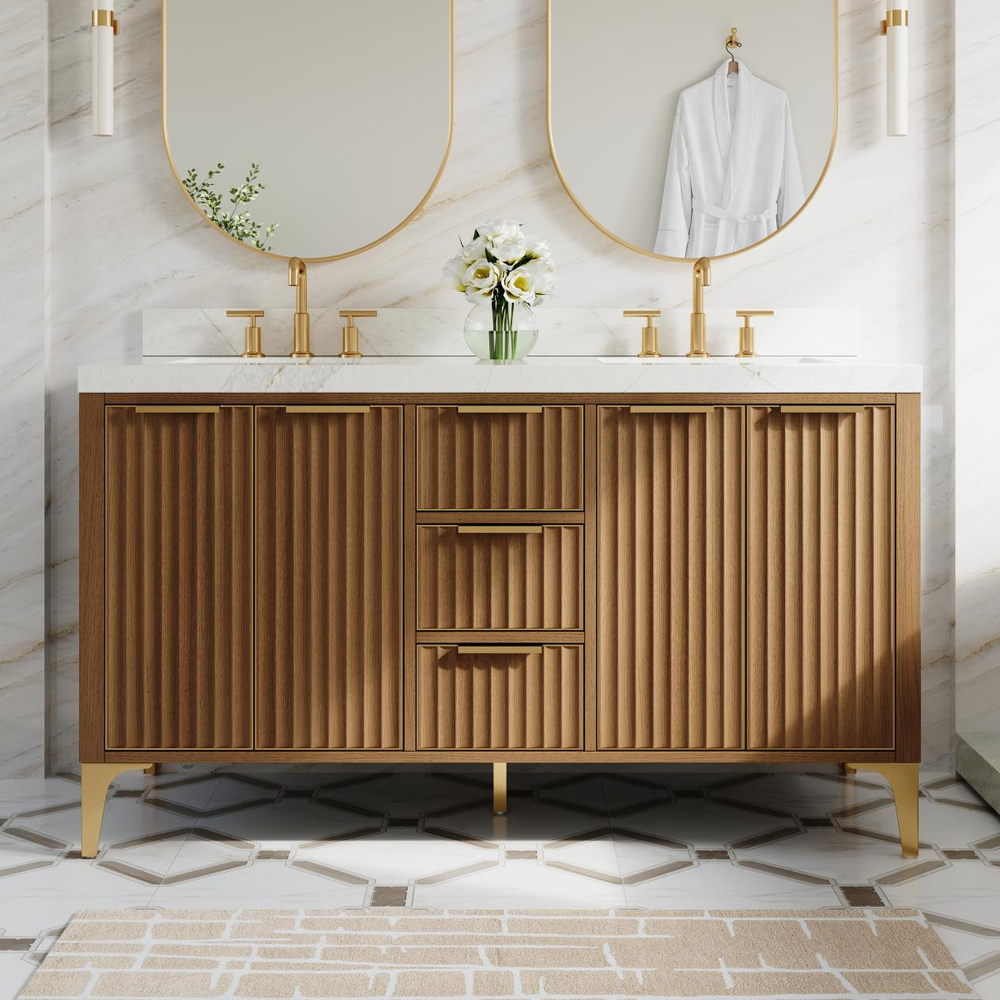
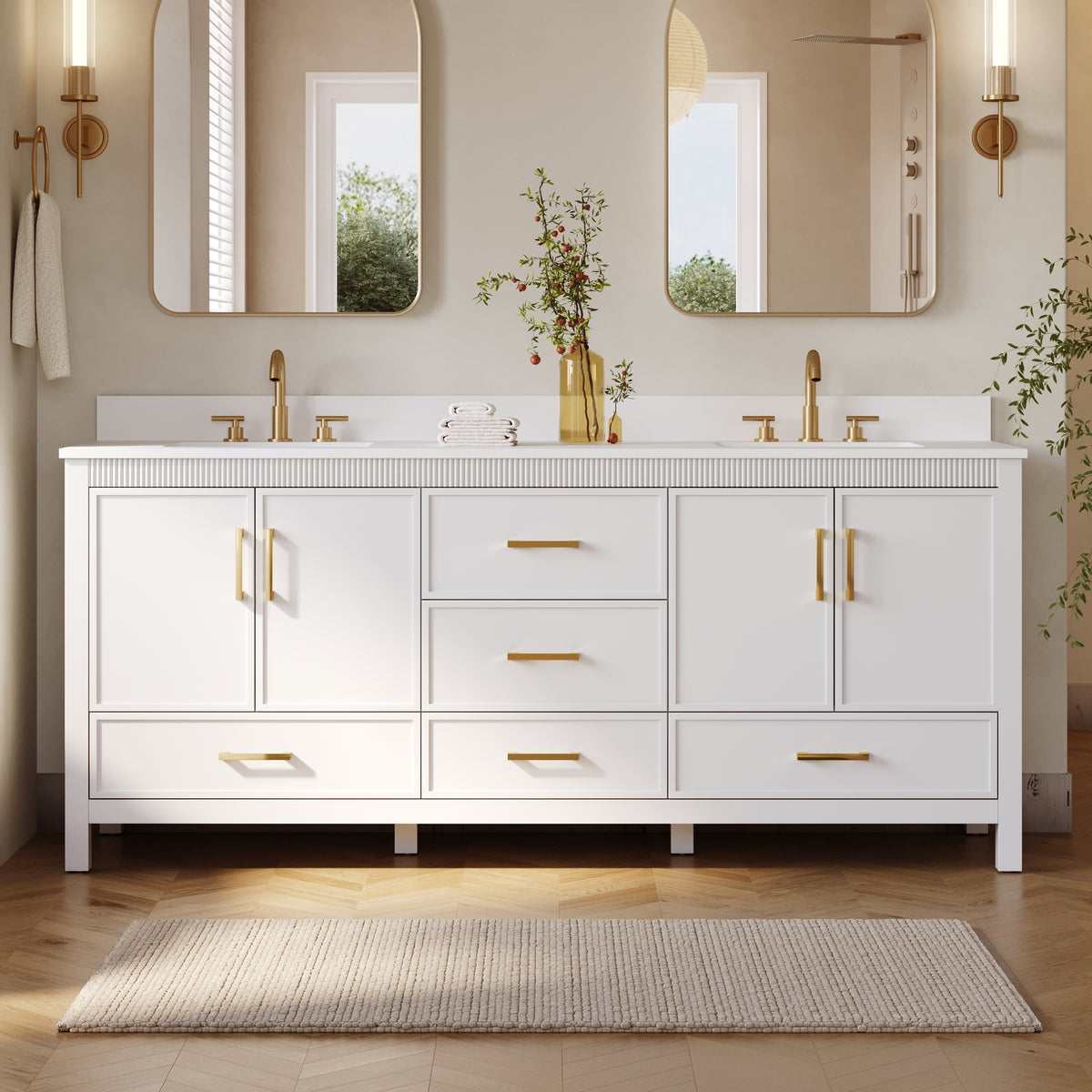
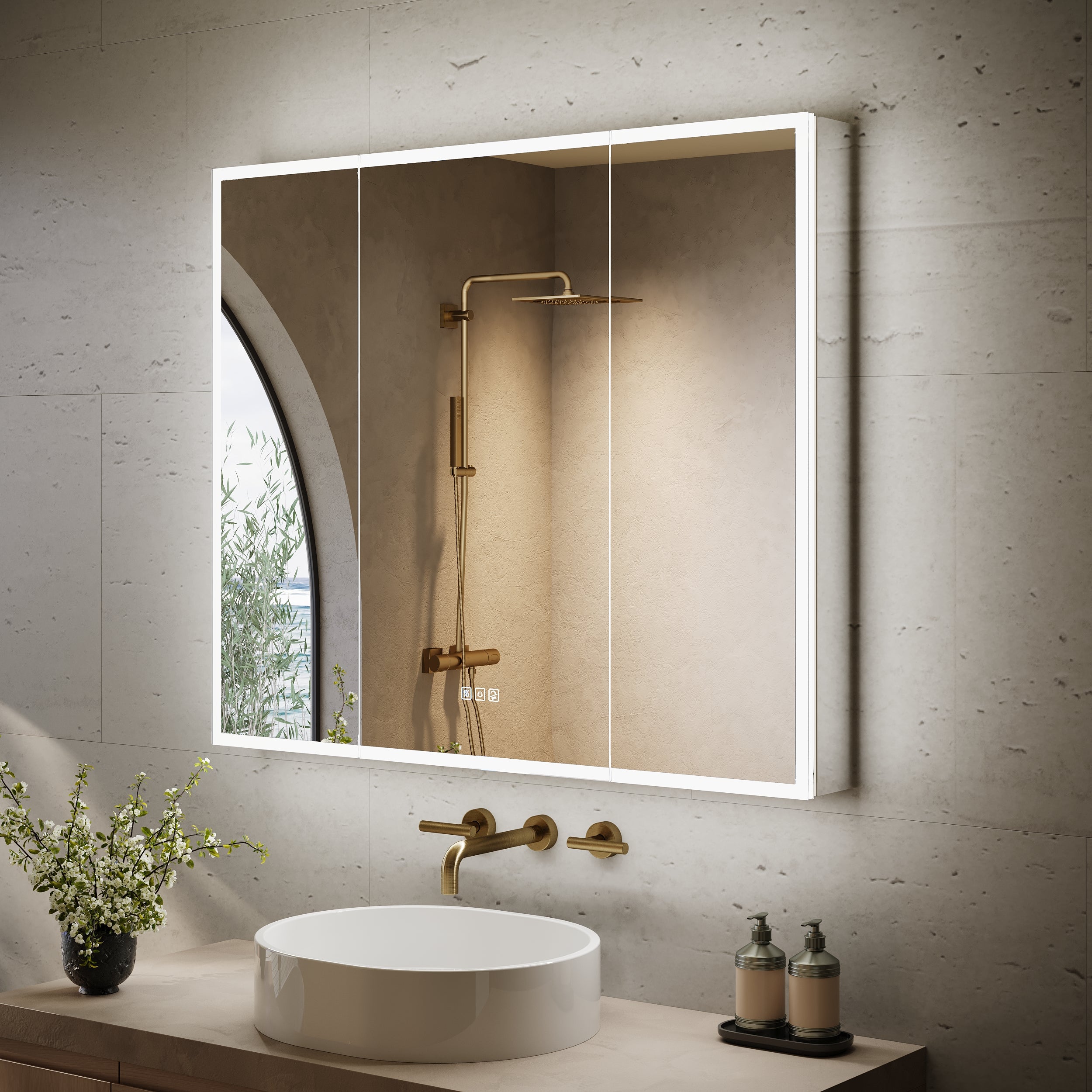
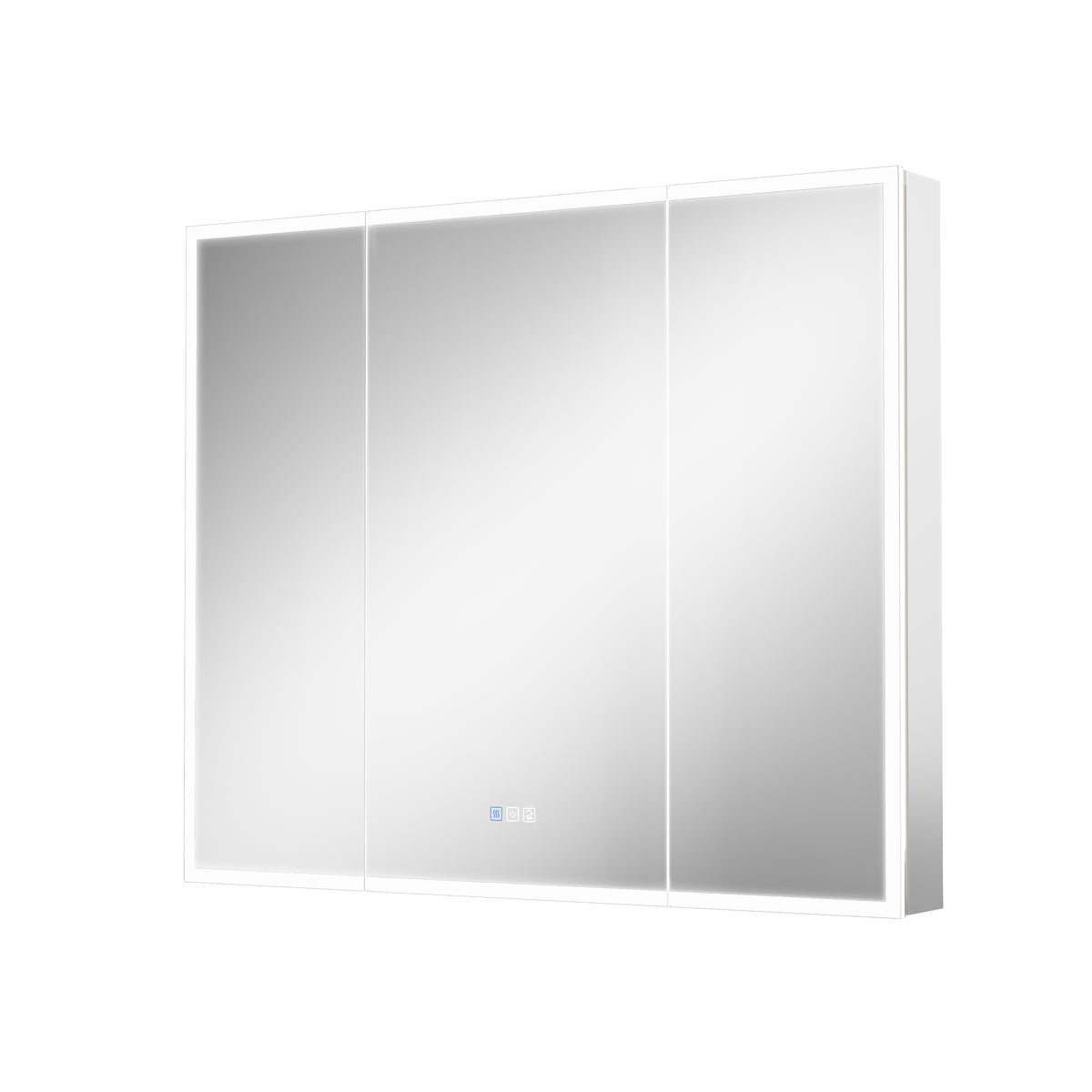
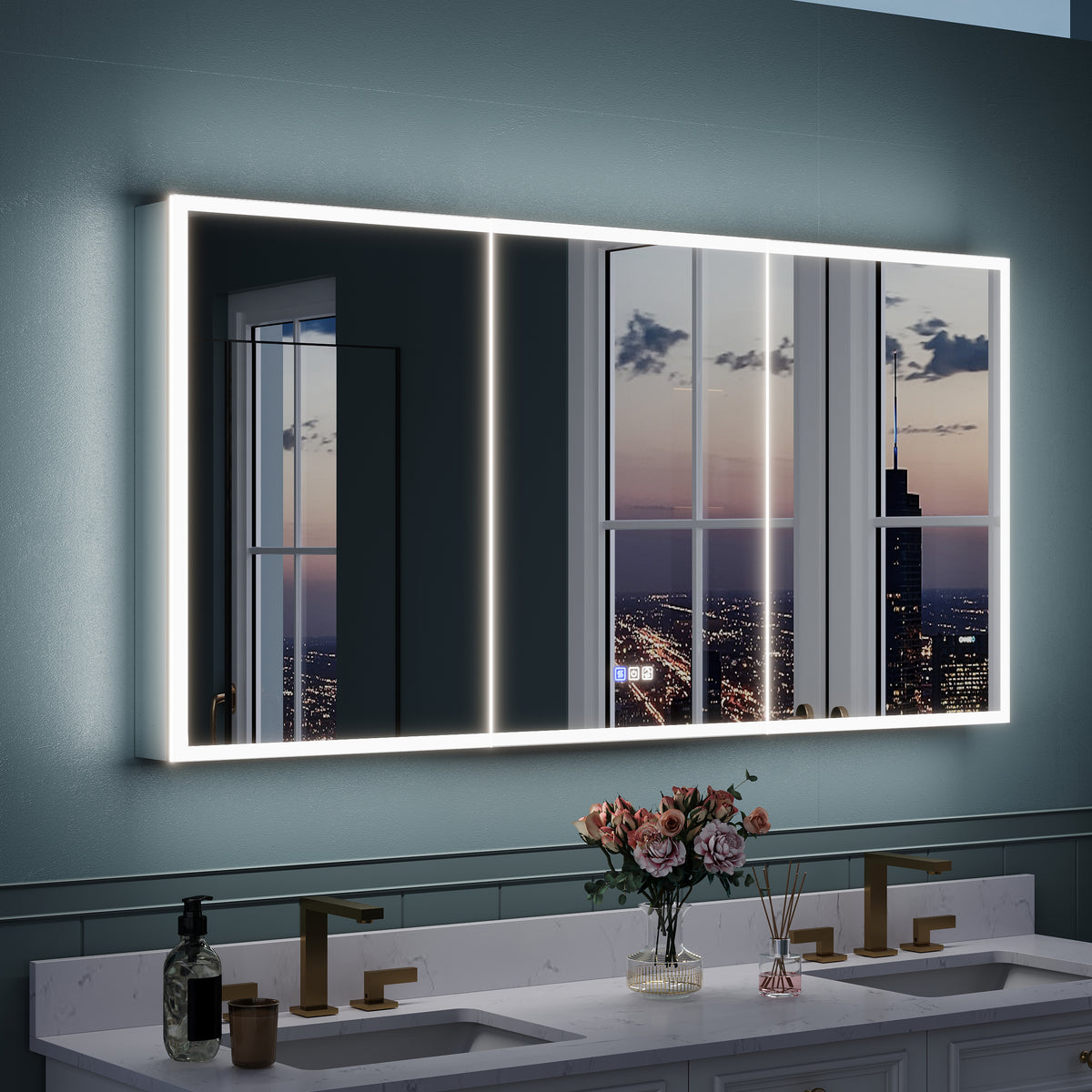
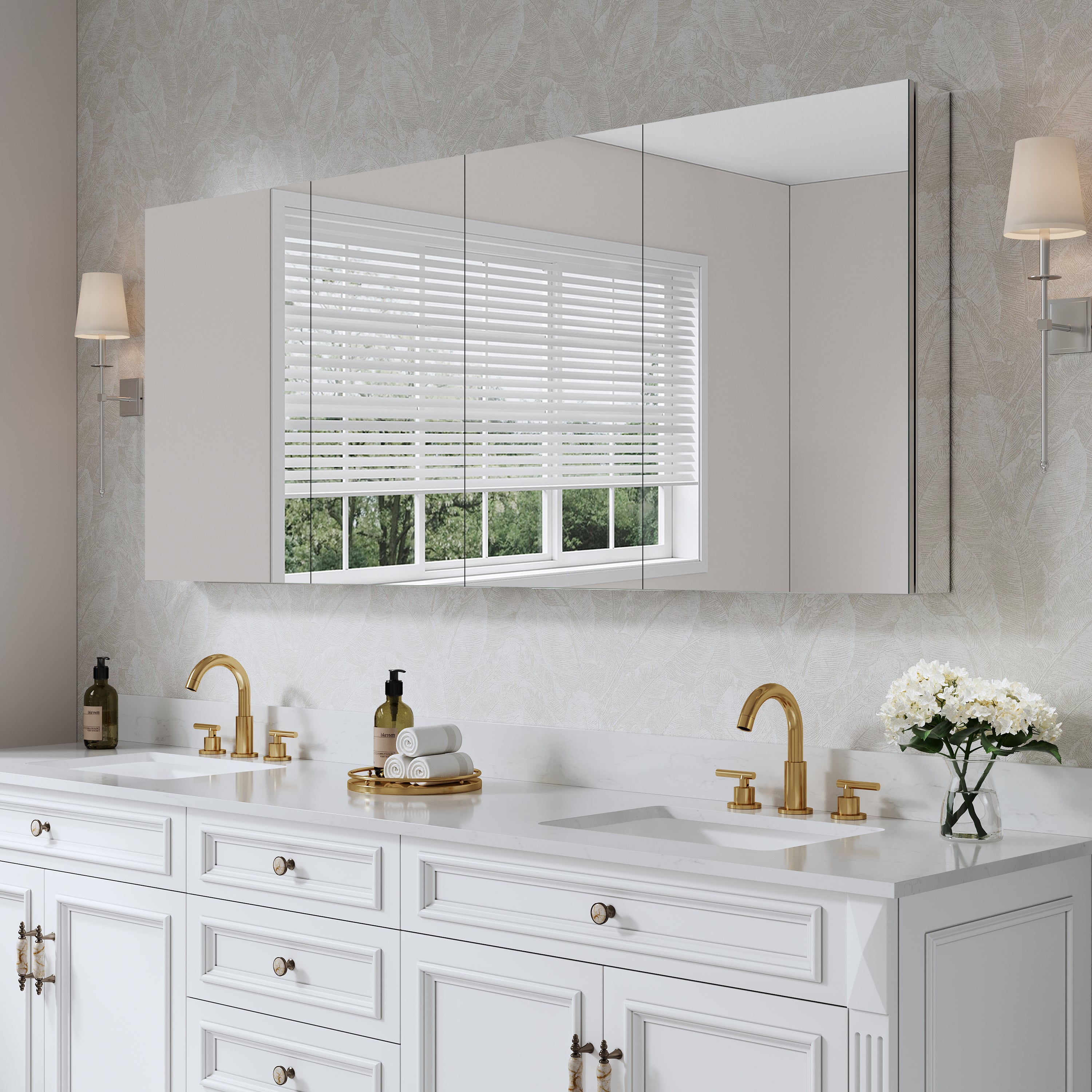
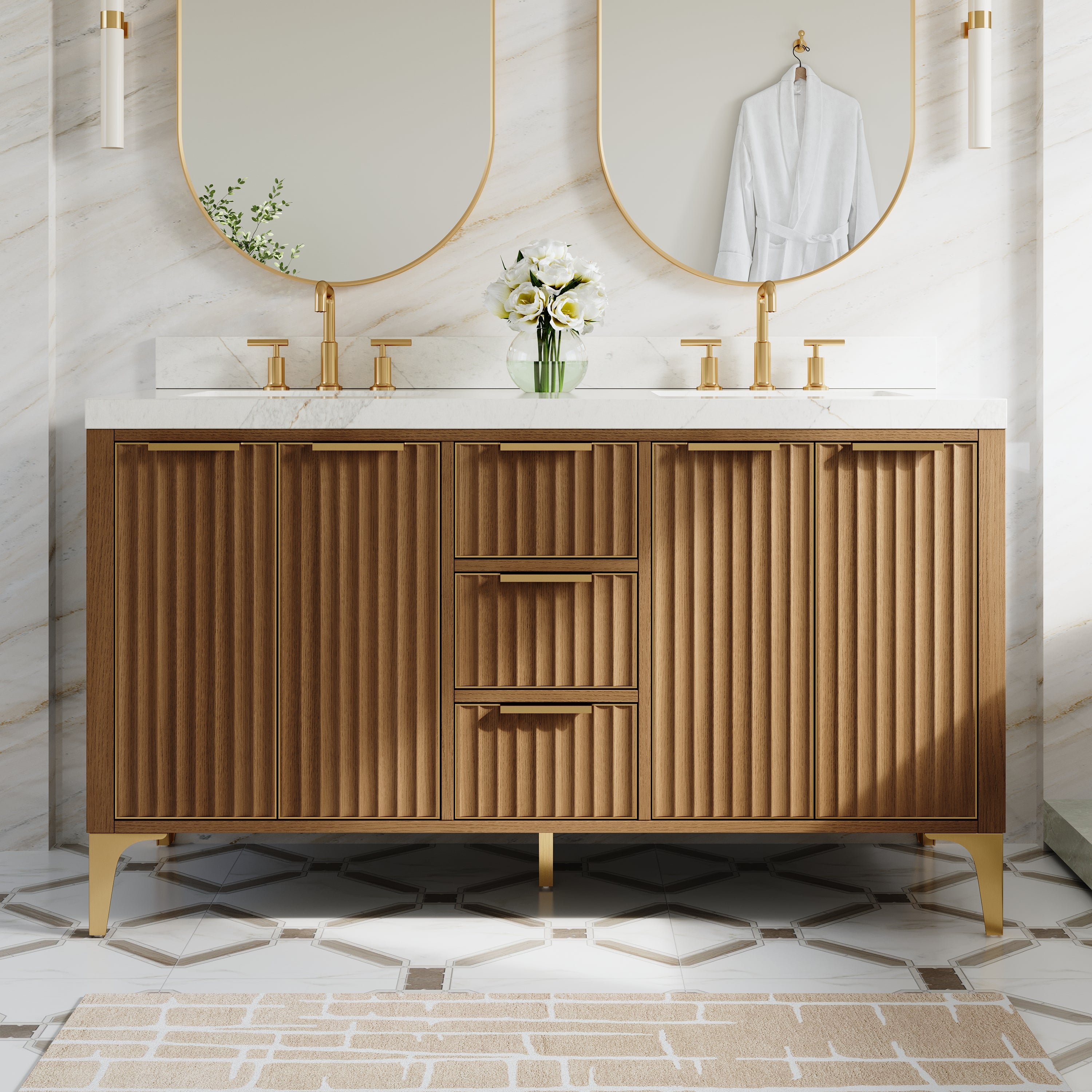
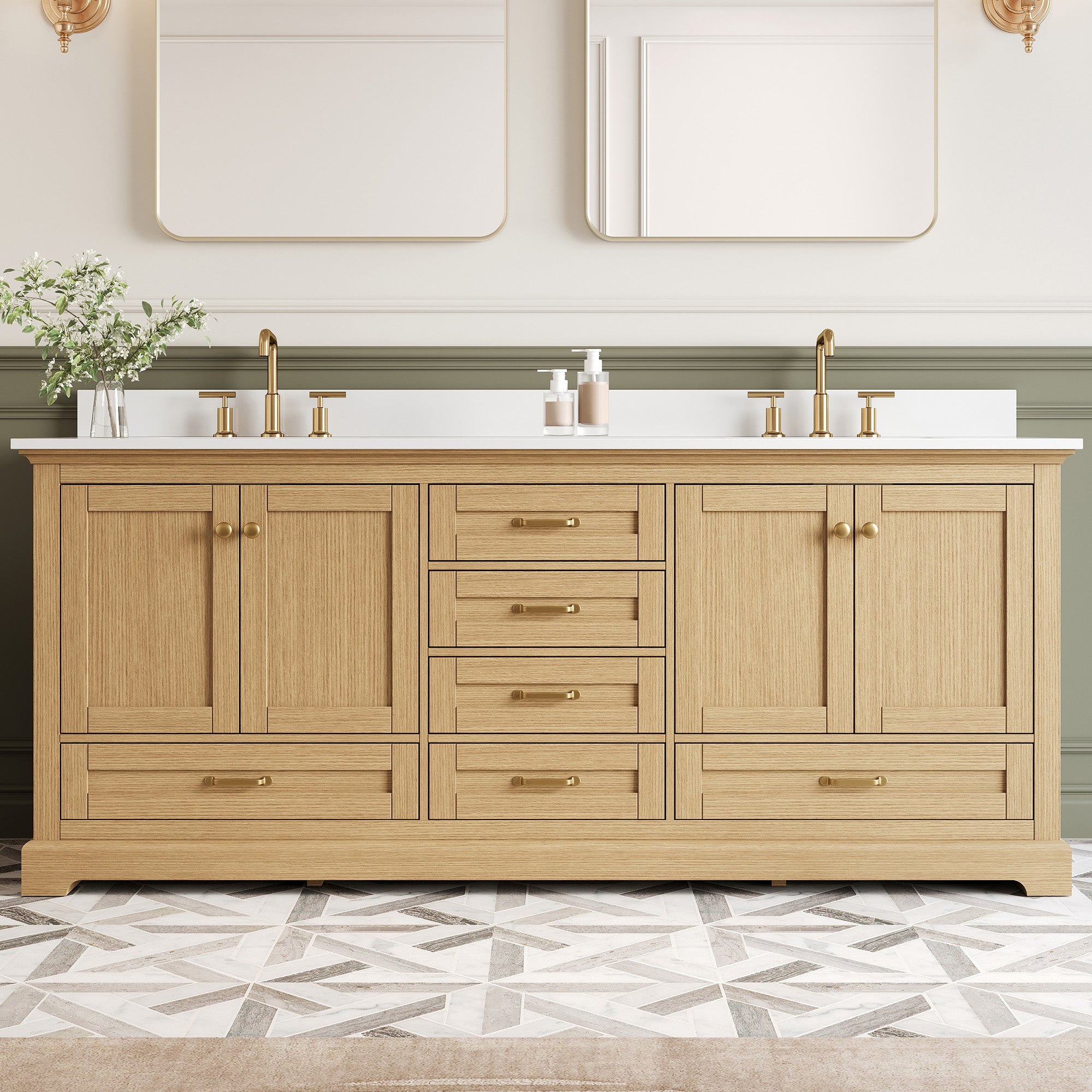
In bathrooms with double sinks, homeowners often choose between one wide mirror and two individual mirrors. A single mirror creates an uninterrupted reflection, while separate mirrors offer more flexibility for individual lighting arrangements.
Neither option is universally better.
2. Find the Most Comfortable Installation Height
One of the most frequent installation mistakes is positioning the mirror based entirely on wall symmetry.
A mirror can look perfectly centered while providing an uncomfortable viewing angle.
Instead, consider the eye levels of everyone who regularly uses the bathroom. Ideally, the reflective surface should accommodate both shorter and taller household members without requiring awkward bending or stretching.
For many adults, positioning the mirror's center around average eye level provides a reasonable starting point. The final height should reflect the mirror's dimensions and the users' actual needs.
Check the Reflection Before Drilling
Use painter's tape to outline the proposed mirror location. Stand at the vanity and check the position from several distances.
Can you see your entire face comfortably? Is there enough space above your head? Can another household member use the mirror without adjusting their posture?
These simple checks can prevent an expensive installation mistake.
3. Plan Bathroom Lighting Around the Mirror
Even a carefully positioned mirror performs poorly under unsuitable lighting.
Overhead fixtures often cast shadows beneath the eyes and chin, making shaving, makeup application, and skin-care routines more difficult.
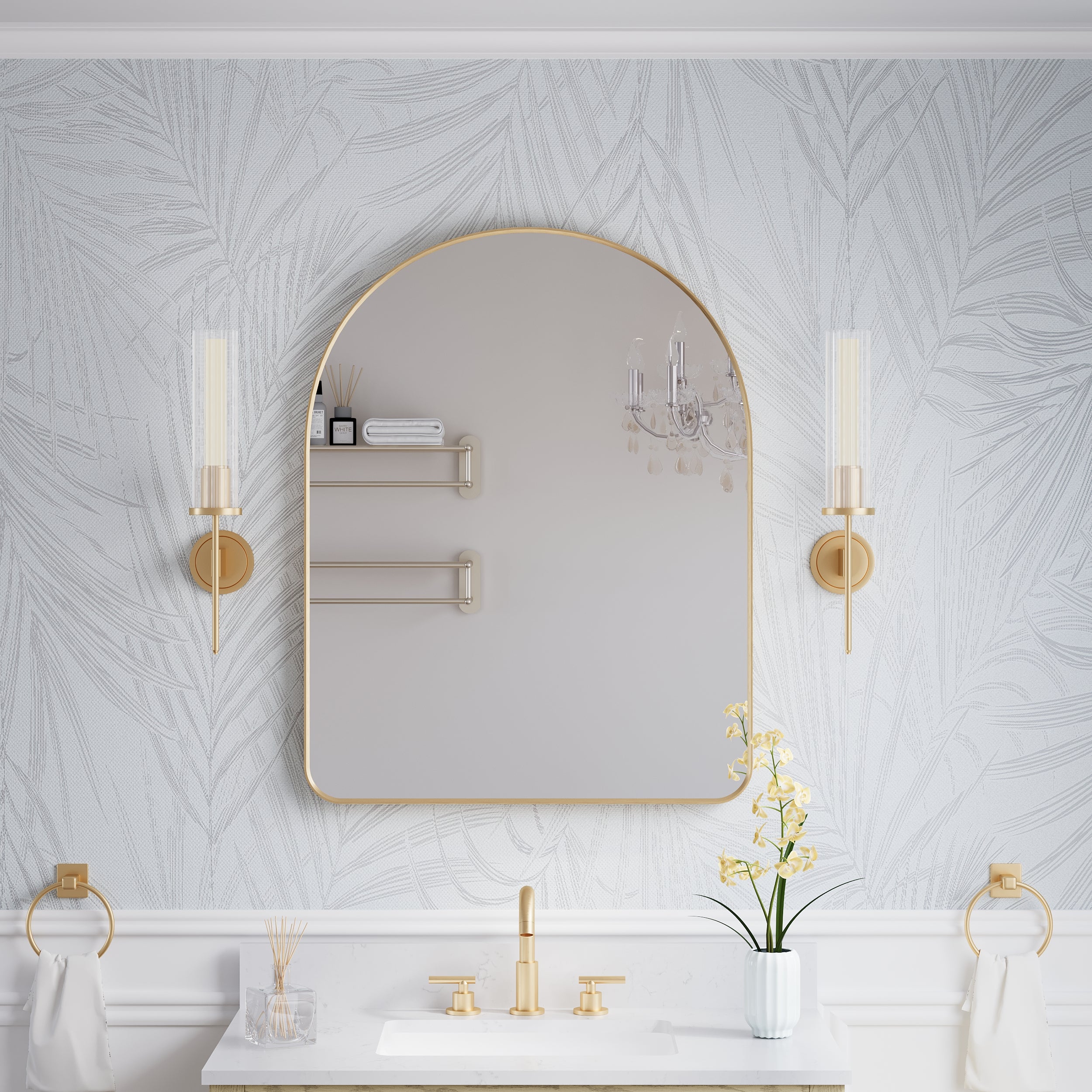
Side-mounted sconces can provide more balanced facial illumination when installed at appropriate heights. For wide mirrors, their placement becomes particularly important because the reflective surface may occupy most of the available wall.
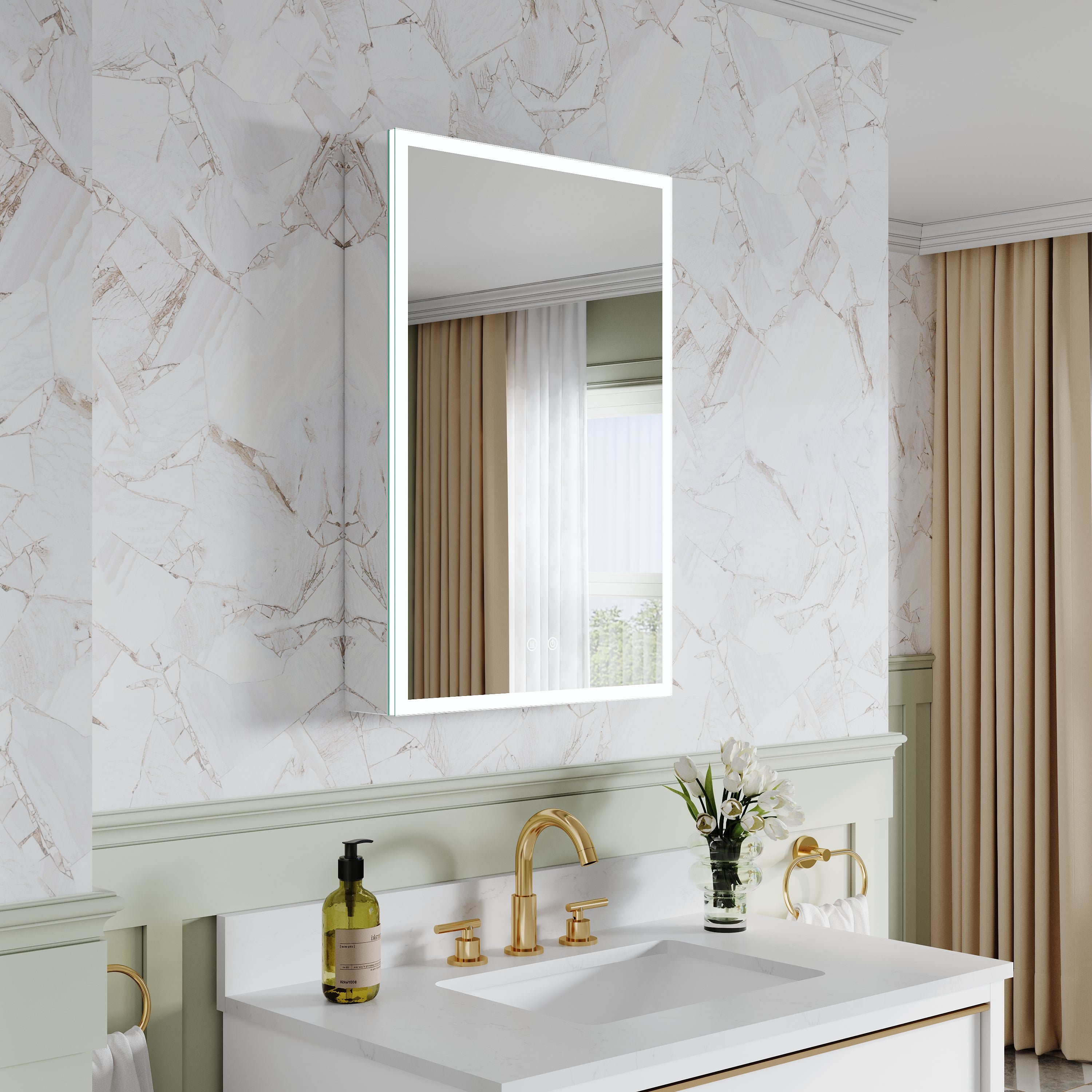
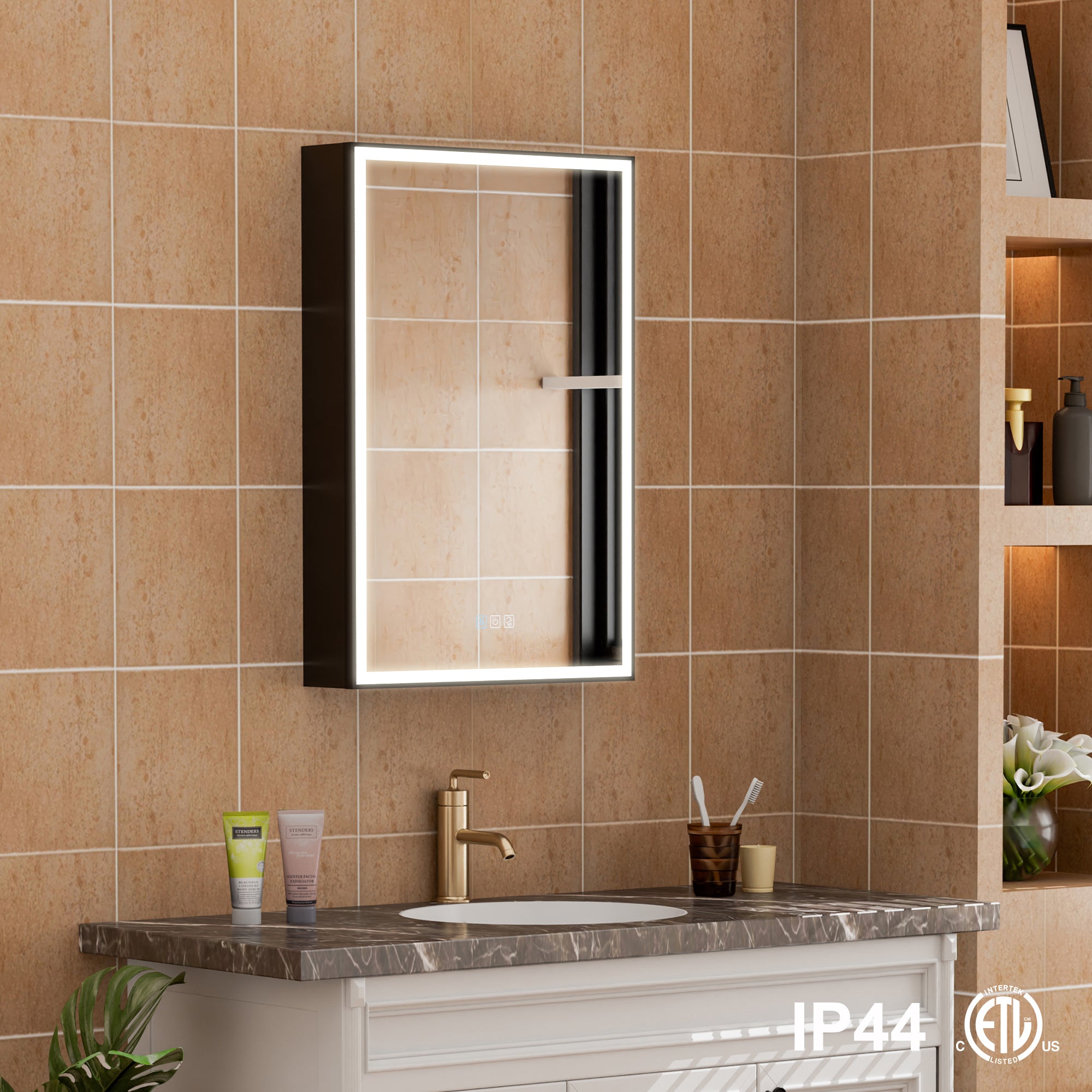
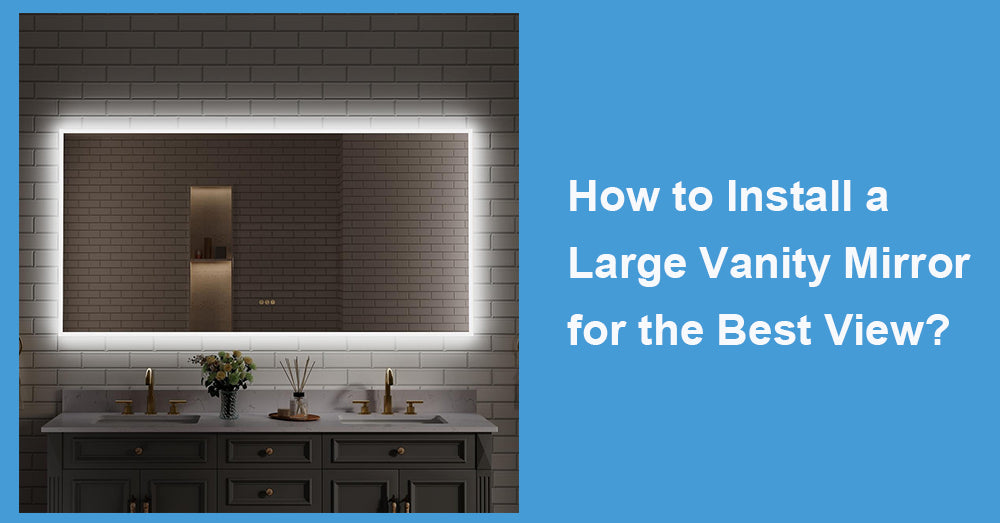
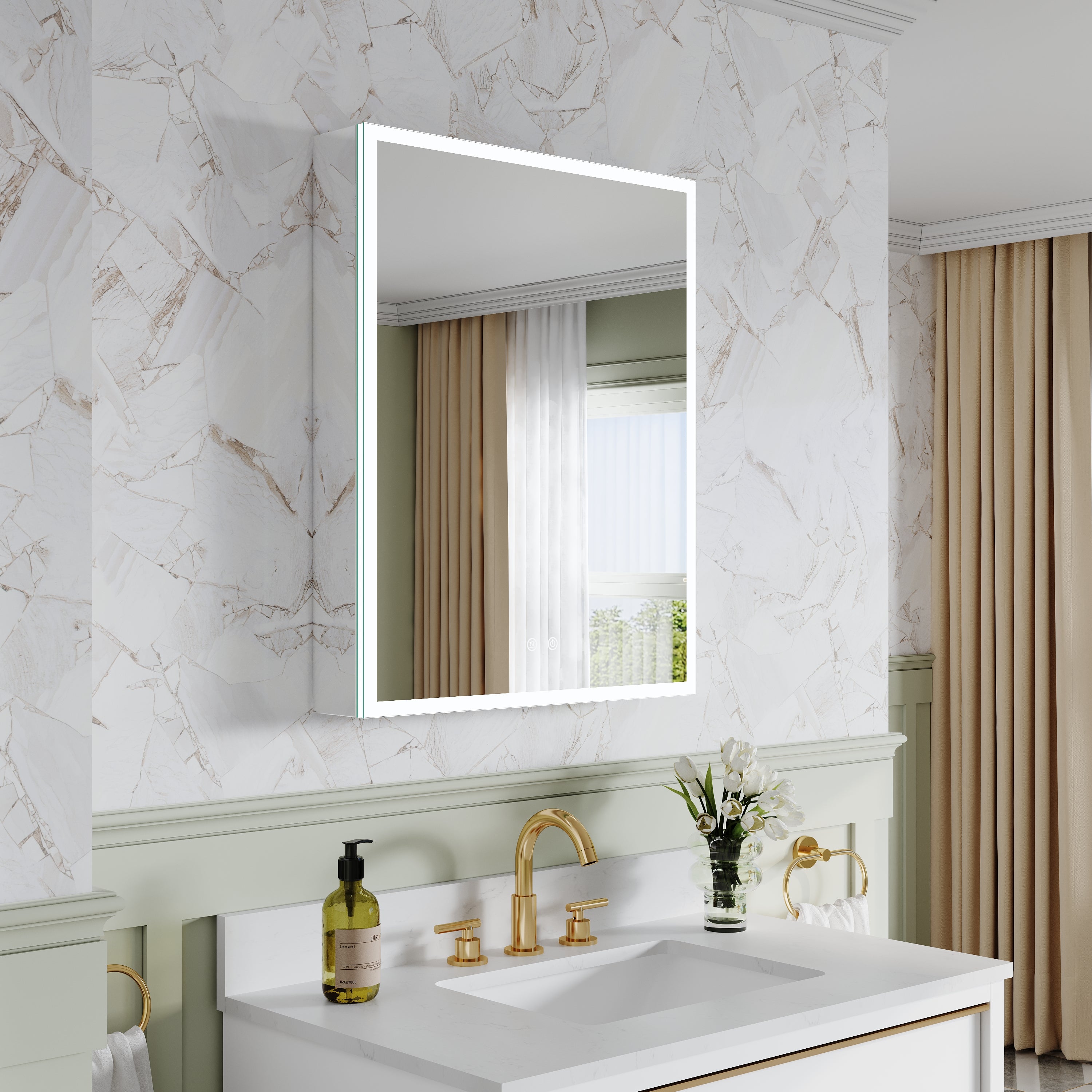
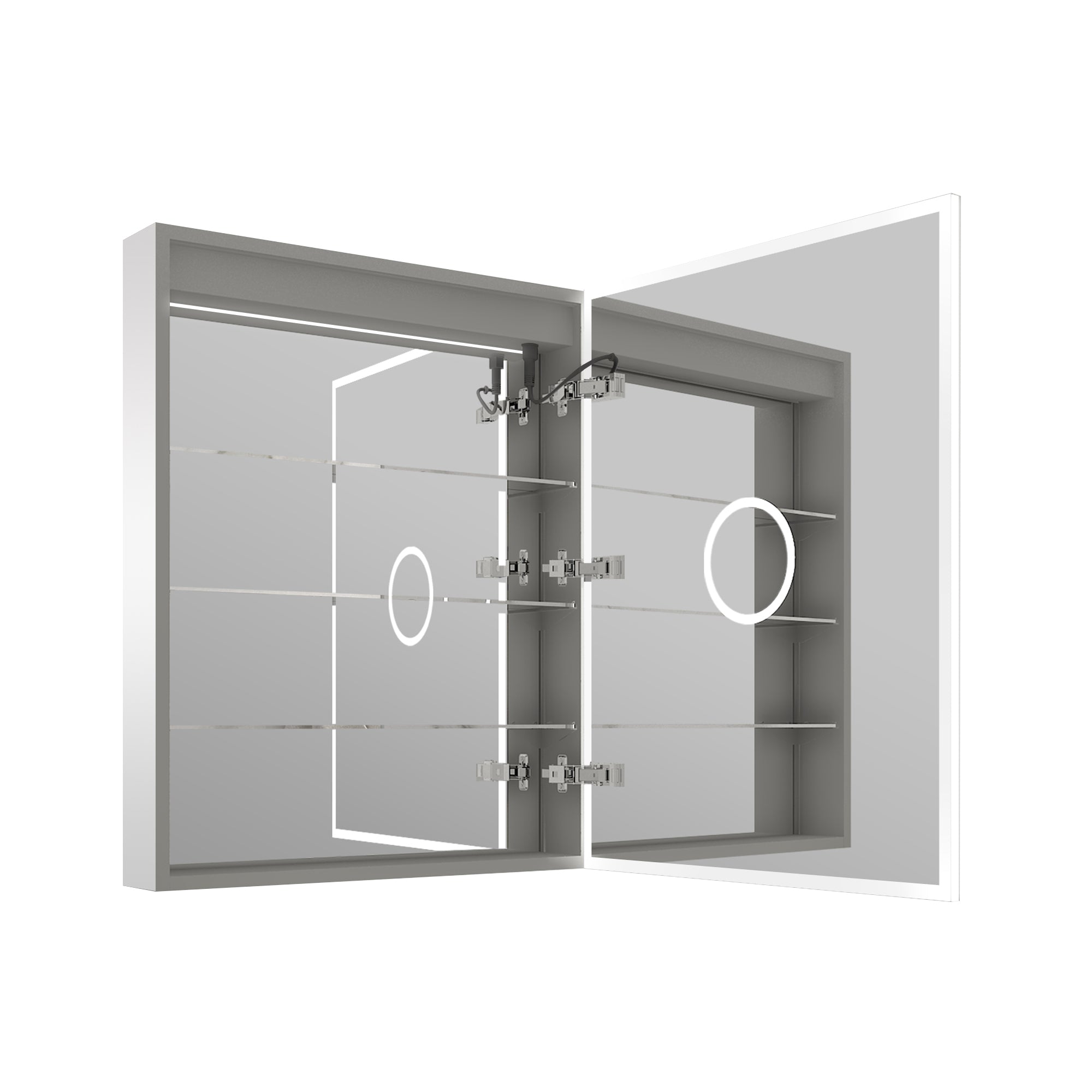
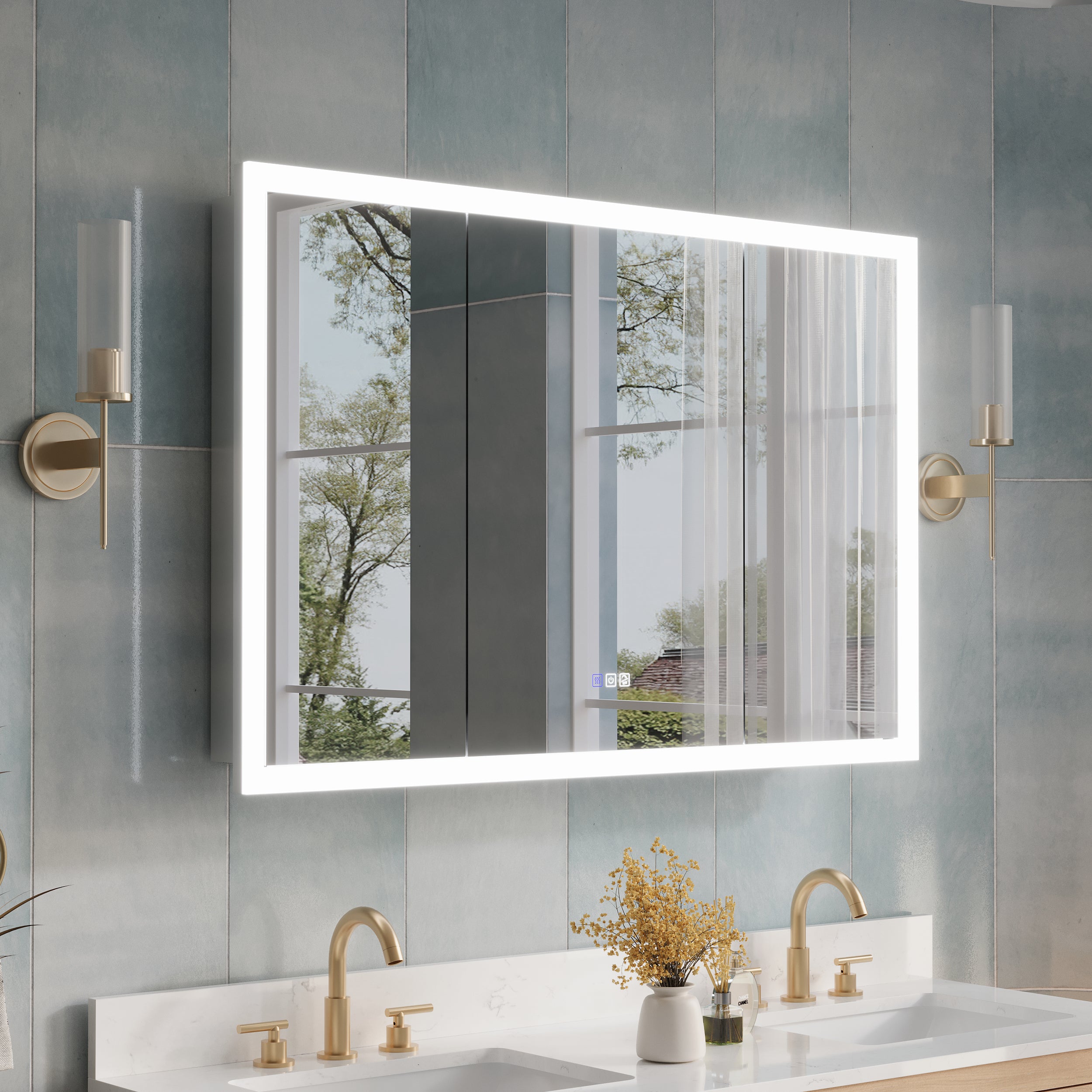
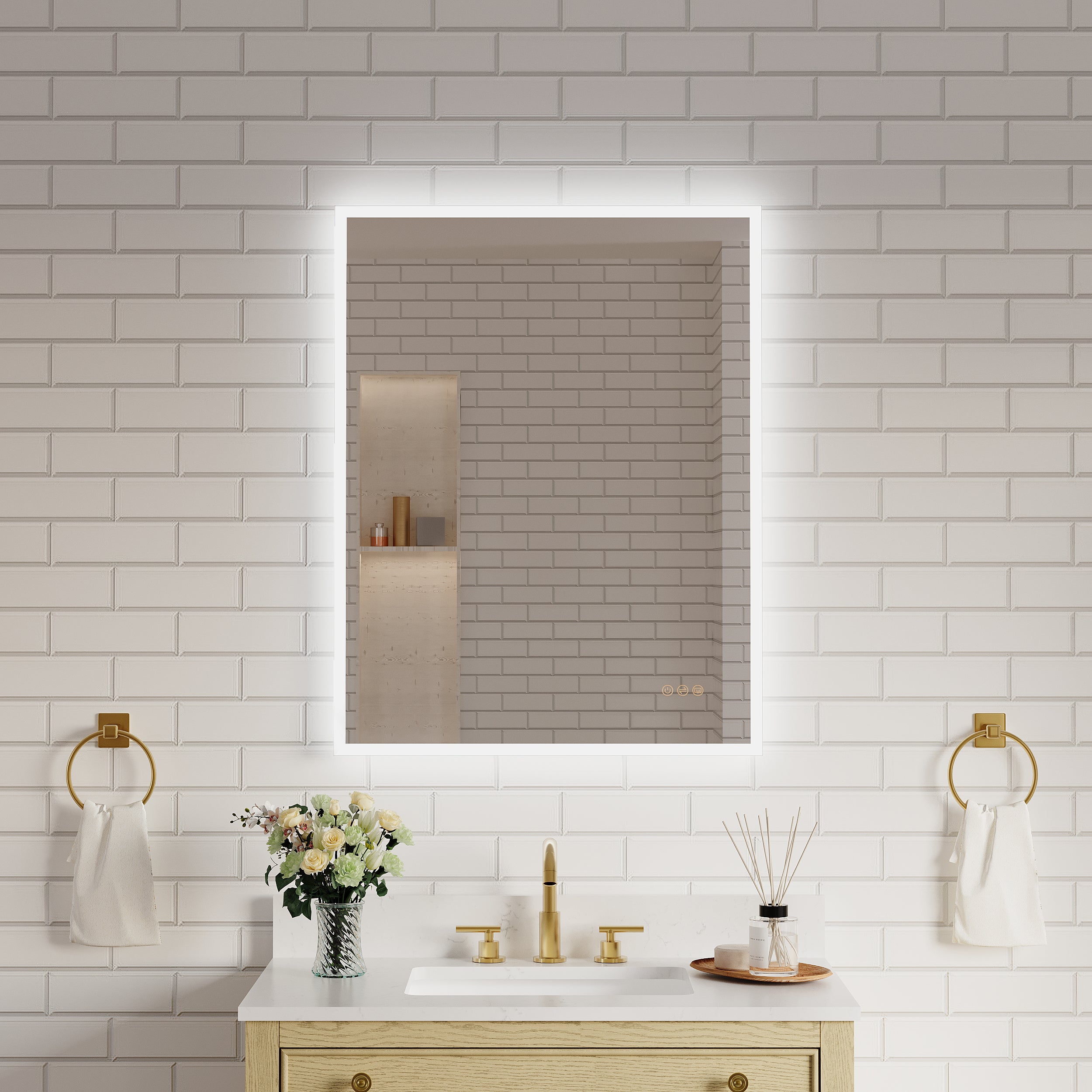
An LED vanity mirror offers another option, especially where separate sconces are impractical.
However, decorative backlighting should not be confused with functional task lighting. Some illuminated mirrors produce an attractive glow without sufficiently lighting the user's face.
Check the lighting direction, brightness controls, and color temperature before purchasing.
4. Prepare the Wall for Safe Installation
Large bathroom mirrors can be surprisingly heavy, particularly those with thick glass, metal frames, or integrated lighting.
Wall preparation should begin before unpacking the mirror.
Identify the wall material and locate suitable structural supports. Drywall, tile, masonry, and plaster require different fastening methods.
Never assume ordinary plastic anchors can safely support a heavy mirror.
Use the mounting brackets and fasteners specified by the manufacturer, and verify that the wall structure can accommodate the mirror's weight.
Handle Heavy Mirrors Carefully
For larger installations, having two people lift and position the mirror is generally safer than working alone.
Protect the vanity countertop with a padded covering while preparing the installation area. Avoid placing the mirror directly against hard surfaces where its edges could chip.
If the mirror includes electrical components, arrange for a qualified electrician to handle the wiring according to applicable local requirements.
5. Install the Mirror Without Losing Alignment
Accurate measurements make the installation process much easier.
Mark the mirror's horizontal centerline and compare it with the vanity's center. Use a level to establish a straight reference line before marking mounting points.
Keep in mind that the sink and vanity cabinet are not always perfectly centered against the wall.
Follow the manufacturer's mounting instructions rather than relying on appearance alone.
If drilling through tile, use appropriate equipment and proceed carefully to reduce the risk of cracking.
Once the mounting hardware is secure, position the mirror and confirm that every bracket engages correctly.
Do not release its weight until the mounting system is fully secured.
For unusually large or heavy mirrors, professional installation is often worth the expense.

6. Understand the Limitations of Oversized Mirrors
A bigger mirror does not automatically produce a better bathroom.
Large reflective surfaces reveal more water spots, fingerprints, and toothpaste splashes. Frameless mirrors may also expose wall irregularities that smaller framed designs would conceal.
An oversized mirror positioned opposite a cluttered storage area can make the bathroom appear busier rather than more spacious.
For narrow bathrooms, a tall mirror may offer better facial visibility without dominating the wall.
Maintenance deserves consideration, too. Clean the surface using a soft microfiber cloth and a manufacturer-approved cleaner. Avoid spraying excessive liquid directly along mirror edges, where moisture can contribute to deterioration.
7. Make the Final Choice Based on Daily Comfort
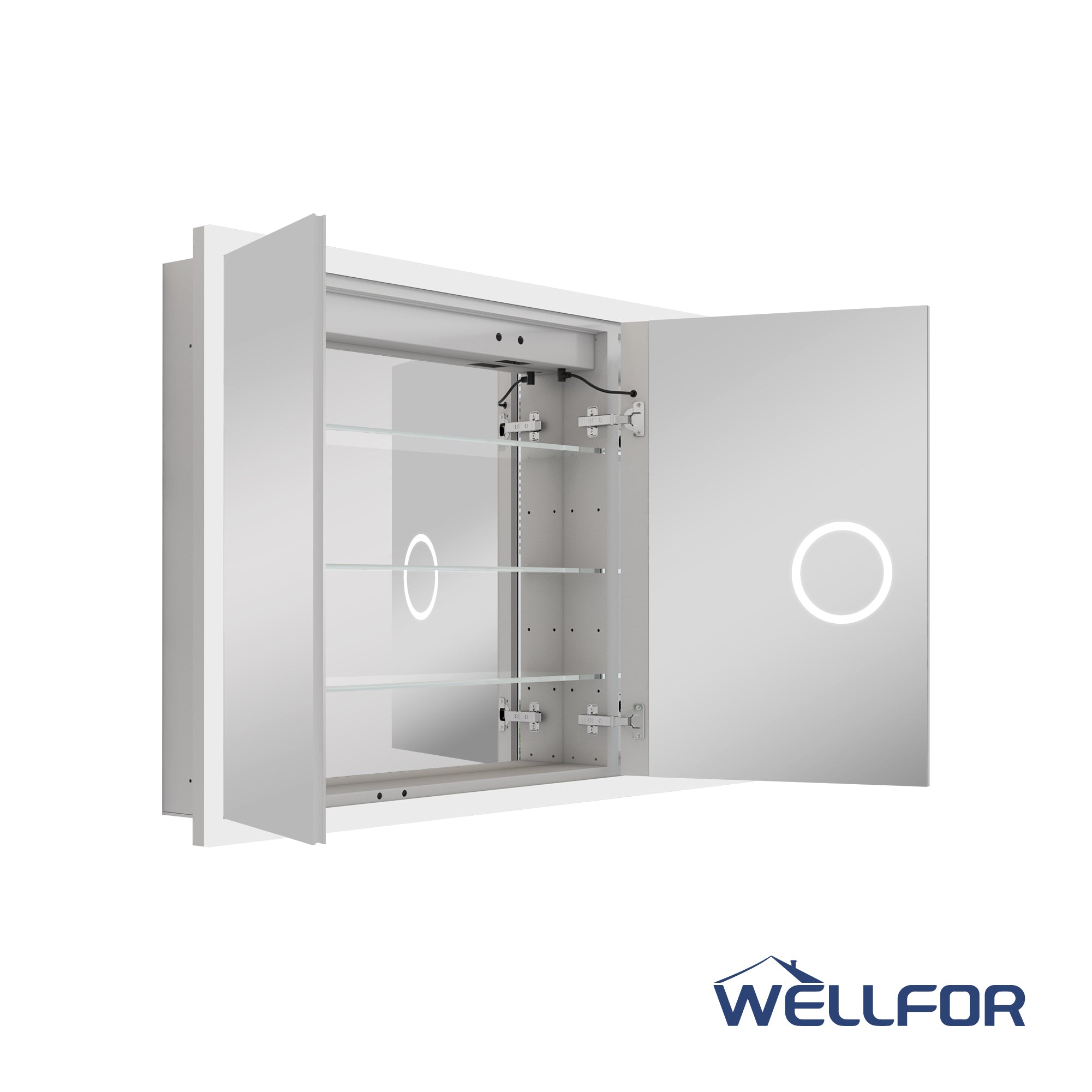
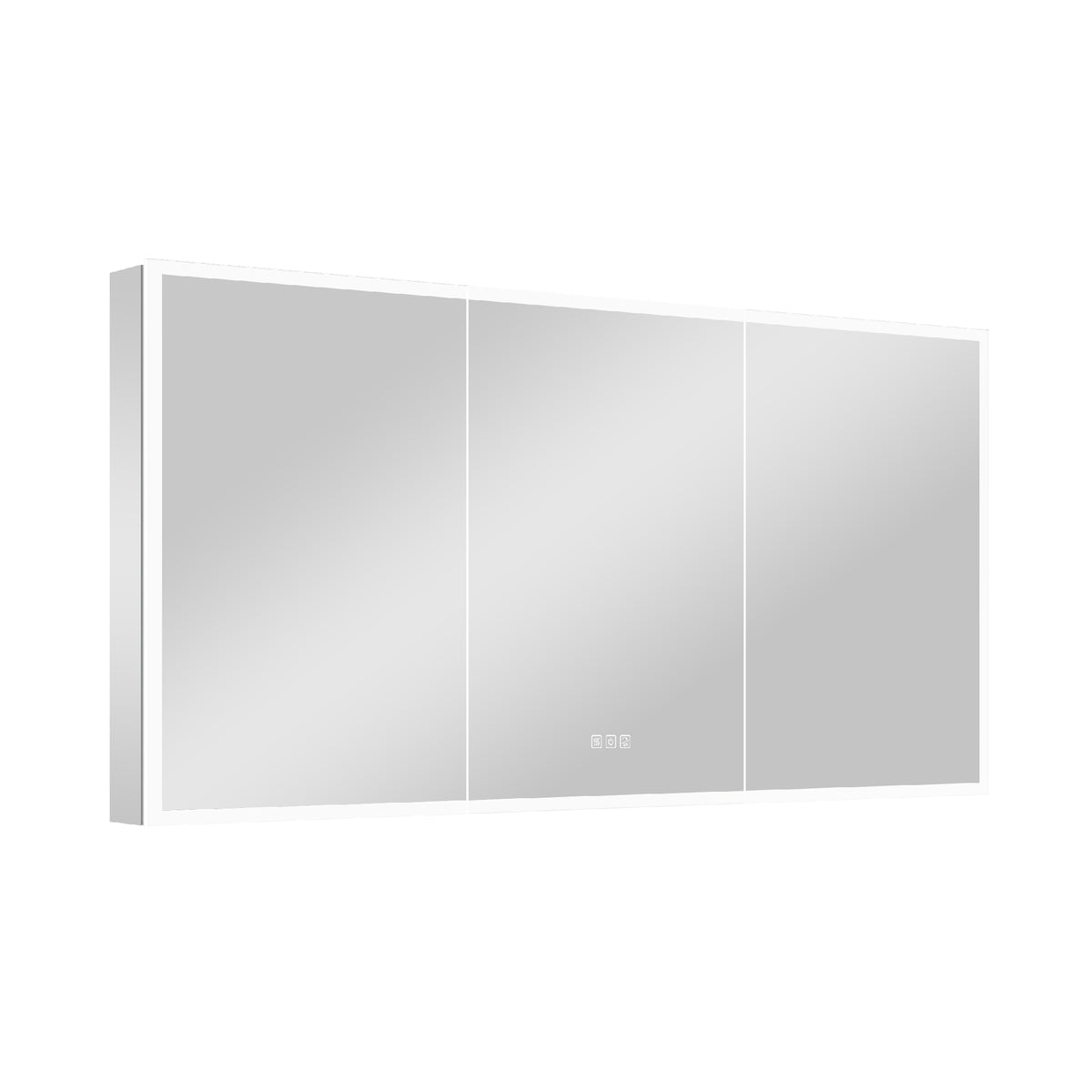
When comparing bathroom mirrors from Wellfor, prioritize practical viewing dimensions, mounting requirements, lighting compatibility, and available wall space.
Choose a mirror that feels comfortable when standing naturally at the sink, not simply one that looks impressive in product photographs.
Before purchasing a large vanity mirror, mark its intended position on the wall and test the viewing height with everyone who will use it. Confirm the mounting requirements, plan adequate facial lighting, and leave enough clearance around surrounding fixtures.
A few careful measurements before installation can make daily grooming noticeably more comfortable for years to come.
















Leave a comment
This site is protected by hCaptcha and the hCaptcha Privacy Policy and Terms of Service apply.