














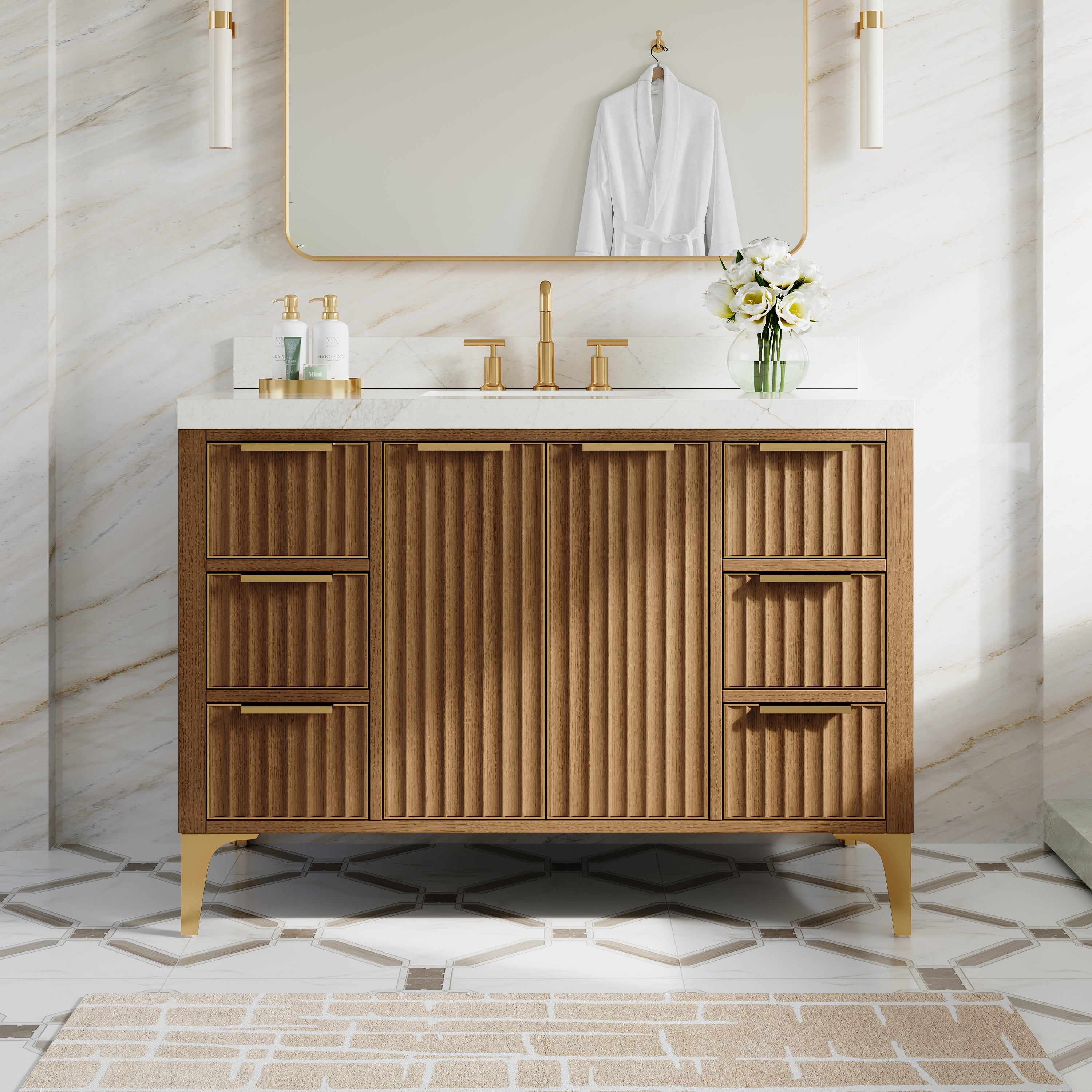
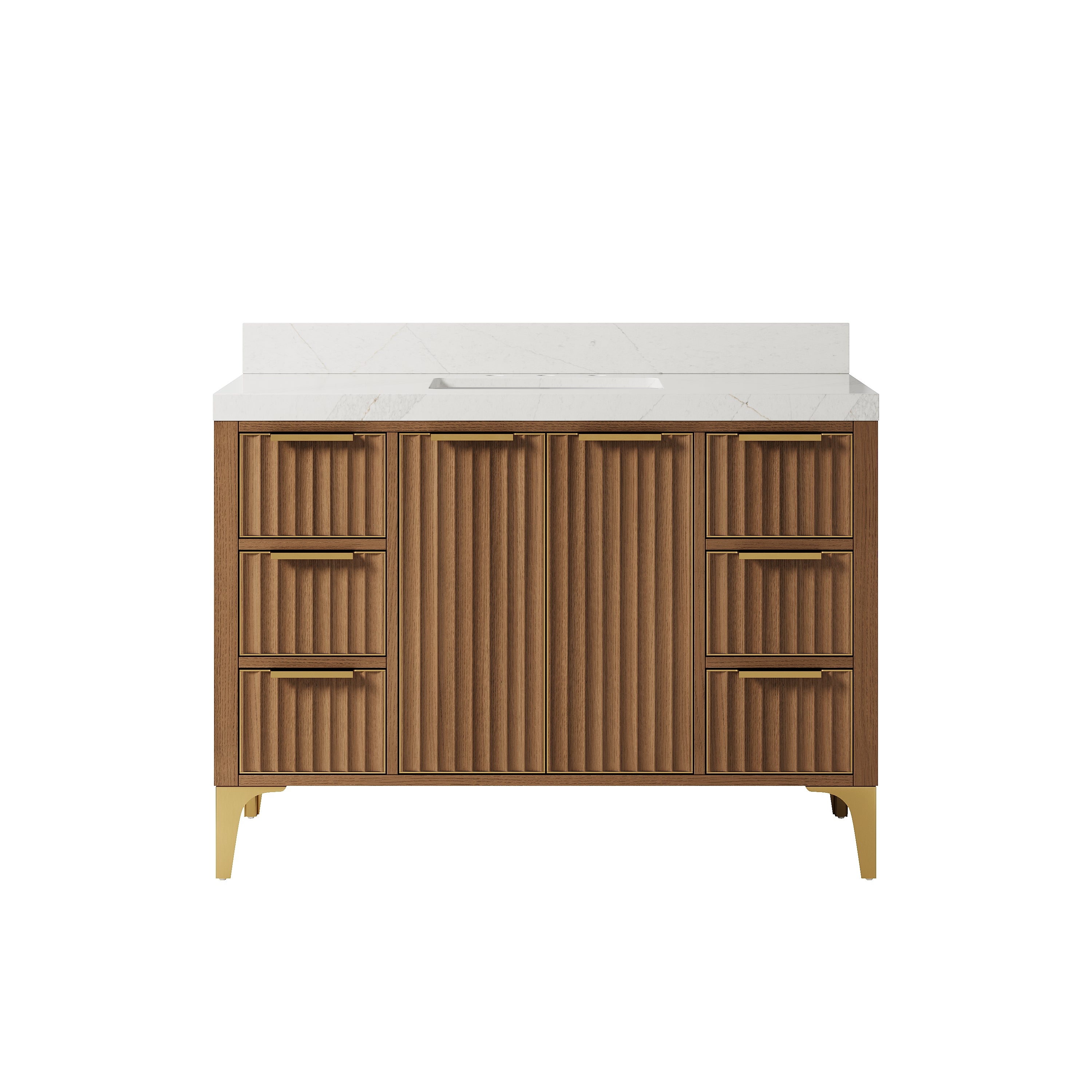


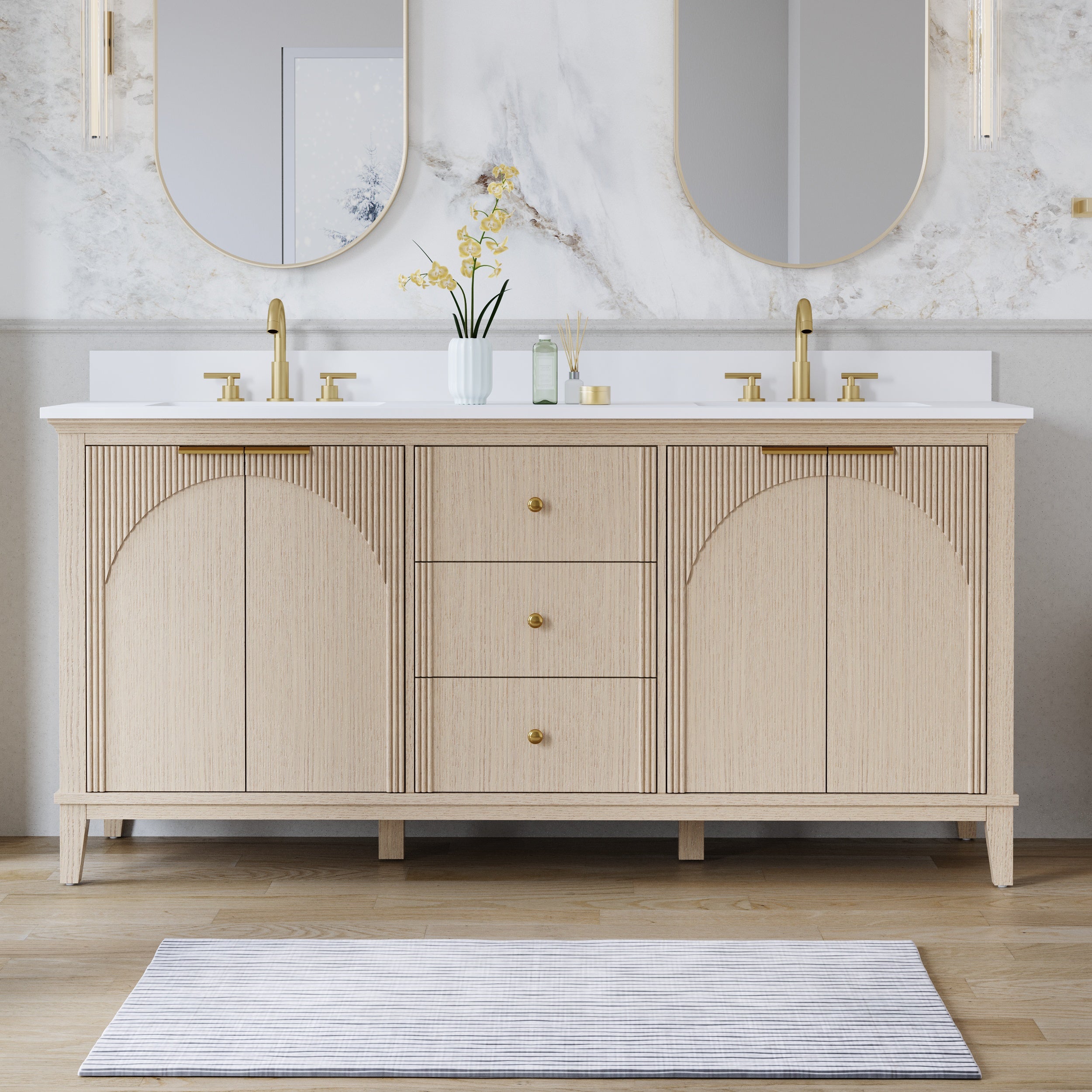
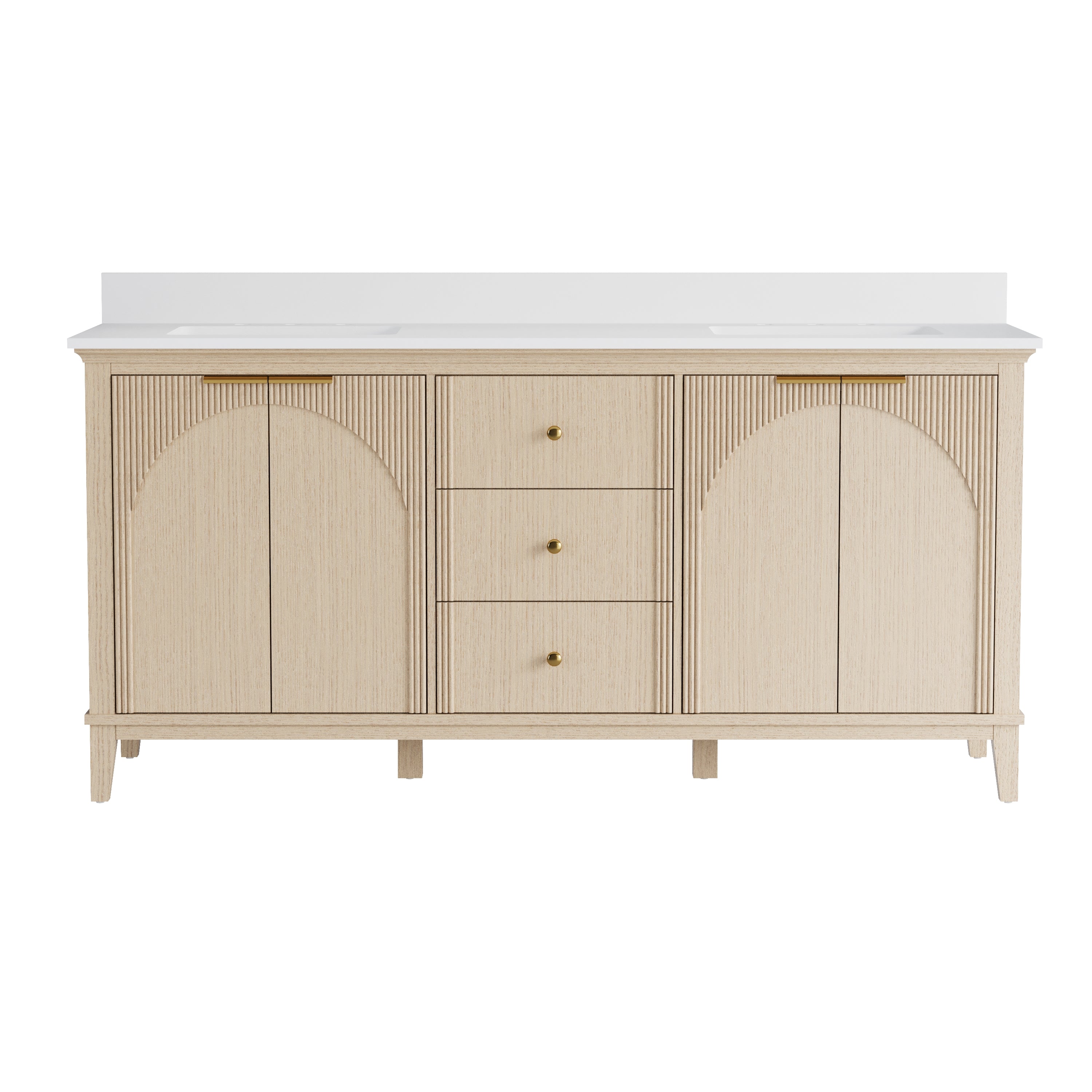
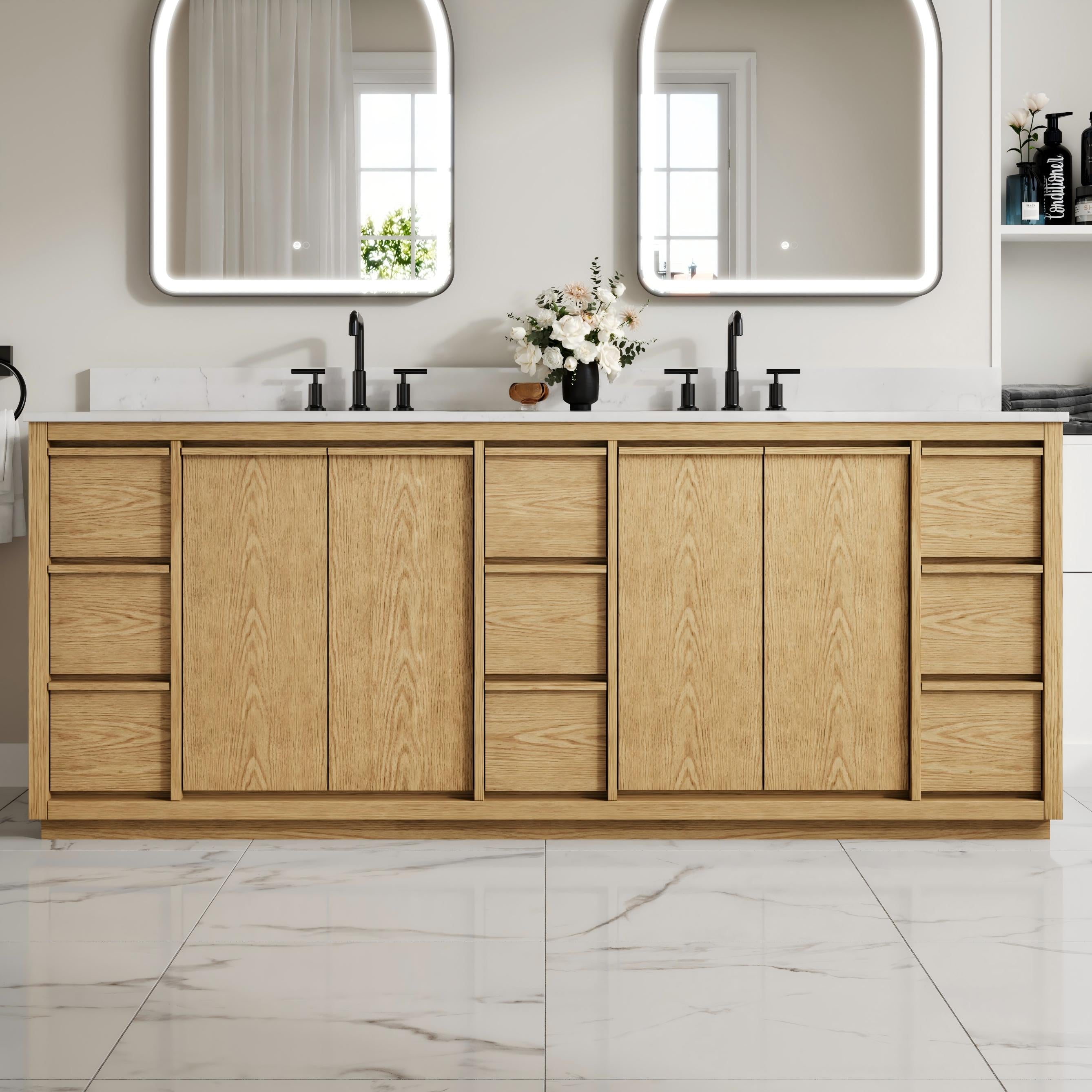
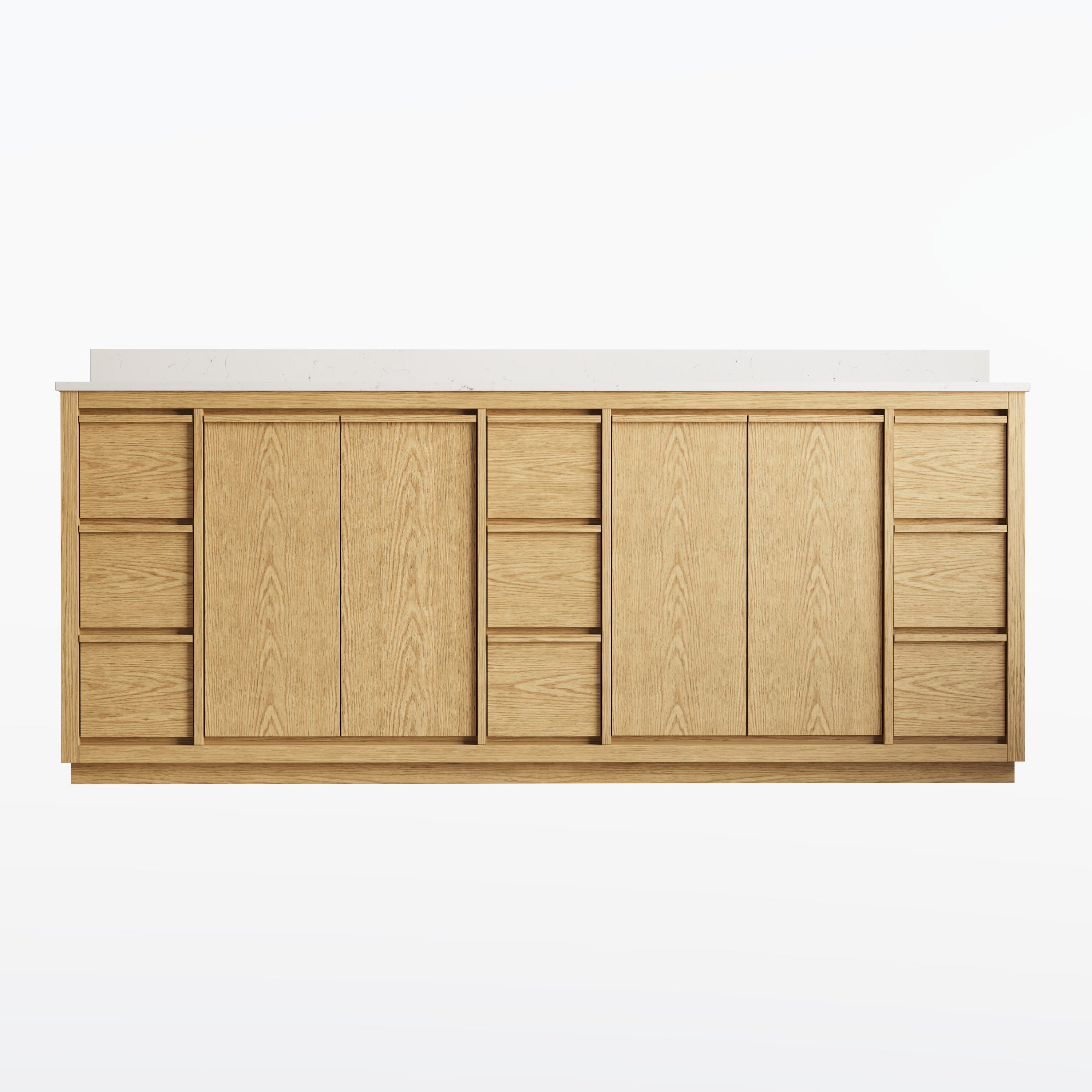

A white vanity is one of the safest choices for a modern bathroom, but “safe” does not mean boring. After years of working with bathroom layouts, finishes, and storage configurations, I have seen white vanities succeed in spaces ranging from compact guest baths to large primary suites. Their strength is flexibility: white works with almost any wall color, tile pattern, countertop, or metal finish. Still, the right choice depends on how the bathroom is used, how much maintenance you are willing to do, and what kind of look you want to create.
1. Why a White Vanity Works So Well in Modern Bathrooms
Modern bathrooms usually depend on clean lines, controlled color palettes, and uncluttered surfaces. A white vanity fits naturally into that approach because it visually simplifies the room.
In smaller bathrooms, white cabinetry can also make the space feel less crowded. Dark cabinetry tends to create stronger visual weight, especially when combined with dark flooring or wall tile. White reflects more light and allows the vanity to blend into its surroundings rather than dominate them.
This is particularly useful in bathrooms without large windows. Pairing a white cabinet with a pale countertop and a good mirror can make the room feel noticeably brighter.
White Does Not Have to Mean Plain
One mistake buyers often make is treating every white vanity as the same product.
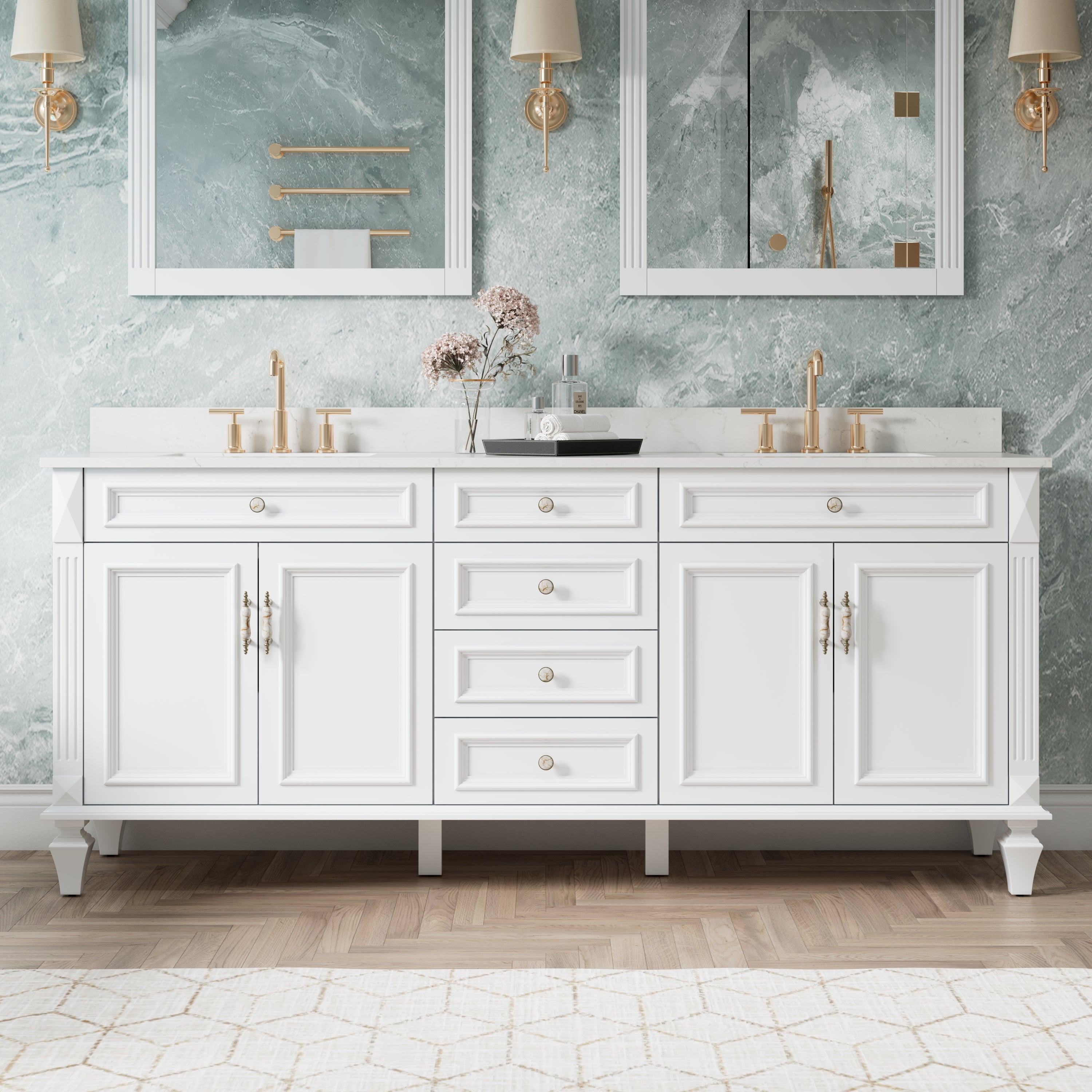
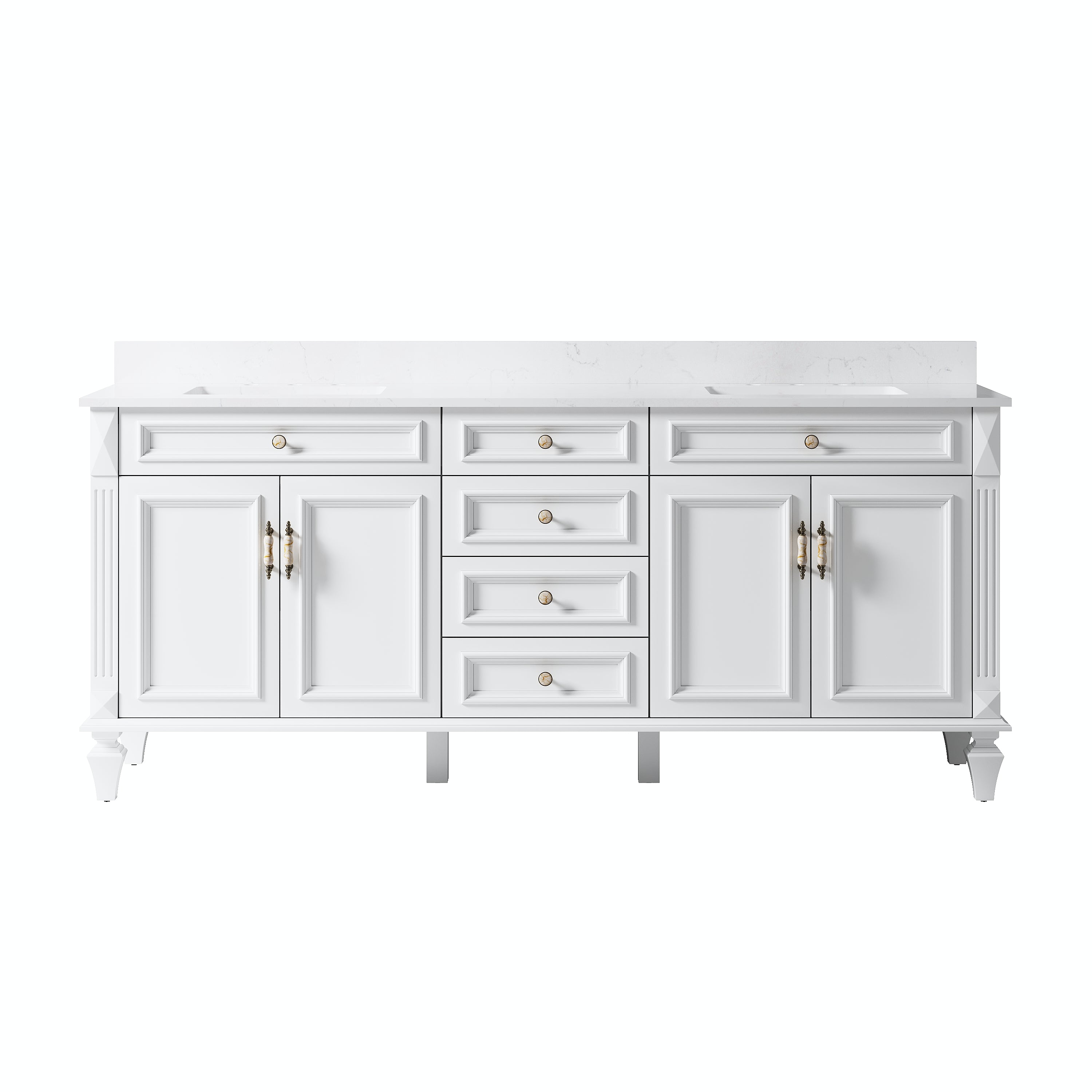
The cabinet profile matters. Flat-panel doors create a cleaner contemporary look, while shaker-style fronts feel slightly more transitional. Matte white finishes are softer and more architectural. Glossy white finishes can look sharper and are often easier to wipe down, though fingerprints and water marks may be more visible under strong lighting.
Hardware changes the character too. Brushed nickel keeps things restrained, matte black adds contrast, and warm brass introduces a more decorative feel.
2. Is a White Vanity Practical for Daily Use?
Yes, in most homes, but expectations should be realistic.
White surfaces show certain types of dirt more easily. Hair dye, makeup, dust around the toe kick, and splashes near cabinet handles can become visible sooner than they would on wood-grain finishes. That is not always a disadvantage. You tend to notice mess earlier and clean it before buildup becomes difficult to remove.
The bigger issue is material quality.
A poorly finished cabinet can discolor, chip around the corners, or swell if moisture reaches the core material. When comparing products, I pay more attention to construction and surface protection than to color alone. A good white finish should be smooth, even, moisture-resistant, and easy to clean.
3. Where White Vanities Make the Most Sense
A white vanity is especially effective in bathrooms with limited natural light, colorful tile, patterned floors, or strong wall finishes.
It also works well if you expect to update the bathroom later. Changing a faucet, mirror, lighting fixture, or wall color is much easier when the main cabinet is neutral.
This flexibility is one reason white remains common in both new construction and renovation projects. It gives homeowners room to change the surrounding design without replacing the most expensive piece of bathroom furniture.
When White May Not Be the Best Choice
There are situations where I would look at other finishes.
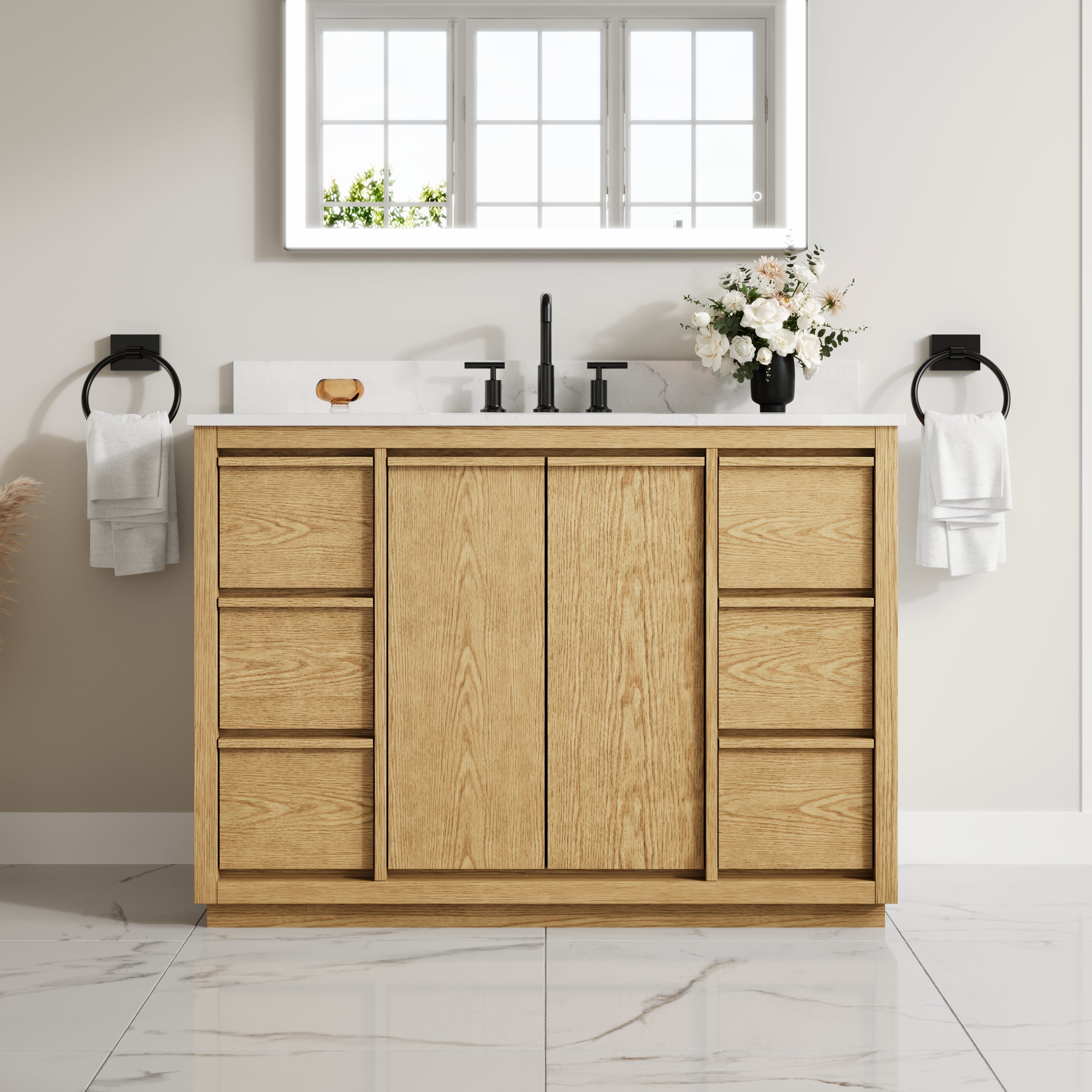
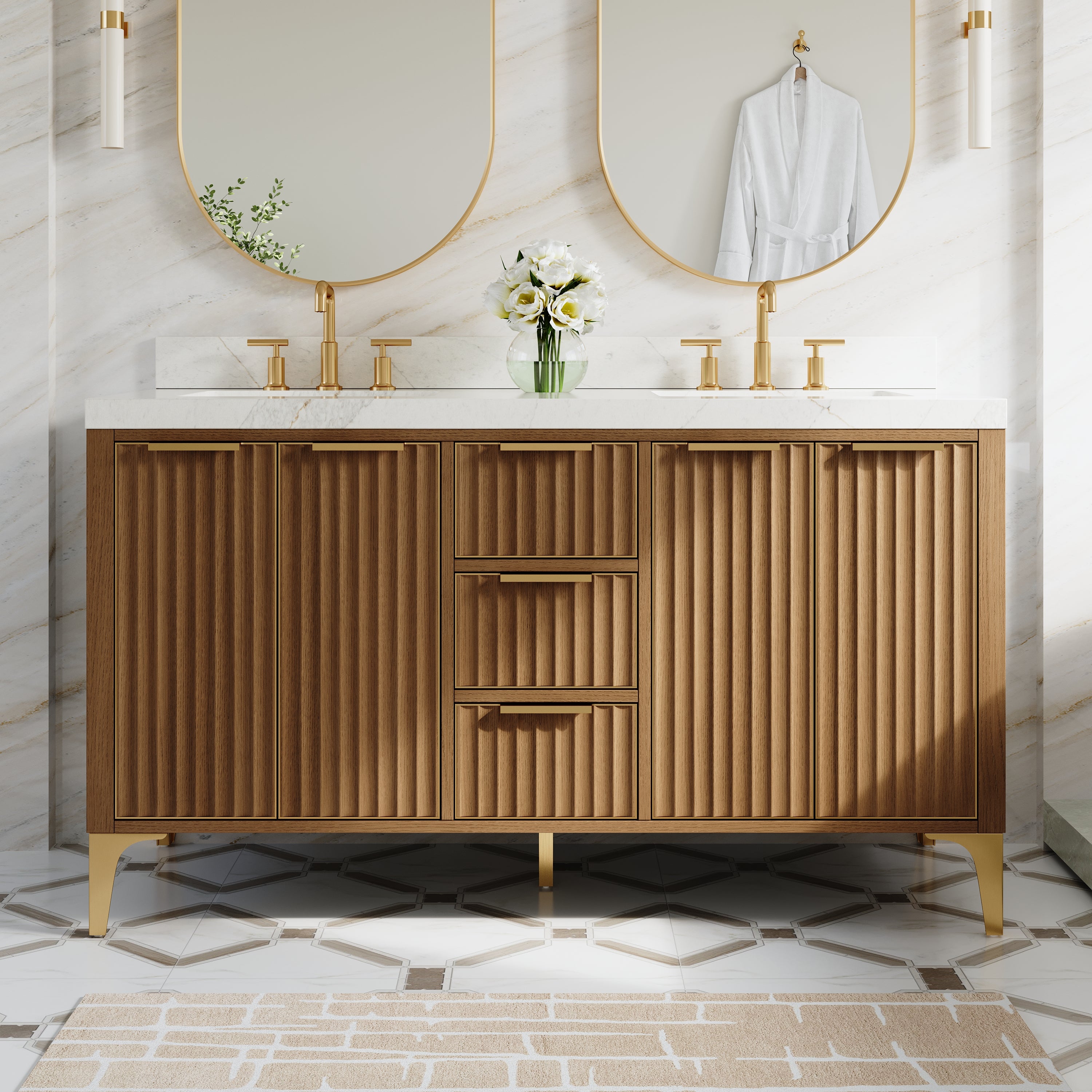
If the bathroom already contains large amounts of white tile, white walls, a white countertop, and white fixtures, another white surface can make the space feel flat. In that situation, natural wood, charcoal, navy, or another contrasting vanity may create better balance.
Homes with very young children or heavily used shared bathrooms may also require more frequent cleaning. White cabinetry is not necessarily harder to maintain, but it is less forgiving when dirt collects around handles or lower cabinet edges.
4. Storage Matters More Than Color
A beautiful vanity that does not hold what you need quickly becomes frustrating.
Before choosing a model, think about what actually lives in the bathroom. Do you need deep drawers for hair tools? Small compartments for cosmetics? Open space for tall cleaning bottles? Two sinks for a shared morning routine?
Drawers generally make small items easier to organize than large open-door cabinets. Cabinets still have value for bulkier products, plumbing access, and taller containers.
At Wellfor, I would recommend comparing interior layouts just as carefully as widths and finishes. A 48-inch vanity with poorly planned storage can feel less useful than a smaller model with better drawer placement.
5. Installation Details Buyers Often Miss
Measure the room before falling in love with a design.
Check the vanity width, depth, door swing, plumbing location, and space around nearby toilets or shower enclosures. In narrow bathrooms, even two extra inches of cabinet depth can affect how comfortable the room feels.
The wall condition matters too. A vanity must sit level, especially when it supports a stone or engineered countertop. Uneven floors may require careful leveling before the cabinet is secured.
If you are replacing an existing vanity, confirm whether the plumbing enters through the wall or floor. Drawer-heavy designs sometimes leave less room for unusual pipe positions.
6. How to Keep a White Vanity Looking Good
Routine maintenance is simple. Wipe water from cabinet edges, clean spills before they dry, and use a mild cleaner rather than harsh abrasives.
Pay close attention to areas around the sink. Repeated exposure to standing water can eventually damage almost any cabinet finish if seams are poorly sealed.
Ventilation helps more than people realize. A working exhaust fan reduces humidity, protects cabinetry, and helps preserve mirrors, paint, and metal hardware throughout the room.

7. Choosing the Right White Vanity for Your Bathroom
Start with size and storage, then evaluate style. That order prevents a common mistake: choosing the best-looking vanity only to discover that it does not support your daily routine.
For a modern bathroom, look for clean proportions, durable finishes, smooth drawer operation, and hardware that works with the rest of the room. Consider how the cabinet will look next to the flooring and countertop rather than viewing it as a standalone piece.
A white vanity is a strong choice when you want brightness, flexibility, and a clean visual foundation. Choose one with solid construction and practical storage, and it will be much easier to build the rest of the bathroom around it.
















Leave a comment
This site is protected by hCaptcha and the hCaptcha Privacy Policy and Terms of Service apply.