

















A bathroom can look clean and still feel crowded every time you open a drawer. Well-planned medicine cabinets solve that problem by moving everyday items off the vanity and into easy-to-reach vertical storage. They free up counter space without asking for a larger room, making them especially useful in compact bathrooms.
1. Why Medicine Cabinets Work So Well in Small Bathrooms
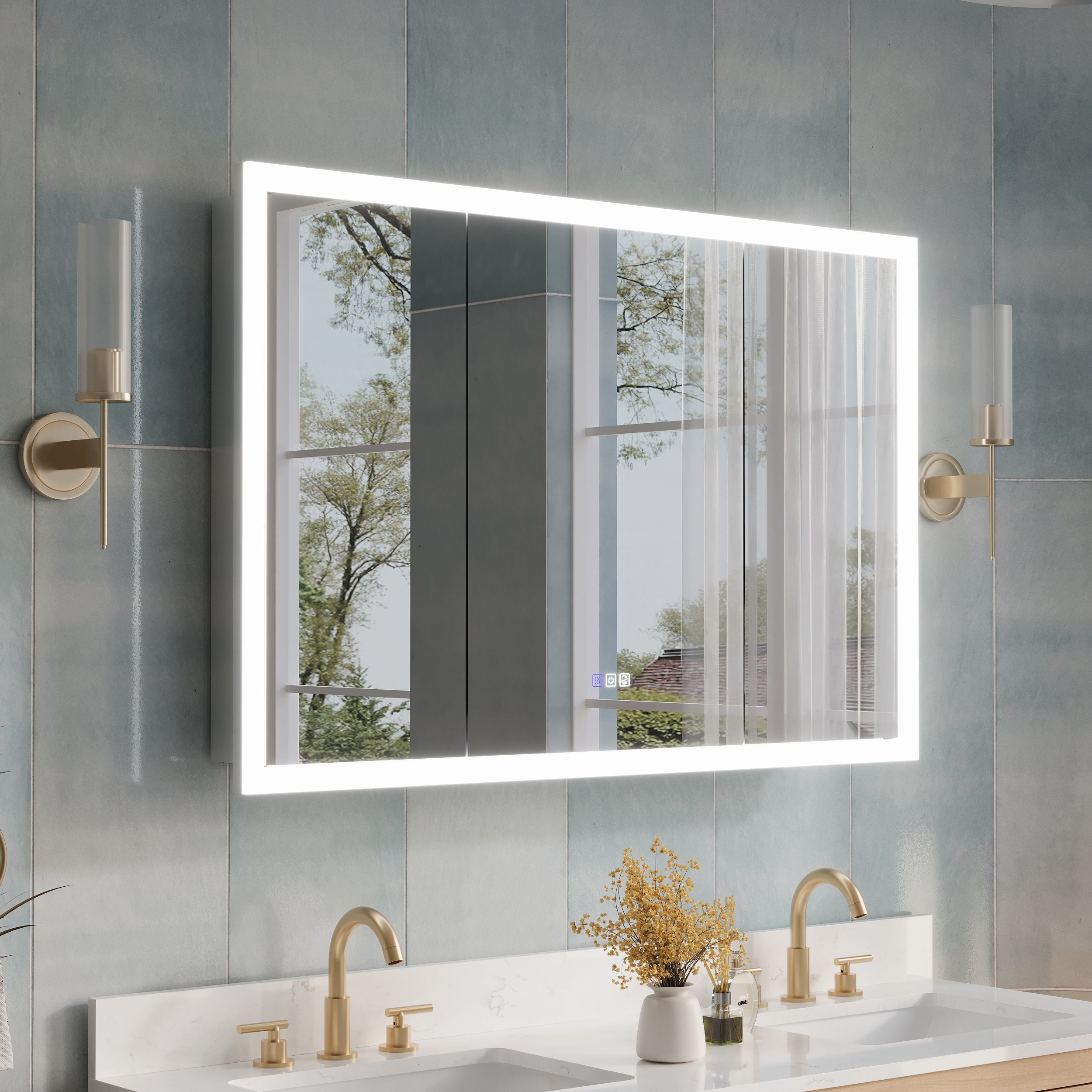
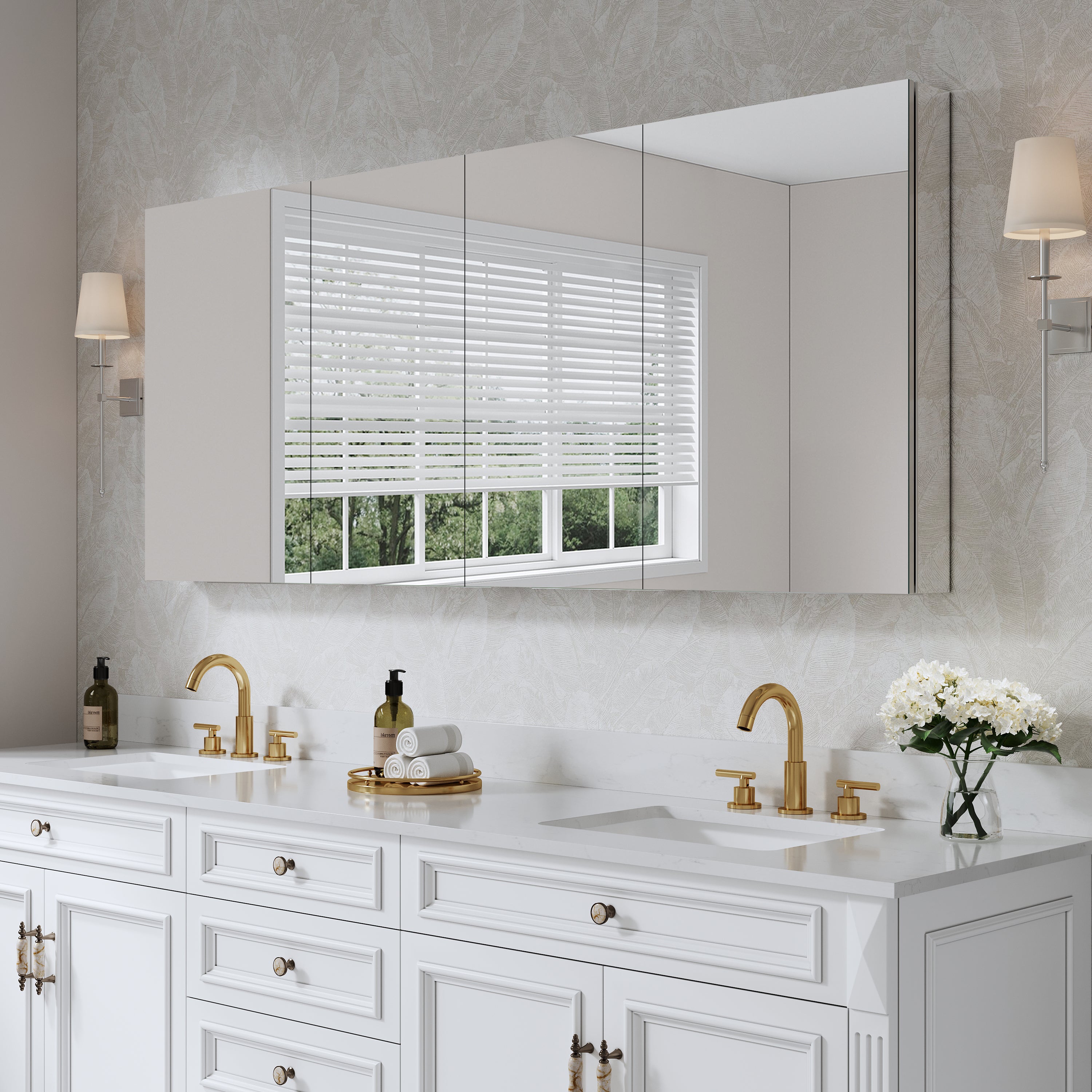
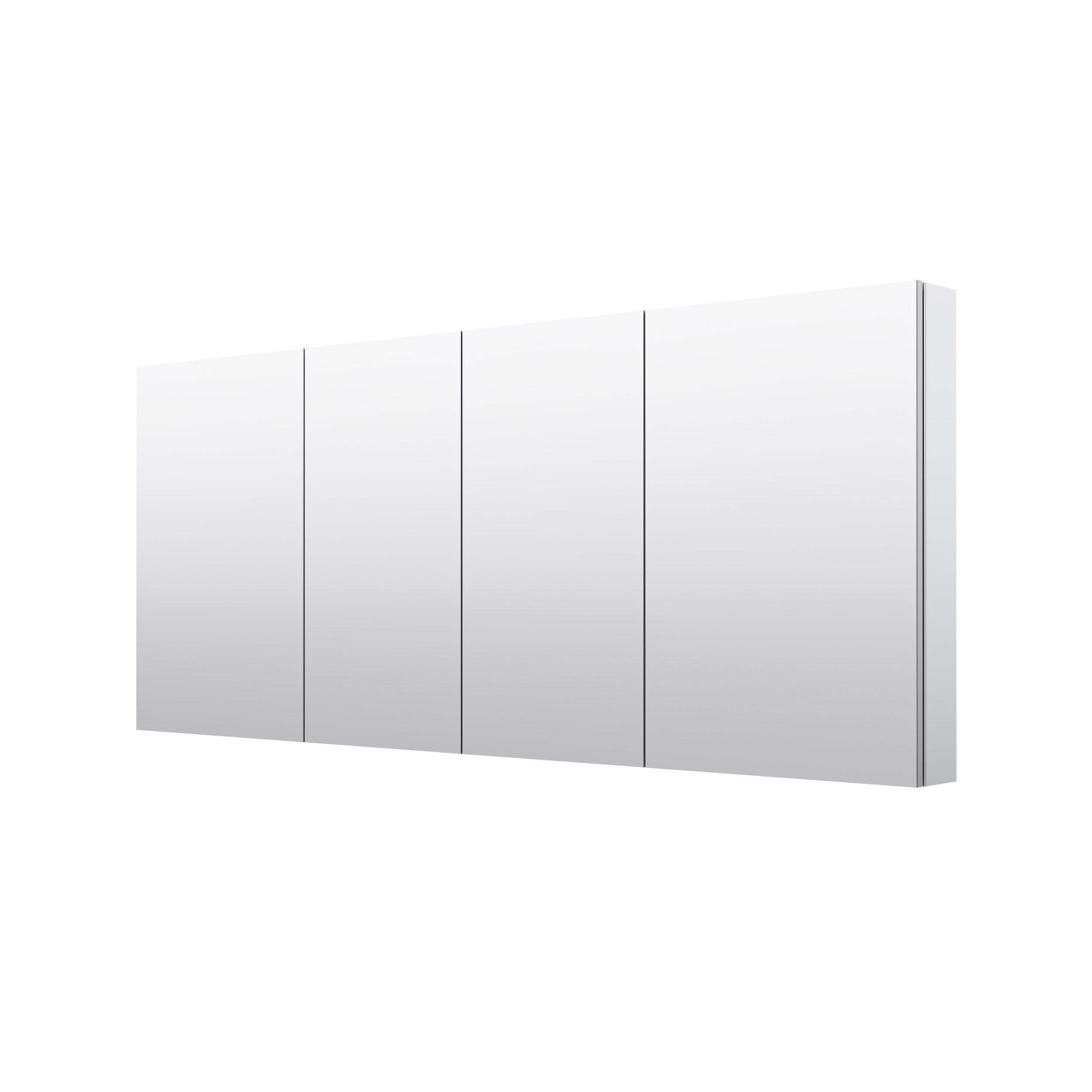
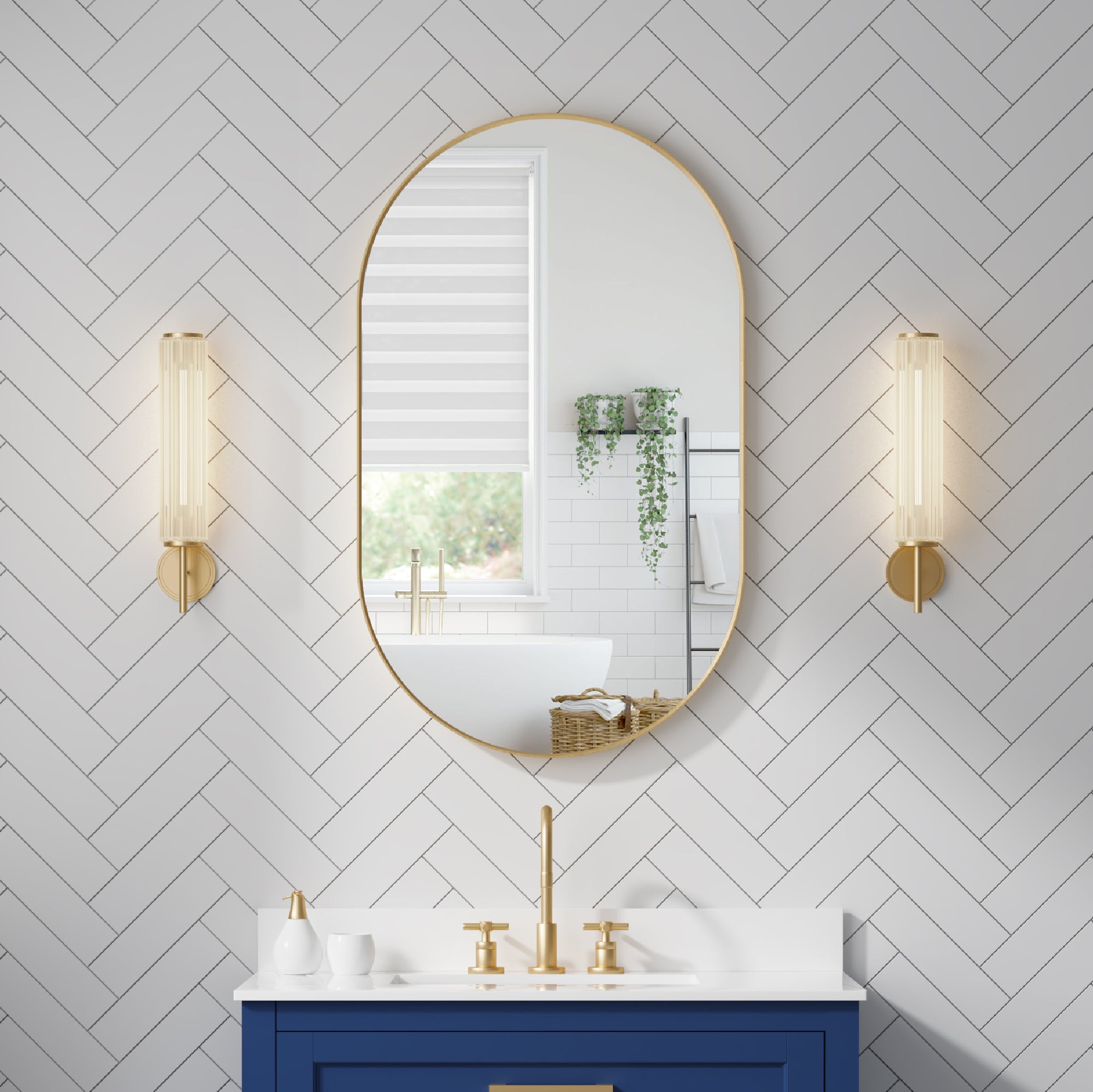
The main advantage is simple: they use wall space that would otherwise do very little. A standard mirror gives you reflection. A medicine cabinet gives you reflection plus storage behind it.
That means toothbrushes, skin care, razors, contact lens supplies, and small grooming tools can stay close at hand without taking over the countertop. In a small bathroom, this is an efficient way to gain storage without adding furniture.
The benefit is not just capacity. It is access. Items stored at eye level are easier to see and easier to return to the same place.
Recessed vs. Surface-Mounted Storage
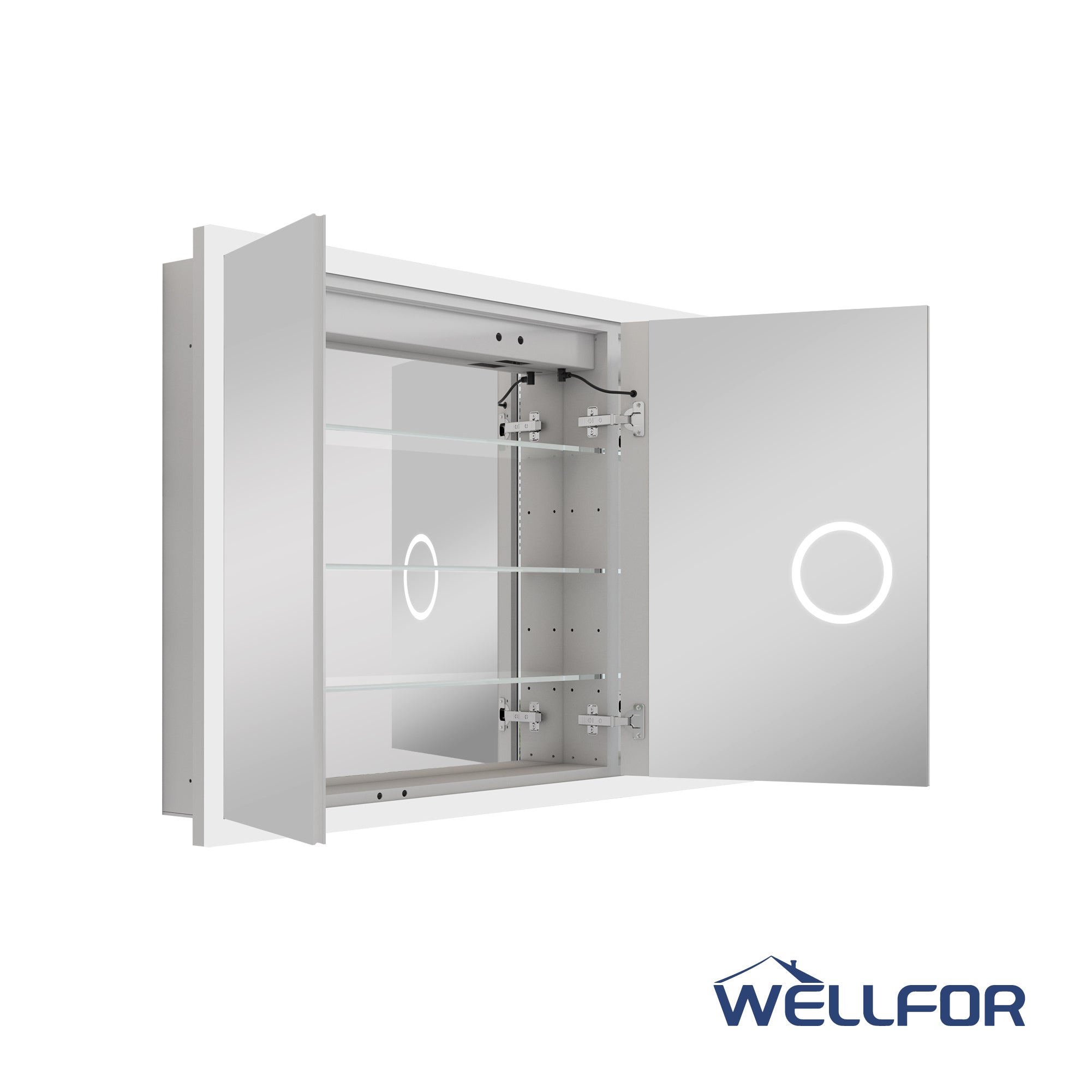
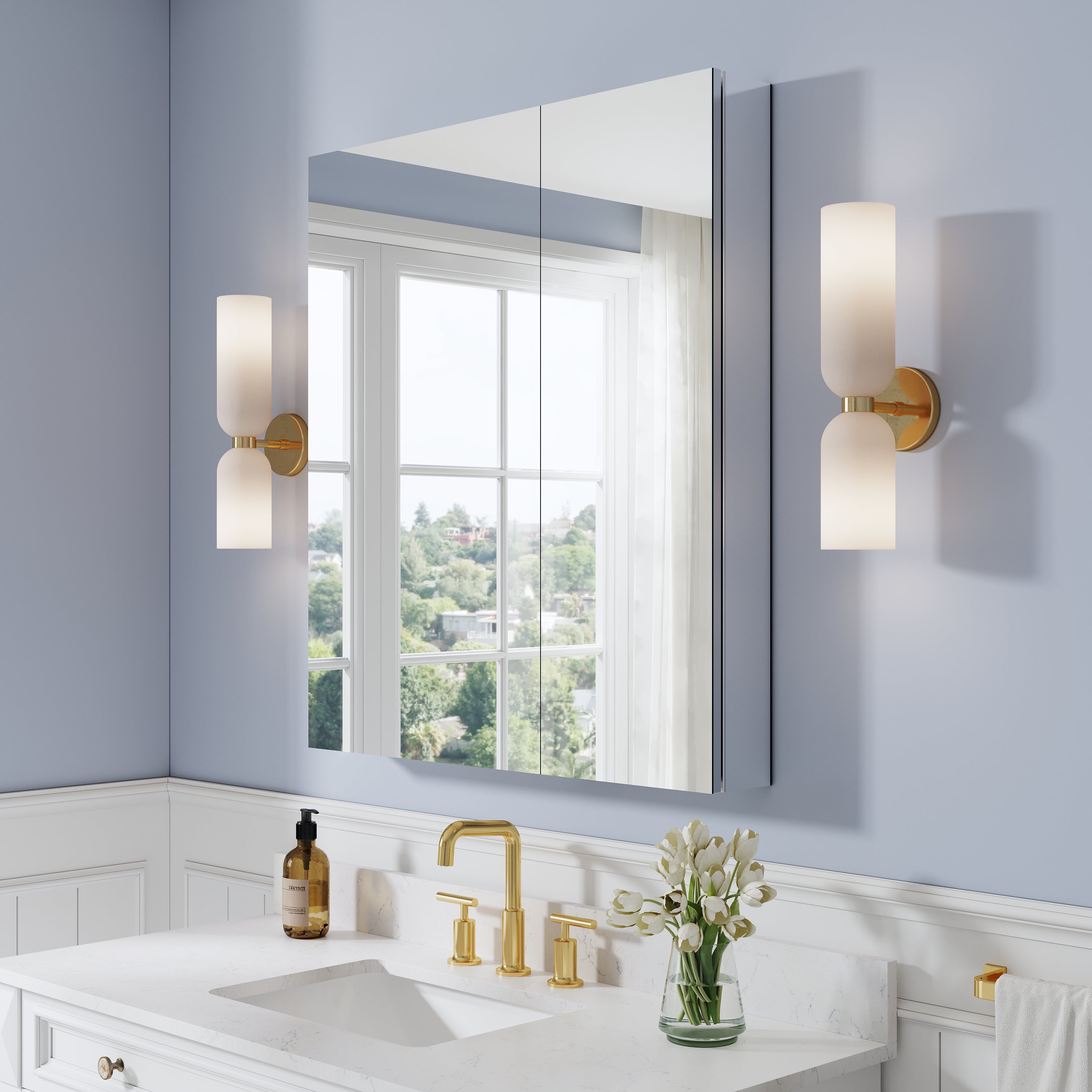
A recessed cabinet sits partly inside the wall, creating a cleaner, built-in appearance. It works well in remodels, but installation can be more involved because framing, wiring, plumbing, or insulation may limit placement.
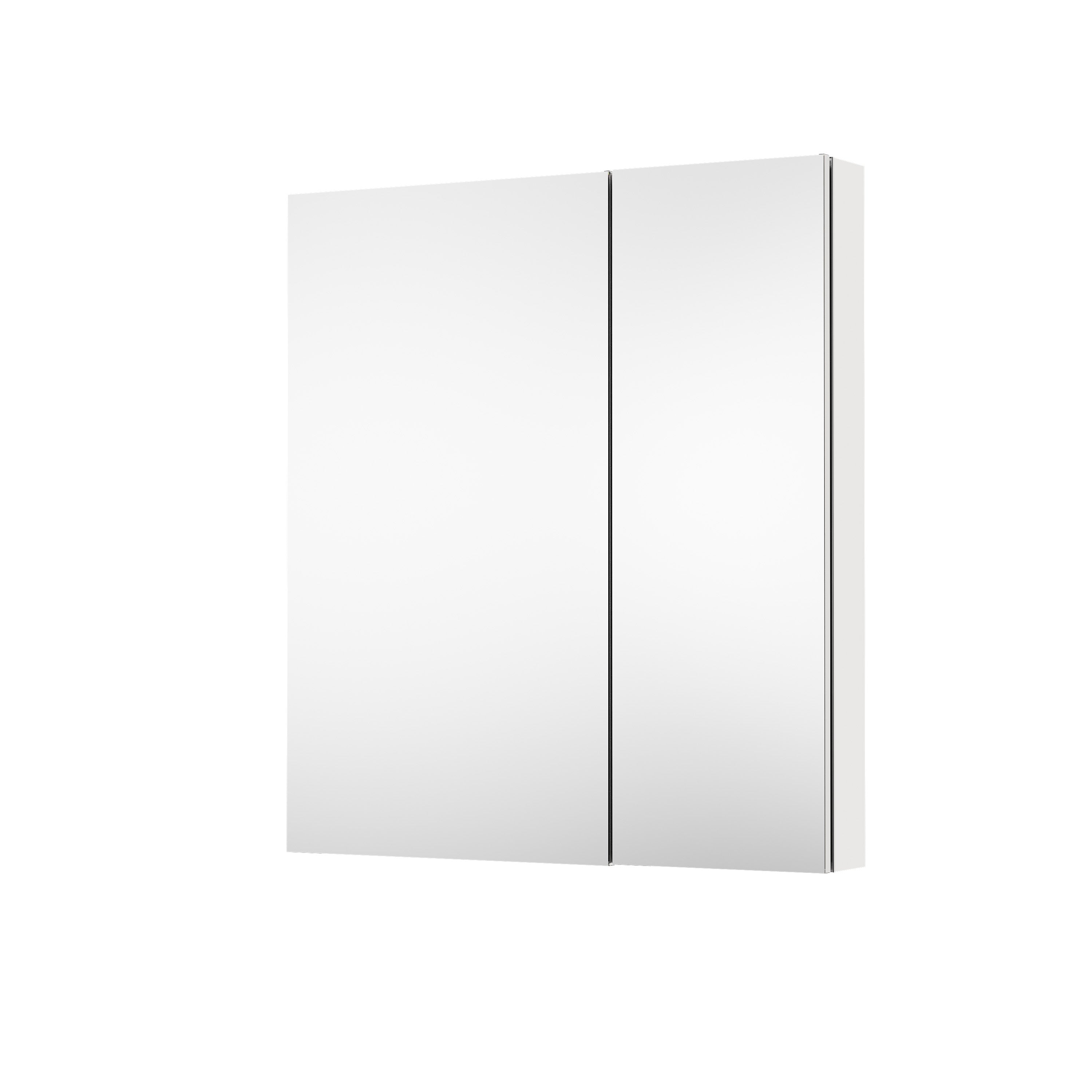
Surface-mounted cabinets are easier to install and may offer more usable depth. The tradeoff is that they project farther from the wall, something worth checking in narrow bathrooms.
2. How Medicine Cabinets Improve Daily Organization
Good storage is not about squeezing in more products. It is about making the products you actually use easier to reach.
Adjustable shelves matter because bathroom items rarely come in matching sizes. Tall bottles need more clearance, while small jars, toothbrushes, and grooming tools do not. Being able to change shelf spacing keeps the cabinet useful as your routine changes.
Keep daily essentials around eye level, less-used items higher up, and backup products lower down. This prevents the cabinet from becoming another catch-all.
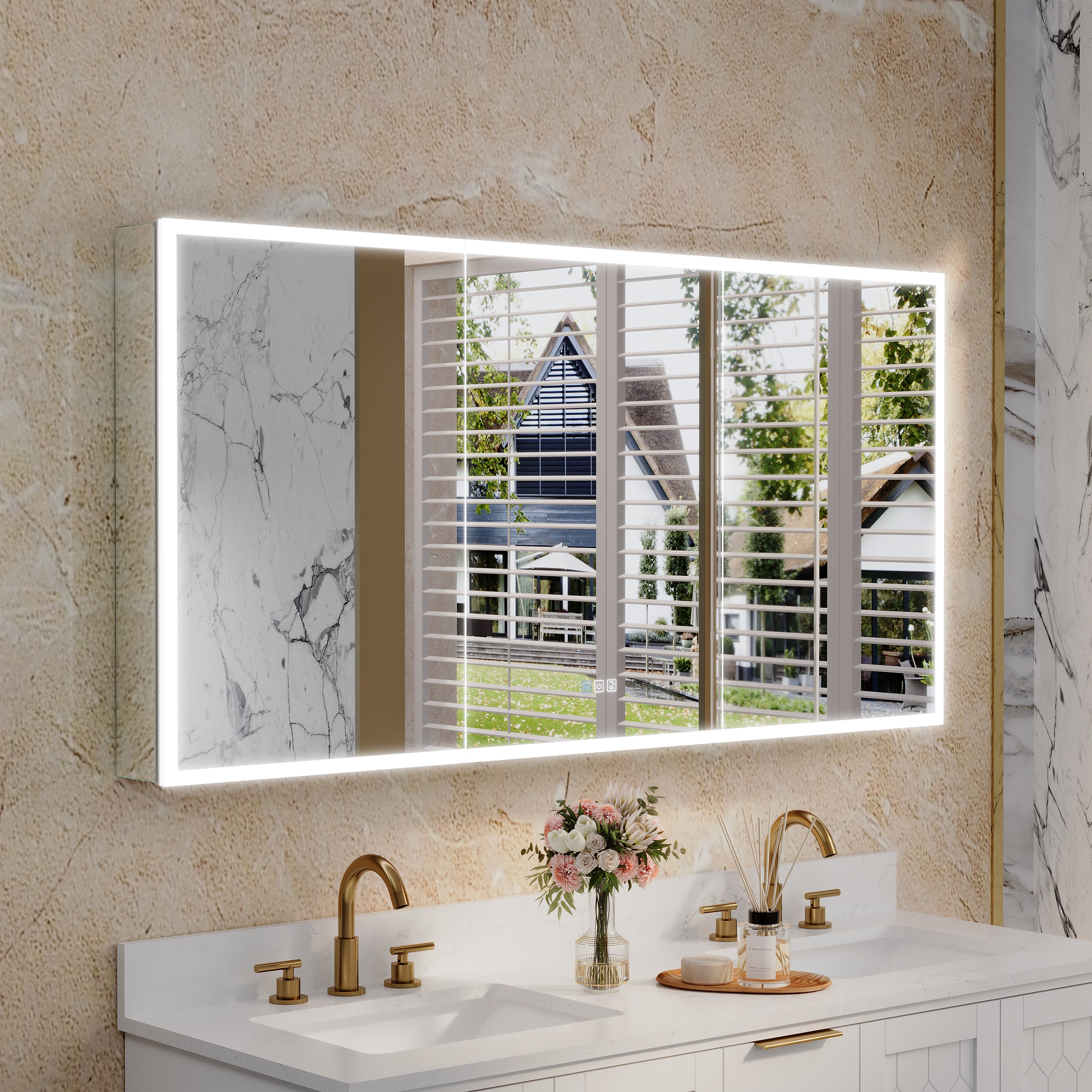
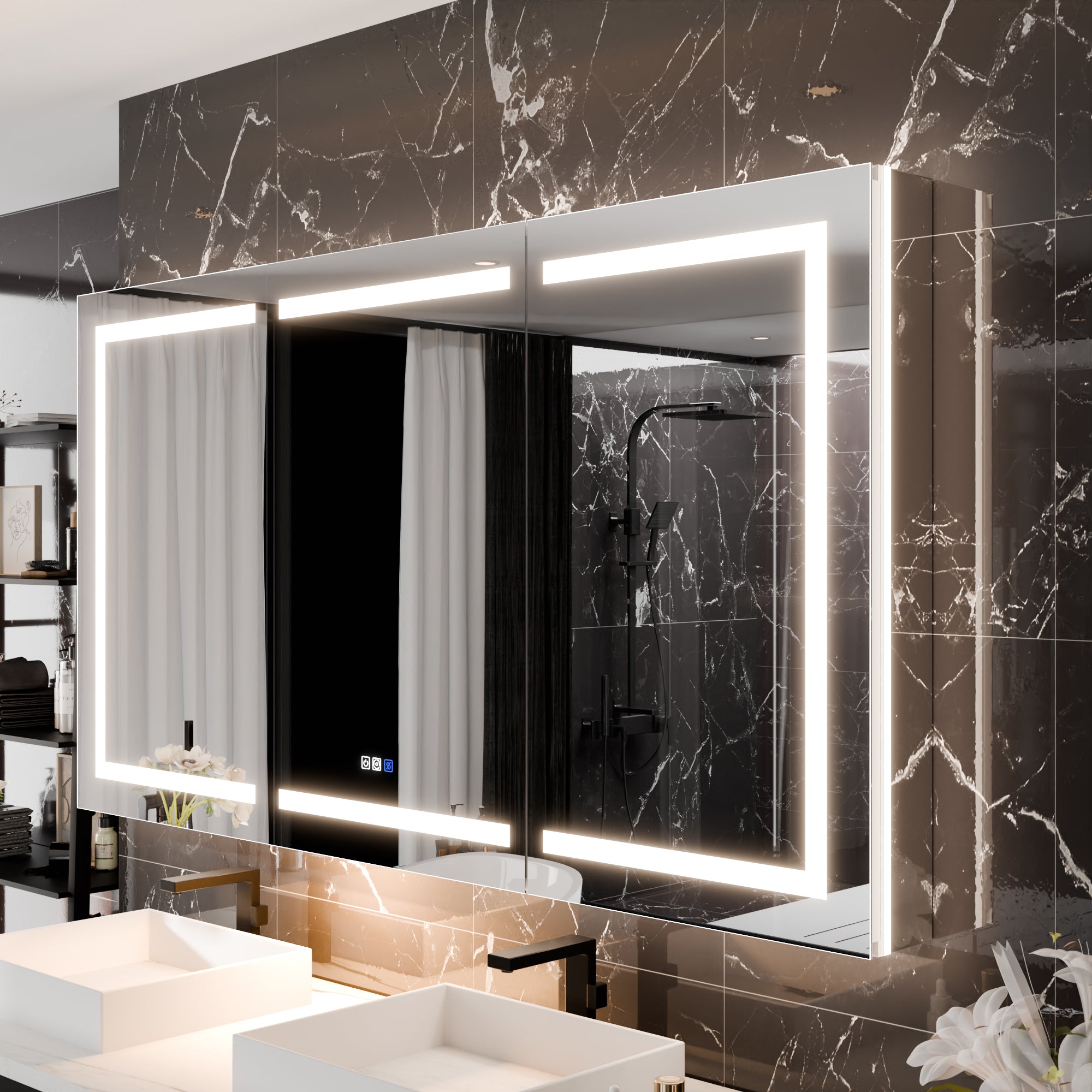
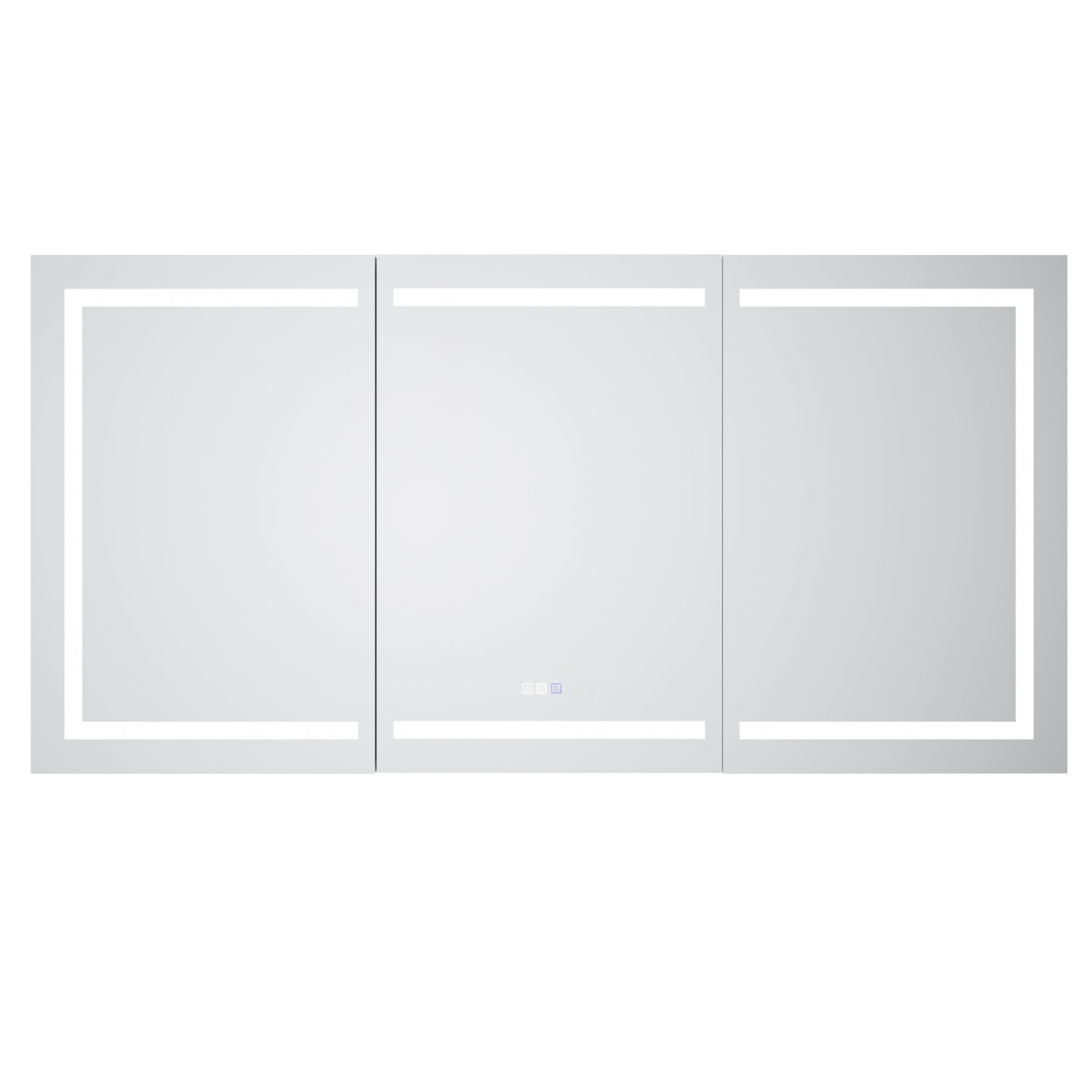
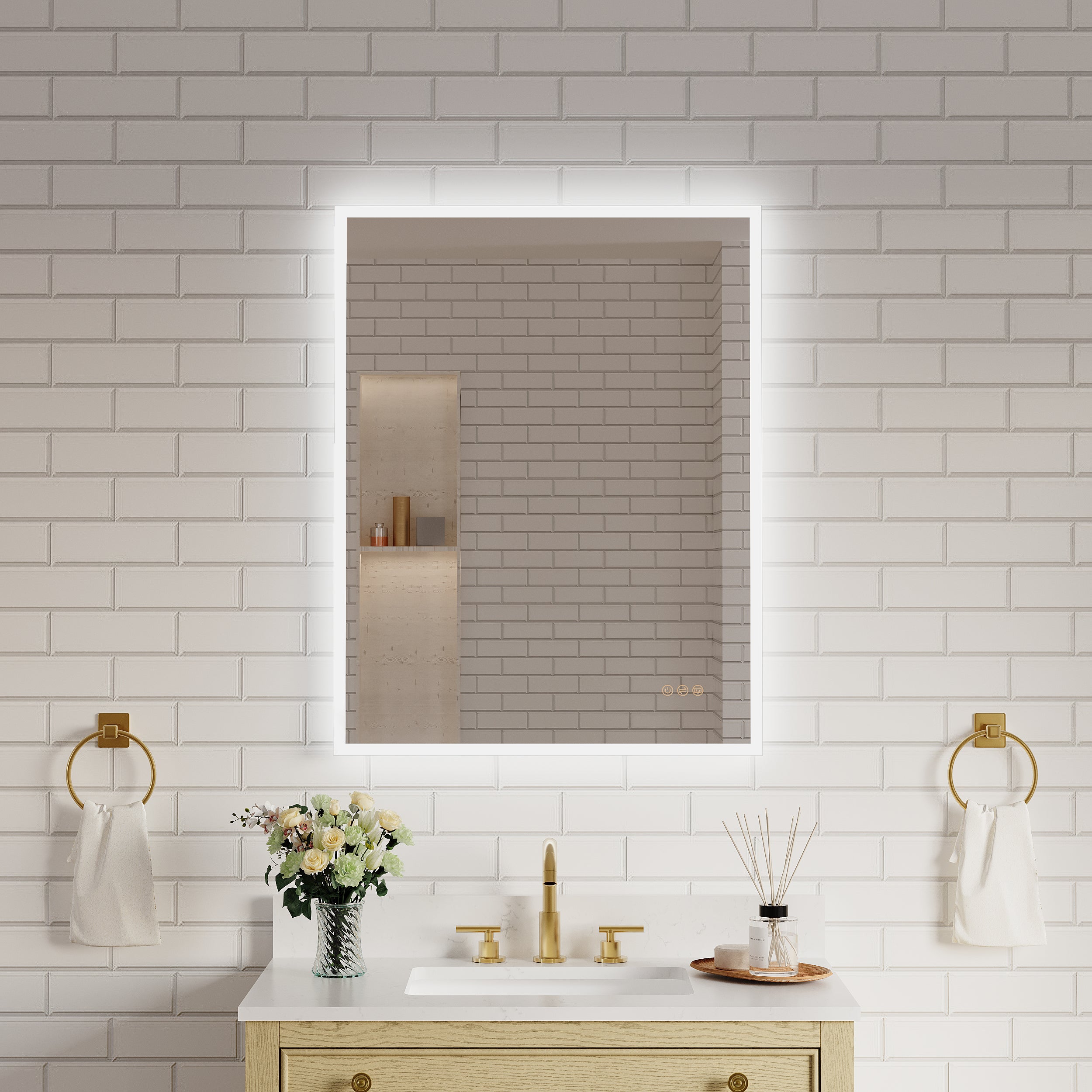
Some models include interior mirrors, built-in lighting, outlets, or USB charging. Those features can be useful, but they also add cost and may require electrical work.
3. The Storage Benefits Are Real, but There Are Limits
Medicine cabinets are excellent for small and medium-size items. They are not a replacement for deep drawers or linen storage.
Large hair dryers, towels, cleaning supplies, and oversized bottles usually belong elsewhere. Trying to pack too much into a shallow cabinet often makes it harder to use.
A common buying mistake is choosing the widest model that fits the wall without checking door clearance. A nearby wall, light fixture, or shelf can restrict the door. Measure the opening path, not just the cabinet width.
Humidity also matters. Low-quality hinges, exposed metal edges, and poorly sealed interiors may age quickly in a steamy bathroom.
Who Should Choose One — and Who May Not Need One
A medicine cabinet makes sense for bathrooms with limited vanity storage, shared family bathrooms, powder rooms, and remodels where every inch matters.
It may be less useful in a large primary bathroom with generous drawers and built-in cabinetry. Some homeowners also prefer a decorative statement mirror, making a cabinet less suitable.
4. Installation Details That Affect Storage Performance
Before installation, decide what you plan to store. That helps determine the width, depth, and shelf layout you really need.
For recessed installation, check what is inside the wall before cutting. Studs, plumbing lines, electrical cables, and vents can all affect placement. If the cabinet includes lighting or an outlet, electrical work should be handled according to local requirements.
Mounting height deserves attention too. The cabinet should be comfortable for the people who use it, rather than being installed at a height chosen only for visual symmetry.
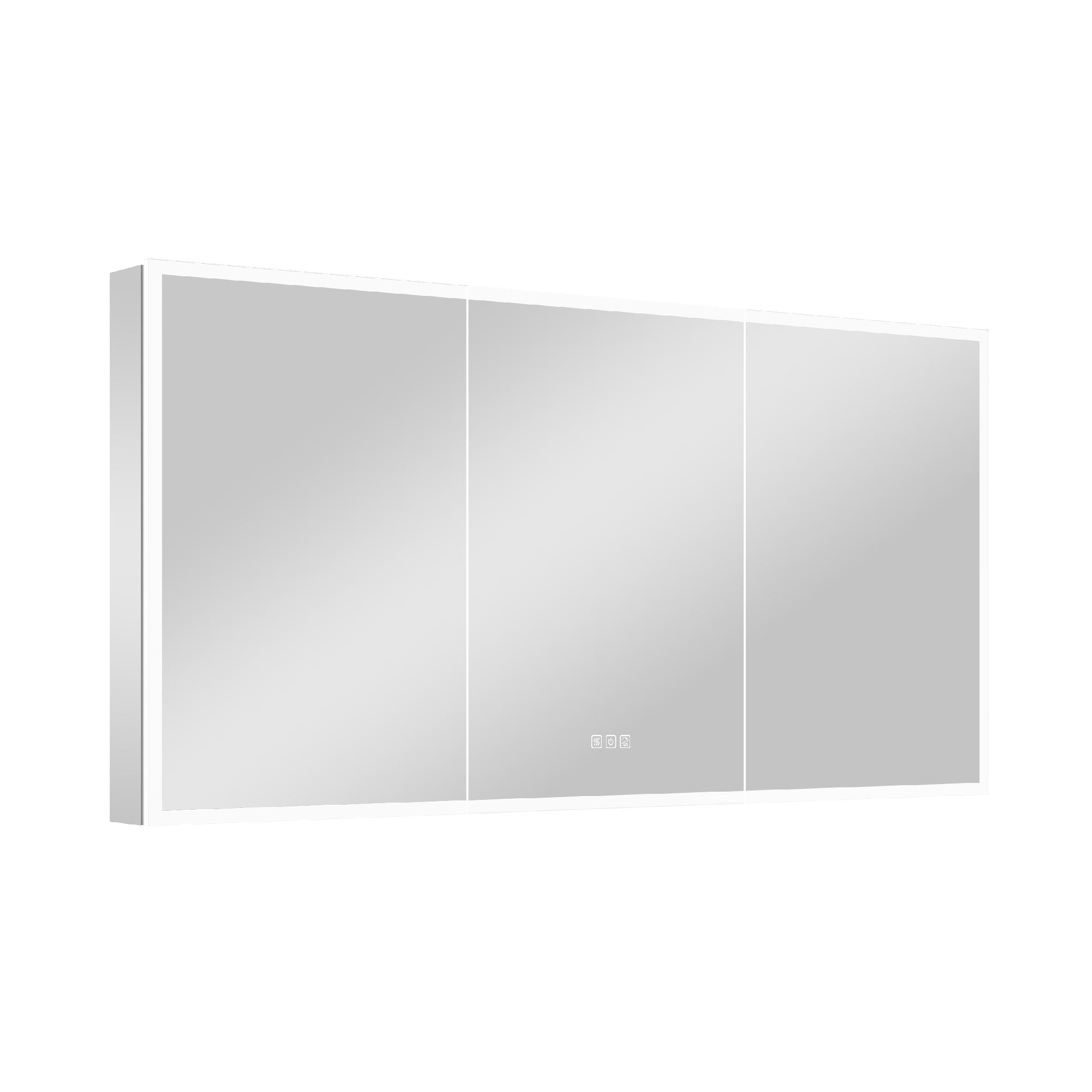
For double-door or tri-view models, test how each door will interact with nearby walls and fixtures. A cabinet can look perfect on paper and still feel awkward once installed.
5. Maintenance Is Simple if You Stay Ahead of Moisture
Most cabinets only need routine cleaning. Spray glass cleaner onto a cloth instead of directly onto the mirror so liquid does not collect around edges, seams, or hinges.
Wipe interior shelves regularly, especially if cosmetics, toothpaste, or skin care products are stored inside. Remove expired products every few months. That habit often creates more room than buying a larger cabinet.
For metal-framed models, check hinges and screws occasionally. Small signs of corrosion are easier to deal with before a hinge begins to bind.

6. What to Look for When Buying from Wellfor
When comparing options, focus first on dimensions, mounting style, shelf adjustability, door swing, and interior depth. Lighting and electrical features are worth paying for when they match your routine, not simply because they look premium.
At Wellfor, the best choice is one that fits the bathroom layout as well as your storage habits. Match the cabinet width to the vanity, confirm the wall conditions, and think about what needs to disappear from the countertop every day.
The right cabinet will not solve every storage problem, but it can make a small bathroom feel much more organized without taking away floor space. Measure carefully, buy for the items you use most, and choose medicine cabinets that give those essentials a practical place to live.














Leave a comment
This site is protected by hCaptcha and the hCaptcha Privacy Policy and Terms of Service apply.