
















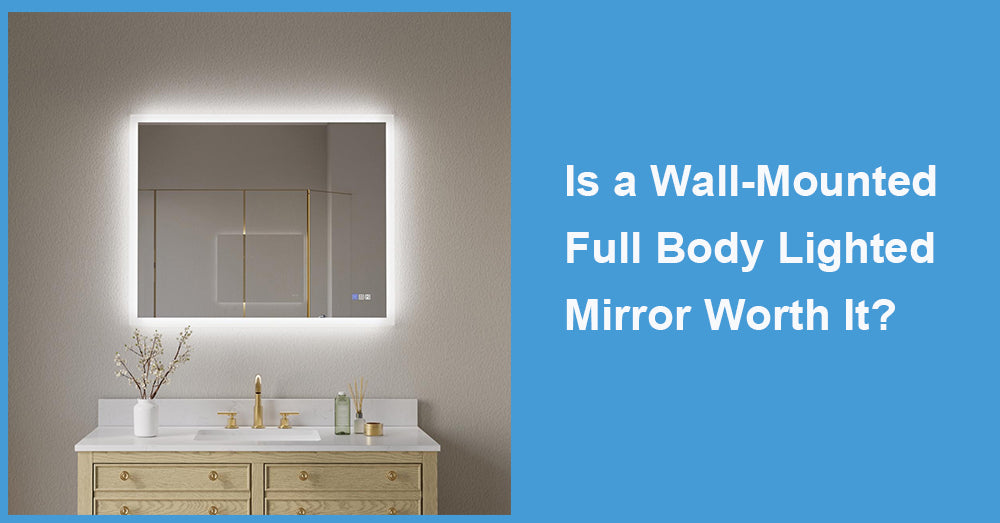
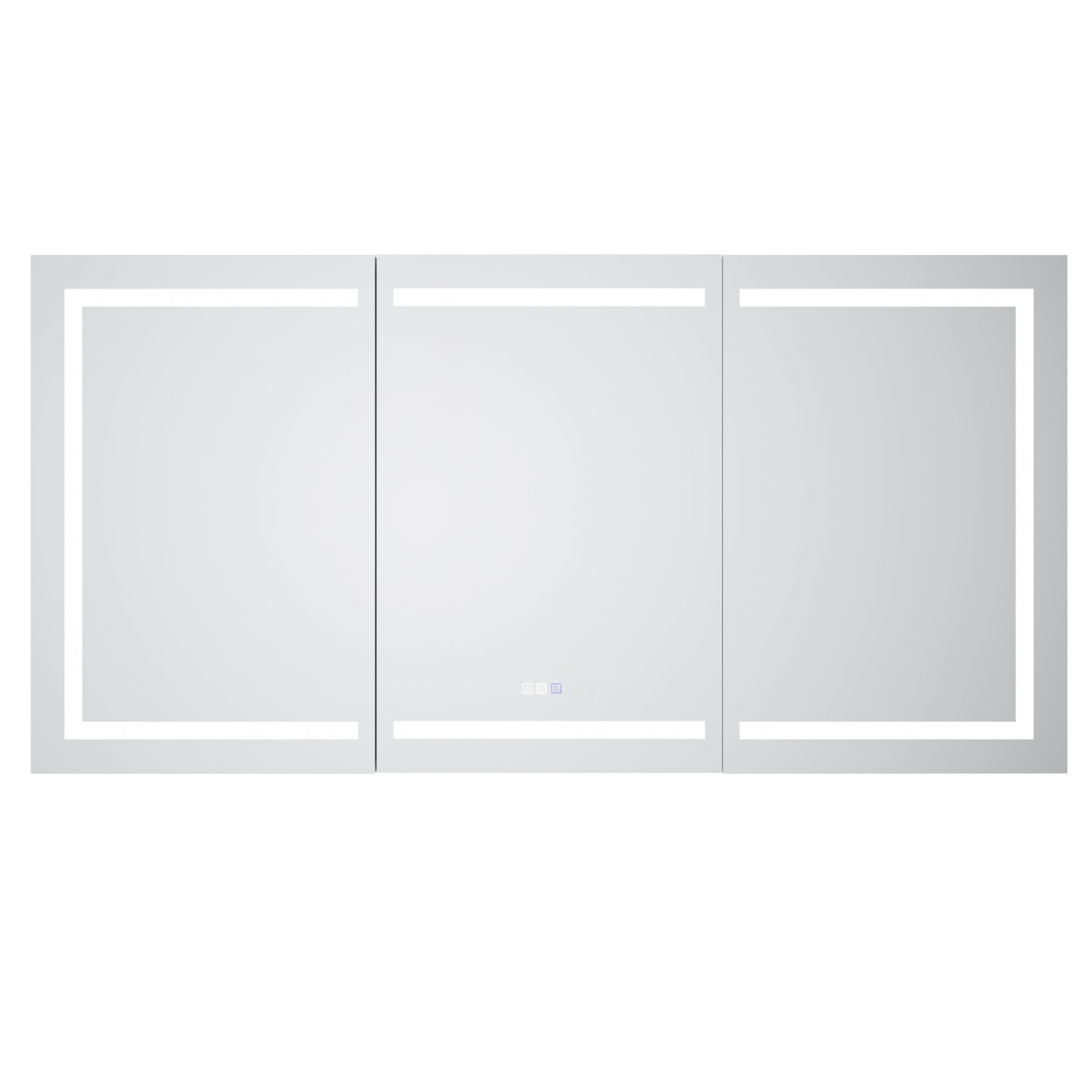
With the continuous redefinition of residential space functions, mirrors are no longer just simple daily necessities, but have gradually evolved into home elements that integrate lighting, space decoration, and user experience. Especially in recent years, full body lighted mirror wall mounted has frequently appeared in bathroom, changing area, and bedroom design, attracting sustained attention from consumers and the industry. Compared to traditional full-length mirrors, these products differ in price, installation, and functionality, raising a practical question: Is it really worth buying? From an industry perspective, this issue needs to be evaluated from multiple aspects, such as spatial value, user experience, and long-term investment.
1. Why have full-body illuminated mirrors become a design focus in recent years
In modern interior design, the trend of "one thing for multiple uses" is becoming important. The popularity of full-body illuminated mirrors is a reflection of this trend. It not only undertakes the function of viewing the overall shape, but also solves the problem of traditional full-length mirrors being difficult to use in low-light environments through its built-in lighting system.
Especially in spaces with limited natural lighting, wall-mounted full-body illuminated mirrors provide a stable and uniform light source, ensuring that mirror use is no longer affected by time and light. This change has gradually shifted the full body scope from an "optional configuration" to a "functional configuration".
2. Space advantages brought by the wall-mounted design
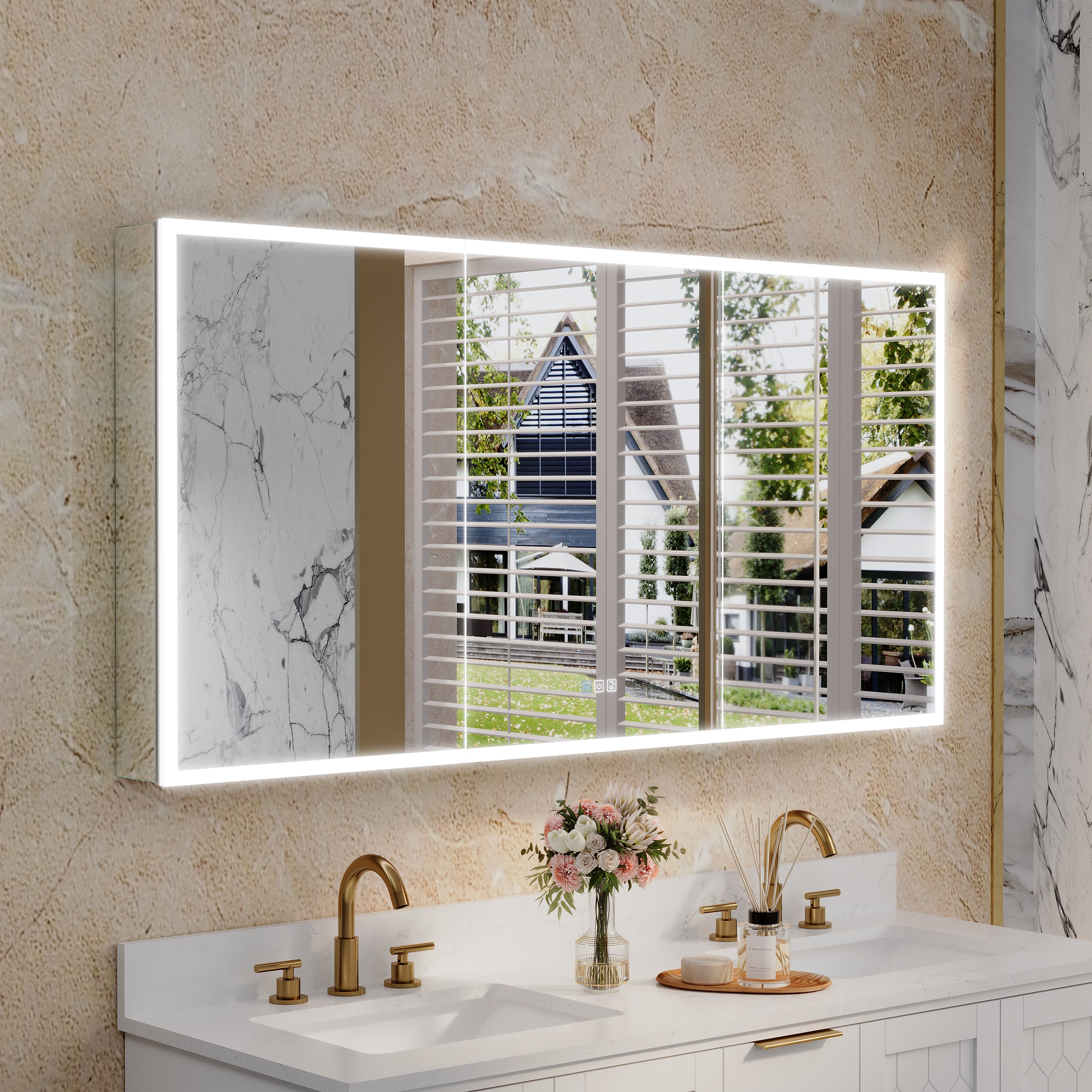
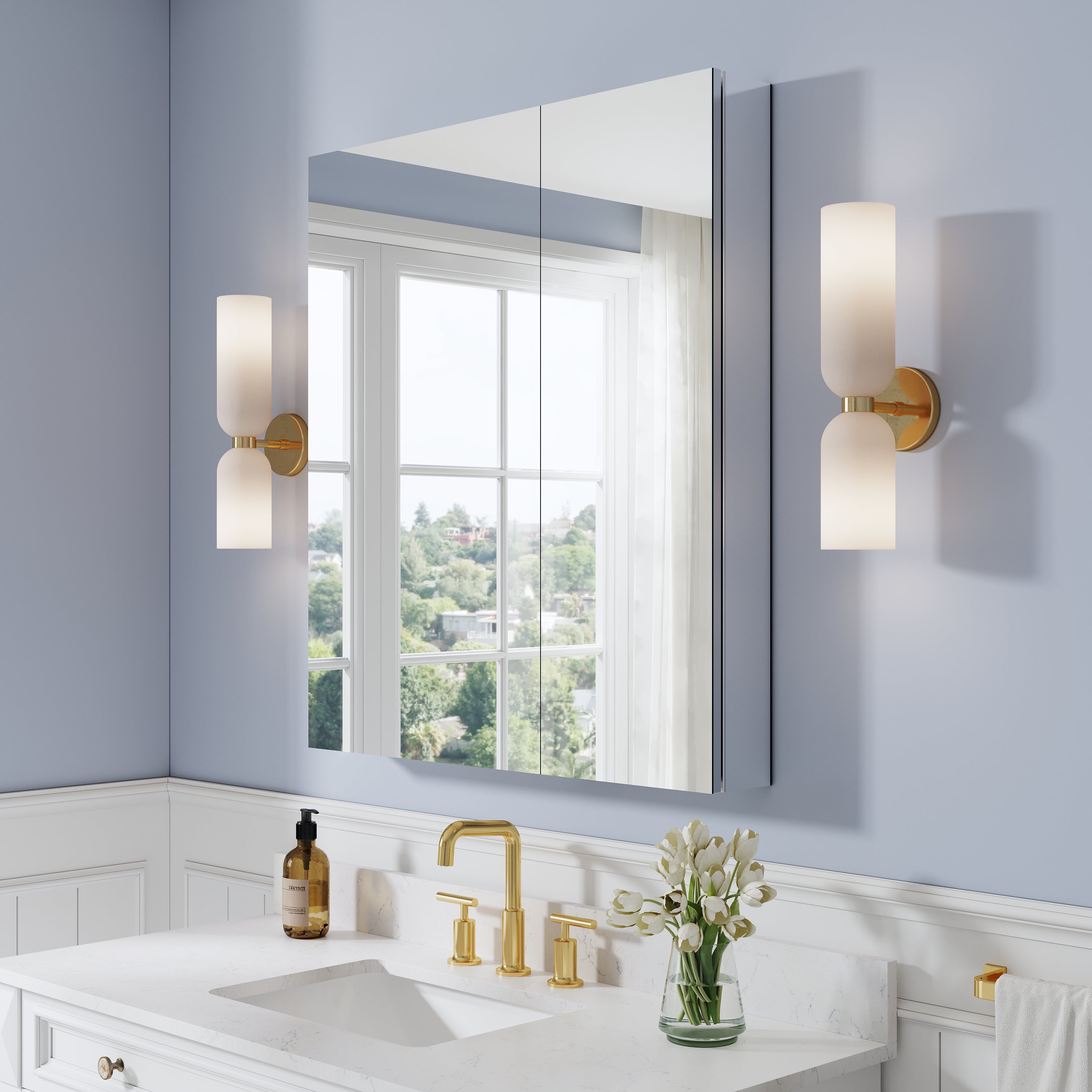
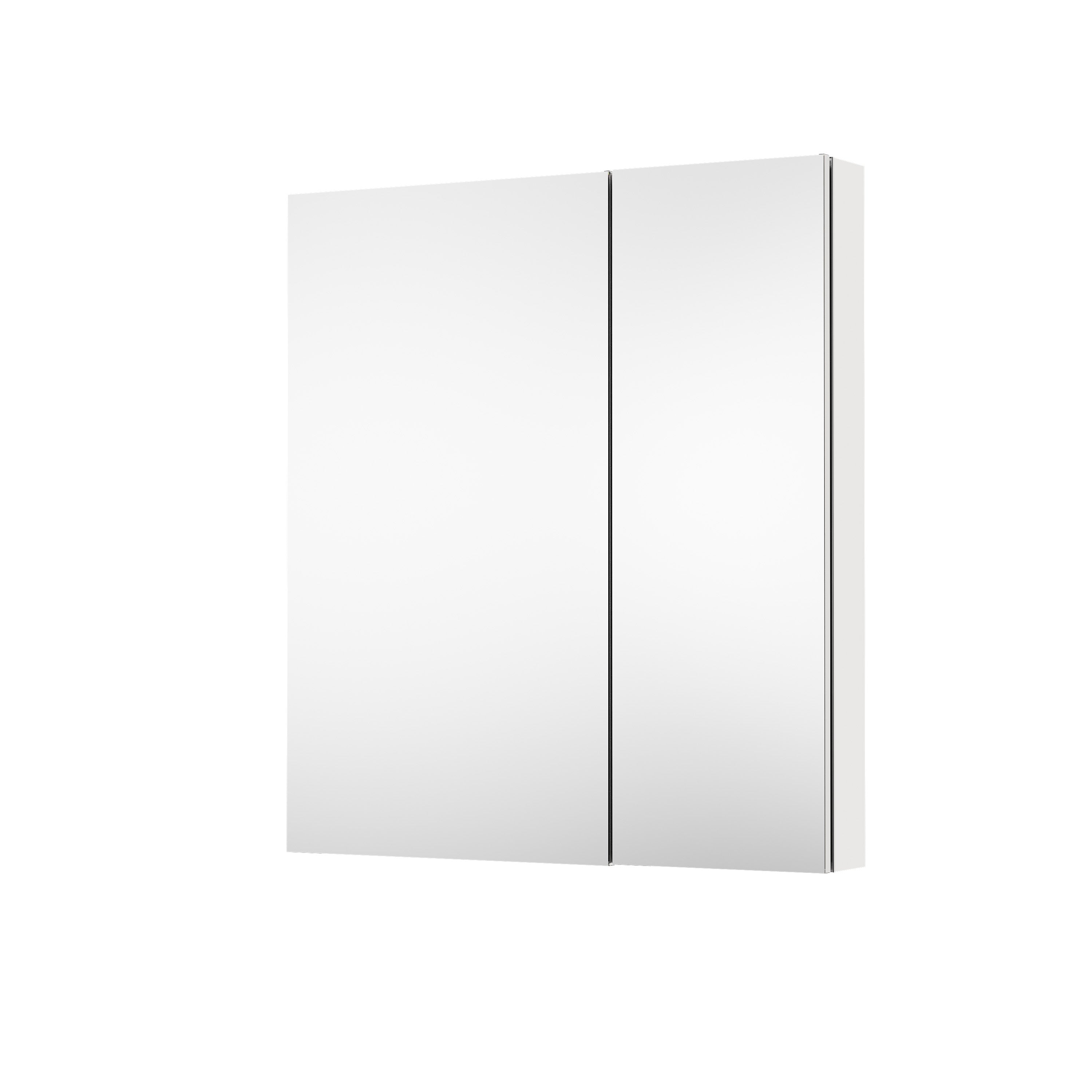
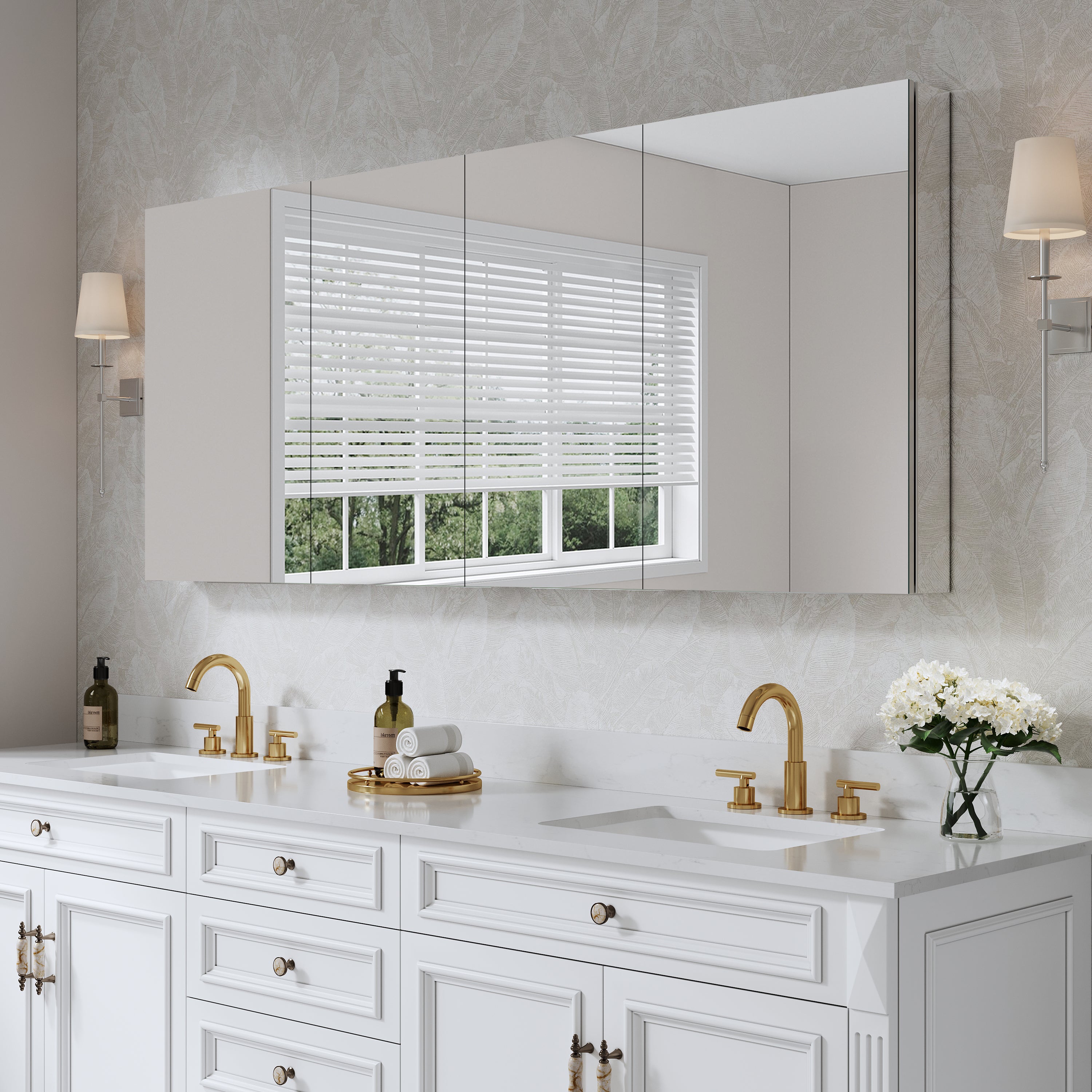
Compared with floor-standing full-length mirrors, wall-mounted designs have significant advantages in space utilization. Wall-mounted installation reduces ground occupation, especially suitable for spaces with narrow corridors, dense storage, or compact layouts.
In the bathroom or changing area, wall-mounted full-length mirrors can be integrated into the wall, reducing the risk of tipping and aligning with safety and durability requirements. From a long-term usage perspective, this stability is one of the reasons why many users are willing to pay higher costs for it.
3. Has the lighting system truly improved the user experience
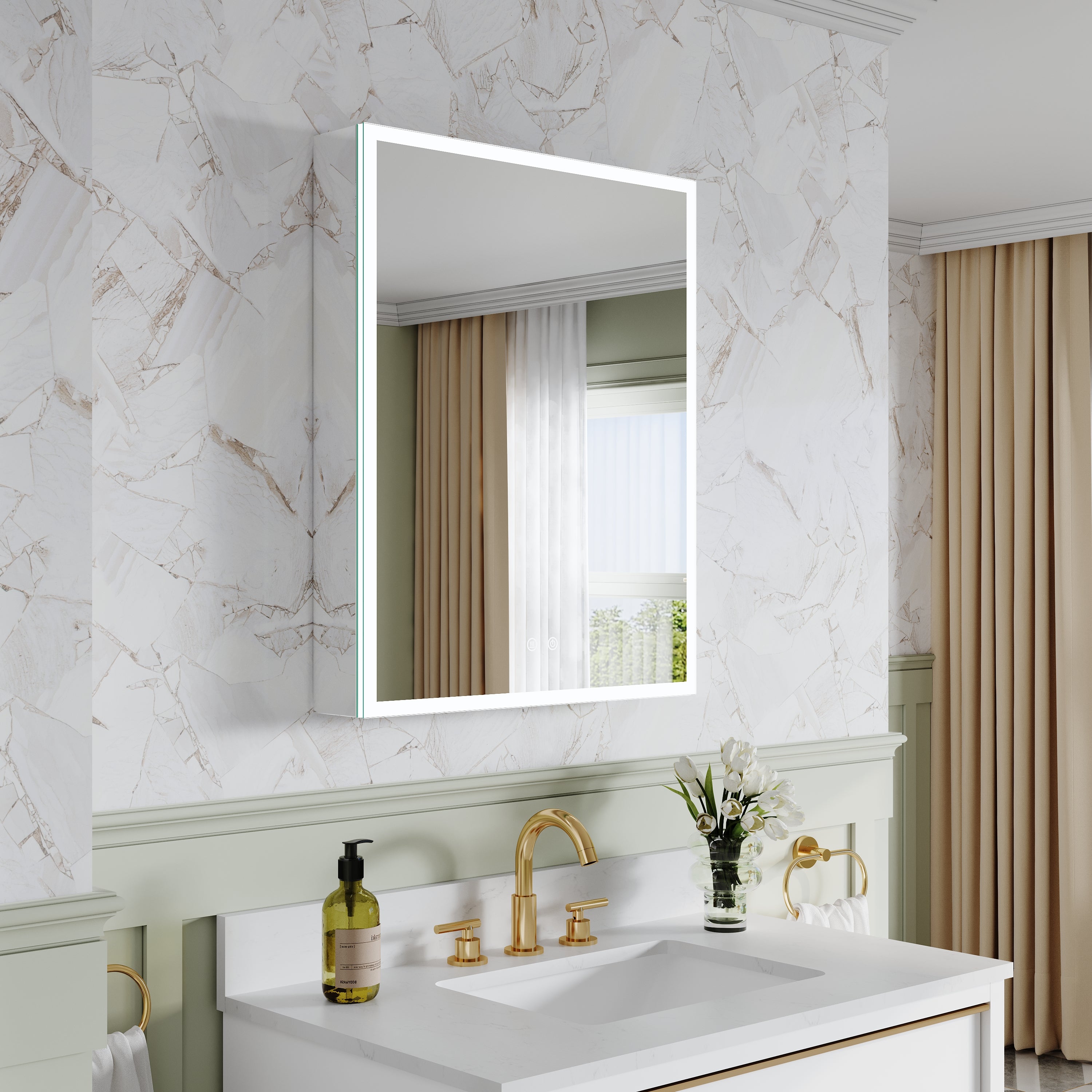
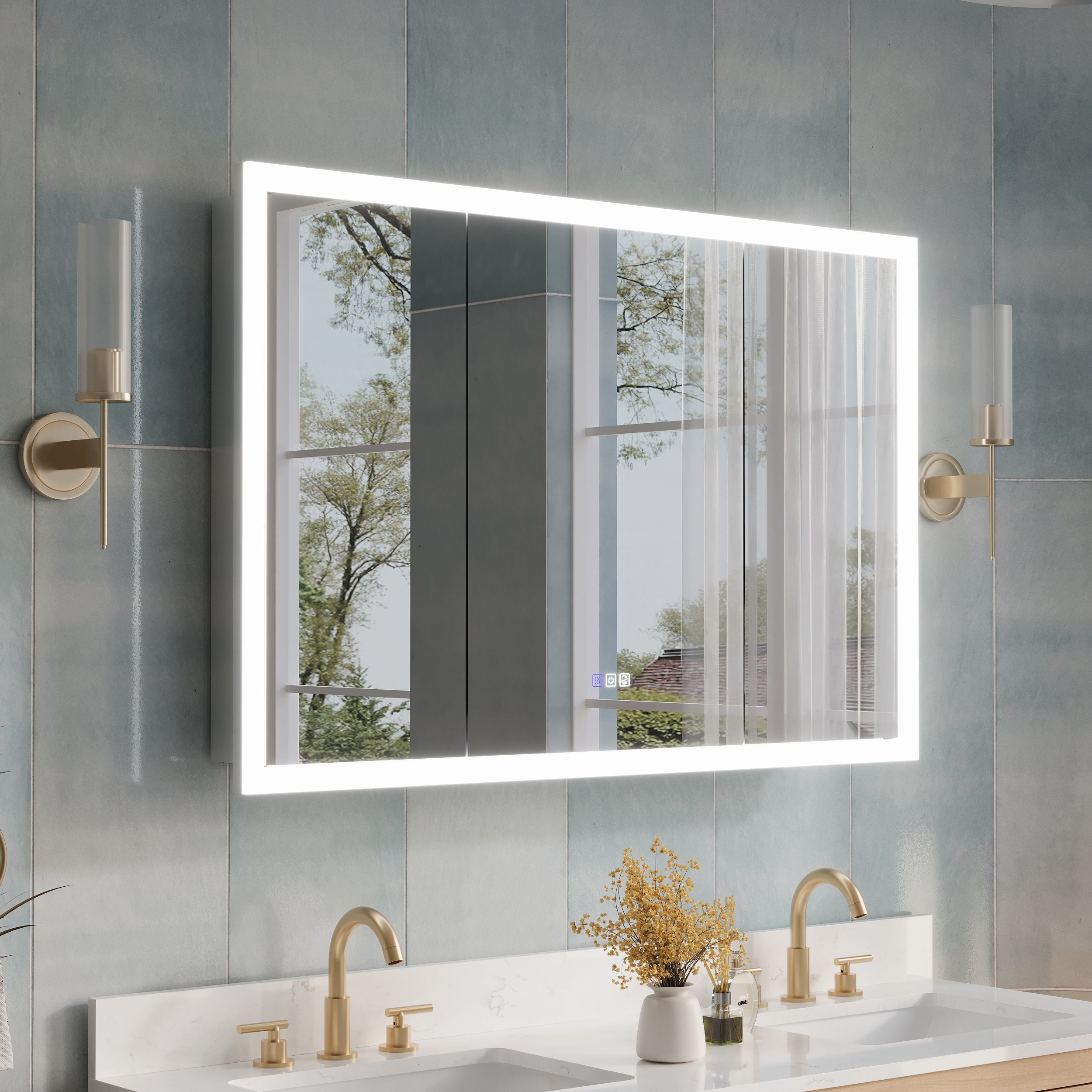
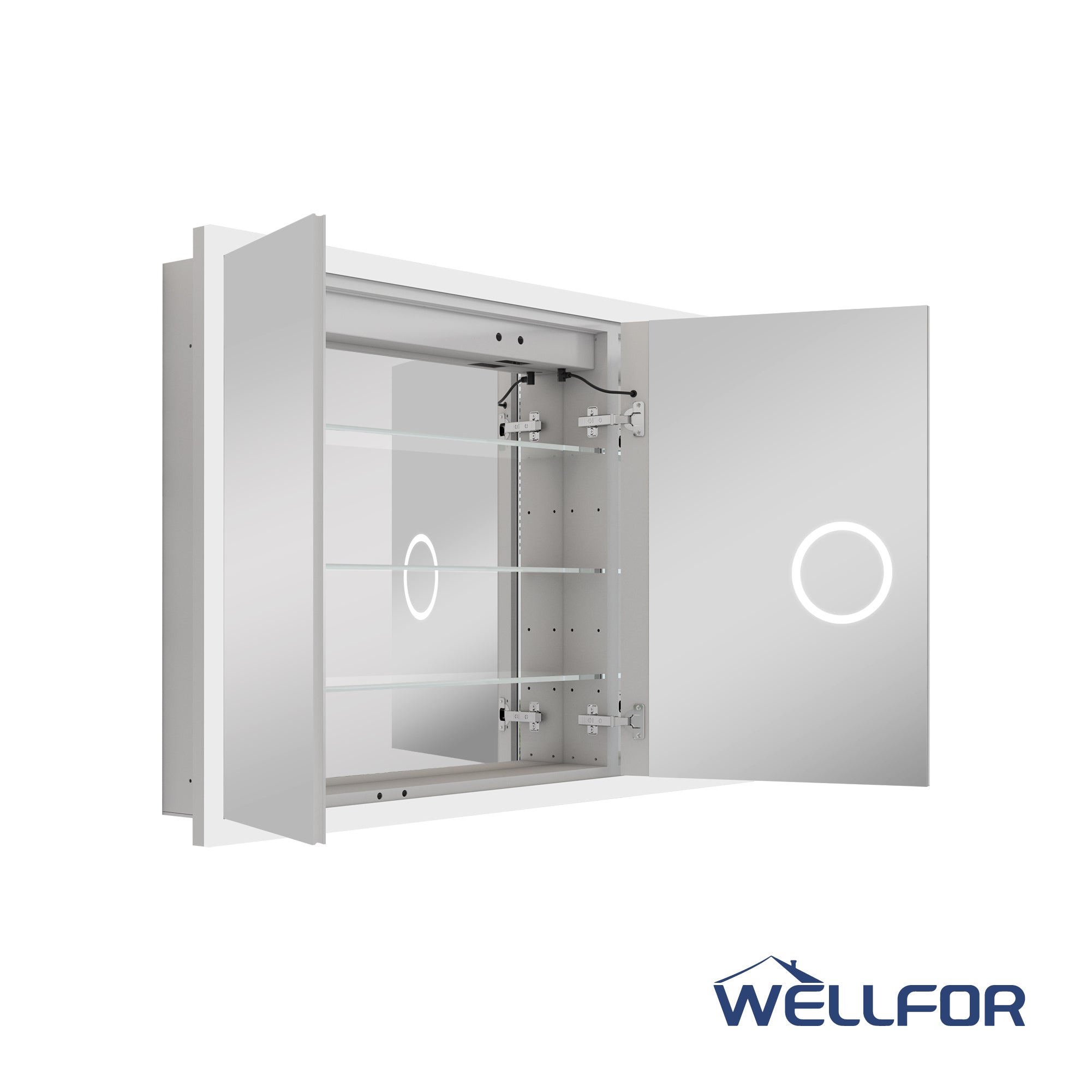
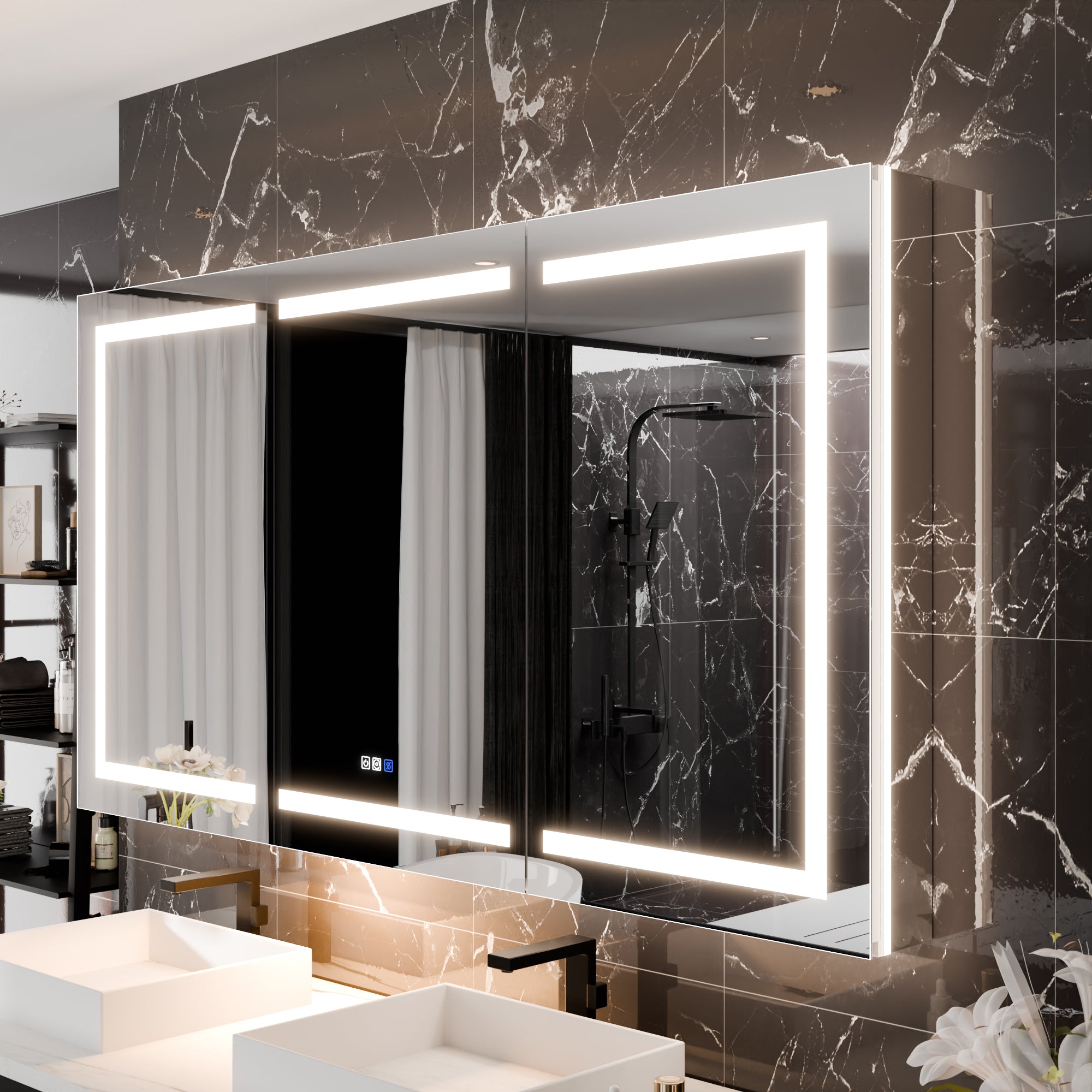
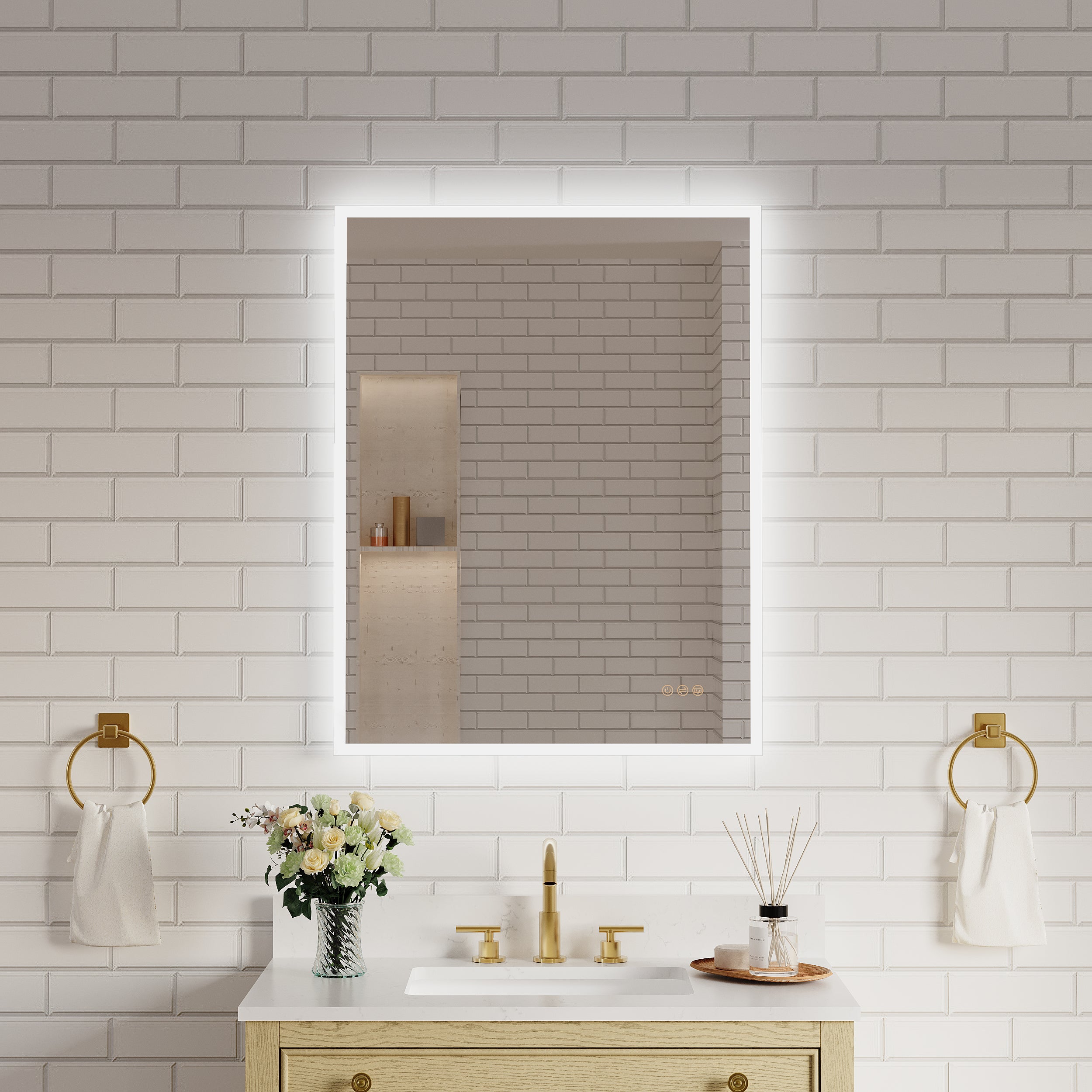
Lighting is the core factor that distinguishes ordinary full-length mirrors from illuminated mirrors. According to industry testing, high-quality full-body illuminated mirrors typically use LED light sources with color temperatures close to natural light, which can render clothing colors and overall styling more realistically.
Compared to external lighting fixtures on the top or sides, the mirror's built-in illumination is more consistent, reducing shadow and contrast issues. For daily dressing, grooming, and even simple makeup, the experience improvement brought by this stable light source is noticeable.
4. The applicable space is not infinitely expandable
Although a fully body illuminated mirror wall-mounted has obvious advantages in functionality, its applicability is not without boundaries. In environments with small spatial scales, limited wall load-bearing capacity, or restricted power conditions, installing such products may be limited by practical constraints.
In addition, in minimalist or traditional style spaces, if the overall lighting does not match the design language, a whole body illuminated mirror may appear abrupt. Therefore, whether it is "worth buying" needs to be judged based on specific spatial conditions.
5. Realistic considerations of installation and construction costs
From an industry perspective, wall-mounted full-body illuminated mirrors usually have specific requirements for installation conditions, including wall structure, power supply location, and safety distance. This means that compared to ordinary mirrors, the initial investment is not only reflected in product prices, but also in installation costs and construction coordination.
However, from a long-term use perspective, this type of mirror reduces the need for additional lighting equipment and lowers the cost of repeated adjustments caused by improper placement. This "high front and stable back" investment model is precisely why many users recognize its value.
6. Durability and maintenance issues cannot be ignored
Any electrified product must consider its service life and maintenance requirements. The industry generally recommends choosing a whole-body illuminated mirror with a moisture-proof, anti-fog, and stable heat-dissipation design to adapt to high-humidity environments such as bathrooms.
At the maintenance level, the low energy consumption and long lifespan of LED light sources provide relatively controllable post-use costs for such products. But the prerequisite is that the product itself has a mature electrical structure and stable quality.

7. The transition from 'whether it is necessary' to 'whether it is suitable.'
It is worth noting that market discussions are gradually shifting from "whether it is necessary to wear full-body glasses" to "whether it is suitable for a specific space. This transformation reflects the trend toward rationalization in consumer decision-making.
For users who need to view the overall shape frequently, have unstable lighting conditions, or pursue spatial cleanliness, a full-body illuminated mirror wall-mounted does have irreplaceable advantages; In spaces with relatively basic functional requirements, its value is relatively limited.
8. Whether it is worth purchasing should return to the "logic of use" itself
The key to determining whether a full body illuminated mirror wall mounted is worth buying is not whether it is popular, but whether it meets real needs. If there are long-term problems such as insufficient lighting, inconvenient mirror use, or cluttered layout in the space, the value of such products often gradually becomes apparent during use.
On the contrary, if the frequency of use is limited or the existing space conditions can already meet the demand well, then its advantages may not be enough to offset the additional investment.
Conclusion
Based on industry practices and user feedback, a full-body illuminated mirror wall-mounted is not a "standard configuration" suitable for all spaces, but in appropriate scenarios, it can significantly improve usability and space completion. Its value is not only reflected in appearance or technology, but also in whether it solves real usage problems. For users who are evaluating whether to purchase, instead of worrying about whether it is worth it, it is better to return to the more core issue - whether it truly fits your space conditions, usage habits, and long-term needs. When the answer is clear, the choice will also become clear.












Leave a comment
This site is protected by hCaptcha and the hCaptcha Privacy Policy and Terms of Service apply.