
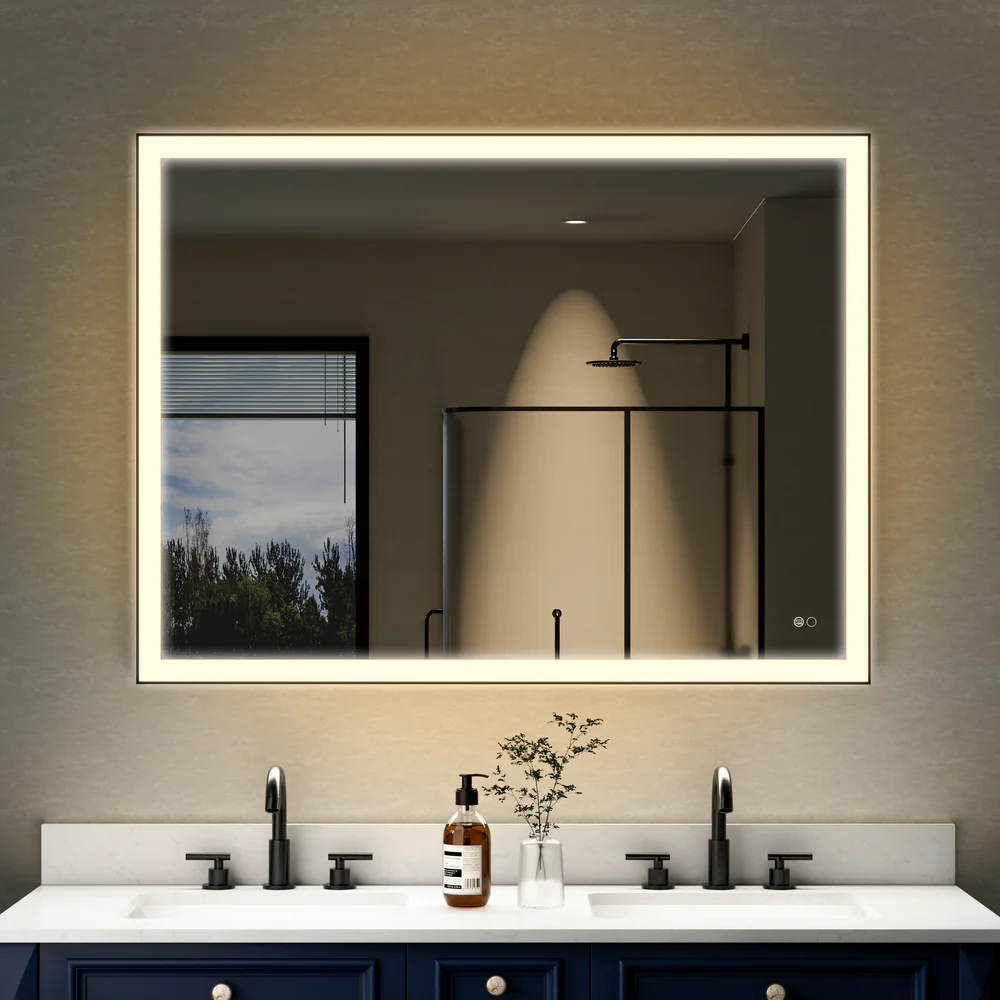
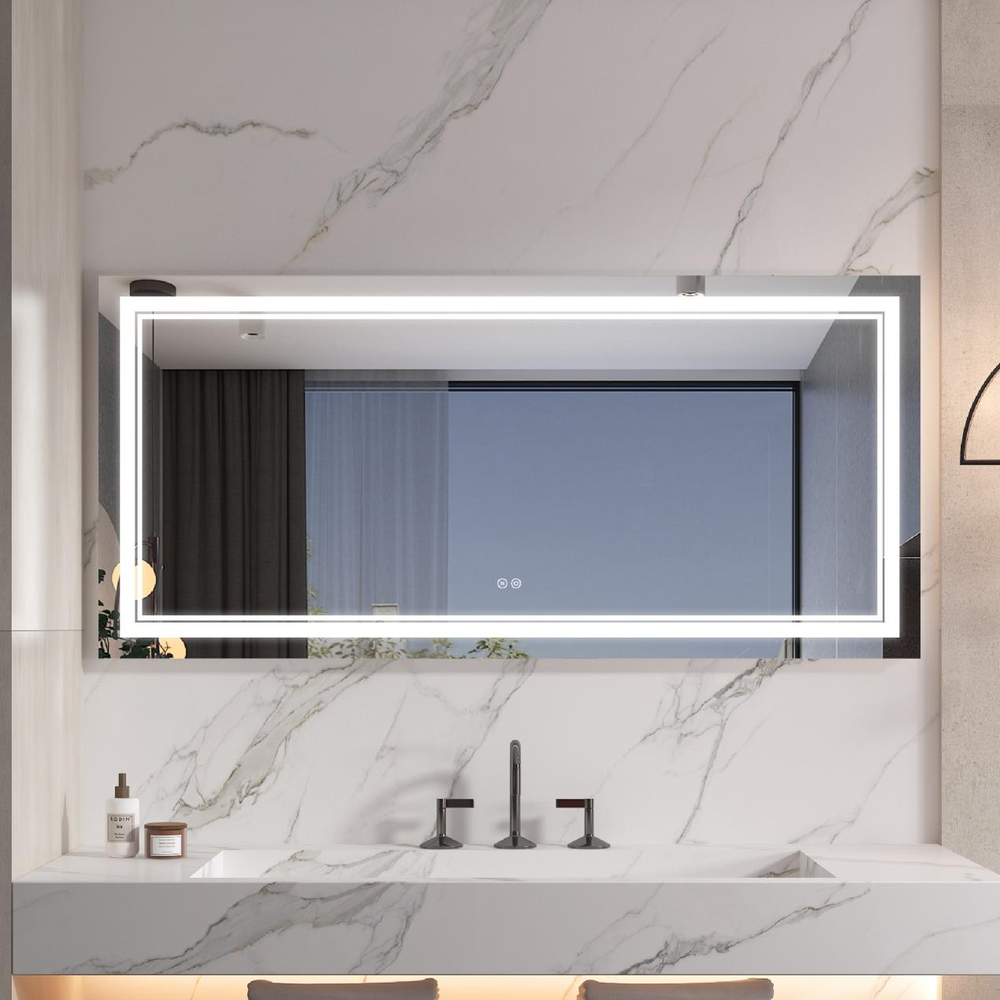
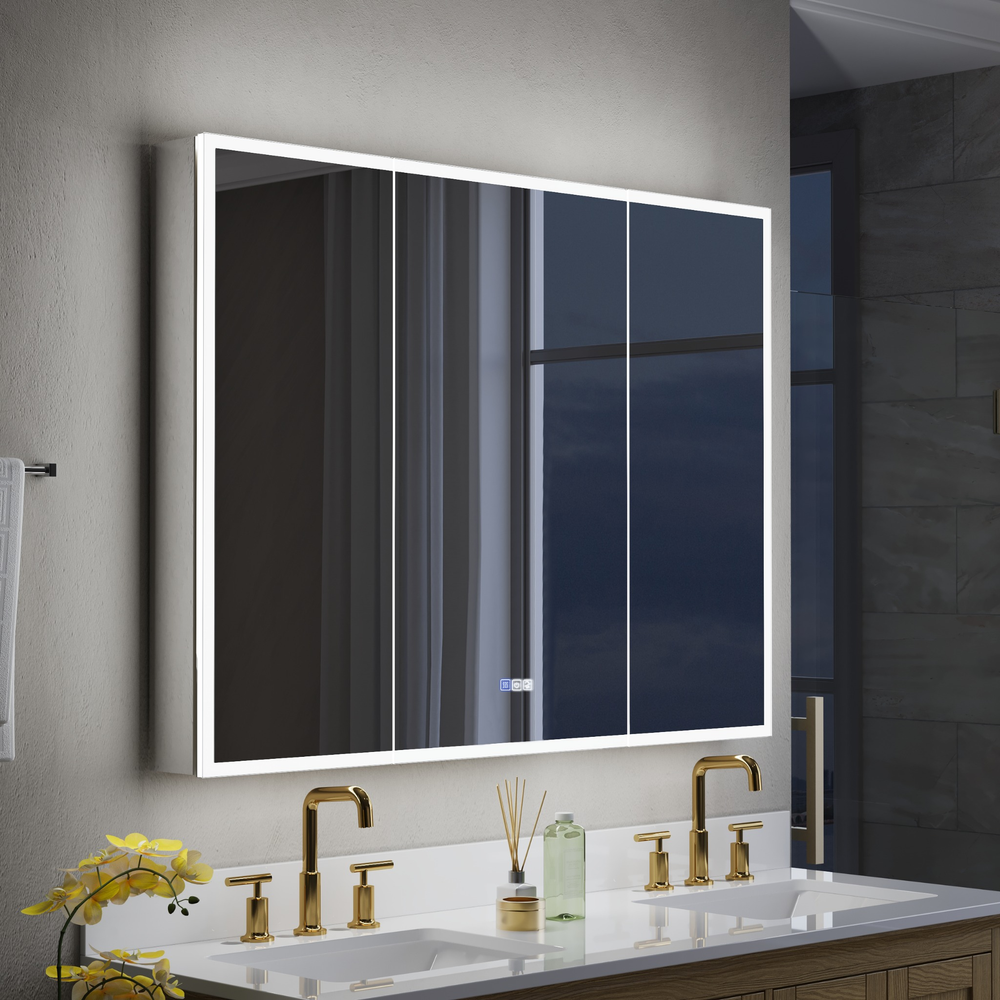
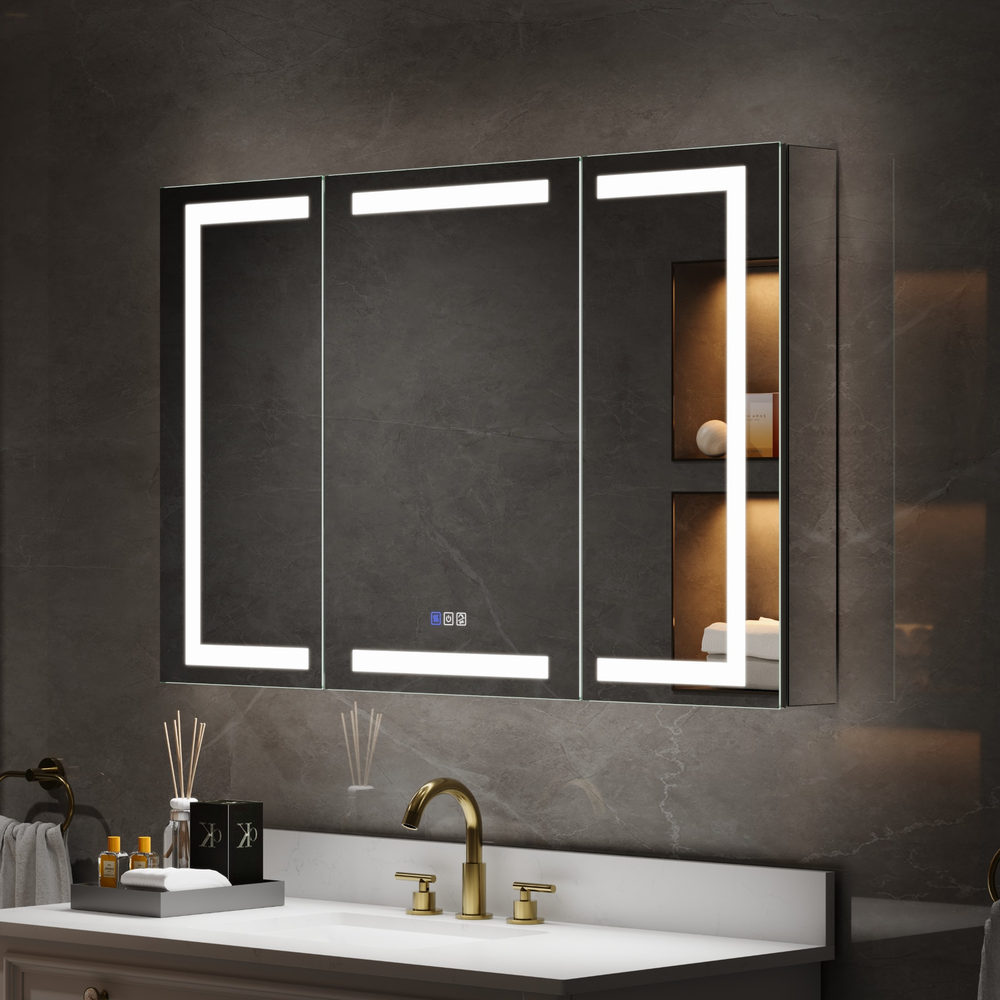


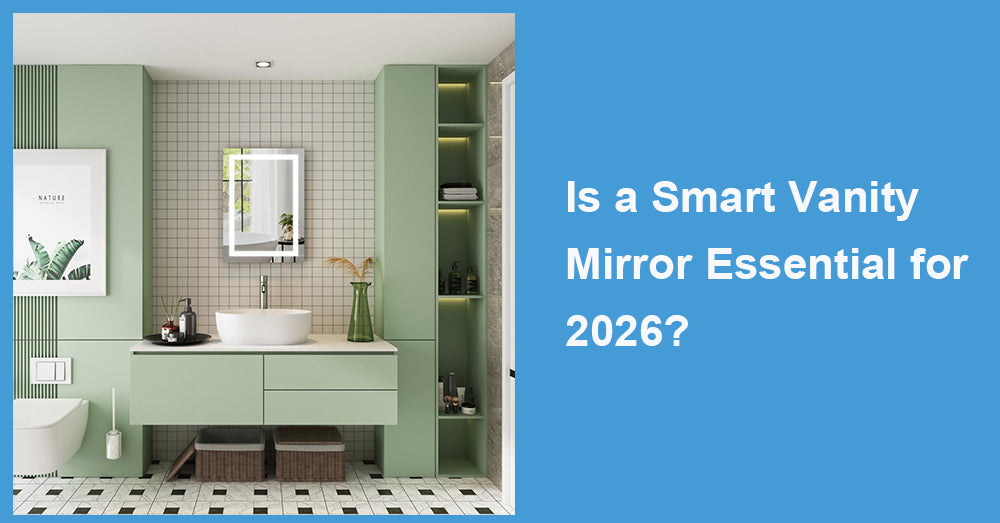
A vanity mirror used to be one of the simplest products in a bathroom. You chose a size, checked the frame finish, and mounted it above the sink. That process has changed. Many models now combine adjustable lighting, defogging, touch controls, memory settings, and digital features in a single unit. After working with bathroom products for years, I have found that a smart mirror can improve a daily routine, but it is not automatically the right purchase for every home.
The useful question is not whether the technology feels modern. It is whether the mirror solves an actual problem in the room.
1. Why the Smart Vanity Mirror Has Become More Relevant
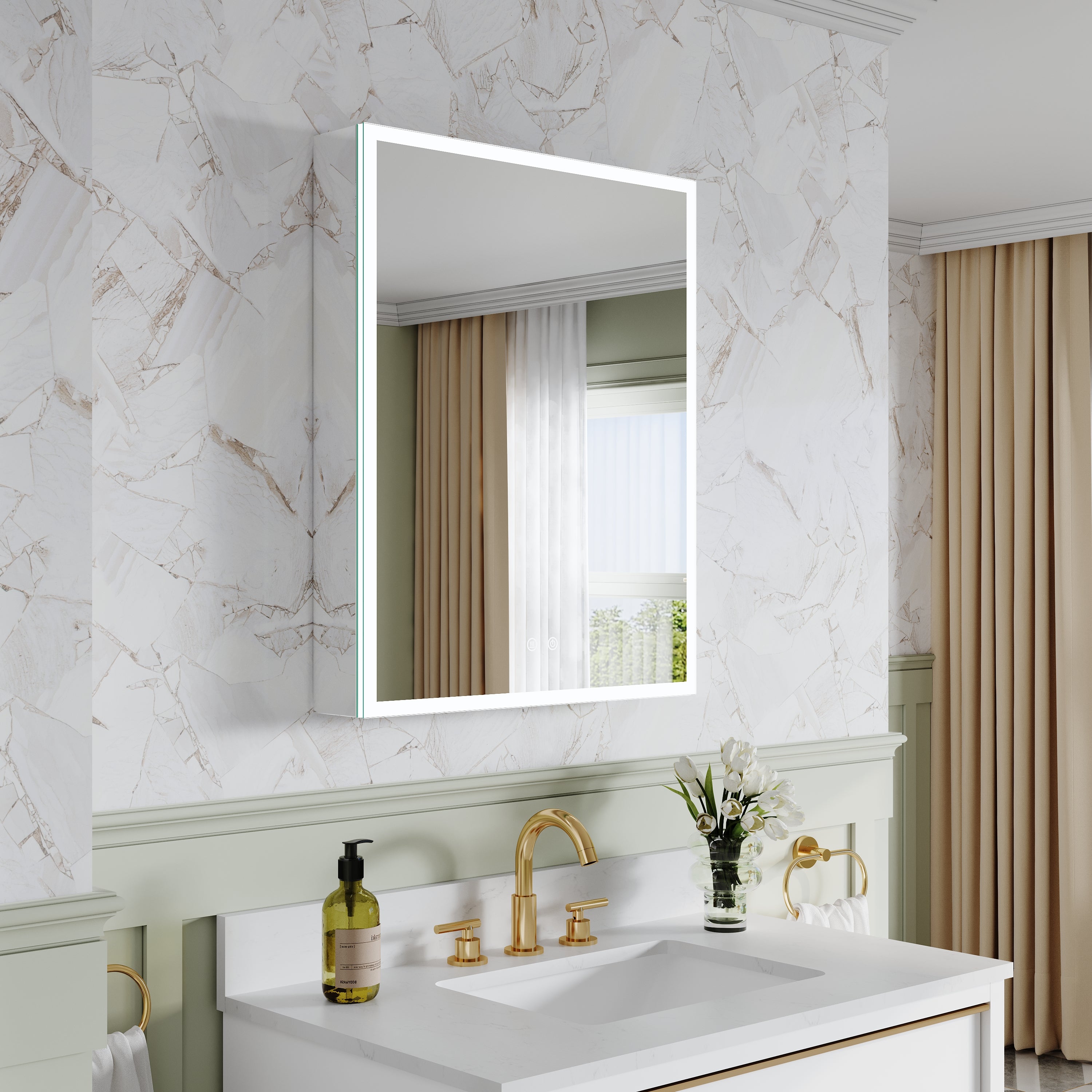
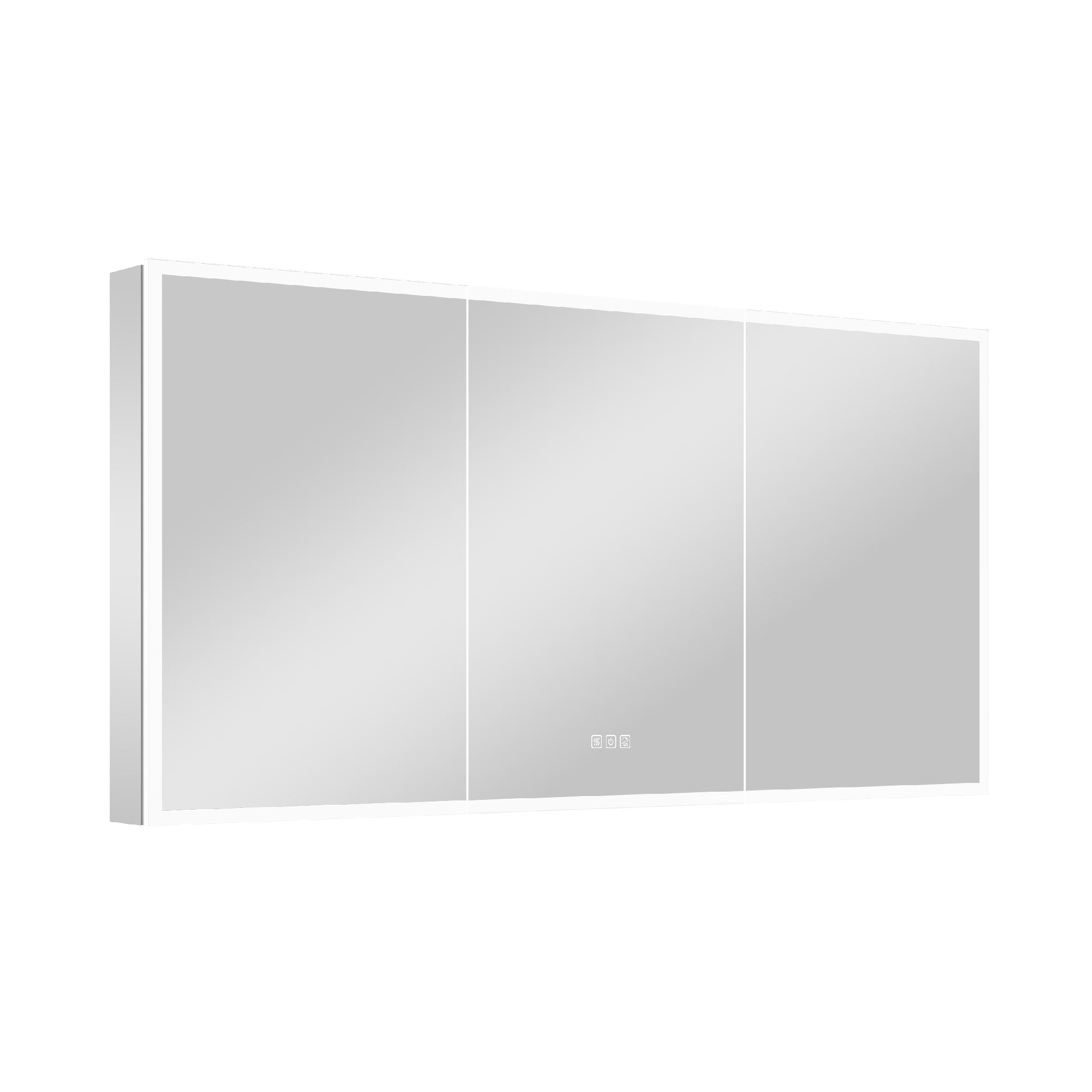
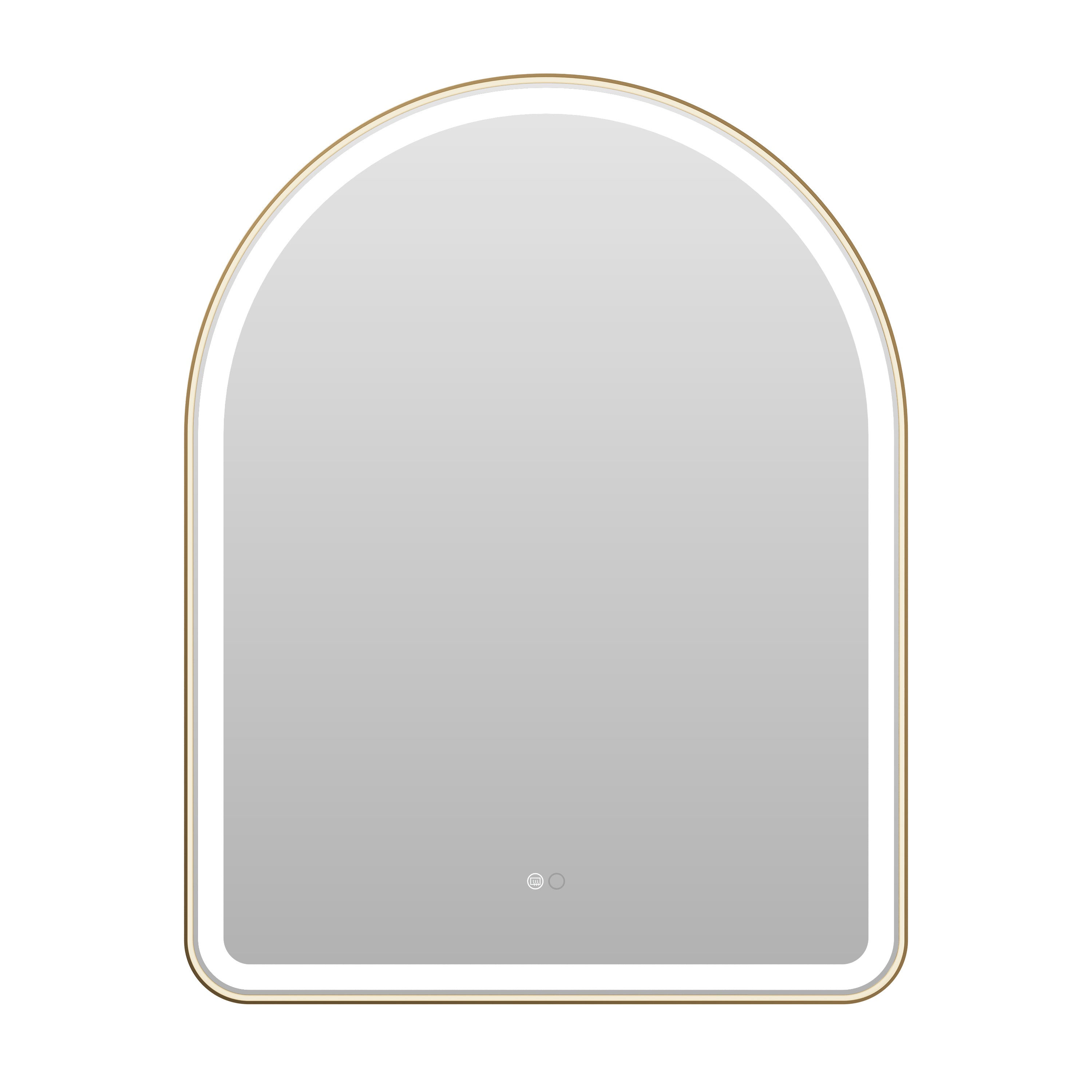
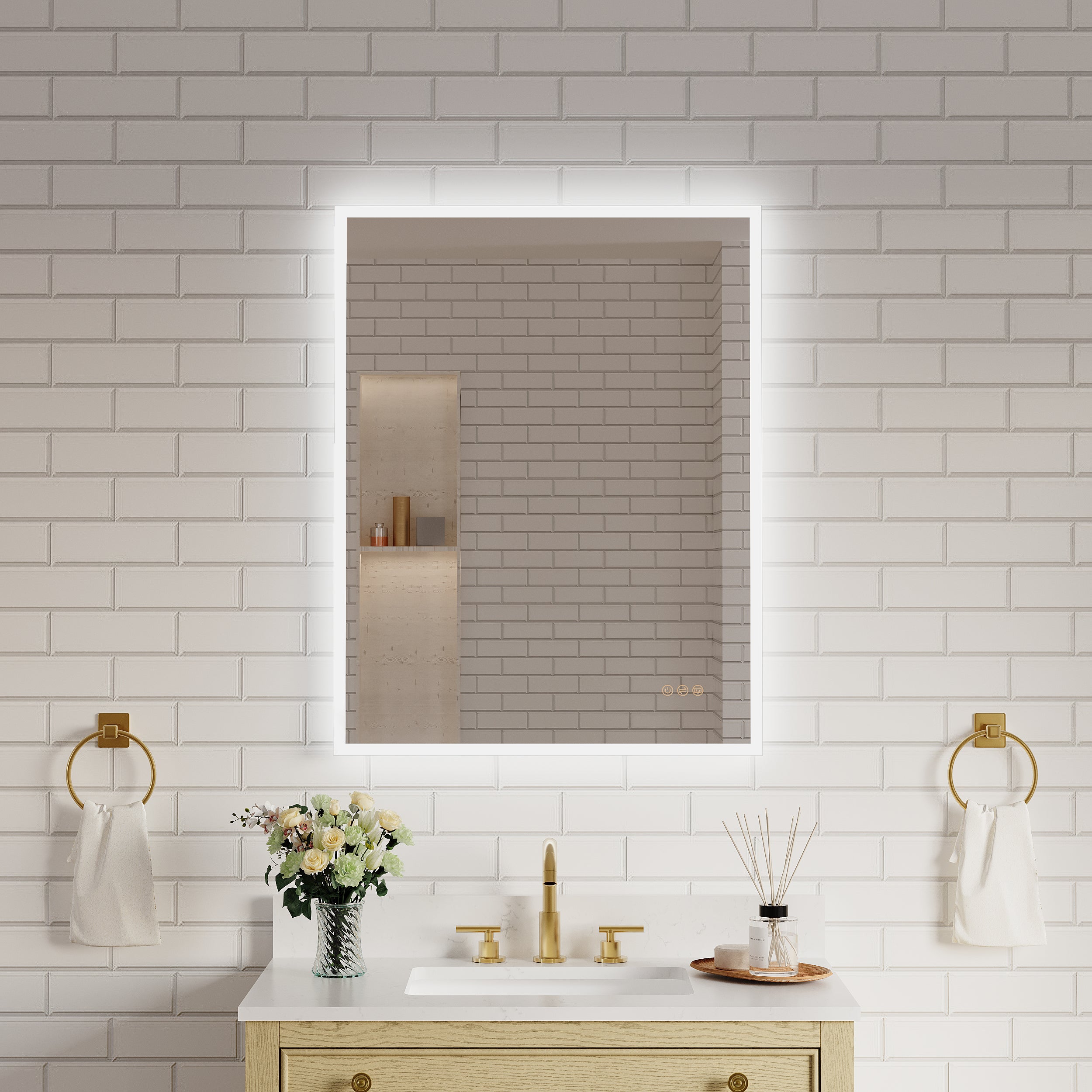
Bathroom design has become cleaner and more functional. Homeowners want fewer objects on the wall, better task lighting, and products that perform more than one job. A lighted smart mirror fits that direction because it combines a reflection and front-facing illumination without requiring separate fixtures directly above or beside it.
This matters in real use. A ceiling light can brighten the room while leaving shadows under the eyes and chin. Decorative sconces sometimes look excellent in photographs but provide uneven light at face level. A properly designed illuminated mirror brings the light closer to the user, which helps with shaving, makeup, skincare, and contact lenses.
There is also a space advantage. In a narrow bathroom or powder room, wall space may be too limited for a mirror and two sconces. An integrated model keeps the arrangement simpler.
2. Which Features Are Actually Worth Paying For?
The most useful features are not always the most impressive ones on the product page.
Adjustable brightness is a good example. Bright light is helpful when precision matters, but the same intensity can feel harsh during an early morning routine. A broad dimming range gives the mirror more flexibility throughout the day.
Color temperature adjustment is also practical. Warm light around 3000K creates a relaxed atmosphere, while neutral light near 4000K is comfortable for general grooming. Cooler light can reveal more detail, although it may feel clinical in a bathroom finished with warm wood, cream tile, or brass hardware.
Buyers should also look at color accuracy. A mirror with a CRI of 90 or higher usually presents skin tones and cosmetic colors more naturally than a lower-quality LED system.
Defogging is worth considering in a bathroom used for frequent hot showers. It does not clear the entire room, and it may not keep every edge of the glass free from moisture. What it does well is maintain a usable central viewing area when the bathroom is humid.
Memory settings are another feature I value. Once users find their preferred brightness and color temperature, the mirror should remember them. Resetting the lighting every time becomes irritating very quickly.
3. Features That Sound Better Than They Perform
Bluetooth speakers, clocks, weather displays, and voice controls attract attention, but they should not drive the purchase.
Built-in speakers rarely match the sound quality of a separate bathroom speaker. Digital clocks can be helpful, yet their illuminated displays may become distracting at night. Voice control sounds convenient until the bathroom fan or running water affects recognition.
Touch controls deserve a closer look as well. Good controls respond quickly and have clear symbols. Poor ones require repeated taps or activate while the glass is being cleaned. Some button lights remain on continuously, which can be annoying when the bathroom is close to a bedroom.
My advice is simple: pay first for reliable lighting, useful dimming, accurate color rendering, and solid electrical components. Treat the rest as optional.
4. The Real Advantages in Daily Use
A smart mirror can improve a bathroom without making the technology feel obvious. That is usually the sign of a well-designed product.
In shared bathrooms, different users can choose different lighting levels. One person may want bright neutral light for shaving, while another prefers a warmer, softer setting before bed. In a windowless bathroom, the integrated lighting can make the room feel more comfortable and less enclosed.
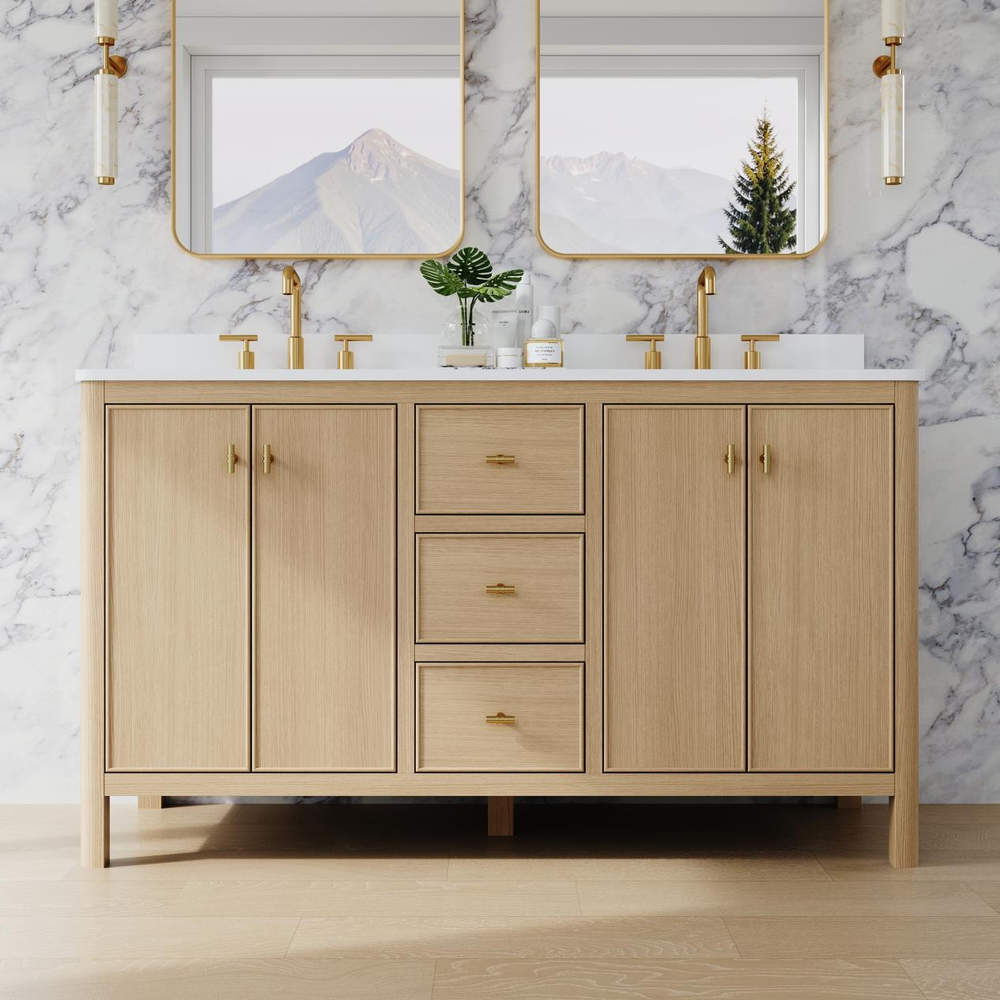
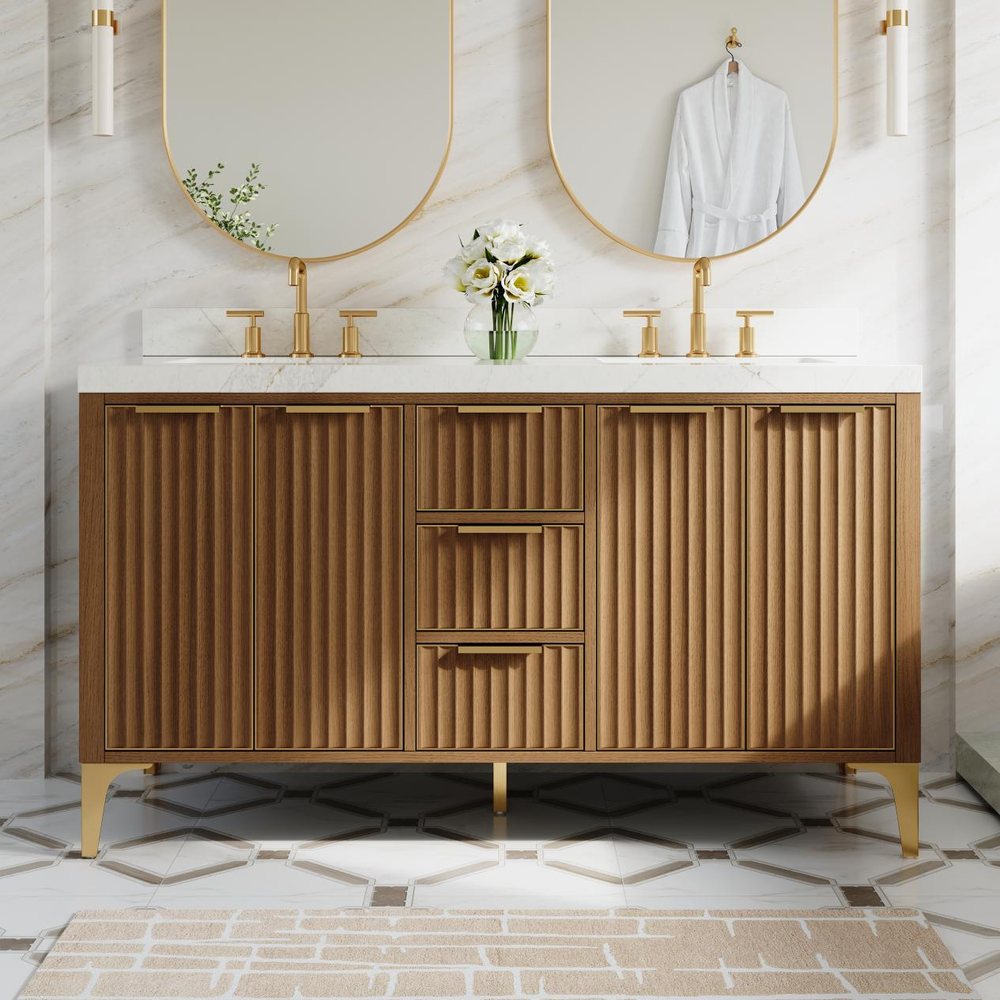
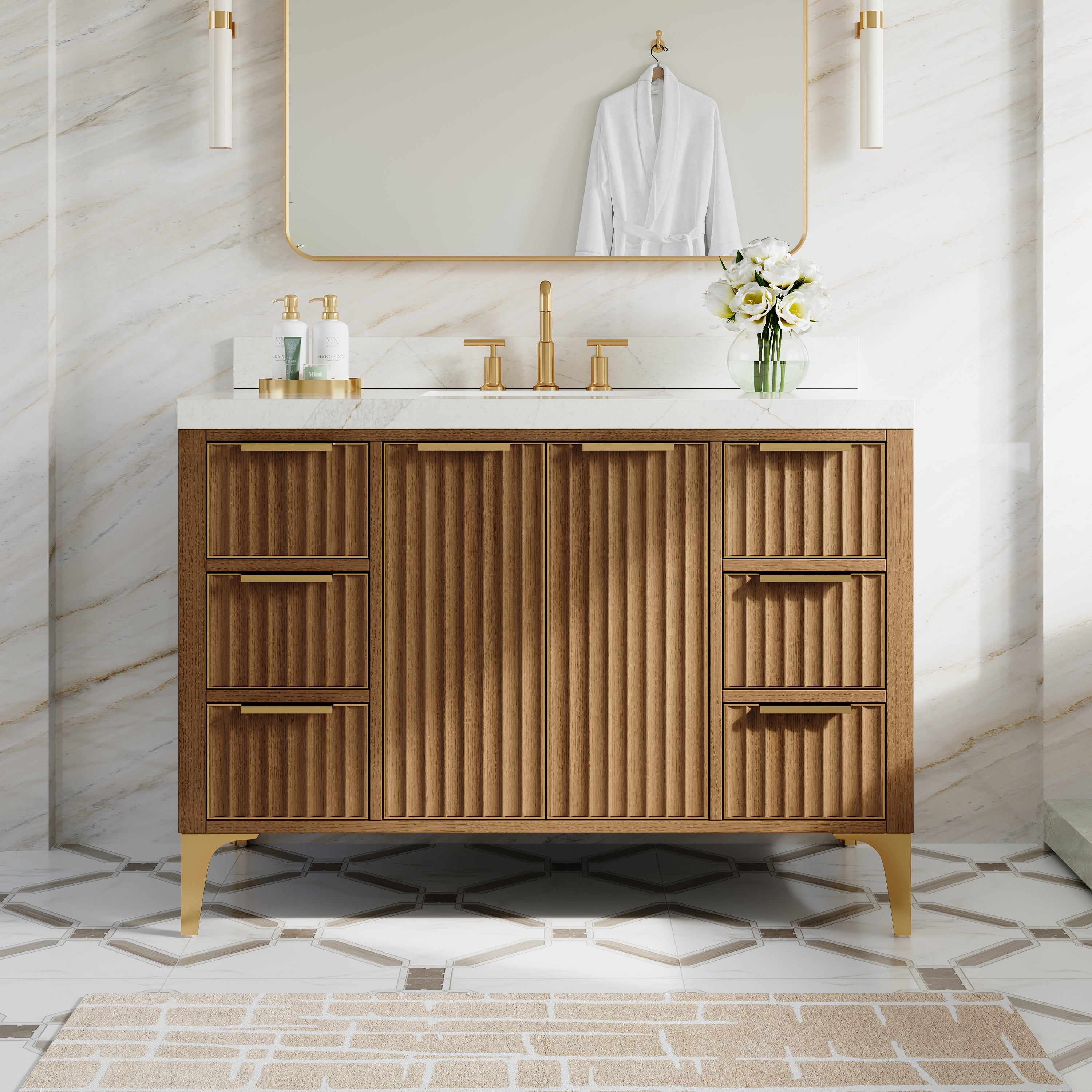
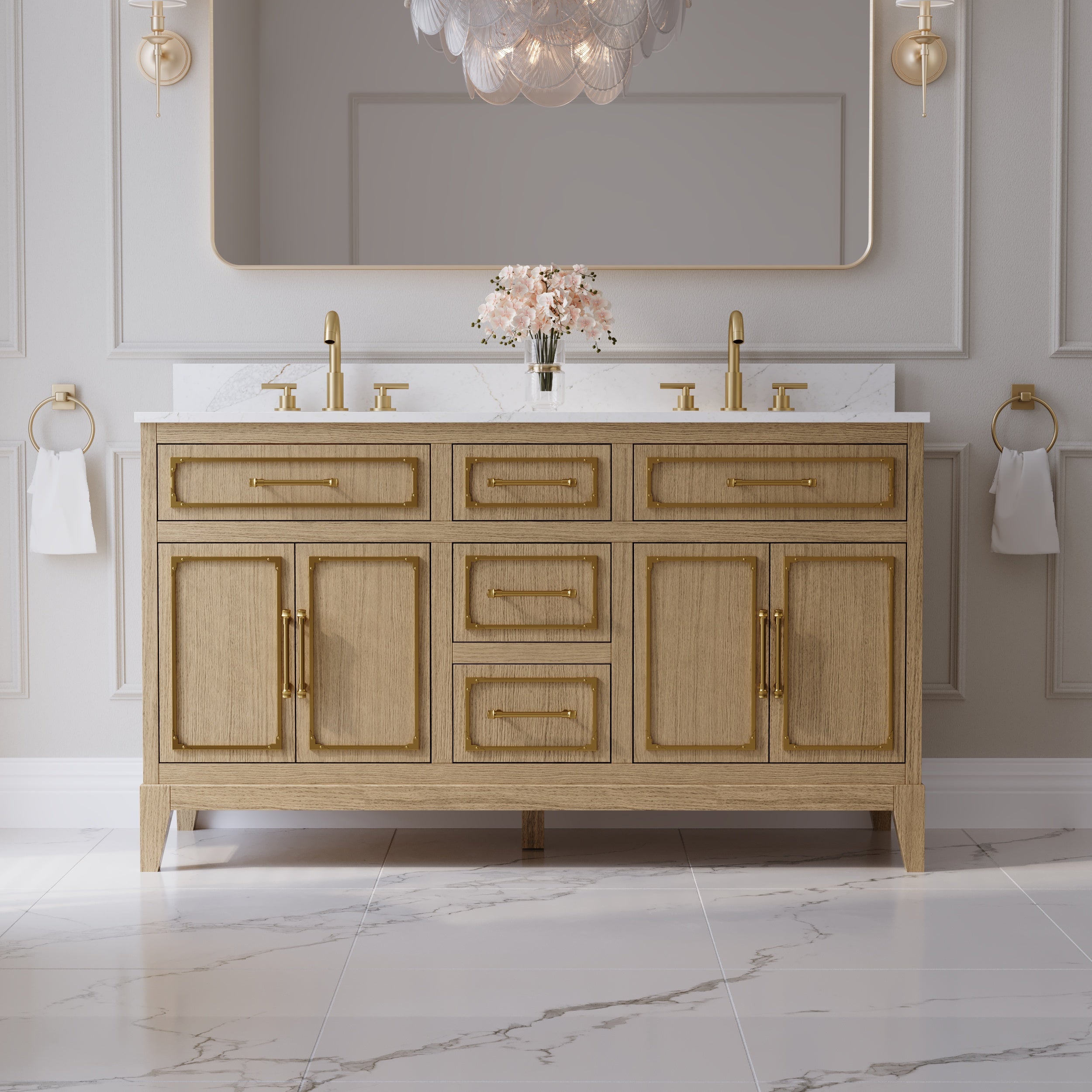
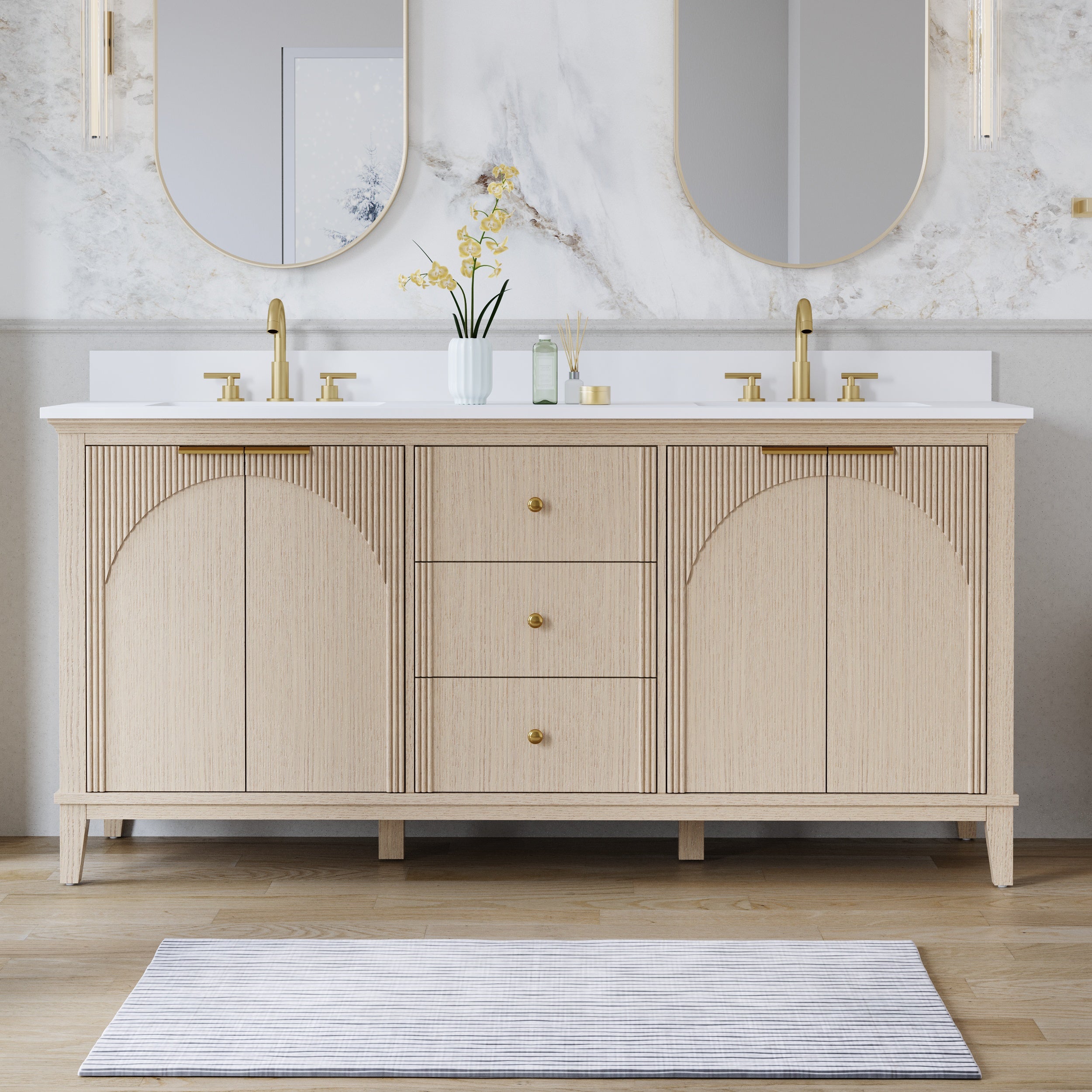
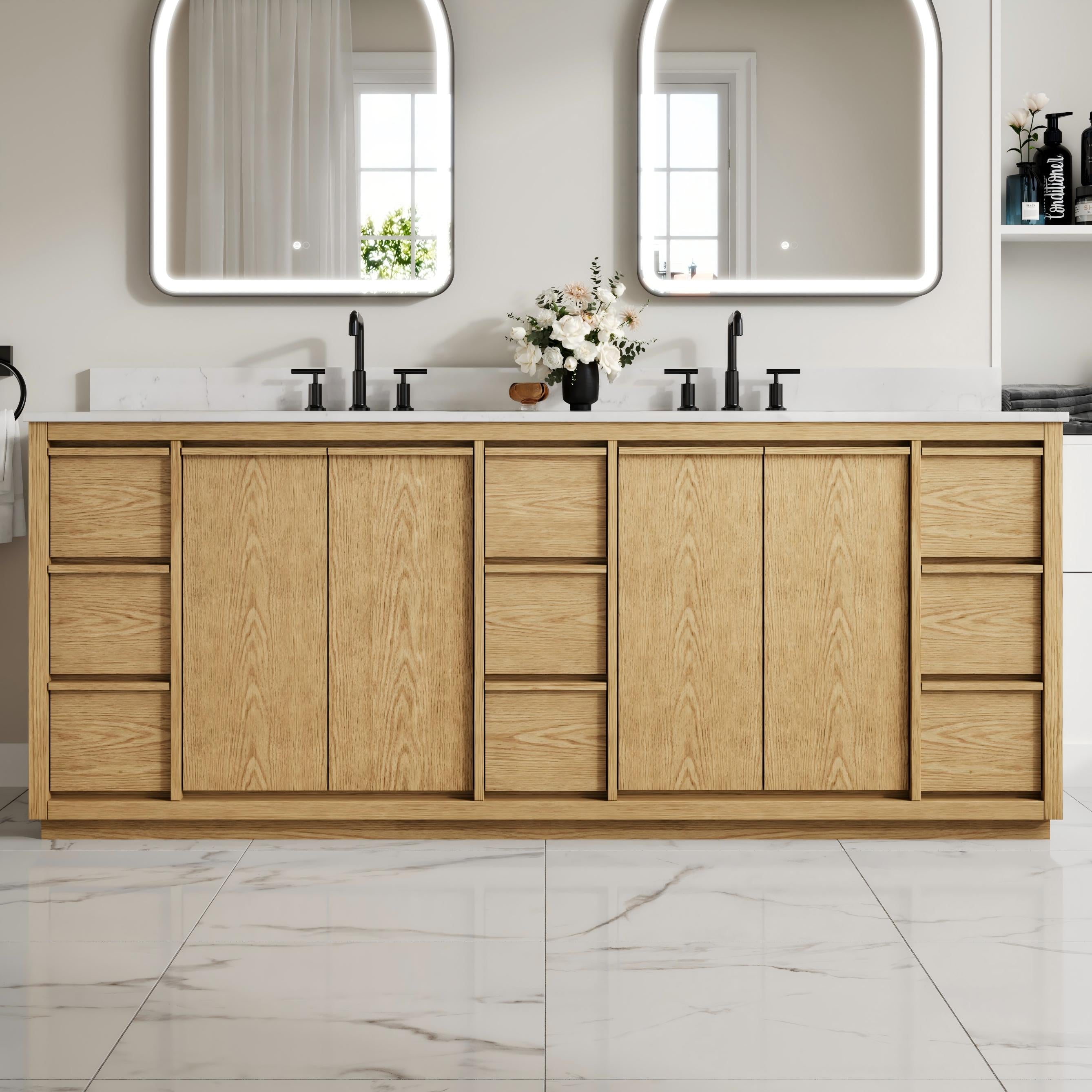
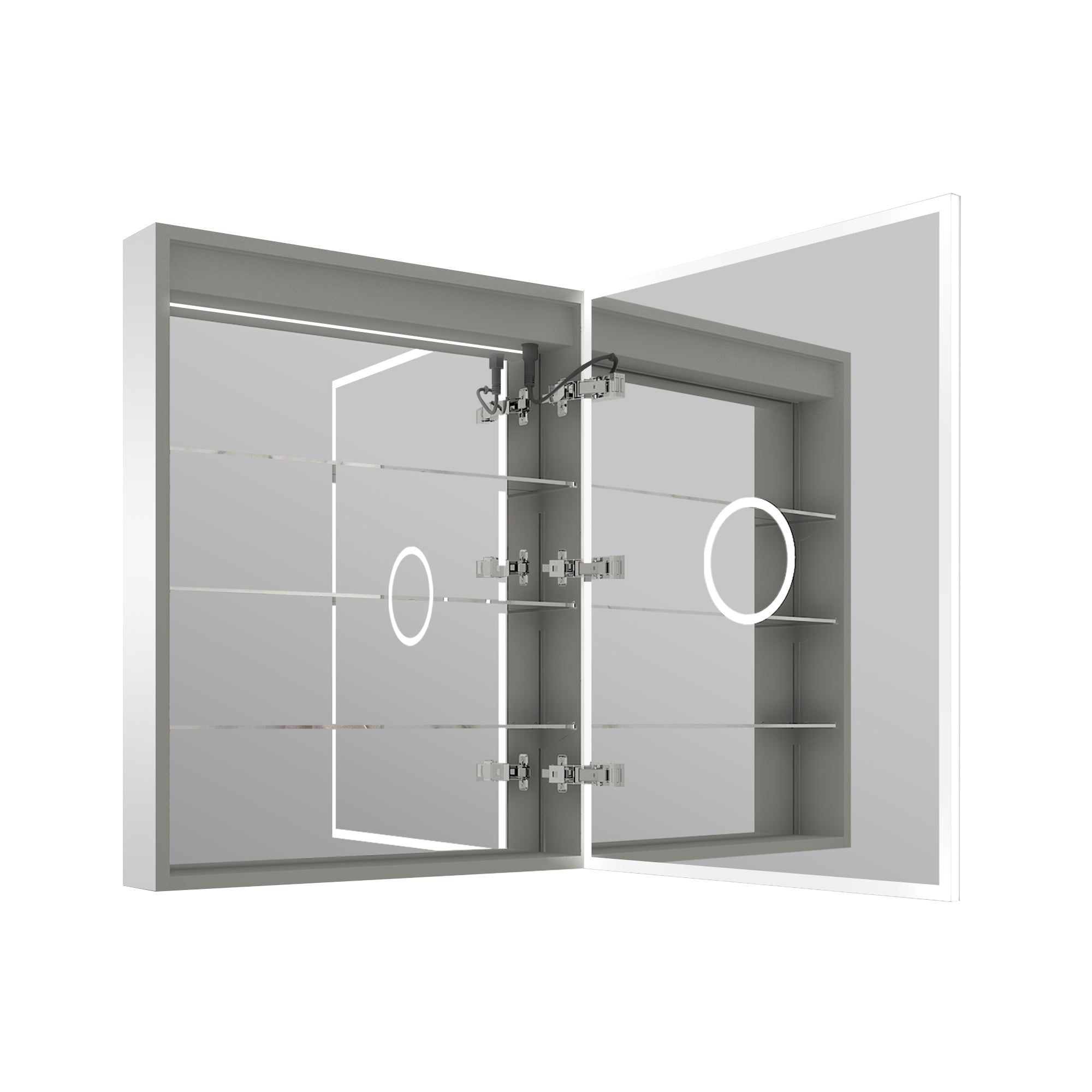
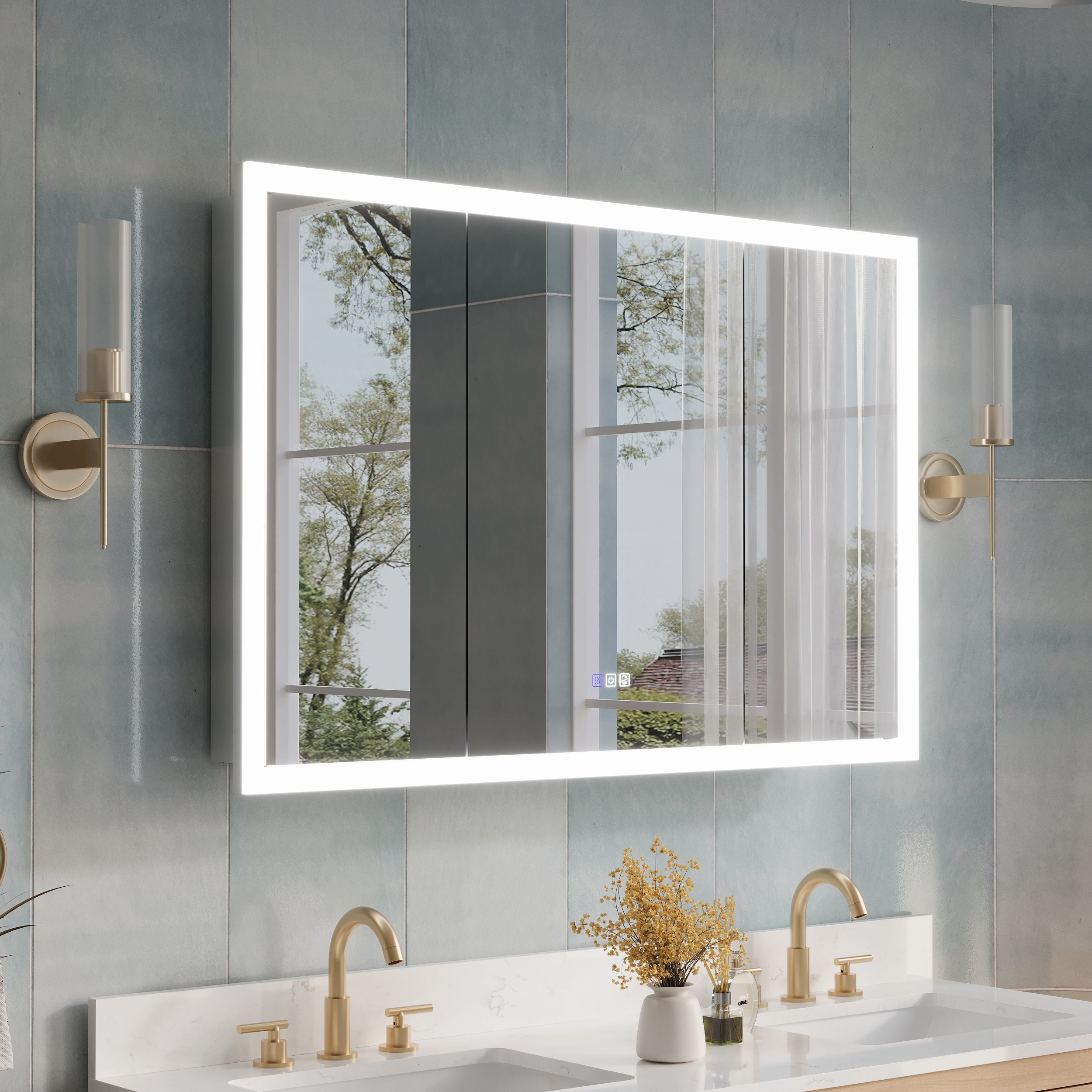
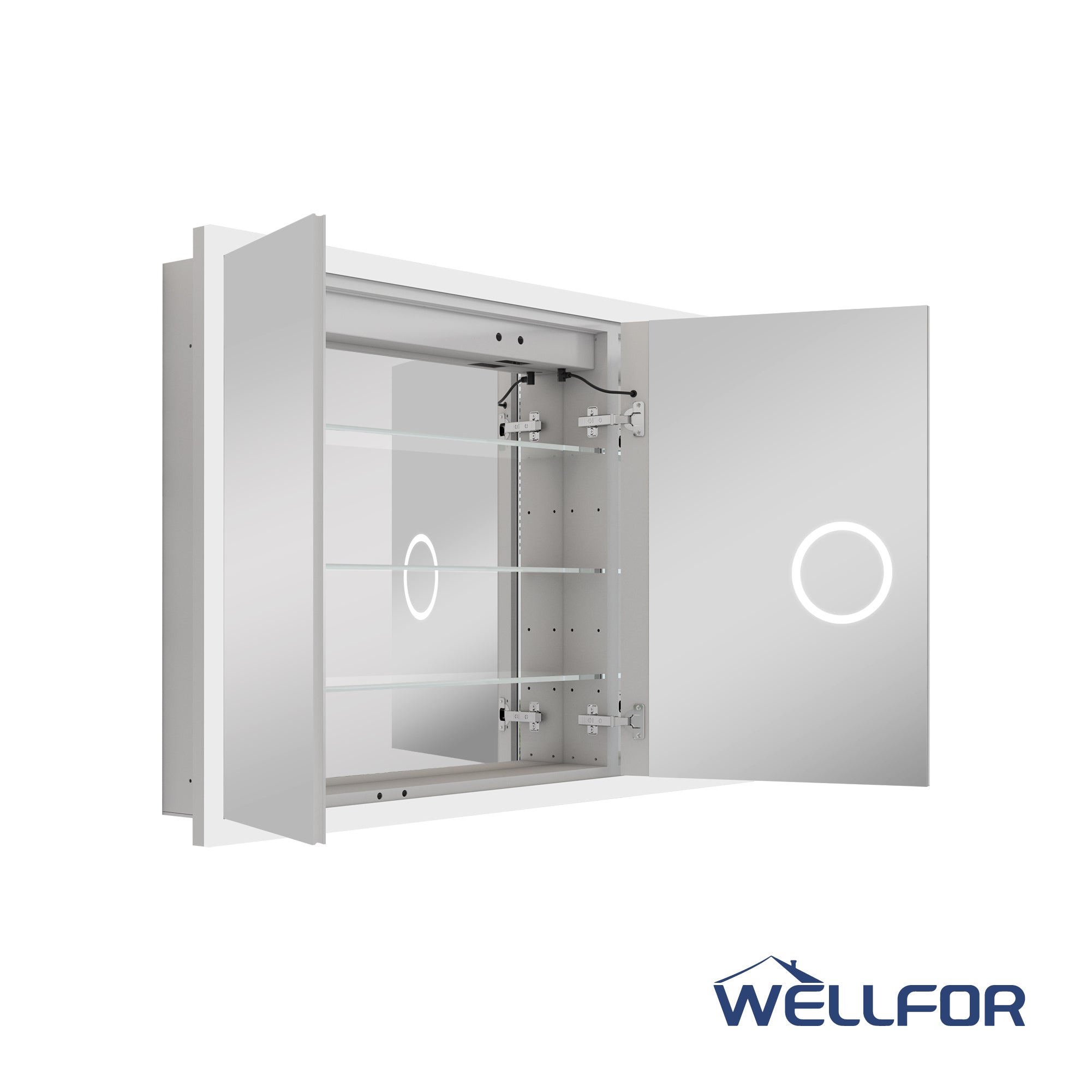
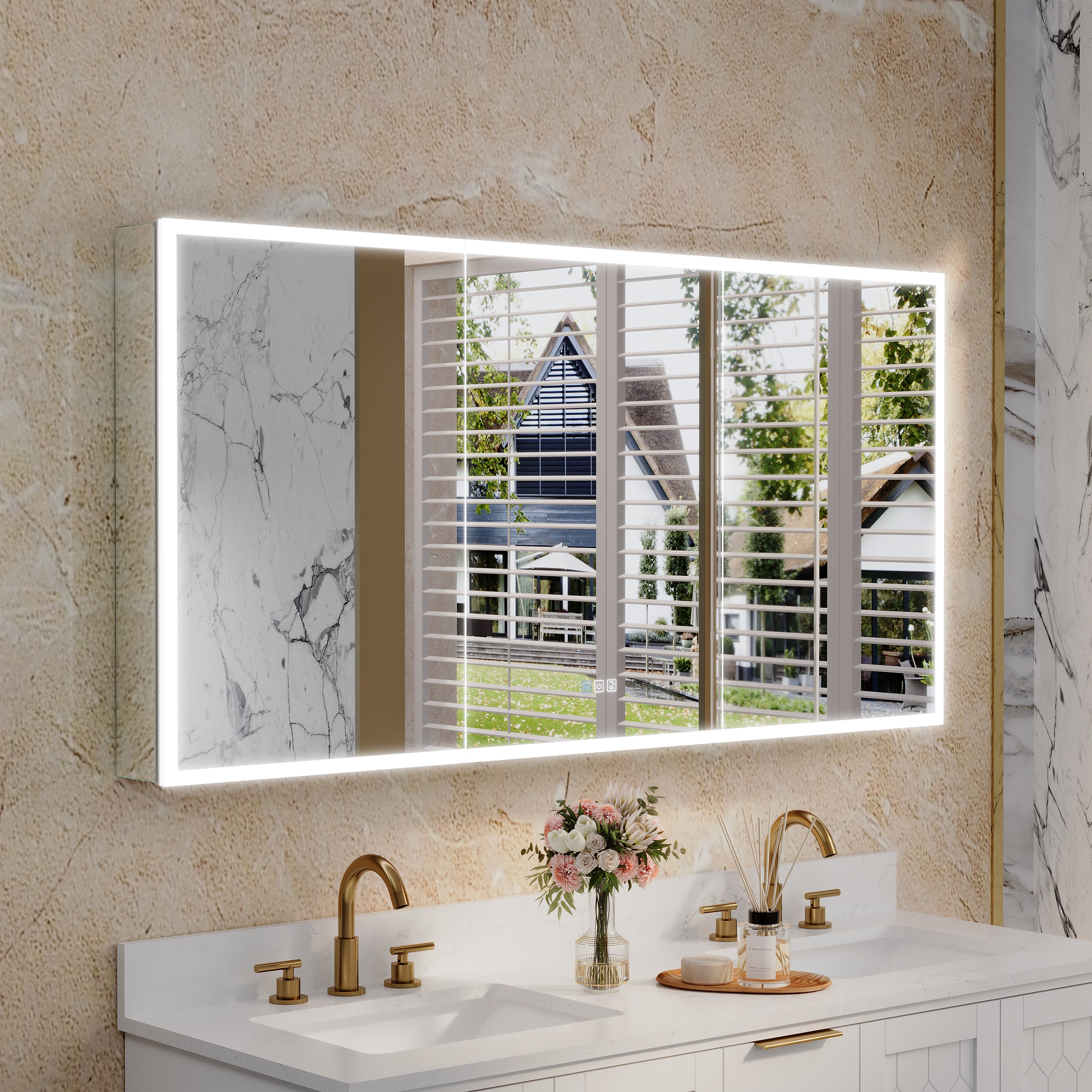
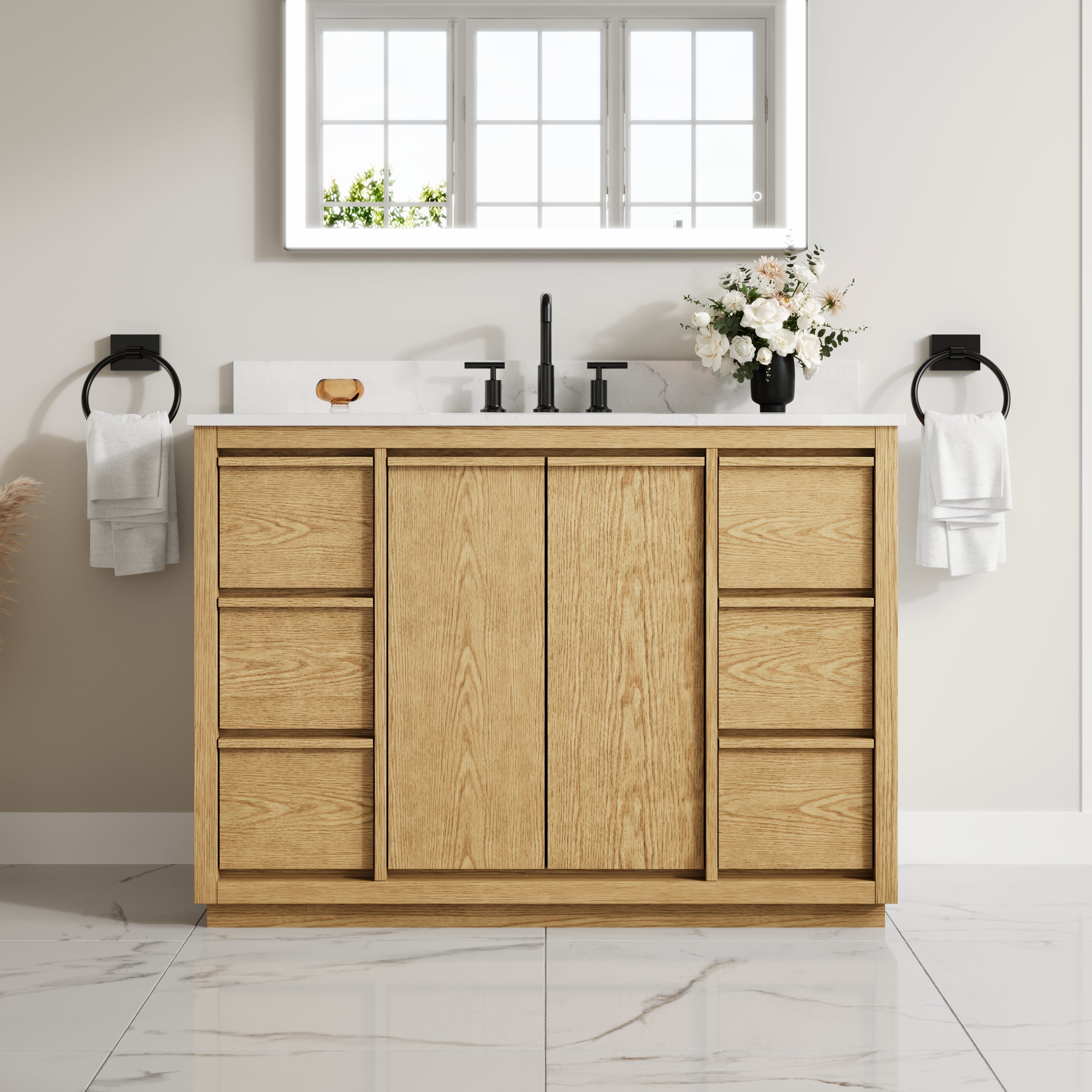
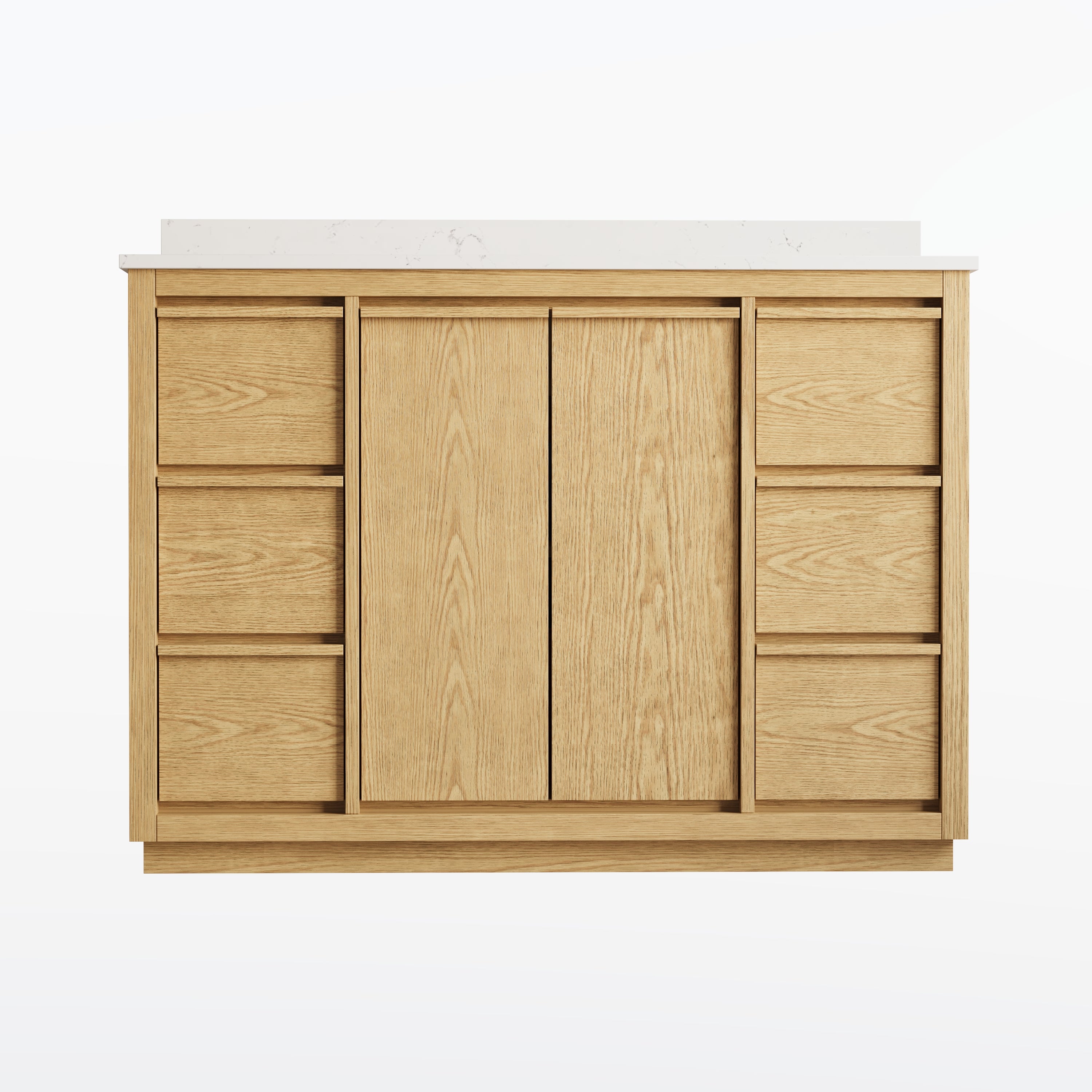
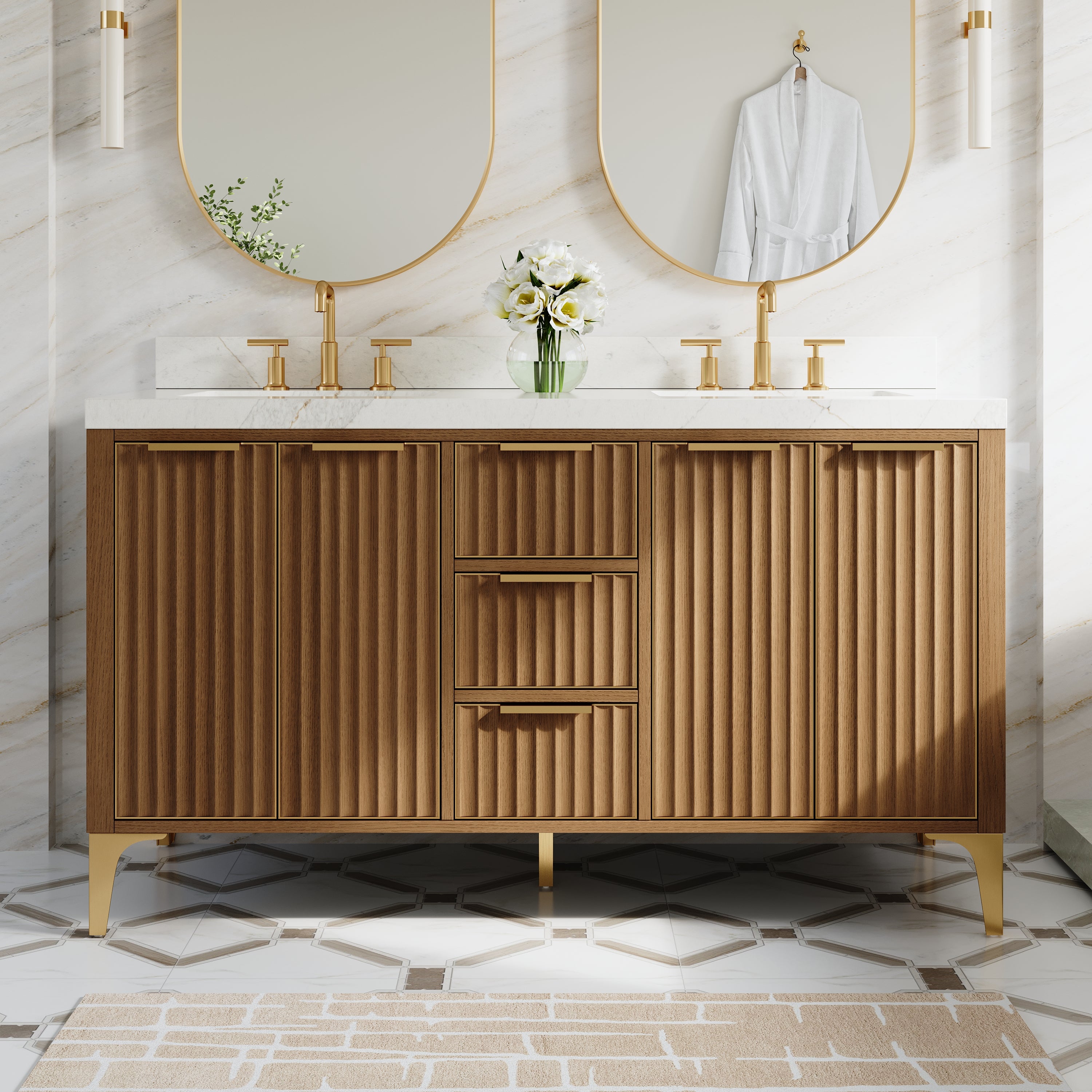
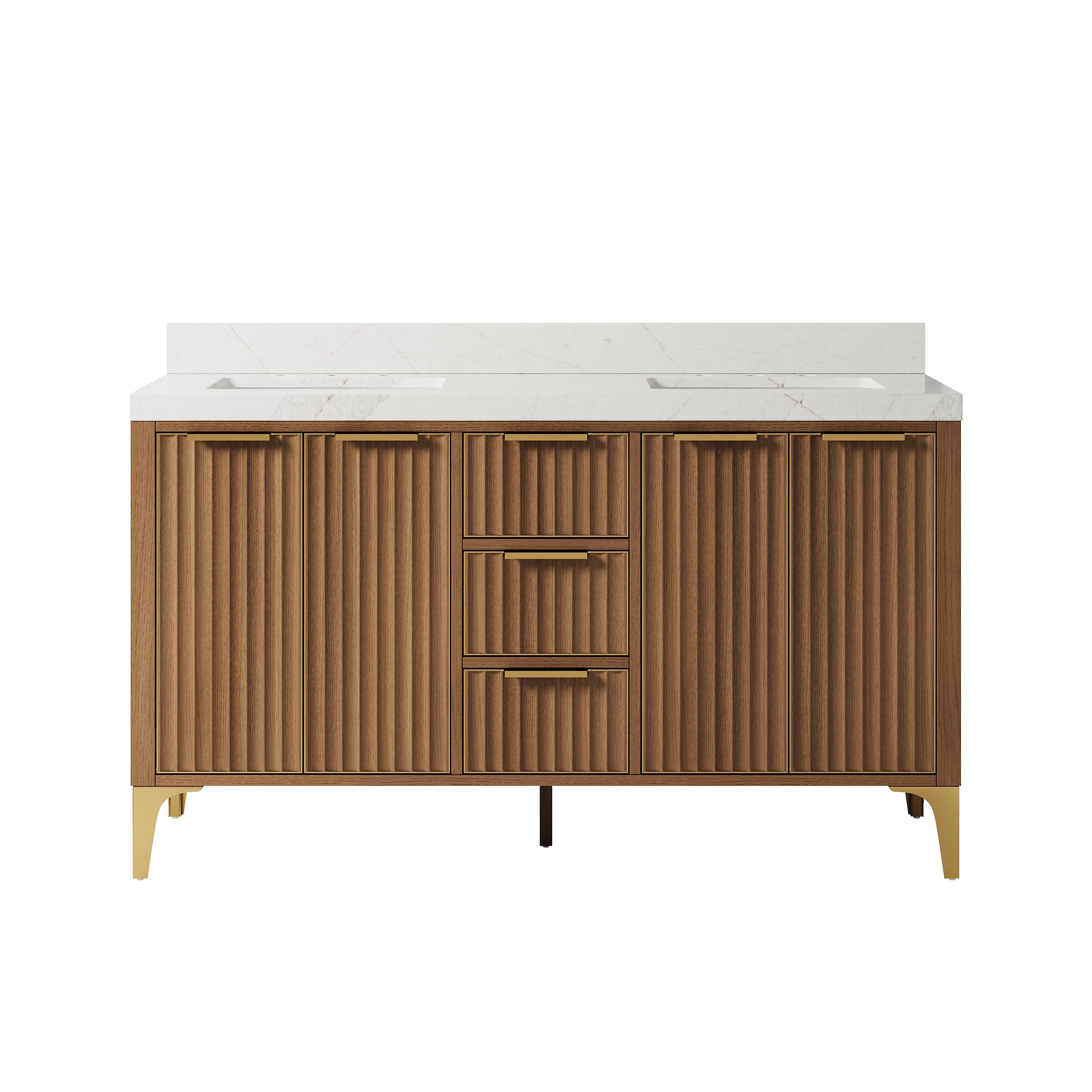
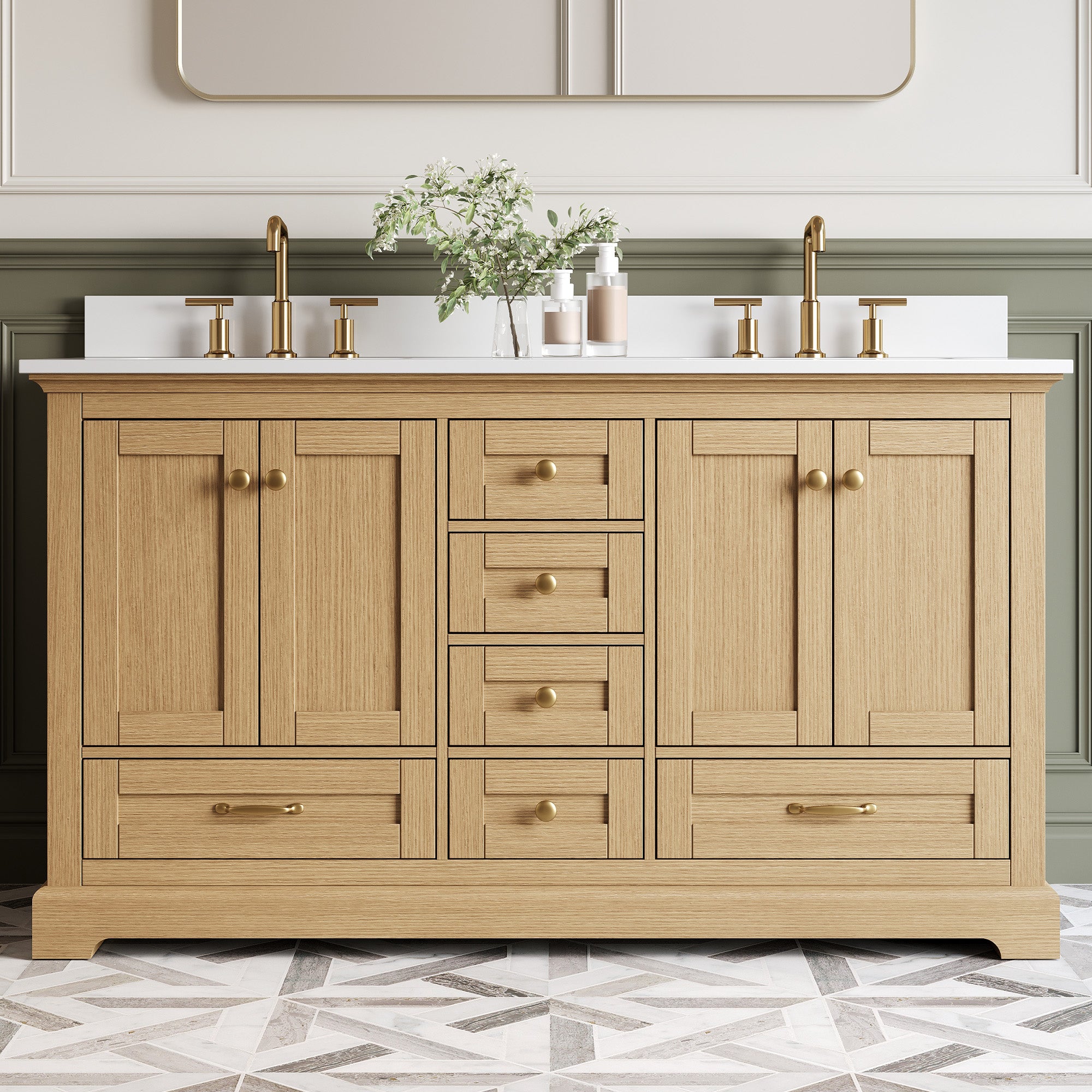
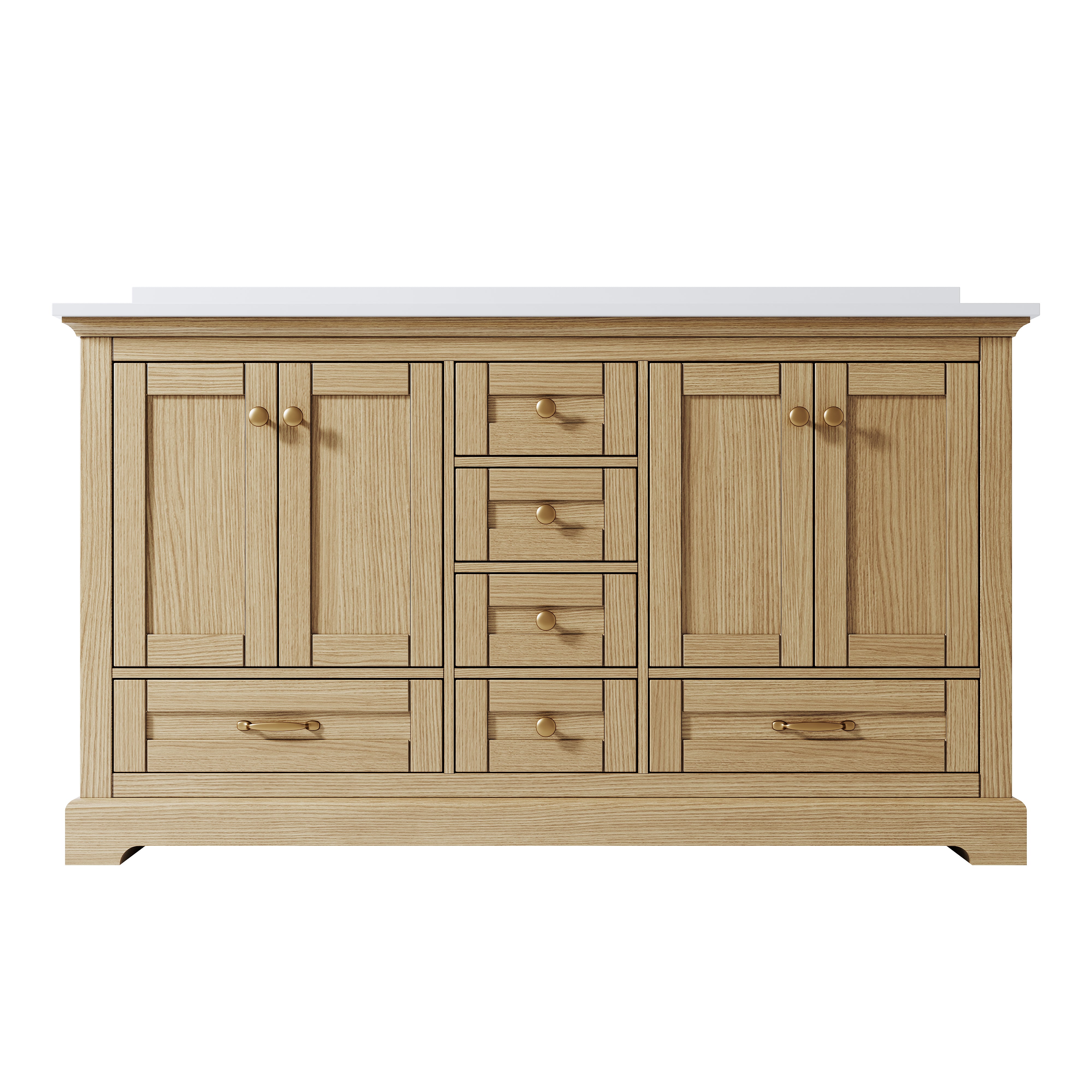
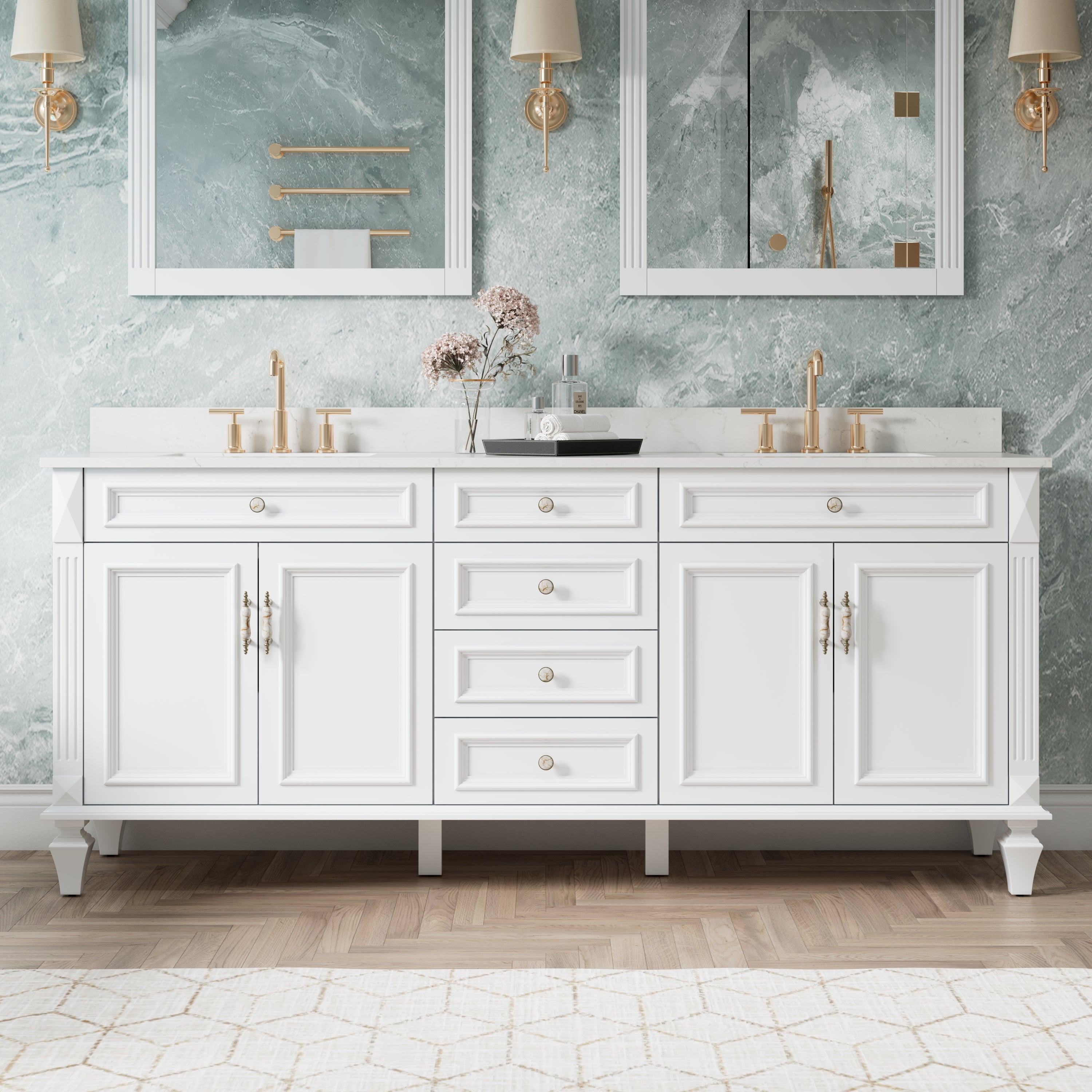
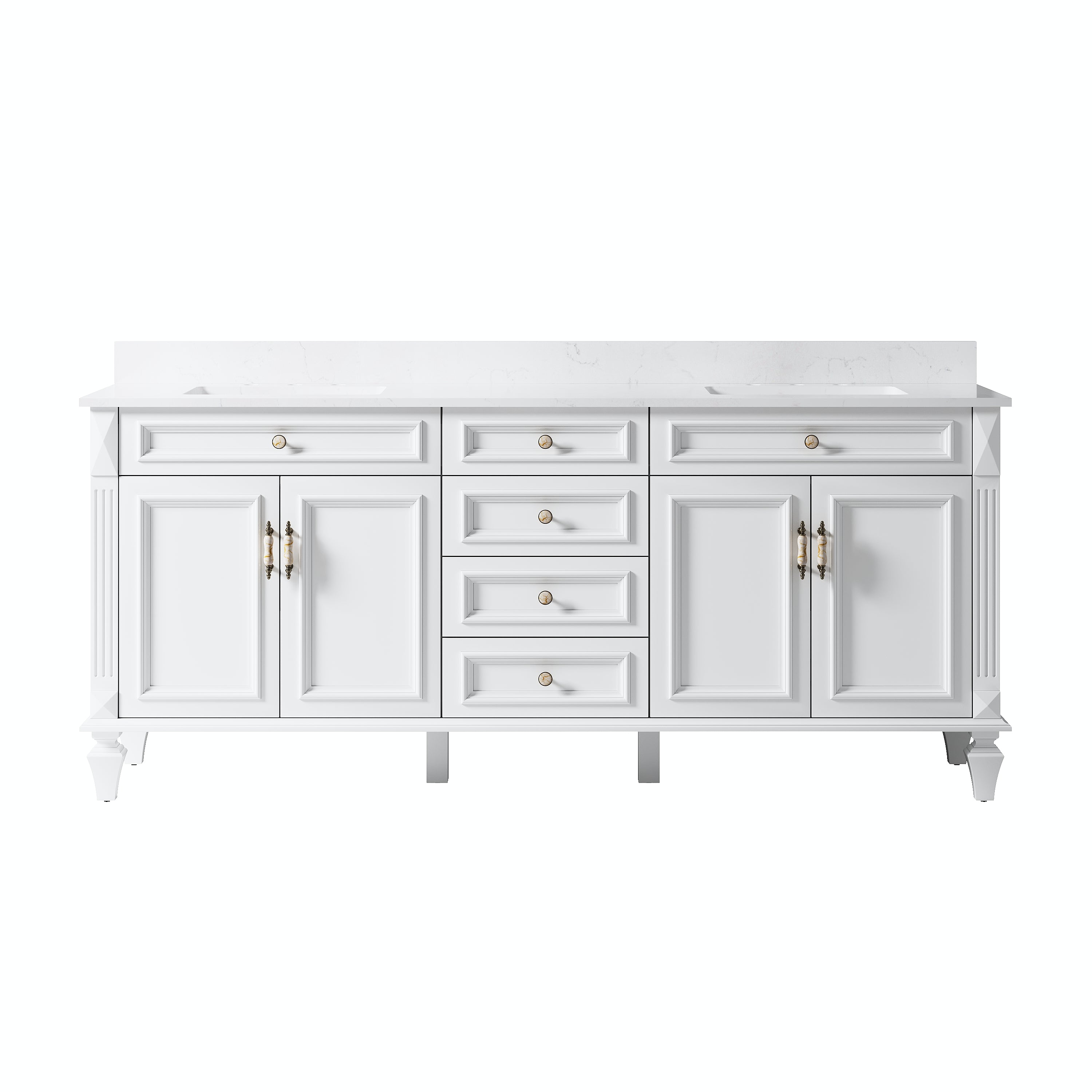
The mirror can also support a cleaner visual layout. A streamlined model works especially well above a natural wood or painted vanity because it does not compete with the cabinetry. Wellfor bathroom products often follow this practical design approach, where storage, lighting, and proportions matter more than decorative excess.
For older users or anyone with reduced vision, even front-facing light can make grooming easier. The controls should be visible, intuitive, and positioned within comfortable reach.
5. The Drawbacks Buyers Should Not Ignore
A smart mirror costs more than standard glass, and that premium is not always justified. A bathroom with excellent natural light and properly placed sconces may gain little from integrated LEDs.
There is also more that can fail. A traditional mirror has no driver, touch sensor, heating pad, or control board. Smart models depend on electronic parts that may eventually require service. Some LED components are not designed for easy replacement, which means a lighting failure can become a mirror replacement rather than a simple repair.
Warranty details matter for this reason. Check whether the coverage includes the driver, lights, touch controls, and defogging system. A long claim about LED lifespan is less useful if replacement parts are unavailable.
Smart mirrors may also be unnecessary in a lightly used guest bathroom. The budget may be better spent on ventilation, durable cabinetry, better plumbing fixtures, or safer electrical work.
Renters should be careful with hardwired models. Installation can require landlord approval, wall changes, and professional electrical work.
6. Installation Mistakes That Cause Problems Later
Measure the available wall only after choosing the vanity, faucet, backsplash, and nearby cabinets. A tall faucet or raised backsplash can reduce the usable mirror height more than expected.
Do not assume the electrical connection is located at the center of every model. Some mirrors have a specific connection area, and the junction box must line up with it. Confirm the wiring diagram before the wall is closed.
Large mirrors are heavy. The mounting surface may require studs, wood blocking, or anchors rated for the product’s weight. An uneven wall can also keep the mirror from sitting flat.
A qualified electrician should handle hardwired installation according to local requirements. Decide in advance whether the mirror will operate from a wall switch, its onboard controls, or both. That choice may affect memory behavior and daily convenience.
7. Maintenance Is Easy When Done Correctly
Use a soft microfiber cloth and a mild glass cleaner. Spray the cleaner onto the cloth instead of directly onto the mirror. Liquid that reaches the edges, controls, or rear housing can damage electronic components over time.
Avoid abrasive pads and aggressive chemicals. They can affect coatings, printed icons, and metal finishes.
Keep the bathroom exhaust fan clean and operational. A defogging pad keeps part of the mirror clear; it does not manage moisture throughout the room. Persistent humidity can still damage cabinetry, paint, and the mirror backing.
Check the mounting area occasionally, especially in a bathroom with heavy daily use. Loose hardware, trapped moisture, or damaged seals should be addressed before they become larger problems.

8. How to Decide Whether You Need One
A smart mirror is a sensible choice for a full bathroom renovation, a room with poor task lighting, a compact layout with limited wall space, or a household that regularly deals with mirror fog. It also suits buyers who will genuinely use dimming and color temperature controls.
It is less convincing when the room already has excellent lighting or when the added features will rarely be used. A high-quality standard mirror paired with well-positioned sconces can still be the better solution.
When comparing models, focus on the features that affect daily use: CRI, brightness range, color temperature, defogging coverage, memory function, mounting system, warranty, and electrical certification. Measure carefully and choose a size that relates properly to the vanity rather than simply buying the largest mirror that fits.
For 2026, the smartest purchase is not the model with the longest feature list. It is the vanity mirror that provides better light, clearer visibility, dependable controls, and a design that still feels appropriate after the novelty has faded.












Leave a comment
This site is protected by hCaptcha and the hCaptcha Privacy Policy and Terms of Service apply.