
















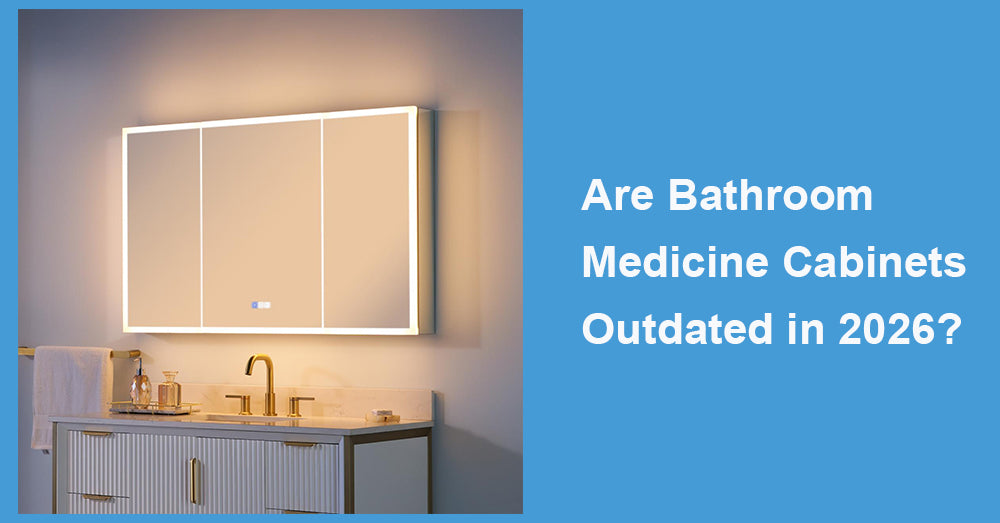
A bathroom medicine cabinet is one of those fixtures that has been installed for decades, yet still sparks debate in modern bathroom design. In my experience working with bathroom layouts and renovation planning for more than 20 years, I’ve seen it go from a basic necessity to something people actively question—and then quietly return to when storage runs out.
So, are medicine cabinets outdated in 2026? Not really. But the way they are designed and used has changed significantly.
1. Why Medicine Cabinets Fell Out of Favor
For a long time, medicine cabinets had a simple role: hidden storage behind a mirror. Early versions were shallow, visually bulky, and often poorly integrated into bathroom design.
As minimalist bathrooms became popular, many homeowners replaced them with large wall mirrors and open vanities. The goal was visual simplicity. Clean lines. Fewer interruptions on the wall.
But in doing so, something practical was often lost—vertical storage right at eye level.
I’ve worked on many renovations where the original cabinet was removed, only for the homeowner to later ask where to store daily essentials like skincare, medication, and grooming tools.
The problem wasn’t the idea of a medicine cabinet. It was the outdated execution.
2. The Modern Bathroom Medicine Cabinet Is Very Different
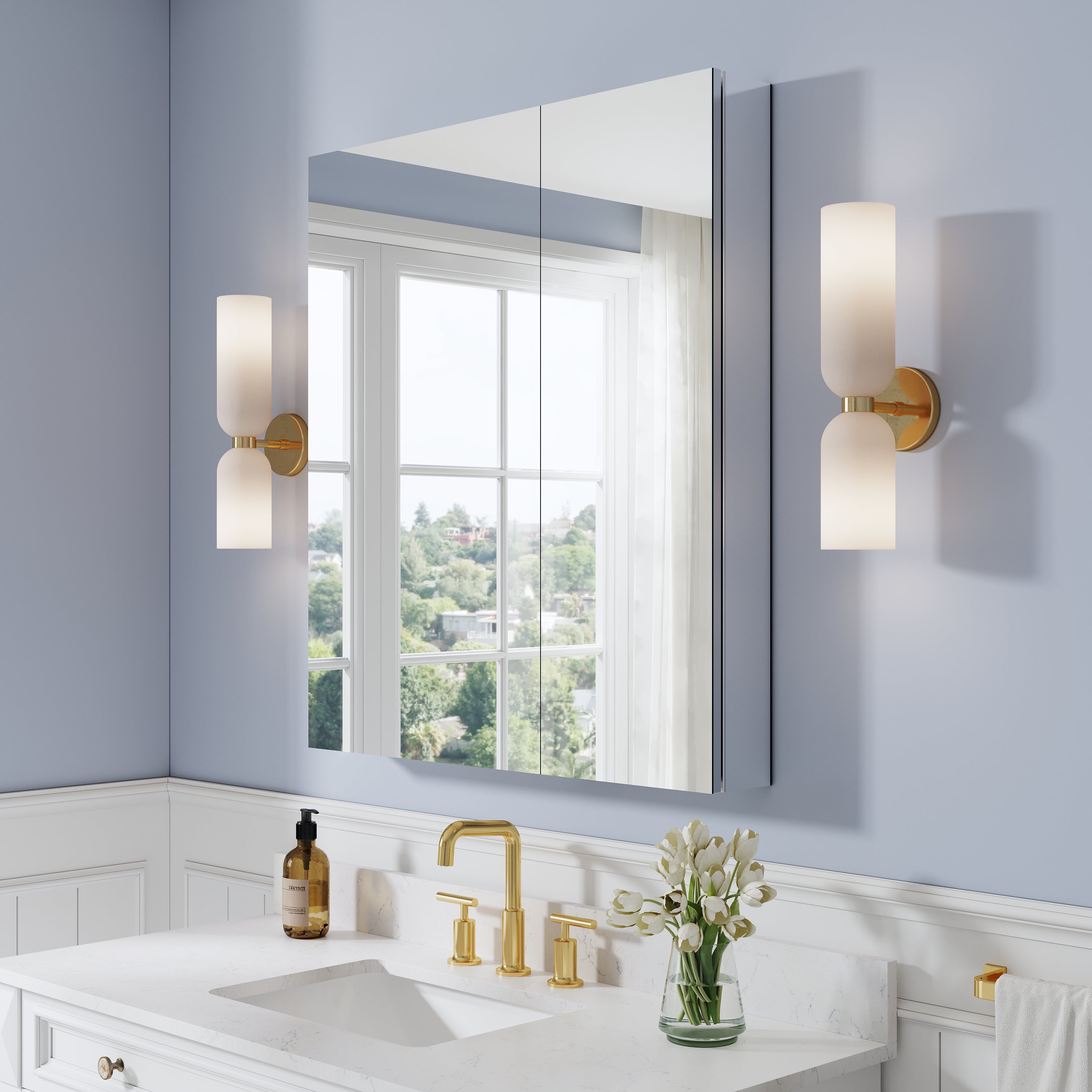
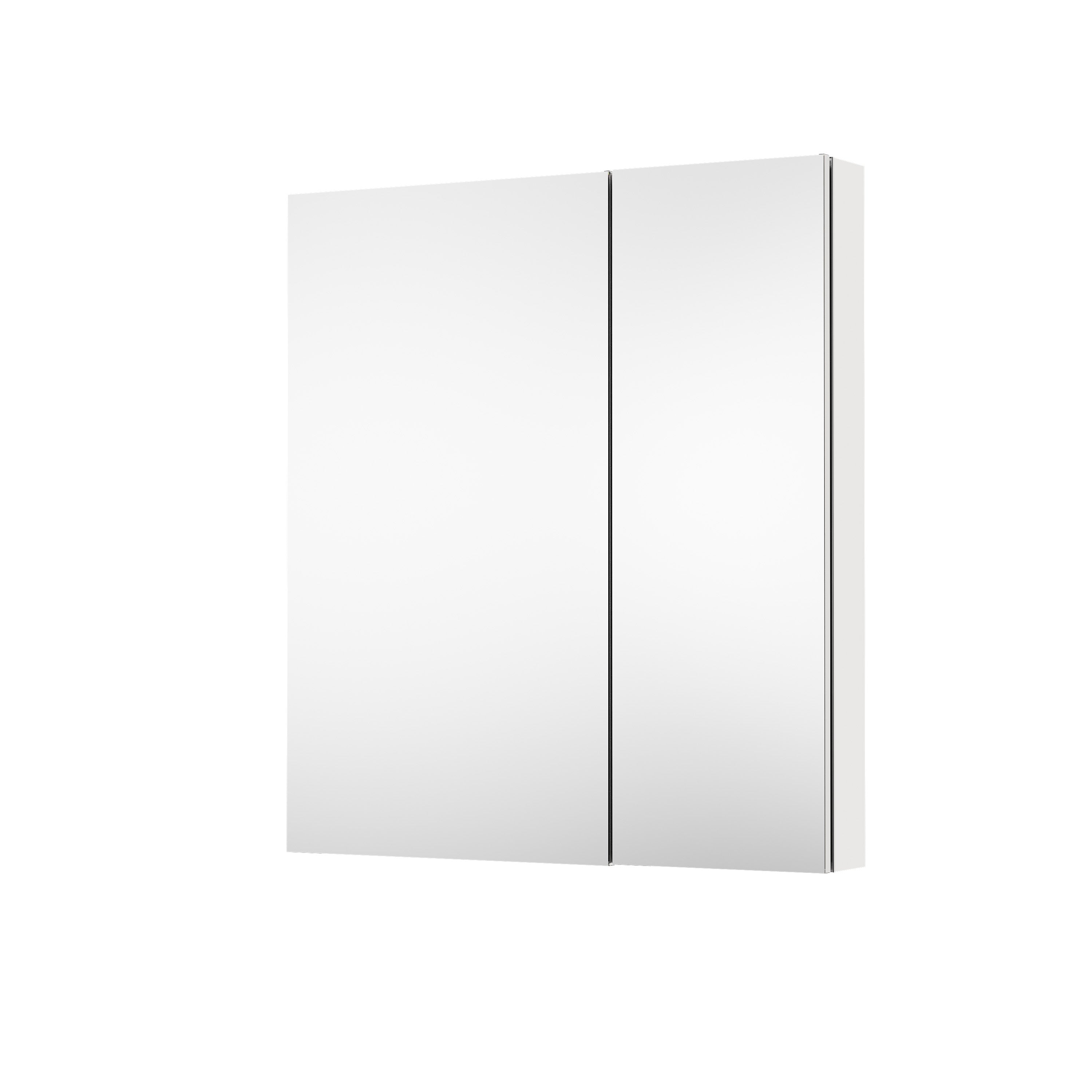
The modern bathroom medicine cabinet is not the same product it was 20 years ago.
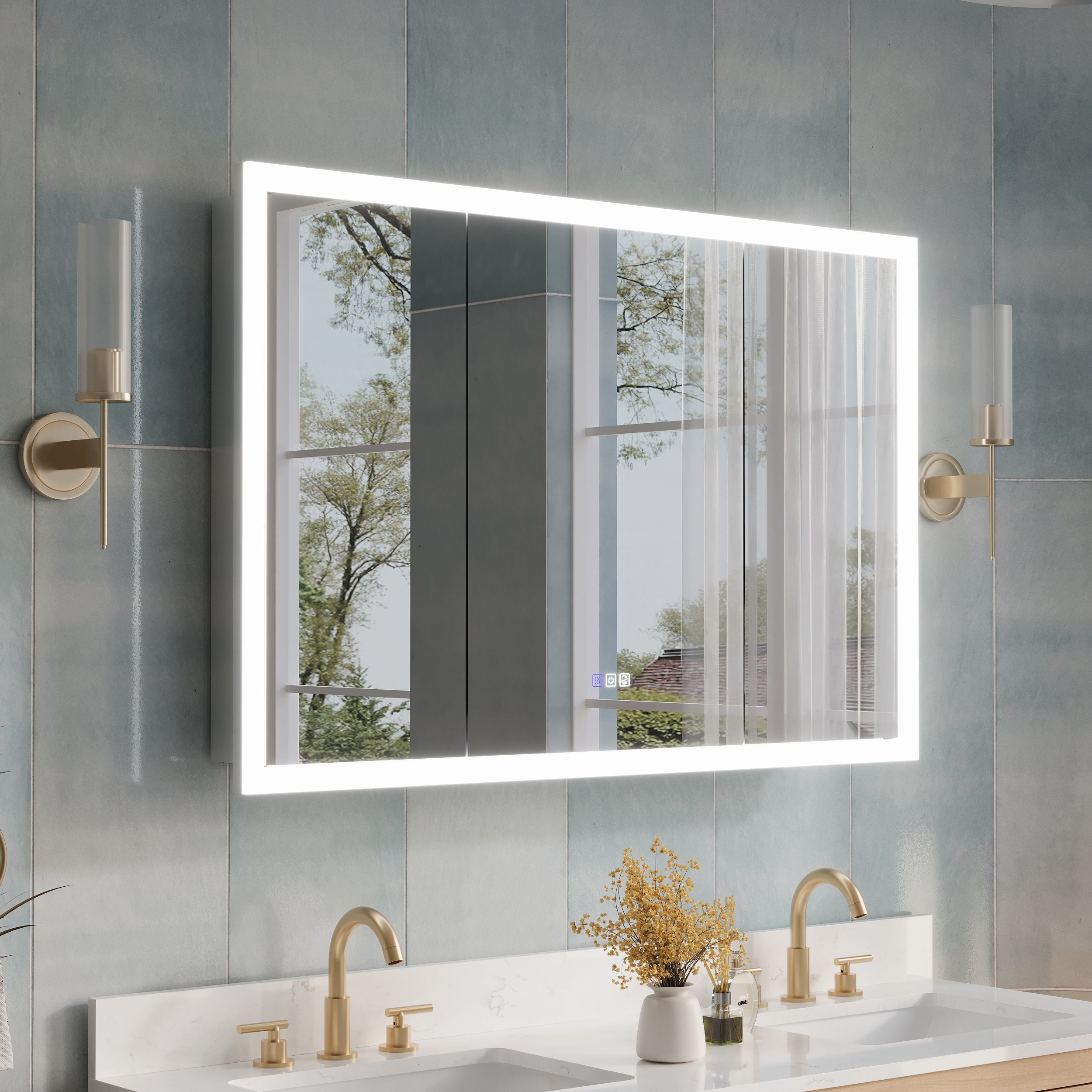
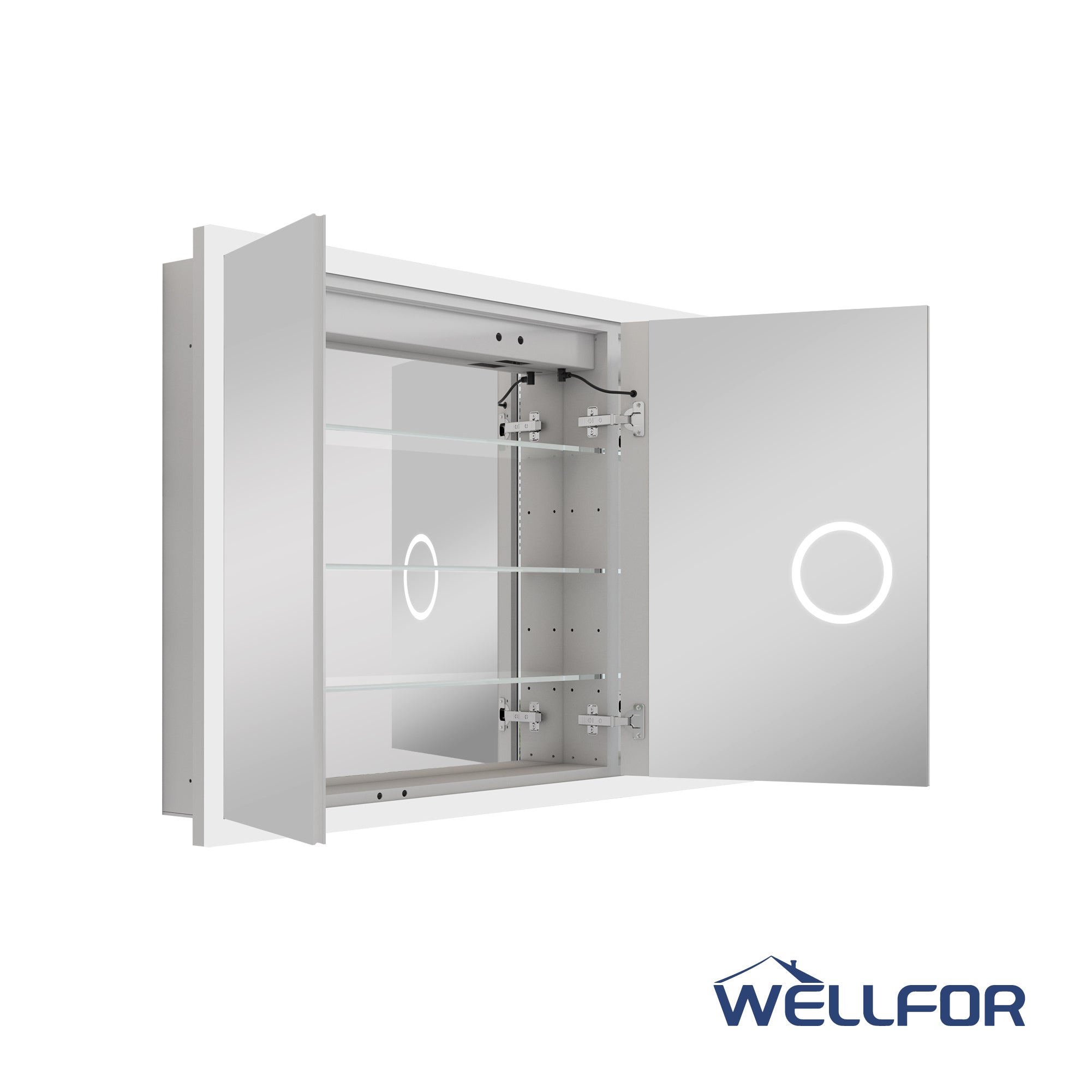
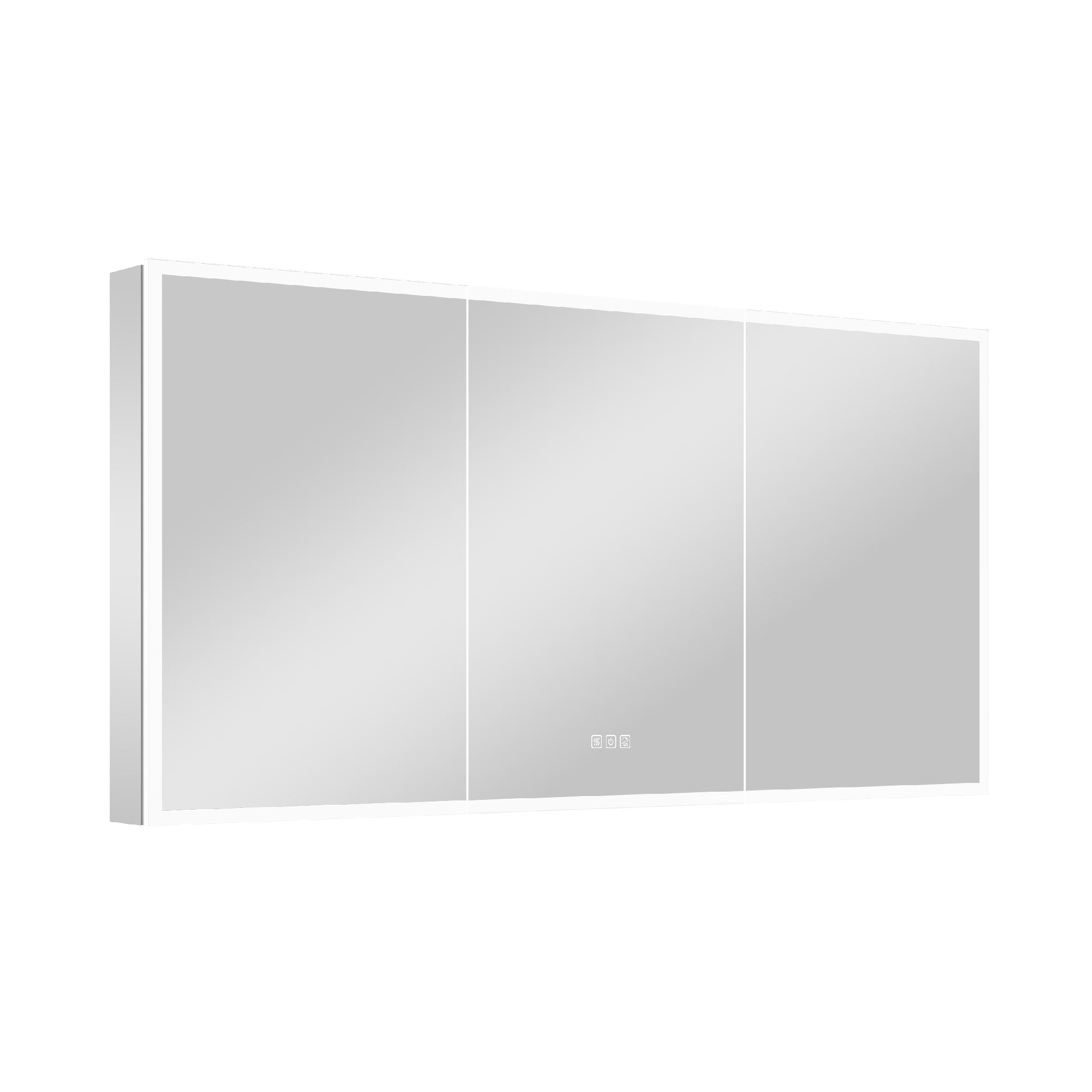
Today’s versions are deeper, more structured, and often include features that didn’t exist before:
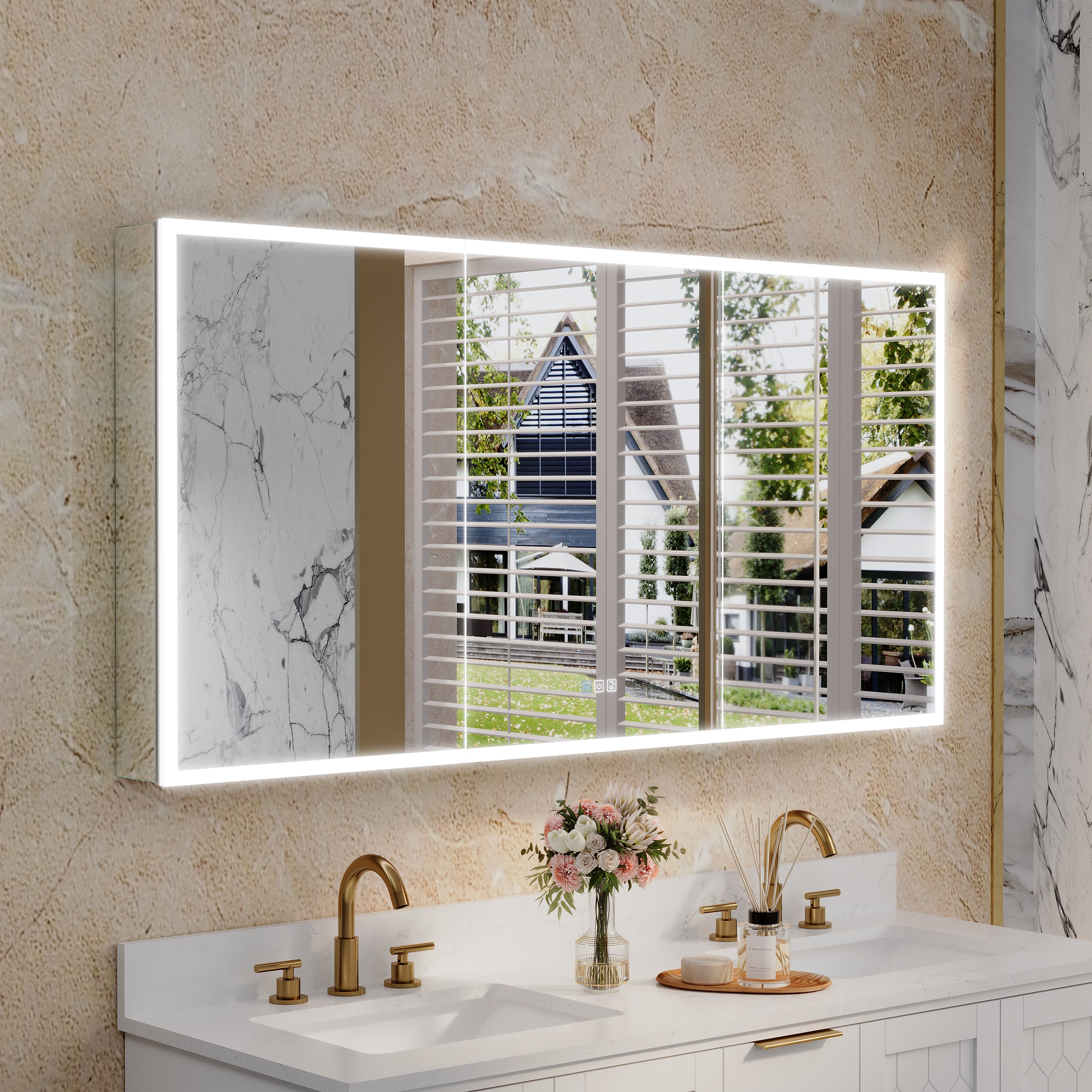
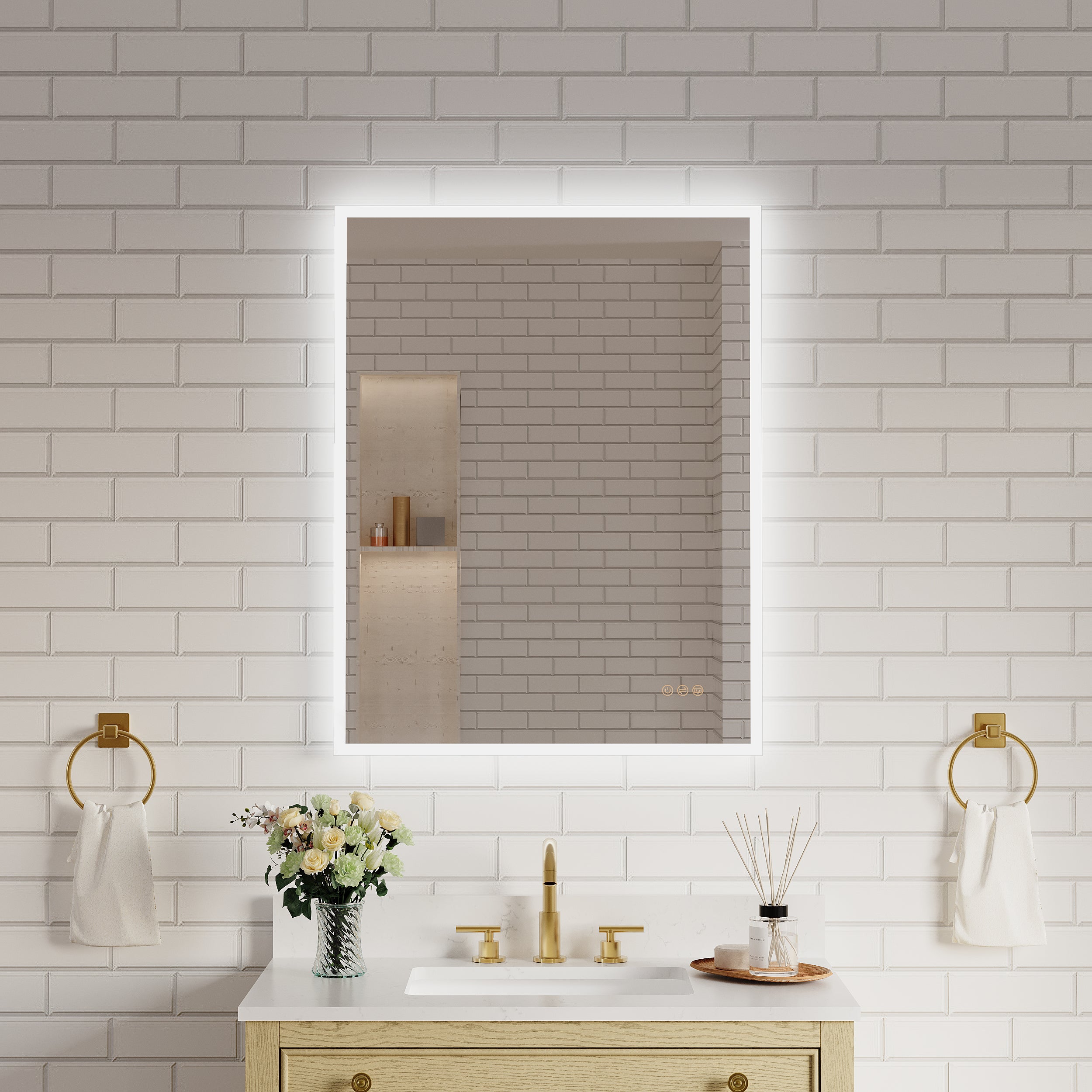
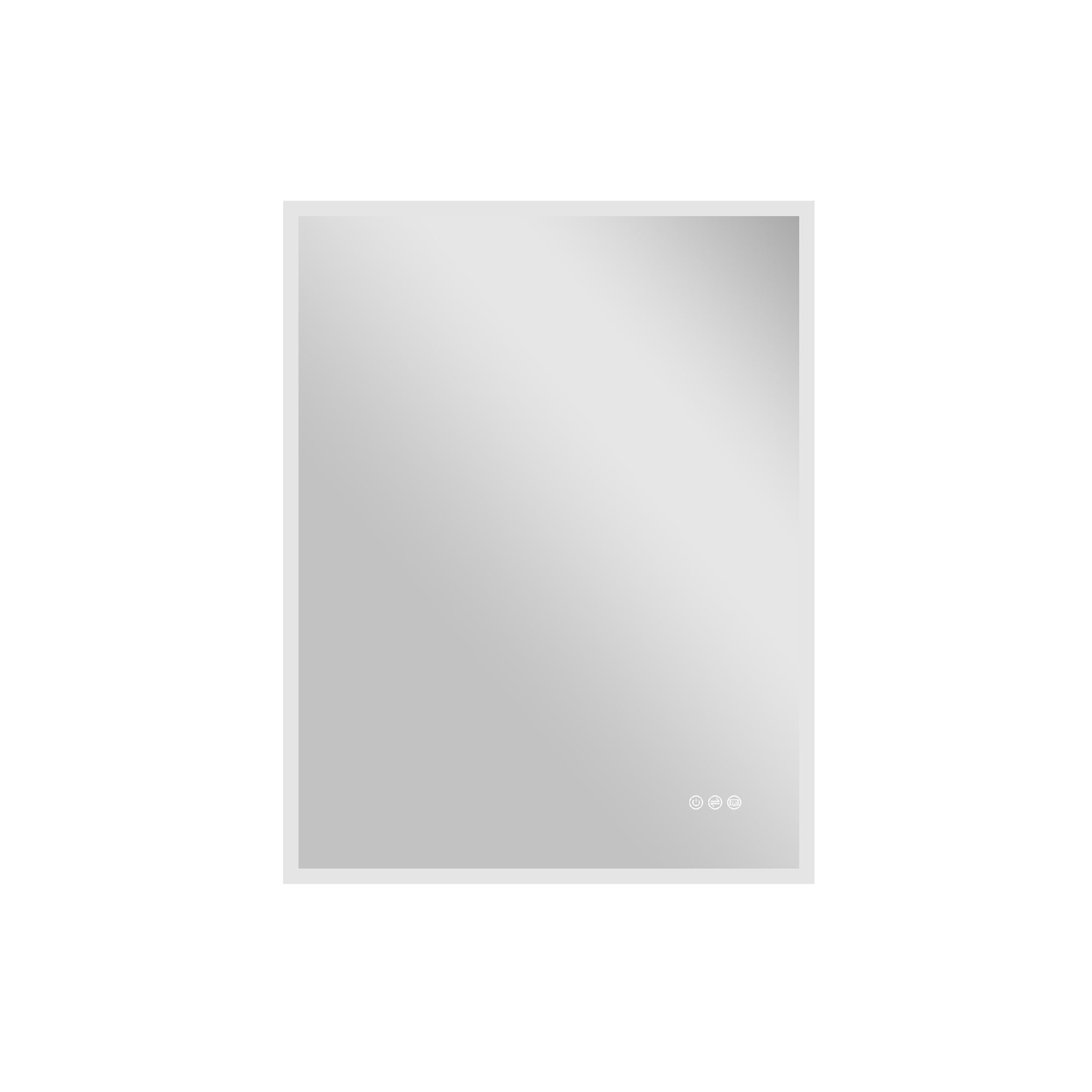
Integrated LED lighting
Soft-close concealed hinges
Adjustable glass shelving
Anti-fog mirror surfaces
Recessed or surface mounting flexibility
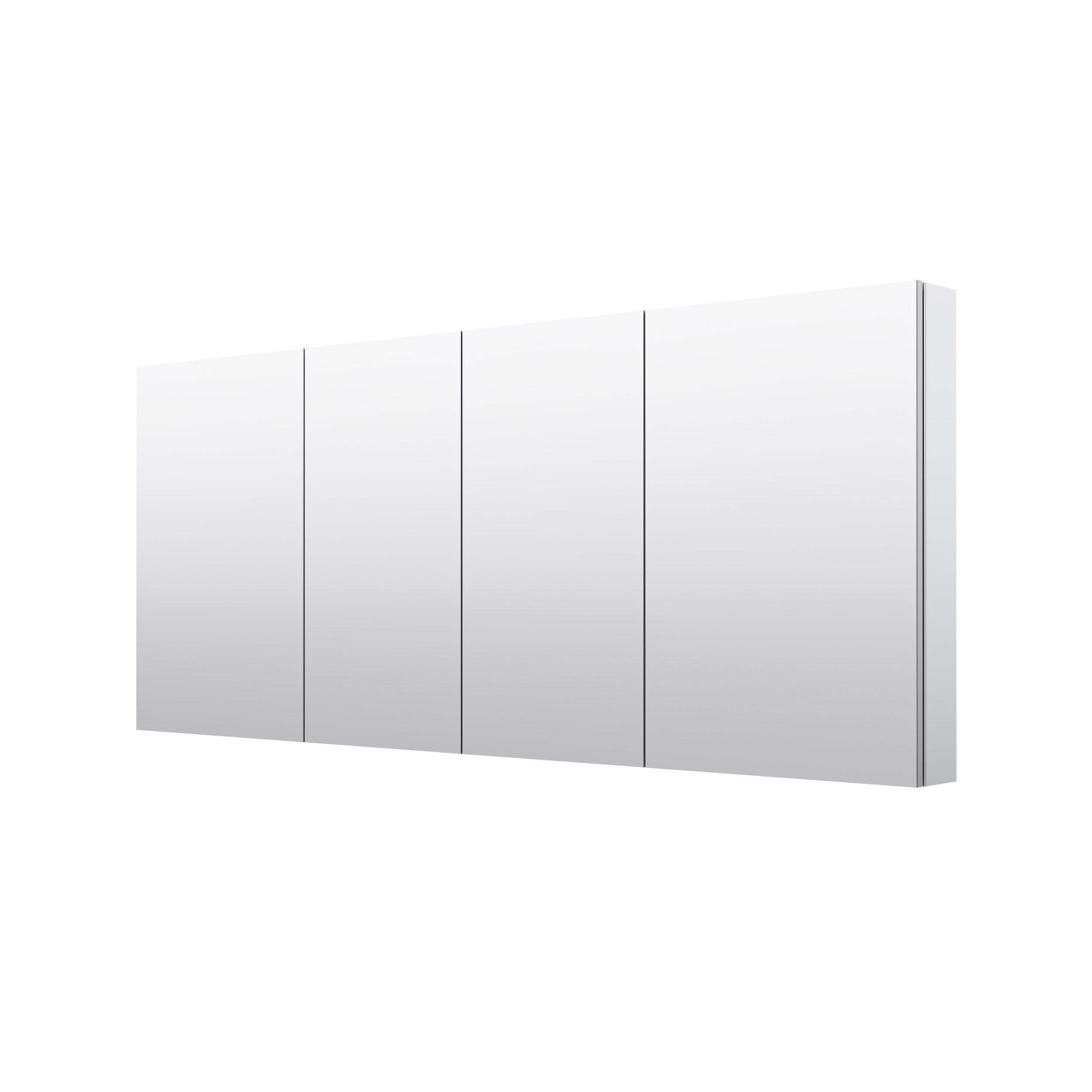
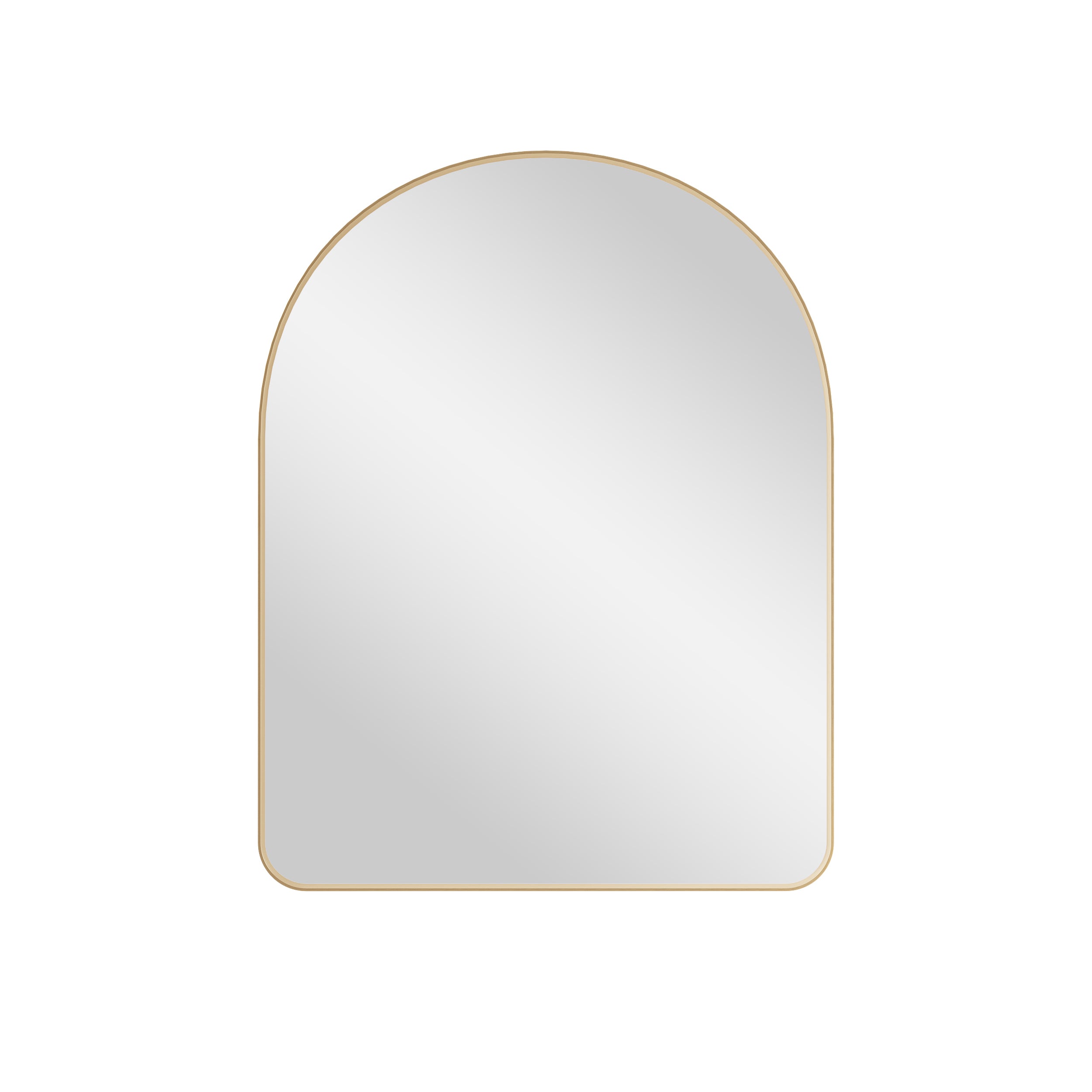
Instead of being a small storage box behind a mirror, it has become a hybrid between a mirror, an organizer, and a lighting element.
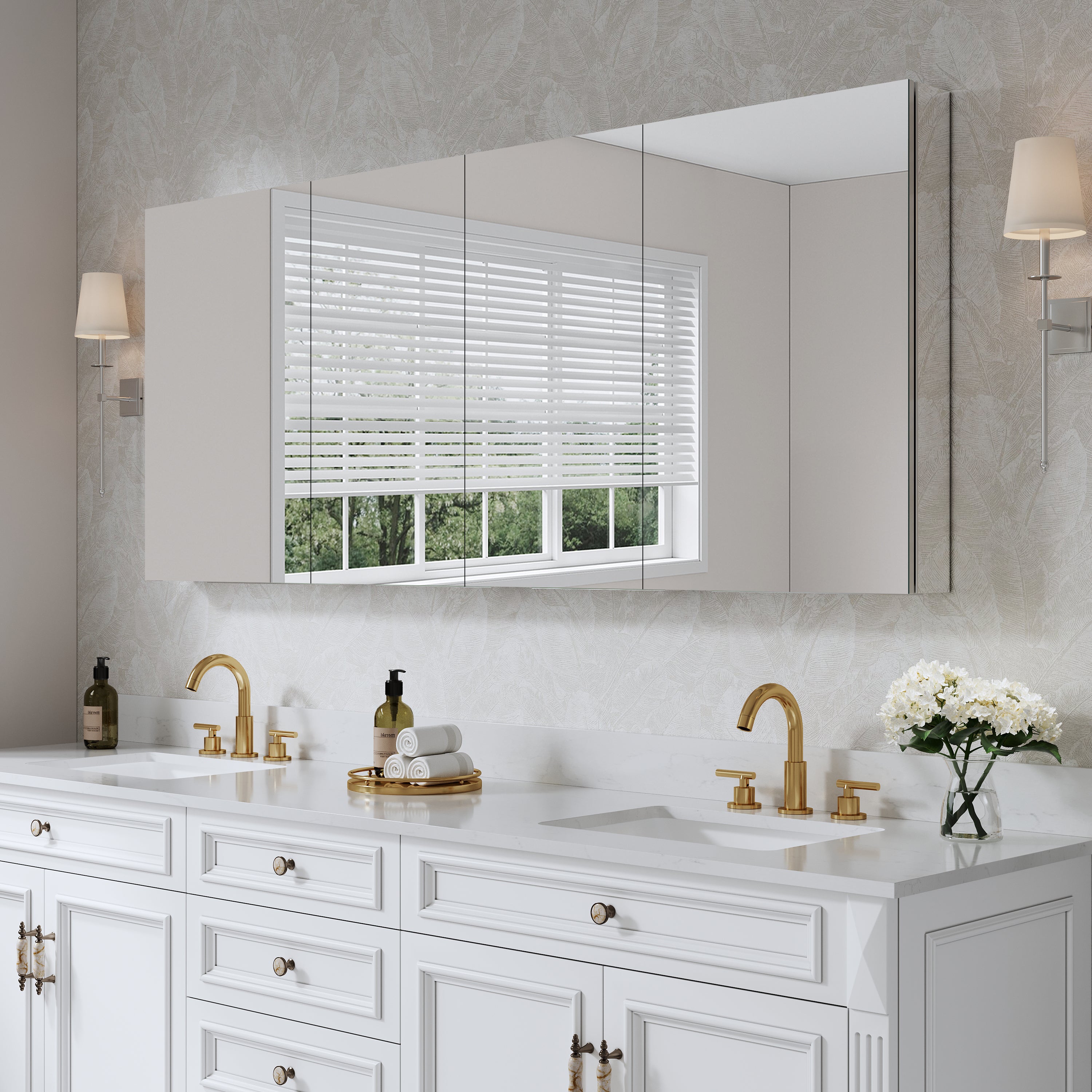
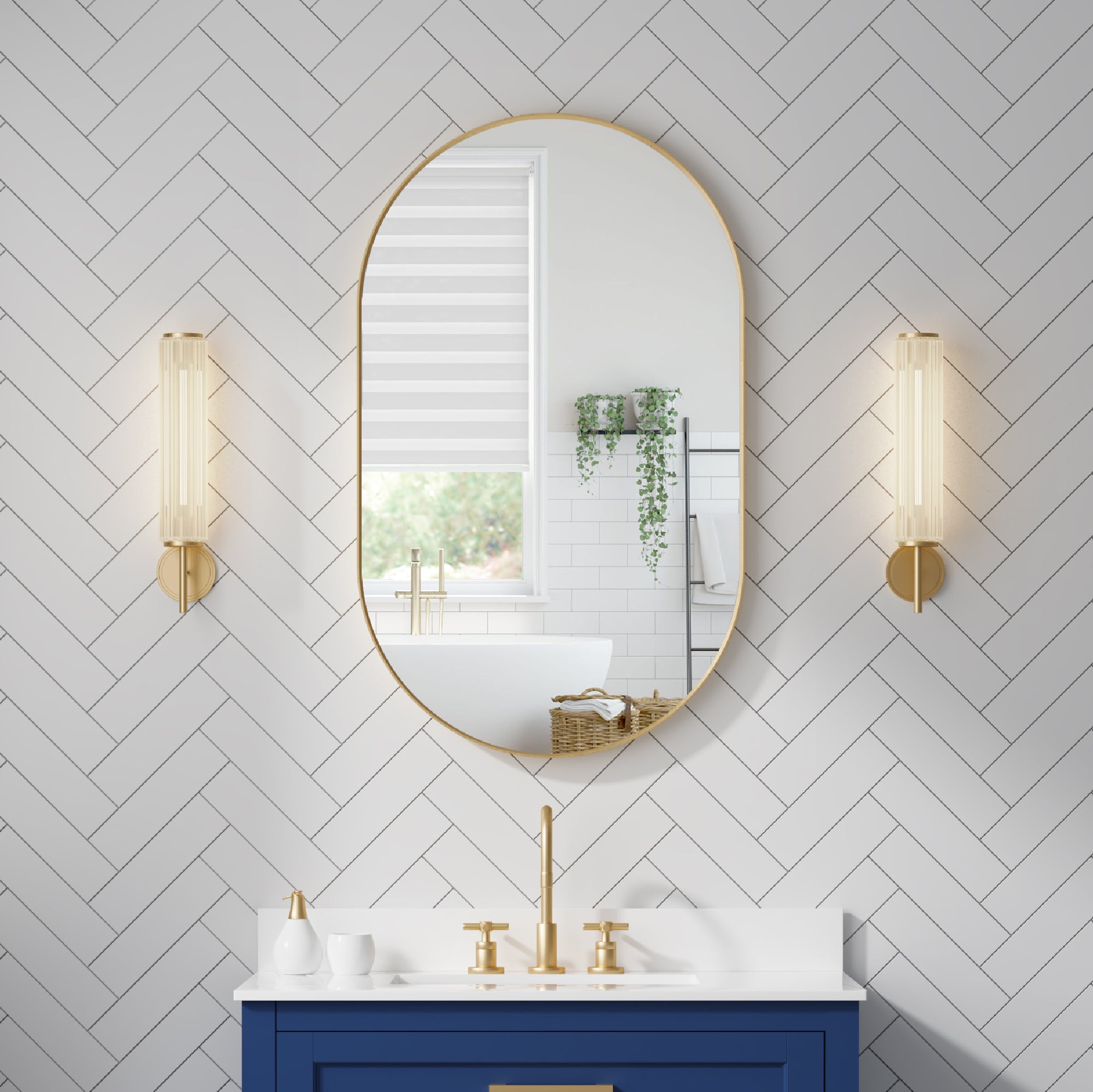
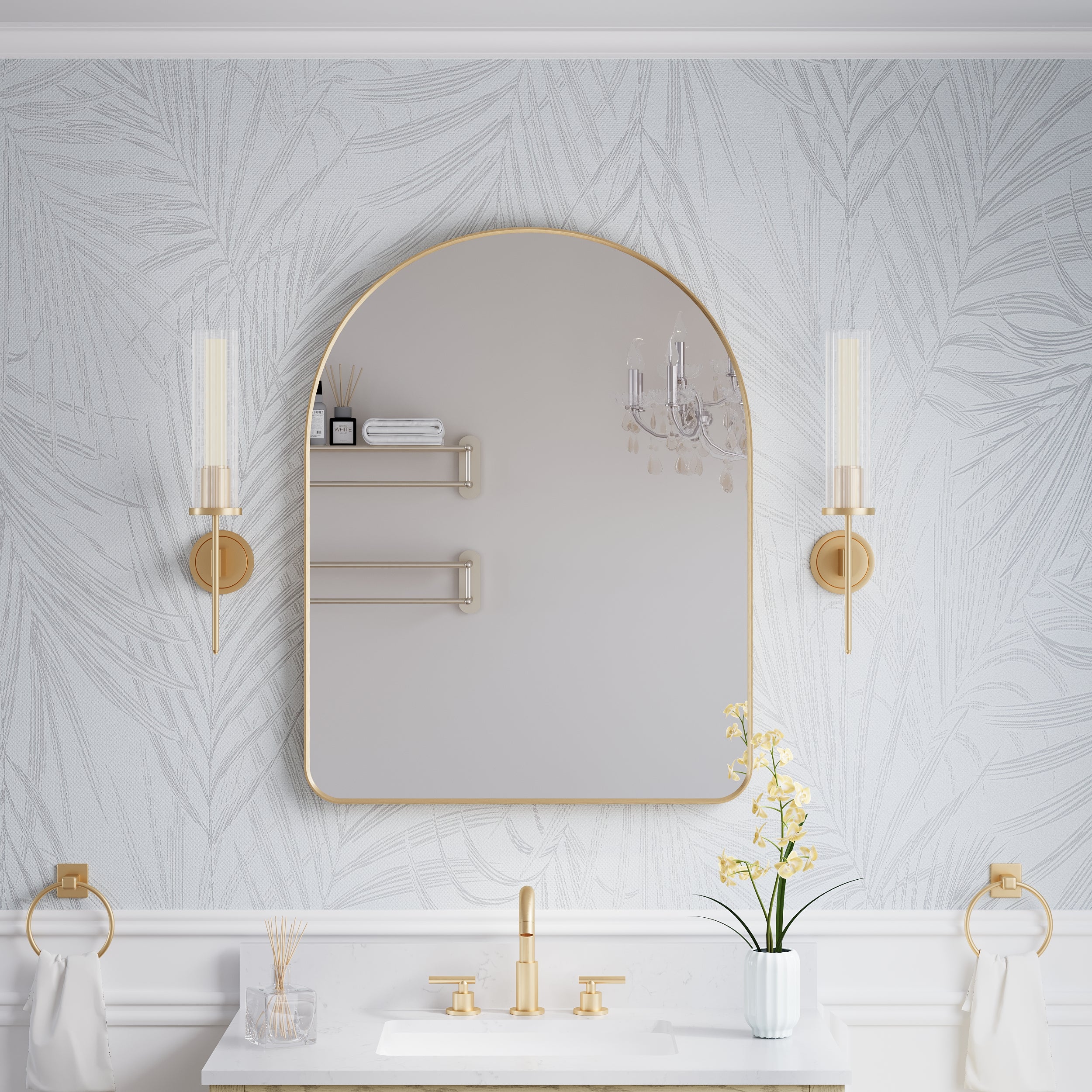
Well, for medicine cabinet designs, for example, focus on combining storage efficiency with a clean exterior presentation, so the cabinet disappears visually into the wall rather than standing out as a bulky object.
This shift alone has changed how designers view them.
3. Where Medicine Cabinets Still Make a Lot of Sense
There are specific bathroom layouts where medicine cabinets are not just useful—they are often the most efficient solution.
Small to medium bathrooms benefit the most. Wall space is limited, and countertop clutter builds up quickly. A recessed cabinet creates storage without consuming floor or vanity space.
They are also practical in shared bathrooms. When multiple people need daily access to personal items, having divided storage at the mirror level reduces counter congestion.
I often recommend them in family bathrooms where organization matters more than decorative minimalism.
They also work well in renovation projects where adding built-in storage is difficult due to plumbing constraints or structural walls.
4. The Design Argument: Why Some People Still Avoid Them
Despite their practicality, some designers still avoid medicine cabinets.
The main concern is aesthetics. A poorly chosen cabinet can feel visually heavy or interrupt the symmetry of a bathroom wall.
Another issue is proportion. If the cabinet is too shallow, it becomes frustrating to use. If it is too deep, it may protrude awkwardly in smaller spaces.
There is also a misconception that medicine cabinets automatically look “old-fashioned.” That perception comes from earlier models, not current designs.
In reality, the issue is not the cabinet itself, but how well it is integrated into the overall design language of the bathroom.
5. Common Mistakes Homeowners Make When Choosing One
One of the most common mistakes is underestimating storage needs. A bathroom may look spacious, but daily-use items accumulate quickly—skincare bottles, razors, toothpaste, medication, hair tools.
Another issue is choosing based only on mirror size. A large mirror looks appealing, but internal storage layout matters more in real use.
I’ve also seen cases where homeowners select surface-mounted cabinets without considering wall depth, resulting in awkward projection into the room.
Lighting is another overlooked factor. A cabinet placed in a poorly lit area can create shadow zones that make daily grooming less convenient.
6. Installation Considerations That Affect Long-Term Use
Proper installation is critical for functionality.
Recessed cabinets require a wall cavity depth. Not all bathrooms have the necessary stud spacing or clearance, especially in older homes.
Surface-mounted options are easier to install but require careful alignment to avoid looking disproportionate on the wall.
Key installation points include:
Ensuring studs are properly located before cutting
Confirming that plumbing does not interfere with the wall cavity.
Using moisture-resistant backing materials
Aligning cabinet height with the user's eye level
One detail often overlooked is door swing direction. In tight bathrooms, even a small hinge clearance issue can affect usability.
7. Maintenance and Real-World Durability
A well-built cabinet requires minimal maintenance, but humidity control still matters.
Bathrooms with poor ventilation can cause mirror edges to degrade over time or create internal condensation buildup.
Simple maintenance habits help extend lifespan:
Keep the interior dry after heavy steam exposure.
Wipe shelves periodically to prevent residue buildup.
Check hinges for alignment once or twice a year.
Modern cabinets are far more durable than older versions, especially those using aluminum frames or sealed mirror backing.
8. Where Medicine Cabinets Fit in 2026 Design Trends
Current bathroom design trends are not eliminating storage—they are hiding it better.
That is where modern medicine cabinets actually align with current preferences. They provide concealed organization without adding visual clutter.
Minimalist bathrooms still need storage. Spa-style bathrooms still require daily essentials. The difference now is that designers prefer integrated solutions rather than visible shelving or countertop containers.
In that sense, medicine cabinets are not outdated—they are being reinterpreted.
9. Choosing the Right Medicine Cabinet Today
The key is not whether to use one, but how to choose the right type.
Look for:
Proper depth for real storage needs
Adjustable shelving instead of fixed compartments
Corrosion-resistant materials
Optional lighting integration if needed
Recessed installation, when possible, for a cleaner look
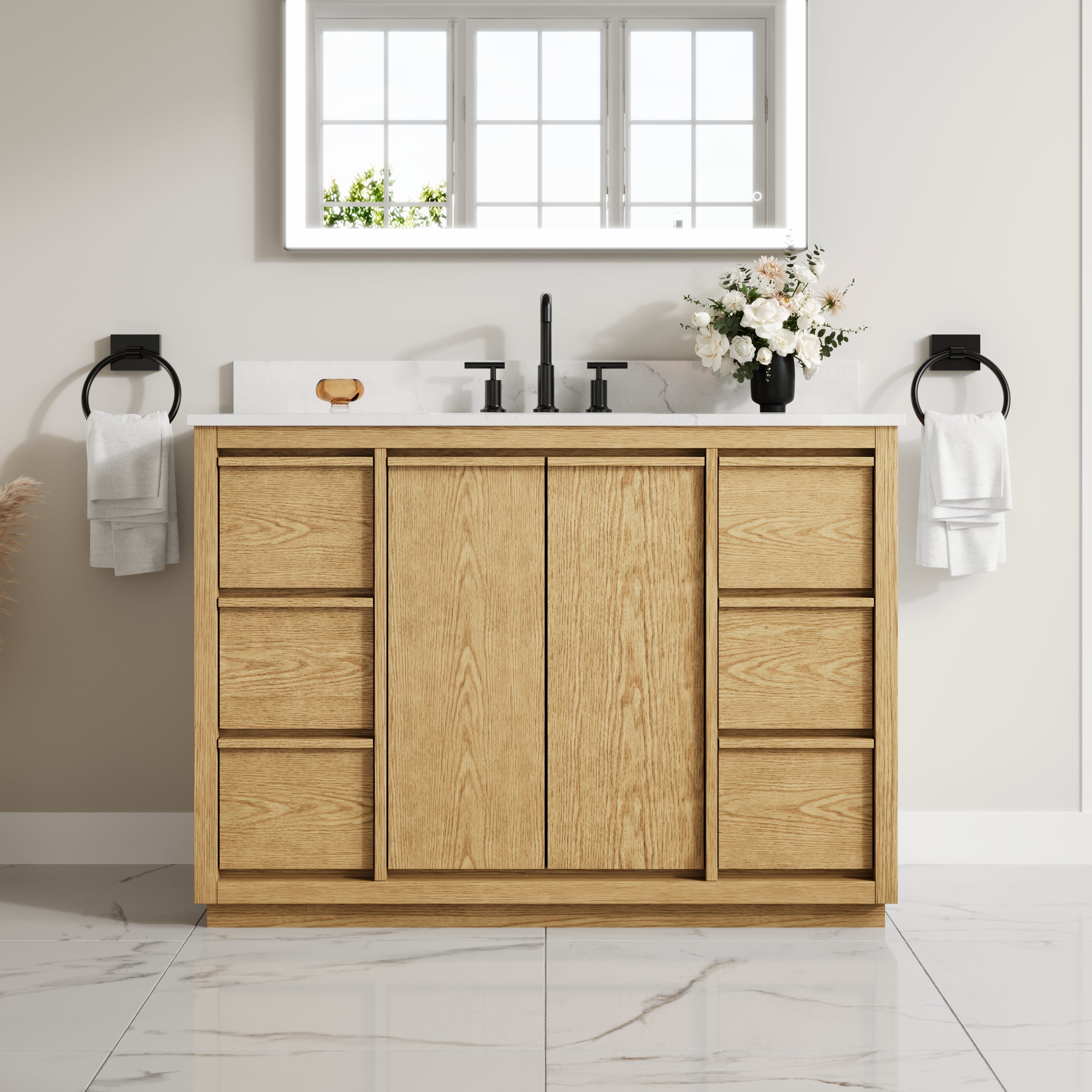
A well-designed Wellfor bathroom medicine cabinet often functions as a hybrid storage and mirror system, rather than just a utility box hidden behind glass.

Final Thought
Medicine cabinets did not disappear because they stopped being useful. They faded because older versions did not evolve with modern design expectations.
In 2026, they still solve a very real problem: keeping daily bathroom essentials organized without cluttering surfaces.
The better question is not whether they are outdated, but whether your bathroom design actually makes room for efficient storage. When chosen and installed correctly, a modern bathroom medicine cabinet remains one of the most practical elements in the entire space.












Leave a comment
This site is protected by hCaptcha and the hCaptcha Privacy Policy and Terms of Service apply.