
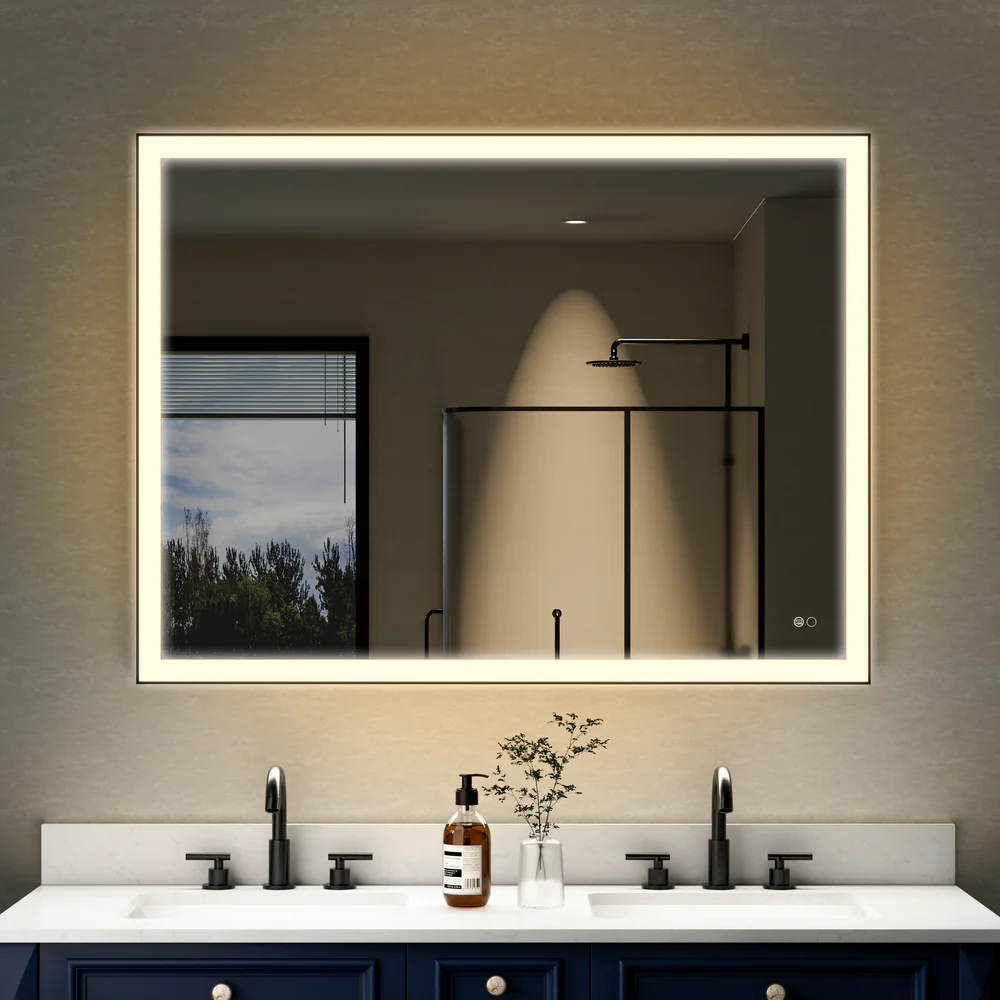
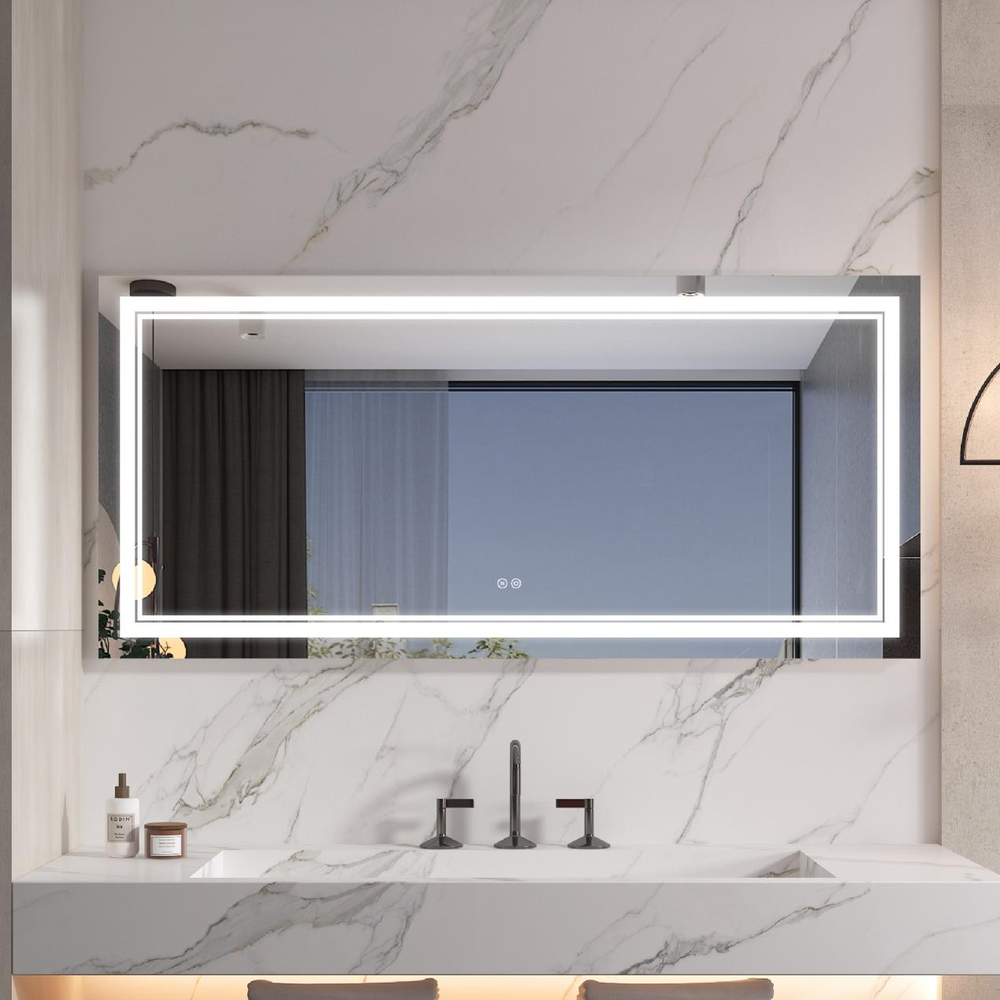
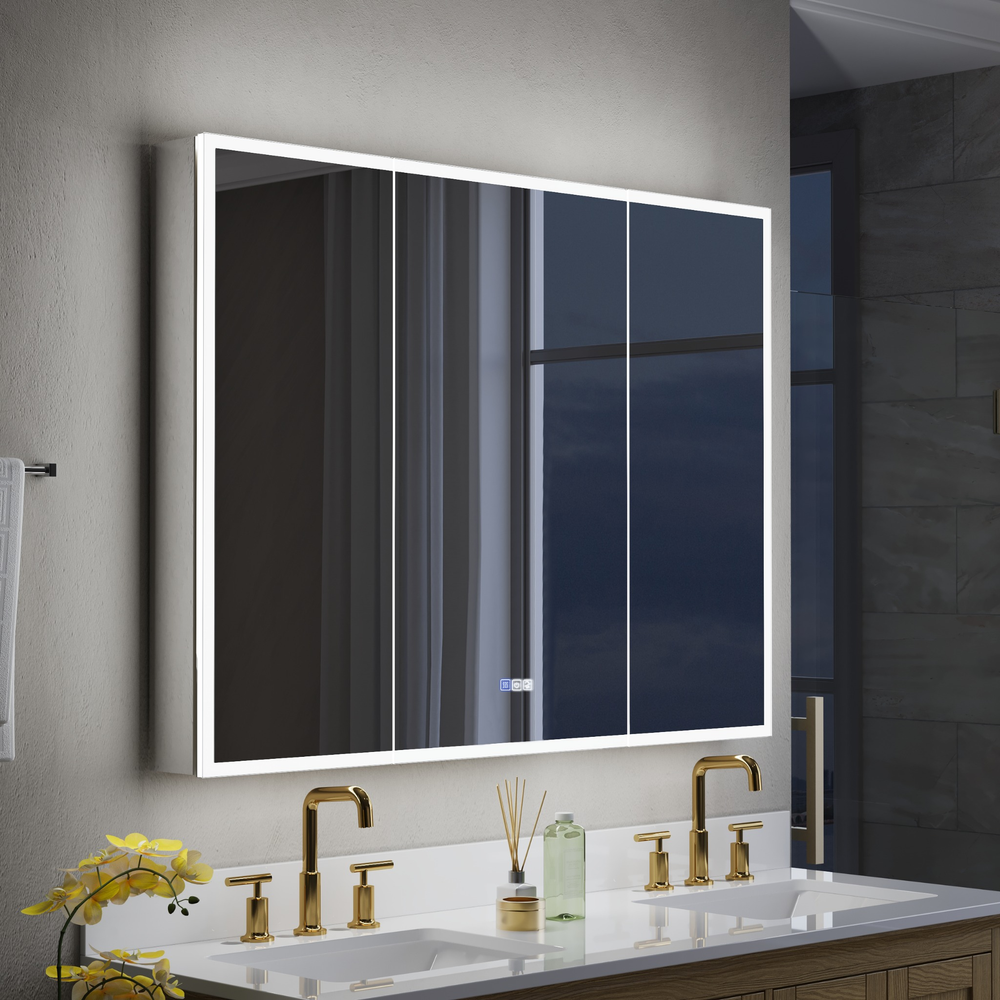
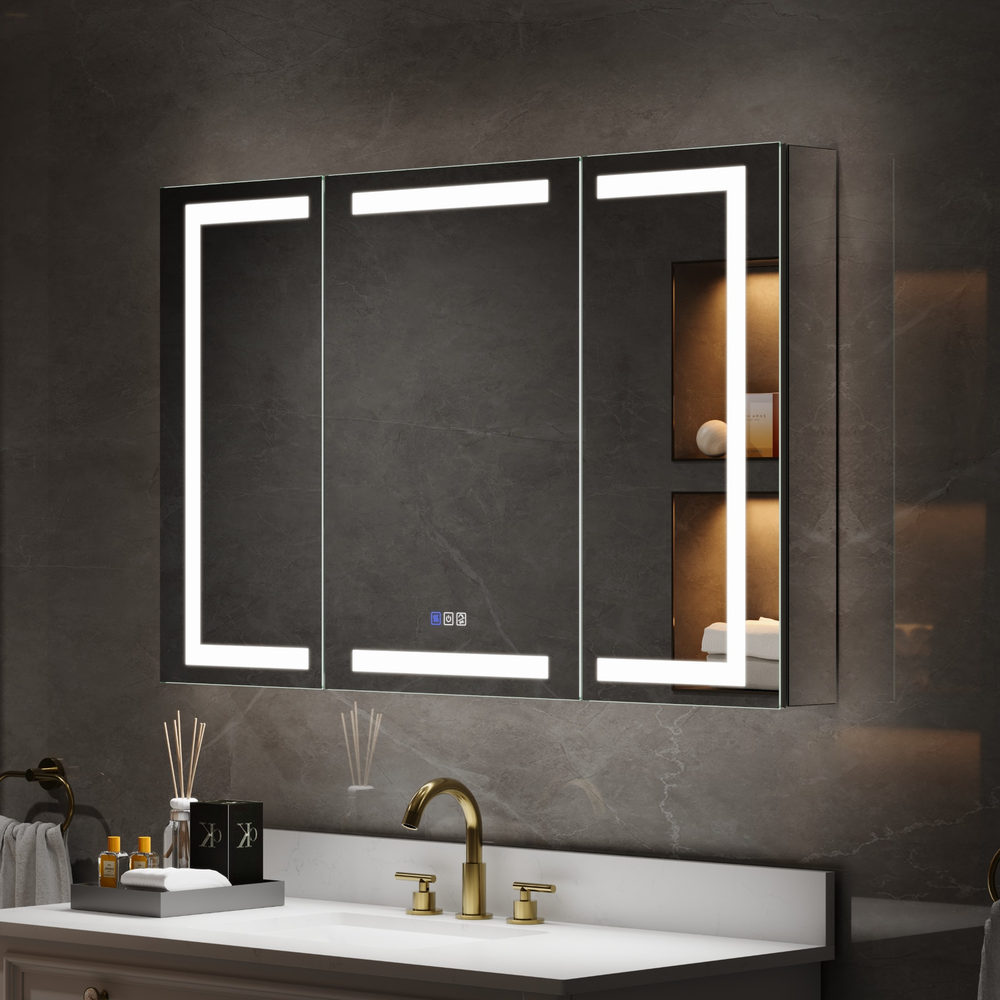
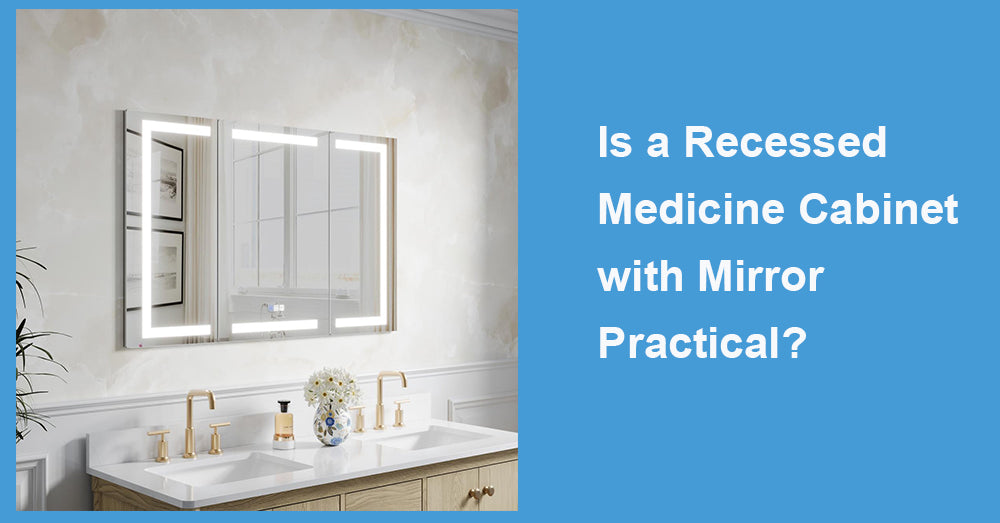
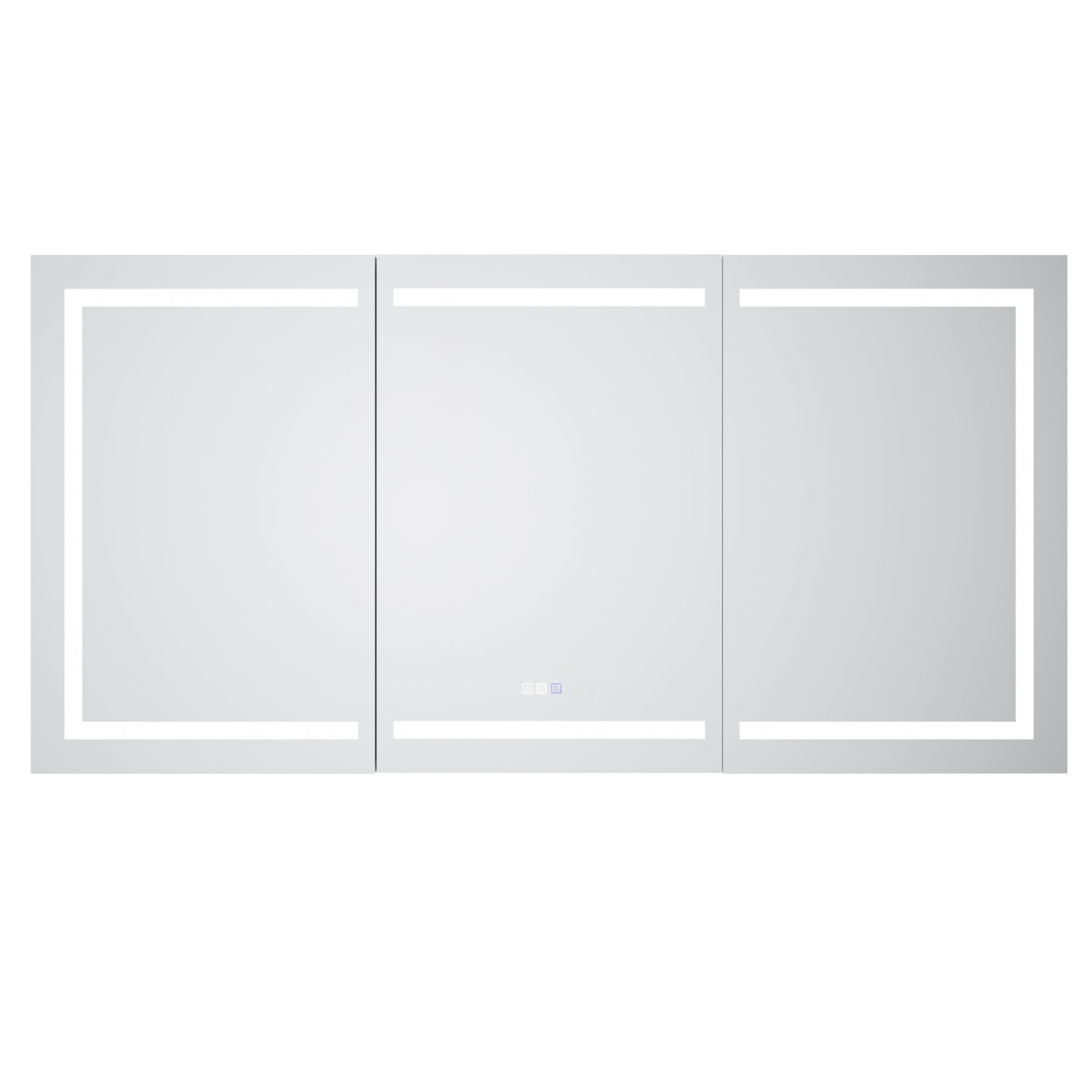
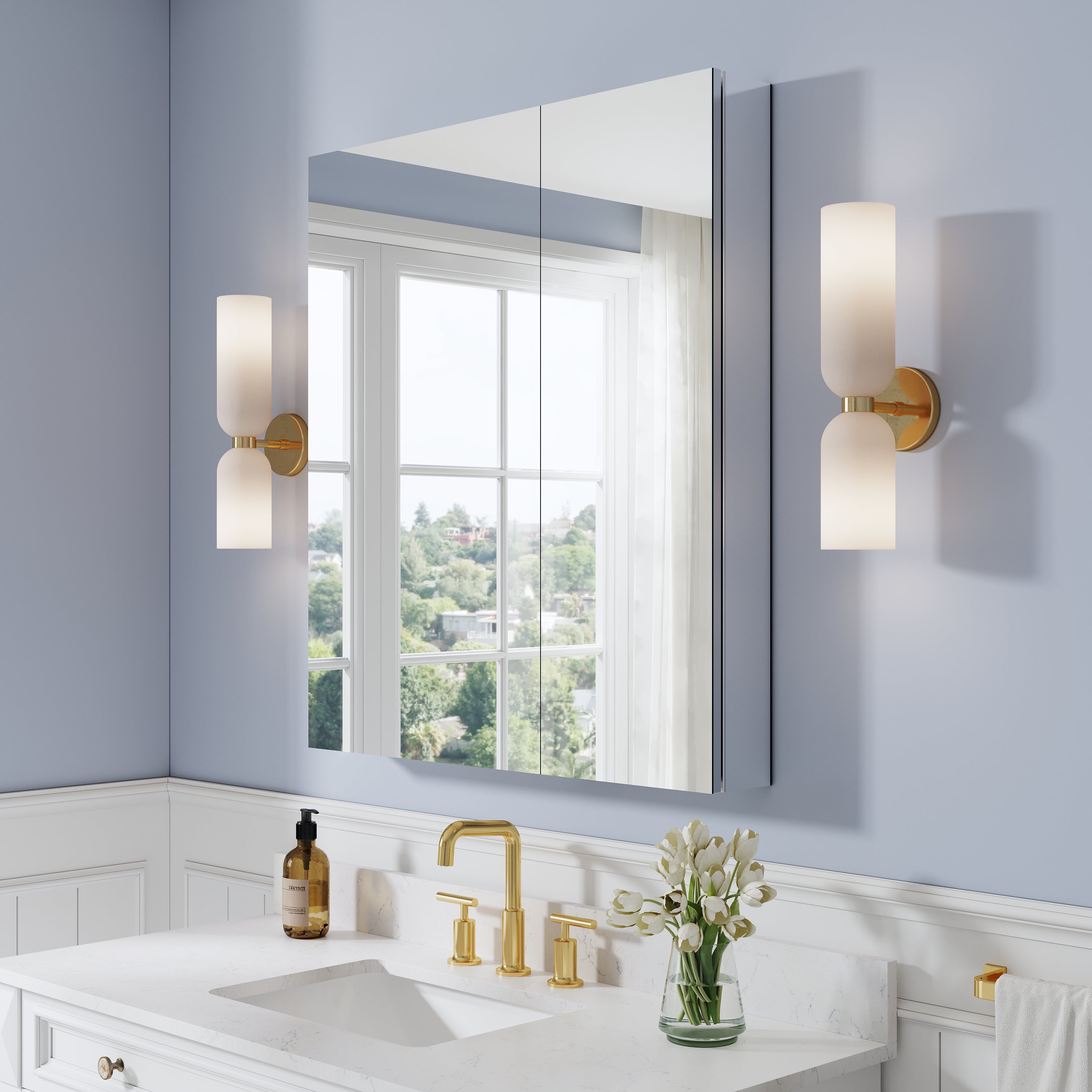
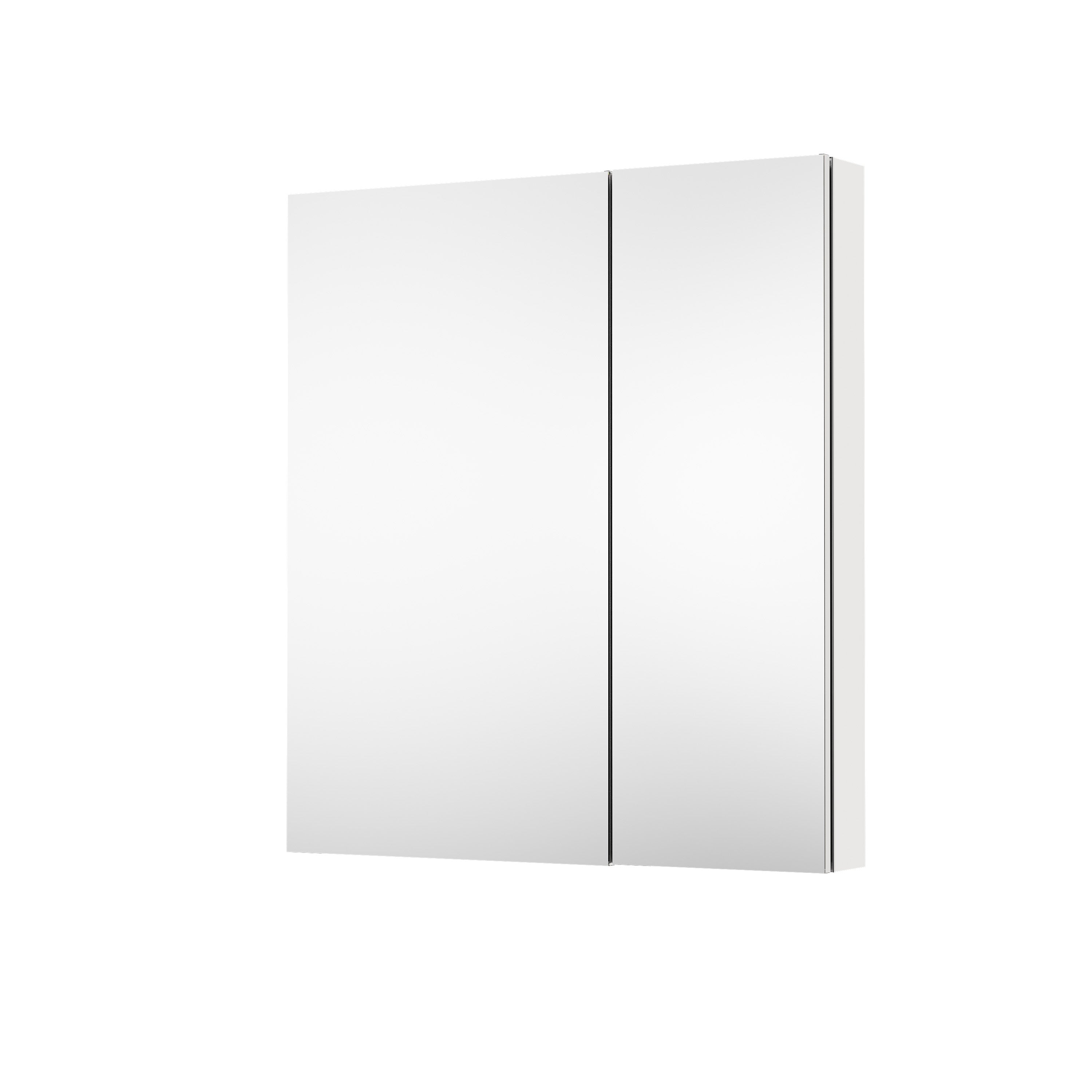
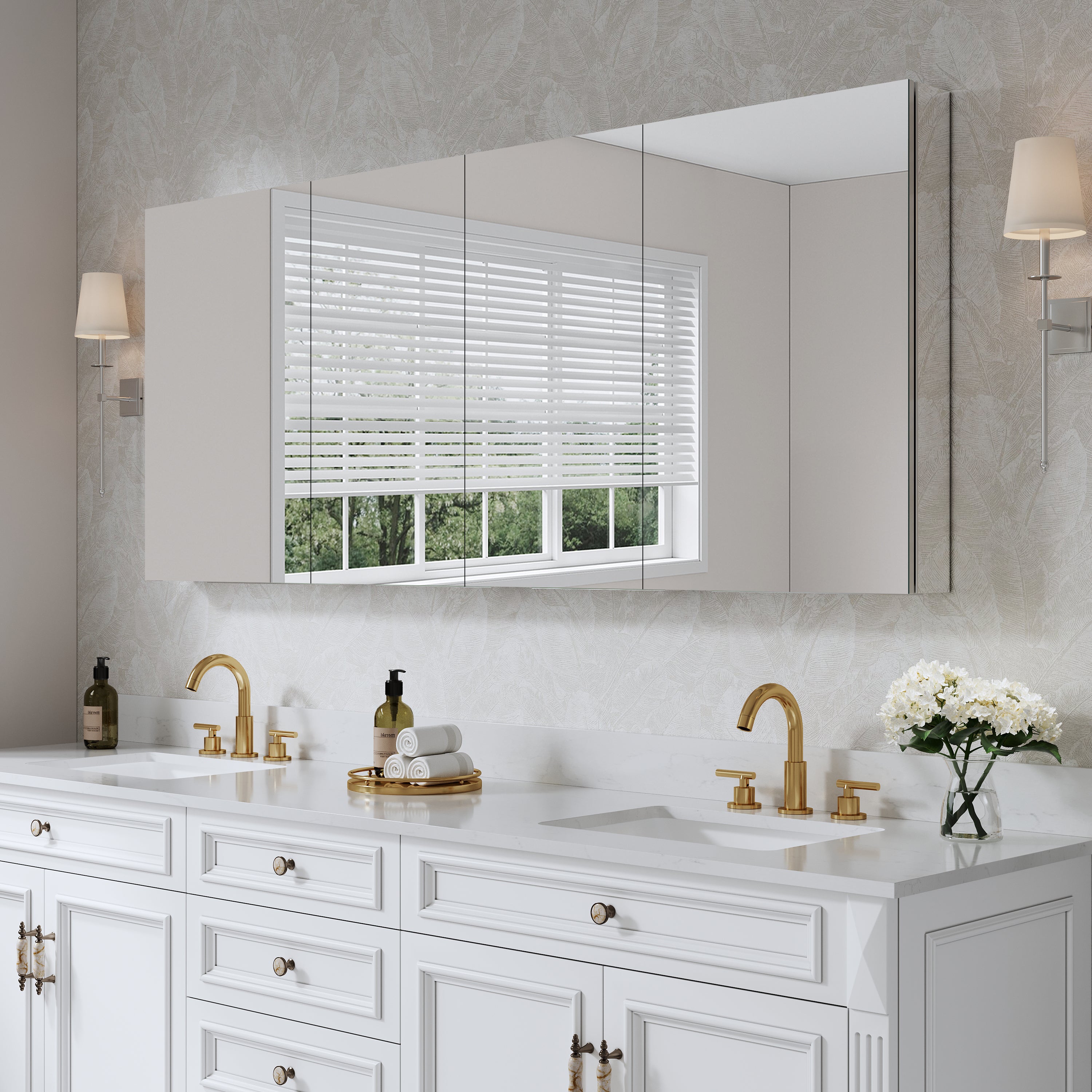
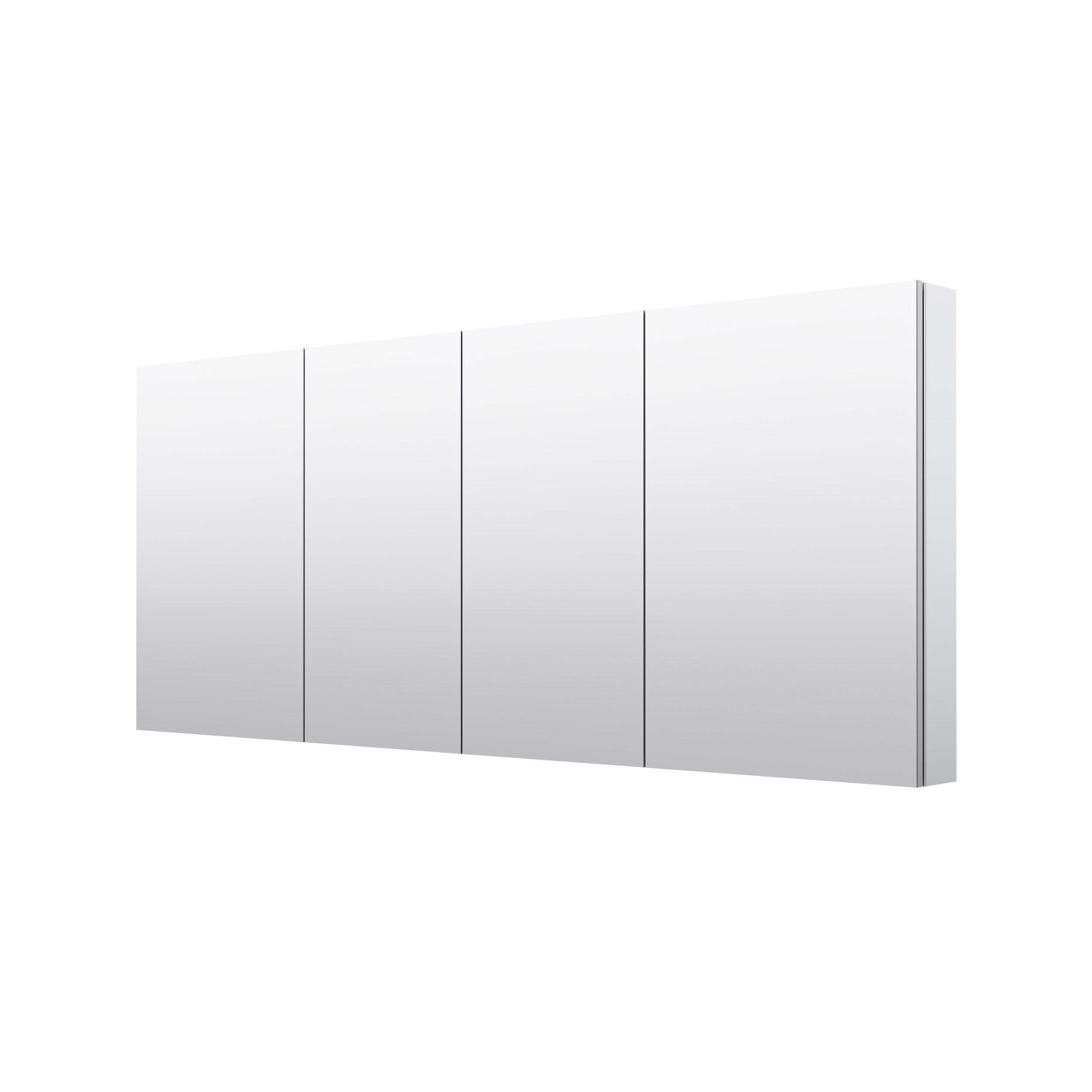
As bathroom design continues to move towards functional integration and spatial efficiency, Recessed Medicine Cabinet with Mirror is gradually moving from a designer's preferred option to a broader range of bathroom decoration solutions. Compared to traditional open medicine cabinets, embedded designs are more restrained in appearance and space utilization, which has raised a common question: Is this design prioritizing aesthetics or equally practical in actual use?
From an industry perspective, evaluating whether an embedded mirror medicine cabinet is "practical" cannot be limited to the visual level, but needs to be judged from multiple dimensions, such as spatial structure, usage habits, and long-term maintenance.
1. Optimizing space utilization is the core value of embedded design
In the bathroom, walls and countertops are always the most scarce resources. Although traditional open medicine cabinets have storage functions, their protruding structure can easily compress visual space, especially in bathrooms with limited area.
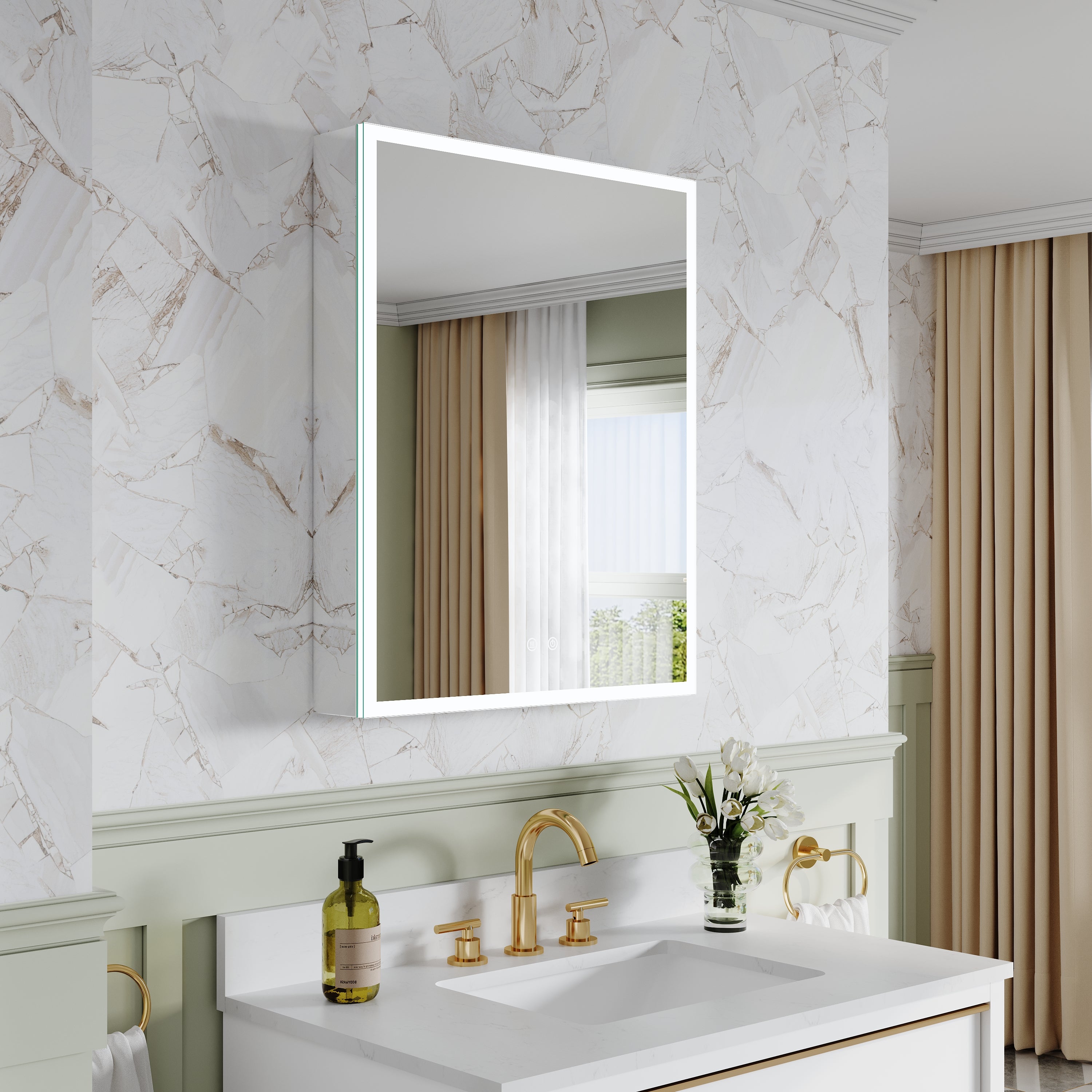
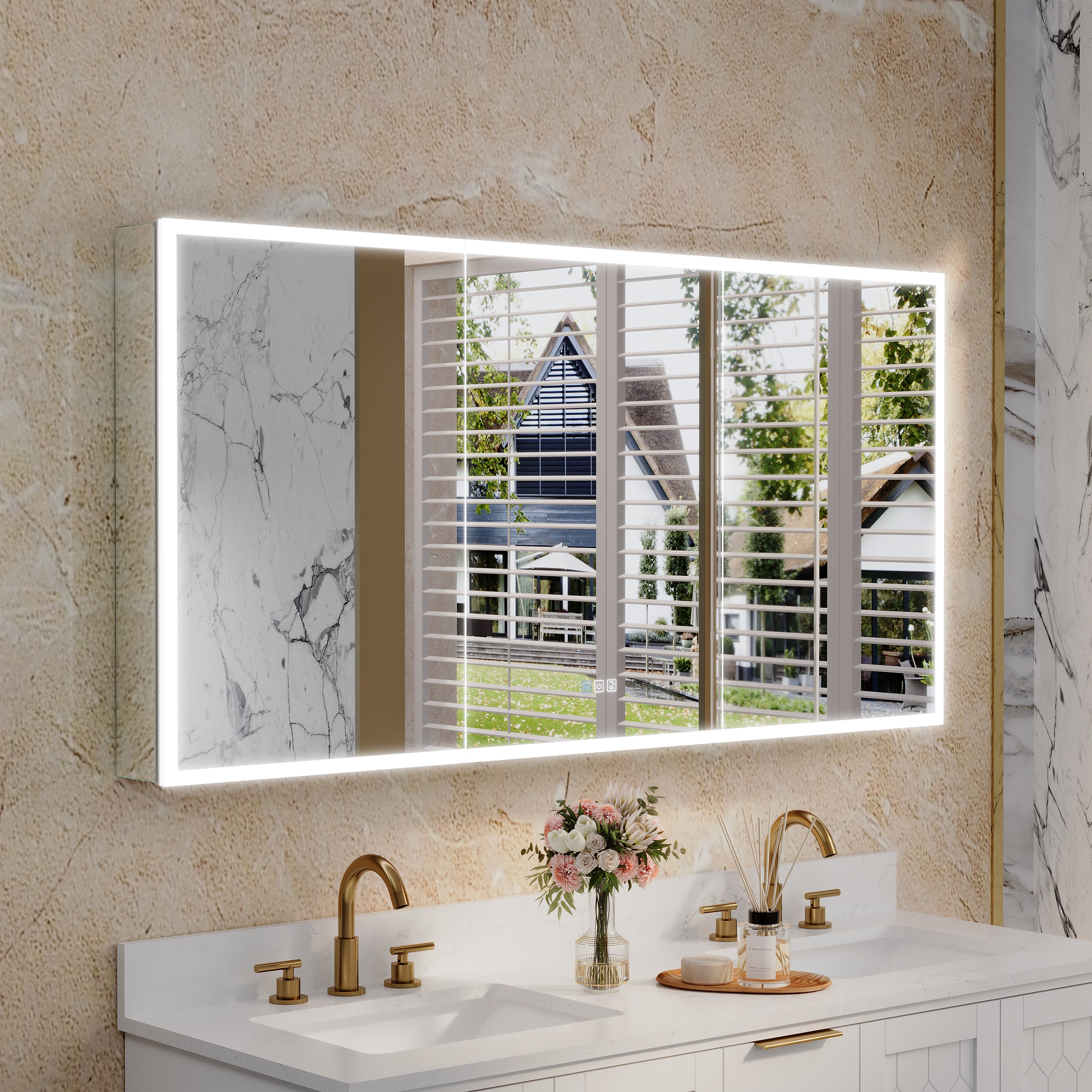
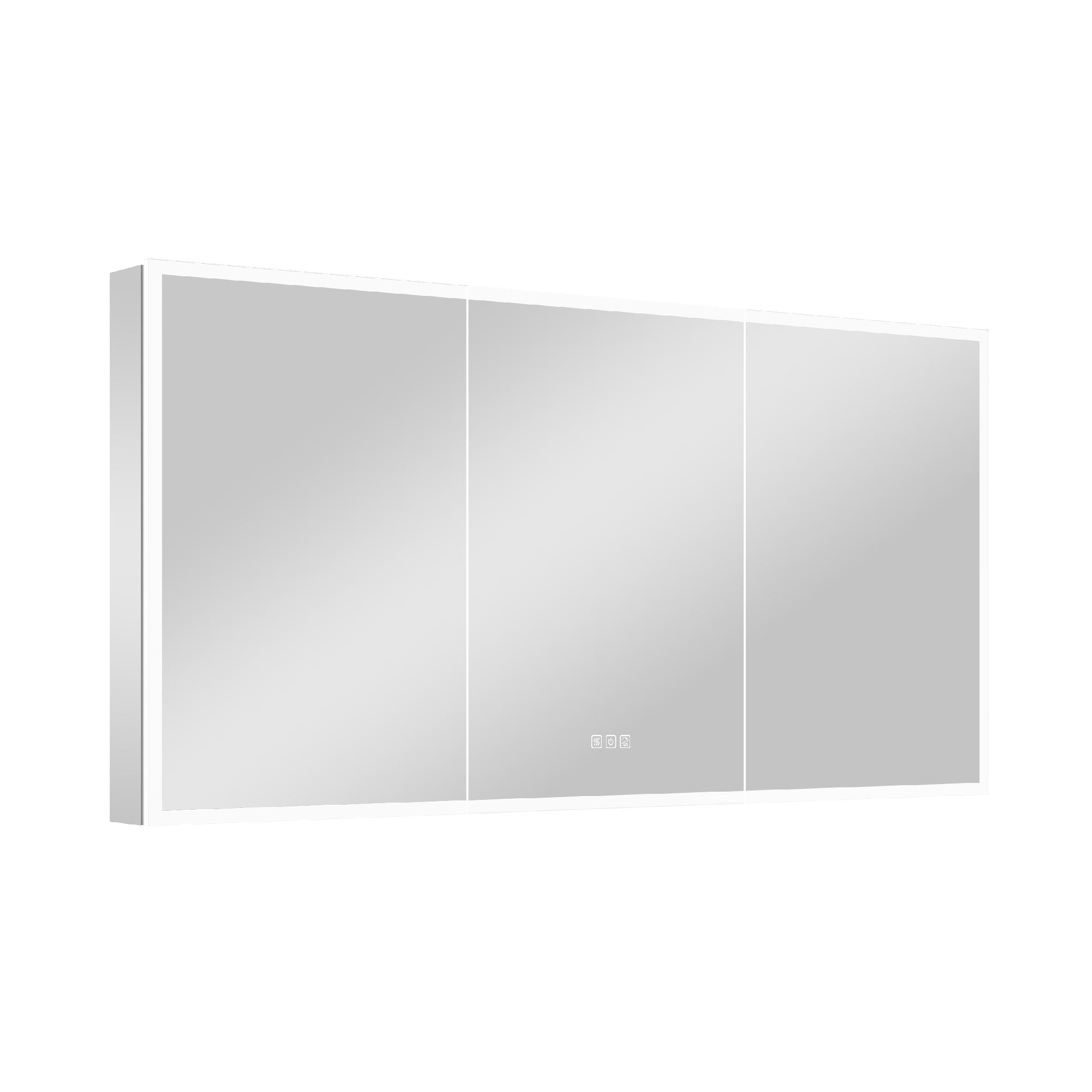
The embedded medicine cabinet embeds the cabinet into the wall's interior, keeping the mirror level with the wall and reducing the facade's thickness, making the space appear tidier and more orderly. From industry practice, this design is particularly popular in small bathrooms and secondary bathrooms because it releases more perceptible space without sacrificing functionality.
2. Improve visual cleanliness and change the overall appearance of the bathroom
In addition to saving physical space, embedded design also brings significant changes at the visual level. The continuity of the wall is enhanced, making the bathroom look more concise and reducing the sense of layering caused by traditional cabinets.
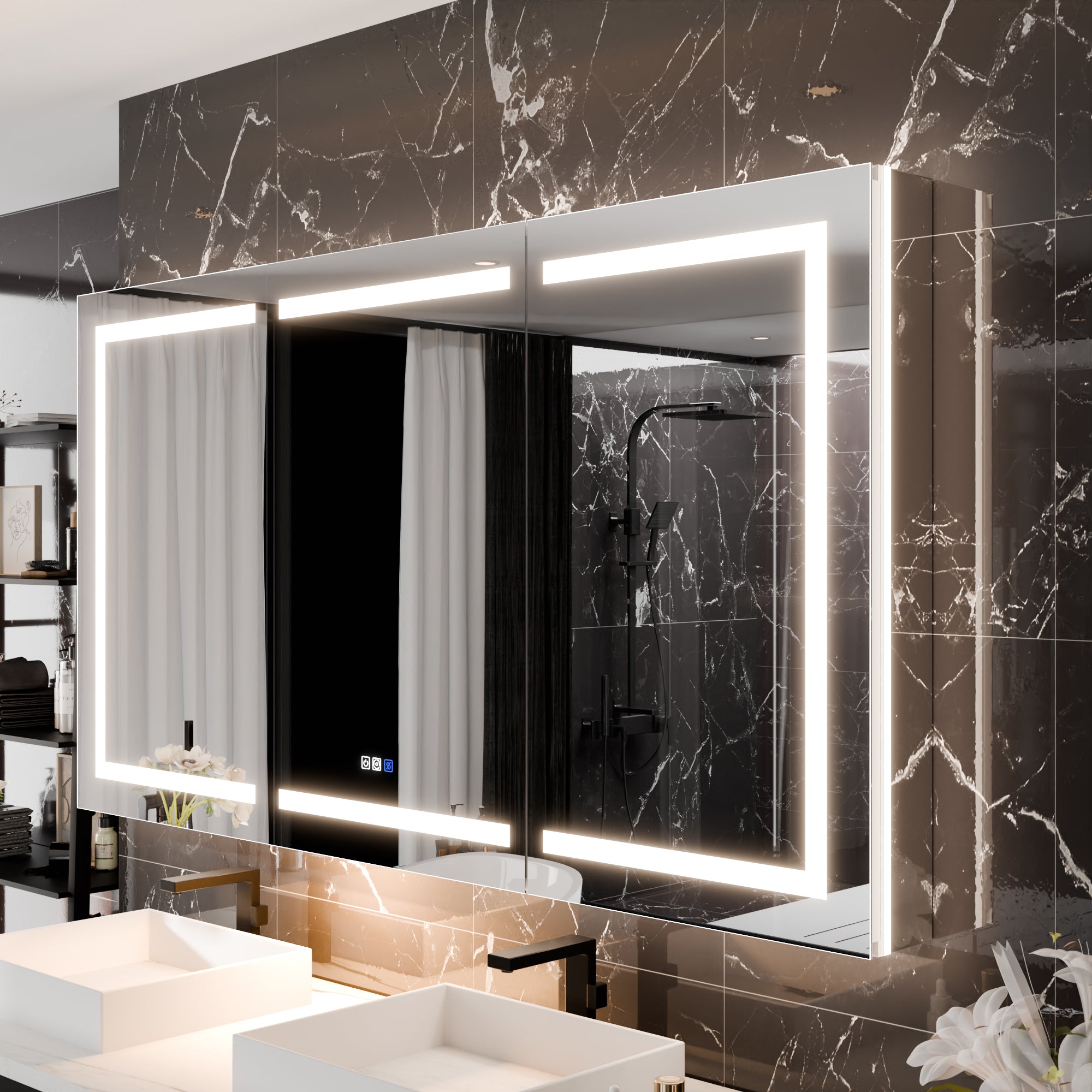
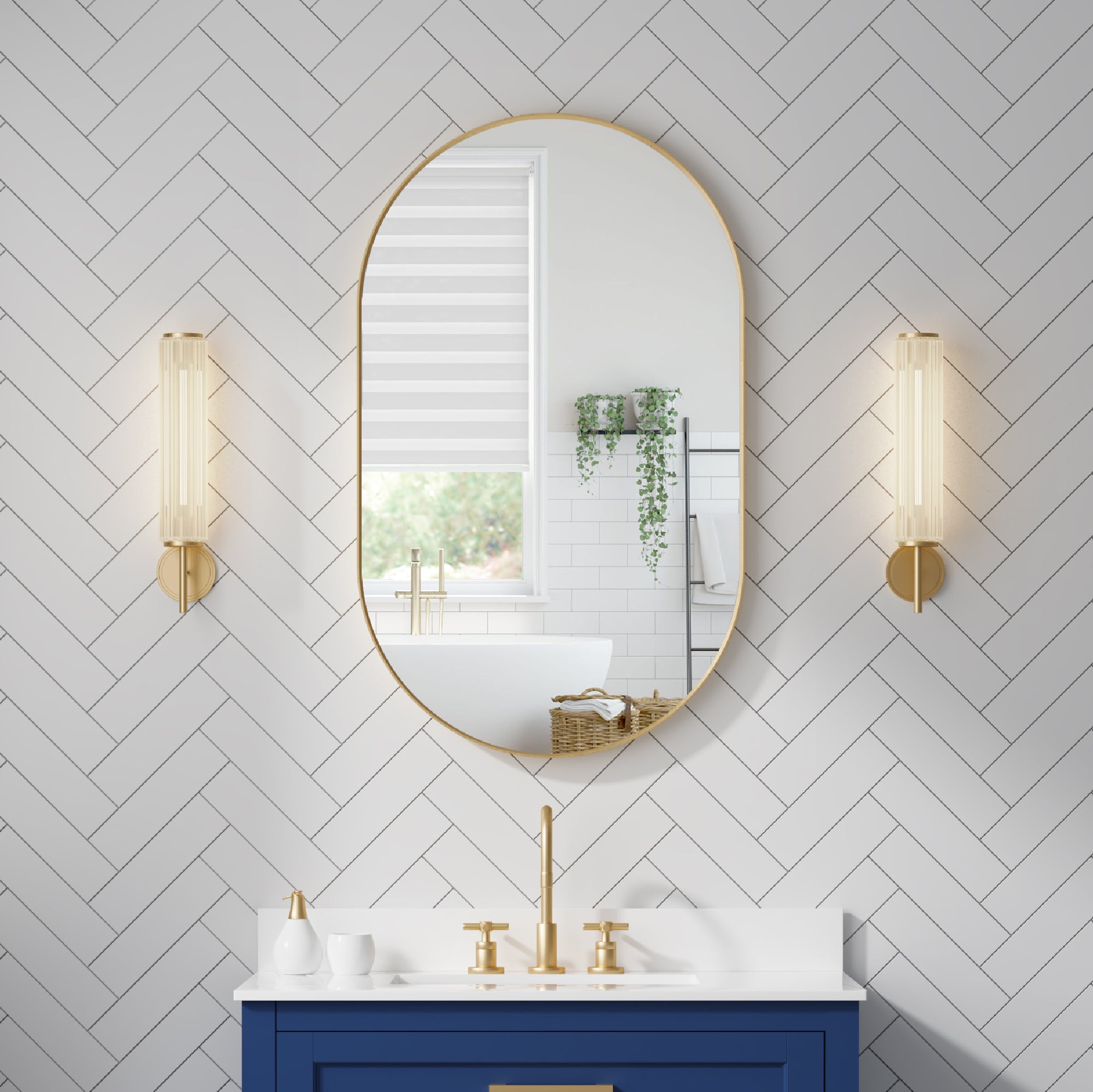
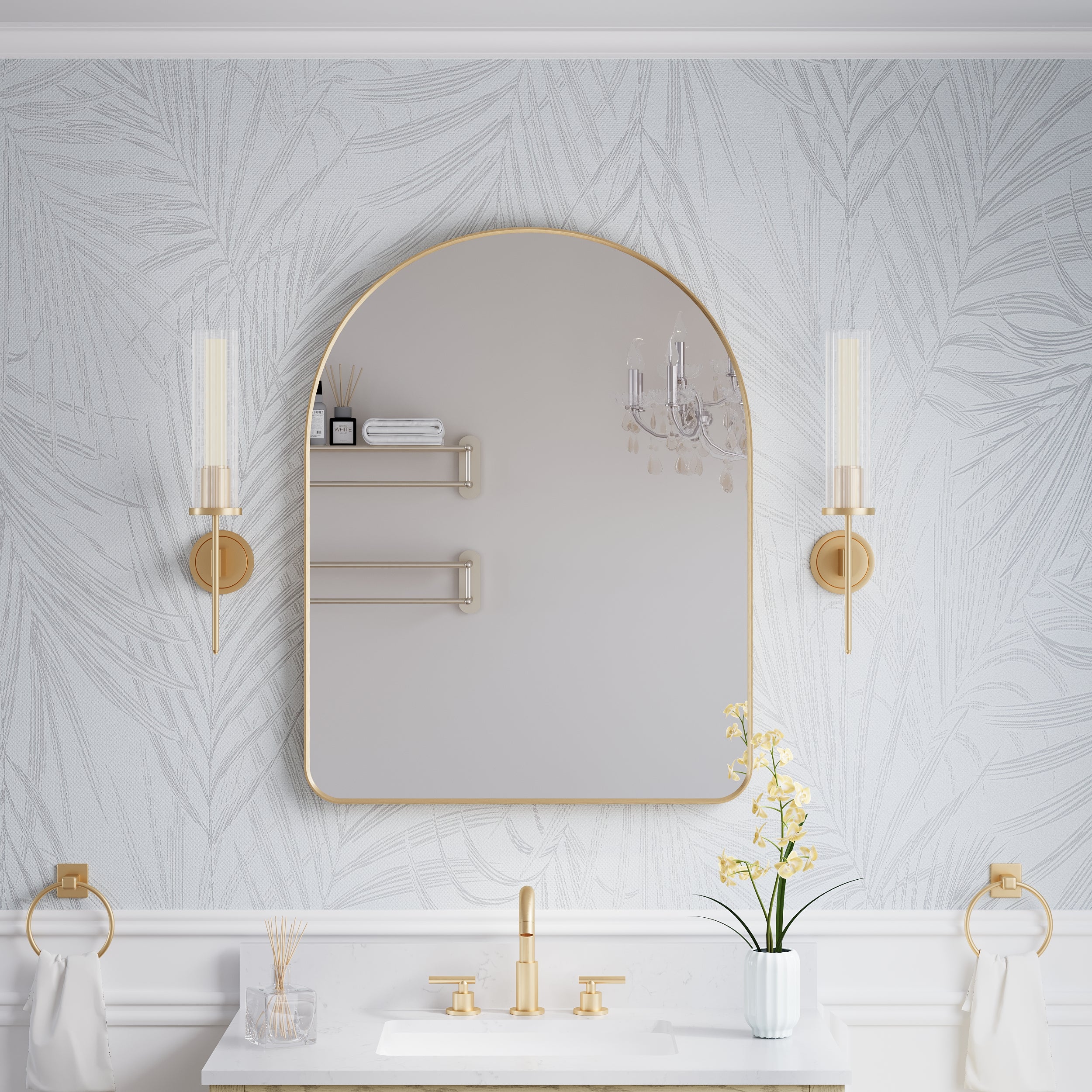
In modern bathroom design, there is an increasing emphasis on "few yet precise" element combinations. The low-profile appearance of the Recessed Medicine Cabinet with Mirror perfectly fits this trend. It retains the core function of a mirror while avoiding the interference of complex decorations on the overall style, ensuring that the bathroom remains durable even during long-term use.
3. Whether the actual storage capacity is limited depends on the planning method
One of the biggest concerns for many consumers when considering embedded medicine cabinets is whether the storage space will be limited. In fact, embedded design does not necessarily mean a reduction in capacity; the key lies in the wall conditions and internal structural planning.
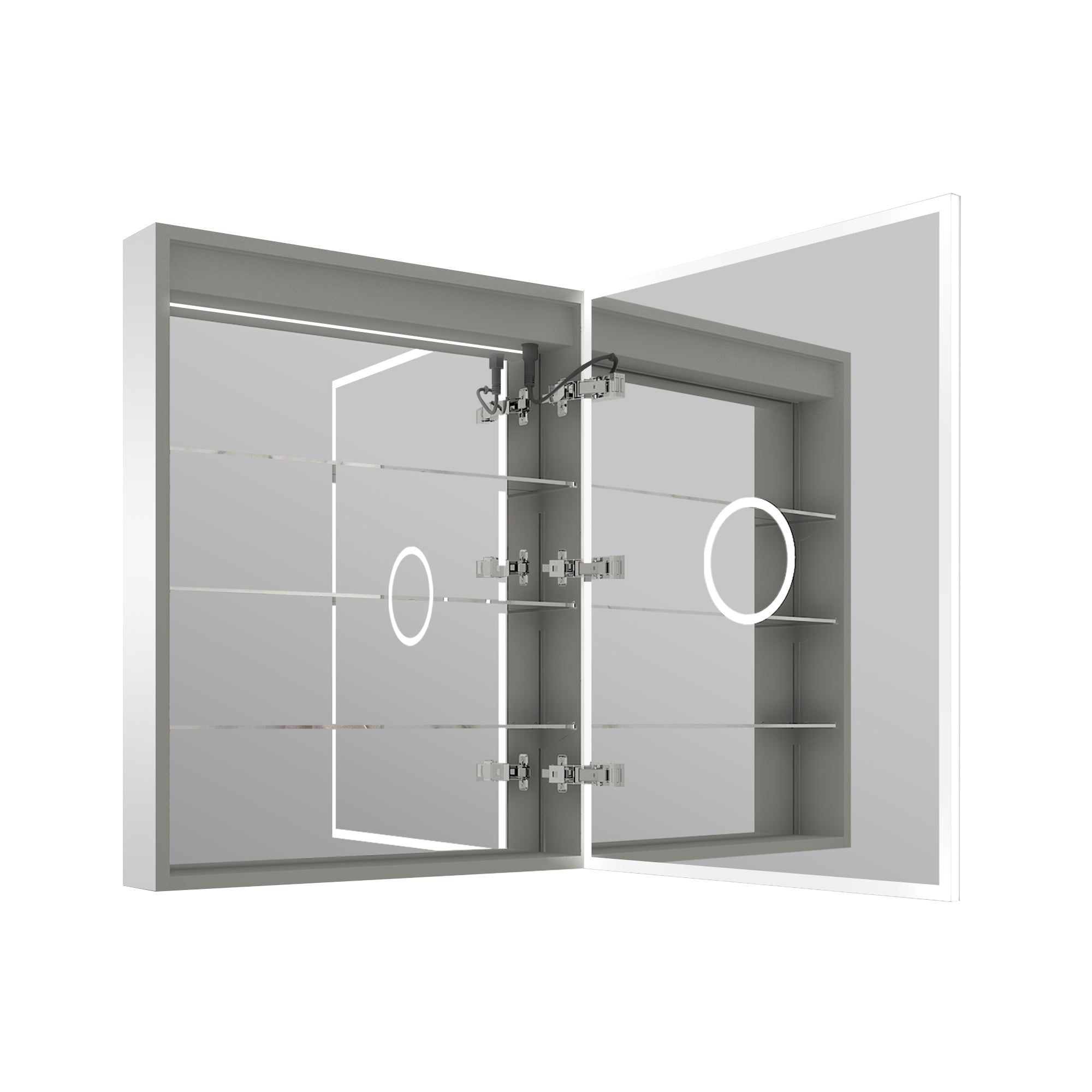
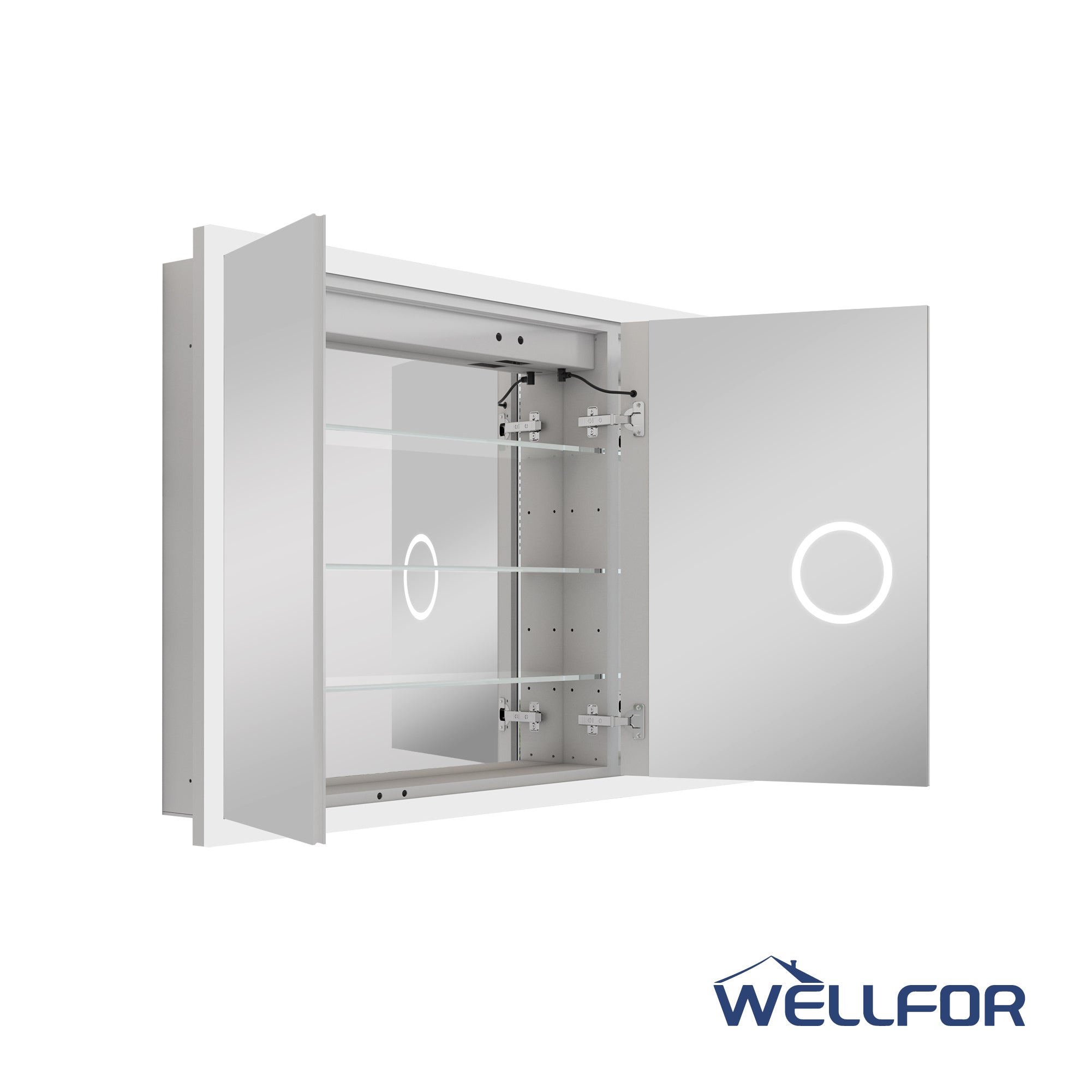
Industry experience has shown that embedded medicine cabinets can provide storage capacity equivalent to surface-mounted models, provided that the depth of the wall allows for it. Adjustable shelves and reasonable height distribution often determine actual efficiency more than the shape of the cabinet. Therefore, the practicality of embedded design largely depends on whether the early planning is sufficient.
4. The requirements during the installation phase are higher, but the results are more stable
Compared with surface-mounted medicine cabinets, embedded medicine cabinets require greater construction accuracy during installation. Wall slotting, structural reinforcement, and circuit reservation (such as integrated lighting) must be completed in the early planning stage.
However, from an industry perspective, this initial investment often results in more stable long-term outcomes. Once installed, the embedded medicine cabinet is less likely to loosen due to external collisions, and its structural stability is also more conducive to long-term use. For new bathroom construction or systematic renovation projects, this one-time installation method has significant advantages.
5. More suitable for decoration projects that pursue long-term value
When evaluating practicality, the time dimension is equally important. Embedded design is not designed for frequent replacement, but rather for bathroom configurations that are more suitable for long-term use.
From an industry perspective, more consumers are choosing products that are "not easily outdated" in their decoration decisions. The design language of the recessed medicine cabinet with Mirror is relatively neutral, without relying on complex shapes or short-term trendy elements, which allows it to maintain coordination with the space even after many years. This long-term stability is another manifestation of its practicality.

6. The adaptability to different types of bathrooms is improving
In the past, embedded medicine cabinets were more commonly found in high-end or customized bathrooms. But with the standardization of product specifications, its scope of application is expanding.
Nowadays, whether in the main bathroom, the guest bathroom, or a renovation project, embedded design is feasible as long as the wall conditions permit. The development of the industry has gradually transformed this type from a "special choice" to a replicable and scalable solution, which indirectly proves the market is recognizing its practicality.
7. Whether it is practical or not depends on whether it is placed in a suitable scenario.
Ultimately, there is no absolute answer to whether a recessed medicine cabinet with a mirror is practical. It is more suitable for bathroom projects with precise spatial planning, the pursuit of cleanliness, and long-term stability.
Under the premise of space conditions and sufficient construction planning, embedded medicine cabinets are not only practical, but also can significantly improve the overall quality of the bathroom. In situations where the wall is limited, the budget or construction period is tight, or the exposed installation plan is more practical, the exposed installation plan may be more significant. The consensus in the industry is that suitable choices are sensible choices.
Conclusion
Overall, the practicality of the recessed medicine cabinet with a mirror is based on thorough planning and rational application. It brings long-term value to the bathroom by optimizing space utilization, improving visual cleanliness, and enhancing structural stability. For projects that aim to balance functionality, order, and durability in a single renovation, this design form is not a matter of whether it is worth trying, but rather a rational choice of whether it is suitable for current needs.











Leave a comment
This site is protected by hCaptcha and the hCaptcha Privacy Policy and Terms of Service apply.