














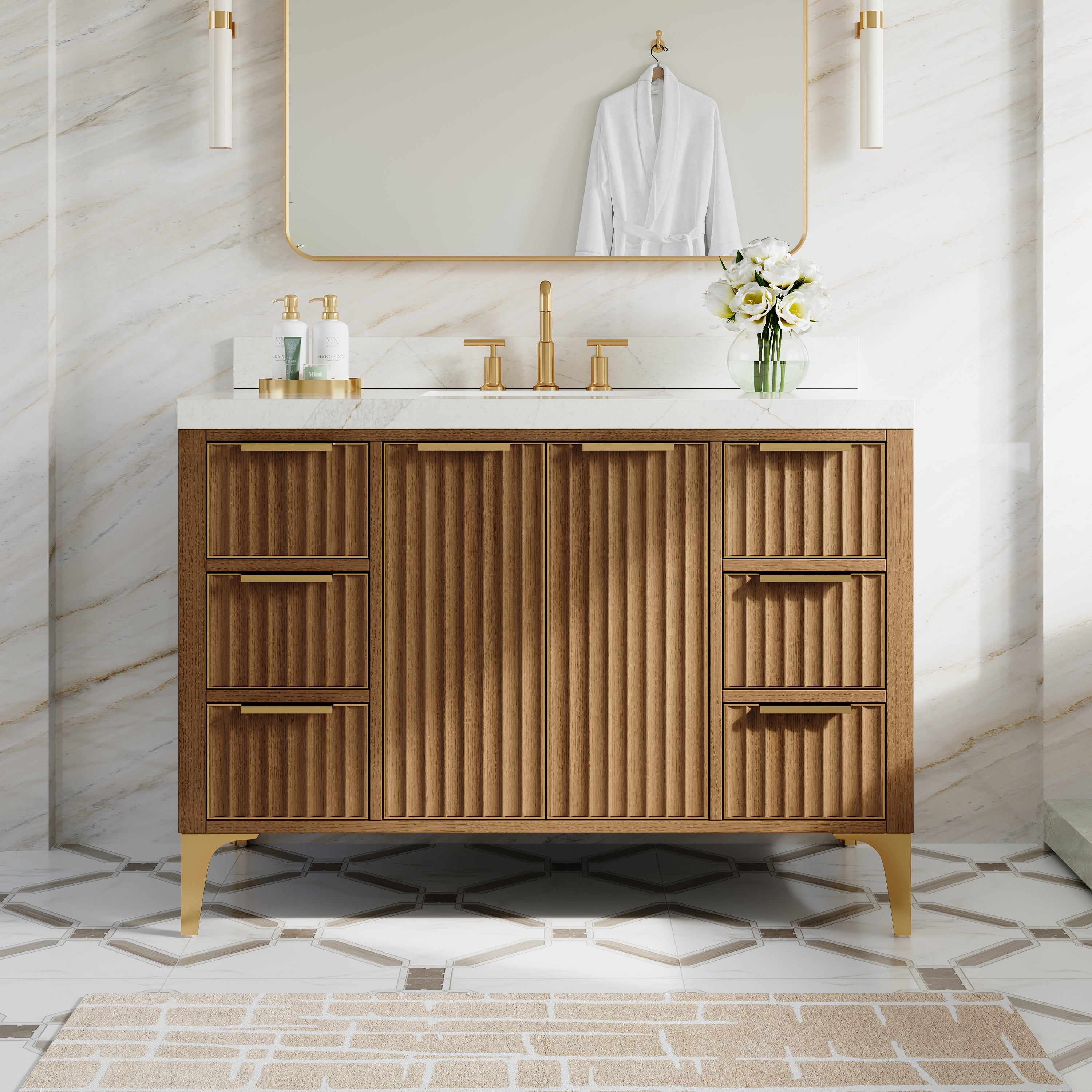


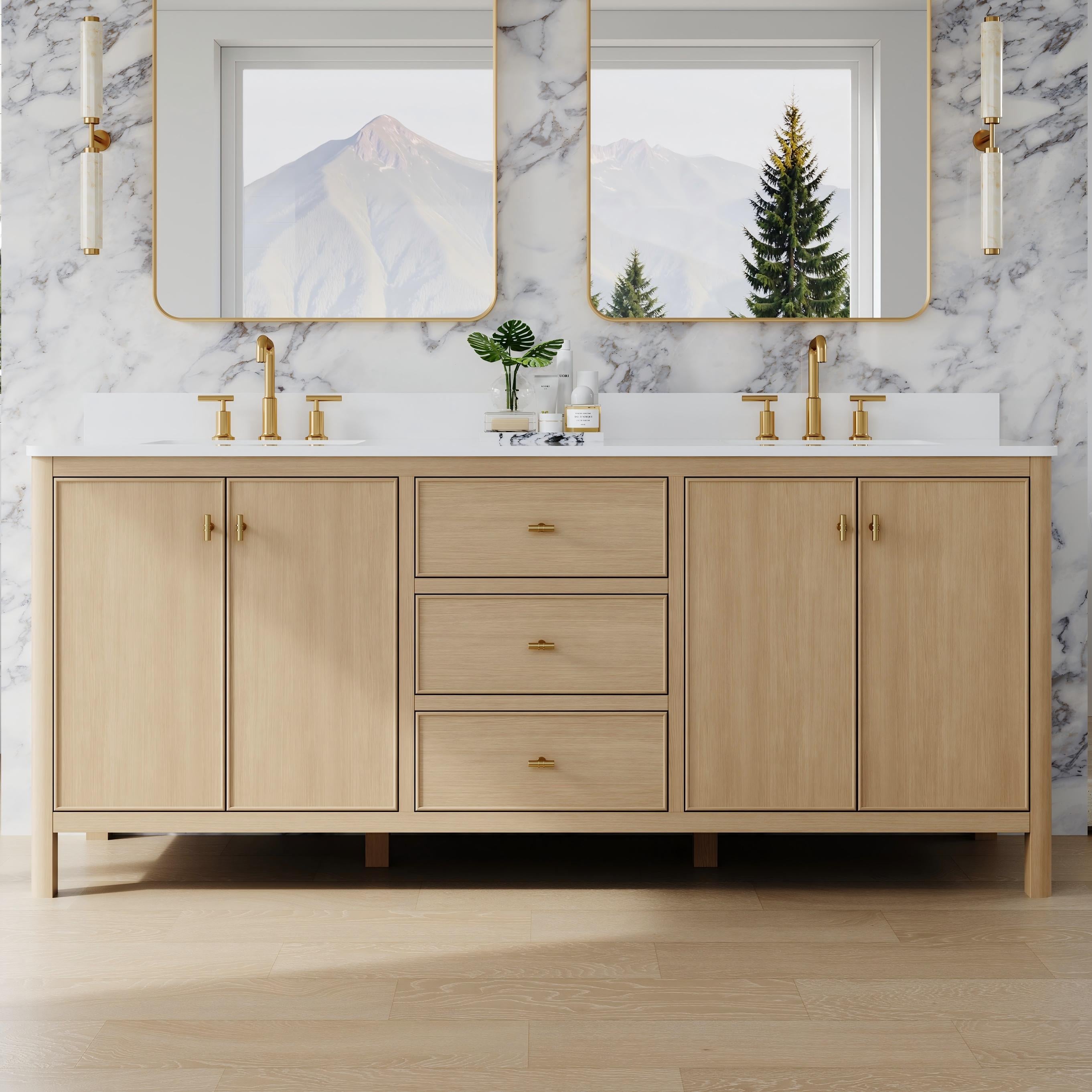
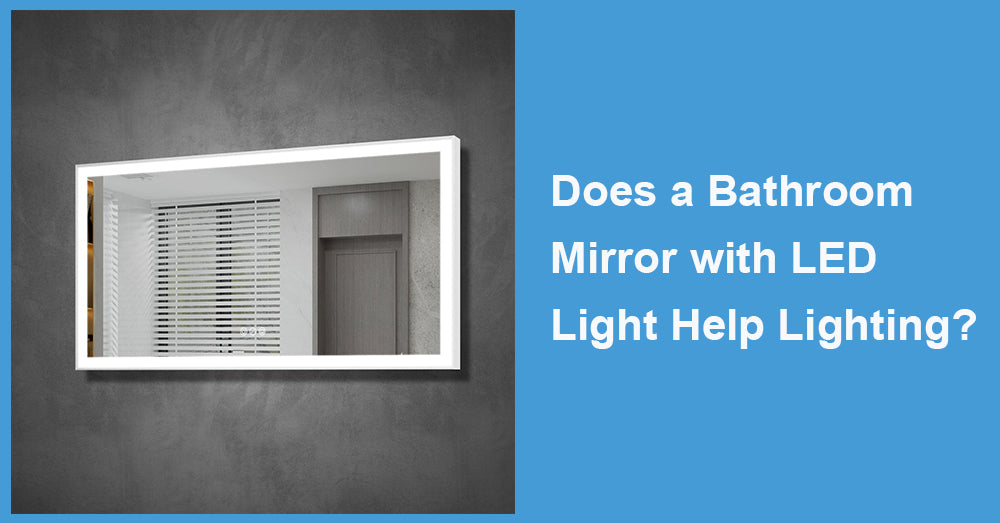
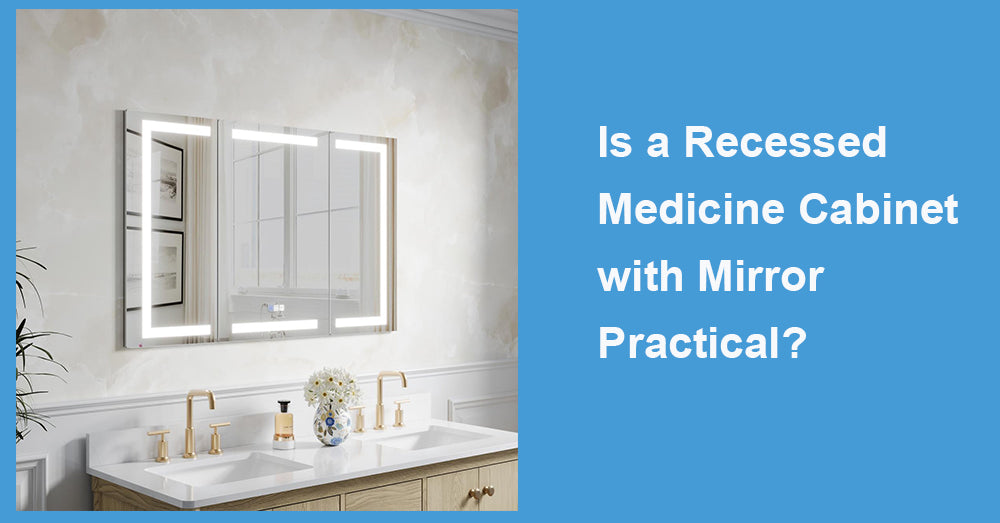
In discussions on modern bathroom design and renovation,bathroom mirror with led light are increasingly seen as a lighting solution that combines functionality with space-optimization value. Compared to traditional methods that rely on ceiling fixtures or wall lights, bathroom mirrors equipped with LED light sources direct light toward the user's eye level, thereby altering the overall logic of bathroom lighting. Industry research indicates that the most common lighting issue in bathrooms is not insufficient brightness, but rather shadows and visual distortions caused by improper light distribution.
1. Common limitations of traditional bathroom lighting
In most bathrooms, the main lighting often comes from ceiling fixtures. These light sources meet the overall brightness requirements, but because the light is projected from above, shadows are easily cast on the face, especially around the eyes, jaw, and neck. This lighting structure may not have a significant impact on daily grooming, but it can significantly reduce visibility during delicate procedures such as shaving, skincare, or makeup application.
Industry research indicates that the primary reason for users' dissatisfaction with bathroom lighting is often not "the lights are not bright enough", but "it is difficult to see details".
2. How does an LED mirror change the direction of light?
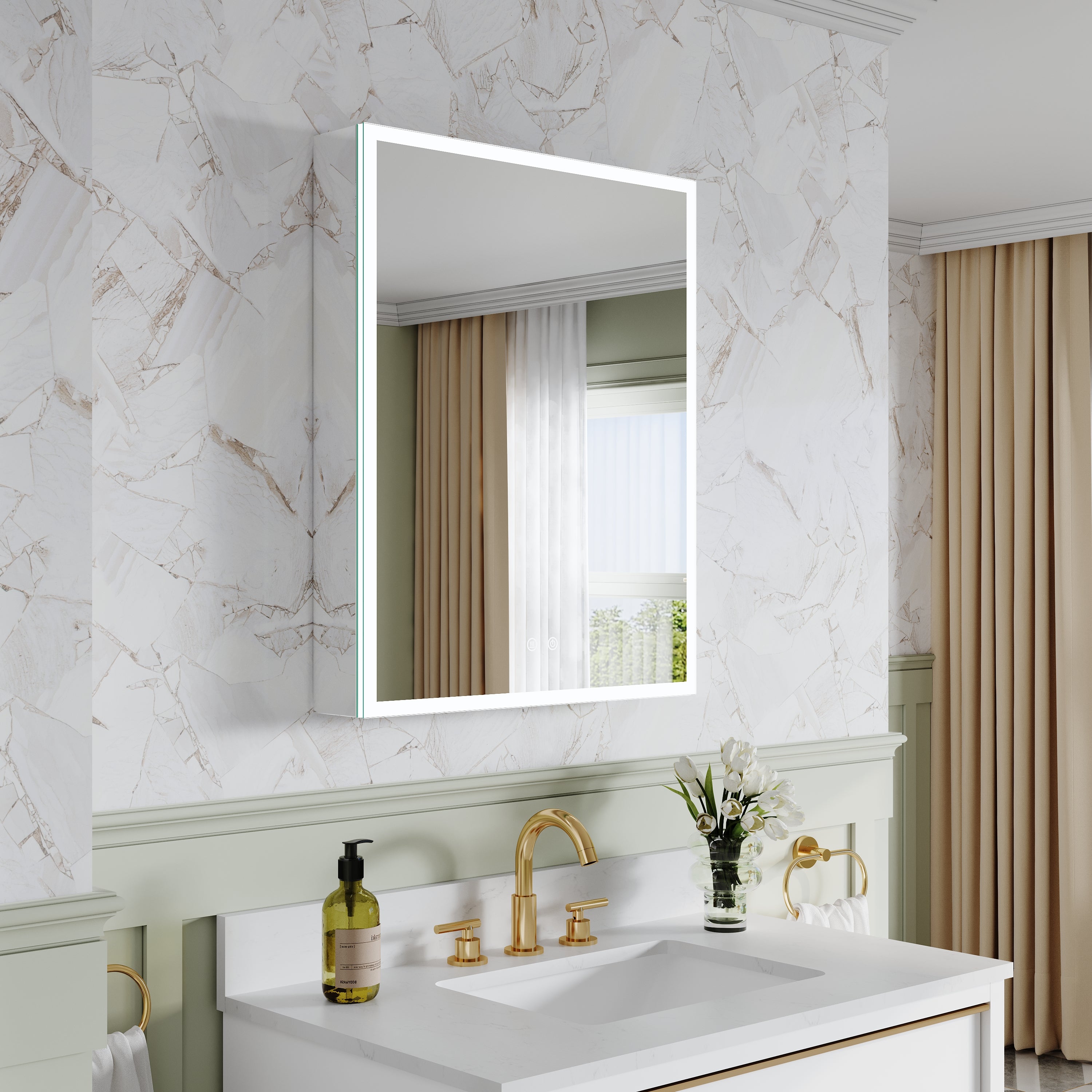
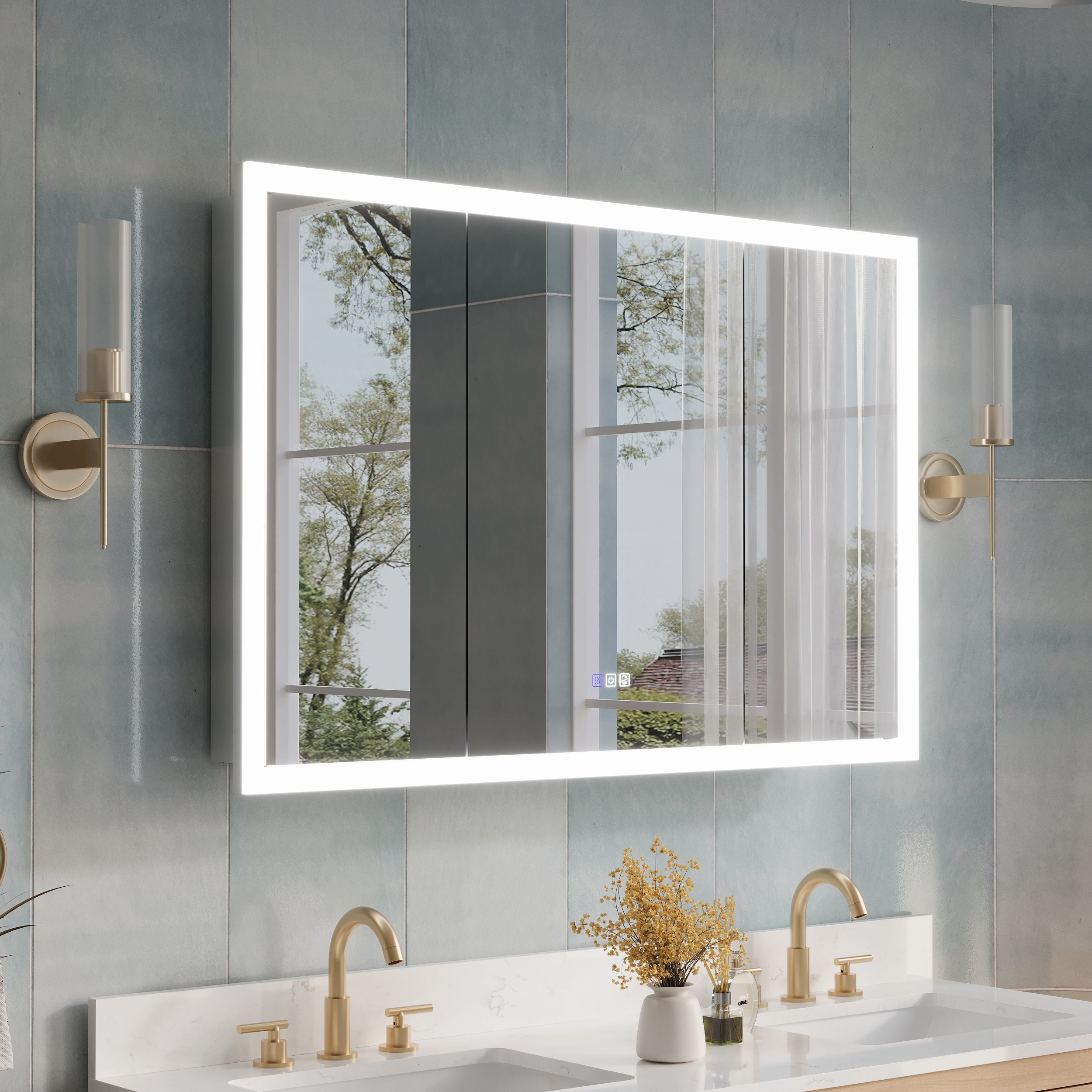
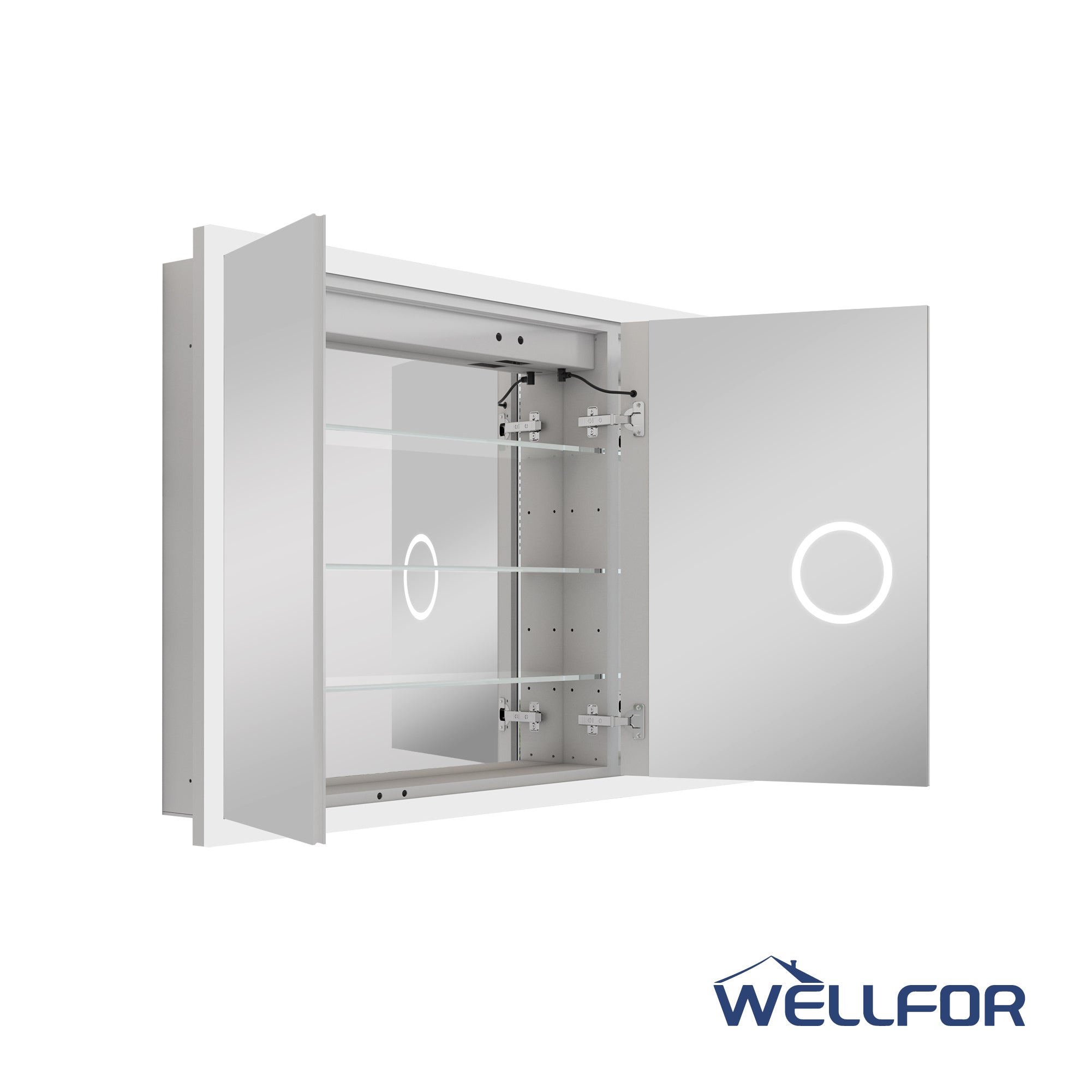
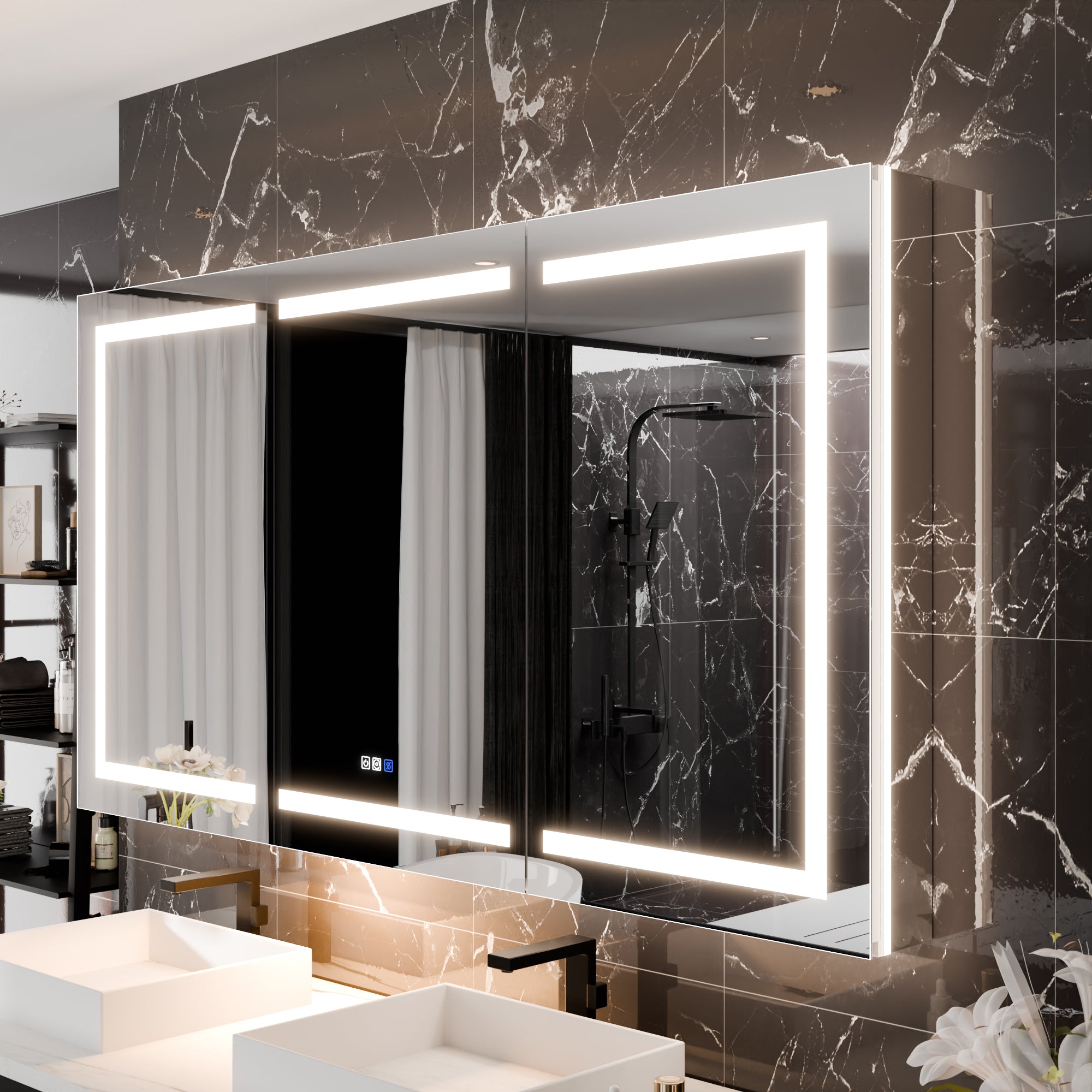
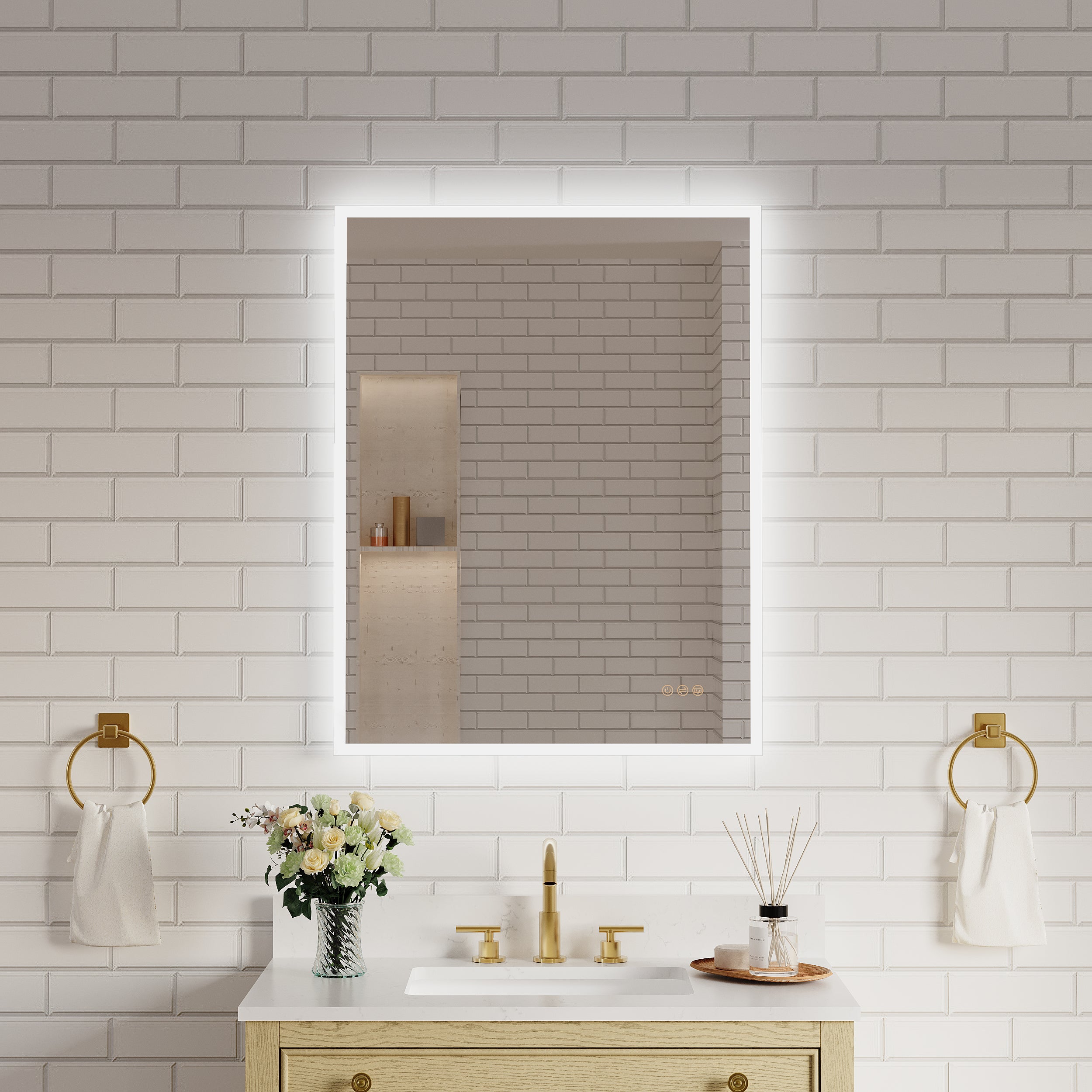
Bathroom mirrors with LED light sources integrate the lighting system directly on the edge or back of the mirror, bringing the light closer to facial height. This lighting arrangement creates a relatively uniform light field directly in front of the user, reducing the shadow issues caused by overhead lighting.
From an industry perspective, this lighting approach does not replace existing fixtures but rather complements and optimizes the lighting system, ensuring a more even light distribution in the bathroom's functional areas.
3. The impact of light uniformity on actual lighting effects
To evaluate whether bathroom lighting is "helpful, one should not only focus on the number of light sources or brightness parameters, but also pay attention to whether the light evenly covers the main usage area. High-quality LED mirrors usually use continuous light strips or multi-point light sources to reduce light and shadow discontinuities.
Industry data show that improving the uniformity of illumination in front of the mirror significantly increases users' subjective evaluation of overall lighting quality, even if total brightness does not change much.
4. The relationship between size and lighting coverage
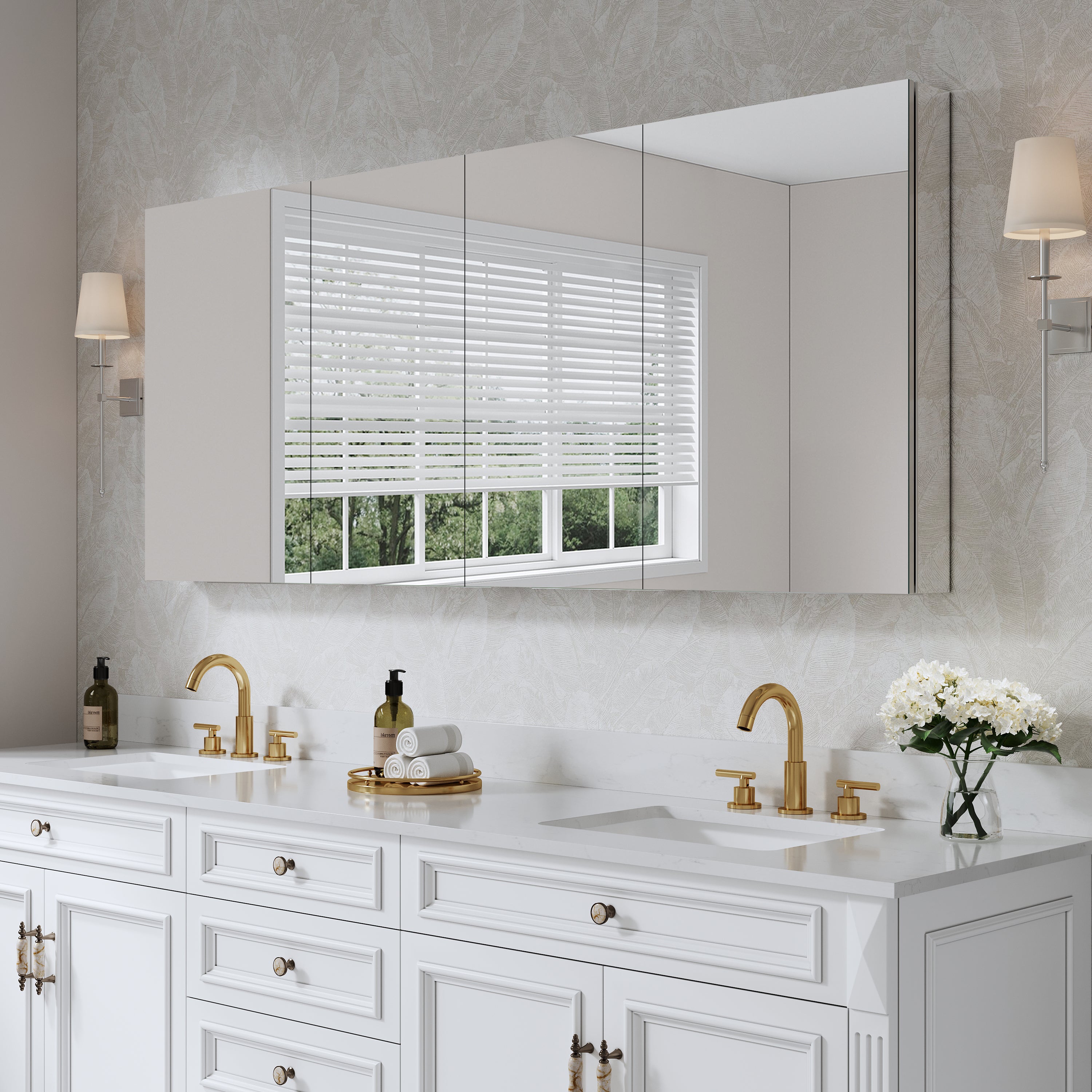
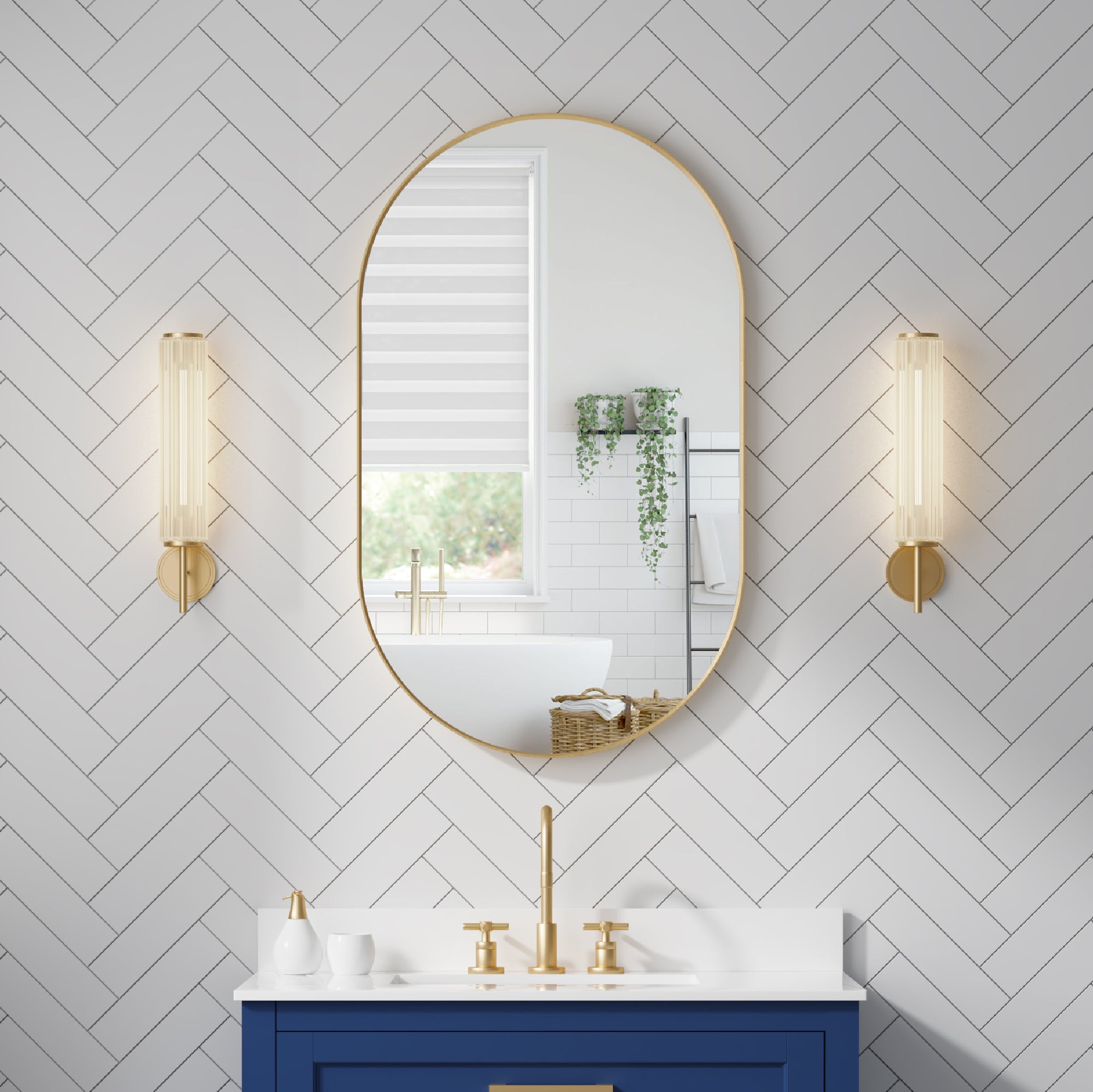
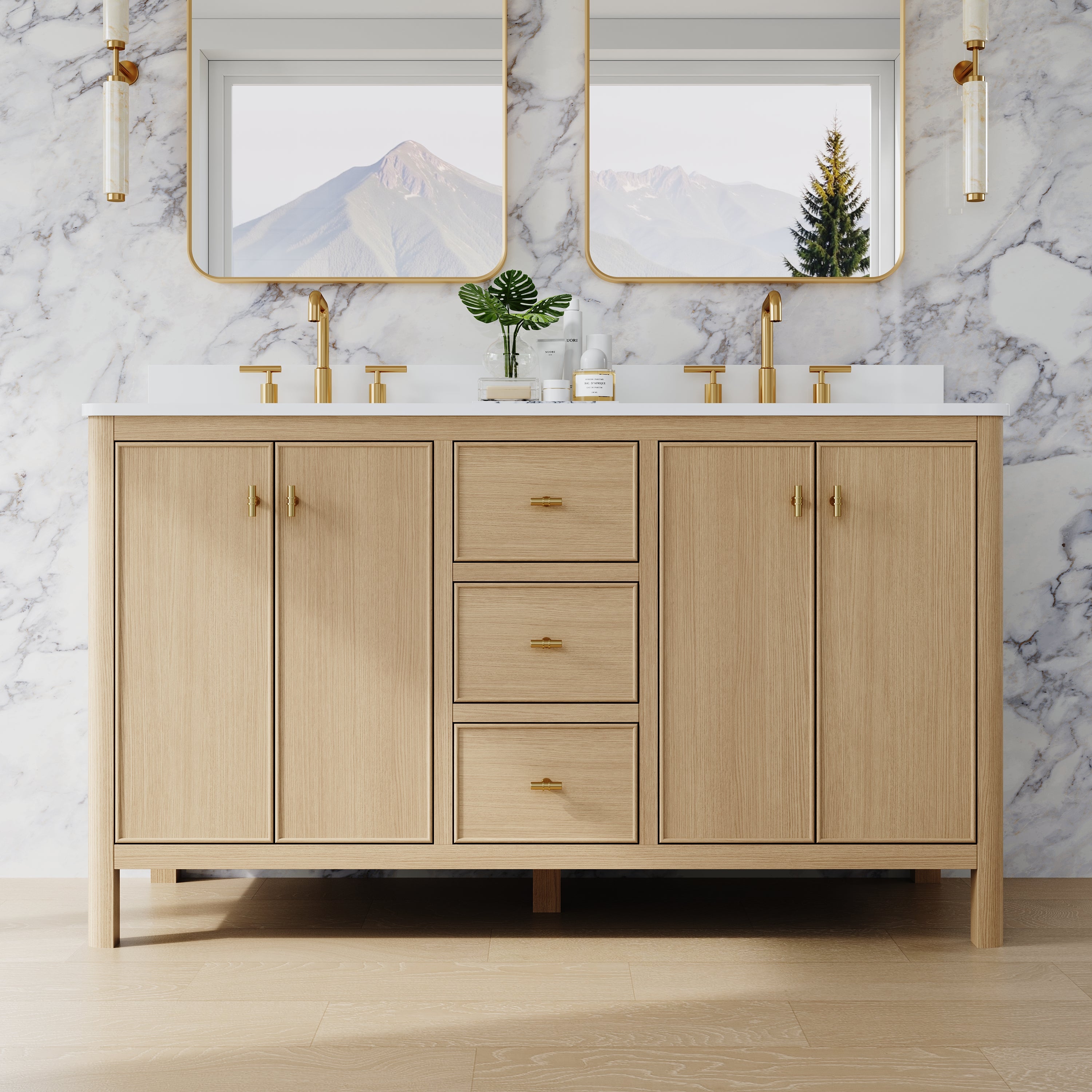
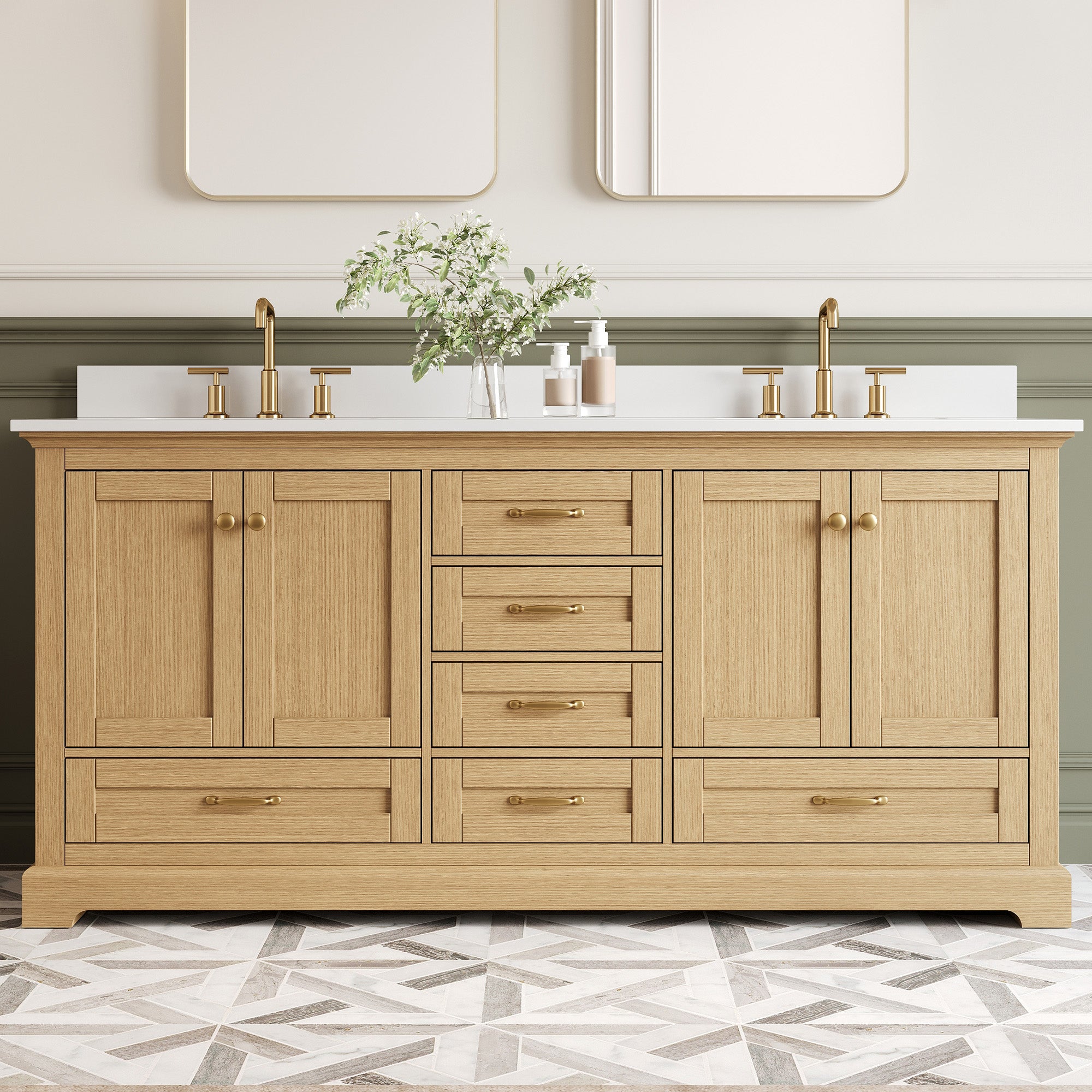
The size of the bathroom mirror directly affects the lighting coverage of the LED light source. The width of standard washbasins typically falls between 30 and 48 inches. If the LED mirror that matches the washbasin is close to the countertop's width, it can provide a more uniform horizontal lighting effect.
The height of the mirror is usually between 24 and 36 inches. A reasonable height ensures that light covers the main areas of the face without being concentrated at a single height level. If the size ratio is improper, even with an LED light source, it may not achieve the desired lighting effect.
5. Reasonable range of color temperature and brightness
Whether LED mirrors are effective at illumination depends on the color temperature and brightness chosen. Industry experience shows that a color temperature within the range of 4000K–5000K is closer to natural light, helping accurately reproduce skin tones and details. Too warm a light tends to obscure details, while too cool a light may cause visual fatigue.
In terms of brightness, stable, soft, and evenly distributed light is more valuable than simply pursuing high brightness. An overly strong local light source may actually affect the comfort of use.
6. Different functions of front lighting and backlight design
Bathroom mirrors with LED lighting are typically divided into two configurations: front lighting and backlighting. Front lighting projects light directly onto the user's face, which is more conducive to functional lighting; backlighting, on the other hand, enhances the overall brightness of the space through wall reflection, playing a more atmospheric lighting role.
Industry perspectives suggest that in a function-oriented bathroom, front-lit or mixed lighting designs provide greater practical assistance.
7. Can LED mirrors replace main lighting?
A common question is whether LED mirrors can fully replace the main bathroom lighting. From a professional perspective, LED mirrors are better suited as local functional lighting rather than as the sole light source. Their advantage lies in improving the visibility of the area in front of the mirror rather than illuminating the entire bathroom.
Industry advice suggests combining LED mirrors with overhead or ambient lighting to strike a balance between overall brightness and local clarity.
8. Energy efficiency and long-term stability
LED technology offers significant advantages in energy efficiency and lifespan. In the bathroom environment, where daily usage is high, a stable LED light source can maintain consistent brightness over a long period, reducing maintenance issues caused by frequent replacements.
From a long-term perspective, this stability is also one of the key reasons for the widespread adoption of LED mirrors.

9. Re-understanding "helping lighting" from the perspective of user experience
To determine whether a bathroom mirror with LED light "helps with lighting, one should not only focus on technical parameters, but also consider actual user experience. Whether it makes it easier to see details, reduces shadow areas, and maintains stable performance across different time periods are more valuable criteria for judgment.
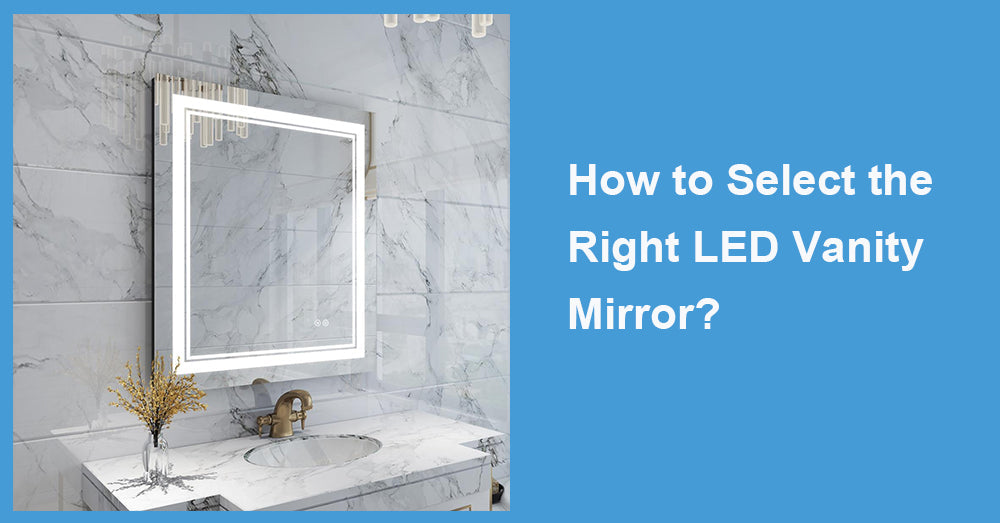
From an industry perspective, bathroom mirrors equipped with LED light sources indeed play a positive role in functional lighting by optimizing light direction and distribution. However, their value can only be fully realized when they are appropriately sized, properly designed for lighting, and coordinated with the overall lighting system.

















Leave a comment
This site is protected by hCaptcha and the hCaptcha Privacy Policy and Terms of Service apply.