
















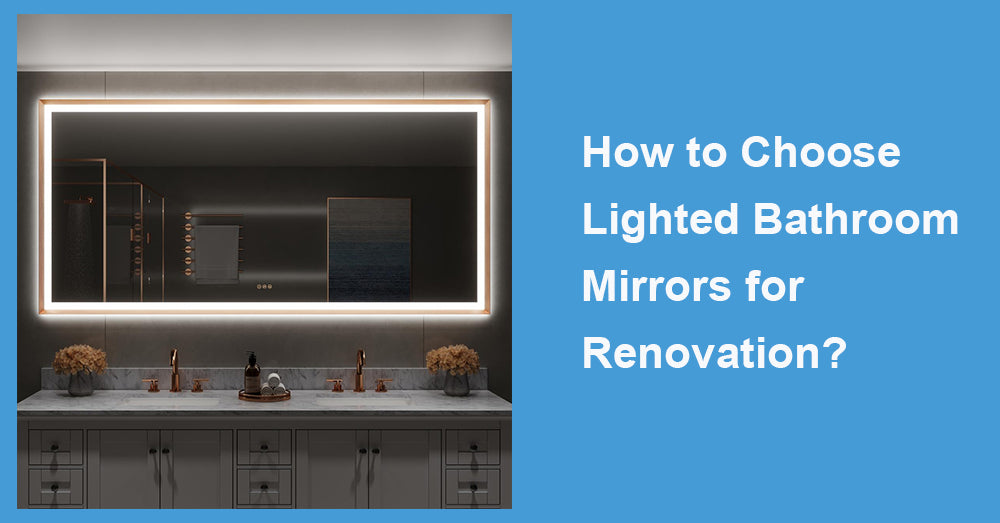
In bathroom renovation projects, the choice of mirrors is often considered a "post-decision" step. Still, as bathroom functions and design concepts continue to evolve, illuminated bathroom mirrors are becoming an essential element that shapes the overall experience. It not only affects lighting, but also directly affects the sense of space, daily use efficiency, and the overall completion of the bathroom.
From an industry perspective, the popularity of lighted bathroom mirrors is not accidental, but stems from their comprehensive advantages in functional integration, space optimization, and user comfort. For users undergoing bathroom renovation, it is worth carefully planning how to rationally choose an illuminated bathroom mirror that truly suits their needs.
1. Starting from the transformation goal, rather than simply pursuing appearance upgrades
Before choosing an illuminated bathroom mirror, clarify the core objectives of this bathroom renovation. Is it for improving the daily user experience or for an overall visual upgrade? Is it to enhance functional efficiency or optimize spatial experience? Different goals will directly affect the selection criteria for mirrors.
Industry experience shows that if we only focus on appearance, it is easy to overlook key issues such as lighting, practicality, and size matching. The ideal illuminated bathroom mirror should serve the overall transformation goal, rather than becoming an independent element disconnected from other configurations. Clarifying requirements is the first step to avoid potential usage gaps later.
2. Reasonably evaluate the lighting requirements in front of the mirror, rather than blindly saying 'the brighter the better.'
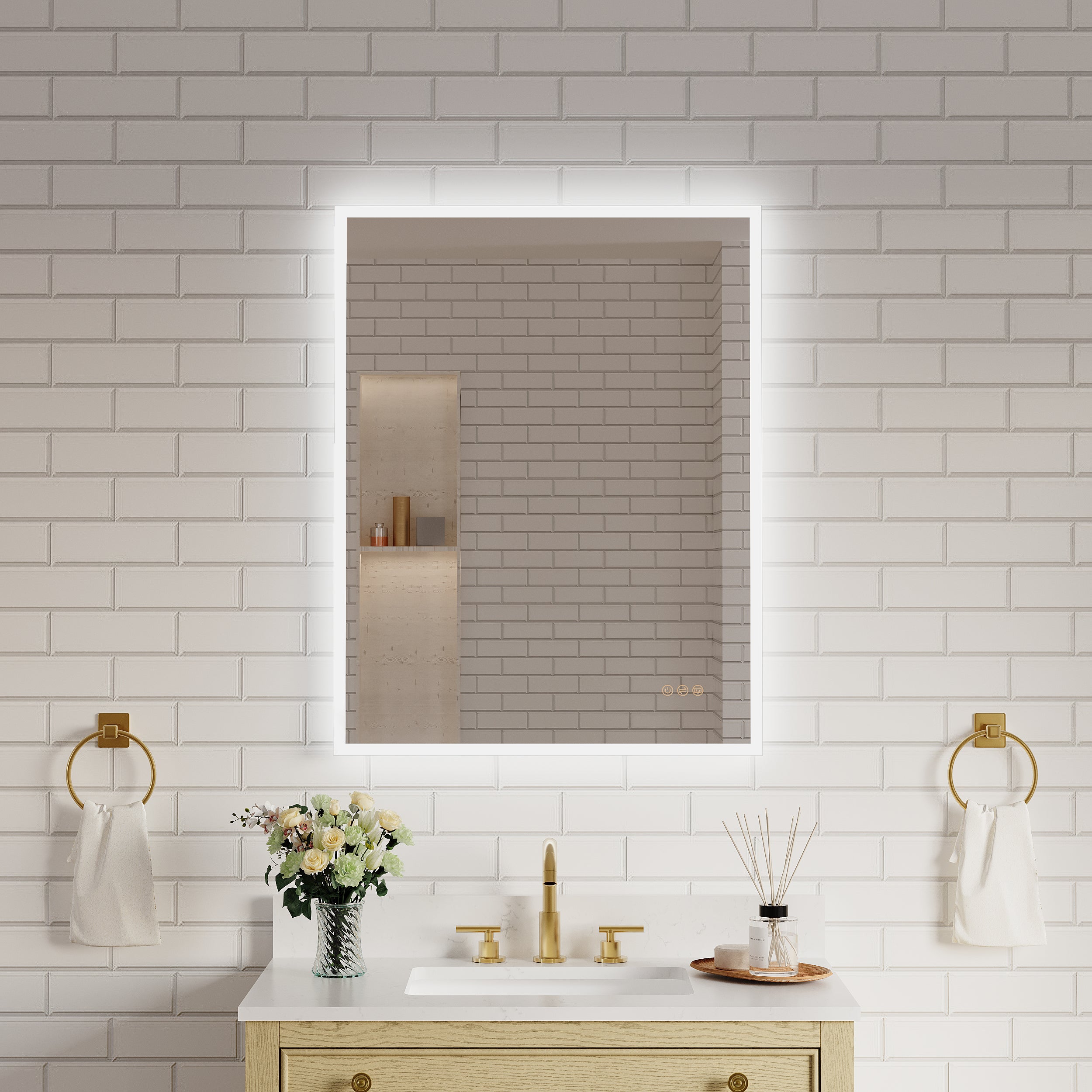
The lighting function is one of the core values of an illuminated bathroom mirror, but brightness is not the only measure. Excessive light may cause glare, while uneven lighting distribution can easily create shadows, which can actually affect usage.
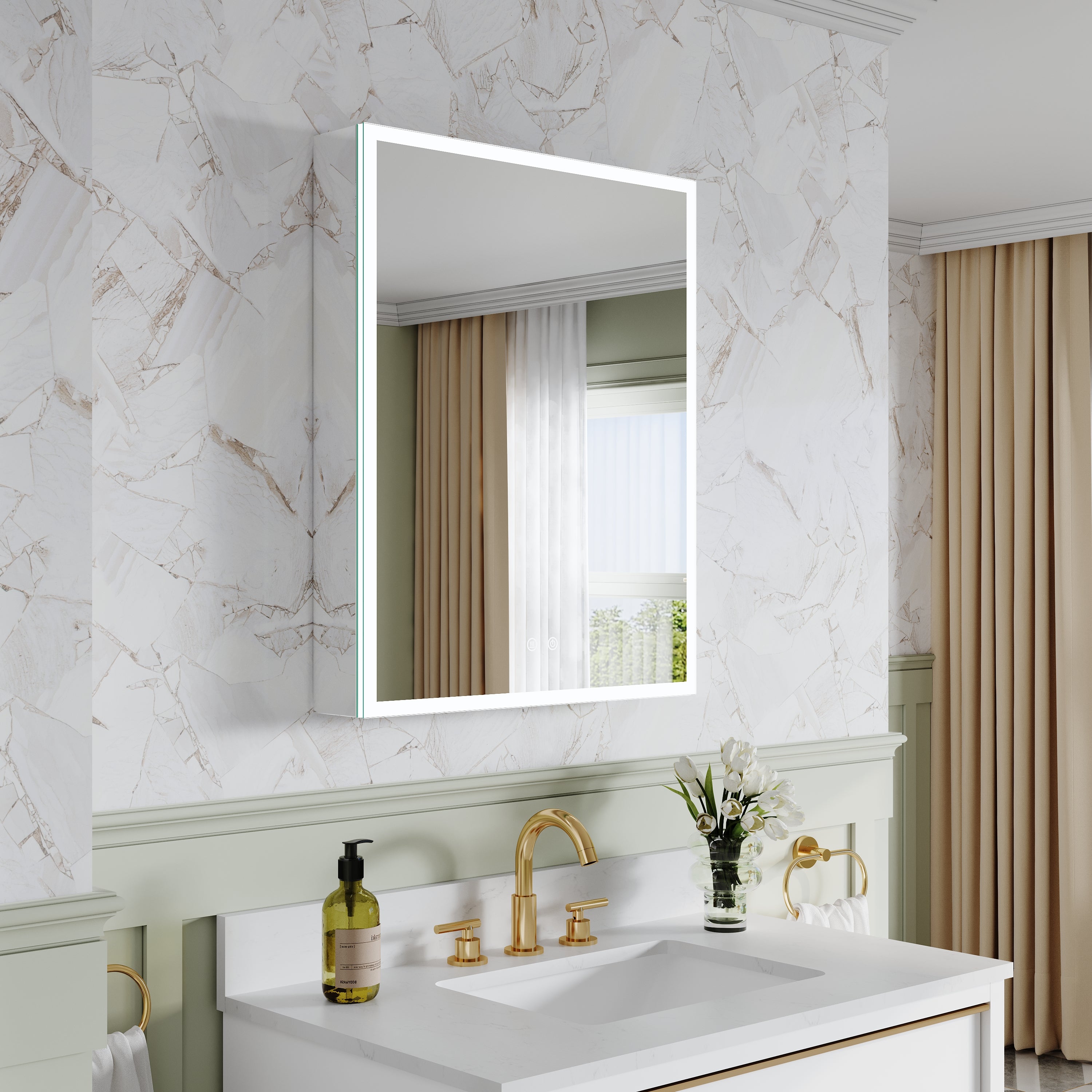
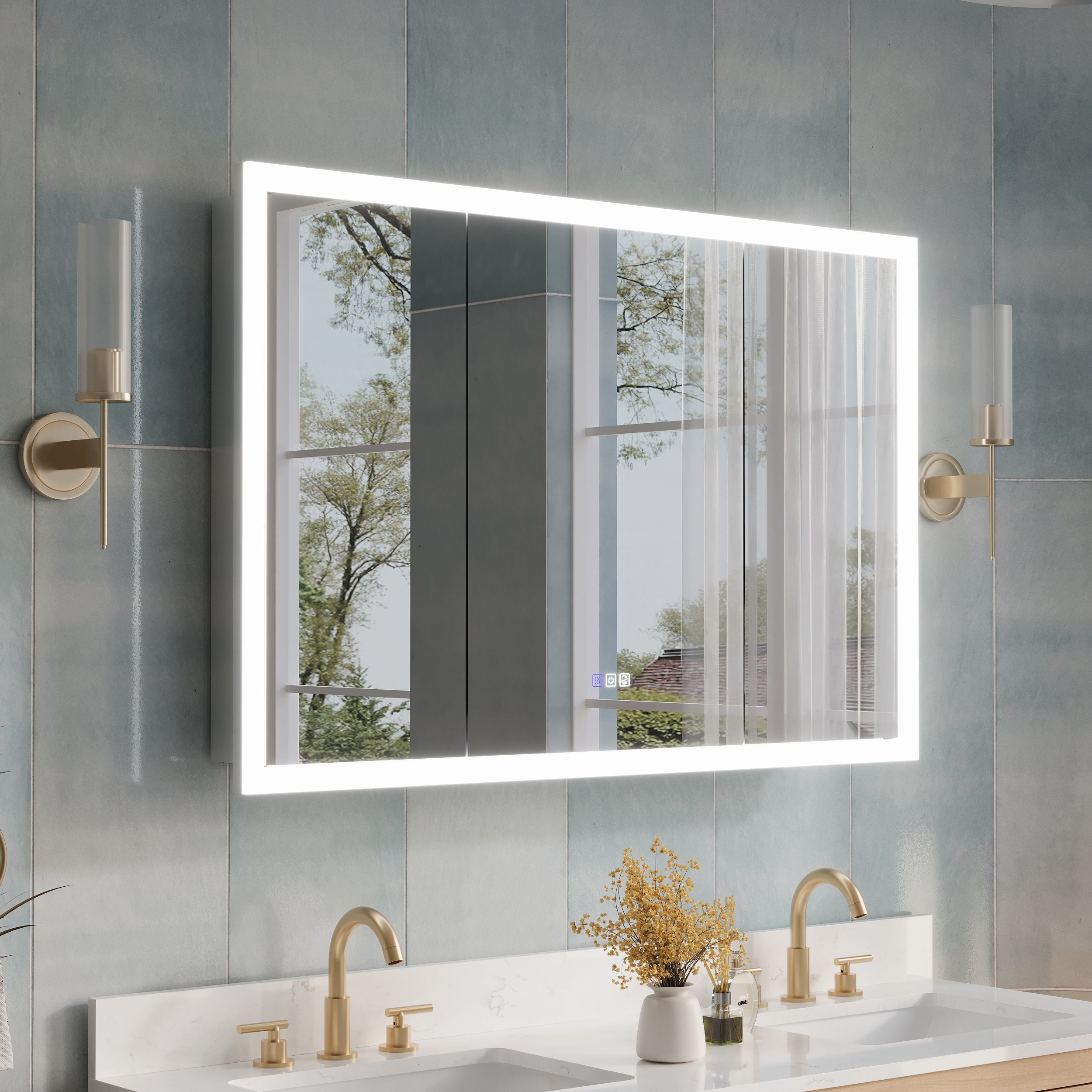
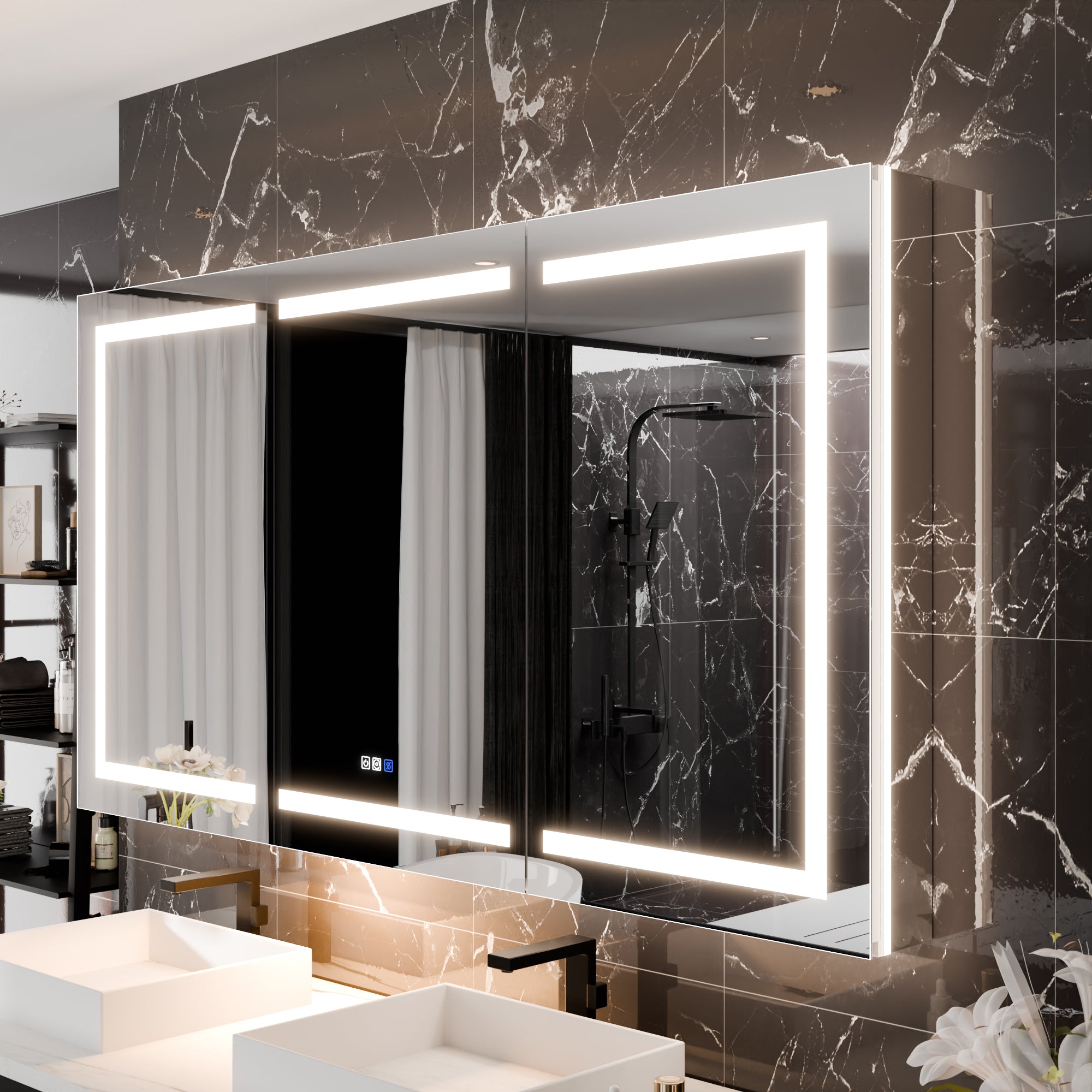
In industry practice, "uniform, soft, and stable" mirror lighting is more highly praised. When choosing, attention should be paid to whether the light source layout covers the facial area, reduces shadow interference, and is suitable for high-frequency scenes such as daily grooming and care. The truly appropriate lighting is to make the usage process natural, rather than deliberately perceiving the presence of the lamp.
3. Choose the appropriate mirror size and shape based on the bathroom space conditions
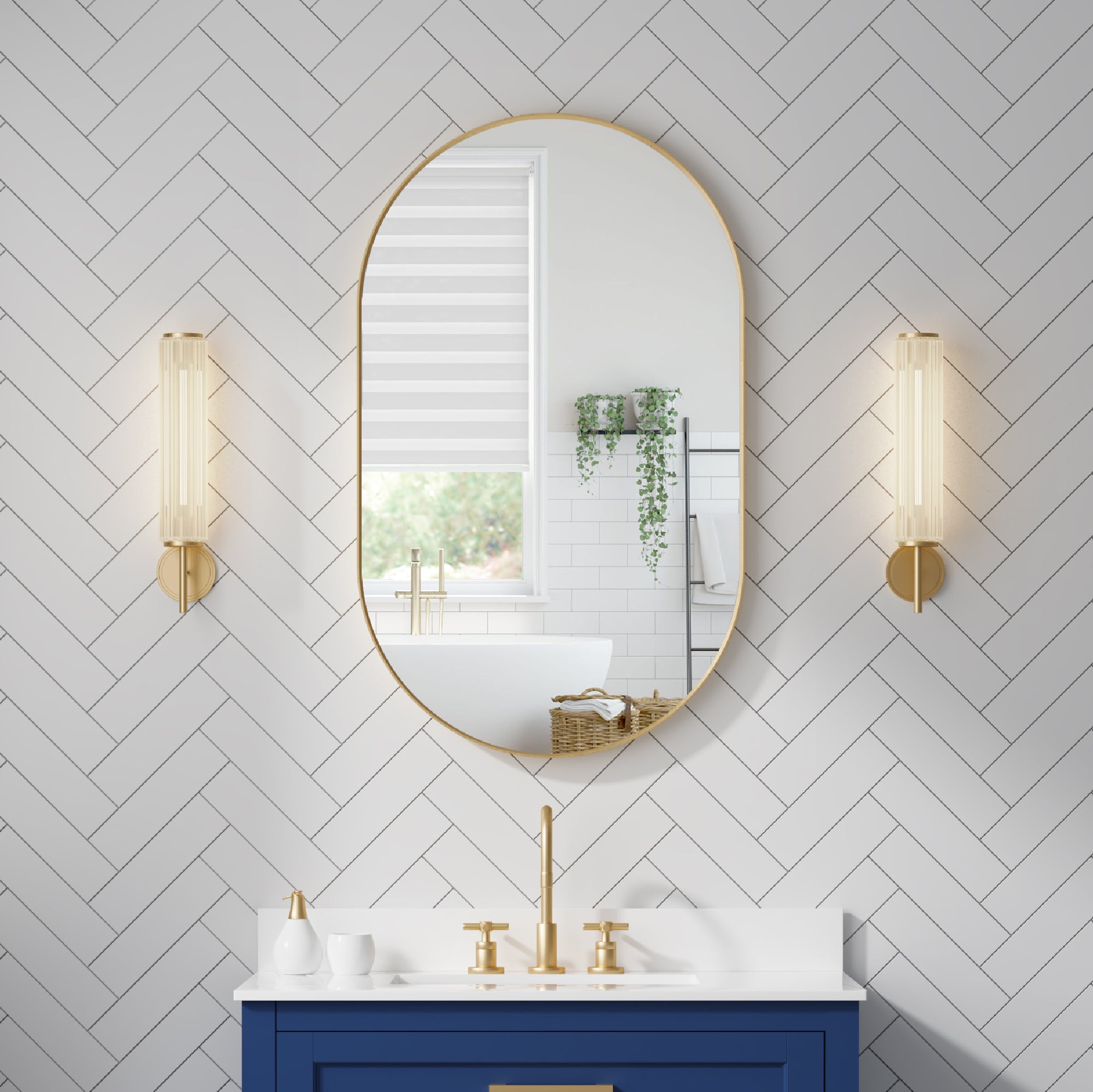
The size and shape of an illuminated bathroom mirror have a much greater impact on bathroom space than a regular mirror. A too-large mirror may compress a small space, while a too-small mirror can weaken the overall sense of proportion.
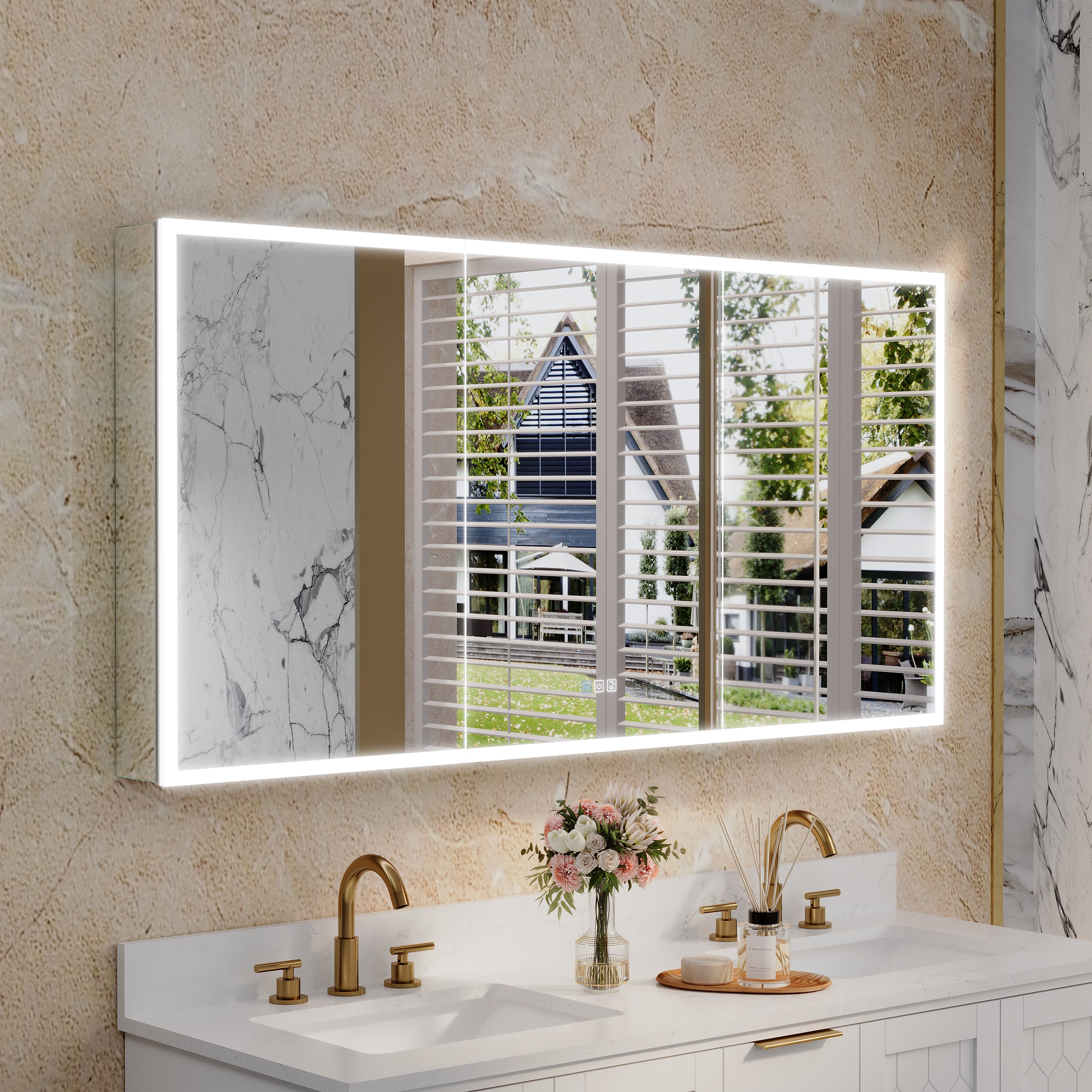
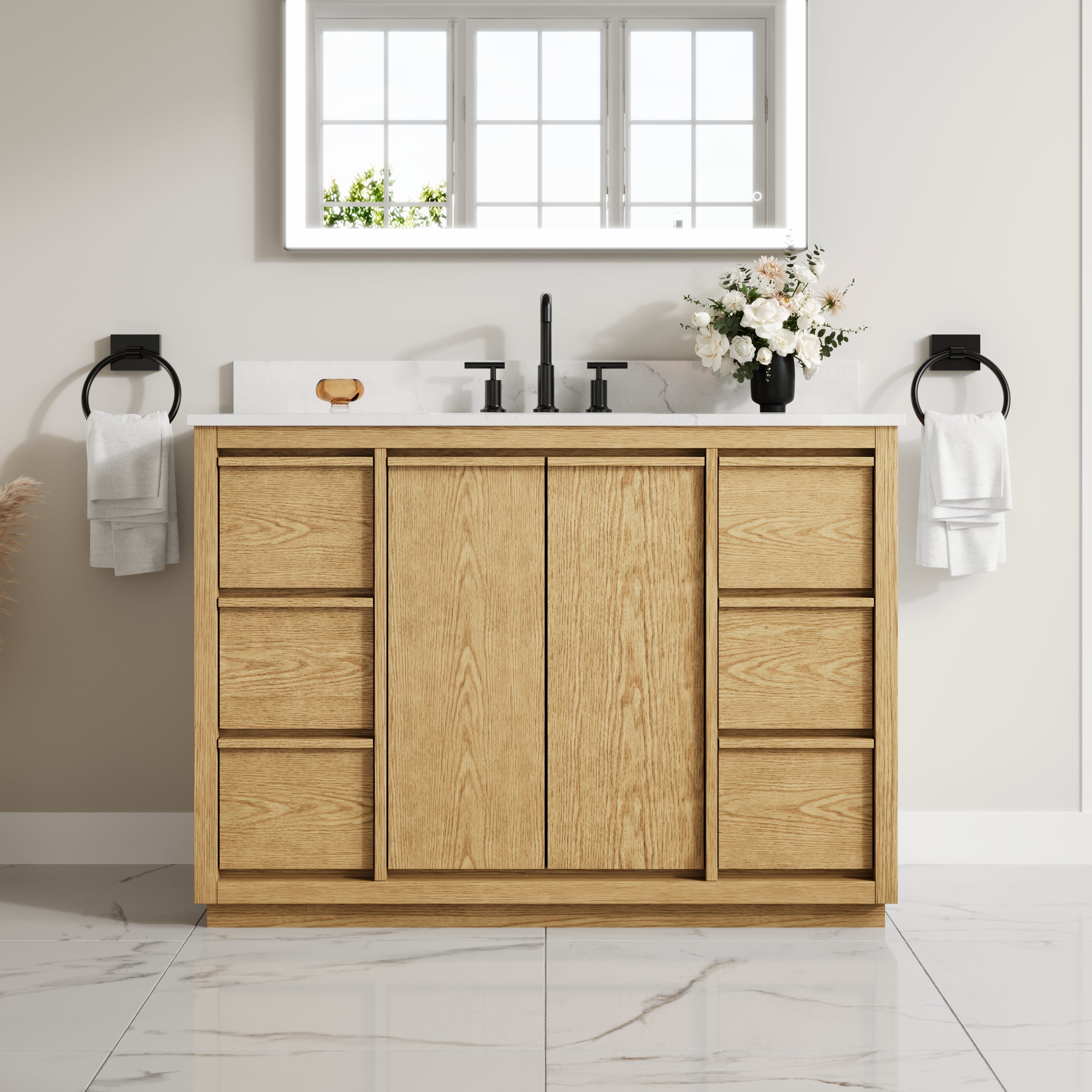
In bathroom renovation, the width of the mirror usually needs to maintain visual coordination with the washbasin, while the height needs to balance comfort and wall layout. Industry advice is to consider the size of the countertop, the available height of the wall, and the location of surrounding facilities before determining the specifications of the mirror. A reasonable proportional relationship can make the illuminated mirror appear "just right" in space, rather than abruptly existing.
4. Incorporate the illuminated bathroom mirror into the overall lighting system for consideration
A common misconception is to view illuminated mirrors as independent lighting solutions and overlook their relationship with overall bathroom lighting. In fact, the illuminated bathroom mirror is more suitable as a functional illumination in front of the mirror, rather than replacing all lighting requirements.
The industry generally believes that in bathroom renovation, ceiling lights, auxiliary lighting, and illuminated mirrors should be planned as a whole system. Only under the premise of a coordinated overall lighting environment can the advantages of illuminated bathroom mirrors be fully realized, avoiding problems such as local excessive brightness or overall light imbalance.
5. Consider durability and maintenance needs during long-term use
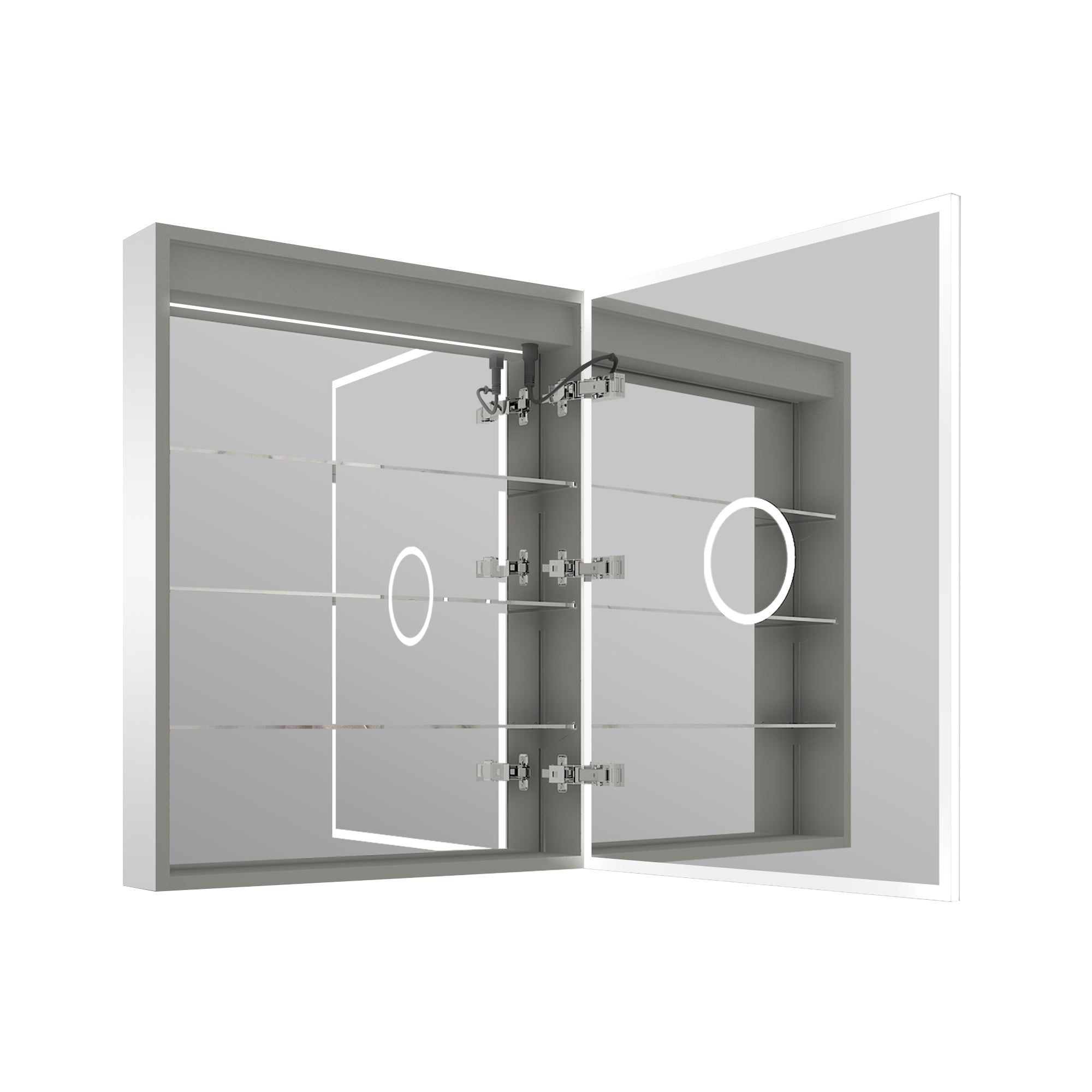
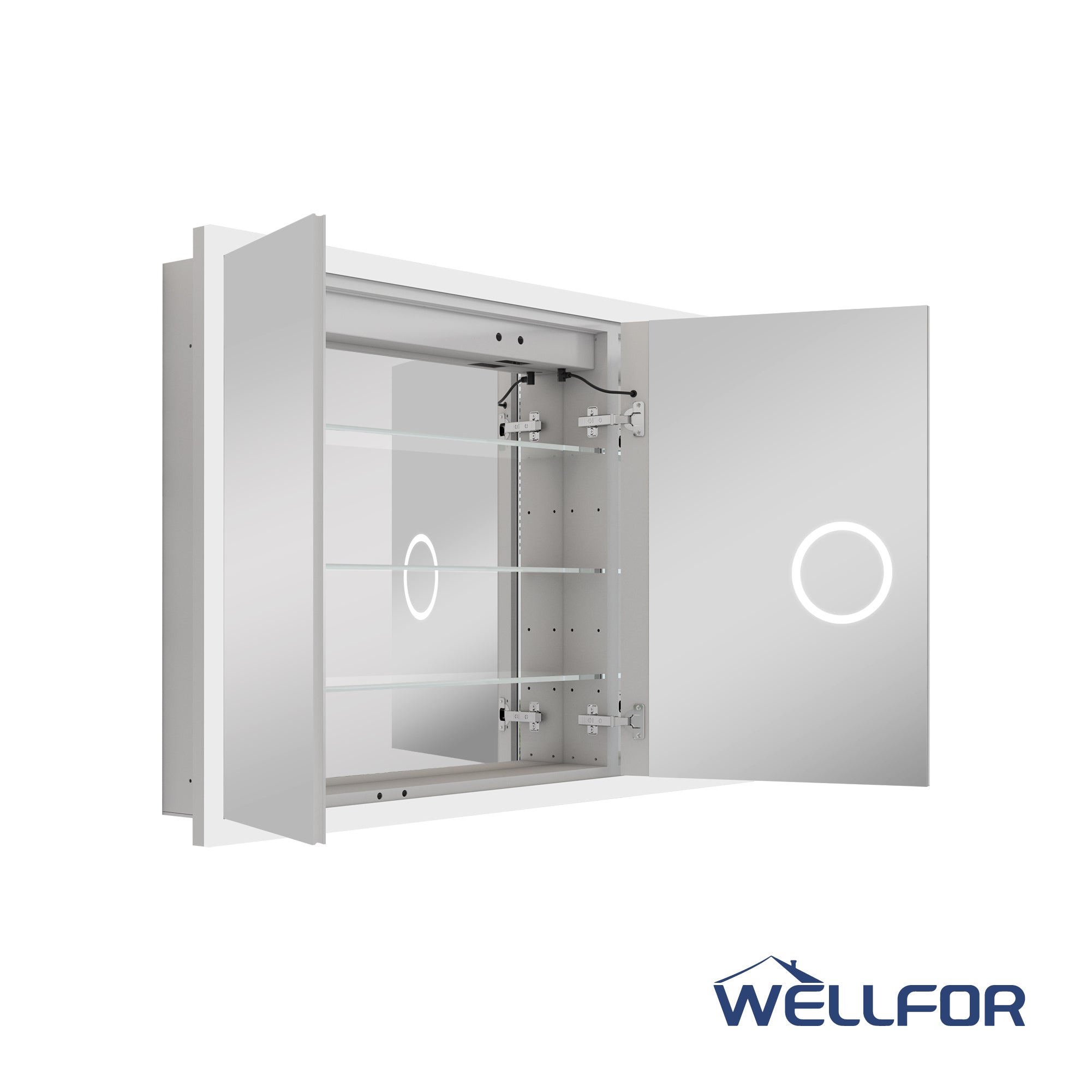
The bathroom environment has been high-humidity for a long time, placing greater demands on the structure and materials of mirrors. Designing with lighting means a more complex internal structure, making durability and moisture resistance particularly important.
When choosing, attention should be paid to whether the mirror surface has undergone moisture-proof treatment, whether the internal components are suitable for wet environments, and whether the overall structure is ideal for long-term use. From an industry perspective, stability and durability are often more important than short-term feature richness, which is also an essential criterion for measuring whether an illuminated bathroom mirror is suitable for long-term renovation projects.

6. Design style should serve the overall space, rather than dominating the space
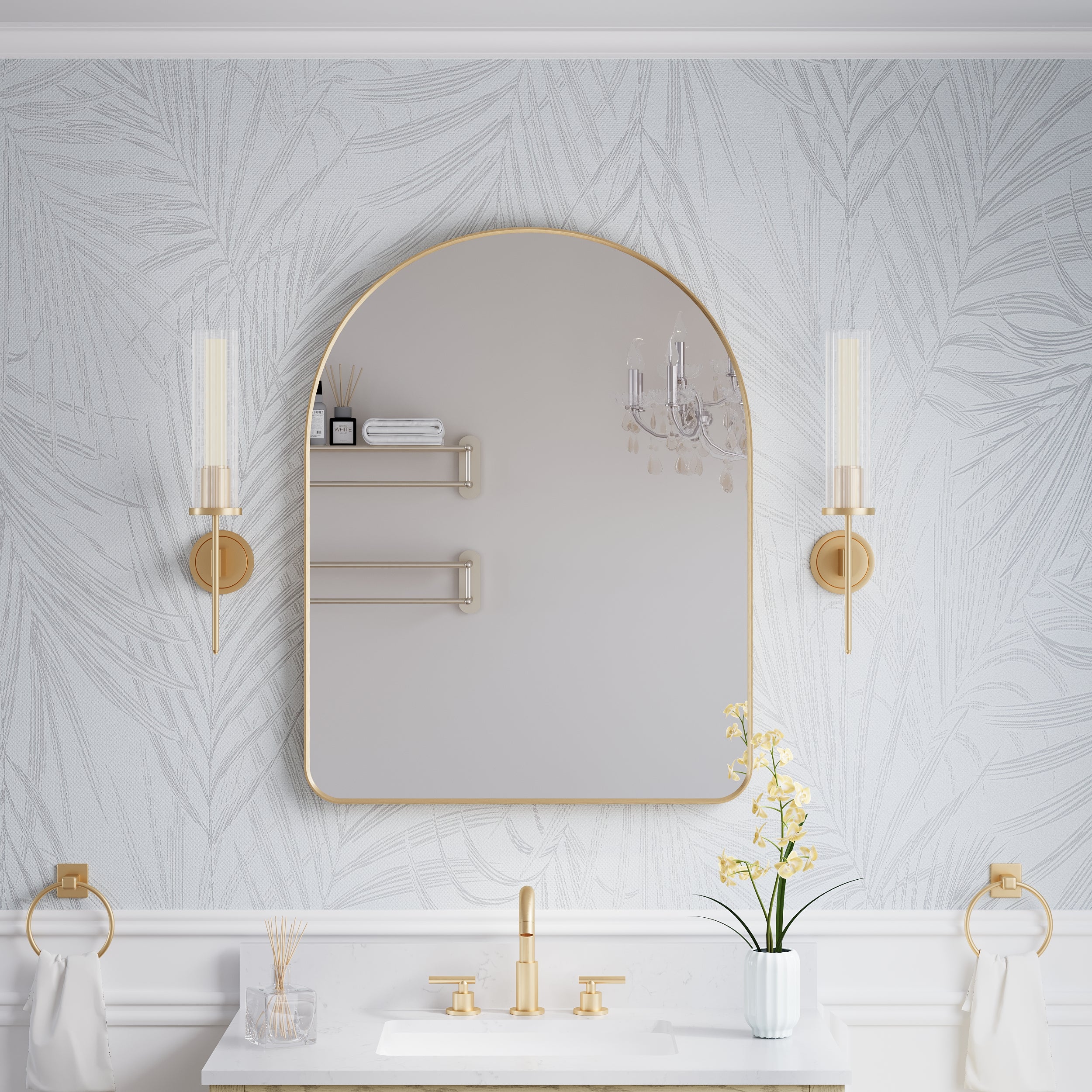
Although the illuminated bathroom mirror has a strong visual presence, its design style should not be overly flashy. Overly complex or decorative designs may appear novel in the short term, but may struggle to adapt to future aesthetic changes.
Industry trends show that illuminated mirrors with simple lines and restrained shapes are easier to match with different styles of bathrooms and are more conducive to long-term use. In bathroom renovation, mirrors should play a role in "enhancing spatial completion" rather than becoming a visual focus that overshadows others.
7. Make rational choices based on the overall renovation cycle and construction conditions
Finally, the selection of illuminated bathroom mirrors should also be comprehensively judged based on construction conditions and renovation cycles. Partial illuminated mirrors require pre-reserved circuits, which are suitable for planning in the early stages of renovation, and some styles with more flexible structures are more appropriate for later installation.
Industry experience has shown that coordinating with construction plans in advance can help reduce rework and unnecessary adjustments, as well as ensure that mirrors achieve the expected results after installation. Combining product selection with construction pace is an essential manifestation of mature bathroom renovation.
Conclusion
Overall, choosing illuminated bathroom mirrors for bathroom renovation is not a simple upgrade of individual items, but a decision that requires systematic planning. From lighting requirements to spatial proportions, from durability to overall style, every factor affects the final user experience. In the current trend of rationalization and long-term value orientation in bathroom renovation, the truly suitable illuminated bathroom mirror should continuously improve the details of daily life without overshadowing the primary focus.














Leave a comment
This site is protected by hCaptcha and the hCaptcha Privacy Policy and Terms of Service apply.