


















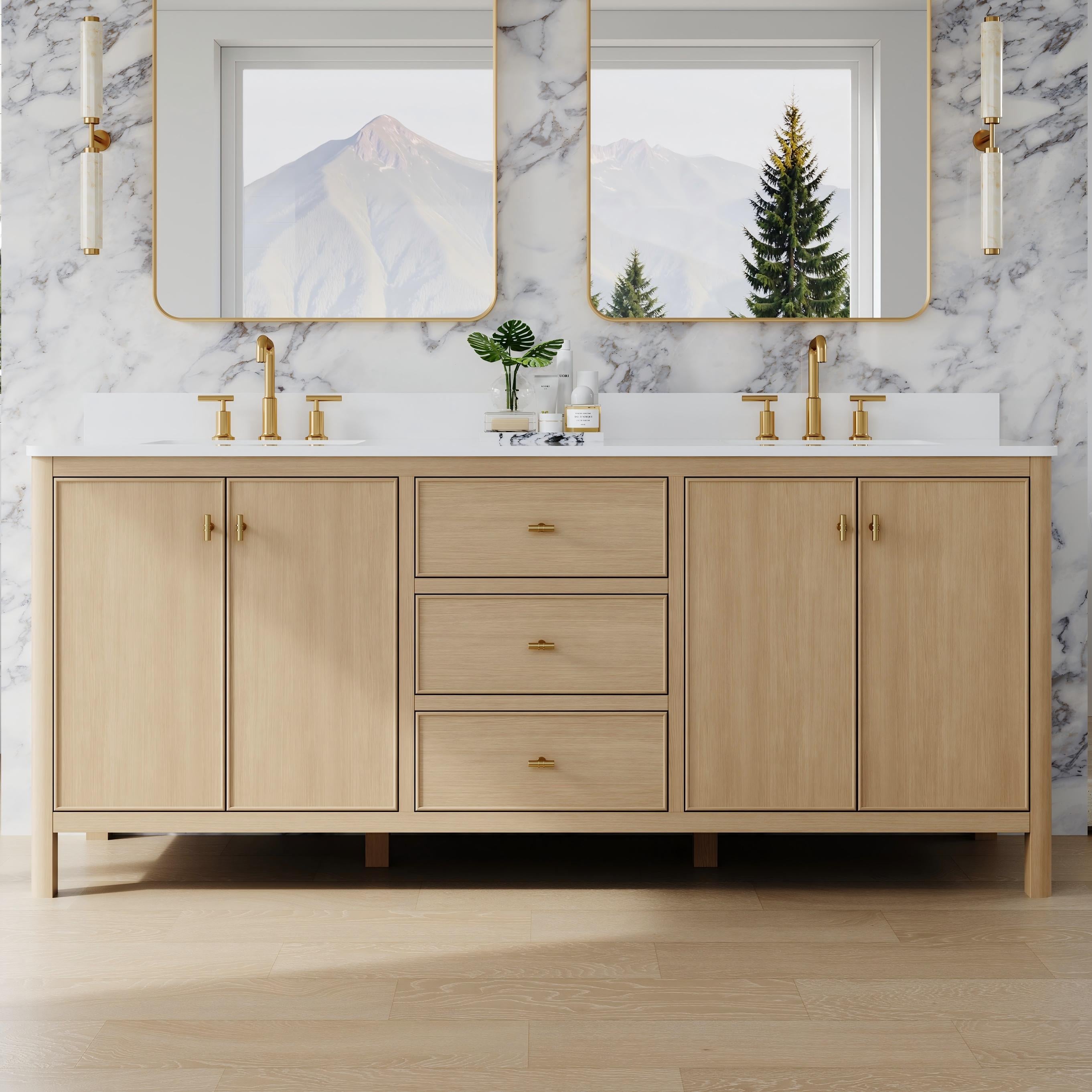
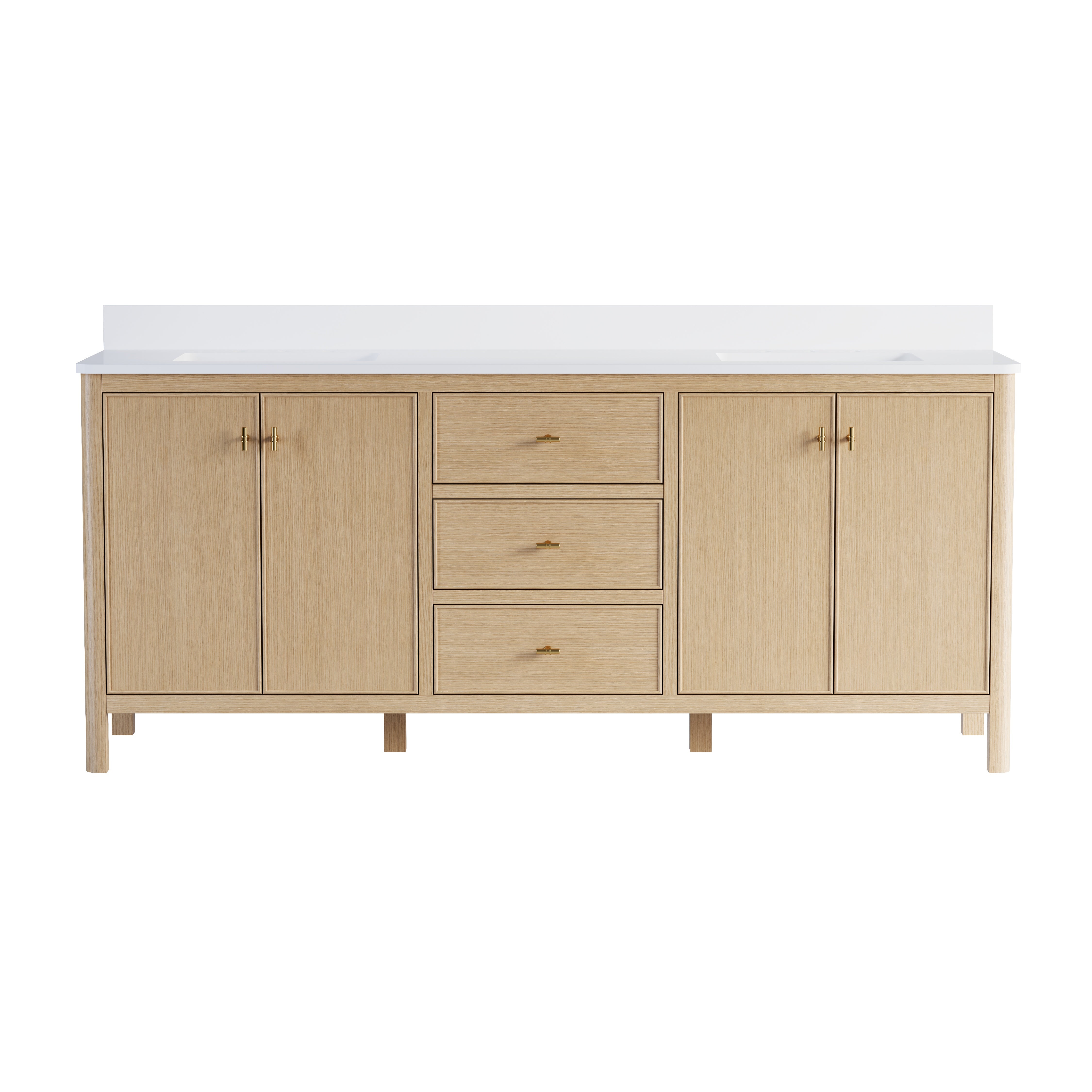


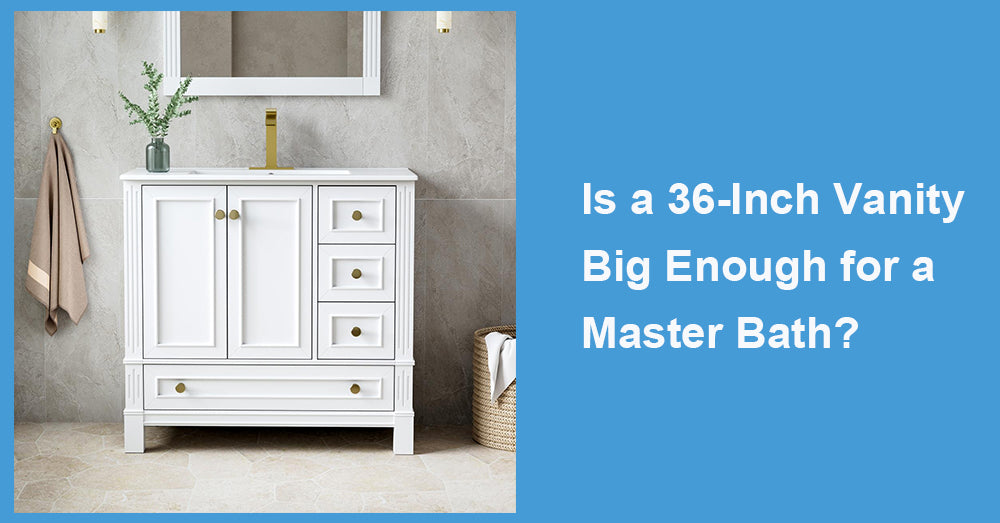
A 36 inch vanity can be large enough for a master bath, but only when the room, storage needs, and daily routine support it. After years of working with bathroom cabinetry and reviewing renovation layouts, I have seen compact vanities perform beautifully in primary bathrooms. I have also seen homeowners regret choosing one because they underestimated how much counter space two people would need. The width alone does not determine whether the vanity will work. Layout and storage design matter just as much.
1. When a 36 Inch Vanity Works in a Master Bath
A 36-inch cabinet is often a sensible choice in a smaller primary bathroom, especially when floor space is limited by a shower, bathtub, toilet alcove, or inward-swinging door. It provides more usable storage than a narrow powder-room vanity while leaving enough clearance for comfortable movement.
This size can work very well for one person. There is usually enough countertop room for a soap dispenser, toothbrush holder, and a few daily grooming products without making the surface feel crowded.
It may also suit couples who do not use the sink at the same time. Some households naturally stagger their morning schedules, making one well-organized sink more practical than a larger double vanity that consumes valuable floor space.
A smaller cabinet can improve the room’s proportions. In a compact bathroom, an oversized vanity may make the walkway feel tight and cause drawers or doors to interfere with nearby fixtures.
2. The Real Question Is How the Bathroom Is Used
Primary bathrooms are not all used in the same way. Some serve as private retreats with extensive storage, dressing areas, and two sinks. Others are modest rooms attached to the main bedroom, with most toiletries stored elsewhere.
Before choosing a vanity, consider what must be kept inside it. Daily skincare products, hair tools, towels, cleaning supplies, medicine, and spare toiletries add up quickly.
If the bathroom has a linen closet or medicine cabinet, a 36-inch vanity becomes easier to live with. Those additional storage areas prevent the cabinet from carrying the entire organizational burden.
Countertop habits matter too. A person who stores everything in drawers may need very little open surface. Someone who leaves several appliances and bottles out every day will probably find a 36-inch top restrictive.
I often recommend placing a 36-inch-long template on the wall with painter’s tape. Then mark the sink position and imagine where the faucet, soap, and daily items will sit. This simple exercise reveals more than a product photograph.
3. One Sink or Two?
A 36-inch vanity should generally have one sink. Although compact double-sink configurations exist, they provide limited basin size and very little counter space between users.
Two people sharing a single sink may not be a problem when their schedules differ. In fact, one larger basin can be easier to clean and more comfortable than two cramped sinks.
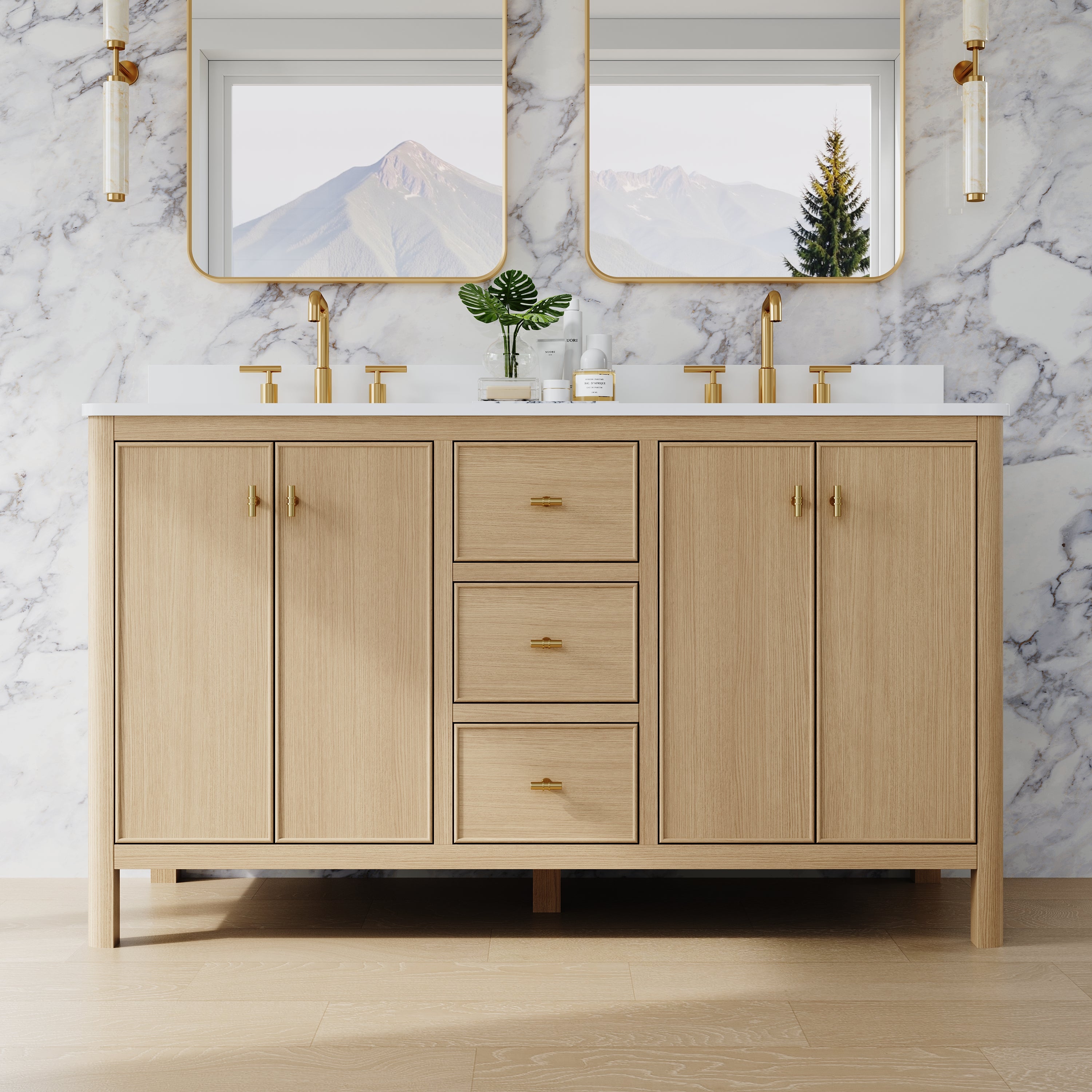
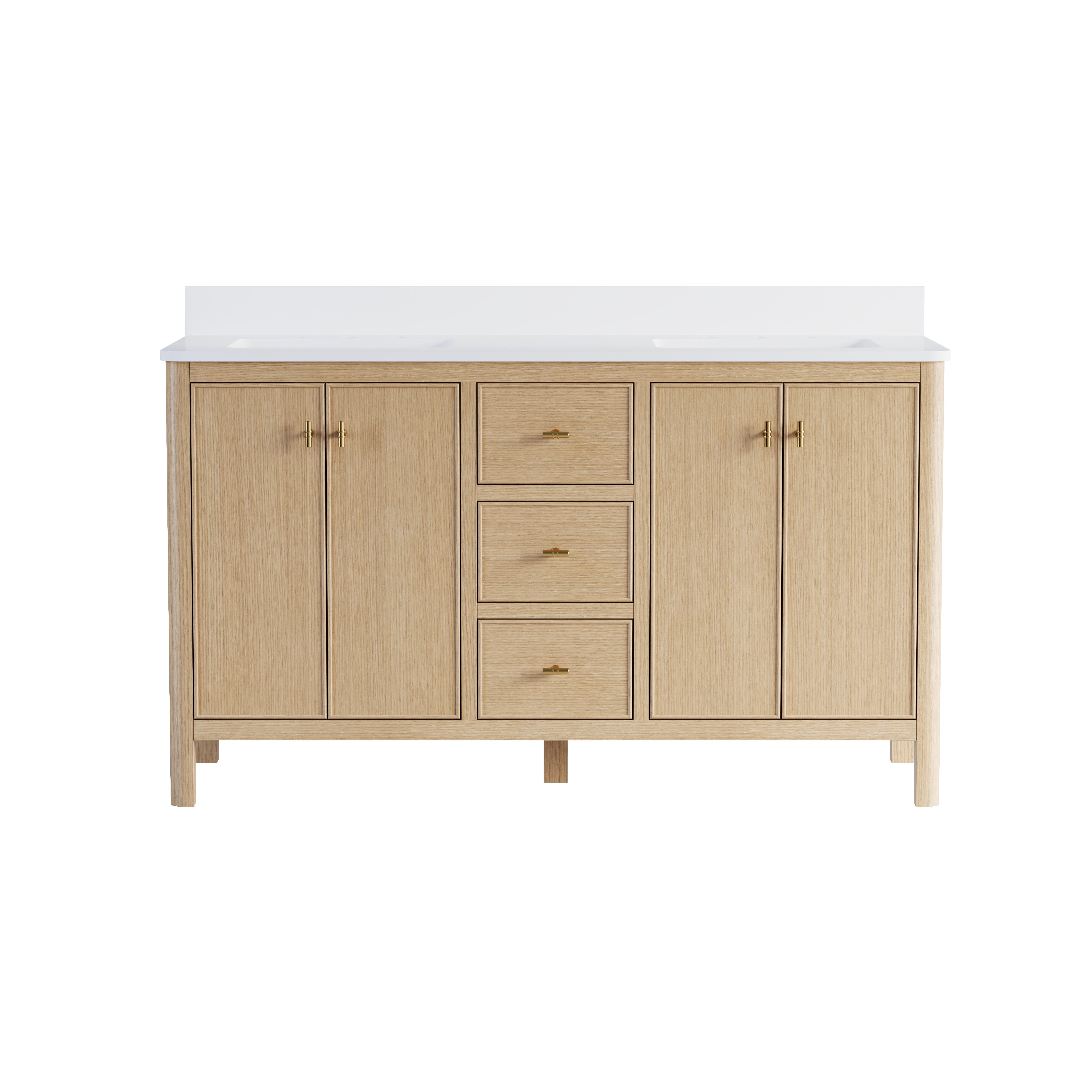
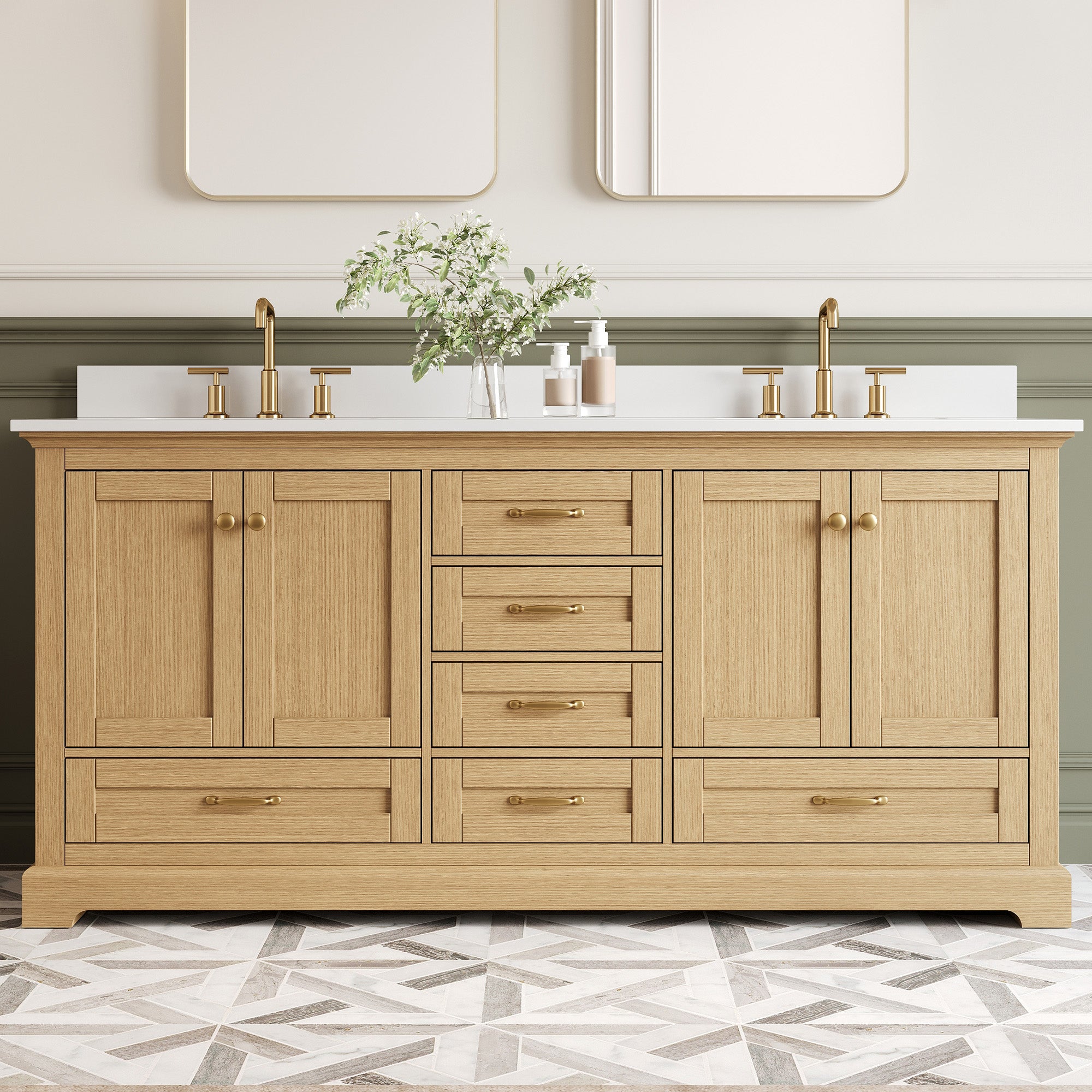
If both users routinely get ready at the same time, a wider vanity is usually the better investment. A 60-inch model offers more practical space for two sinks, while 72 inches provides greater separation and storage.
Do not choose a double sink simply because the room is called a master bath. The second basin reduces drawer space, adds plumbing, and creates another surface to maintain. It should earn its place through regular use.
4. Storage Design Matters More Than Cabinet Width
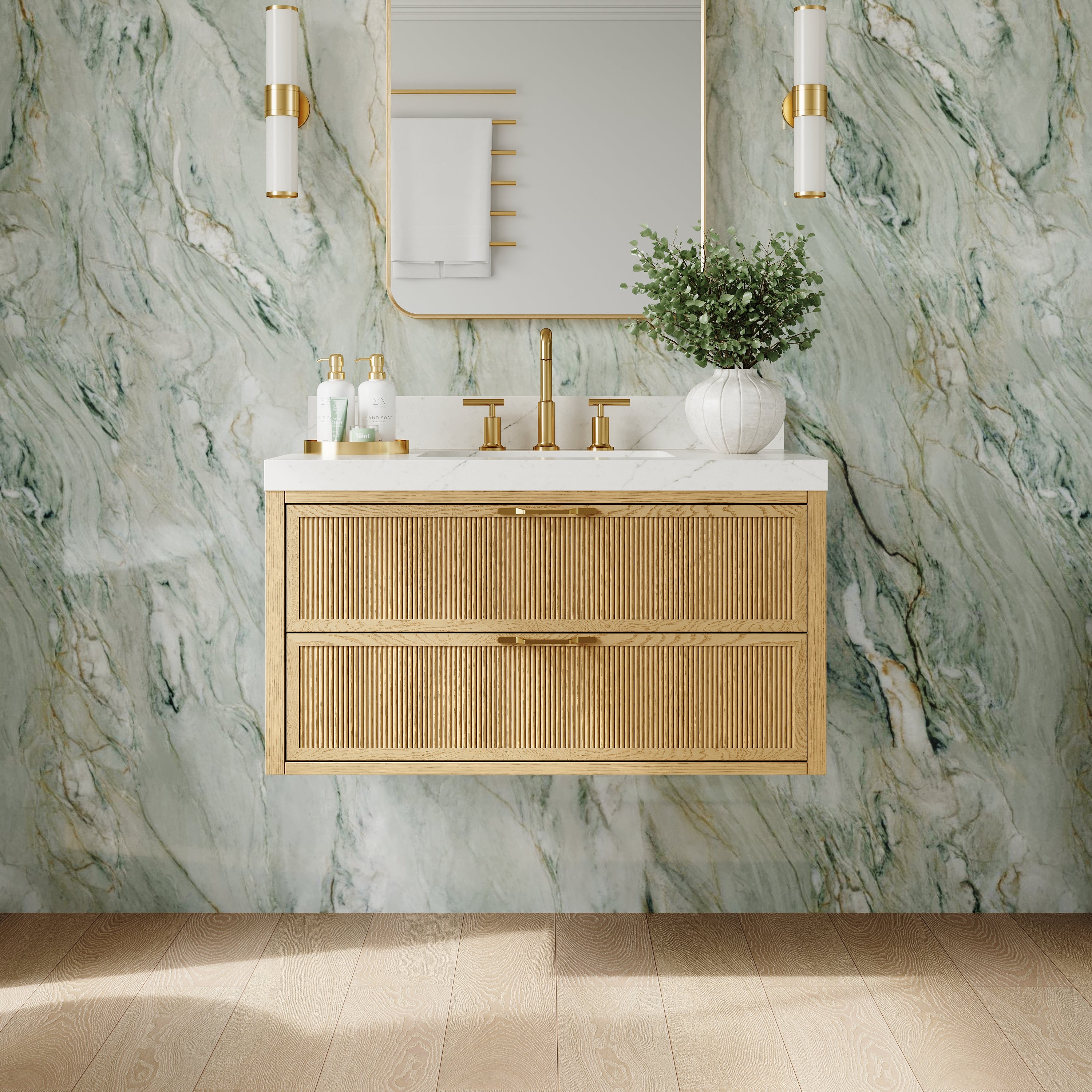
Two 36-inch vanities can offer very different amounts of usable storage. A cabinet with deep, poorly divided compartments may hold less than one with full-extension drawers and thoughtful interior organization.
Drawers are valuable for small daily items because they keep everything visible. Cabinet doors work better for tall bottles, cleaning supplies, and plumbing access. A balanced design usually combines both.
Look carefully at how much space the sink and drain occupy. A large undermount basin can reduce the upper storage area, while a compact sink may leave more room for drawers.
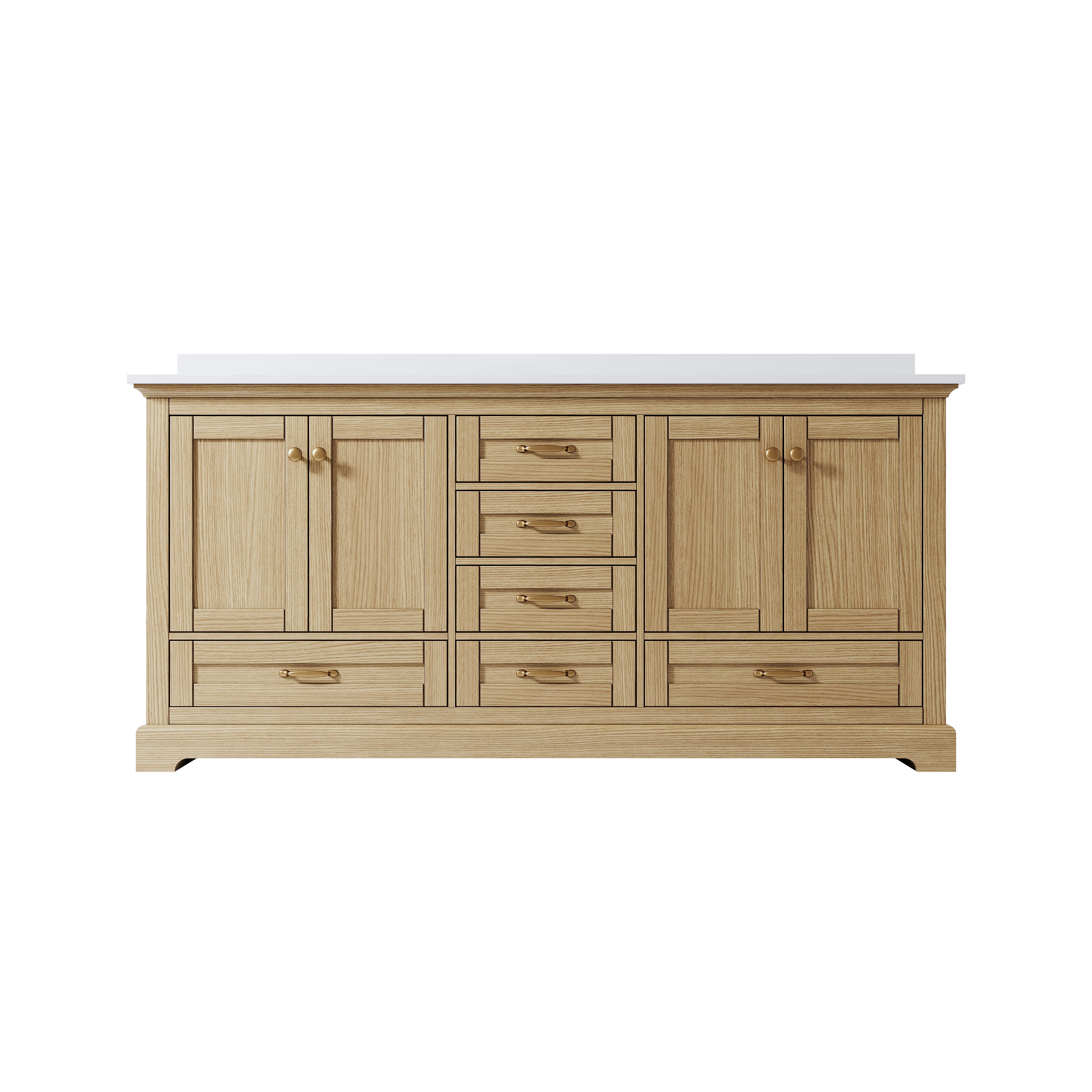
Wellfor bathroom vanities are best evaluated by their internal layout as well as their exterior style. Soft-close hardware, usable drawer depth, and accessible plumbing cutouts often have more impact on daily satisfaction than decorative details.
Do not assume every drawer shown on the front is fully functional. Some designs use false drawer panels beneath the sink. Check the product specifications before ordering.
5. Advantages of Choosing a Smaller Vanity
A 36-inch vanity can make a small master bath feel more open. Extra floor area improves circulation and may allow space for a laundry hamper, storage tower, or larger shower enclosure.
The smaller footprint can also reduce the cost of the cabinet and countertop. This may leave more room in the renovation budget for better hardware, a higher-quality faucet, improved lighting, or durable flooring.
Installation is often simpler as well. A compact vanity is easier to move through doorways and position in a tight room.
There is also a design benefit. Leaving some wall space on either side of the vanity can keep the room from feeling overfilled. A narrow cabinet paired with a properly sized mirror and balanced lighting can look intentional rather than undersized.
6. Limitations You Should Consider
The main limitation is counter space. Once the sink and faucet are installed, the remaining surface may be smaller than expected.
Shared storage can become another problem. Couples with separate grooming products may quickly fill a 36-inch cabinet, especially when towels and cleaning supplies must also fit inside.
A single sink can create scheduling conflicts during busy mornings. This may not matter in every household, but it should be discussed before the renovation is complete.
The vanity may also look visually small in a large master bathroom. If the room has a wide empty wall, a 36-inch cabinet can appear out of scale unless it is balanced with a storage tower, wall shelving, artwork, or another furniture piece.
Resale expectations are worth considering, though they should not control every decision. In a large primary suite, some future buyers may expect two sinks. In a compact home, efficient use of space may be more appealing than an oversized cabinet.
7. Installation Details That Affect the Fit
Measure more than the wall width. Account for baseboards, door trim, plumbing, electrical outlets, and the swing of nearby doors.
Check how far drawers and cabinet doors extend when opened. A vanity may fit against the wall but still interfere with the bathroom entrance or toilet.
Standard bathroom vanities are often around 21 inches deep, though actual dimensions vary. Confirm the depth before ordering, particularly in a narrow room where every inch of walkway matters.
The plumbing should align with the cabinet’s interior openings. Moving drain and supply lines can increase installation costs and reduce storage if the new routing is poorly planned.
Choose the mirror after confirming the finished vanity width and faucet height. A mirror that is slightly narrower than the cabinet often looks balanced, while an oversized mirror can make the setup feel top-heavy.
8. Maintenance in a Frequently Used Bathroom
A primary-bath vanity receives more daily use than a guest-bath cabinet. Water, cosmetics, toothpaste, and hair products should be wiped up before they dry or reach cabinet joints.
Use mild soap and a soft cloth on painted or stained surfaces. Abrasive cleaners can dull the finish, while strong chemicals may damage protective coatings.
Keep the bathroom well ventilated. Even moisture-resistant cabinetry should not remain exposed to persistent condensation.
Inspect the plumbing below the sink periodically. Slow leaks can go unnoticed inside a packed cabinet and cause swelling or finish damage before water appears on the floor.
Drawer organizers are especially useful in a smaller vanity. They prevent daily items from spreading across the countertop and make the limited storage easier to manage.

9. Making the Right Size Decision
A 36-inch cabinet is a strong option for a compact master bath used primarily by one person, a couple with different schedules, or a bathroom supported by separate linen and medicine storage. It is less suitable for two people who need simultaneous sink access, large amounts of countertop space, and extensive personal storage.
Measure the room, inventory what must be stored, and study the internal cabinet layout before buying. Do not let the “master bath” label push you toward a larger vanity if it compromises movement or makes the room feel crowded.
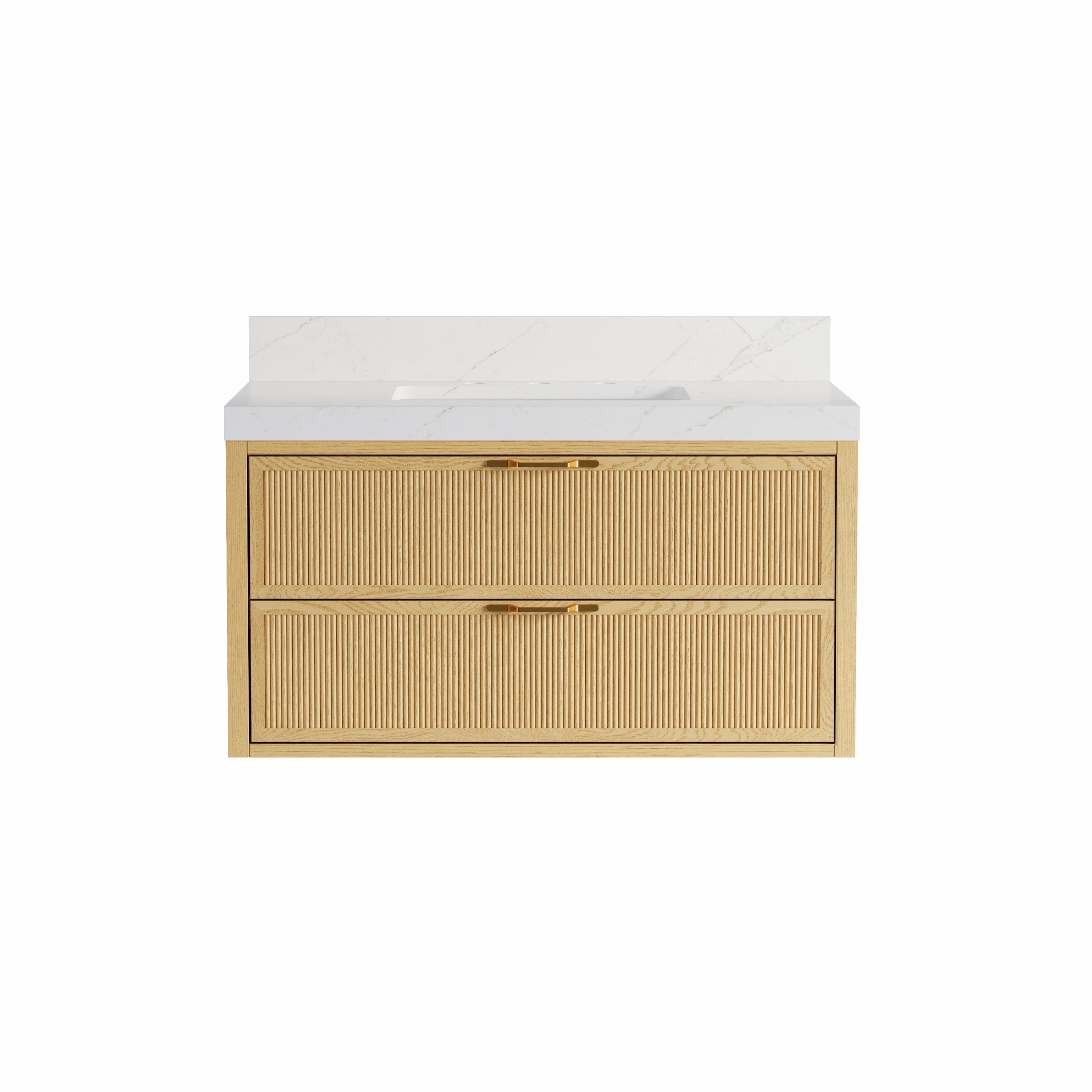
A well-designed Wellfor 36 inch vanity can be more useful than a wider cabinet with poor storage and awkward proportions. Choose it when the size supports your routine, not simply because it fits the wall.





































Leave a comment
This site is protected by hCaptcha and the hCaptcha Privacy Policy and Terms of Service apply.