






















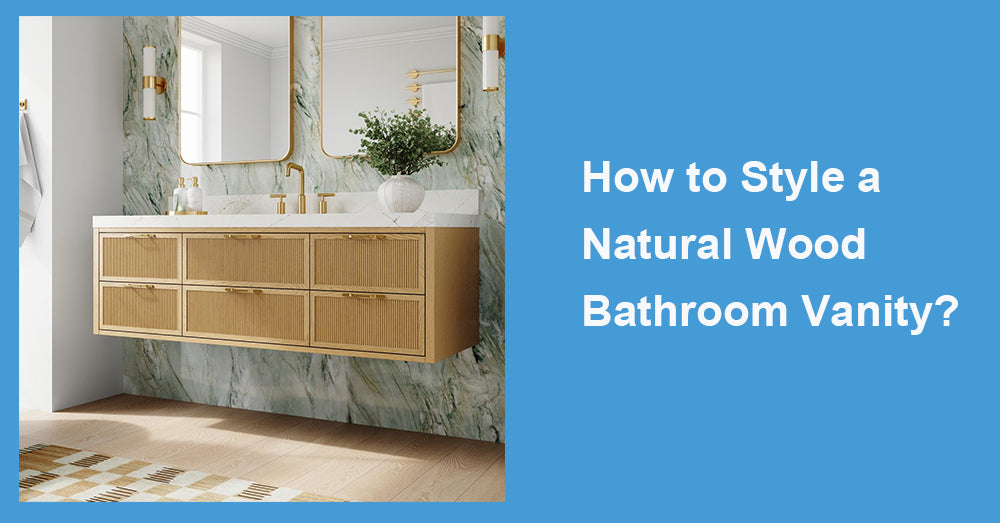
A natural wood bathroom vanity has enough character to influence the entire room without needing much decoration around it. After more than 20 years of working with bathroom cabinetry and renovation projects, I have learned that natural wood looks best when its grain, undertone, hardware, countertop, and lighting are considered together. The goal is not to create a perfectly matched bathroom. It is to build enough contrast and texture that the vanity feels intentional while remaining practical for everyday use.
1. Start With the Natural Wood Bathroom Vanity Itself
Before choosing tile, hardware, or accessories, look closely at the wood tone.
Light oak and ash create an airy effect and are especially useful in compact bathrooms. Medium-toned wood gives a room more warmth without making the cabinet feel heavy. Walnut and deeper brown finishes can look sophisticated, although they usually need more daylight or stronger artificial lighting.
Grain also matters. A vanity with pronounced grain already has considerable visual movement, so the surrounding materials should be quieter. A subtle wood grain gives you more freedom to introduce expressive tile or stone.
Do Not Style From the Color Name Alone
“Natural oak” can mean very different things from one manufacturer to another. Some finishes lean golden, while others appear beige, gray, or slightly pink.
Whenever possible, compare a sample with your flooring, countertop, and wall color. The relationship between undertones matters more than the name on the finish chart.
2. Pair the Wood With a Countertop That Adds Contrast
The countertop sits directly against the cabinet, making this one of the most important material combinations in the bathroom.
White or softly veined quartz is a reliable partner for natural wood because it keeps the vanity area bright. Warm beige stone creates a more relaxed, organic look. Dark countertops can work with pale wood, but they add visual weight and may show water spots more readily.
I generally avoid pairing strong wood grain with extremely dramatic stone veining. Both materials may be beautiful, but they often compete.
One should lead. The other should support it.
3. Use Hardware to Control the Mood
Changing the hardware can move the same vanity in very different directions.
Matte black pulls make light wood feel sharper and more contemporary. Brushed nickel creates a quieter, transitional effect. Brass or champagne finishes bring additional warmth and pair particularly well with oak and walnut.
Minimal pulls suit slab-front cabinetry. More traditional knobs or handles work naturally with framed doors.
Mixing Metals Can Work
The faucet, cabinet hardware, mirror frame, and lighting do not need to be identical.
A controlled mix often feels more natural than matching every piece. Choose one dominant finish, then use another sparingly. Three or four competing metal finishes can make a small bathroom look disorganized.
4. Choose a Mirror That Balances the Cabinet
A large mirror can make a vanity area feel open, but proportions still matter.
For most single vanities, a mirror slightly narrower than the countertop creates a comfortable visual relationship. Rounded or arched mirrors soften the straight lines of modern cabinetry. Rectangular mirrors feel more architectural.
A wood-framed mirror can work, though I rarely recommend matching the vanity grain exactly. Too much identical wood can make the room feel like a furniture set.
Metal-framed or frameless mirrors often provide cleaner contrast.
5. Let Lighting Bring Out the Natural Tone
Lighting can dramatically change how wood appears.
Cool light may flatten darker woods or exaggerate yellow undertones in pale oak. Very warm lighting can make an already golden finish look orange.
Neutral-to-warm lighting usually gives natural wood the most flattering appearance in a bathroom.
Sconces placed near the mirror provide useful facial lighting, while ceiling fixtures handle general illumination. If the vanity has strong grain, directional light can help reveal its texture without making it overly dramatic.
Check the finish at different times of day before making the final decision.
6. Keep the Countertop Relatively Clear
Natural wood already provides visual interest. It does not need a countertop full of decorative objects.
A simple soap dispenser, small tray, folded hand towel, or ceramic container is often enough. In a guest bathroom, the restrained approach feels calm and considered.
Family bathrooms need more storage, not more decoration.
Deep drawers are useful for cosmetics, skincare, and grooming tools. Cabinet space under the sink handles taller bottles and cleaning supplies. If everyday products can be stored inside, the wood remains visible instead of disappearing behind clutter.
7. Know Which Bathrooms Suit Natural Wood Best
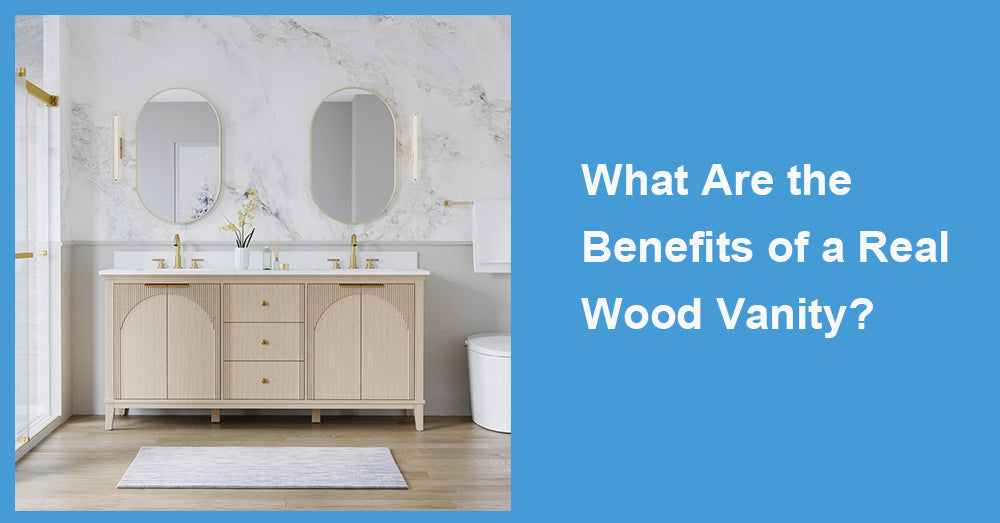
Natural wood works particularly well in Scandinavian, Japandi, transitional, coastal, organic-modern, and understated contemporary bathrooms.
It is also effective in rooms with large areas of white tile or glass because it introduces warmth without requiring additional pattern.
There are situations where it may be less successful. A highly ornate traditional bathroom may call for more detailed cabinetry. A very dark monochromatic space may be better served by painted finishes unless wood is intentionally used as contrast.
Strongly rustic grain can also feel out of place in a sleek urban bathroom if nothing else relates to it.
8. Balance Style With Construction Quality
A vanity should look good, but it also has to survive a humid environment.
Check whether cabinet edges are sealed and whether drawer boxes feel rigid. Solid wood components can offer strength and repairability, while quality plywood is often a practical choice for cabinet boxes.
Wood is not waterproof.
Standing water around the sink, leaking plumbing, and poor ventilation can damage even expensive cabinetry. If the bathroom regularly stays humid after showers, improve ventilation before installing a new vanity.
9. Install With Proportion in Mind
Measure the full vanity footprint, including the countertop overhang. Check clearance to the toilet, shower door, and entrance.
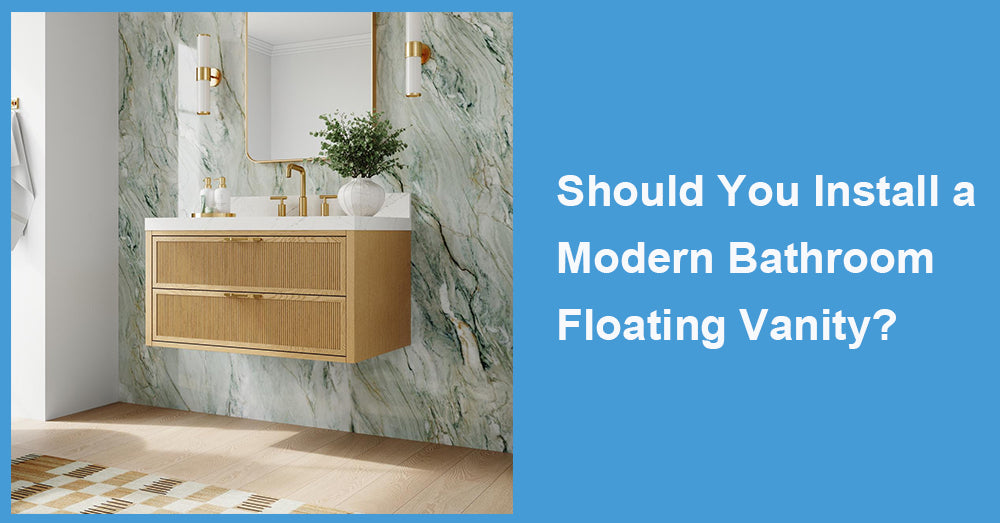
Floating vanities expose more flooring and can make a compact room feel lighter, but they require secure wall support. Freestanding designs usually provide more storage and are easier to fit around existing plumbing.
Install the cabinet level. Misaligned drawers and uneven countertop gaps are particularly noticeable on clean, natural-wood designs.
Seal the sink, faucet openings, countertop, and backsplash joints carefully.

10. Maintain the Finish Without Overworking It
Use a soft cloth and mild, non-abrasive cleaner. Wipe water around the sink rather than letting it dry repeatedly on the cabinet face.
Run the exhaust fan during and after showers. Avoid hanging wet towels over doors or drawer fronts. Check beneath the sink periodically for leaks.
When comparing Wellfor options, start with the wood tone and grain, then build the countertop, hardware, mirror, and lighting around those features. Keep the material palette controlled and the countertop functional. A well-styled natural wood bathroom vanity should feel warm and deliberate without looking overly coordinated, and it should remain easy to use long after the decorative choices have settled into everyday life.









































Leave a comment
This site is protected by hCaptcha and the hCaptcha Privacy Policy and Terms of Service apply.