














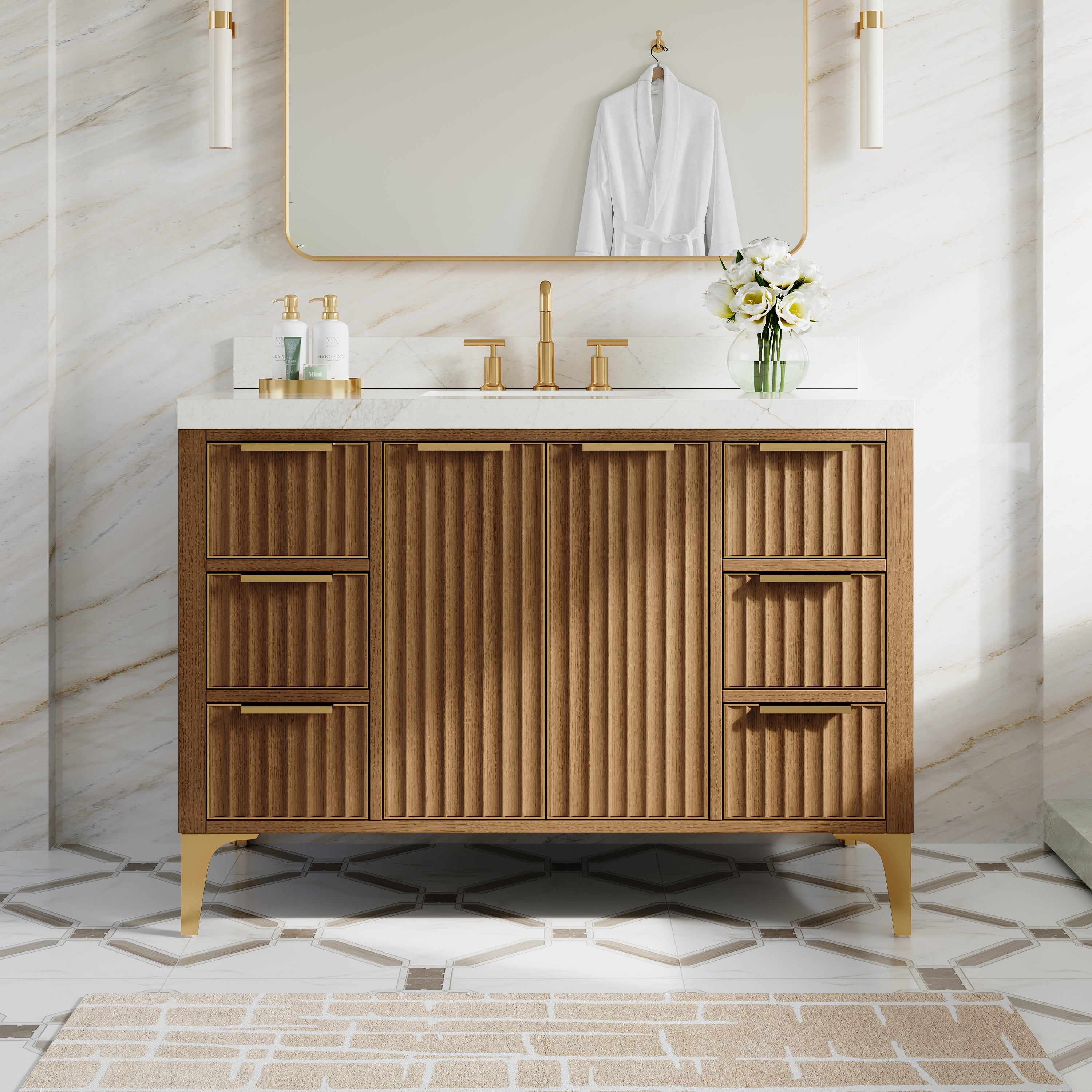


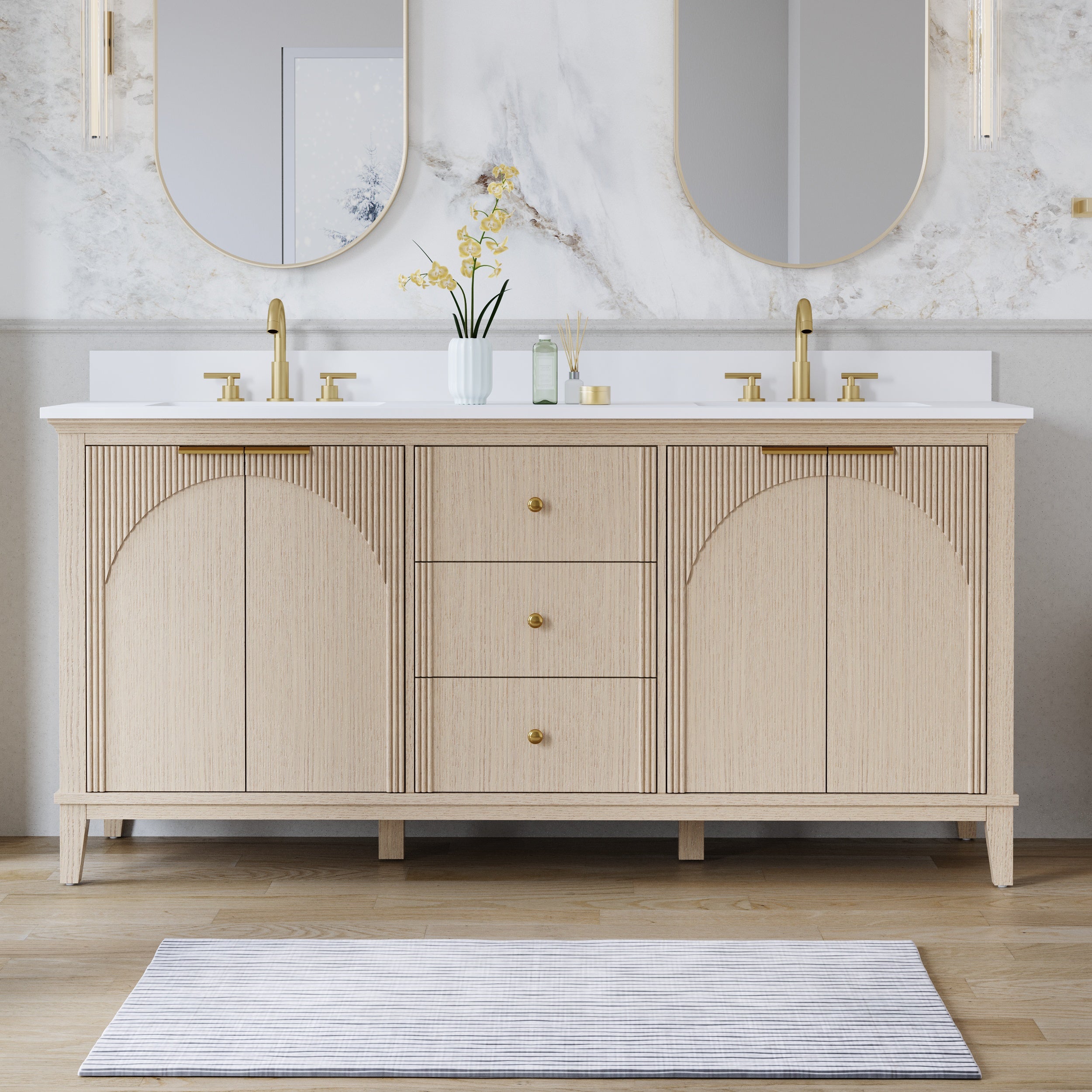
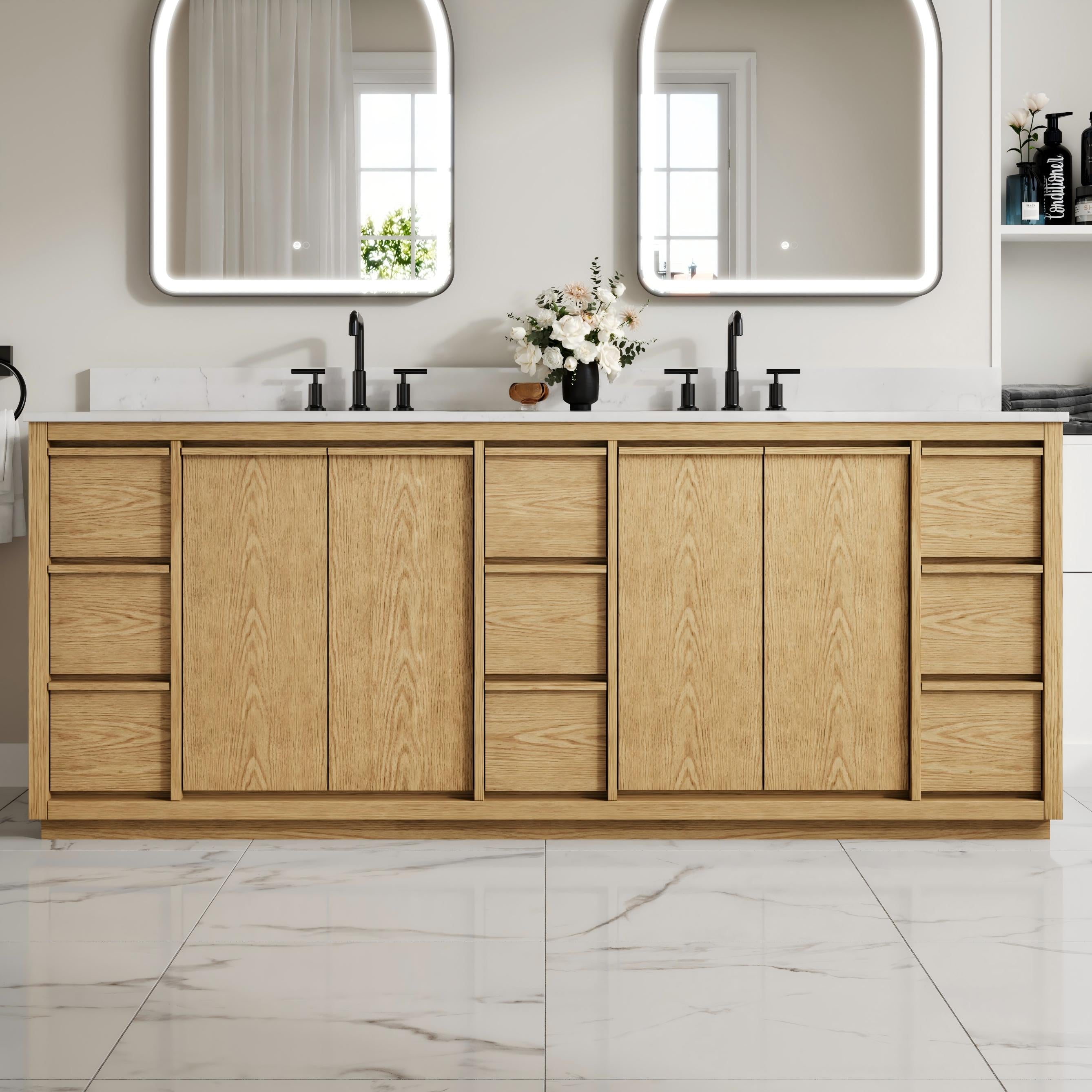
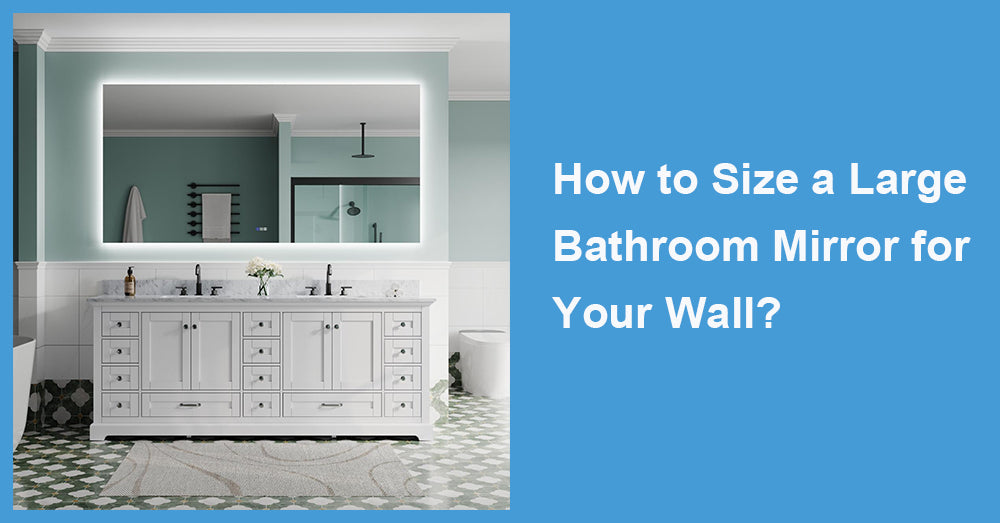
In the process of bathroom decoration or renovation, a large bathroom mirror with an appropriate size, style, and function can not only enhance the sense of space but also improve the daily use experience and the overall decor. This article will provide you with an industry perspective shopping guide from five dimensions: size selection, style matching, feature enhancement, installation method, and future trends.
1. Why is choosing a 'large' mirror more worth investing in?
In recent years, the market size of bathroom mirrors has continued to expand, reflecting consumers' emphasis on mirror size and functionality. For example, the global bathroom mirror market reached approximately USD 3.2 billion in 2024 and is expected to grow at a compound annual growth rate of roughly 6.1% from 2025 to 2033. (Source: Data Intelo.com) In addition, the market size of smart bathroom mirrors (with lighting/touch functions) will reach USD 339.1 million in 2022, and is expected to rise to USD 792.0 million by 2030, with a compound annual growth rate of about 11.2%.
These data indicate that bathroom mirrors are not only functional facilities but also essential components of current decorative trends, in terms of size, lighting, and intelligence. Choosing a 'large' mirror has significant advantages in visual expansion, lighting enhancement, and style upgrade. From a decoration perspective, this means that 'one investment can yield multiple returns': storage/visual/style.
2. Size selection: How to define "large" and how to match the wall and sink?
2.1 Definition of "Large" Mirrors
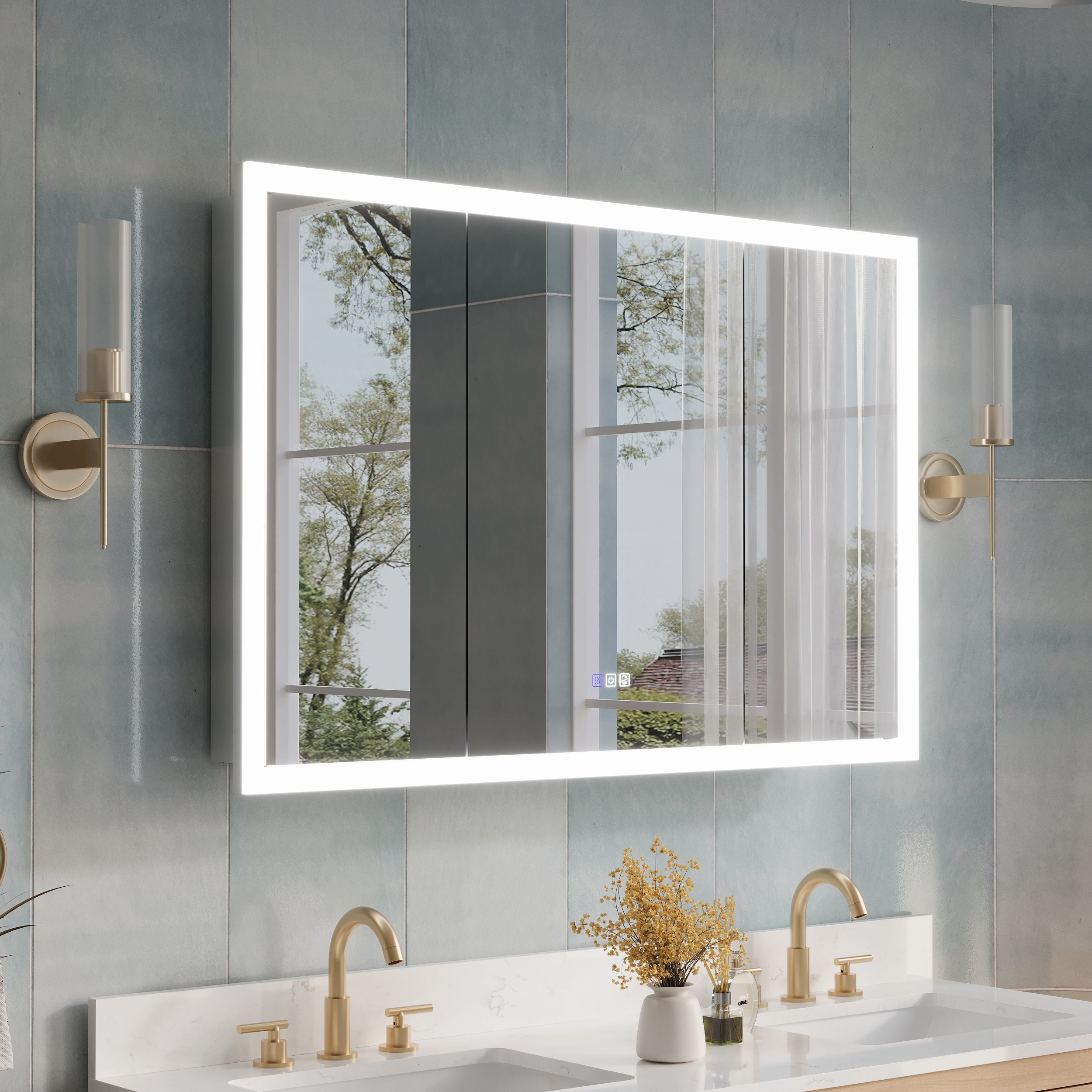
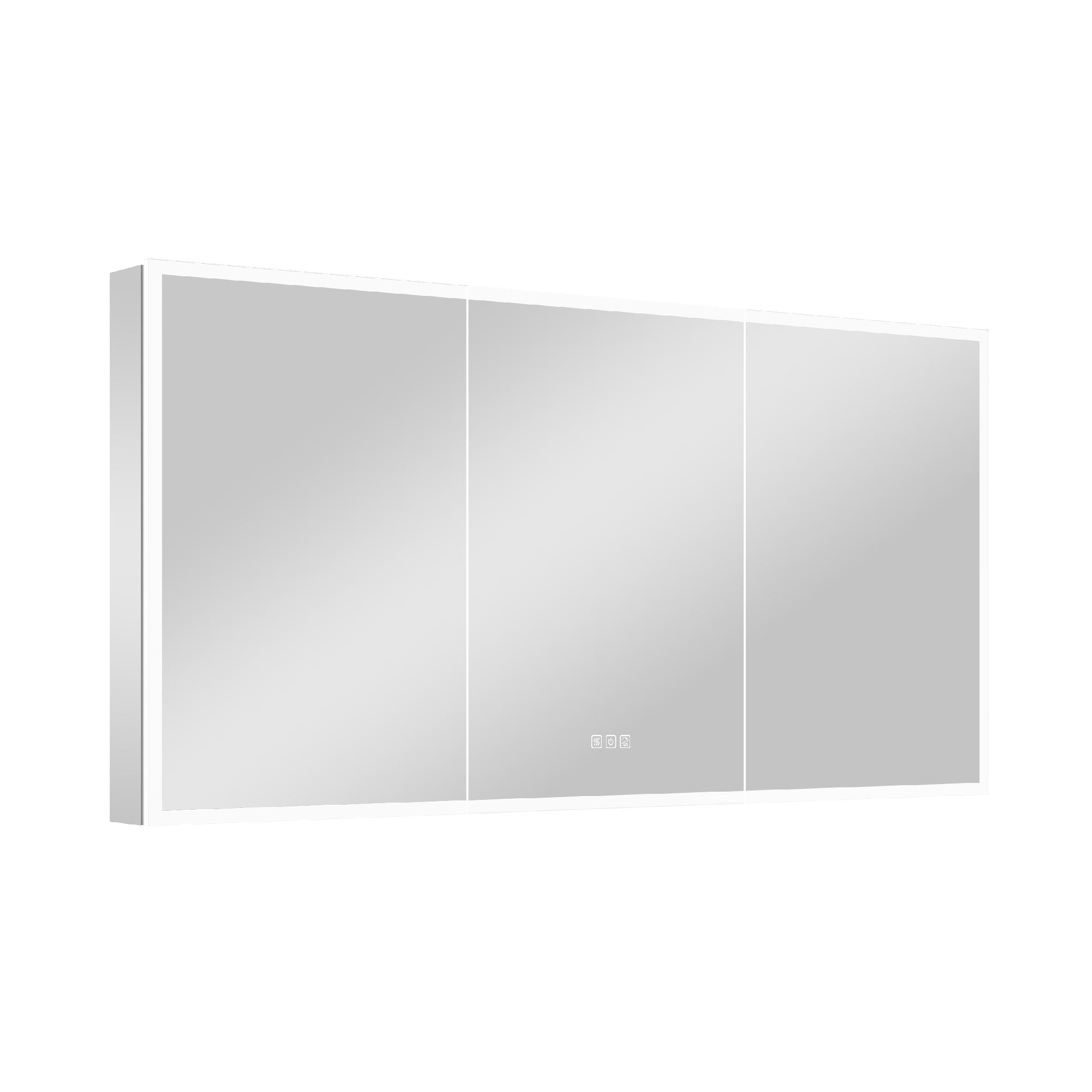
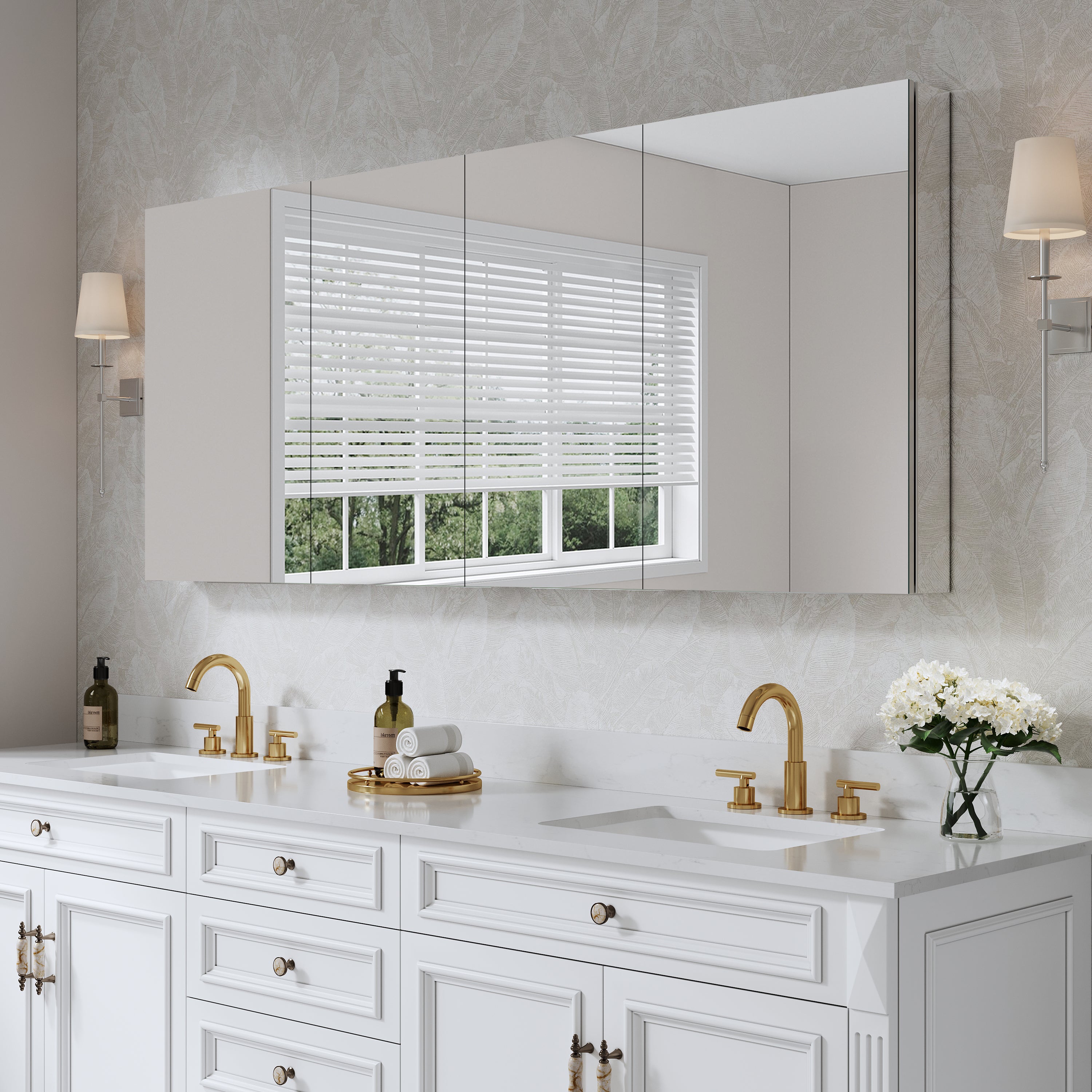
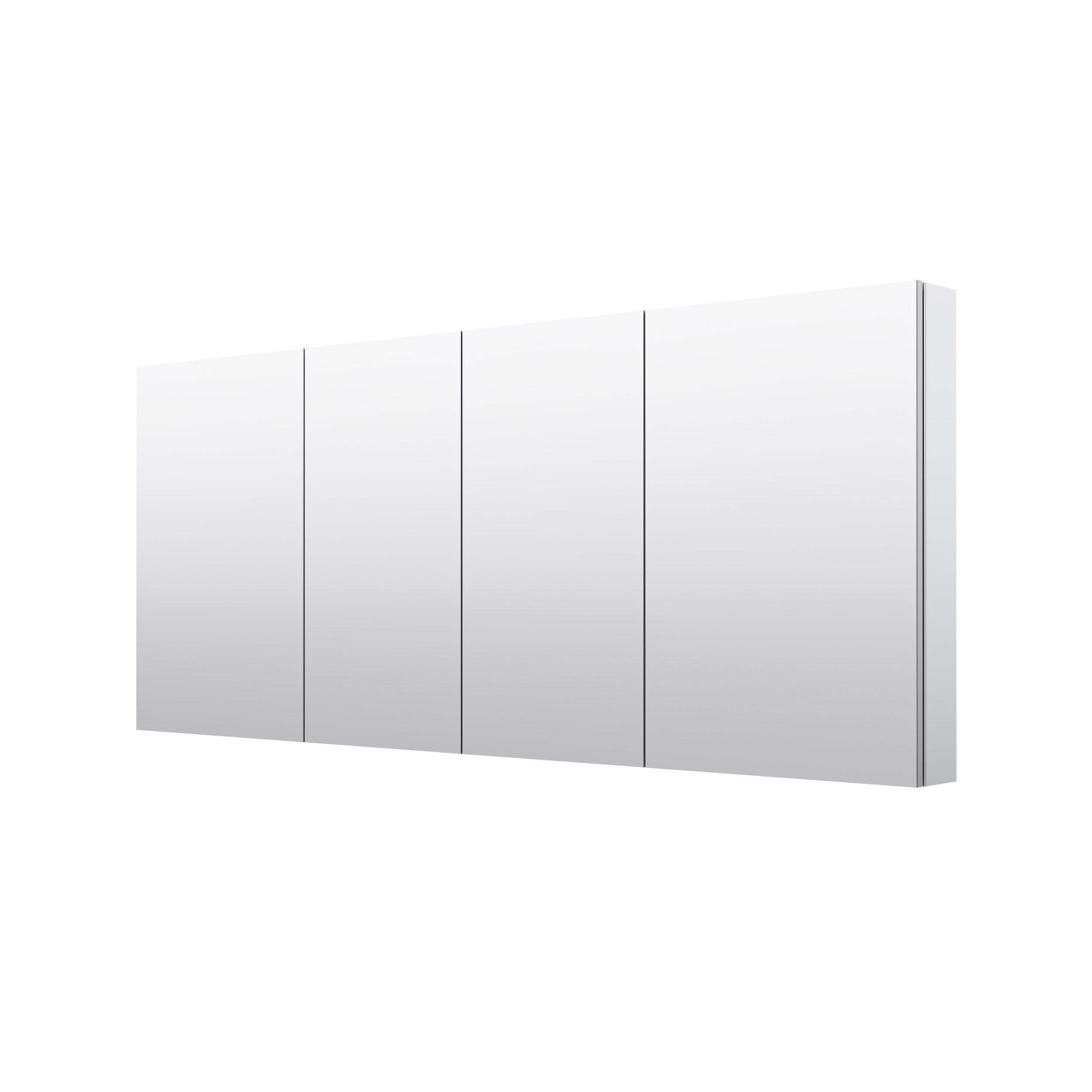
In the field of bathroom mirrors, the width typically ranges from about 20-24 inches to 30-48 inches, or even wider. For example, a common size of a large mirror on the market is 48 inches wide by 36 inches high. KeonJinn 48 ″ W × 36 ″ H Modern Rectangular Mirror
For ordinary washbasin walls, the mirror should be at least as wide as the basin, or slightly wider, to create a sense of unity between the mirror and the wall.
2.2 Matching with the washbasin and the wall
If the washbasin is 24-30 inches wide, the ideal mirror width is 20-28 inches, and the recommended mirror height is at least 30 inches.
If the washbasin width is 36-48 inches, the mirror width can be 30-48 inches, and the mirror height can be 34-40 inches.
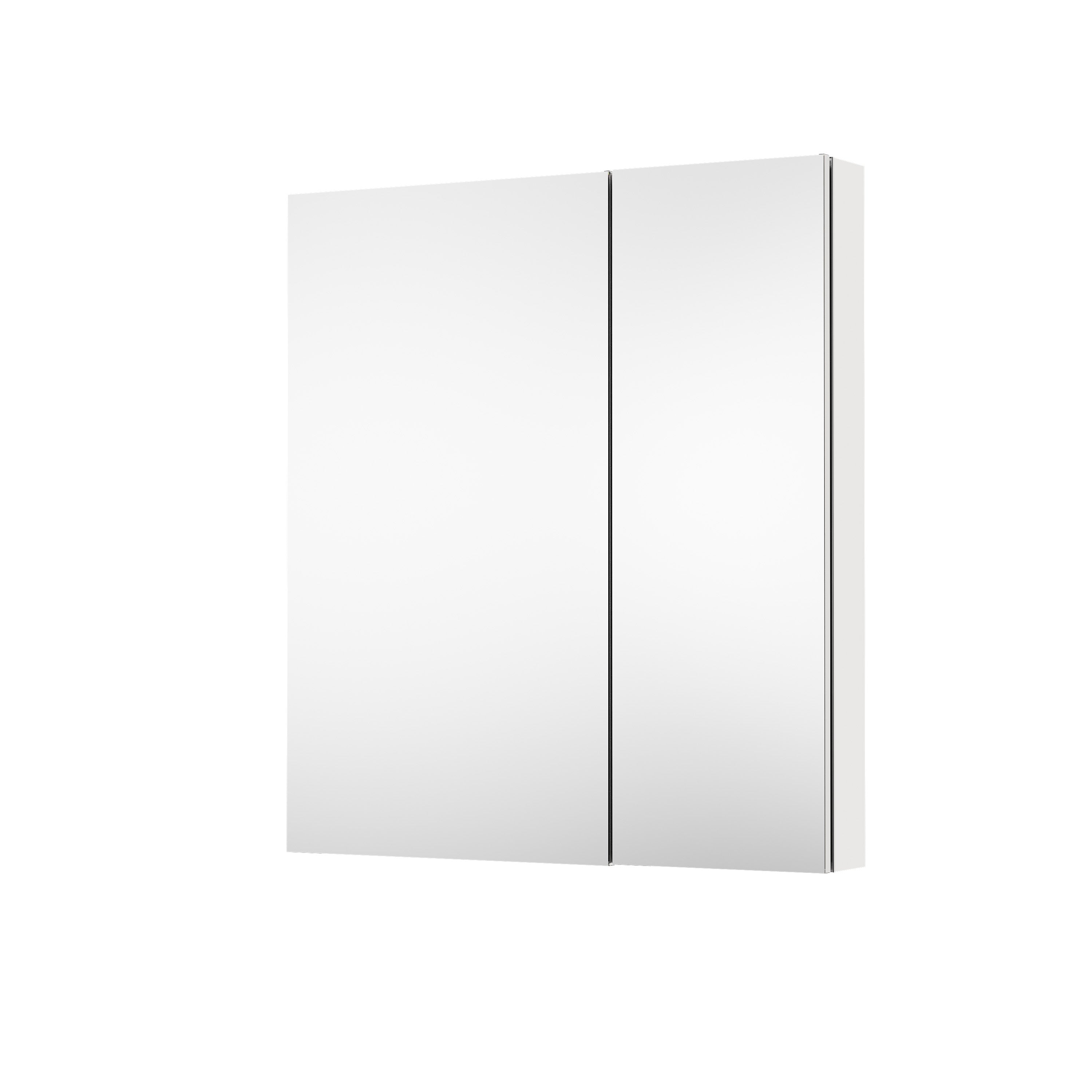
For example, another typical product specification is 24 in W x 36 in H: BEAUTYPEAK 24″ × 36″ Bathroom Mirror.
2.3 Depth and Installation Height Considerations
Although the mirror is "flat", its installation distance from the wall, the fixed structure, and the space behind the light still need to be considered. In the bathroom, it is recommended to leave 4-6 inches between the bottom of the mirror and the countertop of the washbasin to ensure a reasonable reflection angle and coordinated visual proportion. The height of a mirror's top is generally 60-66 inches from the ground.
In general, when choosing a large mirror, attention should be paid to the starting point of "the width should cover at least the width of the basin or slightly wider" and "the mirror height should not be less than 30 inches". In contrast, the installation height should be coordinated with the available wall space.
3. Style and functionality enhancement: not just a mirror, but also a design element
3.1 Style Matching
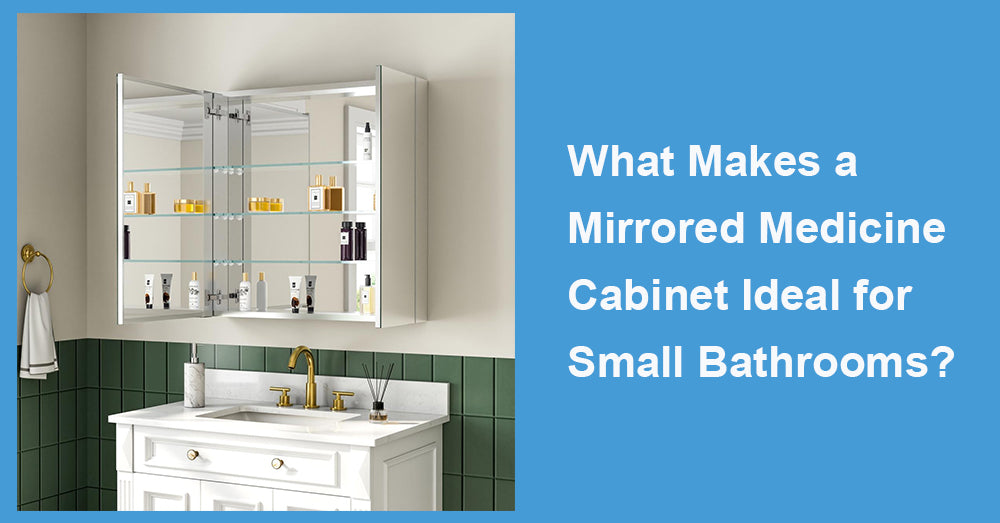
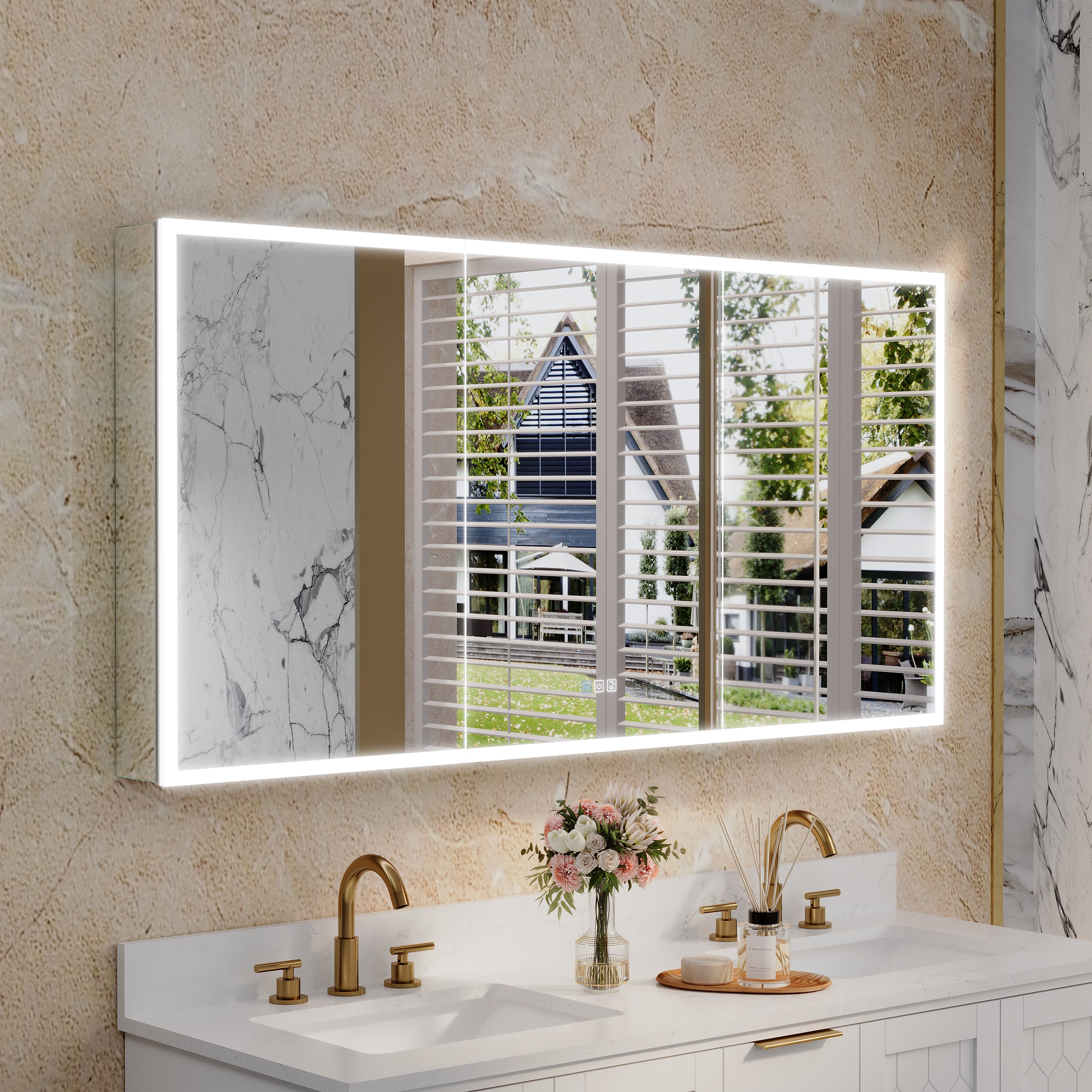
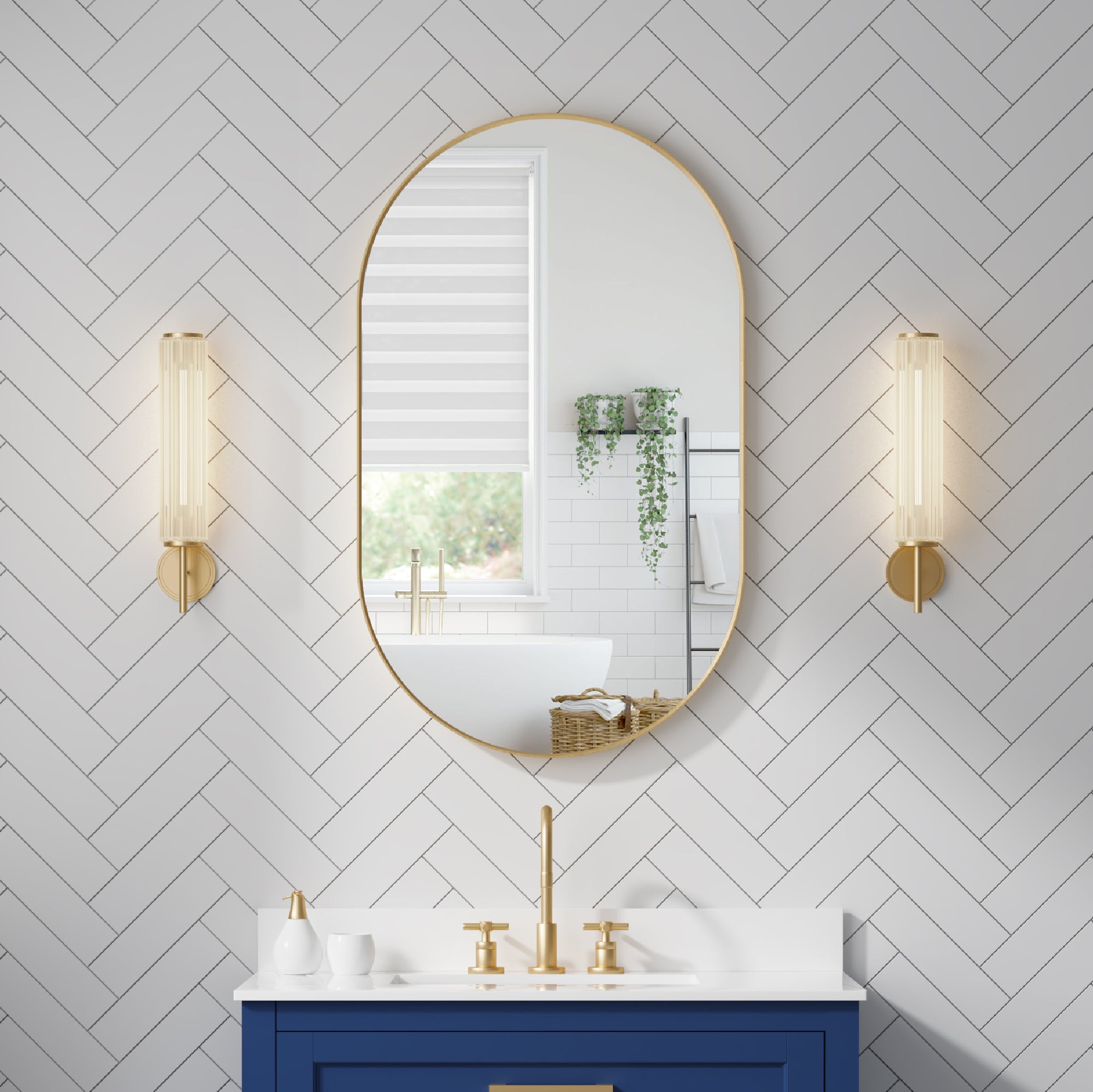
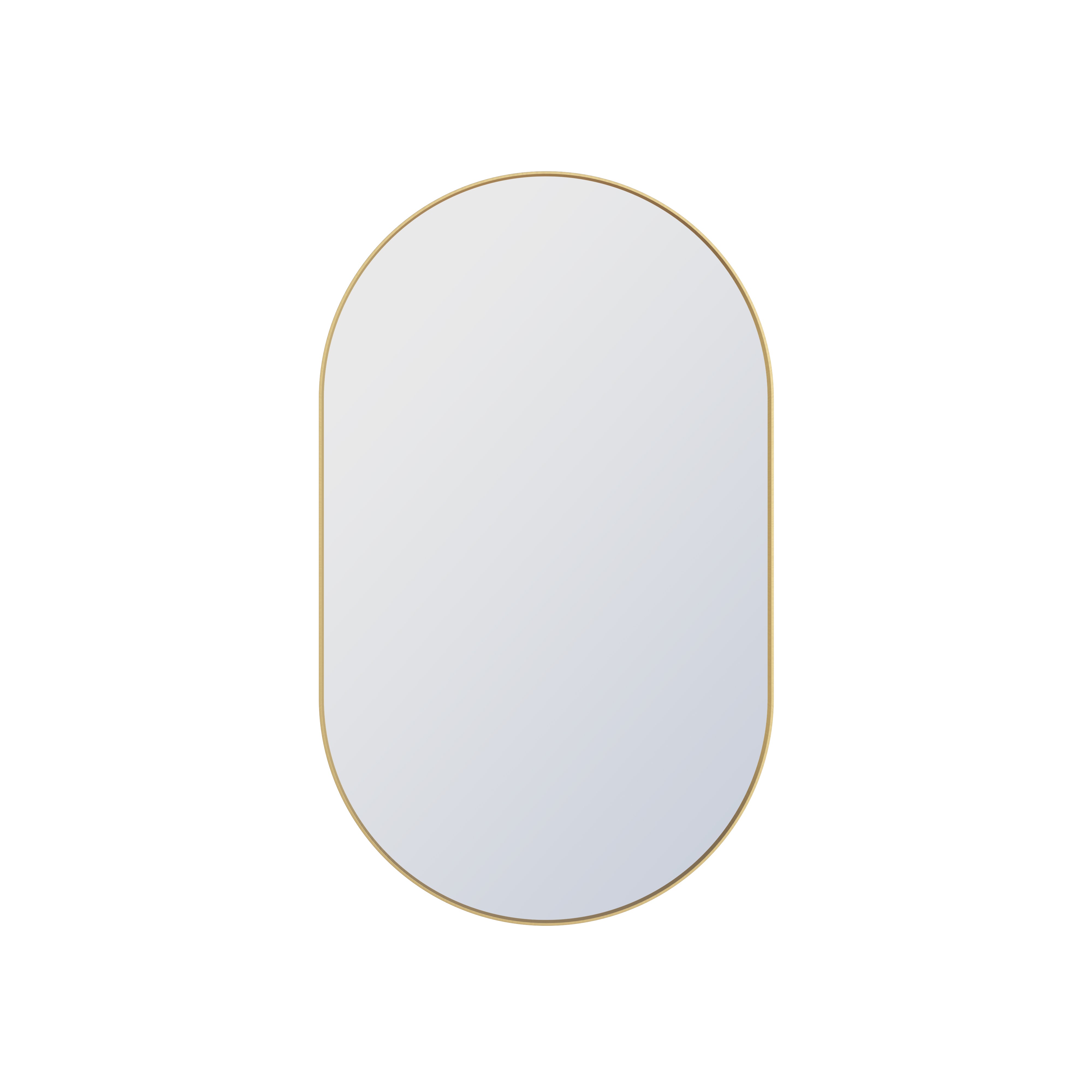
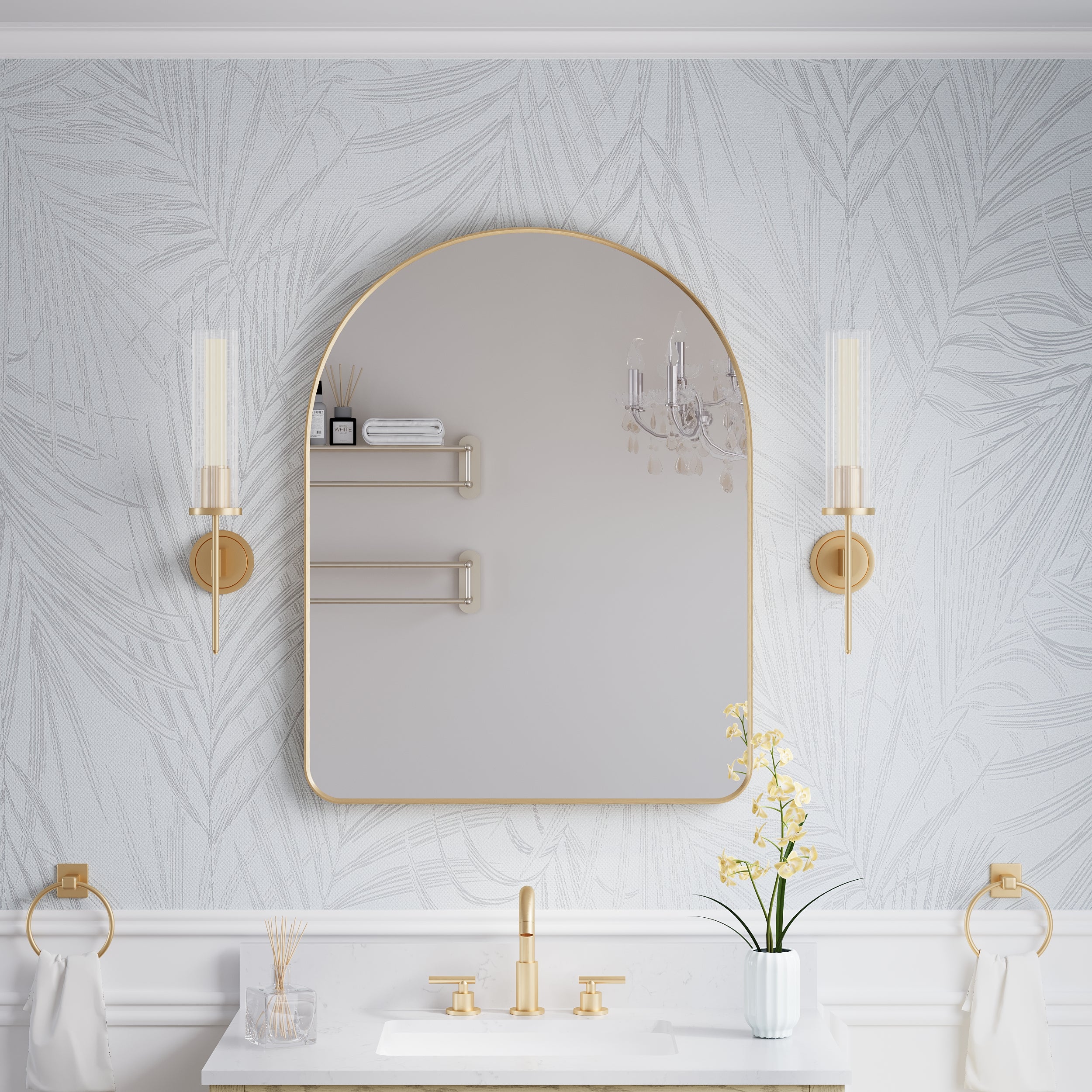
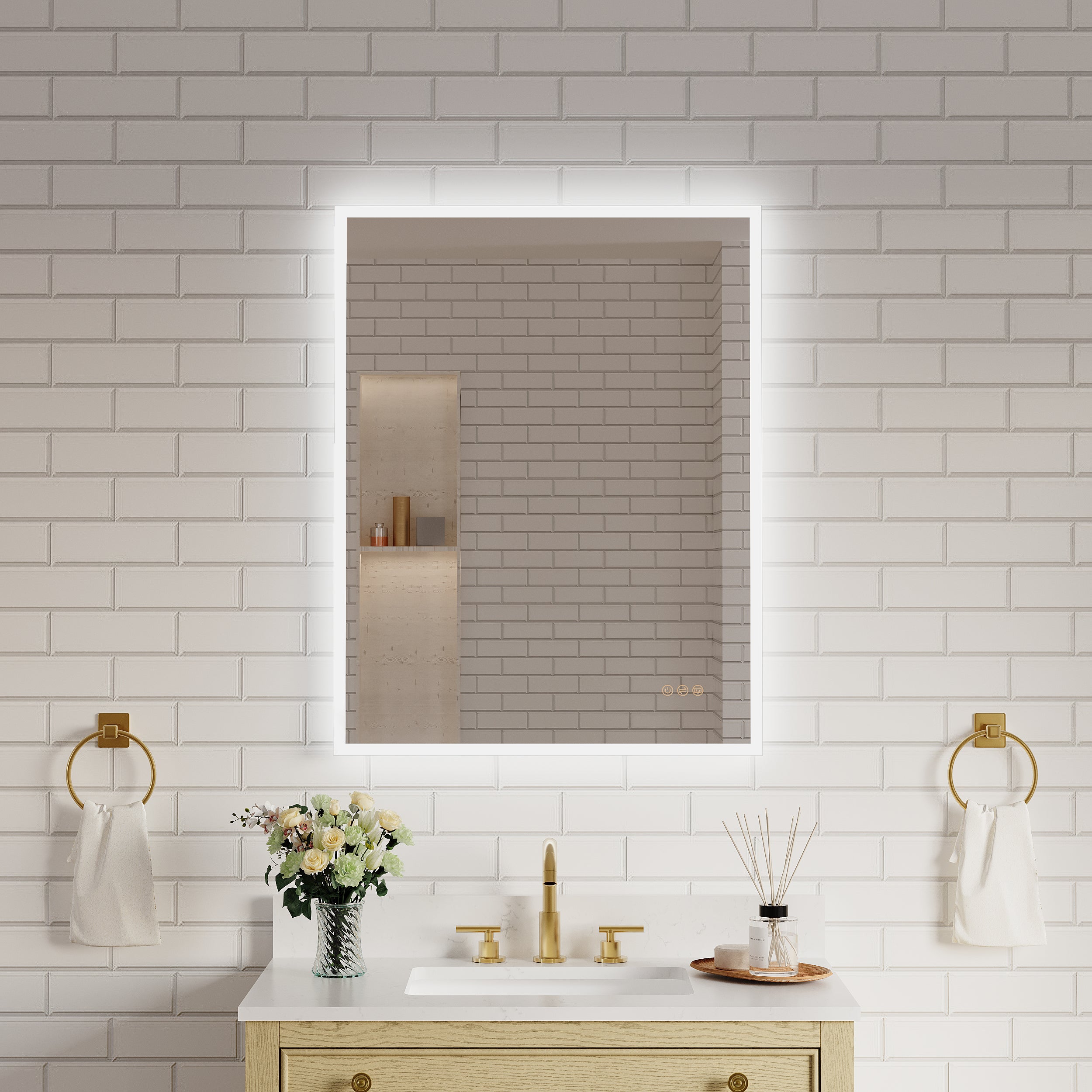
Large mirrors can be classified in style as frameless, framed, arched, rectangular, etc. For example, the KOHLER Essential 30 "× 45" Rectangular Framed Mirror is a rectangular framed mirror with a width of 30 inches and a height of 45 inches, suitable for decoration styles that lean toward classic or modern. A large mirror can enhance the sense of spatial grade, making the bathroom look more spacious and bright.
3.2 Lighting and Intelligent Functions
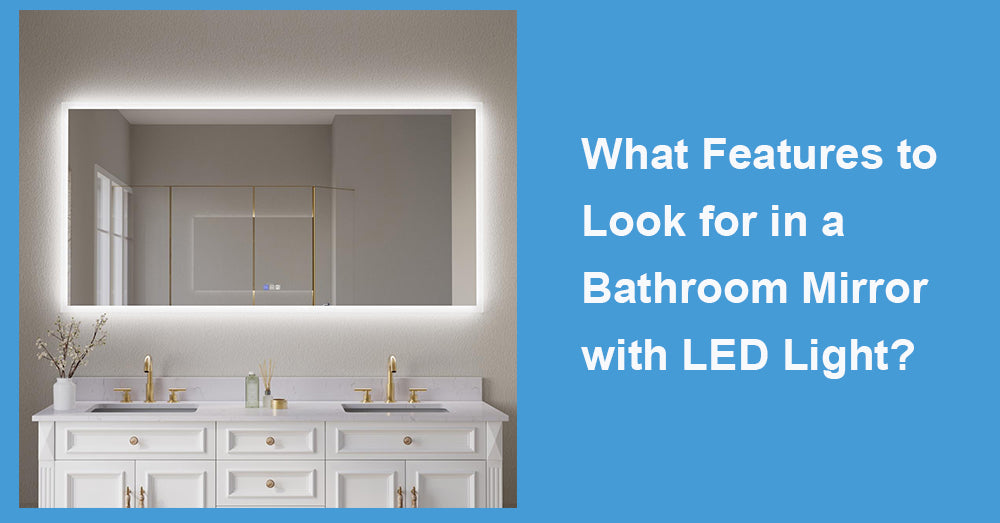
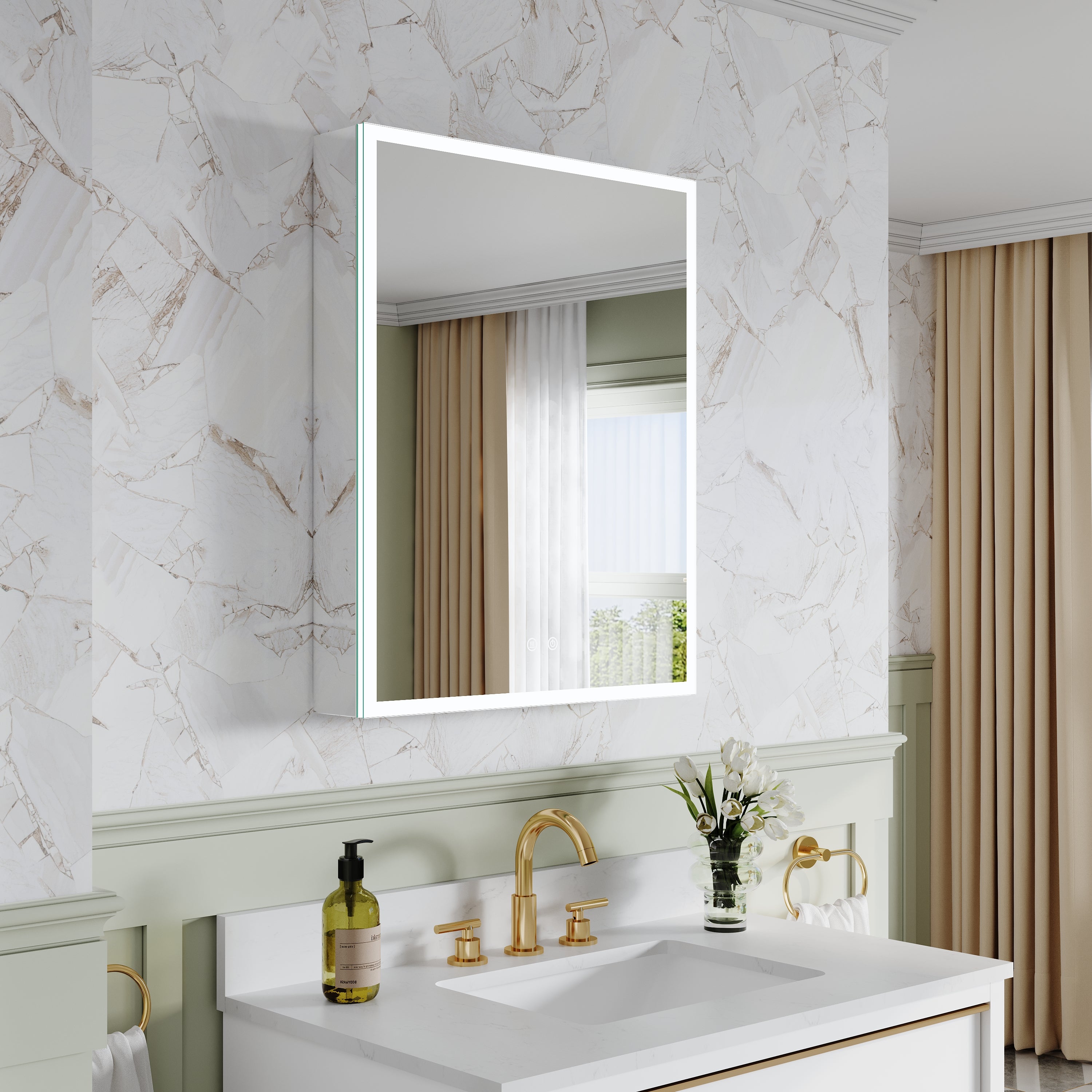
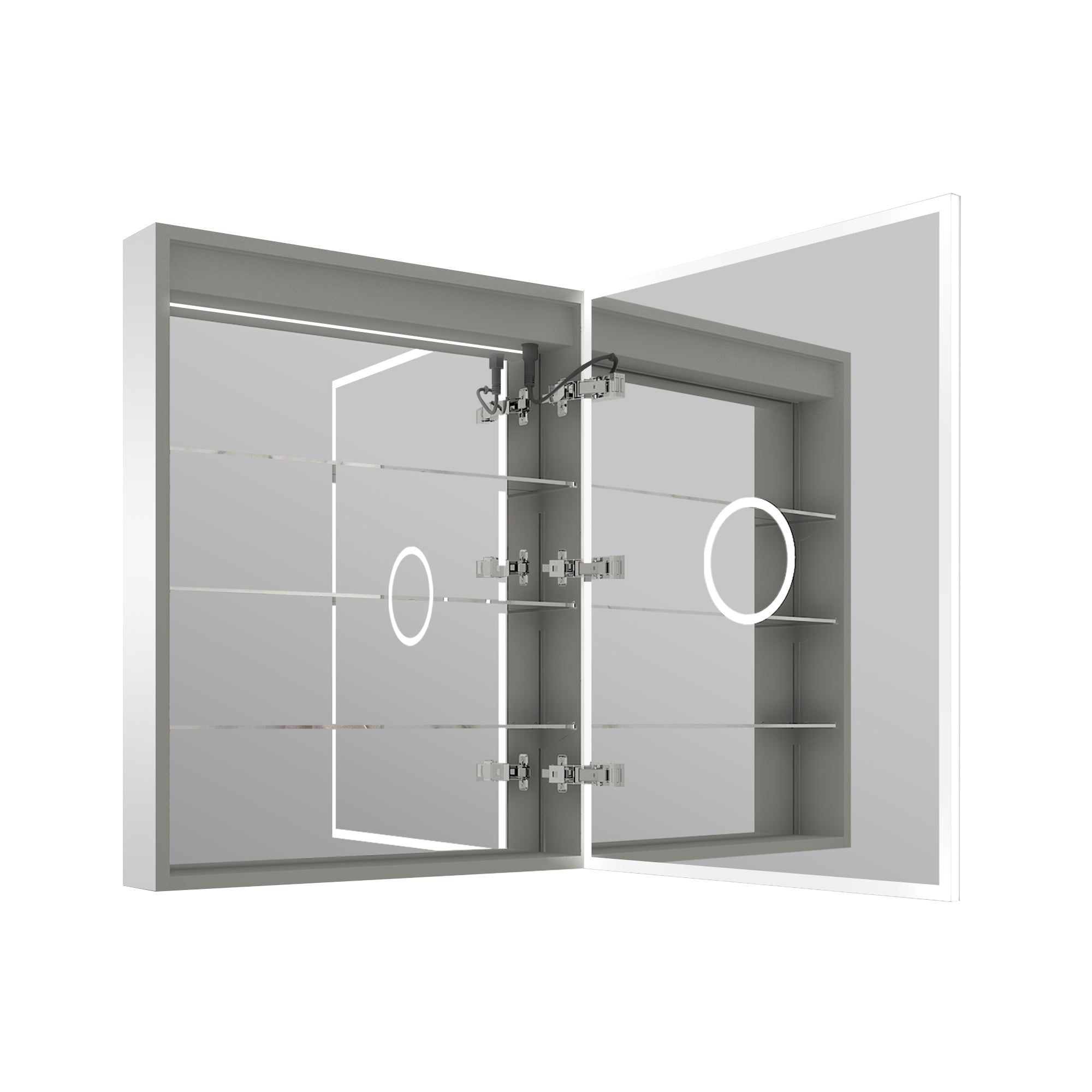
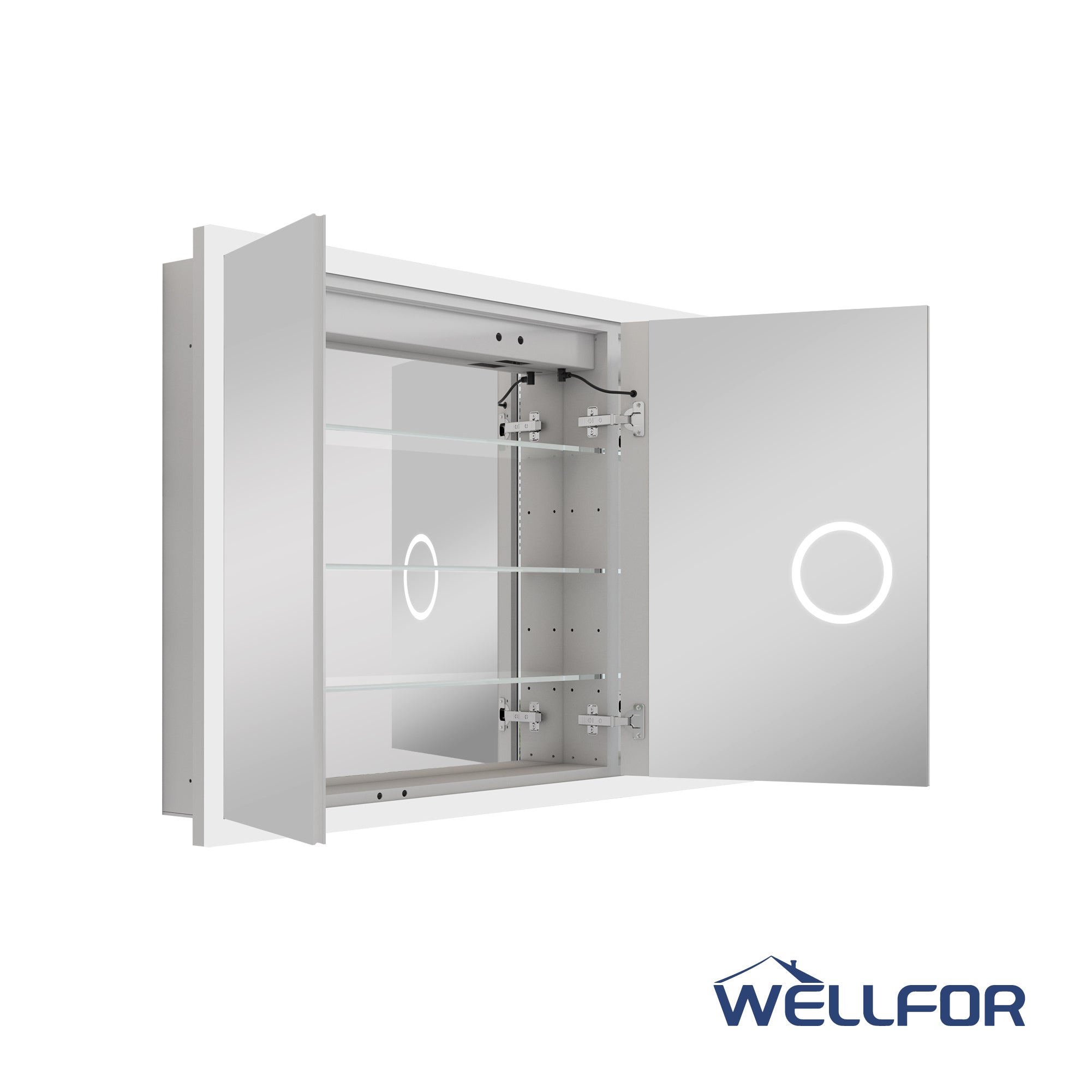
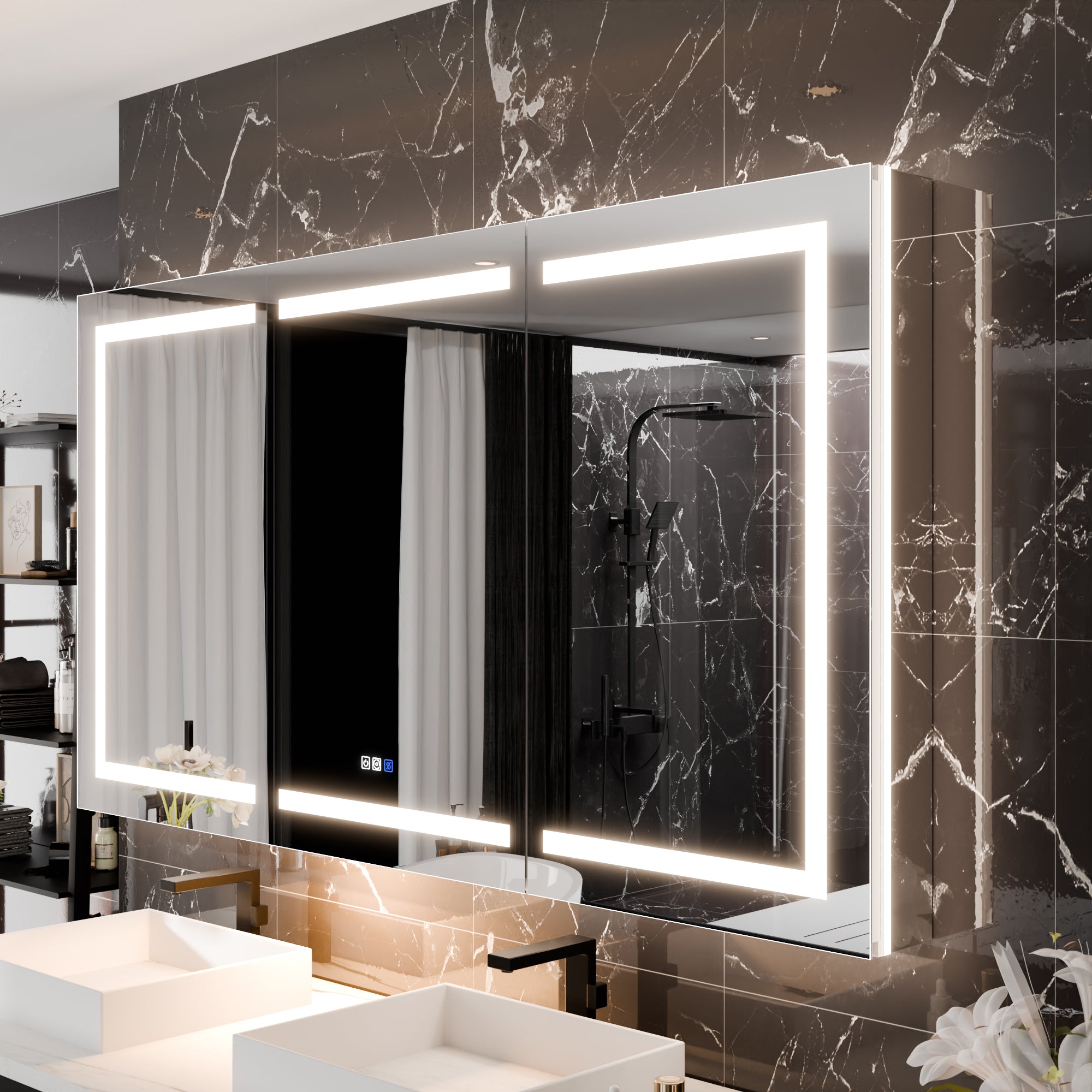
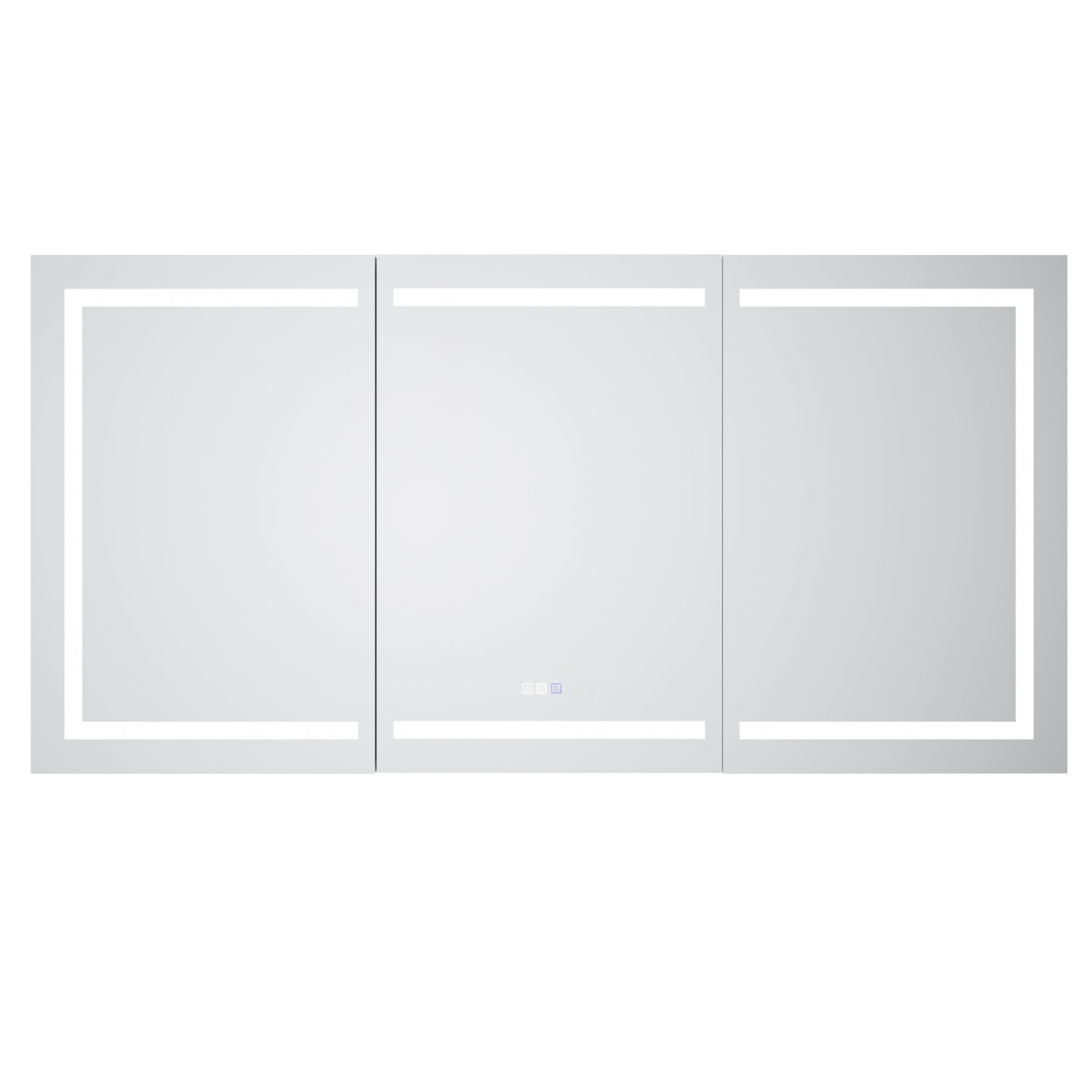
Nowadays, large mirrors often have built-in or are equipped with functions such as LED backlight, touch defogging, and hidden storage. Against the backdrop of an 11.2% growth rate in the smart mirror market (source: Grand View Research), these features have also become a bonus. For example, frameless mirrors with hidden backlight strips can eliminate the separation between traditional wall lights and mirror surfaces, making the wall cleaner.
3.3 Materials and Safety
The installation of large mirrors has higher requirements for wall load-bearing, fixed brackets, and edge treatment. Anti-fog, anti-rust, and corrosion-resistant materials should be preferred; for example, an aluminum alloy frame, copper lead-free mirror glass, thickness ≥ 0.125 inch (i.e., 1/8 inch), etc. Choosing anti-shatter film or explosion-proof backing tape is also safer.
4. Installation Details: Wall Site Selection and Construction Suggestions for Large Mirrors
4.1 Wall Site Selection
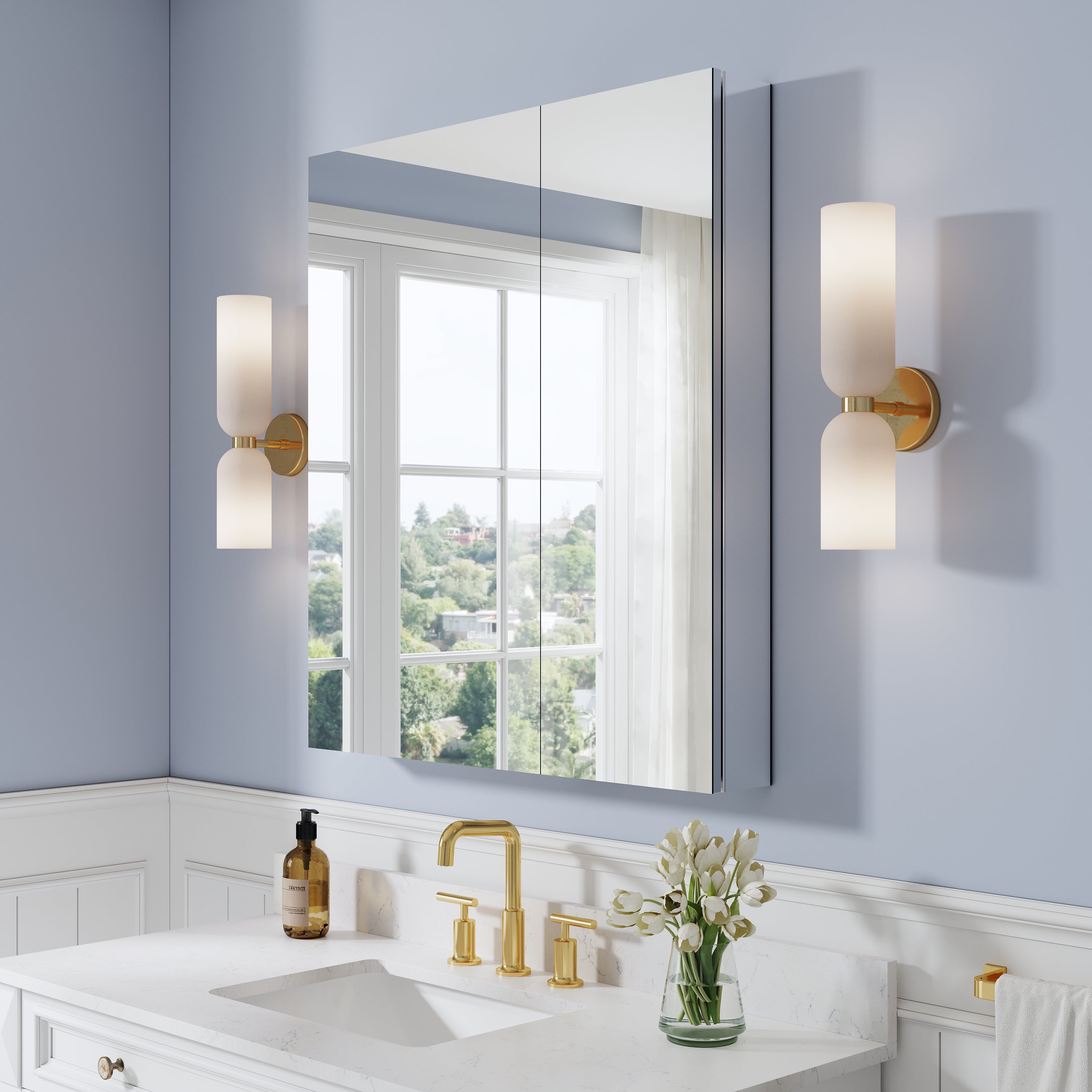
The installation location of large mirrors should consider whether they are close to the washbasin, whether they are affected by moisture, and whether they conflict with lighting fixtures/switches. Ideally, the mirror should be placed above the center of the basin, so that the center of the mirror surface is roughly symmetrical to the height of the person's face (about 60-66 inches above the ground). In addition, if there are windows or ventilation holes in the wall, it is necessary to avoid mirrors that reflect strong backlighting directly or cause visual discomfort.
4.2 Fixed method
Large mirrors usually weigh a lot, so it is recommended to use French cleaning or a dedicated hanging rail system and to ensure the wall can support them. If it is a drywall, expansion bolts or rear arrow plates should be installed for reinforcement. During installation, it is recommended to reserve approximately 0.25 inches of installation clearance in all directions for thermal expansion, contraction, and edge maintenance.
4.3 Lighting and wire reservation
If the mirror has a backlight or integrated electronic control, switch positions, sockets, or low-voltage power supplies should be reserved on the wall, and waterproof treatment should be done. It is recommended to install a switch for the lighting control system at approximately 55-60 inches from the wall, so it does not need to be raised too high during use.

5. Summary of Future Trends and Purchasing Suggestions
5.1 Trend Summary
The large mirror will integrate more "smart elements": backlight, touch, defogging, and Bluetooth audio.
Online sales and customized services are proliferating, and mirrors are no longer the only choice for "standard sizes".
The style tends towards minimalism: frameless or extremely thin-framed large mirrors are easier to match with various decoration styles.
Sustainable materials and safe design are receiving more attention.
5.2 Summary of Purchasing Suggestions
Size-priority matching basin width: The mirror width should be at least the basin width, ideally slightly wider by 2-4 inches.
Recommended mirror height: ≥ 30 inches, preferably 34-45 inches if space allows.
Style matching wall and lighting fixtures: The color and material of the mirror frame are coordinated with the faucet, lighting fixtures, and wall tiles.
Consider additional features: Backlighting, defogging, and intelligence. High-end bathrooms are optional, while basic usage can be omitted.
Installation reservation conditions: Wall load-bearing capacity, reserved wires, ventilation, and lighting positions need to be planned first.
Budget control: Although large mirrors have improved in quality, their prices and installation costs are also higher than those of small mirrors; consider space, budget, and frequency of use comprehensively.












Leave a comment
This site is protected by hCaptcha and the hCaptcha Privacy Policy and Terms of Service apply.