














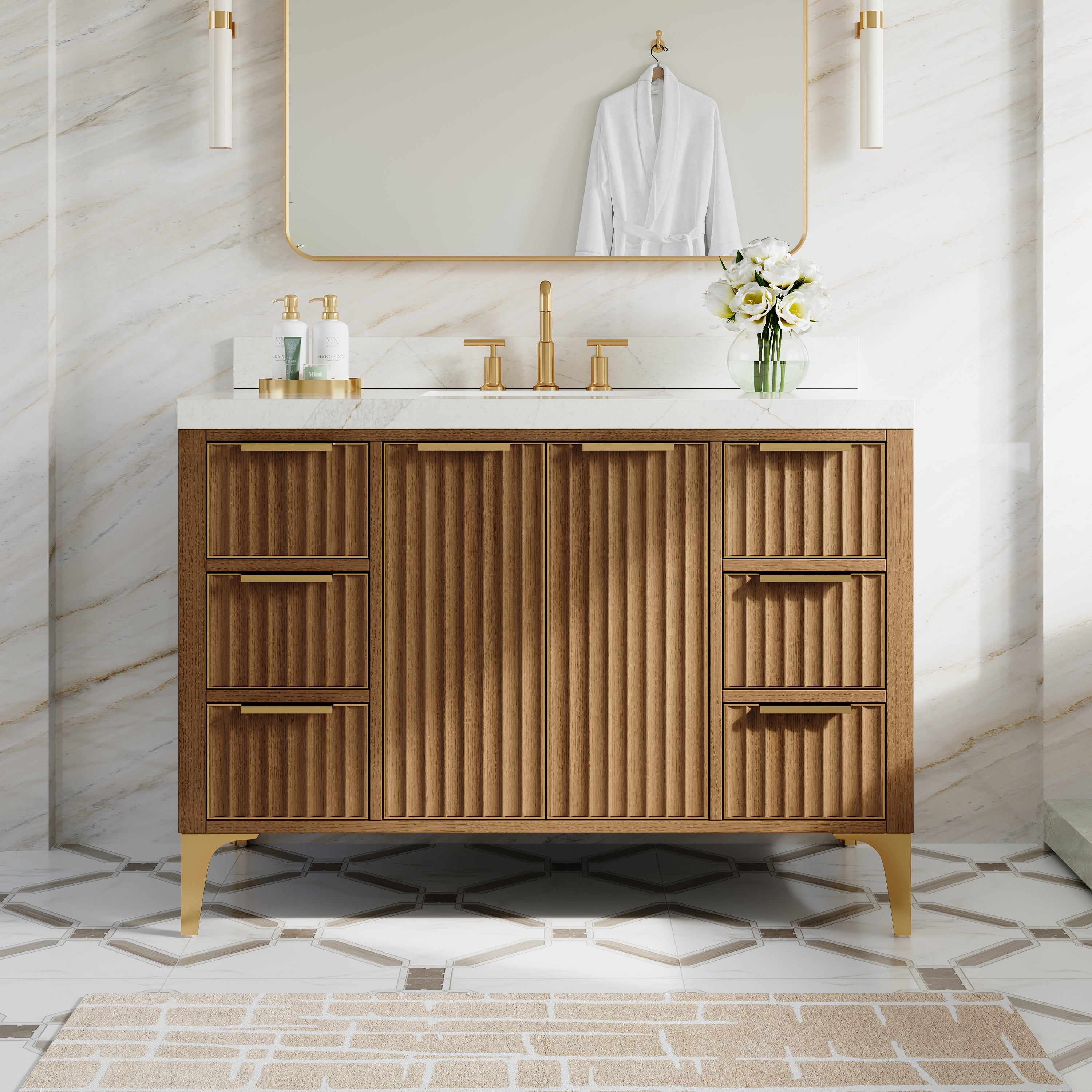


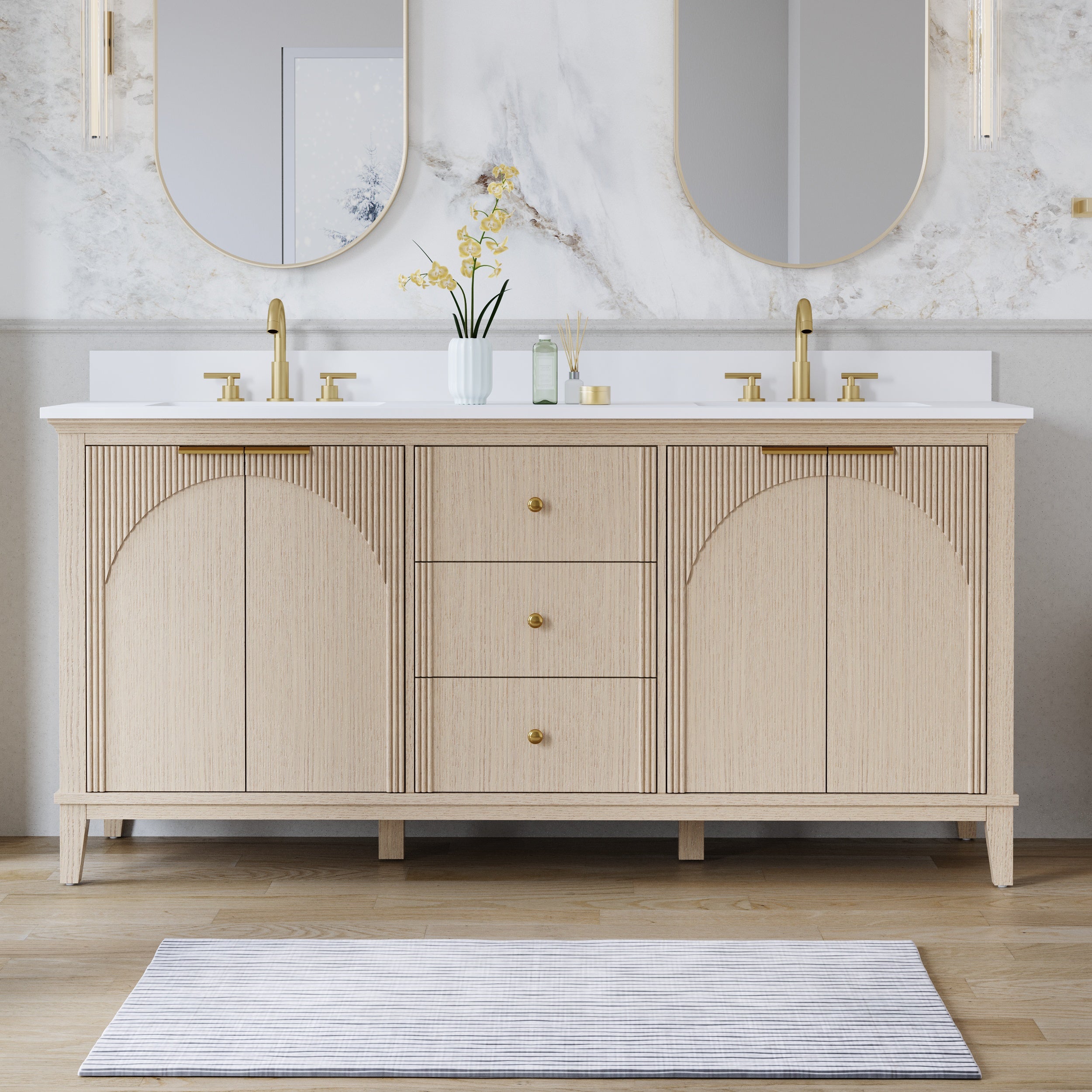
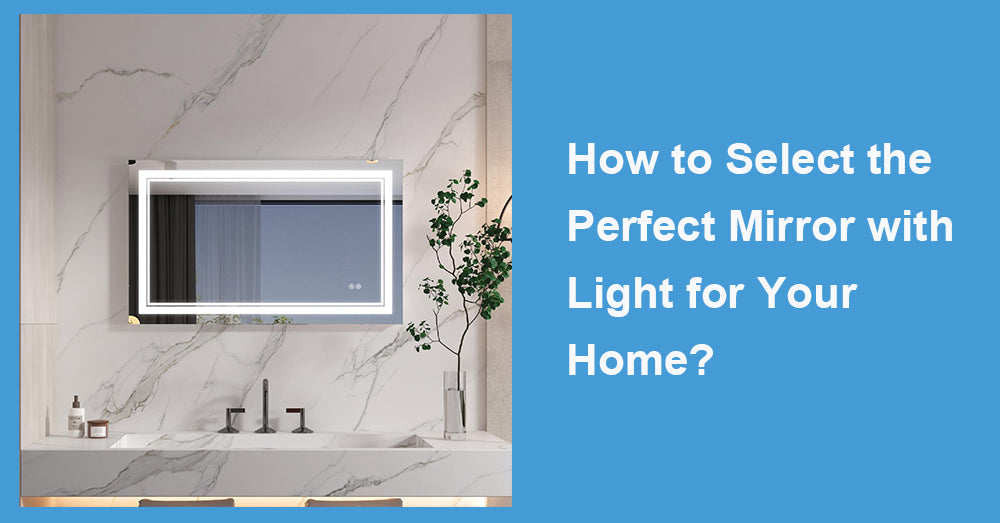
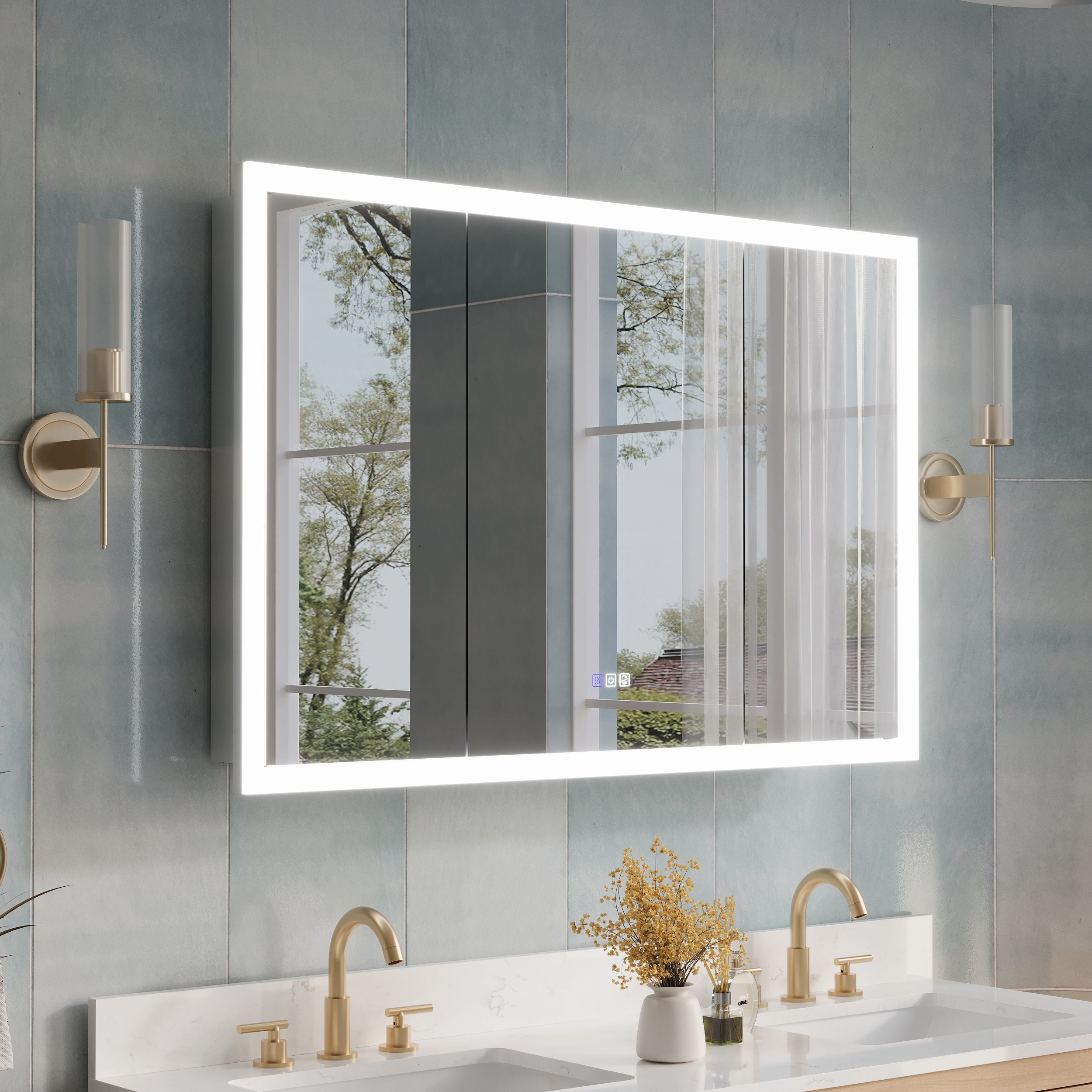
A mirror with light can improve much more than the appearance of a bathroom. The right model can provide clearer task lighting, reduce the need for separate wall fixtures, make a compact vanity area feel more open, and support daily routines such as shaving, skin care, and makeup. The category is also becoming more visible in remodeling. The 2025 Houzz Bathroom Trends Study found that lighting was upgraded in 82% of bathroom renovations, while lighted mirrors reached 22%, up 3 percentage points from the previous year. NKBA's 2026 Bath Trends Report points in the same direction: 91% of surveyed industry professionals consider lighting quality a top bathroom-design priority.
1. Start With the Width of the Vanity
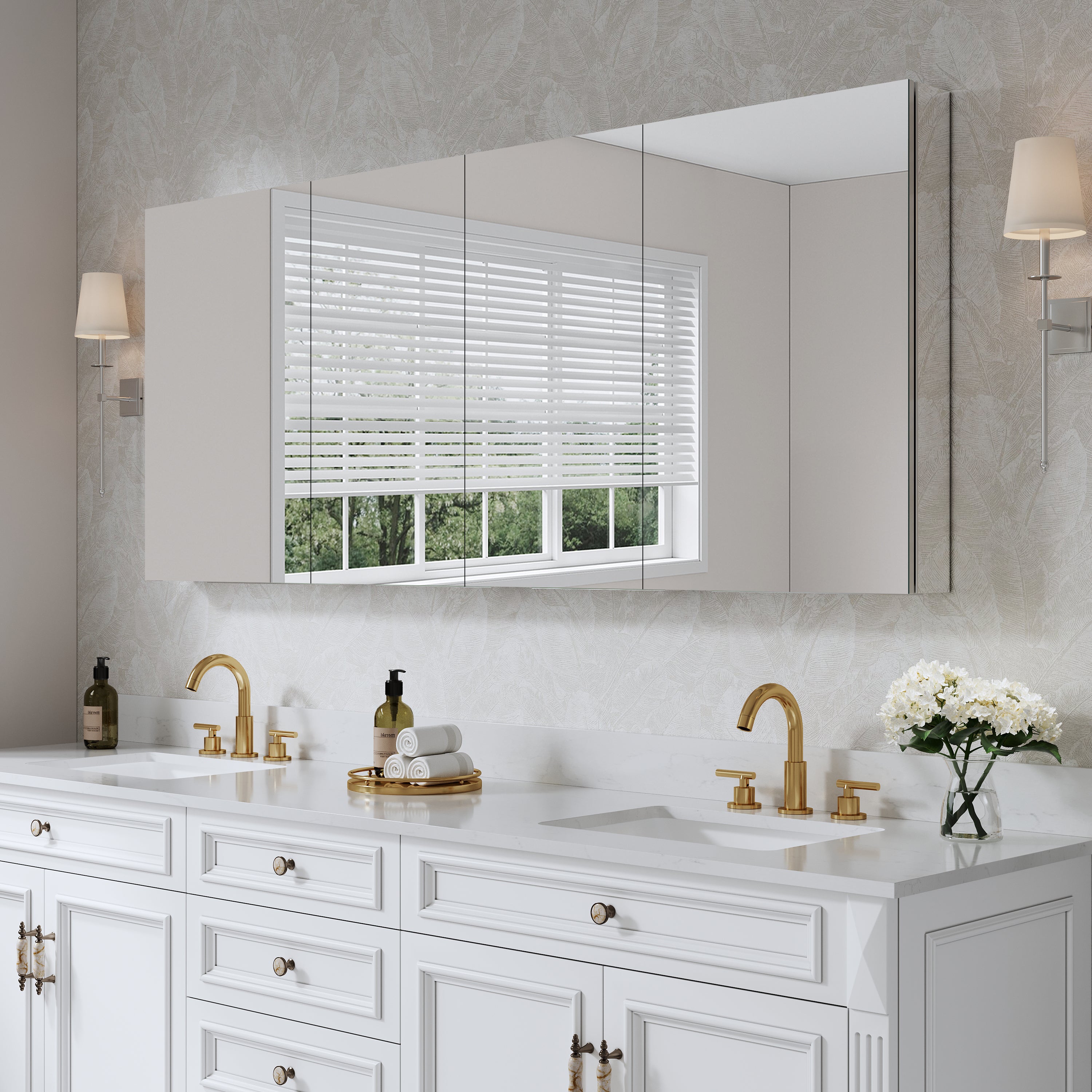
Determine mirror size based on the vanity and wall, not the mirror alone.
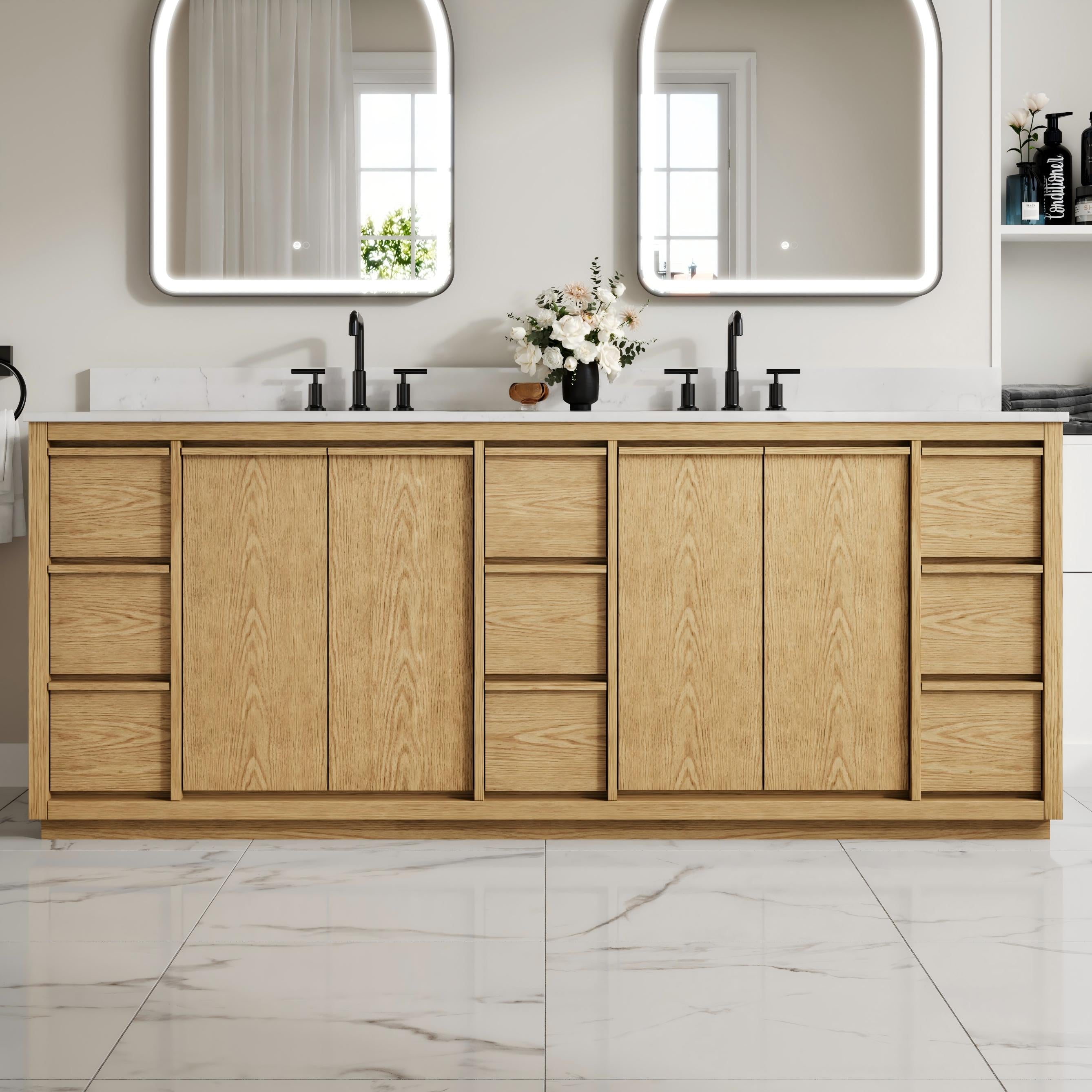
For a 36-inch vanity, a mirror around 30 to 36 inches wide often creates a balanced relationship. A 48-inch vanity can support a wider mirror, while a compact 24-inch vanity generally benefits from something more restrained.
The mirror does not always need to match the vanity width exactly. Leaving a few inches of visible wall on each side can prevent the vanity zone from feeling crowded.
Before ordering, measure:
· Vanity width
· Available wall width
· Distance to nearby cabinets or walls
· Faucet height
· Ceiling height
· Space needed above the mirror
The goal is to make the mirror feel connected to the vanity rather than floating randomly on the wall.
2. Decide How Much Task Lighting You Really Need
A decorative glow and useful grooming light are not the same thing.
NKBA's 2026 research found that 92% of professionals believe task lighting should always be included in the primary bath. Another 47% expect integrated mirror lighting to remain a favored design direction over the next three years.
For shaving, makeup, skin care, or contact lenses, light should reach the face rather than simply illuminate the wall behind the user.
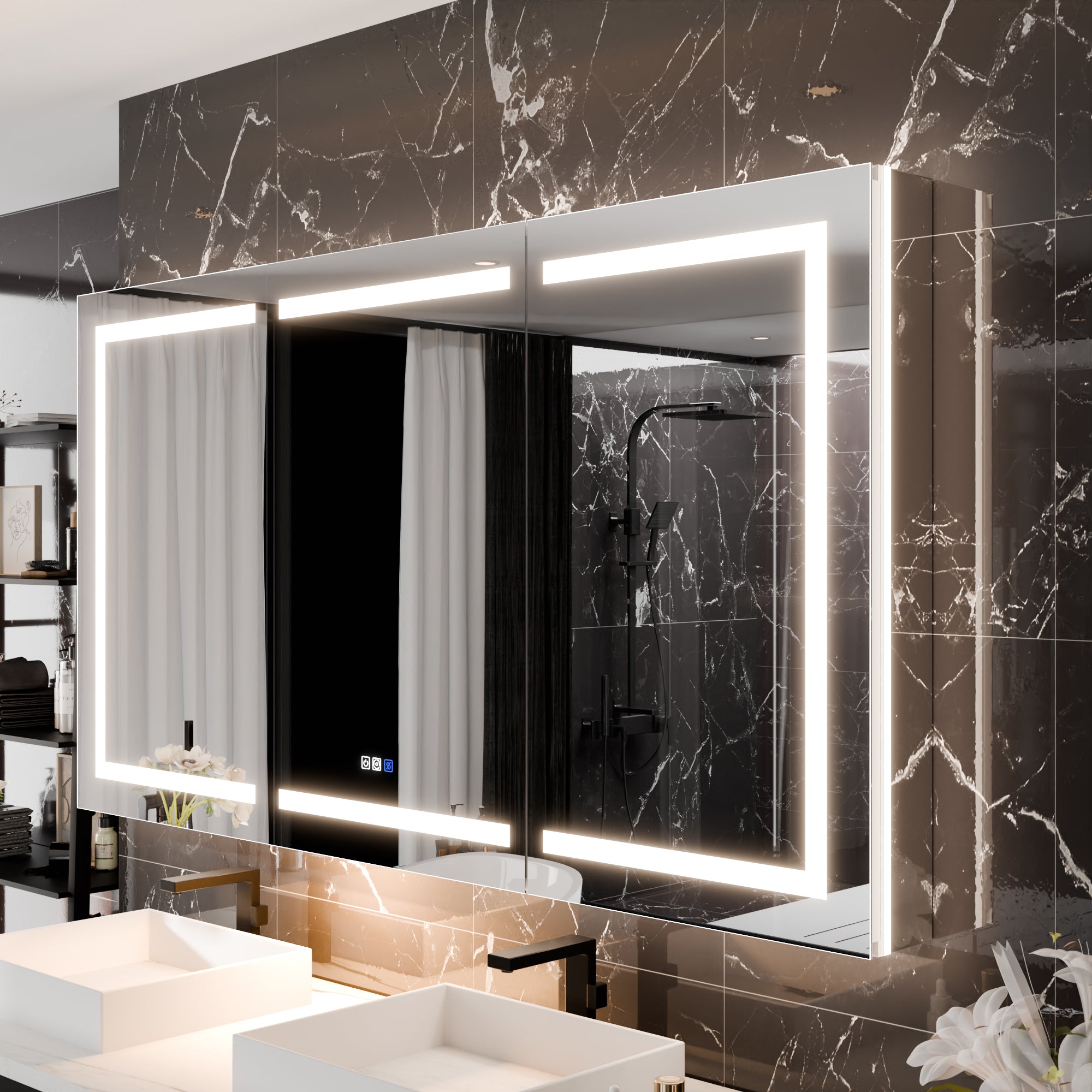
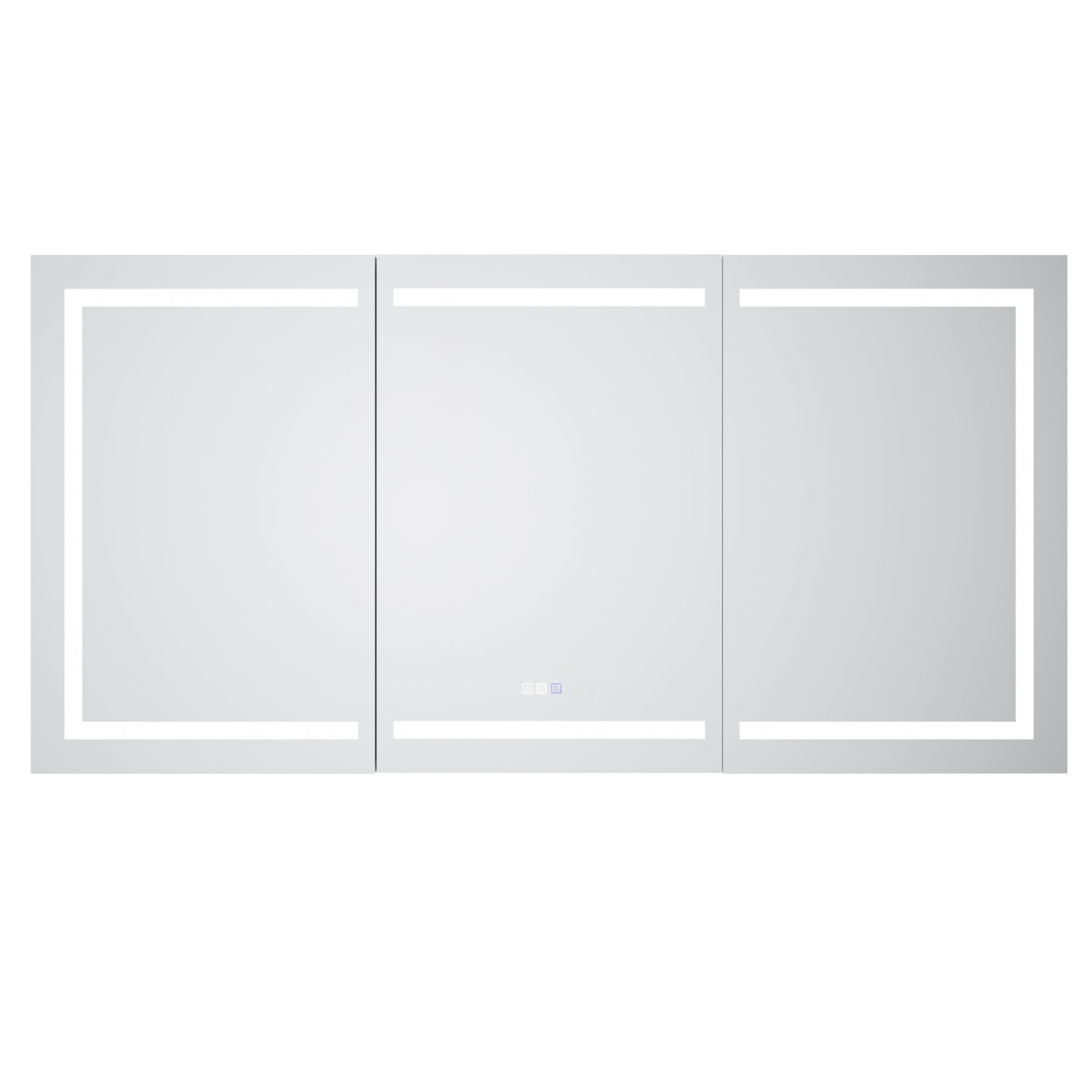
Front-lit mirrors are especially useful because the LEDs are positioned around or near the mirror surface. Backlit models create a softer floating effect but may not provide enough facial illumination on their own.
Some mirrors combine both.
3. Look for Adjustable Color Temperature
One fixed light color is not ideal for every situation.
Warm light around 2700K to 3000K creates a softer atmosphere and works well in bathrooms with beige, cream, or warm wood finishes.
Neutral light around 3500K to 4000K is often more comfortable for everyday grooming because colors appear relatively balanced.
Cooler light approaching 5000K or above can feel brighter and more clinical.
A model with adjustable color temperature gives the room more flexibility. Morning grooming may benefit from a clearer neutral setting, while a warmer setting can feel more comfortable before bed.
Memory functionality is also useful because the mirror can return to the last selected brightness and color setting.
4. Dimming Is More Useful Than Maximum Brightness
A mirror should not be judged simply by how bright it can become.
Bathrooms now use lighting for several different activities. NKBA found that 80% of surveyed professionals are incorporating lighting designed specifically for nighttime use, while 88% identify natural lighting as an important consideration.
A dimmable mirror allows one fixture to support multiple routines.
Higher brightness can help with makeup or shaving. Medium brightness may be enough for washing and skin care. A lower setting can make late-night bathroom visits much more comfortable.
This flexibility is particularly valuable in an en-suite where harsh light can affect the adjoining bedroom.

5. Consider Front Light, Backlight, or Both
The lighting structure changes the personality of the mirror.
A front-lit mirror directs more illumination toward the user and is generally the more task-oriented option.
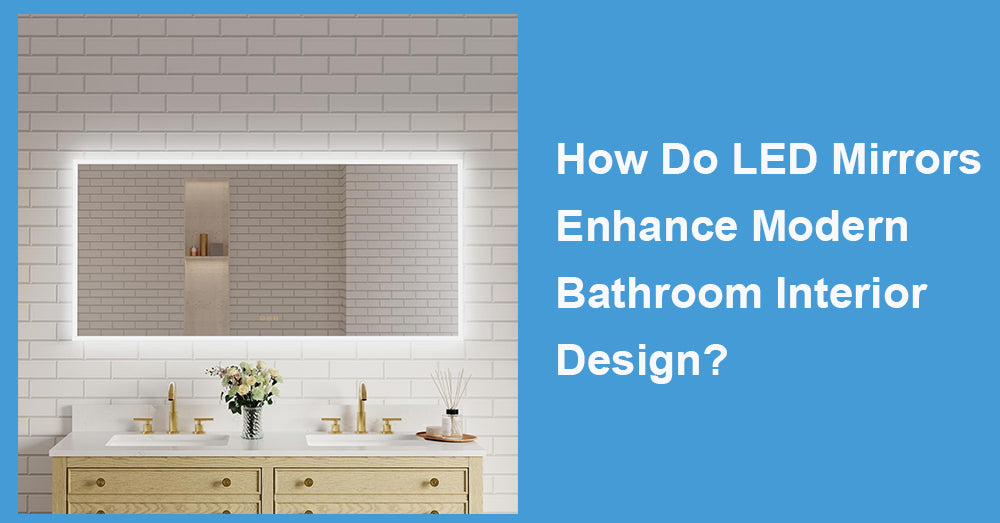
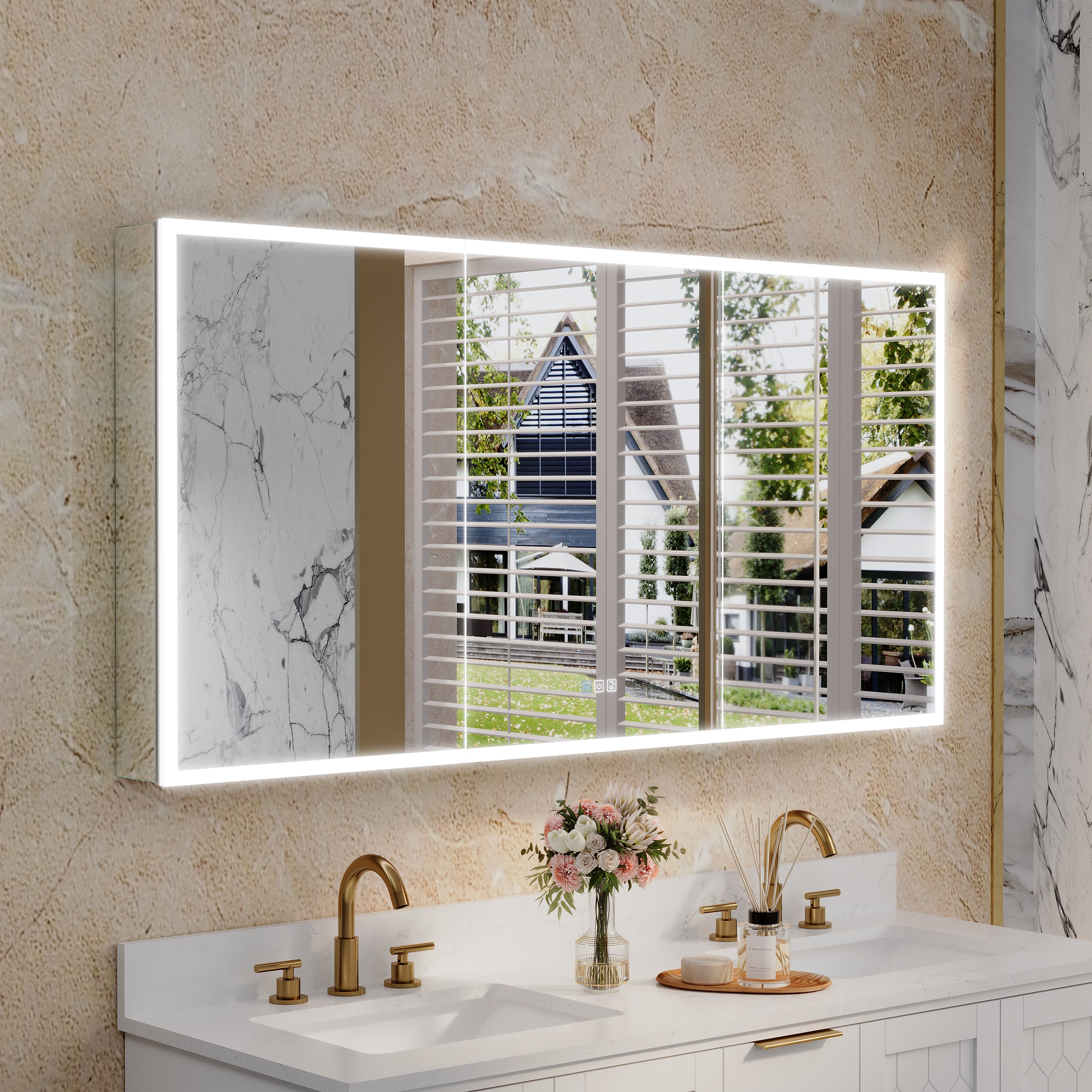
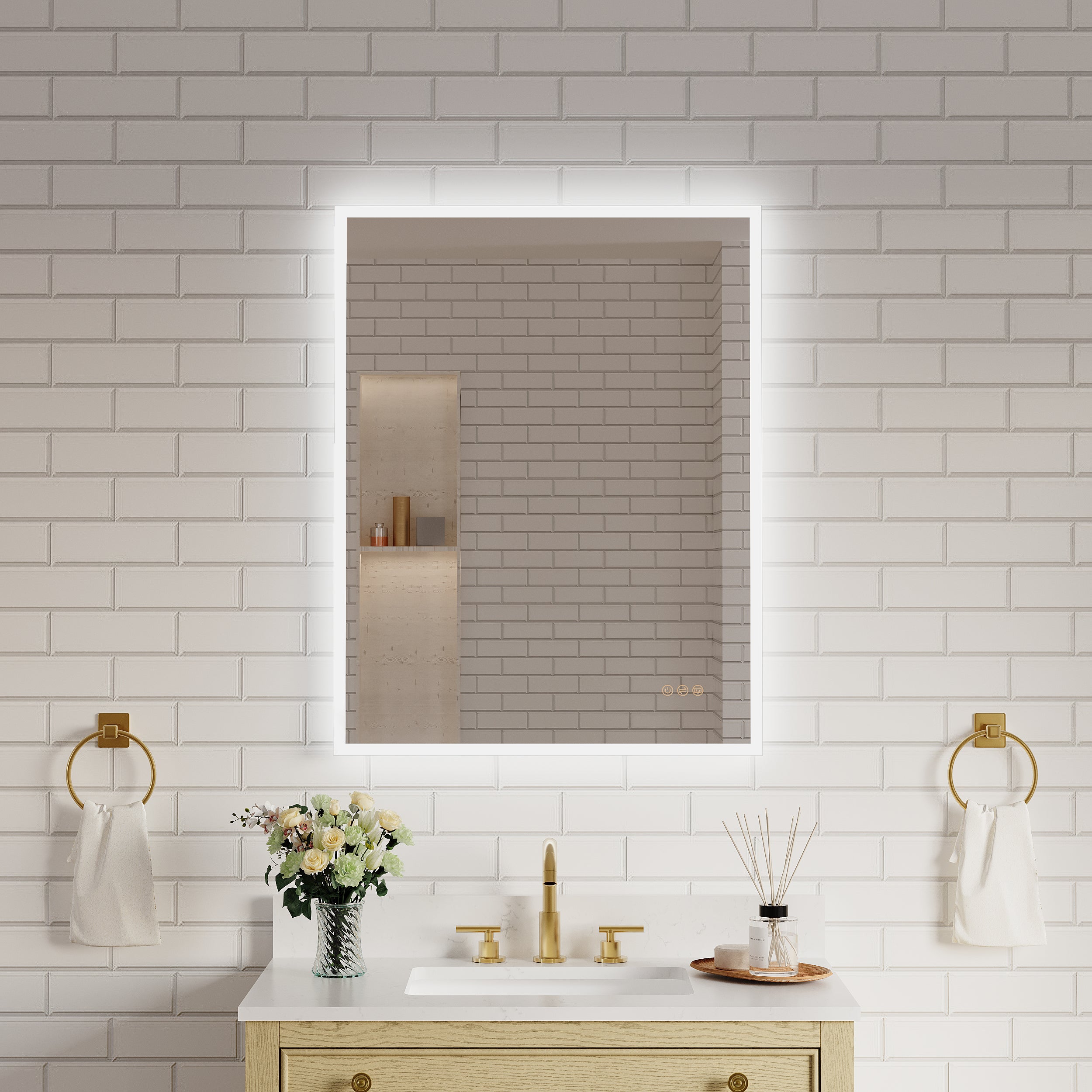
A backlit mirror throws light onto the wall, creating a softer halo and emphasizing the shape of the mirror.
A dual-light design combines both effects.
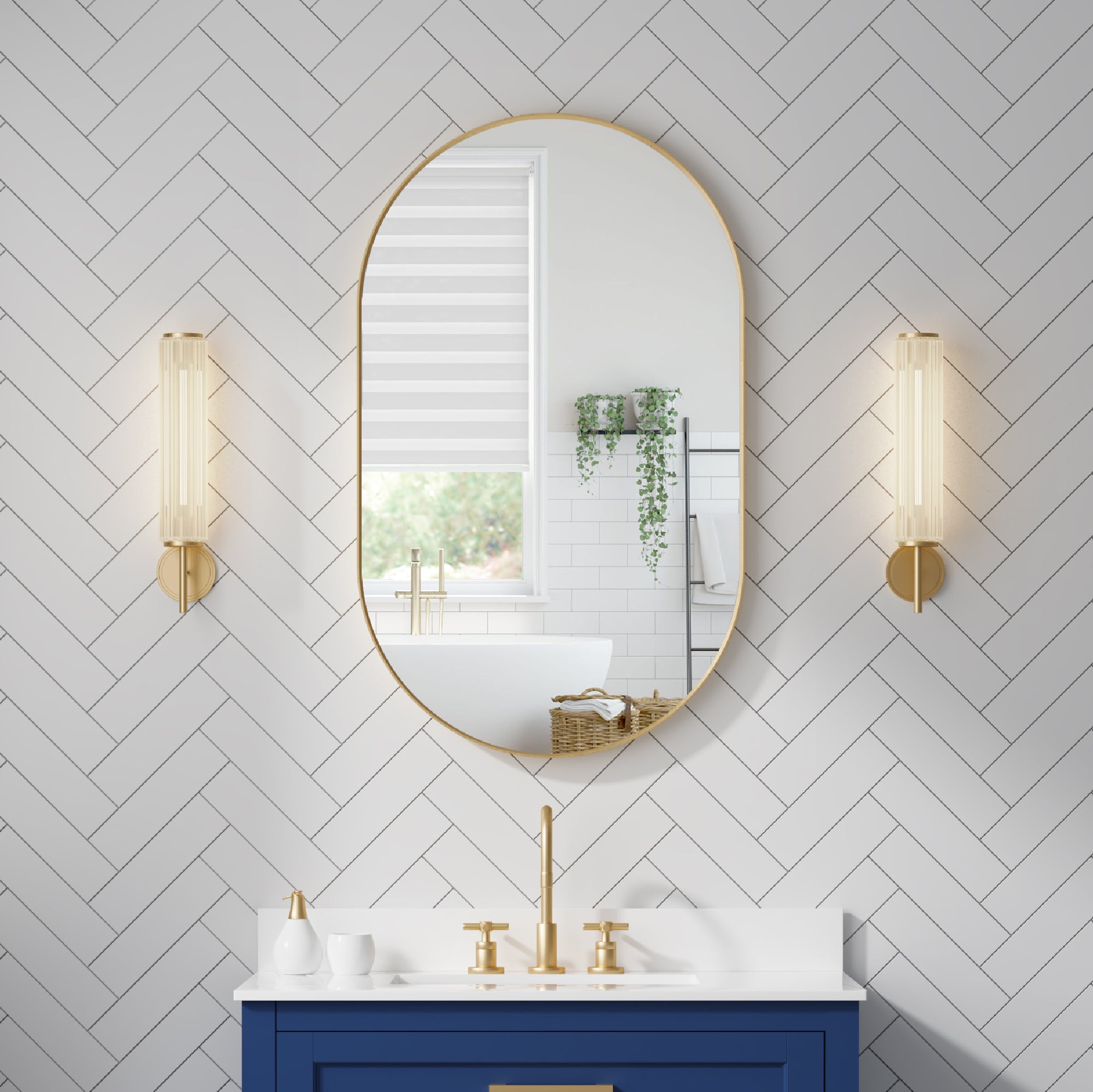
For a compact bathroom, a front-lit 24-inch or 30-inch mirror may provide enough functional light without separate sconces. In a larger primary bath, a 36-inch or wider dual-light mirror can provide stronger visual impact.
The wall finish matters too. Backlighting becomes more noticeable against textured tile or darker paint than against a bright white wall.
6. Pay Attention to Color Rendering
Color rendering is easy to overlook when comparing product photos.
A mirror used for makeup or grooming should reproduce skin tones and cosmetic colors reasonably accurately. A higher Color Rendering Index, commonly written as CRI, generally indicates better color reproduction.
For grooming, a CRI of 90 or higher is a useful target.
This becomes especially important when the bathroom has little natural daylight. Poor color rendering can make skin tone, foundation, hair color, or clothing appear noticeably different once the user moves into another room.
A good mirror should make the lighting more useful, not simply brighter.
7. An Anti-Fog Function Can Improve Daily Convenience
After a hot shower, condensation can make a mirror unusable for several minutes.
An integrated defogging pad warms part of the mirror and helps keep that section clear. This can be useful when one person showers while another needs the vanity immediately afterward.
The feature is particularly practical in:
· Small bathrooms
· En-suites
· Bathrooms without large windows
· High-use family bathrooms
Defogging should not replace proper ventilation. It keeps the mirror usable, while the exhaust fan still has to remove moisture from the room.
8. Think About How the Mirror Fits the Whole Lighting Plan
A lighted mirror does not always need to replace every other fixture.
Houzz found recessed lighting in 40% of renovated bathrooms, while sconces or ceiling lights appeared in 34% and wall fixtures in 33%. Lighted mirrors reached 22%. This suggests that layered lighting, rather than one source doing everything, remains common.
A strong bathroom lighting plan may combine:
· A lighted mirror for the face
· Ceiling lighting for the whole room
· Shower lighting
· Natural daylight
· Low-level nighttime lighting
The mirror should fill a specific role within that system.
9. Check Electrical and Installation Requirements Early
Lighted mirrors need more planning than ordinary mirrors.
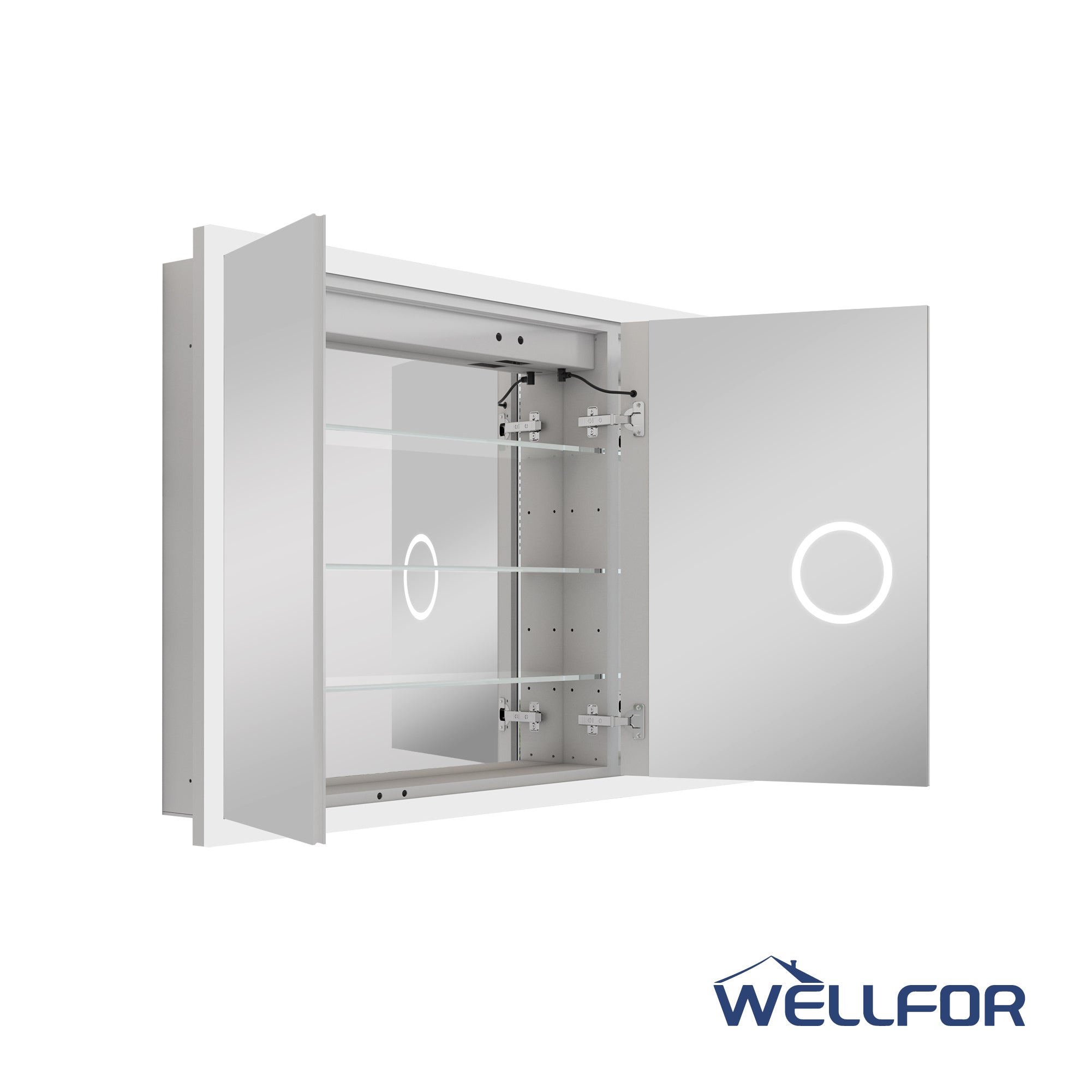
Before installation, confirm whether the model is hardwired or plug-in and where the electrical connection needs to be positioned.
Also check the mounting system and finished wall material.
A heavy 36-inch or 48-inch mirror mounted over tile requires secure attachment. Installation instructions should be followed rather than relying on general-purpose wall anchors.
If the mirror includes defogging, touch controls, memory settings, or dual lighting, electrical planning should be completed before the finished wall is closed whenever possible.
10. Choose Features You Will Actually Use
The perfect mirror with light is not necessarily the one with the longest feature list.
Houzz found that 24% of respondents use the primary bathroom for beauty and pampering routines, while 30% of renovated bathrooms with wellness-related upgrades included improved lighting.
That makes practical lighting features more meaningful than novelty technology.
For most bathrooms, prioritize the essentials: correct mirror size, even facial illumination, dimming, suitable color temperature, good color rendering, and reliable controls. Anti-fogging and memory functions are worthwhile when they fit the user's routine.
A well-chosen lighted mirror should make the vanity easier to use every morning while also improving how the room feels. When size, brightness, color quality, and placement are considered together, the mirror becomes a functional part of the bathroom rather than simply another decorative accessory.















Leave a comment
This site is protected by hCaptcha and the hCaptcha Privacy Policy and Terms of Service apply.