


















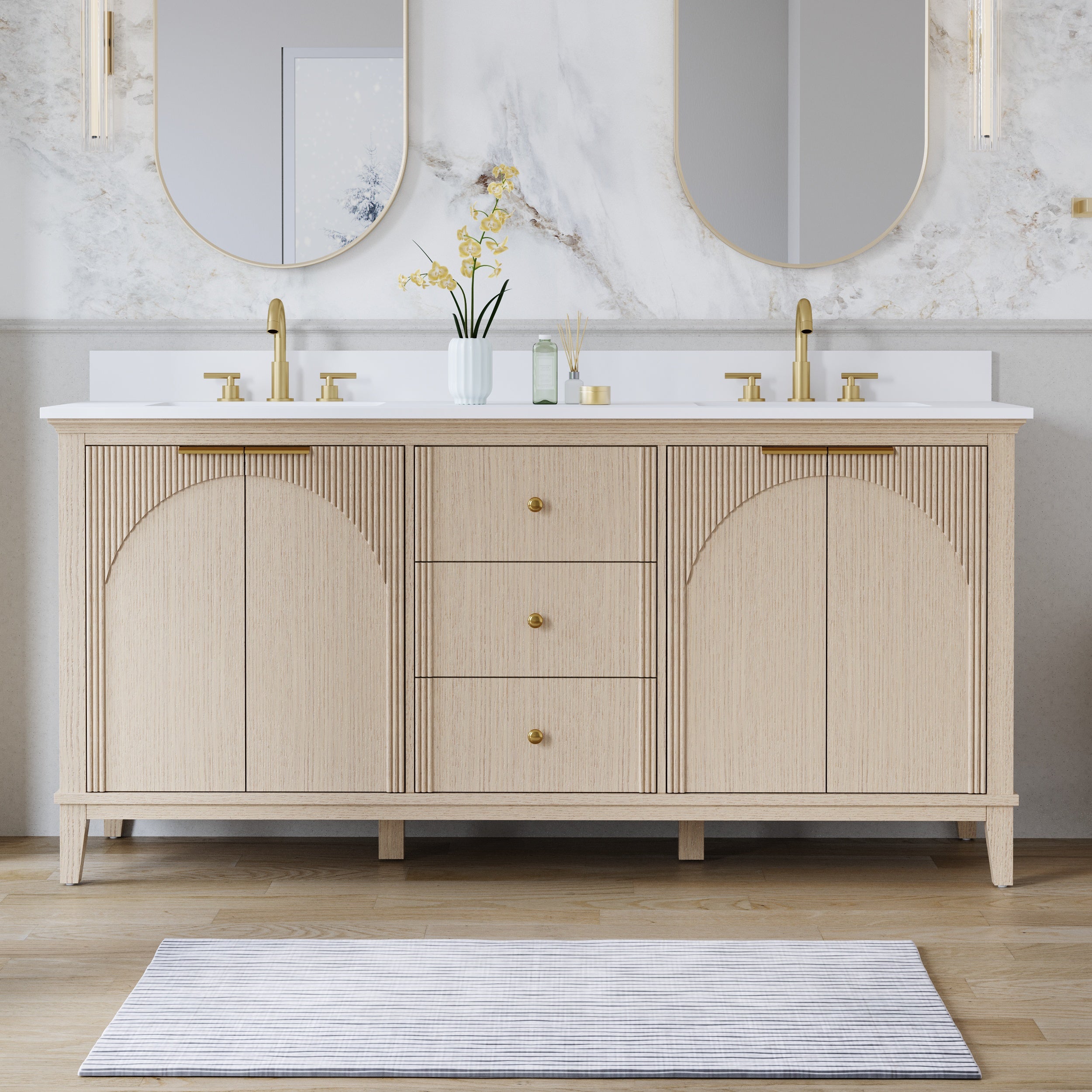
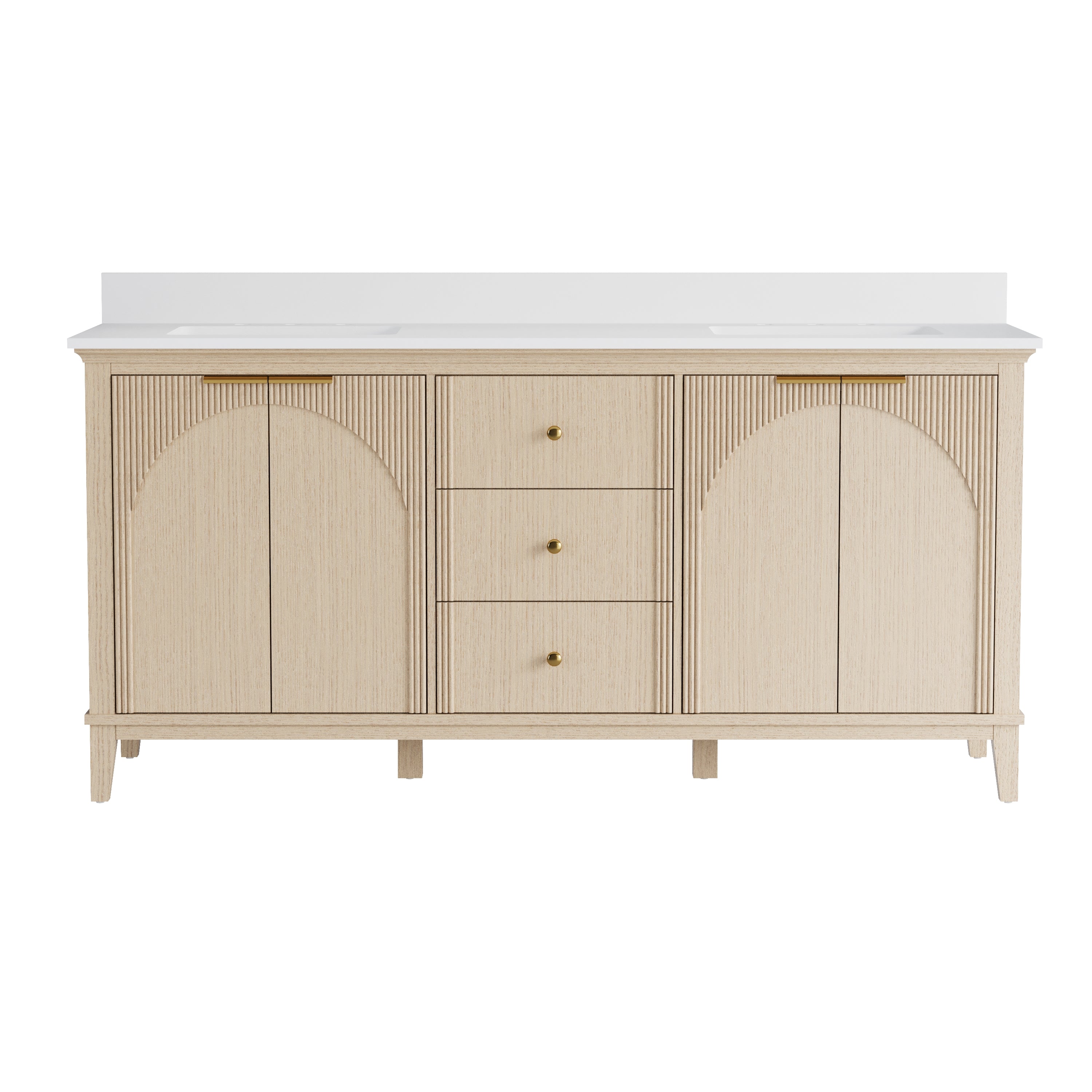


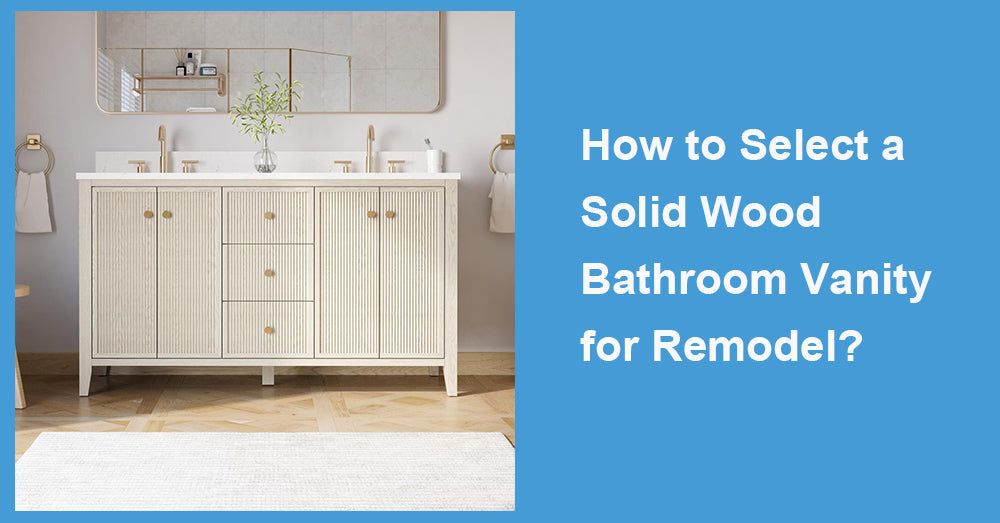
As the residential renovation market continues to heat up, bathroom renovation has become one of the projects with the highest return on investment for homeowners. Among numerous bathroom furniture, the solid wood bathroom vanity is returning to the mainstream view. According to the trend analysis of the National Kitchen and Bath Association (NKBA), consumers are shifting from "short-term cost-effectiveness" to "long-term quality and value", and solid wood bathroom cabinets are an essential representative of this trend.
So, how to choose a suitable solid wood bathroom cabinet for bathroom renovation in the market environment and actual usage needs? This article will analyze from multiple dimensions, such as materials, structure, craftsmanship, style, and maintenance.

1. Why do consumers favor solid wood bathroom cabinets again?
In the past decade, MDF and laminated bathroom cabinets have dominated due to their price advantage, but as their service life increases, their susceptibility to moisture, peeling, and deformation gradually becomes apparent. In contrast, solid wood bathroom cabinets have the following advantages:
Higher structural stability, suitable for long-term use
Natural texture and texture enhance the overall spatial grade.
Higher property premium ability is more popular in second-hand housing transactions.
Strong repairability, slight scratches can be polished and refurbished.
In high-end bathroom renovation projects, solid wood bathroom cabinets have become synonymous with "durability+aesthetics".
2. Common types of solid wood bathroom cabinets in the market
In the bathroom industry, "solid wood bathroom cabinet" is not a single concept. There are significant differences in hardness, moisture resistance, stability, texture expression, and cost structure among different types of wood, which is also the reason why high-end bathroom cabinets are highly segmented in material selection. For spaces like bathrooms that are exposed to high humidity for a long time, choosing the right wood is often more important than simply pursuing "all solid wood".
The following are the most widely used and mature types of solid wood materials in the current market.
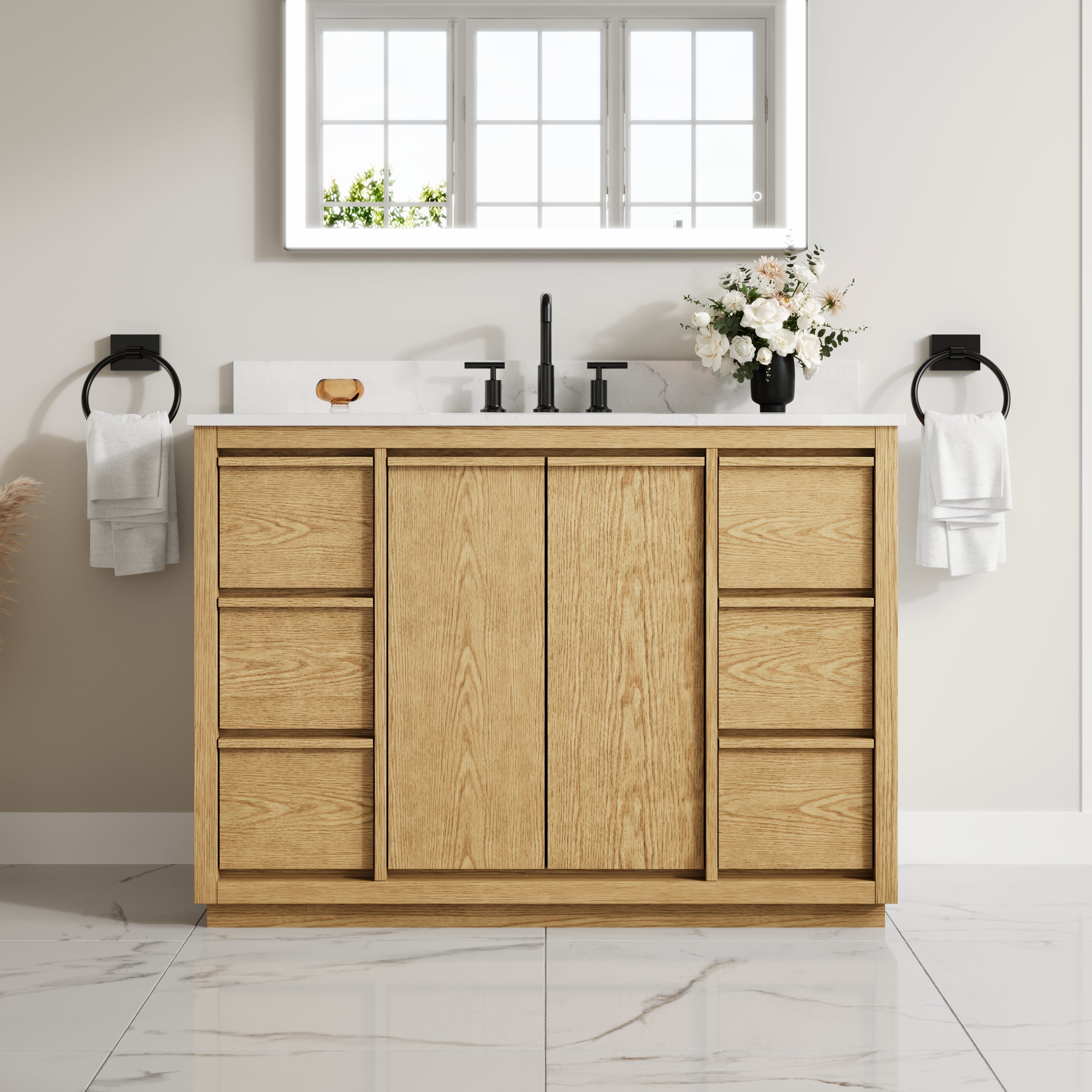
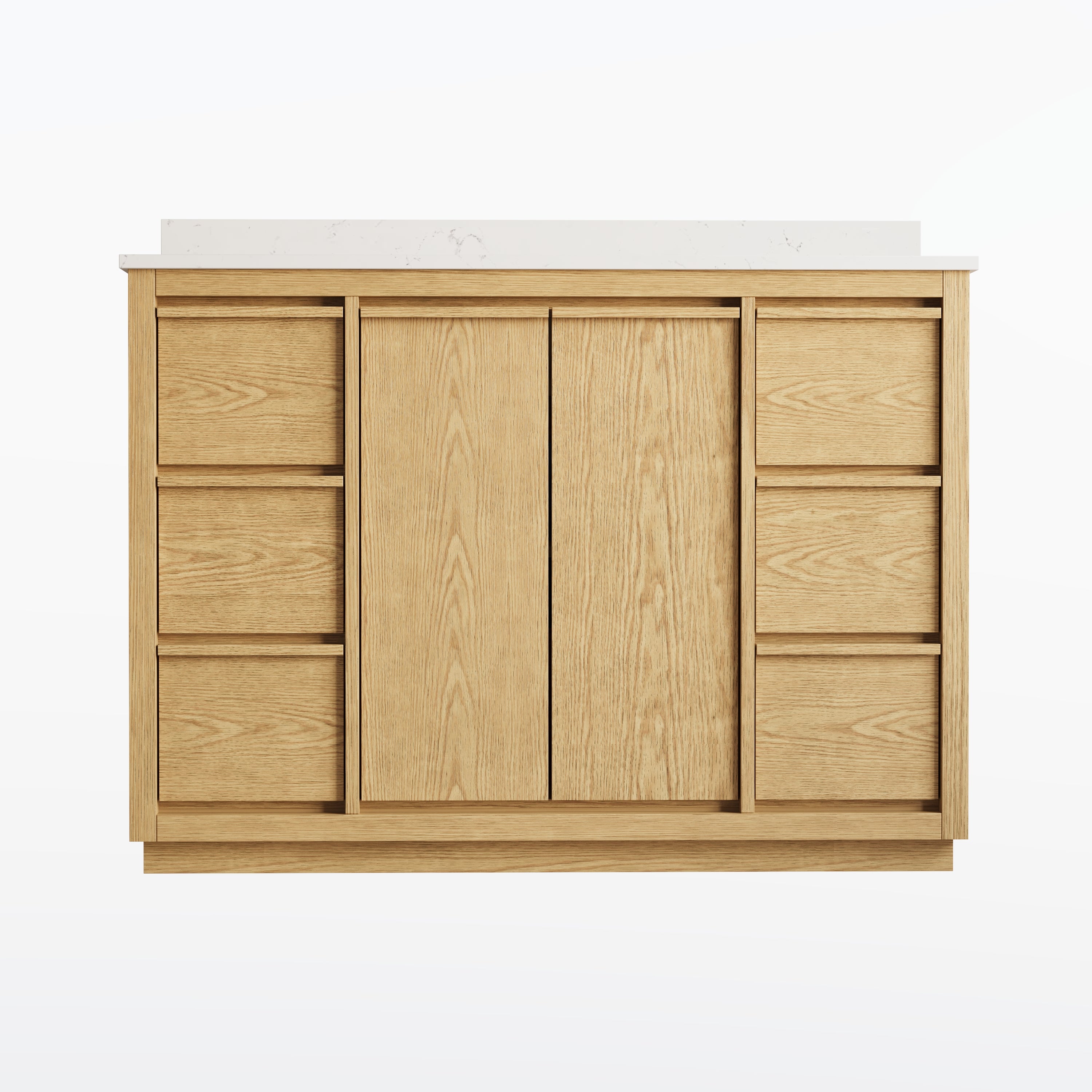
Oak - a classic choice in the American market
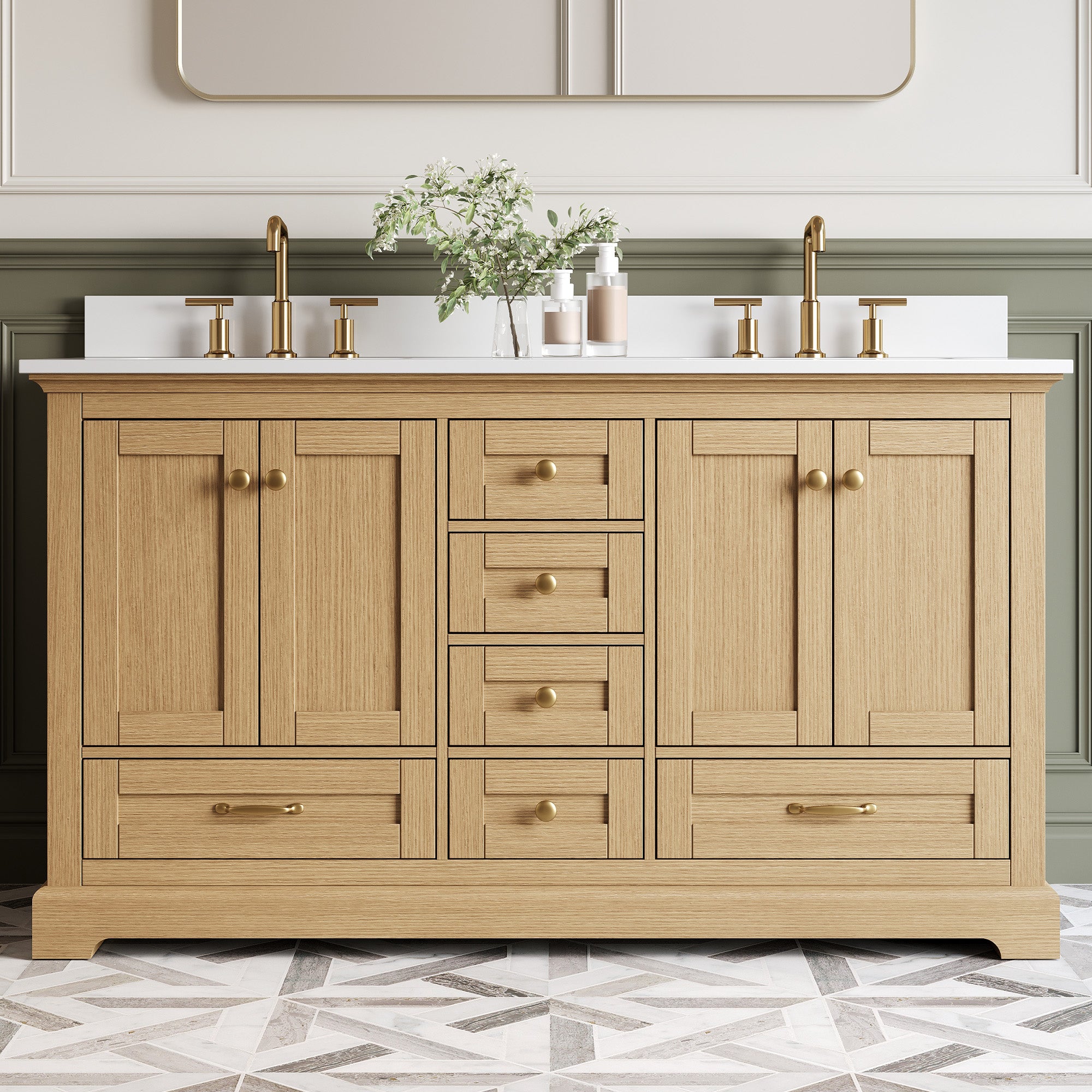
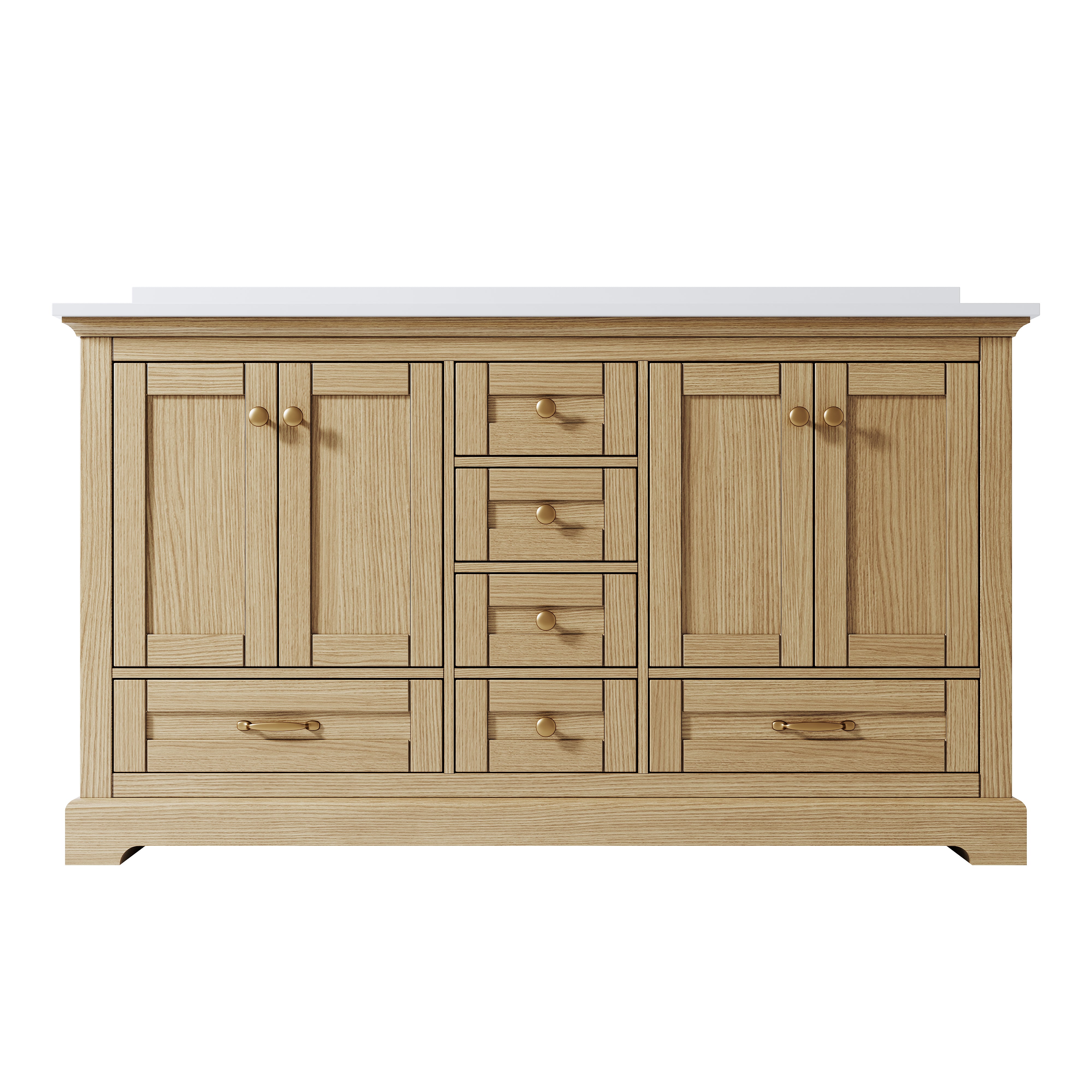
Oak is one of the oldest and most widely accepted solid wood materials in the bathroom cabinet market, divided into two categories: Red Oak and White Oak.
Core features:
Wood is hard, structurally stable, and not easily deformed
Clear wood grain, strong three-dimensional sense, and obvious natural texture
Excellent impact resistance and load-bearing capacity
Maple - a popular choice for modern and light luxury bathrooms
Maple wood has a high reputation in the high-end furniture and cabinet industry, and its advantages are also evident in the bathroom cabinet field.
Core features:
Fine texture, minimal color difference, and clean visual effect
The surface is dense, and the coating adhesion is strong
Not easy to absorb water, stable moisture resistance
Rubberwood - a balanced solution between cost-effectiveness and stability
In recent years, the proportion of rubberwood in the mid-range bathroom cabinet market has continued to rise, becoming a representative of "high cost-effective solid wood".
Core features:
Wood is stable with a low shrinkage rate
Not easy to crack, suitable for humid environments
Strong material sustainability, in line with environmental trends
Ash - a high-end choice that balances elasticity and visual tension
White wax wood has gradually gained attention in the mid to high-end bathroom cabinet market due to its excellent mechanical properties and unique texture.
Core features:
Good elasticity, not easy to break
The texture is straight and rich in layering
Excellent processing performance, suitable for detailed styling
Beech - an extension of European heritage in the market
Beech wood is widely used in European furniture and has gradually been introduced into the field of solid wood bathroom cabinets in recent years.
Core features:
Tight structure and uniform force distribution
Delicate surface, suitable for light color dyeing
Stability superior to ordinary cork
3. Moisture-Resistant Structural Design Matters More Than the Solid Wood Itself
The key to a truly high-quality, solid wood bathroom cabinet is not just the wood, but the moisture-proof structural design:
Multi-layer waterproof coating (primer+topcoat)
The bottom of the cabinet is designed to be off the ground, reducing water erosion on the floor area.
Reserve ventilation holes on the back panel to reduce internal humidity
Solid wood frame+solid wood or high moisture-resistant board core structure, balancing stability and cost
Industry data shows that solid wood bathroom cabinets with effective moisture protection can extend their service life by more than 30% compared to ordinary panel cabinets.
4. Solid wood bathroom cabinets in popular sizes and layouts
There is a significant difference in the area of residential bathrooms, so the size selection of solid wood bathroom cabinets is particularly crucial.
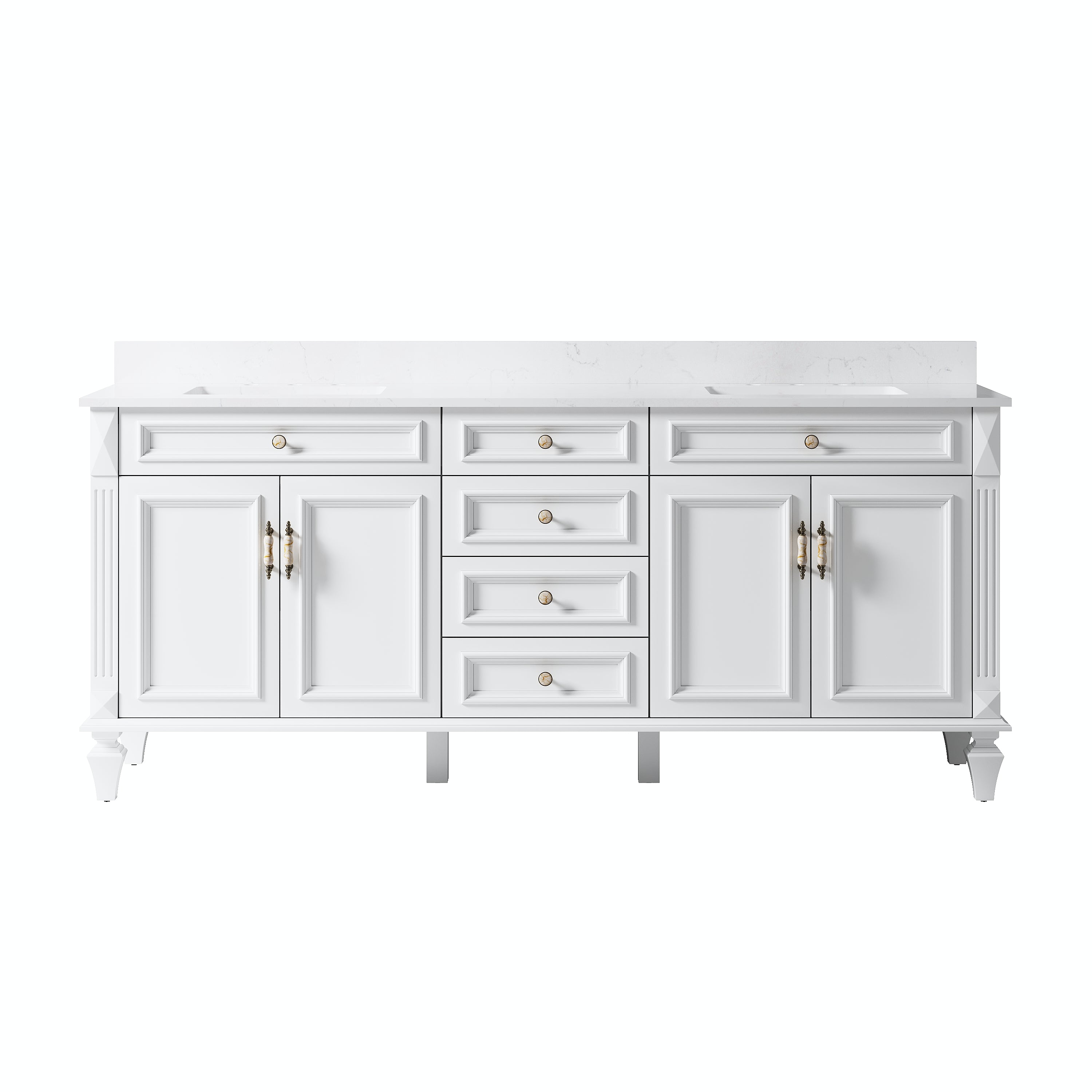
30-36 inches: suitable for apartments, small units, and guest bathrooms
42-48 inches: mainstream home main bathroom sizes
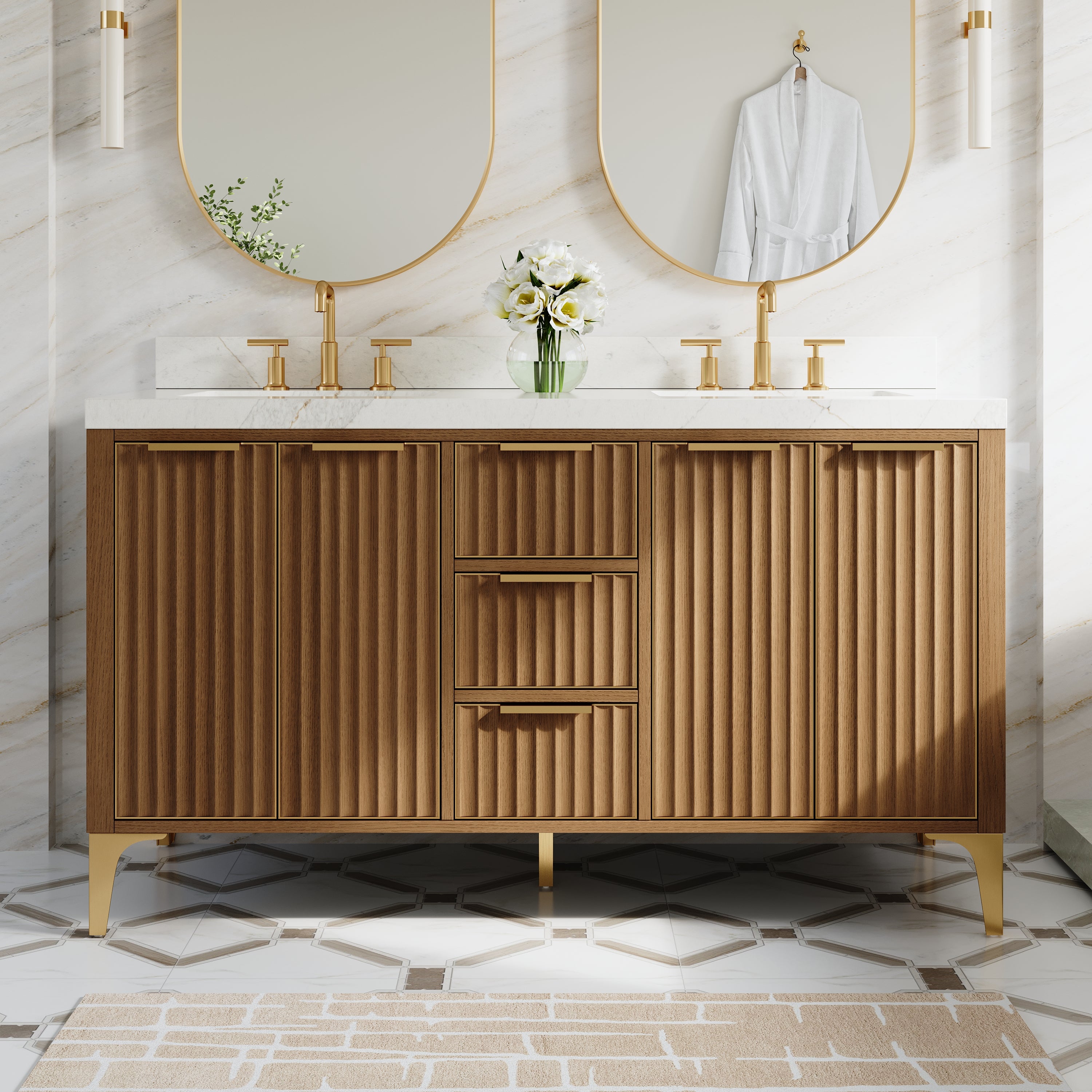
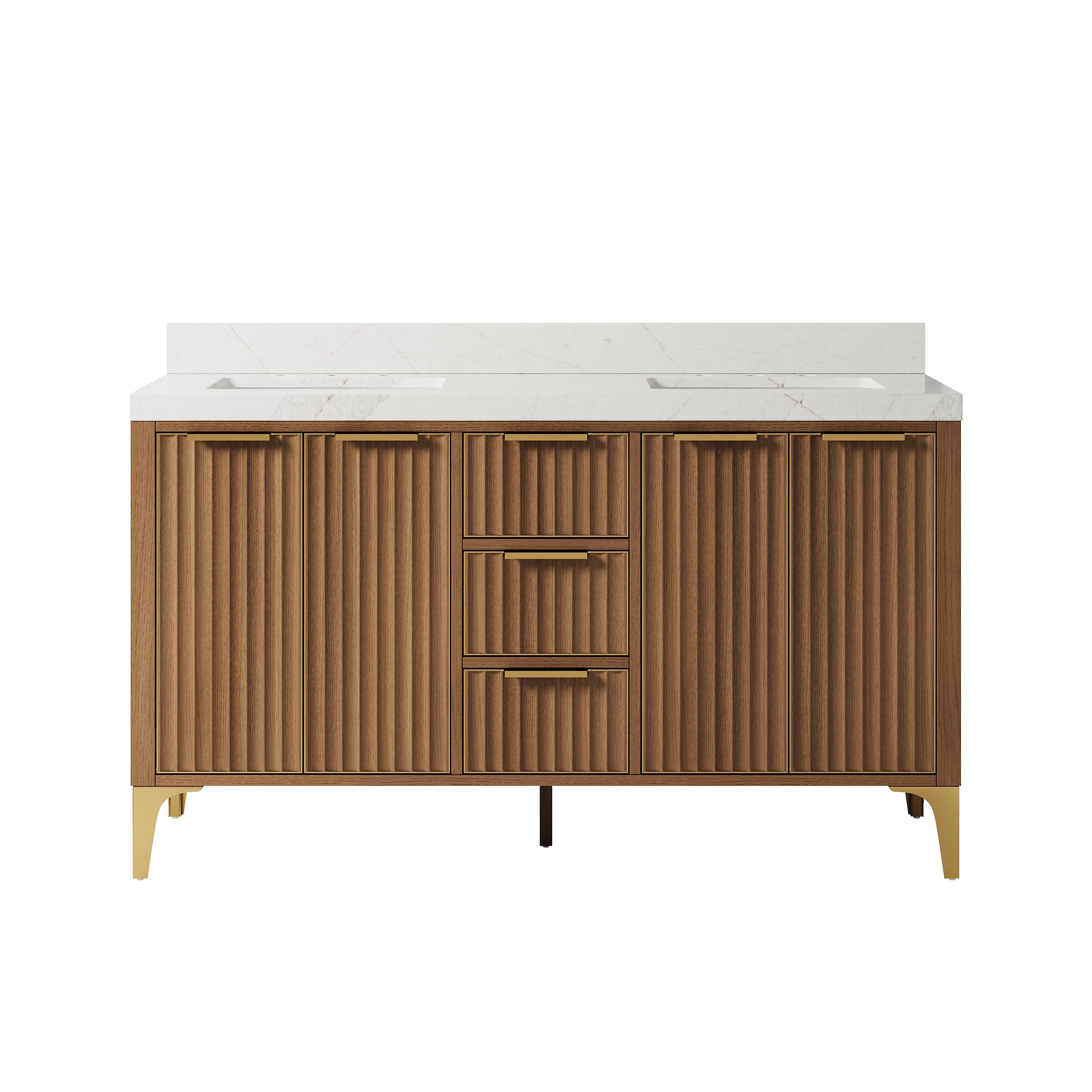
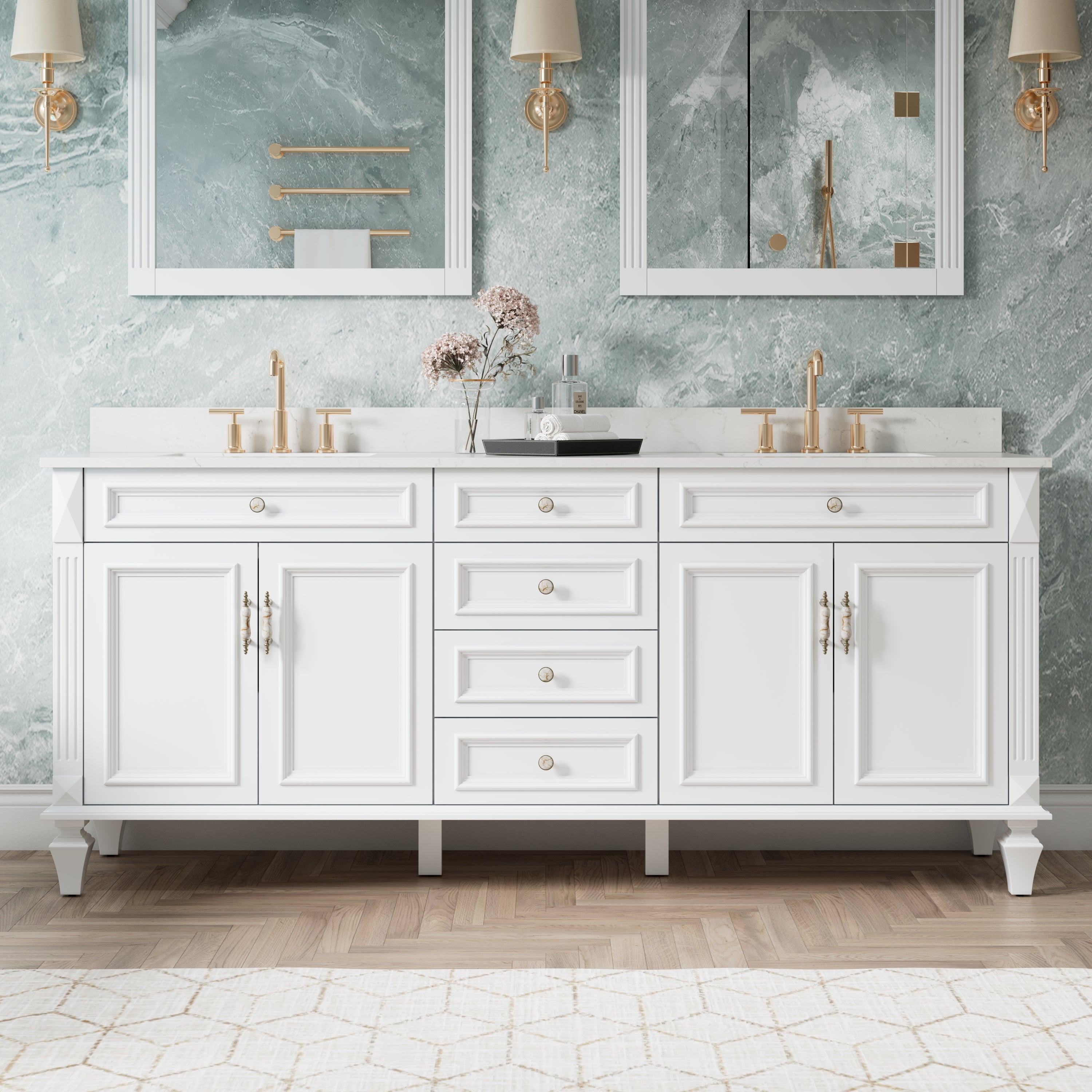
60 inches and above: Double basin design, suitable for master bedroom suites
In terms of layout, consumers are more inclined to:
Large drawer design (reduces bending)
Soft closing hinge/drawer slide rail
Reserve space for water pipes and sockets to facilitate the installation of smart devices
5. Style trend: Solid wood does not equal "traditional heaviness."
A common misconception is that solid wood bathroom cabinets can only be used in traditional styles. In fact, solid wood is widely used in various design trends in the market:
Modern Farmhouse
Transitional wind
Japandi (Japanese style x Nordic minimalism)
Modern Luxury
Through light wood grain, simplified lines, and suspended design, solid wood bathroom cabinets are becoming lighter and more modern.
6. Maintenance and Daily Use: Solid Wood Bathroom Vanities Are Easier to Care for Than You Think
Many consumers are concerned about the high maintenance cost of solid wood bathroom cabinets, but in actual use, only the following points need to be achieved:
Maintain good ventilation in the bathroom.
Avoid long-term accumulation of water.
Wipe with neutral detergent.
Regularly inspect hardware and sealing parts.
In a typical home environment, high-quality solid-wood bathroom cabinets can be used reliably for 10-15 years or more.
Conclusion: Solid wood bathroom cabinets are a "future-oriented" choice
In the trend of bathroom renovation, consumers are pursuing products that are more sustainable, durable, and have long-term value. Solid wood bathroom cabinets are not just a furniture choice, but also an investment in quality of life and residential value.
For homeowners planning to renovate their bathrooms, choosing a solid-wood bathroom cabinet that is structurally sound, made with reliable materials, and that fits the style will bring lasting, authentic improvements to the entire space.





























Leave a comment
This site is protected by hCaptcha and the hCaptcha Privacy Policy and Terms of Service apply.