
In the residential renovation market, bathroom renovation has always been one of the most valuable investment projects. With consumers' increasing emphasis on home comfort, healthy lifestyle, and spatial aesthetics, bathtubs are no longer just simple bathing facilities, but are one of the core design elements in bathroom spaces. More and more families view bathtub as an essential component in improving their quality of life and property value during bathroom renovations.
However, choosing a suitable bathtub is not an easy task. Size, material, installation method, usage habits, and overall design style all directly affect the final user experience and long-term value. The following will provide systematic purchasing references for consumers who are undergoing bathroom renovation from multiple dimensions.

1. Starting from the bathroom layout and spatial conditions
The primary consideration before choosing a bathtub is the actual space and layout of the bathroom. Different types of bathtubs have significantly different requirements for space.
Embedded bathtub (Alcove Tub)
This type of bathtub is usually installed between three walls and is the most common choice in households, especially suitable for small and medium-sized bathrooms. It is often combined with shower functions to balance practicality and space utilization.
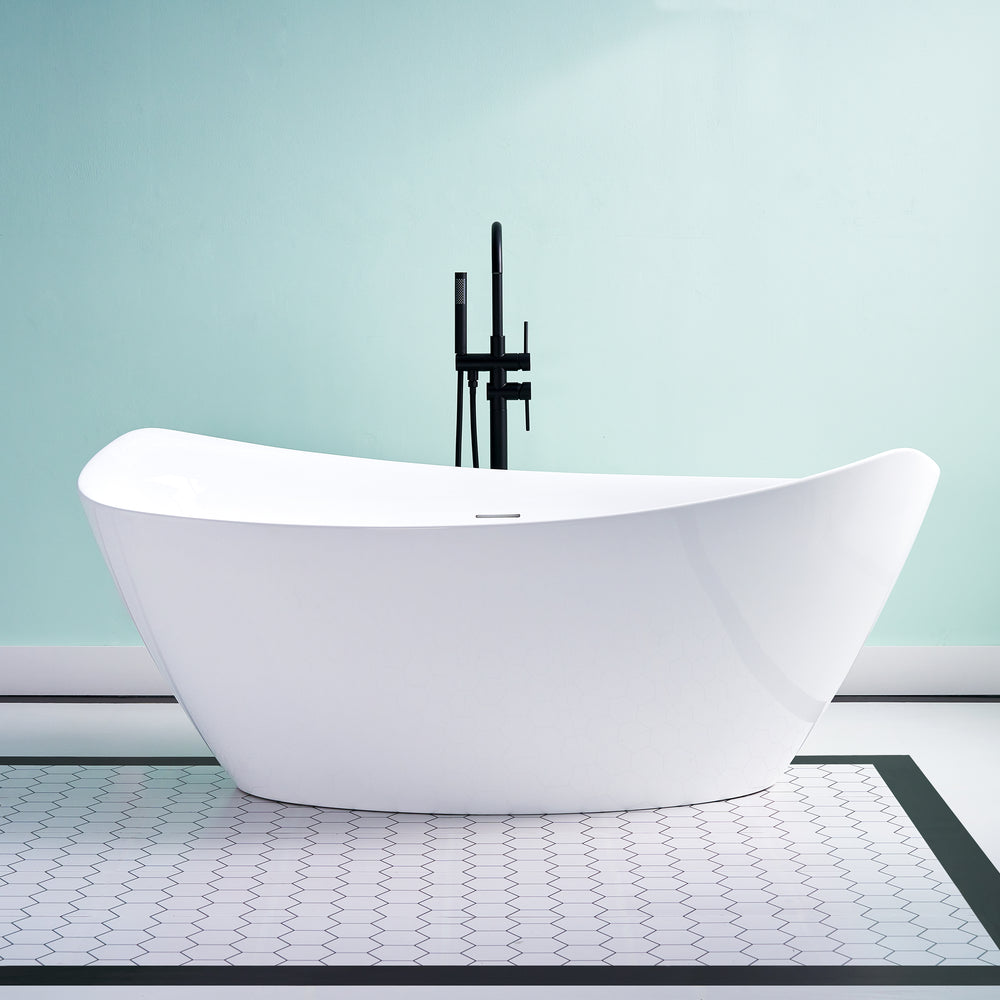
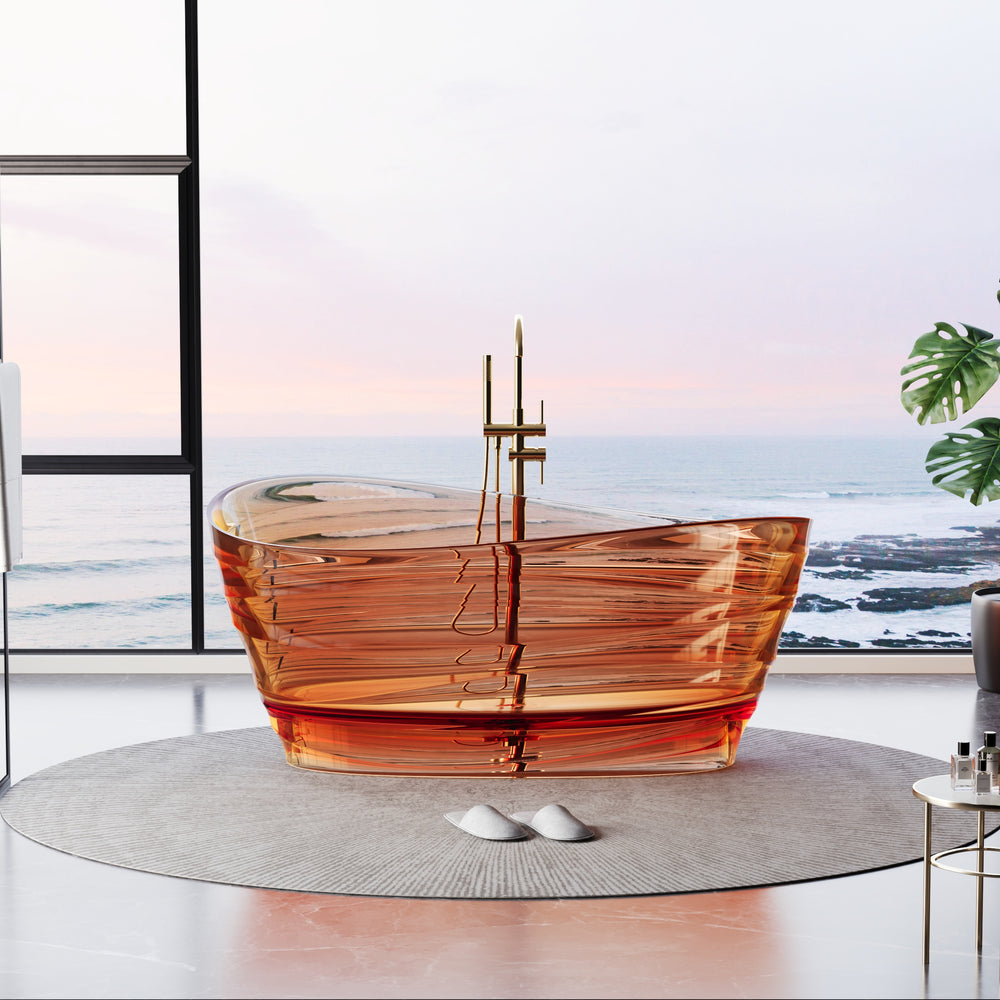
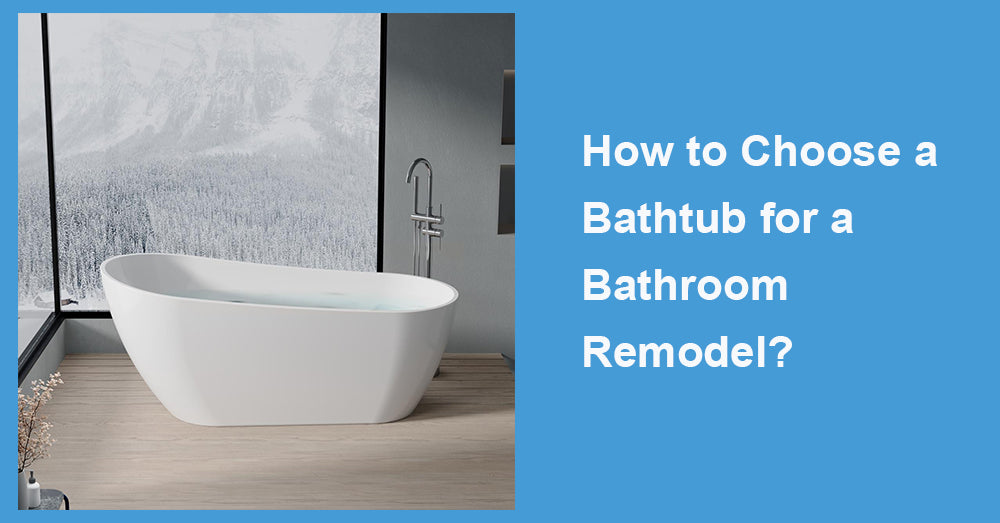
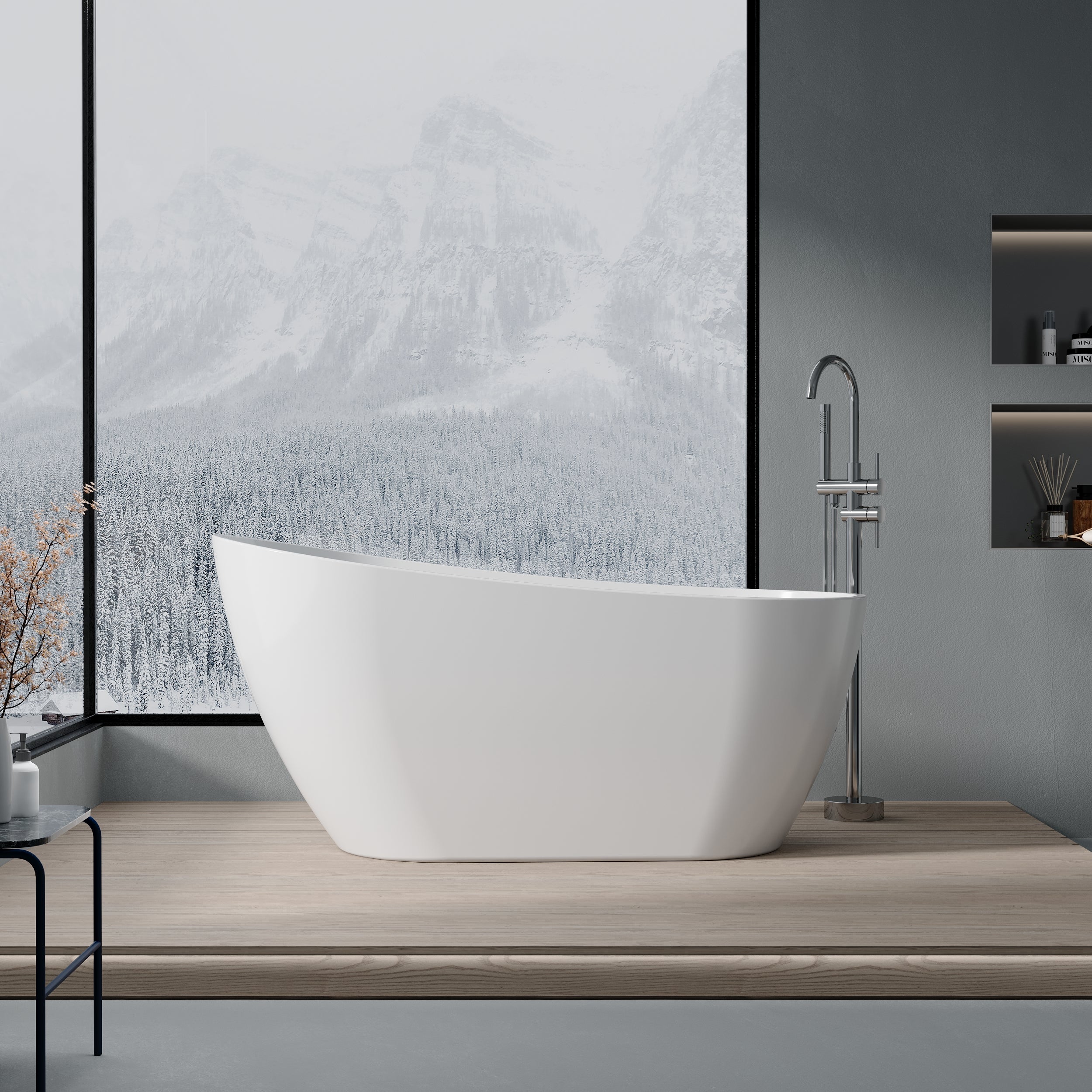
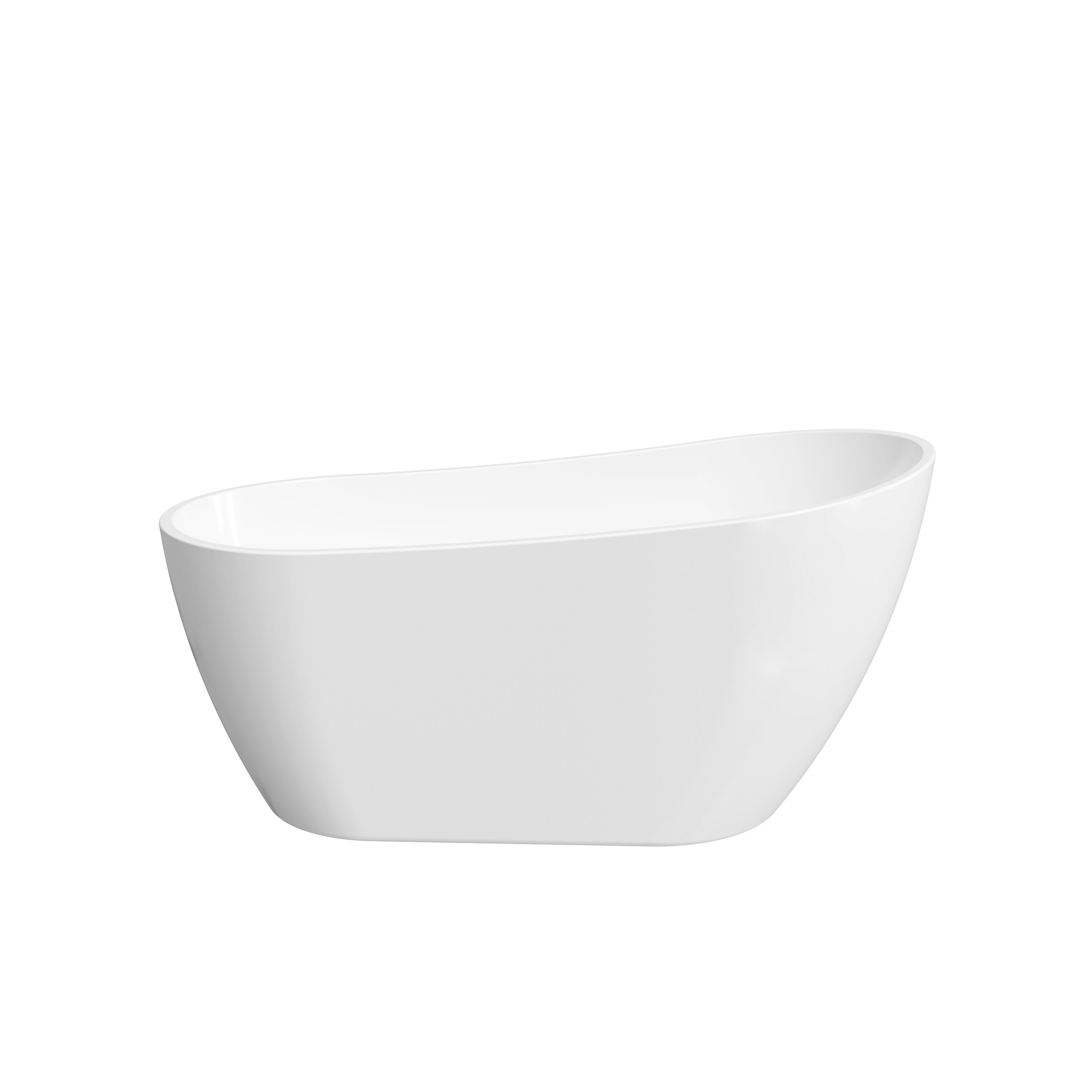
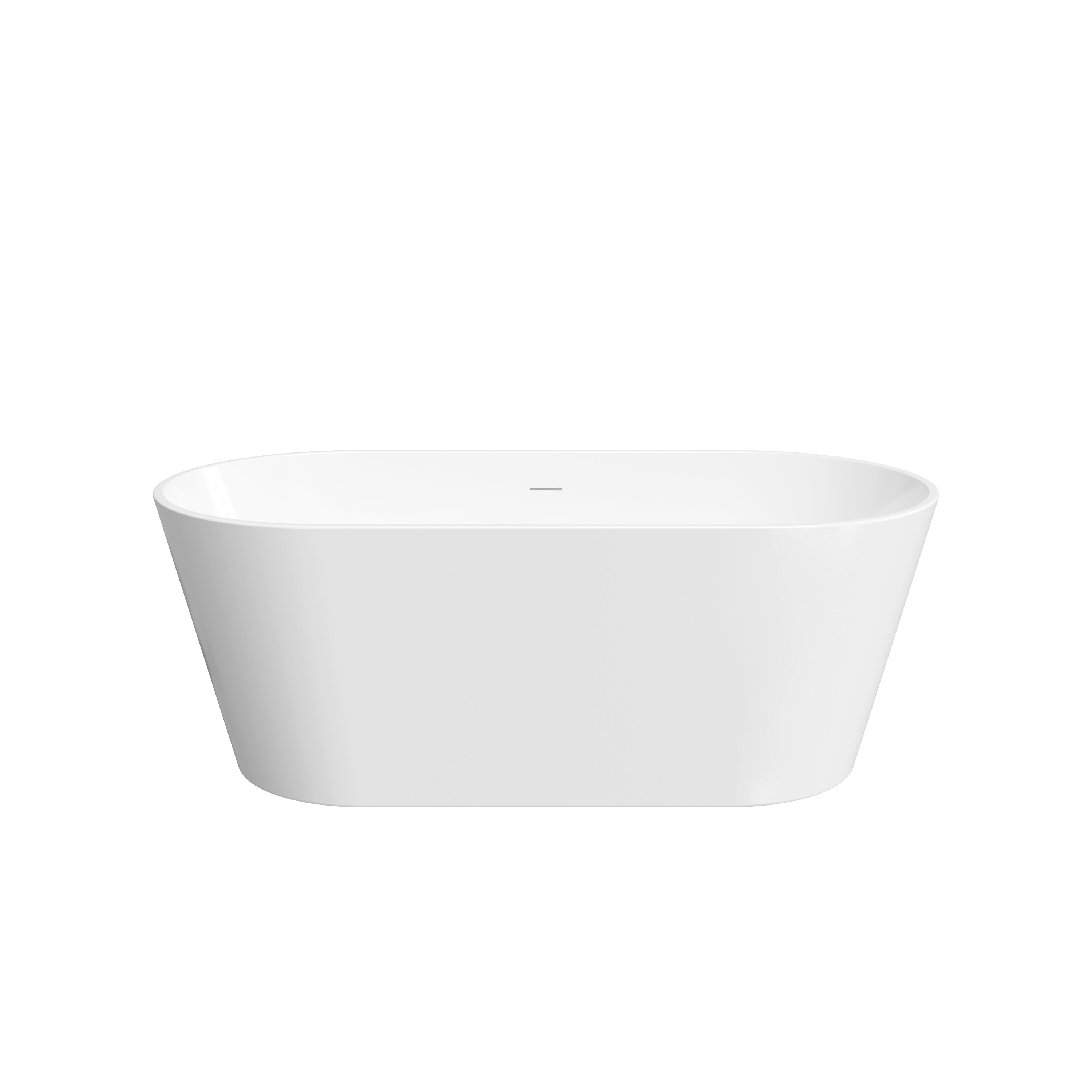
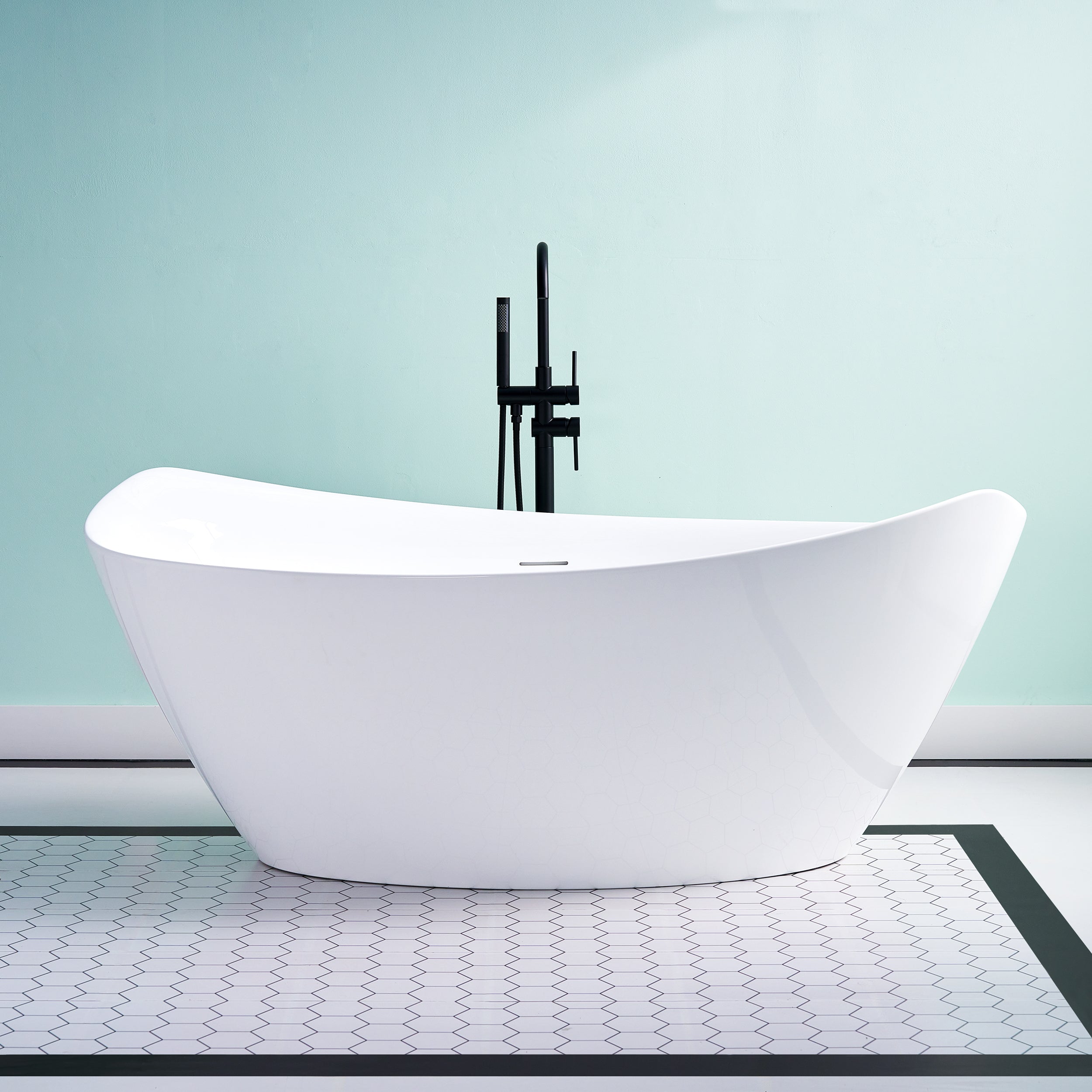
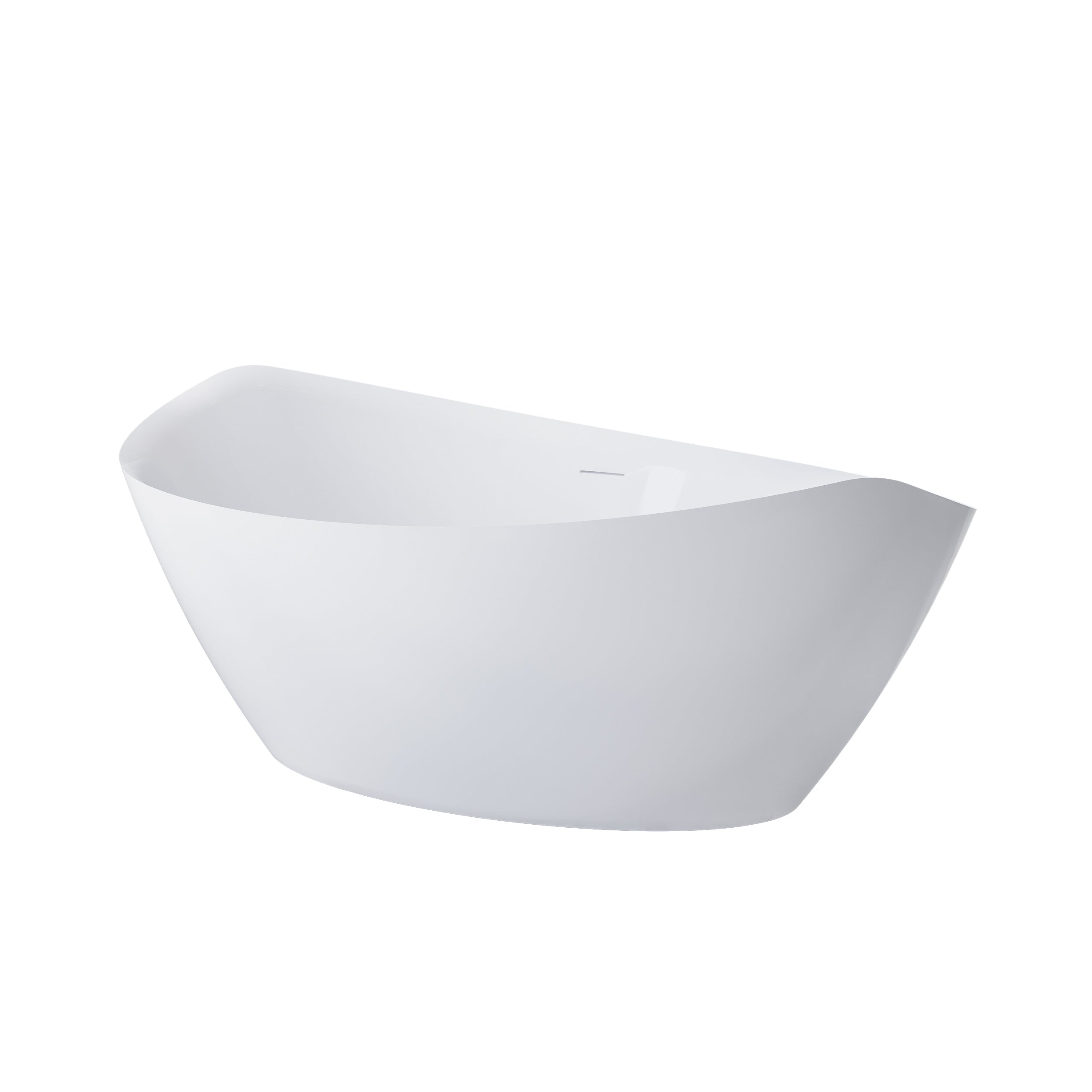
Freestanding Tub
In recent years, it has rapidly become popular in the home decoration market, commonly found in master bathrooms or suite bathrooms. Its shape is free, and the design is strong, but it requires a larger activity space and higher installation conditions.
Embedded or Undermount Tub
Strong overall appearance, suitable for customized design, but usually requires additional bathtub platforms or edges, resulting in relatively high construction costs.
Corner Tub
Suitable for irregular spatial layouts, it can also provide a good soaking experience within a limited area.
Before formal selection, it is recommended to accurately measure the bathroom's dimensions and to consider the direction of the door opening, the passage space, and the location of existing pipelines comprehensively.
2. Choose the appropriate bathtub material
The material of the bathtub is directly related to durability, insulation performance, maintenance costs, and overall price. The mainstream materials in the current market include:
Acrylic
Lightweight, cost-effective, with a wide range of styling options, good insulation performance, easy to clean and maintain, it is one of the most popular materials in residential bathroom renovation.
Fiberglass
Low cost but more prone to scratches or fading over the long term, suitable for projects with limited budgets.
Cast Iron
Extremely durable, excellent insulation performance, classic appearance, but heavy weight, high price, and installation cost, with specific requirements for ground load-bearing.
Artificial Stone/Solid Surface/Stone Resin
Commonly used in high-end bathroom design, it has a premium texture, strong durability, and a warm touch. In recent years, it has become increasingly popular in high-end residential and boutique apartments.
Stainless steel or copper bathtub
Commonly seen in designer projects or luxury residences, it is a niche but visually impactful choice.
Consumers should strike a balance between budget, aesthetics, and long-term use when selecting materials.
3. Make choices based on household usage needs
There are significant differences in the usage of bathtubs among different families. Whether it is frequently used and who the target audience is will affect the final decision.
Families with children often lean towards safe and easily accessible bathtub designs.
Users who value relaxation and a healthy experience tend to prefer deep soaking or freestanding bathtubs.
The second bedroom or guest bathroom usually prioritize practicality, and choosing a combination of shower and bathtub is more reasonable.
In recent years, the "deep soaking bathtub" has continued to heat up in the market, emphasizing physical relaxation and psychological healing, in line with the trend of home SPA and healthy living.
4. Pay attention to installation conditions and construction costs
The installation method of the bathtub directly affects the overall renovation budget and construction difficulty.
Independent bathtubs usually require floor or wall faucets.
Heavy-duty bathtubs may require additional floor reinforcement.
Different drainage methods and overflow outlet designs have specific requirements for pipeline location.
Communicating with professional contractors or plumbers before determining the bathtub model can help avoid rework or additional costs in the later stages.
5. Emphasize ergonomics and comfort design
A good bathtub should not only look good, but also be easy to use. In the current market, more and more products emphasize ergonomic design, such as:
Backrest angle that conforms to the back curve
Lumbar support structure
Double-ended reclining design, suitable for multiple people to use
Anti-slip bottom design enhances safety.
If conditions permit, personally experiencing physical objects is often more valuable as a reference than relying solely on pictures.
6. Maintain consistency with the overall bathroom style
The bathtub should be a part of the overall design, rather than existing in isolation. The mainstream bathroom styles in the current home decoration market include:
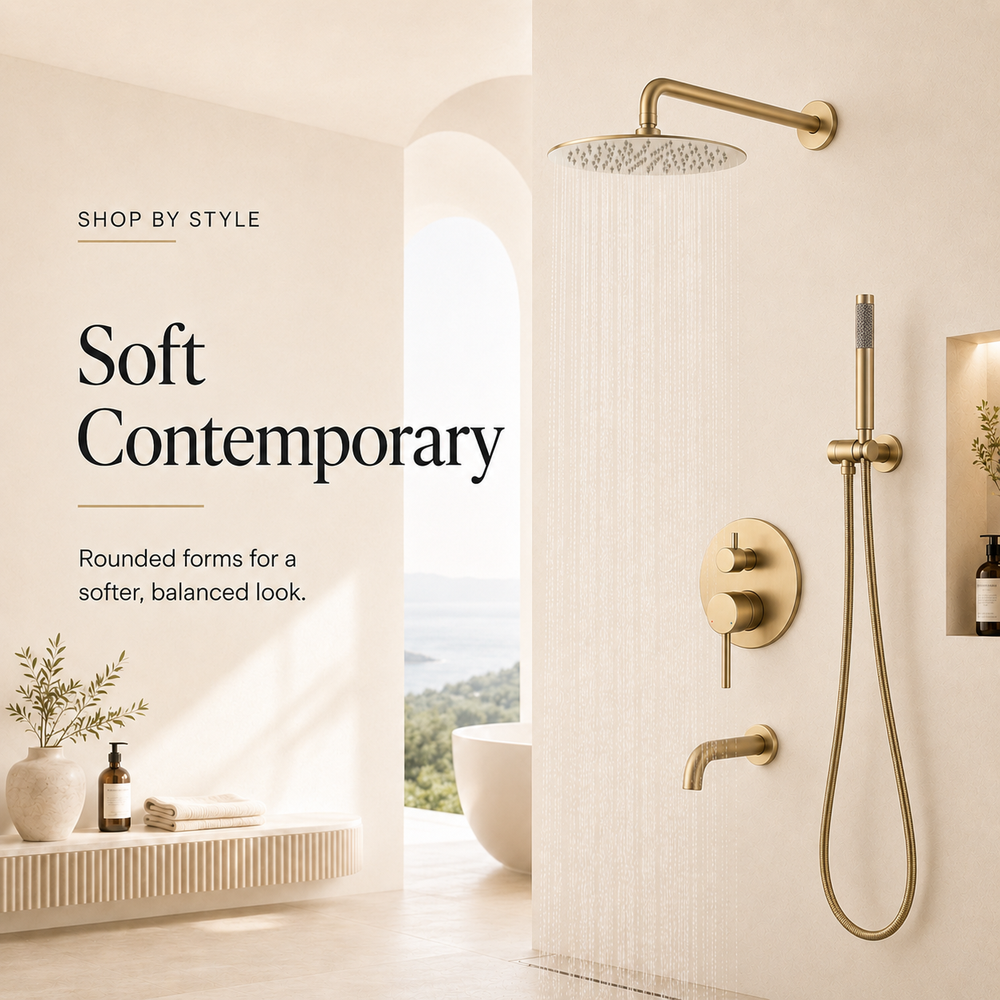
Modern minimalist style: sharp lines, emphasizing material texture
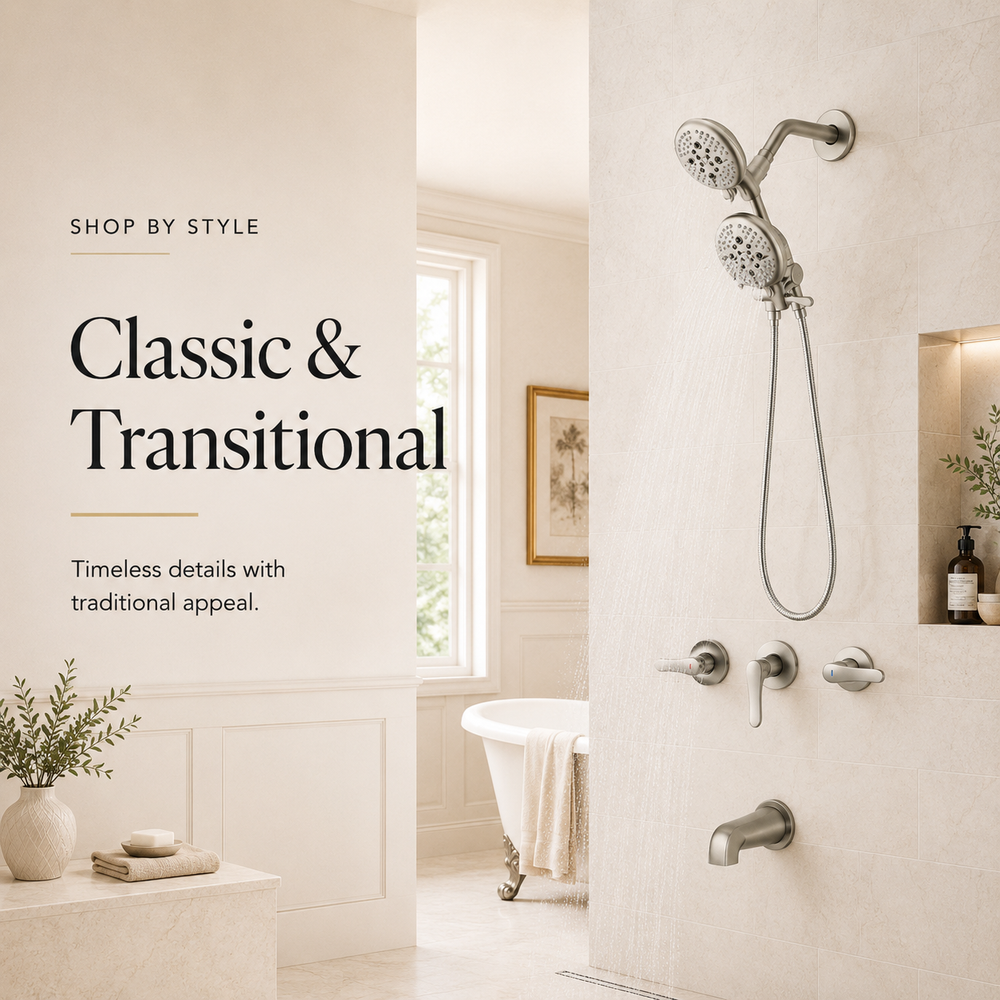
Transitional style: a balance between modernity and tradition
Farmhouse or Classic Style: Soft in design, emphasizing warmth
High-end SPA style: deep soaking bathtub with natural materials and soft lighting
A unified style enhances the overall spatial texture and aligns better with the aesthetic needs of the future resale market.
7. Balancing energy conservation and sustainability
With the popularization of environmental protection concepts in households, the energy efficiency and durability of bathtubs have also become important considerations. Materials with better insulation performance can reduce hot water consumption, and the long service life of high-quality bathtubs can also help reduce resource waste.
8. Finding a balance between budget and long-term value
Although the price range of bathtubs is relatively large, the industry generally believes that high-quality and well-designed bathtubs can significantly enhance the overall value of the bathroom and form a bonus point when reselling the house. As a high-frequency usage space, the comfort and aesthetics of the bathroom often leave a deep impression on potential buyers.
Conclusion
In the process of bathroom renovation, choosing a suitable bathtub is a rational and aesthetic decision. From spatial conditions to material selection, from usage requirements to design style, every detail affects the final living experience.
With the continuous trend of bathroom design towards "health, personalization, and high quality", the bathtub remains the core element in shaping the ideal bathroom space. Reasonable choices can not only improve the quality of daily life but also bring long-term and stable value returns to residential properties.














Leave a comment
This site is protected by hCaptcha and the hCaptcha Privacy Policy and Terms of Service apply.