














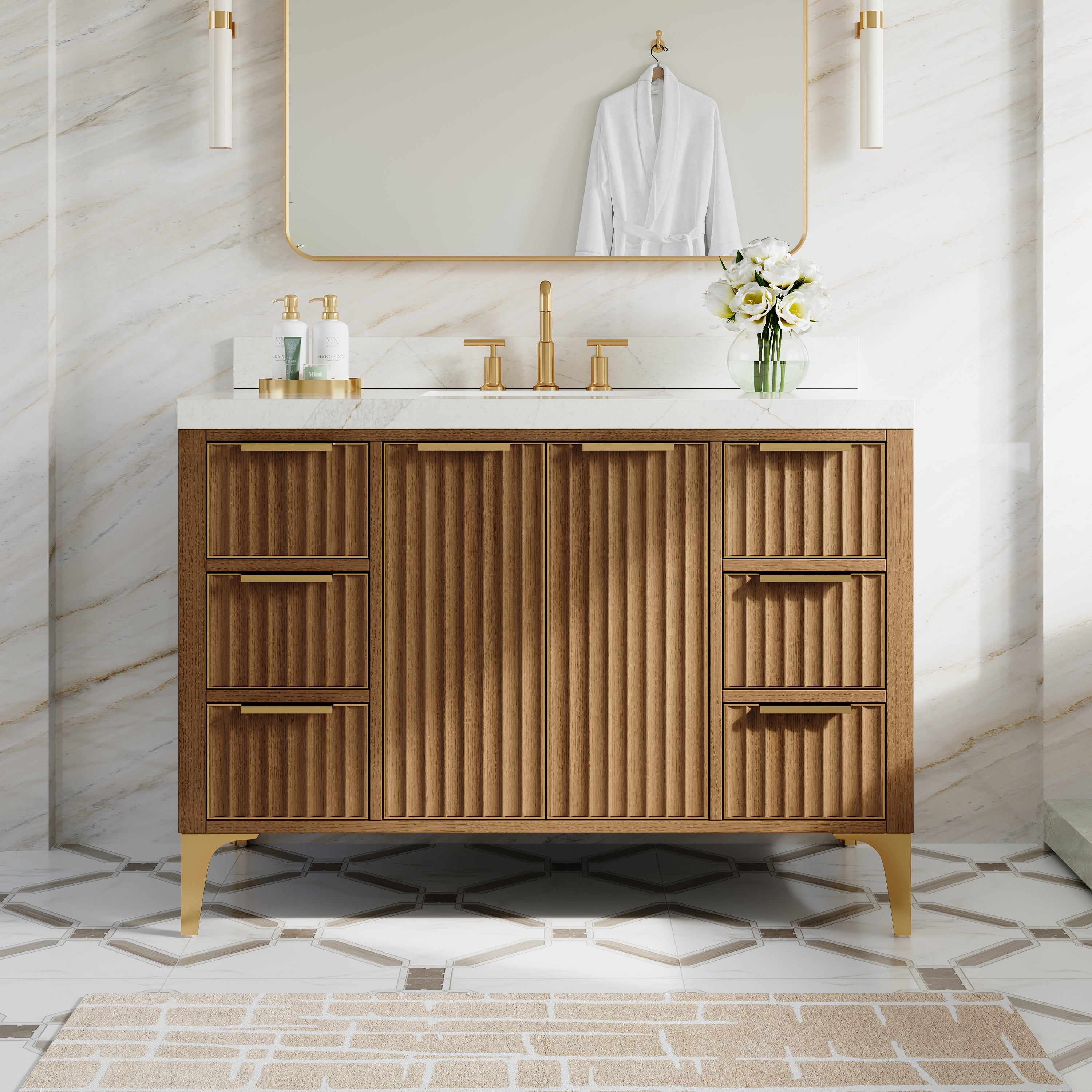
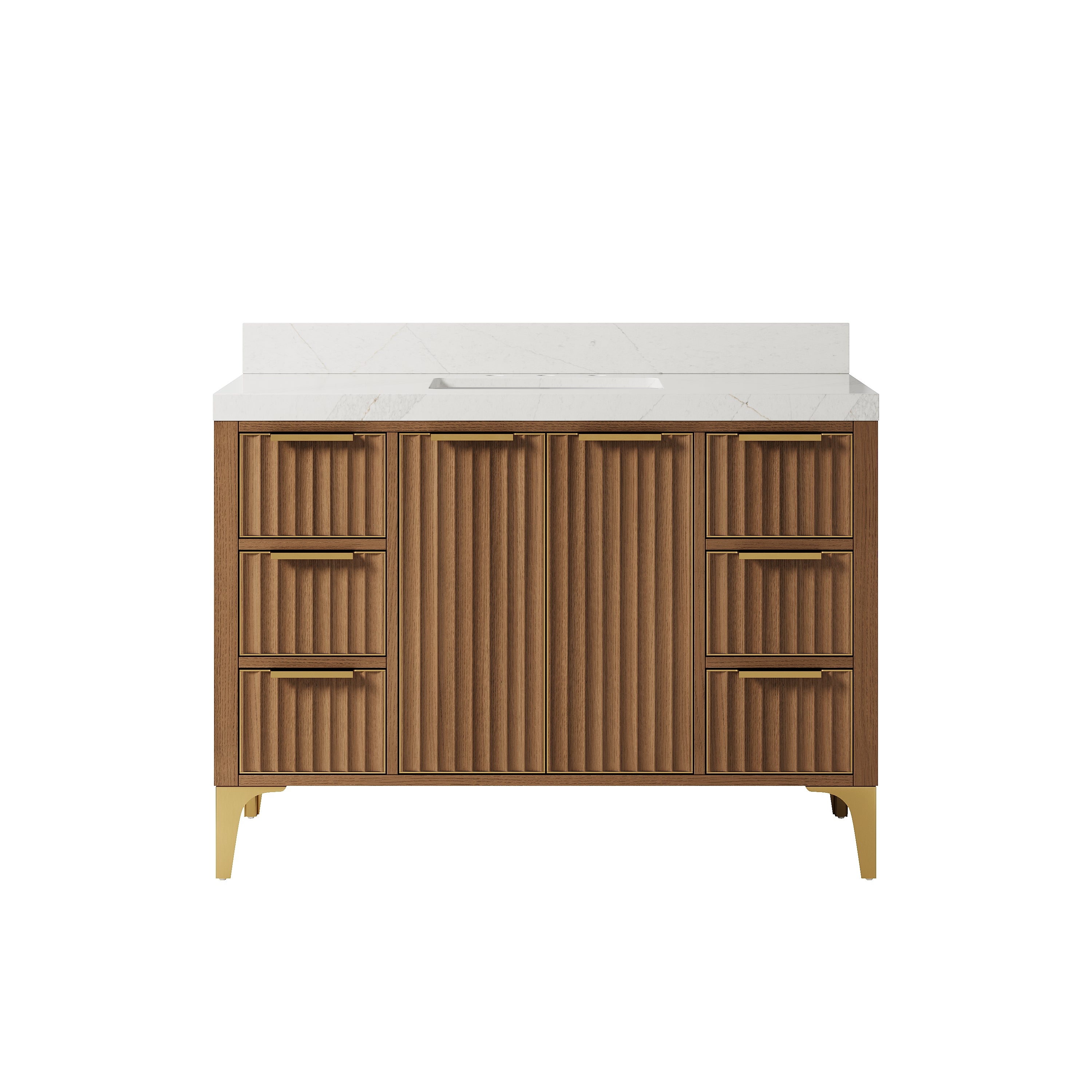


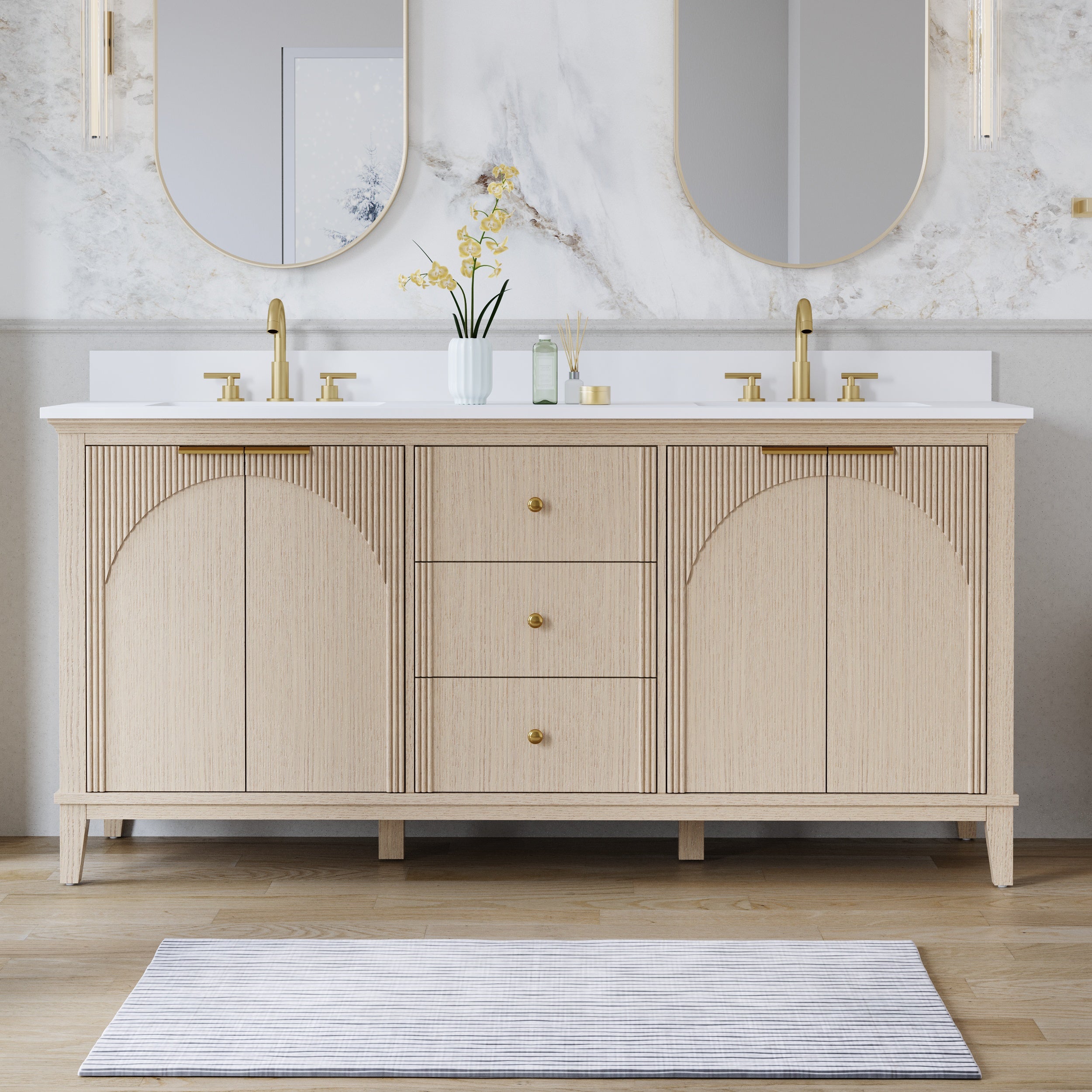
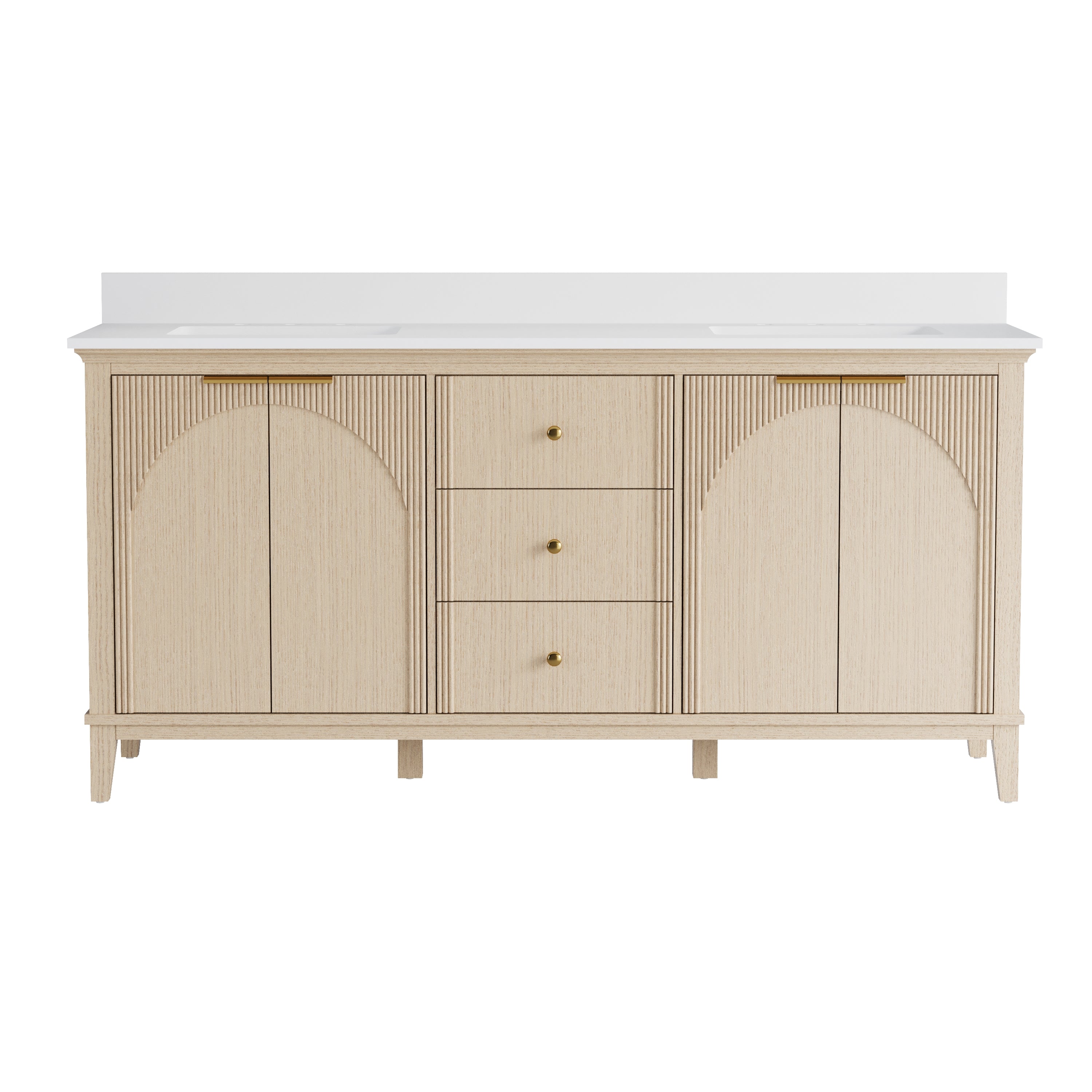
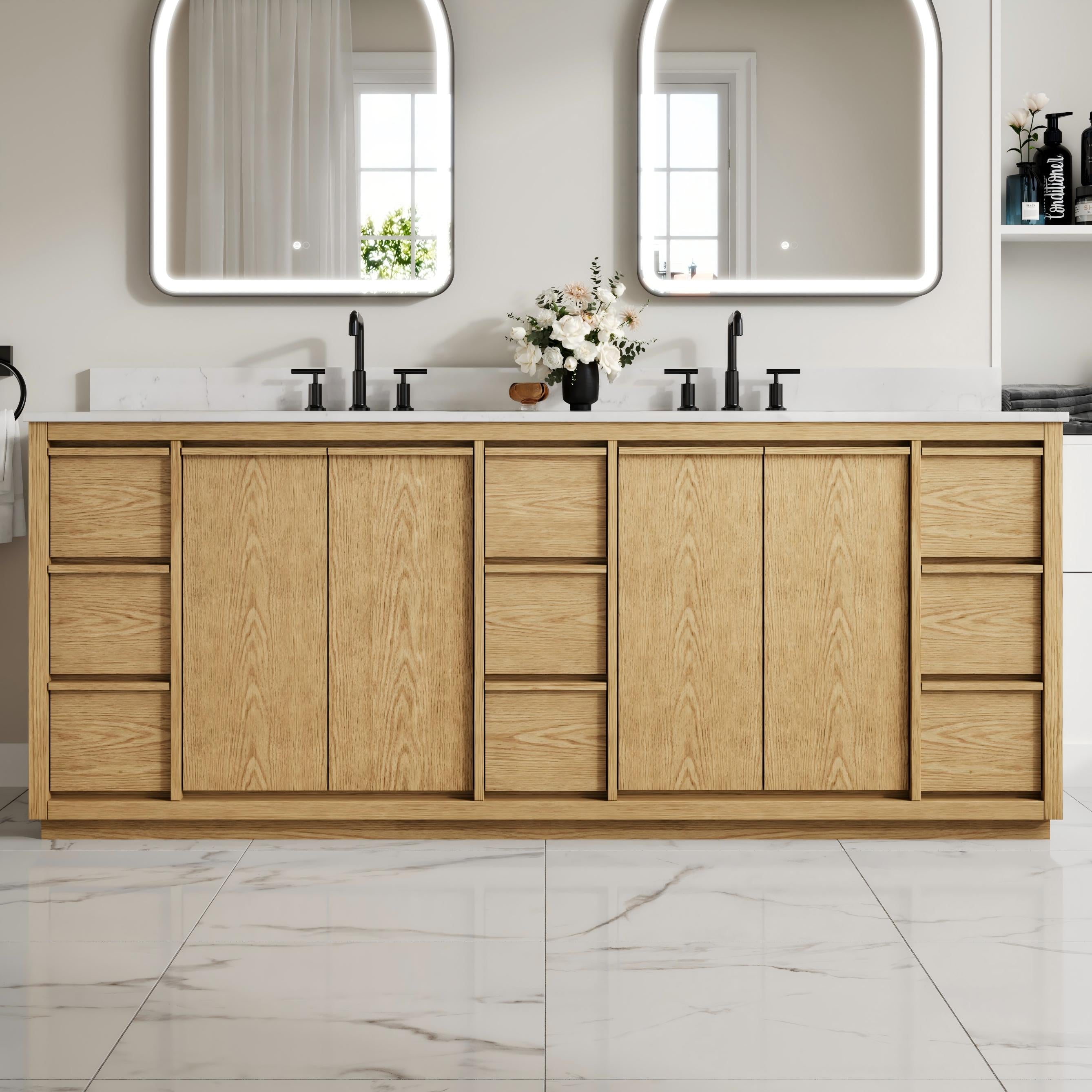
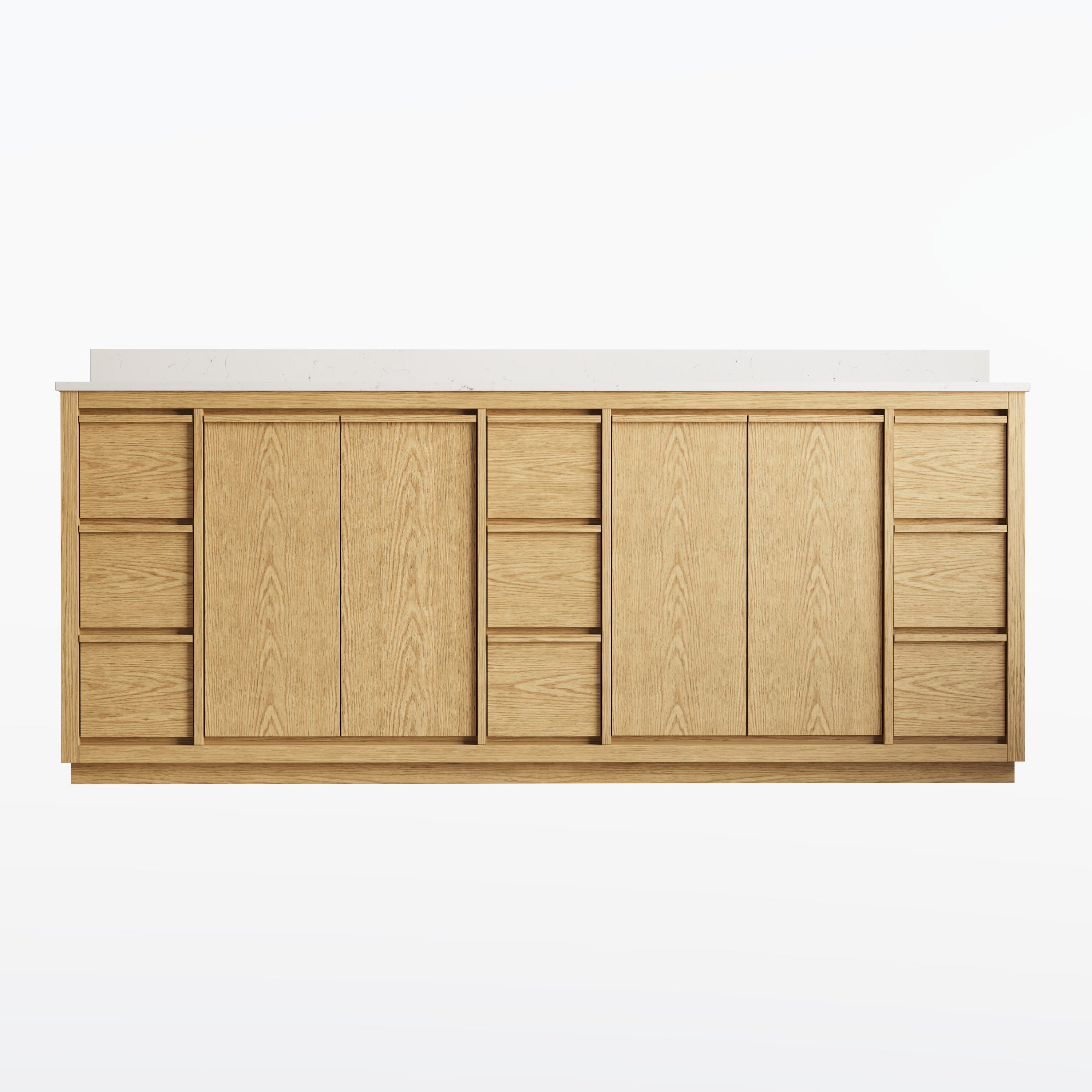
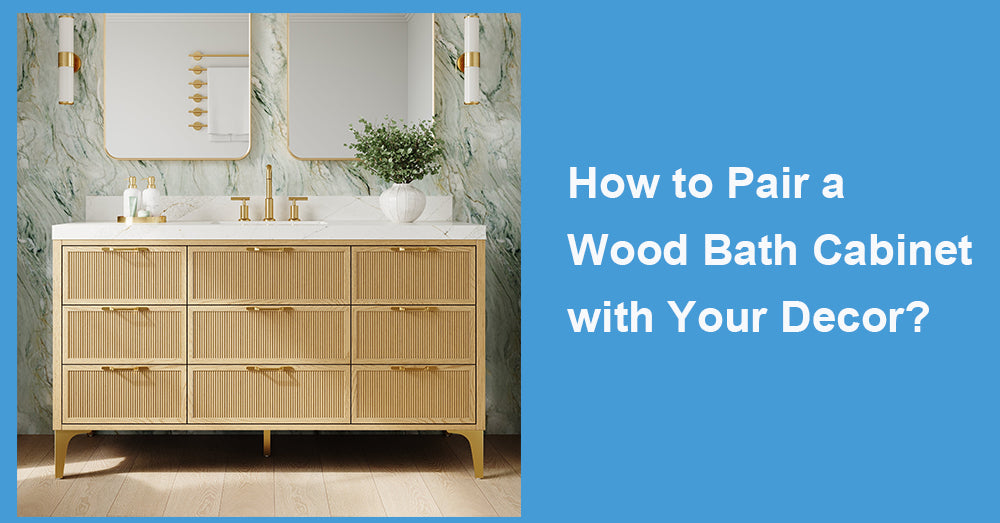
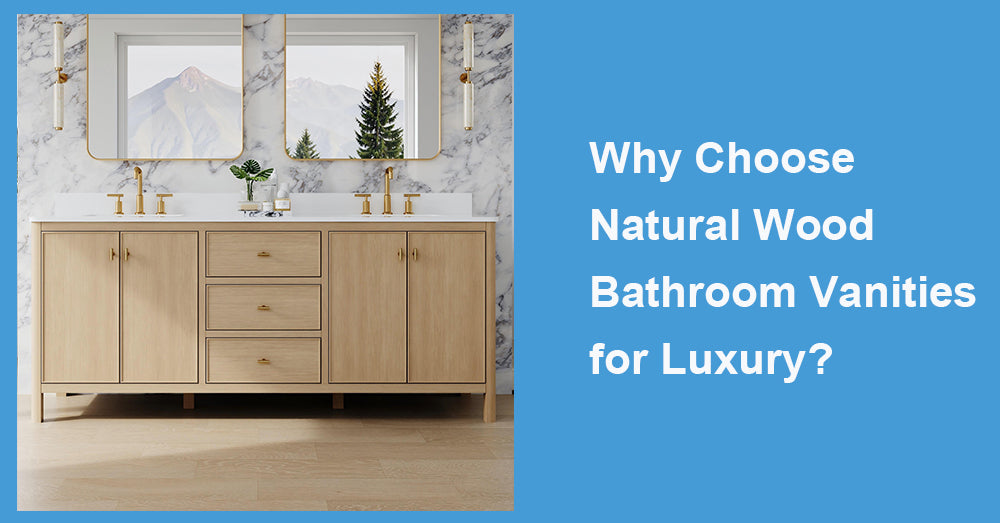
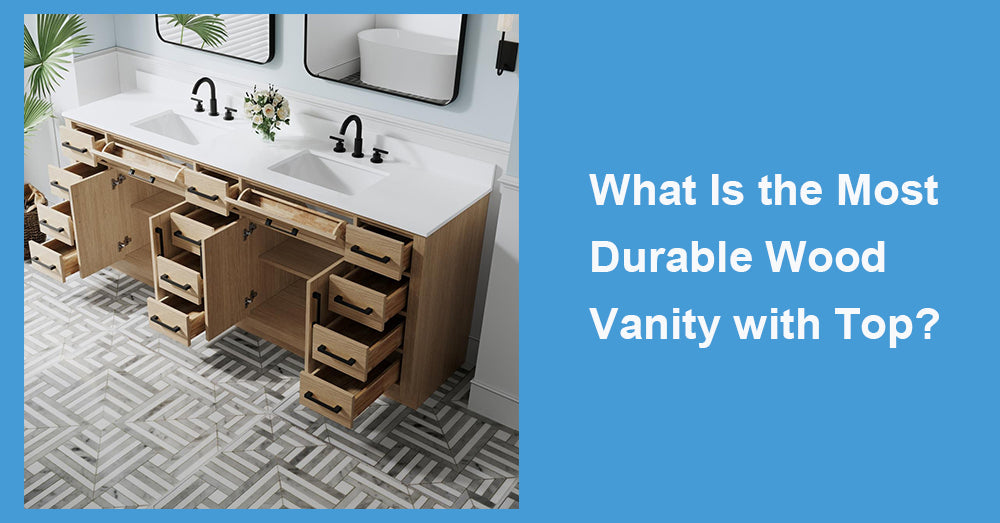
A wood bath cabinet is no longer treated as a simple storage piece. In many bathroom updates, it becomes the visual anchor that connects tile, countertop, mirror, lighting, and hardware. Wood finishes can warm up a white bathroom, soften a modern space, or make a compact remodel feel more designed. Census Bureau and HUD data show that 51.6 million homeowners made improvements between 2021 and 2023, with total improvement spending reaching $827 billion. Bathroom remodels had a median expenditure of $5,000, which helps explain why visible and practical upgrades such as cabinets, vanities, mirrors, and lighting continue to receive strong attention.
Start with the wood tone
The wood tone should guide the rest of the bathroom design.
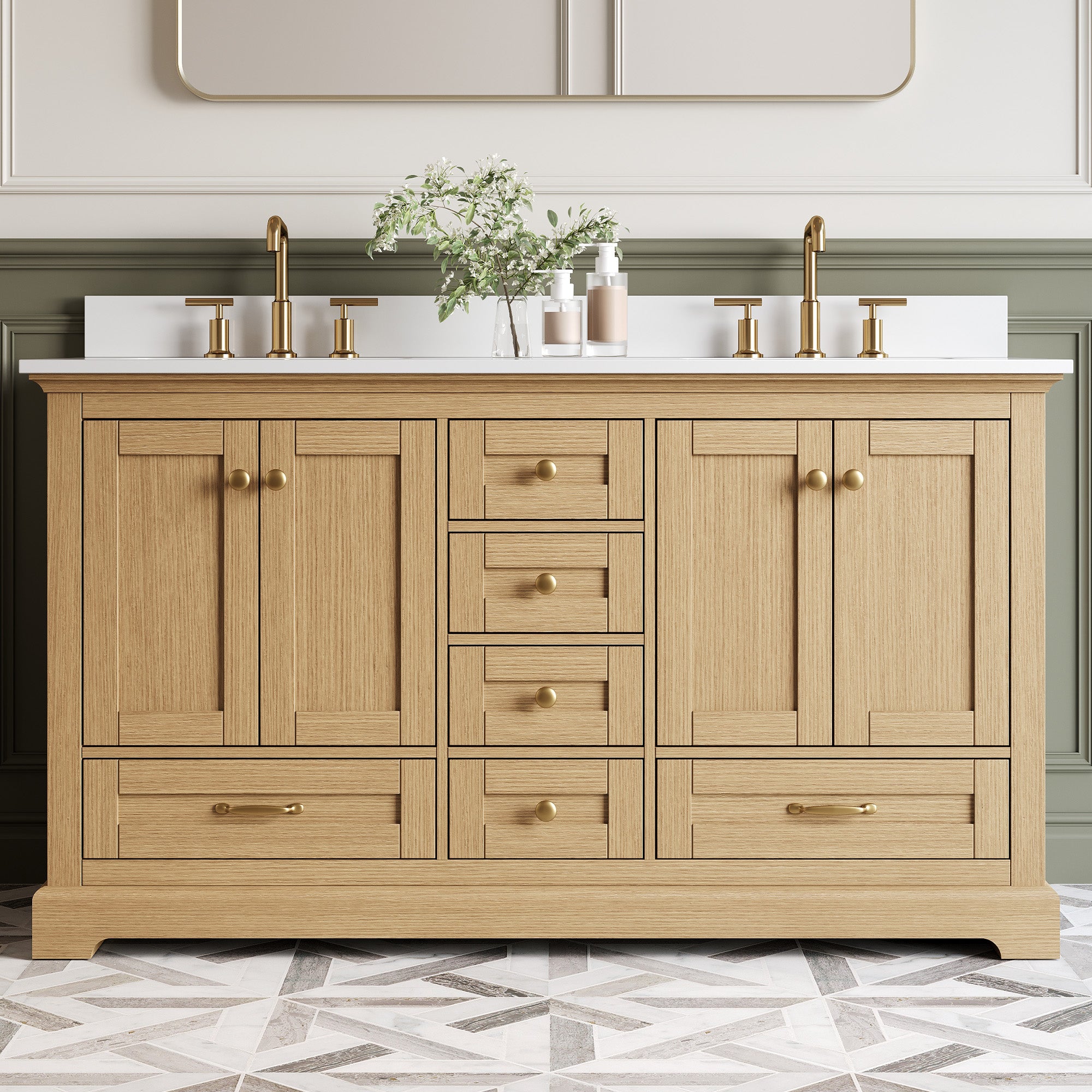
· Light oak, ash, and pale natural wood create a brighter and more relaxed look
· Medium wood tones work well in transitional, modern, and classic bathrooms
· Dark walnut or espresso finishes create a stronger focal point
· Yellow-toned wood pairs better with warm tile and cream walls
· Cooler wood tones work better with gray tile, white quartz, and chrome or black fixtures
· Neutral brown finishes are usually easier to coordinate across different decor styles
A light wood bath cabinet can make a small bathroom feel more open. A dark wood cabinet can look more dramatic, but it usually needs enough lighting, mirror reflection, or pale flooring to keep the room from feeling heavy.
Match the cabinet with existing hard surfaces
Tile, flooring, bathtub color, and countertops usually stay in place longer than a cabinet. These fixed surfaces should influence the cabinet choice.
· White or marble-look tile works well with light oak or warm walnut
· Beige or cream flooring pairs naturally with warm wood tones
· Gray tile often looks cleaner with cooler oak, ash, or neutral brown finishes
· Dark flooring may need a lighter cabinet to balance the room
· Patterned tile usually works better with a simpler cabinet front
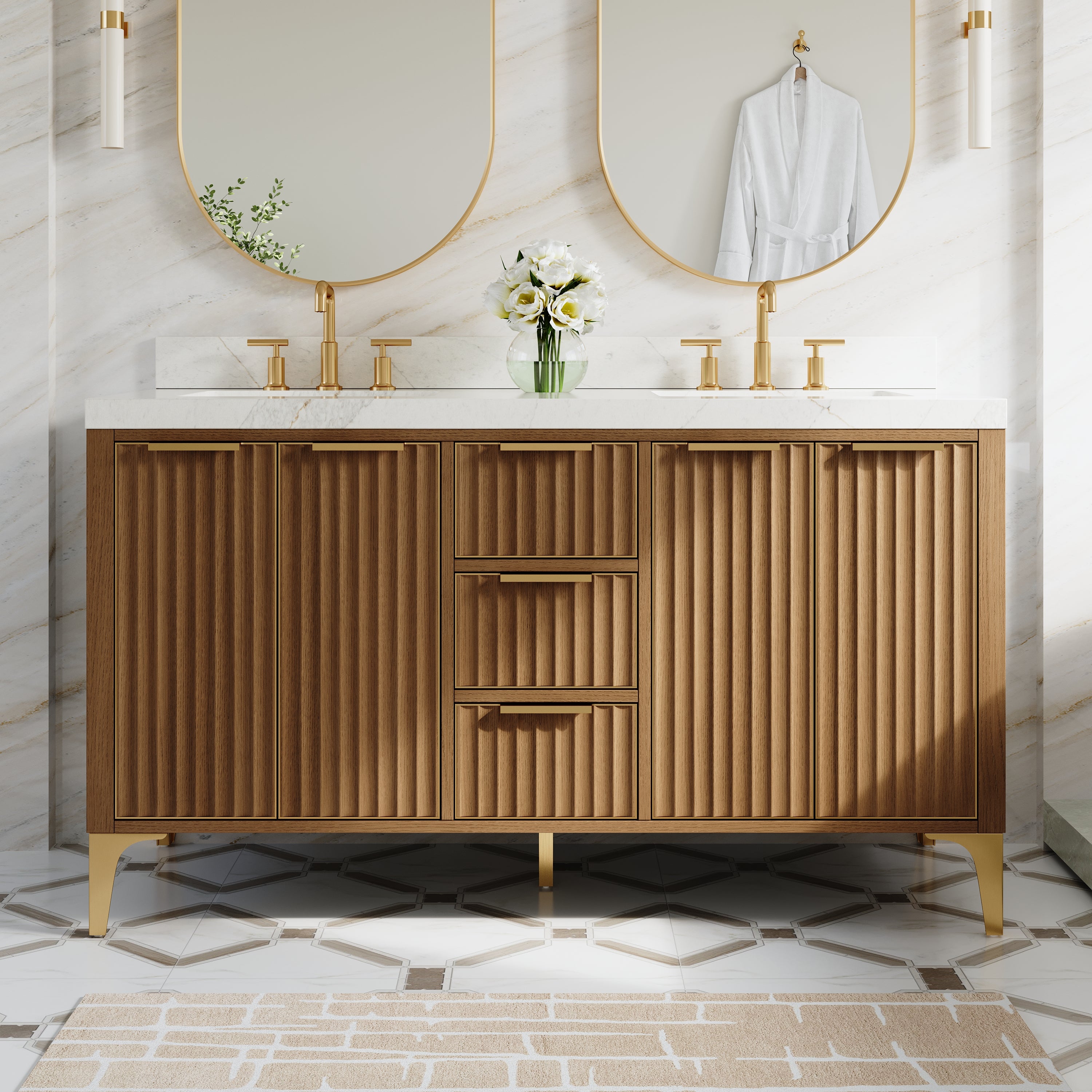
· Plain tile can handle stronger wood grain or fluted texture
A cabinet should feel connected to the bathroom, not added at the last minute. If the flooring, wall tile, and countertop already have strong color or texture, a quieter wood finish is usually the safer choice.
Use the countertop to control the overall mood
The countertop can make the same wood cabinet look modern, classic, warm, or minimal.
· White quartz creates a clean and versatile look
· Marble-look tops add a more refined appearance
· Cream or beige counters make the bathroom feel warmer
· Dark countertops create contrast but need careful lighting
· Thin edges look more modern
· Thicker edges feel more substantial and traditional
For most bath layouts, a white or light countertop is the easiest partner for wood cabinetry. It brightens the vanity area and keeps the wood from visually weighing down the room.

Choose hardware that defines the style
Hardware has a strong effect on the final look of a wood cabinet.
· Brushed nickel feels clean, practical, and easy to match
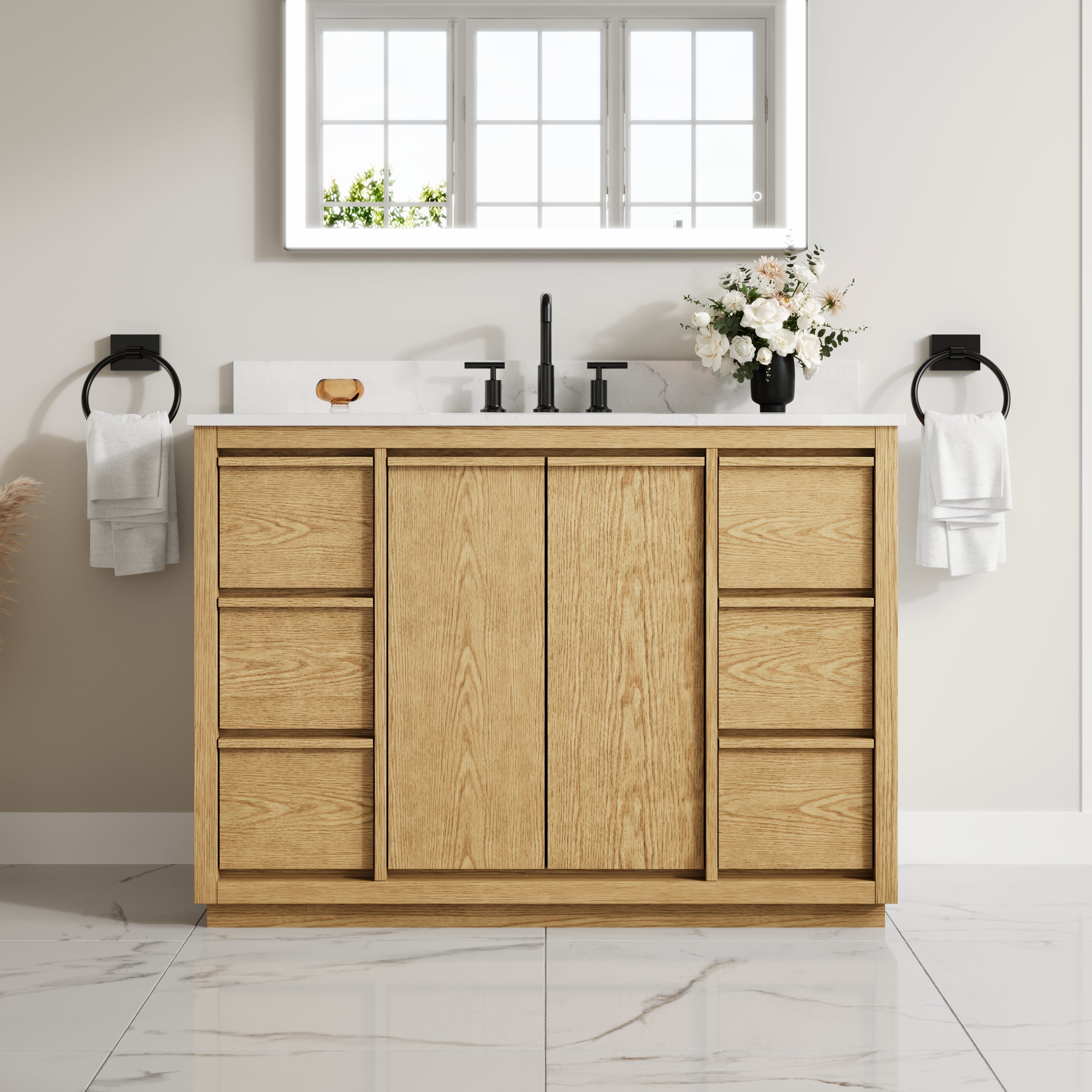
· Matte black adds contrast and a modern edge
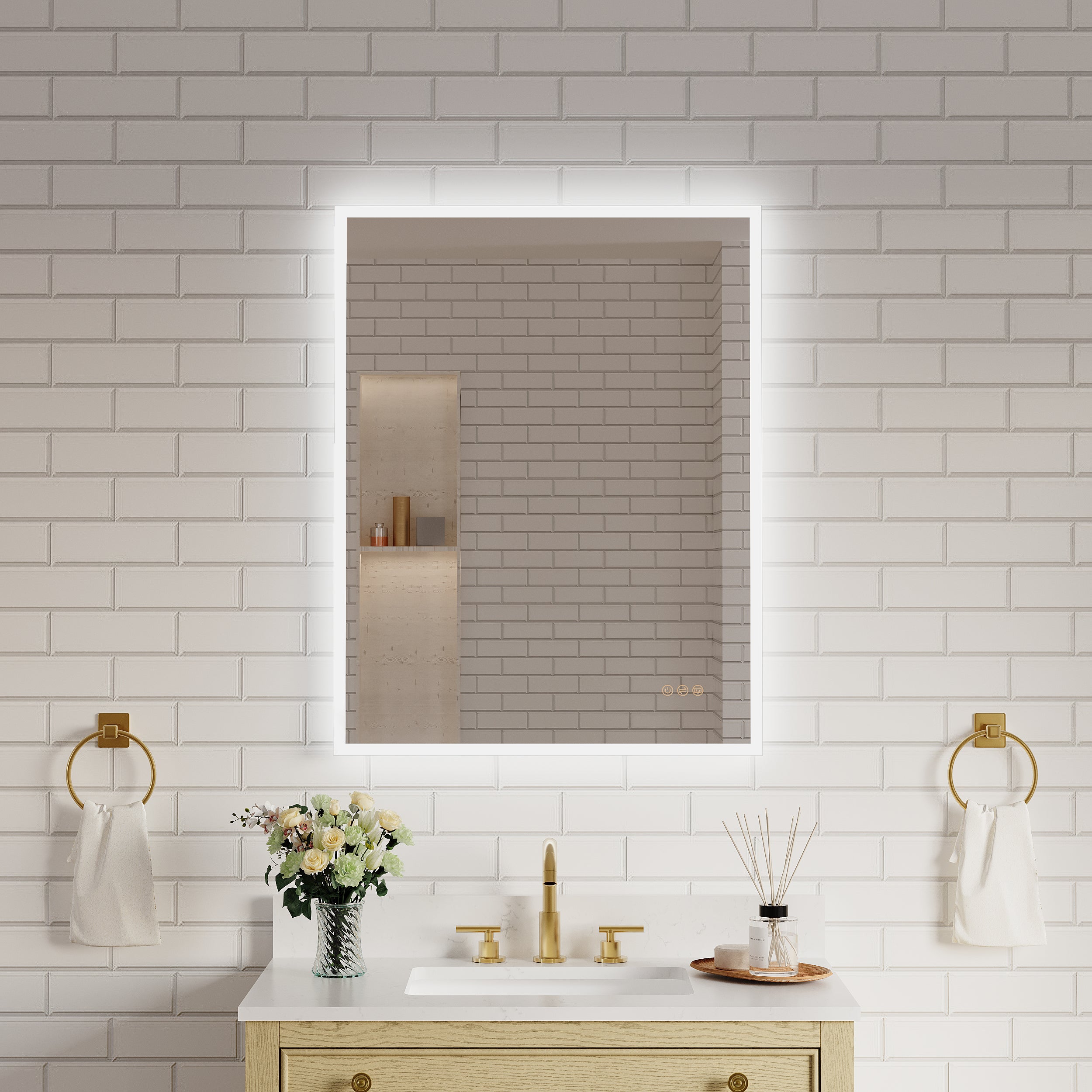
· Brushed gold warms up the cabinet and gives the room a softer decorative tone
· Chrome works well in bright bathrooms with glass shower doors or polished fixtures
· Bronze can suit traditional, rustic, or warmer transitional bathrooms
The hardware does not need to match every fixture perfectly, but it should feel intentional. A bathroom with too many unrelated finishes can look unfinished. A good rule is to repeat each metal finish at least twice, such as cabinet pulls with the faucet or mirror frame with the towel bar.
Balance wood grain with simpler decor
Wood already adds pattern and movement. Strong grain, fluted fronts, raised panels, or visible knots can become the main decorative element.
· Use plain wall tile if the cabinet has strong grain
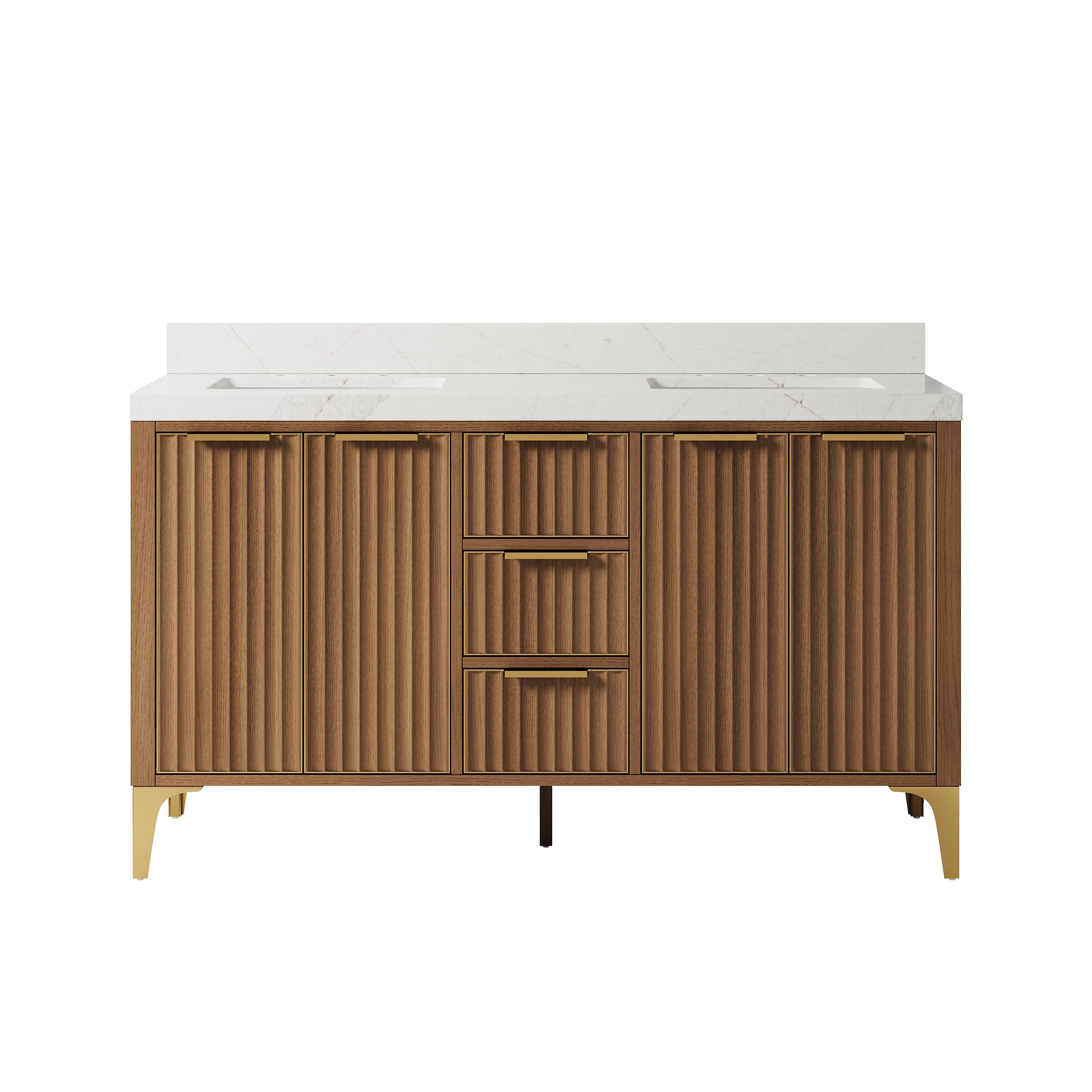
· Pair fluted wood fronts with simple mirrors and clean lighting
· Avoid combining bold wallpaper, patterned floor tile, and heavy wood grain in one small room
· Use soft towels, baskets, or wall art for texture instead of adding too many hard patterns
· Let one or two elements become the focal point
A bathroom does not need every surface to compete for attention. If the wood cabinet is visually rich, the rest of the room should give it space.
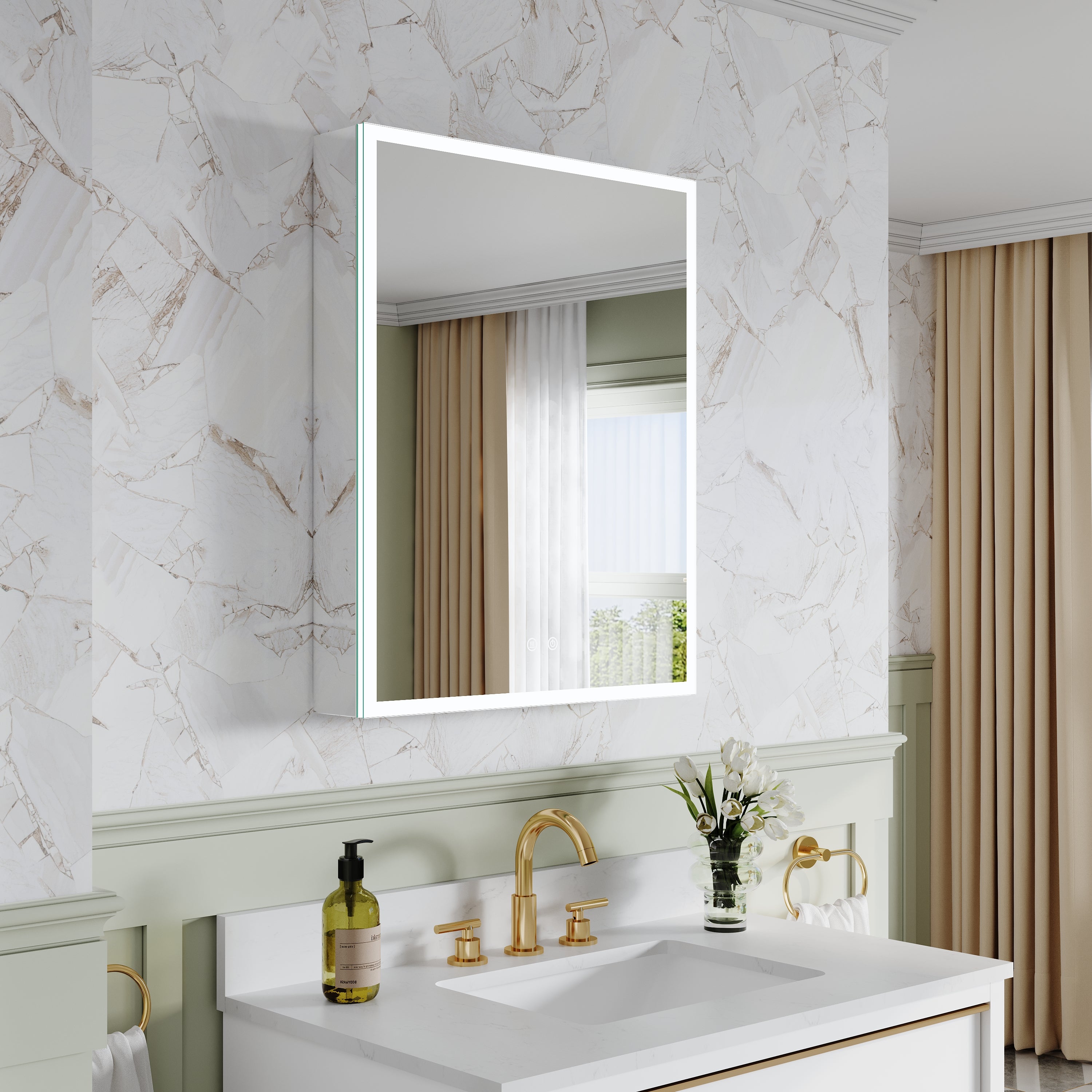
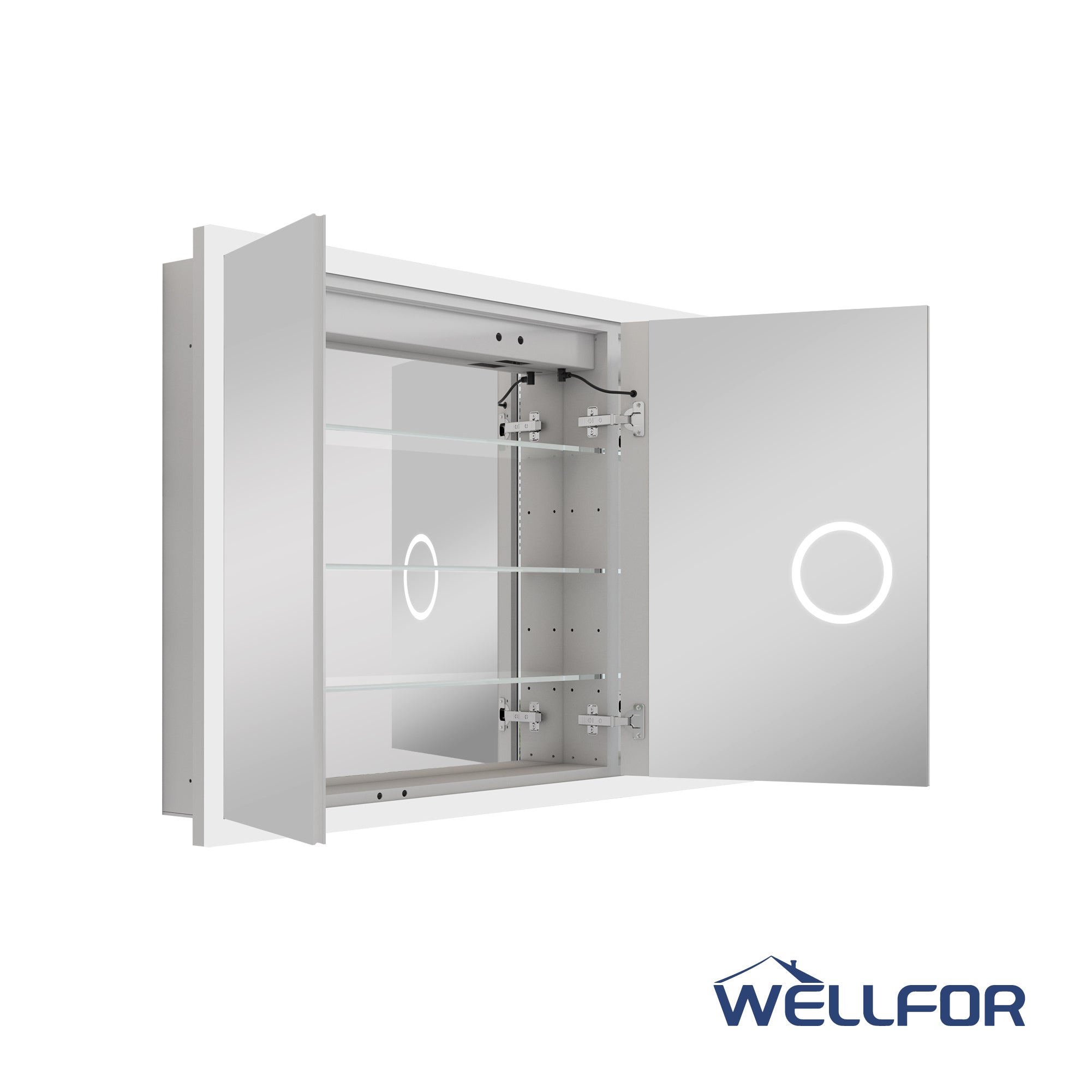
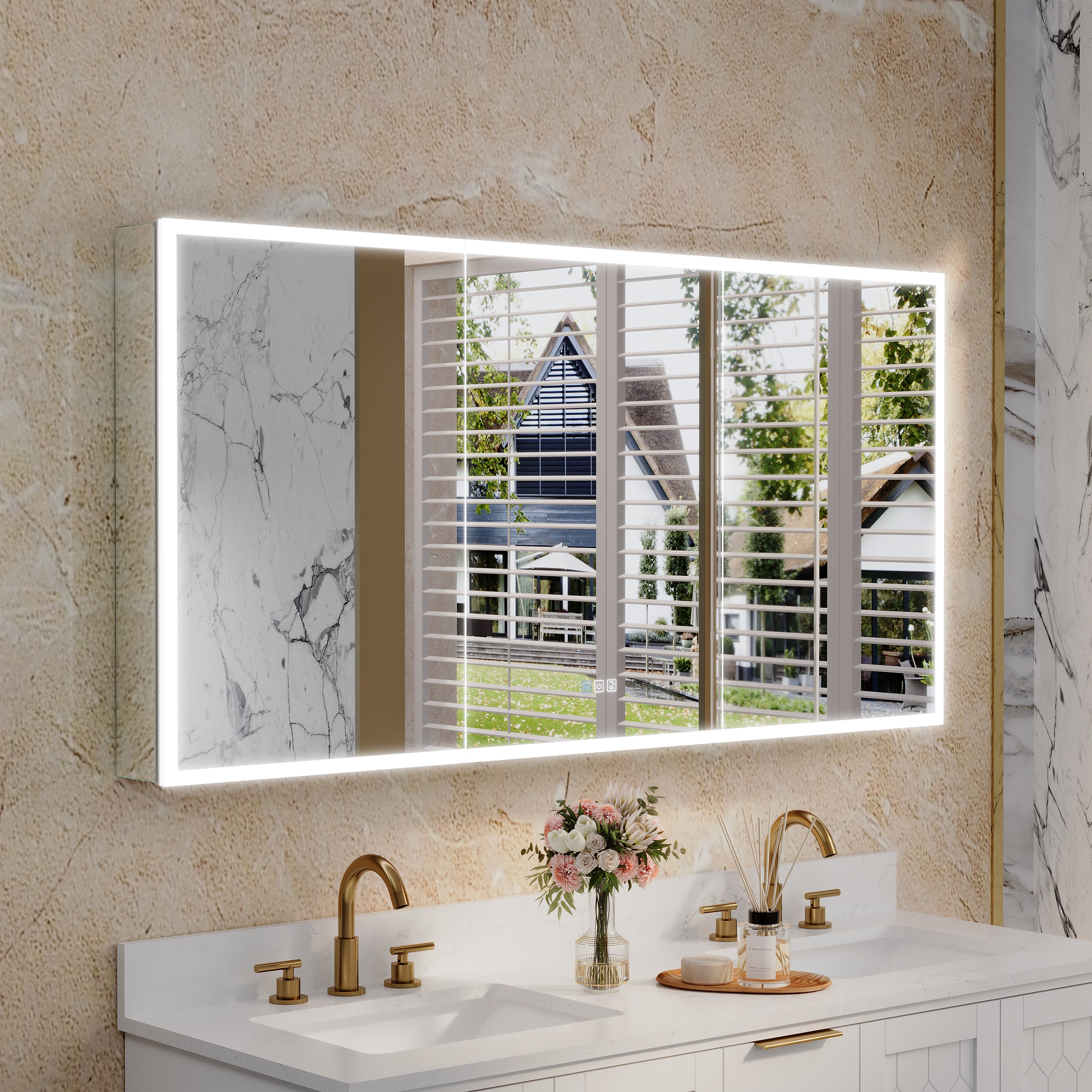
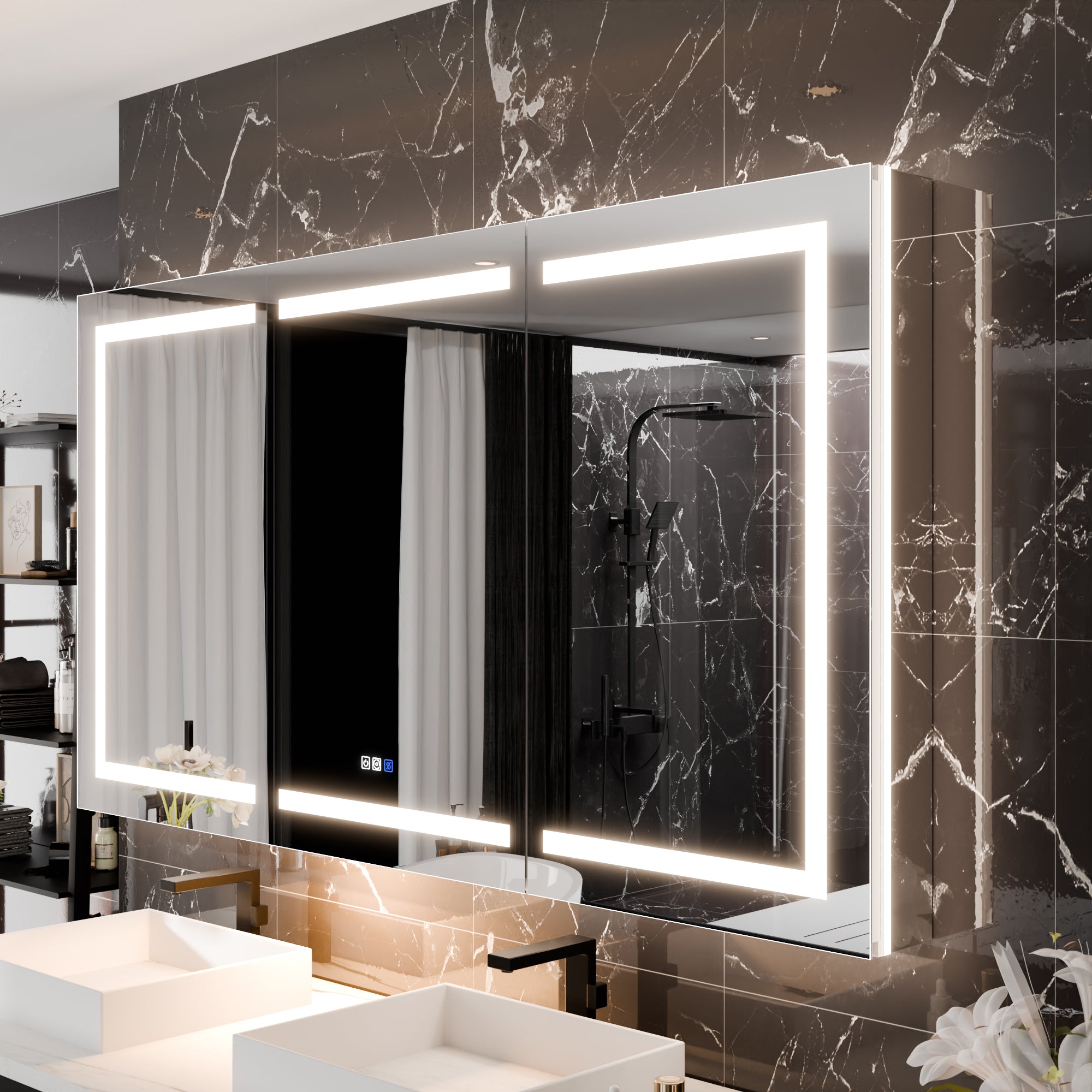
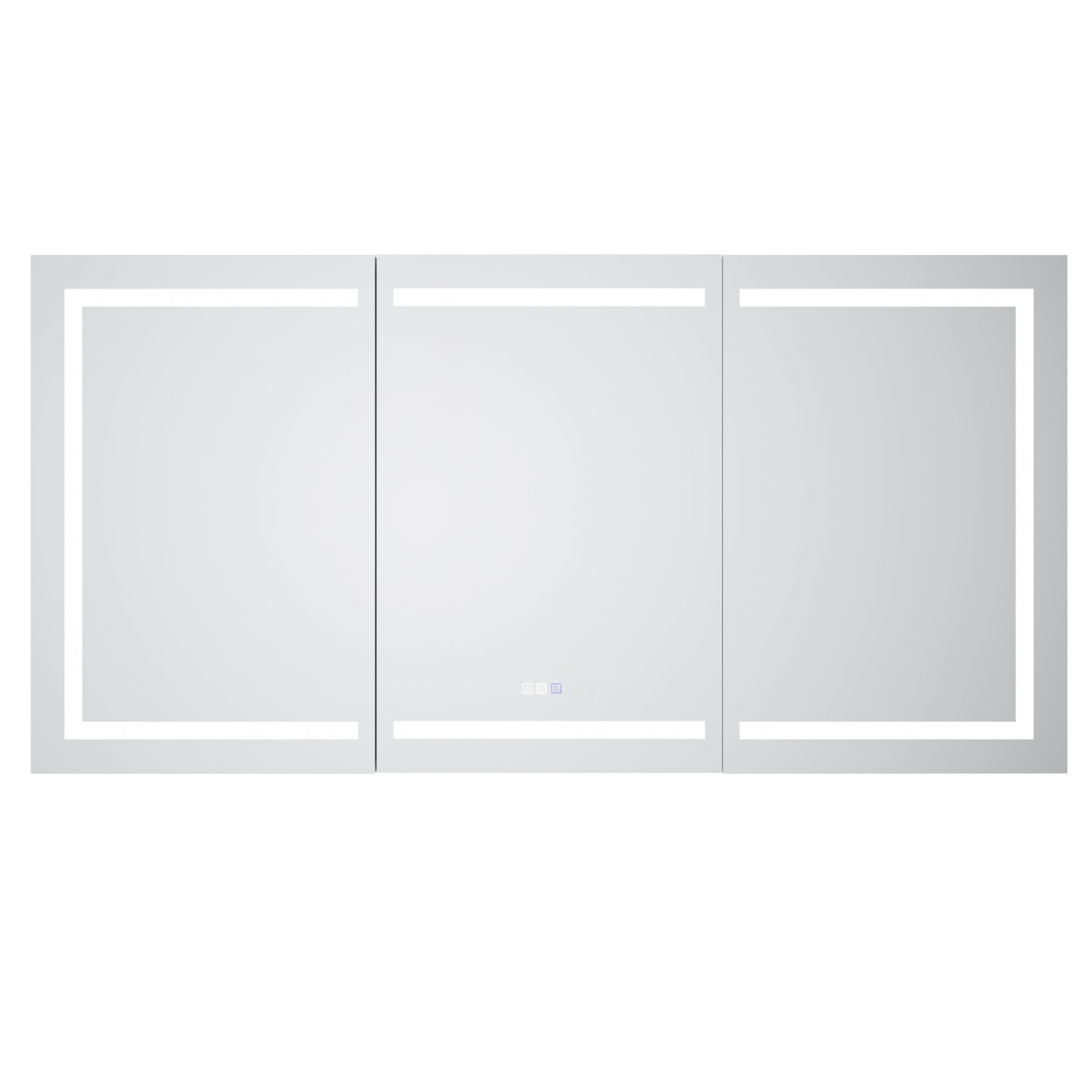
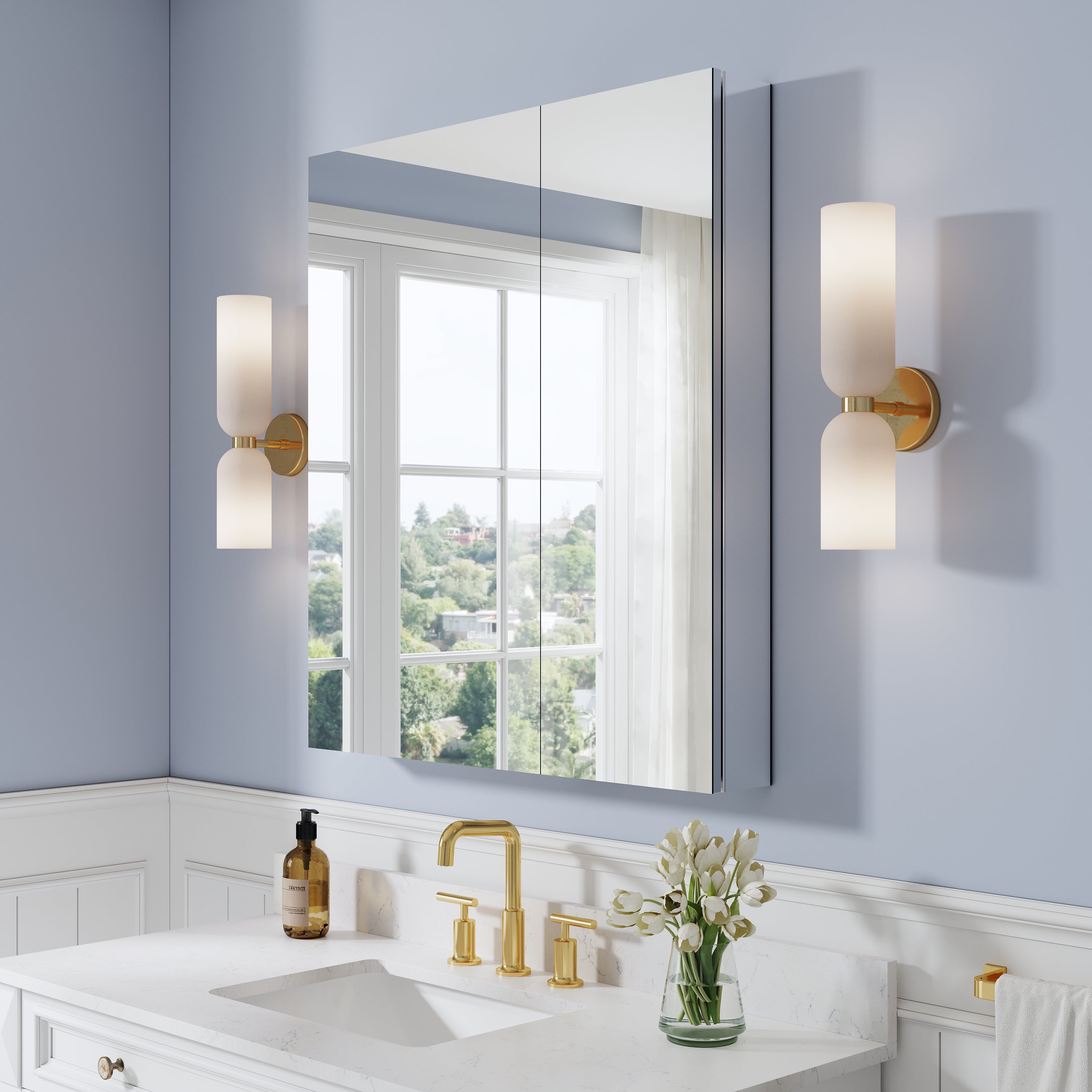
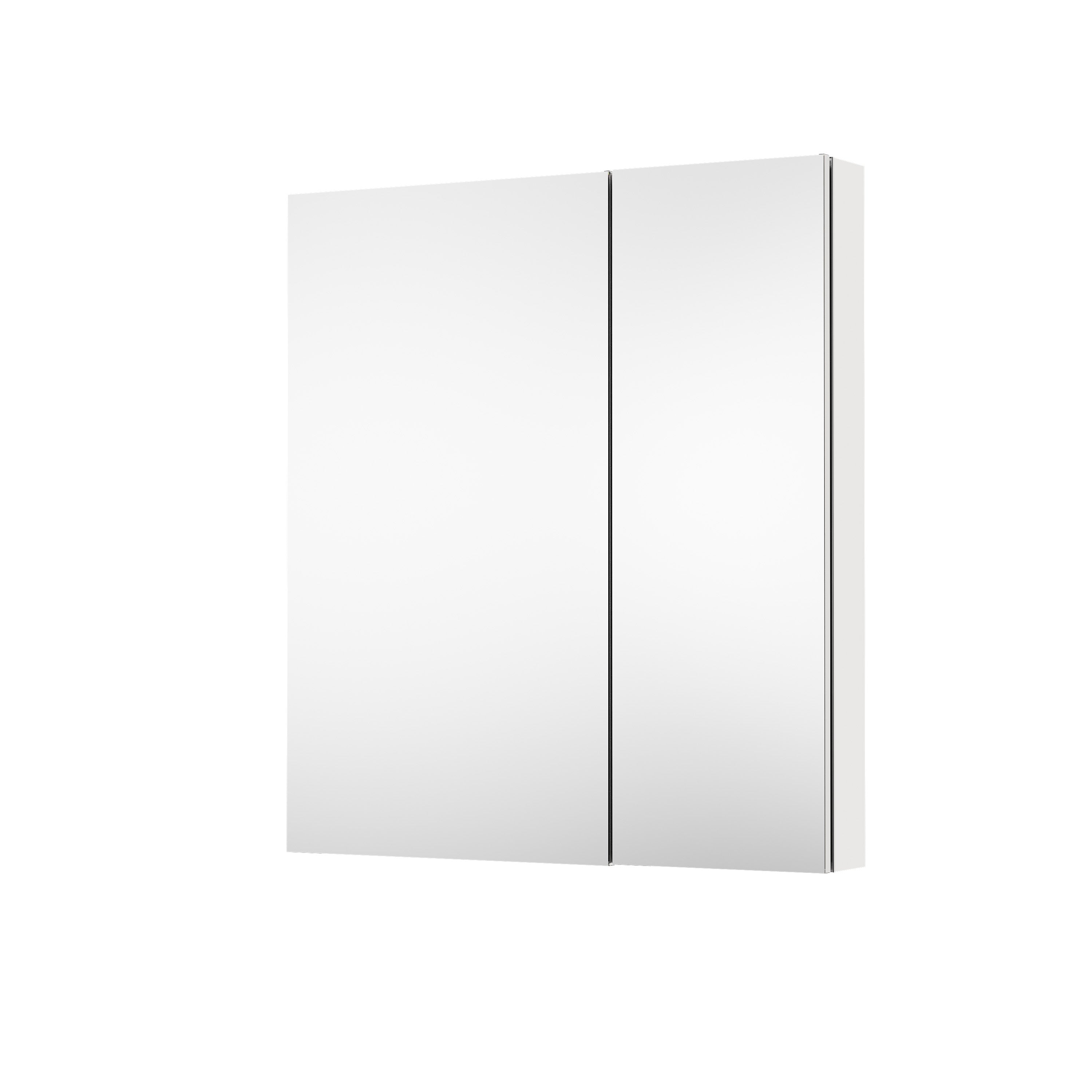
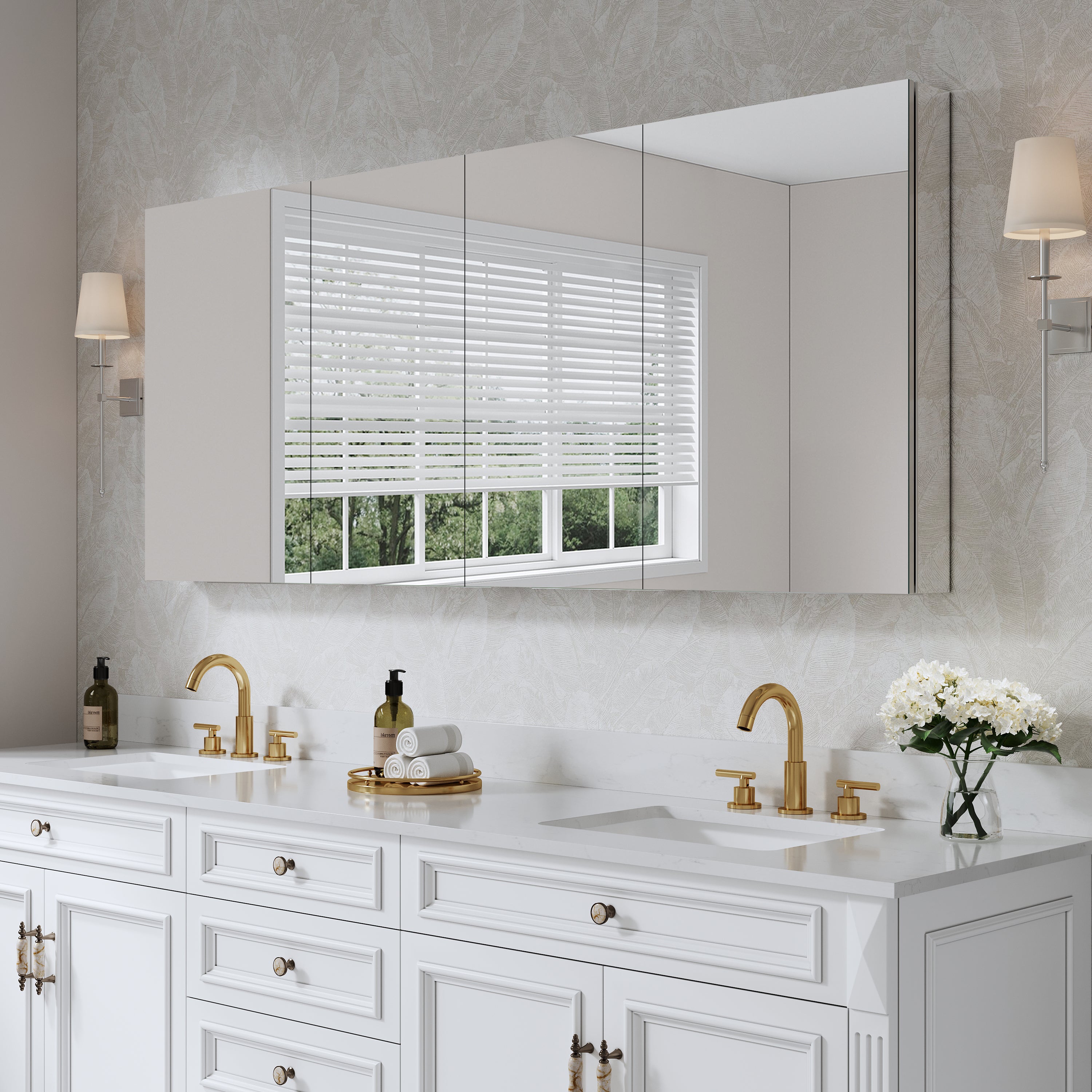
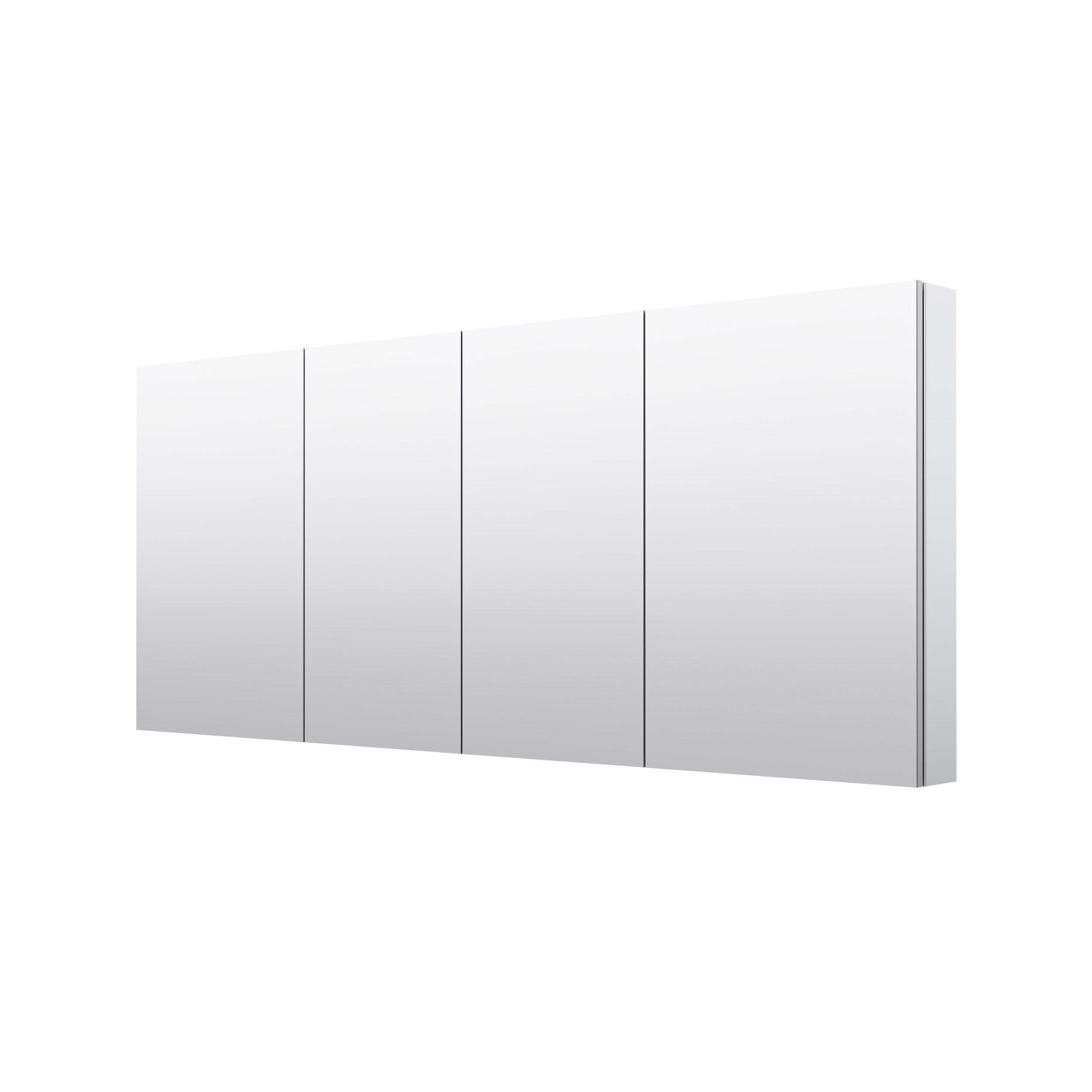
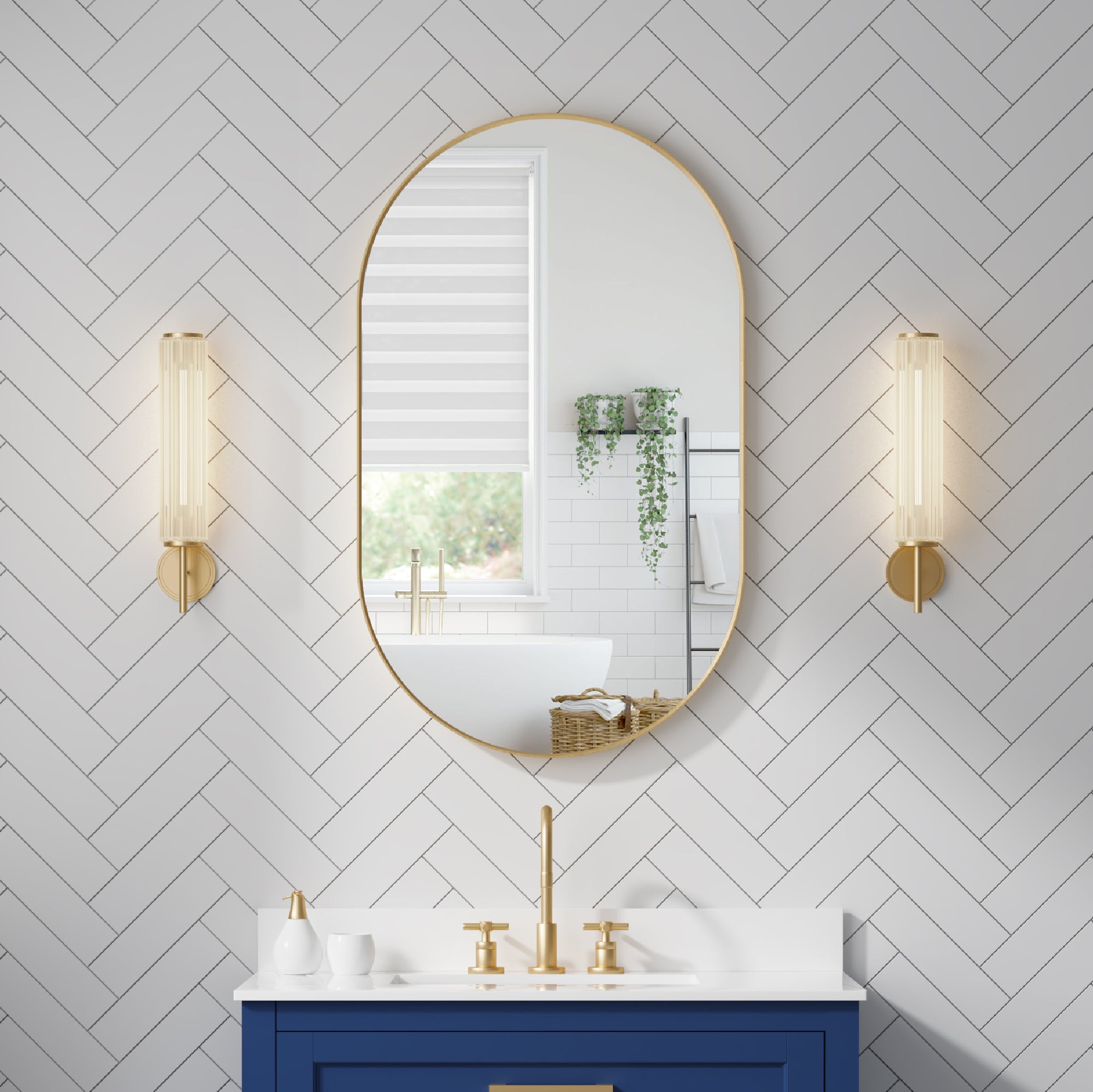
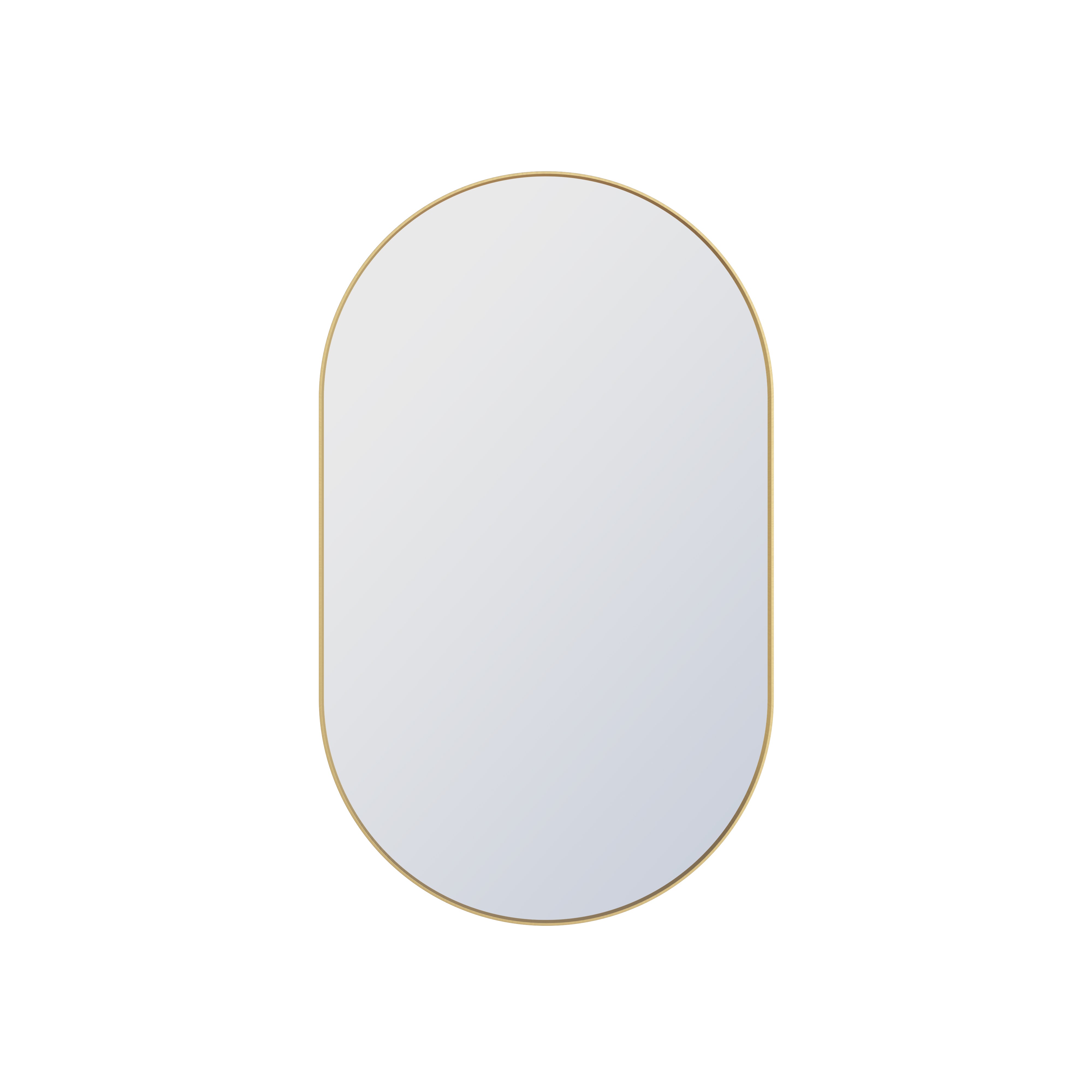
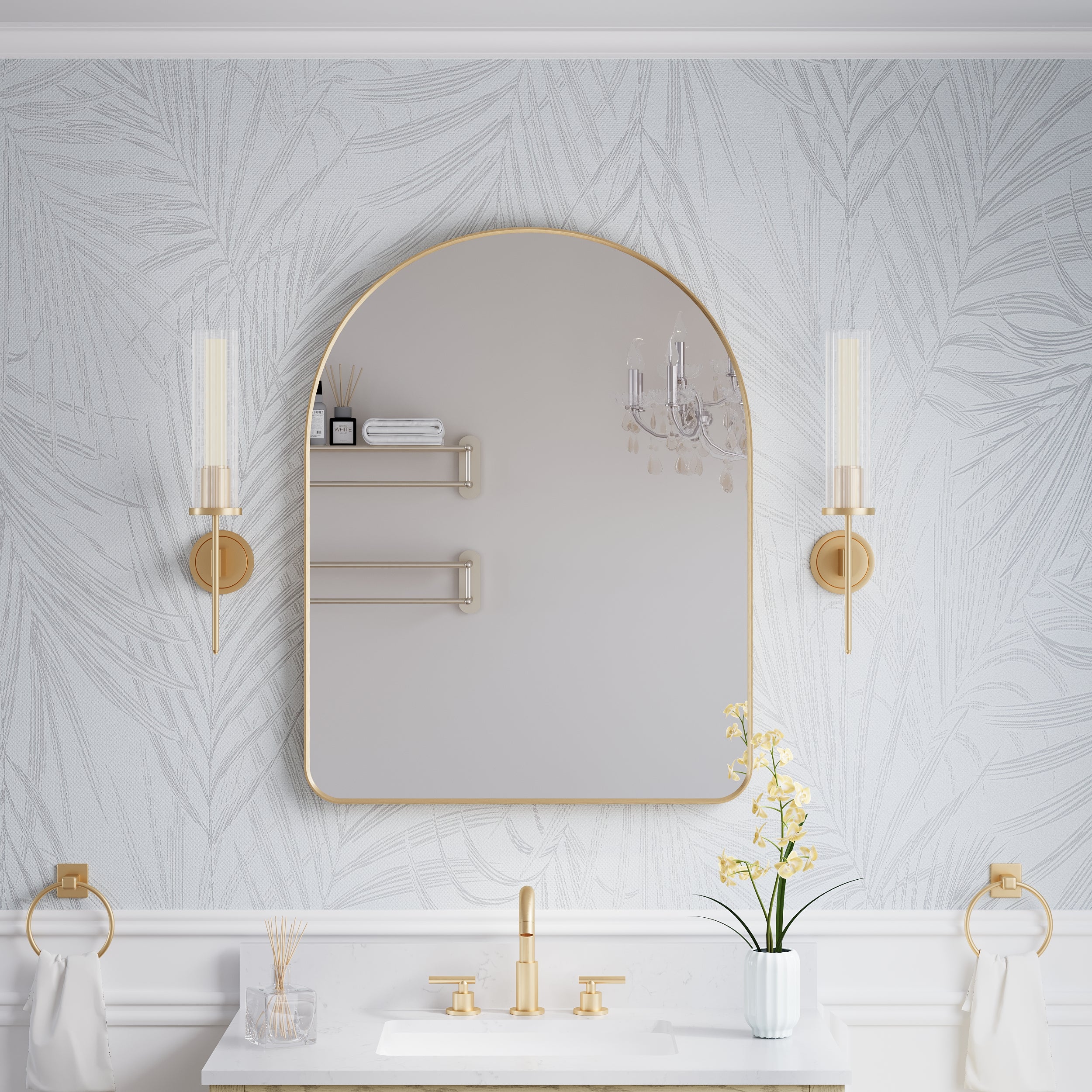
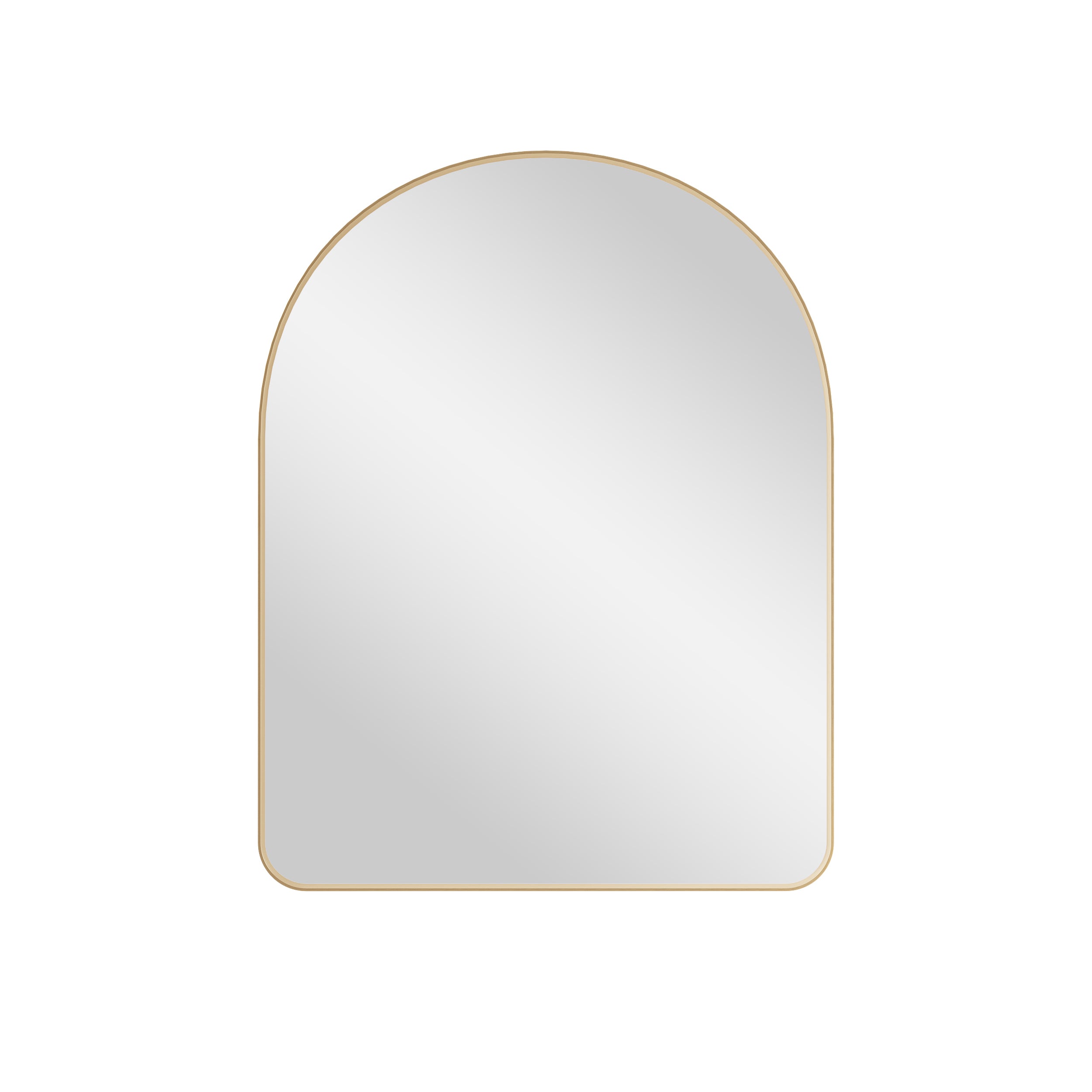
Keep the mirror proportional
The mirror should relate to the cabinet below it.
· A 36-inch vanity often works well with a mirror around 24 to 34 inches wide
· A 48-inch vanity often works with a mirror around 36 to 44 inches wide
· A narrow mirror can make the vanity area feel unfinished
· An oversized mirror can overpower the cabinet
· A frameless mirror gives a cleaner and lighter appearance
· A black-framed mirror adds contrast
· A wood-framed mirror can repeat the cabinet tone, but it does not need to match exactly
Slight contrast often looks more natural than a perfect match. For example, a light oak cabinet can pair well with a black mirror, while a walnut cabinet can work with a thin brass or bronze frame.
Plan the lighting around the wood finish
Lighting changes how wood looks.
· Warm lighting brings out honey, oak, and walnut tones
· Cool lighting can make some wood finishes look gray or flat
· Neutral lighting usually works well for daily grooming
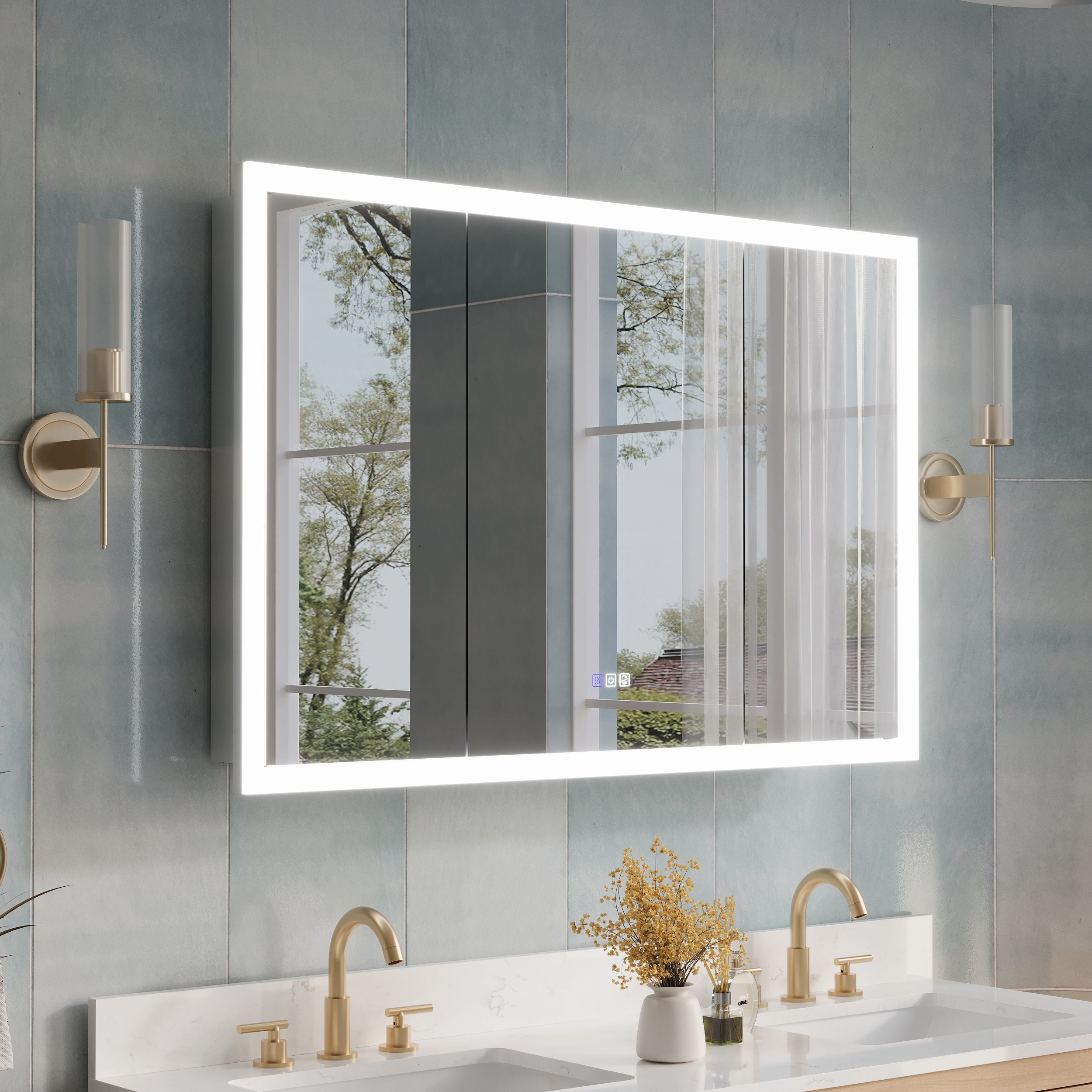
· Wall sconces beside the mirror provide more even face lighting
· Overhead lighting can work if wall space is limited
· Under-lit or backlit mirrors can make the vanity area feel more modern
Lighting should make the wood look natural, not overly yellow or dull. It should also support practical daily use, especially shaving, skincare, makeup, and handwashing.
Coordinate the faucet with the cabinet and top
The faucet is part of the visual composition, not just a functional item.
· Matte black faucets create strong contrast with light wood
· Brushed nickel faucets work well with white tops and natural oak
· Brushed gold faucets pair well with warm wood and cream tile
· Chrome faucets fit brighter and more polished bathroom designs
· Widespread faucets often feel more traditional or upscale
· Single-hole faucets look cleaner and more modern
Water use is also worth considering. EPA WaterSense states that labeled bathroom sink faucets and accessories use a maximum of 1.5 gallons per minute, reducing flow by 30 percent or more compared with the standard 2.2 gallons per minute rate while maintaining everyday performance.
Think about cabinet size and room proportion
The cabinet should fit the bathroom’s scale.
· A 24-inch cabinet works better in powder rooms or very small bathrooms
· A 30-inch cabinet can suit compact single-sink layouts
· A 36-inch cabinet offers more useful storage without feeling oversized
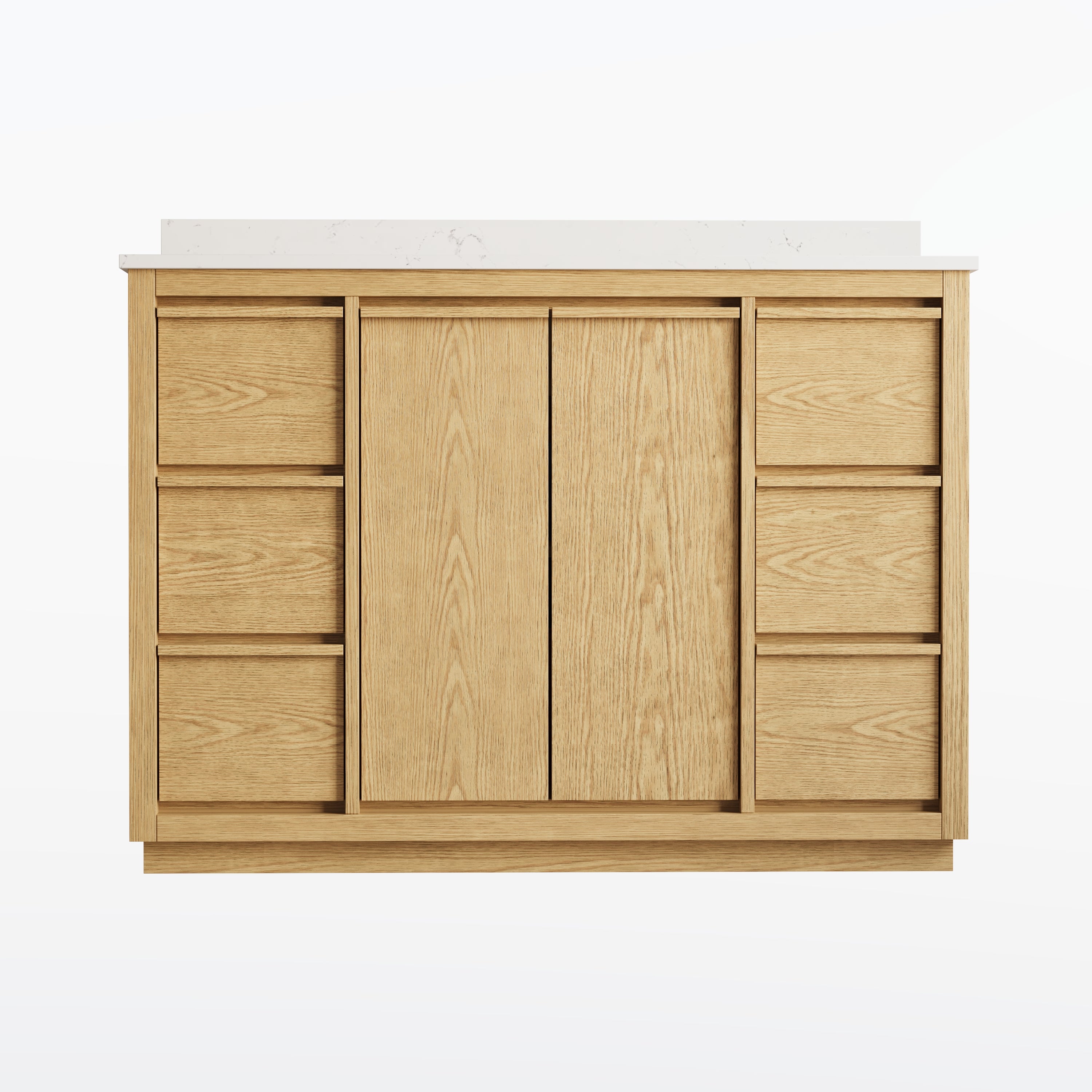
· A 48-inch cabinet gives more counter space for larger single-sink bathrooms
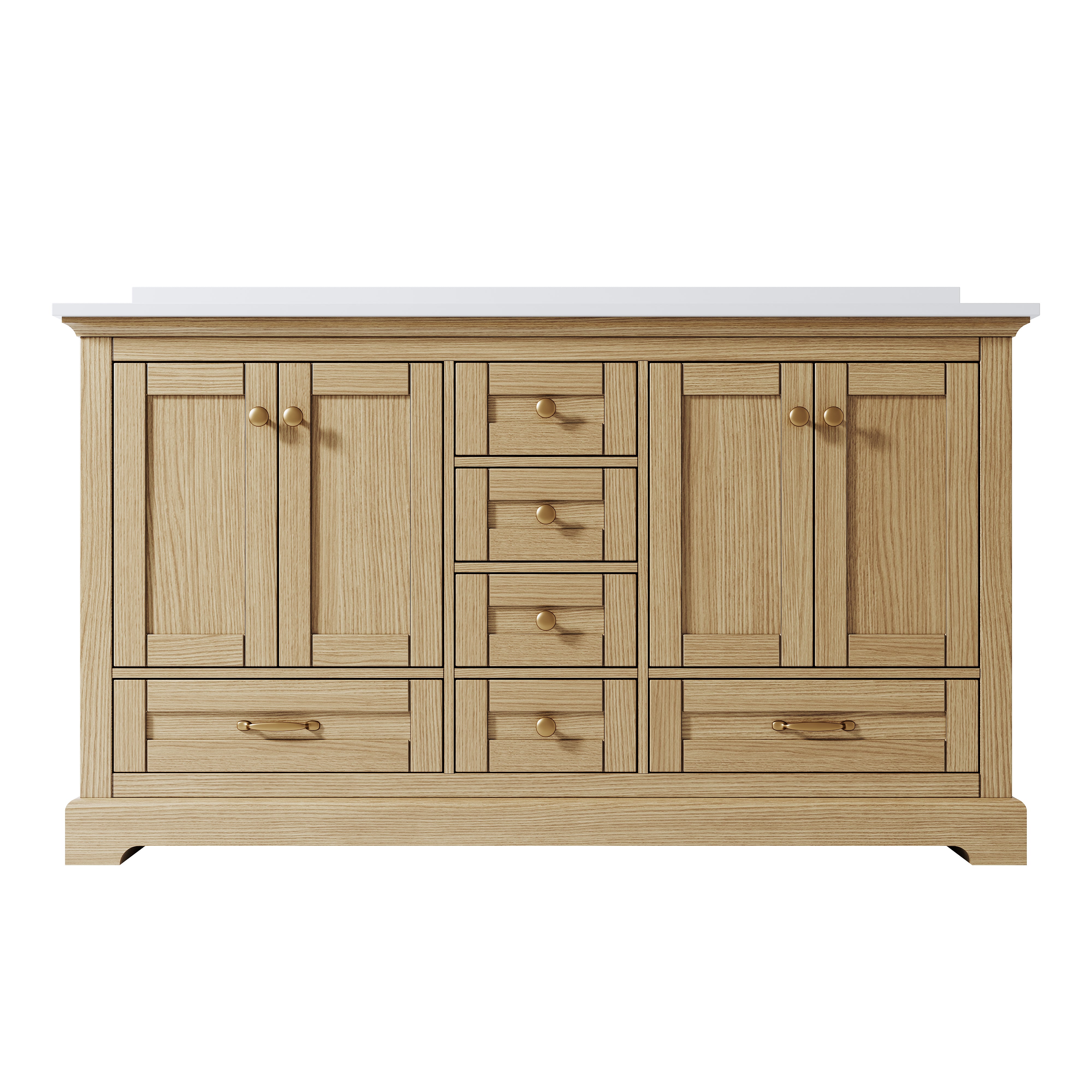
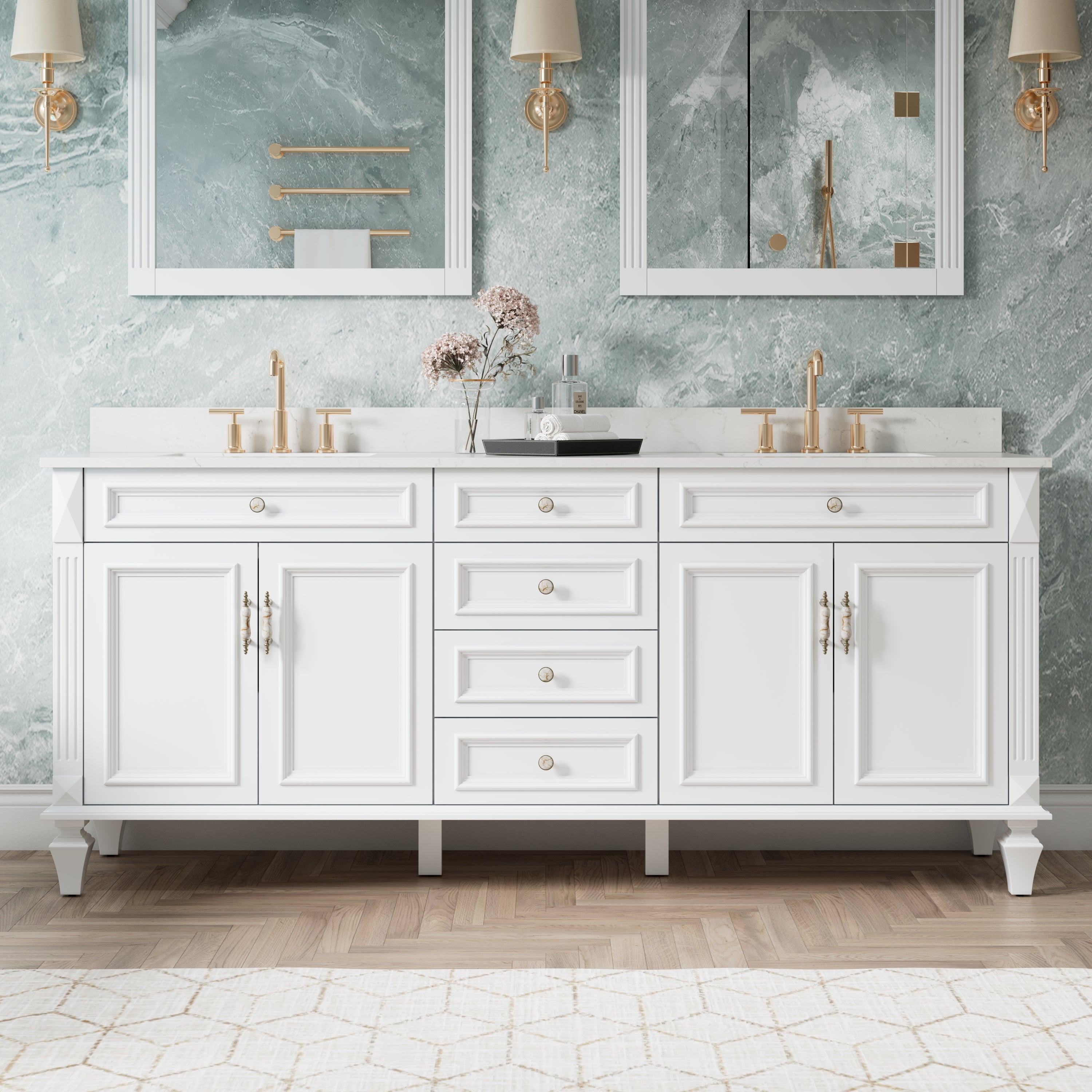
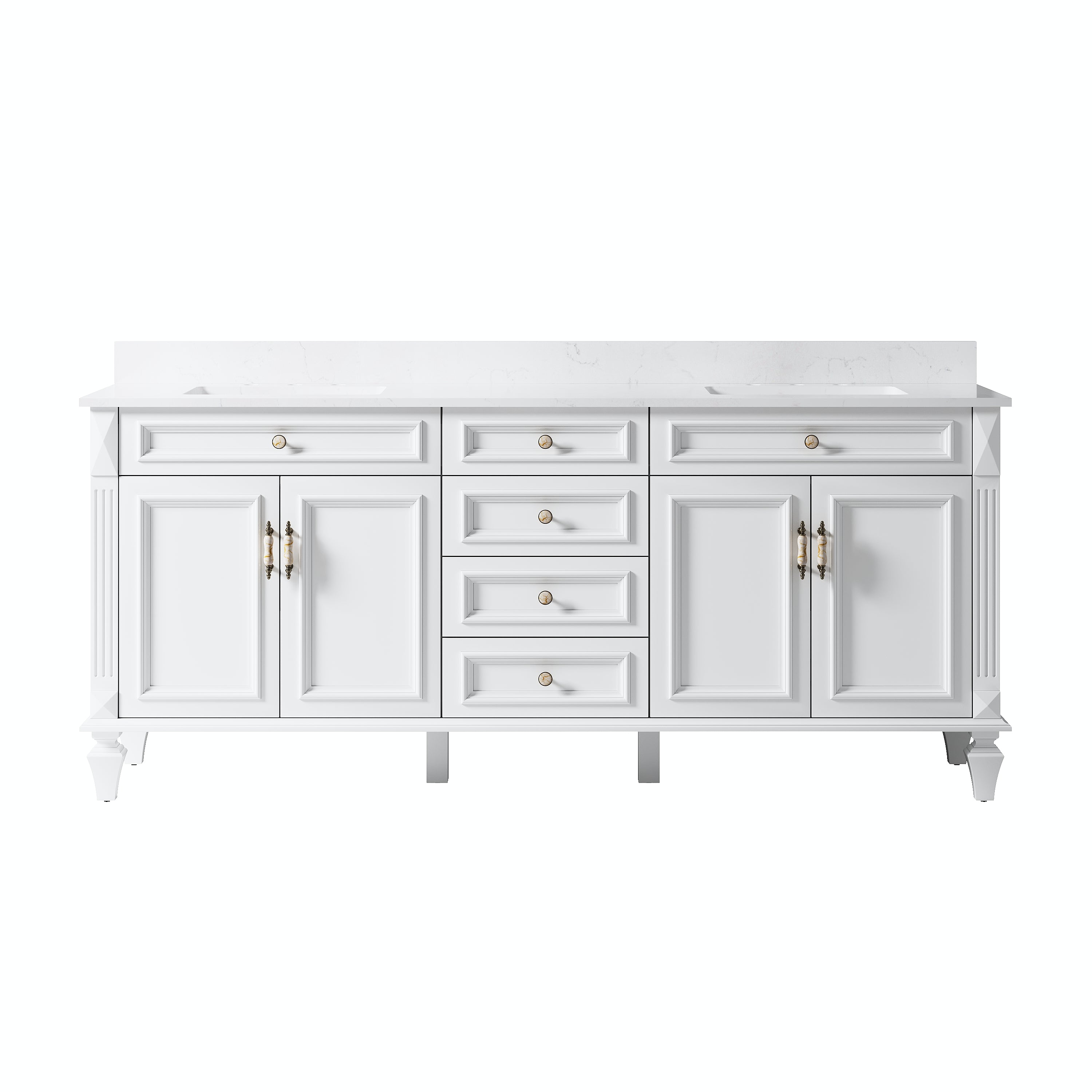
· A 60-inch or wider cabinet may work better for double-sink layouts
Depth matters as much as width. Many vanities are about 20 to 22 inches deep, while compact versions may be closer to 18 inches deep. In a narrow bathroom, a few inches can affect walkway comfort, drawer access, and door clearance.











Leave a comment
This site is protected by hCaptcha and the hCaptcha Privacy Policy and Terms of Service apply.