






















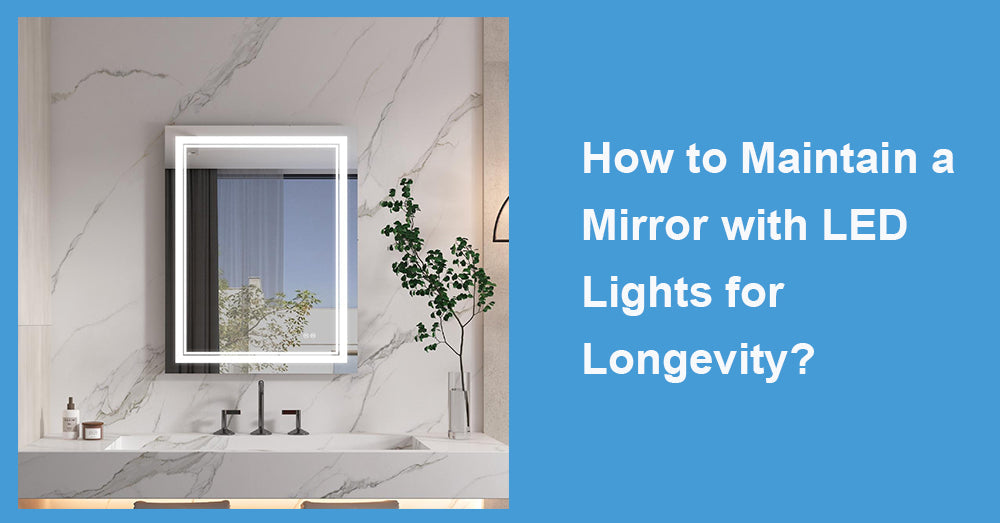
In recent years, mirrors with built-in LED lights have moved from luxury hotels into ordinary homes. They are now common in bathroom renovations, beauty studios, and even small apartments. As the market for LED mirrors grows, more brands and installers are reminding users of one key topic: good maintenance. With the proper care, a mirror with led lights can last many years; with poor care, problems like flickering, rust, and black spots on the glass can appear much sooner.
This article looks at why maintenance matters for the LED mirror industry, and what simple habits end users should follow to make these products last longer.
LED Mirrors: A Growing but Sensitive Product
LED mirrors combine glass, metal, electronics, and lighting into a single product. This makes them attractive but also more sensitive than traditional mirrors.
· The mirror glass can be damaged by strong chemicals or prolonged exposure to moisture.
· The LED strips and drivers can fail early if they are exposed to constant humidity, overheating, or unstable power.
· The metal frame and mounting parts can rust in poorly ventilated bathrooms.
For manufacturers and distributors, after-sales issues like fogging, peeling of the mirror backing, or LED failures are costly. They lead to returns, warranty claims, and negative reviews. That is why many companies are now adding more straightforward maintenance guidelines and pushing retailers to educate customers at the point of sale.
Cleaning: Small Habit, Big Impact
Most users see a mirror as something they just “wipe quickly”. But the cleaning method directly affects product life.
Recommended practices:
· Use a soft microfiber cloth instead of paper towels or rough rags.
· Spray glass cleaner on the cloth, not directly on the mirror. This prevents liquid from running into the edges and reaching the LED or backing.
· For everyday care, even clean water with a small amount of mild soap is enough.
What to avoid:
· Cleaners with strong ammonia, acids, or abrasives. Over time, they can damage the reflective coating on the back of the glass.
· Soaking the mirror surface or letting liquid sit at the bottom edge, where many LED mirrors have joints or seams.
From an industry perspective, proper cleaning is one of the cheapest ways to reduce warranty cases. Many brands now print clear icons or QR code videos on packaging to show the correct cleaning methods.
Managing Moisture: The Hidden Enemy
Most LED mirrors are installed in naturally humid bathrooms. Moisture is one of the main reasons for early failure.
Good bathroom design and user habits can significantly reduce risk:
· Ventilation is essential. Running an exhaust fan during and after hot showers helps protect not only the mirror, but also cabinets, walls, and other fixtures.
· If the mirror has an anti-fog function, it should be used as intended, not as a long-term heater. Overuse can add stress to the electronics.
· After heavy steam, users should gently wipe off condensation rather than let water drip into the frame or behind the mirror.
Manufacturers respond to this challenge by using higher IP-rated (splash-resistant) components, better sealing, and rust-resistant materials. However, no design can fully replace basic moisture control at home.
Innovative Use of the LED Lights
One selling point of LED mirrors is their long lifespan, often advertised as 30,000–50,000 hours. But this is based on standard working conditions and reasonable usage.
For longevity:
· Users should turn off LED lights when not needed, rather than leaving them on all day as decoration or a nightlight.
· If the mirror supports dimming, running the LEDs at a lower brightness helps reduce heat and extend life.
· Motion sensors and touch switches should be set and used correctly to avoid constant on-off cycling or accidental activation.
From an industry perspective, this is important because LED failures are apparent to users. A single dark strip or flickering section can make a new product feel “old” and push the customer to contact support or leave a bad review.

Installation Quality: The First Step of Maintenance
Many after-sales problems actually start with poor installation, not user misuse. For example:
· Incorrect wiring can cause flickering, overheating, or repeated driver failure.
· Loose mounting can lead to vibration, glass cracking, or water getting behind the mirror.
· Installing a mirror not rated for wet zones directly above a tub or in a shower area dramatically increases the risk.
Because of this, more brands and distributors are stressing the need for qualified electricians and trained installers, especially for hardwired mirrors. Some even provide certification programs or detailed installation videos to reduce error rates.
A well-installed mirror is easier to maintain and safer in the long term, protecting both the consumer and the brand.
Early Warning Signs and After-Sales Strategy
Good maintenance also means reacting quickly when early problems appear. End users should be educated to watch for:
· Flickering or uneven brightness in the LED strip
· Buzzing sounds from the driver or transformer
· Black spots or peeling at the edges of the mirror
· Unusual heat, smell, or discoloration near wiring or switches
If these signs appear, the safest step is to stop using the mirror and contact the seller or a professional. For the industry, encouraging early reporting helps prevent minor issues from becoming safety incidents or severe product damage.
Many brands now view after-sales service and transparent warranty processes as part of their competitive advantage. A smooth service experience can turn a potential complaint into a loyal customer.
Educating the Market: A Shared Responsibility
As LED mirrors become standard in mid-range and high-end bathrooms, maintenance is no longer just a technical topic—it is a marketing point.
· Manufacturers can reduce long-term costs by investing in better manuals, packaging, and online guides.
· Retailers and installers can add value by explaining basic care tips at the time of purchase or installation.
· Property developers and hotel operators can protect their investment by including maintenance instructions in handover documents and staff training.
In the long run, the brands that succeed in both product quality and user education will gain a stronger reputation, fewer returns, and better word of mouth.
Conclusion: Longevity Is a Win–Win
Maintaining a mirror with LED lights is not complicated. Simple steps—gentle cleaning, good ventilation, innovative use of the lights, careful installation, and quick response to warning signs—can add years to the product's life.
For consumers, this means a bathroom that stays bright, modern, and comfortable. For the industry, it means lower service costs, fewer complaints, and a stronger, more reliable image for LED mirror technology as a whole.
As the market continues to grow, “how long it lasts” will be just as important as “how good it looks.” Good maintenance practices are the bridge between stylish design in the showroom and long-term satisfaction in real homes and businesses.








































Leave a comment
This site is protected by hCaptcha and the hCaptcha Privacy Policy and Terms of Service apply.