






















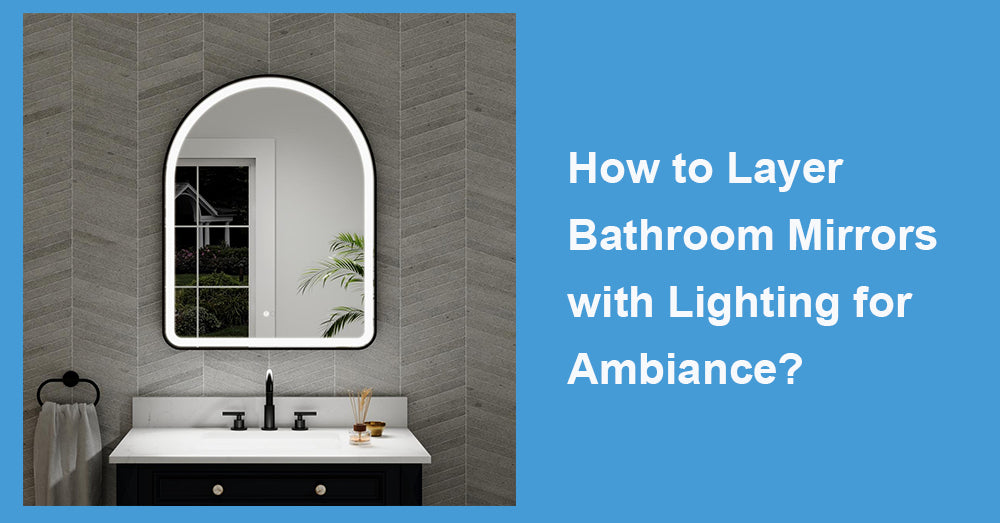
Your bathroom should feel like more than a functional space. It’s where you start your morning, wind down at night, and take care of everyday routines. That’s why lighting plays such a big role in comfort and design. The right lighting can make a bathroom feel warm, calm, and even luxurious.
One of the most effective ways to upgrade your bathroom is learning how to layer mirrors and lighting. When done correctly, this combination improves visibility, reduces harsh shadows, and creates a relaxing, spa-like ambiance.
Why Mirrors and Lighting Should Work as a Pair
Many homeowners treat mirrors and lighting as separate decisions, but they’re closely connected. A mirror reflects light, affects how bright the space feels, and changes the way the entire room looks.
Meanwhile, lighting determines how you see yourself in the mirror. If the light is too harsh, too dim, or placed incorrectly, you’ll notice shadows around your eyes and uneven illumination across your face.
When mirrors and lighting are planned together, your bathroom becomes:
· more functional for daily grooming
· brighter without adding extra fixtures
· more stylish and visually balanced
· more relaxing, especially at night
What “Layered Lighting” Means in a Bathroom
Layered lighting simply means using multiple light sources instead of relying on a single overhead fixture. Most bathrooms feel flat because they only have one ceiling light. That type of lighting may be bright, but it doesn’t create depth or warmth.
A well-designed bathroom typically includes three layers:
Ambient Lighting
This is your general room lighting, usually coming from ceiling fixtures or recessed lights.
Task Lighting
This lighting is focused around the vanity area and mirror, helping with makeup, shaving, and skincare.
Accent Lighting
Accent lighting is softer and more decorative. It adds mood, depth, and that high-end spa feeling.
The best bathrooms blend all three layers in a way that feels natural.

Step 1: Choose the Right Mirror Style for Your Space
Before thinking about lighting, start with the mirror itself. The mirror is the focal point of your vanity wall, so size and shape matter.
Single Vanity Bathroom
A wide rectangular mirror or a clean, frameless mirror works well because it reflects more light, making the room feel bigger.
Double Vanity Bathroom
Two matching mirrors create symmetry and allow each person to have their own lighting area. This is a popular choice in primary bathrooms.
Small Bathroom or Powder Room
A round mirror can soften the space and make it feel modern, especially when paired with warm lighting.
A simple rule: your mirror should be close to the width of the vanity, or slightly smaller for a balanced look.
Step 2: Decide Between Front-Lit and Backlit Mirrors
Not all bathroom mirrors with lighting create the same effect. Choosing the right type depends on whether you prioritize function, ambiance, or both.
Front-Lit Mirrors
Front-lit mirrors use LED lighting that shines forward, typically along the edges.
Best for:
· applying makeup
· shaving
· clear daily grooming
This style provides strong task lighting and helps reduce facial shadows.
Backlit Mirrors
Backlit mirrors glow from behind, creating a halo effect on the wall.
Best for:
· creating soft ambiance
· spa-inspired bathrooms
· relaxing nighttime lighting
Backlit mirrors are excellent for mood, but may need extra task lighting depending on the brightness level.
The Best Option: Mirrors with Adjustable Lighting
Many modern mirrors offer dimming and adjustable color temperature, allowing you to switch between bright daylight and softer, warmer lighting.
Step 3: Build Task Lighting Around the Vanity Area
Task lighting is the most important lighting layer because it directly impacts how you see yourself. If you’ve ever struggled to apply makeup in a dim bathroom or noticed unflattering shadows, poor task lighting is usually the reason.
The best task lighting options include:
· LED bathroom mirrors with built-in lighting
· wall sconces placed on both sides of the mirror
· a light bar above the mirror (less ideal but common)
Side lighting is typically the most flattering because it lights the face evenly. If your layout allows, adding sconces on both sides of the mirror can instantly improve both function and style.
Step 4: Use Ambient Lighting to Set the Overall Tone
Ambient lighting is the base layer. Without it, your bathroom can feel dark and incomplete. With too much, it can feel harsh and overly bright.
Good ambient lighting options include:
· recessed ceiling lights
· flush mount or semi-flush fixtures
· small chandeliers in larger bathrooms
Ambient lighting should support your mirror lighting rather than overpower it. The goal is a comfortable glow that fills the room evenly.
Step 5: Add Accent Lighting for a Spa-Like Feel
Accent lighting is what turns a basic bathroom into a relaxing retreat. This is the layer that creates warmth and depth.
Popular accent lighting ideas include:
· under-vanity LED strip lighting
· toe-kick lighting near the floor
· backlit mirrors that glow softly against the wall
· recessed niche lighting in the shower
Accent lighting is especially useful at night because it provides gentle illumination without being blinding.
If you want your bathroom to feel like a high-end hotel, accent lighting is the secret ingredient.
Step 6: Choose the Right Color Temperature
Color temperature affects the entire mood of the room. It’s one of the most overlooked details in bathroom design.
Warm White (2700K–3000K)
Feels cozy, relaxing, and spa-like. Great for bathrooms with warm finishes like wood or beige tile.
Neutral White (3500K–4000K)
Feels balanced and natural. This is a popular choice for everyday bathrooms because it’s flattering without feeling too yellow.
Cool White (5000K+)
Feels crisp and bright, but can look harsh in a home setting. It’s better for ultra-modern bathrooms or high-detail grooming.
For most American homes, neutral white is the best all-around option.
Step 7: Use Dimmers to Control the Mood
If you want flexibility, install dimmers. Dimmers allow you to change the bathroom’s atmosphere instantly.
Bright lighting is perfect for mornings. Softer lighting is ideal for evenings. Low lighting is helpful at night.
Many bathroom mirrors with lighting also come with dimmable touch controls, giving you the same effect without upgrading your wall switches.
Common Mistakes to Avoid
Even beautiful lighting can fail if the setup is unbalanced. Avoid these common mistakes:
Relying Only on Overhead Lighting
This creates shadows and makes the bathroom feel flat.
Choosing Lighting That’s Too Cool
Cool lighting can make the room feel sterile and make skin tones look unnatural.
Installing Lights Too High
If sconces or light bars are placed too high, they won’t illuminate your face properly.
Skipping Accent Lighting
Without accent lighting, your bathroom may look bright but won’t feel relaxing.
What to Look for in Bathroom Mirrors with Lighting
When shopping for a new mirror, focus on features that improve both style and daily use.
Look for:
· dimmable brightness
· adjustable color temperature
· anti-fog function
· touch controls
· modern, even LED light distribution
The Right Mirror and Lighting Layers Change Everything
Layering lighting is one of the easiest ways to make your bathroom feel more inviting and high-end. The best bathrooms combine ambient lighting, task lighting, and accent lighting so the space feels balanced and comfortable.
A quality lighted mirror is often the centerpiece of this design approach. It improves visibility, reduces shadows, and creates a clean, modern look that instantly elevates the entire vanity area.
When you combine the right mirror with smart lighting layers, your bathroom becomes brighter, more functional, and far more relaxing.









































Leave a comment
This site is protected by hCaptcha and the hCaptcha Privacy Policy and Terms of Service apply.