
——New Focus in Home Decoration Trends
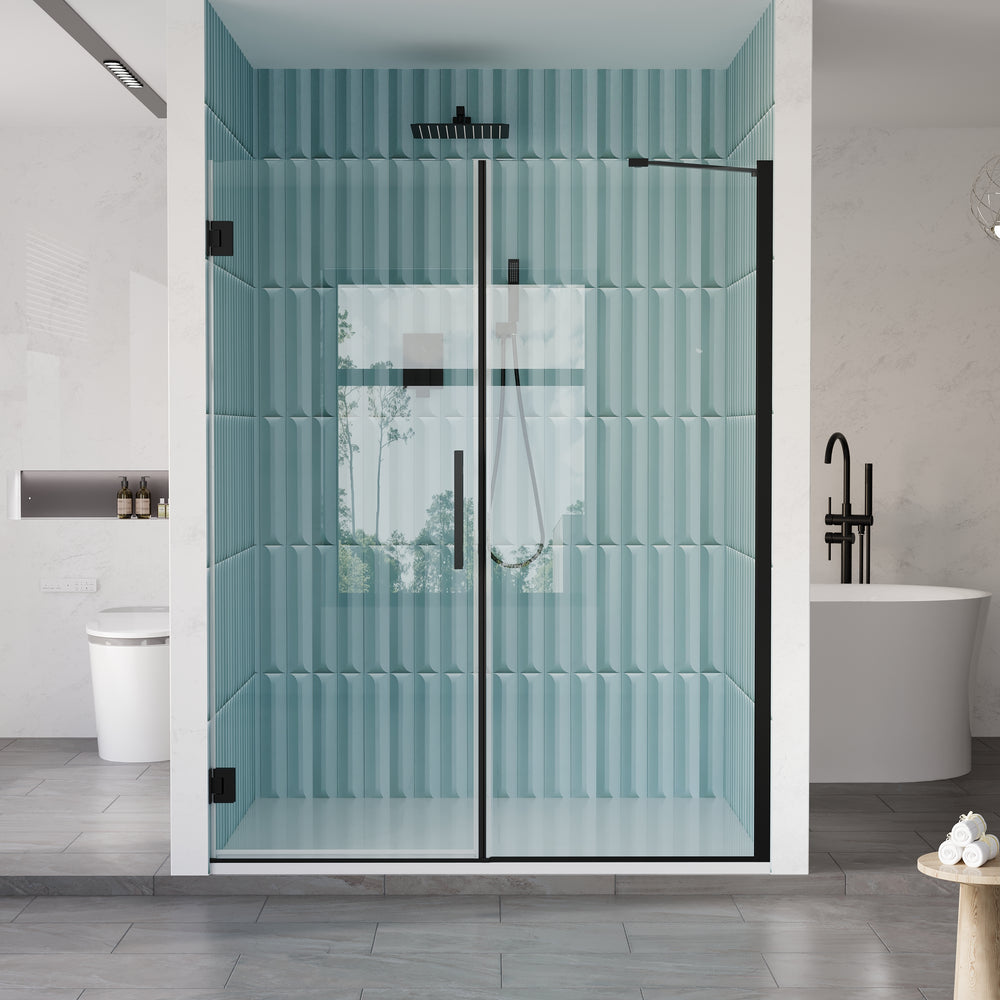
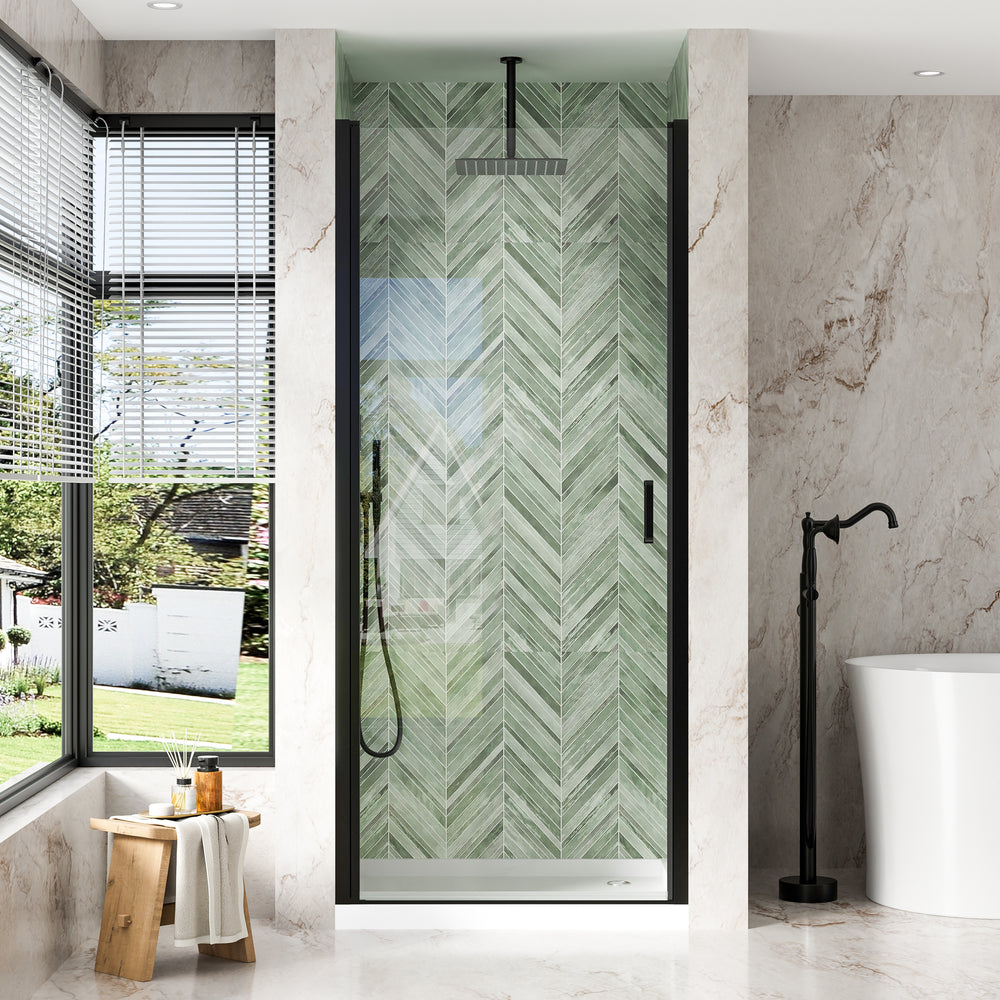
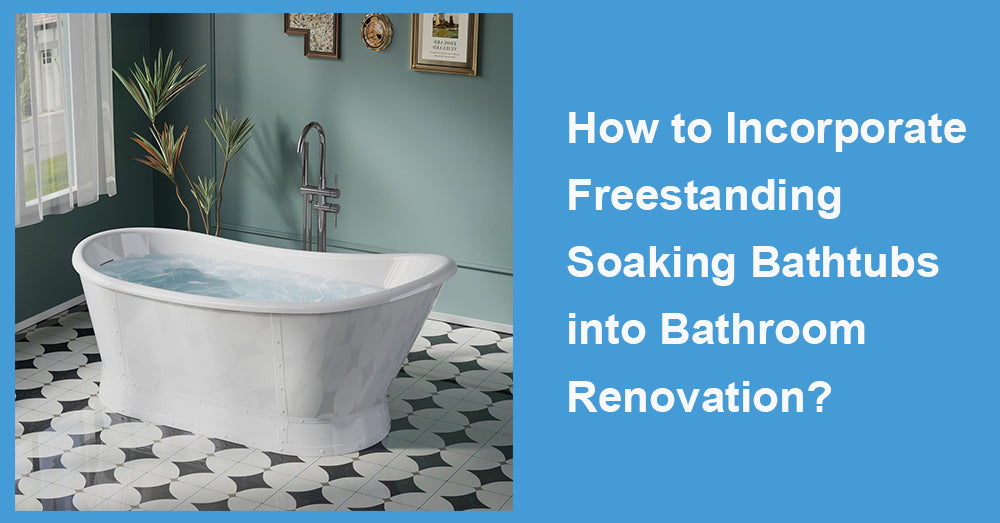
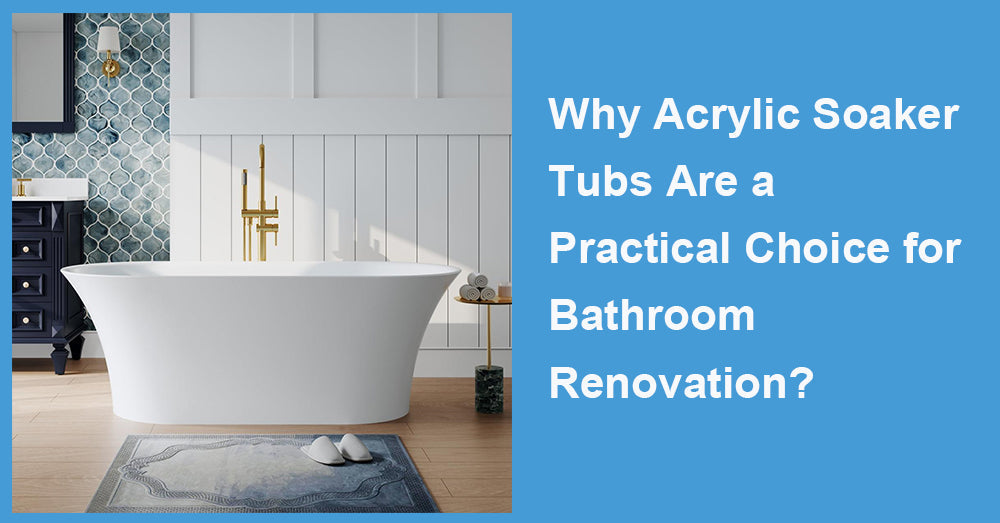
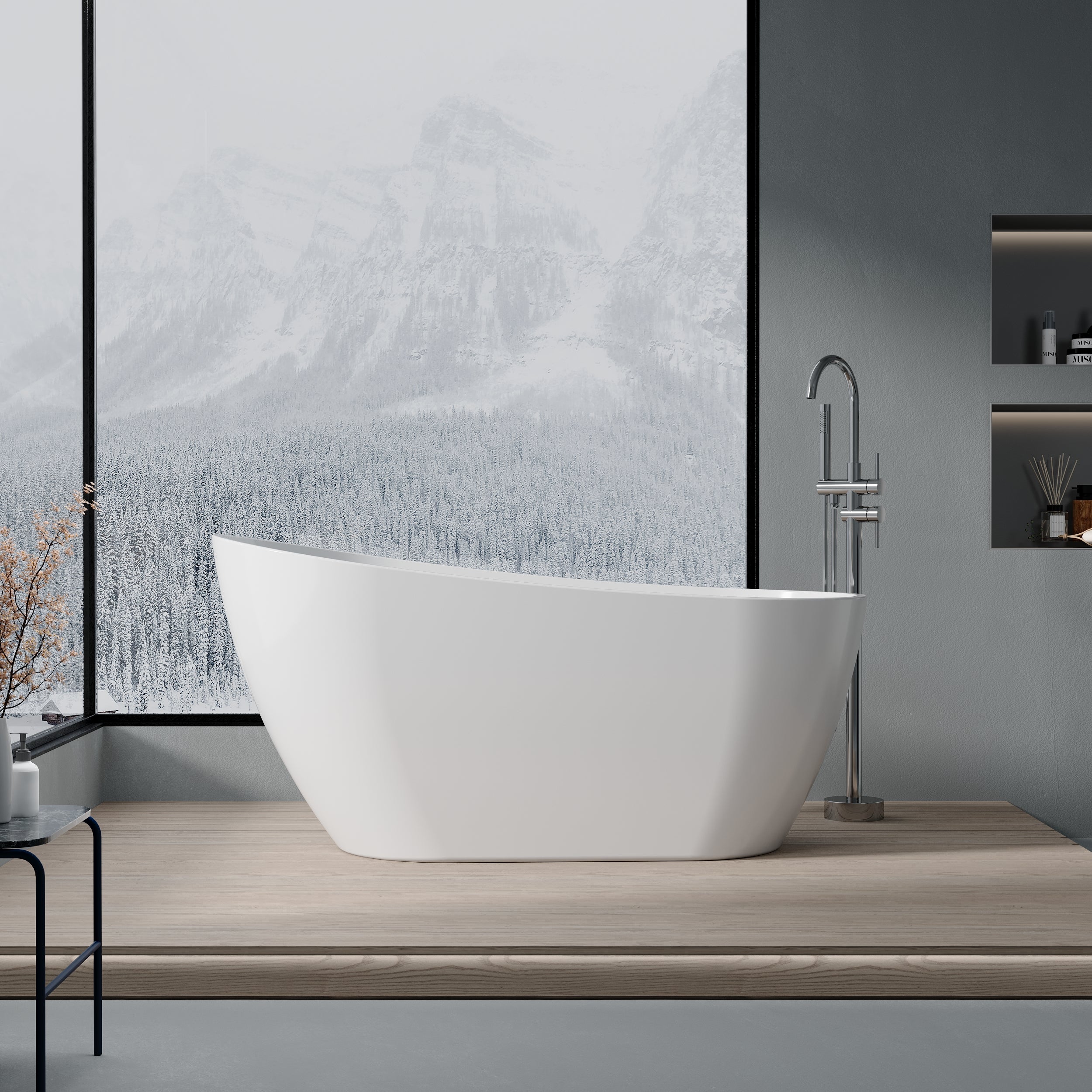
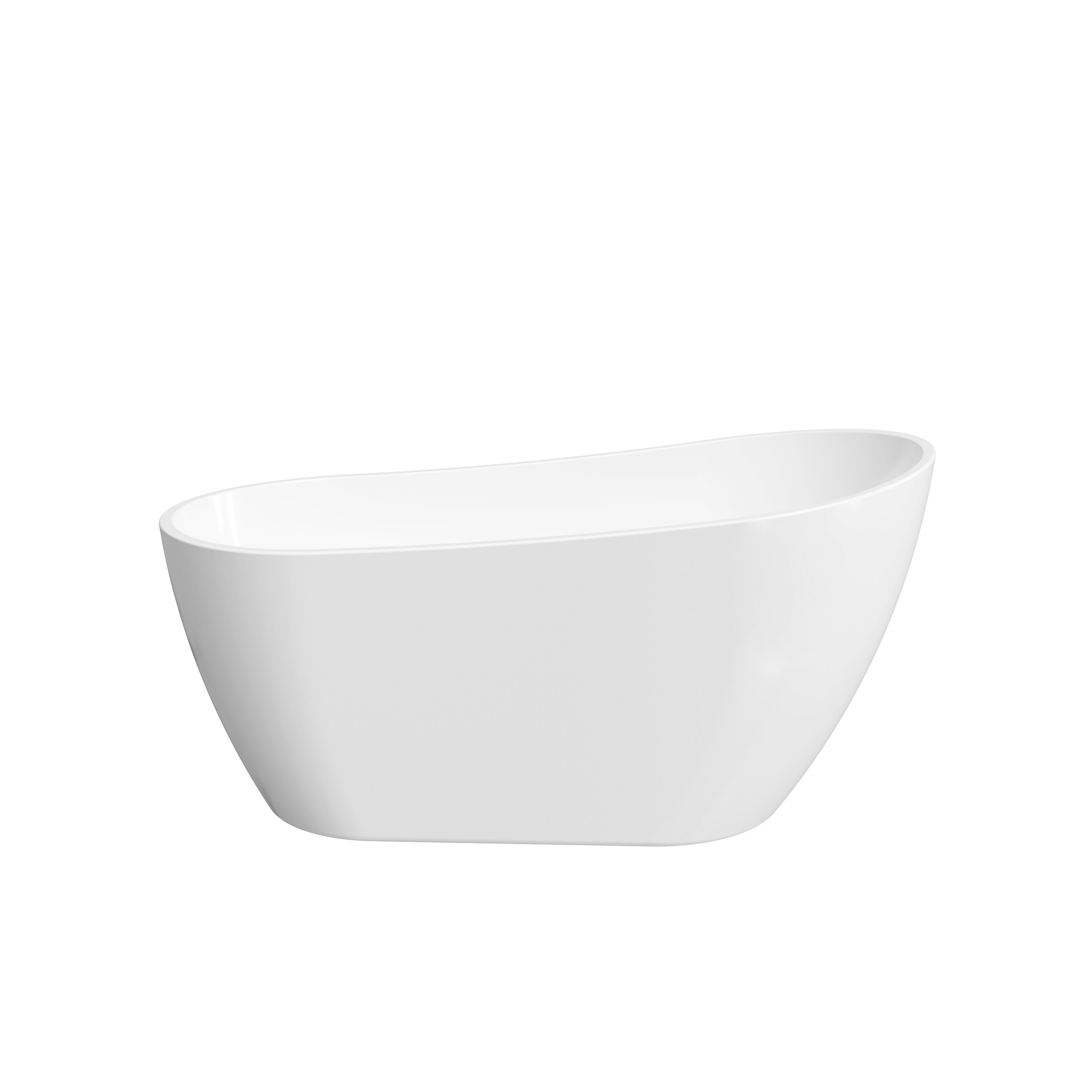
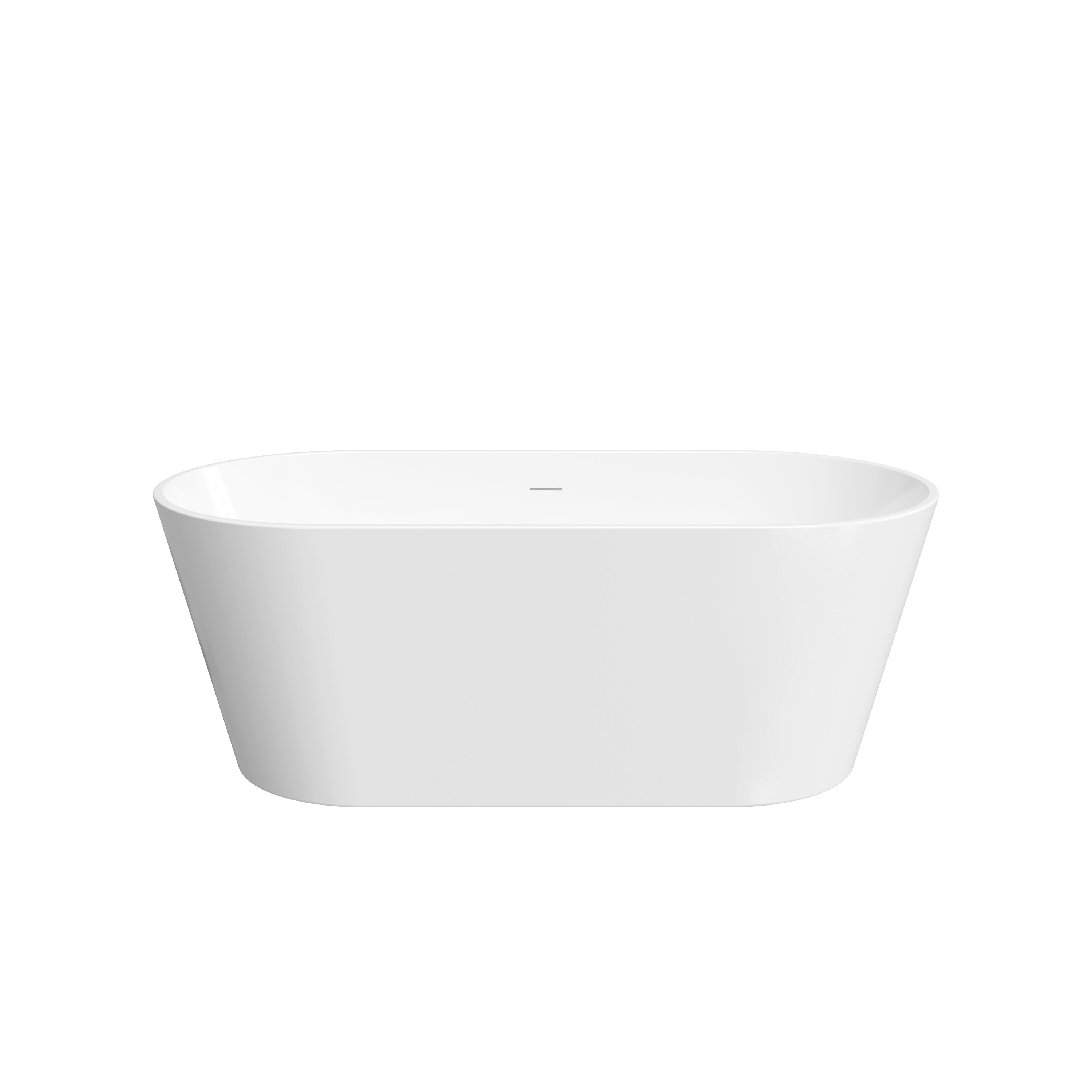
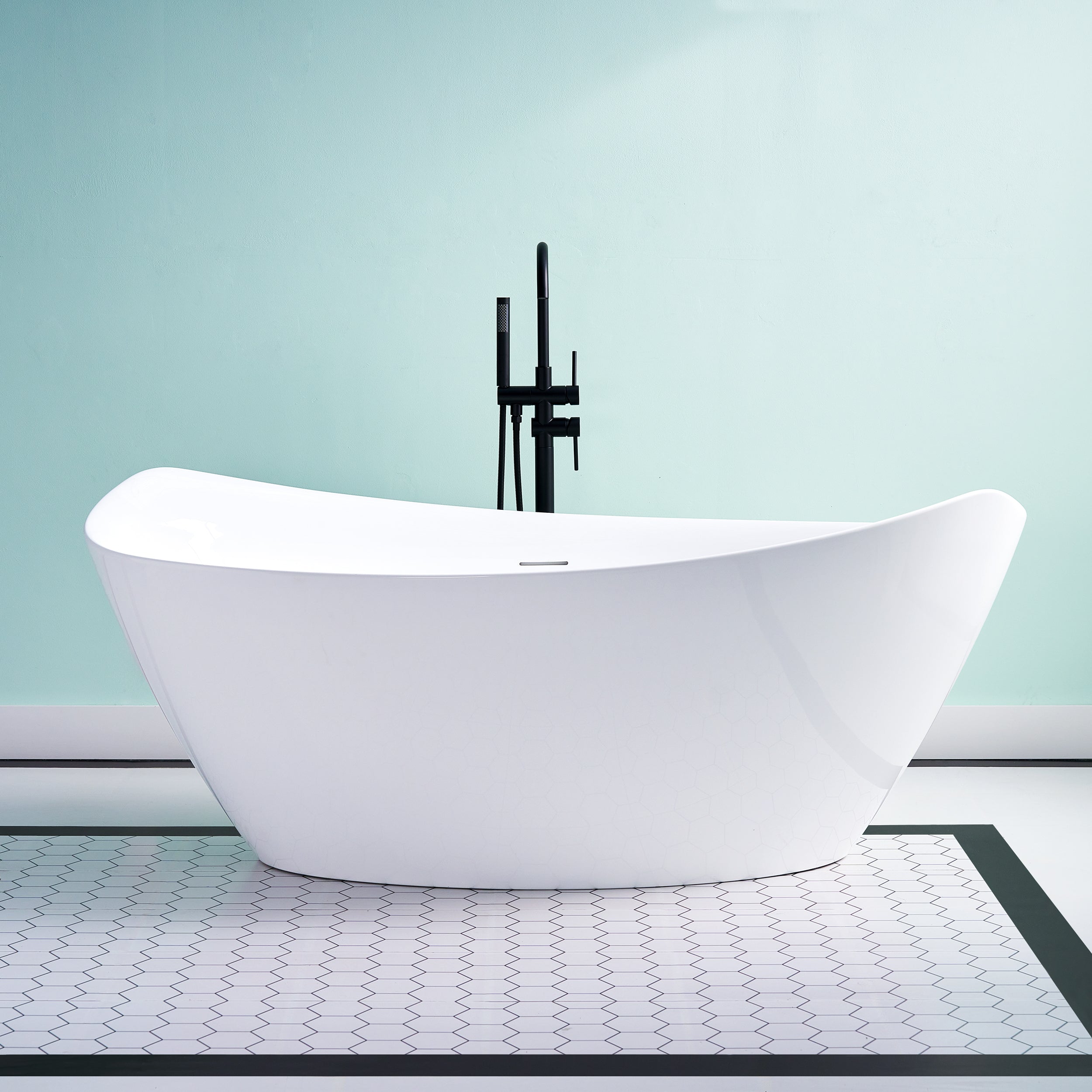
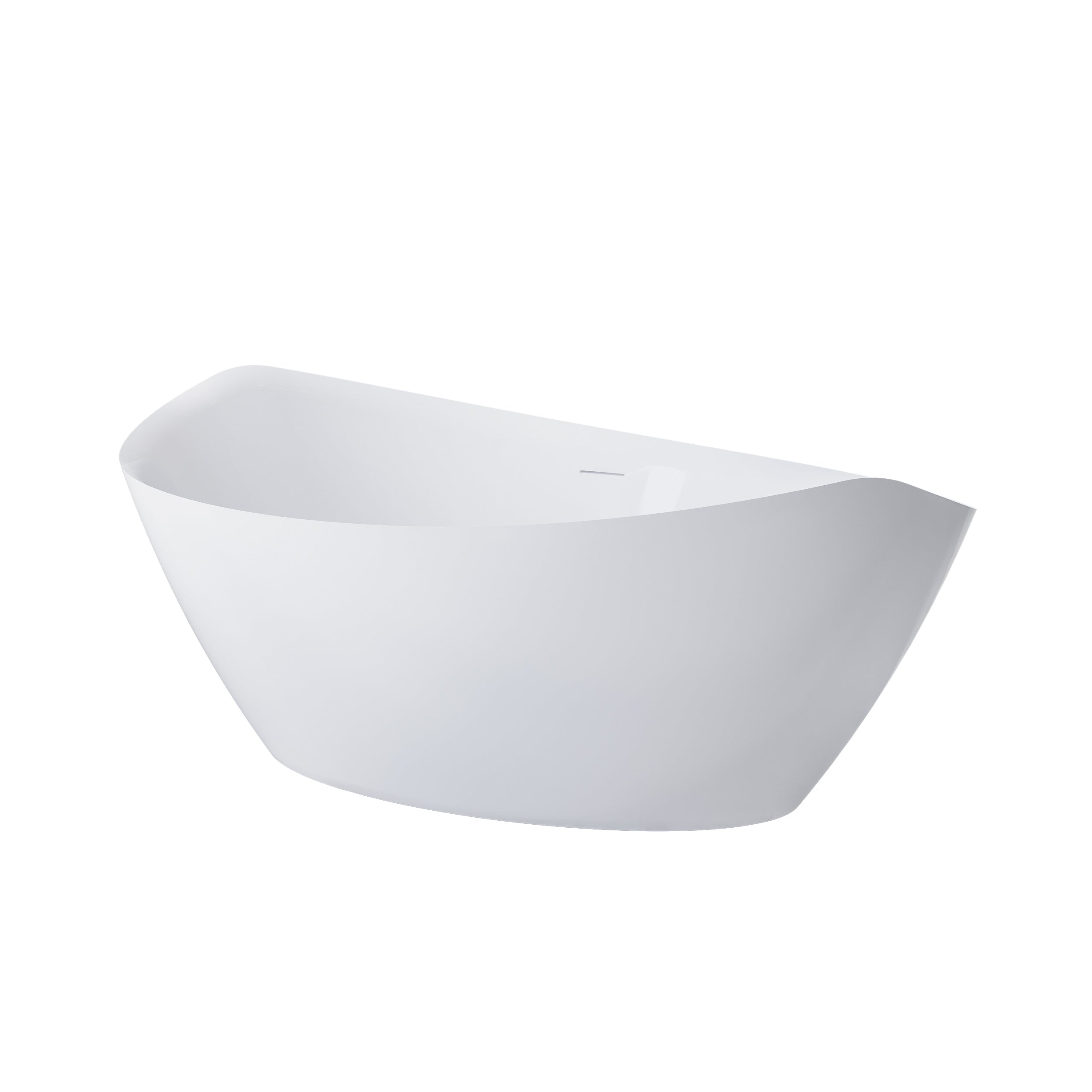
In recent years, the soaking bathtubs freestanding has become one of the most eye-catching elements in high-end residential and renovation bathroom design. It is not only bathroom equipment, but also a symbol of lifestyle, integrating functionality and sculptural beauty, and becoming the core of the concept of "family hydrotherapy".
Market Trend: Dual Upgrade of Functionality and Aesthetics
According to the Grand View Research report, the North American bathtub market is growing at a compound annual growth rate of approximately 5%, with freestanding bathtubs performing the most prominently. Consumers are no longer satisfied with traditional embedded bathtubs; instead, they are pursuing personalized, comfortable, and visually high-end experiences.
The latest data from the National Kitchen and Bath Association (NKBA) shows that over 80% of designers recommend freestanding bathtubs in their projects. This type of bathtub, with its smooth design and open layout, brings a modern sense of space to the bathroom.
At the same time, the trend of "Home Spa" continues to heat up. The designer has created a private and relaxing bathroom space by combining an intelligent temperature control system, aromatherapy equipment, and soft lighting.

Design Core: Balance between Space and Function
1. Spatial layout
The most considerable charm of an independent bathtub lies in its "free placement", but it also puts higher demands on spatial planning.
Central layout: suitable for large area master bathrooms, which can be used as the visual center with a French window or landscape walls.
Corner layout: In medium-sized spaces, it is possible to save space by tilting or placing it half against the wall.
Wet area integration: Integrating the bathtub and shower area into a single, waterproof space is a current trend in bathroom design.
Ideally, at least 30 inches of activity space should be left around the bathtub for cleaning and maintenance.
2. Structure and load-bearing capacity
The weight of a fully filled independent bathtub can exceed 800 pounds, making the floor structure and support particularly critical.
Wooden floor slabs require reinforcement with supporting beams.
The waterproof layer must be continuous and have a reasonable slope.
Suggest laying a cushion layer at the bottom of the bathtub to reduce resonance and noise.
Professional designers usually intervene in structural evaluation during the early stages of construction to ensure load-bearing and drainage safety.
3. Water supply, drainage, and installation technology
Independent bathtubs require higher precision in pipeline construction.
The underground drainage system needs to be positioned before pouring the floor to ensure slope and sealing.
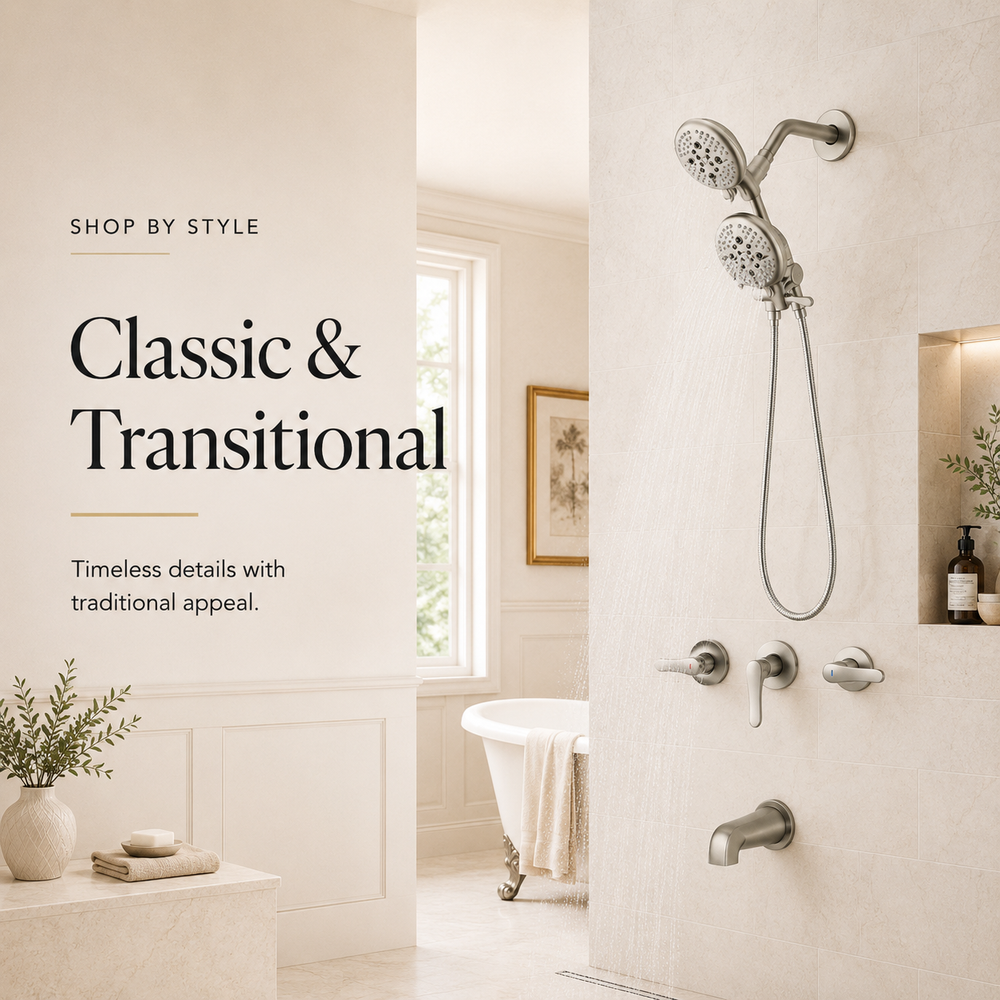
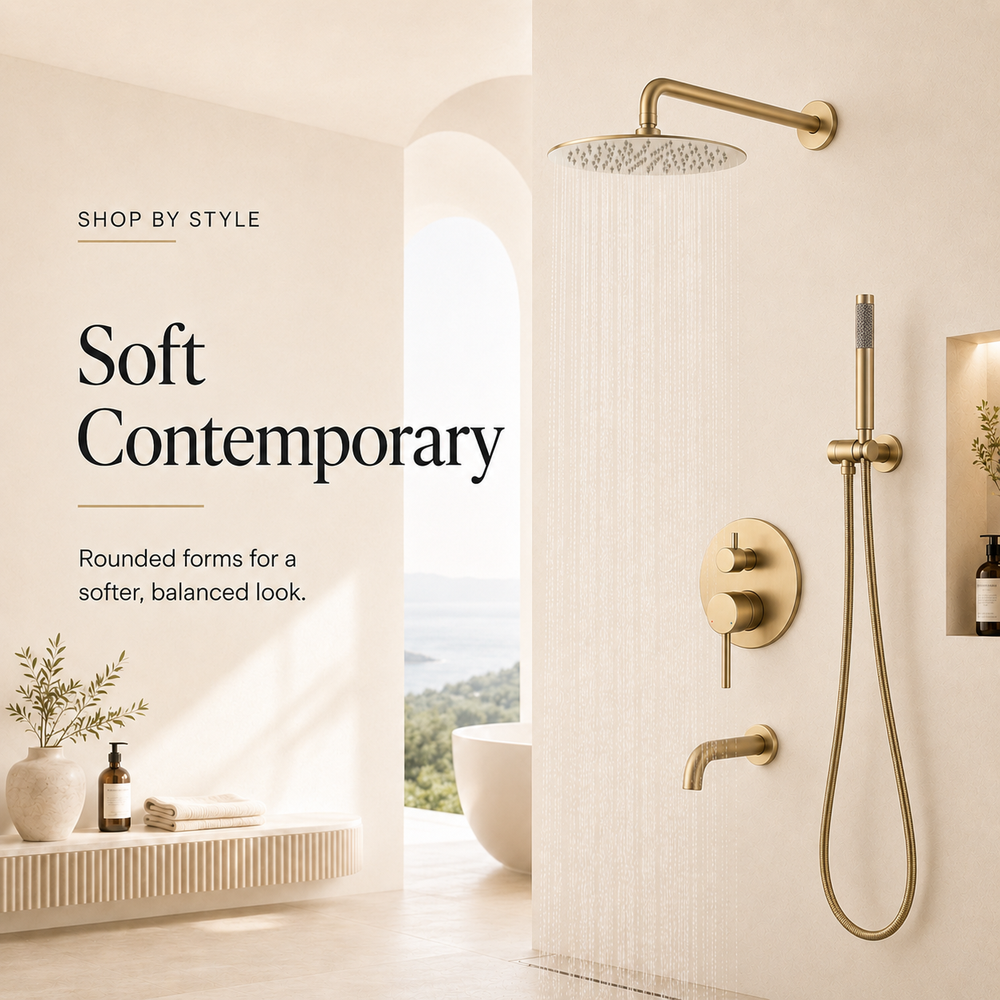
Floor Mount Faucet is a common combination, with a beautiful appearance but complex piping.
For large volume bathtubs, the design of the hot water circulation system and insulation layer can effectively reduce energy consumption.
Overflow outlets and drainage covers have gradually become decorative design elements, coordinated and unified with hardware accessories.
4. Material and Shape Selection
The material determines the visual language and user experience of the bathtub.
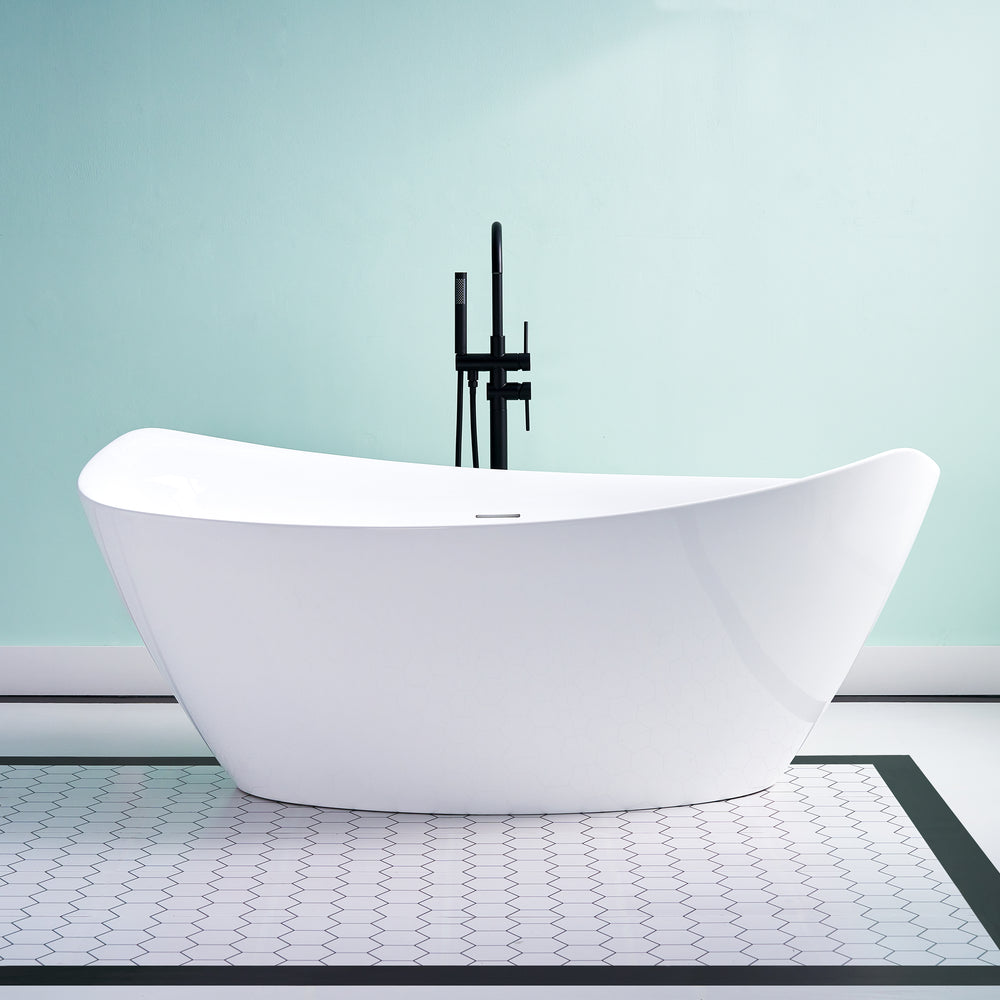
Acrylic material: lightweight and easy to shape, it is the mainstream choice.
Stone and concrete: High-quality texture, commonly used in modern or natural style residences;
Cast iron and enamel metal: classic and durable, but heavy and suitable for traditional styles;
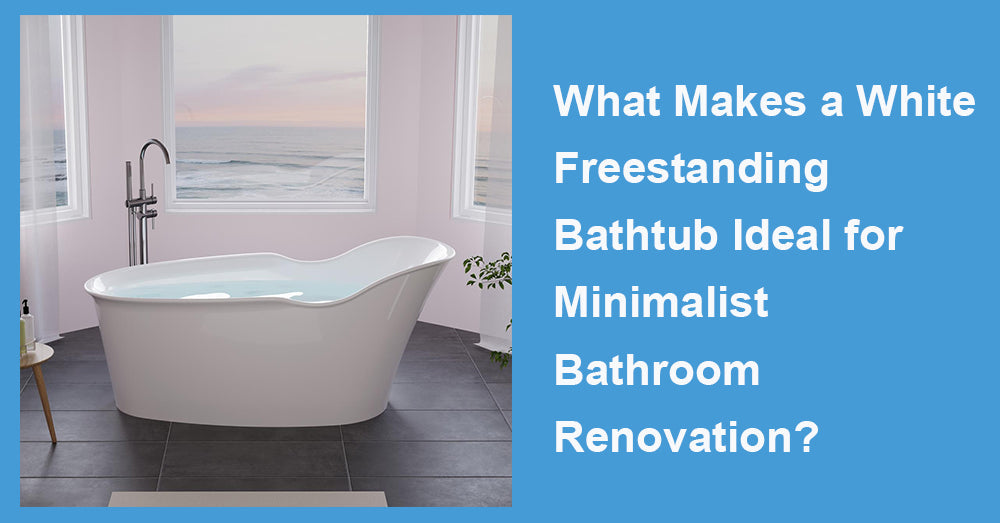
Composite materials and matte surface treatment: bringing more choices for contemporary minimalist style.
The designer suggests considering insulation performance, weight, and maintenance costs when selecting materials.
5. Aesthetic integration and lighting atmosphere
In modern bathrooms, a separate bathtub is often seen as the "center of sculpture".
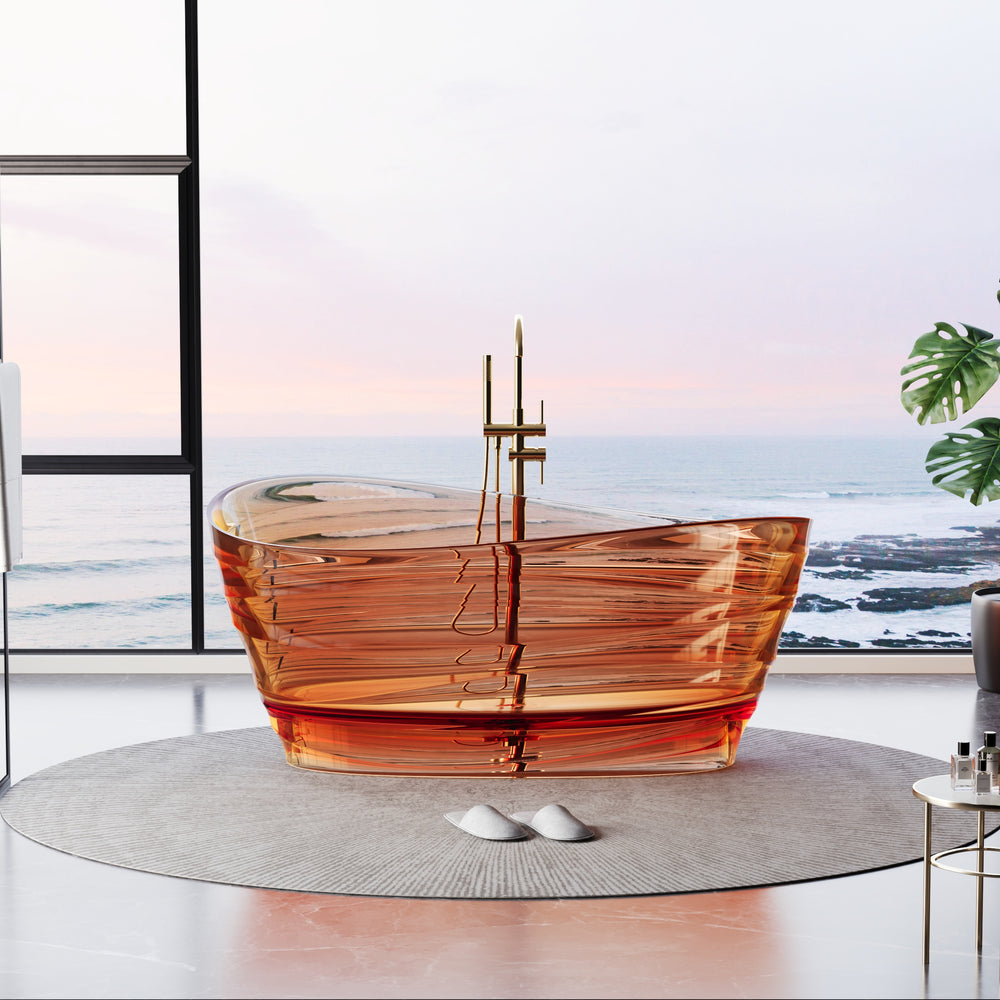
Can be paired with directional chandeliers or wall lights to create accent lighting, highlighting the beauty of curves.
Use natural stone patterns or wooden flooring around to create a warm and moist texture.
If conditions permit, it can be arranged facing the window view or green plant wall to form a "visual extension";
Glass partitions or half-wall structures can protect privacy while maintaining an open sense.
The key to overall visual design is to integrate the bathtub into the space rather than isolating it.
6. Safety and maintenance details
Select an anti-slip bottom and a low edge design to enhance safety during entry and exit.
Maintain the maintainability of pipelines for easy future maintenance.
For multi-story residential buildings, sound insulation and shock absorption design should be added to reduce the propagation of water flow sound.
These technical details, although inconspicuous, have a direct impact on the long-term user experience.
Industry Opportunities and Prospects
The rise of independent soaking tubs has brought new opportunities to the bathroom decoration industry.
Opportunity: High-end customization and intelligent technology are driving a new round of market growth, and lightweight composite materials and modular installation systems are becoming research and development priorities.
Challenge: High costs and complex construction remain barriers for small and medium-sized contractors, and the issue of limited space is particularly pronounced in renovating old houses.
Trend: In the future, independent bathtubs will become more intelligent and energy-efficient, and compact design versions will appear in small-sized residences, allowing more families to enjoy a "soaking and relaxing" experience.
Conclusion
The standalone soaking bathtub is no longer just a symbol of luxury, but a sign that bathroom design is shifting from practicality to experiential aesthetics.
It perfectly integrates functionality, materials, structure, and artistic sense, bringing new aesthetic heights to home spaces.
For designers and decoration practitioners, understanding their layout logic, structural norms, and usage habits is the key to seizing opportunities in the high-end bathroom market. In the future, with the development of intelligent control and green energy-saving technology, independent soaking tubs are expected to move from being a "high-end option" to a daily choice for more families.










Leave a comment
This site is protected by hCaptcha and the hCaptcha Privacy Policy and Terms of Service apply.