
















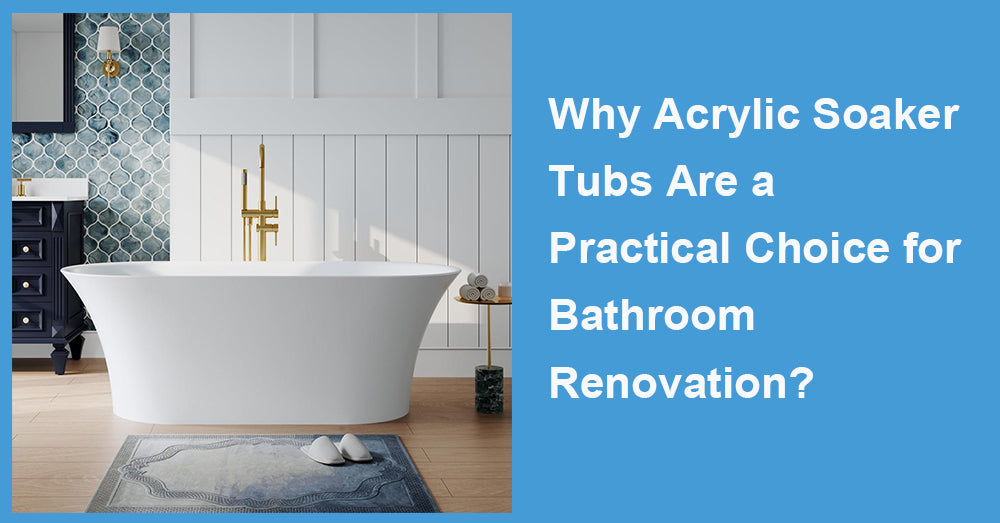
In today's trend of home decoration, the bathroom is no longer just a functional space, but an important place to relax and express lifestyle taste. With the increasing demand of consumers for comfortable, durable, and aesthetically pleasing bathroom products, acrylic soaker tubs are becoming the mainstream choice in the decoration market.
From high-end apartments to ordinary family residences, from boutique hotels to customized villas, acrylic bathtubs redefine the bathing experience with their practicality, versatility, and cost-effectiveness. This article delves into why acrylic immersion bathtubs have become a "wise choice" for modern bathroom decoration, examining market trends, performance characteristics, design value, and consumer experience.
1.Market Trends: From Luxury Item to Mainstream Home Standard
Once considered a symbol of opulent residences, freestanding bathtubs are now being challenged by acrylic alternatives.
According to North American and European home market statistics, acrylic bathtubs accounted for over 60% of total bathtub sales in 2023, with projections indicating steady growth over the next three years.
Bathroom industry analysts note that consumer preferences are shifting from "luxury experiences" to "rational comfort."
Acrylic material perfectly aligns with this trend—it offers affordability and ease of maintenance while achieving design aesthetics comparable to high-end stone or metal bathtubs.
"Acrylic bathtubs are no longer merely an economical choice but a modern solution that balances style and practicality."
—Excerpt from the National Kitchen & Bath Association (NKBA) Annual Report
2.Material Advantages: Lightweight Yet Durable Modern Craftsmanship
Acrylic is a specially reinforced thermoplastic material offering exceptional malleability and durability.
For bathtubs, this material delivers numerous practical benefits:
1. Lightweight for Flexible Installation
Weighing only one-third as much as heavy cast iron or stone bathtubs, acrylic models offer effortless transport and installation.
This makes them ideal for renovating older homes or installing in upper-floor residences without requiring additional structural reinforcement.
2. Superior heat retention for enhanced bathing comfort
Acrylic's low thermal conductivity effectively prolongs water temperature retention.
Even during extended soaks, it maintains stable warmth, reducing energy consumption for reheating.
3. Stain-resistant and corrosion-proof for effortless maintenance
Its dense, smooth surface resists dirt buildup. Mild detergent and warm water suffice to keep it sparkling clean.
Compared to enamel or metal, it resists rust and cracking.
4. Diverse colors and shapes to complement any design aesthetic
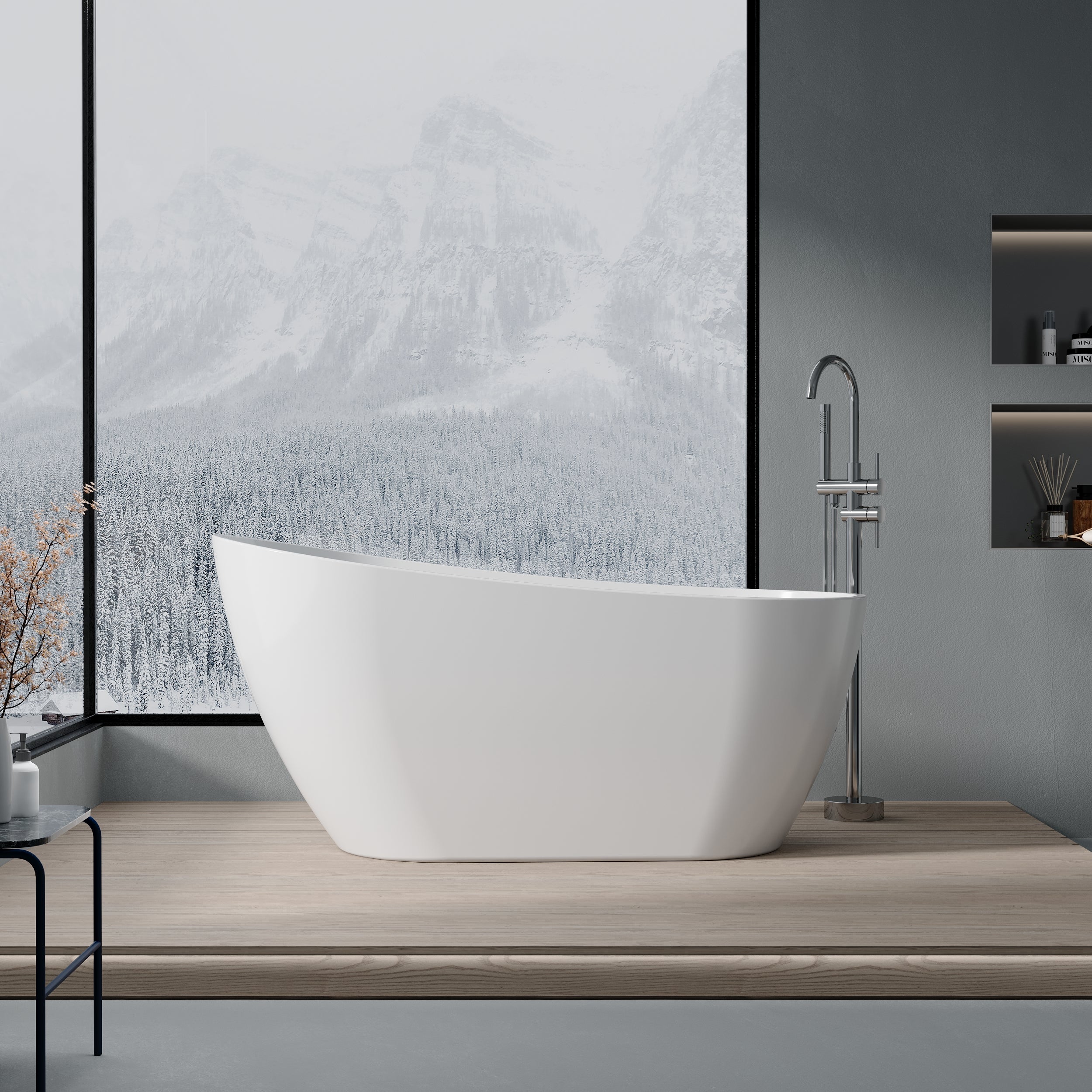
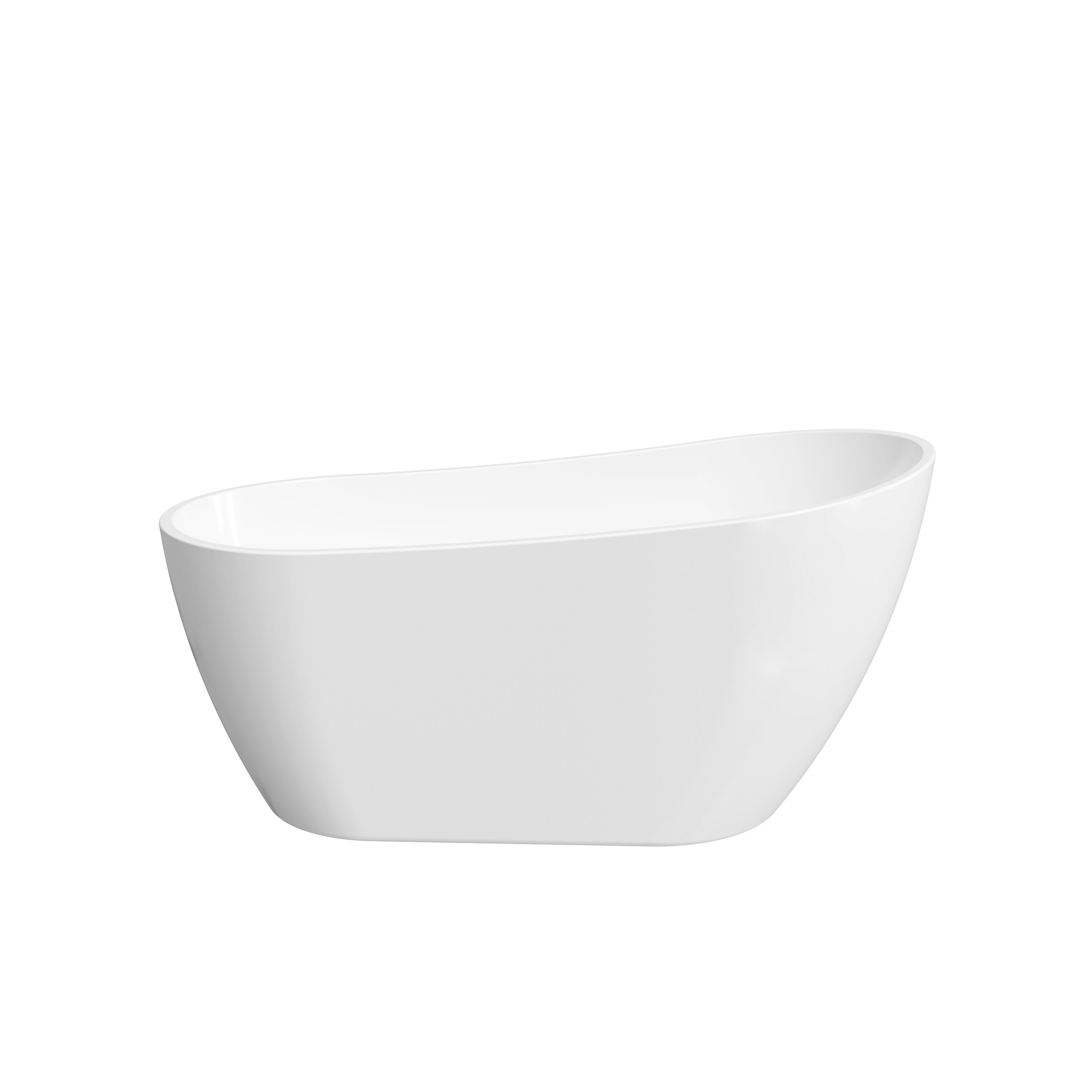
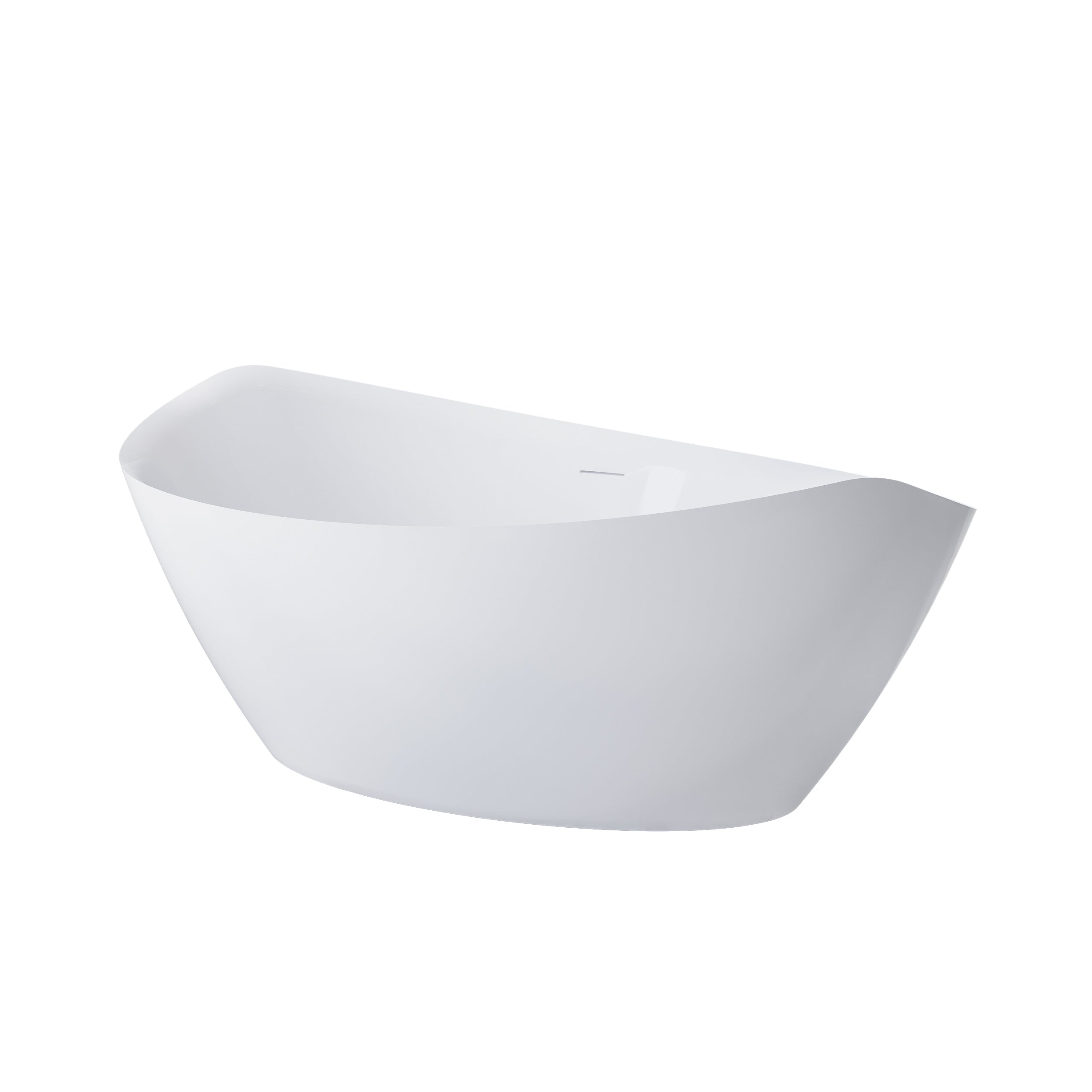
Acrylic's high ductility allows designers to create everything from minimalist geometric lines to soft curved surfaces.
Whether your style is modern minimalism, Nordic naturalism, or Japanese Zen simplicity, you'll find a matching bathtub design to suit your taste.

3.Price and Value for Money: A Wise Choice in the Era of Rational Consumption
Within the overall budget for bathroom renovations, bathtubs typically rank among the higher-cost items. How to balance aesthetics, comfort, and durability within limited funds has become a key concern for consumers. Acrylic soaking tubs have emerged as a standout product category under the trend of "rational upgrades."
Compared to other materials, acrylic bathtubs win market favor with their mid-range pricing and premium experience. Based on different configurations and material craftsmanship, their price ranges are roughly as follows:
Entry-level products (approx. $400–700): Made from standard acrylic material, lightweight and easy to install, ideal for small to medium-sized homes or apartment renovations.
Mid-range products (approximately $800–1,200): Employ thickened acrylic and fiberglass composite structures for superior heat retention and enhanced surface durability, balancing comfort and longevity.
High-end products (over $1,200): Typically feature multi-layered composite acrylic and anti-slip base designs, offering a more premium aesthetic with refined details, commonly found in high-end custom bathrooms.
In comparison, cast iron or natural stone bathtubs often cost $2,500 or more, presenting not only higher expenses but also more complex transportation and installation processes.
This positions acrylic bathtubs as an ideal balance between budget control and performance, delivering a bathing experience close to high-end products at a lower cost.
4. Exceptional Adaptability: Fits Diverse Spaces and Needs
Whether in a spacious master bathroom or a compact guest bathroom, acrylic soaking tubs seamlessly integrate into any layout.
1. Extensive Size Options
Common market sizes range from 55 inches to 72 inches, accommodating various home layouts.
For apartments with limited space, oval or rounded-corner designs save space without compromising comfort.
2. Flexible Installation Options
Acrylic bathtubs support multiple installation types:
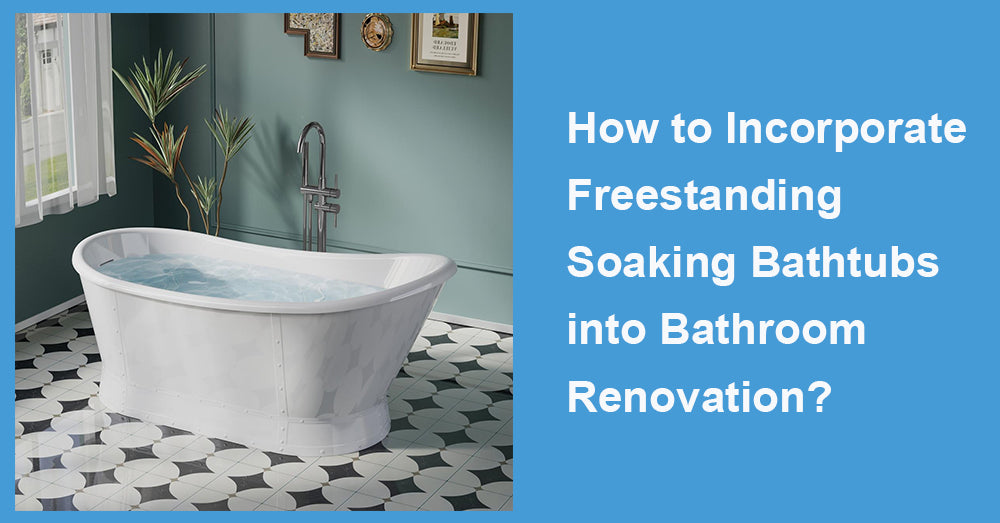
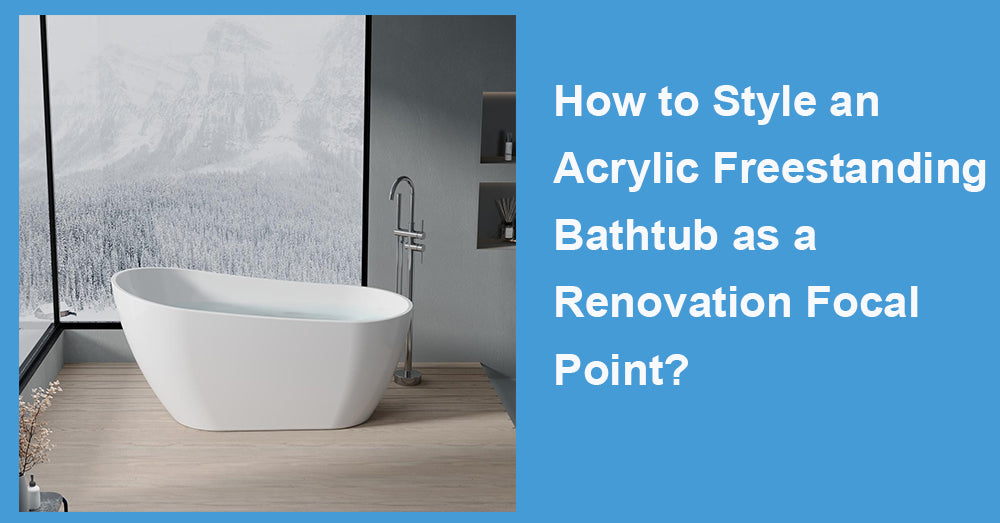
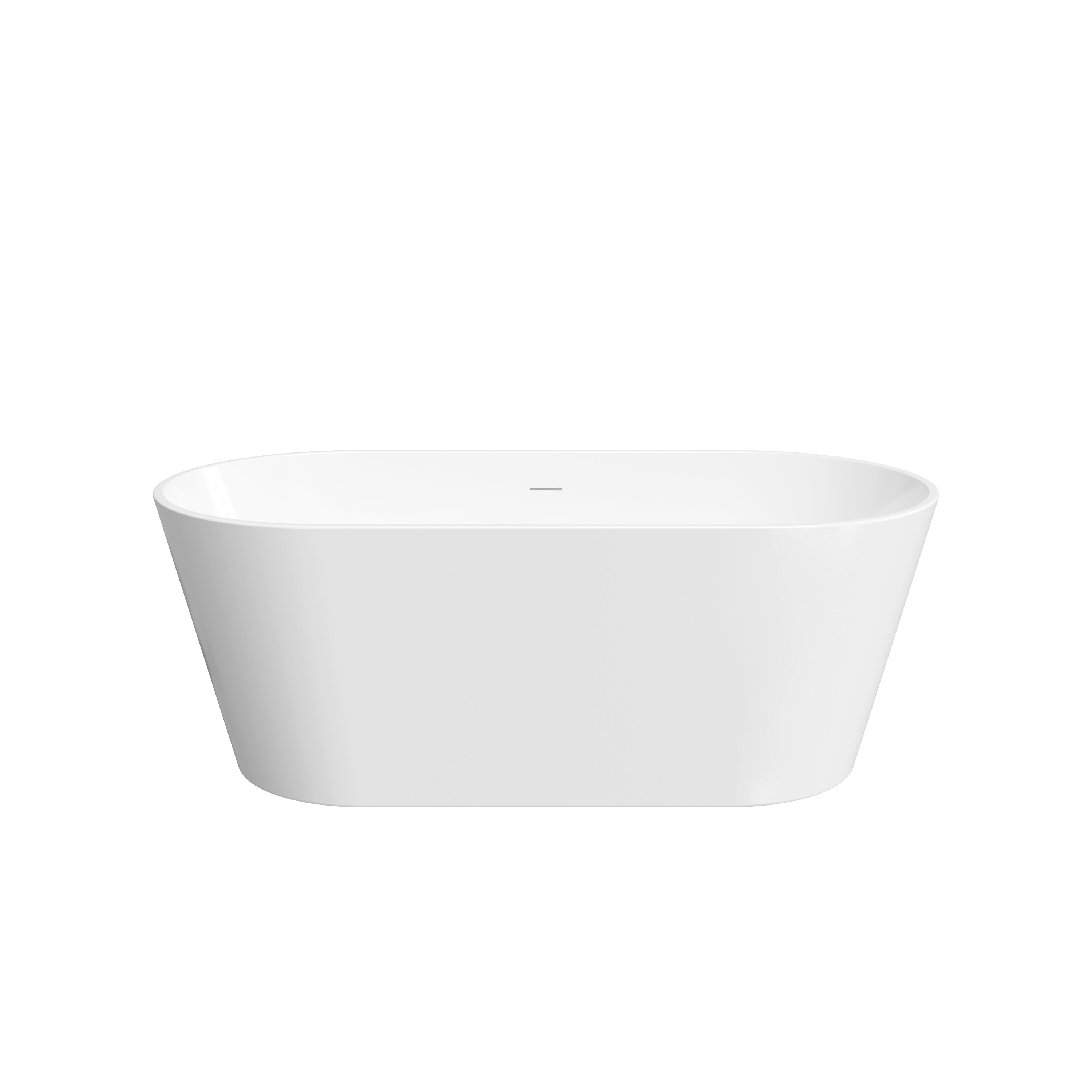
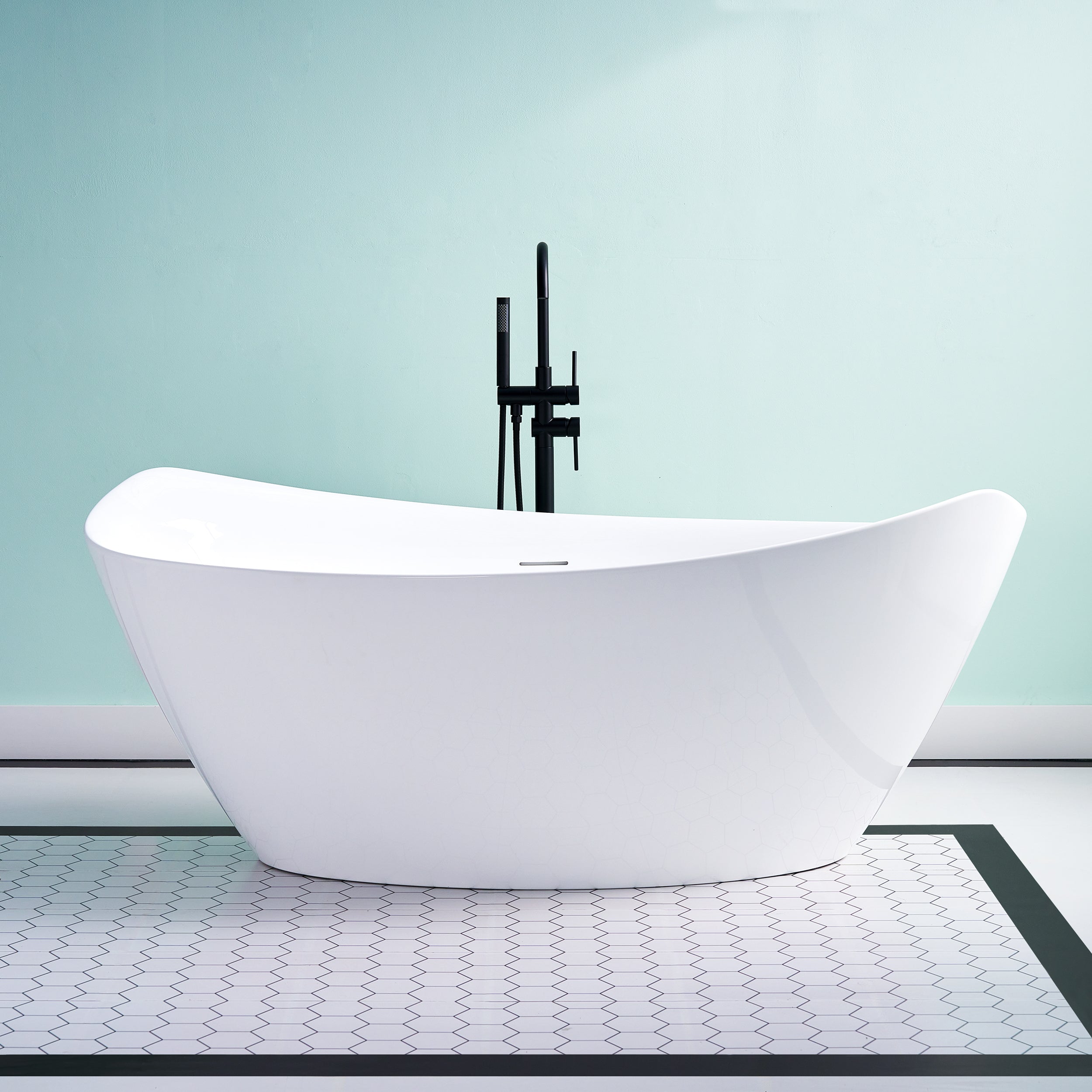
Freestanding: Stylish and visually striking, creating a focal point in the space;
Drop-in: Easier to conceal plumbing and simplify cleaning;
Alcove: Space-saving, ideal for functional bathrooms.
This versatility grants designers and homeowners greater creative freedom, unlocking innovative possibilities for renovation projects.
5. From Eco-Friendly to Energy-Efficient: Embodiment of Sustainable Design
As environmental awareness grows, the recyclability of acrylic bathtubs has become an industry focus.
Most high-quality acrylic products are manufactured using non-toxic, eco-friendly resins that can be recycled at the end of their lifespan.
Additionally, their heat retention properties reduce the frequency of hot water usage, thereby lowering household energy consumption.
This makes them not only economically advantageous but also aligned with current sustainable home improvement trends.
6.Maintenance and User Experience: Enhanced Long-Term Value
Consumers consistently report that acrylic bathtubs demonstrate exceptional "time-friendly" characteristics during use.
Easy Cleaning: Daily maintenance requires only wiping with a soft cloth, eliminating the need for harsh acidic or alkaline cleaners.
Resistant to Fading: Modern acrylic layers feature UV-resistant coatings, maintaining their luster even after prolonged use.
Minor Damage Repairable: Light scratches can be easily restored through polishing or professional repair compounds.
For households prioritizing long-term usability, these "low-maintenance, durable" characteristics significantly reduce overall upkeep costs.
7.Consumer Feedback: Combining Comfort and Aesthetic Appeal
Multiple home product surveys reveal that over 70% of consumers agree acrylic bathtubs "deliver a more relaxing bathing experience."
Common advantages cited include:
Comfortable seating and reclining with rounded edges;
Excellent heat retention for prolonged warm water;
Effortless cleaning with minimal water spot residue;
Soft, harmonious hues that complement tile and metal fixtures naturally.
" expected budget materials to compromise quality, but the installed result is stunning—it elevates the entire bathroom aesthetic."
—A Los Angeles homeowner on a renovation forum
8.Industry Insights: Design Innovation Meets Technological Advancement
In recent years, manufacturers have continuously pushed the boundaries of acrylic performance, introducing premium features such as:
Double-layered reinforced structure: Enhanced pressure resistance and thermal insulation;
Ergonomic contours: Strengthen lumbar support to reduce fatigue during extended soaks;
Anti-slip base design: Enhance safety, particularly suited for family households;
Pre-installed interfaces for smart thermostatic systems: Accommodate future upgrade needs.
These innovations have transformed acrylic bathtubs from "budget options" into "essential components of smart bathroom ecosystems."
9.Purchasing Guide: Selecting High-Value Acrylic Soaking Bathtubs
Check material thickness: Premium products typically use acrylic sheets ≥4mm thick;
Examine insulation layer structure: Thickened composite layers effectively maintain water temperature;
Verify bottom support system: Metal frames or anti-slip pads enhance stability;
Select reputable brands and channels: Ensure reliable after-sales service and warranty policies;
Consider overall bathroom style coordination: Harmonious colors, lines, and lighting create a sense of spatial depth.
Conclusion: The rise of acrylic bathtubs marks the evolution of lifestyle
From luxury to mainstream, from practicality to experience, acrylic bathtubs surpass the scope of ordinary bathroom facilities, redefining comfort and aesthetics.
They allow more families to enjoy a spa-like relaxing experience at a reasonable price, while providing greater creative freedom for modern bathroom design.
With the advancement of material technology and the evolution of consumer values, the market prospects for acrylic immersion baths remain optimistic.
In the future, these products will continue to optimize their design, functionality, and sustainability, consolidating their indispensable position in modern home interiors.















Leave a comment
This site is protected by hCaptcha and the hCaptcha Privacy Policy and Terms of Service apply.