

















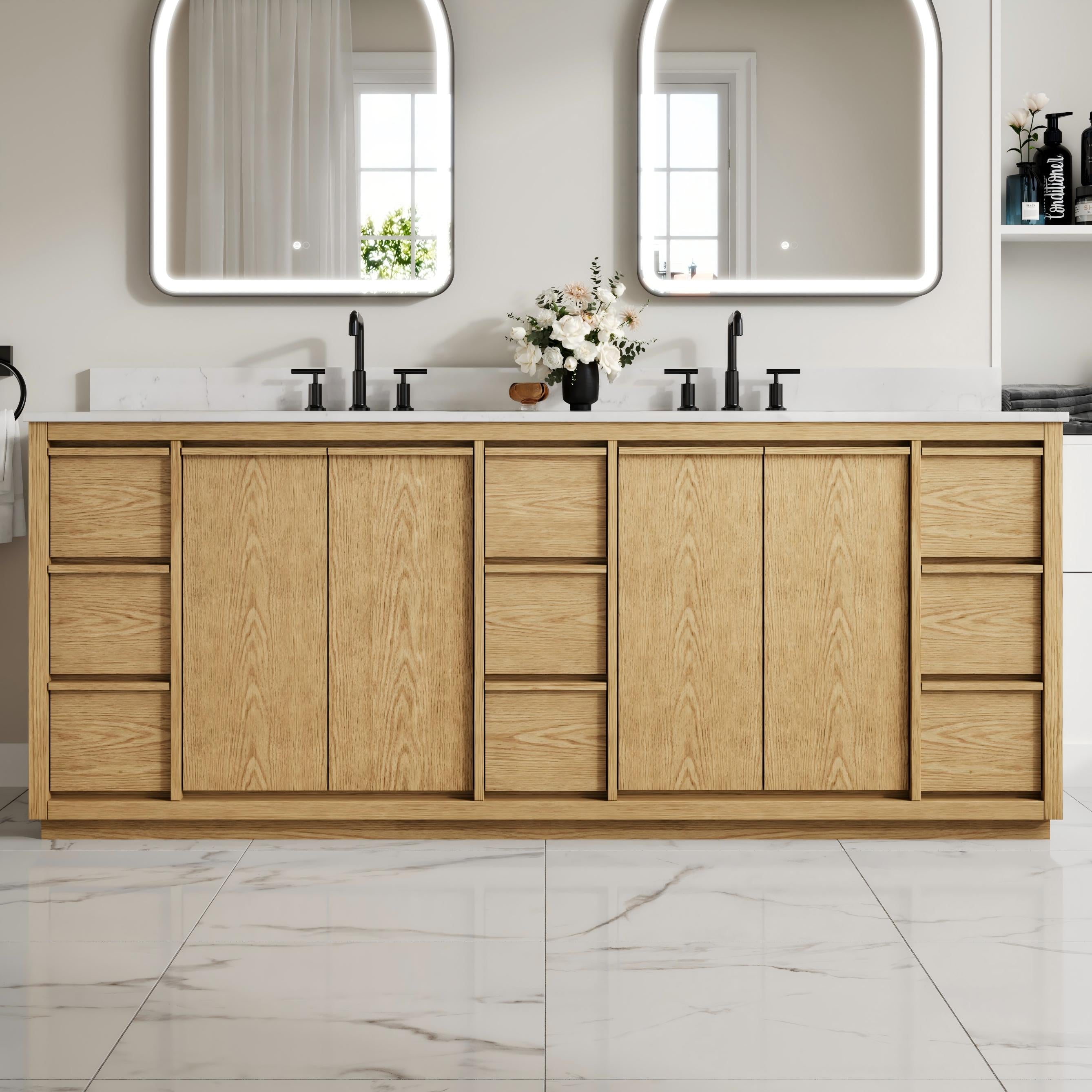
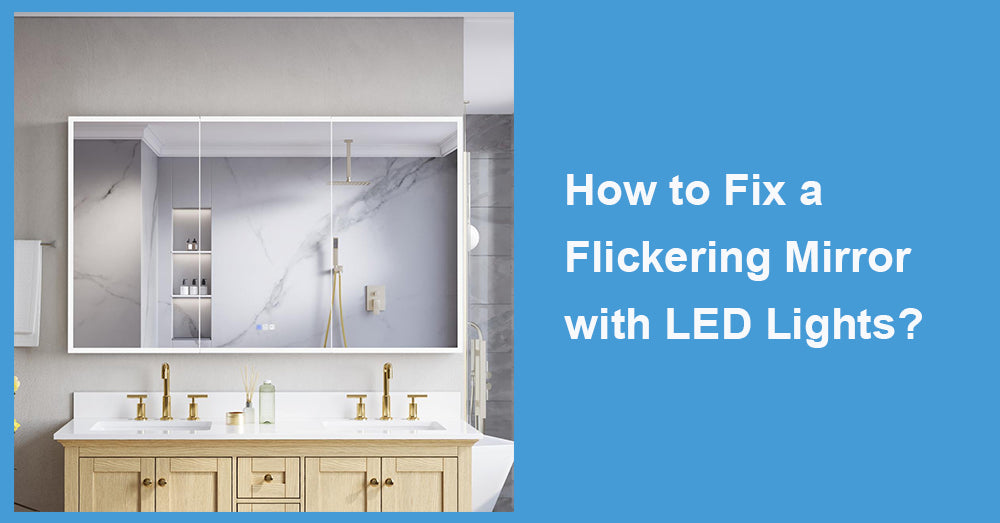
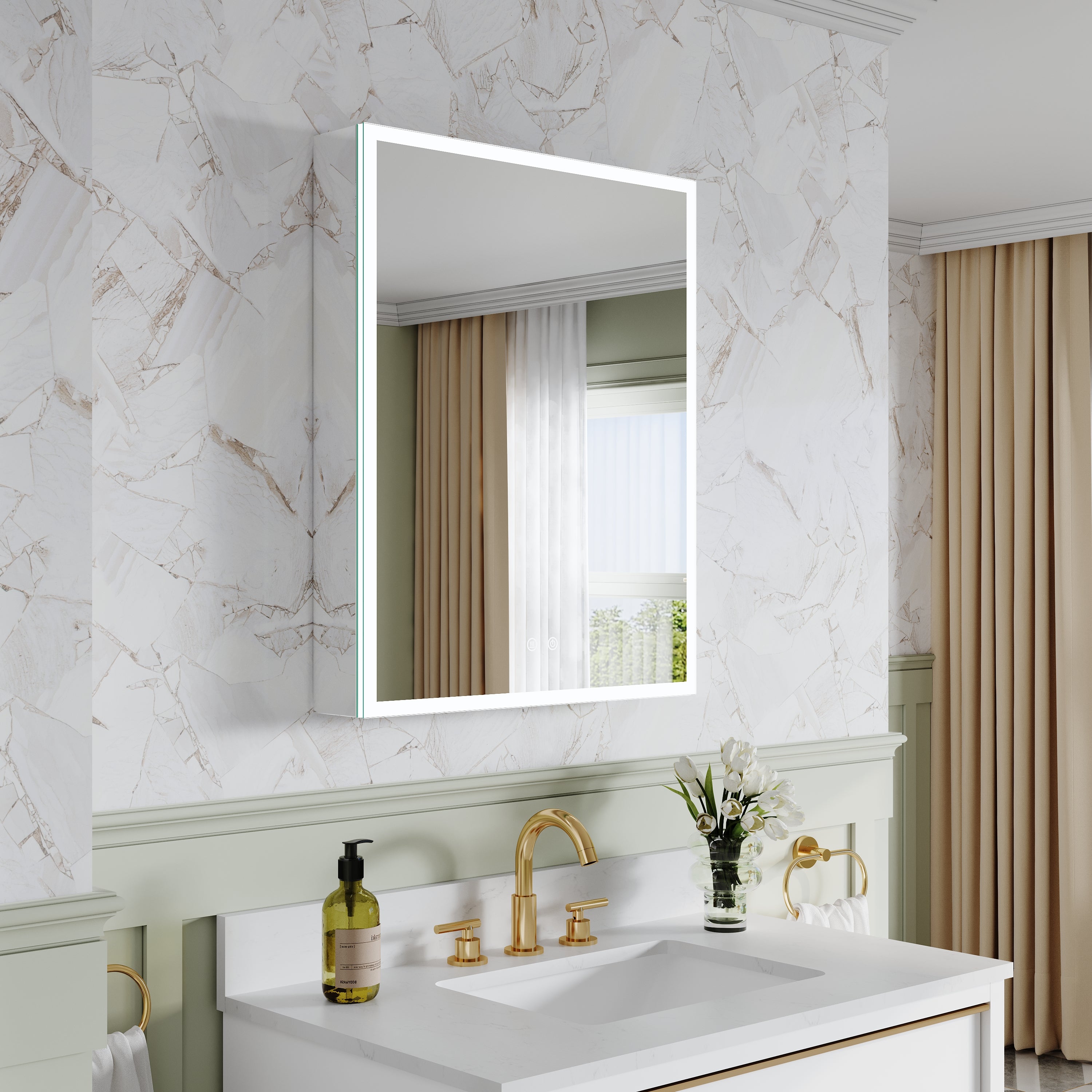
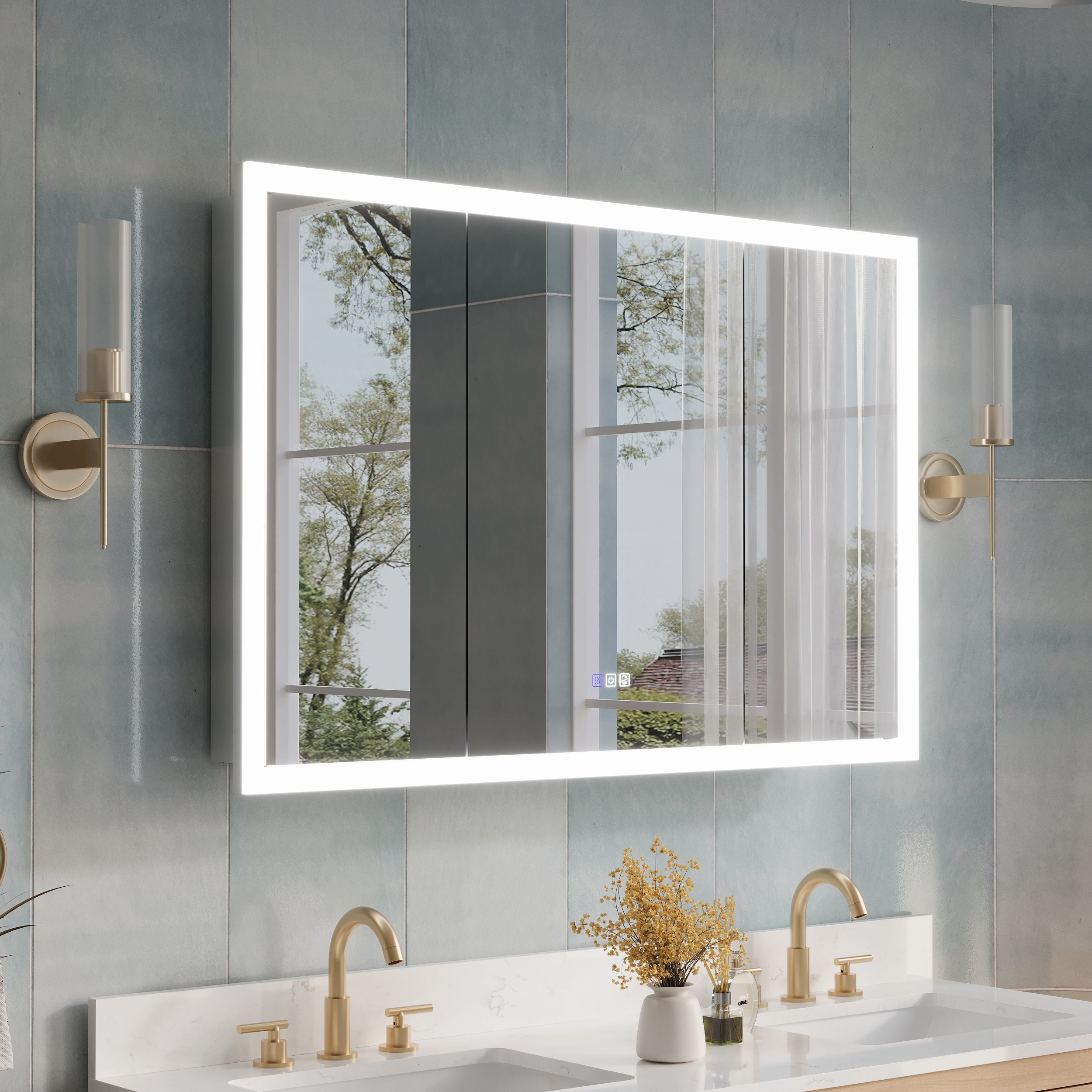
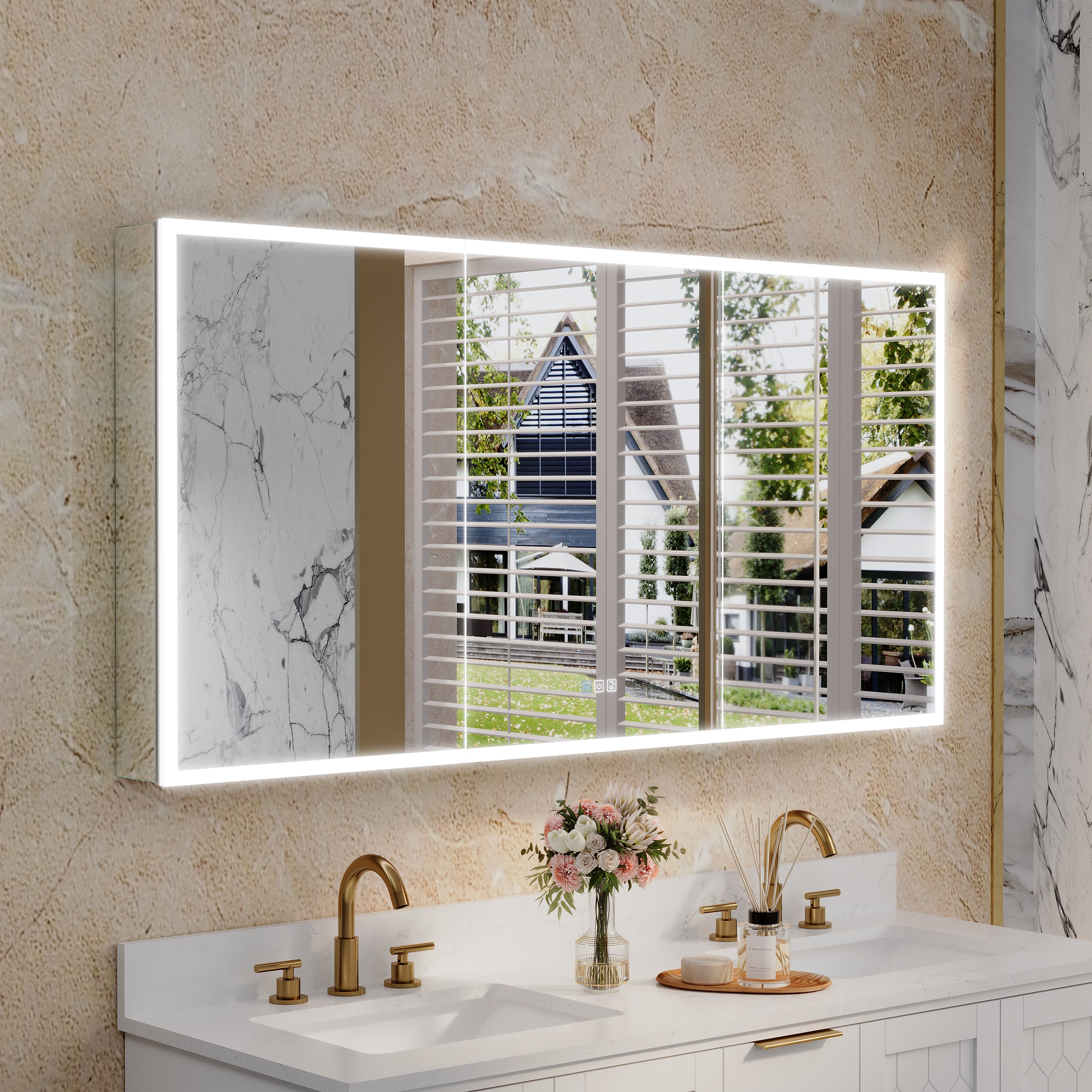
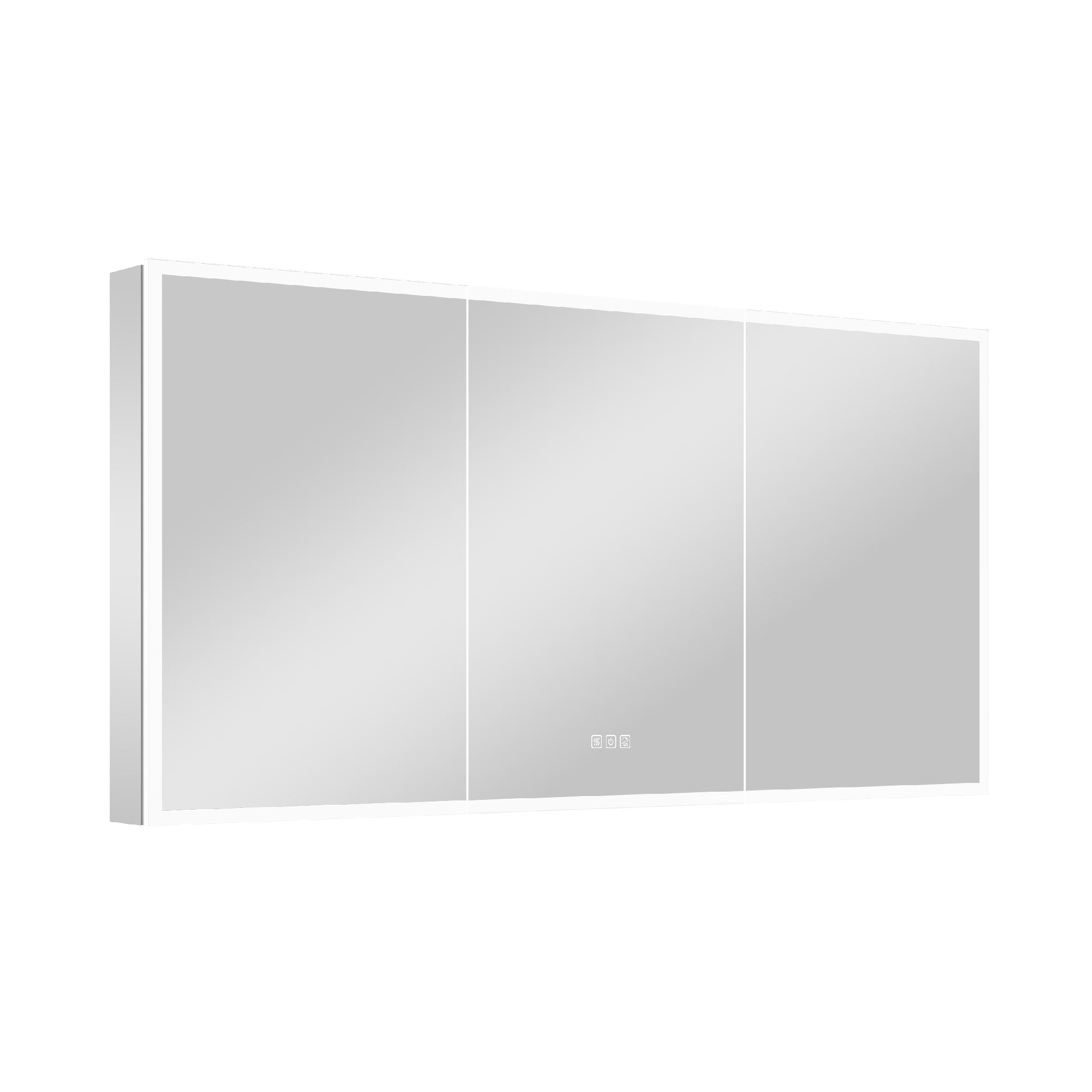
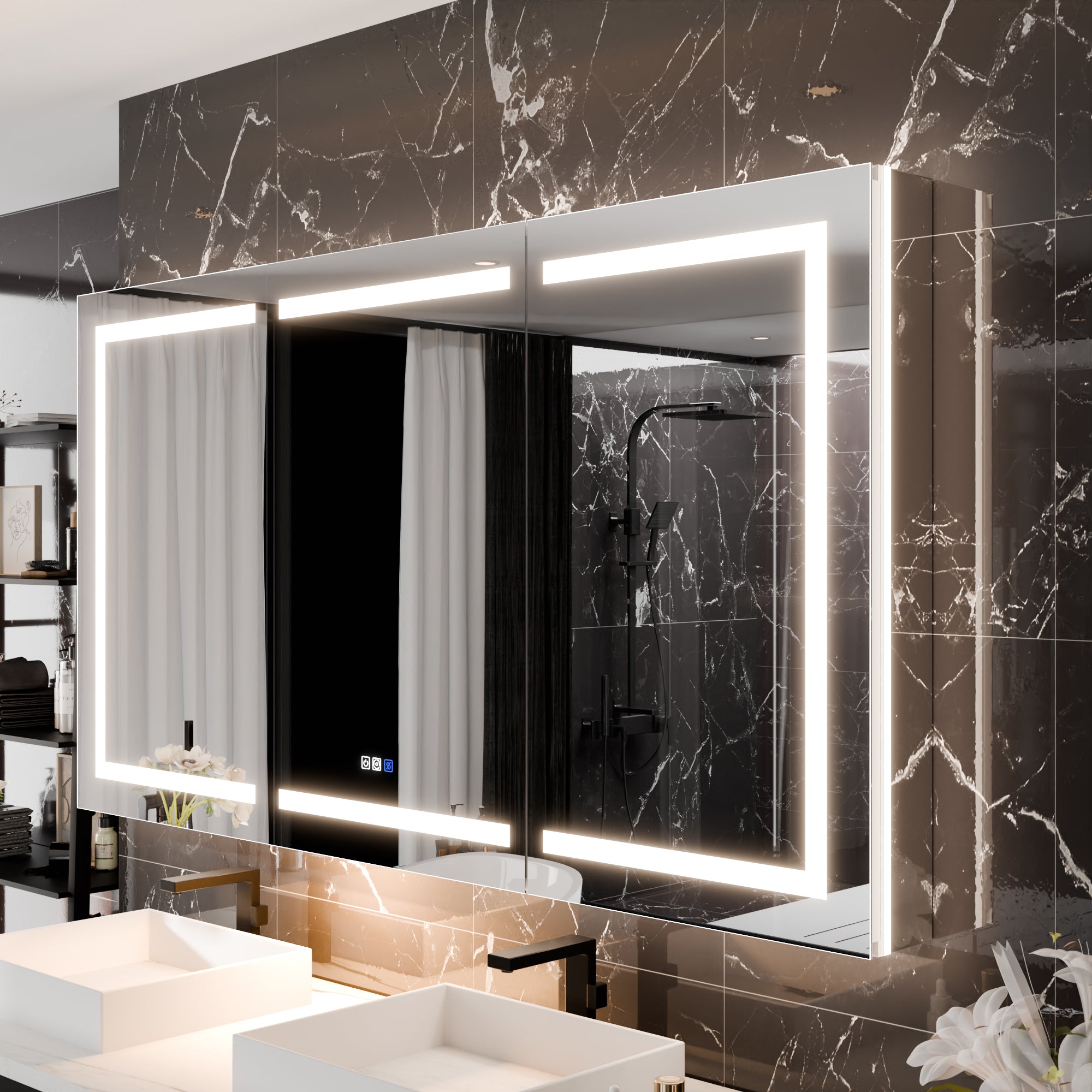
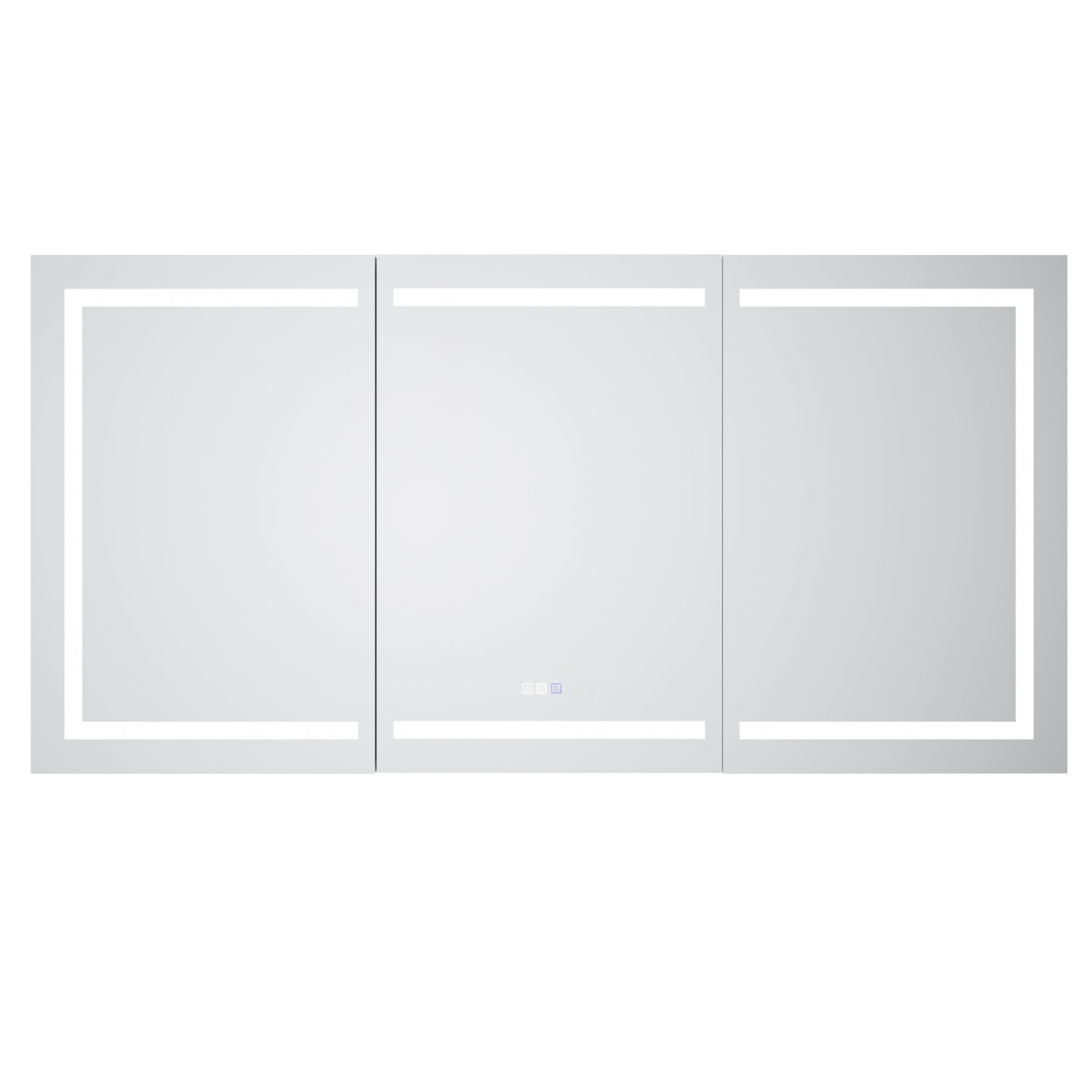
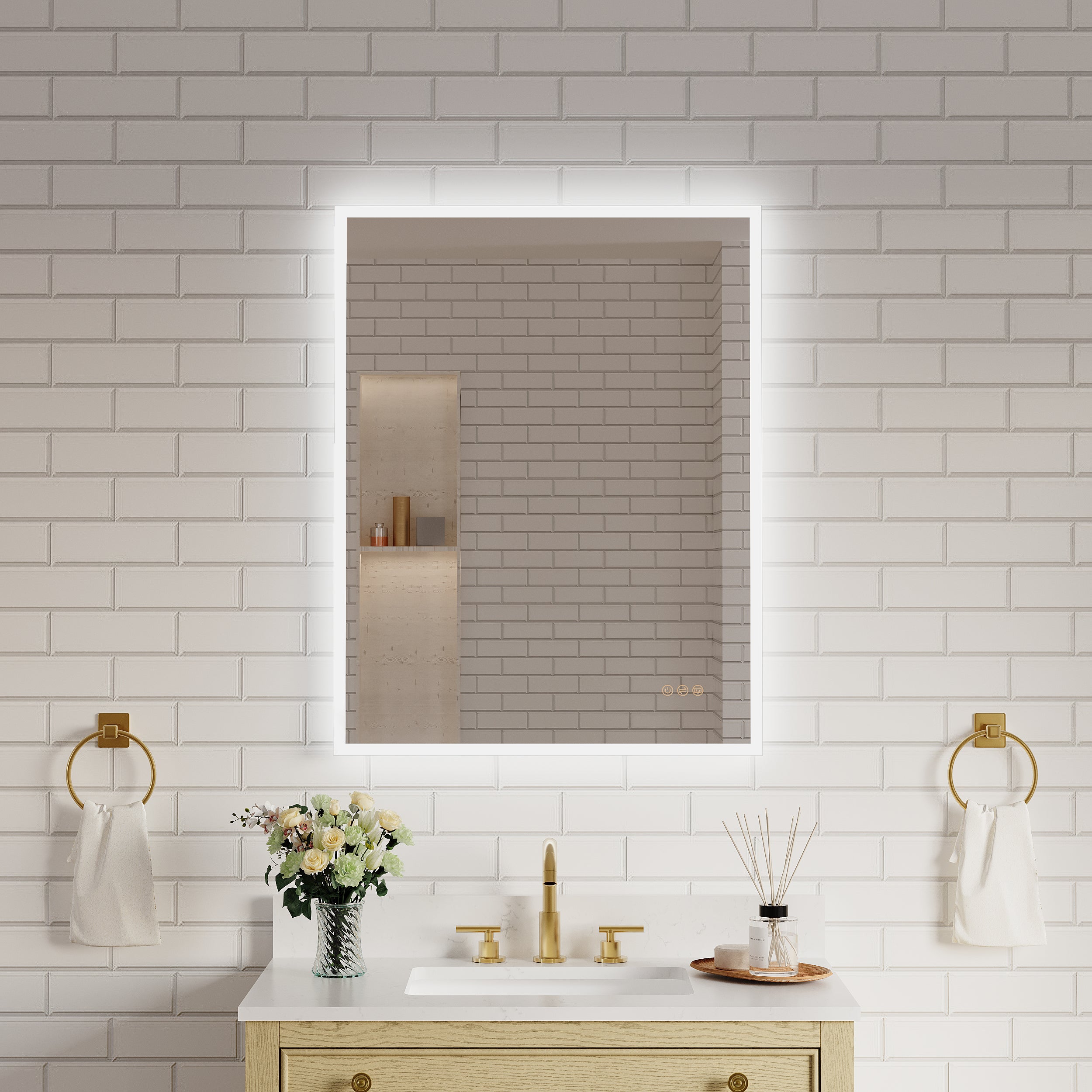
Frameless mirrors with mirror with led lights have become a practical centerpiece in modern bathrooms, but flickering can quickly turn a polished setup into a daily annoyance. The mirror itself is not always failing. More often, the problem comes from a loose connection, an incompatible dimmer, unstable power, or an aging LED driver behind the glass.
The industry takeaway is simple: as illuminated mirrors add touch controls, memory settings, anti-fog pads, and color-temperature adjustment, troubleshooting is becoming more electronic. Replacing the whole mirror should be the last step, not the first.
1. Notice when the flicker starts
The timing usually points toward the cause.If the light flashes only at startup, the driver may be struggling to stabilize current. Flickering that begins after 10 or 20 minutes may indicate heat buildup or an aging power component. If the problem appears only at low brightness, dimmer compatibility is more likely than a failed LED strip.
A mirror that flickers whenever a hair dryer, exhaust fan, or another appliance starts may be reacting to voltage changes on the circuit. That deserves attention because the issue may extend beyond the mirror.
Before removing anything, record a short video and note whether the entire light flickers or only one section.
2. Rule out basic power problems
For a plug-in mirror, make sure the plug is fully seated, and the outlet is not loose. If the outlet has test and reset buttons, reset it once and test the mirror again.
CPSC guidance supports GFCI protection for bathroom receptacles because these devices reduce the risk of electric shock around water. GFCIs should also be tested regularly rather than assumed to be working—source: CPSC.
Do not keep resetting a circuit that trips repeatedly. A recurring trip is a warning.
For a hardwired mirror, turn off the wall switch and breaker before any inspection. Loose concealed wiring should be handled by a qualified electrician.
3. Check for a wall-dimmer conflict
Dimmer mismatch is one of the most common causes of LED flicker.
Older dimmers were often designed for incandescent bulbs. Integrated LED mirrors use electronic drivers, and not every driver responds cleanly to every dimmer. The result may be pulsing, delayed startup, unstable low-level light, or sudden shutdown.
The Department of Energy notes that LED flicker depends heavily on driver quality and how the driver responds to dimmer output. Source: DOE.
If the mirror already has built-in touch dimming, it usually should not be connected to another wall dimmer unless the manufacturer approves it. Two dimming systems can interfere with each other.
Set the wall dimmer to full brightness. If the flicker stops, compatibility is the likely problem.
4. Reset the internal controls
Modern LED mirrors behave more like appliances than simple light fixtures.
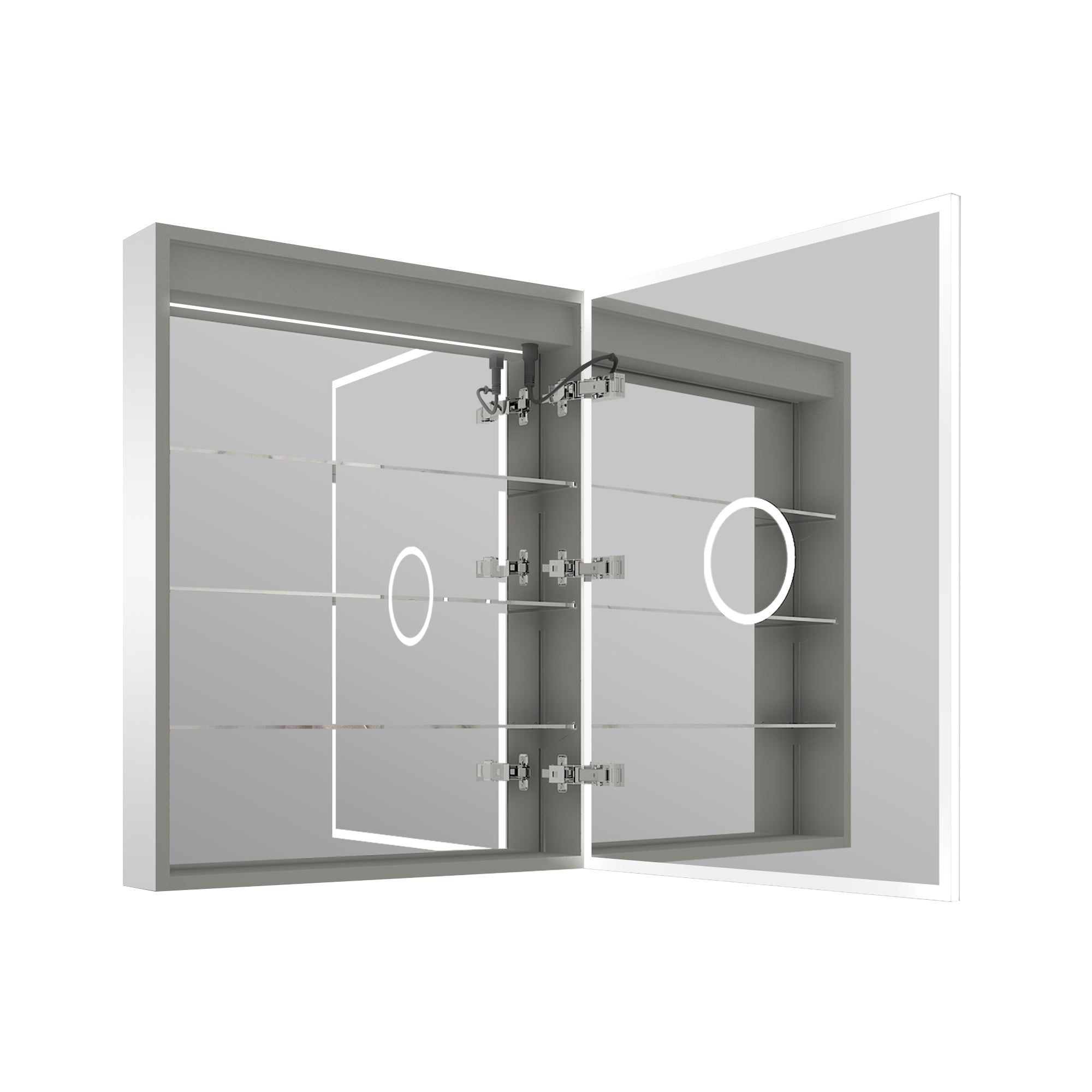
Touch switches, memory modules, color controls, and anti-fog functions rely on electronic control boards. A temporary control error can look like a hardware failure.
Turn off the power to the mirror for several minutes, then restore it. After restarting, test one function at a time. Begin with full brightness, then try dimming, color-temperature adjustment, and the anti-fog feature.
If flicker starts only when the anti-fog pad is on, the shared power supply may be overloaded or unstable.
5. The driver is often the weak point
LED strips can last a long time. DOE guidance states that high-quality white LED products may provide 30,000 to 50,000 hours of useful life or longer. The electronic components, however, may fail earlier. Source: DOE.
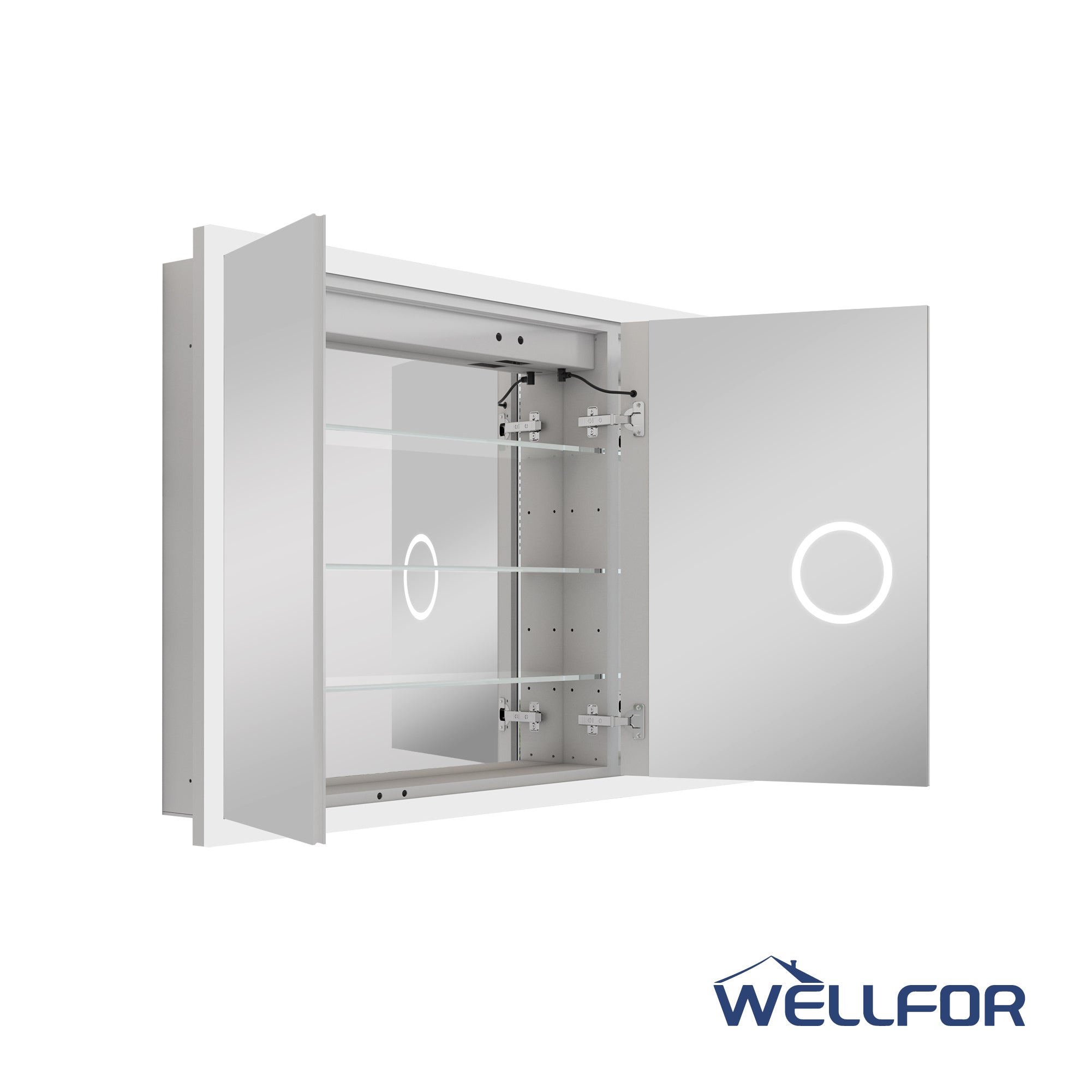
The driver converts household power into the regulated output needed by the LEDs. As it ages, it may stop holding steady voltage. Heat, weak ventilation, moisture, and unstable incoming power can speed up that process.
A failing driver often causes the entire mirror to flicker together, brightness to rise and fall, or the light to become unstable after warming up.
Replacing the driver can be more sensible than replacing the mirror, but the new part must match the required voltage, current, wattage, connector, and dimming method.

6. Partial flicker points elsewhere
If only one side or one strip section flickers, the problem may be a connector, solder joint, or local LED strip rather than the main driver.
Loose plugs, trapped wiring, corrosion, or cables pressed against the mounting bracket can create intermittent faults. These problems sometimes appear months after installation rather than immediately.
Opening the mirror may affect the warranty. For a newer unit, contact the manufacturer first and provide the model number, installation type, and a video showing the issue.
7. Heat and moisture should not be ignored
LED mirrors still generate heat through their driver and control components. A mirror installed without enough rear clearance can trap heat against the wall.
Bathroom steam adds another risk. Condensation behind the glass, discoloration near connectors, a damp smell, or flickering that becomes worse after showers may indicate moisture inside the assembly.
Industry judgment here is straightforward: a flickering mirror with visible internal moisture should be taken out of service until it is inspected.
8. Repair or replace?
Repair makes sense when the glass, backing, controls, and LED strips are otherwise in good condition, and the fault can be traced to a replaceable driver, switch, or connector.
Replacement is usually more practical when several systems fail together, water has entered the electrical assembly, the backing is damaged, or the correct parts are unavailable.
When choosing a new mirror, look beyond decorative features. Check whether it is plug-in or hardwired, whether its dimming works with wall controls, and whether the driver can be serviced later.
9. Final takeaway
The best troubleshooting order is simple: observe the flicker pattern, check the outlet or breaker, remove dimmer conflicts, reset the mirror, and only then investigate the driver or LED connections.
That sequence matters because many mirrors are replaced too early. A loose connection, incompatible wall control, or replaceable driver can create symptoms that look far more serious than they are.
At the same time, bathroom electricity is not a good place for guesswork. Stop troubleshooting when the issue reaches concealed wiring, repeated breaker trips, burning smells, visible moisture, or heat damage. Those signs call for an electrician or authorized service technician.
A dependable LED mirror should provide steady light without pulsing, delayed startup, or random shutdown. When repairs are possible, a correct diagnosis protects both the product and the bathroom. When replacement is necessary, choosing a serviceable mirror with clear electrical specifications usually pays off long after installation.


















Leave a comment
This site is protected by hCaptcha and the hCaptcha Privacy Policy and Terms of Service apply.