














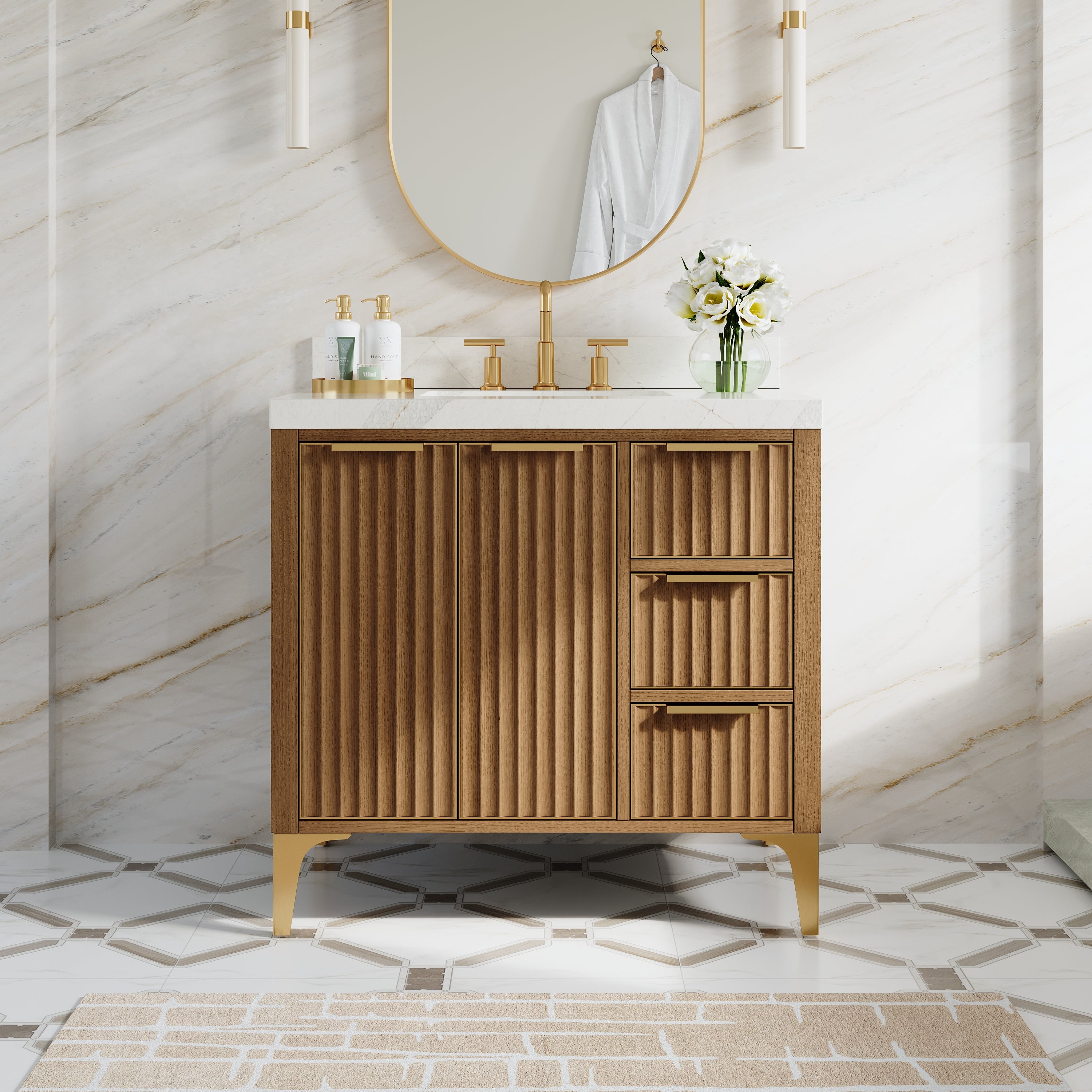
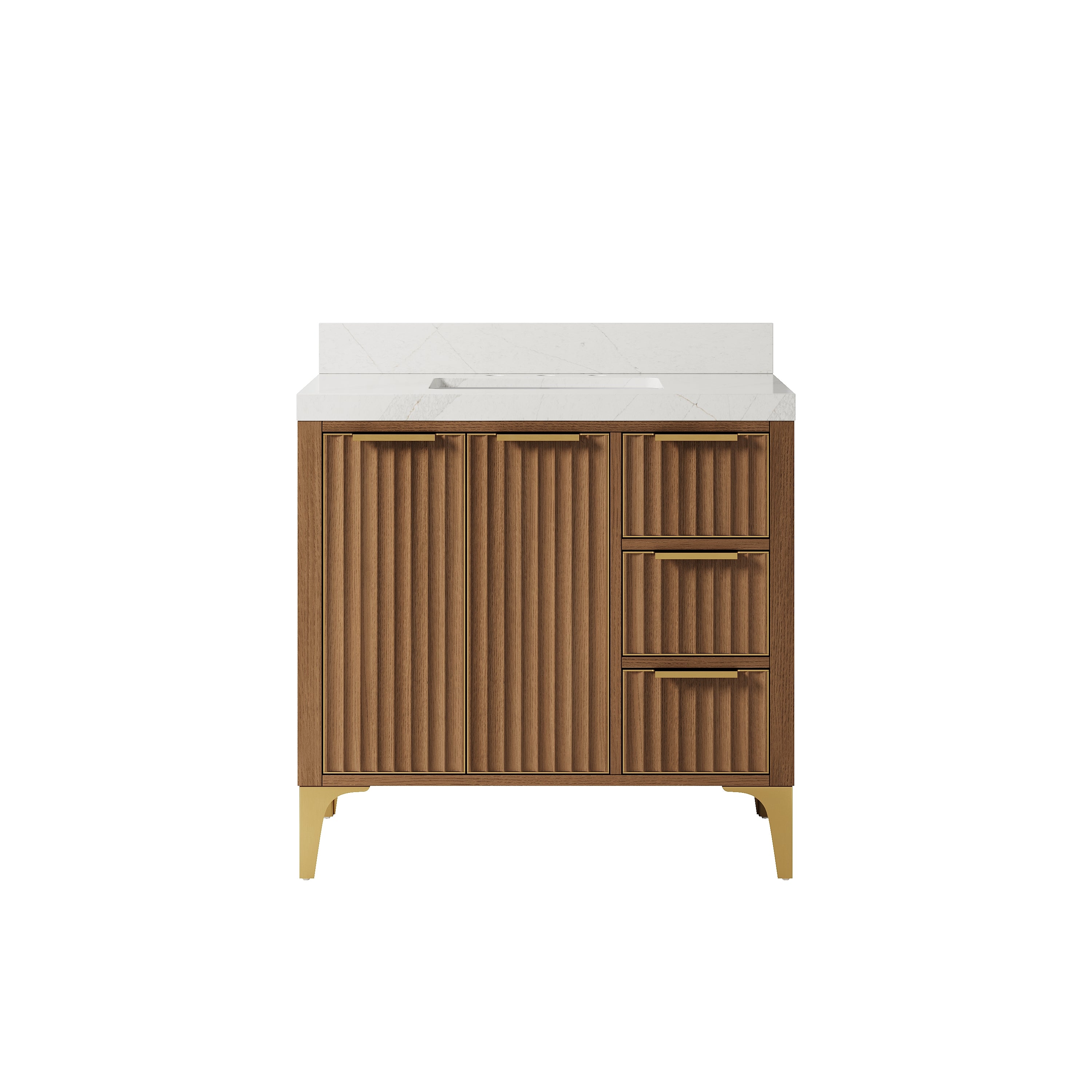


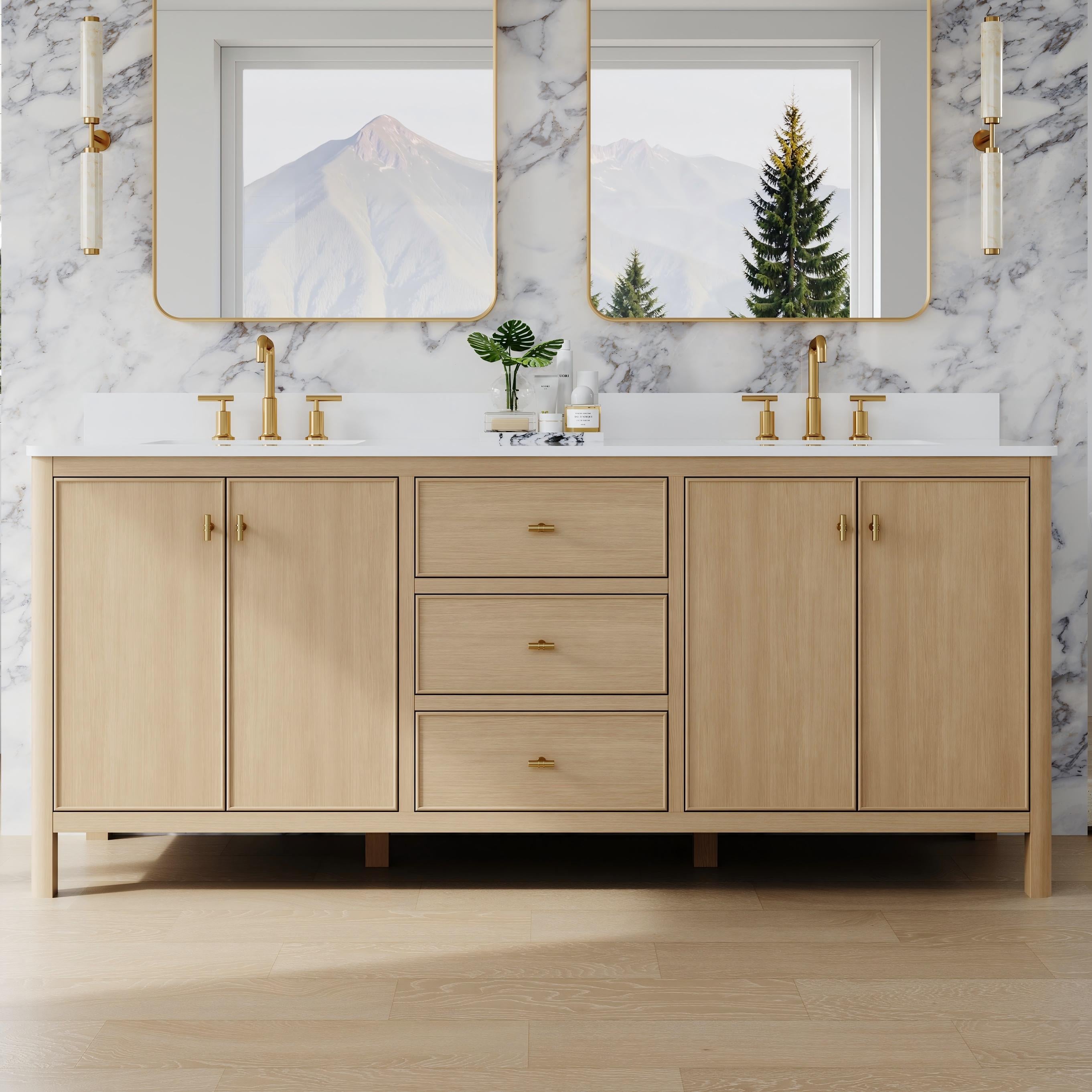
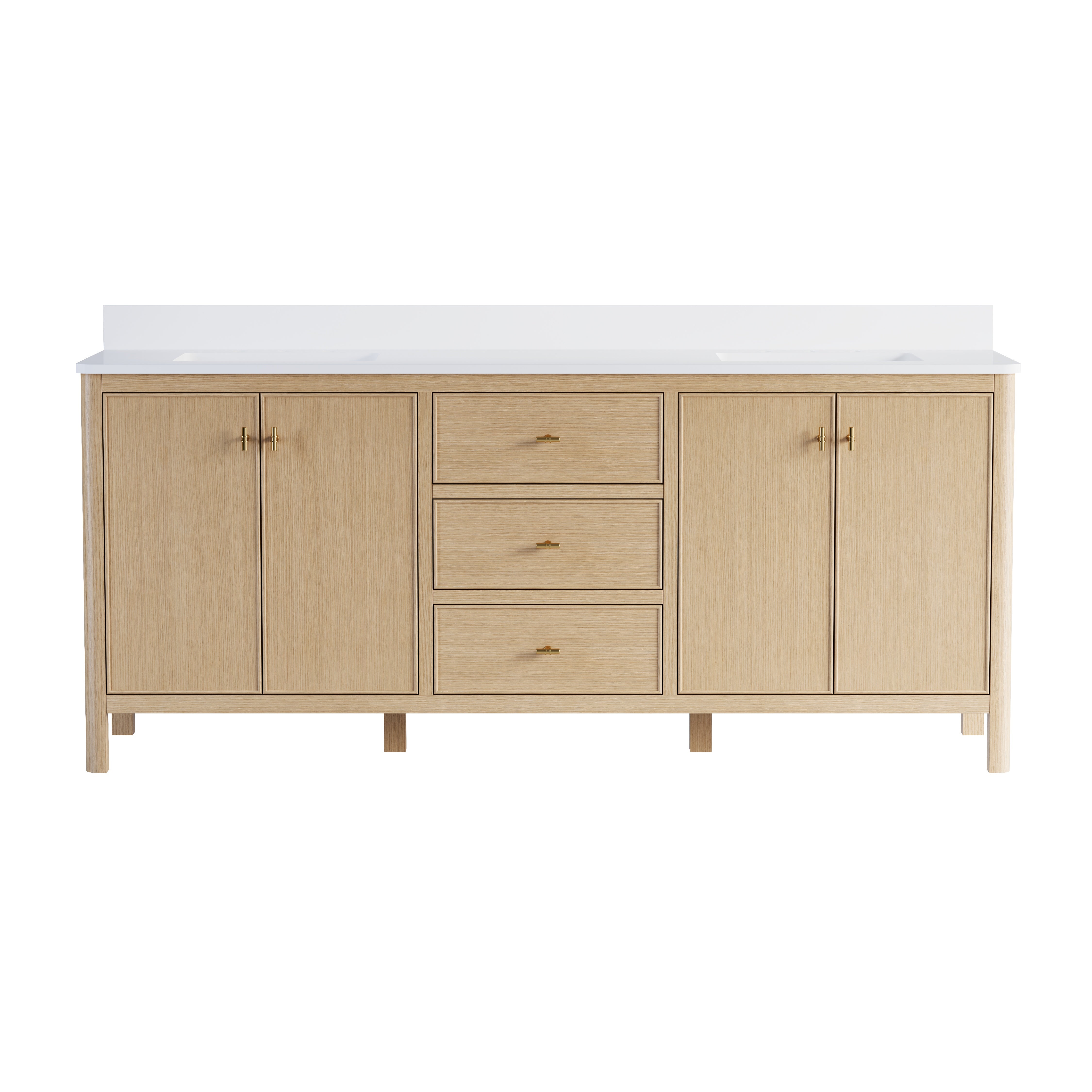
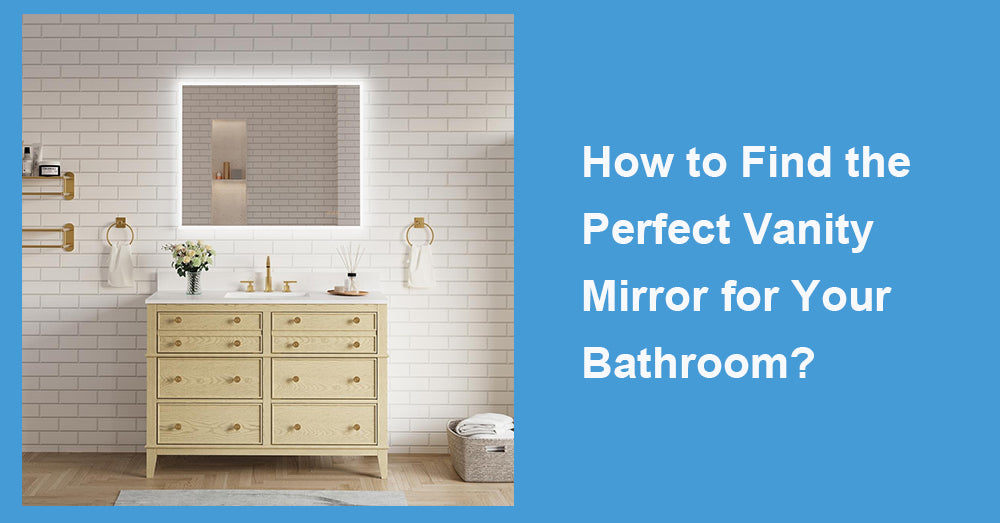
Choosing the right vanity mirror for bathroom use is no longer just a finishing touch. In current bathroom renovations, lighting fixtures are upgraded in 82% of projects, medicine cabinets in 32%, and specialty mirror features are becoming more common as homeowners ask more from the vanity wall than simple reflection. The mirror now has to do several jobs at once: balance the proportions of the vanity, support grooming tasks, enhance the feel of the room, and, in many cases, contribute to accessibility and wellness. That is why finding the right mirror is less about chasing trends and more about understanding how size, lighting, placement, and daily habits work together.
1. Start With the Vanity Width, Not the Mirror Shape
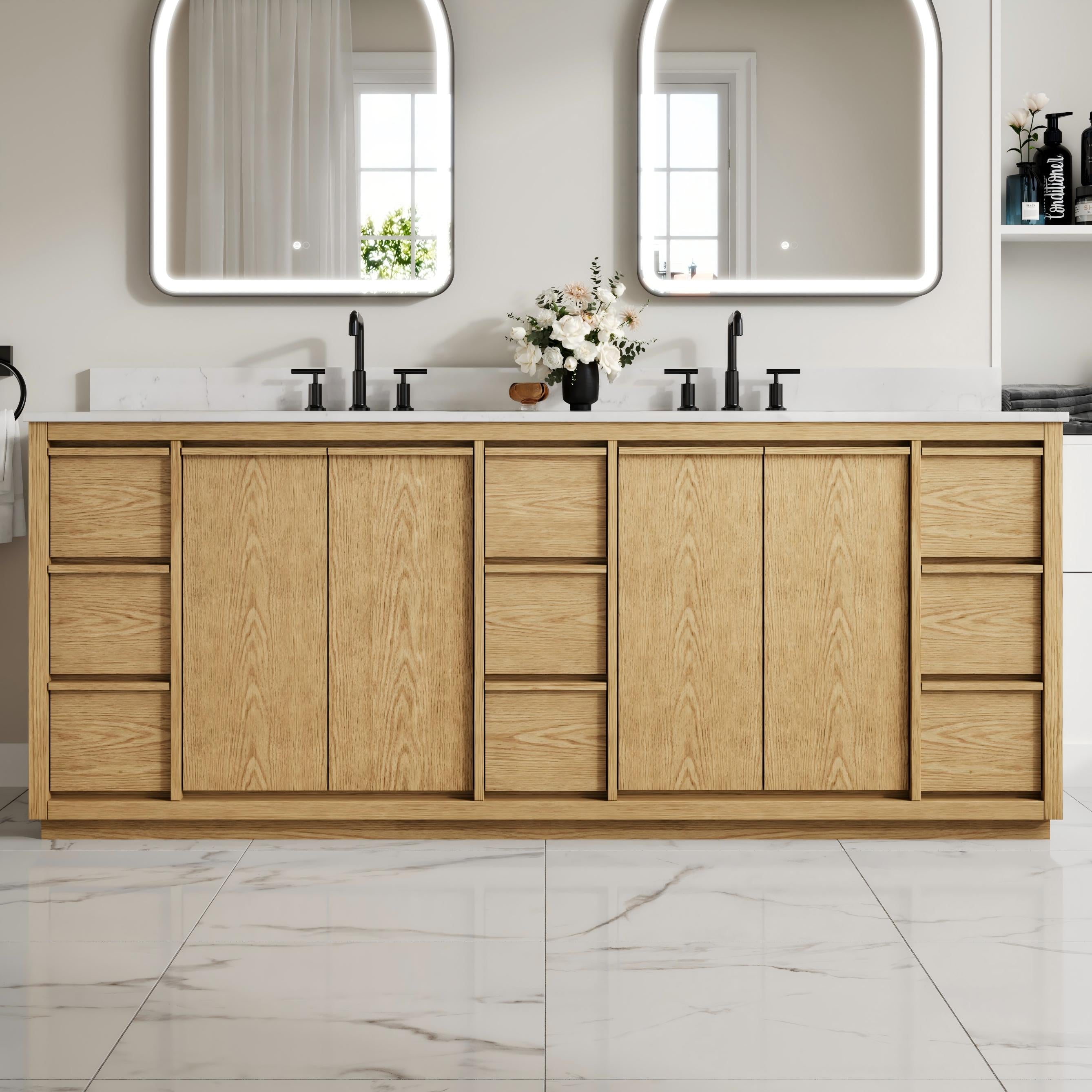
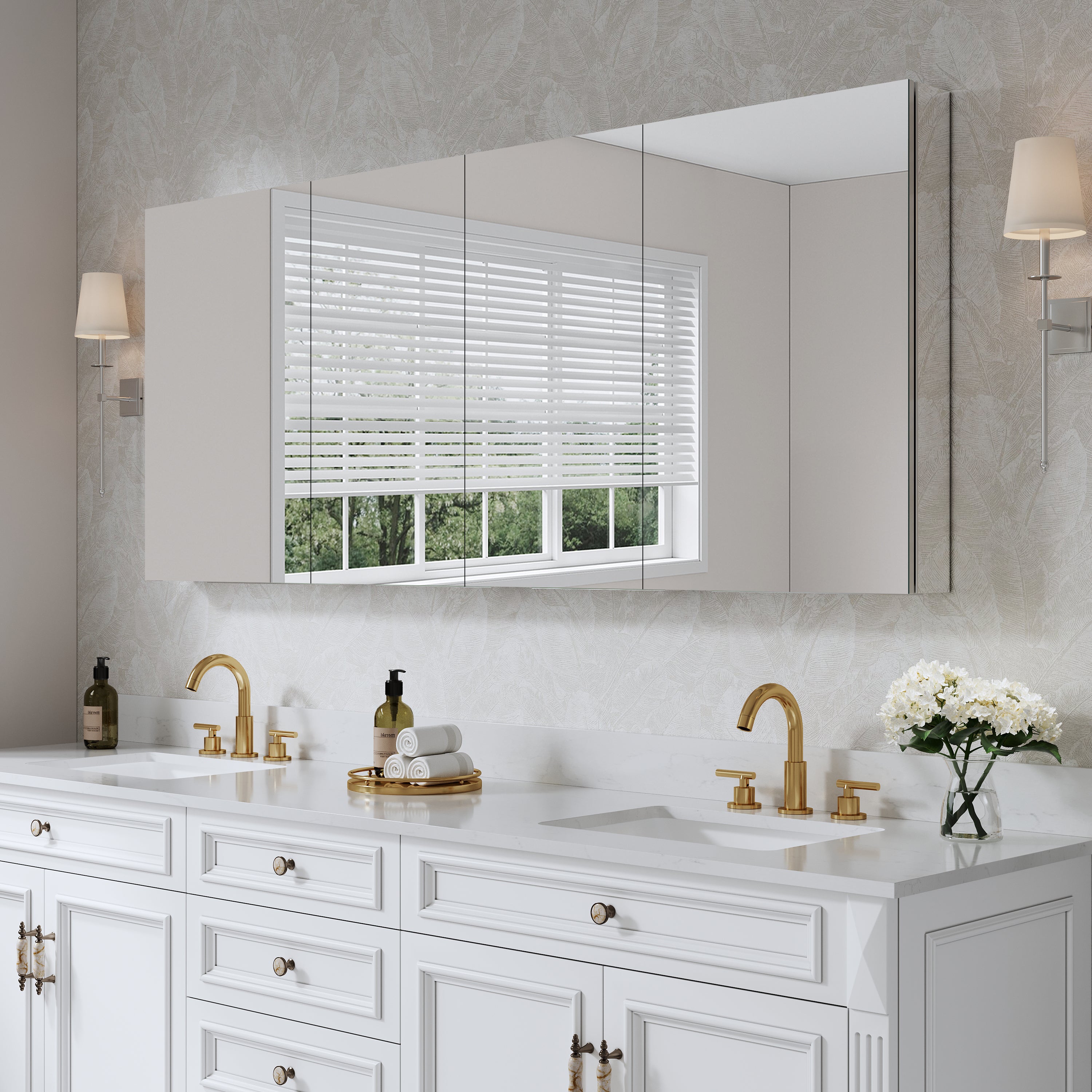
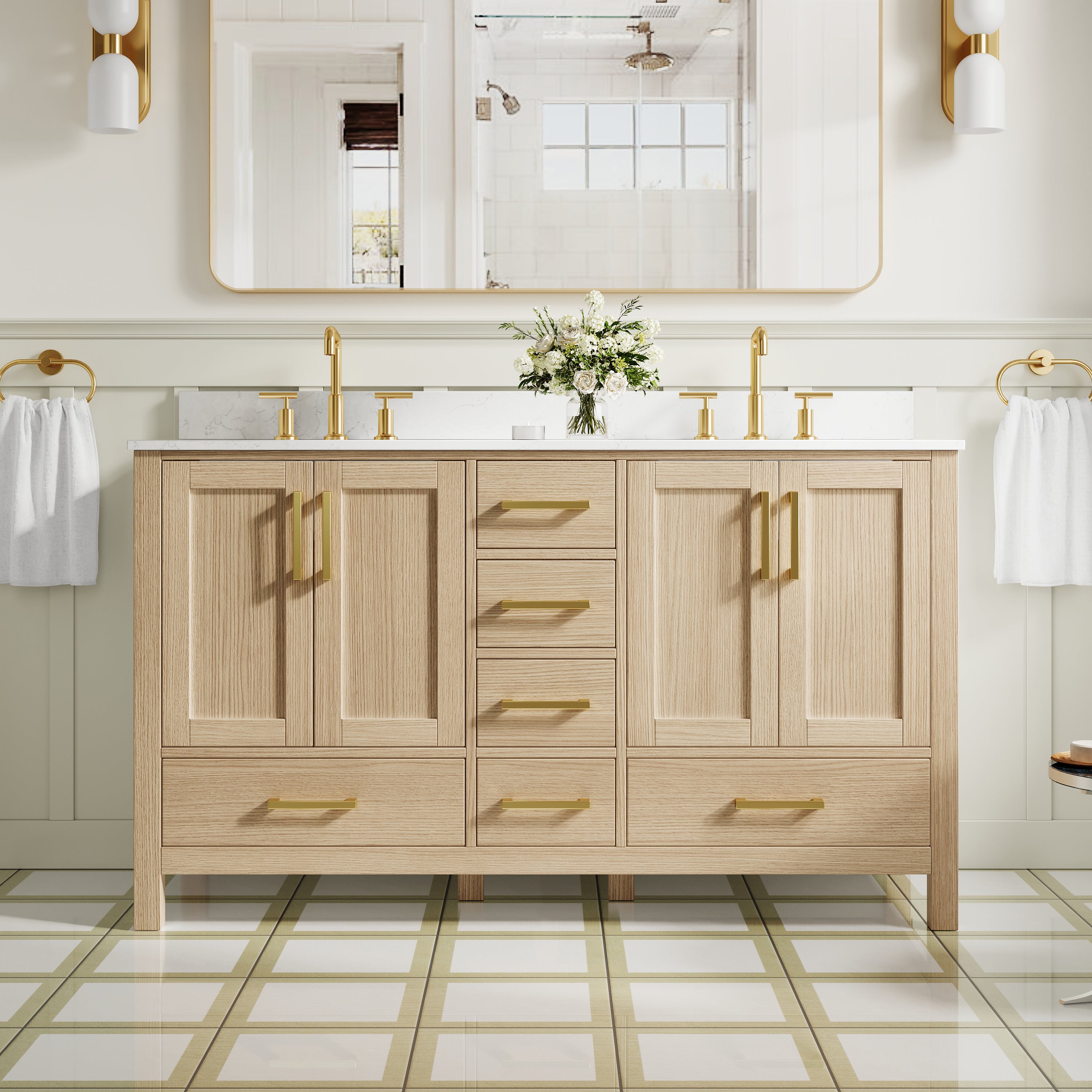
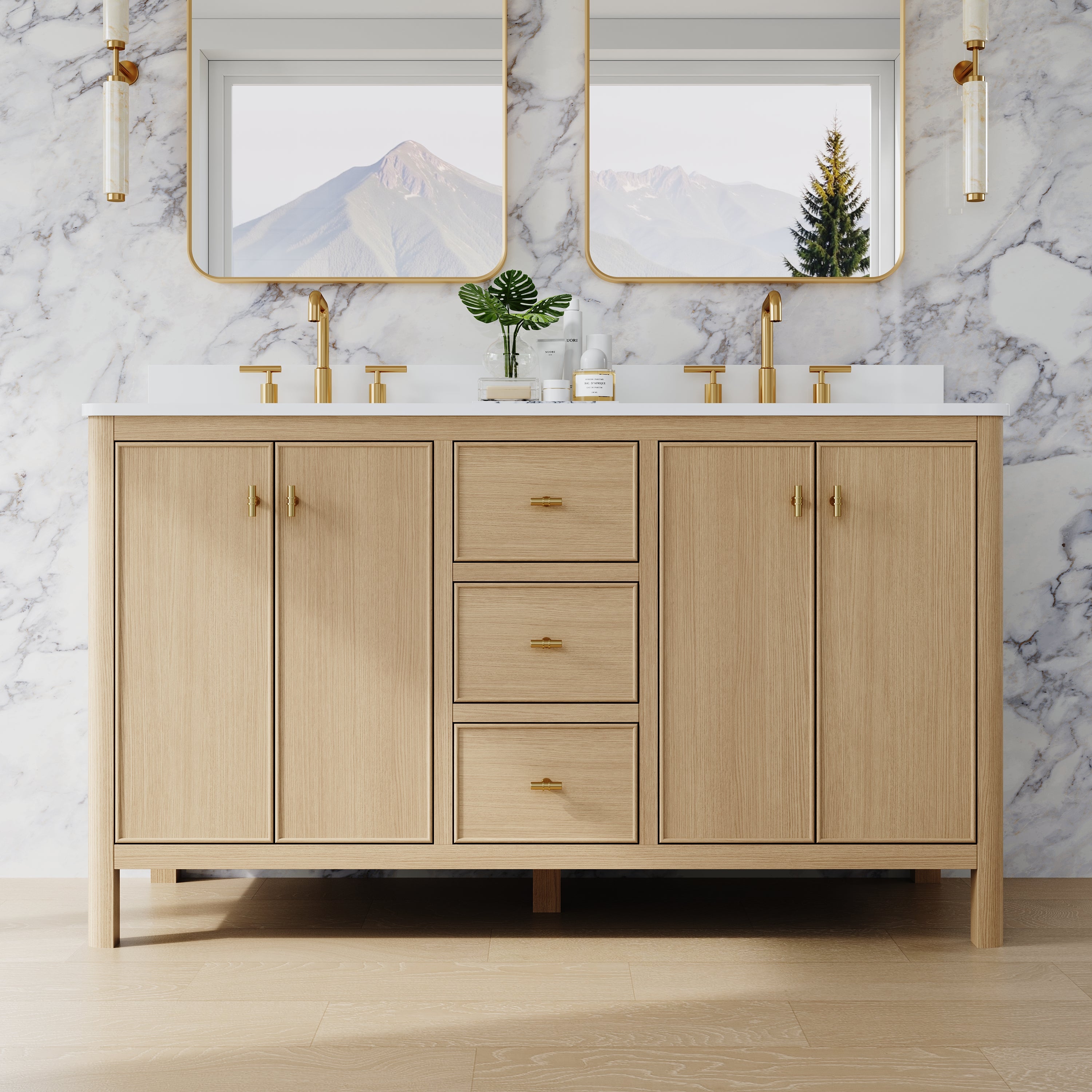
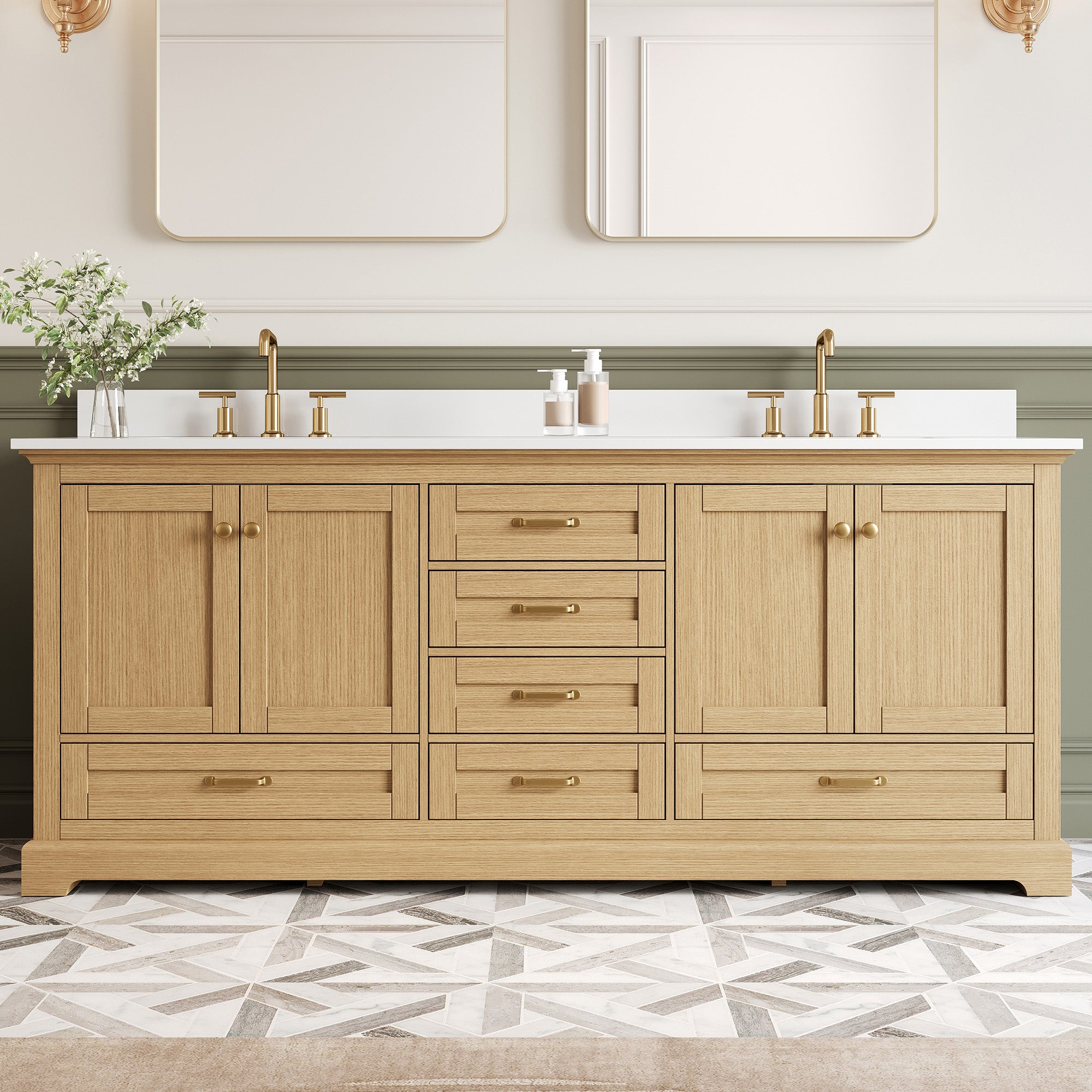
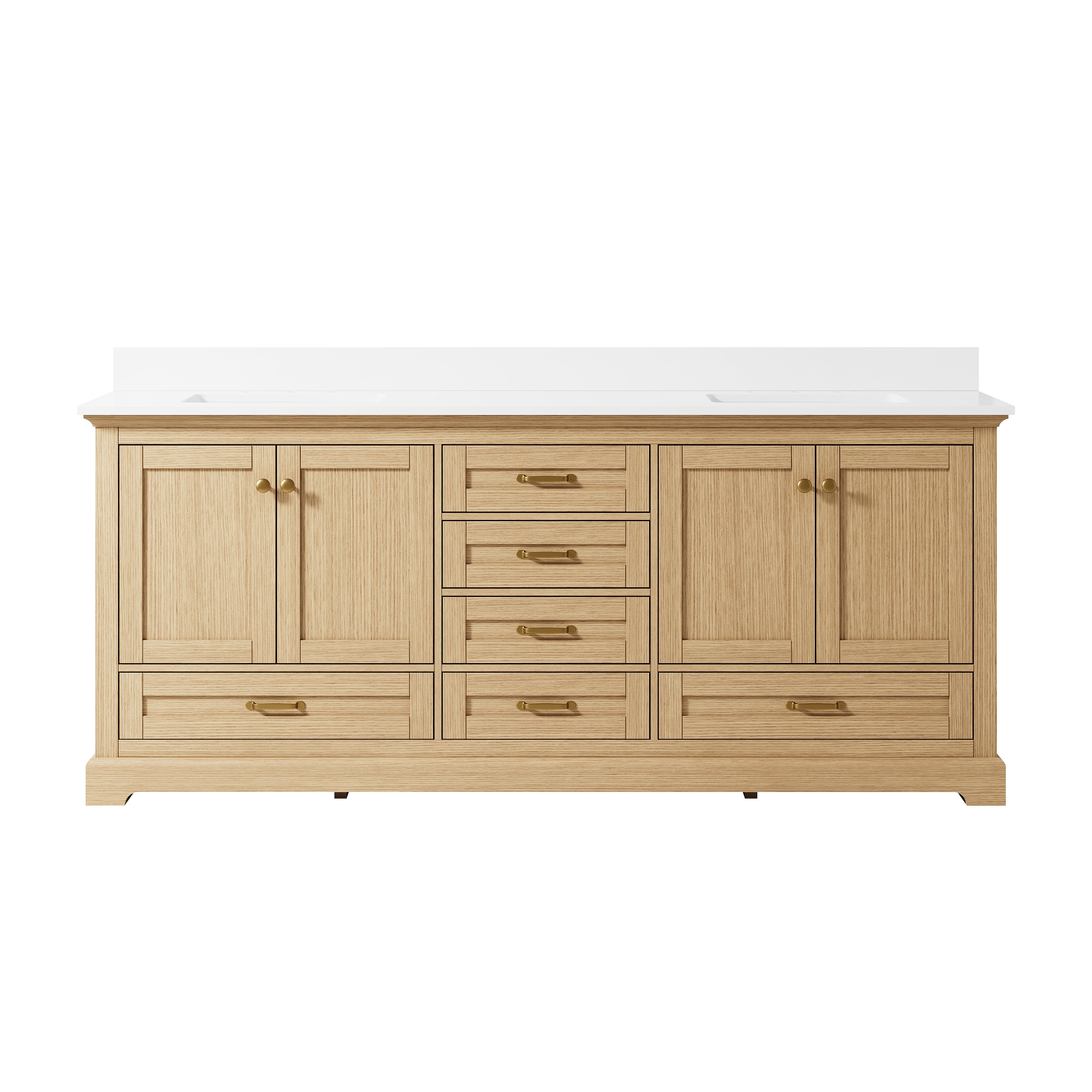
The best mirror decisions begin with the cabinet below, not the style on the wall. The 2025 Houzz Bathroom Trends Study found that 47% of upgraded vanities are 48 inches or less, while 19% are 60 inches, 14% are 72 inches, and 13% are more than 72 inches. That matters because the mirror should relate directly to the vanity's width rather than float as an isolated decorative piece. Kohler's buying guidance says a mirror or medicine cabinet should typically be narrower than or the same width as the vanity, which is a useful rule because it keeps the composition stable and prevents the mirror from visually overpowering the cabinet.
In practice, that means a 36-inch vanity usually looks more resolved with a mirror that stays inside that width. In contrast, a 48-inch vanity can support a more generous framed rectangle, a tall oval, or a statement round mirror without looking crowded. The point is not to memorize one "correct" size. The point is to let the vanity define the mirror's visual territory first, then choose the shape that suits the room. When that proportion is wrong, even an expensive mirror can make the whole bathroom feel off-balance.
2. Use the Bathroom's Scale to Choose the Right Mirror Shape
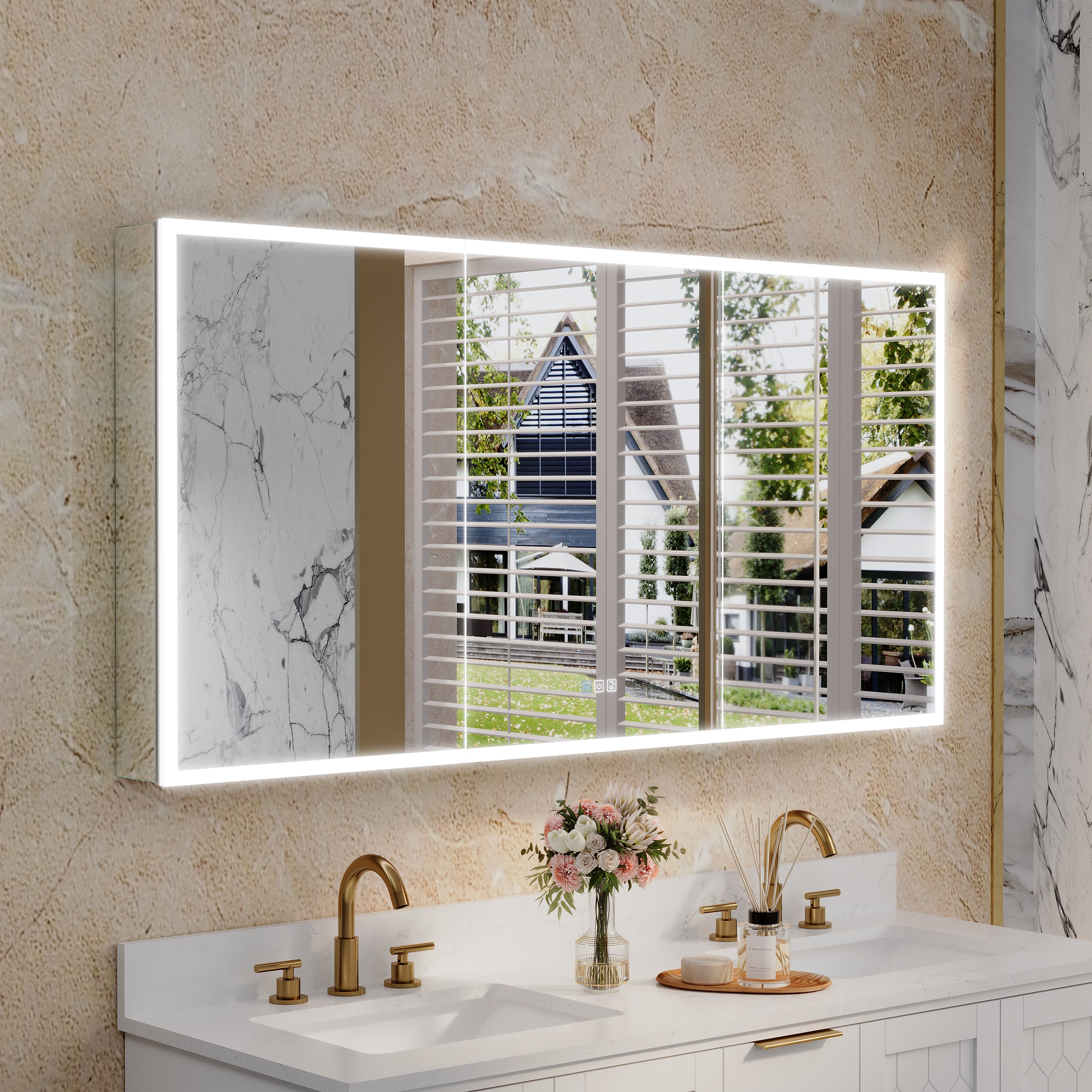
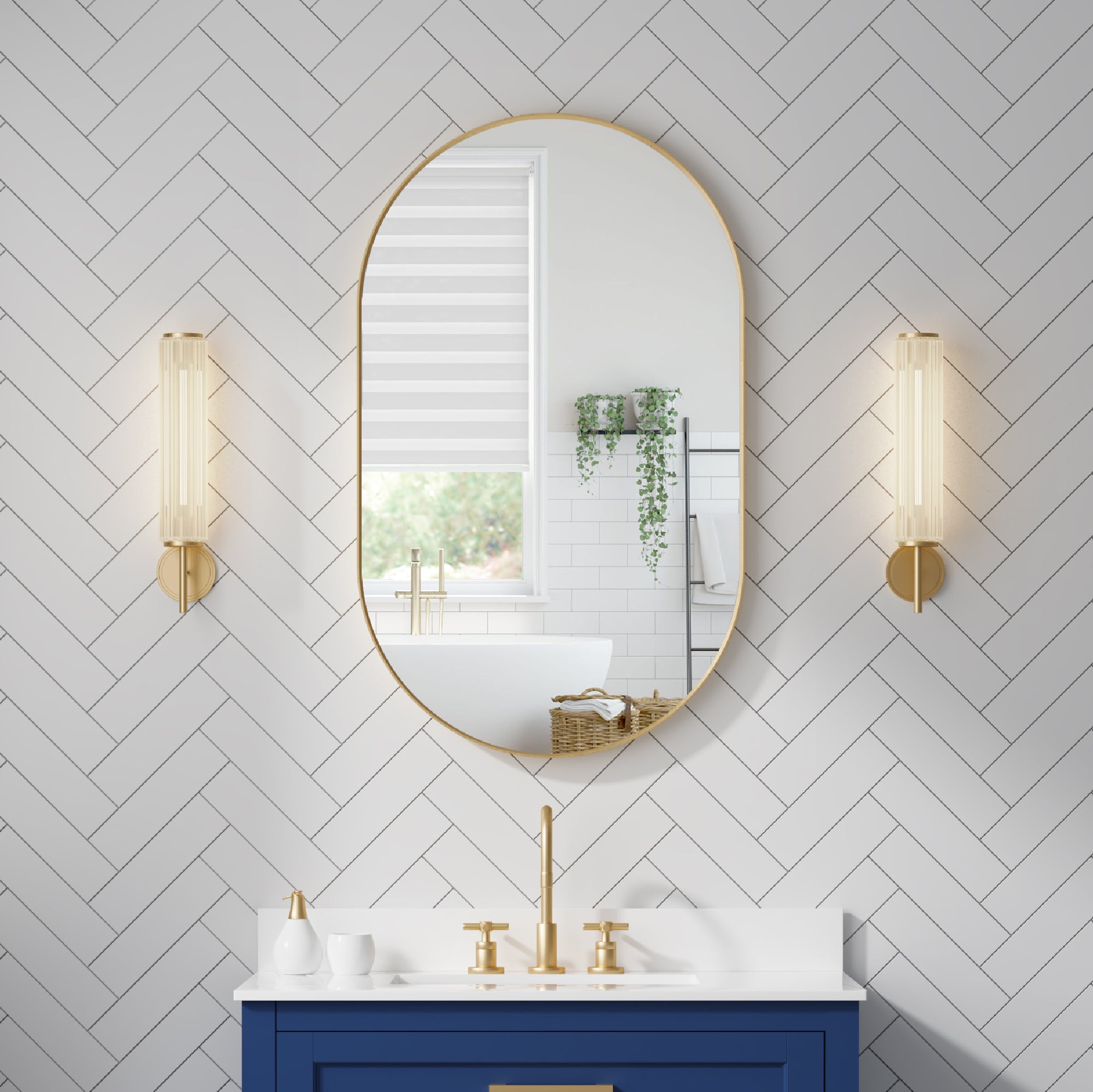
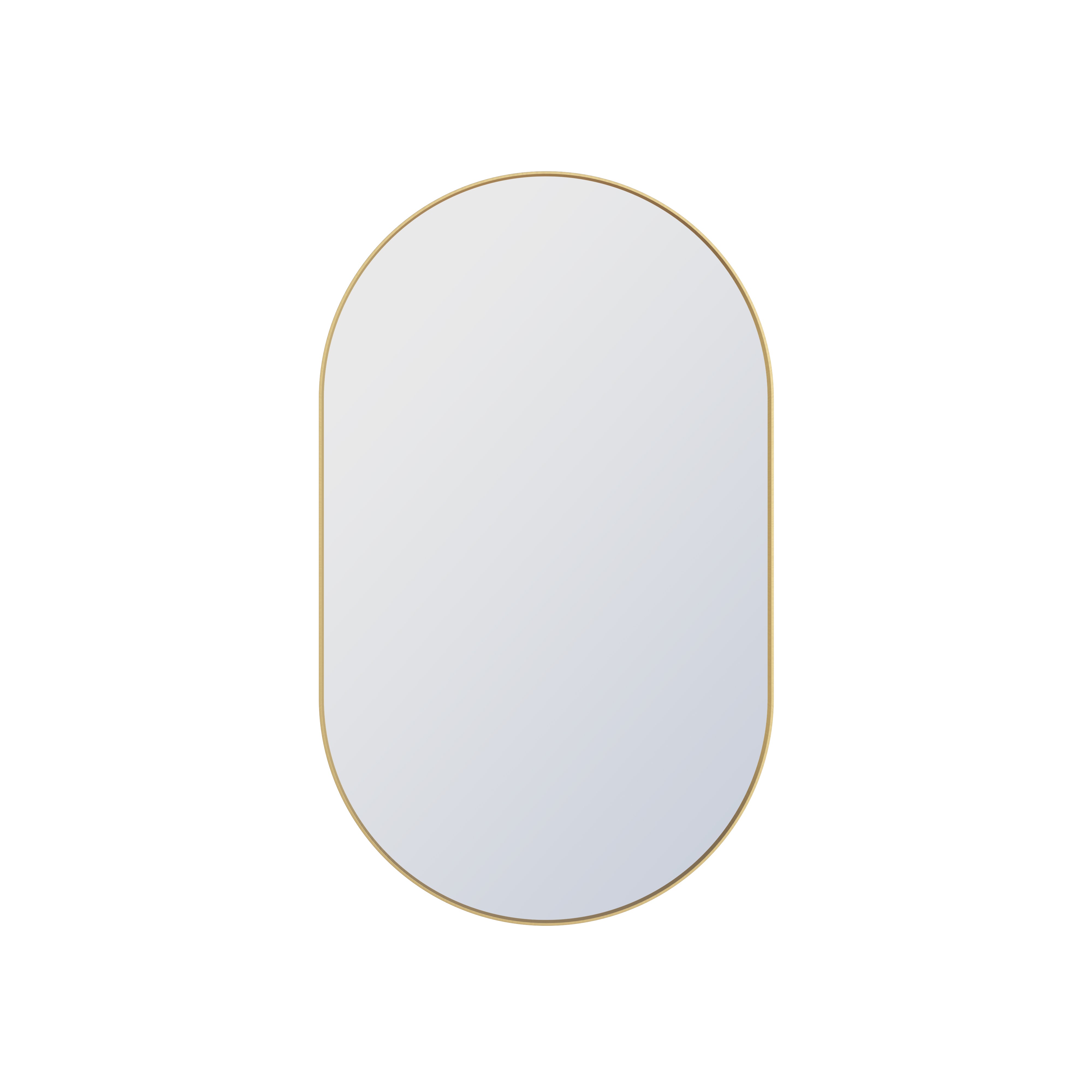
Shape changes how spacious a bathroom feels. Houzz reports that 51% of renovated bathrooms are still under 100 square feet, which explains why the mirror shape has such a strong visual effect. In tighter rooms, a round or oval mirror can soften the straight lines of the vanity, backsplash, and tile joints, making the space feel lighter and less boxed in. In wider bathrooms, especially those with longer vanities or double sinks, rectangular mirrors often feel more architectural and better matched to the horizontal spread of the countertop.
3. Plan the Lighting Before You Commit to the Mirror
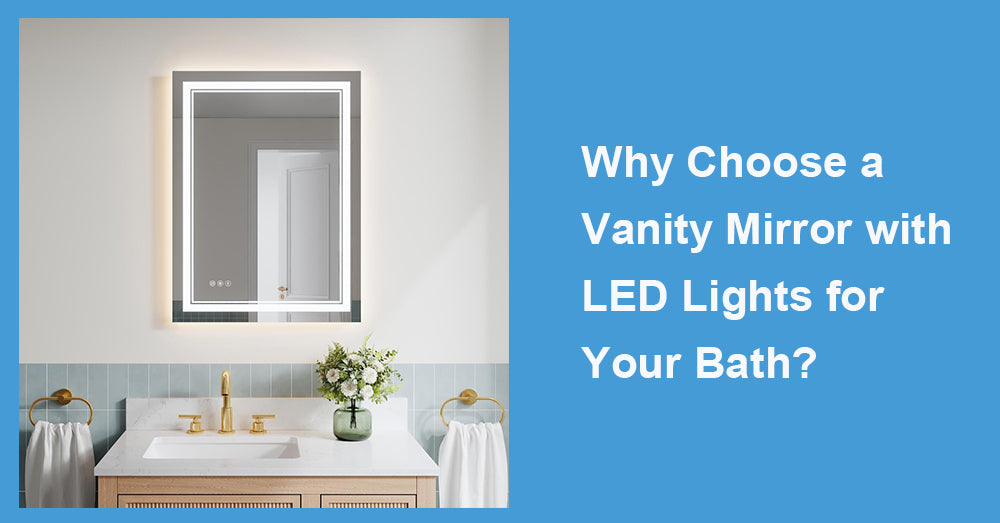
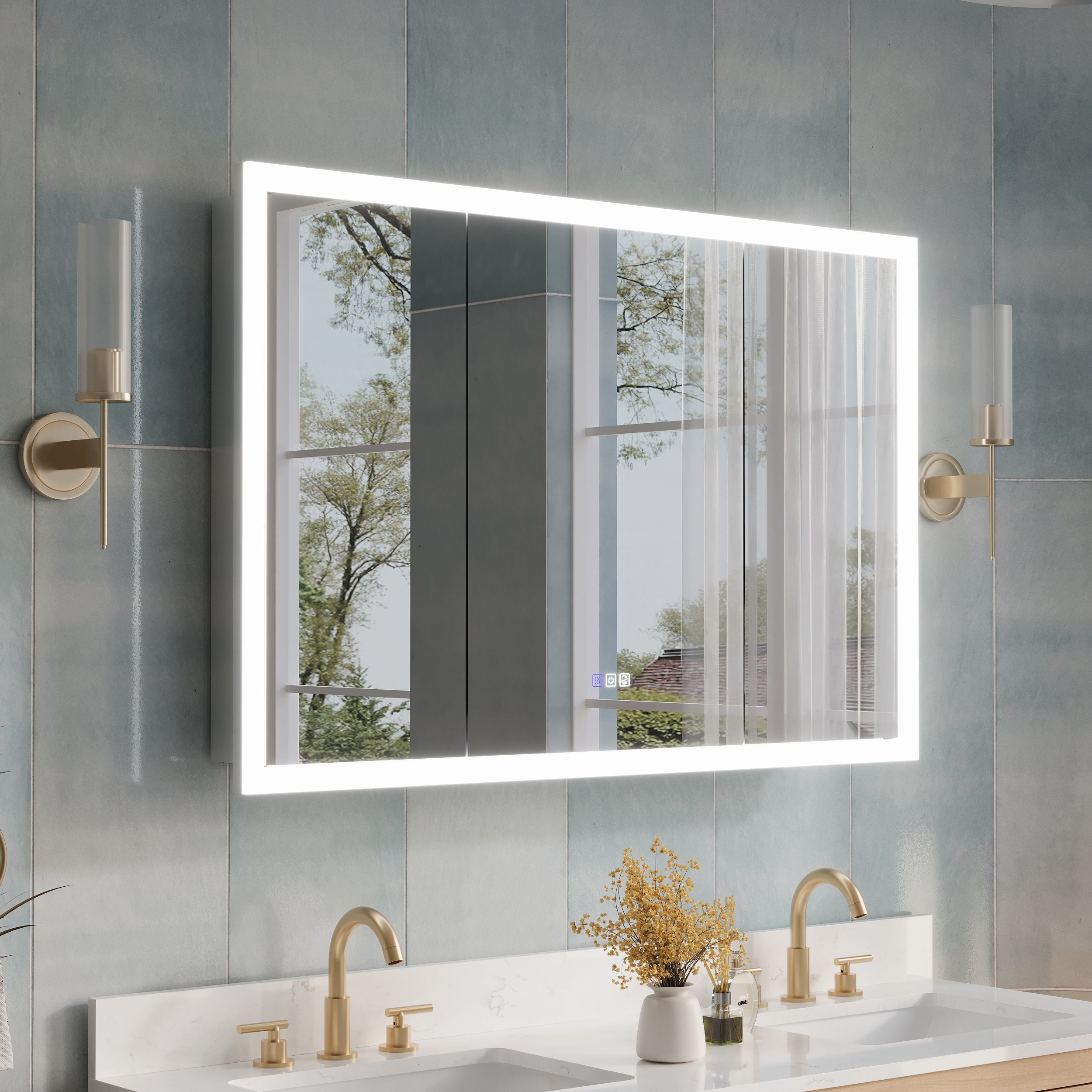
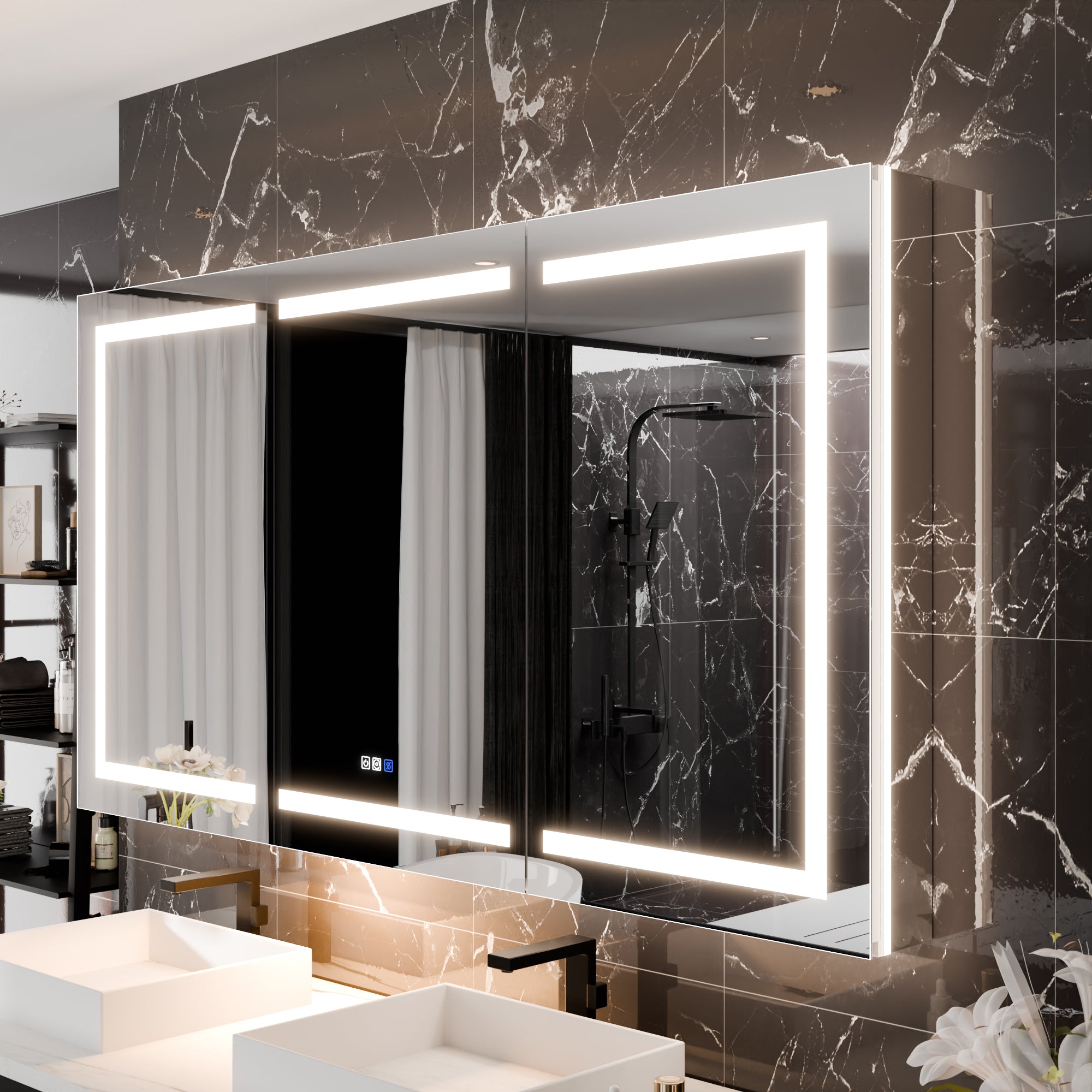
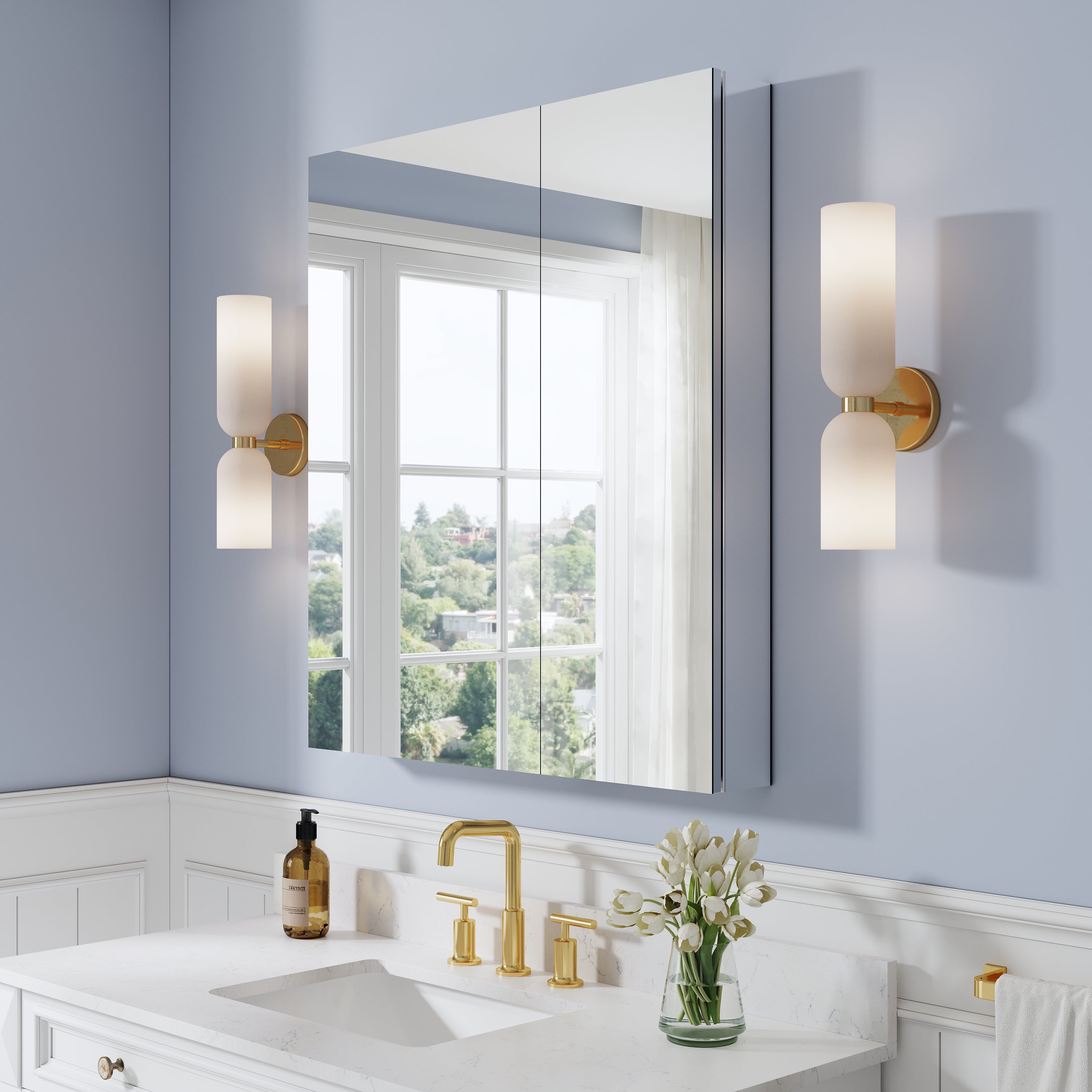
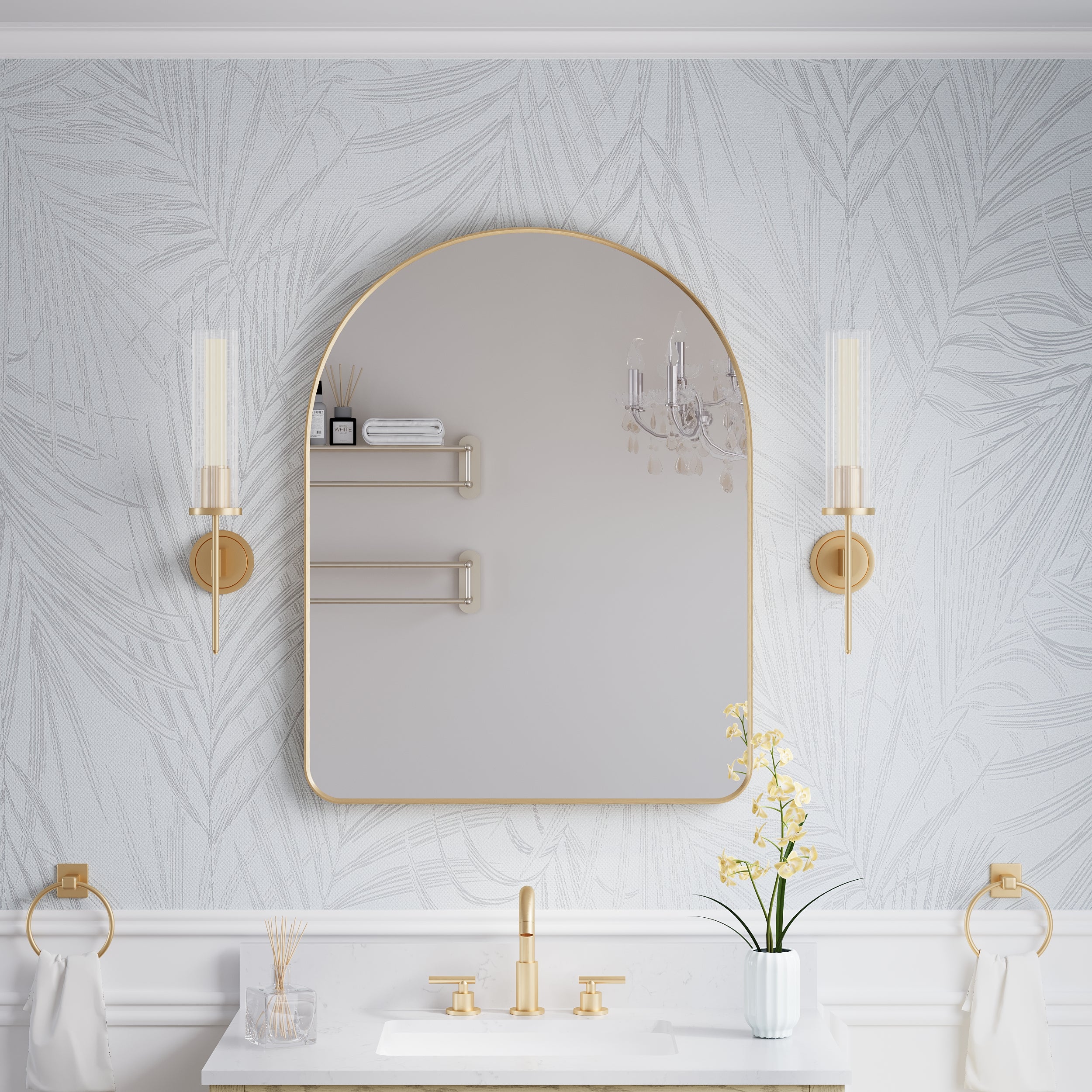
A mirror never performs better than the light around it. NKBA planning guidance recommends task lighting at the vanity beside the mirror, at eye level, with the lamp itself not visible. That advice remains important because overhead lighting alone often creates shadows under the eyes and chin, which is the opposite of what most people need for shaving, skincare, or makeup. Houzz's 2025 data shows how strongly lighting now shapes bathroom planning: recessed fixtures appear in 40% of upgraded baths, sconces in 34%, wall lights in 33%, and lighted mirrors have climbed to 22%.
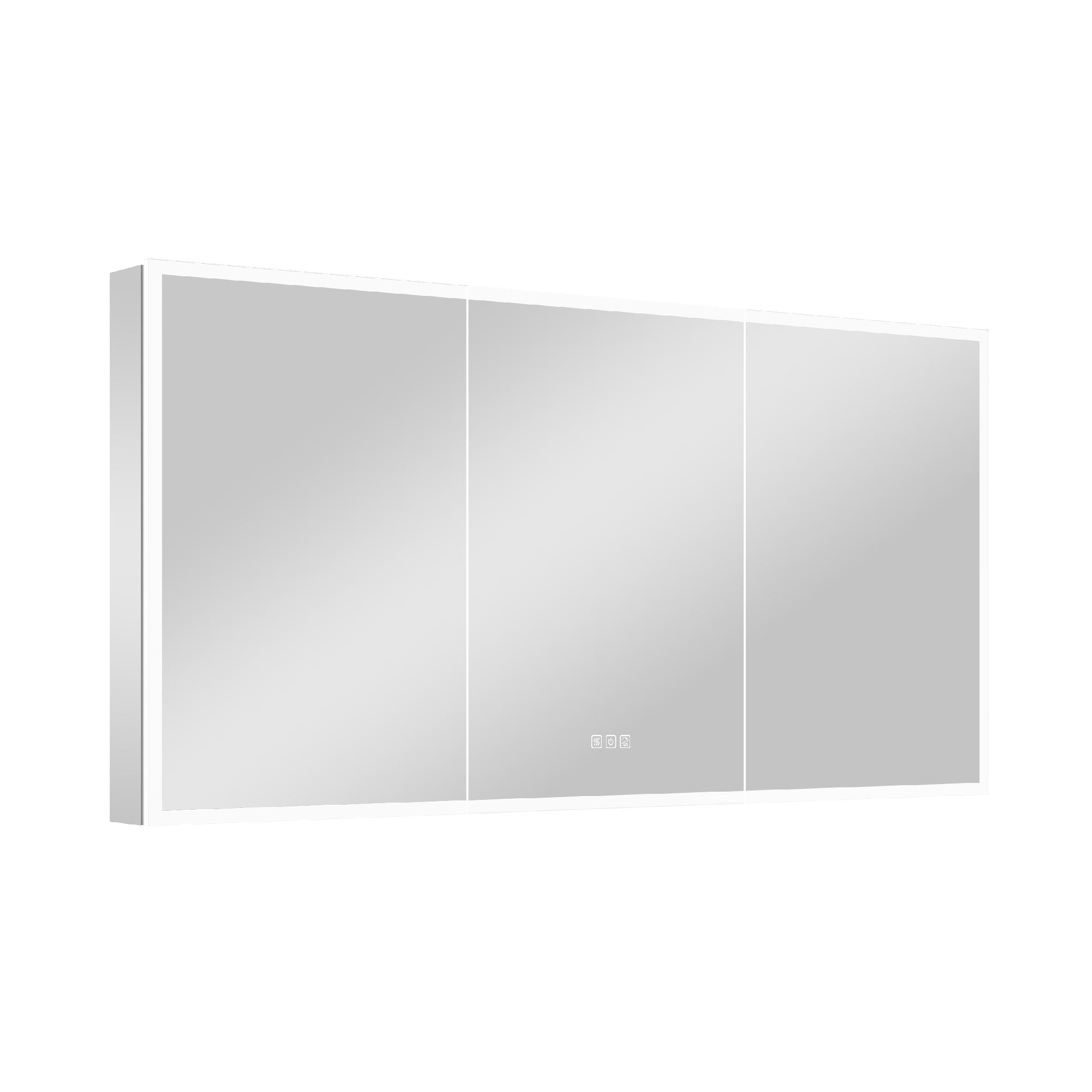
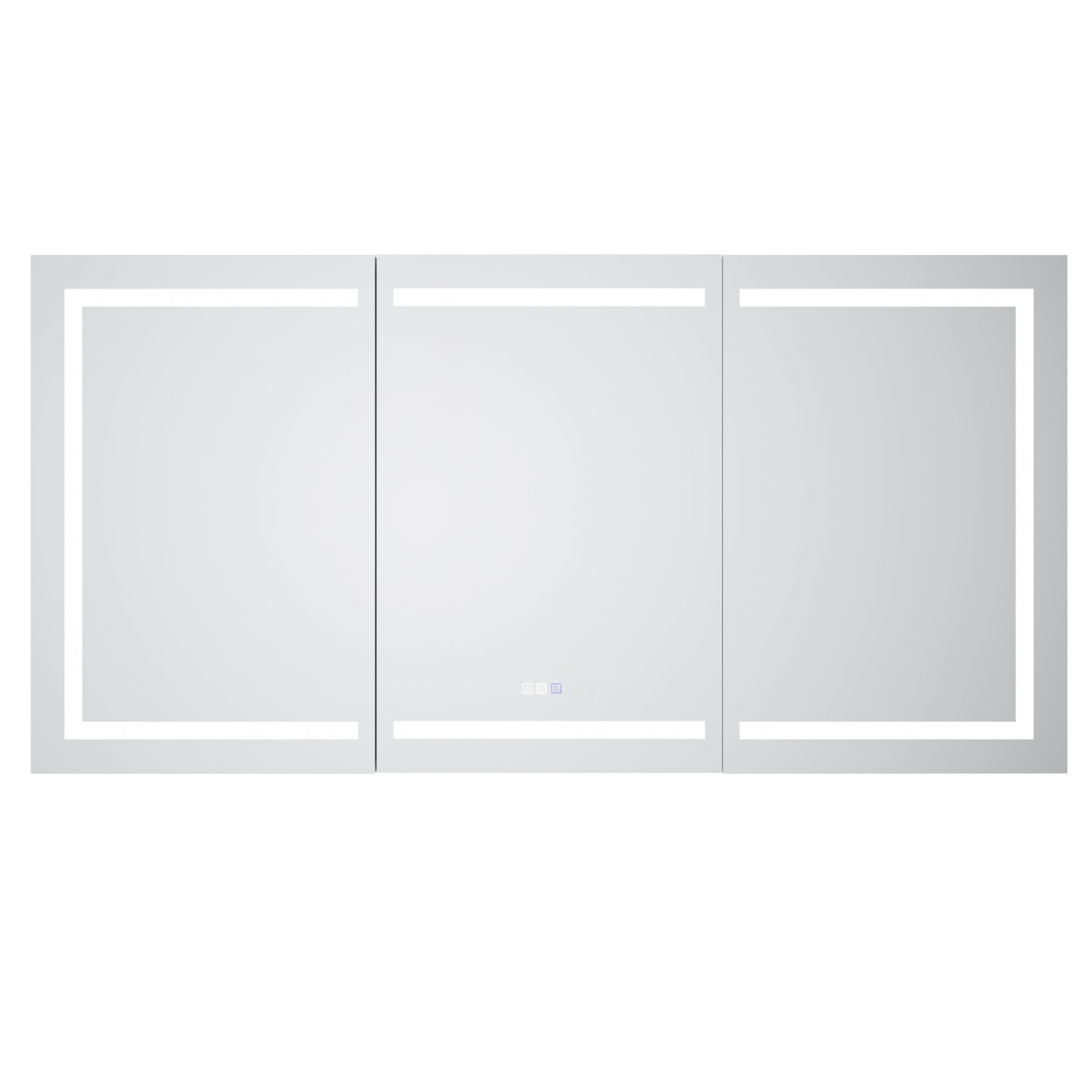
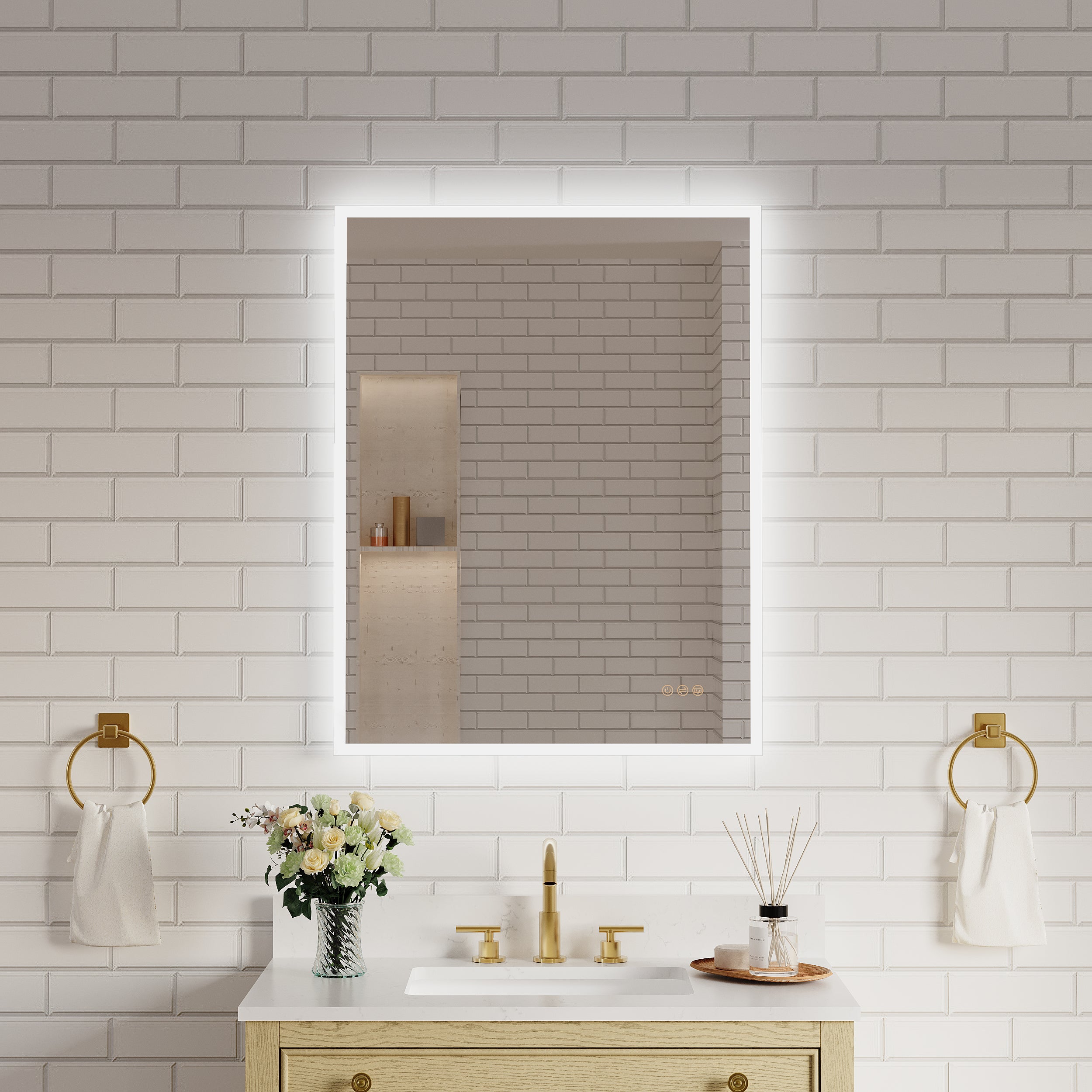
This means the mirror should be chosen as part of a vanity-lighting system rather than as a standalone object. If you want sconces on both sides, the mirror needs enough wall space on either side. If you prefer a cleaner wall, an integrated LED mirror may be the better answer. Houzz also reports that 34% of renovating homeowners choose mirrors with specialty features, and among those mirrors, LED lighting appears in 24% while antifog systems appear in 22%. That is a clear sign that the market is moving toward mirrors that combine illumination and convenience in one fixture.

4. Leave Real Clearance Above the Faucet and Below the Lights
One of the simplest ways to make a vanity wall look more refined is to respect clearance. Kohler recommends choosing a mirror size that provides at least 3 inches of clearance above the faucet and below the lights. That sounds like a small detail, but it has a huge effect on whether the mirror feels properly fitted or squeezed into the wall cavity. Too low, and the faucet and backsplash compete with the frame. Too high, and the mirror disconnects from the sink zone it is supposed to serve.
This clearance rule is especially useful in bathrooms where the faucet is taller, the backsplash rises higher than usual, or the vanity light sits low. It also helps when comparing framed and frameless options. A thick-framed mirror needs more breathing room because its frame adds visual weight, whereas a frameless mirror can often fit into a tighter opening without feeling cramped. The best installations do not just "fit." They leave enough negative space to make the vanity wall feel calm and deliberate.
5. Think About Height and Accessibility, Not Just Style
Mirror height is often treated like a styling issue, but in better bathrooms, it is also a usability issue. The U.S. Access Board states that for accessible mirrors above lavatories or countertops, the bottom of the reflecting surface should be no more than 40 inches above the finished floor. That standard will not define every residential bathroom, but it is a smart benchmark because it keeps the mirror useful for a wider range of users and prevents it from drifting too high on the wall.
Accessibility is becoming a more relevant design driver overall. Houzz reports that 68% of homeowners consider special needs during bathroom renovations, and many are planning rather than waiting for a future limitation to force the issue. In that context, the perfect mirror is not only beautiful; it is also a symbol of perfection. It is easy to approach and use, and is placed at a height that supports the real people using the room every day. A vanity mirror that looks elevated but works poorly is not the right mirror.
6. Choose Features That Match Daily Routine, Not Marketing Hype
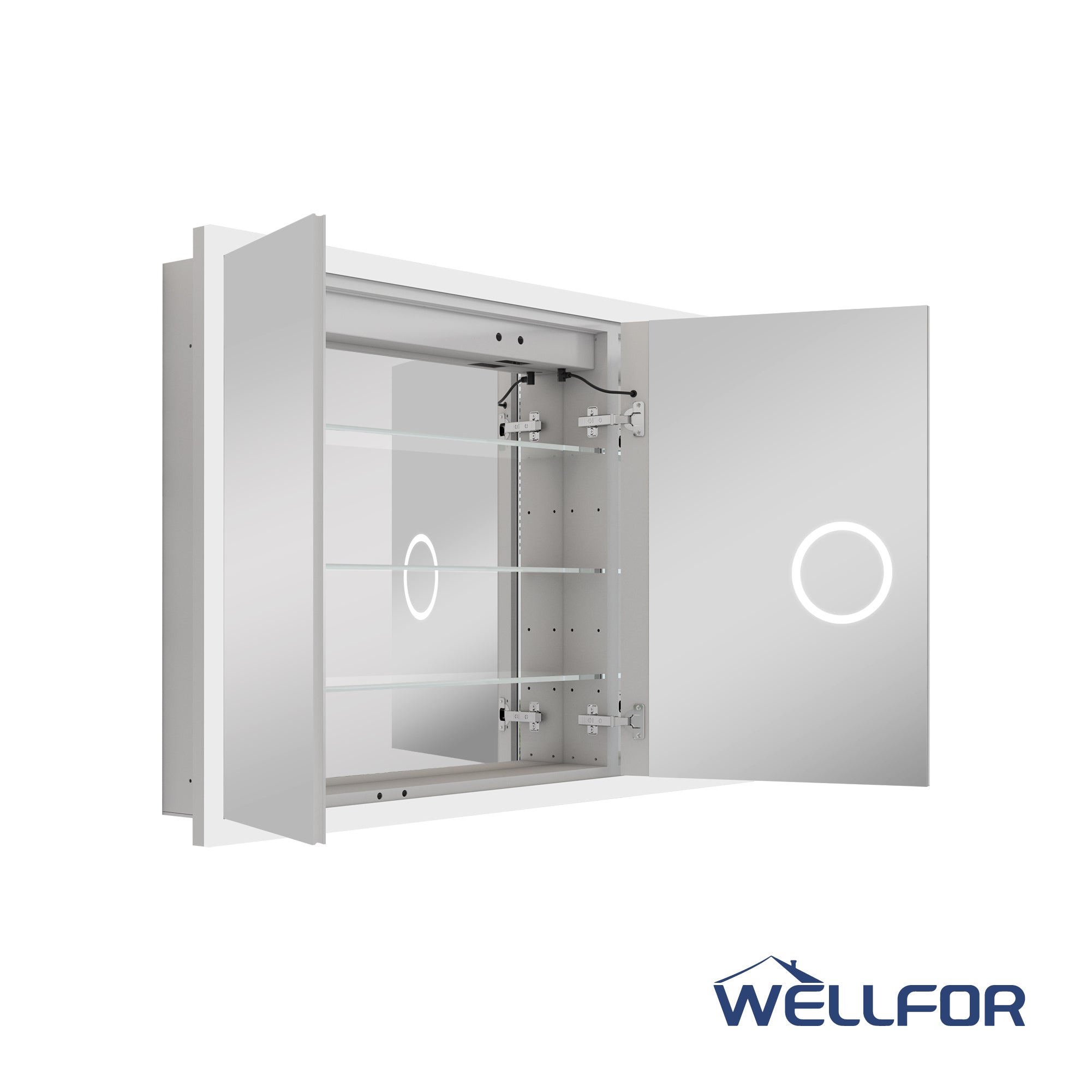
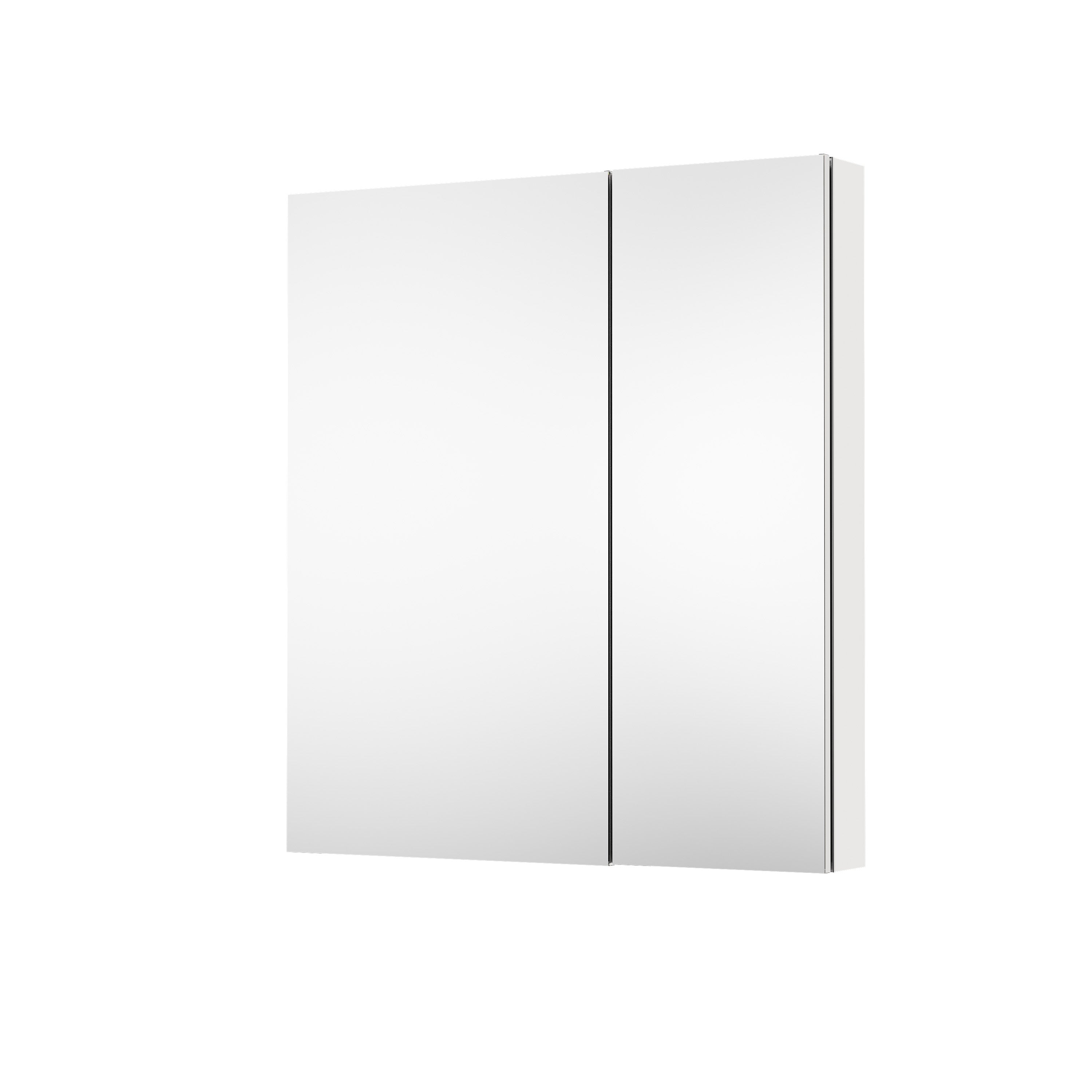
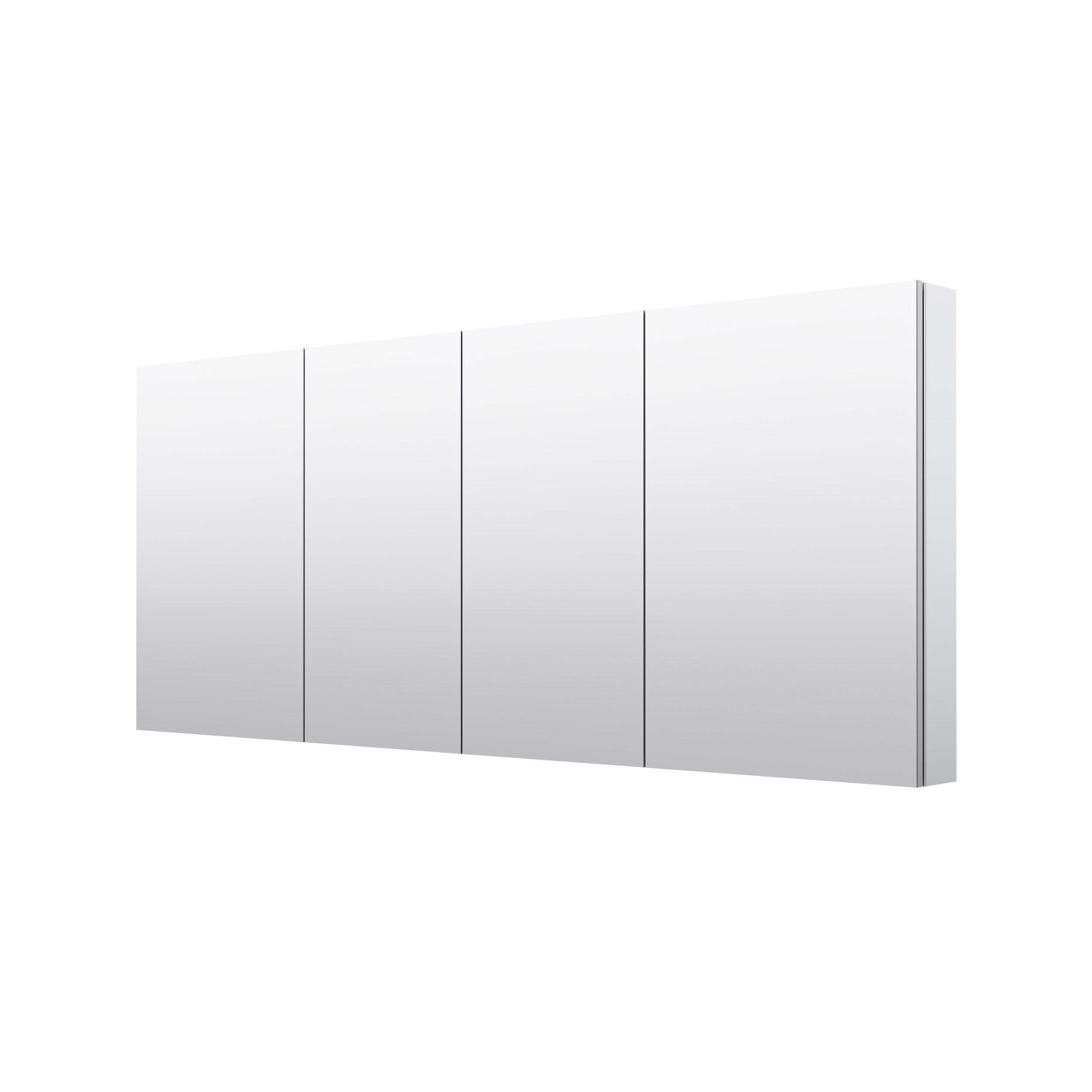
The last filter should be lifestyle. If the bathroom is used heavily in the morning, integrated lighting and antifog can be worth the upgrade. If storage is tight, a mirrored medicine cabinet may outperform a standard wall mirror. If the space is mostly decorative, a simple framed mirror may do the job better than a tech-loaded option. Houzz's 2025 study shows that specialty features in mirrors are present in 34% of projects, with LED lighting at 24%, antifog at 22%, changing color with temperature at 7%, and hidden outlets at 5%. Those numbers suggest that buyers are choosing practical upgrades first, not gimmicks.
The perfect vanity mirror is the one that fits the vanity width, supports the room's lighting plan, leaves proper clearance, and makes the bathroom easier to use. That is the real standard. A good mirror can absolutely elevate style, but the best one improves the entire vanity experience.
















Leave a comment
This site is protected by hCaptcha and the hCaptcha Privacy Policy and Terms of Service apply.