














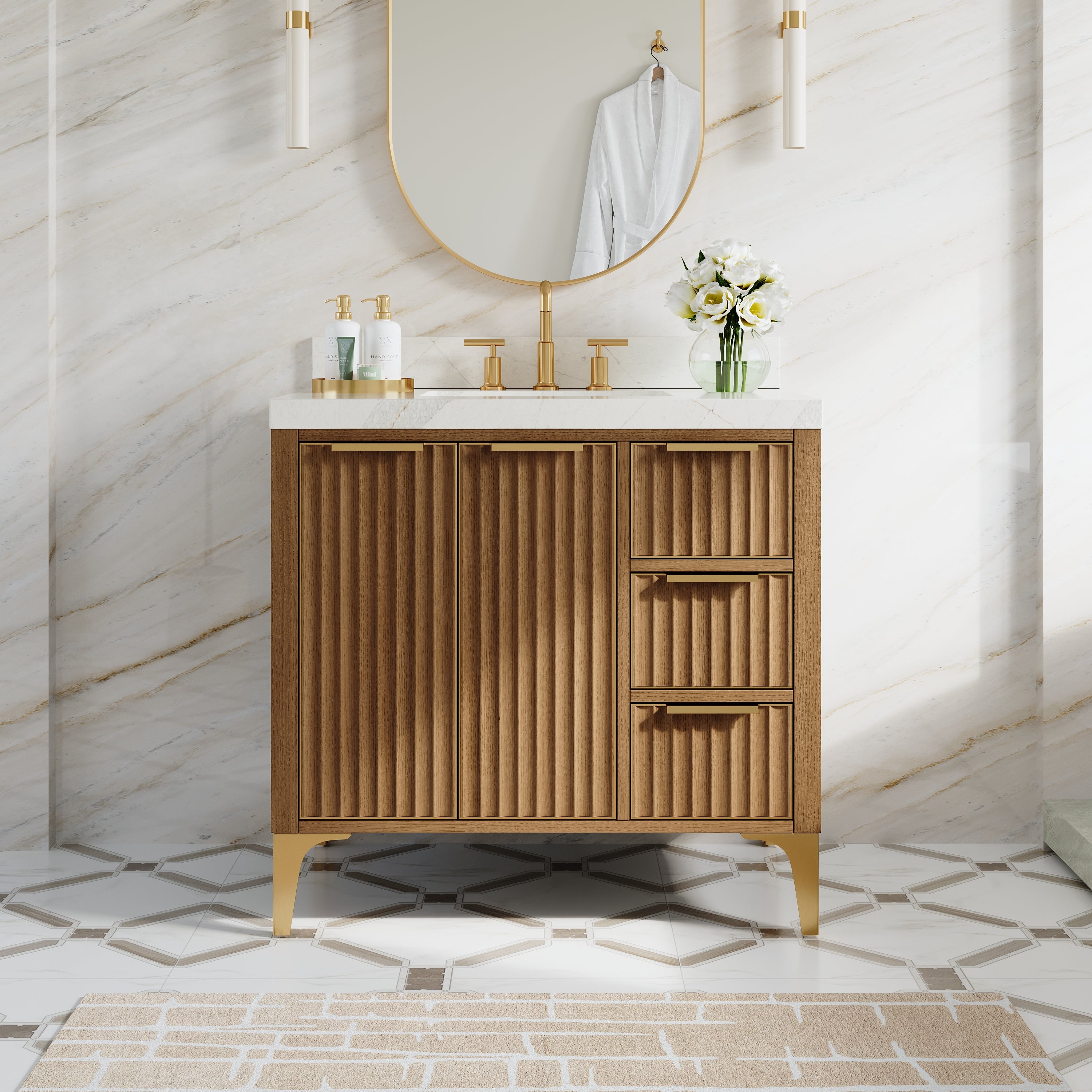


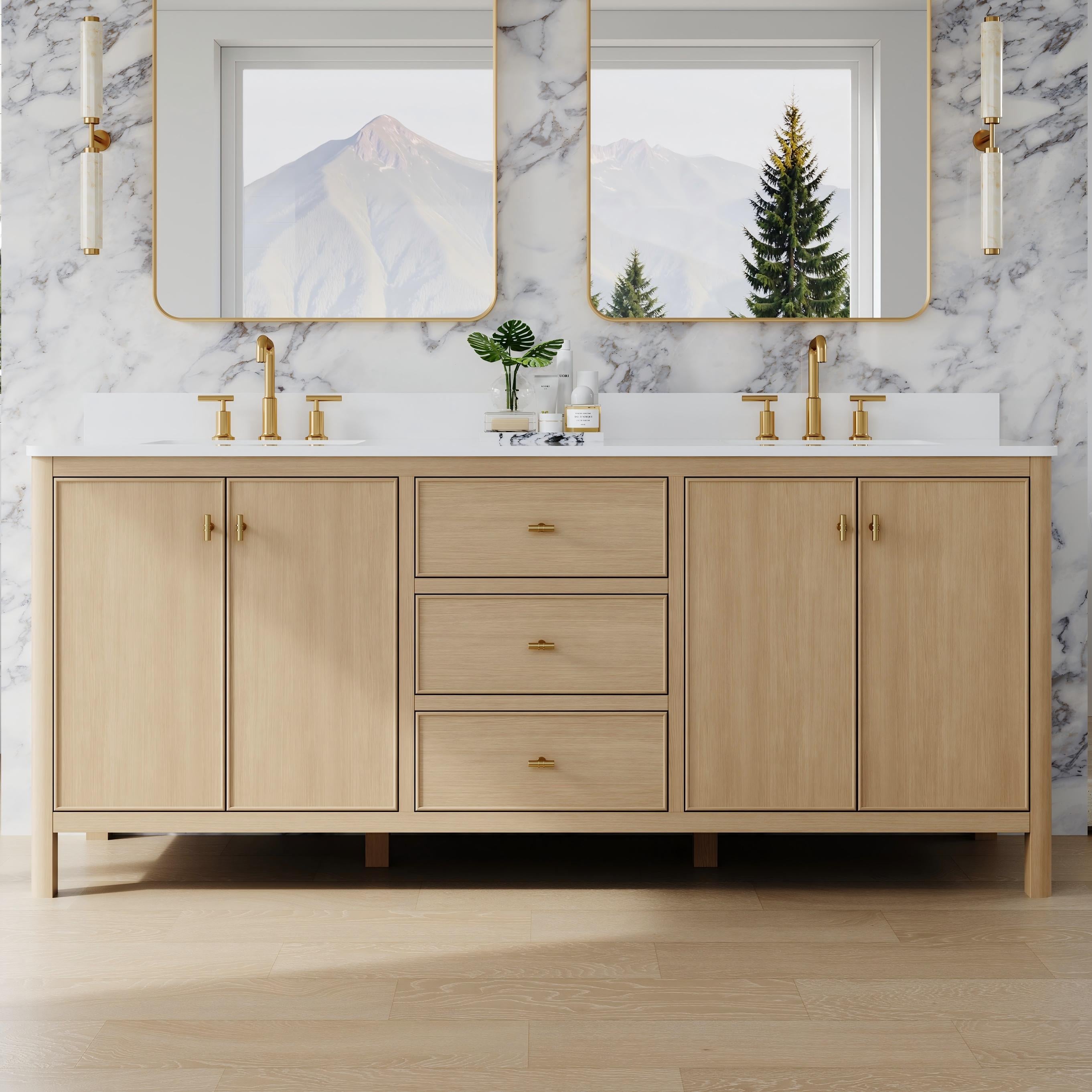


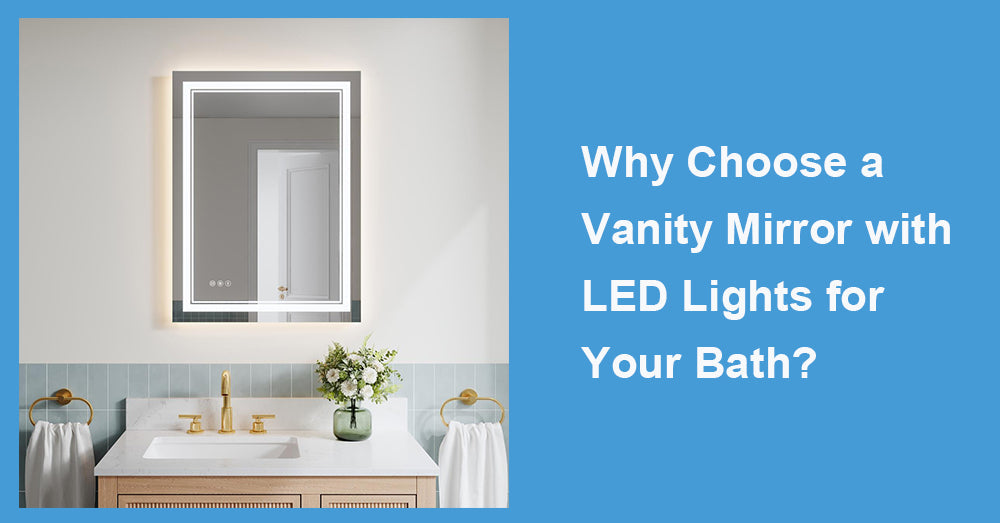
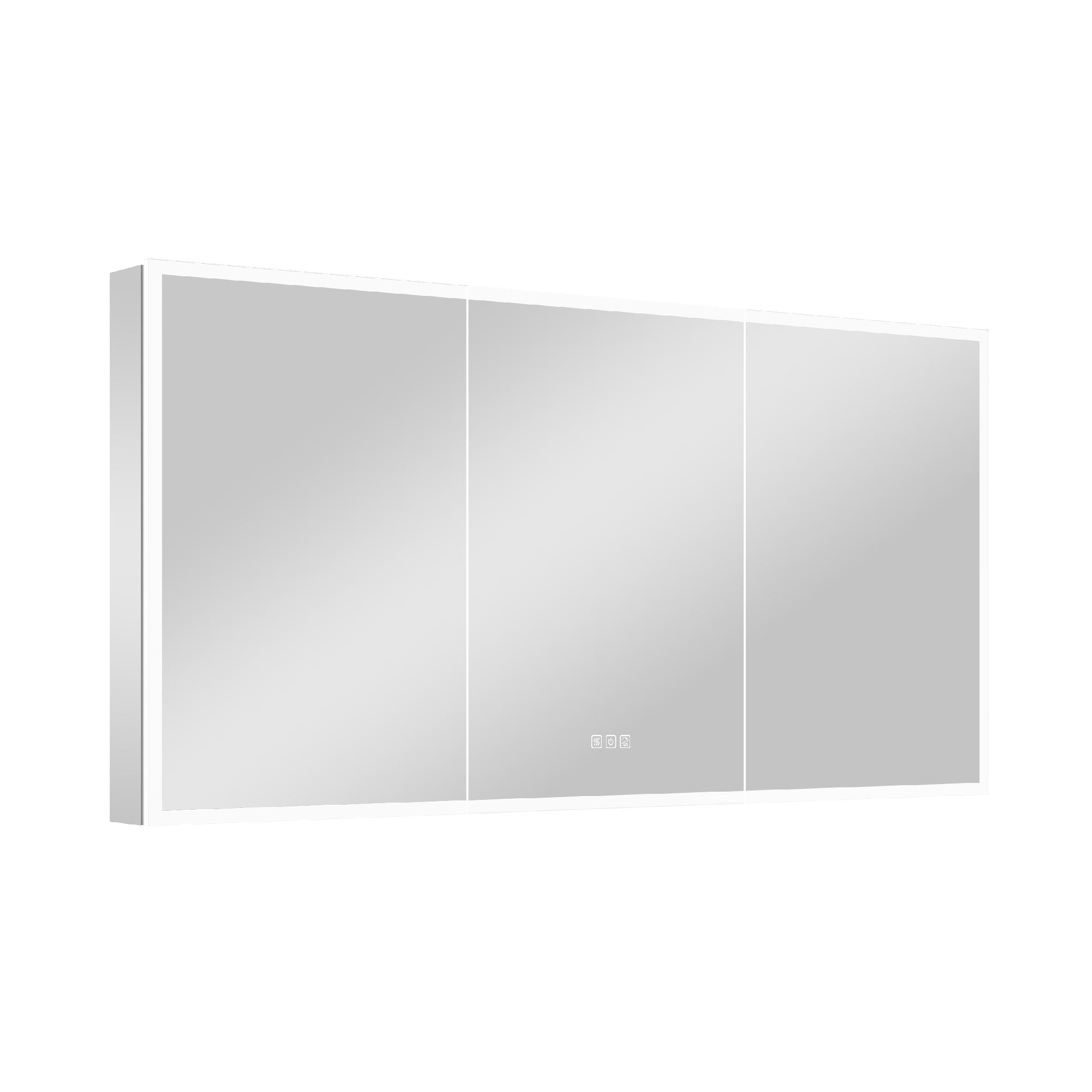
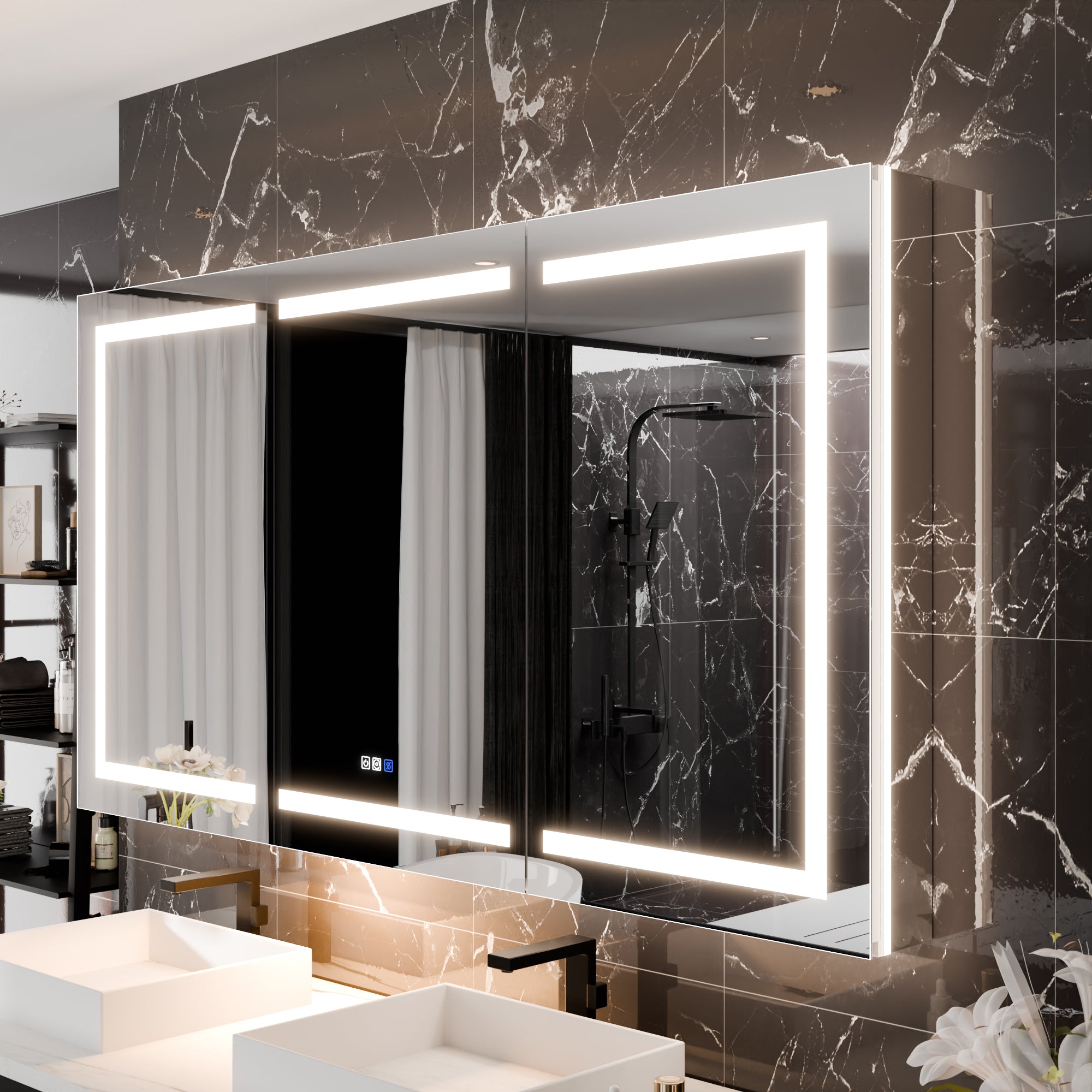
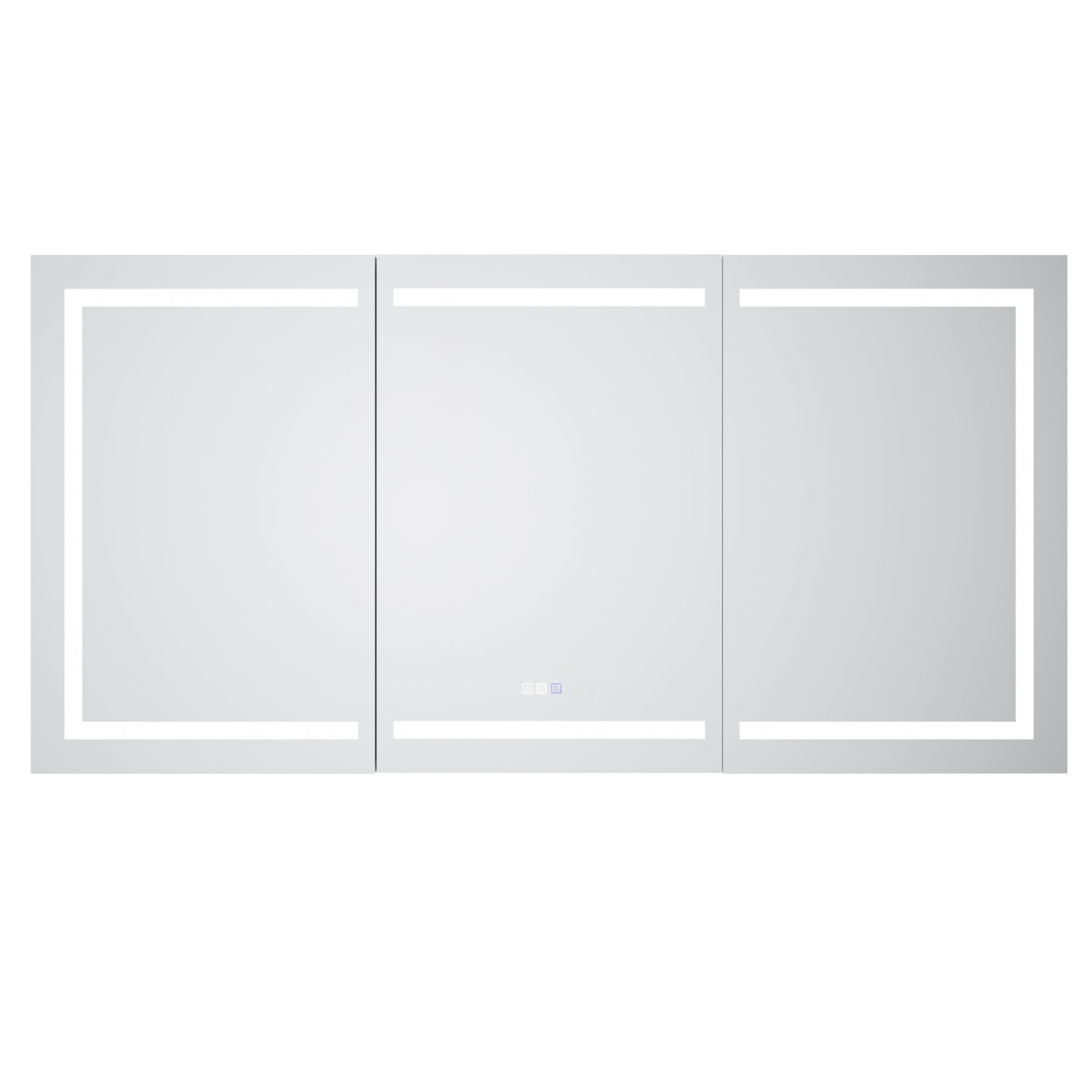
A vanity mirror with LED lights is no longer just a “nice-to-have” detail in high-end bathrooms. It is becoming a mainstream renovation upgrade because it improves task visibility, reduces clutter from extra fixtures, and supports the calm, spa-like feel many remodels aim for. Recent bathroom trend research shows lighting is one of the most common wellness-related upgrades, and lighted mirrors are rising as a preferred choice when homeowners update bathroom light fixtures.
1. Lighting Trends Are Shifting Toward Wellness and Daily Comfort
Bathroom projects continue to attract meaningful budgets, and lighting is increasingly treated as a quality-of-life feature rather than a finishing touch. In the 2025 Houzz bathroom trends report, more than a third of renovated bathrooms included wellness features, and lighting was the most common wellness addition at 30%. In the same study, lighted mirrors climbed to 22% of upgraded light fixtures, rising year over year.
Those numbers matter because they reflect a practical insight: the mirror area is where people do precision tasks. If the mirror zone is poorly lit, the whole bathroom feels less functional, no matter how expensive the tile or fixtures are.
2. You Get Better Face Lighting and Fewer Shadows
Overhead ceiling lights often create shadows under the eyes, chin, and nose. Side sconces can help, but they add wiring, visual complexity, and width requirements that many bathrooms lack. An LED mirror brings the light source closer to the face, improving vertical illumination and reducing harsh shadowing.
This is also where LED characteristics come into play. LEDs are directional, making them well-suited for task lighting because they send more usable light where you need it rather than scattering it.
3. Efficiency and Longevity Make the Upgrade Easier to Justify
Integrated LED mirrors are often chosen for aesthetics, but their performance profile is just as important. The Department of Energy notes that residential LEDs use at least 75% less energy and can last up to 25 times longer than incandescent lighting.
Longevity is a practical value driver. The Department of Energy’s LED basics guidance states that high-quality white LED products are expected to have a useful life of 30,000 to 50,000 hours or more.
When remodeling spending remains elevated, upgrades that reduce ongoing replacement and maintenance can feel like “quiet wins.” The Joint Center for Housing Studies at Harvard University projects remodeling and repair spending for owner-occupied homes at about $509 billion in 2025 (with modest growth), showing continued scale and momentum in renovation activity.
4. Cleaner Walls and More Flexible Layouts in Tight Bathrooms
A big reason lighted mirrors keep gaining share is that they simplify the wall. Instead of a separate mirror plus a bar light, you can achieve a streamlined look with a single element. That can be especially helpful in smaller bathrooms where every inch of wall space matters.
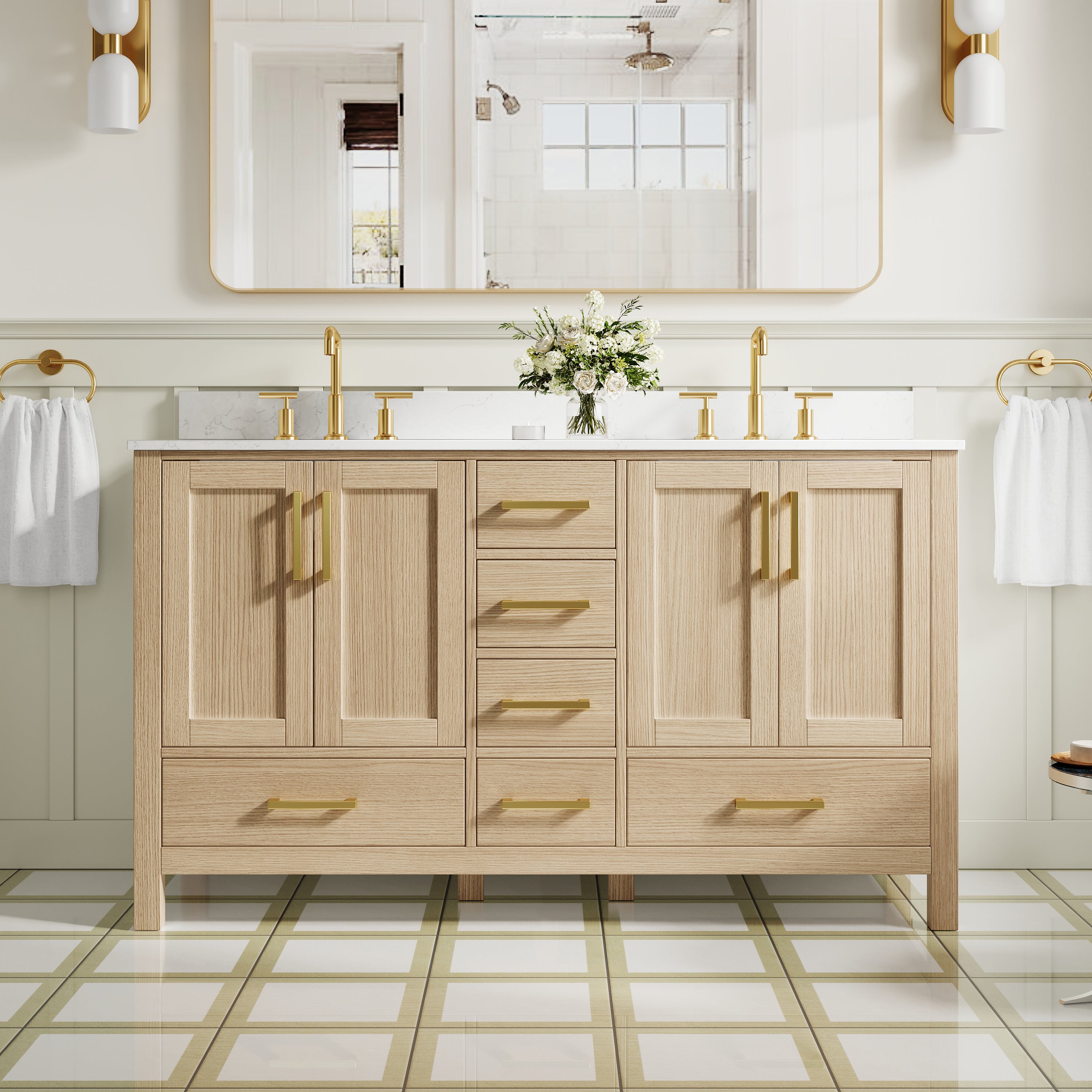
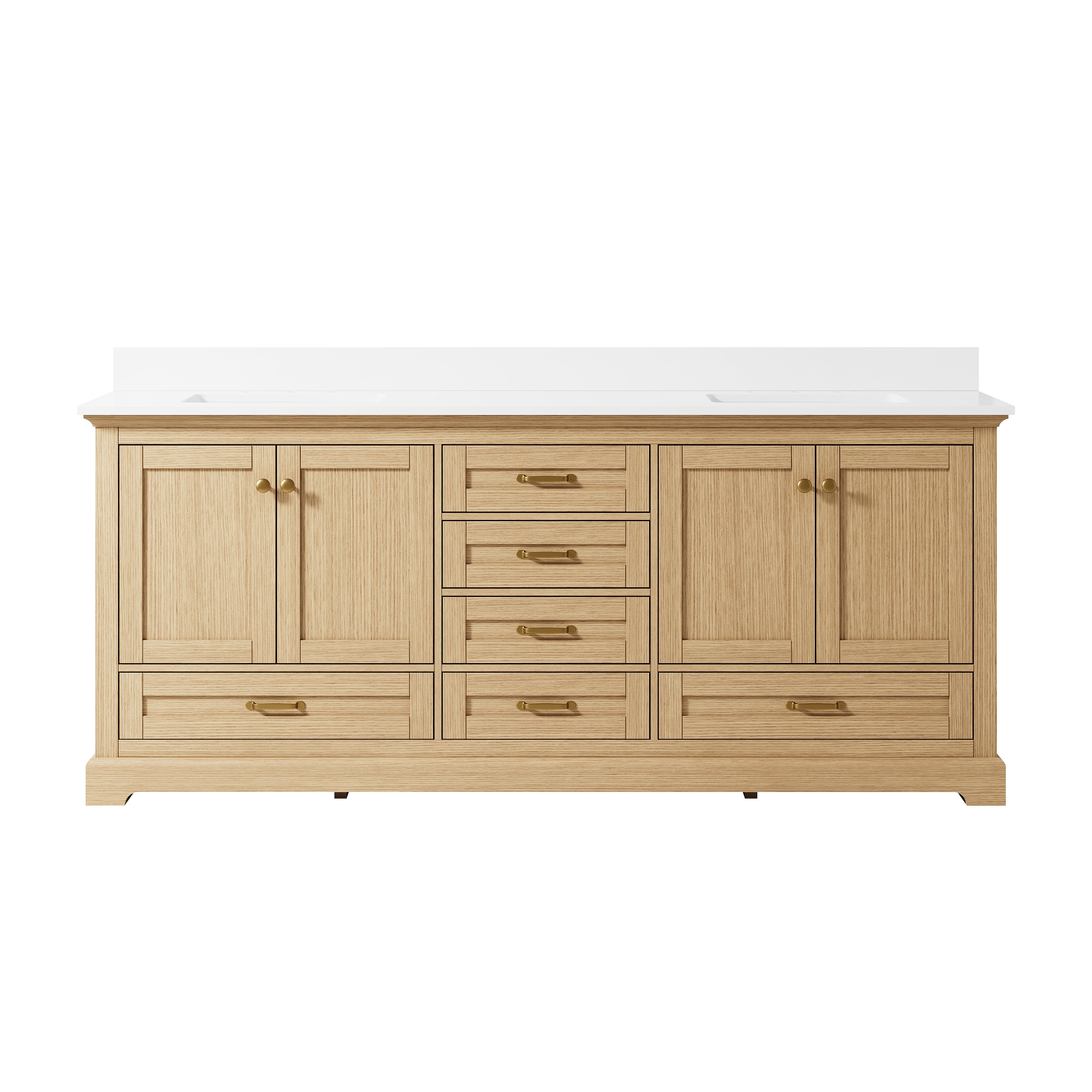
Sizing stays straightforward if you think in common vanity widths. A 24-inch vanity often pairs well with a 20 to 24-inch mirror. A 30-inch vanity typically looks balanced with a 24 to 30-inch mirror. For 48-inch vanities, many designs use a 36 to 48-inch mirror, depending on whether you want a more open or more “statement” look. The exact choice depends on proportions and nearby features such as medicine cabinets, windows, and side walls. Still, LED mirrors generally make it easier to keep the layout clean without adding extra fixtures.

5. Better Control Over Brightness and Color Appearance
Not all light feels the same, even at the same brightness. One advantage of LED mirror designs is that they often include dimming and color-tuning options, allowing the lighting to match the task and the time of day.
ENERGY STAR guidance for LED lighting notes that some LED products allow switching from warm to cool, and some are designed to get “warmer” as they dim. It also flags a real-world consideration: not every LED works well with every dimmer, so compatibility matters.
For practical selection, it helps to separate three ideas:
· Brightness (lumens): how much light you actually get
· Color temperature (warm vs cool appearance): how the white light looks
· Color quality: how accurately colors appear in the mirror
If you want a quick way to shop smart, the Department of Energy recommends thinking in lumens instead of watts, and it explains how the Lighting Facts label helps compare brightness and energy use.
6. Fog and Humidity: Performance Depends on the Room, Too
Anti-fog features can be a strong value add, but even a perfect mirror benefits from good moisture management. EPA guidance on indoor air quality recommends keeping indoor humidity between 30% and 50% to reduce mold risk and moisture-related issues.
Ventilation standards and guidance commonly cite bathroom exhaust rates around 50 cfm for intermittent operation and around 20 cfm for continuous operation in residential settings.
In renovation terms, this means your mirror choice and your ventilation plan should match. If the bathroom routinely traps steam, an anti-fog mirror can improve usability, but improving airflow makes every surface in the room perform better over time.
7. What to Look For Before You Buy
A vanity mirror with LED lights is a better purchase when you check a few functional details before you get drawn into style alone:
· Damp-location suitability: Bathrooms are humid; the product should be designed for that environment.
· Dimming behavior: If you want dimming, confirm it is designed for stable dimming and compatible with your control method.
· Brightness that fits the task: Use lumens as your comparison point, and rely on Lighting Facts-style labeling and guidance instead of judging by wattage.
· Color options: If your household uses the bathroom at very different times of day, tunable white or warm-dim behavior can make the mirror feel more comfortable and more accurate for grooming.
· Installation fit: Confirm the mirror size in inches aligns with the vanity width, faucet placement, and wall constraints.
8. Bottom Line
The case for an LED vanity mirror is stronger than it was even a few years ago, as the market signals it is becoming part of the standard bathroom lighting plan. Trend research shows upgraded lighting is the top wellness feature in bathroom renovations, and lighted mirrors are rising in popularity as a fixture choice.
At the same time, LED fundamentals support the value proposition: significant energy savings, a long useful life, and better task lighting performance in the mirror zone.
If your renovation goal is a bathroom that looks clean, functions better every day, and feels more comfortable without adding visual clutter, a vanity mirror with LED lights is one of the most efficient upgrades you can make.































Leave a comment
This site is protected by hCaptcha and the hCaptcha Privacy Policy and Terms of Service apply.