
















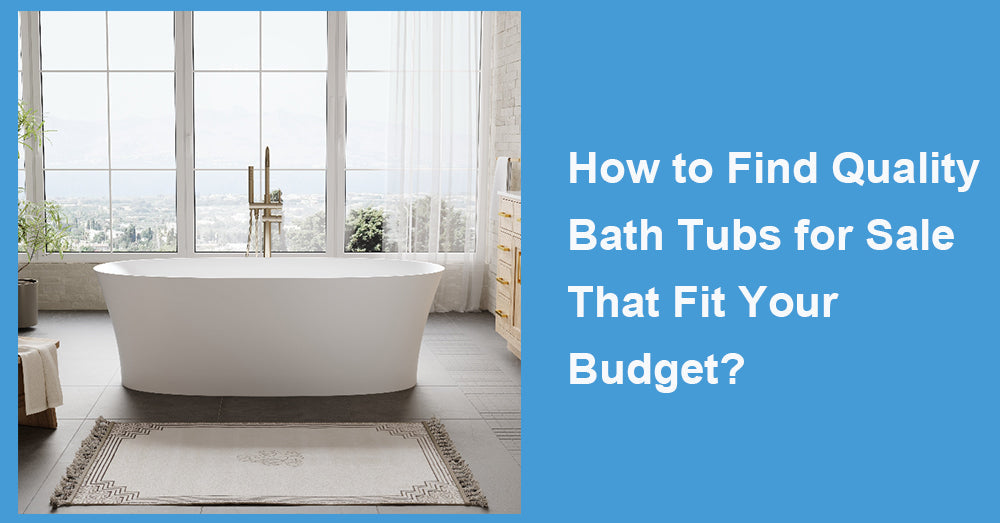
When you start comparing bathtubs for sale, it helps to remember that the tub is only one part of the bill. Installation, plumbing changes, waterproofing, and even delivery risks can swing the “real cost” far more than a small price difference. Recent renovation research puts this into perspective: median spending on all bathroom renovations was $13,000 in 2024, while major bathroom remodels (where at least the shower is upgraded) reached a median of $22,000. A well-chosen tub can fit a budget comfortably, but only if you match the style and material to your layout and to what you can realistically install without surprises.
1. Price the Project Like a Pro: Tub Cost vs Installed Cost
A smart budget plan separates three buckets: the tub itself, the “must-have” installation parts, and the “risk buffer.” Even if you find a great deal, costs can rise quickly if you need a new drain location, extra framing, subfloor reinforcement, or a different valve and overflow system.
A good rule of thumb is to assume you’ll spend extra on items that never show up in glamorous product photos: waste-and-overflow, drain components, setting materials, waterproofing, and disposal of the old tub. Keeping plumbing in the same place is one of the biggest budget protectors, because layout moves tend to compound labor and finish work.
2. Pick the Tub Style That Saves Money in Your Layout
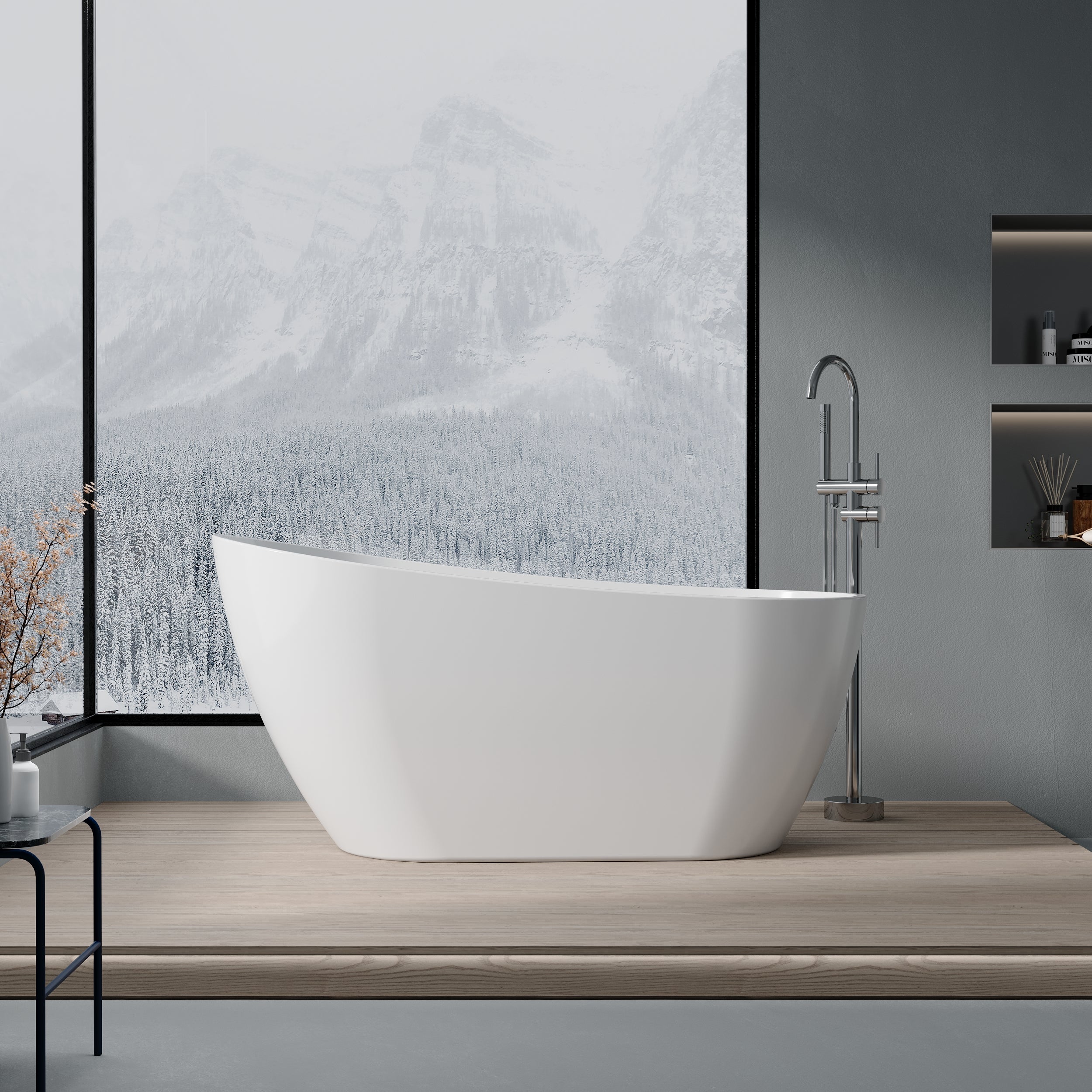
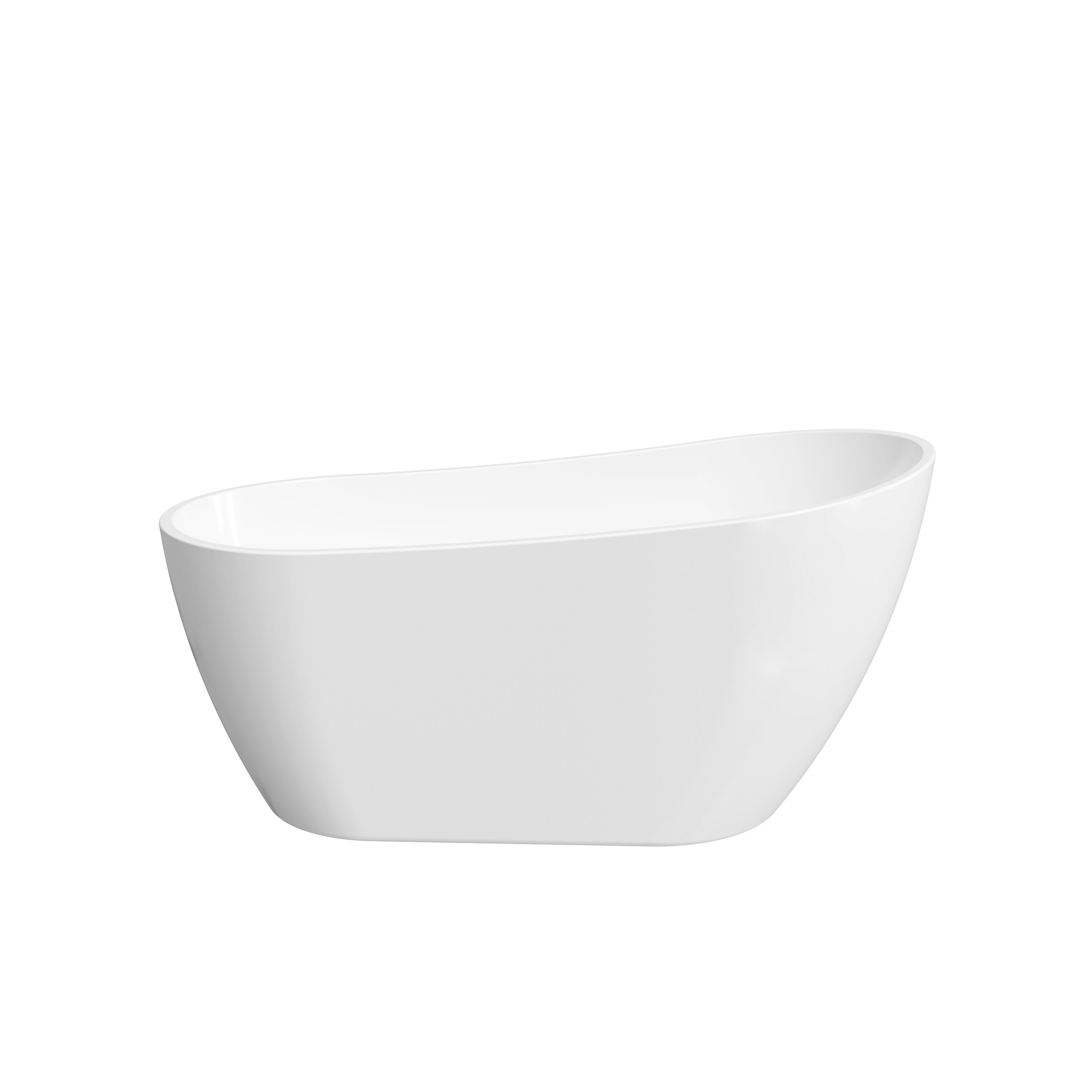
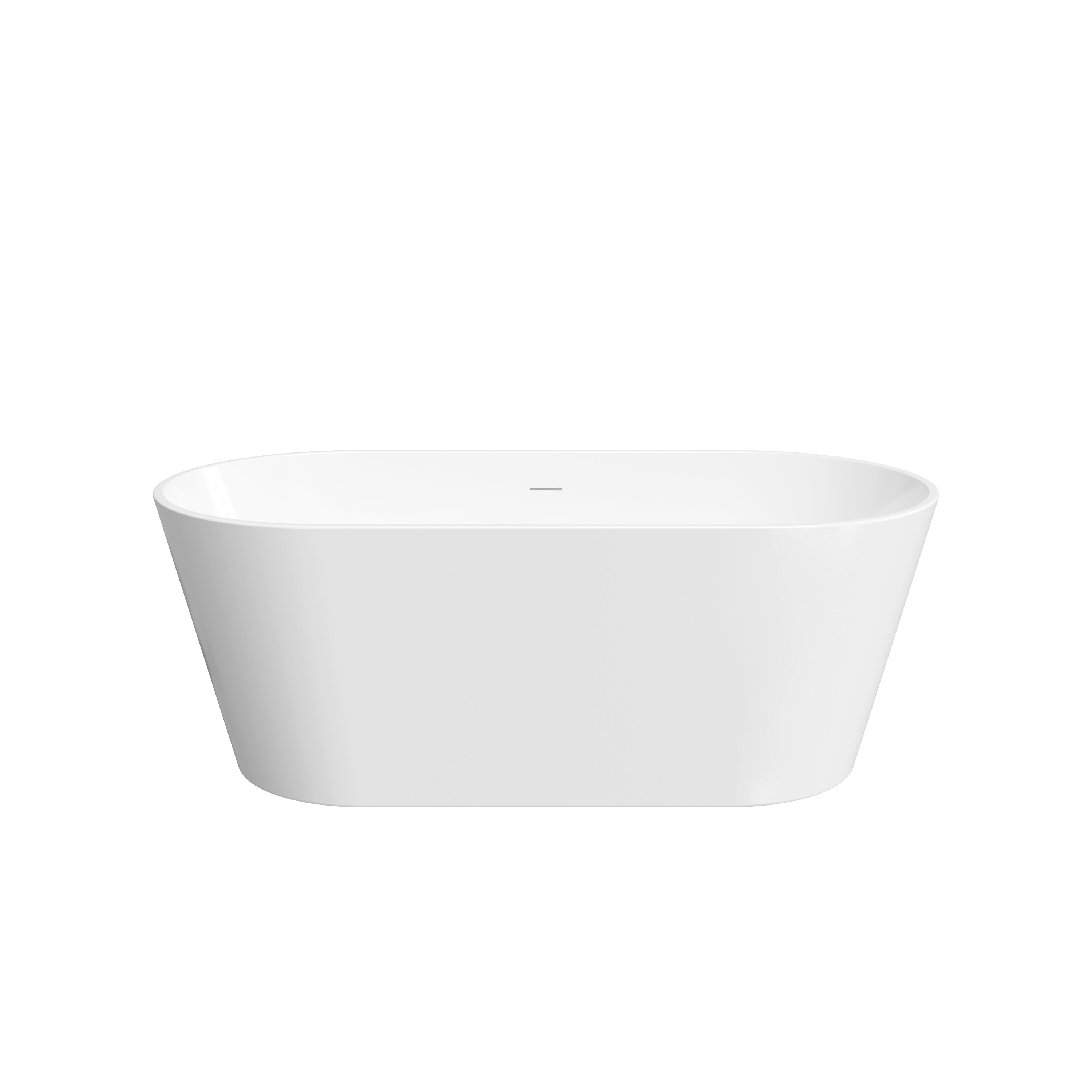
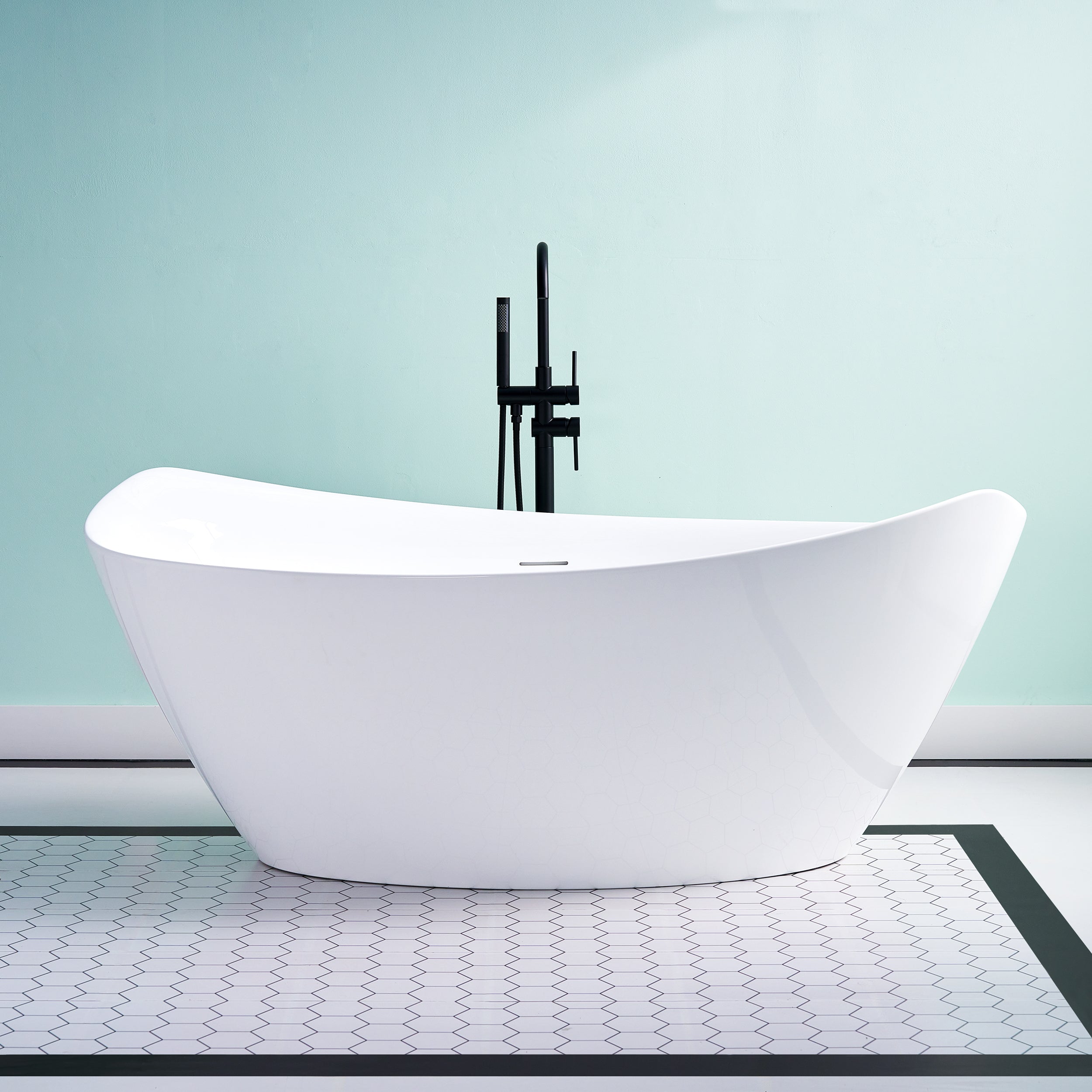
Trends can be useful because they reflect what’s easiest to plan and install in real bathrooms. Among homeowners upgrading a bathtub, freestanding flat-bottom tubs lead at 45%, while alcove tubs are close behind at 40%; deck-mounted tubs make up a smaller share at 6%.
Budget takeaway:
Alcove tubs are usually the most cost-stable choice because they commonly fit standard three-wall spaces and often reuse existing plumbing locations.
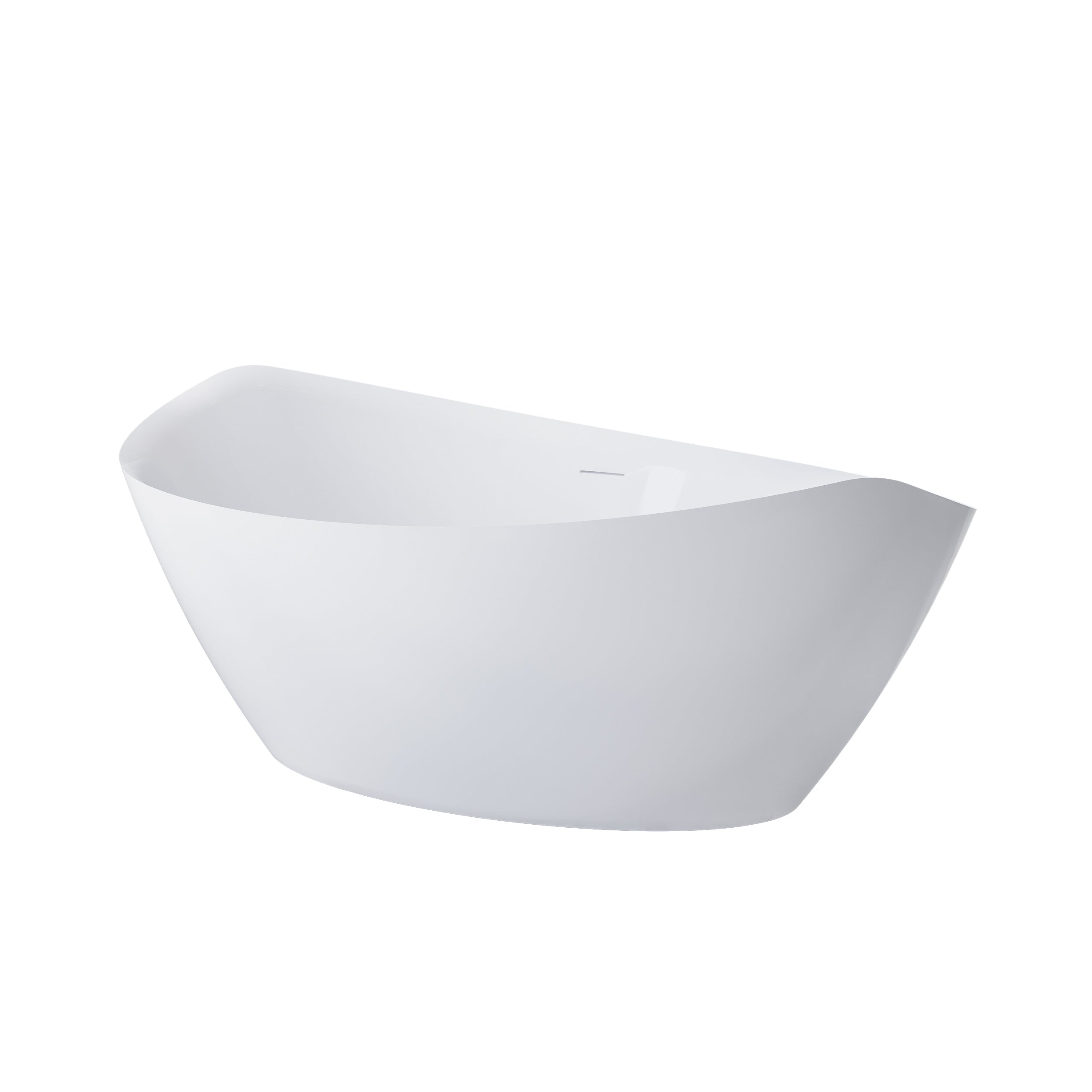
Freestanding tubs can look high-end, but the installed cost can rise if you need a floor-mount faucet, new supply routing, or extra floor support.
Deck-mounted/drop-in tubs can add carpentry and finishing work that quickly exceeds the tub’s sticker price.
If your goal is “quality within budget,” prioritize the style that avoids moving the drain and minimizes custom construction.
3. Stick to Standard Dimensions in Inches Whenever Possible
Many budget overruns start with a tub that doesn’t match the existing footprint. Standard-size tubs are easier to replace, easier to surround, and often easier to find compatible doors, walls, and drains for.
Before you buy, measure:
The opening width and length (finished wall to finished wall)
The drain location (left, right, or center)
The height you can accommodate (especially with thicker flooring or curbs)
The path into the bathroom (doorway width and turning clearance)
Choosing a tub that fits the existing “envelope” is one of the most reliable ways to keep the project predictable.
4. Follow the Material Data: Acrylic Dominates for a Reason
If you’re trying to balance quality and affordability, material choice matters more than marketing labels. In renovated bathrooms, acrylic is the top bathtub material at 60%, followed by fiberglass at 16%, enameled cast iron at 8%, and cast polymer at 6%.
Why this matters for budget shopping:
Acrylic tends to offer a strong mix of value, comfort, and easier handling during installation.
Fiberglass can be economical, but surface durability and long-term wear vary widely by build quality.
Cast iron can last for decades, but it’s heavy and may increase delivery complexity and installation planning.
Cast polymer/stone-resin tubs can look premium, but their weight and handling may increase installed cost.
If you’re shopping online, material data is your first filter. Then you evaluate the specific build: reinforcement, finish quality, and warranty.

5. Don’t Ignore Water Volume, Hot Water, and Weight
Deep soakers are appealing, but they can create hidden costs if your hot-water system struggles or if the floor needs extra support. A practical utility guideline notes that a typical modern bathtub holds 30 to 45 gallons; a half-full bath uses about 30 gallons, while filling close to the overflow can use 40 to 50 gallons. The U.S. Geological Survey offers a simple benchmark as well: for a “full tub,” 36 gallons is a good average amount.
Weight adds up quickly because 1 gallon of water weighs about 8.34 pounds. That means:
30 gallons of water is roughly 250 pounds, before the tub and bather
45 gallons is roughly 375 pounds, before the tub and bather
If your remodel is on an upper level, or if the tub is unusually large, confirming floor support and installation requirements early is a budget-saving move.
6. How to Spot “Quality” Without Paying for a Fancy Name
A budget-friendly tub can still be high-quality, but you need a checklist that focuses on performance, not hype.
Look for:
A rigid, well-supported base (less flex means fewer squeaks and fewer long-term stress points)
A clean, consistent surface finish that won’t trap grime easily
A well-designed overflow and drain system that matches your plumbing plan
A warranty that clearly states what’s covered (surface finish, structure, and hardware)
Also check the fine print: some tubs require specific mortar bedding or support methods. If the installation method is more demanding than your contractor expects, the “cheap tub” can become the “expensive tub.”
7. Shop Smarter Online: Shipping, Inspection, and Compatibility
A big percentage of tub headaches comes from freight damage and return friction. To protect your budget:
Confirm whether curbside delivery or room-of-choice delivery is included
Inspect immediately upon arrival (especially corners and the rim)
Verify what’s included: drain kit, overflow, flange, leveling feet, or mounting brackets.
Compatibility details that frequently create last-minute costs:
Drain side mismatch (left vs right)
The tub depth conflicts with the existing valve height
Surround kits that don’t match the tub’s exact model
If you lock these down before checkout, you avoid the “reorder loop” that burns time and money.
8. Spend Where It Helps, Daily Use and Save Where It Doesn’t
If you want the bathroom to feel upgraded without blowing the budget, prioritize features that enhance safety and comfort over expensive add-ons you might barely use.
When homeowners upgrade tubs, 55% add specialty features, and the most common choices are practical: nonslip flooring (24%) and grab bars (23%). Those are often higher value than complex upgrades that increase installation risk.
A balanced budget strategy looks like this:
Spend on waterproofing, proper installation, and safety features.
Save by sticking to standard sizing, keeping plumbing in place, and choosing proven materials like acrylic when appropriate
9. Bottom Line
To find quality bath tubs for sale that truly fit your budget, pick a style that matches your layout, choose a material with proven adoption and practical performance, and plan for the “invisible costs” like plumbing compatibility, delivery risk, and water volume. The most budget-proof approach is usually a standard-size alcove or a sensibly sized soaker in a widely used material like acrylic—paired with good installation and the right everyday features.
















Leave a comment
This site is protected by hCaptcha and the hCaptcha Privacy Policy and Terms of Service apply.