
















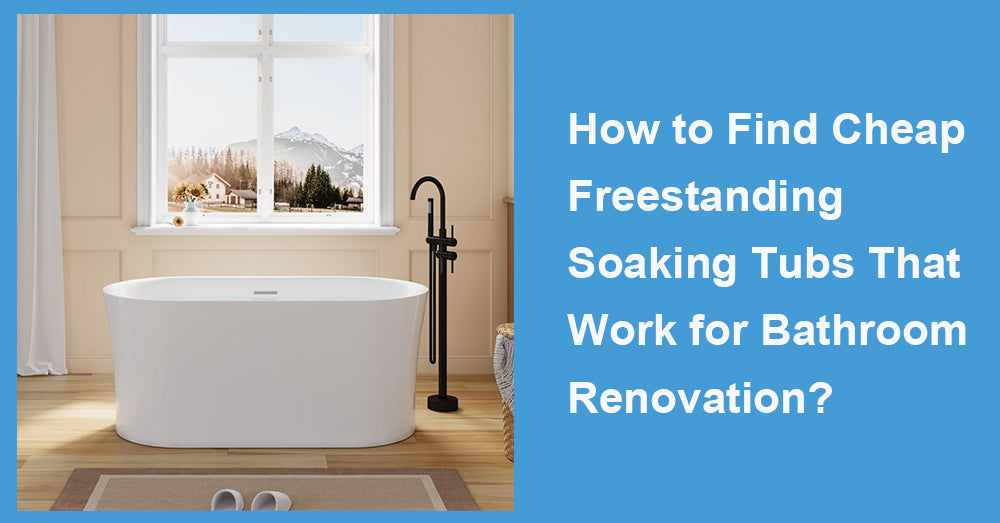
As the home renovation trend continues to gain momentum, the bathroom is being redefined by an increasing number of consumers as a private sanctuary for "self-care and relaxation."
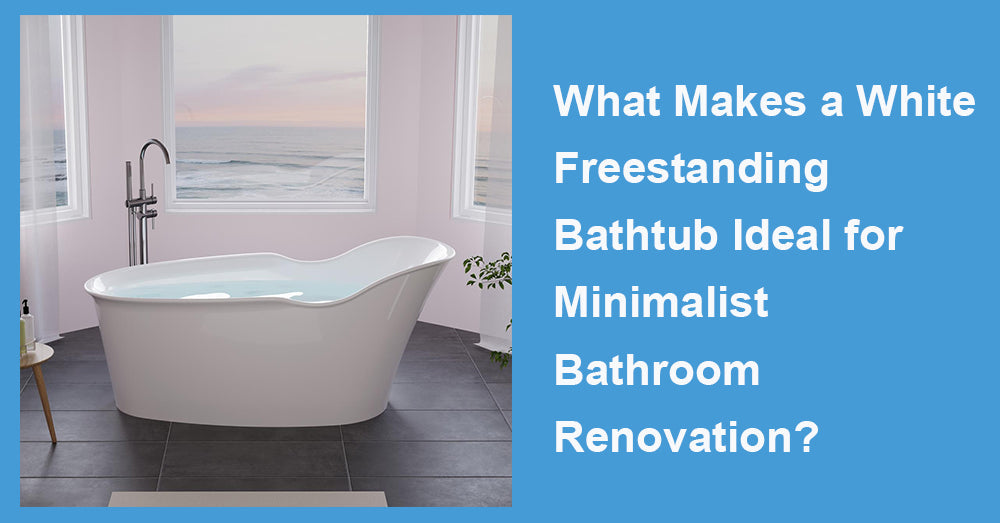
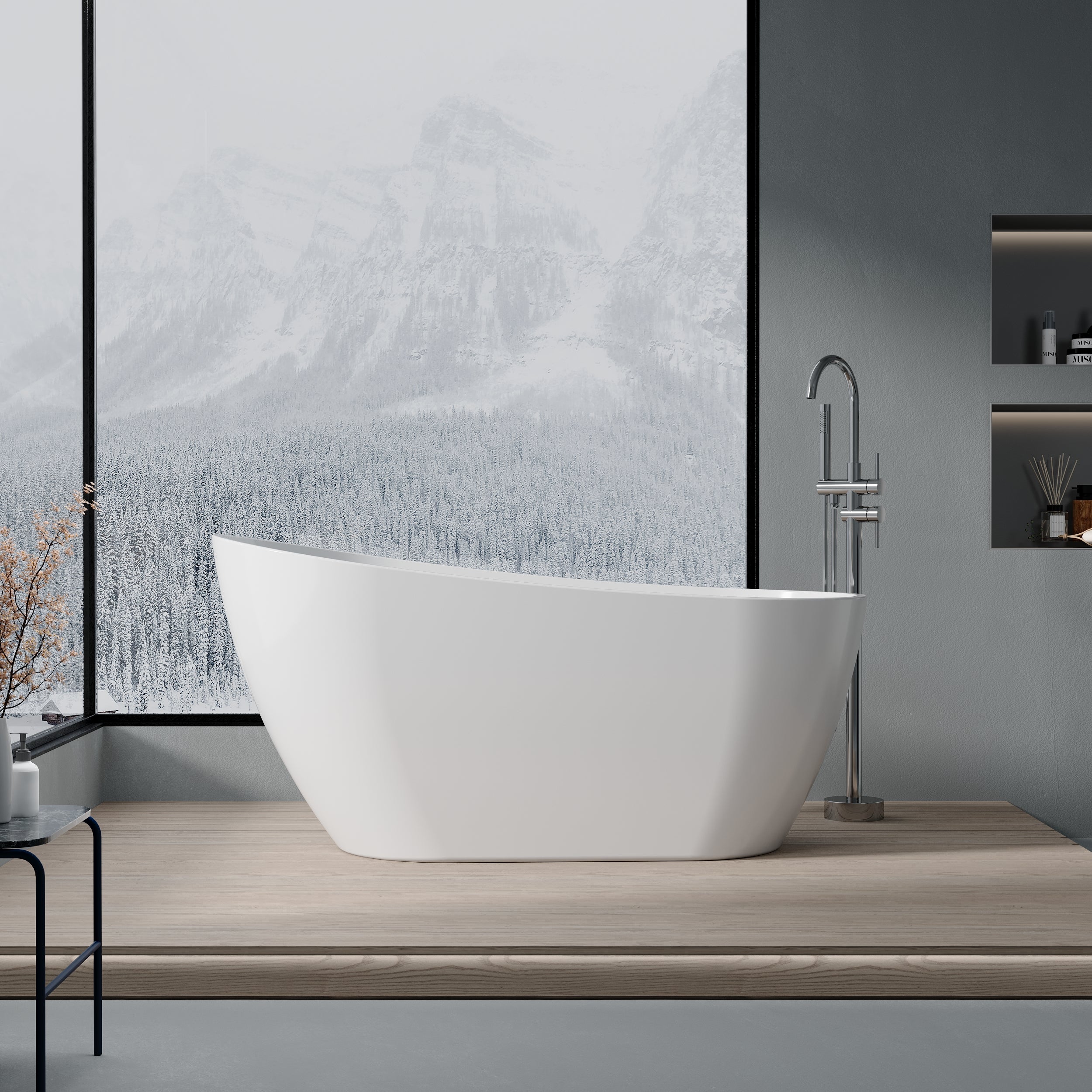
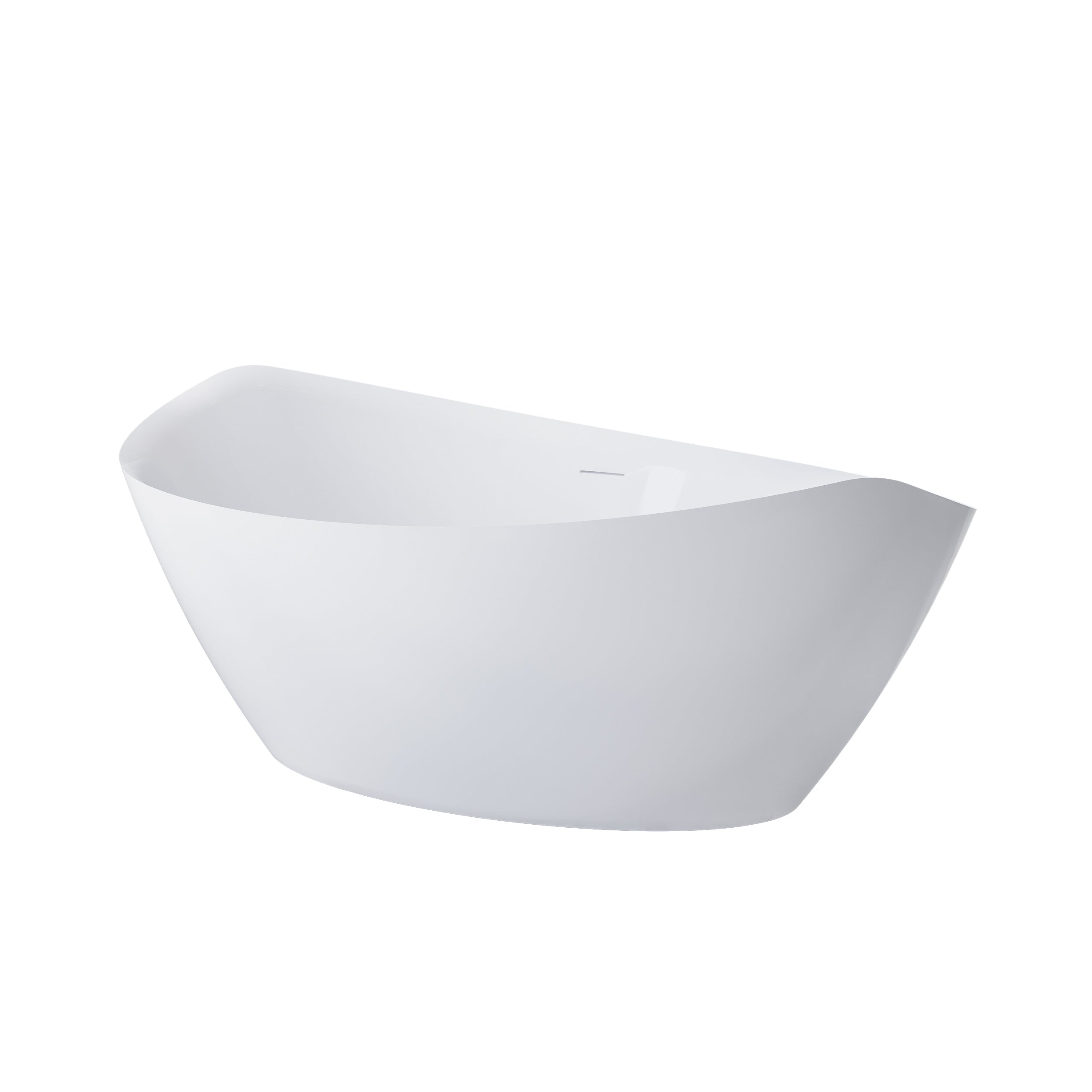
Among these, cheap freestanding soaking tubs have emerged as a popular choice in recent years. With their elegant design, flexible installation options, and unique relaxation experience, they have become a signature element in modern bathroom design.
However, for budget-conscious households, freestanding tubs often carry the stigma of being "expensive" and "luxurious." In reality, the market offers numerous affordable options that strike a balance between aesthetics, functionality, and price. The key lies in identifying that "value-for-money" tub among the multitude of products.
This article explores five dimensions—industry trends, material choices, market pricing, purchasing channels, and consumer advice—to delve into how to select an affordable yet high-quality freestanding soaking tub during bathroom renovations.
Market Trends: Freestanding Tubs Go Mainstream
Over the past decade, freestanding tubs were seen as symbols of luxury homes or high-end hotels. Today, this landscape is shifting.
According to North American bathroom industry statistics, the market growth rate for mid-to-low-priced freestanding bathtubs has exceeded 35% since 2020.
Shifting consumer demand has driven supply chain optimization and cost reductions, with more manufacturers now offering "affordable luxury" options.
Designers attribute this trend to consumers' pursuit of "experiential value" and "rituals of daily life."
"Bathtubs are no longer symbols of extravagance but essential experiences for home relaxation."
Material Differences: The Core Determinant of Price and Durability
Bathtub prices vary dramatically, ranging from hundreds to thousands of dollars. Material is one of the key factors influencing cost.
1. Acrylic — Balancing Affordability and Performance
This is the most common material for freestanding bathtubs.
Acrylic is lightweight, easy to clean, retains heat well, and features a smooth, glossy finish, making it one of the most cost-effective choices.
Pros: Diverse designs, easy installation, simple maintenance
Cons: Surface is relatively prone to scratches, though repolishing can restore it
Conclusion: Acrylic bathtubs are the top choice for users with limited budgets who still seek a stylish design.
2. Fiberglass Reinforced Plastic (FRP)
Adds a fiber layer to acrylic, enhancing structural integrity and strength.
Though slightly pricier, it offers lightweight durability.
Conclusion: Ideal for homes requiring relocation or facing height restrictions.
3. Cast Iron or Stone Bathtubs — Premium but Costly
Cast iron or natural stone bathtubs are renowned for texture and heat retention, but they are extremely heavy, expensive, and complex to install.
Conclusion: Not recommended for "budget renovations" unless ample funds are available.
Price Range Analysis: Defining "Affordable Yet Not Cheap"

Based on industry price monitoring data, current market price ranges for freestanding soaking tubs are as follows:
Tier Primary Material Average Price (USD) Features
Entry-Level Acrylic / Fiberglass 400 – 800. Simple appearance, lightweight, easy installation
Mid-range Thick-layer acrylic / composite materials $800 – $1,500 More diverse designs, better heat retention
High-end Cast iron / engineered stone/copper $2,000+ Heavy weight, premium texture, extended lifespan
Notably, entry-level and mid-range products already meet the renovation needs of most households.
Experts indicate that within the sub-$800 range, products meeting these criteria qualify as "high value":
- Constructed from thickened acrylic or composite layered structures;
- Equipped with non-slip bases and concealed drainage systems;
- Factory-installed drainage components, eliminating additional purchases.
Installation Phase and Hidden Costs: Considerations Beyond Price
Many consumers overlook installation costs when selecting budget bathtubs. In reality, the "total cost" = product price + installation + shipping + maintenance.
1. Timing of Installation
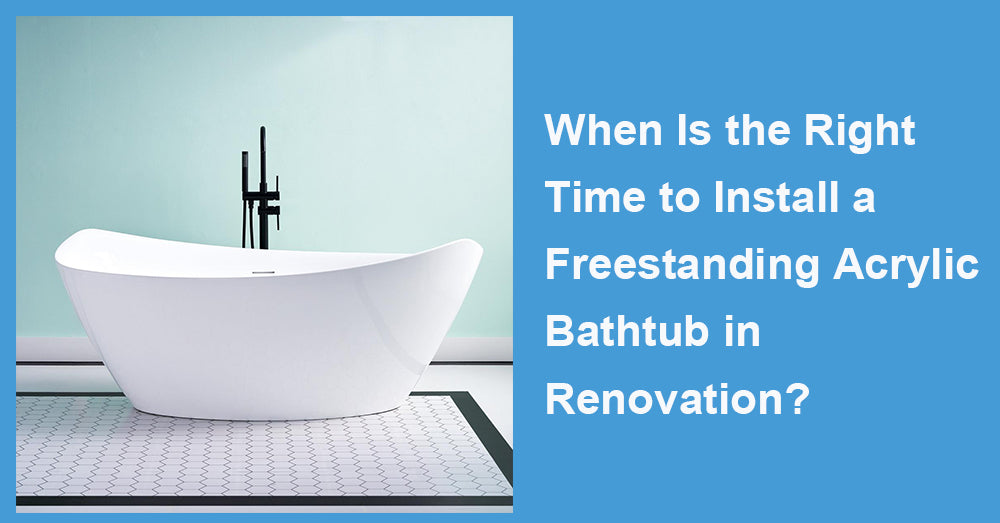
Freestanding bathtubs should typically be installed after tile work is completed but before other bathroom fixtures are installed.
At this stage, drain, floor drain, and pipe locations are finalized, allowing for precise alignment.
2. Installation Cost Variations
Labor fees typically range from $200 to $500. Opting for pre-installed drainage systems or lightweight bathtubs with integrated bases can significantly reduce expenses.
3. Transportation and Handling
Acrylic bathtubs weigh approximately 88–132 lbs, while cast iron models may exceed 440lbs.
For multi-story residences, lightweight materials substantially cut handling costs.
Purchase Channels: Comparing Online Platforms and Offline Showrooms
When searching for affordable freestanding soaking tubs, the key lies not in the "lowest price" but in "value for money and reliable sources."
1. Online Platforms
Major e-commerce platforms and specialized bathroom fixture websites have become mainstream purchasing channels.
Their advantages include transparent pricing, extensive product ranges, and frequent promotional activities. Consumers can compare dimensions, capacities, and accessory configurations across different brands.
Purchasing Tips:
Prioritize sellers with numerous reviews and robust after-sales support.
Verify inclusion of drain kits, bases, and warranty terms.
Check shipping methods (including delivery to the door).
2. Offline Showrooms
Though prices may be slightly higher, they offer direct observation of material quality and installation details.
For first-time bathtub buyers, in-person experience remains valuable.
Design and Size Selection: Space Compatibility is Key
Freestanding bathtubs may be aesthetically pleasing, but they aren't suitable for every bathroom.
1. Size Planning
Common bathtub dimensions range from 59–66 inch in length and 27–31 inch in width.
Before installation, ensure:
- At least 8inch clearance between the bathtub and walls;
The drain is no more than 15inch from the wall;
Sufficient cleaning and access space surrounds the tub.
2. Shape Pairing
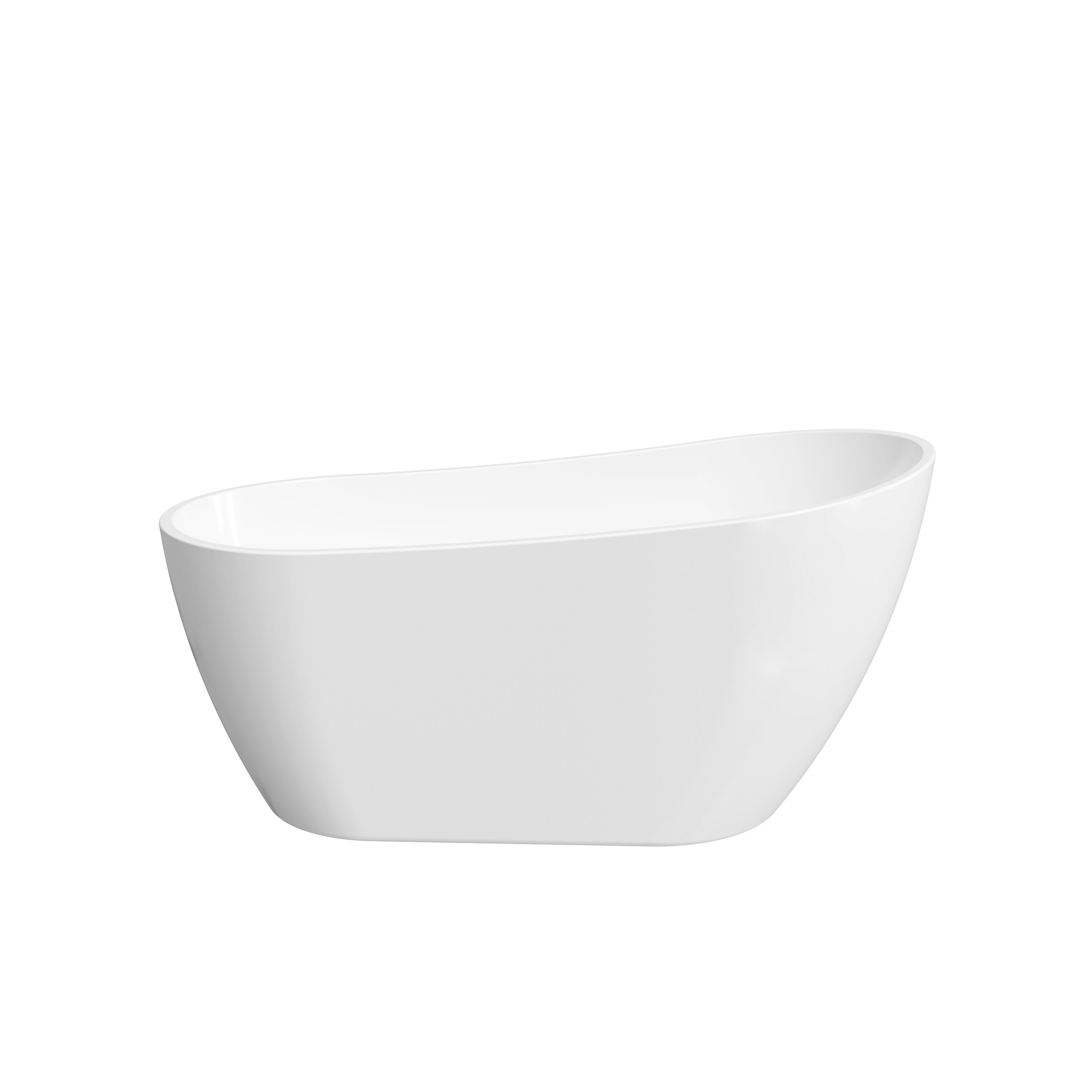
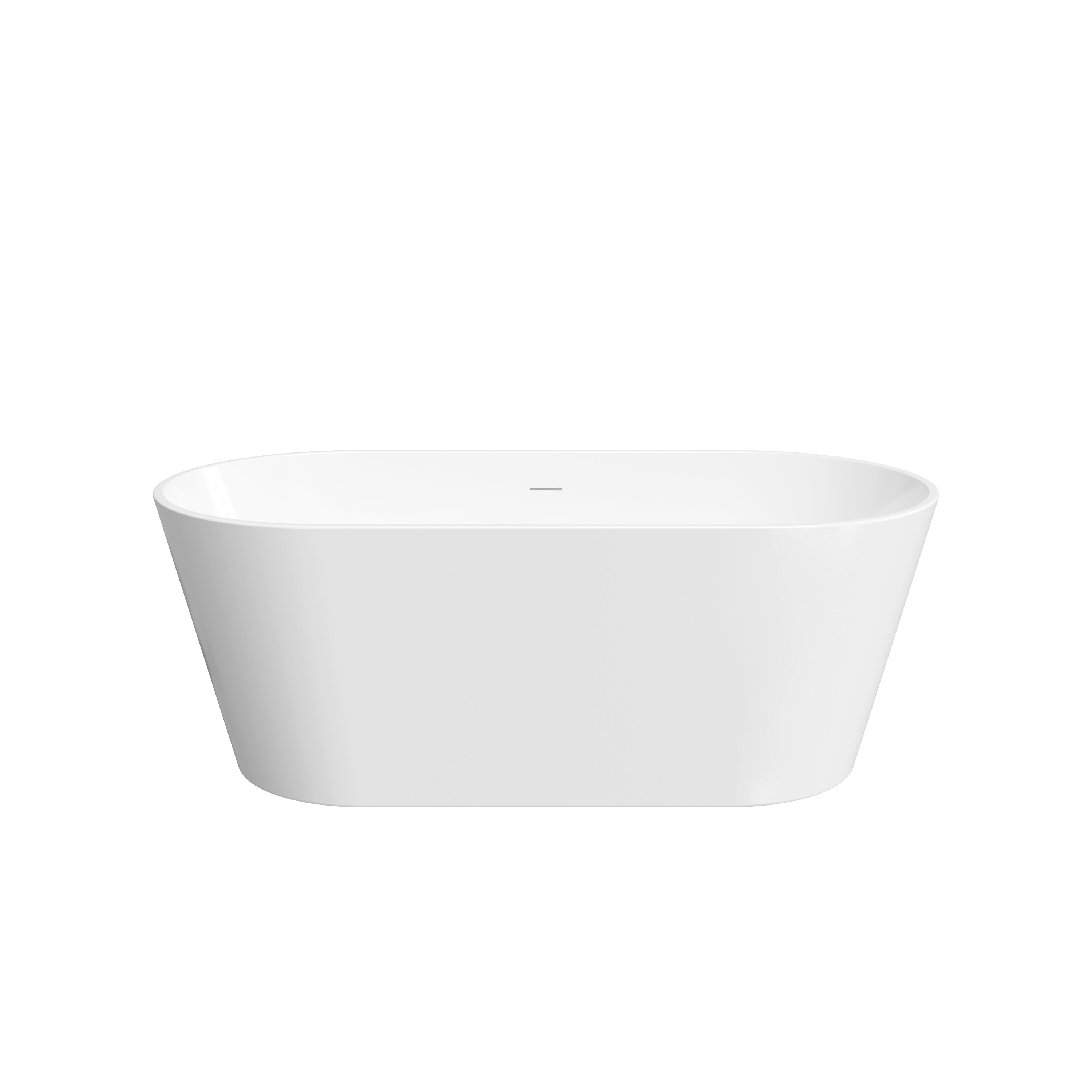
Oval: Soft visual appeal, suits modern minimalist styles;
Rectangular: Clean and sturdy, complements industrial or Nordic aesthetics;
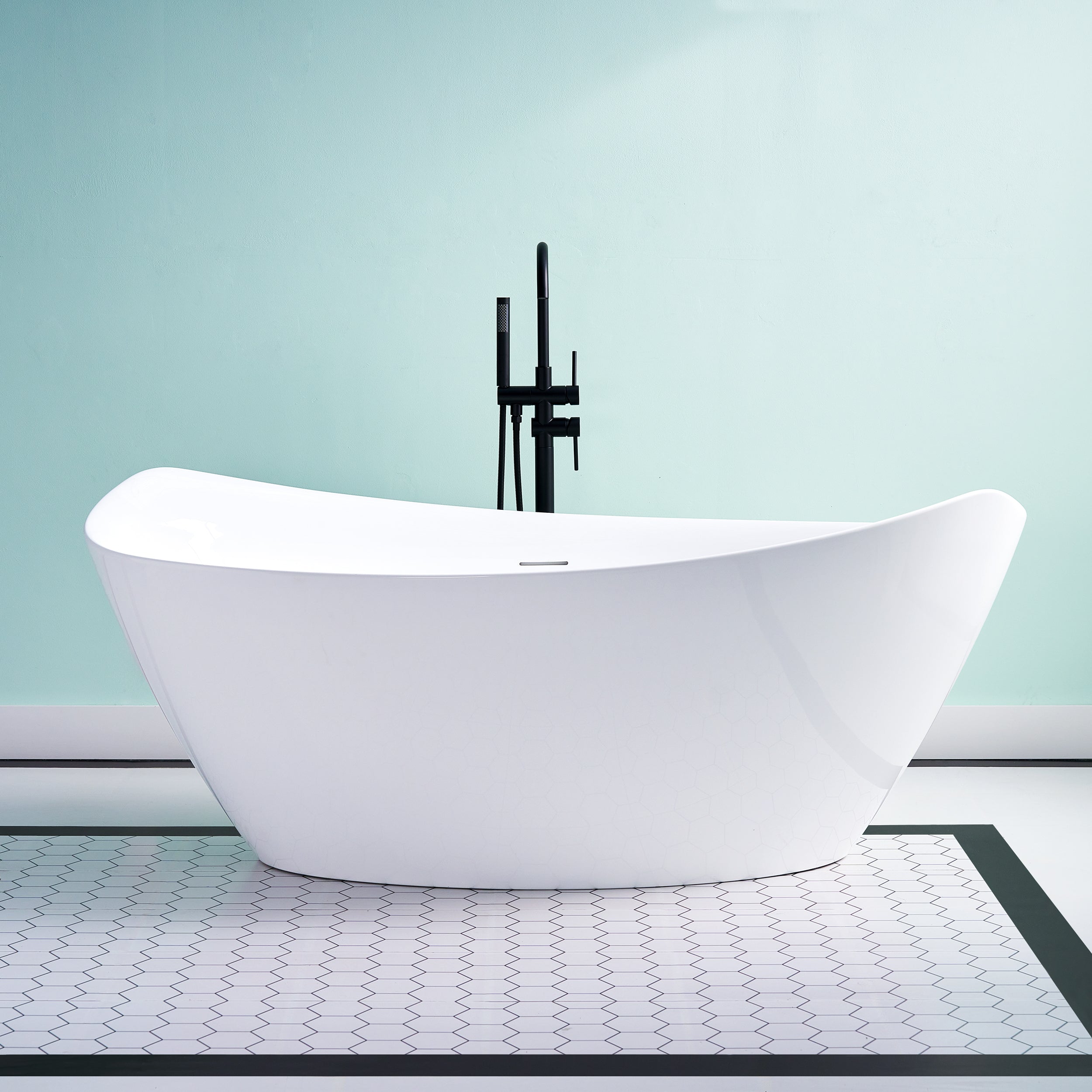
Asymmetrical designs: Add depth and dimension, ideal for niche, personalized spaces.
Designer's advice:
"Don't sacrifice proportions for affordability. An ill-fitting bathtub disrupts the bathroom's spatial harmony."
Consumer Perspective: Practicality Over Aesthetics
Based on user feedback, key considerations when purchasing budget freestanding bathtubs include:
- Efficient drainage;
- Sufficient heat retention;
- Scratch-resistant surface;
- Ease of cleaning.
Multiple consumers report that thick-walled acrylic bathtubs demonstrate the most stable long-term performance, delivering satisfying experiences even at lower price points.
"I chose an acrylic bathtub under $700, and after two years it still looks brand new."
Industry Expert Perspective: Bathroom Consumption in the Value-for-Money Era
Bathroom industry experts note that consumers have become more rational:
"They no longer blindly pursue high-priced brands but focus on whether products genuinely suit their lifestyle."
In the coming years, manufacturers will continue optimizing lightweight and eco-friendly production processes, enabling more consumers to enjoy high-quality soaking experiences at reasonable prices.
Simultaneously, the widespread adoption of water-saving and smart temperature control technologies will enhance the added value of "affordable bathtubs."
Conclusion: Affordable Doesn't Mean Compromise—It's All About Smart Choices
In bathroom renovations, freestanding soaking tubs symbolize a lifestyle philosophy—
regardless of budget, everyone deserves their own sanctuary for relaxation.
The emergence of affordable freestanding soaking tubs makes this "ritualistic living" experience within reach.
By carefully considering materials, dimensions, installation, and after-sales service during selection, consumers can easily find an ideal bathtub that balances design and comfort within a reasonable budget.















Leave a comment
This site is protected by hCaptcha and the hCaptcha Privacy Policy and Terms of Service apply.