

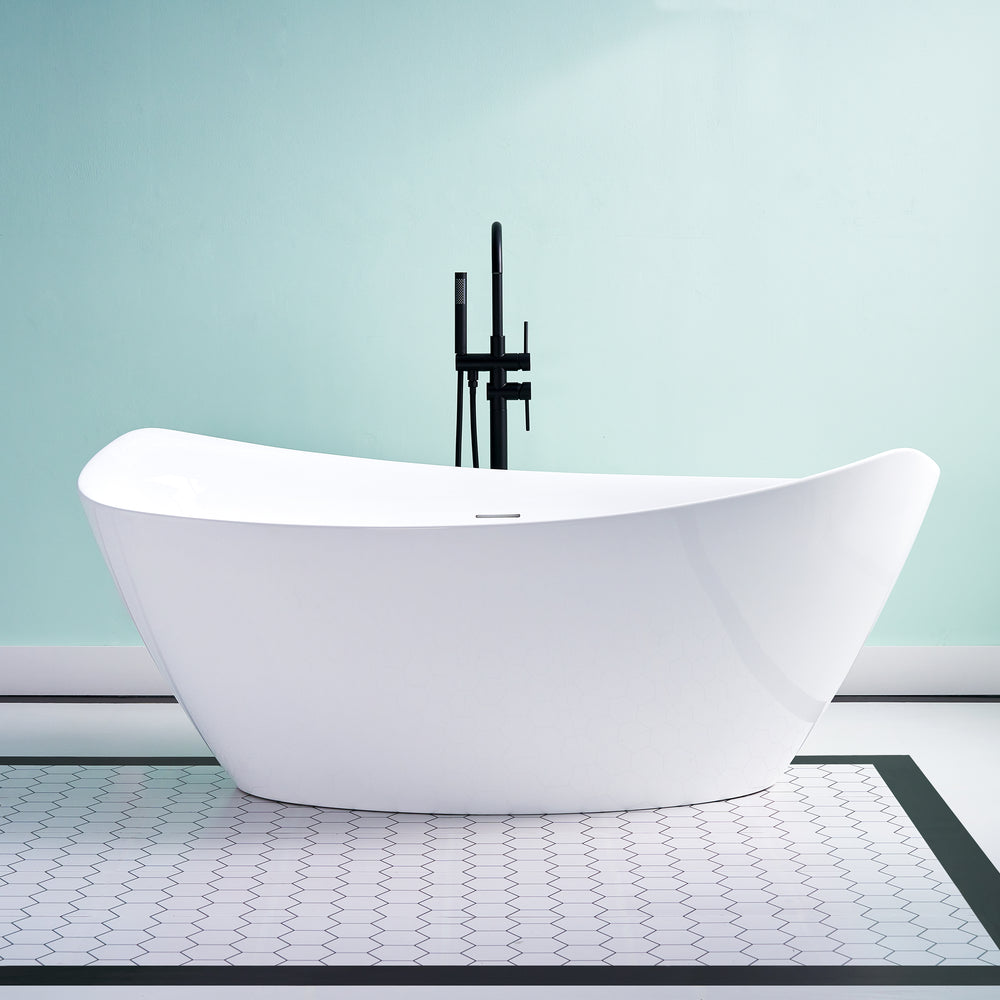
















In recent years, acrylic soaking tubs have gained popularity in home renovations, as homeowners frequently seek deep tubs while avoiding the issue of heavy materials that require more upkeep than acrylic tubs do. The 2026 Bathroom Trends Study carried out by Houzz indicated that 72% of homeowners picking out or installing a bathtub opted for a soaking tub, which represents an increase of 10% from the previous year. The same study showed that 76% of homeowners said the most relaxing part of bathroom updates is cleanliness.
1. Why Acrylic Needs a Different Cleaning Routine
One of the advantages of acrylic is its smooth and nonporous surface, which prevents soap scum and everyday dirt from becoming embedded in the material. MAAX indicates that acrylic is non-corrosive and nonporous, allowing easy cleaning with non-abrasive cleaners.
However, the drawback is that aggressive cleaning can damage the surface and leave scratches or dull the surface. Cleaning products that are effective on tile and ceramic may be harsh on acrylic materials.
The presence of tiny scratches on the surface causes the surface to reflect light scattered in the area, which may cause a glistening white bathtub to appear cloudy.
2. Start With Warm Water and a Mild Cleaner
For routine cleaning, complicated formulas are usually unnecessary. A mild liquid dishwashing detergent or acrylic-safe bathroom cleaner combined with warm water can handle most soap film and body oils.
Delta recommends non-abrasive soaps and cleaners for acrylic bathing products and suggests using a terry cloth towel, soft cloth, or sponge. Kohler gives similar guidance.
Apply the cleaner to a wet surface, allow it to loosen residue briefly, then wipe from the upper walls toward the basin and rinse thoroughly. For a freestanding tub, clean the exterior skirt as well, especially around the lower edge where dust and splashes tend to collect.
3. Skip the Rough Scrubbers
Steel wool, stiff-bristled brushes, abrasive pads, and rough scouring sponges can leave permanent marks.
Even small scratches create areas where soap film becomes more visible later. Both Kohler and Sterling advise against brushes and scouring pads on acrylic surfaces. A microfiber cloth, soft sponge, or similar non-scratching material is a safer choice.
For residue around the drain or overflow, a soft cloth is usually more suitable than a hard brush.
4. Stronger Chemicals Are Not Always Better
One of the most common means of harming acrylic is the belief that stronger chemicals will result in better cleaning.
Delta recommends avoiding cleaners containing acetone, lacquer thinner, paint thinner, mineral spirits, xylene, and other such solvents because they can deteriorate the acrylic surface and contribute to cracking. Delta advises that it’s essential to check the label of a cleaner and ensure that it’s appropriate for acrylic or plastic.
It is especially crucial when cleaning paint, glue, or renovation residues. Always test an unfamiliar cleaner on a small hidden spot first.

5. Don’t Let Soap Film Build for Weeks
The easiest acrylic tub to clean is one that never gets particularly dirty.
A quick rinse after bathing removes much of the shampoo, soap, bath oil, and skin residue before it dries. Sterling recommends wiping acrylic baths after use with a soft, damp sponge or cloth.
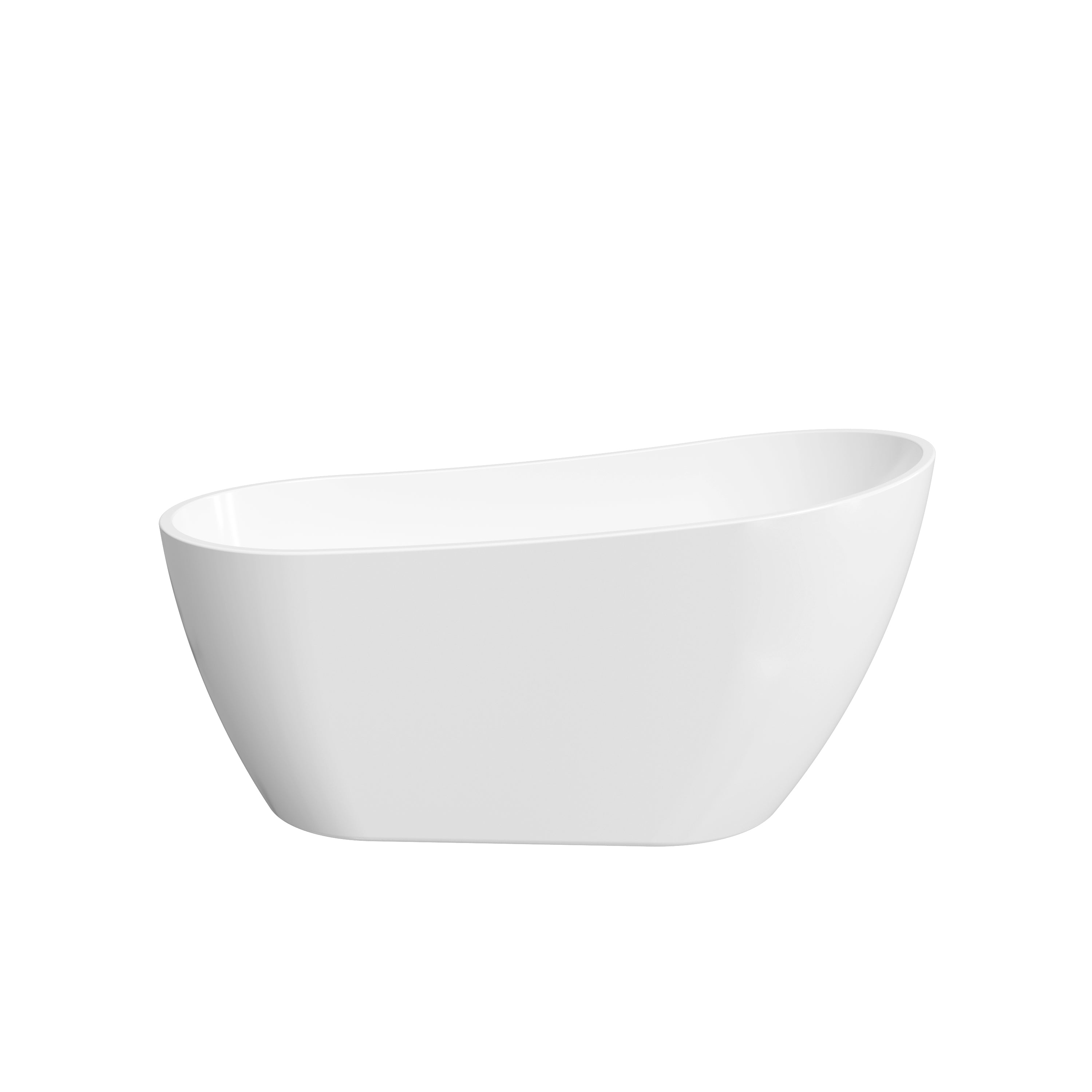
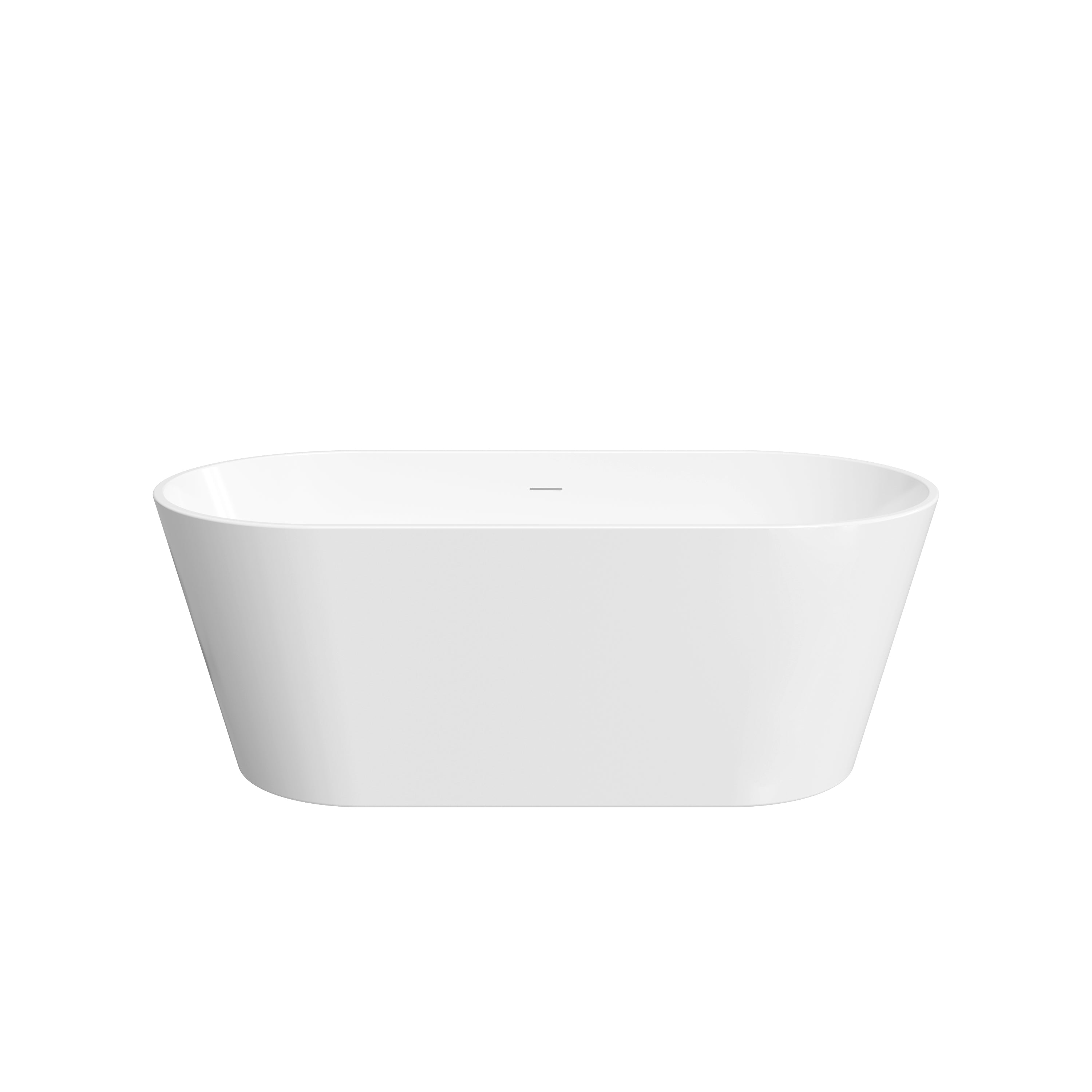
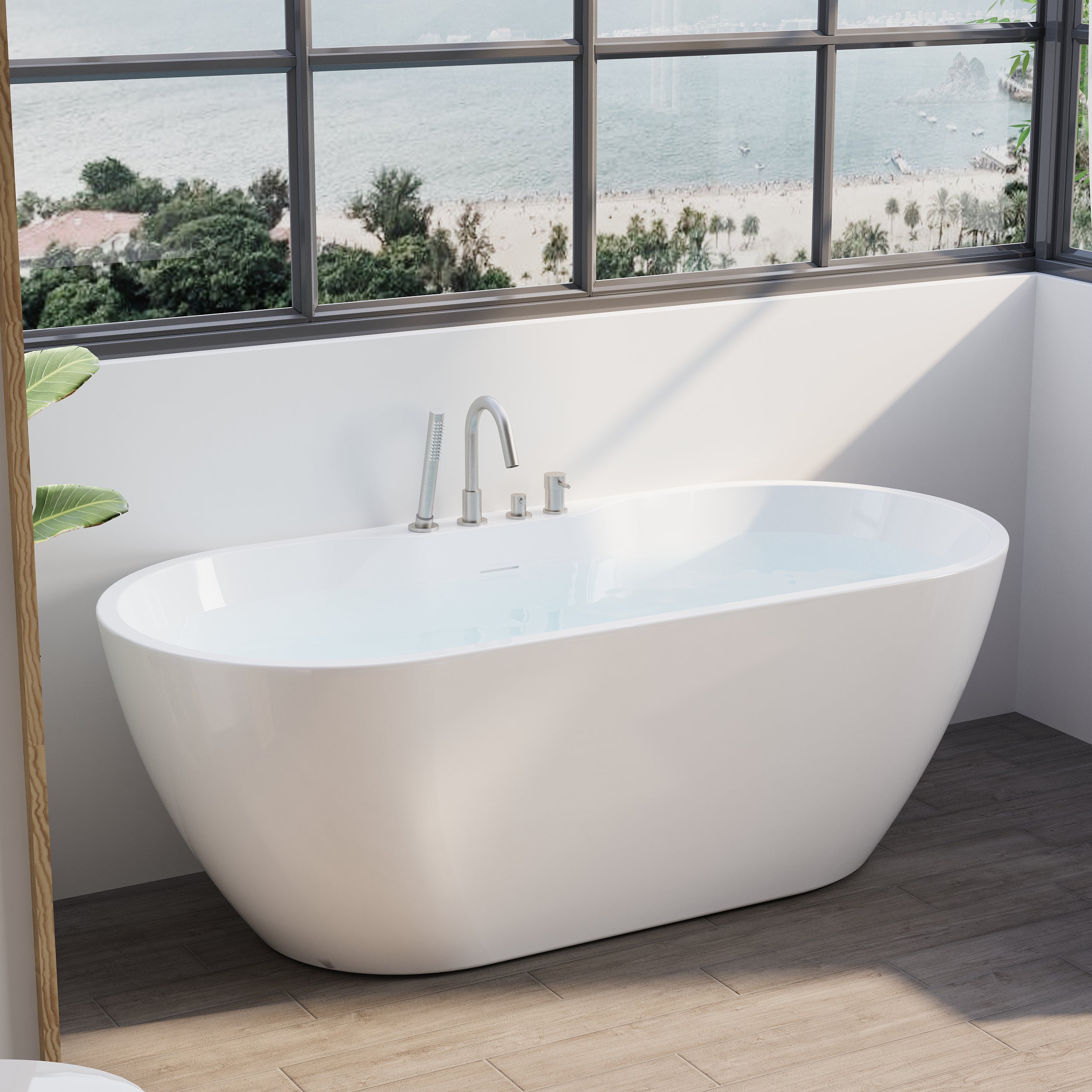
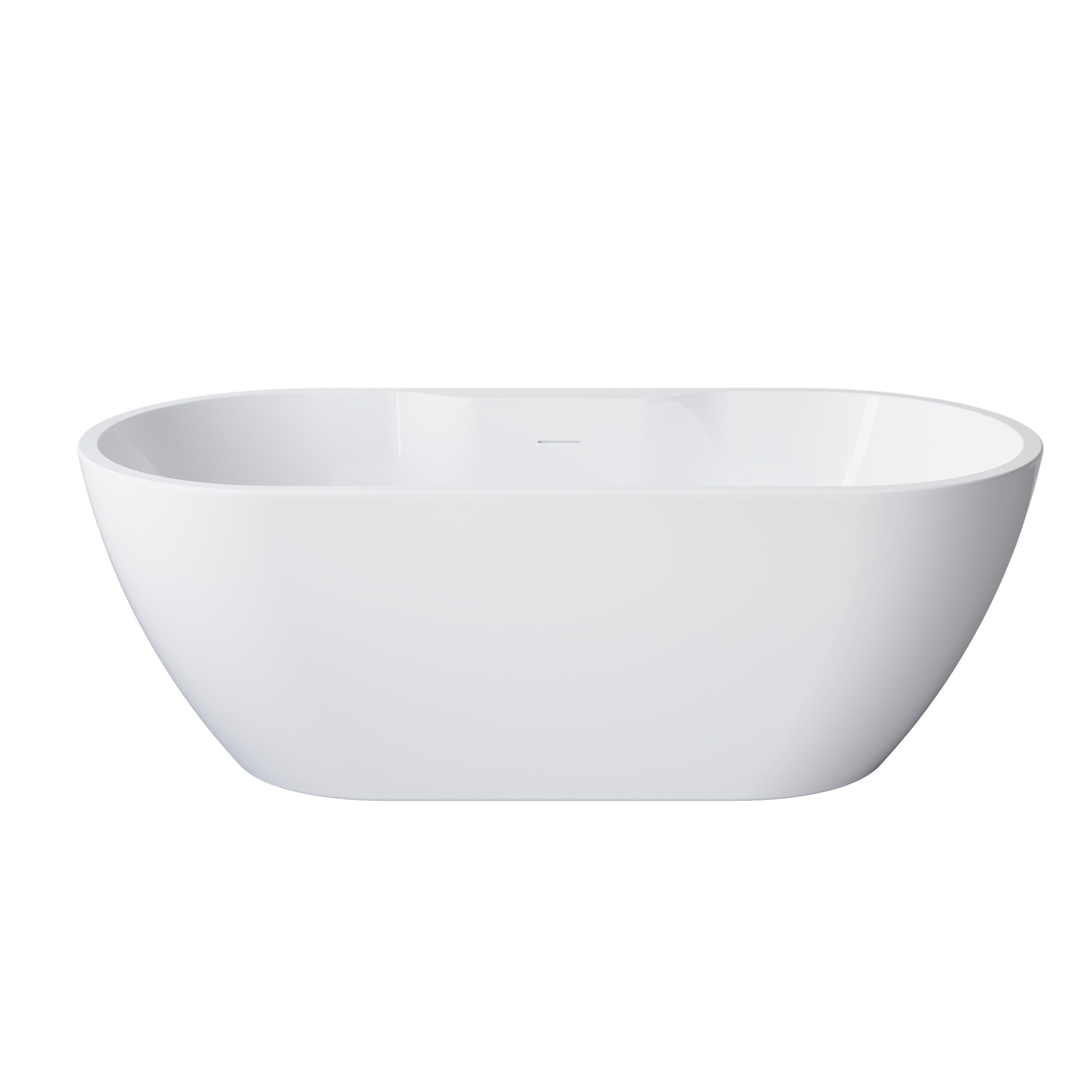
This habit matters even more on larger soaking tubs. A freestanding tub around 59 to 67 inches long has a broad interior surface, so dried soap film can become very noticeable.
Bath oils and salts also deserve attention. MAAX advises using therapeutic bath products with care because some formulations may affect the finish.
6. Hard-Water Marks Need Patience, Not Force
The presence of mineral deposits should be recognized in different places such as the faucets, drains, and the waterline. While it may seem like a persistent stain, cleaning with something abrasive is not usually the best answer.
Use a gentle cleaner that explicitly states it is safe to use on acrylic materials. Always follow the manufacturer's instructions closely.
It's easier to regularly remove a light mineral build-up than to tackle a more serious build-up later on in your cleaning. Deck-mounted fillers, for example, also require regular cleaning since water tends to sit around their base after the tub is drained.
7. Small Scratches Do Not Always Mean the Tub Is Ruined
One advantage of acrylic is that superficial wear can sometimes be corrected. Sterling notes that dull or lightly scratched acrylic may be restored with an appropriate automotive polishing compound applied with a clean cloth.
Deep gouges, cracks, or structural damage are different and may need professional repair. Manufacturer instructions should be checked before polishing a specific finish.
Prevention remains the better strategy. Avoid placing metal tools, rough cleaning buckets, or sharp objects inside the tub, and protect the surface during renovation work.
8. Tub Maintenance Matters More as Bathrooms Become Wellness Spaces
As reported by Houzz, 50% of renovators say that they spend more time in their bath after the remodeling is done, and 23% use it specifically for relaxing and resting. 26% of those surveyed claimed that the bathtub is the most relaxing feature of a bathroom.
In 2025, the median spending on bathroom remodeling was $15,000, while the median spending on major remodels amounted to $25,000. NKBA’s 2026 Bath Trends study indicated that durability and functionality of designs were main priorities when creating modern bathrooms.
Thus, maintenance is taken more seriously than ever. Soaking tubs often become the most noticeable parts of the bathrooms, which means that scratches and cloudy finishes can spoil the look of the entire space.
The right care is simple: gentle cleaner, soft rag, thorough rinse-off, and timely maintenance. Acrylic does not require harsh scrubbing in order to stay appealing. Gentle actions normally allow it to stay in good condition for a long time.




























Leave a comment
This site is protected by hCaptcha and the hCaptcha Privacy Policy and Terms of Service apply.