
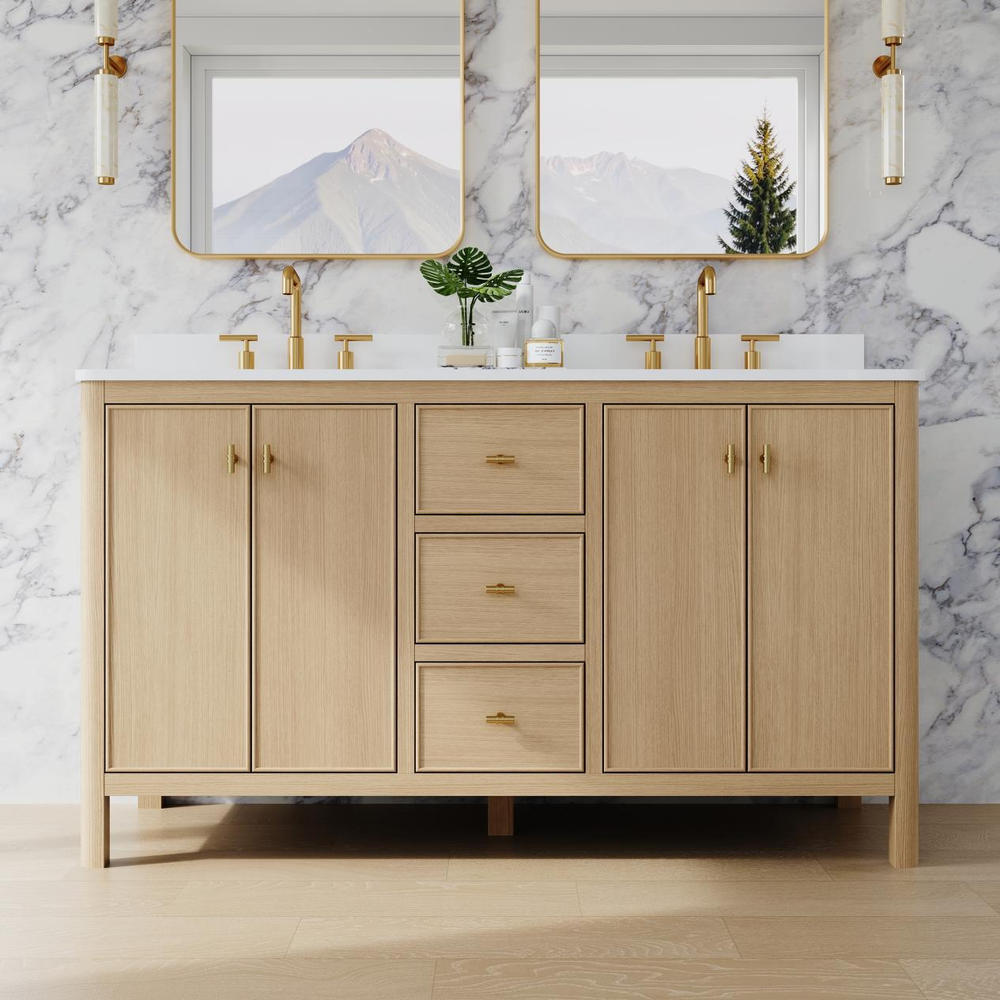
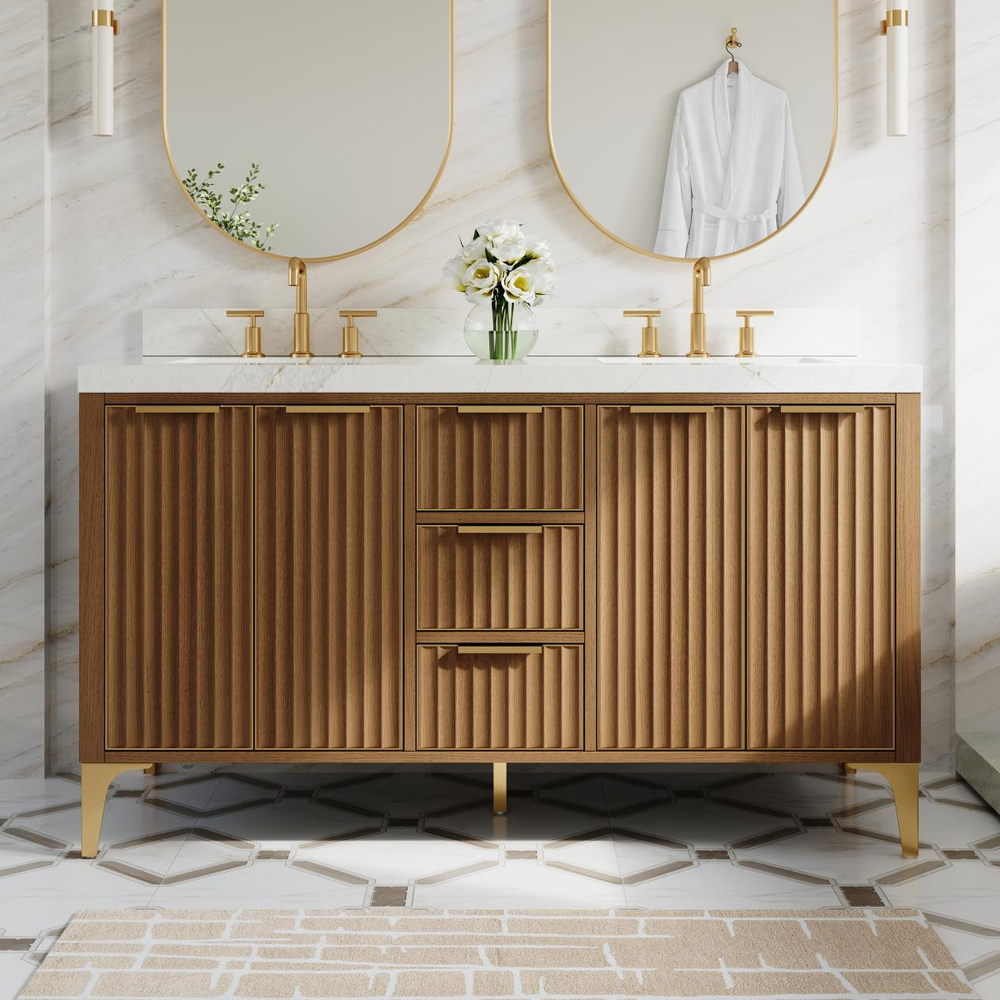
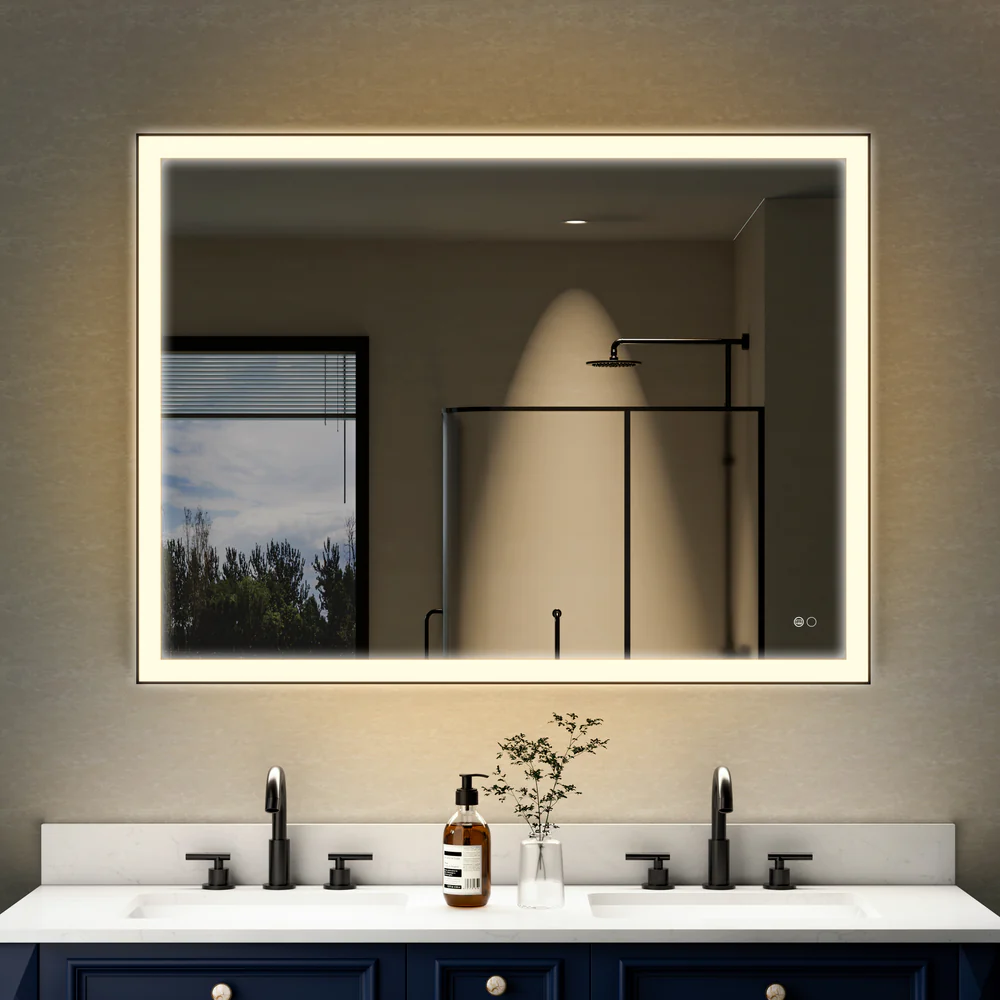
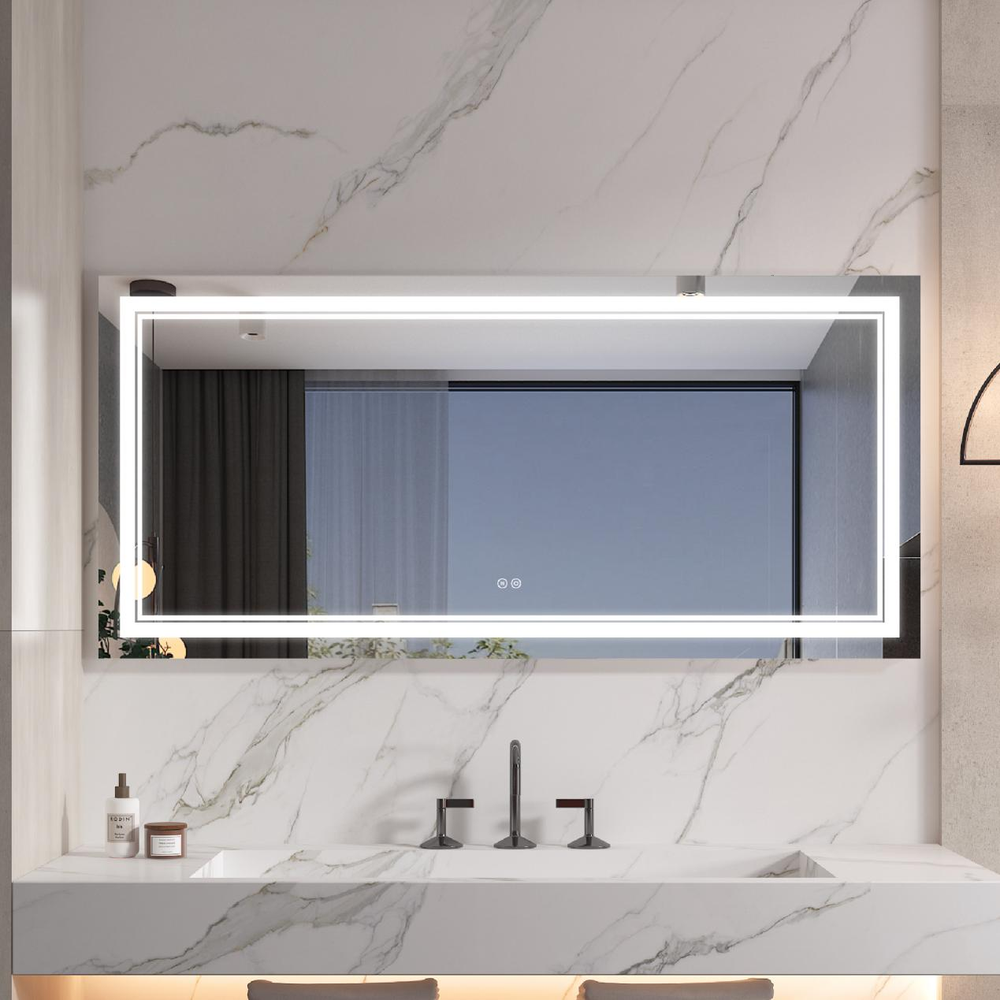
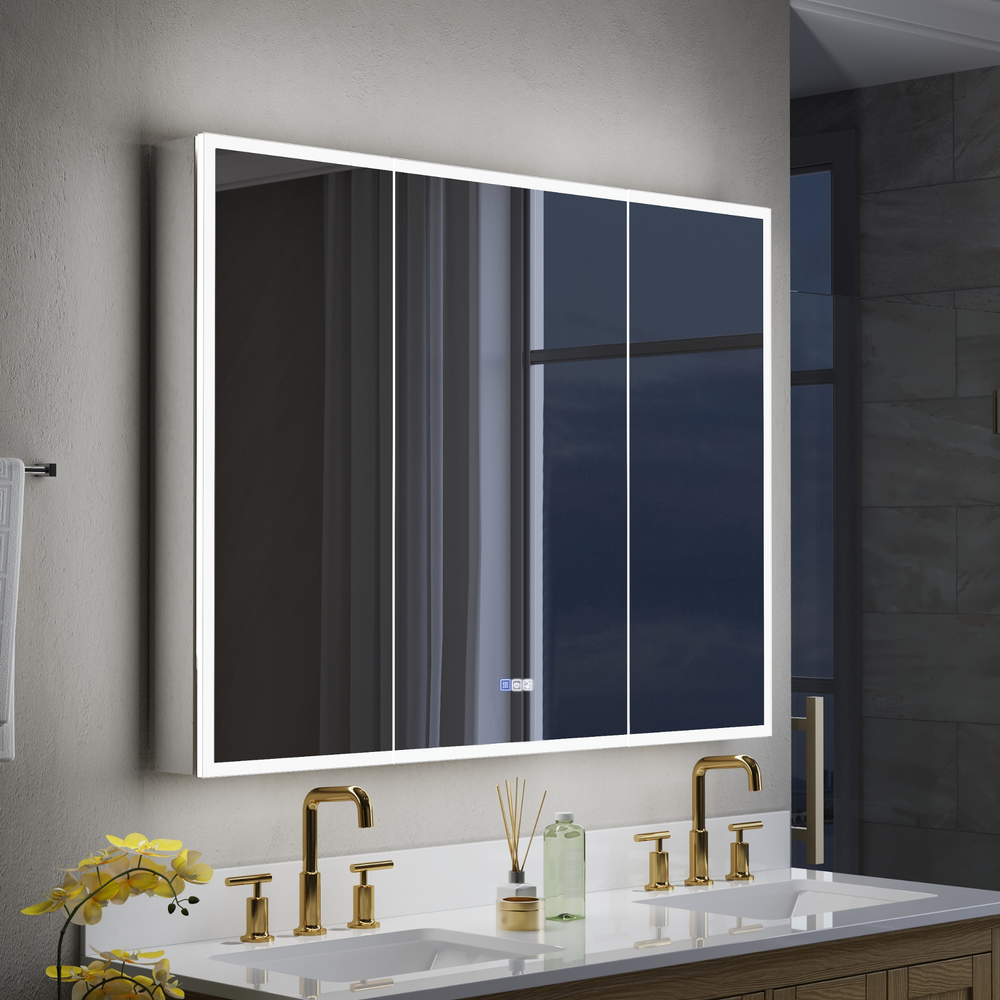
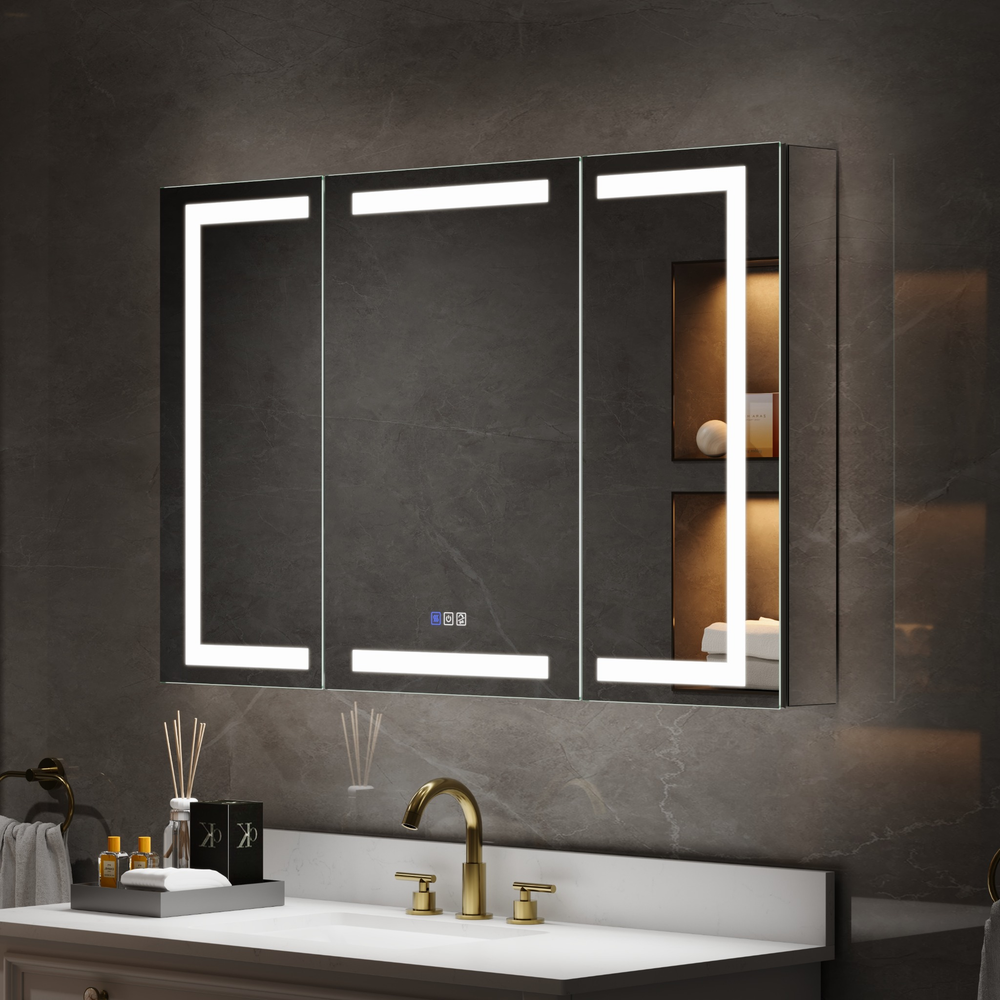
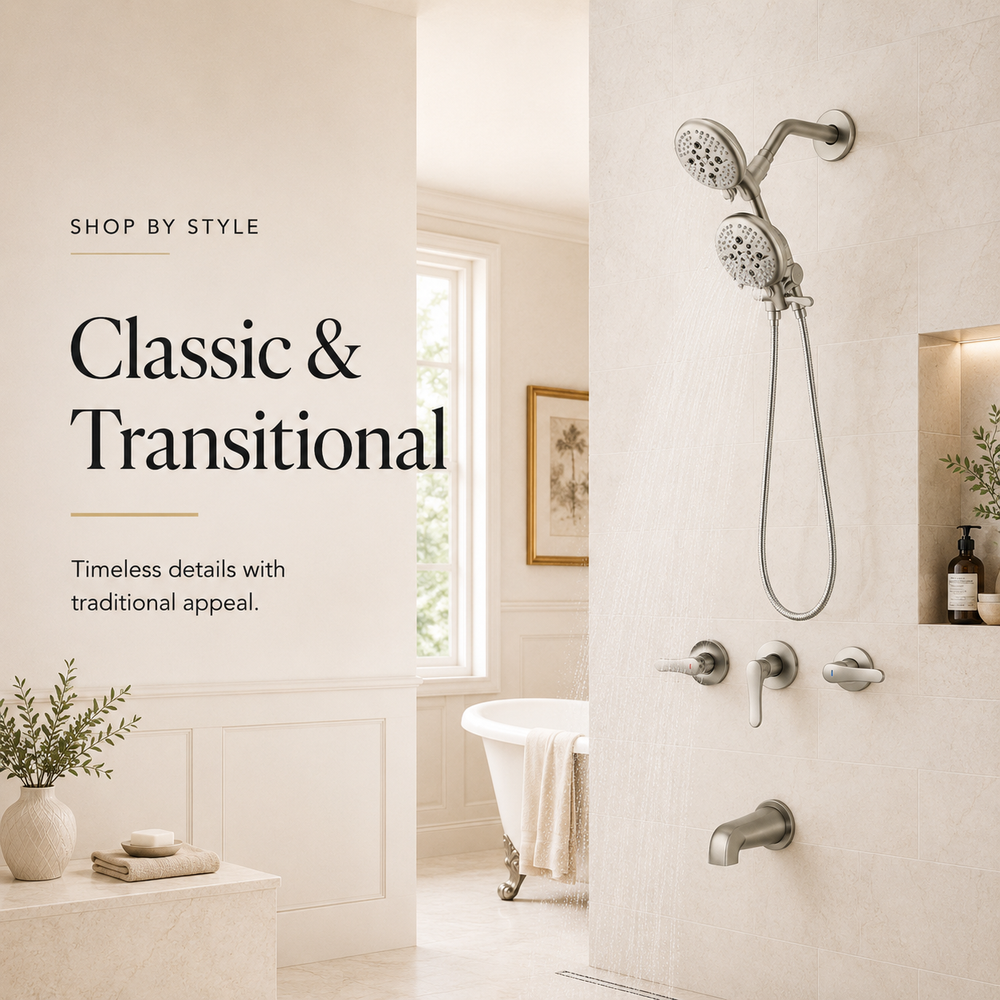
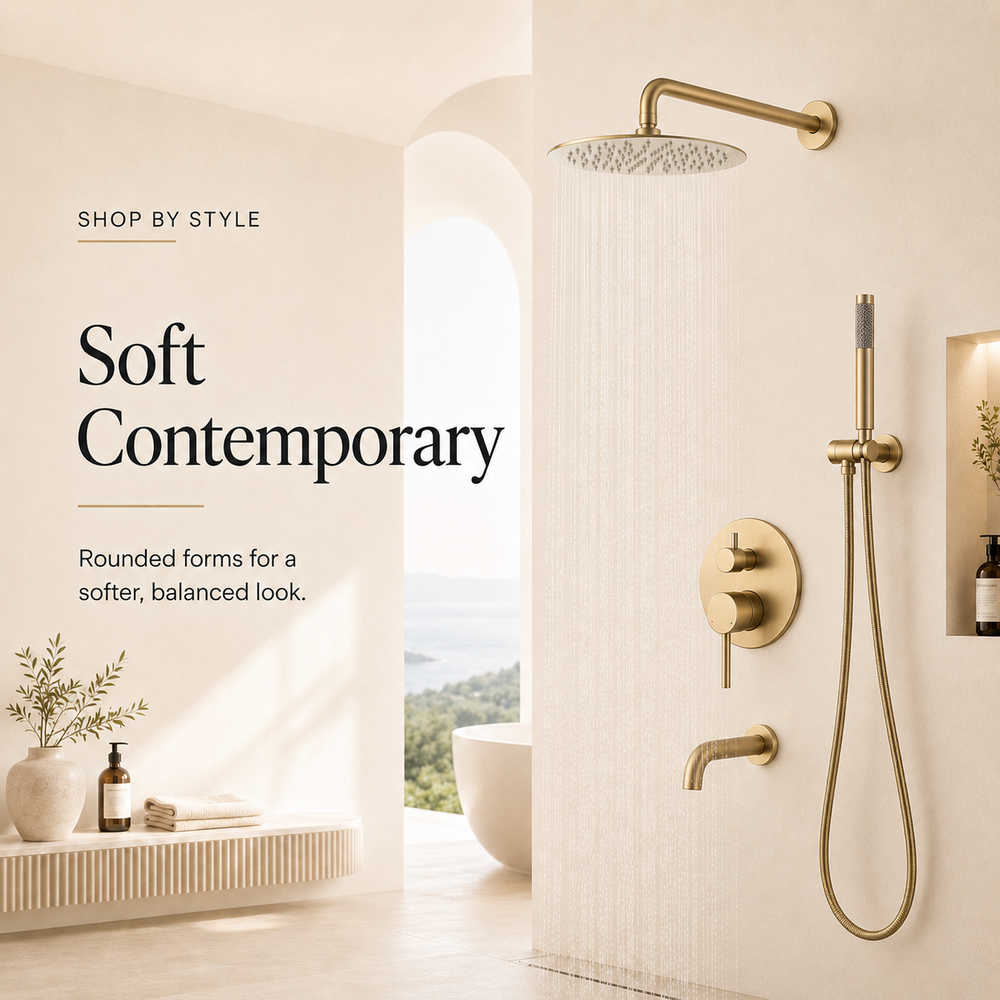
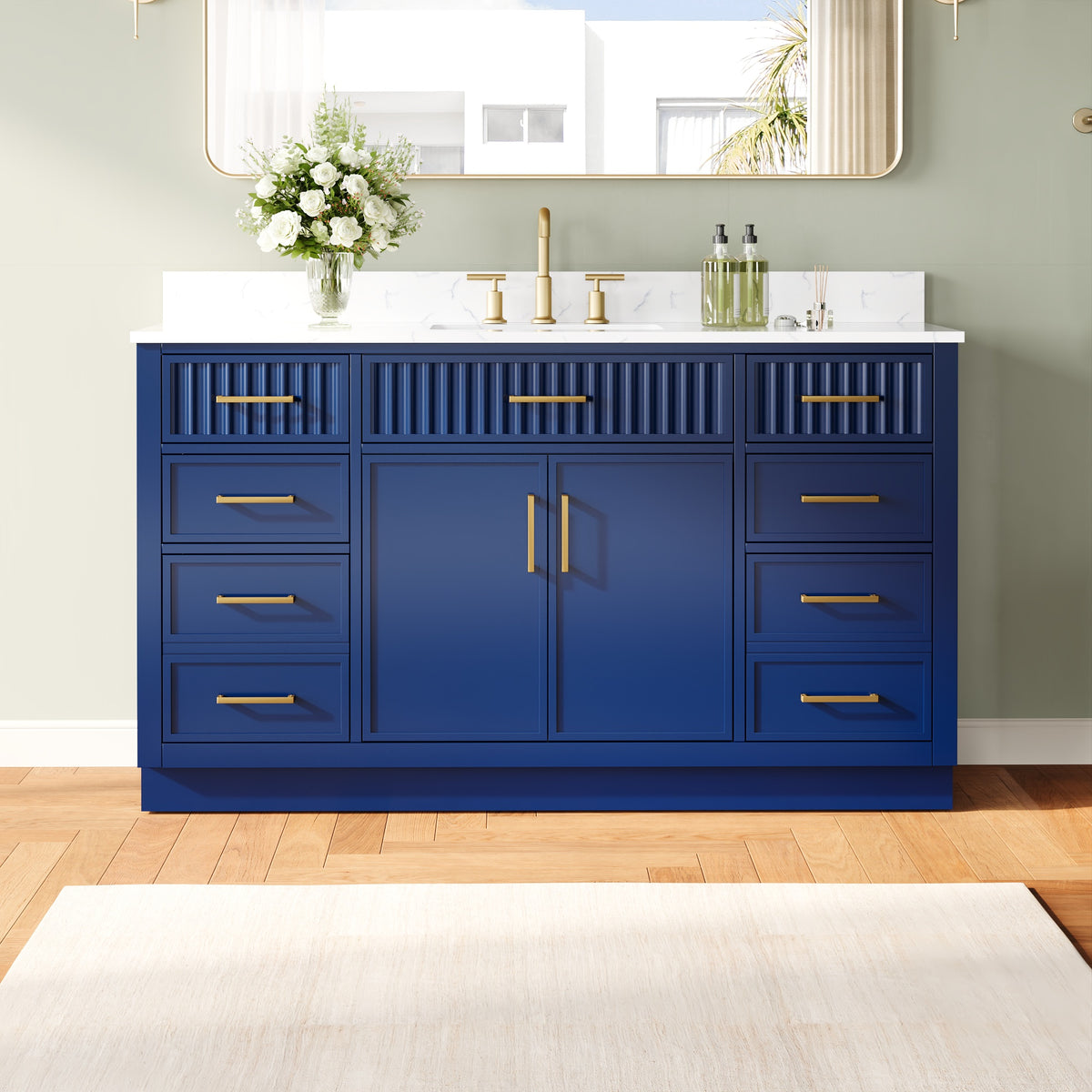
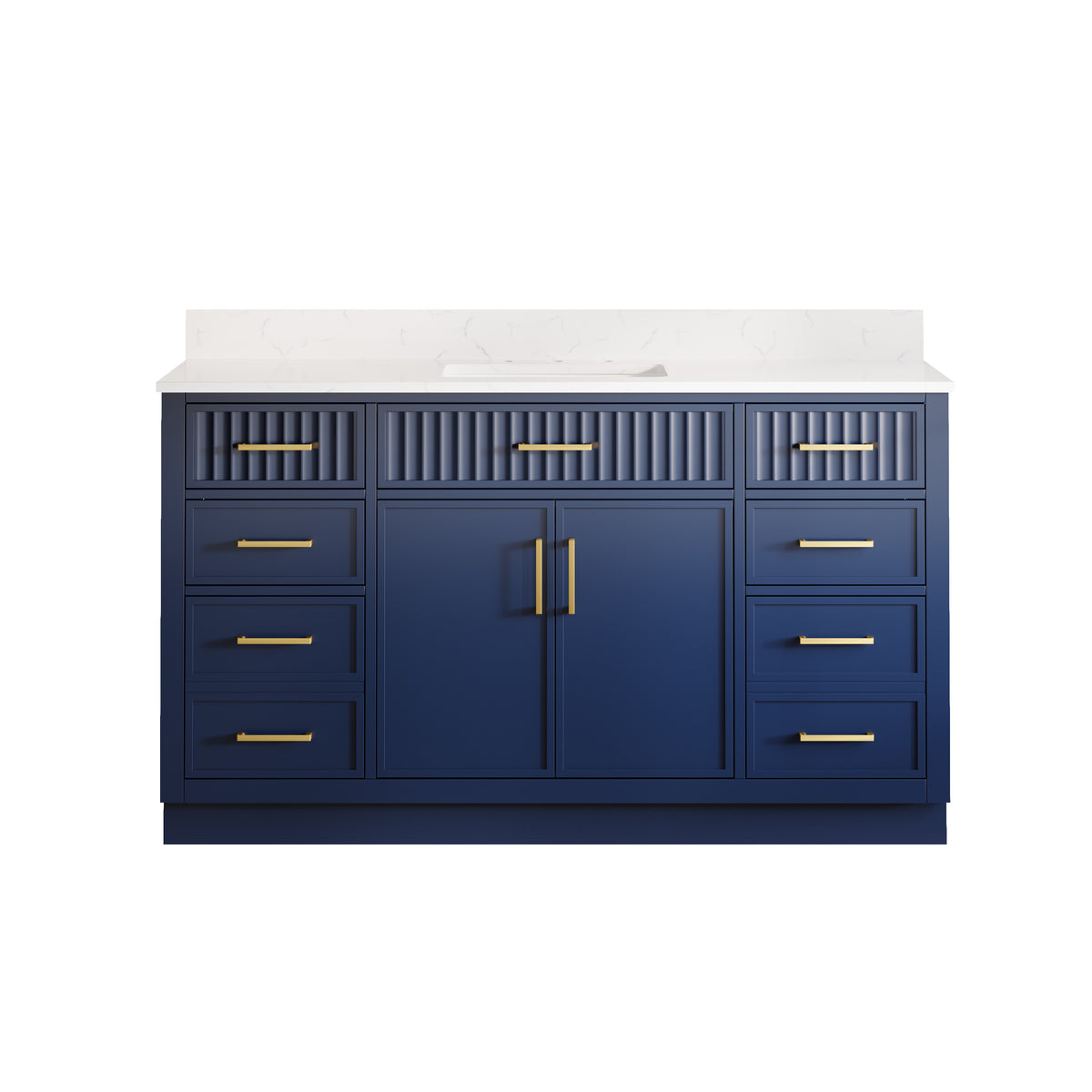
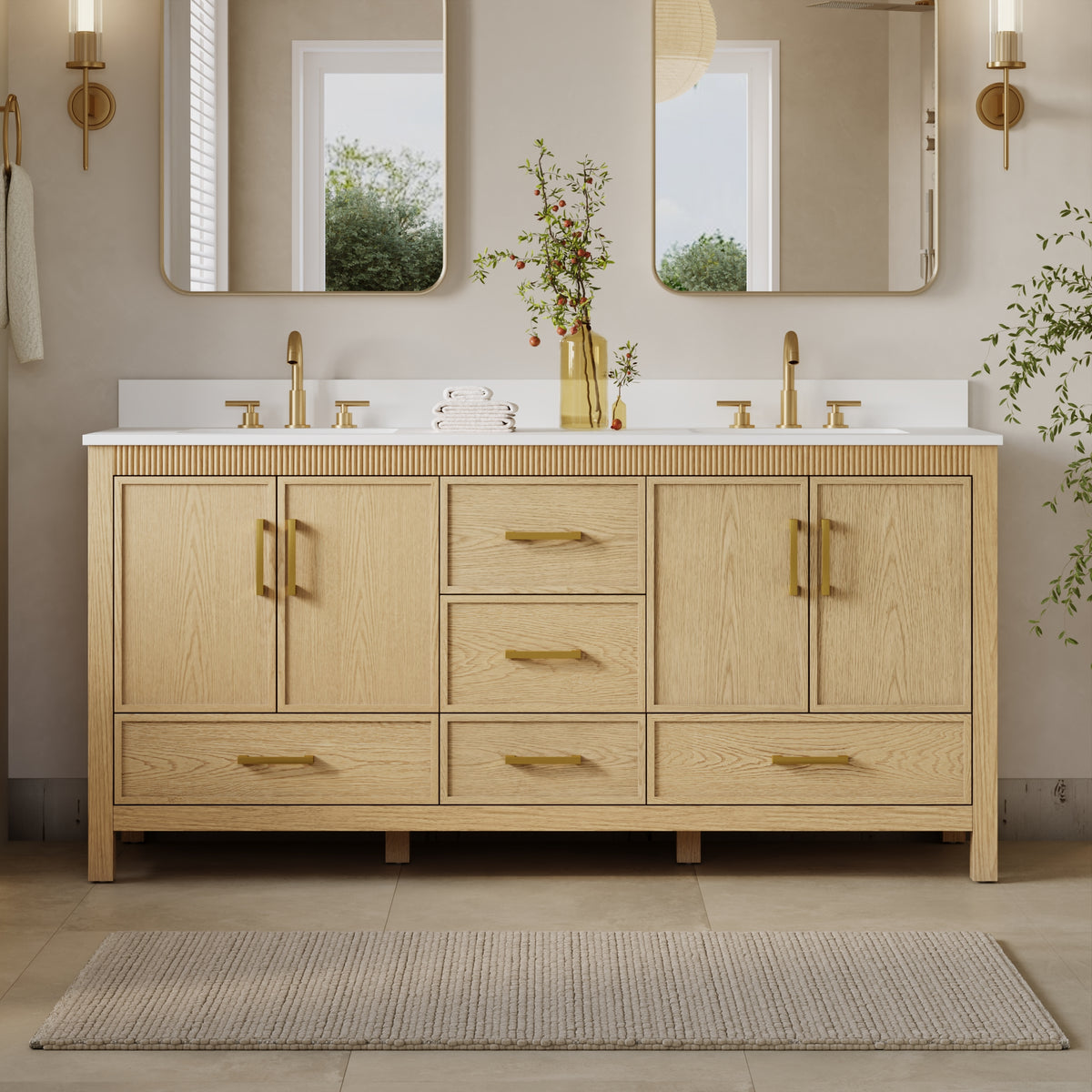
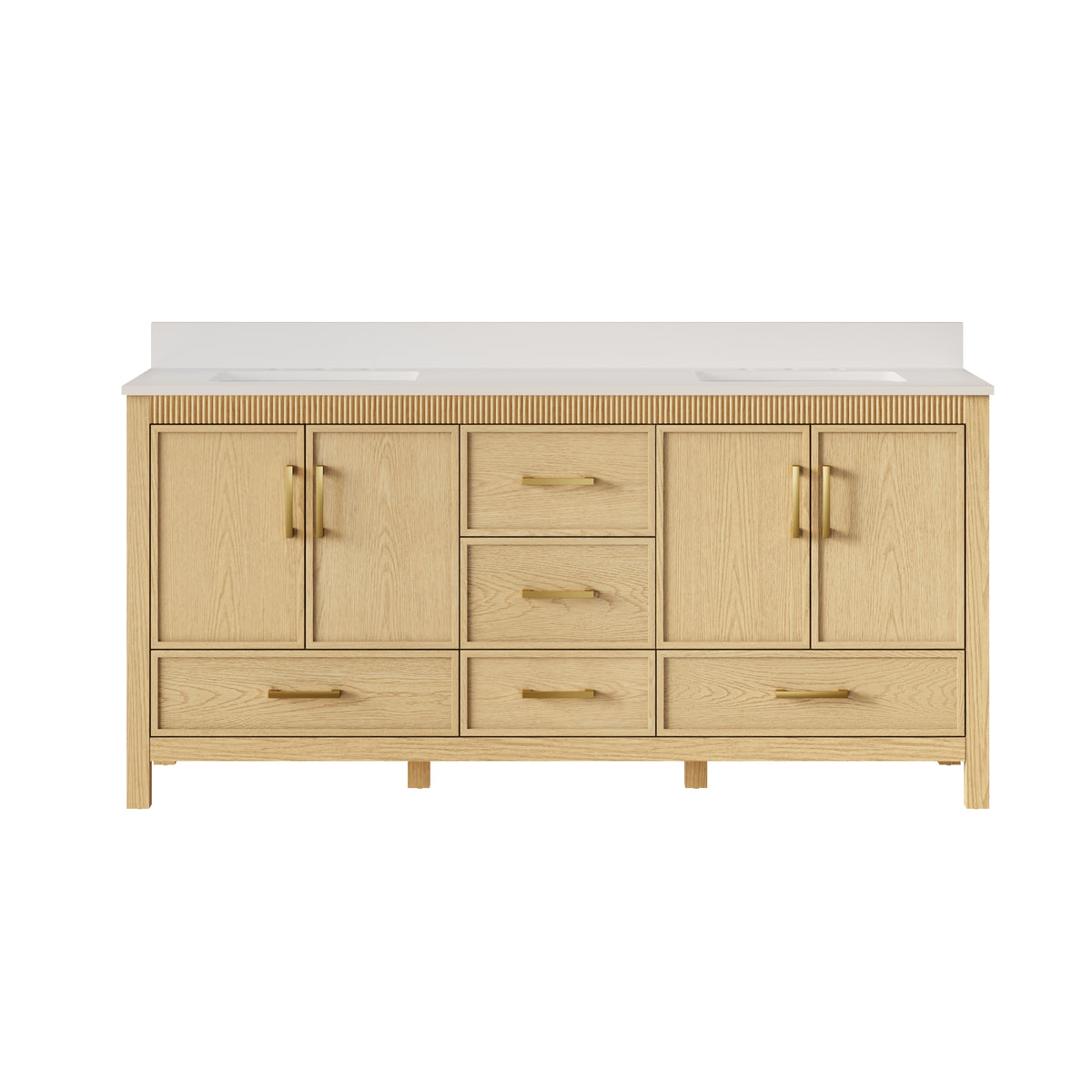
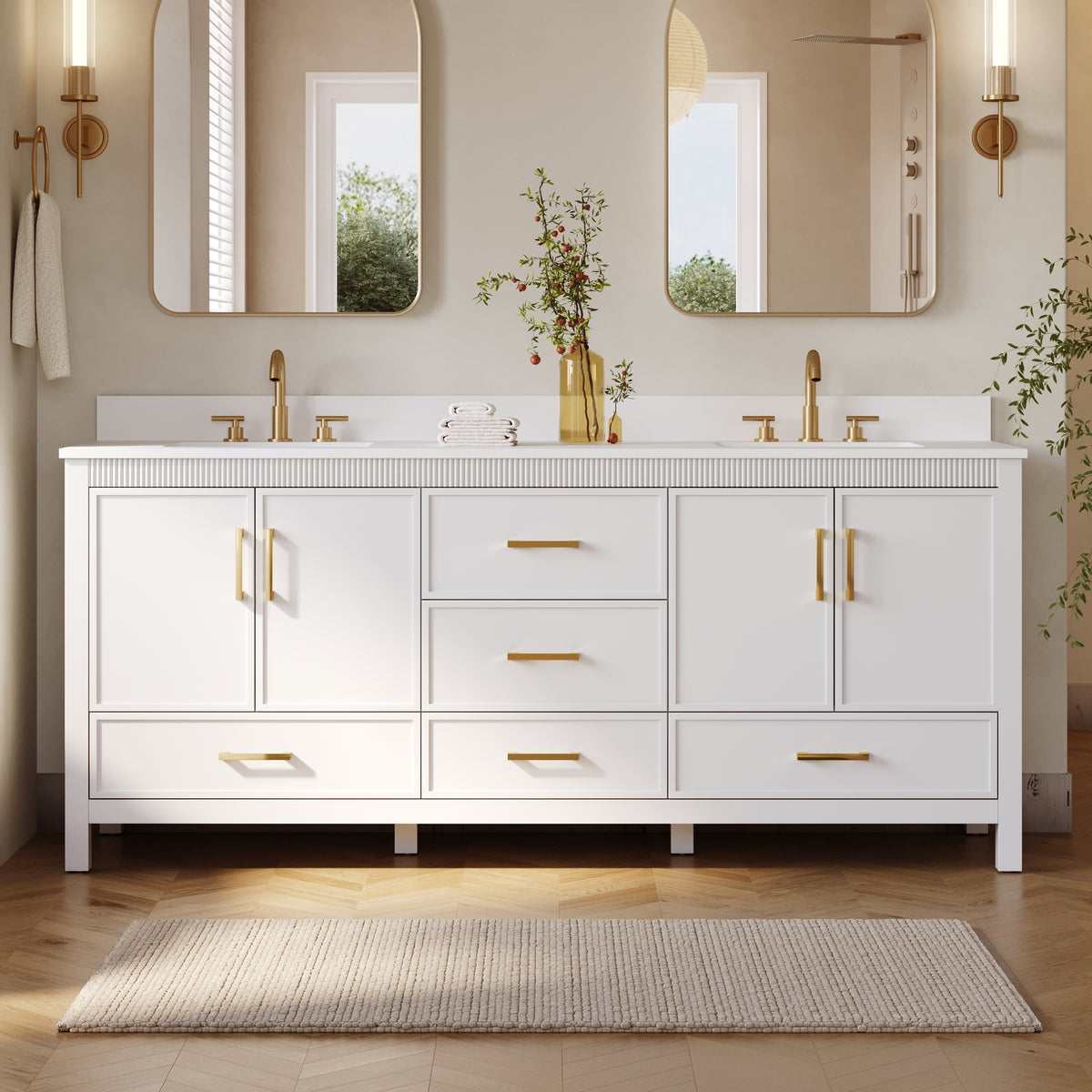
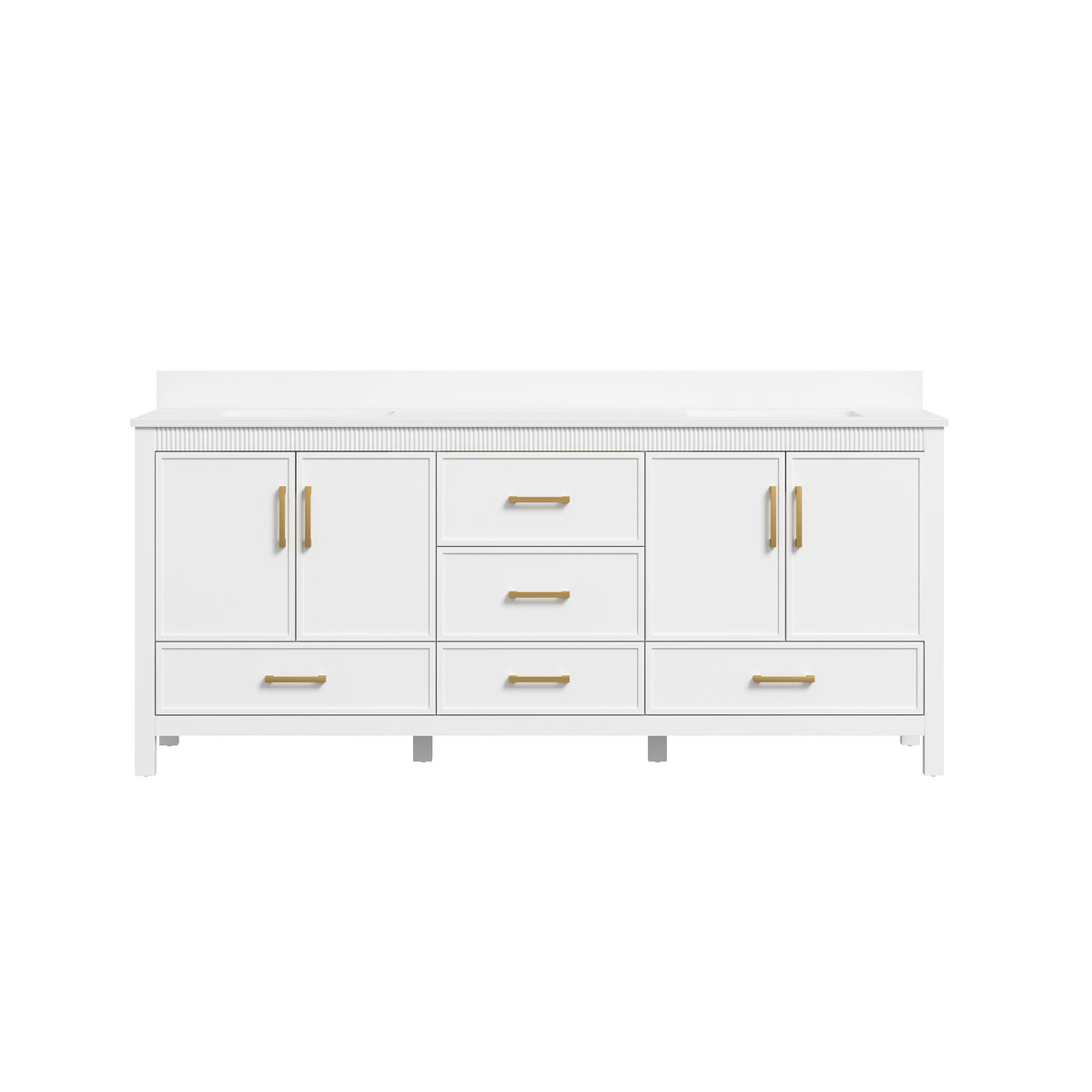

Even though framed bathroom mirror are used mainly for their reflective quality, in a traditional bath setting they resemble a piece of furniture affixed to the wall and thus give finishing touches to the vanity and underscore the room's architectural character. This is an important point as the design of bathrooms becomes more and more focused on warmth, craftsmanship, and aesthetic longevity. According to NKBA's 2026 Bath Trends report, the outlook on transitional/timeless design indicates a 70% likelihood of retaining popularity with market experts, while organic/natural design comes second with 65%, which favors visible frames, wood tones, and softer metallic finishes.
1. The Frame Adds the Visual Weight Traditional Rooms Need
Traditional bathrooms often include elements with noticeable depth: Shaker or raised-panel cabinetry, stone countertops, molding, paneled doors, and detailed hardware. A frameless mirror can work, but it may look visually lighter than the pieces around it. A frame restores balance.
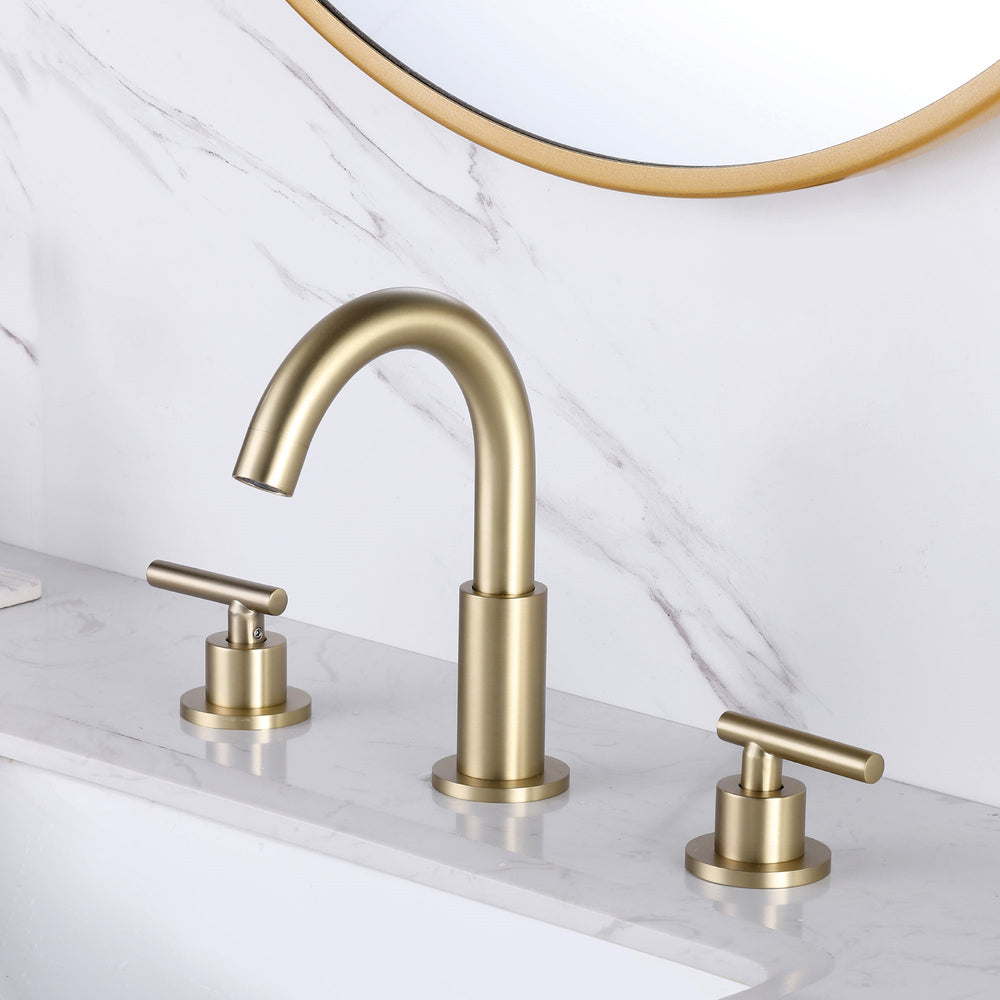
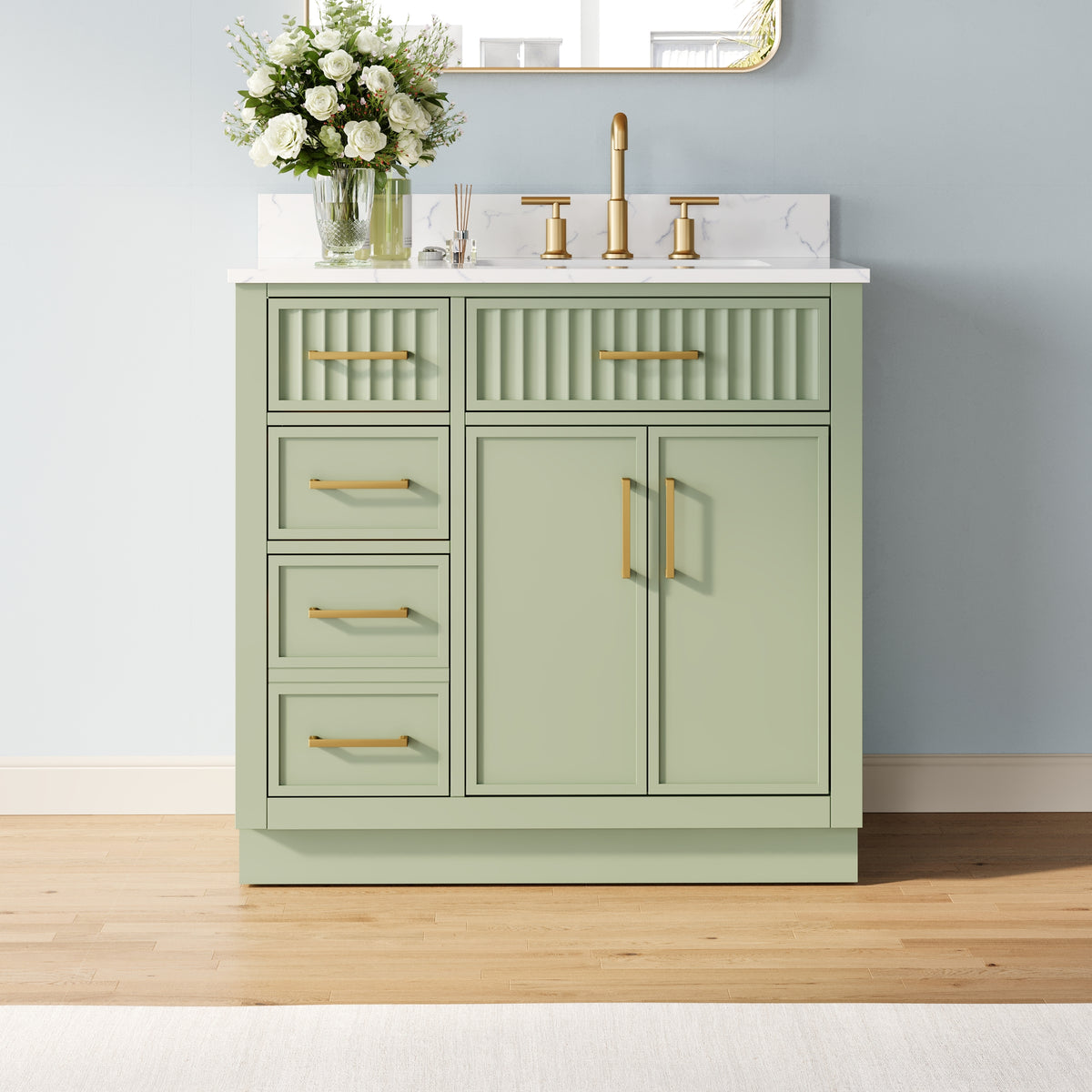
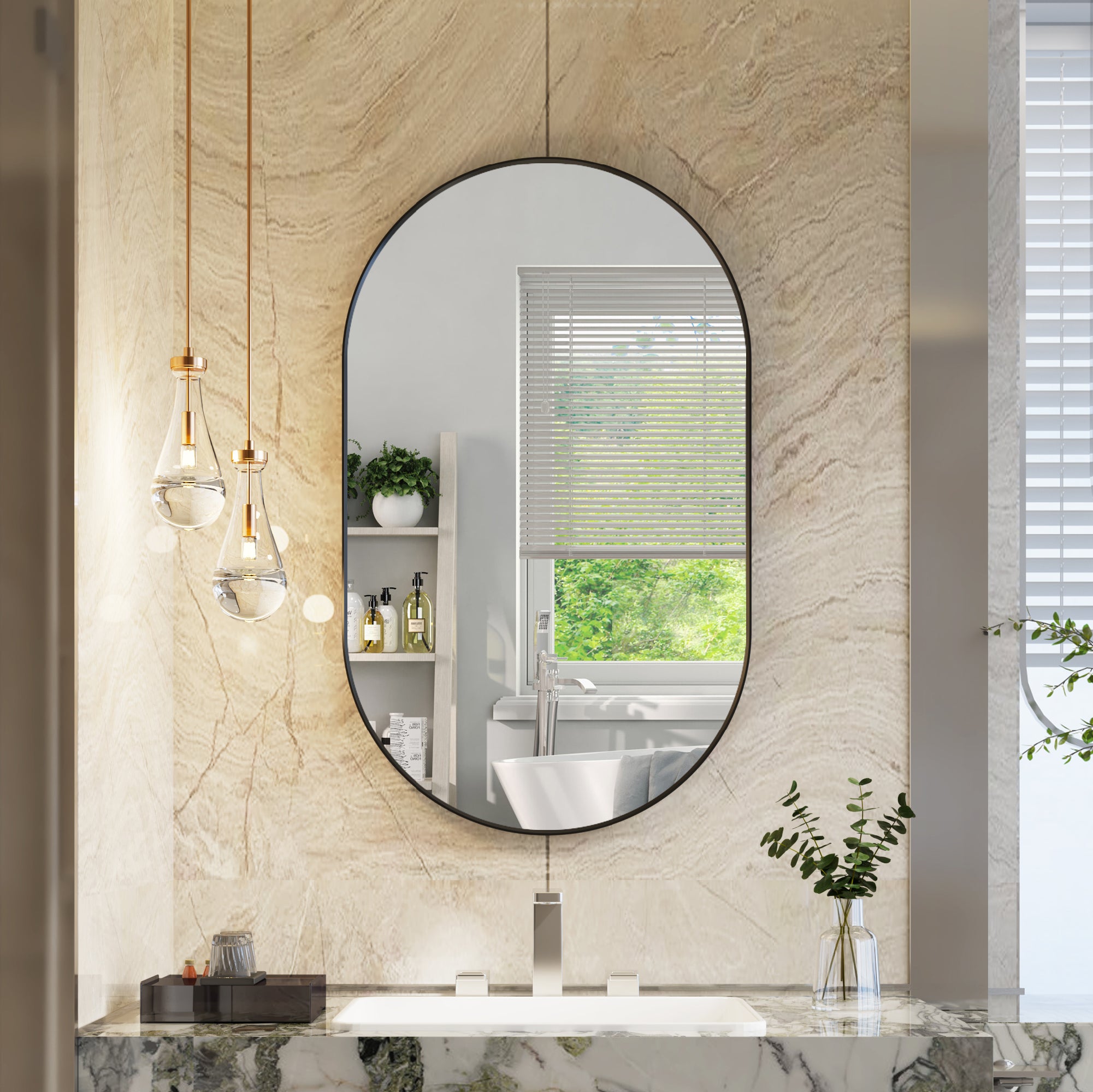
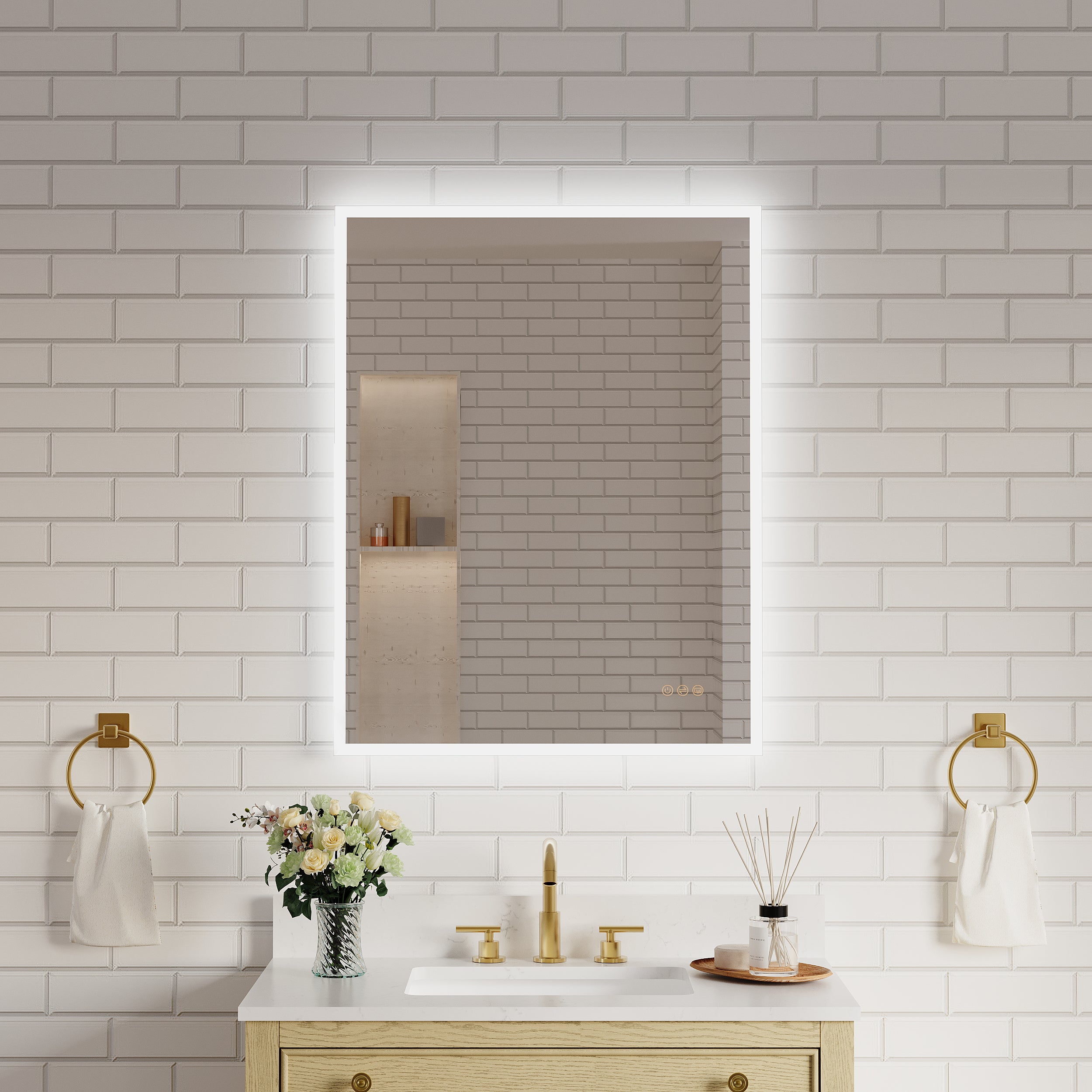
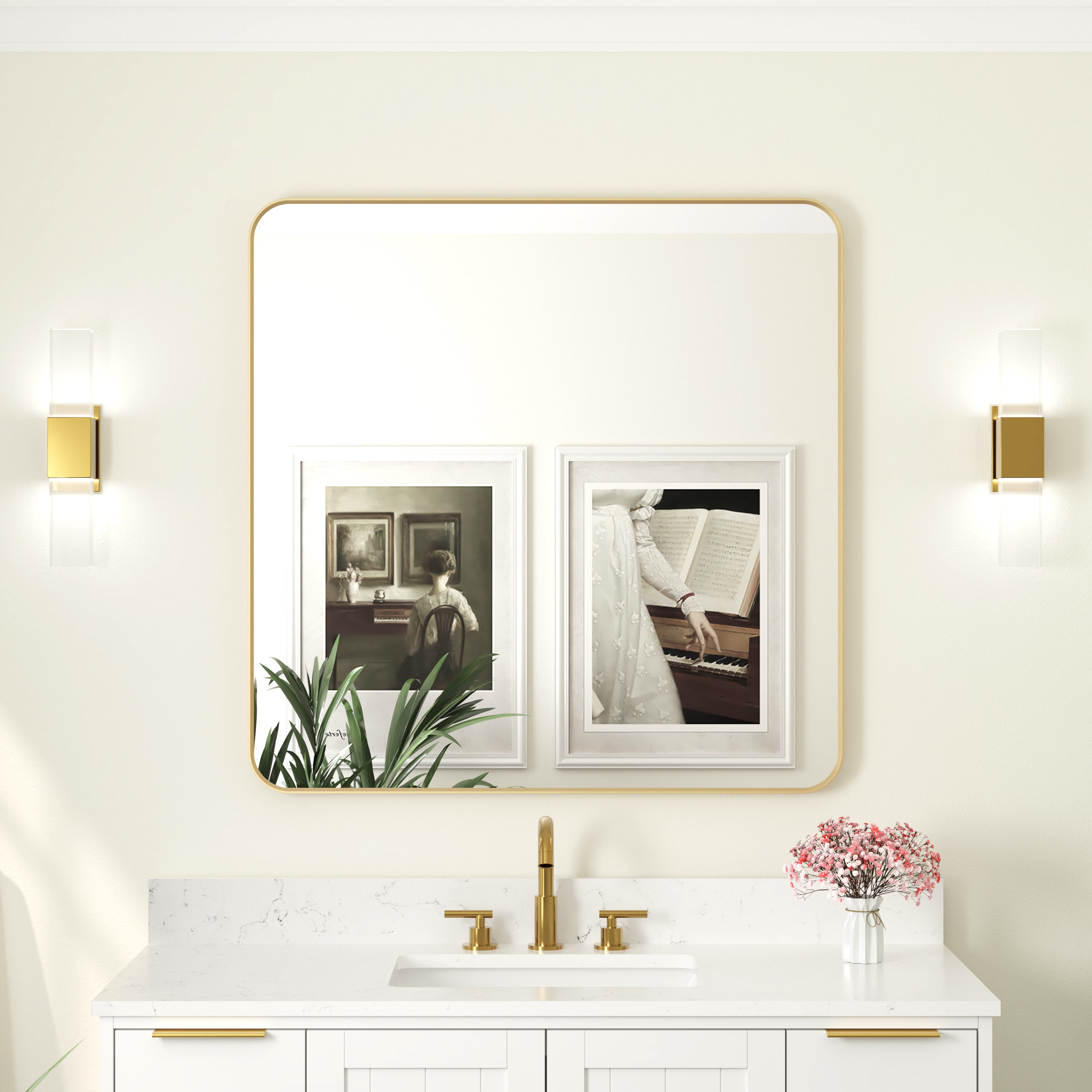
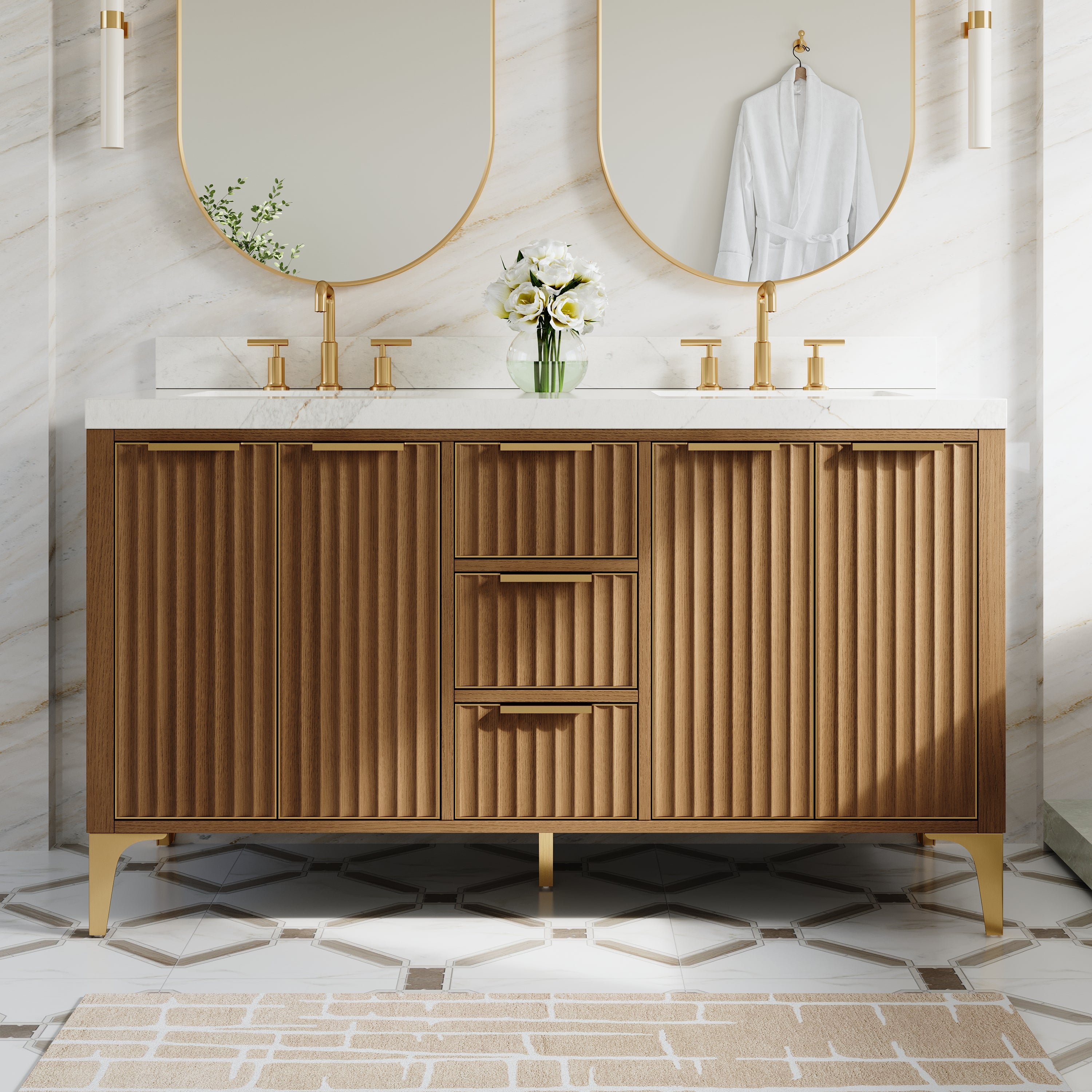
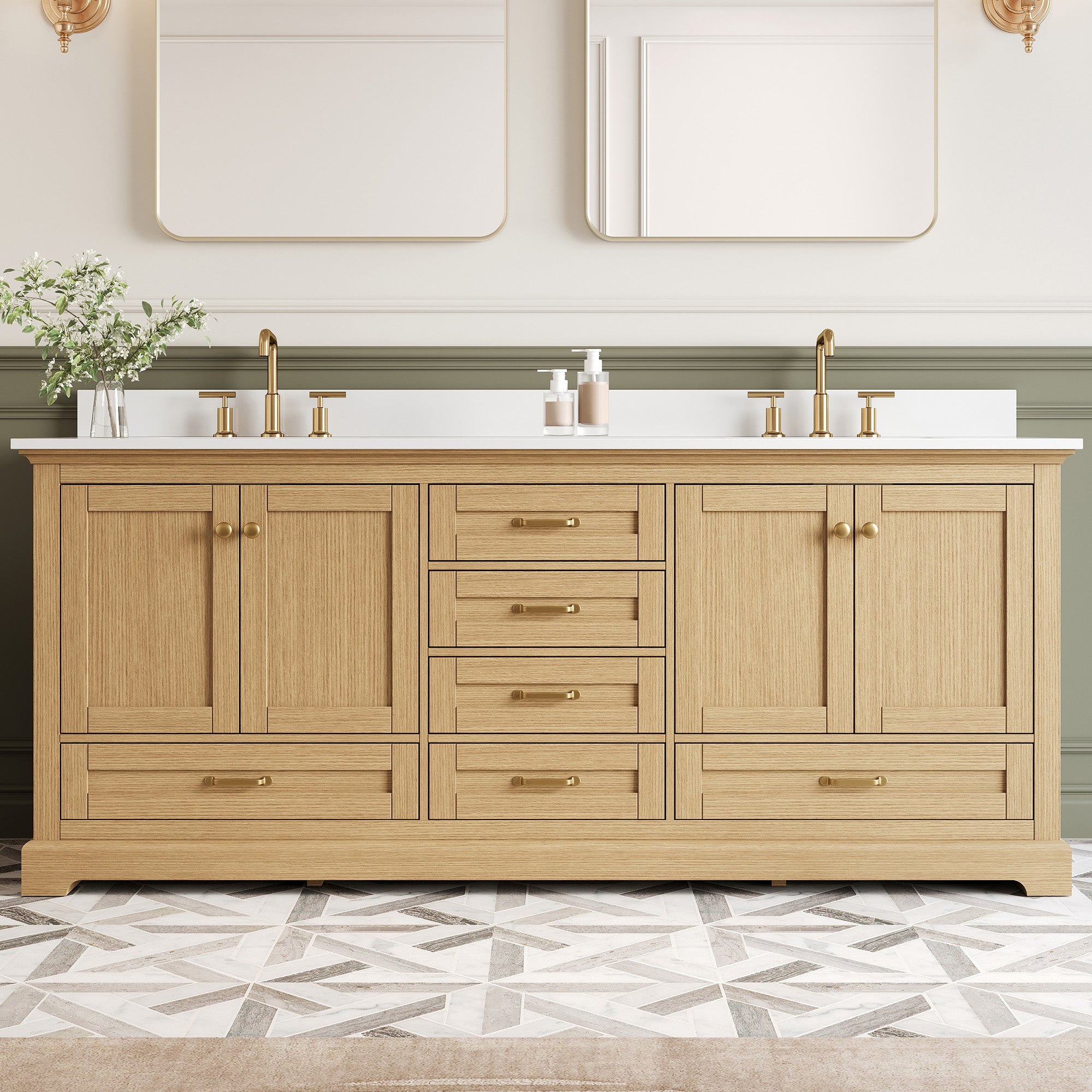
Above a substantial vanity, a 2- to 4-inch frame creates a clear boundary between glass, backsplash, and wall finish. Wood can echo the cabinetry, while brushed brass, bronze, or matte black can repeat faucet and lighting finishes. That repetition makes the room feel considered rather than assembled from unrelated parts.
2. It Connects Naturally With Wood and Warm Materials
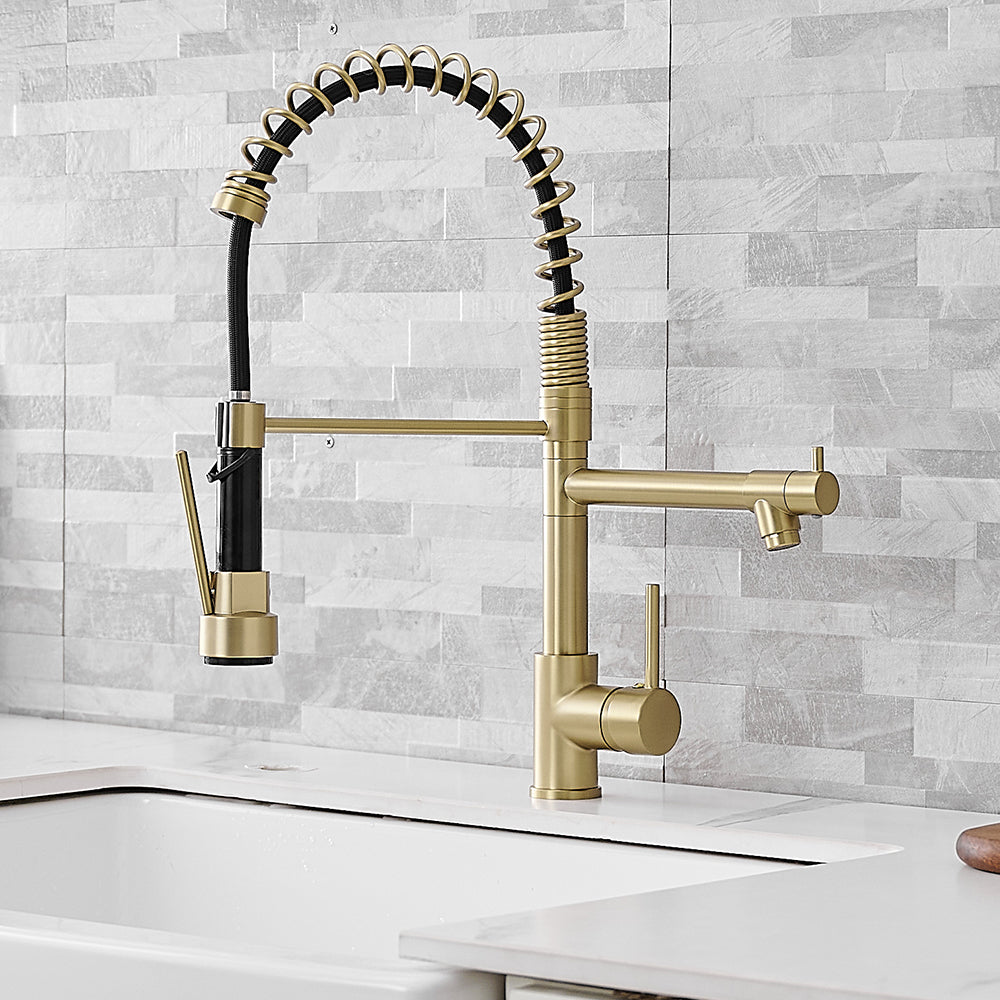
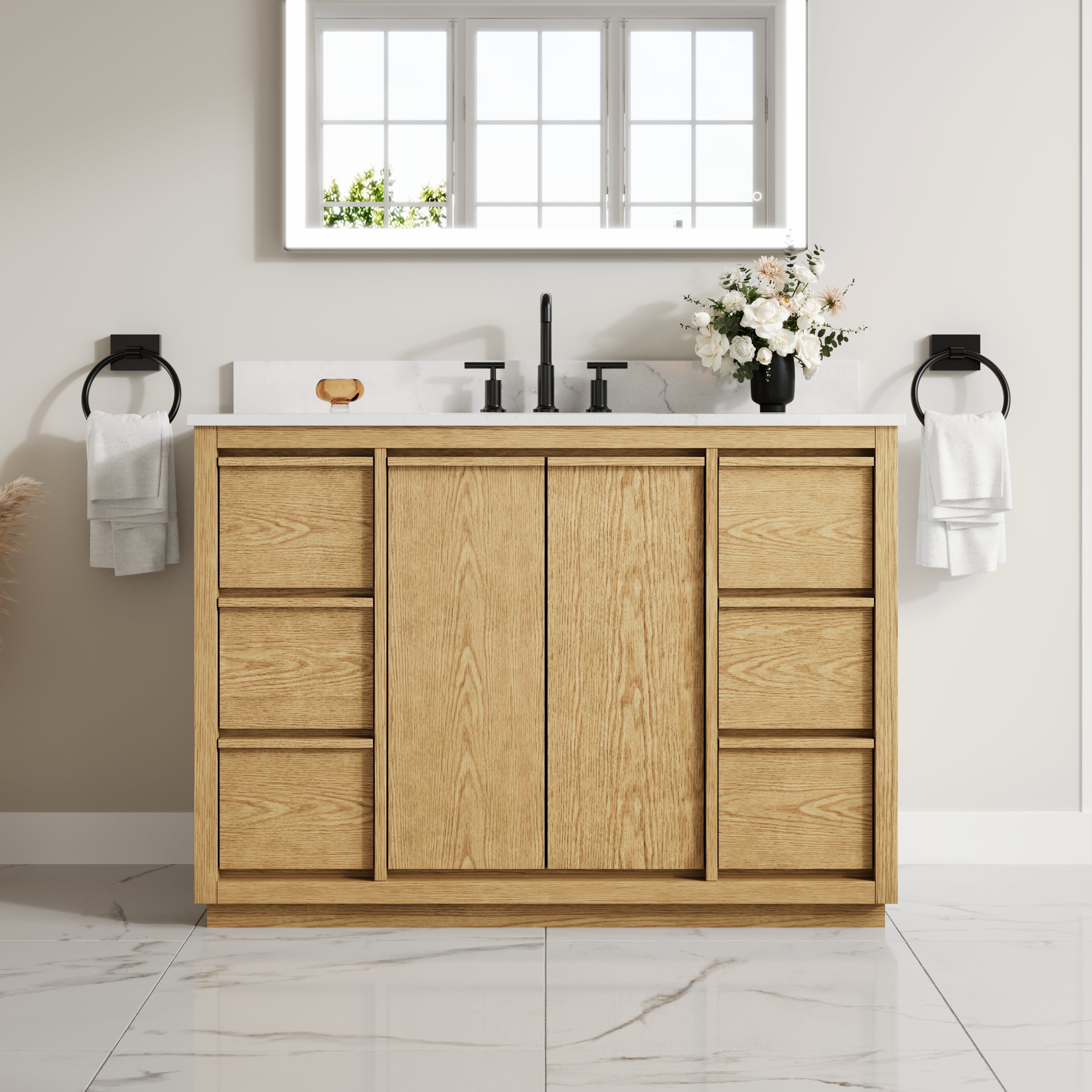
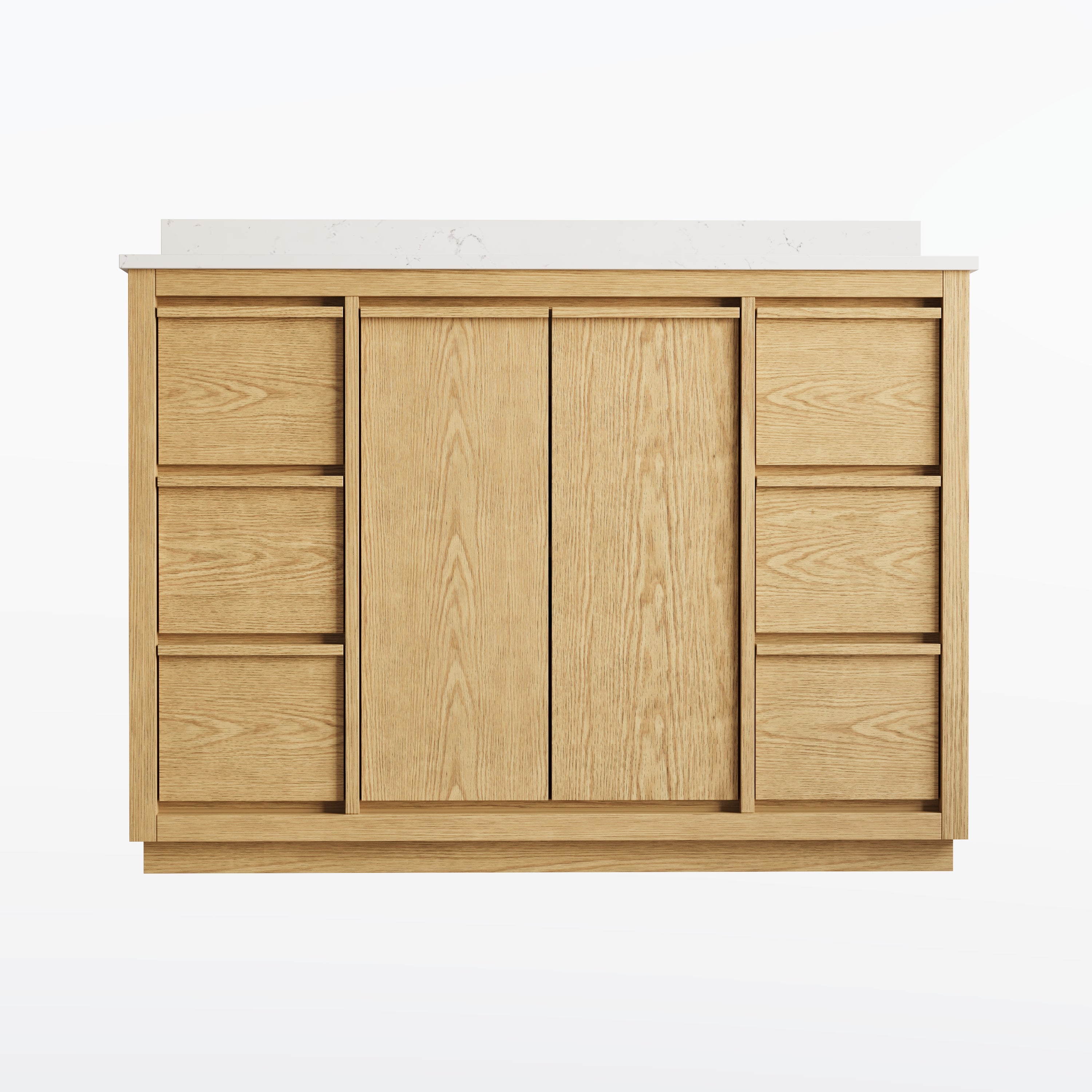
There have been many developments in bathroom design focusing on natural materials. As per the NKBA’s 2026 Bath Trends Report, 62% of responding professionals are certain about the wood-finish vanities being a trend as compared to the popularity of painted finishes vowing 53%. The document also indicates that there is added interest in matte, brushed, and satin faucet finishes instead of polished surfaces.
Adding a framed mirror will seamlessly fit into this concept. Using an oak, walnut, painted wood, or metal frame would create a monochromatic design by reflecting the materials used for the vanity and fixtures. That is one of the reasons why framed mirrors are so popular in traditional/farmhouse/craftsman/transitional bathrooms: the frame is part of the material usage and not just an ornament.
3. It Creates a Stronger Focal Point Above the Vanity
Bathrooms are increasingly treated as designed rooms rather than purely functional spaces. Houzz’s 2026 Bathroom Trends Study, based on 1,619 respondents, found that 47% cited dissatisfaction with the old look as a reason to renovate. Median spending on bathroom upgrades also rose to $15,000 in 2025, while major remodels reached a $25,000 median.
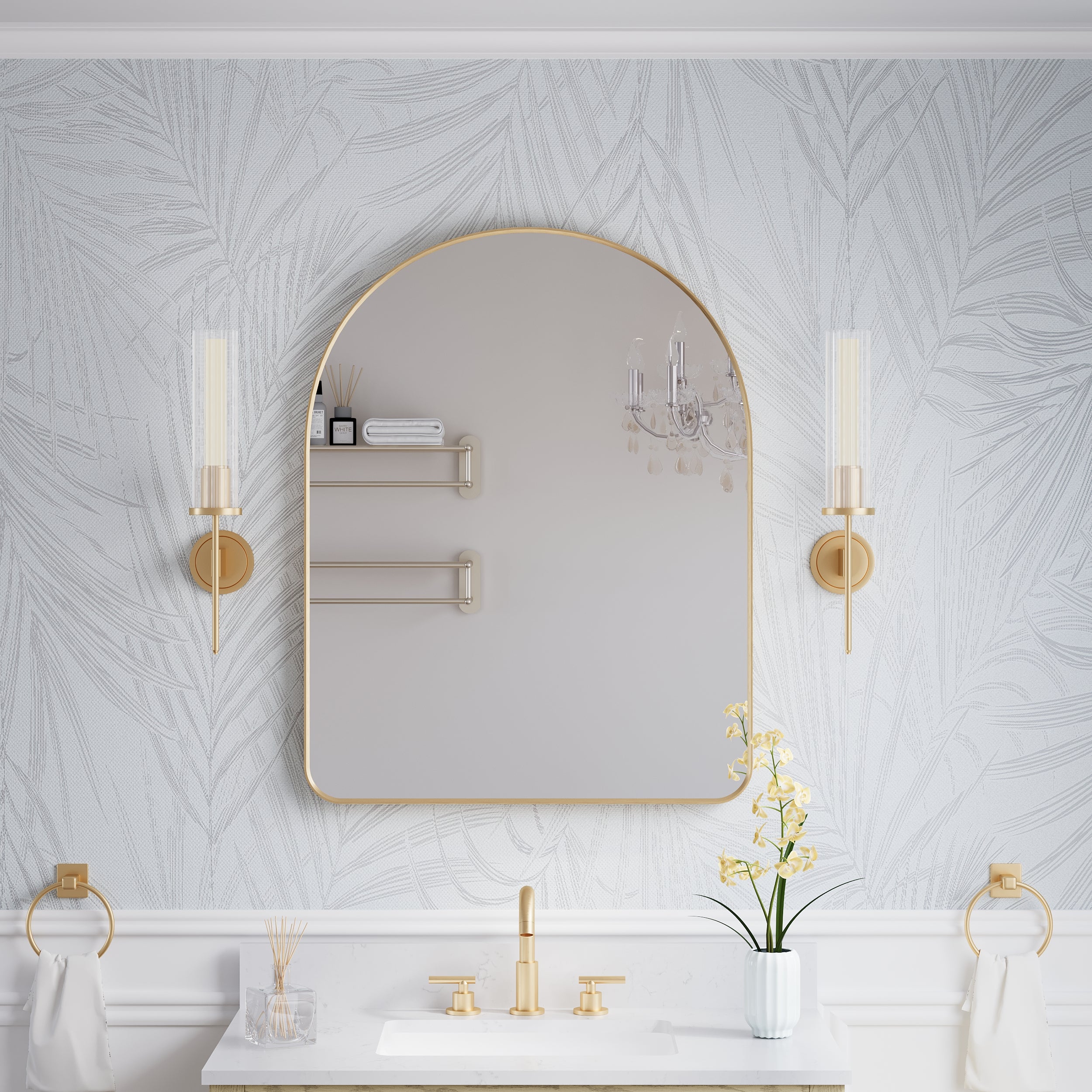
With that level of investment in finishes, a plain mirror can leave the vanity wall feeling unresolved. A framed design gives the eye somewhere to land. Arched tops, beveled profiles, or simple rectangular frames can introduce shape without overwhelming the room. The mirror can also relate visually to sconces, cabinet doors, and trim, helping the entire vanity zone read as one composition.

4. Framing Makes Proportion Easier to Control
Traditional designs work more effectively when proportions are intentional. A mirror can help demonstrate those proportions with the vanity below.
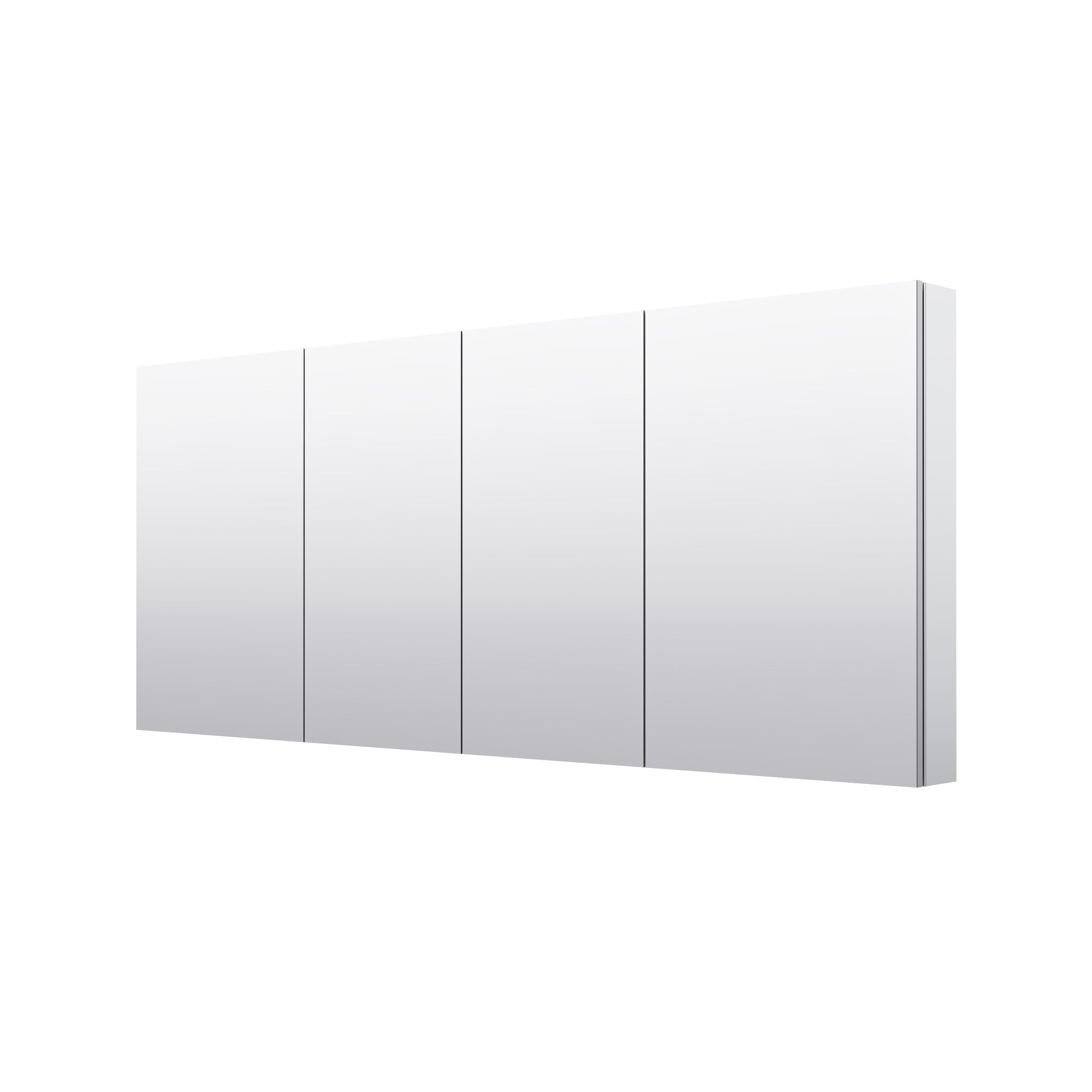
For a single vanity of 30 to 36 inches, a mirror of approximately 24 to 30 inches provides room for floodlights on the sides. With a vanity of 48 inches, a mirror of 36 to 42 inches can form a balanced composition that is centered. For wider vanities, a double mirror usually suits the traditional style since it allows creating symmetry above the sinks.
The choice of the frame also plays a role. A narrow frame looks clean and modern, while a 3- to 4-inch frame is suitable for more decorative spaces.
5. A Framed Mirror Can Age More Gracefully
Conventional design is not predicated on the idea of pursuing the latest look. Its power comes from how the materials and proportions hold their relevance despite ongoing trends. According to a 2026 Houzz report, 36% of respondents identified “classic design” as one of the options they chose when renovating their bathrooms.
Framed mirrors fall into this category since they can change along with the room. It can be made of wood, which can be refinished, painted with color or the metal frame matching the hardware. This method grants one more versatility compared to the notion of “traditional.” An elegant thin oak frame can look casual, dark bronze may bring a historical note, while a brass mirror decorated with arches represents an integration of classical and progressive features.
Thus, the benefits are not only aesthetic. Framed mirrors help create more hierarchy, reinforce materials, and enhance proportions while lending the vanity wall a sense of finish similar to that of cabinetry.
6. It Facilitates More Natural Lighting Coordination
Lighting is closely connected with mirrors, particularly in bathrooms since it serves as space for grooming and daily tasks. A mirror frame sets up a boundary where sconces, pendants, or ceiling lighting can be positioned.
For example, side sconces positioned about 60 to 70 inches high would frame the mirror efficiently reducing shadows on the face. When the mirror border is apparent, making a clever arrangement of lights becomes easy since each component occupies its space.
Classic bathrooms can excel from this kind of lighting arrangement. Instead of using the only bright light from the ceiling, combining sconces with ambient light gives the room softer light allowing it to stay usable as well. The mirror frame works as an anchor for the entire lighting system including hardware and furniture.
7. Framed Mirrors Provide Renovation Options
The use of a framed mirror can also take care of small remodeling jobs. Older bathrooms are rarely finished neatly, particularly when the old mirror or the lighting fixtures have just been taken down. With a considerable frame, the problem of rough edges or various anchors that had to be removed is taken care of.
The frame comes handy when the vanity is being redone but the tiles and the backsplash are left in place. By selecting a mirror that is smaller than the vanity by 2 to 6 inches, there is a good option for getting visual interest without exposing too much wall.
Another benefit of the frame is that it allows improving the mirror’s finish without spending enormous amounts of money. For example, if new brushed brass is chosen instead of chrome, its introduction can be facilitated by the use of a matching frame. It is possible to create an entirely different look while keeping all the main architectural details and elements.
Thus, the gain here is more than decorative. The frame contributes to the formation of hierarchy and combination of different materials, helps improve proportions, contributes to proper light application, and creates the


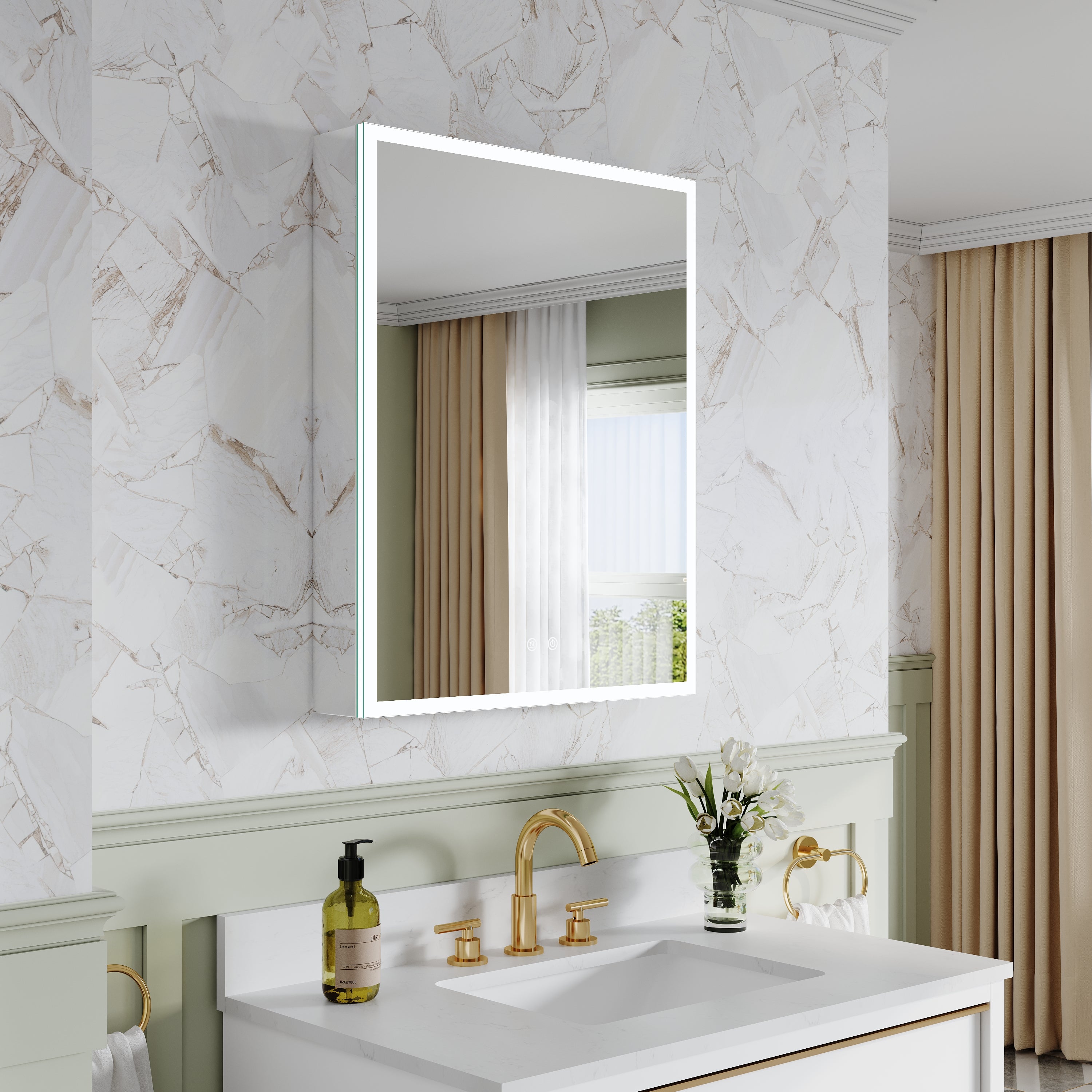
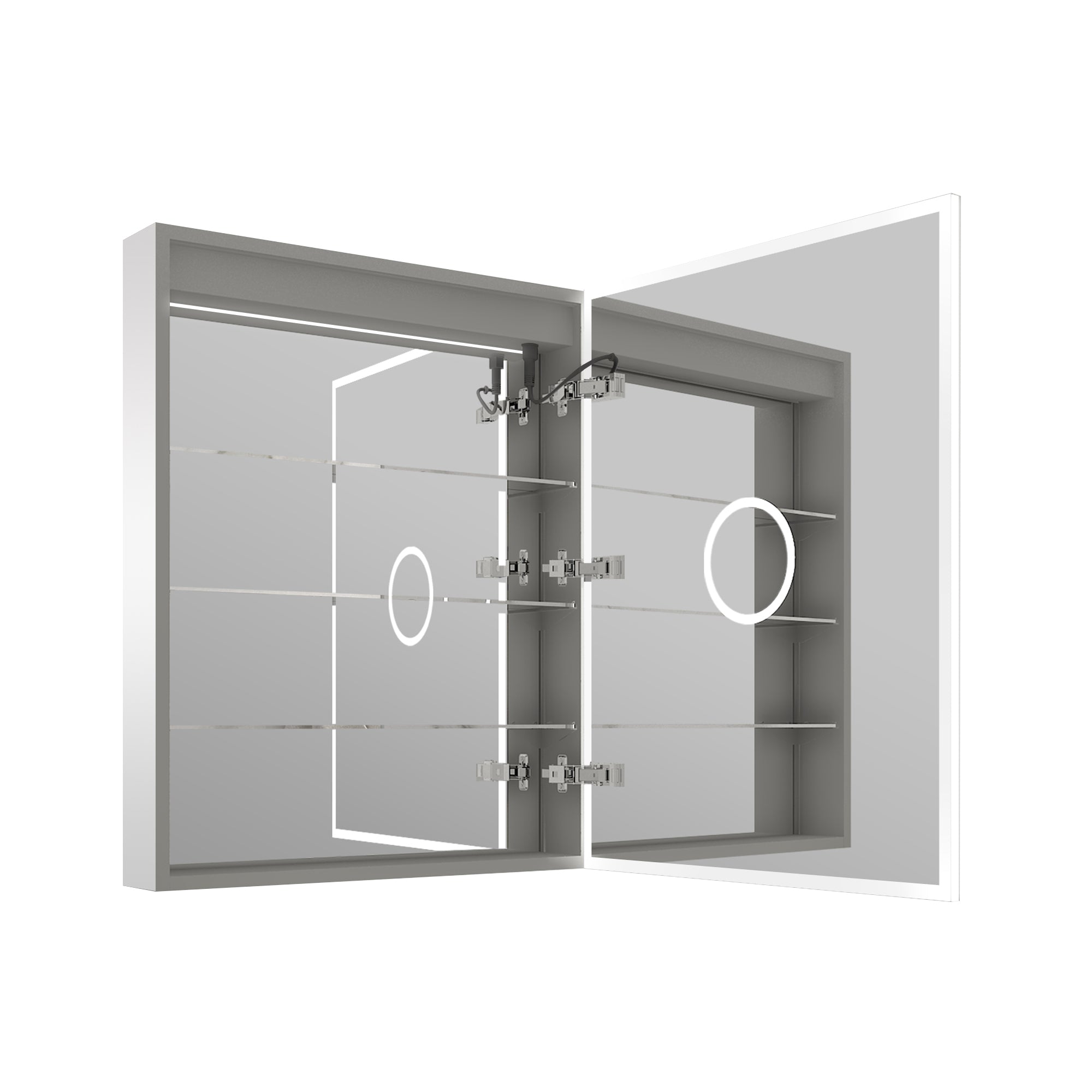











Leave a comment
This site is protected by hCaptcha and the hCaptcha Privacy Policy and Terms of Service apply.