
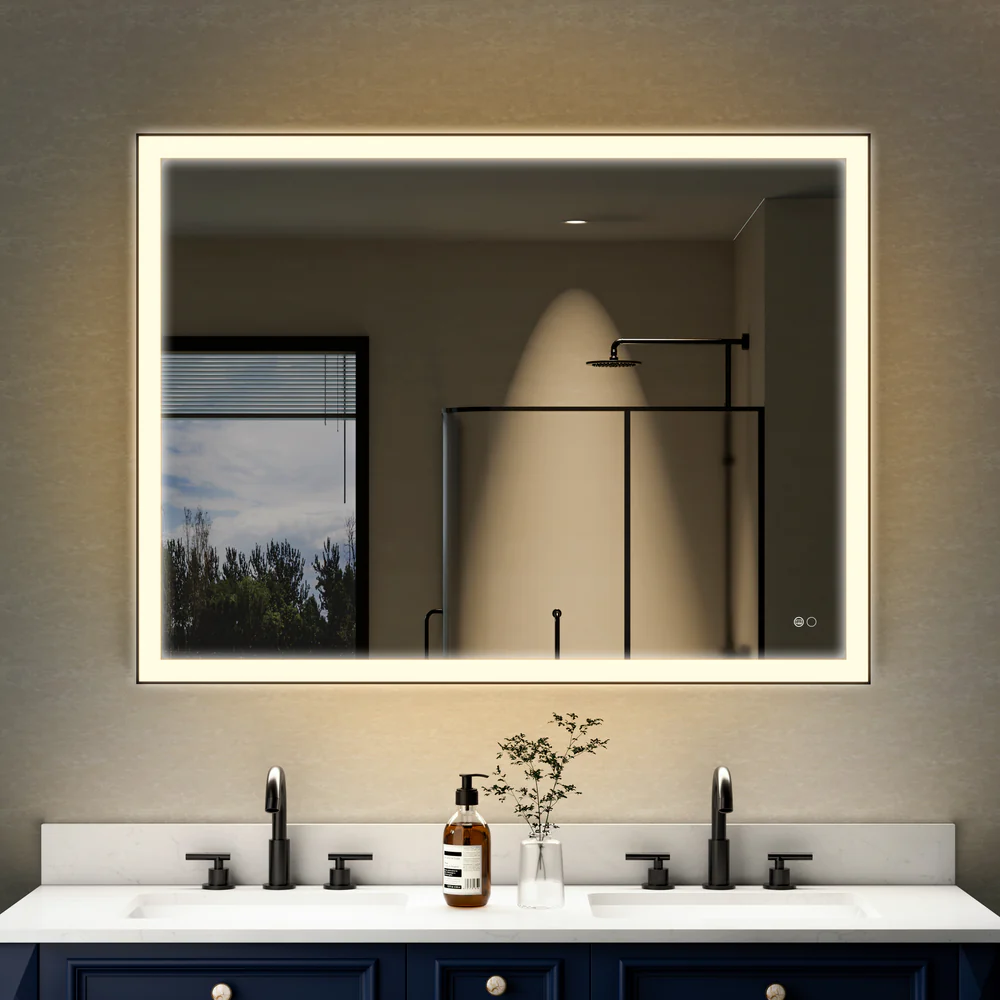
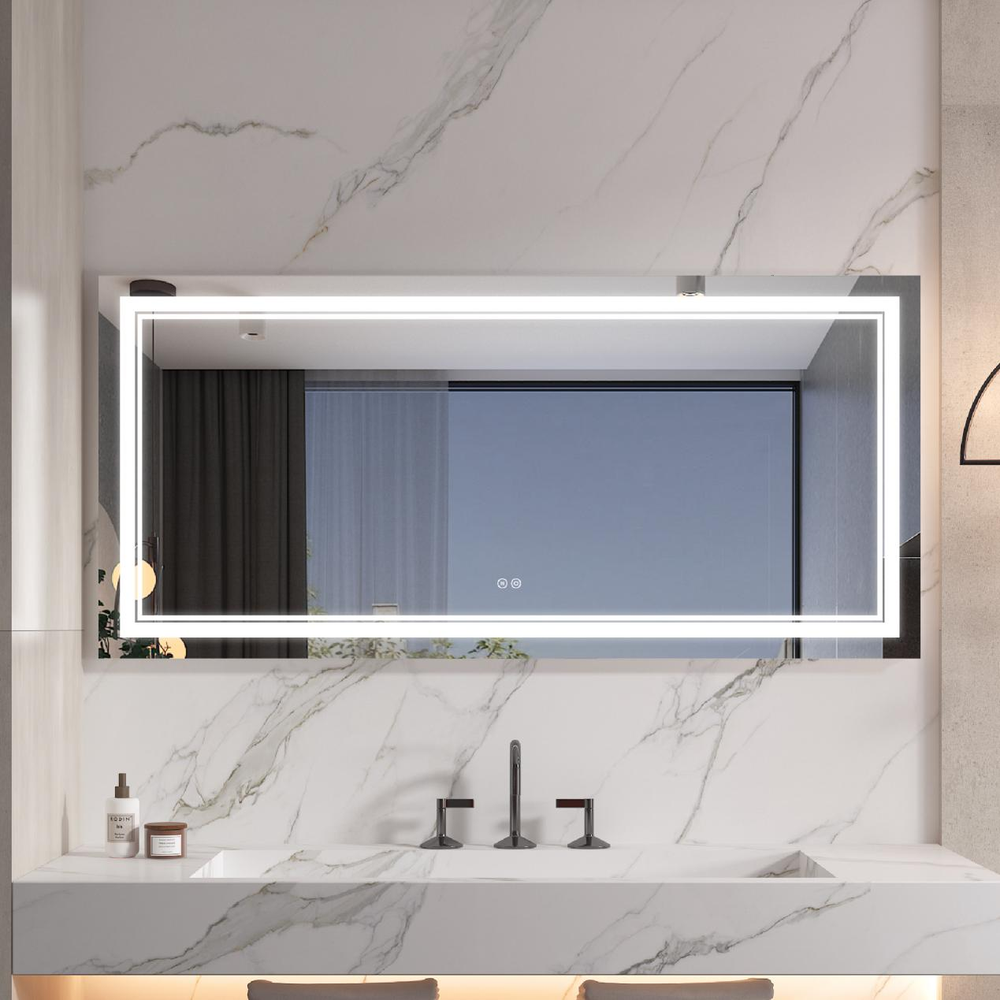
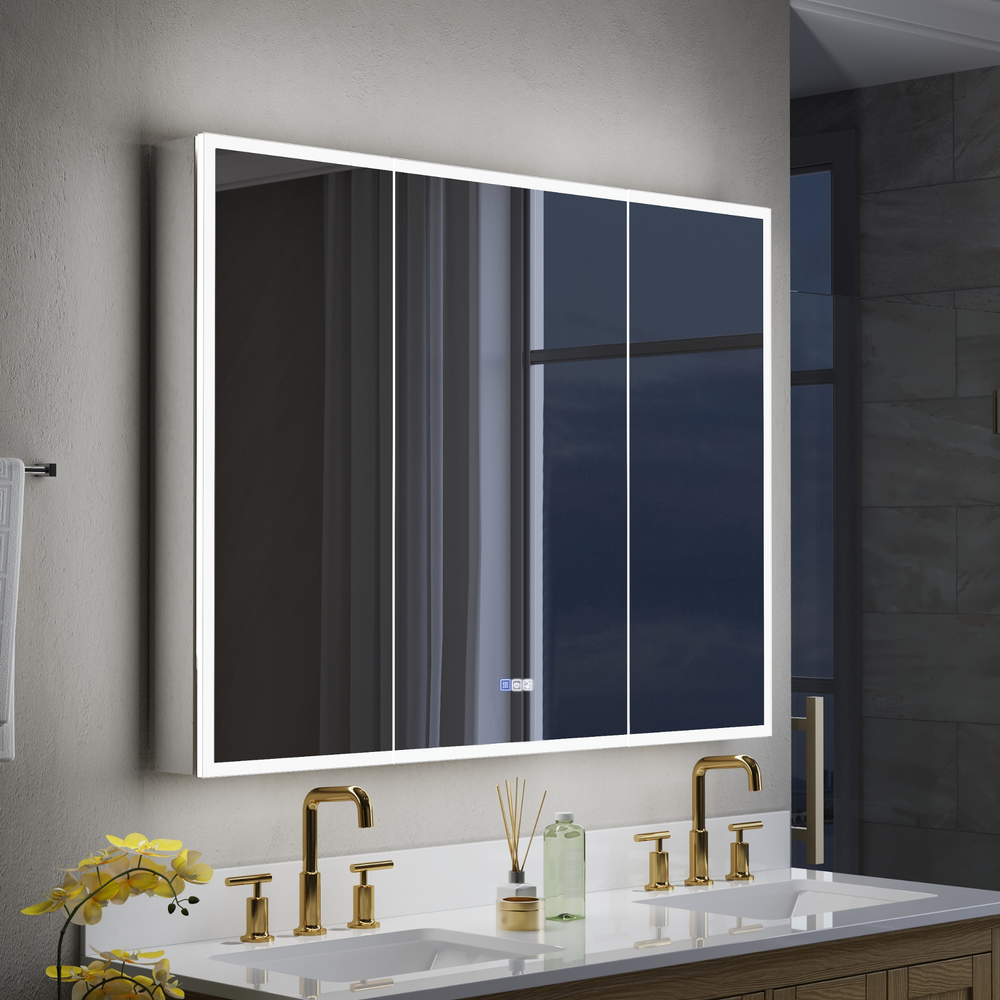
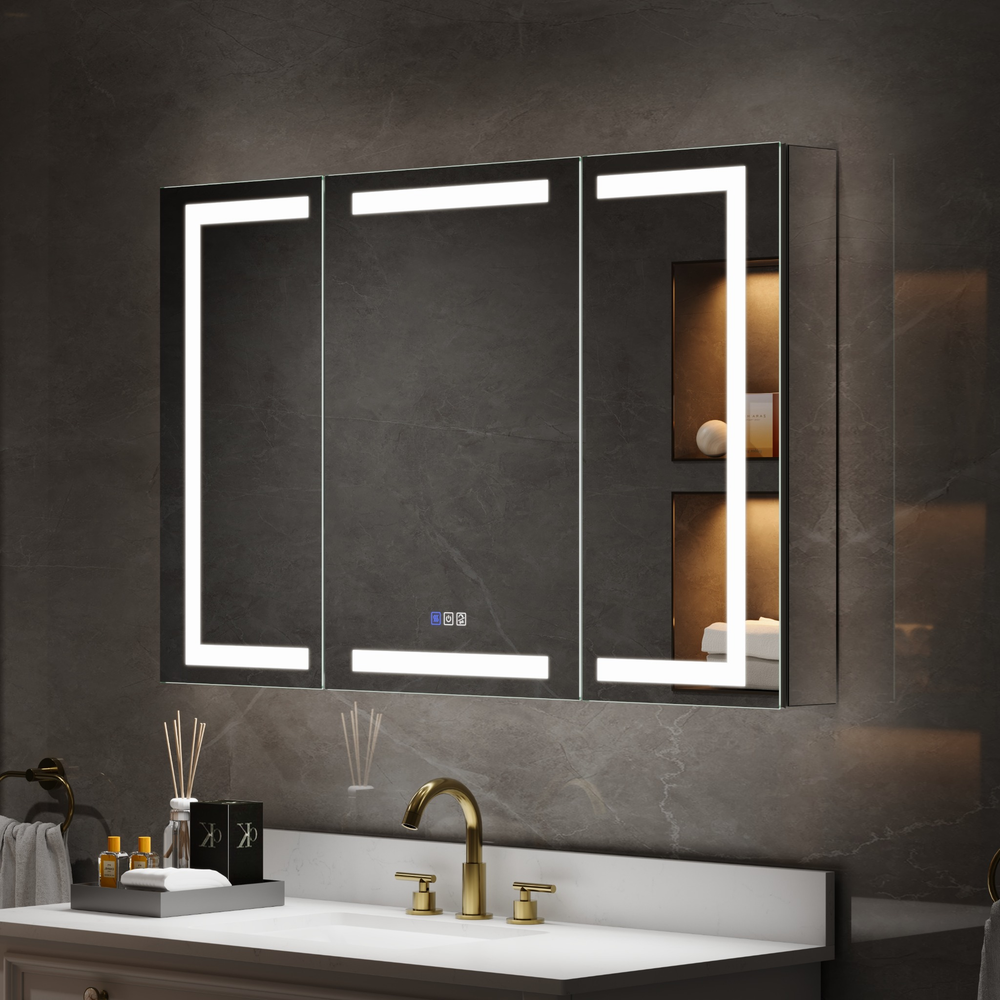




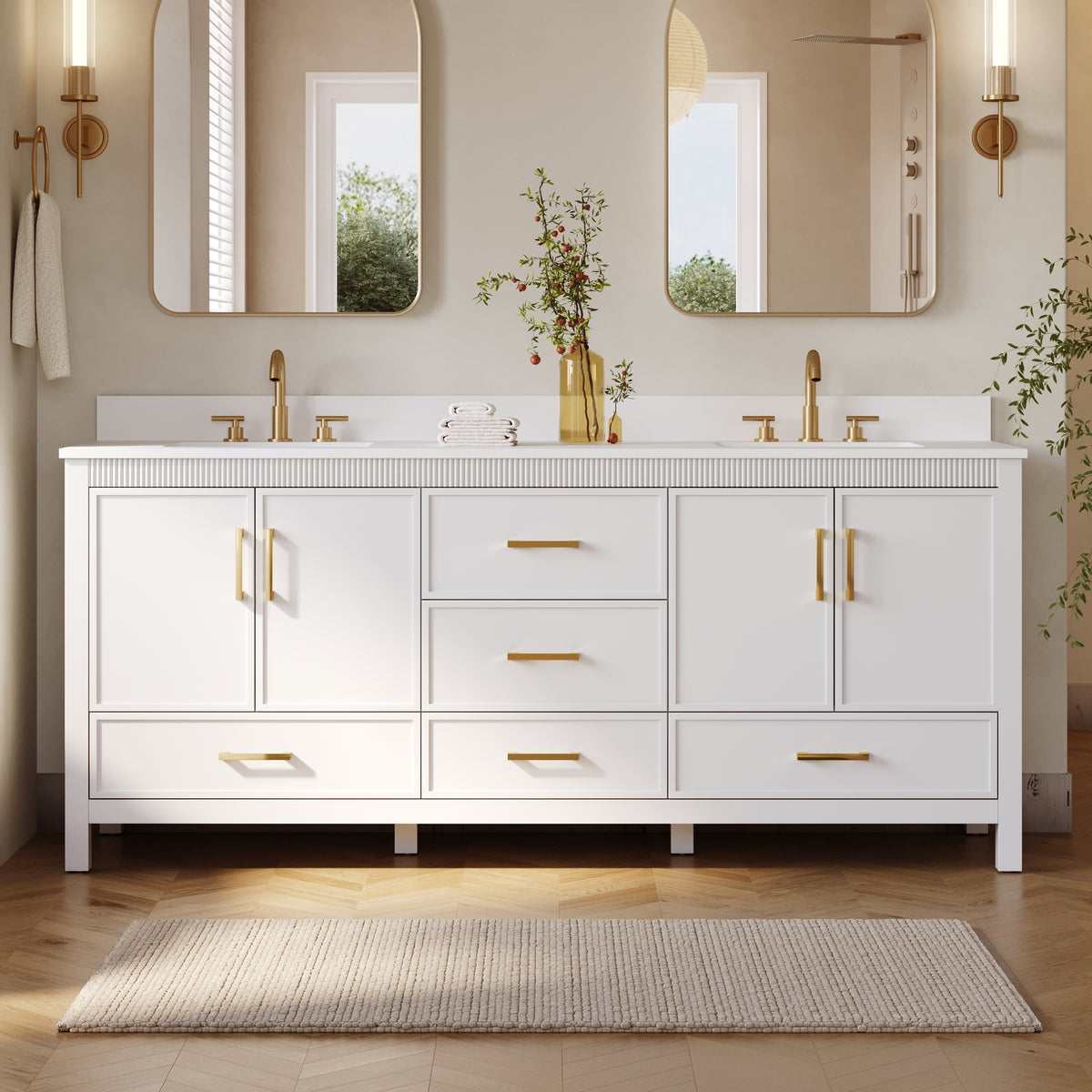


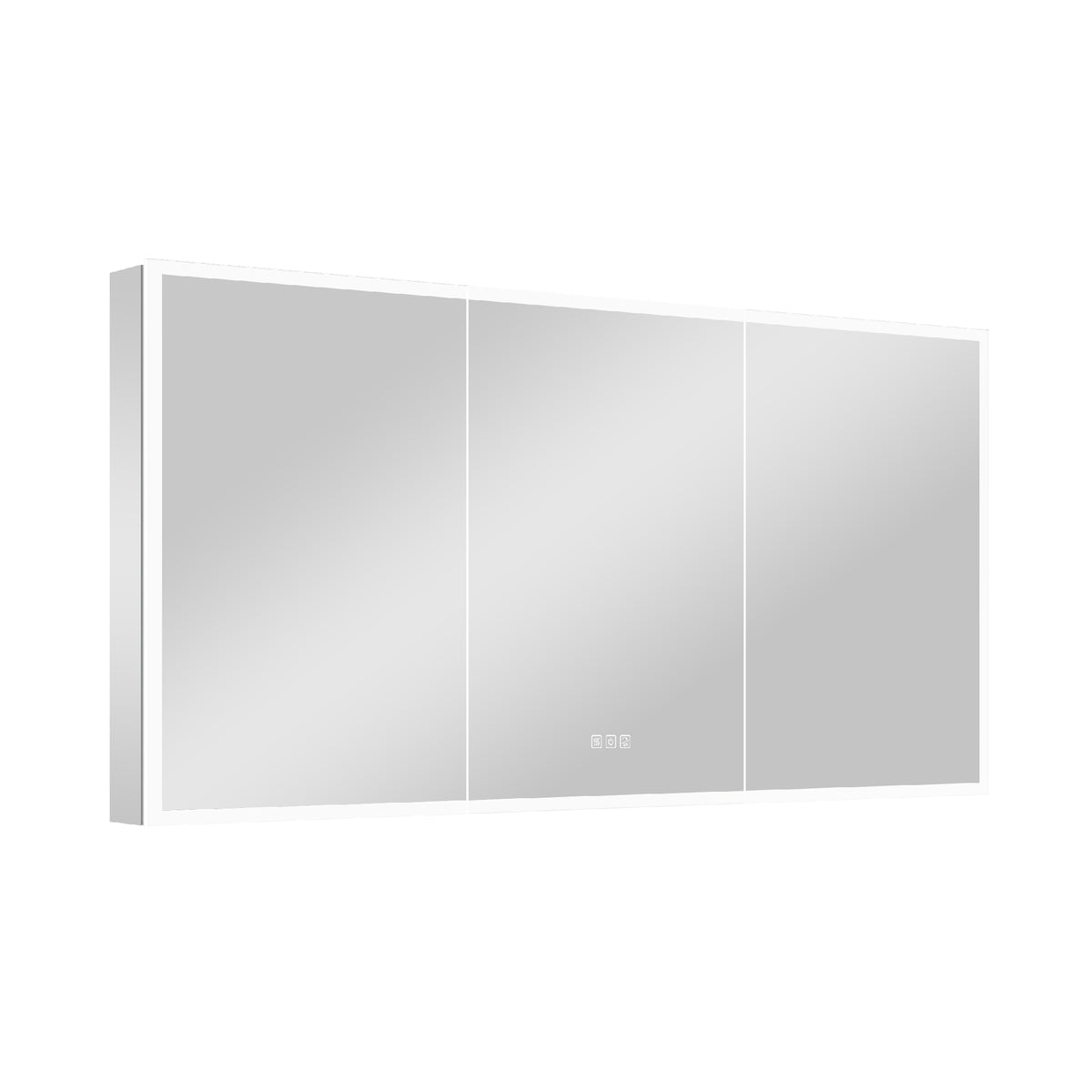
A vanity mirror with light solves a common bathroom problem: the room can look bright while the face is still poorly lit. Ceiling fixtures often cast shadows beneath the eyes, nose, and chin, which affects makeup, shaving, skincare, and other detail-focused routines. As bathrooms become more closely tied to grooming and self-care, mirror lighting is increasingly treated as functional task lighting rather than a decorative extra.
1. Precision Starts With Light in the Right Place
The concepts of bathroom illumination and task lighting differ. A ceiling fixture can provide adequate illumination, but most of it can be shining down on the face.
This situation causes somebody’s forehead to appear illuminated but does not light his/her eyes and chin. Built-in lighting for mirrors allows you to change the direction of the light in order to bring it directly to the person’s face.
According to NKBA’s Bath Trends Report for 2026, based on nearly 700 professionals engaged in design or remodel work, 91% of respondents said that lighting quality is one of the most important aspects of bathroom design, while 92% of them noted that task lighting should be present in the bathroom at all times.
2. Color Accuracy Matters More Than Raw Brightness
More lumens do not automatically mean better visibility. Color quality matters too, particularly when judging foundation, skin tone, hair color, or redness.
The Department of Energy uses Color Rendering Index, or CRI, to describe how faithfully a light source reproduces colors. DOE notes that a CRI of at least 80 is generally recommended for interior lighting, while 90 or higher provides stronger color fidelity.
At a vanity, that difference matters. Poor-quality light can make makeup look correct indoors but noticeably different in daylight. A well-designed mirror therefore needs both sufficient brightness and believable color reproduction.
3. Adjustable Color Temperature Has a Practical Purpose
Changing color temperature is more useful than it may first appear.
Warmer light around 3000K can feel comfortable in the evening, while a neutral 4000K setting often works well for everyday grooming. Some mirrors extend toward 5000K or 6000K for a brighter, daylight-like appearance.
There is no single perfect color temperature for every task. That is why adjustment helps. Warmer light may suit evening preparation, while neutral or cooler settings can increase visual contrast during detailed grooming.
4. Dimming Can Improve Visibility
Higher brightness isn't necessarily the best adjustment available. When excessive light from surfaces such as glossy tiles, light-toned counters, or big mirrors creates glare, dimming can help. Dimming means achieving the right balance between brightness and comfort.
Analysis of the 2026 Bathroom Trends Survey carried out by Houzz showed that 39% of respondents consider dimmable light to be an important feature of a relaxing bathroom, and 28% of them make use of their upgraded bathrooms for various beauty and spa routines.
For activities that require concentration, the logic is simple: increase brightness when you need detail and reduce it if glare is bothering you.
5. Even Illumination Beats a Single Bright Spot
LED placement matters almost as much as brightness.
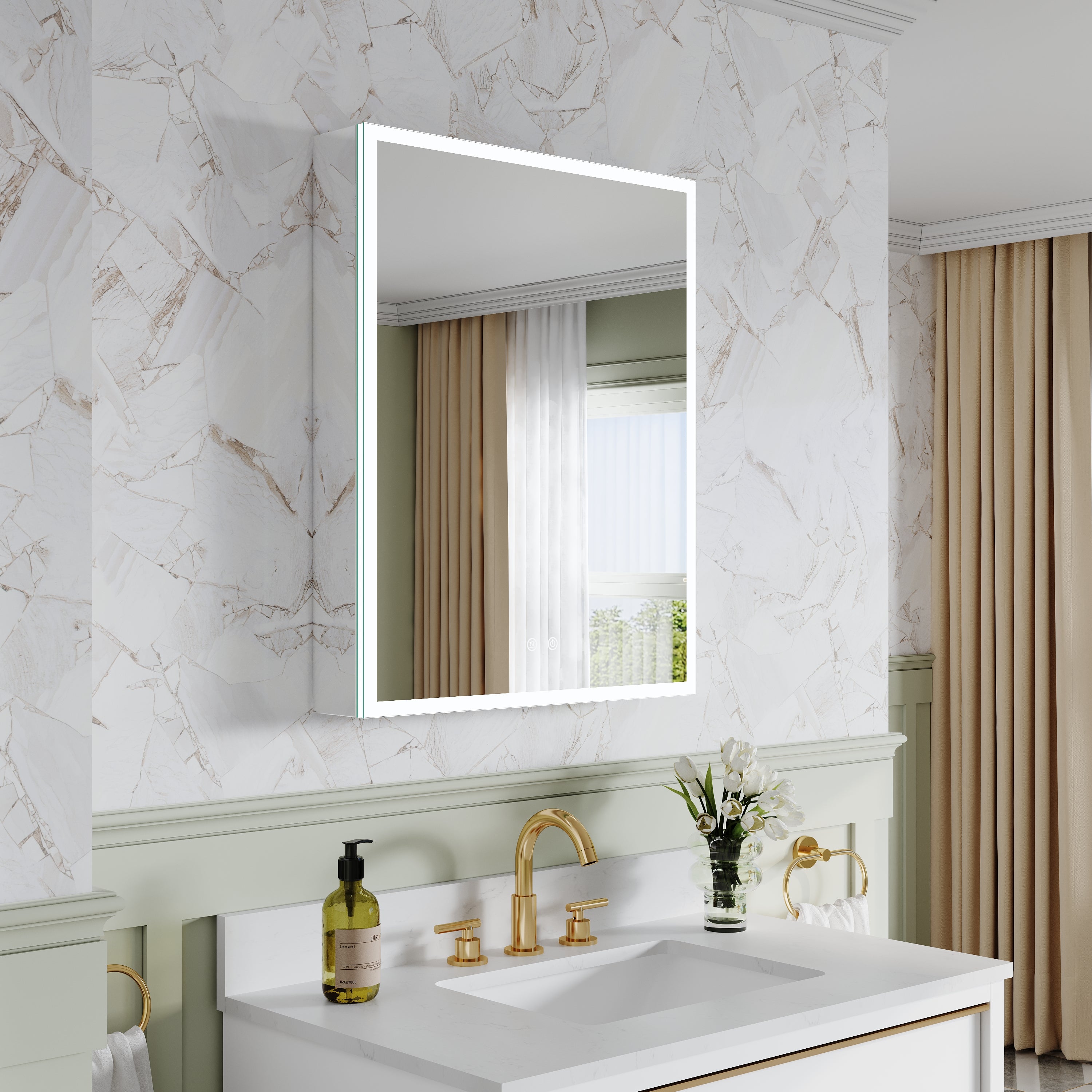
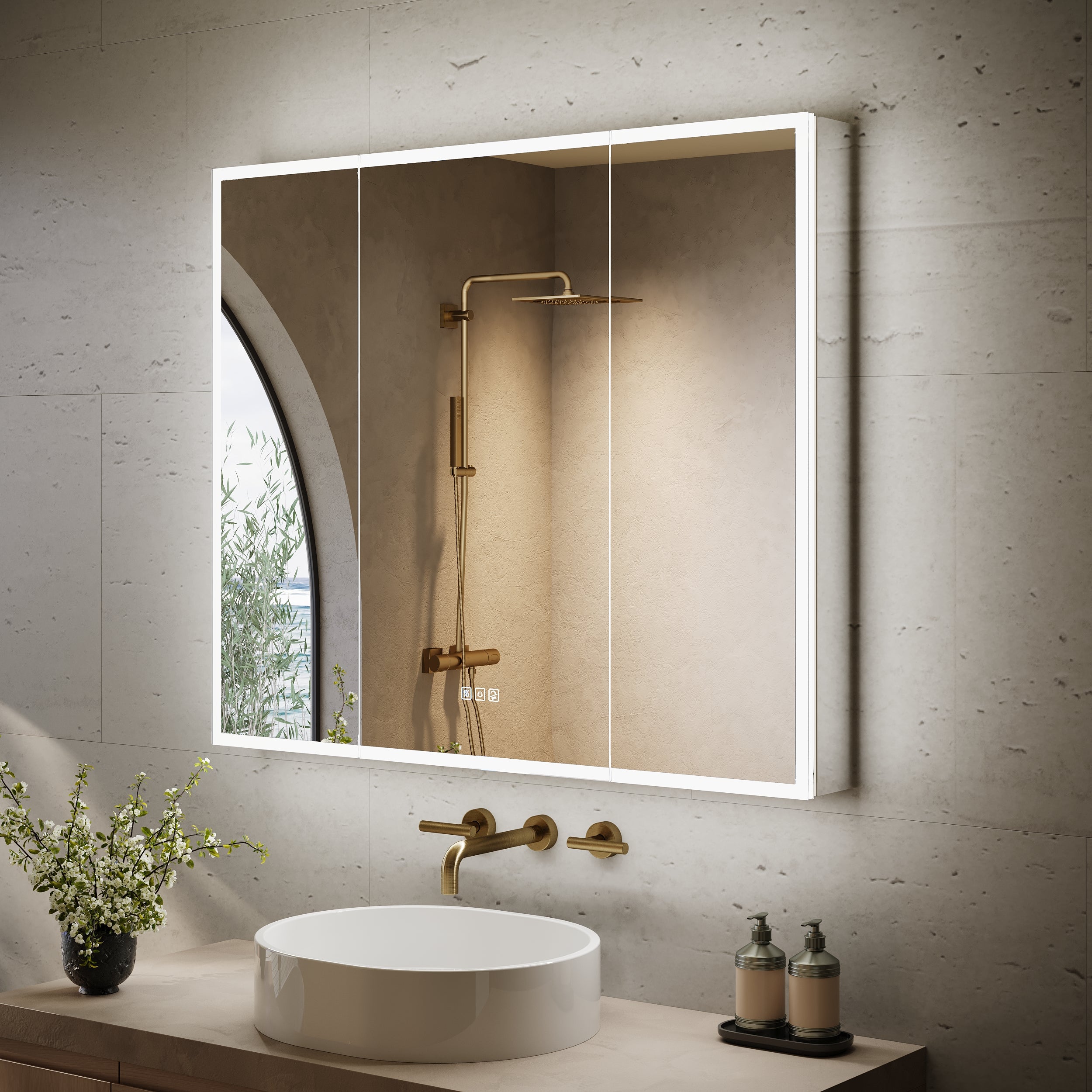
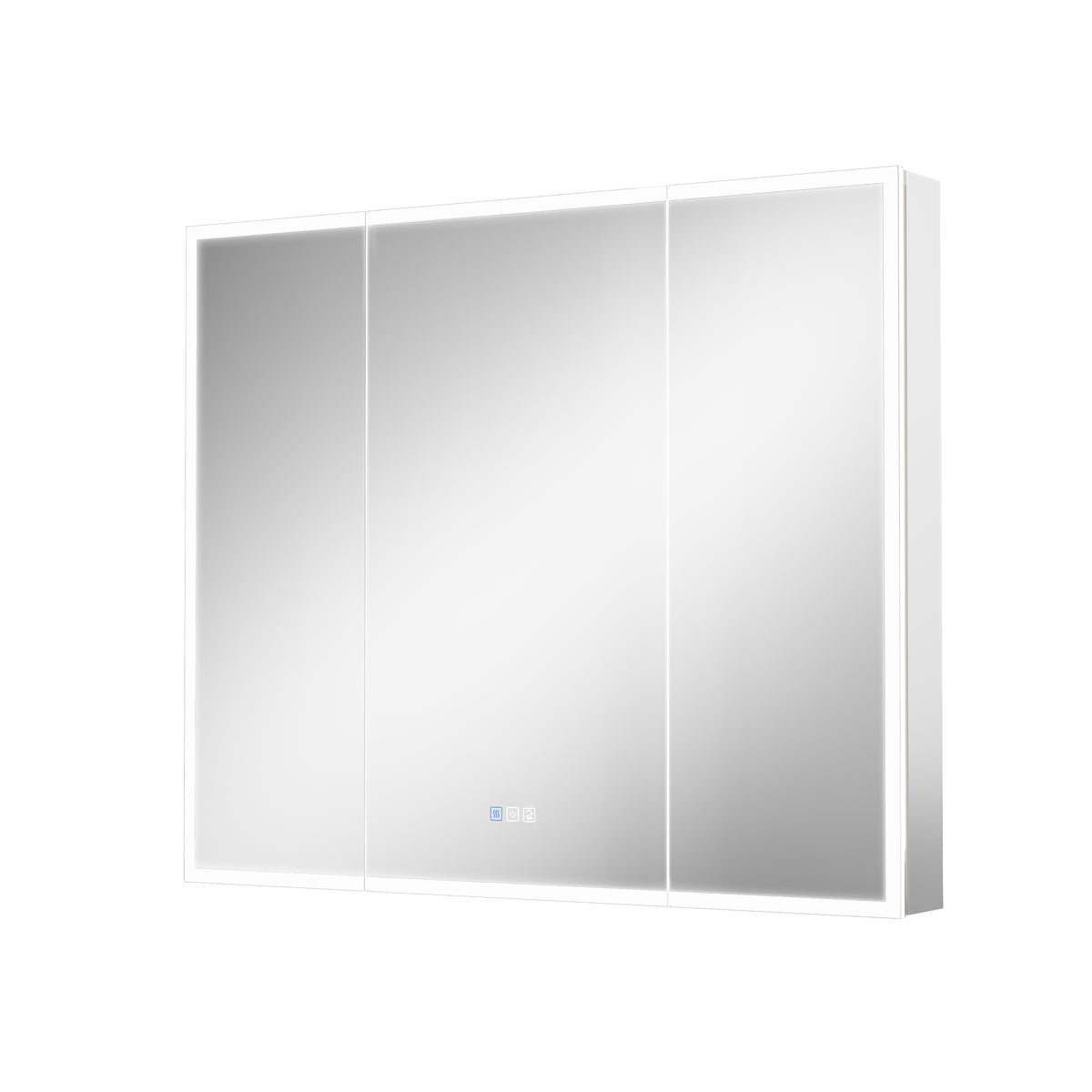
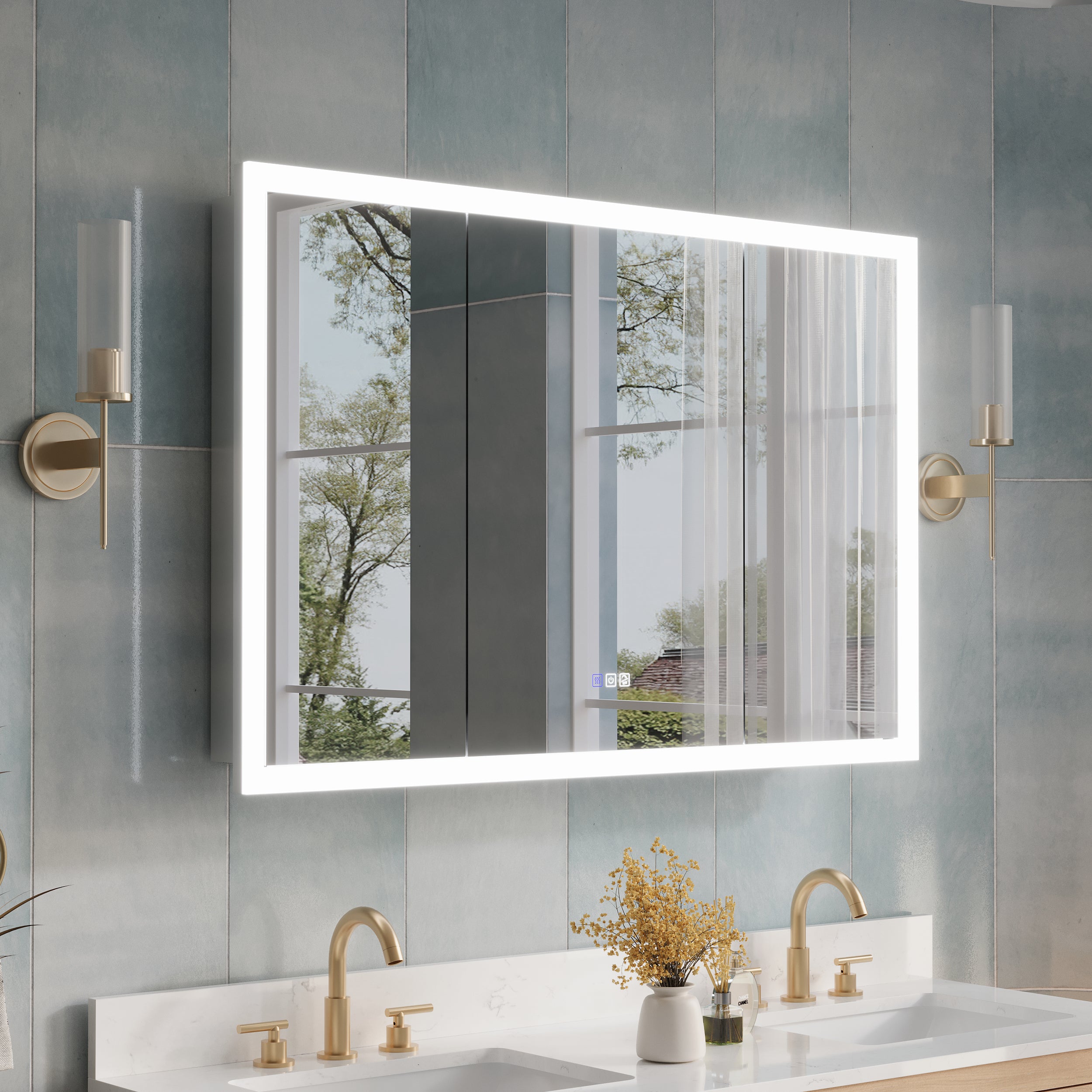
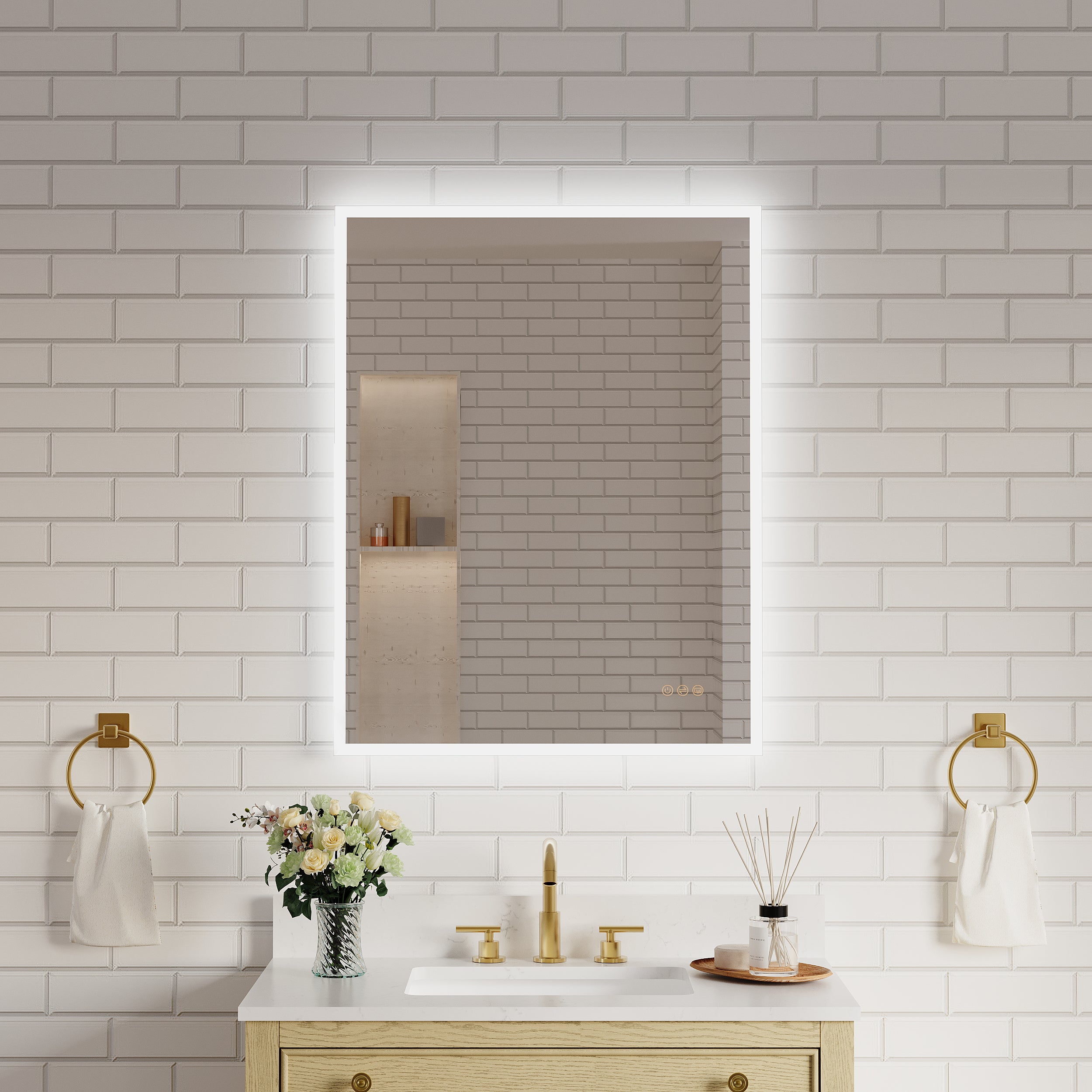
A small fixture above the mirror concentrates light near the top of the face. A mirror with lighting distributed around several edges can create a more even field.
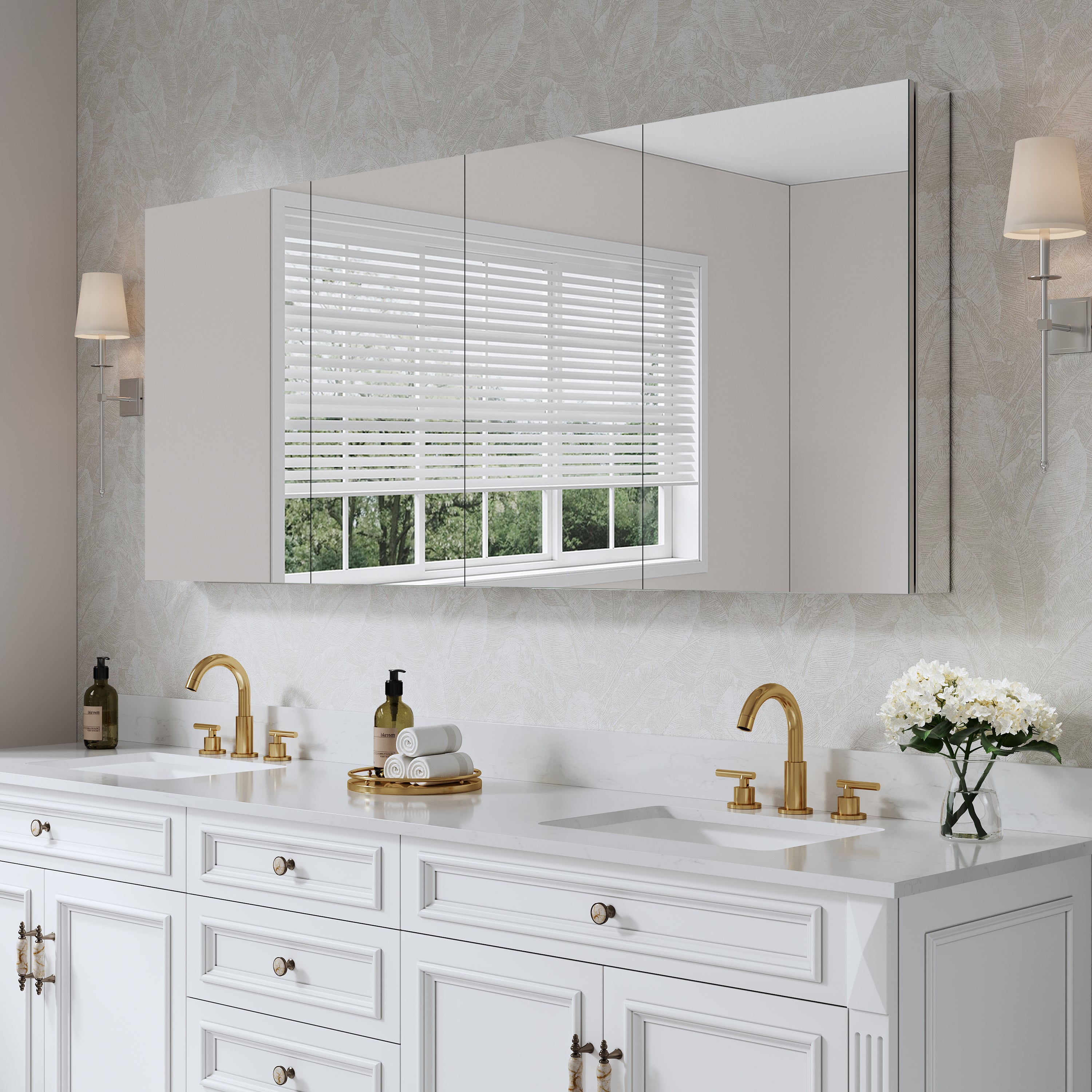
Diffuser quality, LED spacing, mirror size, and viewing distance all affect performance. For a 30- to 36-inch vanity, a mirror around 24 to 30 inches wide often provides a comfortable viewing area. Wider 48- to 60-inch vanities may suit a larger mirror or two separate mirrors.
The goal is not simply to choose the biggest mirror possible. The face should sit naturally within the illuminated area.
6. Clear Glass Matters Just as Much as Good Lighting
Good lighting cannot help much if steam covers the mirror after a hot shower. In bathrooms where grooming happens immediately after bathing, condensation can interrupt visibility at exactly the wrong time.
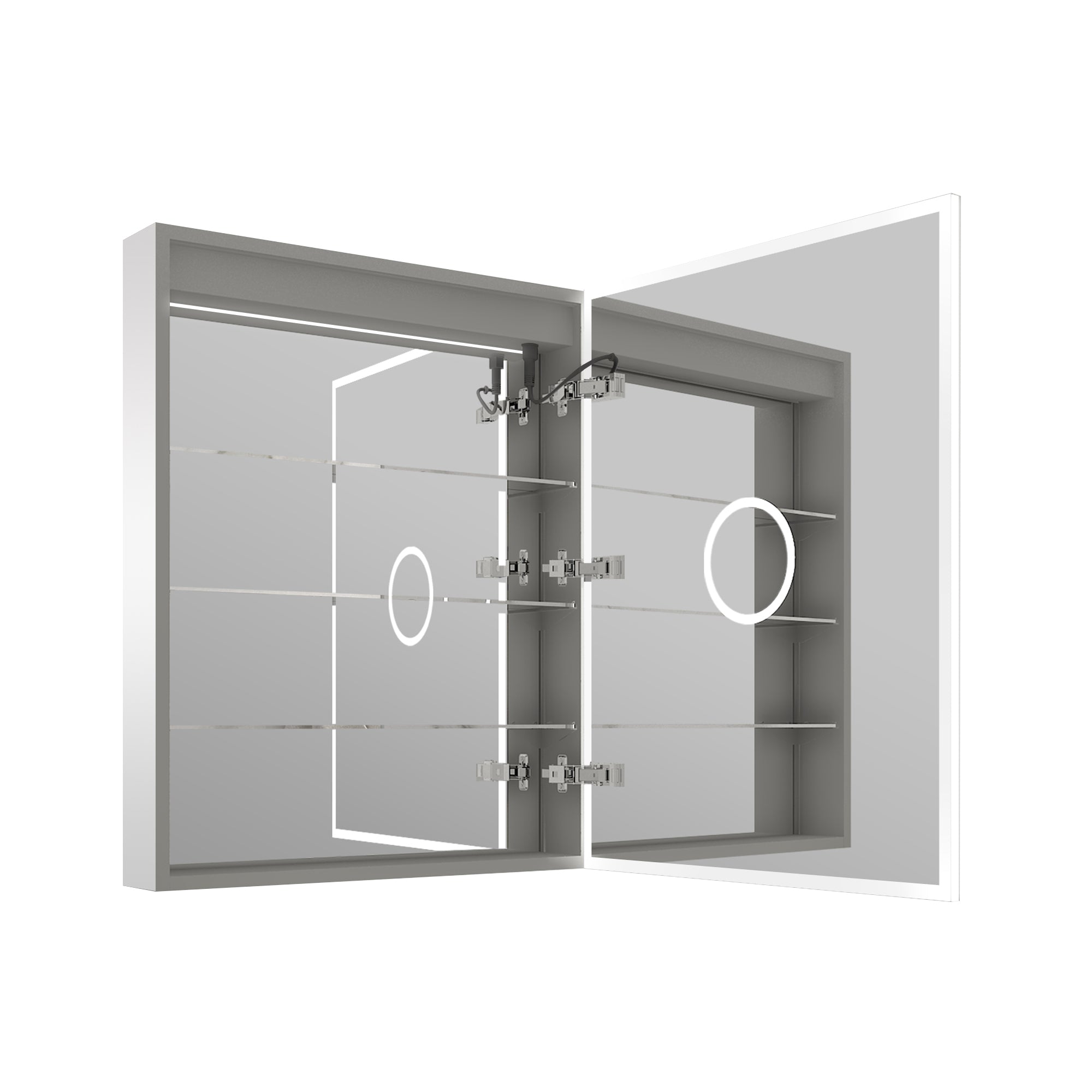
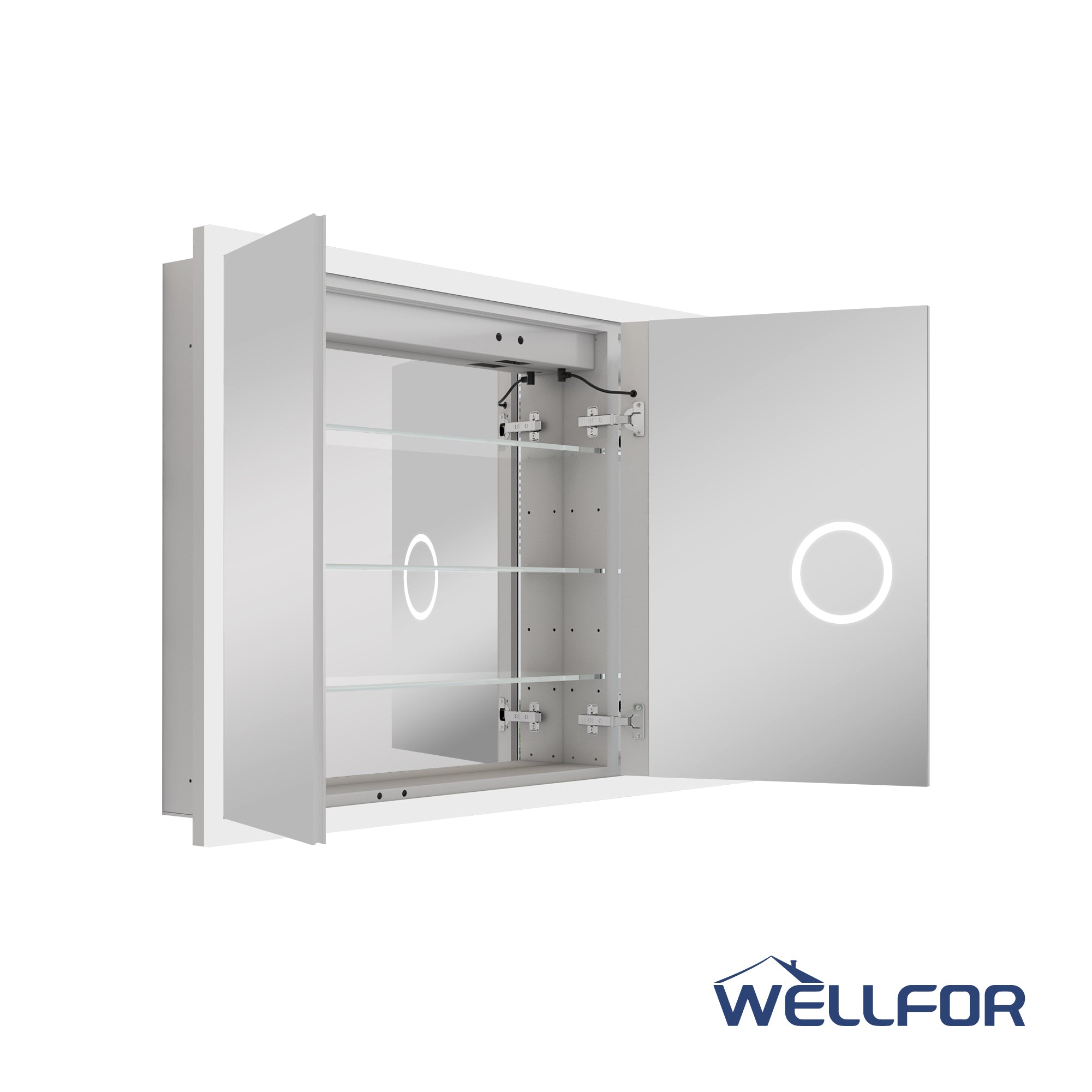
That is why built-in defogging has become a useful companion feature on many lighted mirrors. A clear central viewing area allows shaving, skincare, or makeup routines to continue without repeatedly wiping the glass. It also helps reduce streaks caused by towels or hands.
7. The Mirror Is Becoming Part of the Lighting Plan
Integrated mirror lighting is becoming more established in bathroom design. NKBA found that 47% of industry professionals favored integrated lighting in mirrors as an emerging aesthetic direction over the next three years. The same report found that 80% are incorporating nighttime-specific lighting.
That reflects a broader move toward layered lighting. Instead of relying on one ceiling fixture, designers are combining general, task, and accent lighting.
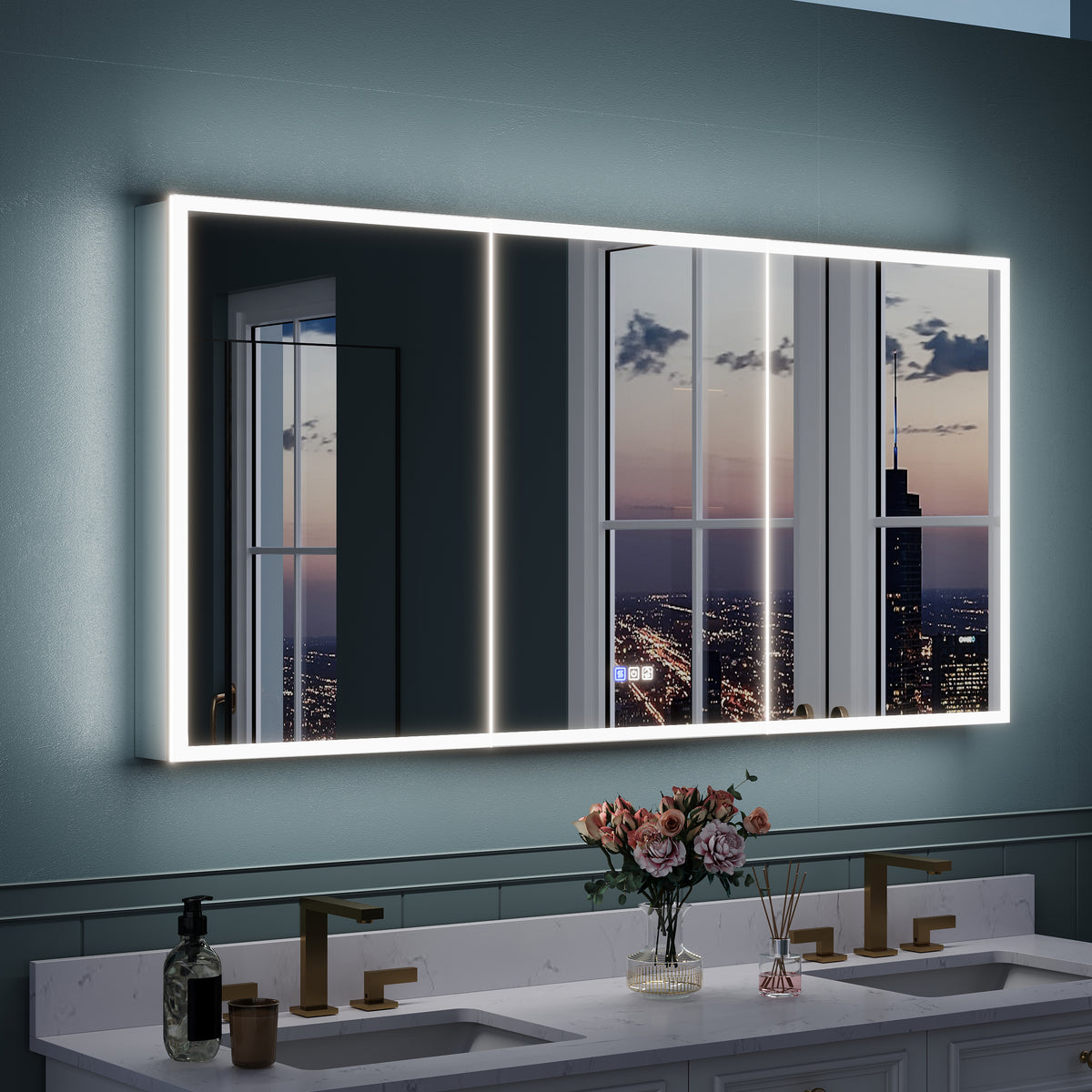
The illuminated mirror can handle the task layer, while ceiling fixtures provide ambient light and softer sources support nighttime use.

8. Good Mirror Lighting Still Needs the Rest of the Room
A lighted vanity mirror should not be expected to illuminate the entire bathroom. Precision is strongest when several light sources work together.
Natural daylight remains valuable, and NKBA reports that 88% of professionals view natural lighting as a top priority in bath design. Ceiling lighting is still needed for circulation and cleaning, while mirror lighting provides focused illumination at the vanity.
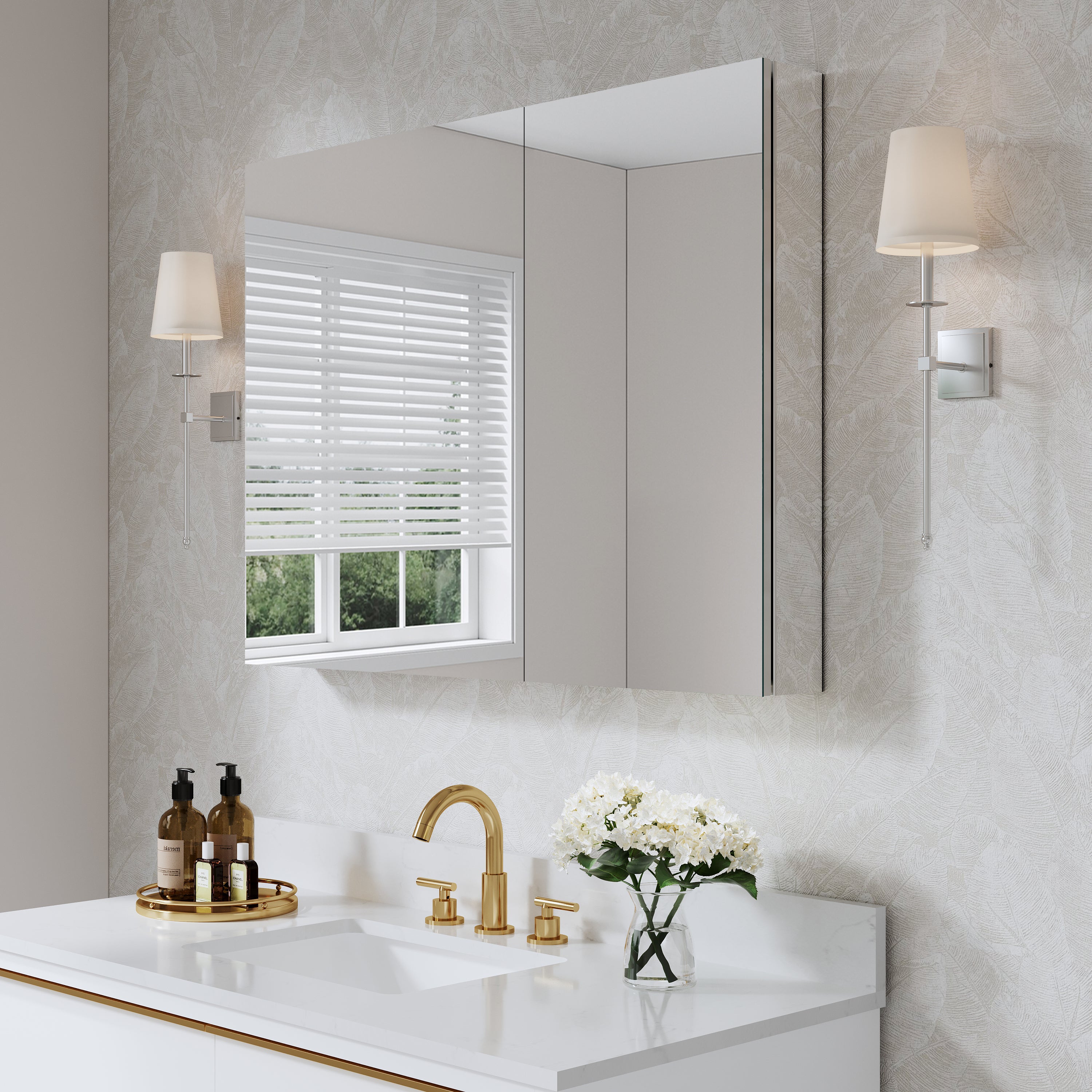
The mirror should also be positioned around the main grooming area, with enough clearance from nearby walls, cabinets, and backsplashes to keep the space visually balanced.
9. Precision Is Really About Control
The best reason behind the rise of lighted mirrors is the fact that they provide enhanced control over the lighting of the face.
The direct light means fewer shadows; the great color accuracy will be beneficial in terms of being able to identify colors properly, while the possibility of changing the color temperature gives you freedom of choice in terms of the lighting.
Dimming provides less glare, and lighting set to a steady level creates an opportunity to see all the details of your face.
According to Houzz, 83% of renovated bathrooms had their lights redesigned, while LED light bulbs are the most popular sustainable bathroom improvement among 52% of remodelers.
Given that shaving, skincare, makeup, and other precise routines rely more on the placement of good lighting rather than on lighting up the entire room.

















Leave a comment
This site is protected by hCaptcha and the hCaptcha Privacy Policy and Terms of Service apply.