
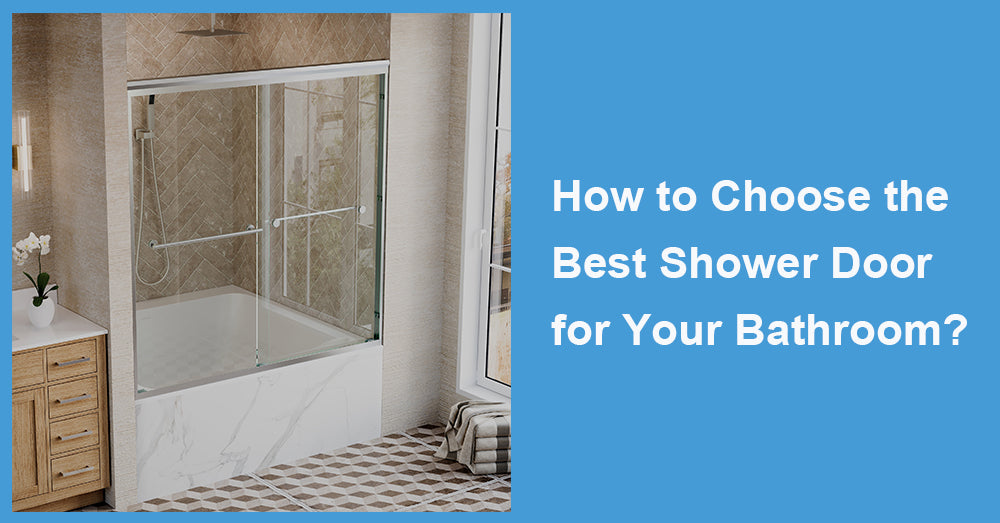
Choosing the right shower door is not only a design decision. It affects how easily you enter the shower, how much water stays inside the enclosure, how simple the bathroom is to clean, and even how spacious the room feels. After more than 20 years of working with bathroom fixtures and renovation projects, I have learned that the best option is rarely the most expensive one. It is the door that fits the opening, layout, user habits, and maintenance expectations of the household.
1. Start With the Available Shower Opening
Measure before looking at styles.
You need the width of the shower opening at the top, middle, and bottom because walls are not always perfectly square. Height matters too, especially if the enclosure sits near a ceiling, soffit, or sloped surface.
Also check whether the shower curb and walls are level and plumb.
Small measurement errors can create alignment problems during installation. With frameless glass, those errors become especially noticeable.
If you are replacing an existing door, do not assume the old dimensions are correct. Measure the actual finished opening.
2. Choose a Shower Door Style That Fits the Layout
The bathroom floor plan should guide the type of door you choose.
Sliding doors are useful when there is limited clearance outside the shower because no panel swings into the room. They work well in compact bathrooms and tub-shower combinations.
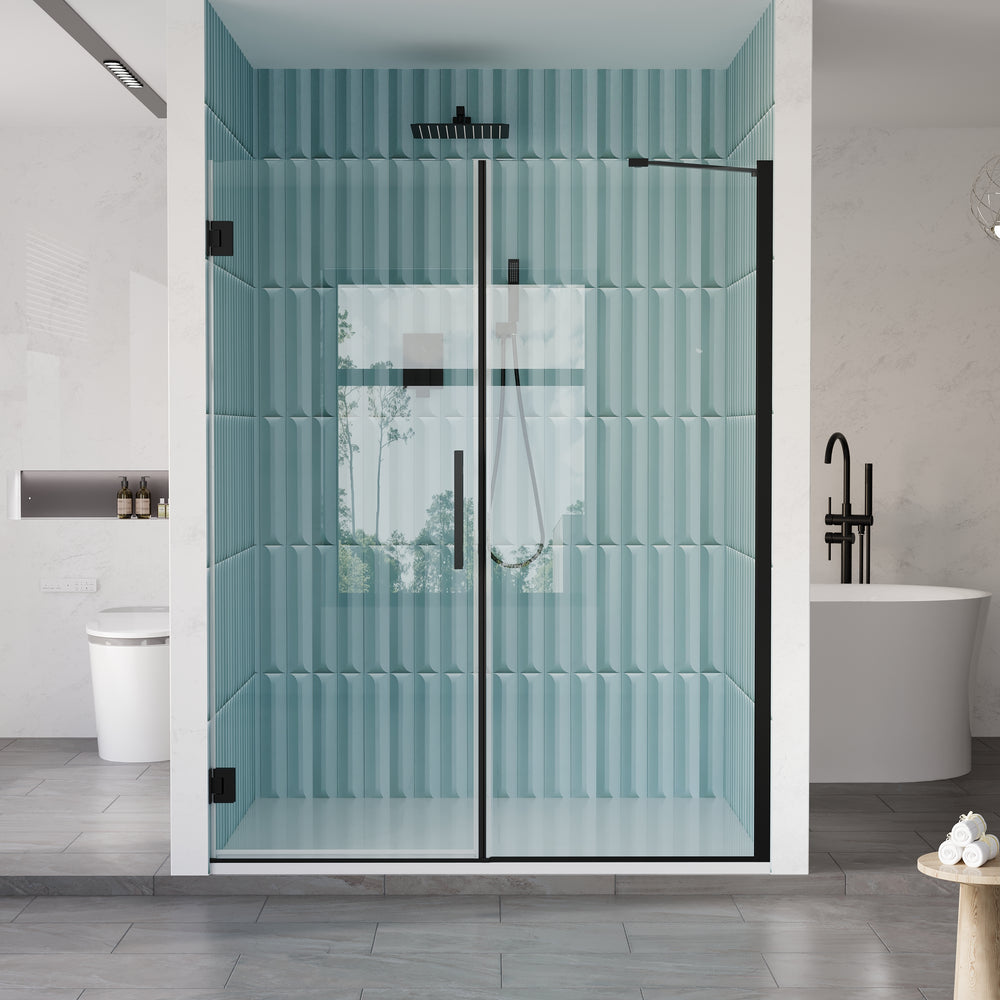
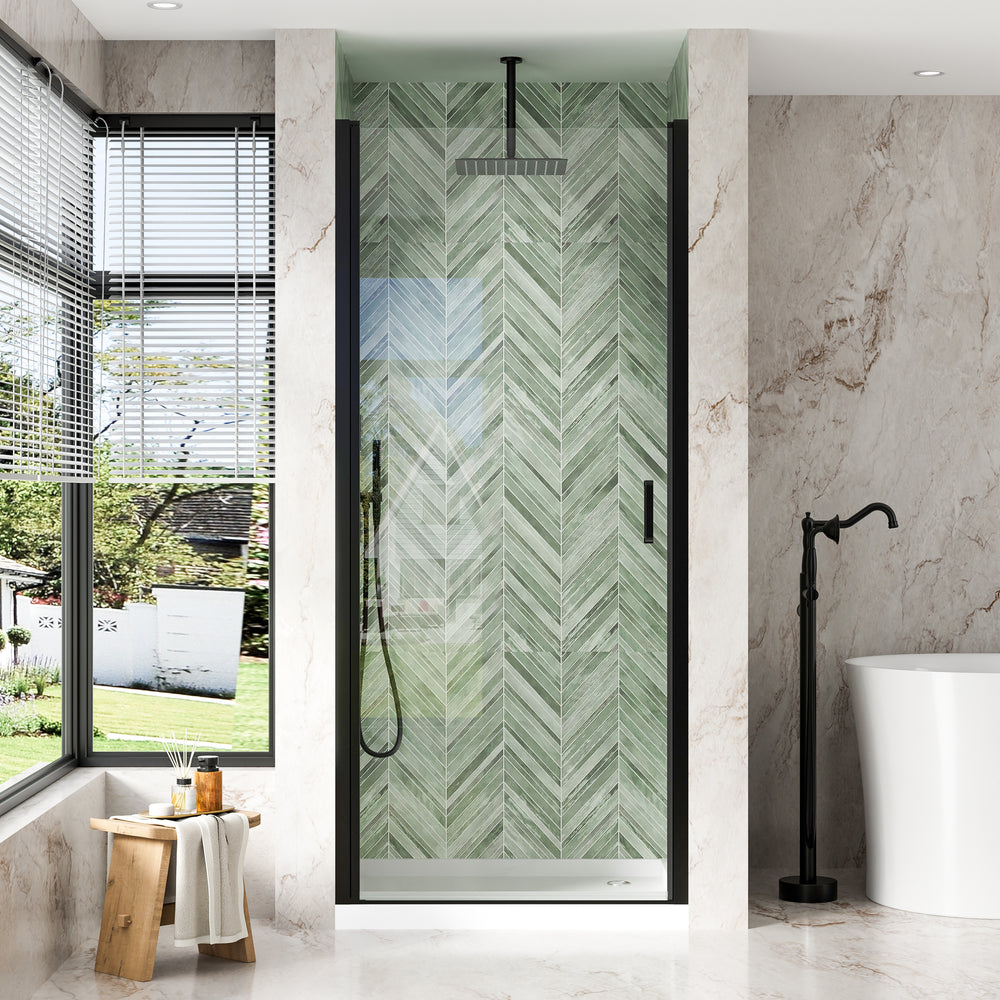
Pivot or hinged doors create a wider, more open entrance and often look cleaner.
Swing Space Matters
A hinged door needs enough room to open without hitting the vanity, toilet, towel bar, or another wall.
I have seen homeowners choose a beautiful outward-swinging glass door only to discover that it interferes with the bathroom entrance.
Test the swing path before ordering.
For very tight layouts, sliding or bi-fold designs may be more practical.
3. Frameless and Framed Doors Serve Different Needs
Frameless shower doors are popular because they show more tile and create a lighter appearance.
They also have fewer metal channels where soap residue can collect.
The tradeoff is cost and installation precision.
Thicker glass, specialized hardware, and accurate measurements are usually required. The walls must also provide suitable support for the hinges.
Framed doors are often more forgiving. The metal structure helps support the glass and can accommodate small variations in the opening.
They may not look as minimal, but they are practical and often easier on the budget.
Semi-frameless doors sit between the two.
4. Pay Attention to Glass Thickness and Safety
Bathroom glass should be designed for shower use.
Tempered safety glass is standard for quality enclosures because it is manufactured to break into smaller, less dangerous pieces if damaged.
Glass thickness varies by door type and frame design.
Frameless systems generally use thicker glass because there is less structural framing around the panels. Framed systems can often use thinner glass because the metal provides more support.
Do not choose thickness based on appearance alone.
Follow the specifications of the door system and mounting hardware.
5. Clear, Frosted, or Textured Glass Changes the Room
Clear glass keeps sightlines open and allows tilework to remain visible.
That can make a small bathroom feel larger.
The drawback is maintenance. Water spots, soap residue, and fingerprints are easier to see.
Frosted or textured glass offers more privacy and can hide some marks between cleanings.
Think About Who Uses the Bathroom
Clear glass works beautifully in a primary suite where privacy is less of a concern.
A shared family bathroom may benefit from partial frosting.
If you invested heavily in decorative tile, clear glass lets that surface remain part of the room.
Choose based on daily use, not just showroom appearance.
6. Consider How Well the Door Controls Water
A shower enclosure should keep water where it belongs.
Sliding doors usually rely on overlapping glass panels and tracks. Hinged doors use seals, sweeps, and carefully positioned glass to control splashing.
Frameless designs intentionally use less metal, so they may not be completely watertight in every configuration.
That is not necessarily a defect.
The showerhead position, curb slope, and location of body sprays all influence how much water reaches the door.
If powerful sprays point directly toward a door seam, even a good enclosure can leak.
7. Match the Hardware to the Bathroom
Shower hardware may seem like a small detail, but it has a strong visual effect.
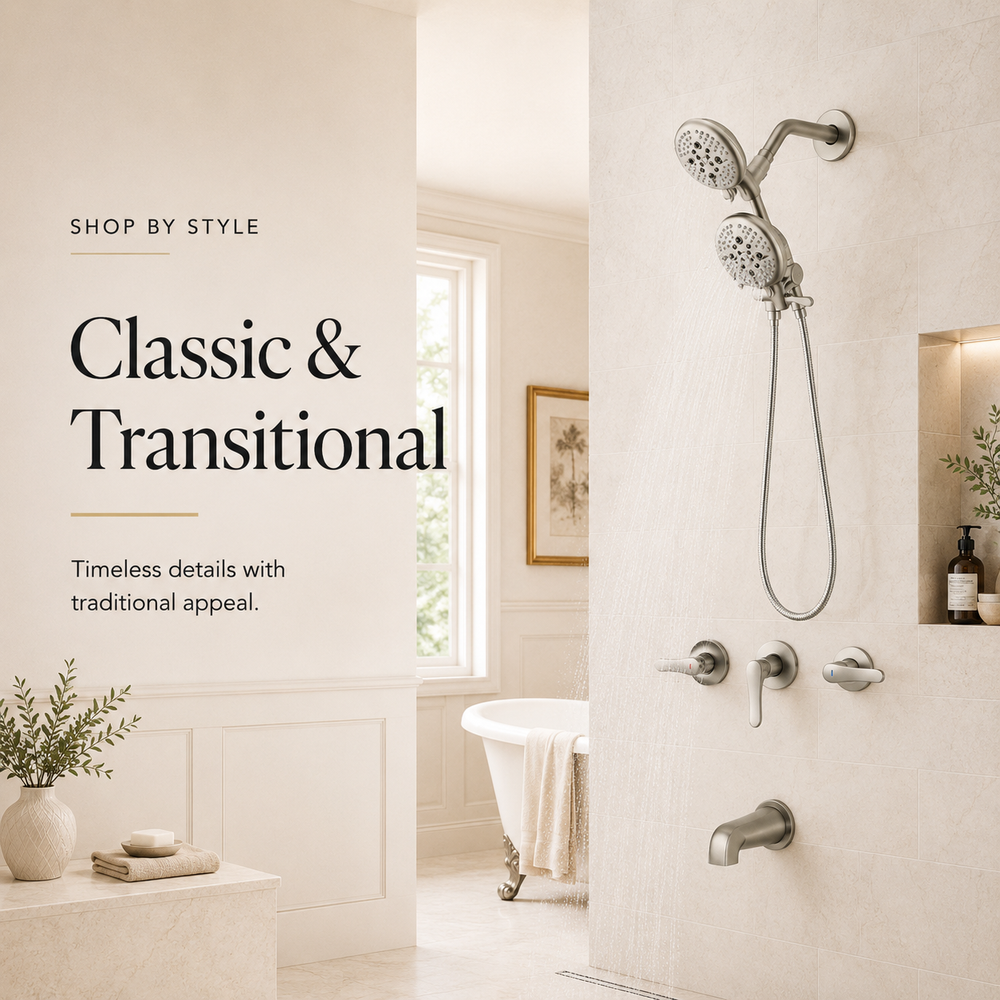
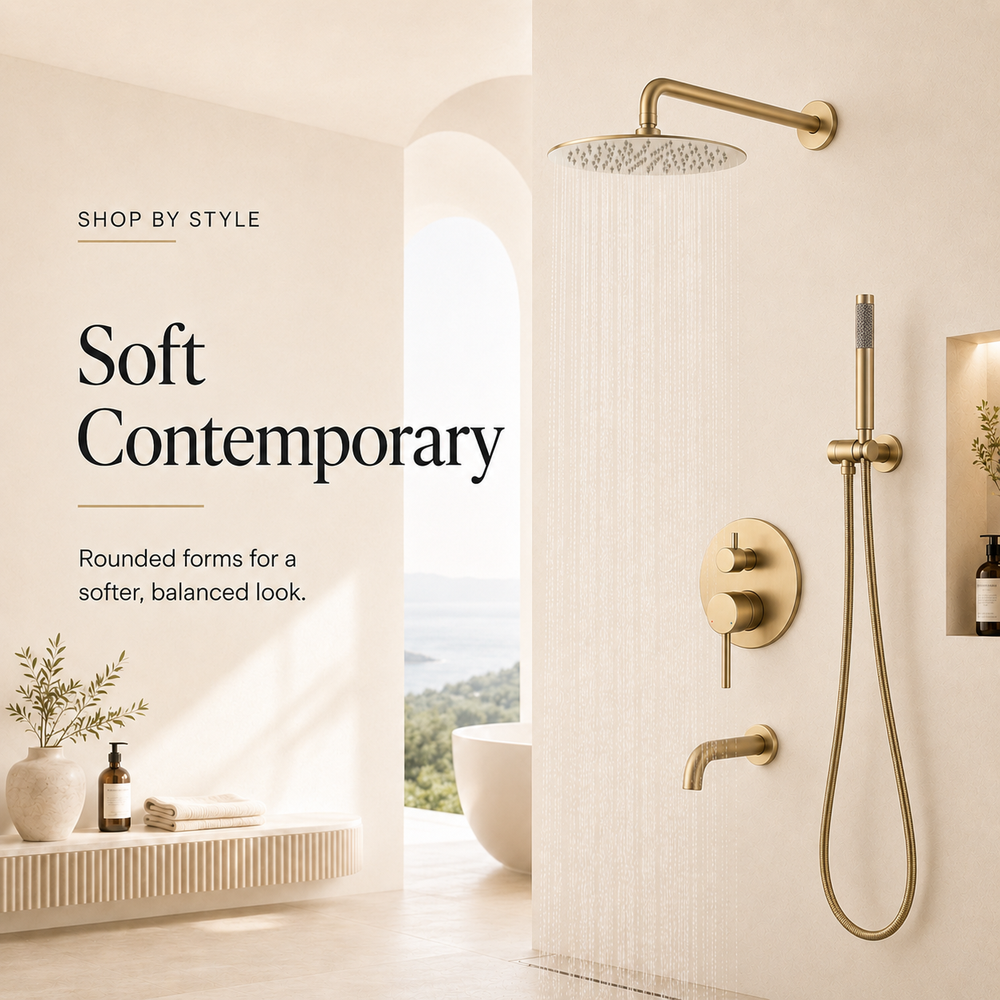
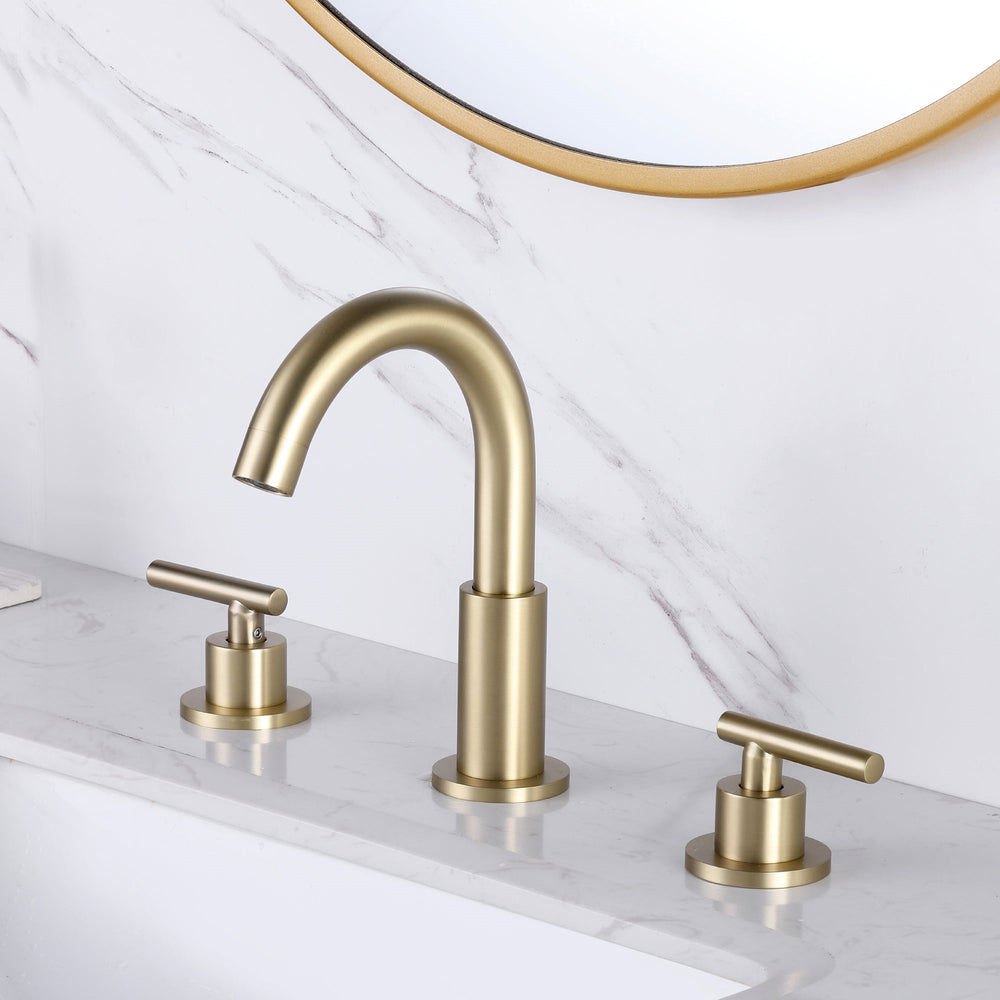
Matte black creates contrast and works well in modern rooms. Brushed nickel is versatile and forgiving. Chrome feels clean and reflective, while warmer metal tones can soften stone and wood finishes.
Try to coordinate the shower hardware with the faucet and major bathroom fixtures.
They do not need to be perfectly identical, but too many competing finishes can make the room feel disconnected.
8. Do Not Ignore Cleaning Requirements
Every shower door needs maintenance.
Sliding tracks can collect soap residue and hair, while frameless glass tends to show water spots more easily.
If your water is hard, clear glass may require more frequent wiping.
A simple squeegee after showering makes a large difference.
Use a mild glass cleaner that is compatible with any protective coating. Avoid abrasive pads that can scratch metal finishes or damage treated glass.
Clean seals and lower sweeps regularly because trapped residue can lead to discoloration.
9. Installation Quality Matters as Much as the Door
A high-quality enclosure can perform poorly if installed out of level.
Glass panels need correct alignment, hinges must be securely anchored, and seals should sit evenly.
For frameless hinged doors, wall structure is particularly important. Hardware should be fastened into suitable backing rather than relying only on weak surface material.
Check the curb slope as well.
Water should drain toward the shower, not toward the bathroom floor.
If measurements are unusual or the walls are noticeably out of square, professional installation is usually worth considering.
10. Know When a Simpler Door Is the Better Choice
The most elaborate enclosure is not always the right purchase.
A guest bathroom may not need heavy frameless glass and custom hardware. A practical framed slider can be easier to maintain and replace.
Likewise, a compact bathroom may function better with a sliding system even if you prefer the look of a large hinged panel.
Design should support use.
I would rather see a simple door that opens comfortably and keeps water contained than a premium model that fights the room every day.

11. Make the Final Choice Around Daily Life
Before buying, compare the opening size, door swing, showerhead position, glass type, cleaning effort, and hardware finish.
Then think about the people using the shower.
A child’s bathroom, guest bath, and primary suite may all need different solutions.
When comparing Wellfor options, focus first on fit, glass safety, opening style, installation requirements, and water control before deciding on decorative details. The best shower door is the one that works naturally with the bathroom layout, feels comfortable to use every day, and stays manageable to clean long after the renovation is finished.













Leave a comment
This site is protected by hCaptcha and the hCaptcha Privacy Policy and Terms of Service apply.