














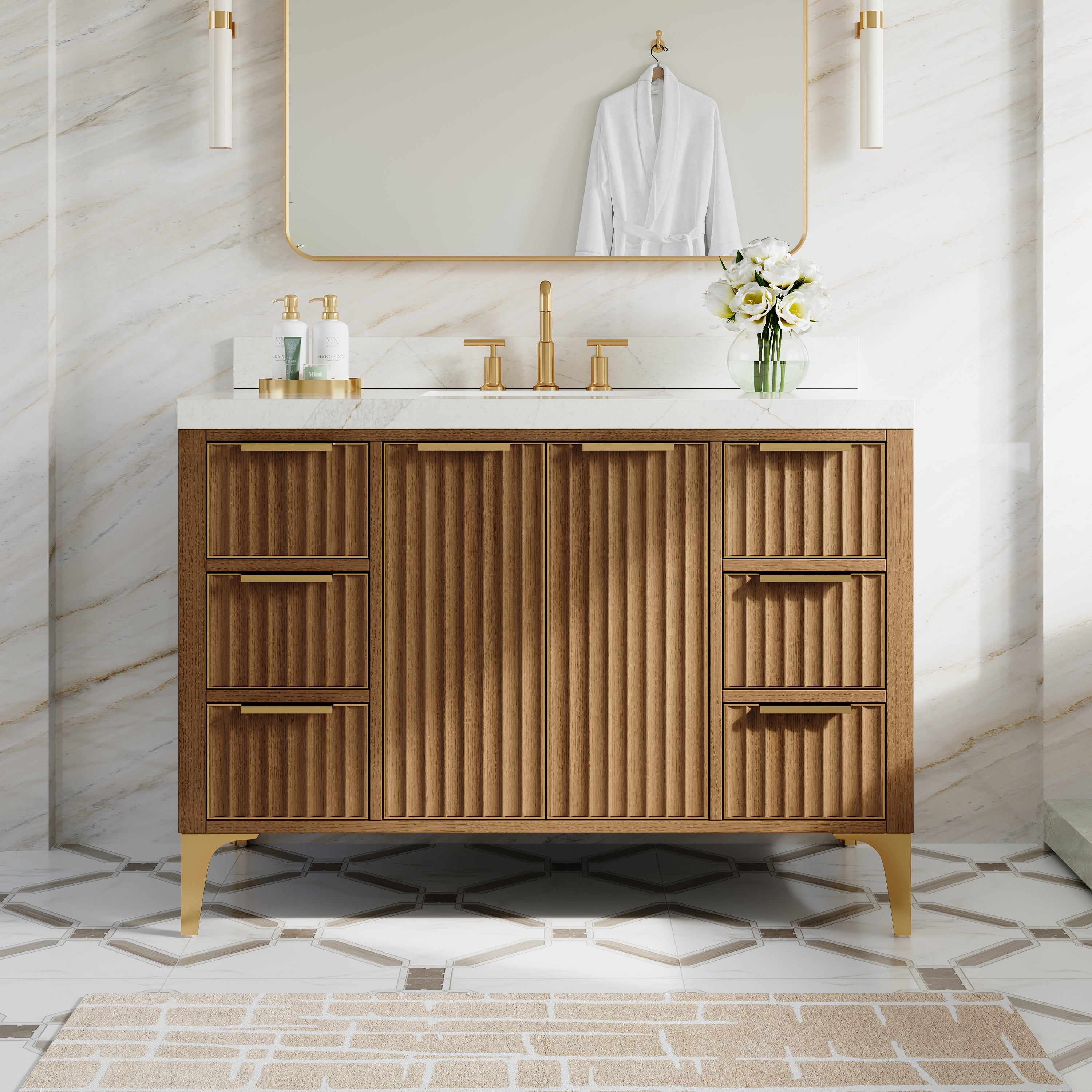


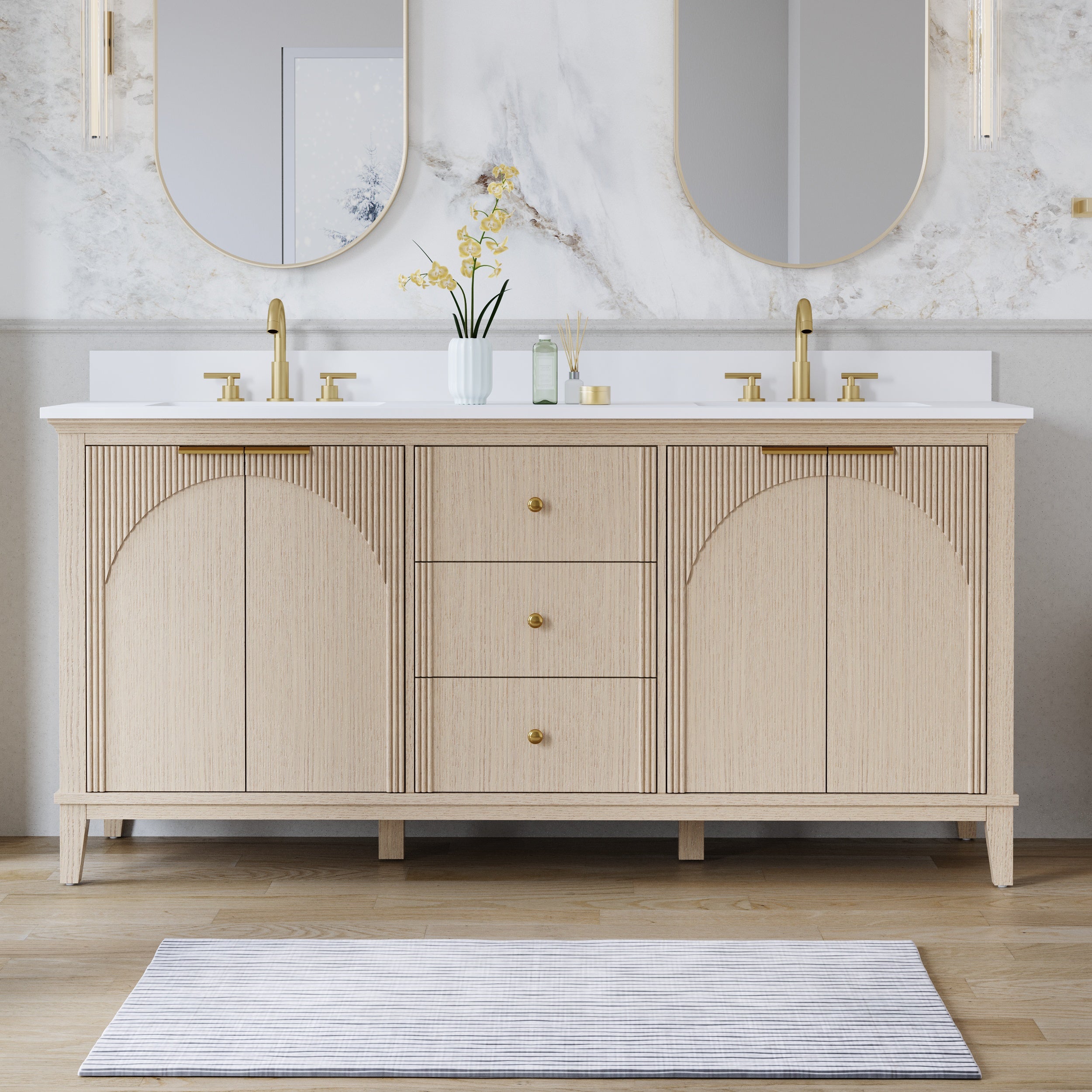
With the continuous rise in consumers' expectations for home quality and functional design, bathrooms have gradually evolved from simple washing areas into living spaces that combine storage, aesthetics, and comfort. In recent years, how to effectively utilize wall space and reduce countertop clutter has become an important concern for homeowners in bathroom renovation projects, and medicine cabinets for bathroom are becoming an increasingly popular solution. Industry data show that the global bathroom mirror cabinet market is expected to grow to approximately $1.306 billion by 2034, from approximately $888 million in 2025, and to maintain stable growth in the coming years.
At the same time, the residential renovation market has also driven the growth of demand for mirror cabinets. In recent years, consumers have been more inclined to enhance existing residential functions through partial upgrades rather than relocate. As a high-frequency space, the bathroom is a prime place to install mirror cabinets that integrate mirrors, storage, and lighting, making it an important way for many families to enhance the value of their space.
So, what key factors should consumers consider when choosing a bathroom storage mirror cabinet?

1. Choose the appropriate specifications based on the size of the bathroom
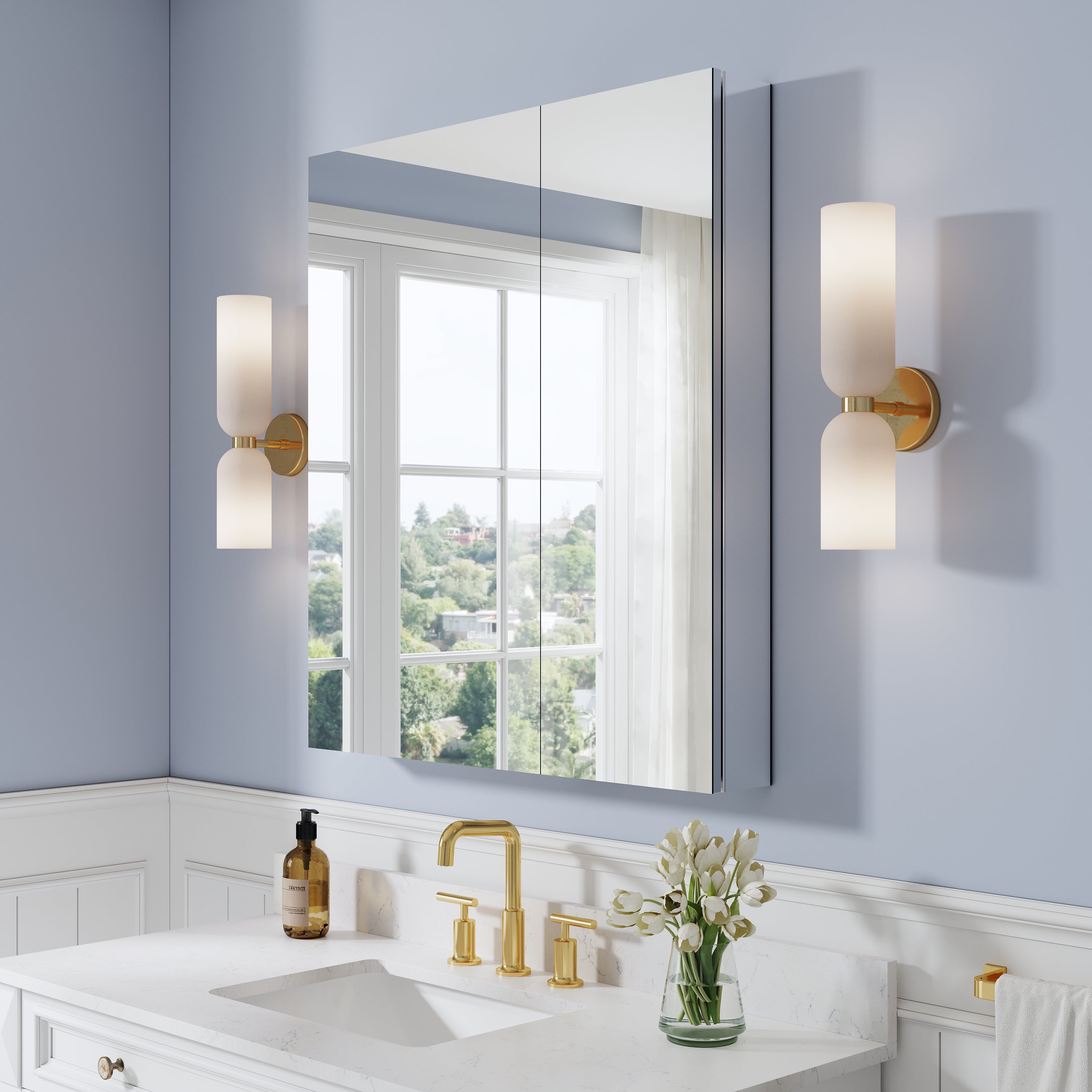
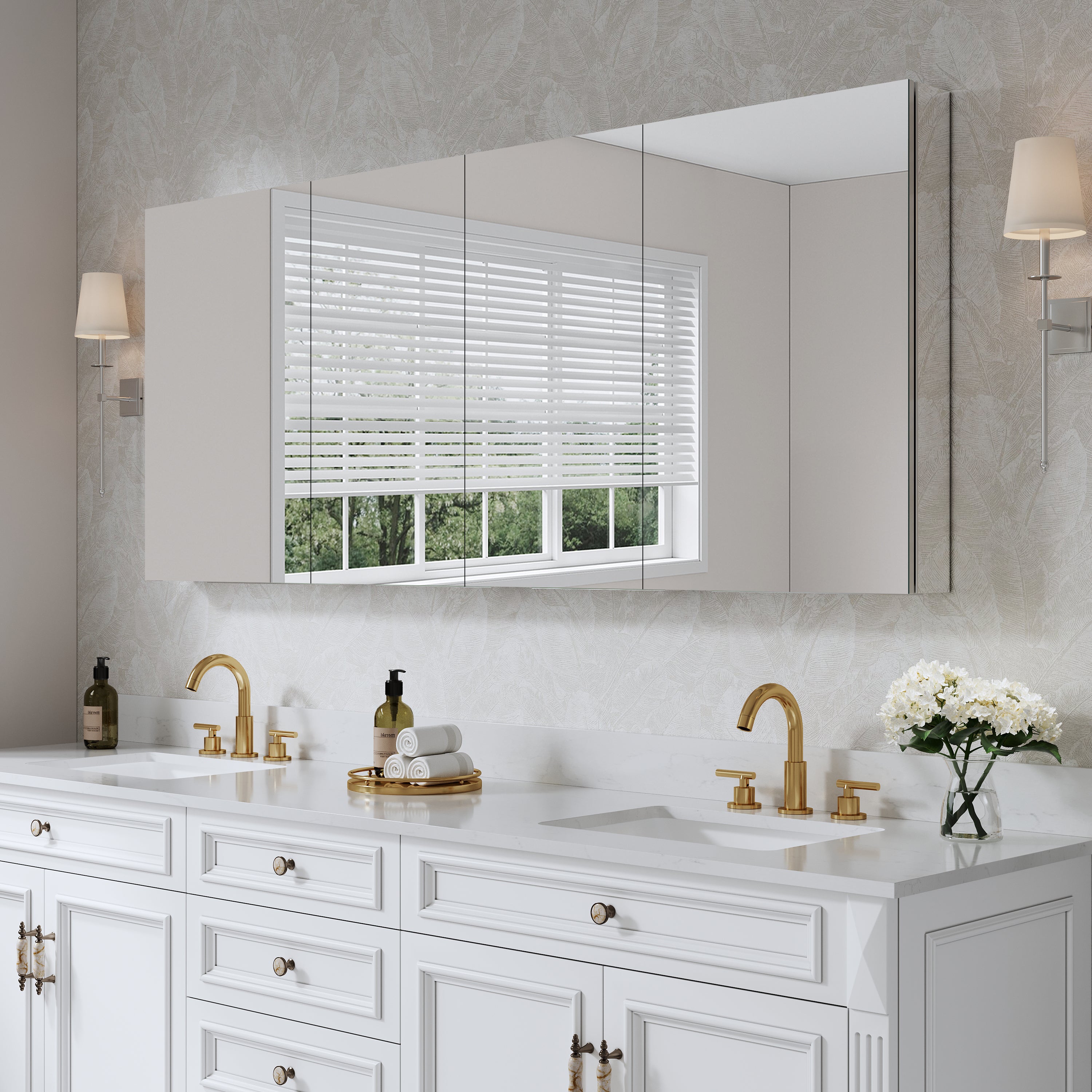
When choosing a mirror cabinet, size is the primary consideration. In common bathroom layouts, the width of the washbasin usually ranges from 24 to 60 inches, so the size of the mirror cabinet should be coordinated with the overall proportions of the bathroom.
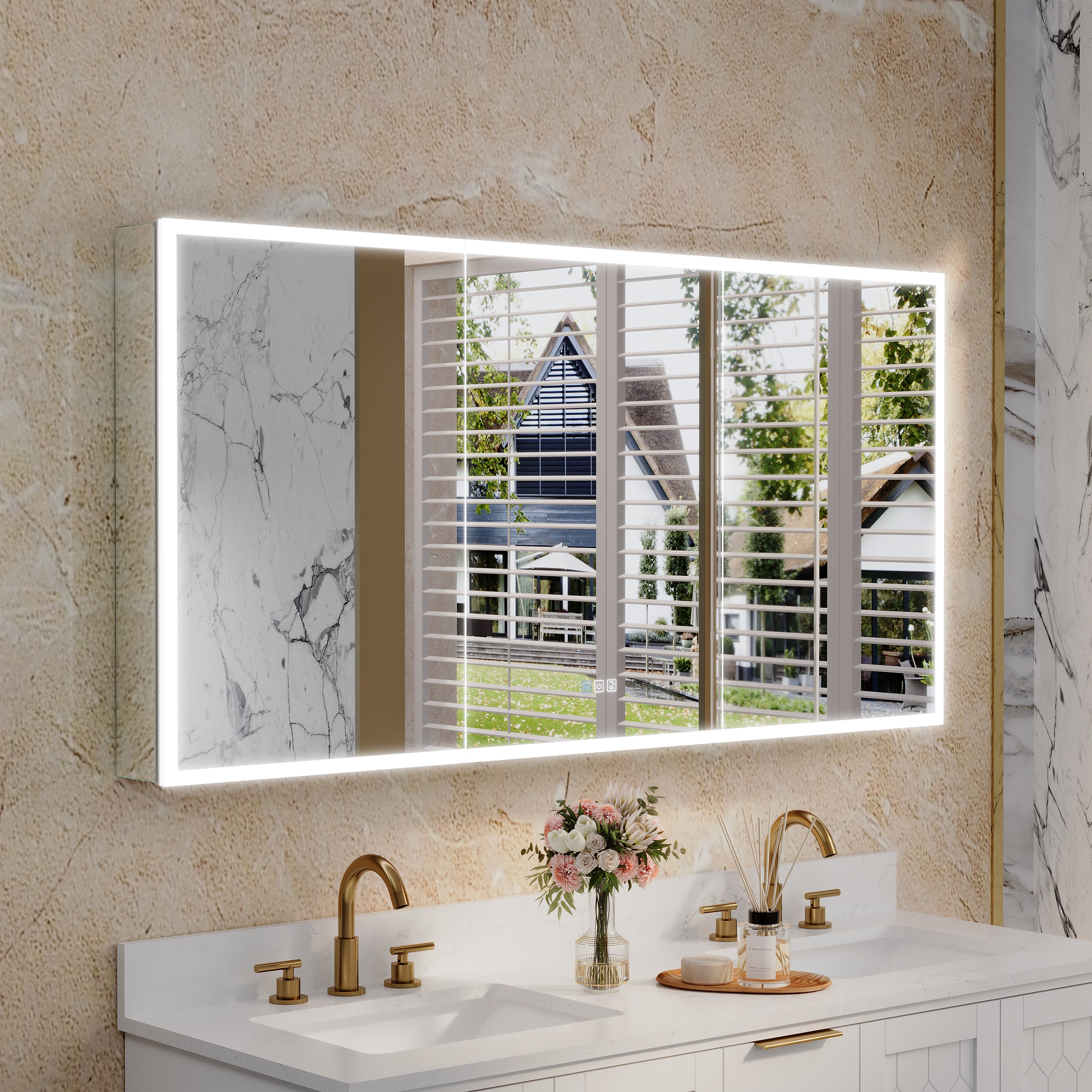
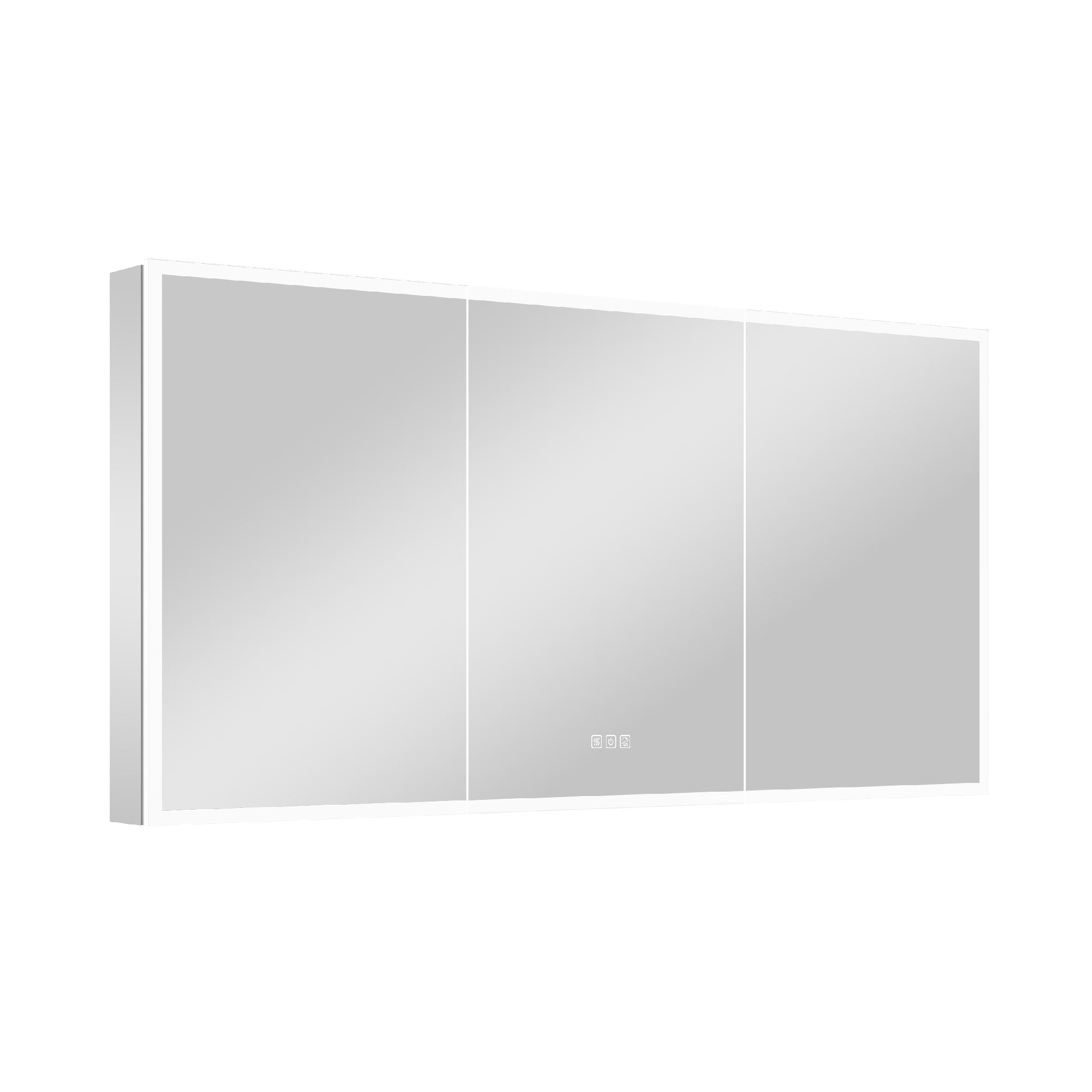
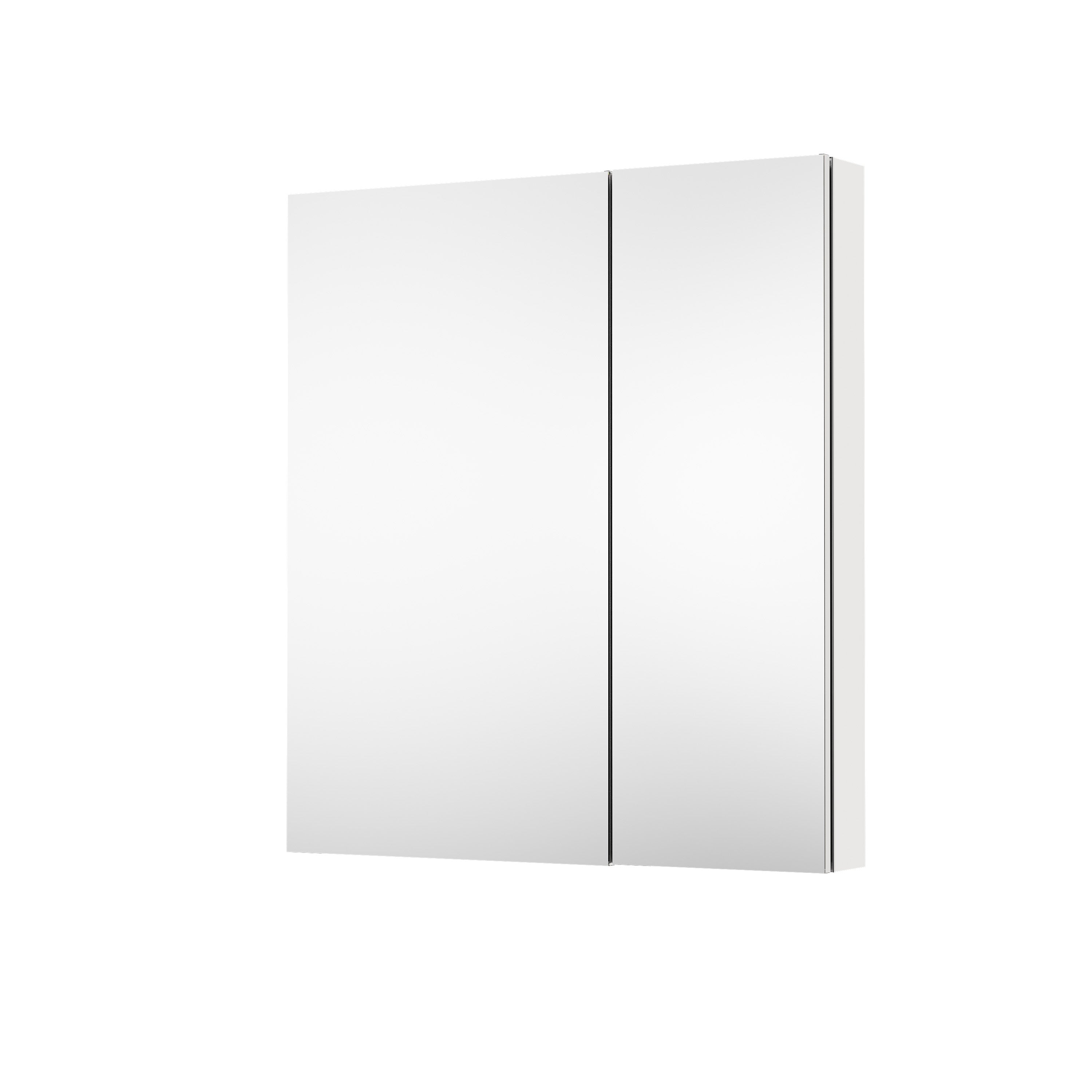
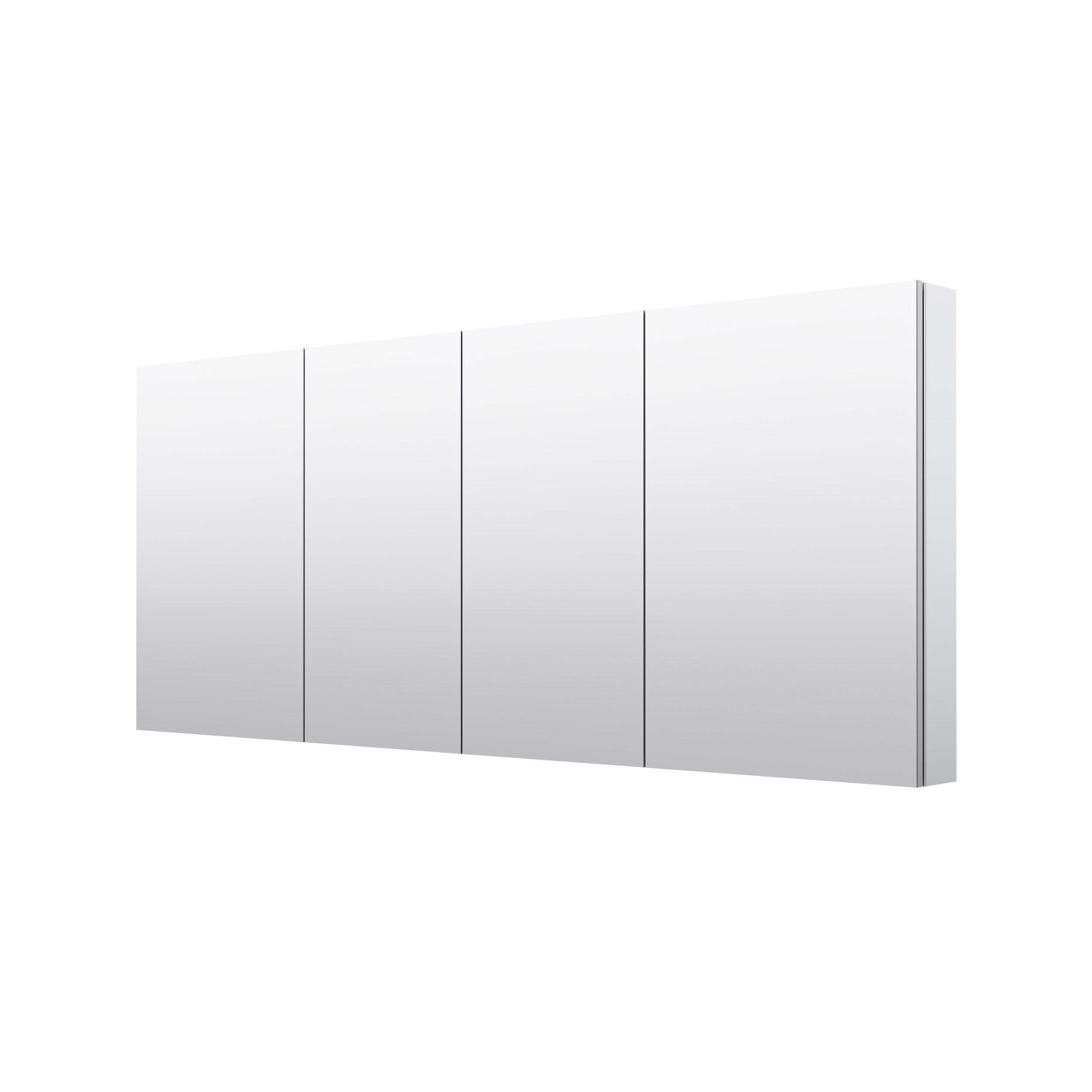
Generally speaking, the width of the mirror cabinet should match the width of the bathroom cabinet or sink, so the visual effect is more balanced. If installed in a small bathroom or semi-bathroom space, a narrower wall-mounted mirror cabinet can be chosen; The main bathroom can consider a wider and deeper multi-door design to meet the common usage needs of family members.
According to industry design trends, modern households are increasingly emphasizing "vertical storage". Compared to traditional storage cabinets that occupy floor space, wall-mounted mirror cabinets can utilize wall height to increase storage capacity without compressing the active area. Especially in urban residential areas, the proportion of small-sized and apartment-style homes is increasing, and space-saving furniture design is becoming an important consumer trend.
2. Pay attention to the internal storage structure, not just the appearance
Many consumers tend to focus only on the mirror design when purchasing a mirror cabinet, but what truly affects the user experience is the internal structure.
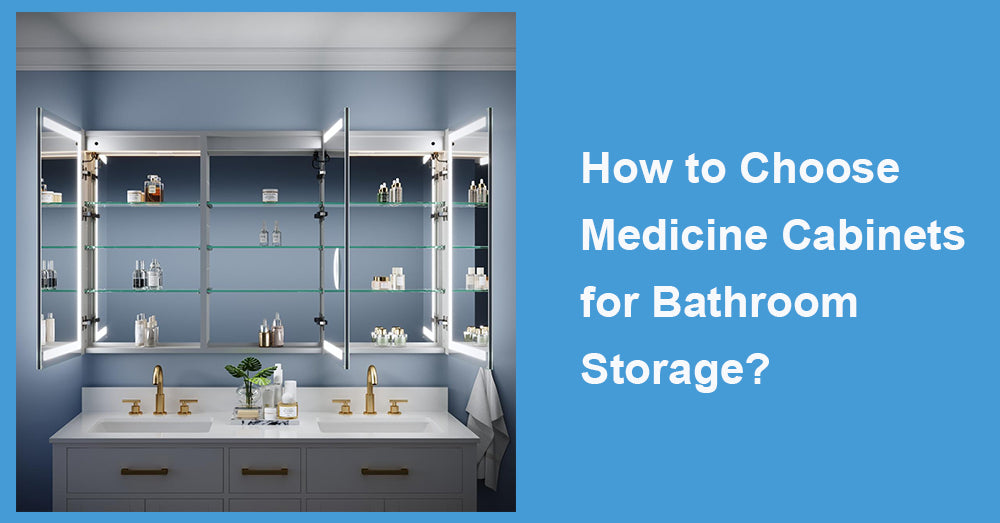
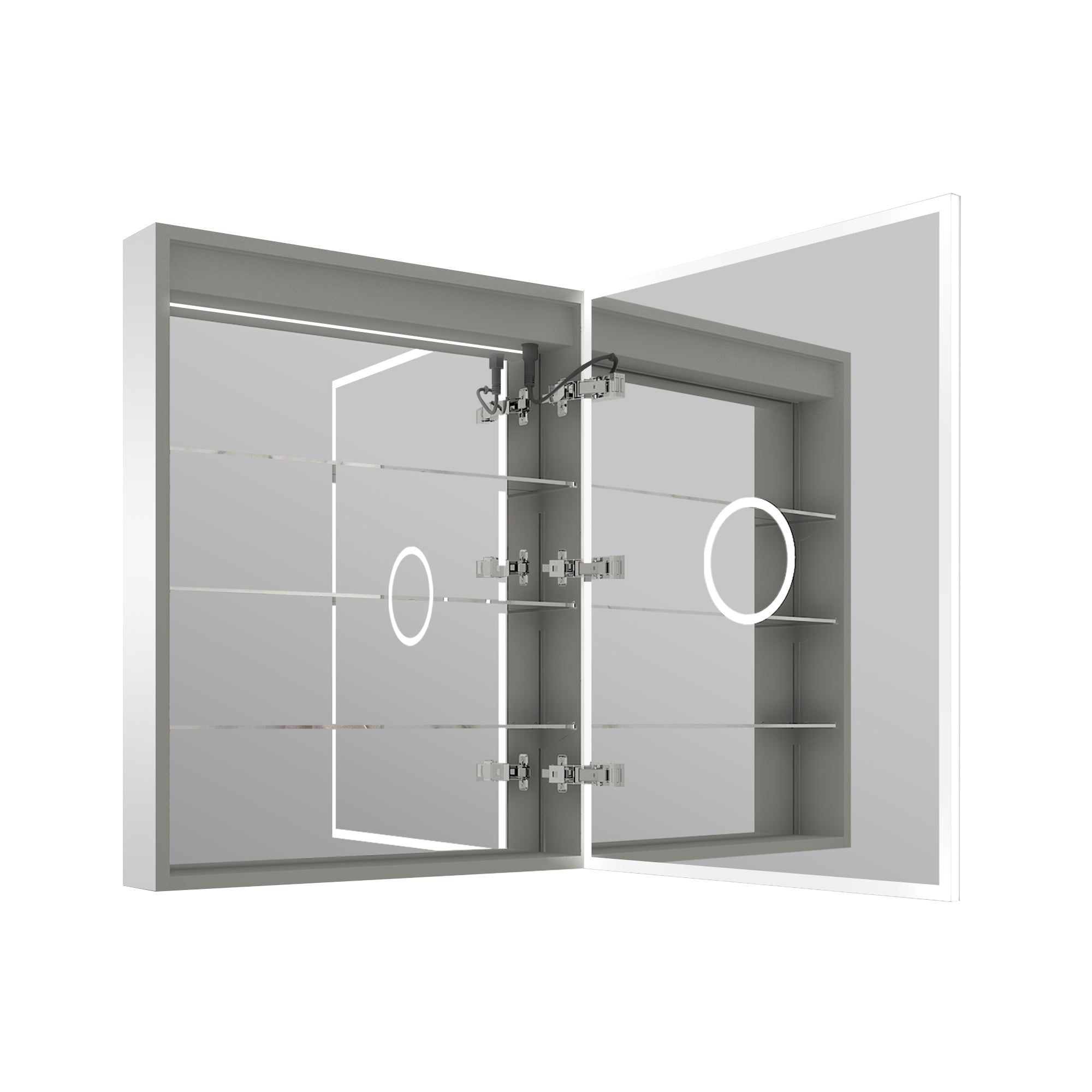
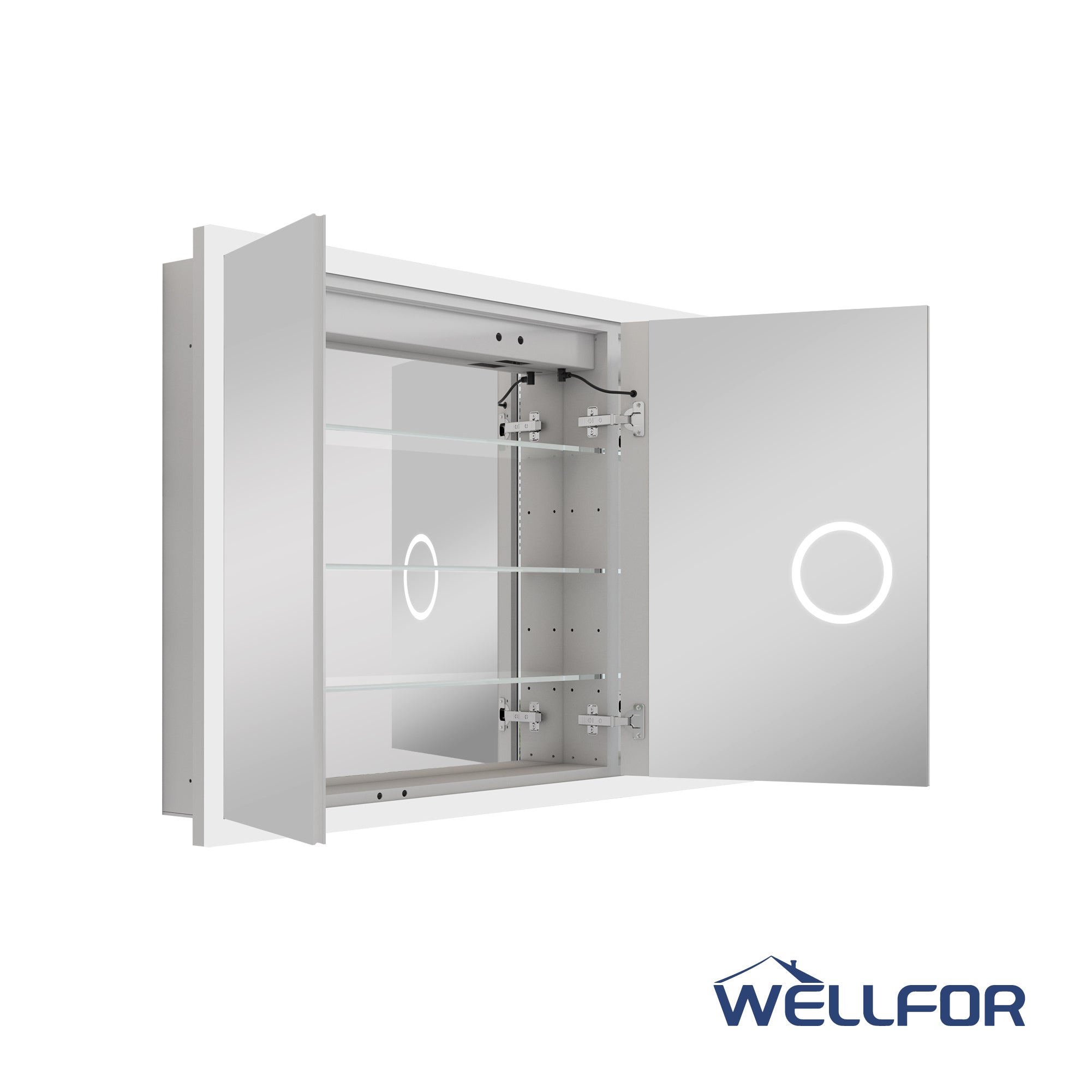
An excellent bathroom mirror cabinet should typically have:
Multi-layer adjustable shelves;
Classified storage area;
Hidden storage space;
Moisture-resistant design;
Convenient internal layout for easy access.
The bathroom environment has long-term moisture, so ordinary wooden materials are prone to moisture and deformation. Mainstream mirror cabinet products on the market typically use materials such as aluminum alloy, moisture-proof board, and tempered glass to enhance product durability and stability. Market research shows that glass and composite materials account for a large share of bathroom mirror cabinet products, and consumer demand for durable, moisture-resistant materials continues to grow.
In addition, internal space planning is also very important. For example, everyday toothbrushes, electric shavers, skincare products, etc., are suitable for open placement, while medicines and spare items are more suitable for hidden storage. Reasonable zoning can reduce the clutter of bathroom countertops and make the space tidier.
3. LED lighting has become a popular feature
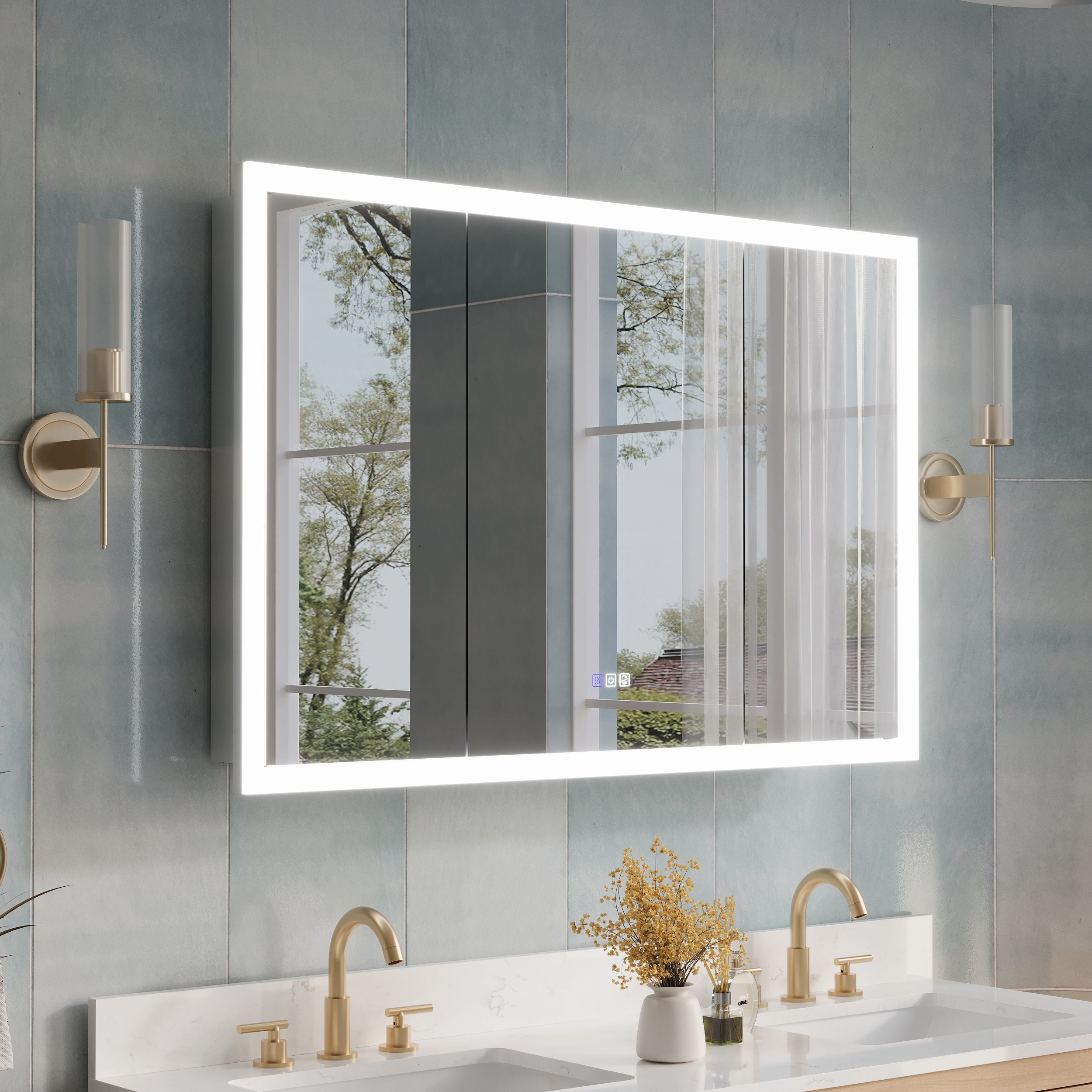
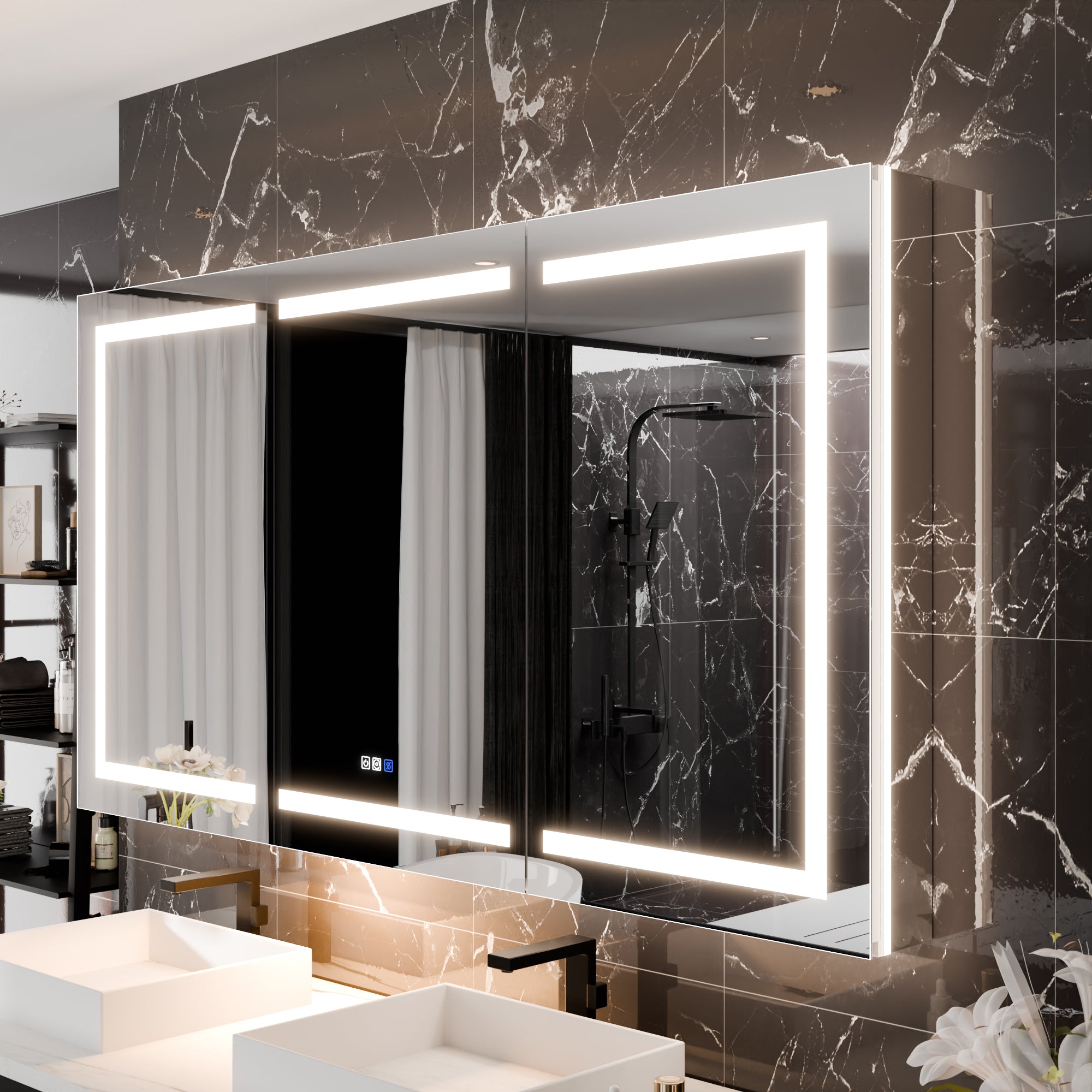
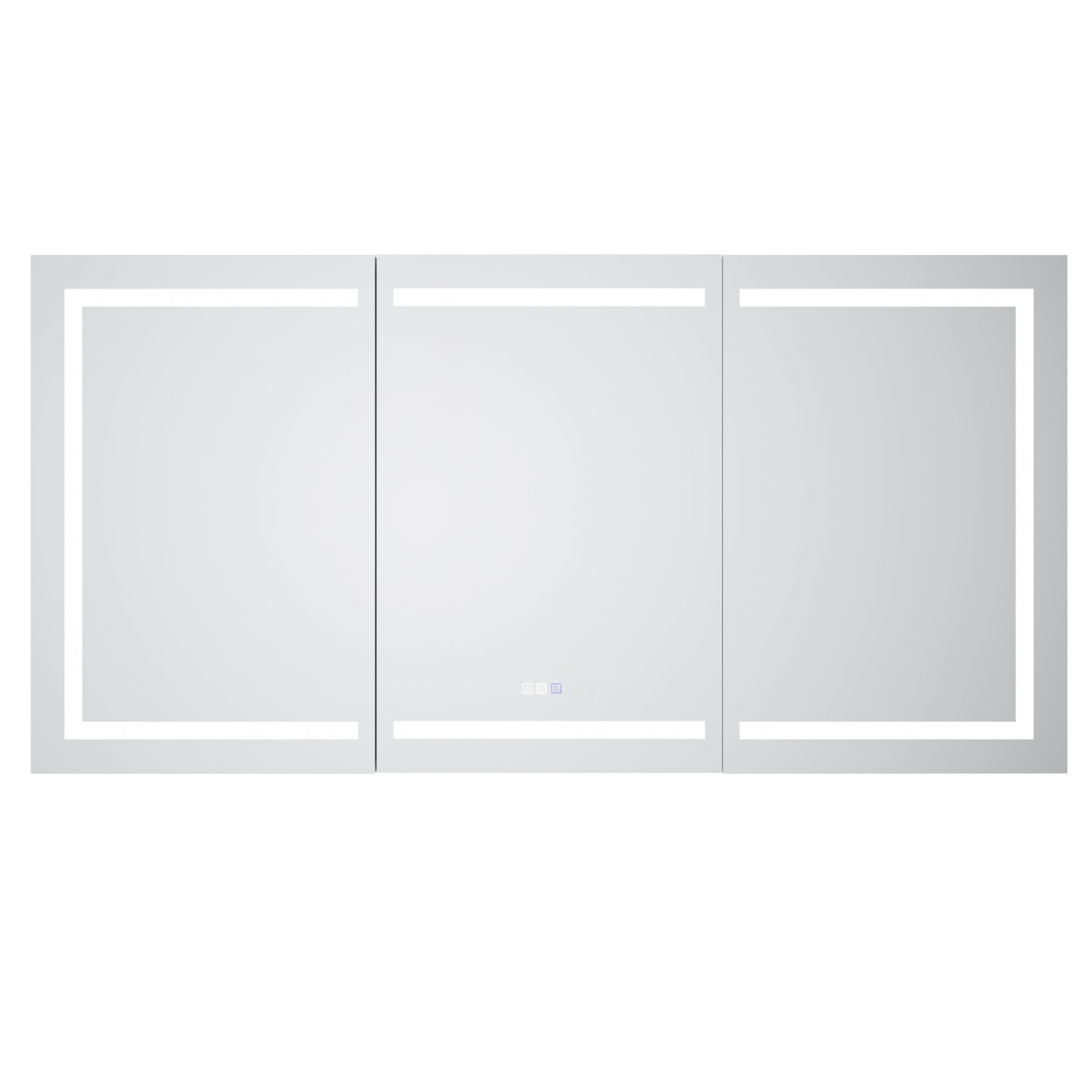
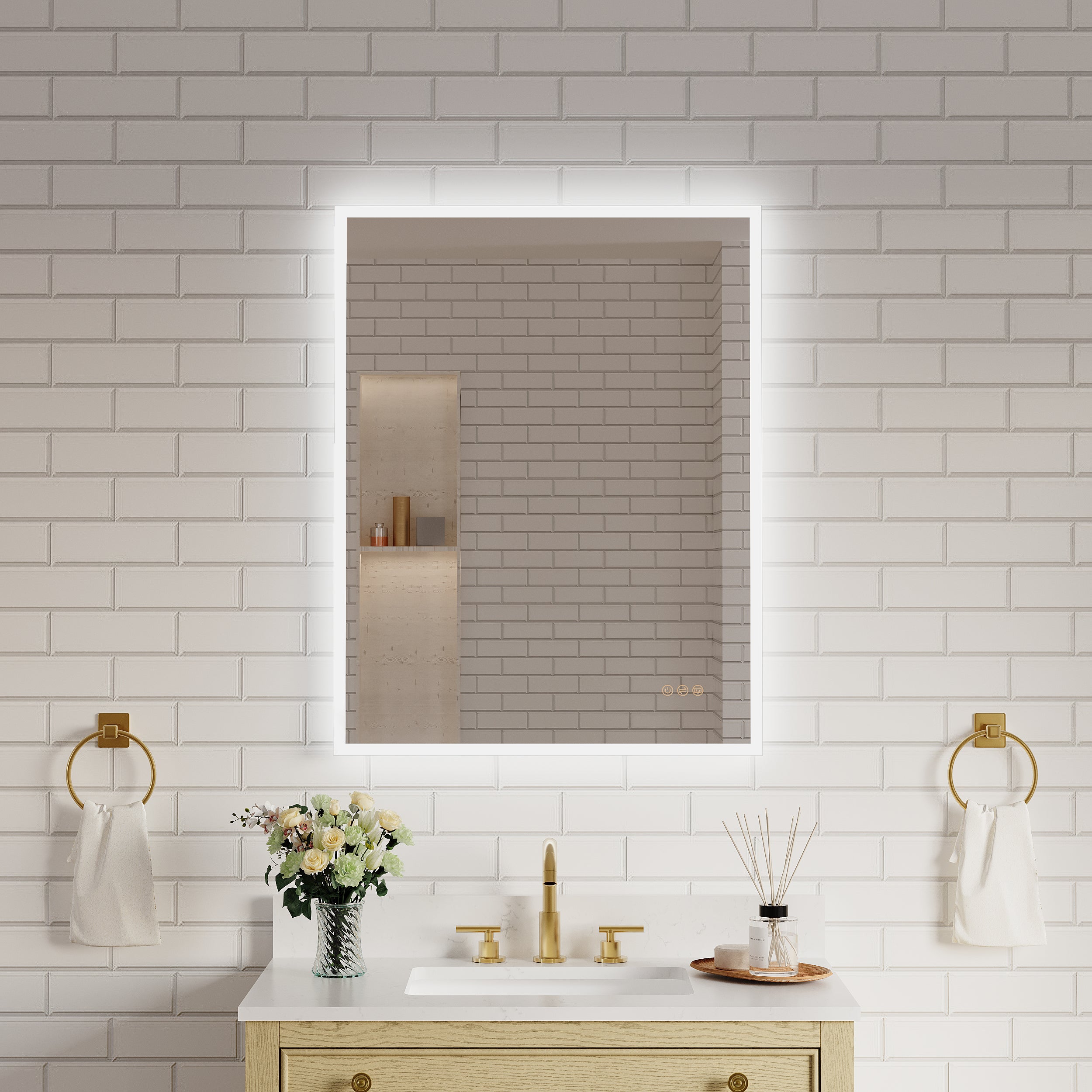
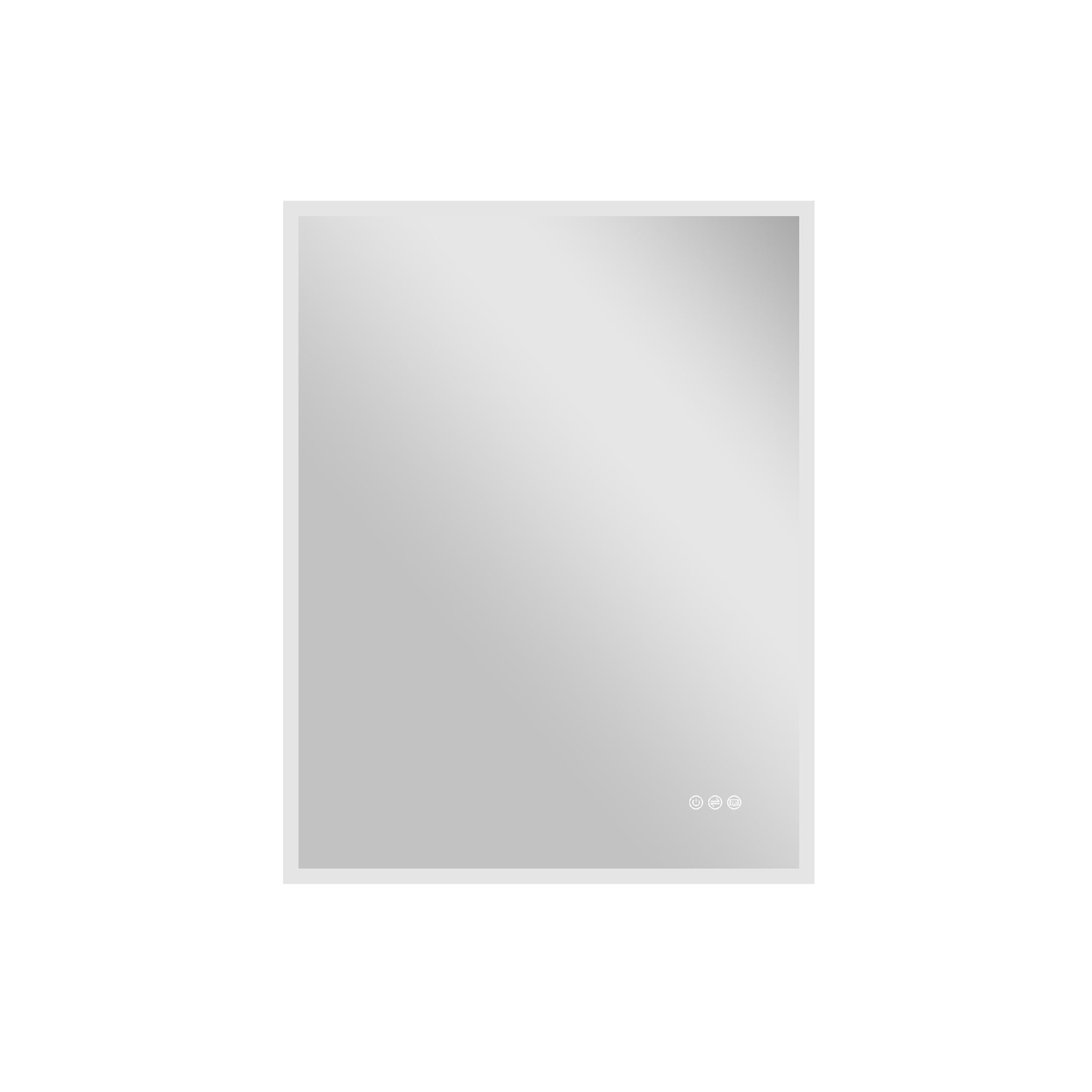
In recent years, bathroom mirror cabinets with LED lights have grown rapidly. Traditional bathroom lighting often suffers from insufficient light and pronounced shadows, while integrated LED lighting can enhance the visual experience for makeup, shaving, and skincare.
At present, more and more new mirror cabinets are being added to the market:
Circular LED light;
Three color adjustable lighting;
Touch switch;
Induction activation;
Energy-saving lighting system.
Industry reports indicate that intelligent functionality is becoming an important development direction for bathroom mirror cabinets, with technologies such as LED lighting, anti-fog systems, and sensor control gradually being applied to mid to high-end products.
Consumers should pay attention to the brightness, color temperature range, and waterproof level when choosing LED mirror cabinets. The bathroom belongs to a humid environment, and electrical safety certification and moisture resistance are more important than simply pursuing lighting effects.
4. Anti-fog function enhances daily experience
For many families, fogging of the mirror after showering is a common problem. Therefore, mirror cabinets with heating and anti-fog functions are gradually becoming an upgrading trend.
Anti-fog mirror cabinets usually use a heating film on the back of the mirror to keep the mirror clear. Although this feature will increase the product price, it can reduce the trouble of wiping the mirror and improve convenience for people who use the bathroom every day.
With increasing consumer attention to "healthy homes" and "smart bathrooms", features such as anti-fog and intelligent lighting are gradually being adopted from high-end configurations to the mass market.
5. Choose a design that fits the bathroom style
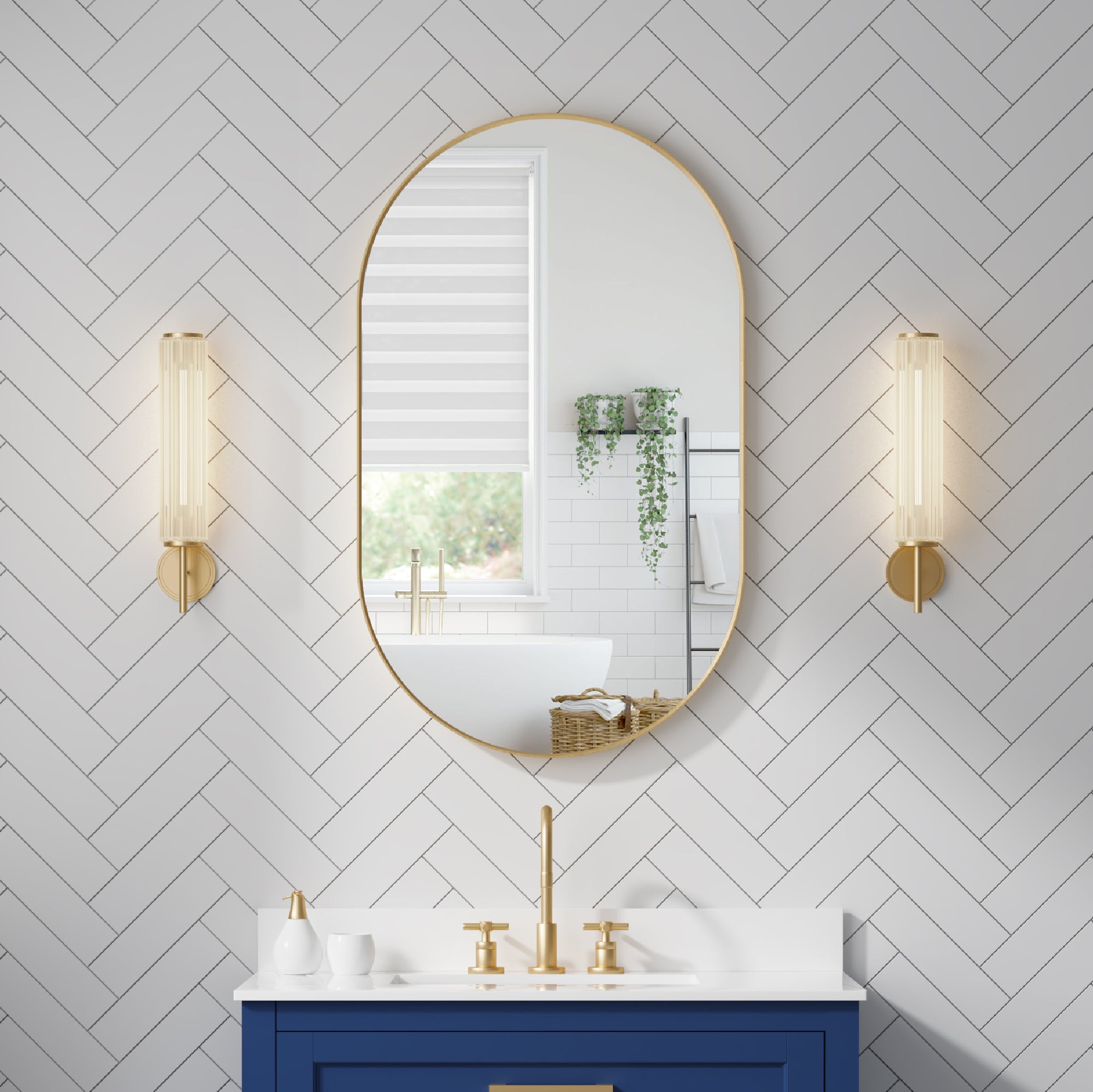
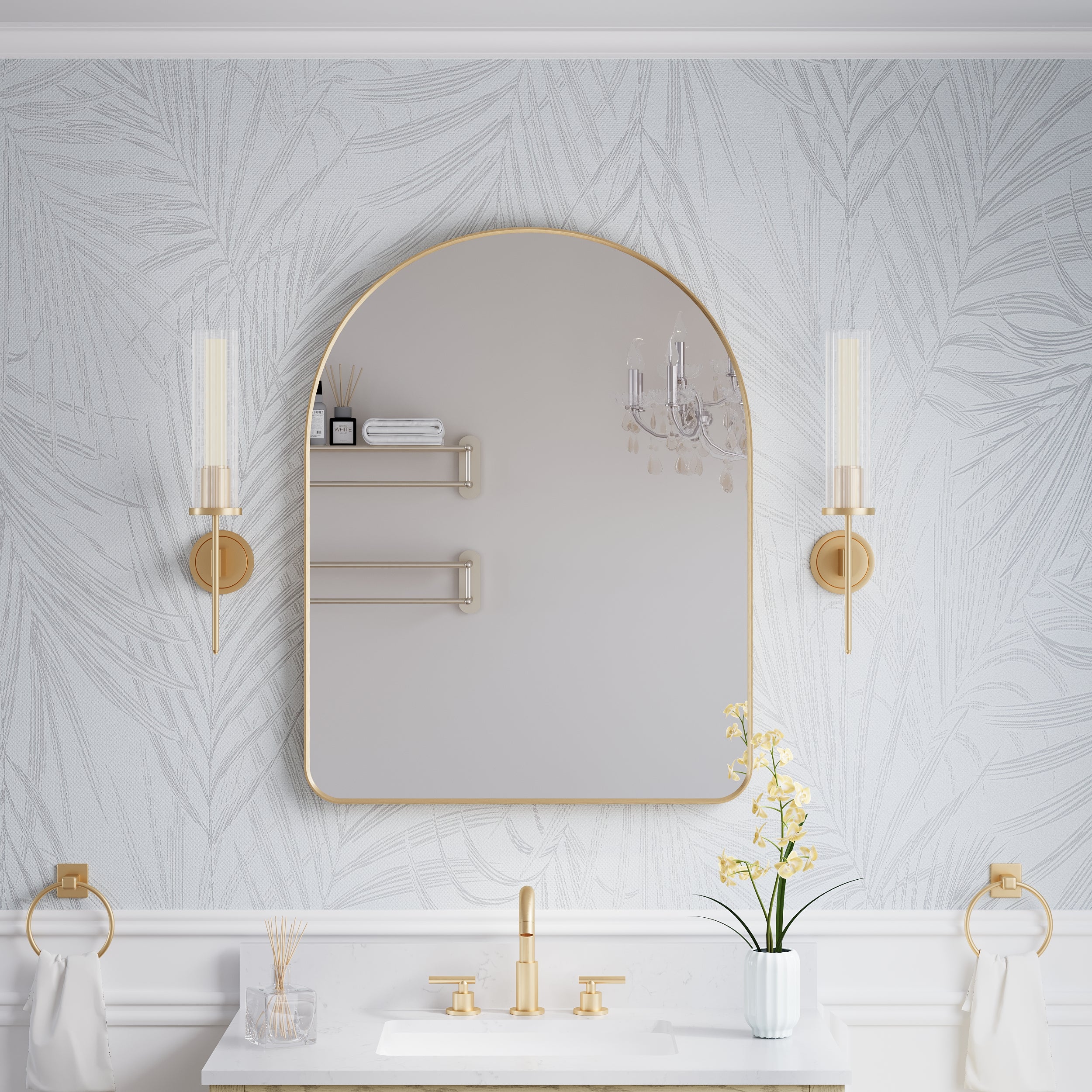
In addition to its function, the mirror cabinet is also an important visual element of the bathroom.
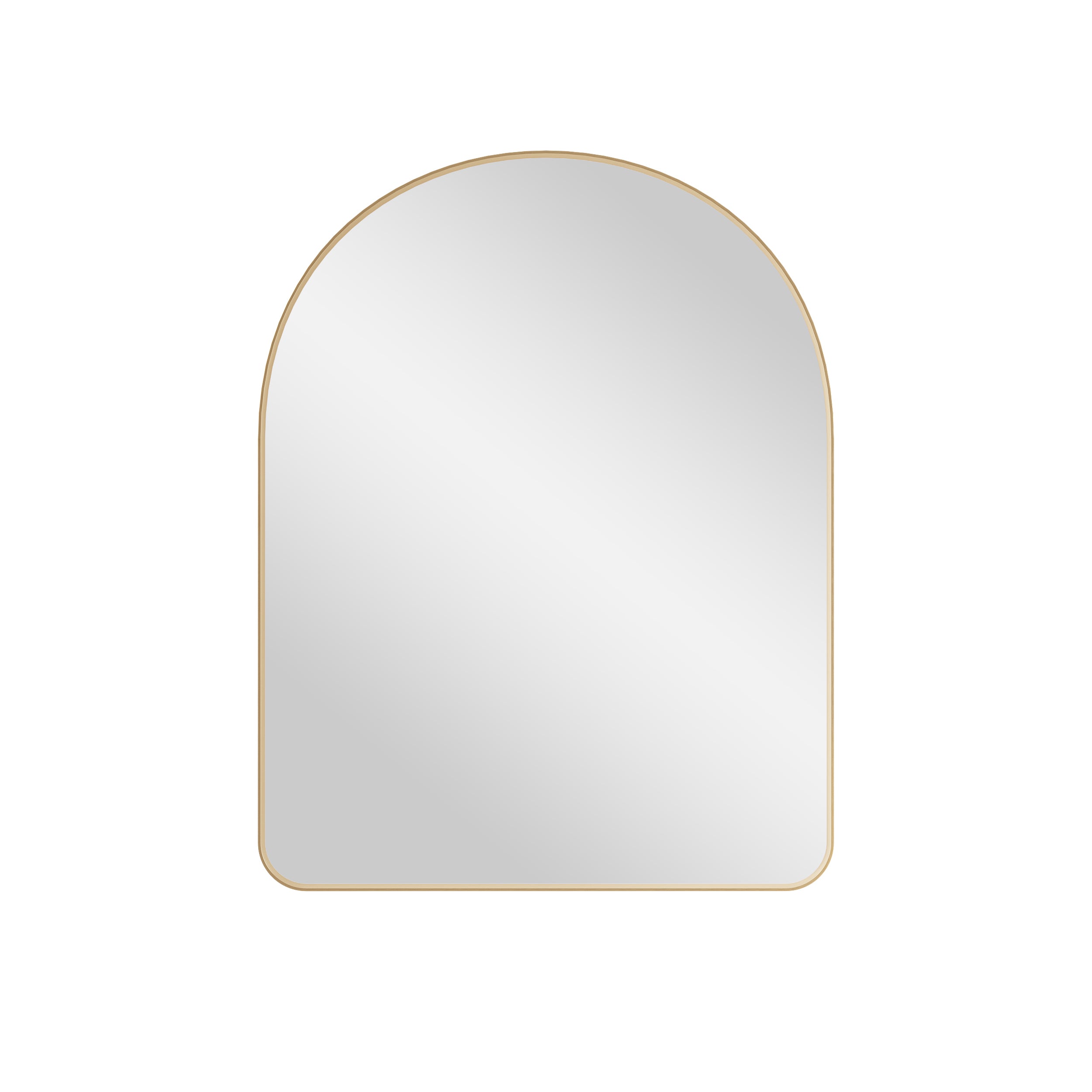
The currently popular mirror cabinet designs in the market mainly include:
Modern minimalist style:
Adopting frameless mirrors, hidden handles, and simple lines, suitable for modern residences.
Industrial Wind:
Black metal frames and aluminum structures are popular among young consumers.
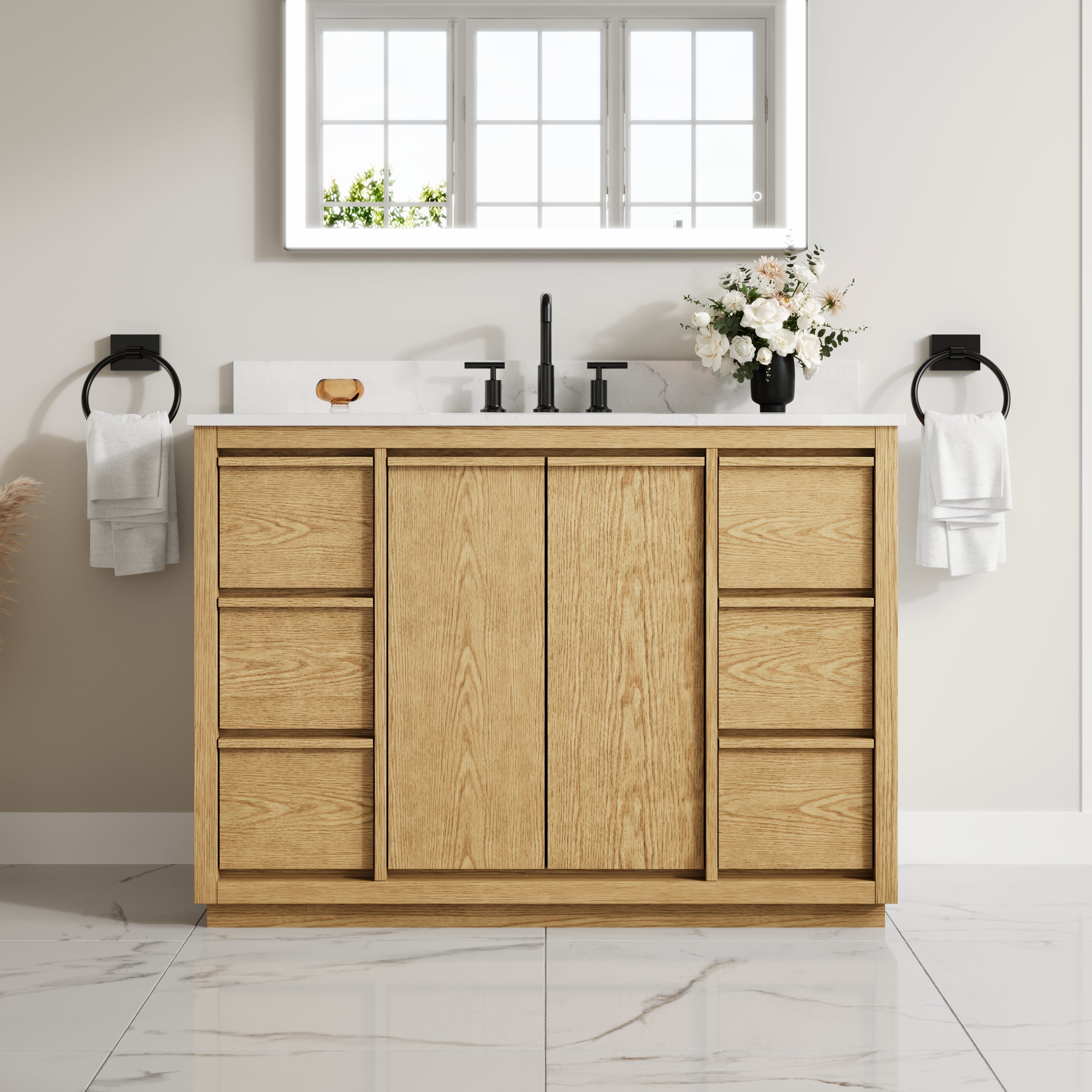
Natural Wind:
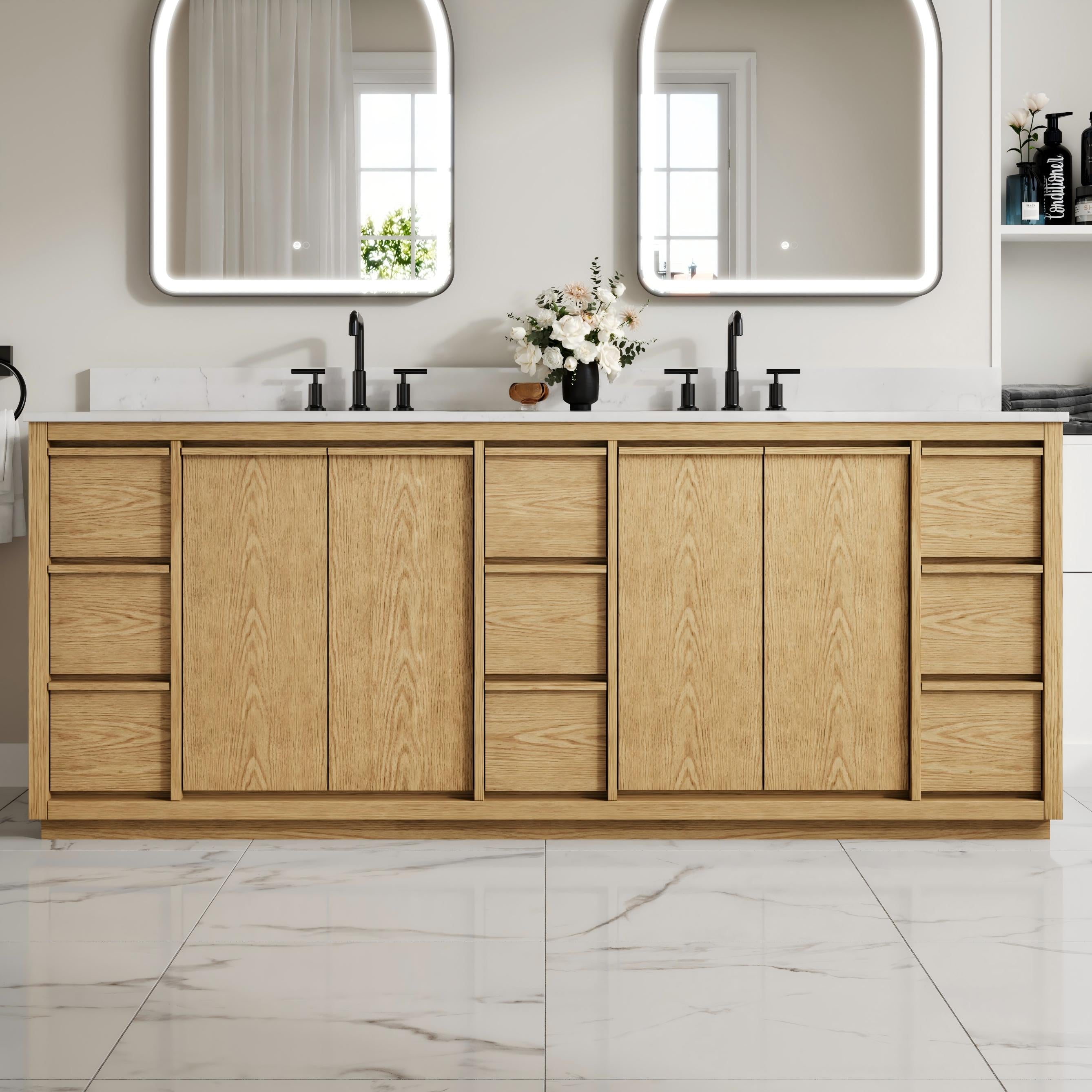
The wood-grain finish, combined with warm tones, is well-suited for creating a comfortable home bathroom.
In recent years, the trend of bathroom decoration has shifted from simply pursuing "clean white spaces" to more personalized and comfortable designs. Consumers hope that the bathroom is not only practical, but also has an experience similar to that of a hotel or SPA space.
6. The installation method also affects the final effect
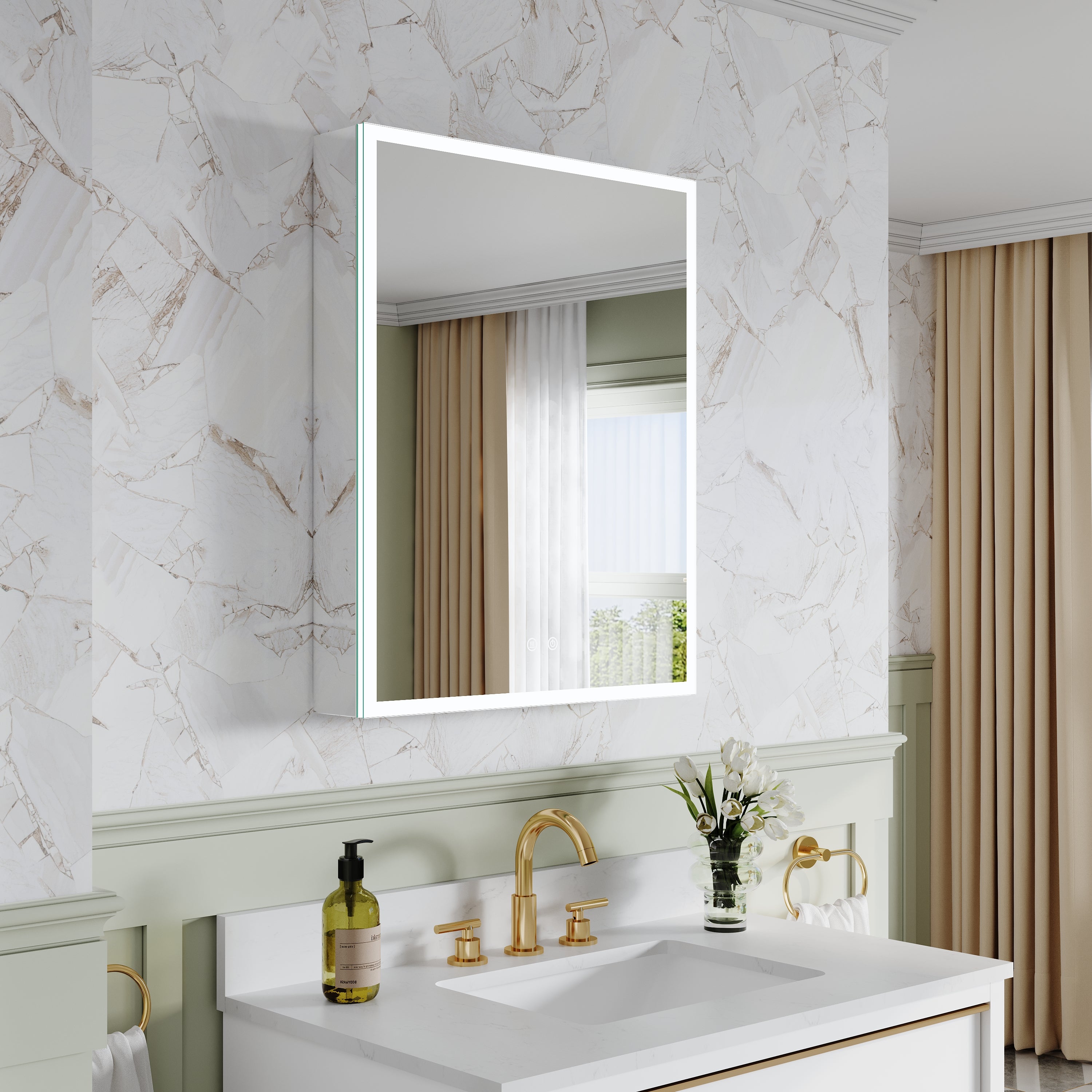
Bathroom mirror cabinets are mainly divided into two types: wall-mounted and Recessed.
Wall-mounted installation is simple and suitable for most home renovation projects, without the need for large-scale wall damage. Embedded mirror cabinets require pre-reserved wall space to achieve a smoother visual effect.
For newly renovated residential buildings, embedded design is becoming increasingly popular; For renovating old bathrooms, wall-mounted products are usually more economical and easier to install.
Conclusion: From storage tools to core bathroom design elements
As consumers' demands for bathroom functionality and aesthetics continue to grow, mirror cabinets are evolving from traditional storage products into comprehensive bathroom furniture. In the future, mirror cabinets that integrate large-capacity storage, intelligent lighting, anti-fog technology, and modern design will continue to be a key trend in bathroom upgrades.
For consumers, when choosing a mirror cabinet, they should consider not only price and appearance but also size matching, material quality, storage structure, safety performance, and long-term use experience. A suitable bathroom mirror cabinet can not only solve storage problems, but also help create a more comfortable and efficient modern bathroom space.










Leave a comment
This site is protected by hCaptcha and the hCaptcha Privacy Policy and Terms of Service apply.