














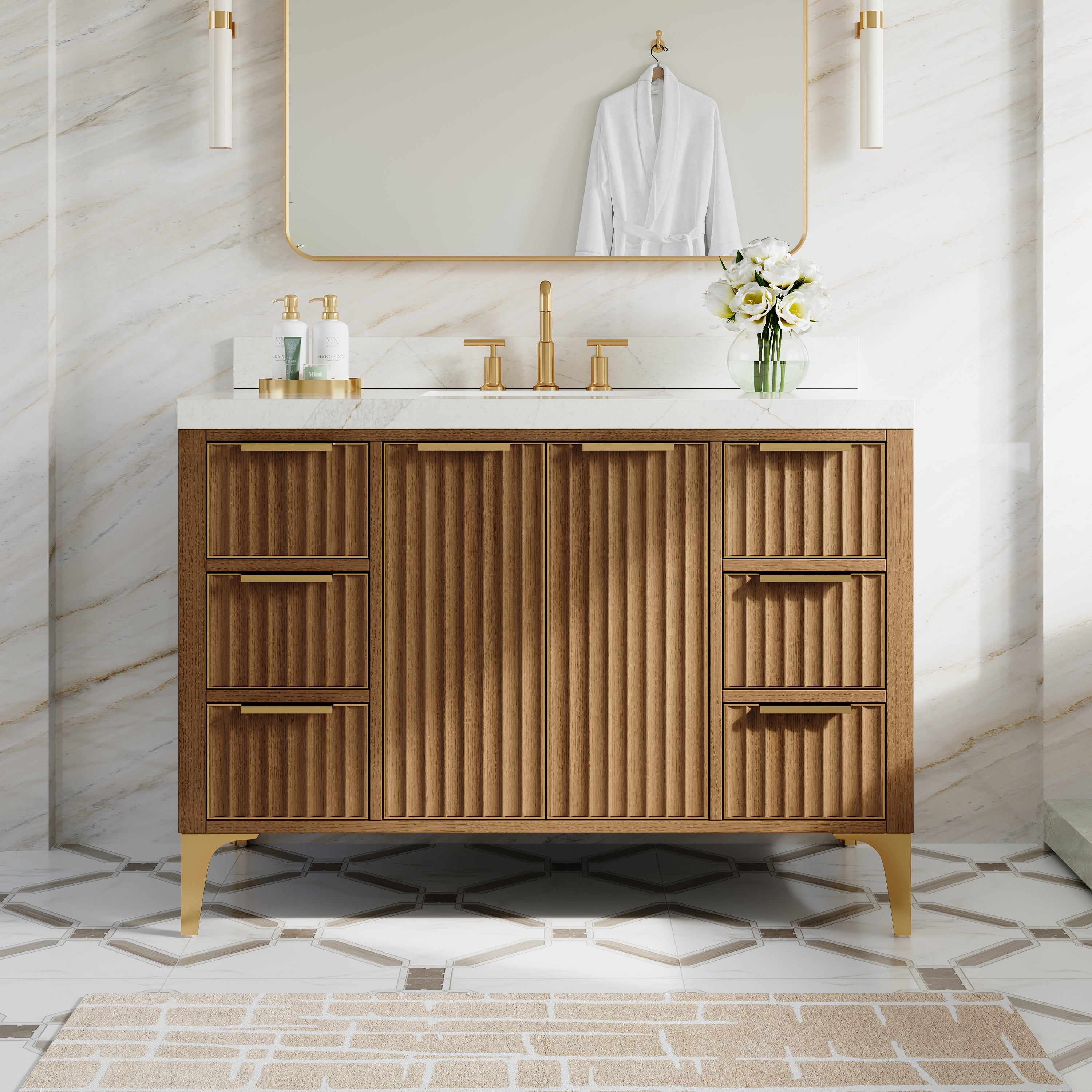
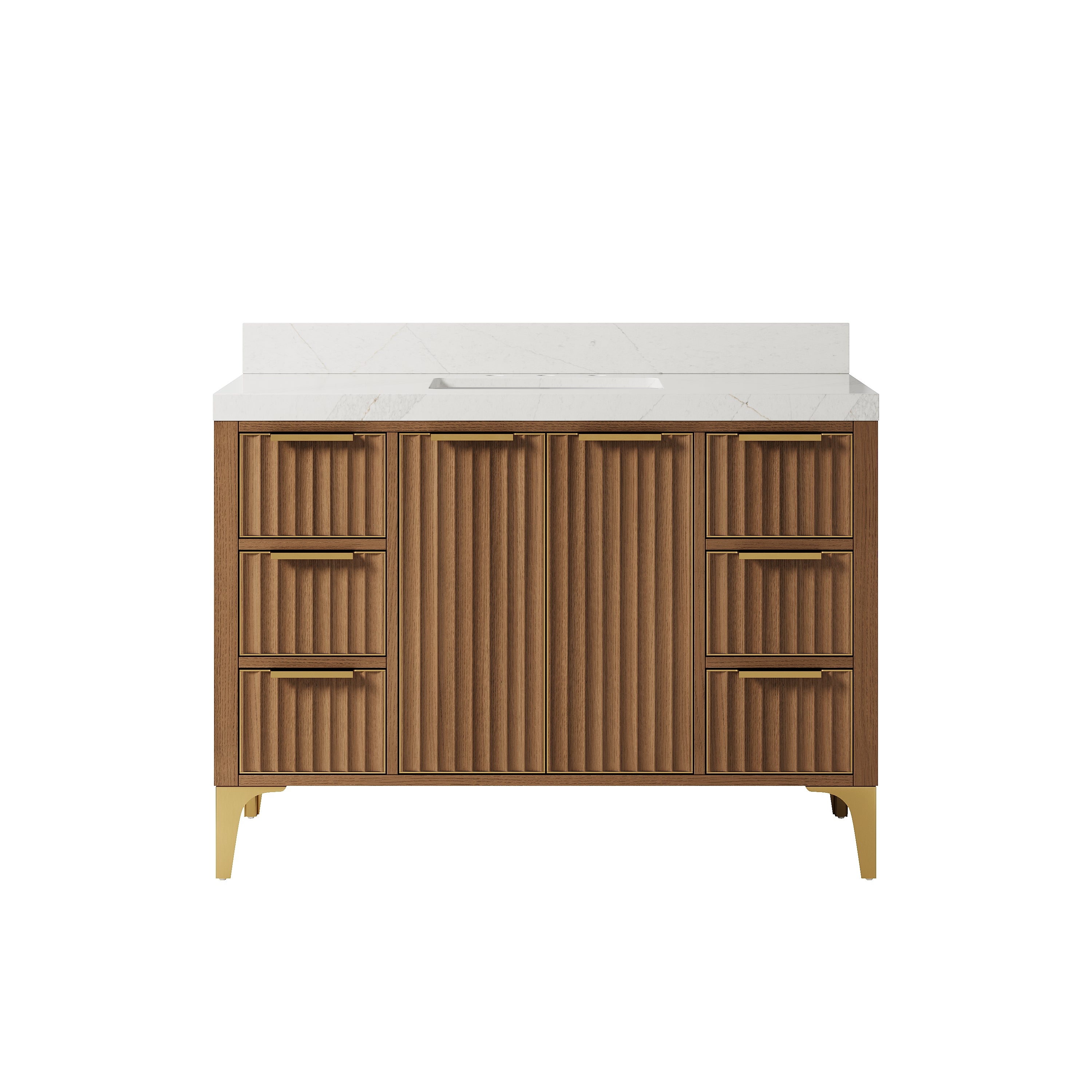


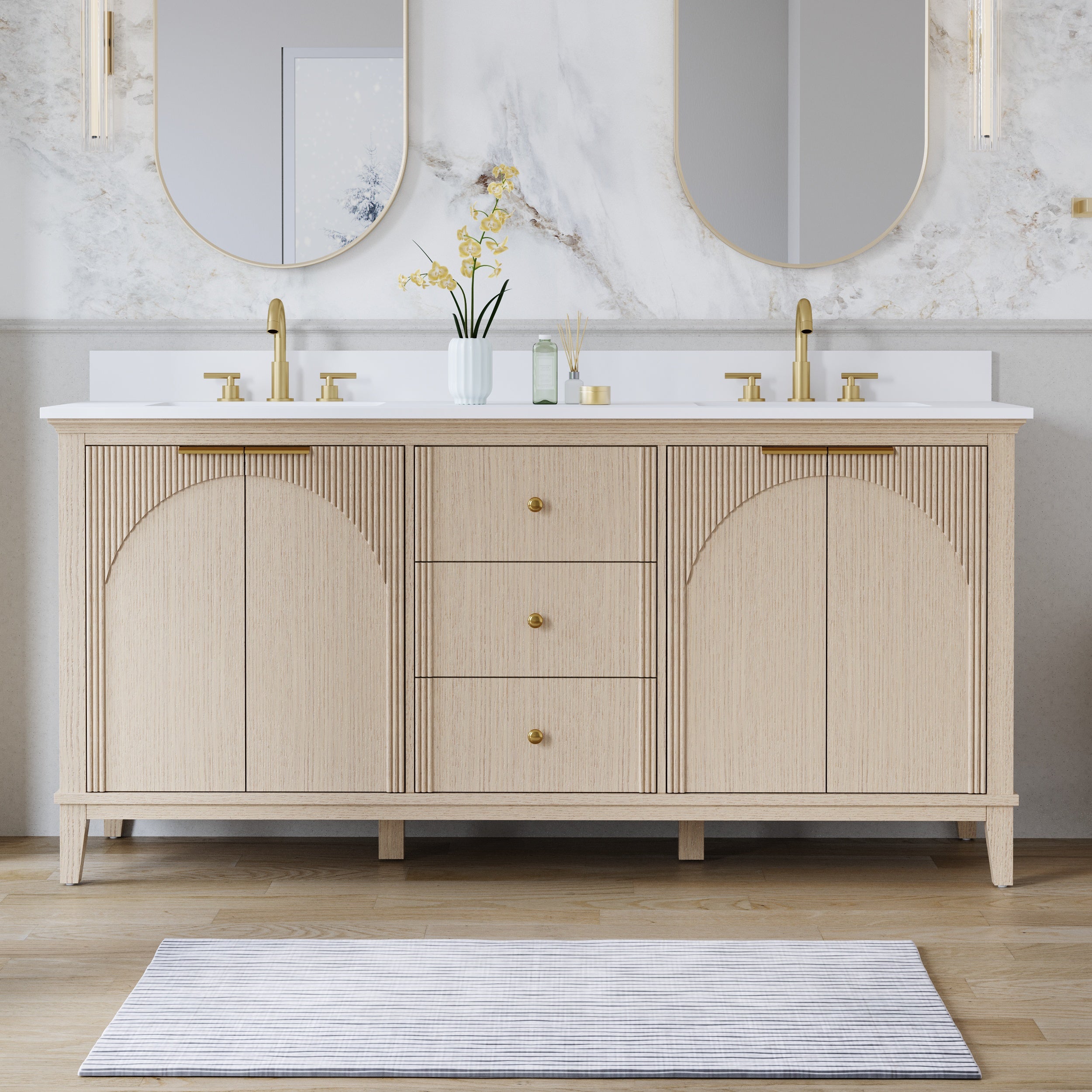
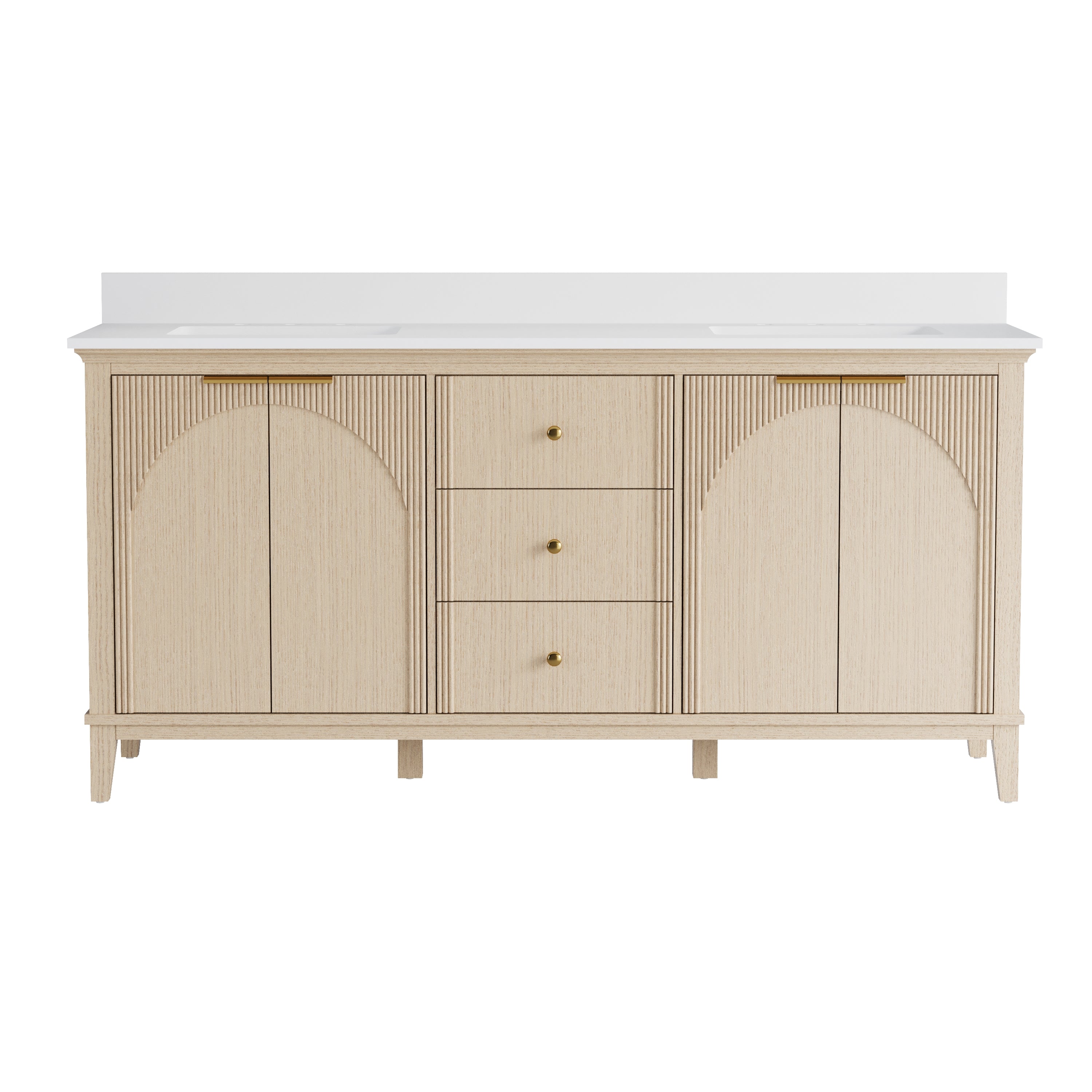
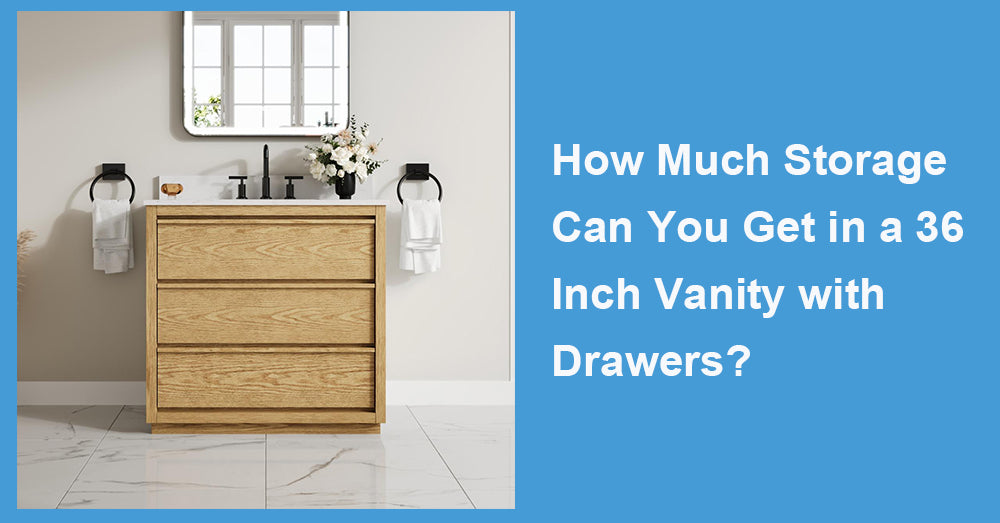
A 36-inch vanity with drawers can hold more than its compact width suggests, but drawer count alone does not determine capacity. Sink depth, plumbing position, cabinet construction, drawer height, and internal organizers all affect usable space. A well-planned vanity can store grooming products, folded towels, cleaning supplies, replacement toiletries, and several electrical tools. A poorly designed model may lose much of its interior to the sink bowl and an oversized plumbing compartment.
1. Exterior Size Does Not Equal Usable Storage
A typical 36-inch vanity measures approximately 21 to 22 inches deep and 34 to 35 inches high before the countertop is installed. The cabinet frame, drawer slides, toe kick, sink, drain, and supply lines reduce the available interior volume.
There is no standard capacity rating for bathroom vanities. As a practical estimate, a well-designed 36-inch cabinet may offer around 4 to 6 cubic feet of usable closed storage. The number may be lower with a deep sink or decorative open base and higher when most of the cabinet is assigned to full-depth drawers.
Accessibility matters as much as total volume. A deep compartment behind two doors may hold many products, but items placed at the back are often difficult to reach.
2. Drawer Layout Matters More Than Drawer Count
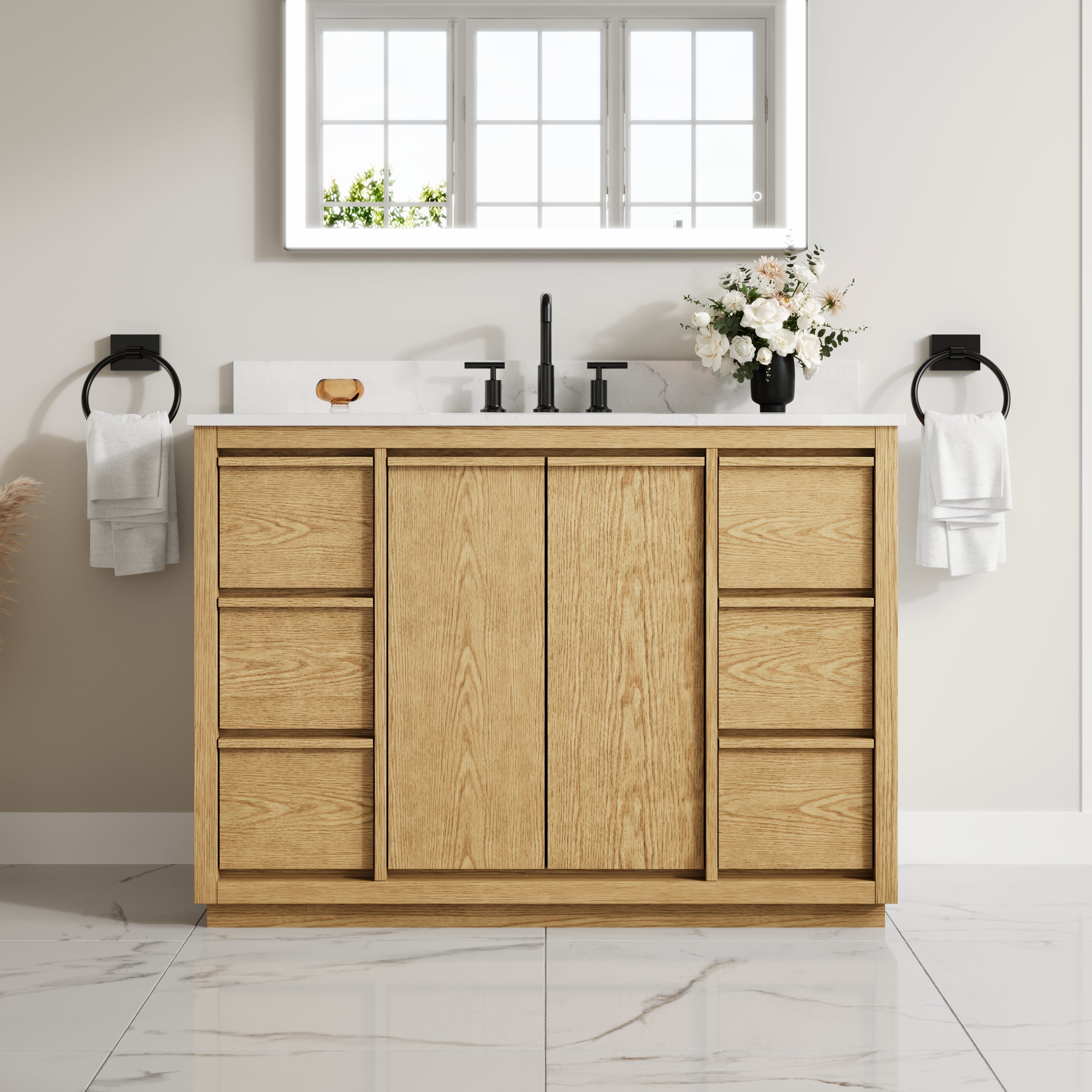
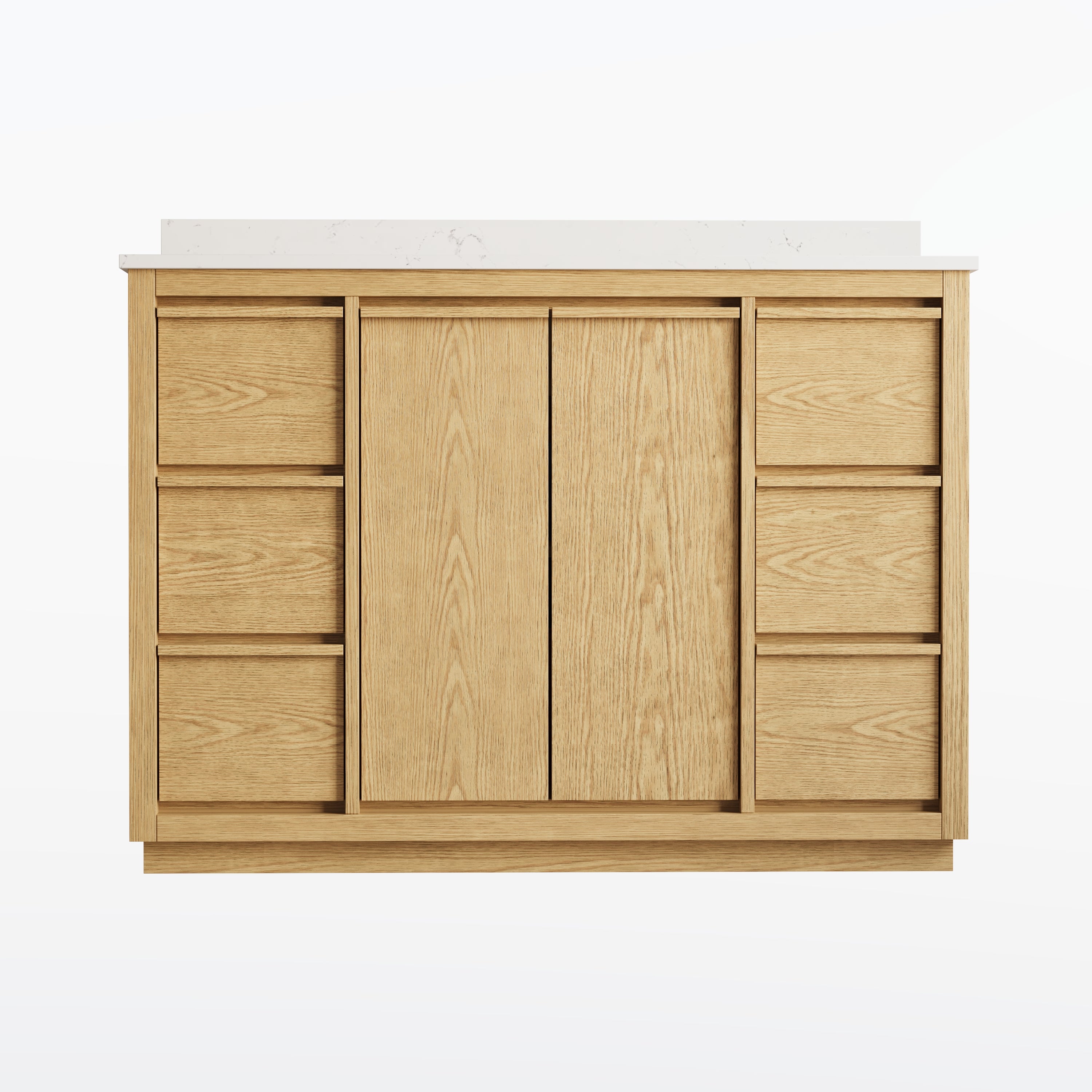
A cabinet showing six drawer fronts may not contain six working drawers. Some fronts may be decorative panels placed in front of the sink.
Three or four functional drawers are often enough for a 36-inch vanity when their depths vary. A shallow top drawer can hold razors, dental products, cosmetics, and medicine. Medium drawers work for folded washcloths and skincare bottles. A deep lower drawer can store hair dryers, larger containers, or replacement paper products.
Full-extension slides keep items at the back visible. Soft-close hardware has also become a common expectation. Houzz found that 78% of upgraded vanities included soft-close drawers, while 75% included soft-close doors. Built-in electrical outlets appeared in 29%, and drawer organizers were used in 22%.
3. All-Drawer Vanities Provide Better Access
An all-drawer vanity makes storage easier to reach because each compartment moves toward the user. The main challenge is fitting the drawers around the sink and drain.
A U-shaped upper drawer can wrap around the plumbing instead of sacrificing the entire top section. Other designs divide the upper storage into two narrow drawers with an open center channel for the P-trap.
This layout works best when the drain is centered and enters through the wall. Floor-mounted pipes may interfere with lower drawers and require cabinet modification.
Sink selection also affects capacity. A very deep basin can reduce upper-drawer height by several inches. A moderately sized undermount sink usually leaves a better balance between washing space, countertop area, and cabinet storage.
4. Mixed Door-and-Drawer Layouts Offer Flexibility
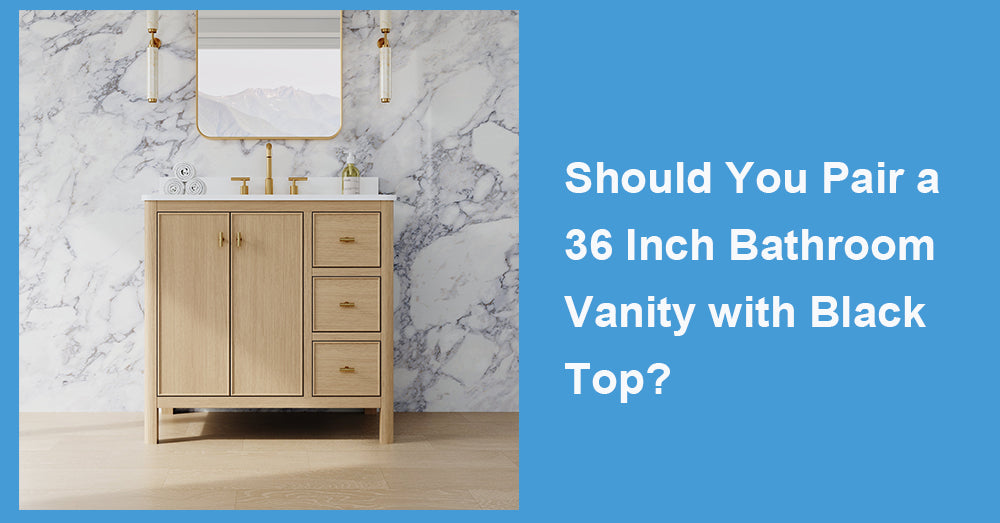
Older bathrooms do not always have centered plumbing. A vanity with drawers on one side and a door compartment below the sink can accommodate drains and shutoff valves that are difficult to reposition.
The drawer bank organizes smaller daily items, while the open section can hold cleaning supplies, tall bottles, and extra toilet paper. An adjustable shelf improves the door compartment, provided it has enough clearance for the plumbing.
This layout may offer less organized storage than a full-drawer cabinet, but it is often easier to install during a direct vanity replacement.
5. Drawer Dimensions Determine What Fits
A 22-inch deep cabinet does not necessarily include 22-inch deep drawers. After accounting for the back panel and plumbing clearance, drawer boxes may be around 16 to 18 inches deep.
Shallow drawers around 3 to 5 inches high suit cosmetics, dental products, and medicine. Medium drawers around 6 to 8 inches high can hold towels and bottles. Drawers around 9 to 12 inches high are better for electrical tools and upright containers.
Tall drawers benefit from dividers. Without internal organization, smaller items move around, and the additional depth becomes less useful.
NKBA’s 2026 Bath Trends research highlights item-specific vanity storage for makeup, medication, hair tools, chargers, and electrical devices. Designers are using configurable inserts and custom dividers to improve storage efficiency rather than simply making cabinets larger.

6. Organizers Improve Practical Capacity
Drawer organizers do not enlarge the cabinet, but they make more of the existing space usable. A divided upper drawer can separate shaving supplies, cosmetics, dental products, and skincare. A removable tray can create two levels inside a deeper drawer.
Hair-tool compartments and internal outlets can keep cords and appliances off the countertop. Electrical features should be installed according to applicable codes and positioned away from water lines.
Removable organizers are generally more useful than fixed compartments because storage needs change as products and routines change.
7. Storage Needs Depend on the Bathroom
A powder room may only need space for hand towels, soap refills, toilet paper, and basic cleaning products. Two or three drawers may be enough.
A guest bathroom needs space for both household supplies and visitors’ toiletries. A combination of shallow and deep drawers usually works well.
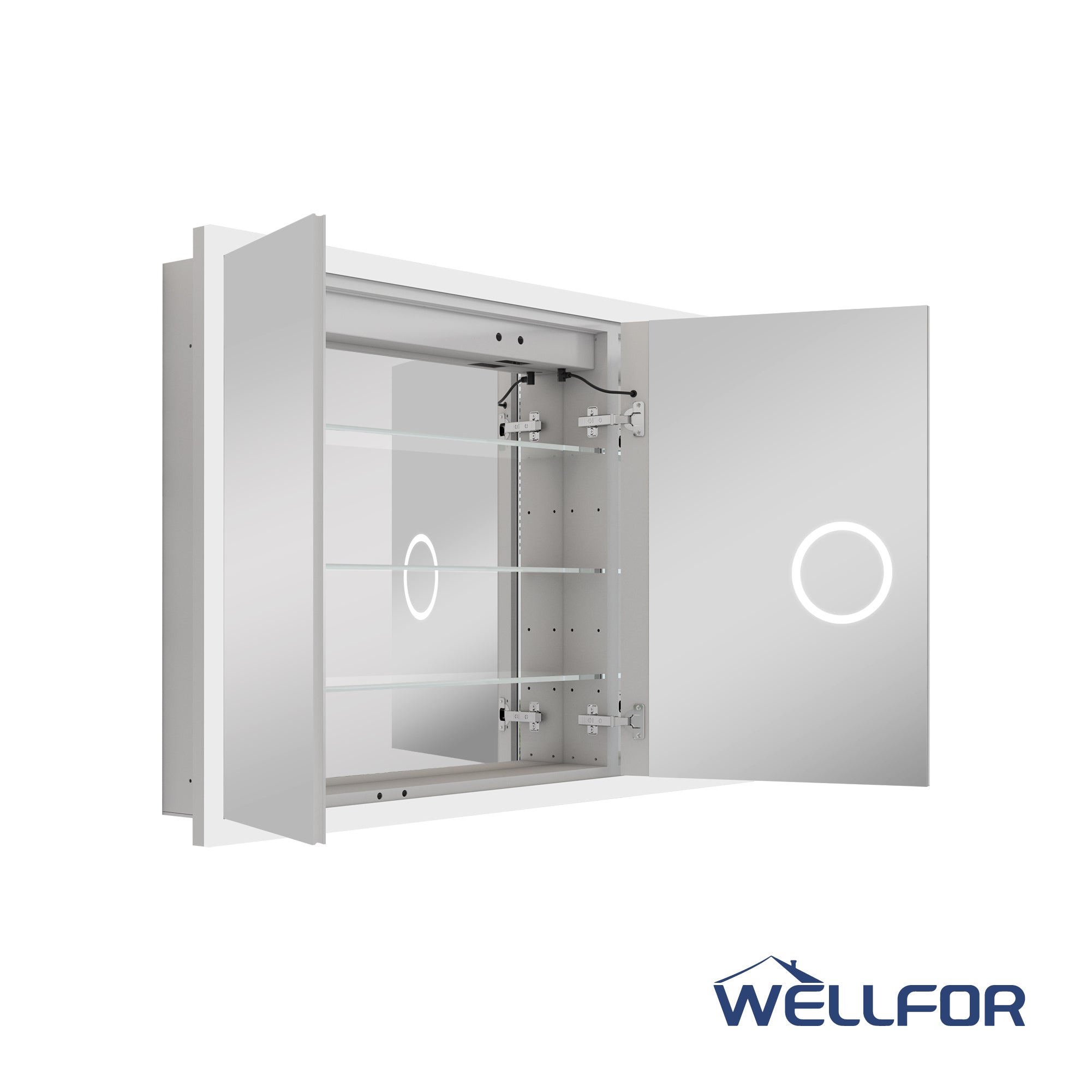
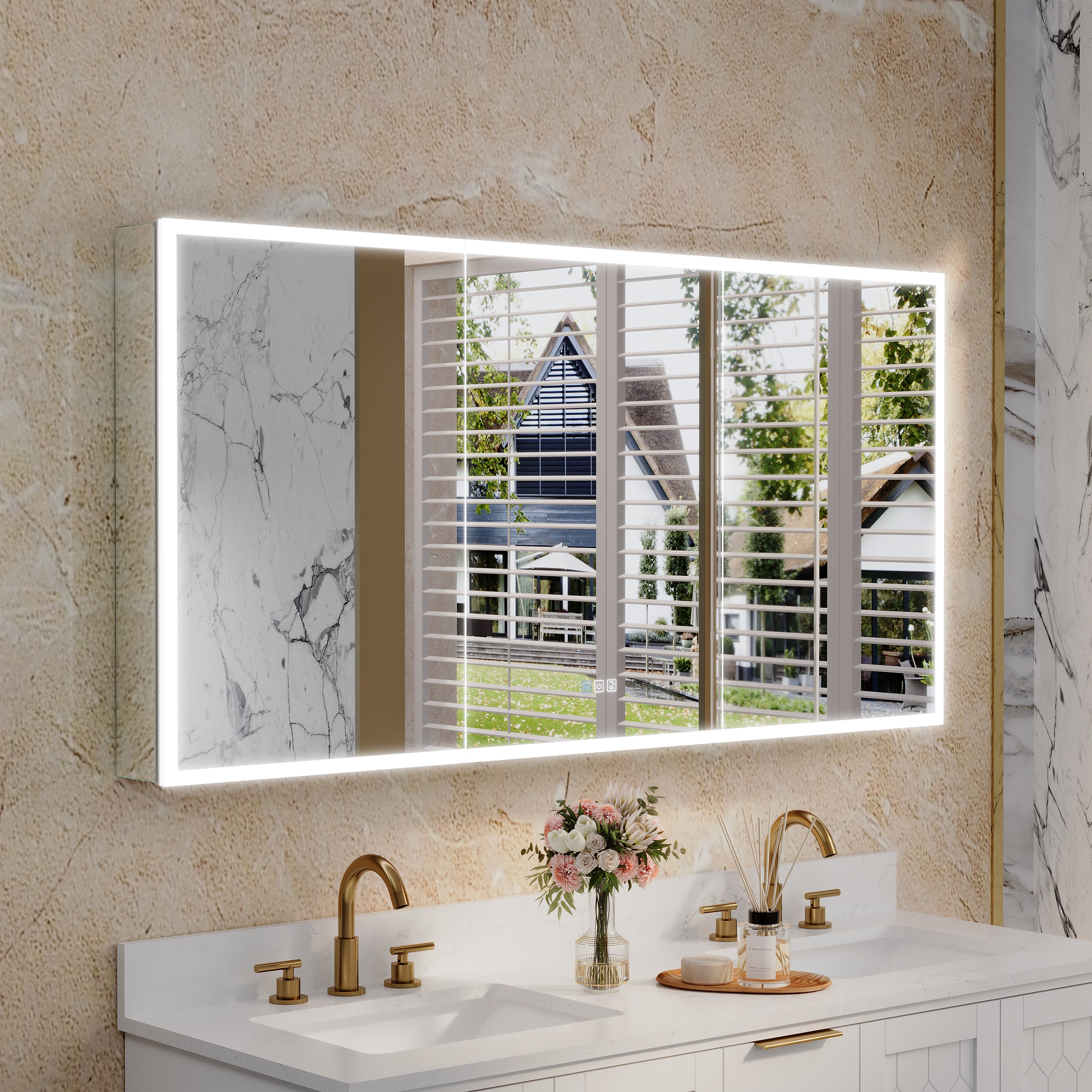
In a frequently used primary bathroom, the same 36-inch vanity may need to hold grooming tools, cosmetics, medication, towels, and cleaning products. An all-drawer model with dividers often provides the strongest organization, particularly when paired with a medicine cabinet for smaller eye-level items.
8. Plumbing Measurements Come First
Storage claims are meaningless if the drawers cannot close around the pipes. Before ordering, measure the drain centerline, drain height, shutoff-valve locations, baseboard thickness, and available wall width.
Check the product drawing for the internal plumbing opening, not just the outside cabinet dimensions. Confirm whether the upper drawer is functional, whether the back panel is removable, and how much clearance remains behind the drawer boxes.
A nominal 36-inch cabinet may also include a countertop that extends beyond the cabinet sides. Door swings, toilet clearance, wall trim, and the shower entrance should be checked before installation.
9. Good Organization Beats Maximum Volume
A useful 36-inch vanity does not need the largest sink or the greatest number of drawer fronts. It needs drawers that open fully, enough depth for real bathroom products, and a plumbing layout that preserves the upper storage area.
For most bathrooms, three or four properly sized drawers will perform better than several narrow decorative compartments. When the sink and drain are planned carefully, a 36-inch vanity can support one person’s daily routine or provide shared storage for a guest bathroom without requiring a wider cabinet.

















Leave a comment
This site is protected by hCaptcha and the hCaptcha Privacy Policy and Terms of Service apply.