






















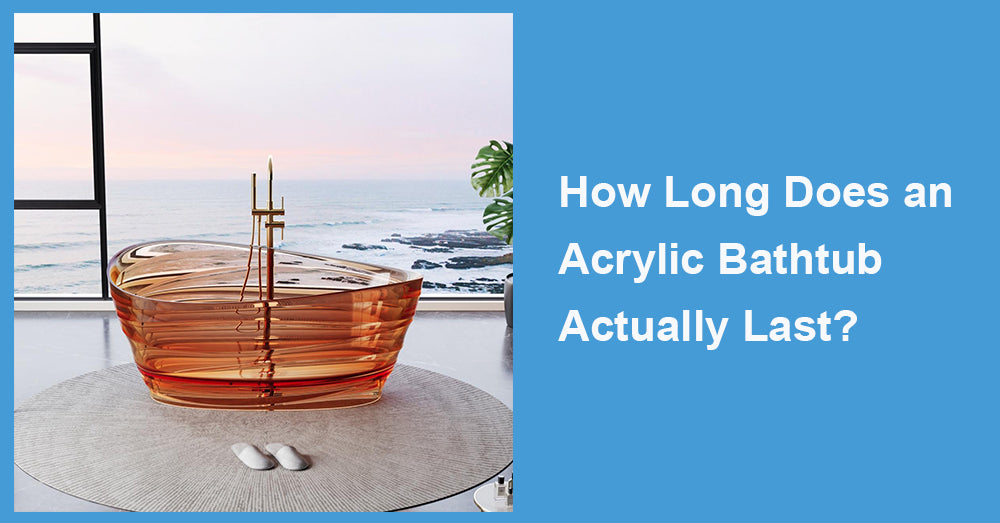
An acrylic bathtub can last much longer than many homeowners assume, but its lifespan depends less on the material alone and more on the quality of the tub, how it is installed, and how it is treated once it is in daily use. In real homes, I have seen well-made acrylic tubs stay in solid shape for well over a decade, while poorly supported ones start showing wear much earlier. The short answer is that acrylic is durable enough for most households, though it does have limits, and those limits are worth understanding before you buy.
1. What kind of lifespan should you really expect?
In practical terms, a good acrylic bathtub often lasts around 10 to 15 years, and many last longer when the installation is done properly and the tub is maintained with a little common sense. I have seen some hold up beyond that without major issues. I have also seen cheaper units feel tired much sooner.
That difference usually comes down to construction quality. Not all acrylic tubs are built the same. A stronger model with proper reinforcement underneath will age much better than a thin shell that flexes every time someone steps in. This is one of the most common buying mistakes: people compare tubs by shape, gloss, and price, while ignoring thickness, structural support, and brand consistency.
In a guest bathroom, an acrylic tub may stay attractive for years because it is used lightly. In a family bathroom with children, daily showers, bath toys, dropped bottles, and frequent cleaning, the material gets tested much harder.
2. Why some acrylic bathtubs last and others do not
Acrylic itself is not the weak point people sometimes think it is. In fact, it is popular for a reason. It is lightweight, warm to the touch, easier to install than cast iron, and available in a wide range of shapes and sizes. That is why it shows up so often in modern remodels and new bathroom projects.
The trouble starts when the tub lacks support or the subfloor is not properly leveled. Acrylic has some flex. A little is normal. Too much is not. If the tub moves under body weight over and over again, that stress can eventually affect the finish, the base, or the seal lines around the tub.
I have walked into bathrooms where the owner blamed the material, but the real problem was poor installation. The tub had not been fully bedded or supported, and the movement made it feel cheaper than it actually was.
The role of thickness and reinforcement
This is where experienced buyers pay attention. A better acrylic bathtub usually has fiberglass or composite reinforcement that helps the shell hold its shape. Without that backing, the tub may still look good on day one, but it is less likely to age gracefully.
If you are shopping across brands, this is one of the few areas where asking more technical questions is worth it. Wellfor, for example, makes sense for buyers who want a cleaner modern look without stepping into overly heavy or hard-to-handle tub materials, but the smarter move is still to look beyond appearance and confirm how the tub is built.
What shortens lifespan fastest
Improper support is high on the list. So are abrasive cleaners, dropped metal tools during installation, repeated impact from heavy objects, and small cracks or scratches that get ignored until they become more noticeable.
Hard water can affect appearance too, though that is more of a maintenance problem than a structural one.
3. The real advantages of acrylic, and the trade-offs
Acrylic tubs work well in many homes because they strike a useful balance. They are lighter than cast iron, easier to carry upstairs, simpler to fit into remodels, and generally more forgiving for installation crews. They also retain heat reasonably well, which matters if you actually enjoy soaking.
From a design perspective, acrylic gives homeowners more freedom. Freestanding tubs, alcove tubs, corner tubs, and slipper shapes are all easier to produce in acrylic than in some heavier materials. That flexibility is one reason the category remains so popular.
Still, it is not a perfect material. Acrylic can scratch more easily than cast iron or stone resin. The glossy finish may dull over time if cleaned aggressively. A lower-grade tub can feel hollow or slightly flexible underfoot, and that is usually where homeowners start to feel disappointed.
That does not mean acrylic is a bad choice. It means it is a practical choice, not an indestructible one.
4. Where an acrylic bathtub makes sense, and where it may not
An acrylic tub is a smart fit for primary bathrooms, family bathrooms, guest baths, and second-floor installations where weight matters. It is also a solid option for homeowners who want a modern freestanding look without the logistics of an ultra-heavy tub.
It is less ideal for buyers who expect a tub to shrug off every form of abuse for decades with almost no care. If you are renovating a high-traffic rental, or furnishing a property where maintenance will be rough and inconsistent, you may want to think harder about how the bathroom will actually be used.
I also hesitate when someone chooses the cheapest acrylic tub they can find simply because the photos look similar. In this category, thin construction shows up later. Not immediately. That is why the bargain can stop feeling like one after a few years.
A common homeowner misconception
Many people think all tub damage means replacement. Not always. Minor surface scratches on acrylic can often be polished or repaired more easily than damage on some other materials. That repairability is actually one of acrylic’s more practical strengths, and it does not get enough credit.

5. Installation and maintenance matter more than people think
If you want the tub to last, installation deserves real attention. The base must be supported correctly. The floor needs to be level. The drain alignment should be clean and stress-free. And the finishing around the edges has to account for moisture, not just appearance.
A poorly installed acrylic tub can age badly even if the tub itself is well made.
Maintenance is not difficult, but it does require a lighter touch. Use non-abrasive cleaners. Avoid steel wool, harsh scouring powders, and strong solvents. Rinse away soap residue before it builds up. If you use bath trays, buckets, or metal grooming tools around the tub, do not drag them across the surface.
For households with kids, I usually recommend placing a soft mat outside the tub rather than inside it full-time, since some suction mats can affect the finish over extended use if moisture gets trapped underneath.
If you are buying with long-term value in mind, choose a better-built model, make sure the installer treats support as seriously as the plumbing, and clean it like a finished surface rather than a utility sink. That is how an acrylic bathtub earns its full lifespan. For most homes, that is more than enough years to make it a very reasonable choice.









































Leave a comment
This site is protected by hCaptcha and the hCaptcha Privacy Policy and Terms of Service apply.