














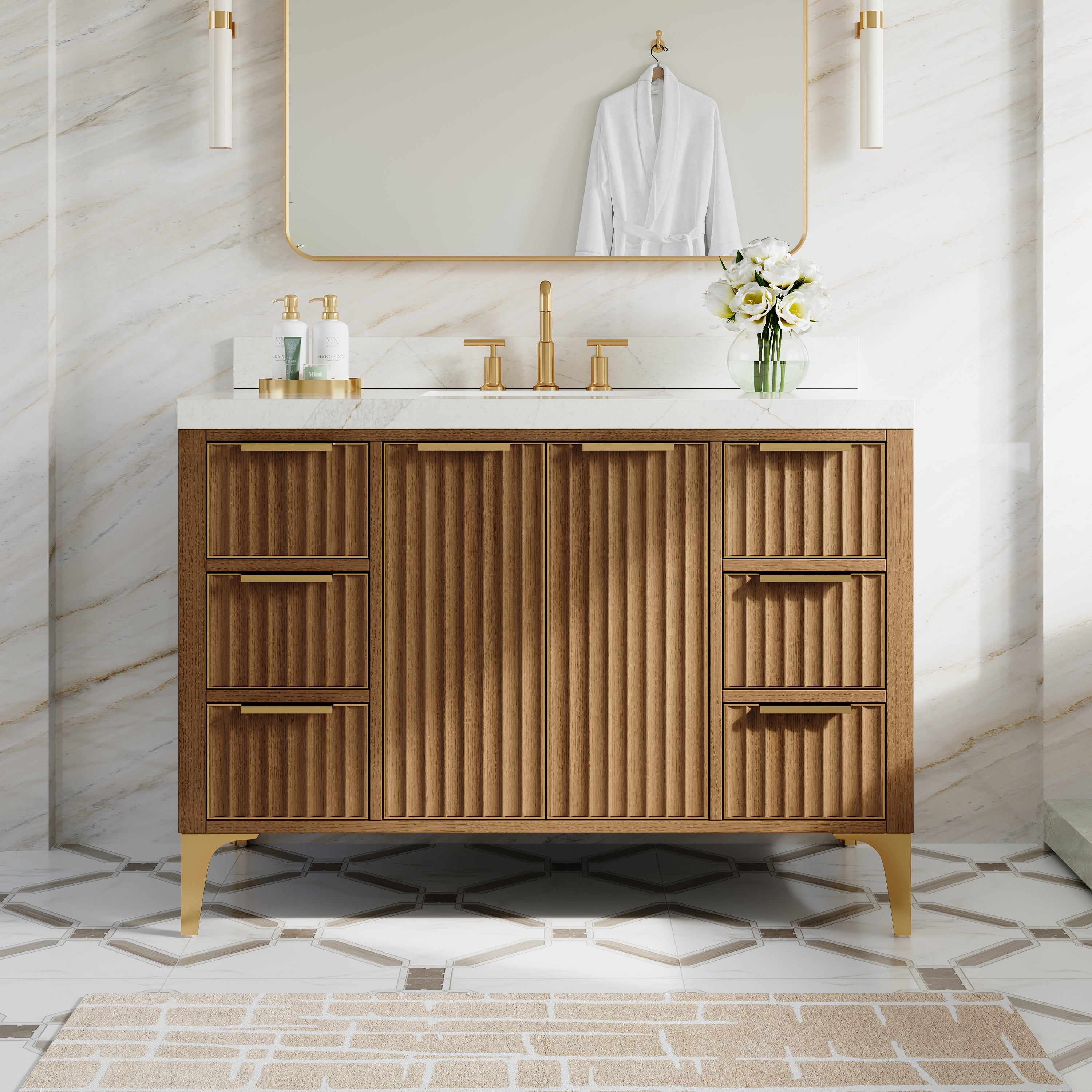


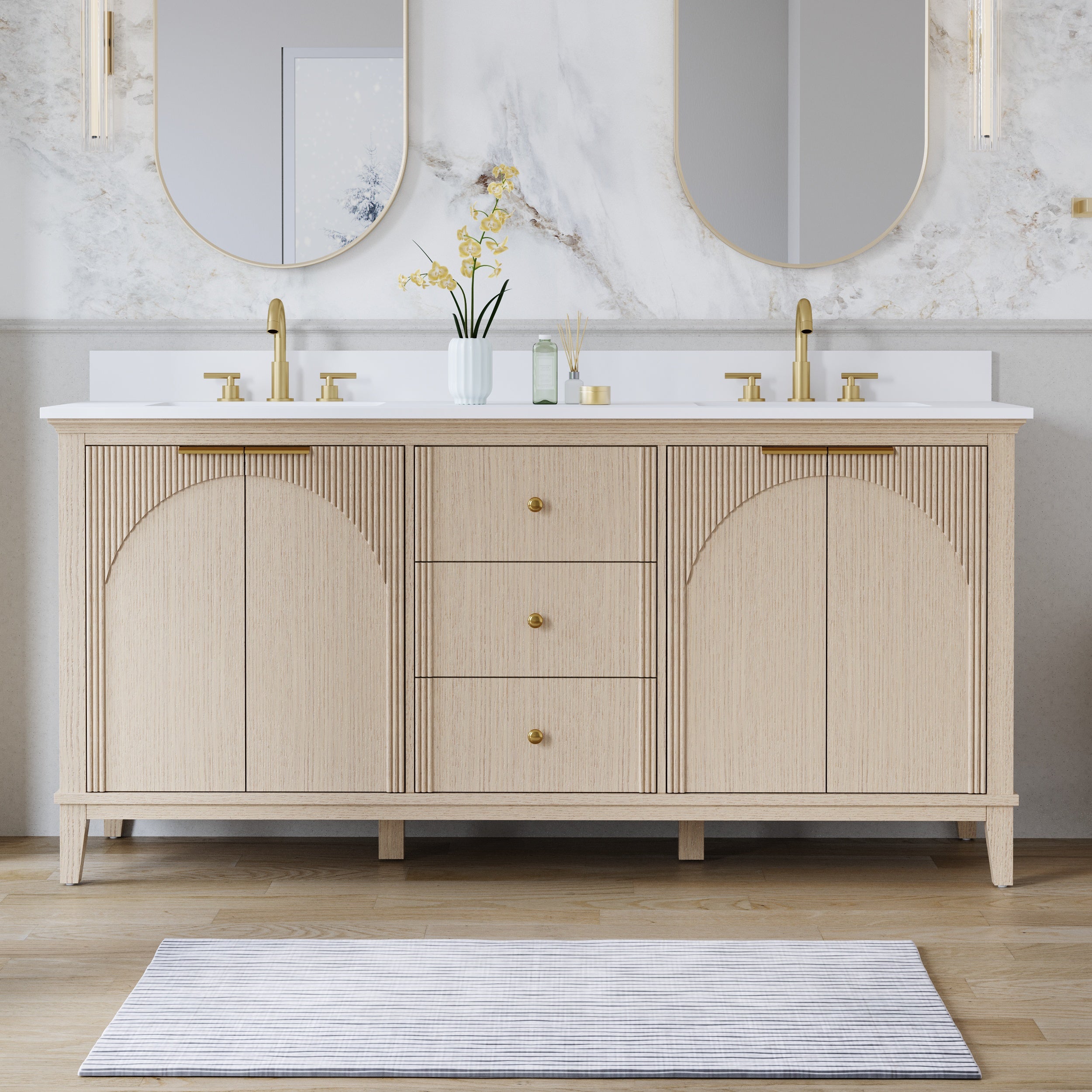
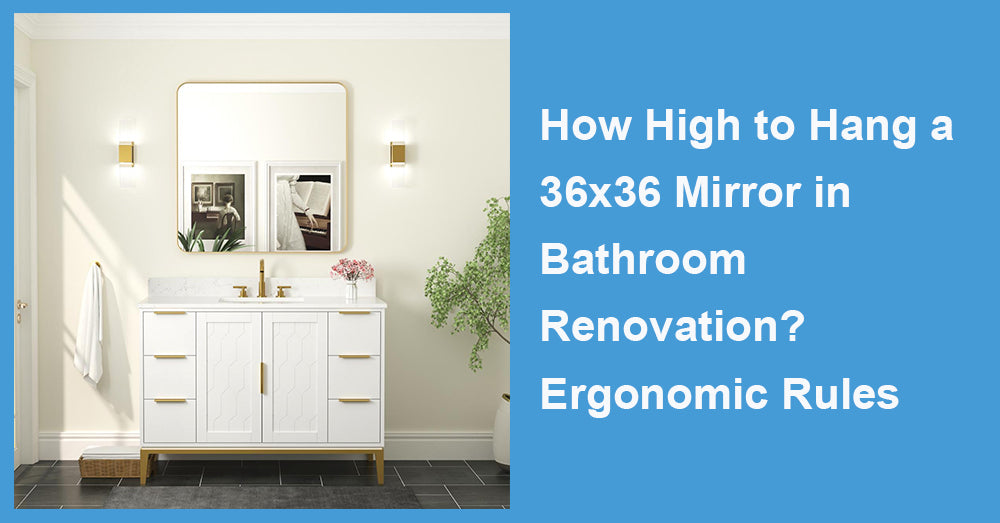
In modern bathroom design, mirrors are not only essential for daily grooming but also an important component of balancing spatial visual aesthetics and functionality. Especially for square mirrors measuring 36x36 inches (approximately 91x91 centimeters), this size is often used in medium- to large-sized bathrooms.
However, many homeowners and designers face the same question when installing: how high should this mirror be hung?
The answer depends not only on aesthetics but also on ergonomic principles to ensure that different users have a comfortable, natural user experience.
1. The core logic of height: based on the "center of sight"
In ergonomic design, the ideal height of a mirror should be such that the center of the mirror surface is located near the horizontal line of the human eye.
Installation guidelines from the American Institute of Interior Design (ASID) and multiple bathroom brands suggest:
The average eye height for a standard adult is about 58-64 inches, with slight differences depending on height.
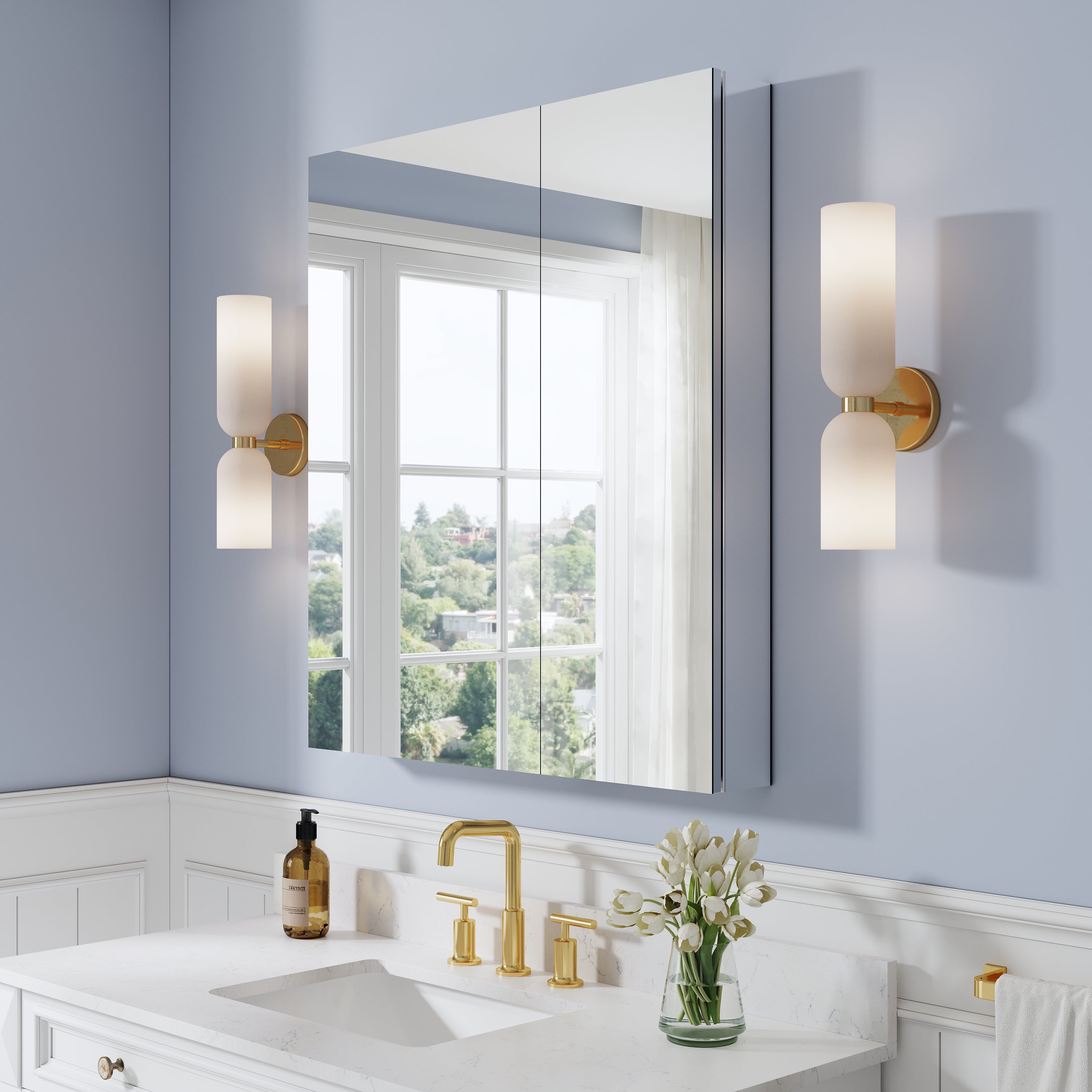
Therefore, for a 36x36 mirror, the bottom of the mirror should be about 40-42 inches above the ground, so that the center of the mirror surface is between 58-60 inches.
This installation height ensures:
Whether male or female, most users can naturally see their face and upper body during daily grooming;
There should be a reasonable distance between the mirror and the sink to avoid visual crowding or water stains.
Coordinate with the bathroom's overall proportions, especially when paired with a 36-inch or higher washbasin cabinet.

2. Combining the height of the bathroom sink: finding the balance point
The height of the mirror cannot be separated from consideration of the washbasin's height.
In the North American market, there are two mainstream heights for washbasins:
Standard model: approximately 32 inches.
Ergonomic design (adult height): approximately 36 inches.
If the height of the washbasin is 36 inches and the height of the mirror is also 36 inches, to maintain the center of the mirror at a position of about 60 inches, the optimal range of the bottom edge of the mirror from the ground should be:
60-18=42 inches.
This means the lower edge of the mirror is approximately 6 inches above the upper edge of the washbasin, which prevents water vapor and soap bubbles from splashing onto the mirror while maintaining a sense of breathing.
For low cabinet (32-inch-high) washbasins, the bottom edge of the mirror can be lowered to 38-40 inches to maintain overall visual harmony with human height.
3. Single-person mirror vs. double-person mirror: installation strategy slightly different
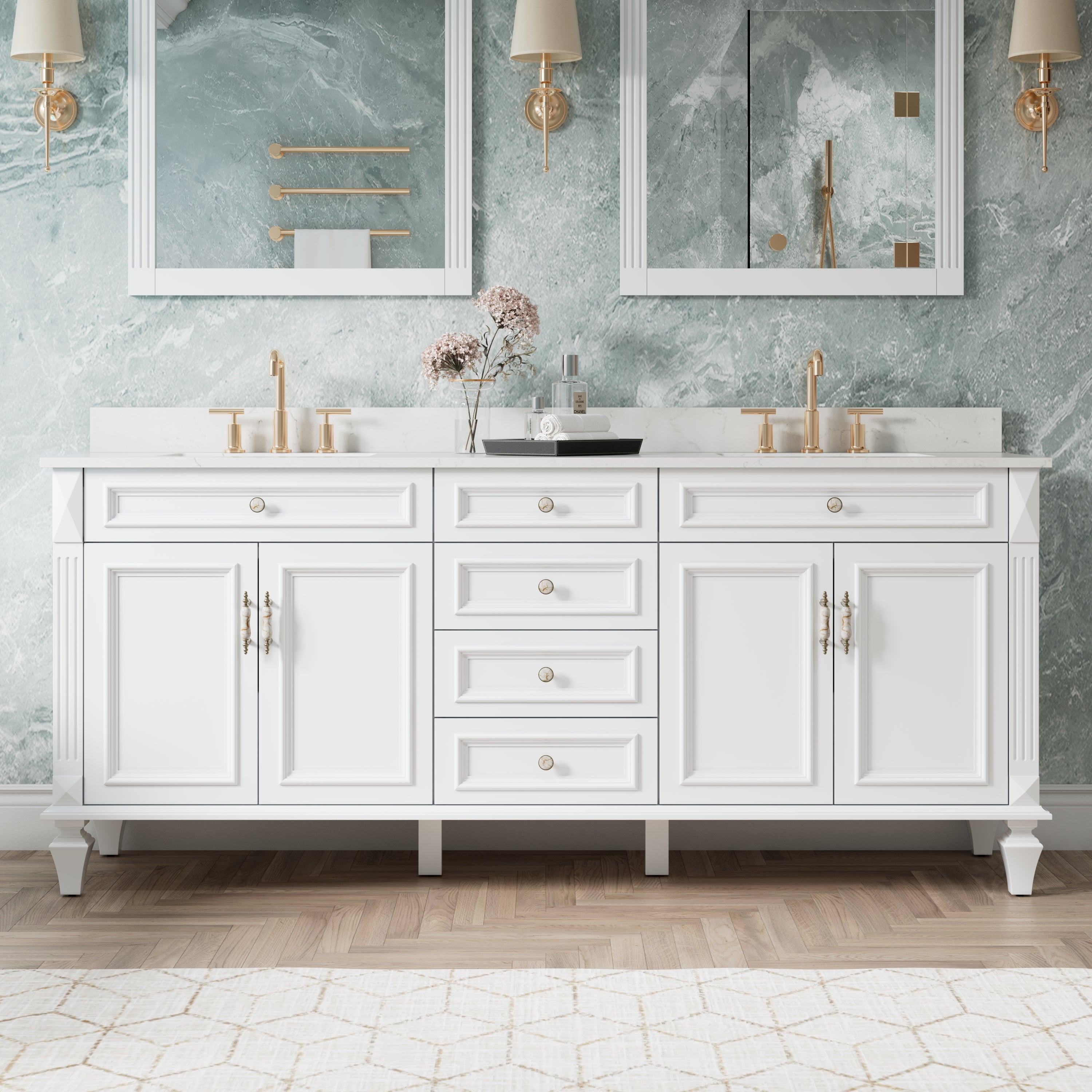
When a 36x36 mirror is used for a single-person washbasin, positioning is relatively simple. But if used for a double sink or paired with two separate washbasins, a more precise alignment is required:
Single mirror-centered design: Align the center of the mirror with the central axis between two washbasins.
Double-mirror, symmetrical design: Each mirror is aligned with the center of its corresponding washbasin, and the bottom edge of each mirror remains at the same height.
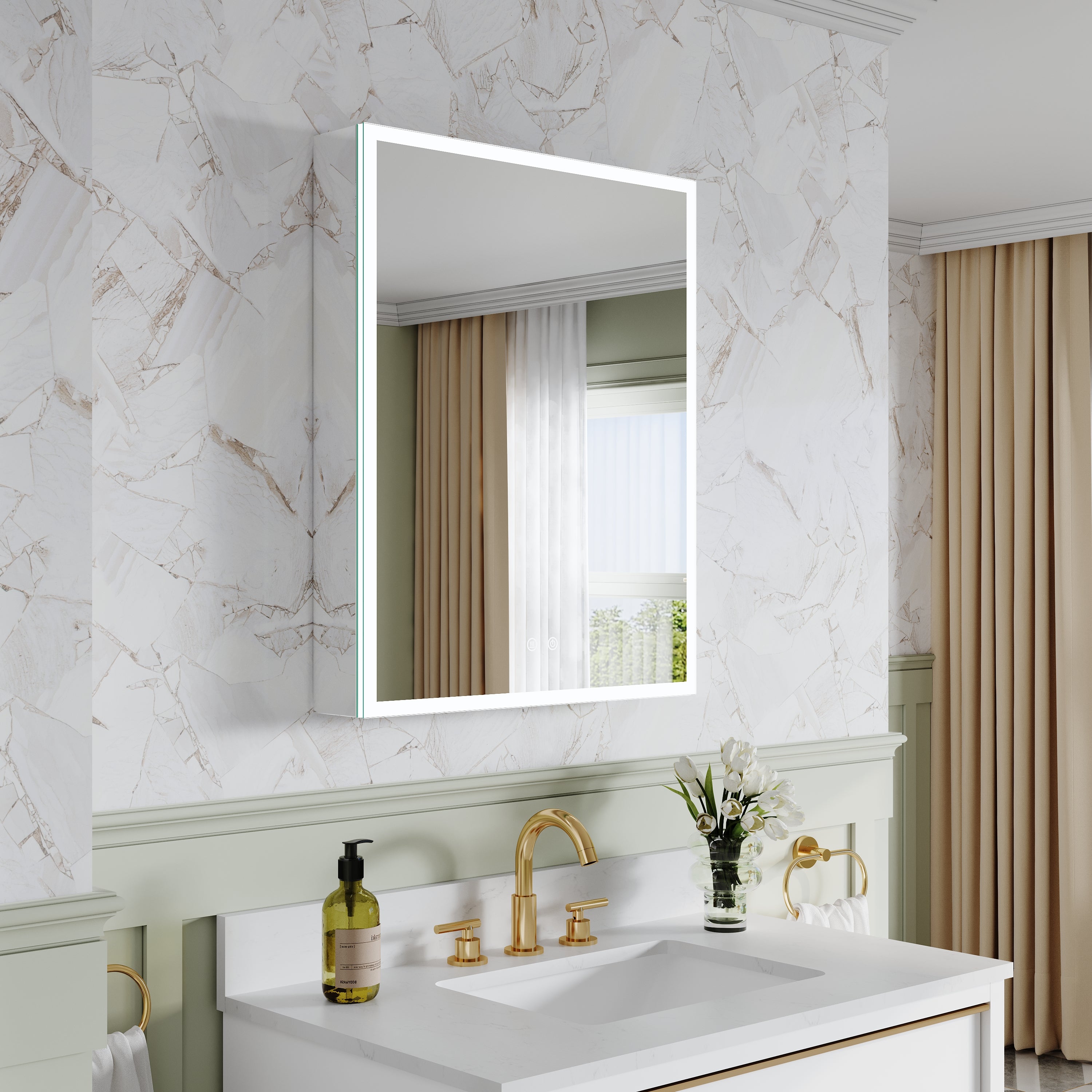
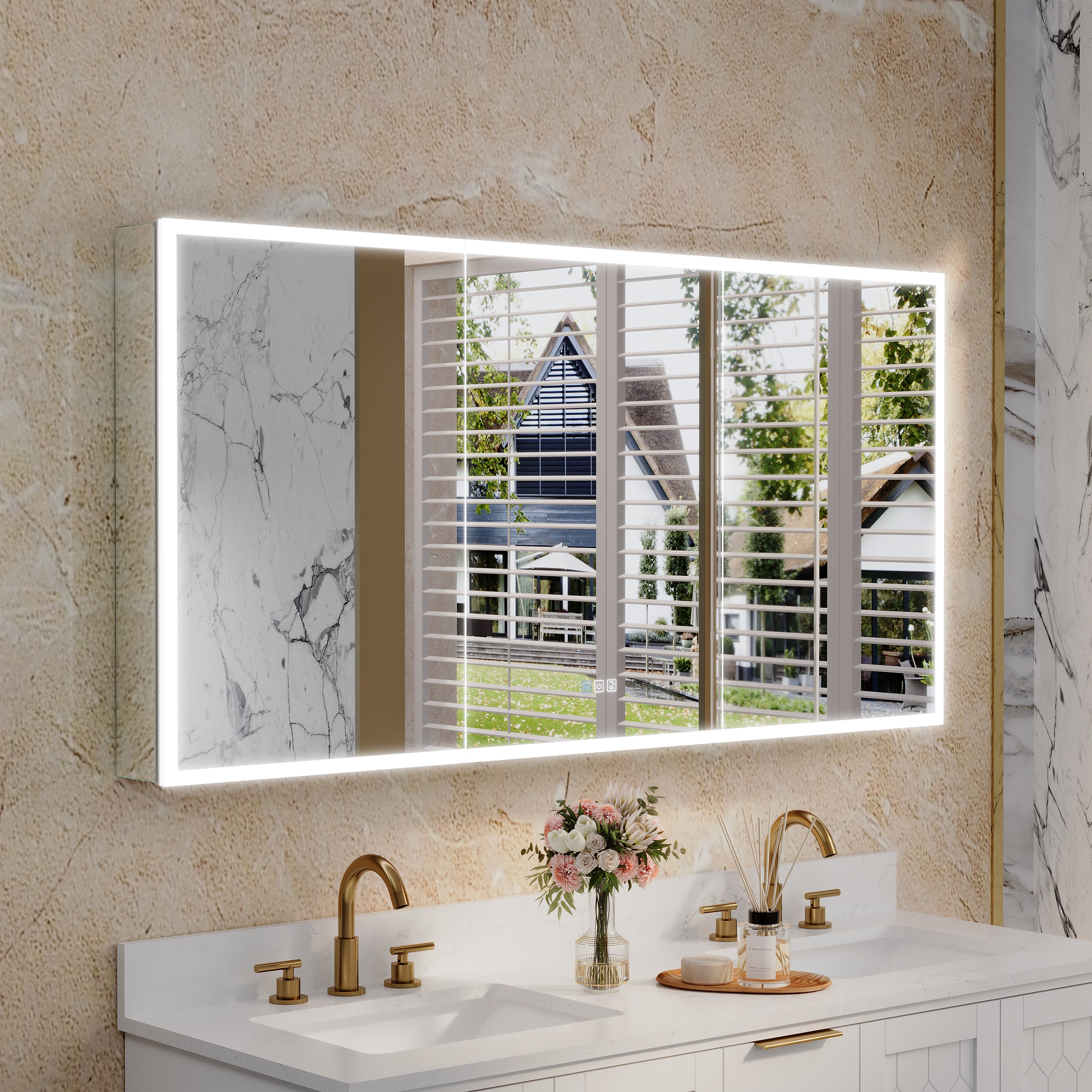
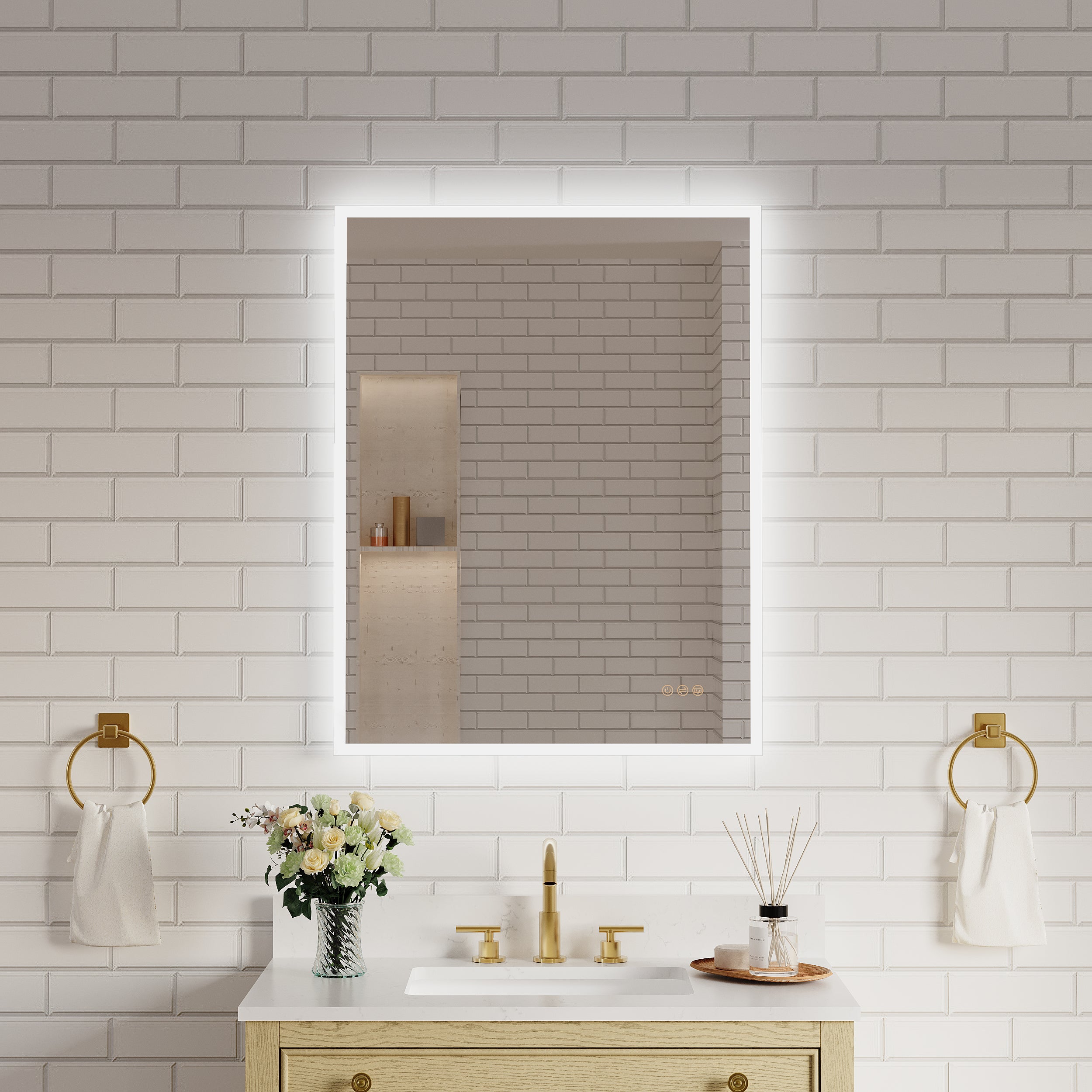
Integrated design with light and mirror: If the mirror is equipped with LED light strips or an anti-fog function, consider reserving the power cord height (usually 44-46 inches above the ground).
This symmetrical design not only aligns with visual aesthetics but also provides a balanced, comfortable experience for human use.
4. Ergonomic details: Consider different user groups
In addition to the average adult height, home bathrooms often need to cater to users of different age groups.
In a study by the California Institute of Interior Design (IIDA), it was mentioned that:
Children's bathroom: The mirror center can be set between 48 and 52 inches.
Universal Design: It is recommended that the bottom of the mirror should not be more than 40 inches off the ground to facilitate sitting or wheelchair users;
Main or guest guard: Maintaining a range of 58-60 inches is ideal.
This means that when considering installation height, the structure of family members and the usage scenarios should be comprehensively taken into account.
If conditions permit, adjustable mirror frames or mirror designs with tilt angles can be selected to meet the needs of different groups while maintaining overall aesthetics.
5. Aesthetics and spatial sense: height determines visual proportion
From the perspective of design aesthetics, the installation height of mirrors not only affects practicality but also directly shapes the bathroom's spatial sense and light-reflection effect.
Installing too high will make the top of the mirror "stick to the ceiling" and appear unbalanced in proportion.
Installing too low can cause the mirror to be blocked by the sink, making it appear oppressive.
The appropriate installation height can visually "extend" the wall, making the space appear taller and brighter.
Especially for the 36x36 square mirror, it has a strong visual center, and a slight deviation in the installation position may compromise overall symmetry. Therefore, it is recommended to use decorative paper or virtual positioning tools for simulation before construction to ensure that the hanging effect is consistent with the human line of sight and spatial proportion.
6. Collaborative design of lighting and mirror height
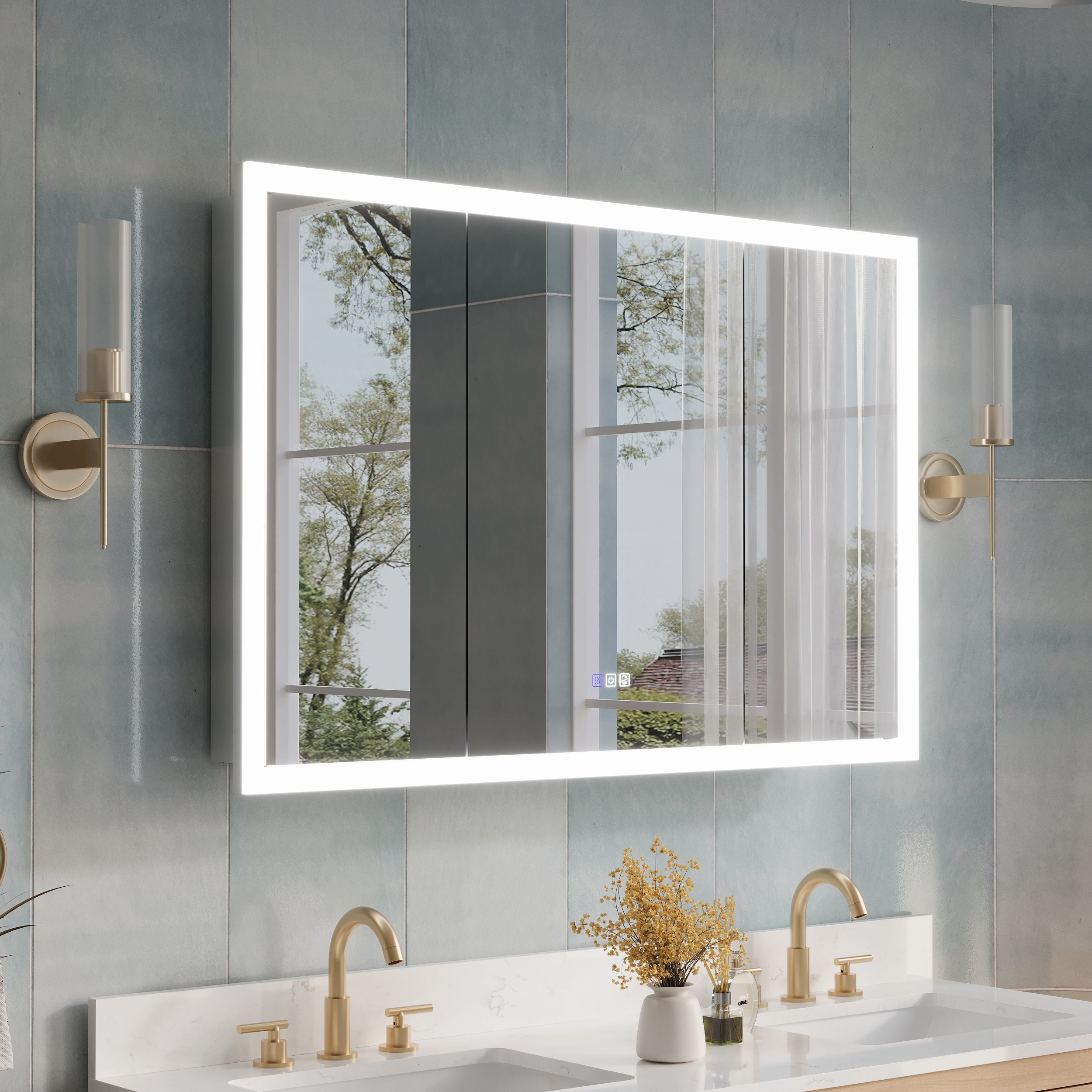
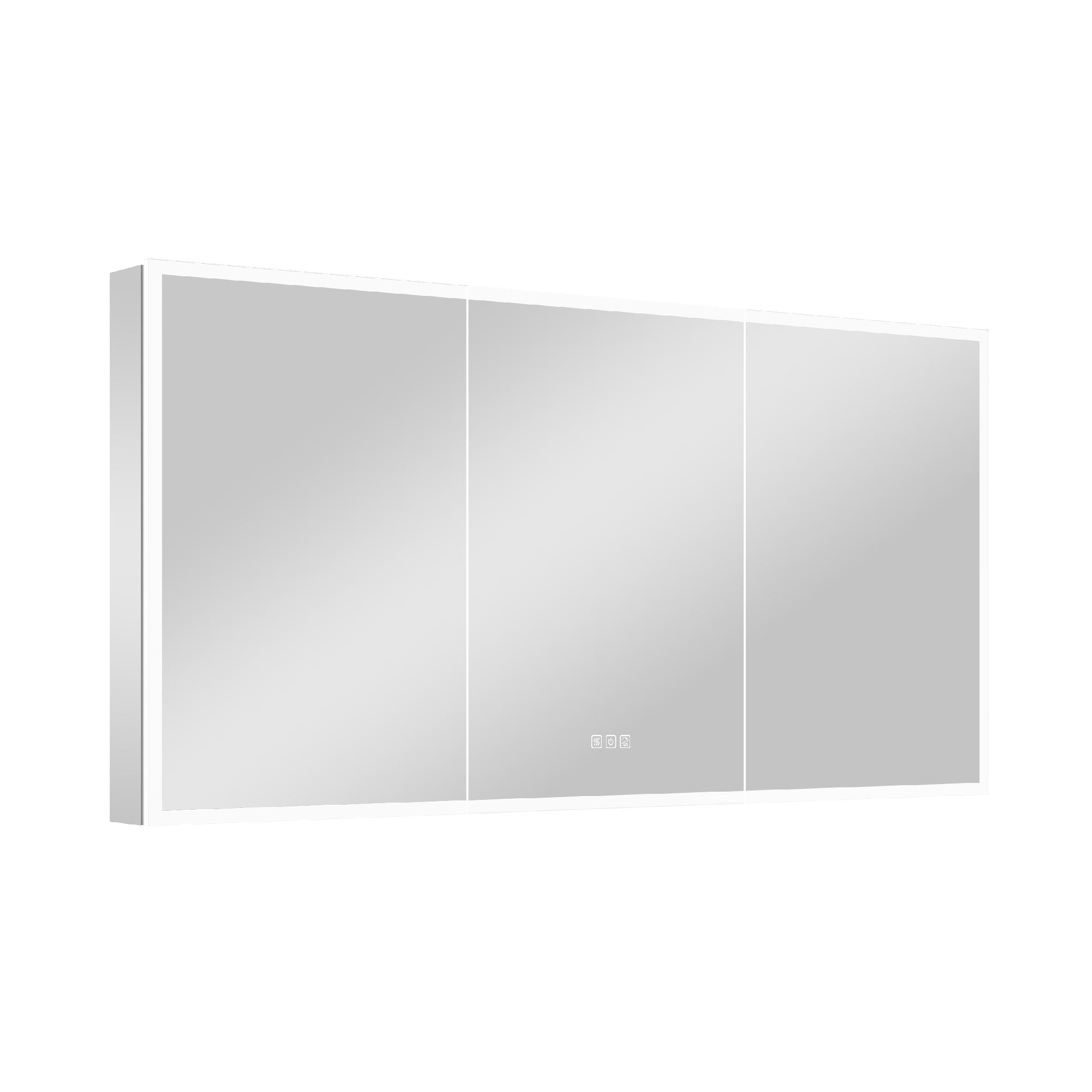
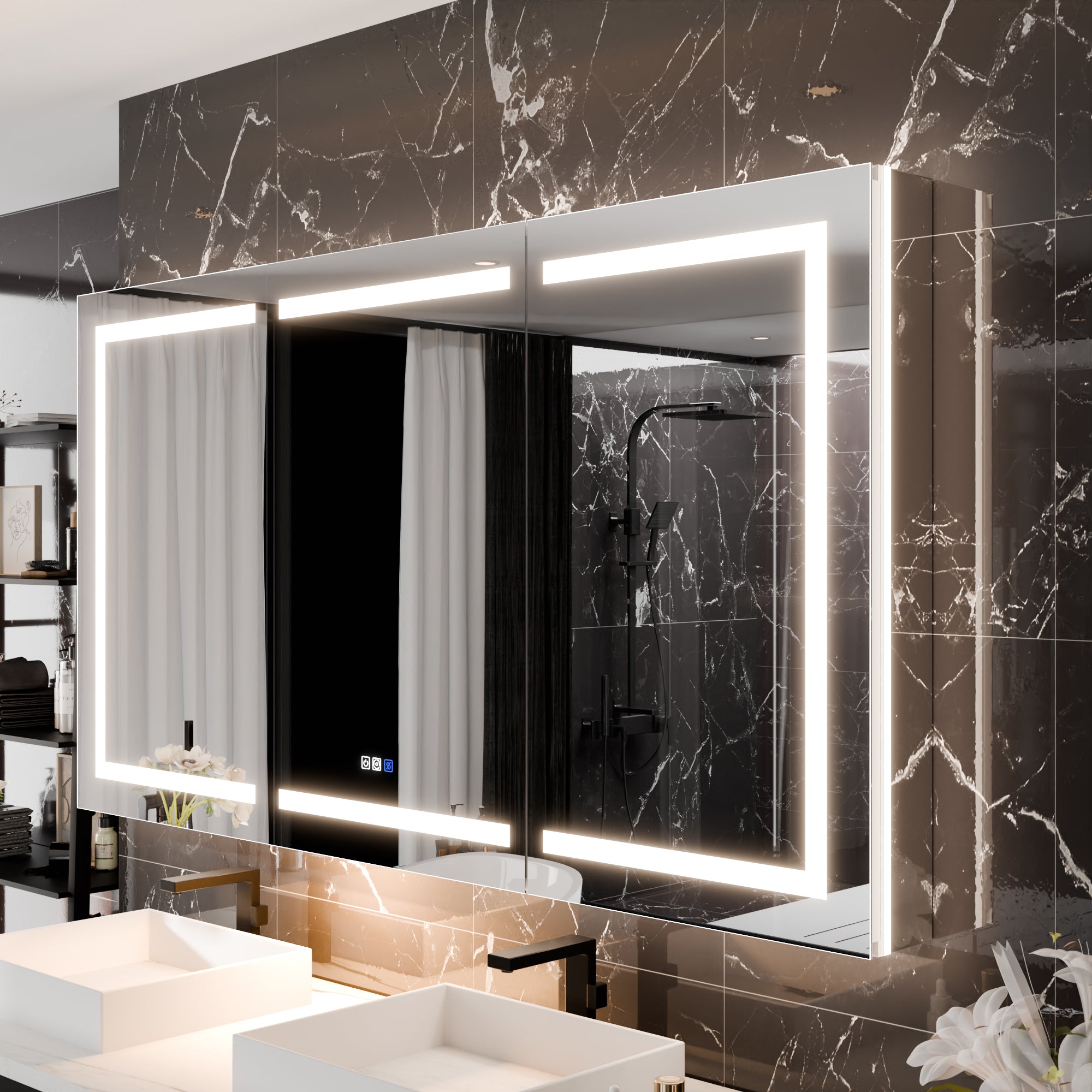
Many modern bathroom mirrors are equipped with LED lighting, anti-fog heating, touch sensing, and other features. At this point, the installation height of the mirror also needs to be considered:
Power interface location: It is recommended to reserve it at a distance of 42-46 inches from the ground.
Lighting angle: Avoid direct eye contact with the light strip; it should be level or slightly higher than the line of sight.
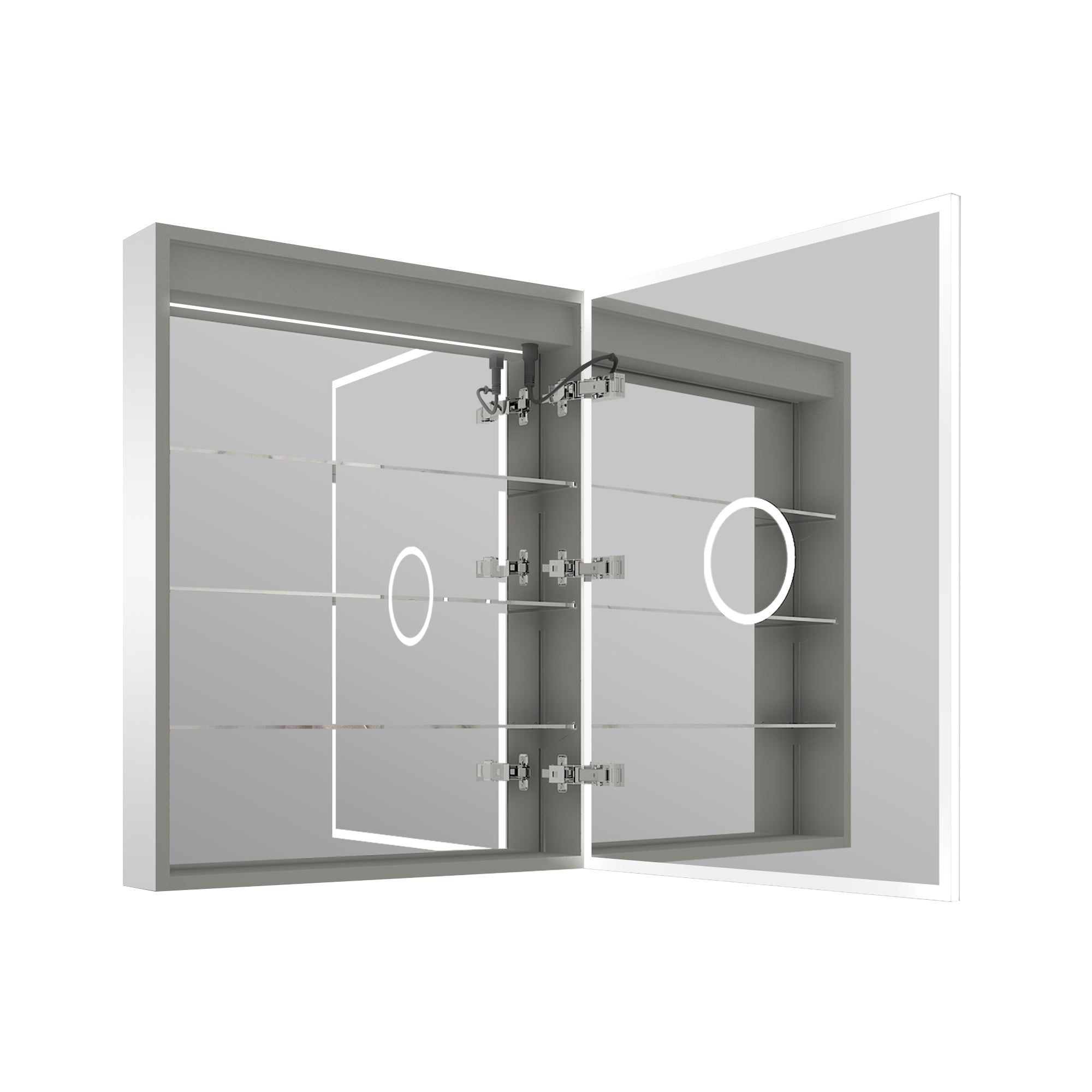
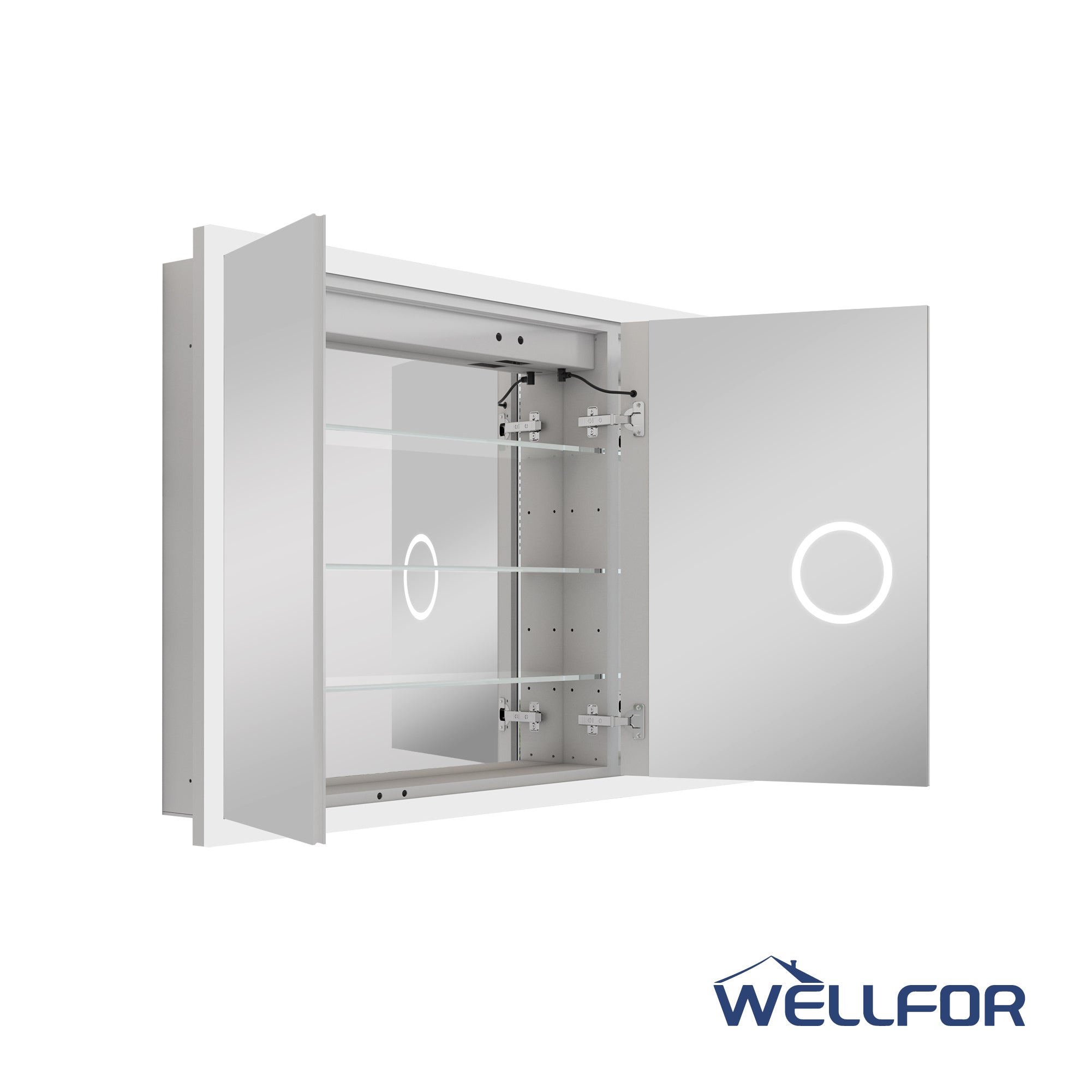
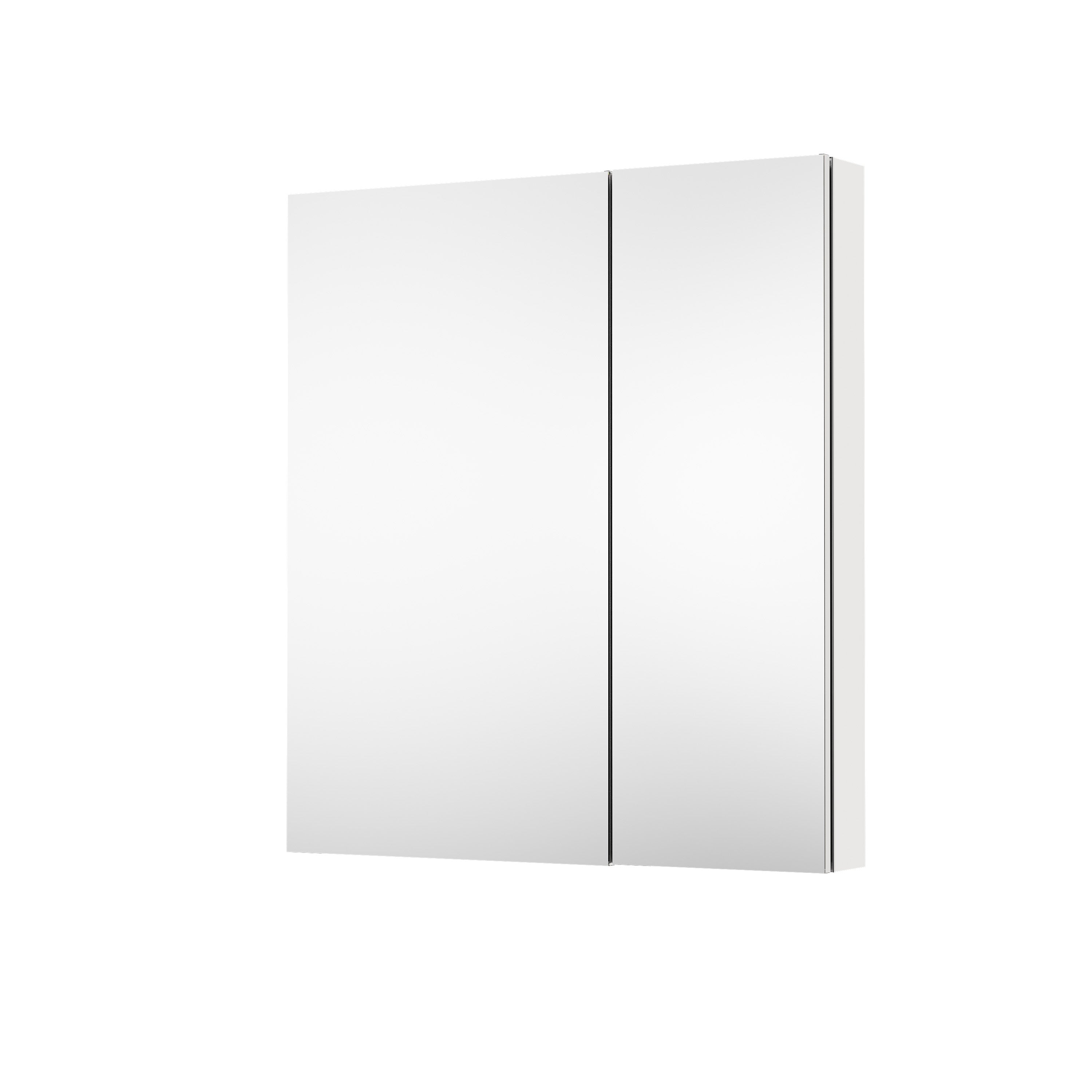
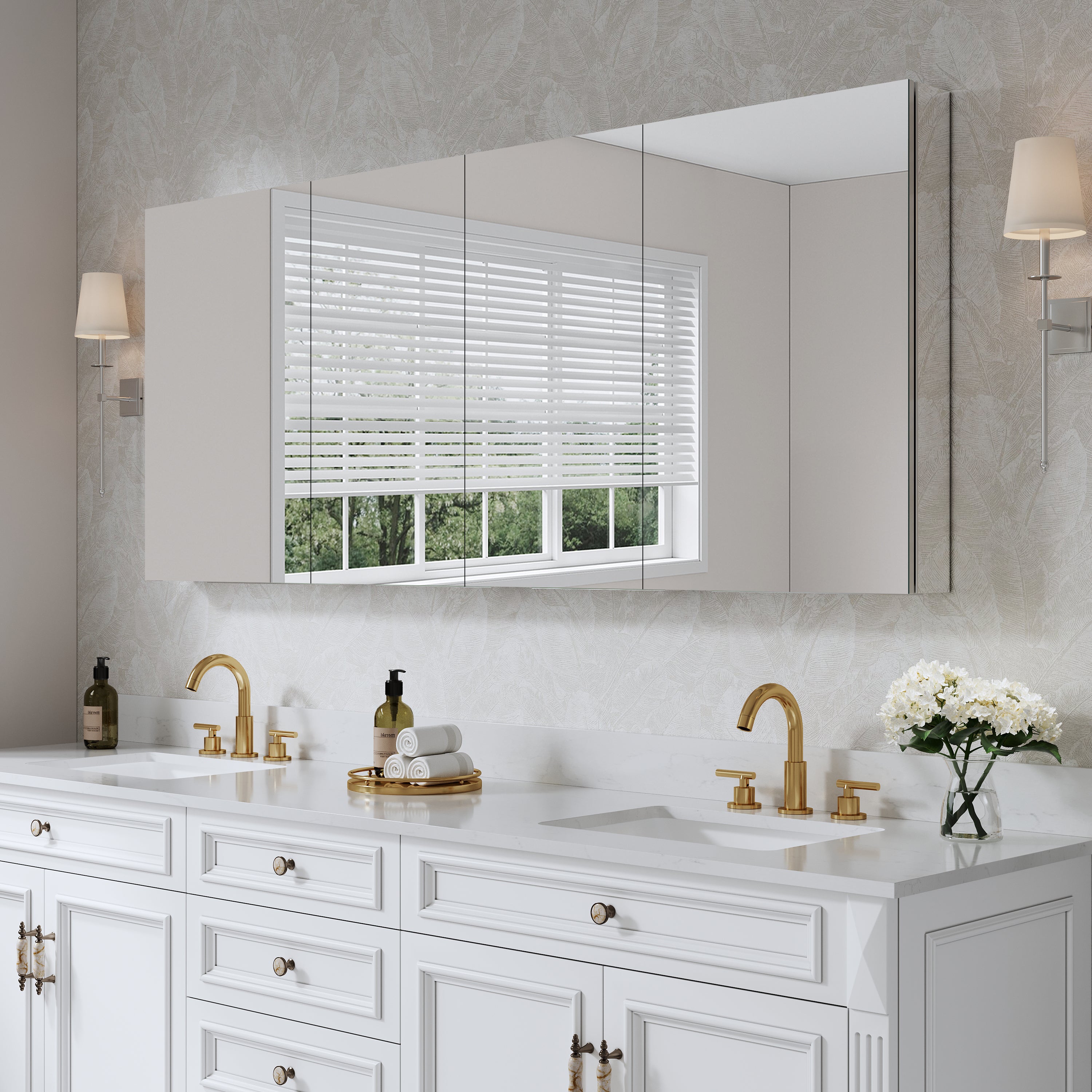
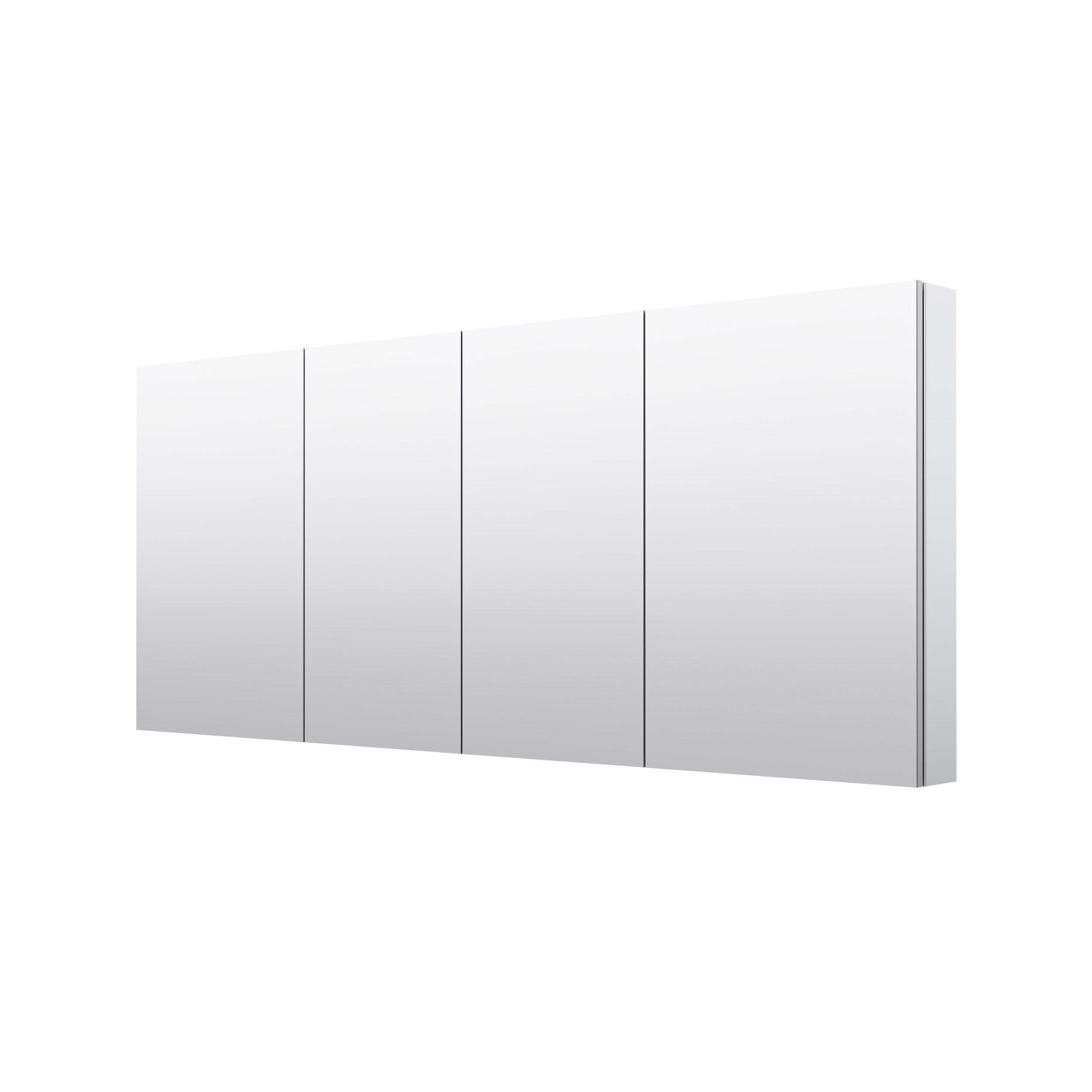
Mirror cabinet combination: If the mirror is a mirror cabinet with a storage function, at least 3 inches of space should be left at the top for easy opening and closing.
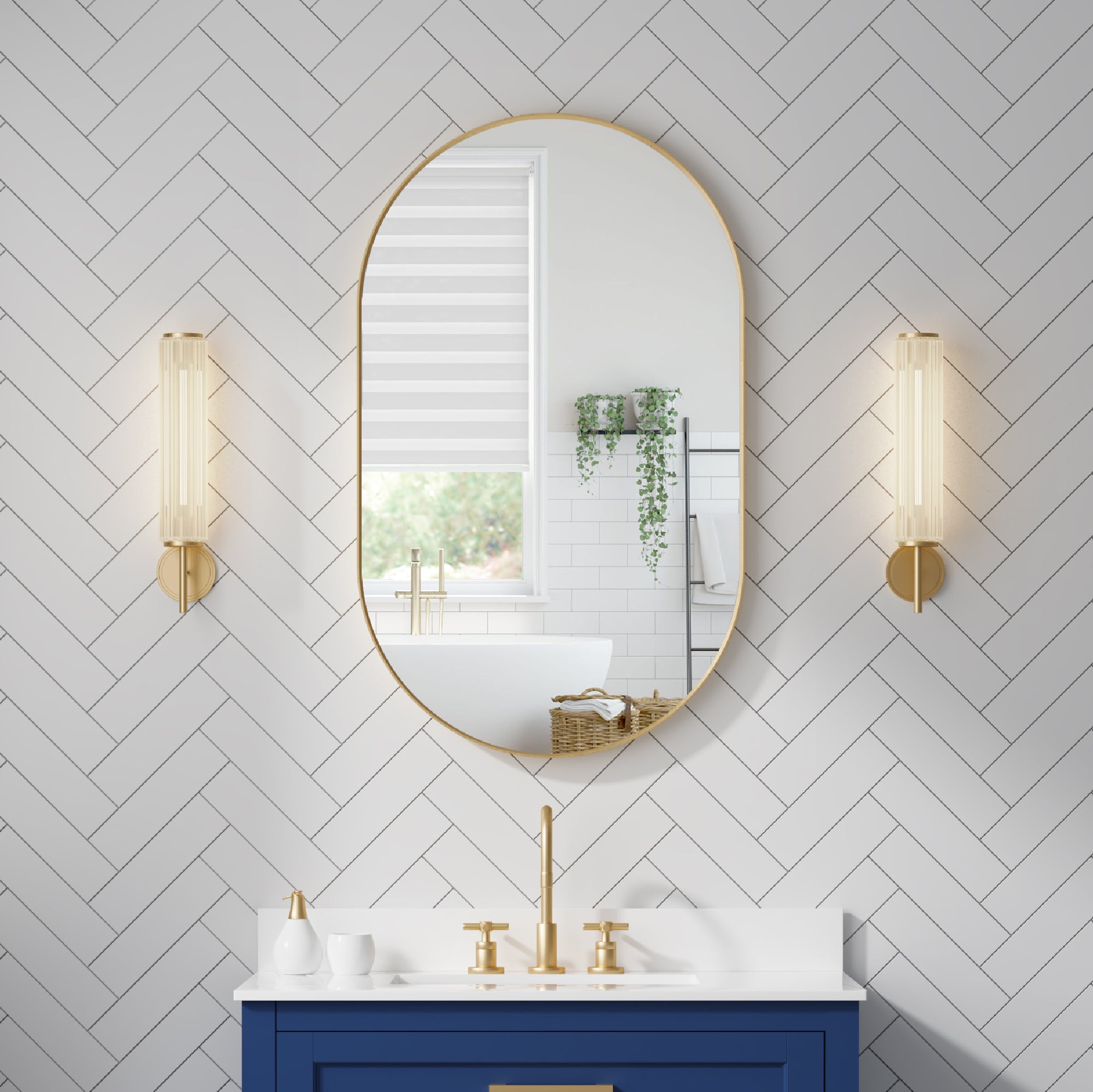
In actual decoration, the collaborative design of light and mirror height can significantly enhance the practicality and high-end feel of the bathroom. For example, pairing a 36x36 LED mirror with a 3000K warm light wall lamp can create a soft and natural visual experience during morning and evening use.
7. Conclusion: Scientific height, comfortable daily life
The installation of bathroom mirrors may seem simple, but it involves multiple factors, including ergonomics, aesthetic proportions, optical reflections, and functional integration.
The ideal hanging height for a 36x36-inch mirror should generally be between 58 and 60 inches, and may be adjusted based on the sink height and user group.
A scientific installation height not only makes every mirror reflection a relaxed and enjoyable experience, but also makes the bathroom space visually spacious, bright, and balanced.
As designers often say, "A good bathroom mirror height is not only convenient for grooming, but also a precise carving of daily comfort."














Leave a comment
This site is protected by hCaptcha and the hCaptcha Privacy Policy and Terms of Service apply.