
















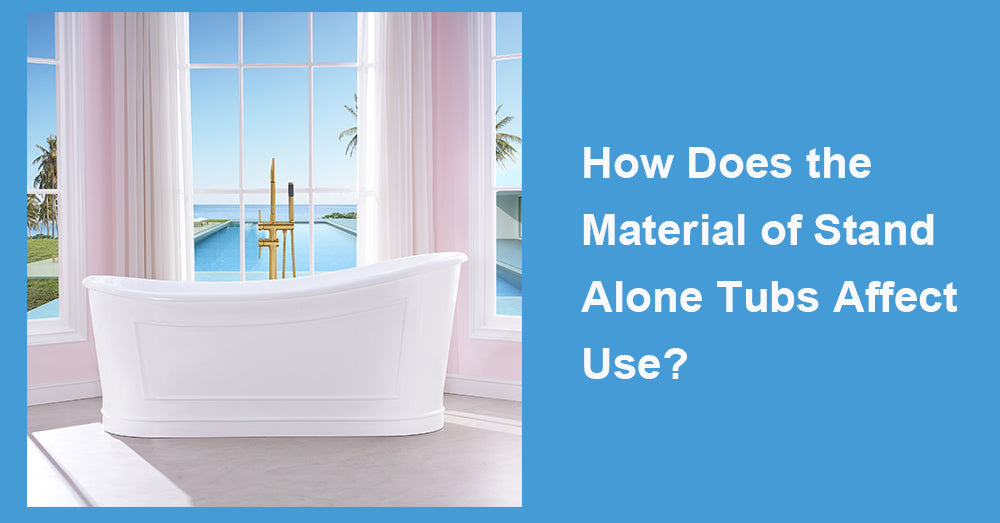
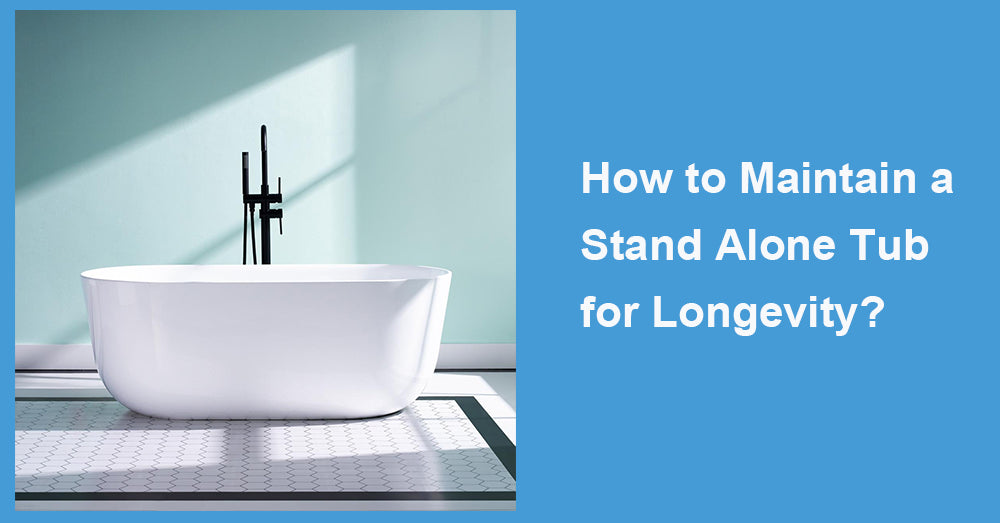
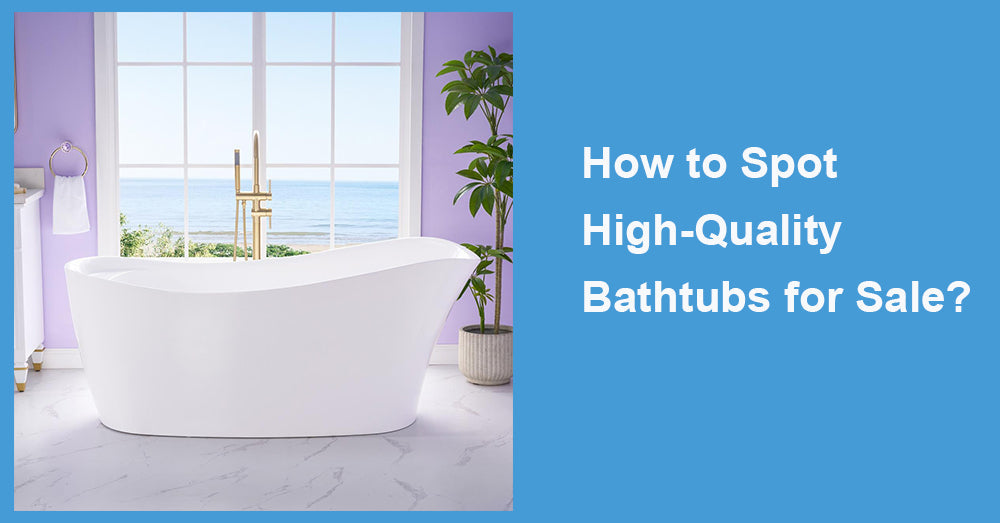
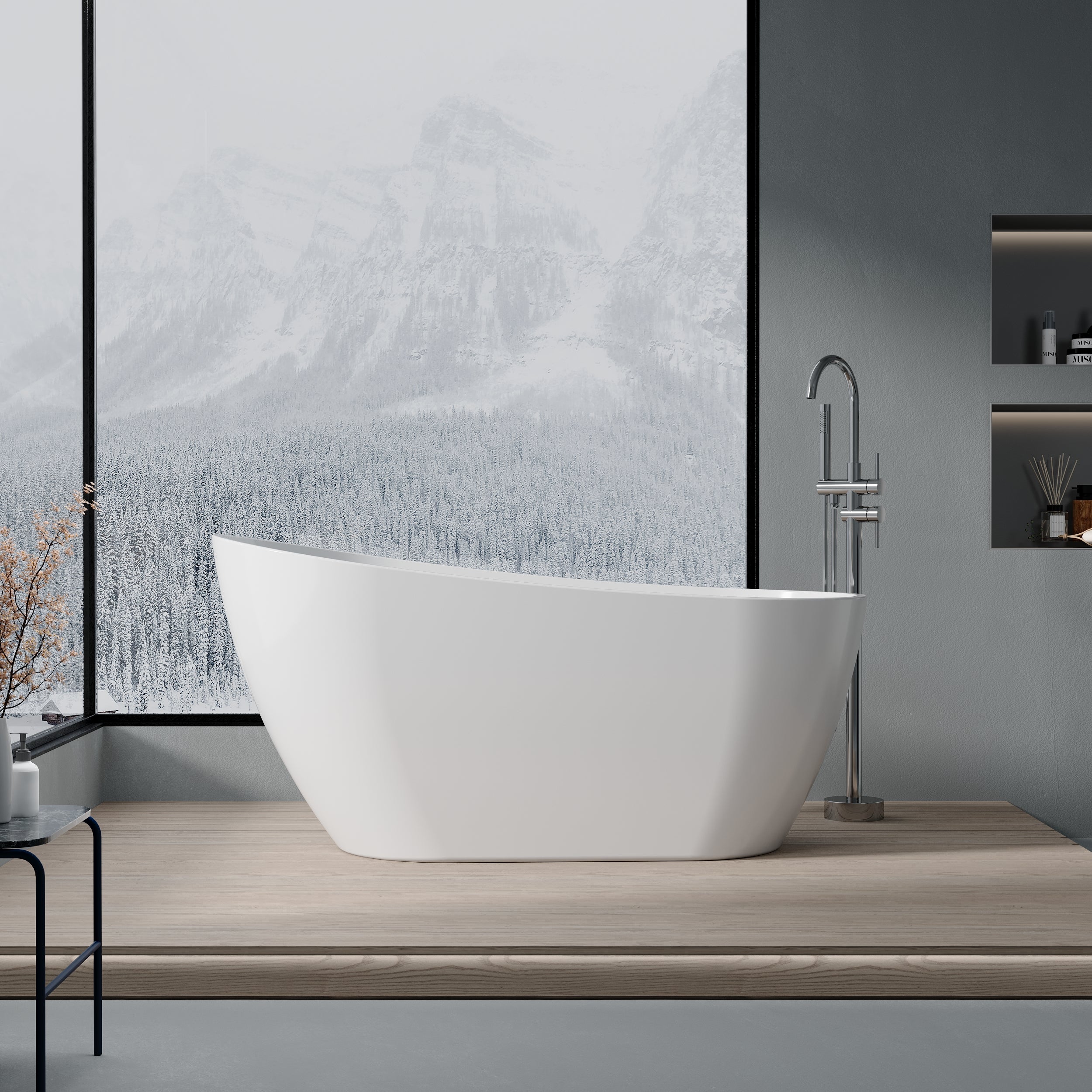
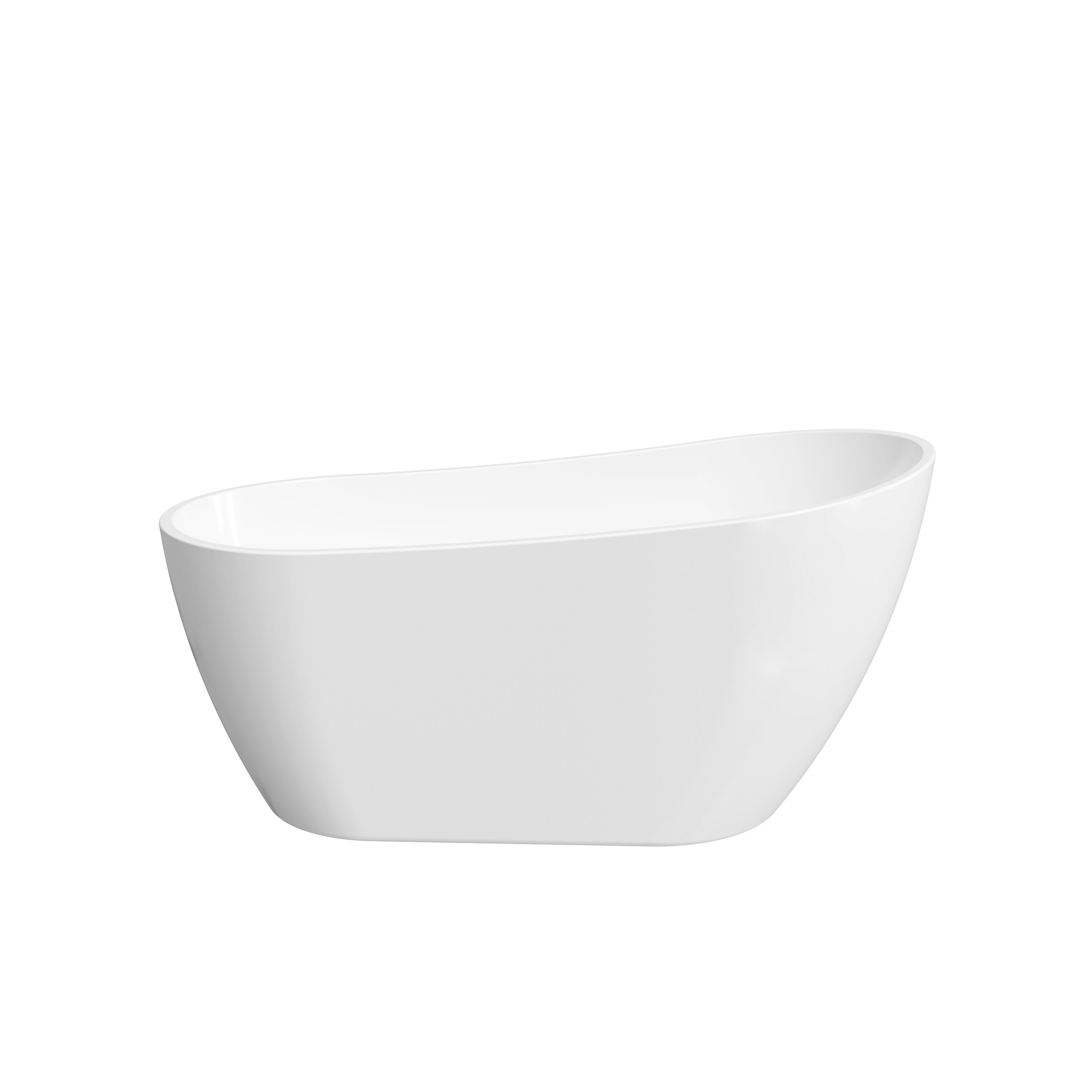
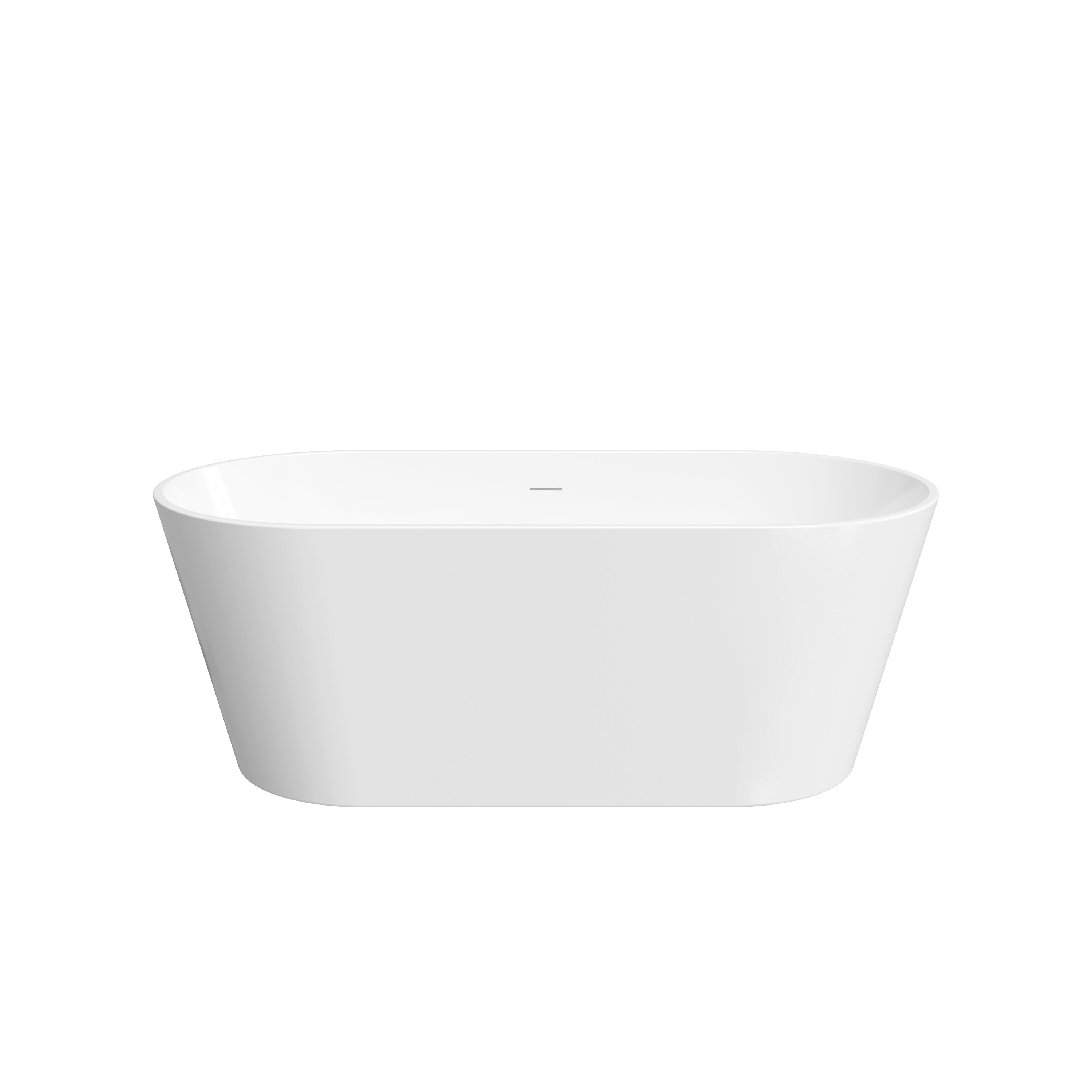
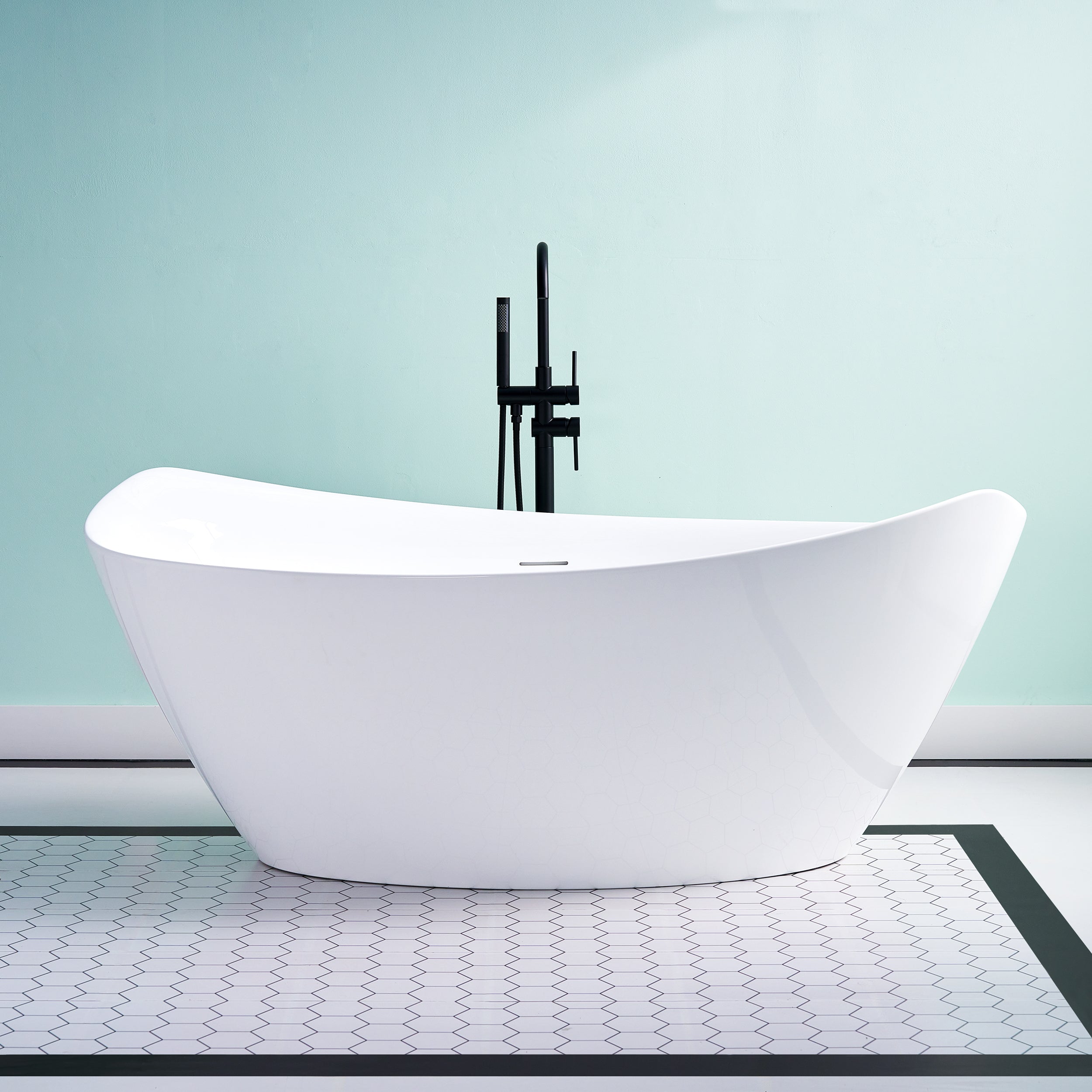
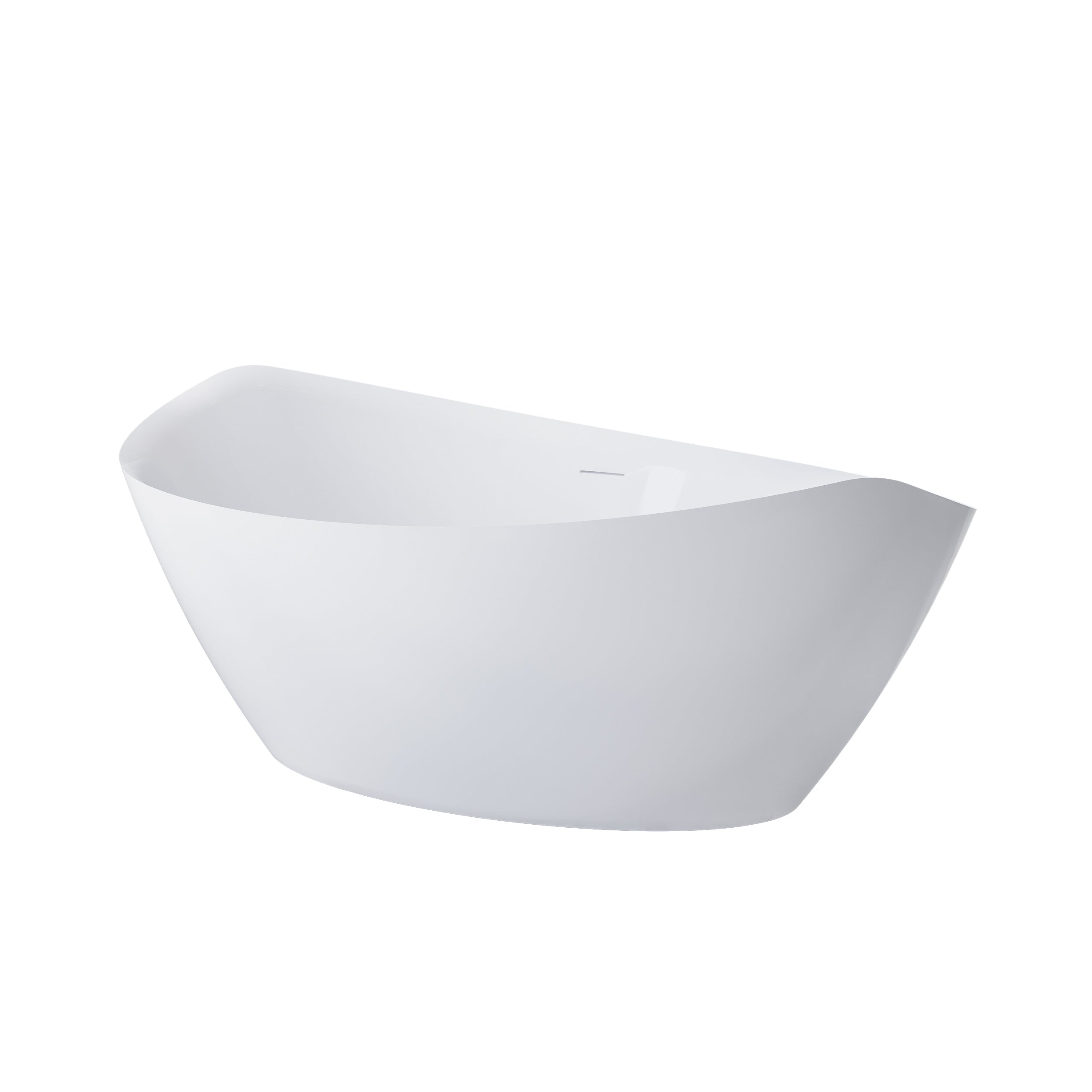
Freestanding tubs have become a popular feature in bathroom design, not just because they look aesthetically pleasing, but also because they alter the overall ambience of a space. Whether they're placed beneath a skylight or tucked in a quiet corner, these tubs bring more than functionality; they bring atmosphere. Still, once you move past the aesthetics, there's one detail that quietly defines your experience with them: what the stand alone tubs are made of.
It might not seem like a big deal at first glance. But live with the wrong material for a while, and you'll notice things—like how quickly the water cools, how often you have to scrub stains, or even how much noise the tub makes when you drop something inside. Let's unpack the most common freestanding tub materials and examine how they truly perform in day-to-day use.
l Acrylic – Lightweight but Surprisingly Cosy
If you're looking for something that doesn't feel like a burden during installation, acrylic is usually the first stop. These tubs are moulded from sheets of acrylic and then reinforced with fibreglass. That's part of what makes them so light.
They're not cold when you touch them, which is a plus during winter. And they don't feel rigid or harsh. The surface warms up with the water and holds onto heat reasonably well, not forever, but long enough for a decent soak.
They can scratch, yes. However, unless you're using metal tools to clean your tub (which you shouldn't), those marks are usually minor and can be fixed. For families or people doing renovations upstairs, acrylic makes a lot of sense.
l Cast Iron – Heavy but Practically Indestructible
Cast iron tubs have been around for generations, and good reason. They're made by pouring molten iron into a mould, then finishing it with a baked-on enamel. The result is solid—excellent.
They're tough. You can drop a shampoo bottle or knock your heel against the edge, and the tub won't flinch. It also retains heat remarkably well. Fill it once, and you can forget about topping up the hot water for a while.
The downside? These things are heavy. We're talking hundreds of pounds. You'll need help—maybe even structural reinforcements. It's not a weekend project, but it is a lifetime investment.

l Stone Resin – Understated Luxury, Easier to Manage
Stone resin is a newer player. It combines crushed stone with resin binders to create a tub that resembles natural stone, without the weight. It's sleek, with a matte or glossy finish, and very clean-lined.
This material doesn't stain easily. It doesn't trap bacteria either. You get good heat retention and a nice, soft surface that doesn't feel industrial. It fits into most styles—modern, organic, even transitional.
For individuals who desire a high-end, sculptural look without the need for a crane, this is a clever compromise.
l Copper – Warm, Unique, and Full of Personality
Copper tubs come alive in a way that other materials don't. Every tub has its unique tone and patina, which subtly shifts over time. That alone gives it character.
They're warm—hot. The surface heats quickly with hot water and retains its heat slowly. Plus, copper has antimicrobial properties. That means fewer worries about lingering germs.
However, it can be damaged if you're rough with it. And if you love symmetry, know that handmade copper tubs aren't always perfectly uniform. Plumbing might need adjustments. Still, it's hard to beat the ambience they create.
l Natural Stone – When You Want to Make a Statement
Stone tubs are showpieces. You don't buy one because it's convenient. You buy it because it's breathtaking.
These tubs are carved from solid blocks—marble, granite, travertine, you name it. That gives them a natural texture and visual depth that's hard to replicate. Once the stone warms up, it holds the heat like no other.
But they're heavy. Very heavy. Installation takes planning and muscle. You'll also need to seal them periodically to prevent stains or water damage. Still, for some people, nothing else will do.
l Stainless Steel – Minimalist and Surprisingly Practical
Although it's not as common, stainless steel has its niche. It's industrial-looking, yes, but it can also feel sleek and modern if done right.
The material itself is hygienic and easy to clean. It won't crack or absorb moisture. The downside is that it starts cold, and you'll see every water spot unless you wipe it often.
But it's lighter than stone or cast iron, and it's durable enough to handle daily use. Not flashy—but it holds its own in the right setting.
Choosing What Works for You
There's no perfect material — just the right one for your life, your space, and your style. That's the beauty and the challenge of selecting a freestanding bathtub. Each option brings its own set of trade-offs, not just in terms of installation and cost, but in how it shapes your daily experience.
Think about what you value when you step into a bath. Is it how long the water stays warm, or how the tub surface feels against your skin? Do you prioritise low maintenance or making a visual statement? Are you designing a calm retreat where every element flows together, or do you want a bold focal point that captures attention? These questions matter more than you might expect.
For example, someone who bathes every evening after work might prioritise comfort and heat retention, making stone resin or cast iron a better fit. On the other hand, if your bathroom is upstairs in an older house, a lightweight acrylic tub could save you the costly expense of structural upgrades. And if you're building a unique, artistic space where materials age gracefully, copper might feel more alive and personal than anything else.
It's also worth thinking about how materials age. Natural stone gets character over time. Acrylic may show wear, but it remains easy to repair. Cast iron holds strong through decades of use. These aren't just surfaces — they're part of the room's evolution and the stories you live in it.
So, take your time. Touch the materials in person if you can. Picture how they'll feel at the end of a long day. Because ultimately, the best freestanding tub isn't just the one that looks beautiful in a photo — it's the one you keep coming back to, because it feels right every single time.














Leave a comment
This site is protected by hCaptcha and the hCaptcha Privacy Policy and Terms of Service apply.