


















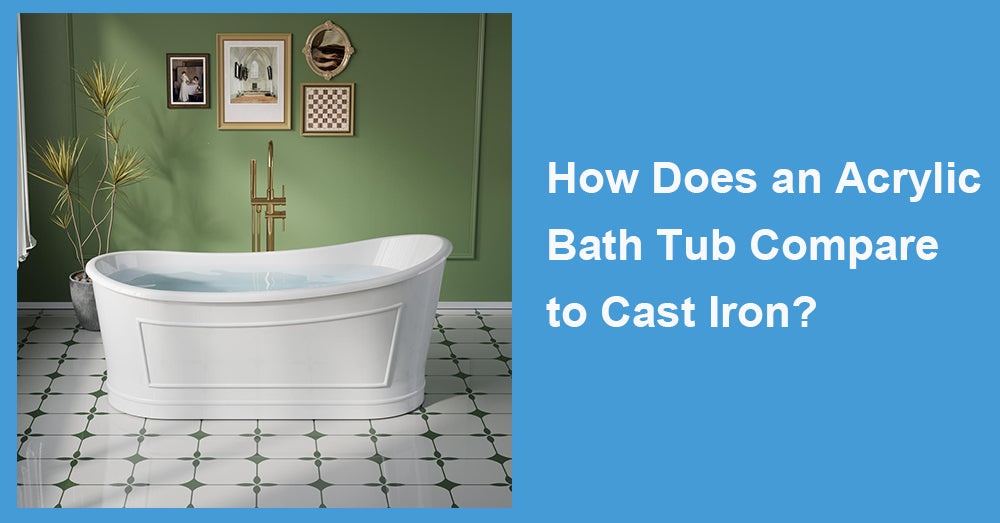
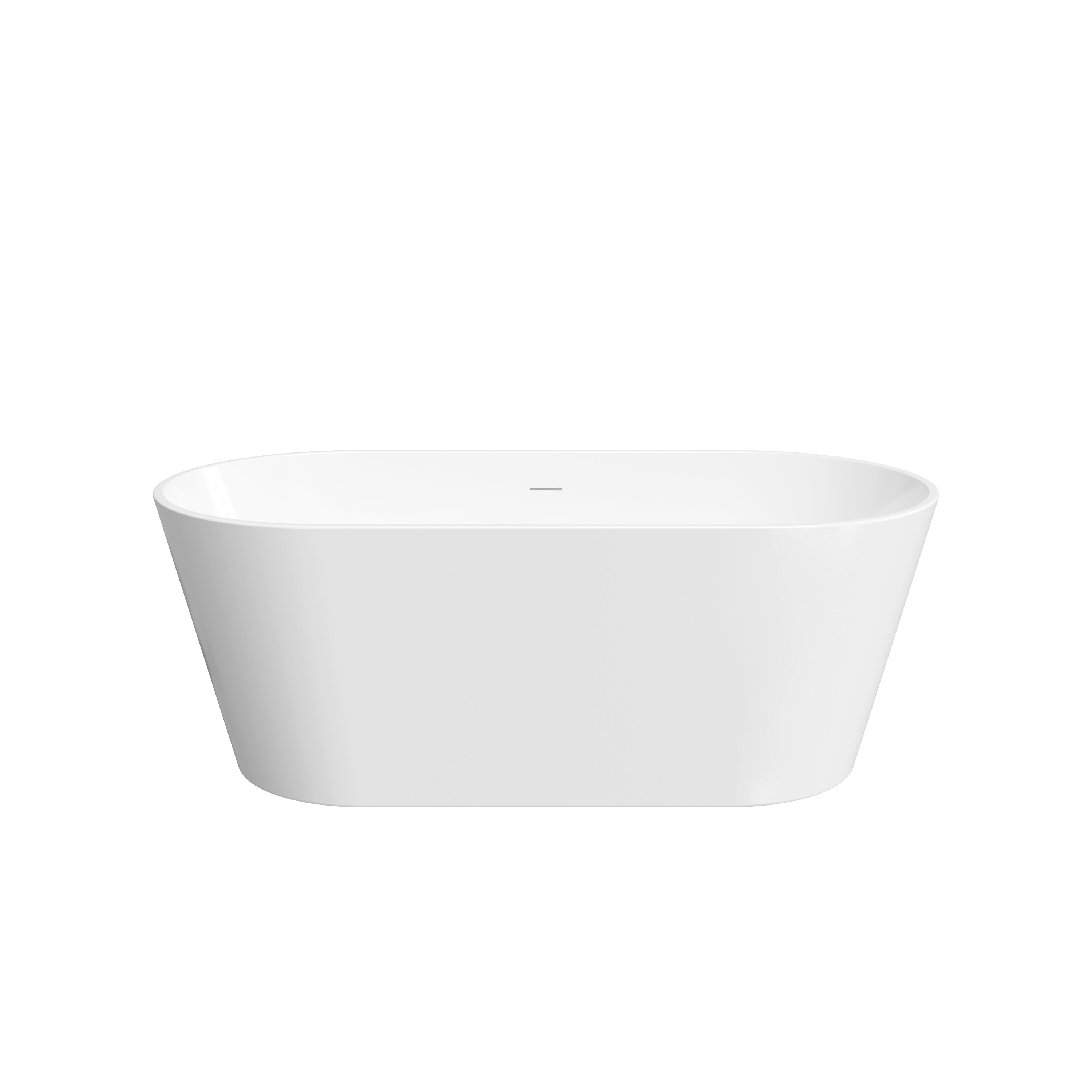
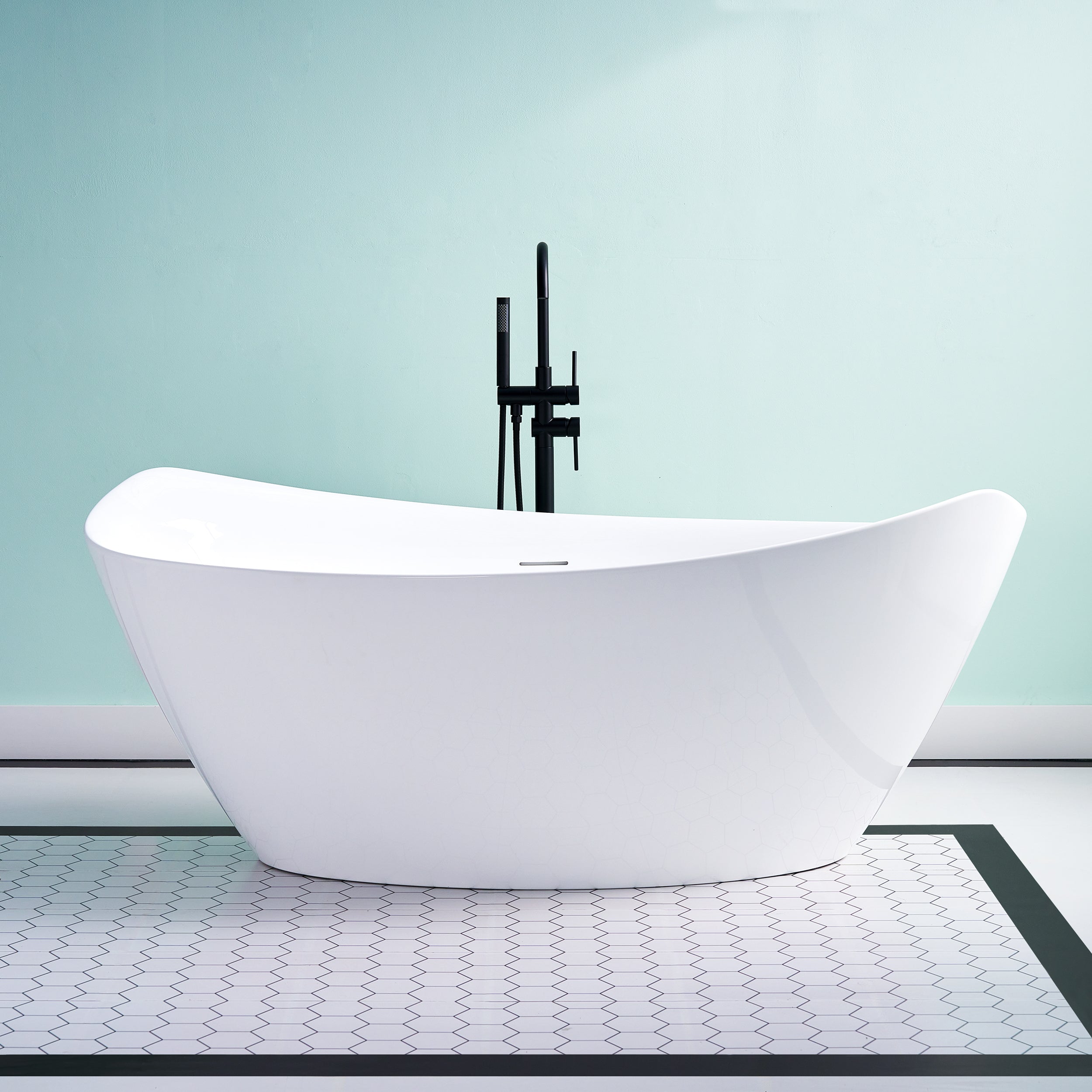
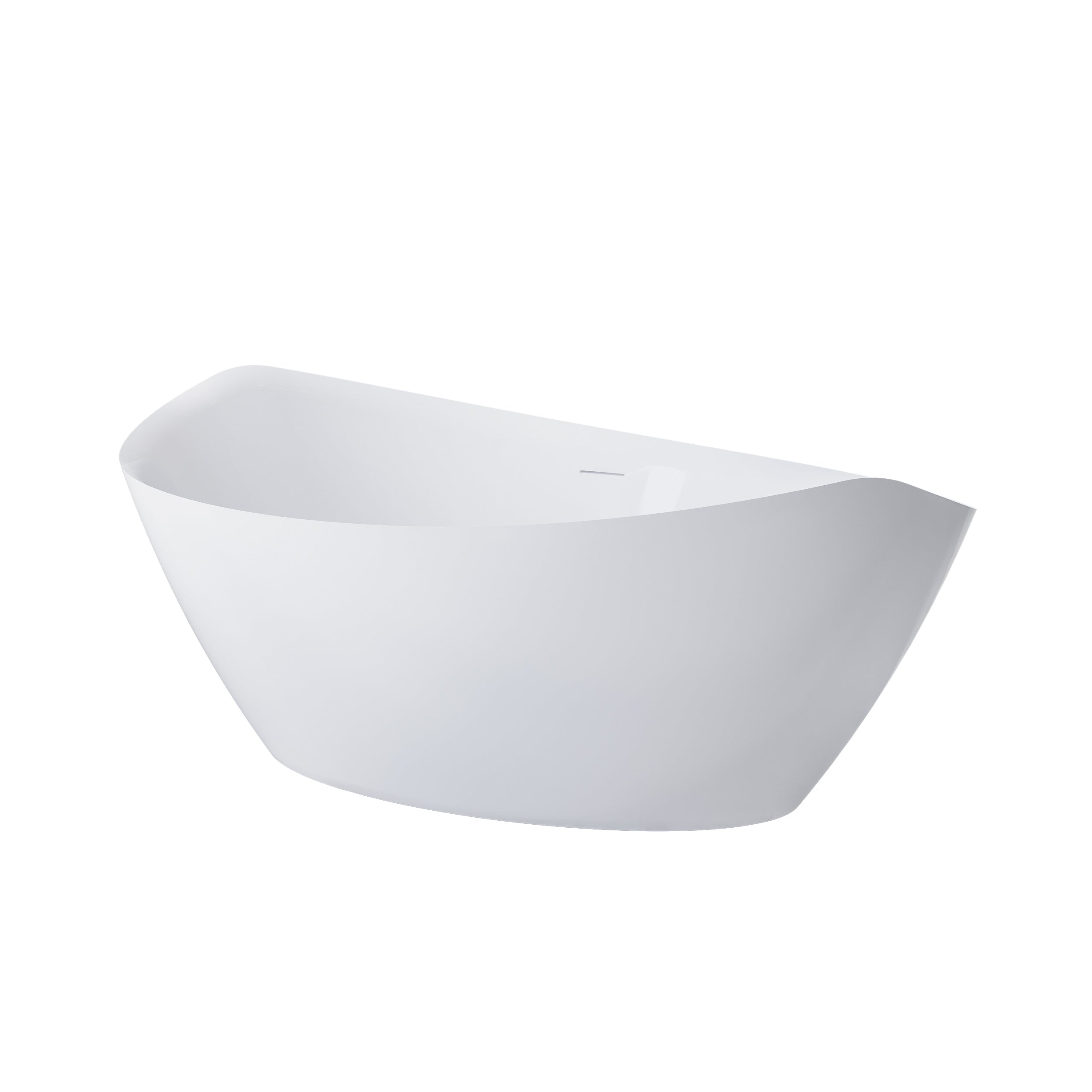
In the selection stage of bathroom renovation and new construction projects, acrylic bath tub and cast-iron bathtubs are almost always the two most commonly compared mainstream solutions. One is known for its lightweight, flexible design, while the other is known for its heavy, durable image. On the surface, this is just a comparison between "light and heavy", but from an industry perspective, there are systematic differences between the two materials in terms of structural performance, installation conditions, thermal characteristics, long-term maintenance costs, and user experience. The real decision on which one is more suitable for a home bathroom is not the price tag, but the comprehensive matching of spatial conditions, usage habits, and long-term planning.
1. Weight and installation conditions: the first threshold that determines the scope of adaptation
In the standard 60-72 inch length bathtub specification, the overall weight of acrylic bathtubs is usually 70-120 pounds, while the weight of cast iron bathtubs of the same size often exceeds 300-500 pounds.
Industry construction data shows that in renovation projects for upstairs bathrooms or older houses, over 40% of cast-iron bathtubs require additional structural reinforcement. In contrast, acrylic bathtubs can be installed directly in the vast majority of residential structures.
This difference means:
Acrylic is more suitable for upstairs spaces and lightweight residential structures.
Cast iron is more suitable for ground floors or spaces with sufficient load-bearing conditions.
During construction, the average installation time for acrylic bathtubs is usually shortened by about 30%-40% compared to cast iron, while reducing handling risks and construction complexity.
2. Thermal insulation performance and heat retention ability: key factors affecting the bathing experience
In long-term bathing scenarios, maintaining water temperature is a core indicator.
Cast iron bathtubs are known for their "heavy insulation", but their actual thermal performance is not completely superior.
Industry tests have shown that under the same initial water temperature conditions:
The cast iron bathtub heats up slowly over the first 10 minutes, but the cooling rate remains relatively stable in the later stages.
The average decrease in water temperature of the composite structure acrylic bathtub within 30 minutes is about 20% lower than that of the cast iron.
In a 60-67 inch freestanding soaking bathtub, this difference can extend the comfortable soaking time by about 8-12 minutes.
The reason is that acrylic has low thermal conductivity, making it difficult for the body to absorb heat, while cast iron has high thermal conductivity. However, it has a strong heat storage capacity, absorbs a large amount of heat in the initial stage, reducing the perceived temperature.
3. Touch experience: the first impression of bathing comfort
In the first few minutes of bathing, the tactile temperature has a significant impact on comfort.
Acrylic surface heats up quickly and has a gentle touch.
The surface of cast iron heats up slowly and feels cold initially.
Industry test data show that under the same environmental conditions, the initial tactile temperature of the acrylic surface is, on average, about 8-10 °F higher than that of cast iron.
This difference is particularly evident in winter or low-temperature environments, which is also one of the reasons many households tend to prefer acrylic after long-term use.
4. Structural strength and impact resistance: the true difference in durability
Cast iron bathtubs are known for their "extremely high impact resistance", and their thick, heavy metal structure is almost impossible to crack due to daily collisions.
Acrylic achieves strength control through a multi-layer composite structure, including an acrylic layer and a glass fiber reinforcement layer.
Industry impact testing shows that under reasonable reinforcement conditions, high-quality acrylic bathtubs can withstand daily drops and trampling without developing through cracks.
But in extreme scenarios:
Cast iron has almost no structural damage.
Low-grade thin-shell acrylic may have local cracks.
Therefore, cast iron still has significant advantages in commercial high-frequency usage environments. In home settings, the strength of high-quality acrylic has fully met long-term usage needs.
5. Surface durability and aging trajectory: key to long-term appearance stability
The surface of cast-iron bathtubs is usually coated with an enamel glaze, which has a high initial gloss. However, once cracks or peeling occur, it is not easy to repair, and local repair marks are apparent.
The surface of the acrylic bathtub has a solid color layer structure:
Fine scratches can be polished and repaired.
Surface aging manifests as a gradual decrease in overall gloss.
Not prone to local glaze explosion or large-scale peeling.
Industry surveys show that in household bathrooms that have been in use for over 10 years, acrylic bathtubs have a significantly higher "acceptable aging rating" than cast iron bathtubs.
This means that, in terms of long-term aesthetic stability, acrylic often has an advantage.
6. Freedom of form and design: important differences that determine spatial style
Cast iron bathtubs are limited by casting processes and have relatively fixed shapes, often concentrated in:
Traditional straight wall structure.
Classic independent foot shape.
Standard embedded profile.
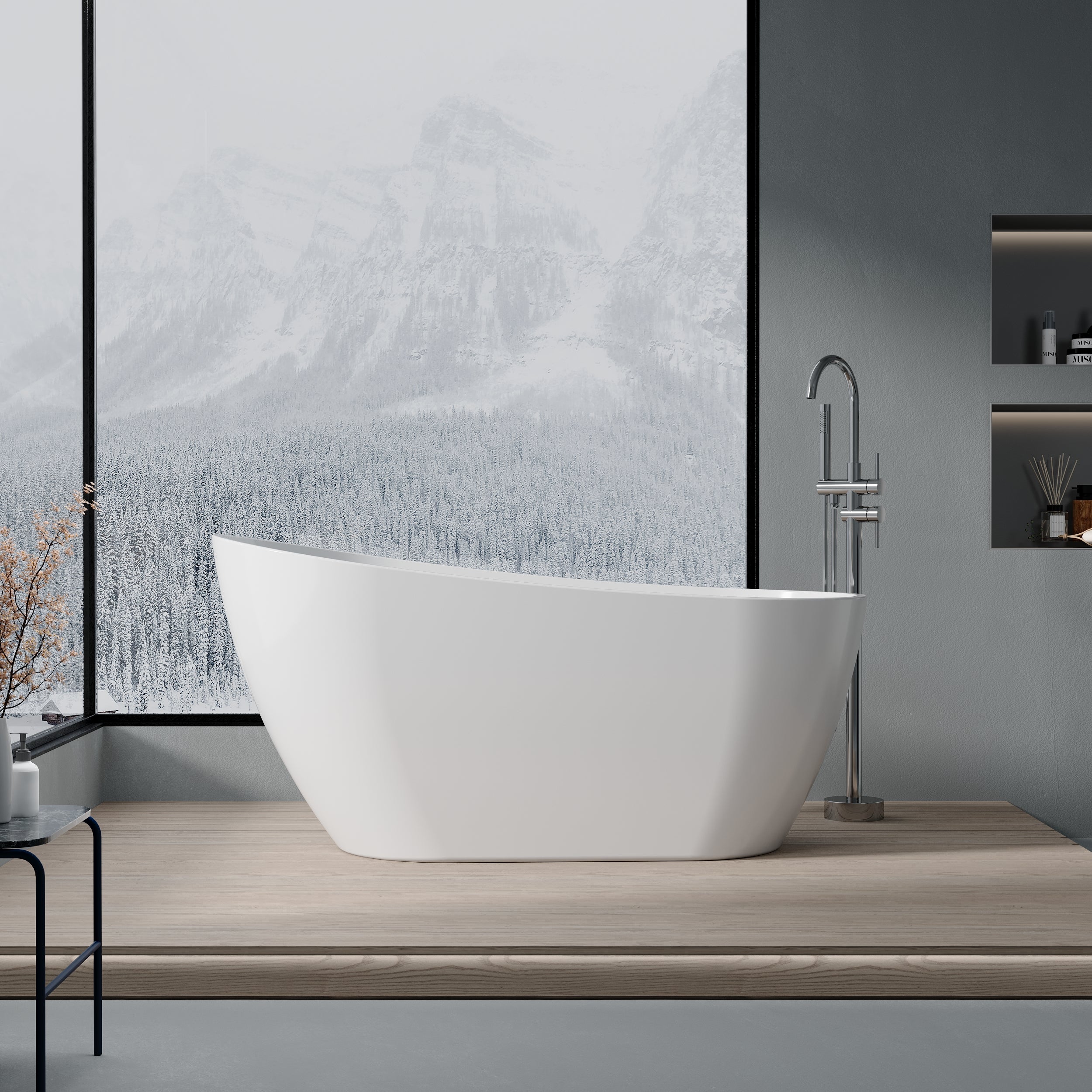
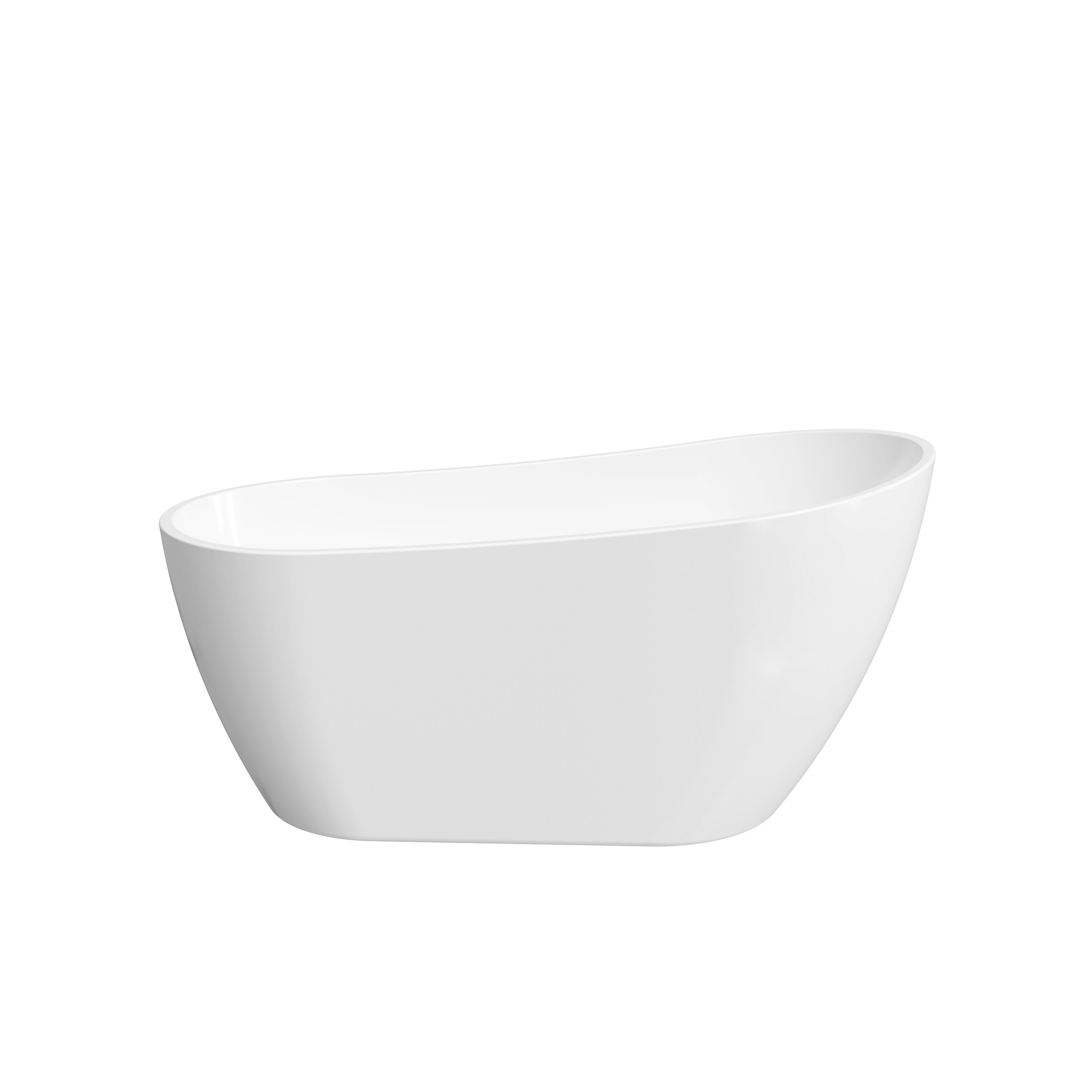
Acrylic can achieve a highly flexible curve design through molding:
Ergonomic backrest.
Double backrest structure.
Asymmetric lines.
Ultra-thin edge design.
In the 60-72 inch freestanding bathtub market, over 70% of the new designs are based on acrylic technology.
This gives acrylic a significant advantage in modern style and personalized spaces.
7. Maintenance and repair costs: hidden gap in long-term ownership costs
From a maintenance perspective, there are significant differences between the two:
Once the glazed surface of cast iron is damaged, the repair cost is high, and there is a noticeable color difference in the local repair.
Acrylic can be locally repaired, polished, and refurbished.
Industry maintenance data show that, under the same service-life conditions, the overall replacement rate of acrylic bathtubs is significantly lower than that of cast-iron bathtubs.
This means that over a long-term usage period of more than 15 years, the overall cost of ownership for acrylic is often lower.
8. Detail the differences between noise and user comfort
Cast iron bathtubs are made of a thick material, produce low water-filling noise, and have a steady water flow sound.
Acrylic bathtubs rely on bottom reinforcement and soundproofing pad design to control noise.
In systems with good bottom support structures, the noise difference between the two has significantly reduced.
But in low-end products, acrylic is more prone to the problem of "cavity echo", which is also a key process indicator that needs to be paid attention to when selecting.

9. Conclusion: How to choose between acrylic and cast iron
From weight, installation, insulation, touch, shape, maintenance, to long-term cost, acrylic and cast iron are not about "who is better", but "who is more suitable".
Cast iron representative:
Extremely high structural strength.
Traditional texture.
Extremely long theoretical lifespan.
Acrylic representative:
Better insulation and tactile sensation.
More flexible styling.
Lower installation threshold.
More friendly maintenance costs.
In the modern home bathroom environment that emphasizes comfort, design, and flexibility, the acrylic bathtub has gradually become mainstream not because it "replaces" cast iron, but because it offers a more balanced, contemporary lifestyle solution that balances comfort, construction friendliness, and long-term use cost.
The truly correct choice is never the material itself, but rather:
Whether the spatial conditions match, whether the usage method is compatible, and whether the long-term planning is precise.

















Leave a comment
This site is protected by hCaptcha and the hCaptcha Privacy Policy and Terms of Service apply.