

















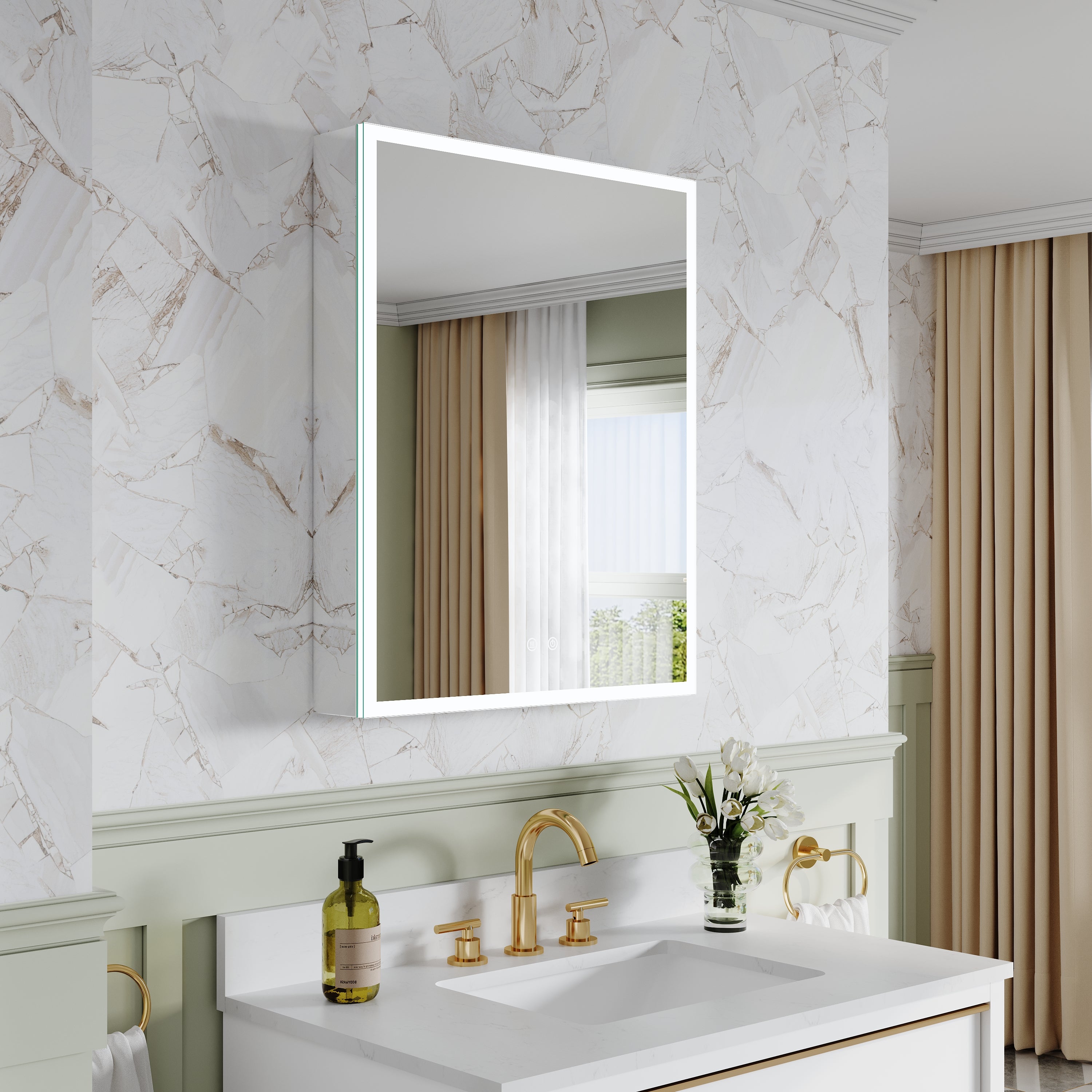
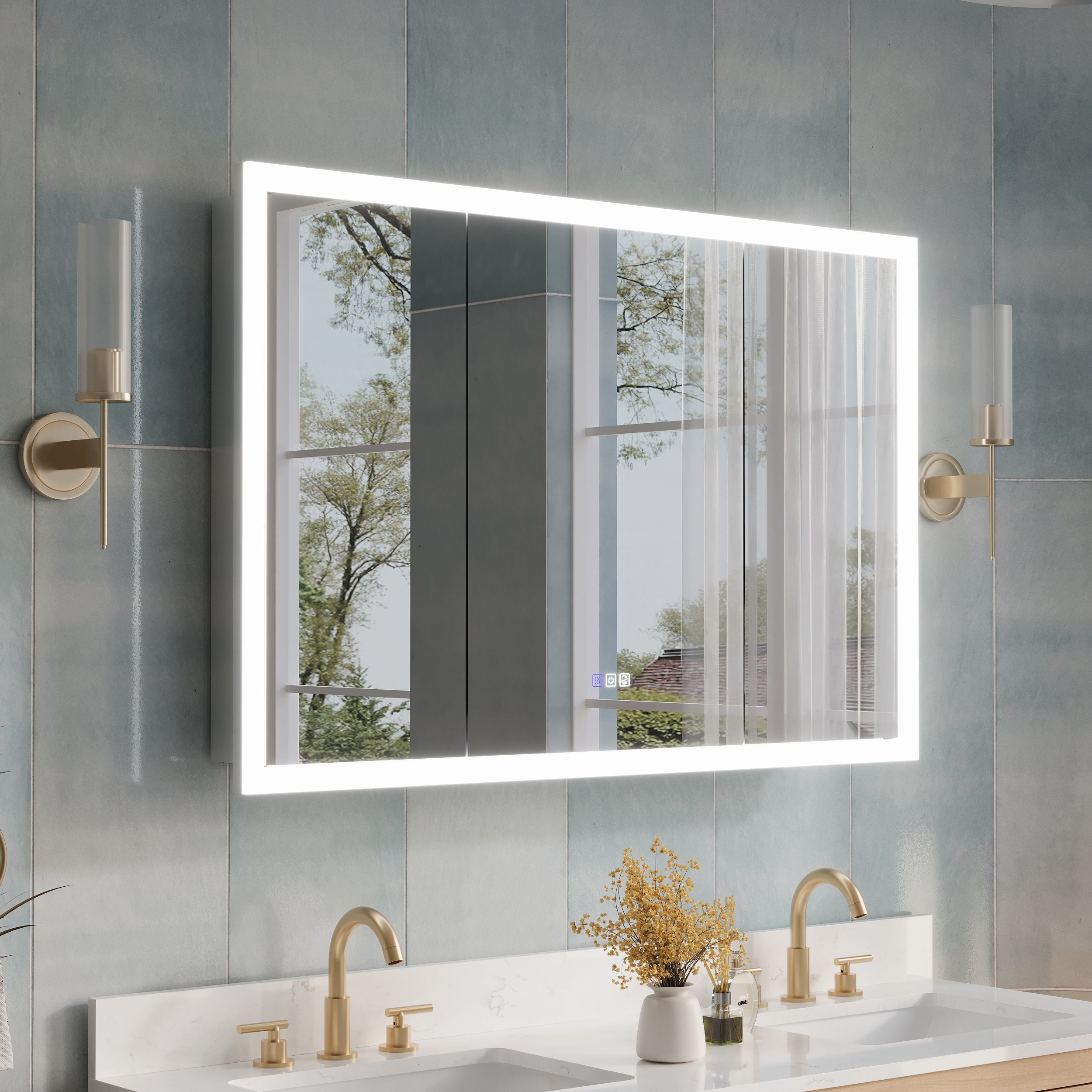
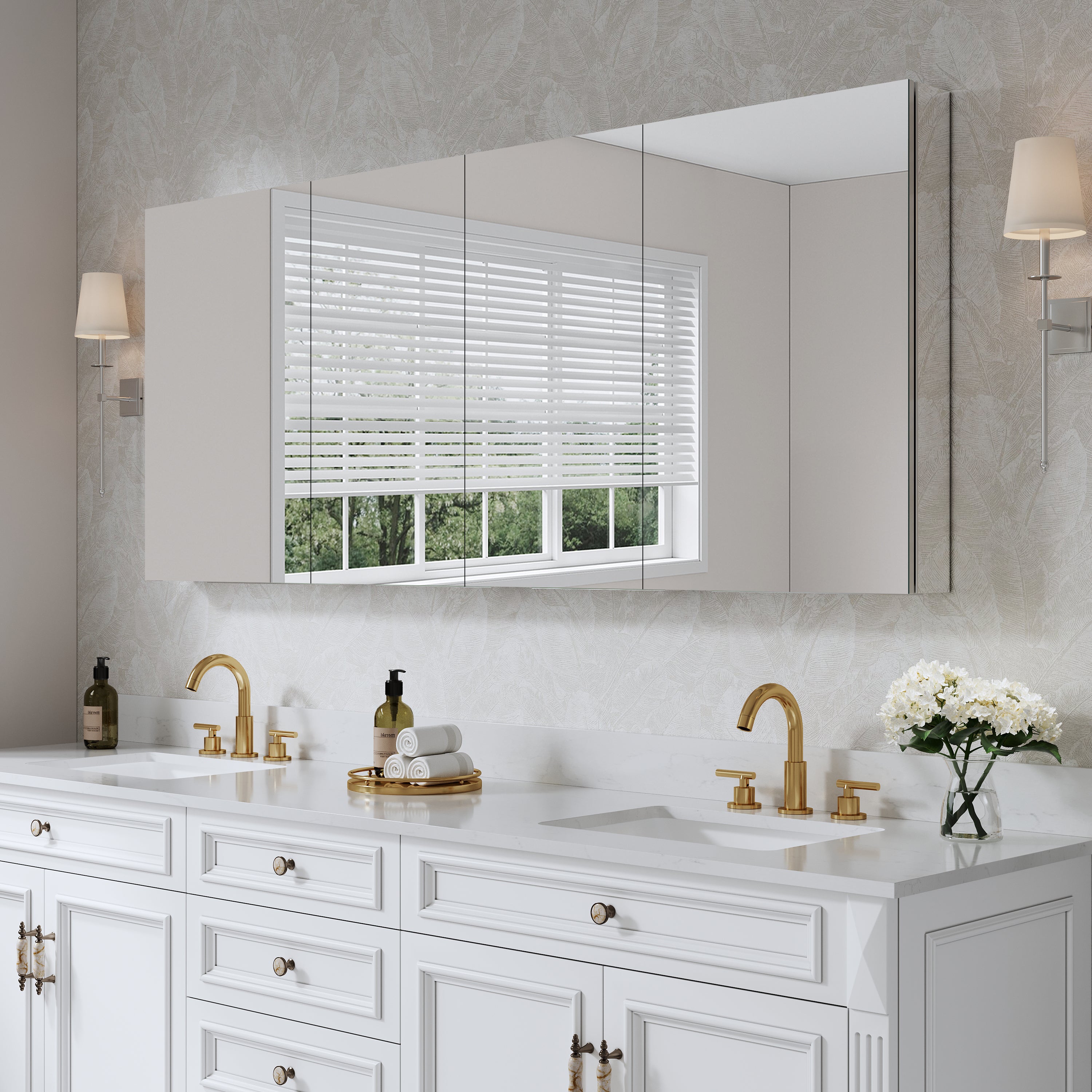
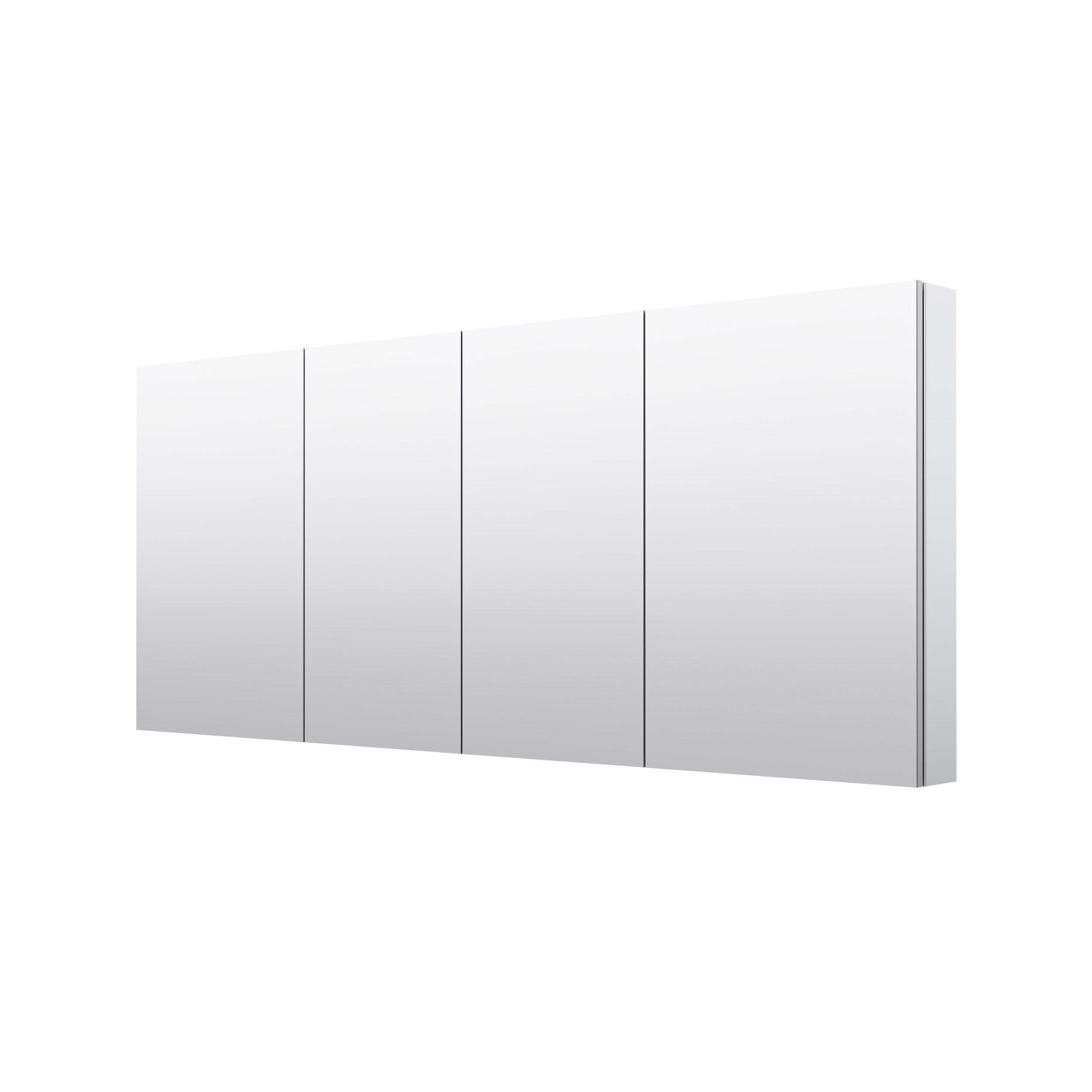
A mirror medicine cabinet is one of the few bathroom fixtures that can solve two problems without demanding more floor space. It gives you the mirror you already need while turning the wall behind it into practical storage for toiletries, medications, grooming tools, and everyday essentials. In bathrooms where every inch matters, that combination can make a noticeable difference.
After working with bathroom products and layouts for years, I have found that medicine cabinets are often underestimated. Homeowners may focus first on vanities, shelving, and decorative mirrors, then try to find storage for everything left over. A well-chosen cabinet changes that approach by putting frequently used items exactly where they are needed.
1. Why a Mirror Medicine Cabinet Uses Space More Efficiently
Bathroom storage is often limited by the room's footprint. Adding another floor cabinet can make a small bathroom feel cramped, while open shelving tends to create visual clutter.
A mirror medicine cabinet uses vertical wall space instead. Toiletries that might otherwise cover the vanity top can be stored behind the mirror, keeping the room cleaner without taking up walking space.
This is particularly useful in powder rooms, apartments, guest bathrooms, and narrow primary bathrooms.
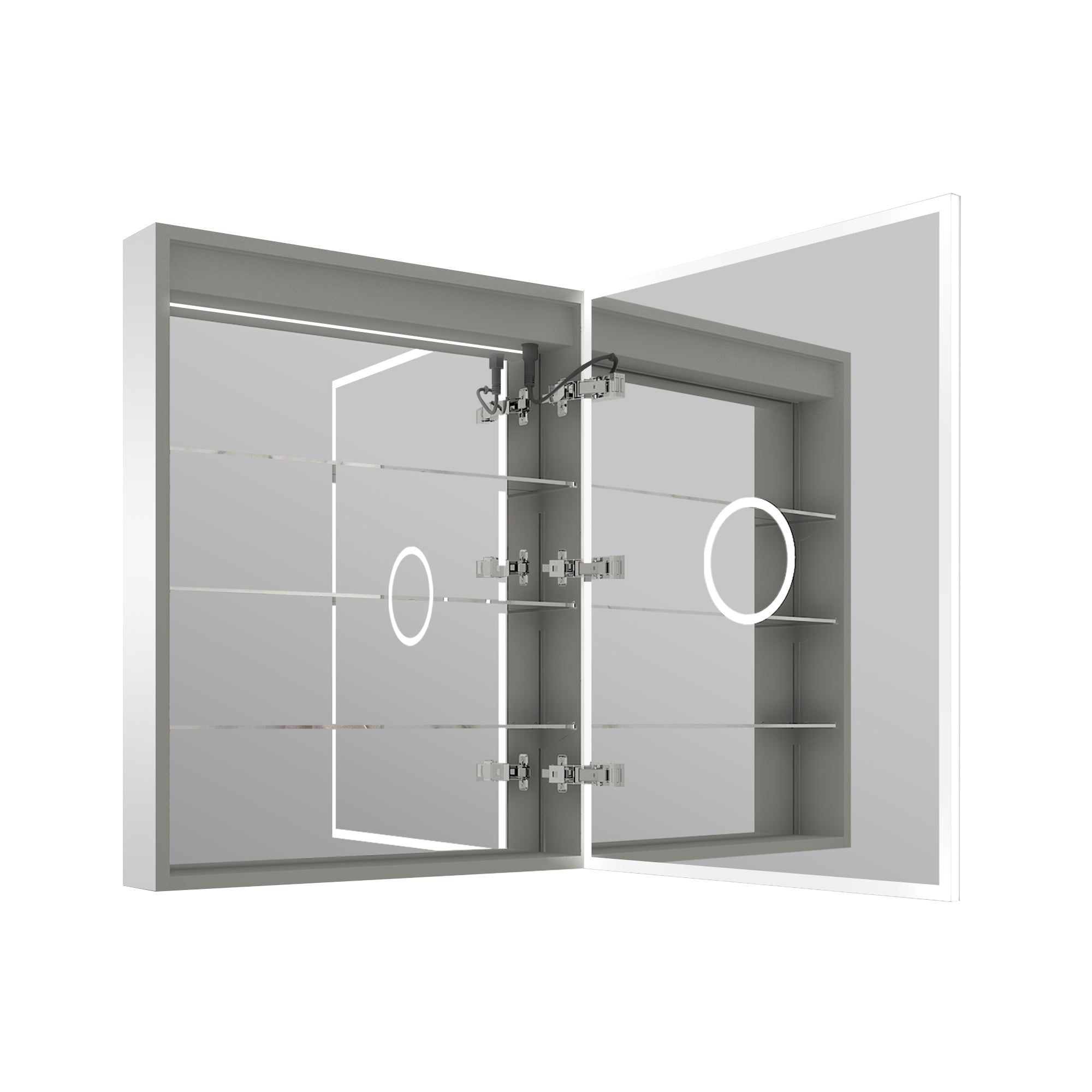
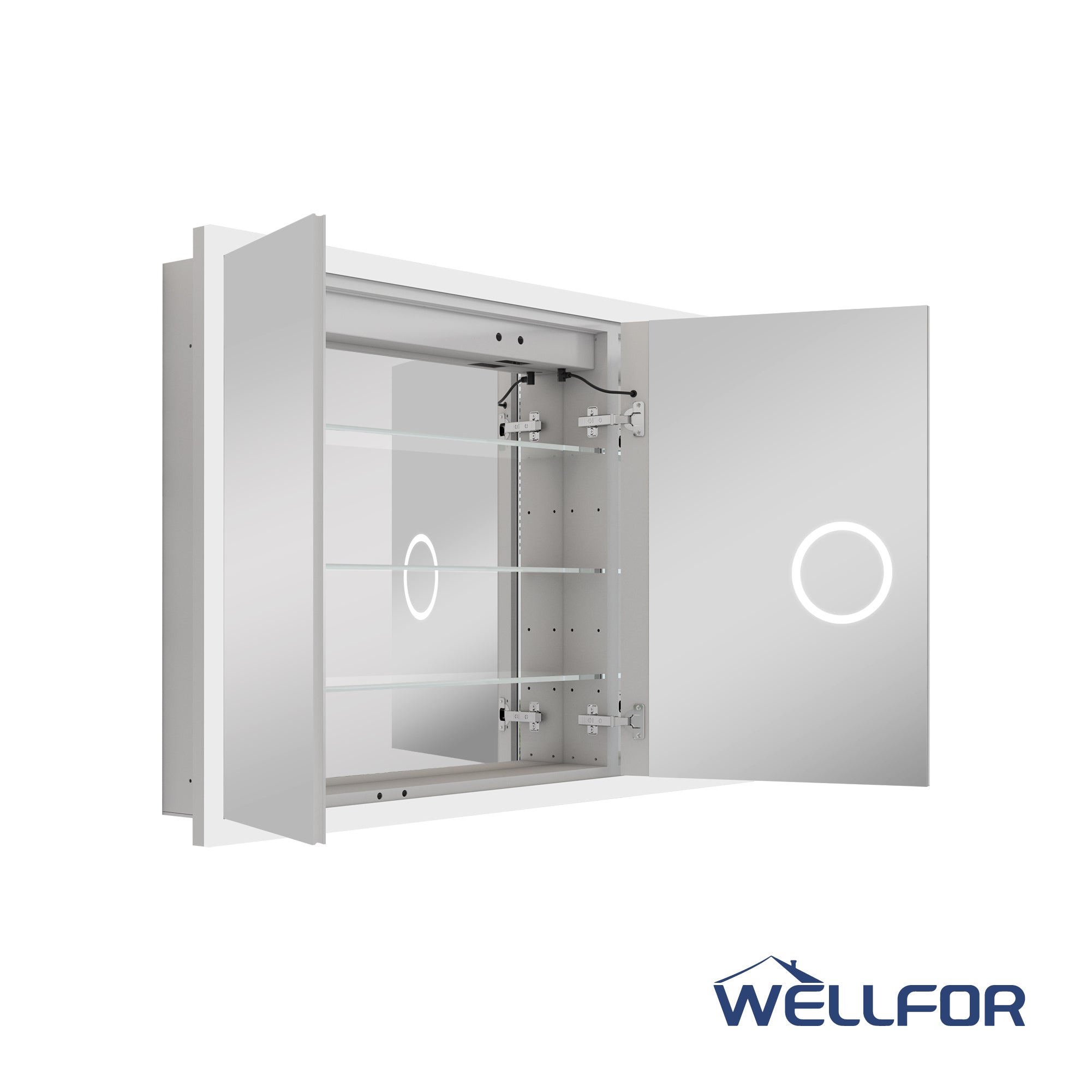
The storage may look modest from the outside, but several shelves can hold an impressive number of small items. Toothpaste, razors, skincare bottles, first-aid supplies, contact lens products, and grooming accessories are much easier to organize when they have dedicated shelf space.
2. Better Organization Can Make a Small Bathroom Feel Larger
Storage capacity is not only about how many items fit inside a cabinet. It is also about how easily you can find and use them.
A crowded vanity drawer often becomes a mixed collection of cosmetics, cords, brushes, medicine bottles, and cleaning products. Deep drawers can actually waste space because smaller objects disappear underneath larger ones.
Medicine cabinets typically use shallower shelves. That is a benefit.
You can see most items at a glance instead of digging through a drawer. From a practical standpoint, this makes the storage more usable even when the total cubic capacity is not especially large.
Keep Everyday Products at Eye Level
I usually recommend placing daily items on the middle shelves and less frequently used products higher or lower.
That simple arrangement can improve the morning routine more than people expect. You open the door, take what you need, and put it back without covering the countertop.
For households sharing a bathroom, separate shelves can also prevent everyone's personal-care products from mixing together.
3. Recessed vs. Surface-Mounted Cabinets
Installation style has a major effect on how much space a medicine cabinet appears to occupy.
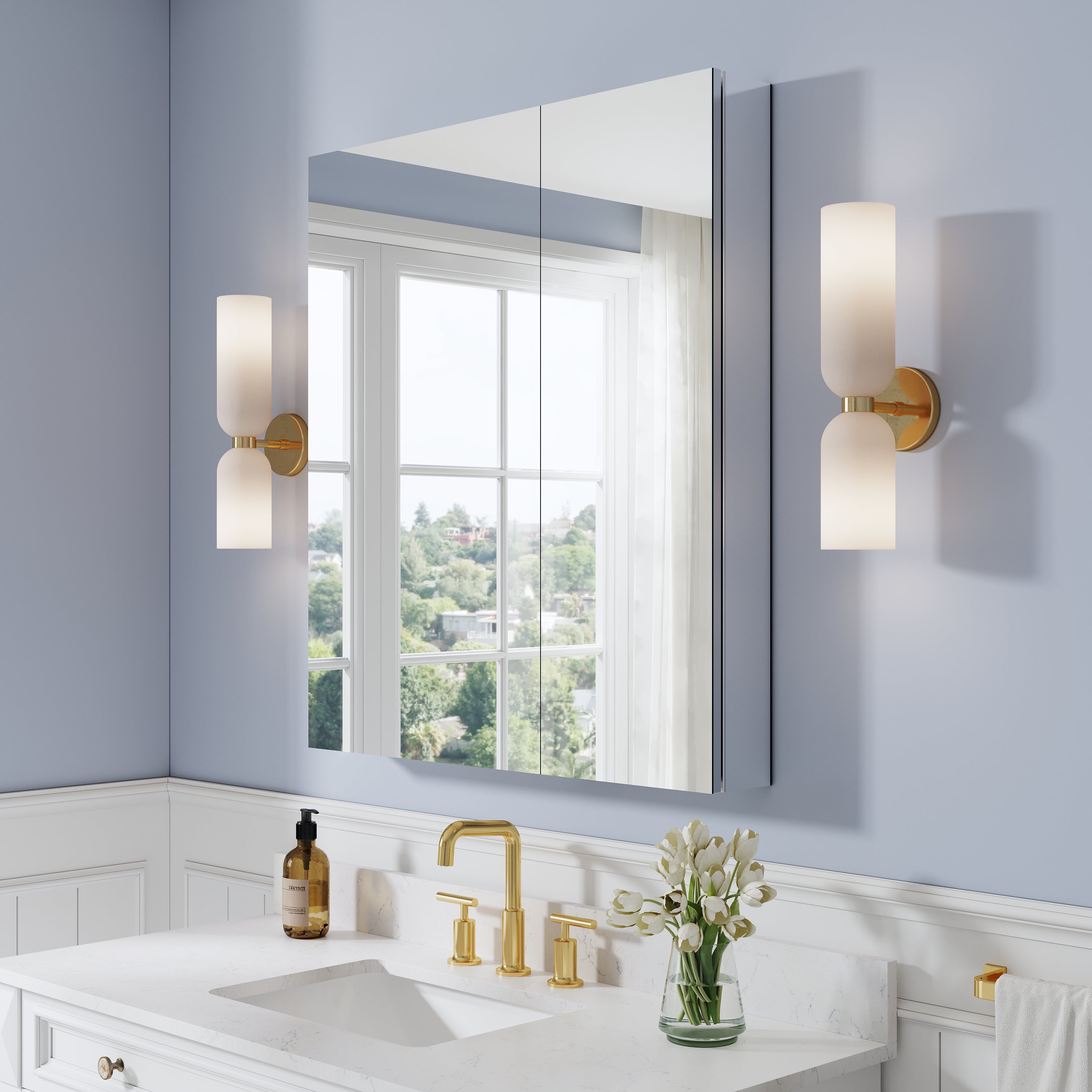
A recessed cabinet sits partly or almost entirely inside the wall cavity. From the front, it can look similar to a standard mirror, which makes it especially attractive in modern bathrooms.
The result is clean and streamlined.
There is one limitation: recessed installation depends on what is inside the wall. Plumbing, electrical wiring, structural framing, or unusual stud spacing may restrict where the cabinet can go.
Never assume a wall is empty before cutting into it.
A surface-mounted cabinet is easier to install because it attaches directly to the wall. It does project farther into the room, but that is rarely a problem above a typical bathroom vanity.
For remodels where opening the wall is undesirable, surface mounting is often the more practical choice.
4. Common Mistakes When Choosing a Mirror Medicine Cabinet
The most common mistake I see is buying based on width alone.
Depth matters just as much.
A cabinet that is too shallow may not hold larger skincare bottles or electric grooming products. A cabinet that is excessively deep can protrude awkwardly and may interfere with faucets, lighting, or nearby doors.
Shelf adjustability is another feature worth checking. Fixed shelves look simple, but they can waste space when bottles vary significantly in height.
Also consider how the door opens. A wide mirrored door installed too close to a side wall or light fixture may not open fully.
Measurements should include the cabinet body, door swing, faucet height, vanity width, and surrounding fixtures—not just the empty wall area.
5. The Advantages and Limitations
A good mirror medicine cabinet offers several practical advantages. It reduces countertop clutter, combines storage with a necessary bathroom mirror, keeps small items organized, and makes use of otherwise unused wall space.
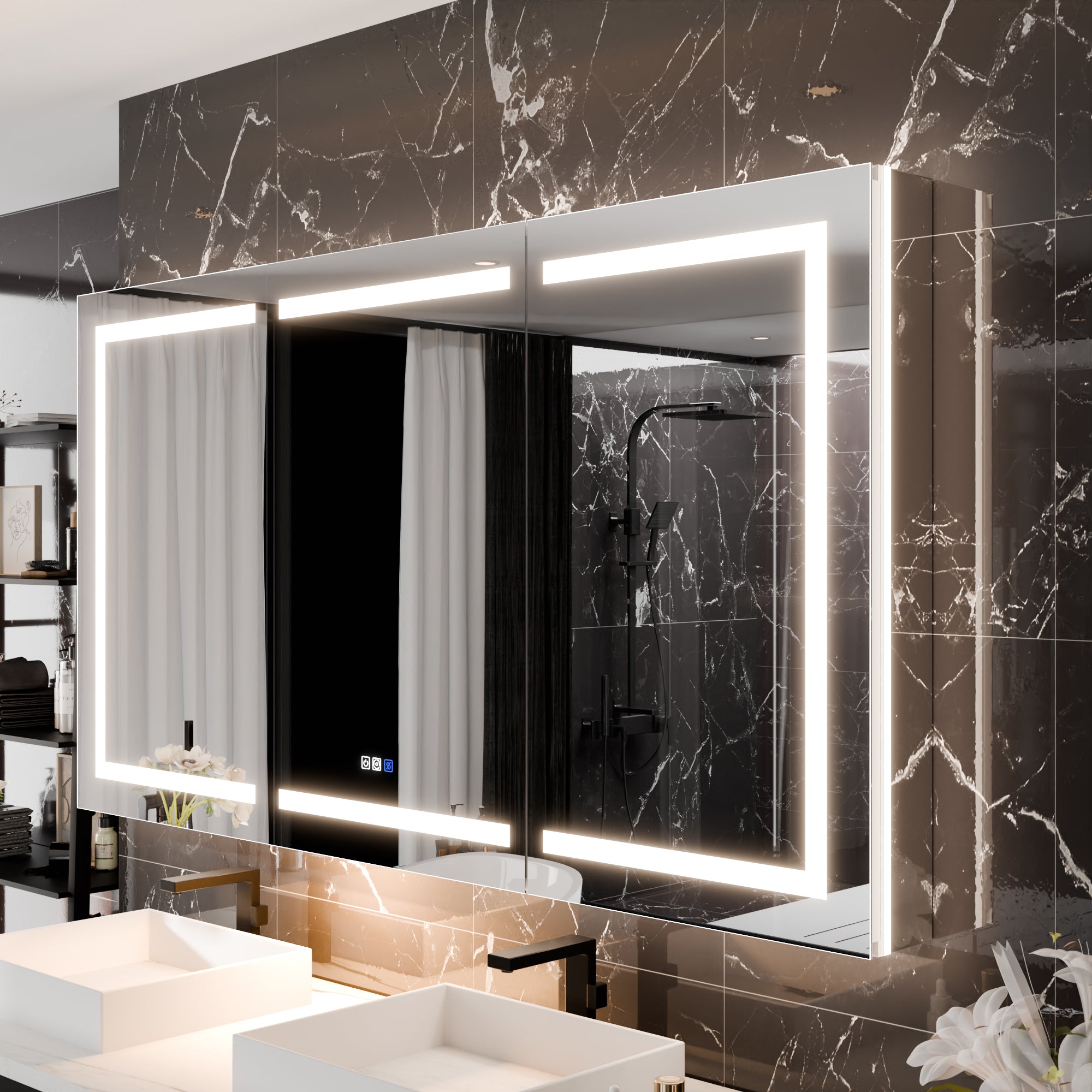
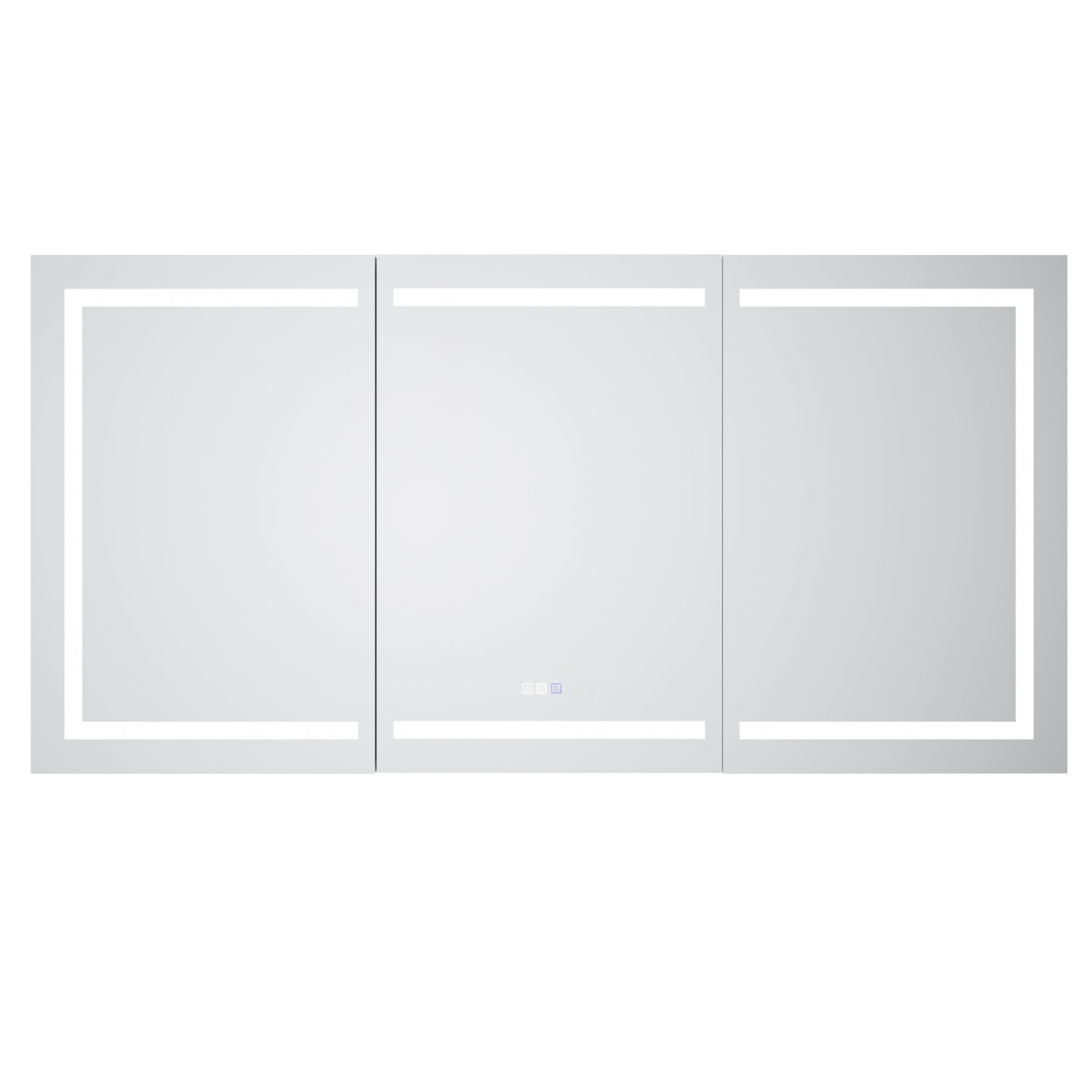
Some designs also include interior mirrors, integrated lighting, electrical outlets, or soft-close hinges.
Still, it is not the right storage solution for everything.
Large towels, hair dryers, bulk toilet paper, and tall cleaning bottles are usually better stored in a vanity or linen cabinet. Medicine cabinets are most effective for smaller items that you use regularly.
That distinction matters. Trying to use one cabinet as the bathroom's entire storage system often leads to overcrowding.
6. Installation Details That Affect Daily Use
Before installation, check the mounting height carefully.
The mirror should serve the people using the bathroom comfortably while leaving enough clearance above the faucet and backsplash. In shared bathrooms, choose a height that works reasonably well for different users rather than positioning it for only one person.
Wall construction matters too. Heavy cabinets require secure attachment to suitable framing or properly rated anchors.
For models with built-in lighting, defogging functions, or electrical outlets, electrical work should meet local code requirements. When hardwiring is involved, professional installation is usually the safer choice.
7. Maintenance Is Simple, but It Should Not Be Ignored
Mirrored surfaces collect fingerprints, toothpaste spray, and moisture quickly. A soft microfiber cloth and a mirror-safe cleaner are usually enough for routine care.
Avoid repeatedly soaking cabinet edges and hinges.
Inside the cabinet, remove expired products every few months and wipe the shelves before reorganizing them. This prevents the cabinet from slowly turning into storage for items nobody actually uses.
Ventilation also helps. Bathrooms with persistent humidity can shorten the life of hardware and finishes, especially around hinges and metal edges.

8. Choosing the Right Cabinet for Your Bathroom
For smaller bathrooms, I usually favor a cabinet with adjustable shelves and a relatively shallow profile. If the wall allows recessed installation, that option produces the cleanest appearance.
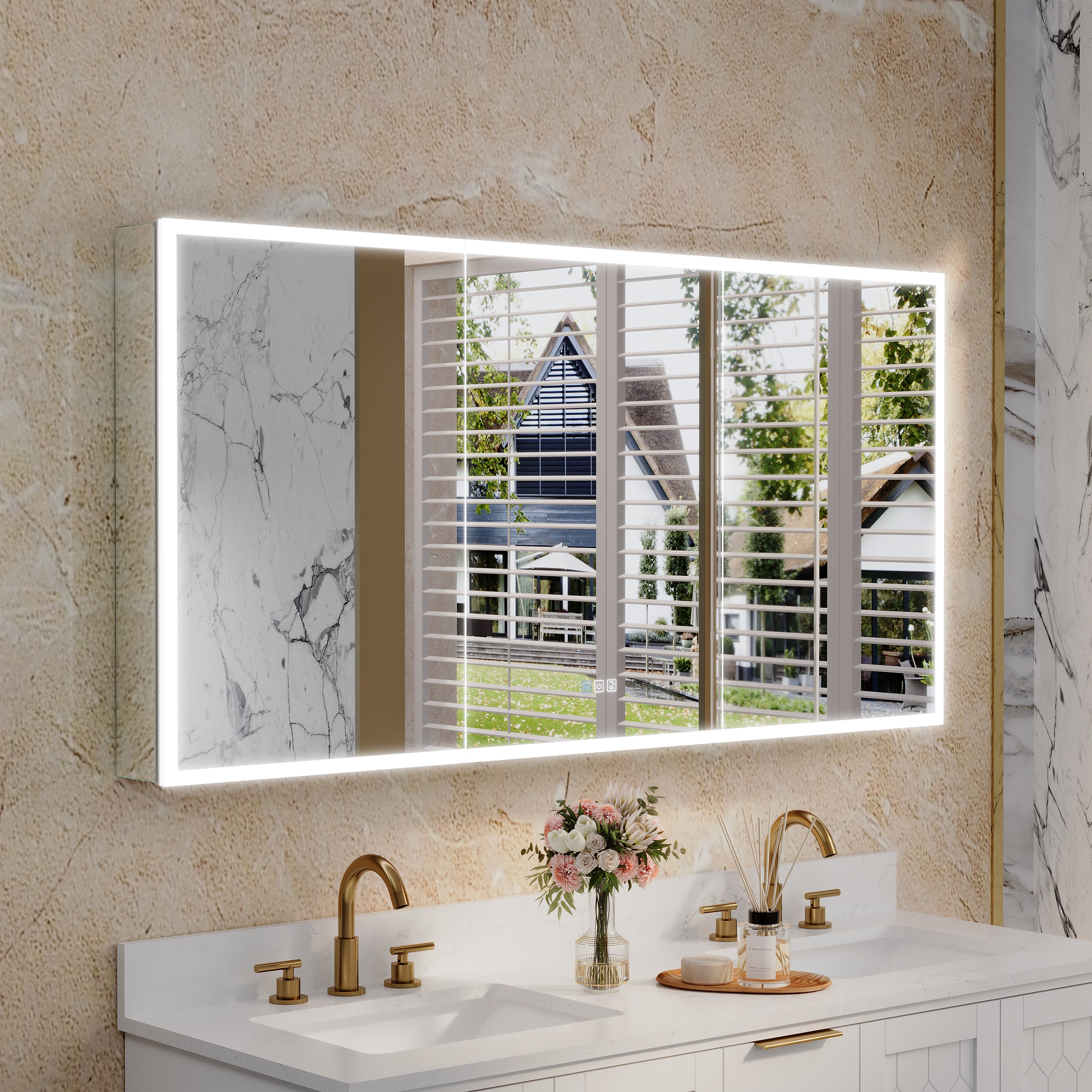
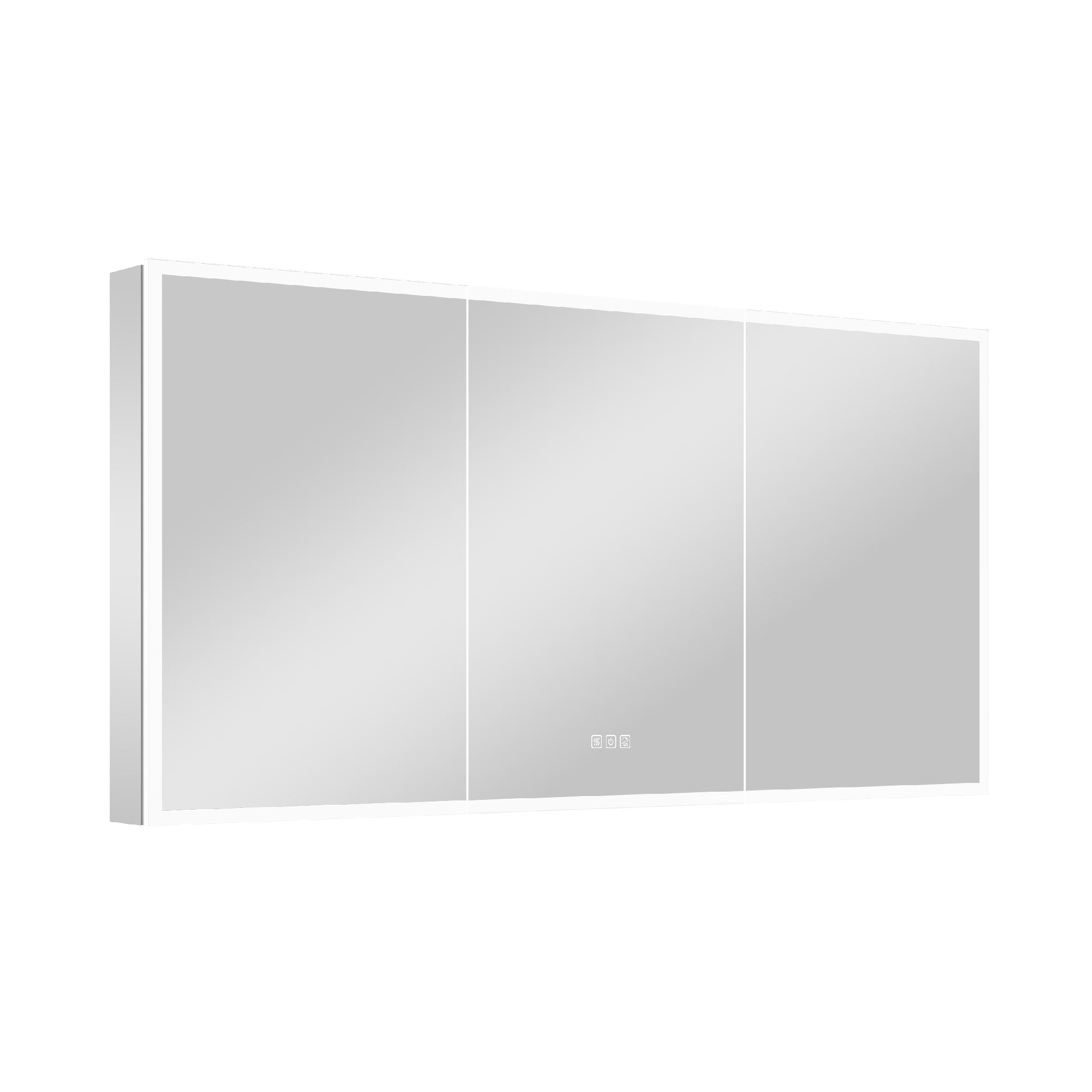
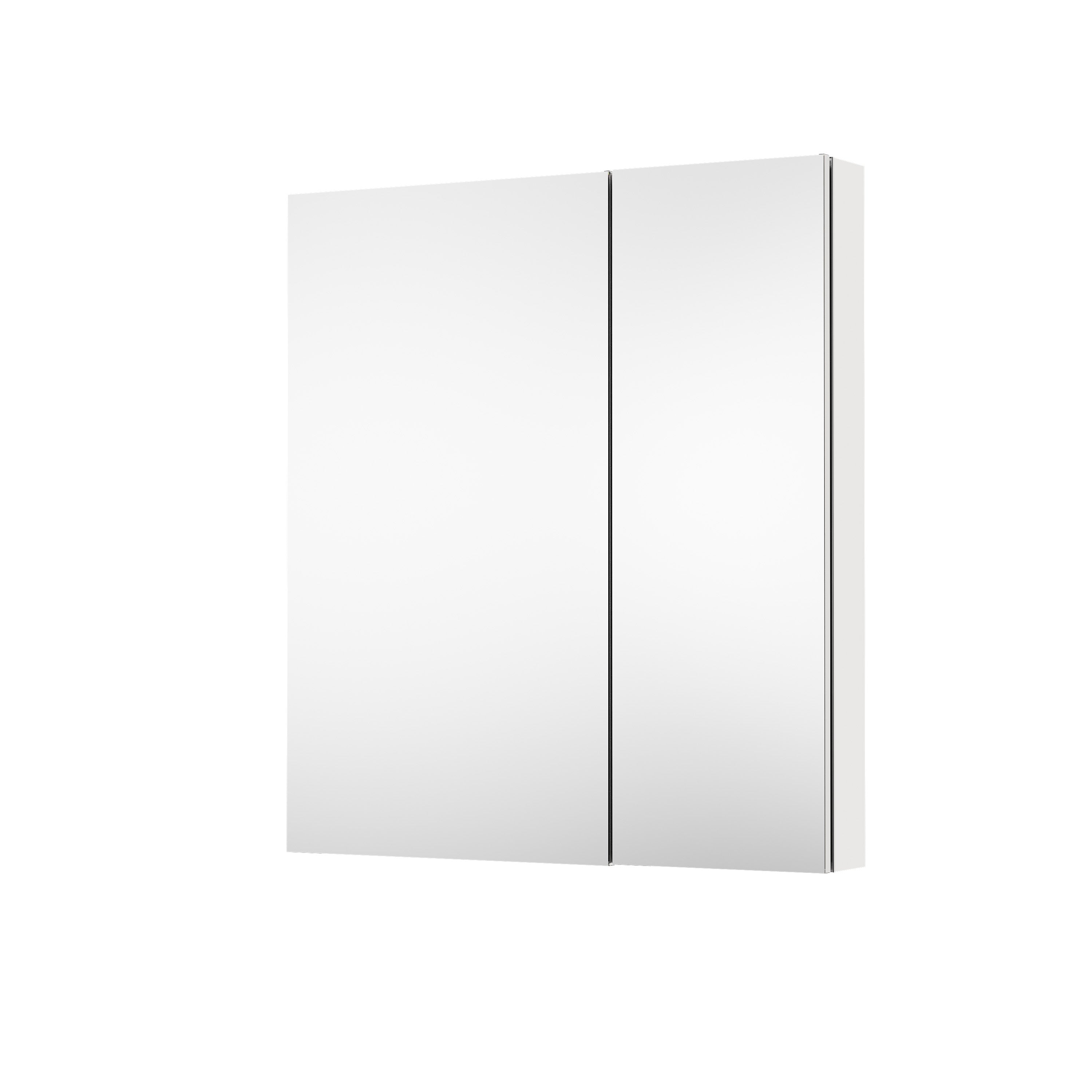
In larger bathrooms, a wider cabinet or double-door configuration may make more sense, especially when two people share the vanity.
Wellfor offers bathroom solutions designed around the way people actually use these spaces, and that practical approach should guide your purchase. Measure carefully, think about what you intend to store, and choose features that solve real daily problems rather than paying for extras you may rarely use.
A bathroom does not always need more furniture to gain more storage. Sometimes the smarter move is simply to make better use of the wall you already have. If countertop clutter, limited vanity space, and everyday organization are the main concerns, a properly sized mirror medicine cabinet is one of the most efficient upgrades you can make.













Leave a comment
This site is protected by hCaptcha and the hCaptcha Privacy Policy and Terms of Service apply.