














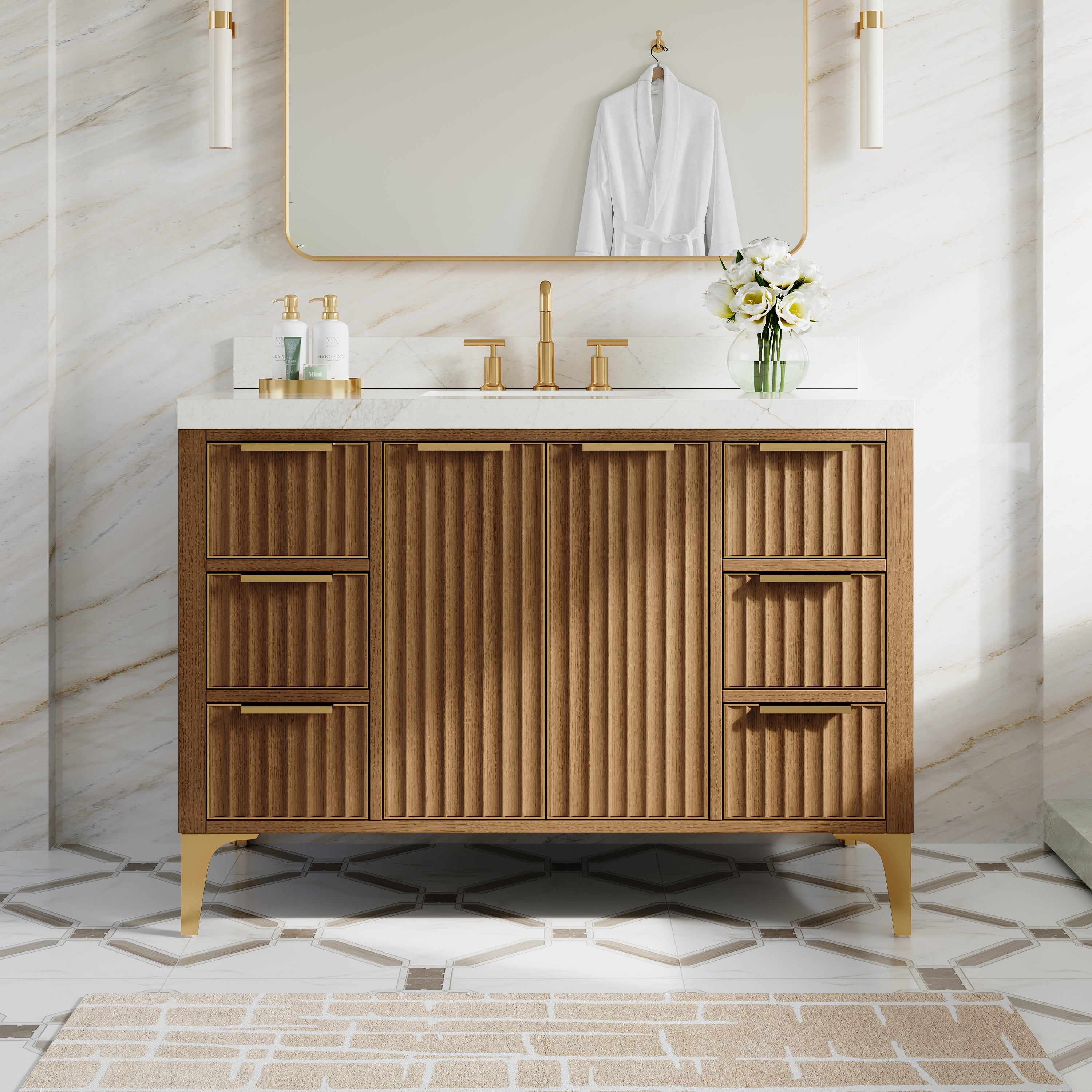


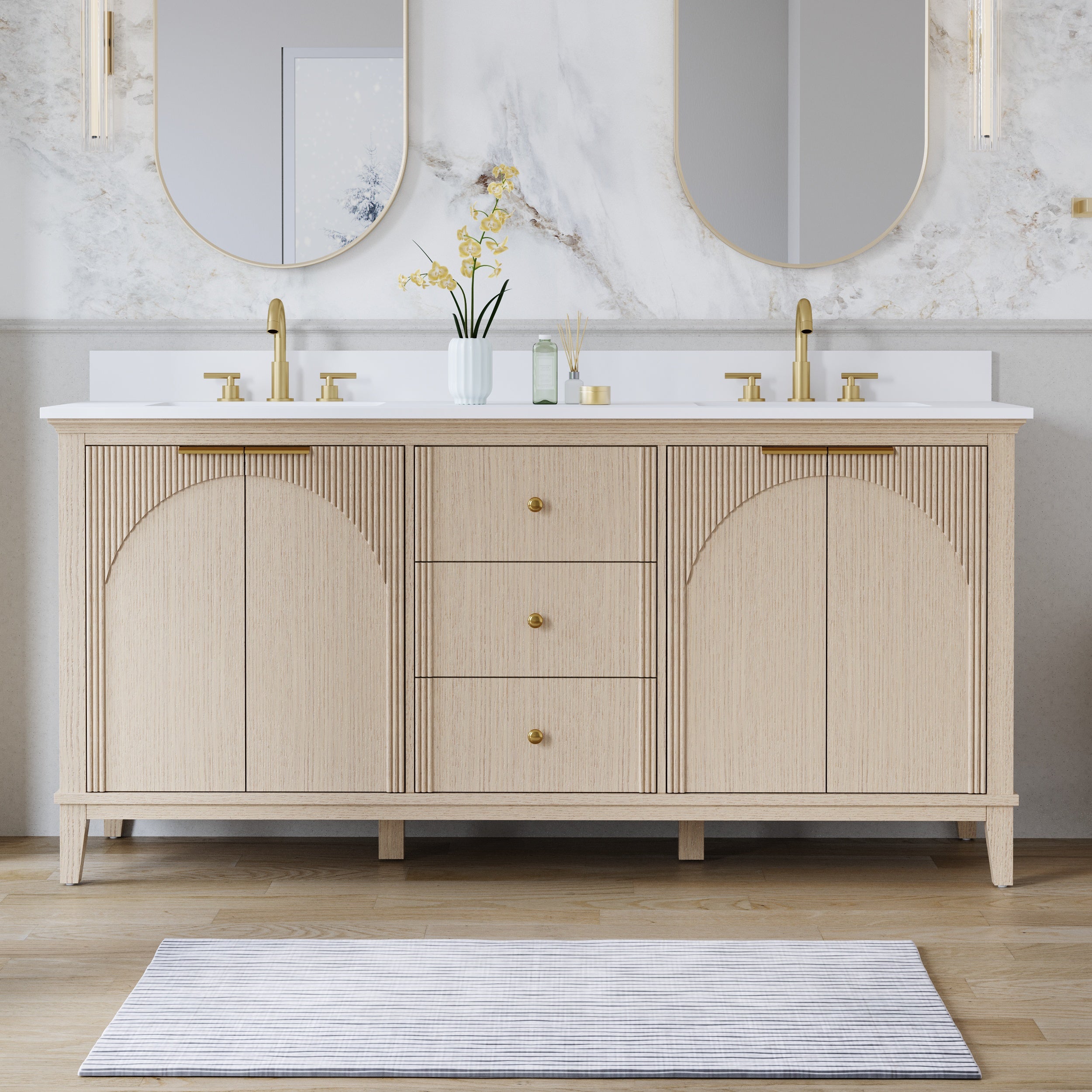



In a small bathroom, storage has to work hard without making the room feel crowded. Medicine cabinets solve that problem by combining a mirror with concealed storage, using valuable wall space above the vanity. From years of planning bathroom renovations, I have found that well-chosen medicine cabinets can make a compact room easier to organize, more comfortable to use, and visually calmer. They are especially useful when floor space is limited and every countertop inch matters.
1. They Use Wall Space More Efficiently
Most small bathrooms have unused vertical space above the sink. A medicine cabinet turns that area into practical storage for toothpaste, skincare, shaving supplies, hair accessories, and everyday medication.
This arrangement is helpful during busy mornings. Two people can share the vanity more easily when essential items are arranged behind the mirror instead of scattered across the counter. In a guest bathroom, concealed storage also keeps personal products out of sight and leaves the room looking prepared for visitors.
A recessed cabinet sits inside the wall cavity and creates a nearly flush finish. It is an excellent choice for a clean, modern design, but the wall must be checked for plumbing, wiring, ducts, and structural supports before installation. A surface-mounted cabinet is easier to add during a renovation and may provide deeper shelves, although it projects farther into the room.
2. They Combine a Mirror With Concealed Storage
Installing a separate mirror and wall cabinet can make a narrow bathroom look fragmented. A mirrored medicine cabinet performs both functions in one compact unit, giving the wall a more deliberate appearance.
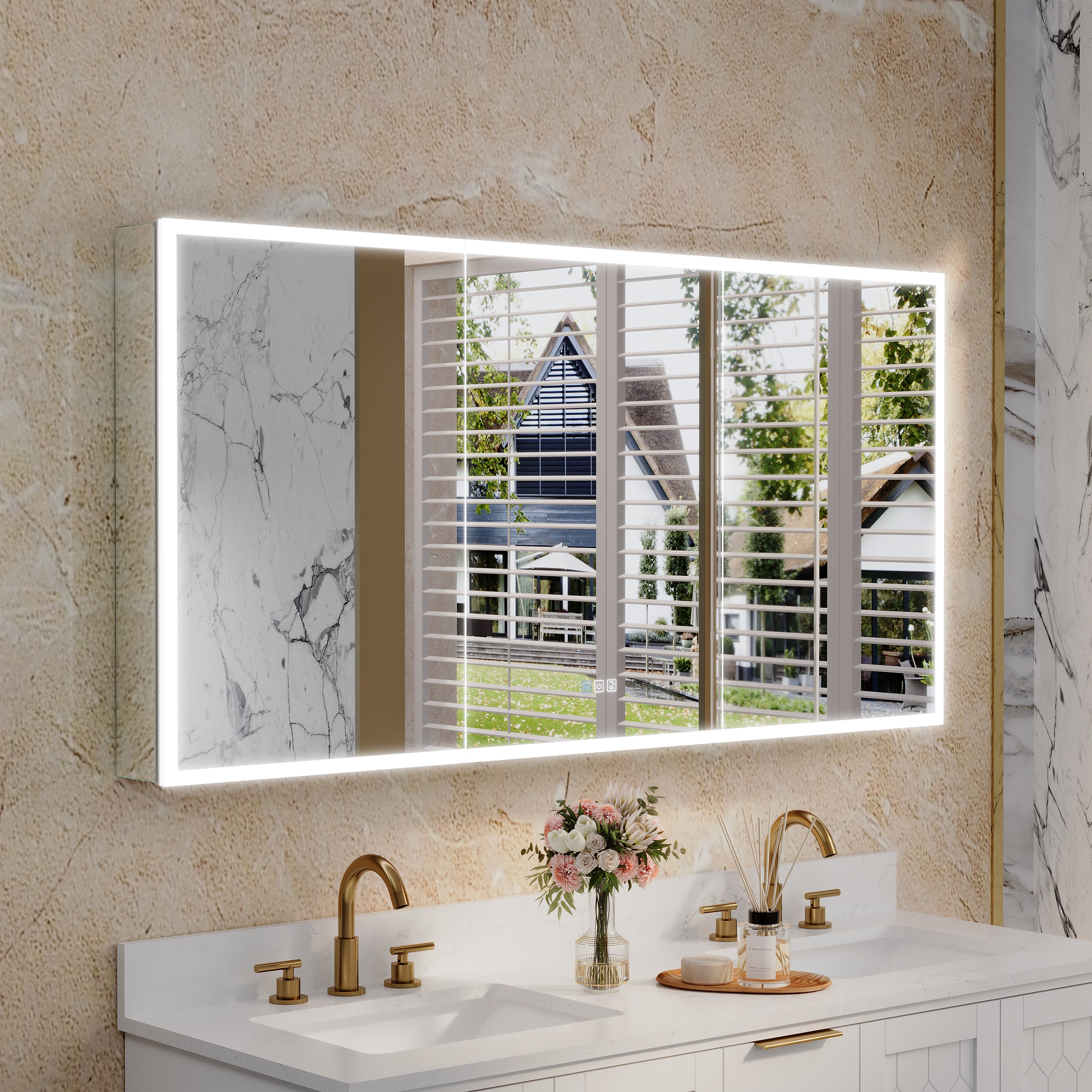
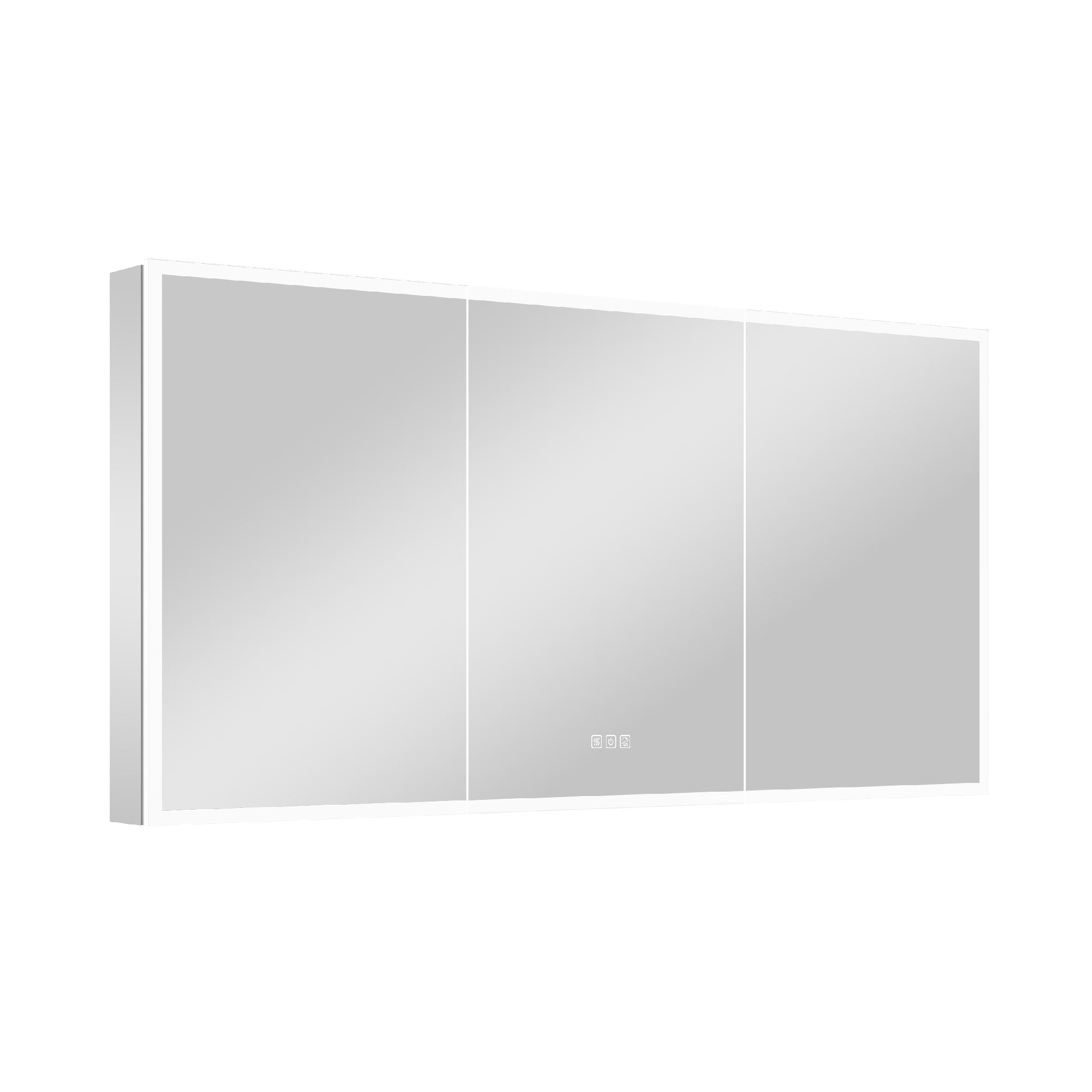
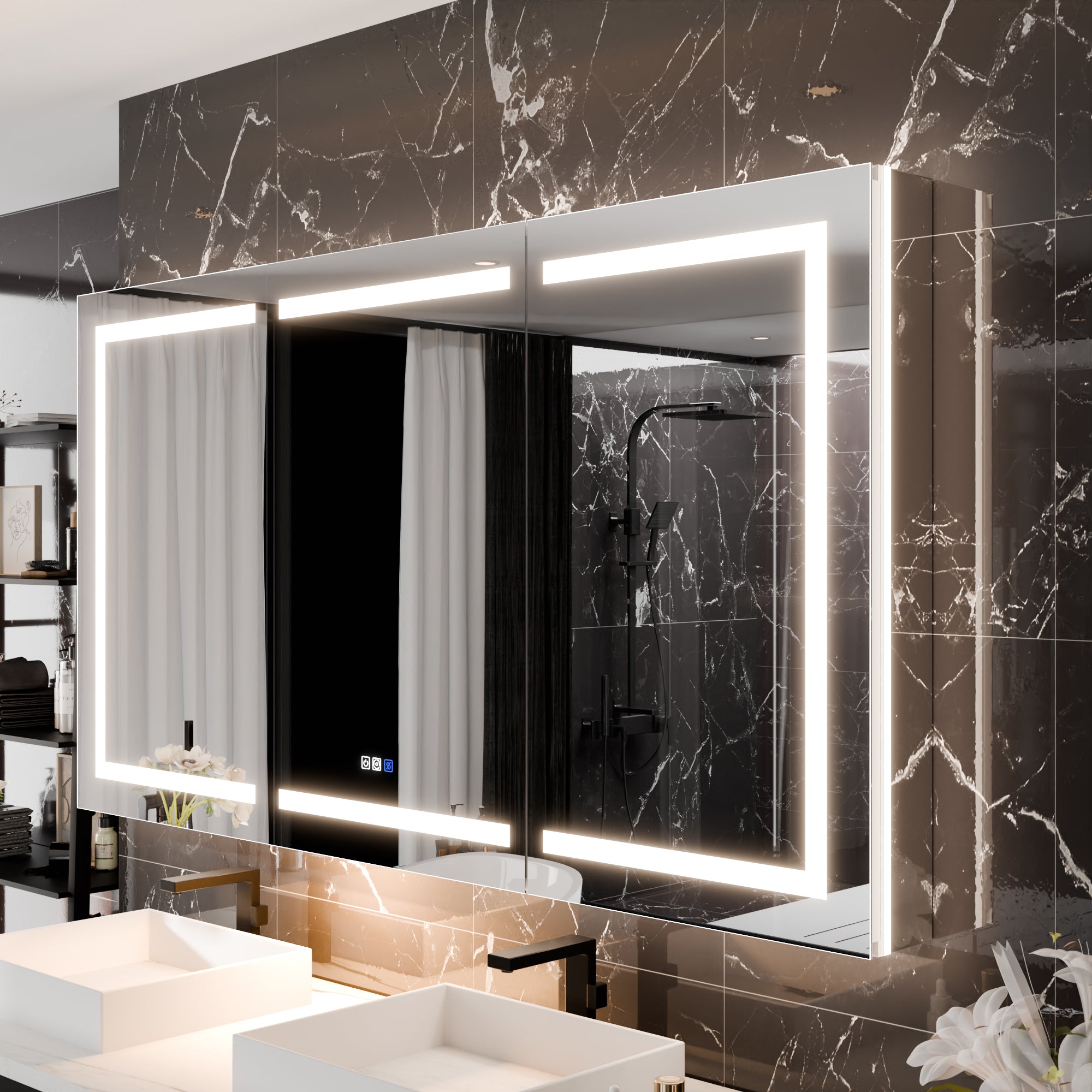
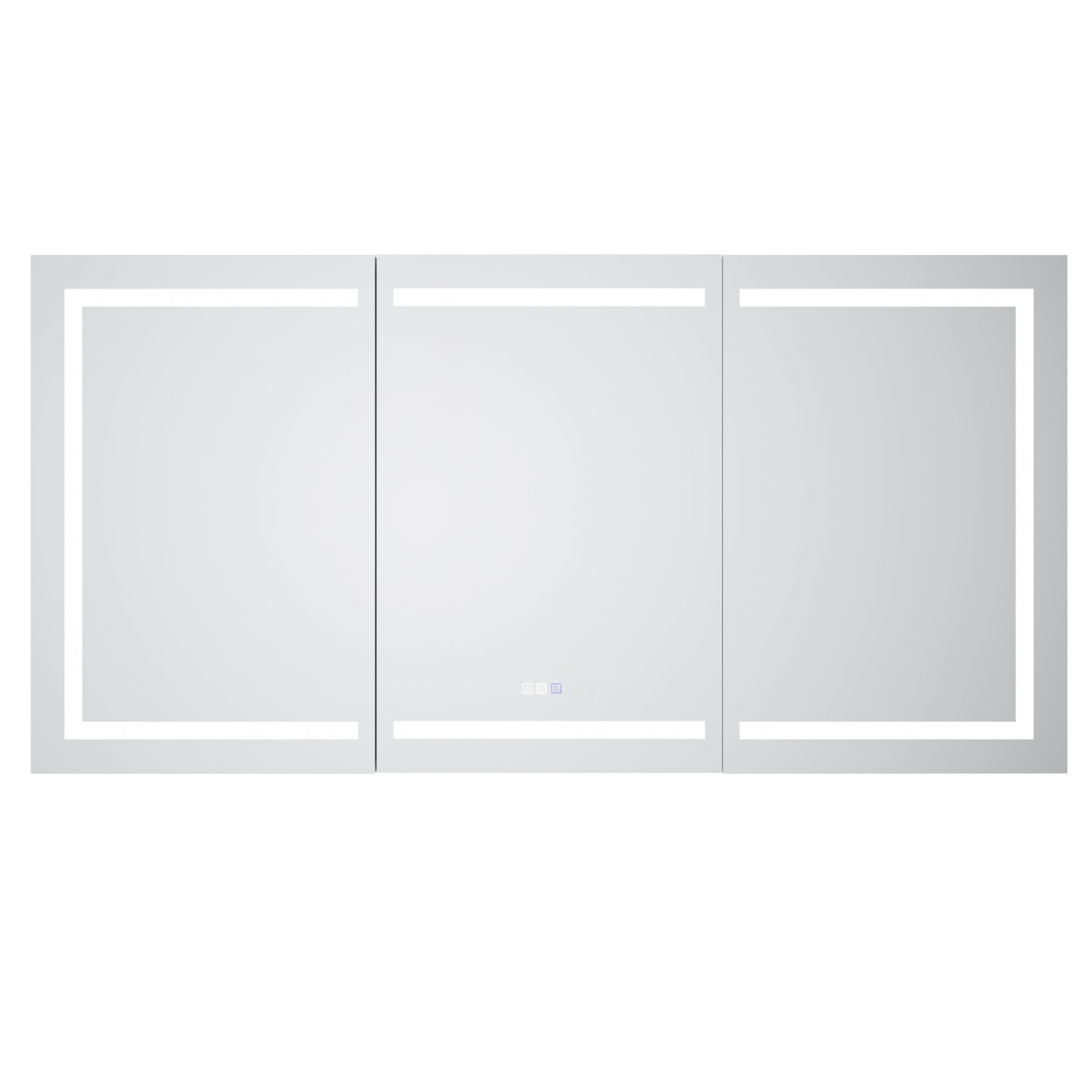
Many current designs include mirrored interiors, adjustable shelves, soft-close hinges, or built-in outlets. LED models can provide useful task lighting for shaving, applying makeup, or checking skincare details. Some also include a defogging feature, which is convenient after a hot shower.
Lighting should be selected with care. A cool white setting can help with grooming, while a warmer setting feels more comfortable at night. Dimming and adjustable color temperature are worthwhile if the bathroom serves several purposes.
3. Select the Right Installation Style
Recessed Cabinets for a Flush Look
Recessed medicine cabinets are popular in contemporary bathrooms because the door and frame sit close to the wall surface. The result is tidy, architectural, and easy to coordinate with large-format tile.
The drawback is the installation work. Cutting into a finished wall can be expensive, particularly when the wall contains plumbing or electrical lines. Recessed cabinets are easiest to plan before tiling begins. They also require accurate framing, since a cabinet that is slightly out of level can make the entire vanity area look uneven.
Surface-Mounted Cabinets for Easier Renovations
Surface-mounted models attach directly to the wall, making them suitable for many existing bathrooms. They usually require less demolition and can be installed without opening a large section of tile.
The extra depth is the main limitation. In a very narrow bathroom, confirm that the cabinet will not interfere with the faucet, a wall sconce, or the bathroom door. Measure the door swing as carefully as the cabinet width.
4. Weigh the Benefits Against the Limitations
The biggest benefit is organization. A medicine cabinet reduces countertop clutter and keeps frequently used products at eye level. It can also make a small bathroom appear larger because the mirror reflects light and the storage remains visually hidden.
There are limits. Shallow cabinets may not hold tall bottles, electric toothbrushes, or oversized skincare packaging. Door shelves can become heavy if they are overloaded, and mirrored surfaces show toothpaste mist and fingerprints quickly. LED components, hinges, and electrical outlets may eventually require service, so warranty coverage and replacement parts should be checked before purchase.
A common mistake is choosing a cabinet that is wider than the vanity. The mirror should relate to the sink and surrounding fixtures. In most bathrooms, a cabinet equal to or slightly narrower than the vanity looks more balanced.
5. Plan Installation Before Ordering
Measure the vanity width, wall height, faucet position, backsplash, and clearance around the cabinet. Confirm which way the door opens. A cabinet may fit on paper but still be inconvenient if its door hits a wall, light fixture, or nearby storage unit.
For recessed installation, have a qualified professional inspect the wall first. The installer should locate studs and utilities, reinforce the opening if needed, and secure the cabinet with the correct hardware. Heavy mirrored doors require dependable mounting; drywall anchors alone may not be sufficient.
Models with hardwired lighting, outlets, or defogging pads should be connected according to local electrical requirements. Bathroom moisture makes proper installation especially important.
6. Maintain the Cabinet Properly
Use a soft microfiber cloth and a mild glass cleaner on the mirror. Spray the cleaner onto the cloth rather than directly onto the door edges, where liquid can enter the frame or damage the mirror backing.
Wipe spills from shelves promptly. Cosmetics, oils, and liquid medication can stain finishes or make shelves slippery. Every few months, check hinges, screws, and door alignment. If a door starts rubbing or sagging, correct the problem early.
Keep bathroom ventilation running during and after showers. Lower humidity helps protect the cabinet interior, hardware, and surrounding wall.

A Sensible Choice for a Compact Bathroom
Medicine cabinets suit homeowners who want hidden storage, a cleaner vanity, and a mirror that contributes to the overall design. They may be less suitable when the wall is crowded with plumbing, when open shelving is preferred, or when the room cannot provide safe door clearance.
For a small bathroom, measure the vanity first, choose the largest cabinet that leaves comfortable movement, and decide between recessed and surface-mounted installation before selecting finishes. When comparing Wellfor medicine cabinets, review interior depth, shelf adjustment, lighting controls, hinge quality, warranty terms, and replacement-part support. Used thoughtfully and maintained regularly, medicine cabinets can keep a compact bathroom organized without sacrificing its sense of space.































Leave a comment
This site is protected by hCaptcha and the hCaptcha Privacy Policy and Terms of Service apply.