


















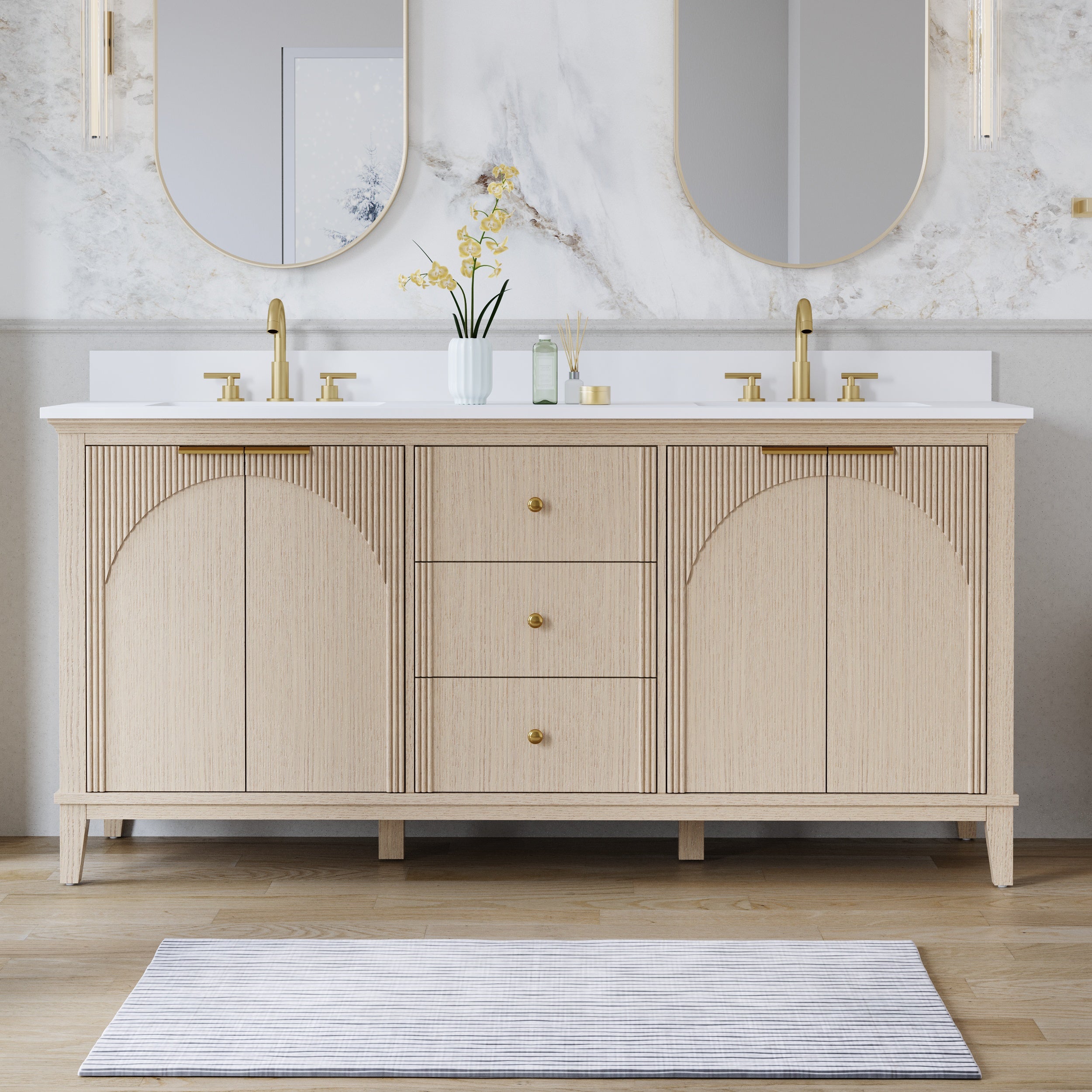
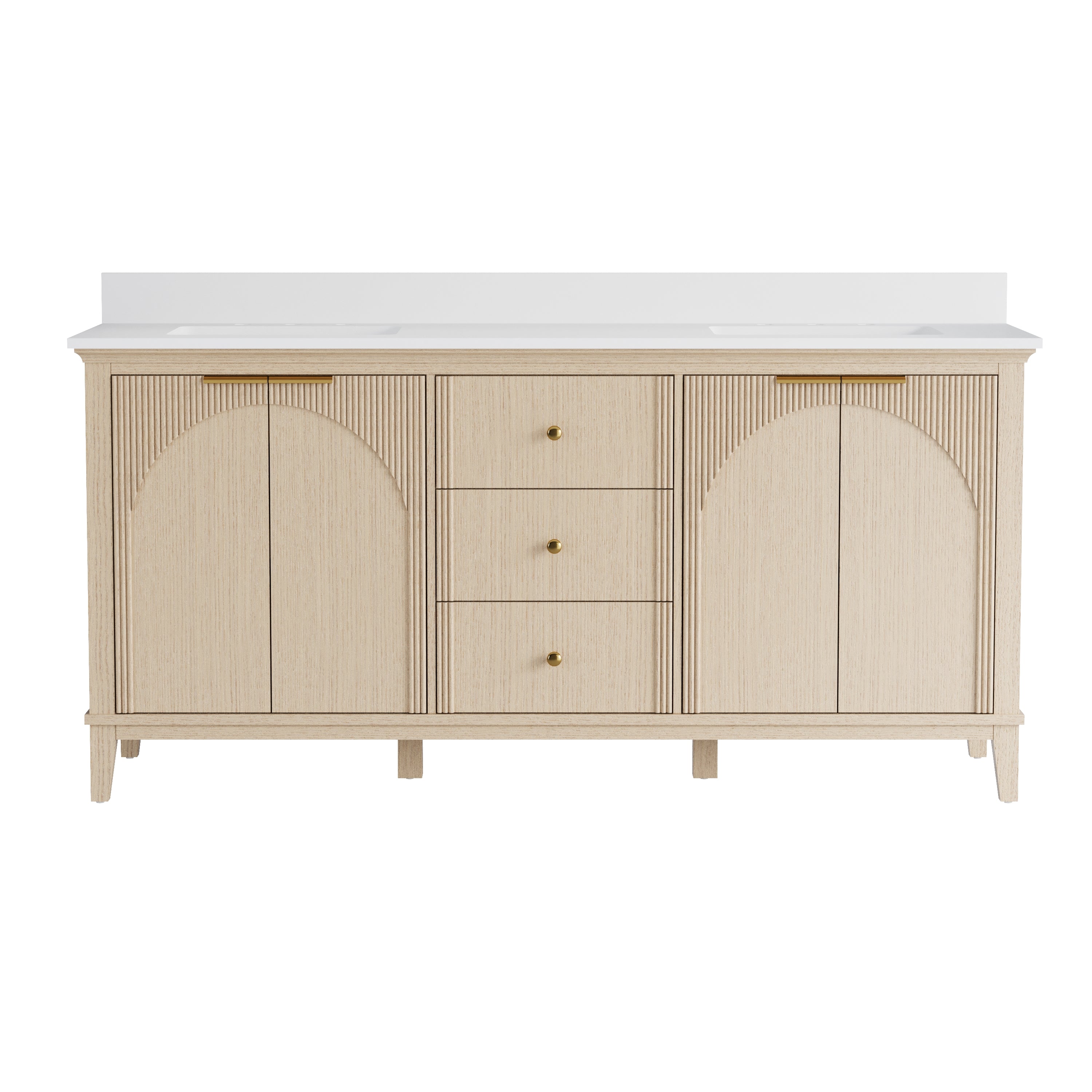



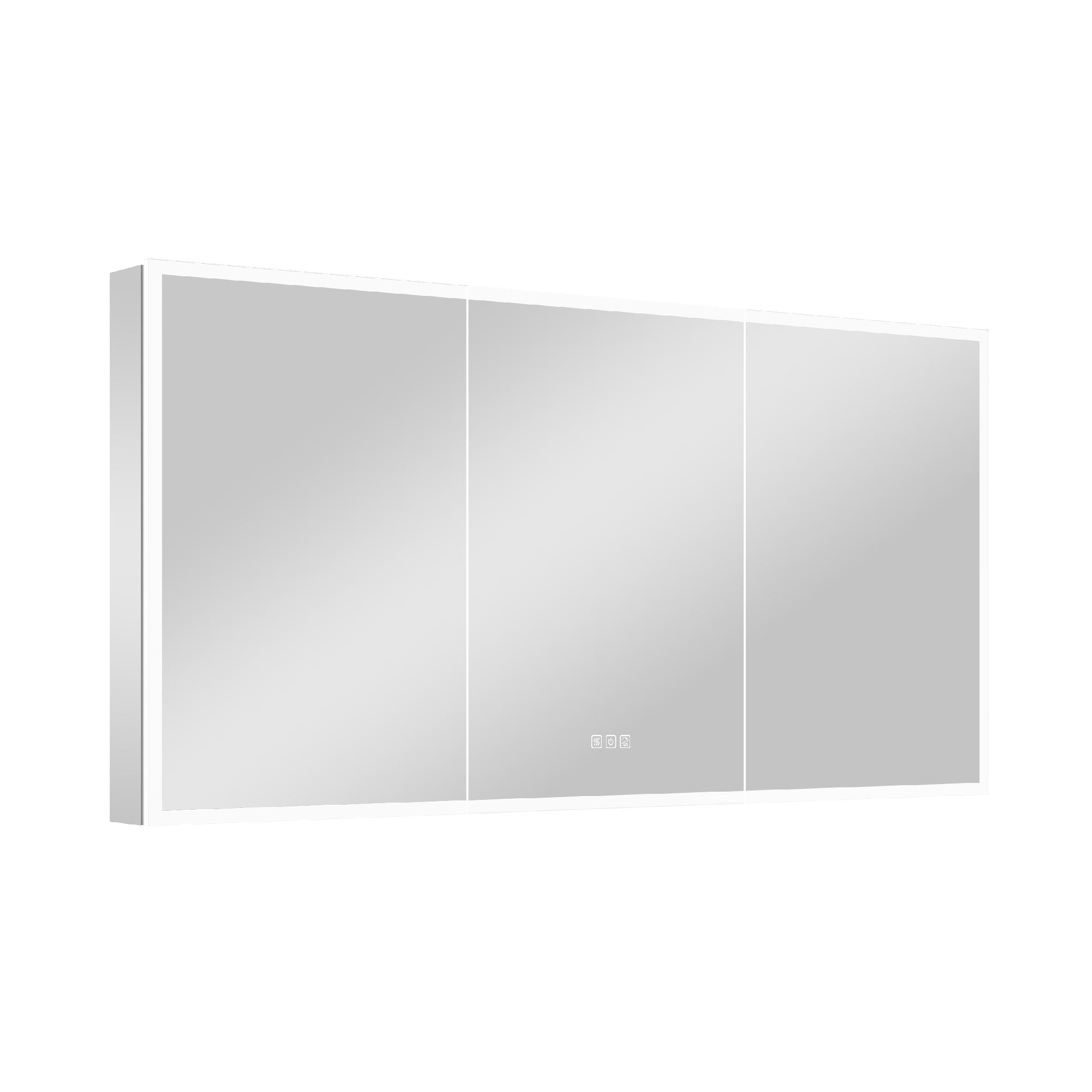
A frameless bathroom mirror is one of the simplest ways to make a bathroom feel cleaner, brighter, and more spacious without changing the entire room. Unlike framed designs, it does not introduce another color, material, or decorative border into the space. That restraint is exactly why it works so well in modern bathrooms. From small powder rooms to large double-vanity layouts, a frameless mirror can quietly support the design rather than compete with it.
After years of working with bathroom fixtures, I have found that mirrors are often chosen too late in a renovation. Homeowners spend weeks selecting tile, faucets, cabinets, and lighting, then treat the mirror as a finishing detail. In practice, its size, placement, and shape can influence the room just as much as many more expensive fixtures.
1. Why a Frameless Bathroom Mirror Works in Modern Interiors
Modern bathroom design usually depends on clean lines and controlled visual clutter. A frameless mirror fits naturally into that approach because the reflective surface extends almost to the edge.
There is no heavy border interrupting the wall.
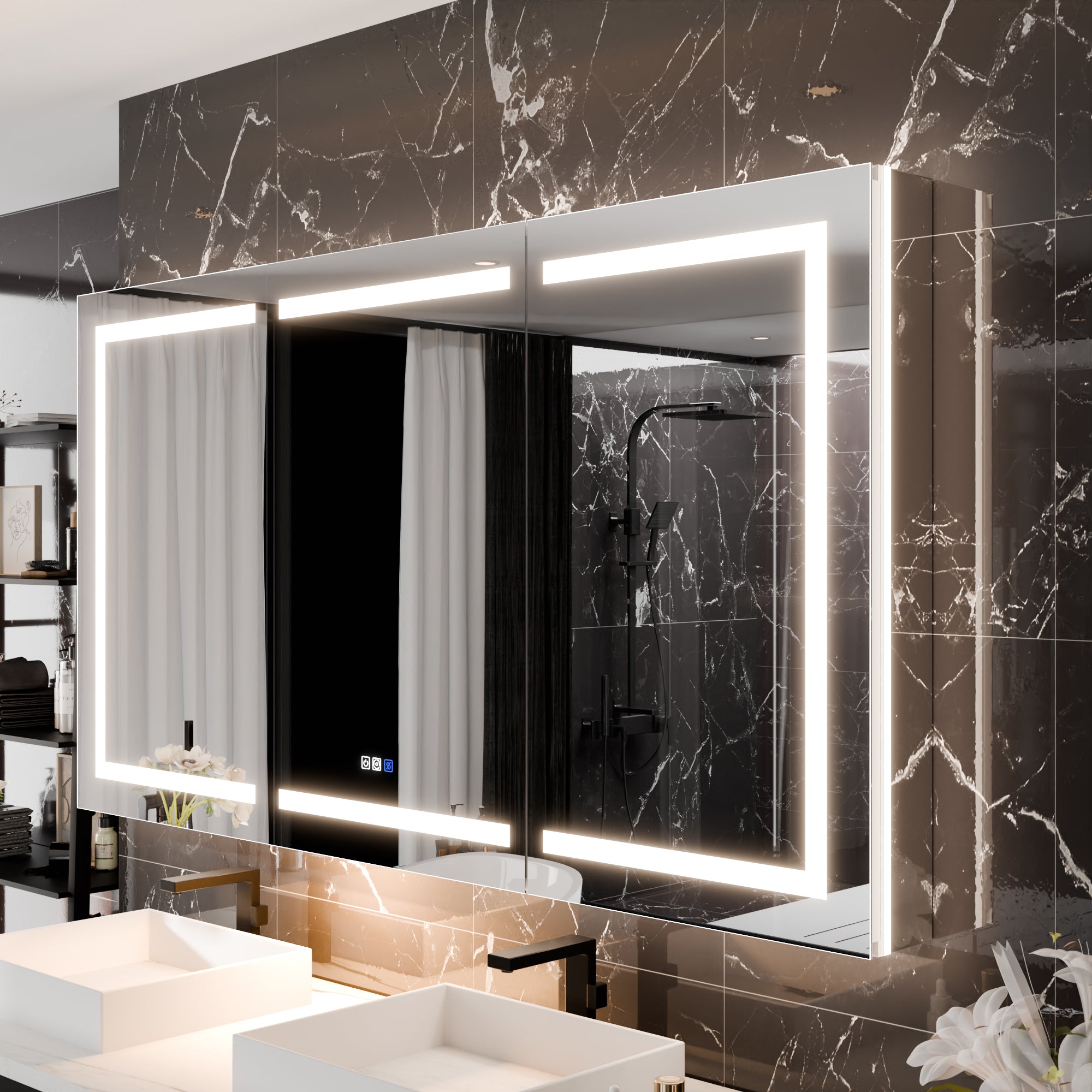
This can be especially effective when the bathroom already contains strong materials such as veined marble, textured tile, matte black fixtures, brushed brass hardware, or natural wood cabinetry. A decorative frame might compete with those finishes. A frameless design allows them to remain the focal point.
It is also easier to update the room later. If you replace your faucet finish or repaint the vanity, you do not have to worry about whether the mirror frame still matches.
2. A Frameless Mirror Can Make Small Bathrooms Feel More Open
Mirrors do not actually add square footage, of course, but they can change how the room feels.
In a narrow bathroom, a generously sized mirror reflects more of the opposite wall and available light. Without a visible frame creating another boundary, the surface tends to feel less visually restrictive.
I often recommend this approach for apartments, guest baths, and compact powder rooms where the wall above the vanity is one of the largest uninterrupted surfaces available.
Size Matters More Than Many Buyers Expect
One common mistake is choosing a mirror that is too small because the buyer is focused on saving wall space.
That usually has the opposite effect.
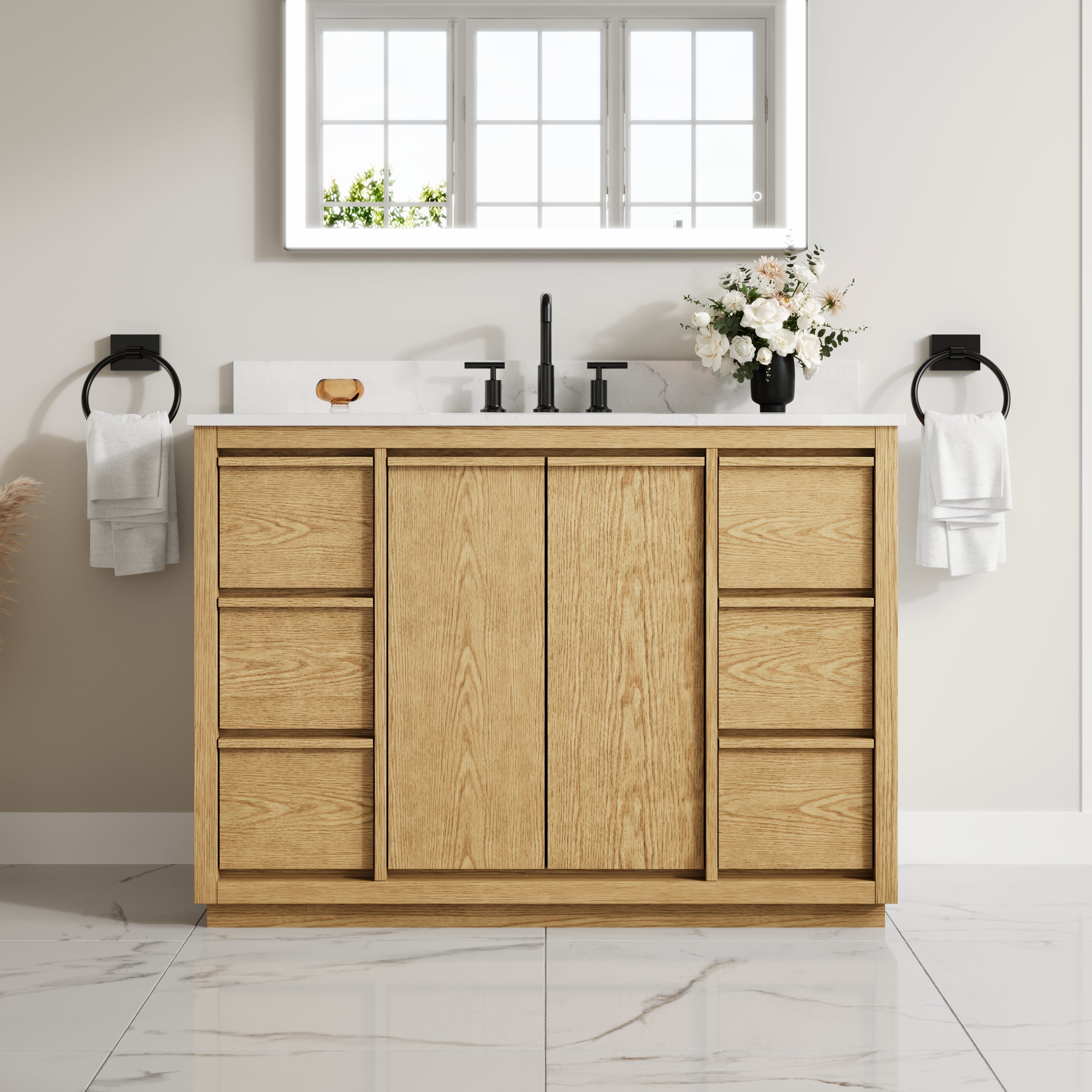
A small mirror floating above a wide vanity can make the entire setup feel disconnected. As a practical rule, the mirror should relate closely to the width of the vanity while leaving enough breathing room around nearby lighting, walls, and cabinets.
The exact proportions vary, but balance matters more than following a rigid formula.
3. The Practical Advantages Go Beyond Appearance
A frameless mirror is relatively easy to coordinate with different bathroom styles. Minimalist, transitional, contemporary, Scandinavian, and even some traditional bathrooms can use one successfully.
Cleaning is also straightforward. There are fewer grooves and decorative edges where dust, hairspray, or moisture can collect.
That matters in real bathrooms. Vanity areas get messy quickly.
Frameless mirrors can also work well in shared bathrooms because larger rectangular models provide a broad viewing area without making the wall feel overly busy. Above a double vanity, one wide mirror can sometimes create a calmer visual effect than two heavily framed mirrors.
4. Where Frameless Mirrors Have Limitations
They are not automatically the right choice for every bathroom.
In a very traditional room with ornate cabinetry, decorative sconces, and classic architectural details, a simple frameless mirror may look unfinished. A framed design can sometimes connect the mirror more effectively to the rest of the room.
Edges also deserve attention.
Poorly finished mirror edges can make an inexpensive product look noticeably cheap. When shopping, I prefer polished or beveled edges because they give the mirror a more refined appearance and reduce the harsh look of exposed glass.
Another issue is installation. Frameless mirrors leave little room to hide uneven placement, damaged walls, or sloppy mounting hardware.
Precision matters.
5. Installation Details That Can Improve the Result
Before drilling, measure the vanity, wall width, faucet position, backsplash height, lighting, and ceiling clearance.
Do not rely on the mirror dimensions alone.
The centerline should usually relate to the vanity and sink, but eye level also matters. In a shared bathroom, the mirror needs to be useful for people of different heights.
Pay Attention to Lighting
A mirror can only reflect the light available to it.
If possible, avoid creating a setup where strong ceiling light shines directly downward and leaves shadows on the face. Wall sconces or well-positioned vanity lighting around the mirror usually provide more comfortable illumination for shaving, makeup, and skincare.
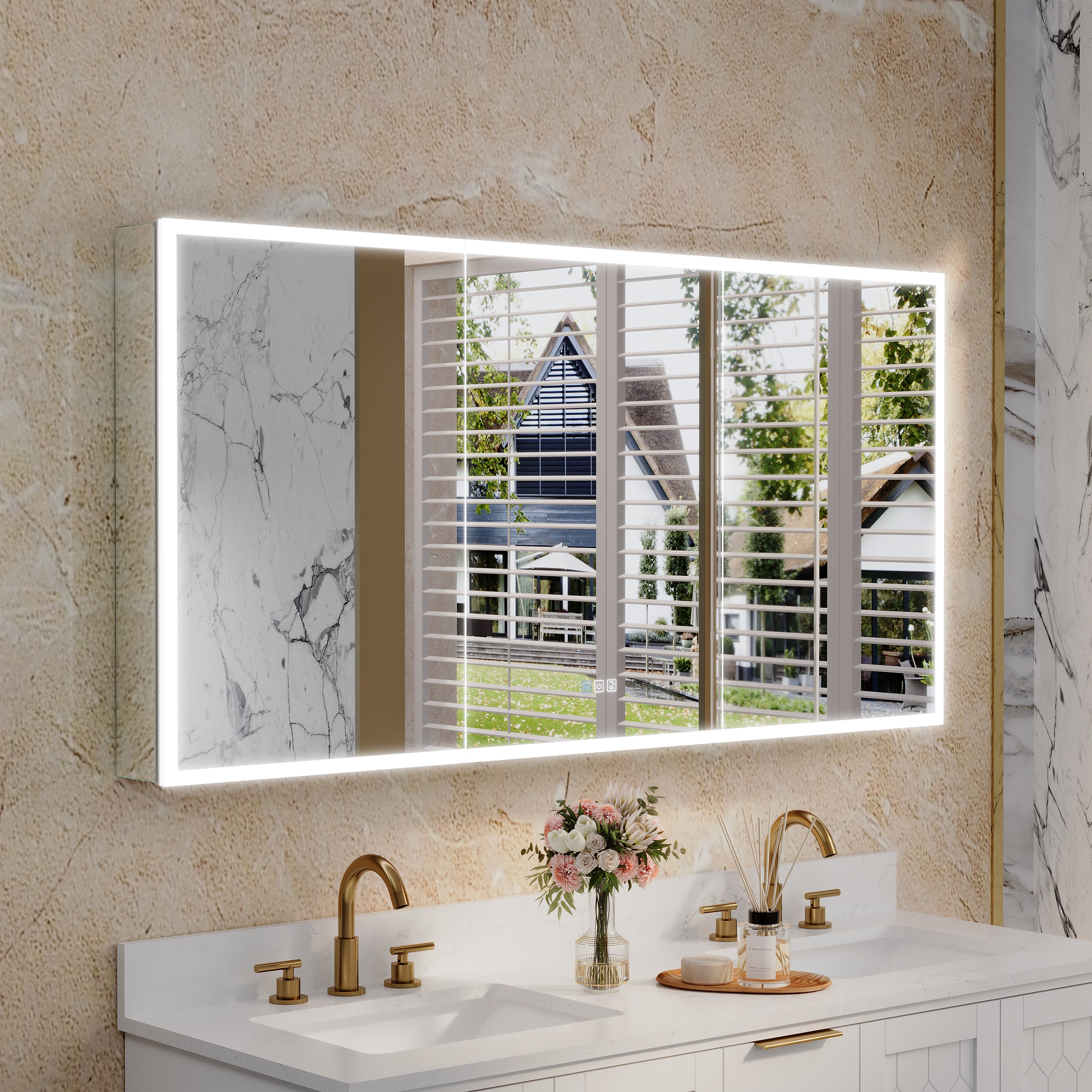
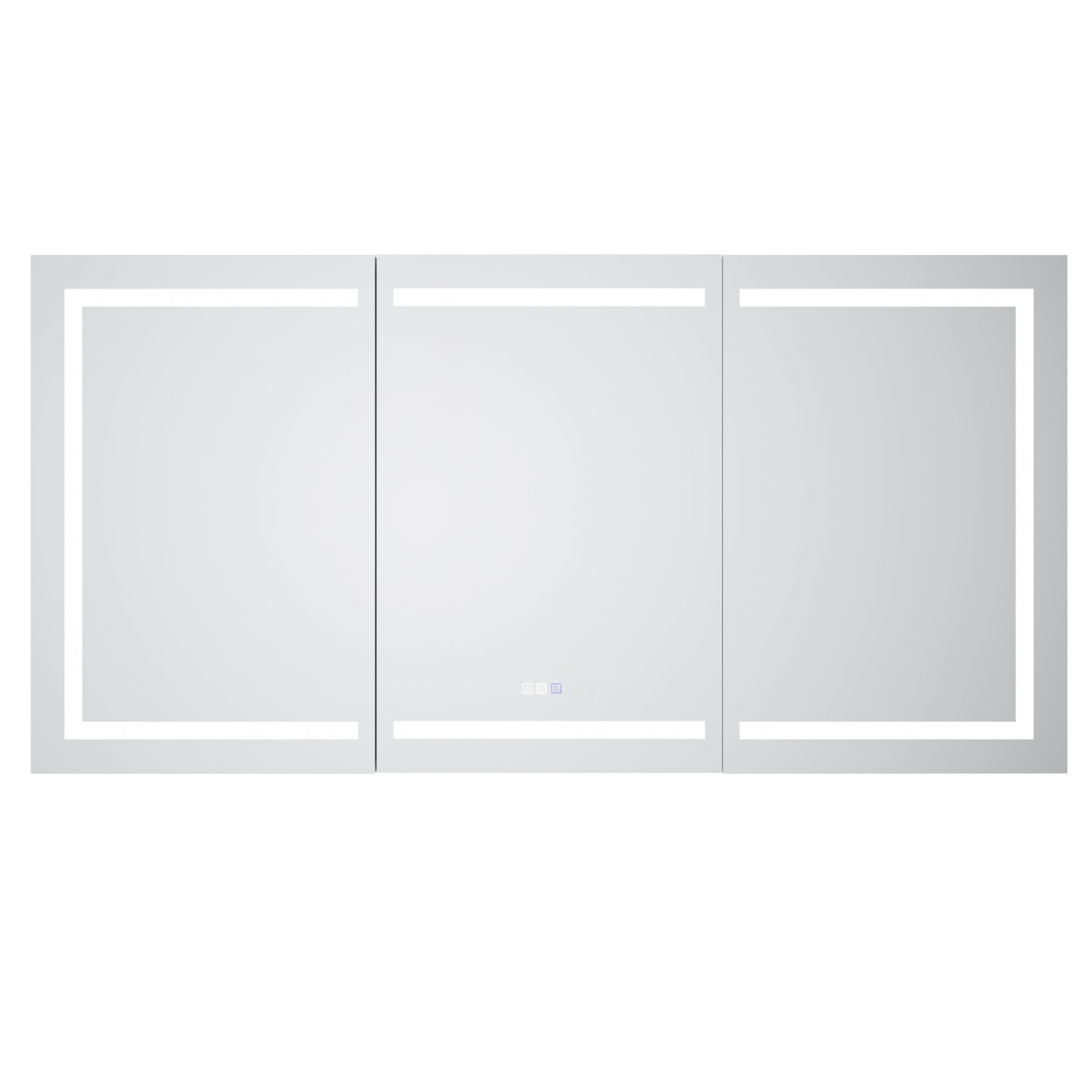
If you are considering an LED mirror, also check brightness, color temperature, electrical requirements, and whether the light is intended for primary illumination or accent use.
6. What to Look for Before Buying
Glass quality should be one of your first considerations. Distortion becomes very noticeable when you use a mirror every morning.
Check the mounting system as well. Some models use clips, while others rely on brackets or concealed hardware. Concealed mounting usually creates the cleanest appearance, but the wall must be suitable for secure installation.
Think about shape, too.
Rectangular mirrors are practical and easy to align with most vanities. Round or oval frameless mirrors soften a bathroom filled with straight lines, though they may provide slightly less usable reflective area for the same wall space.
At Wellfor, bathroom fixtures are often selected around practical daily routines rather than appearance alone, and mirrors should be approached the same way. Choose the dimensions first, then evaluate edge finish, glass quality, mounting method, and lighting compatibility.
7. Maintenance Is Simple, but Technique Matters
Use a soft microfiber cloth and a glass-safe cleaner. Spray the cleaner onto the cloth rather than soaking the mirror directly, especially near the edges.
Repeated moisture around the perimeter can eventually affect backing materials on some mirrors.
Bathroom ventilation is just as important. If steam remains on the mirror and walls long after every shower, the room needs better airflow rather than more aggressive cleaning.
For homes with frequent condensation, a defogging feature may be worth considering.

8. Choosing the Right Mirror for Your Space
A frameless design works best when you want the bathroom to feel lighter, simpler, and visually open. It is especially useful when your tile, vanity, or fixtures already provide enough character.
If your room needs decorative warmth, though, a framed mirror may be the stronger choice.
Measure carefully, look closely at edge quality, and avoid choosing a mirror only because the product photo looks stylish. The right proportions and mounting height will have a much greater effect on daily use.
For a clean modern bathroom that needs a flexible, easy-to-coordinate focal point, a well-sized frameless bathroom mirror remains one of the most practical choices you can make.






























Leave a comment
This site is protected by hCaptcha and the hCaptcha Privacy Policy and Terms of Service apply.