
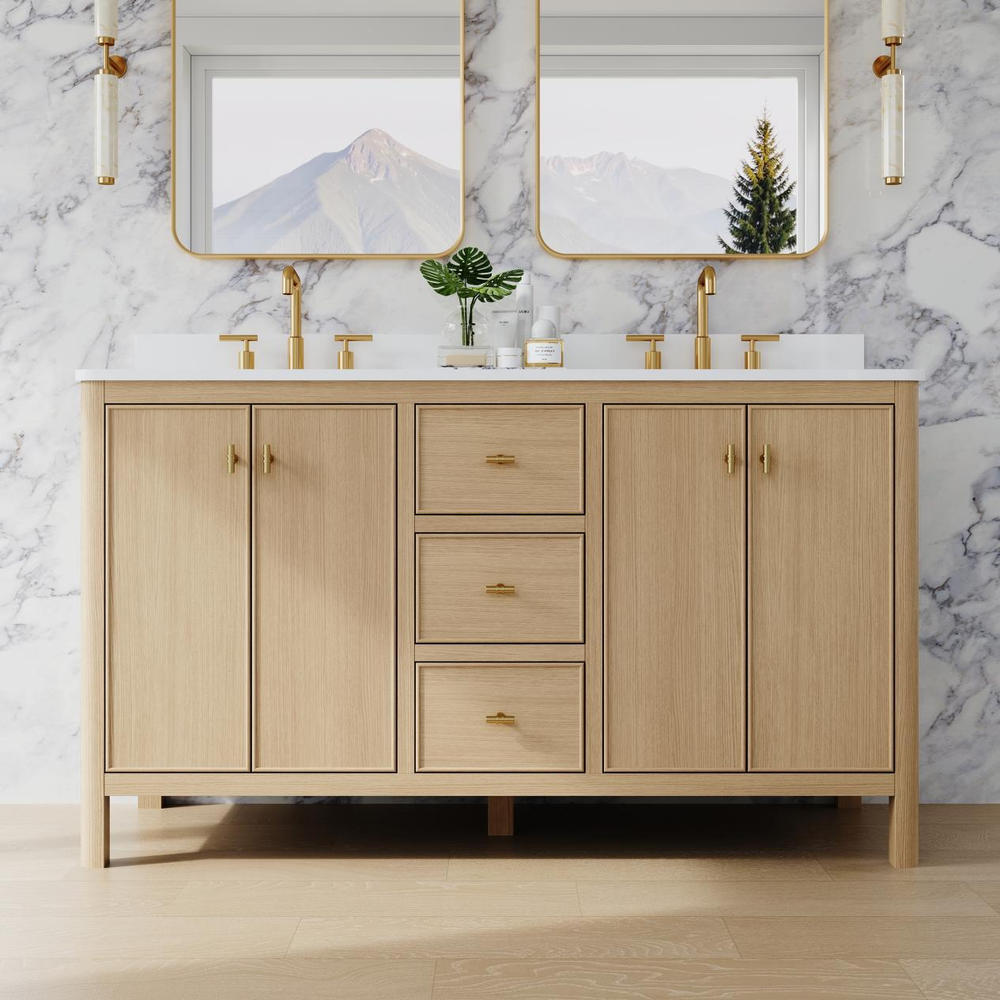
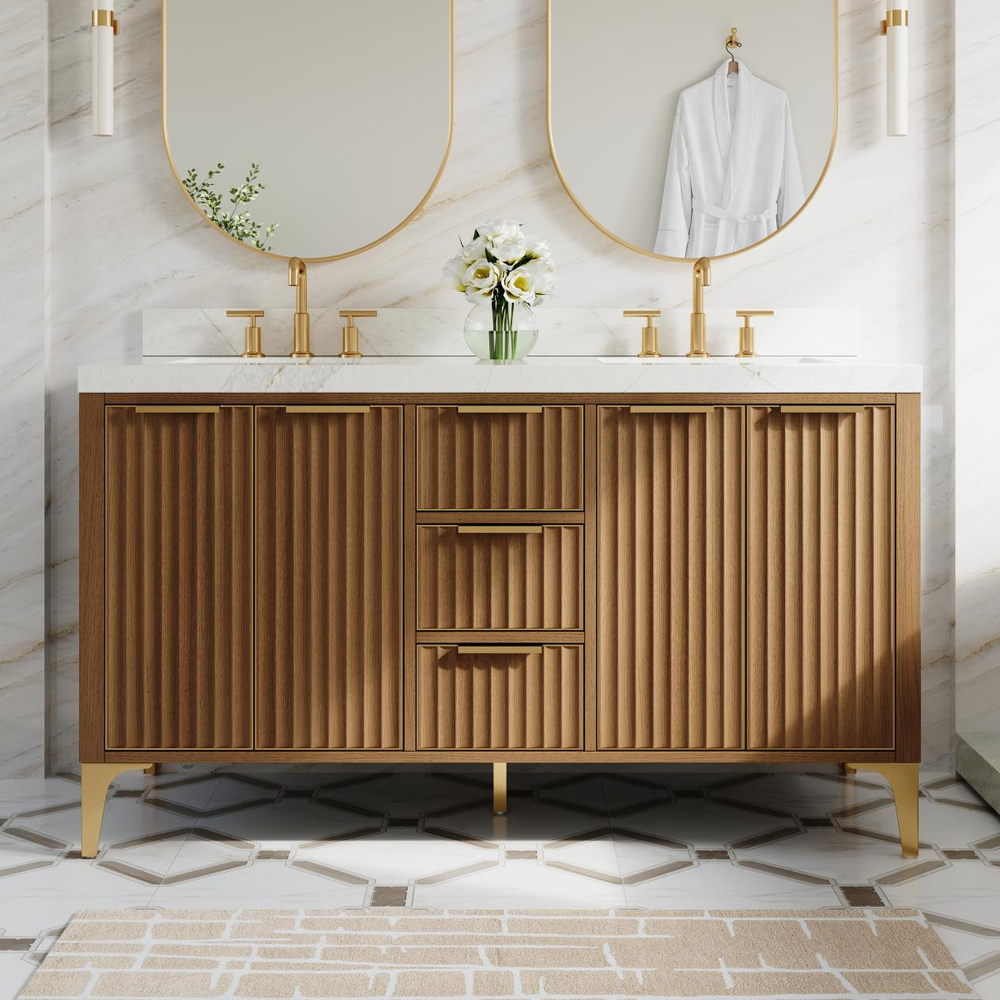
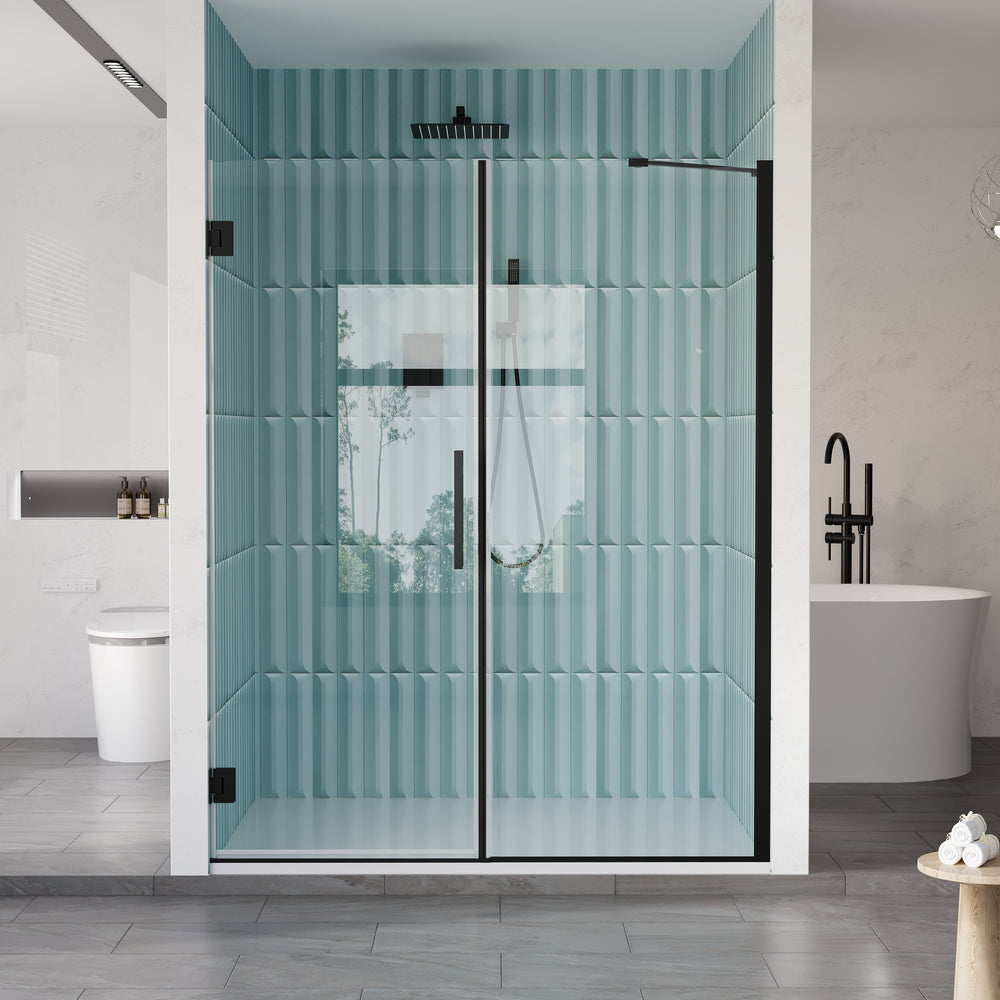
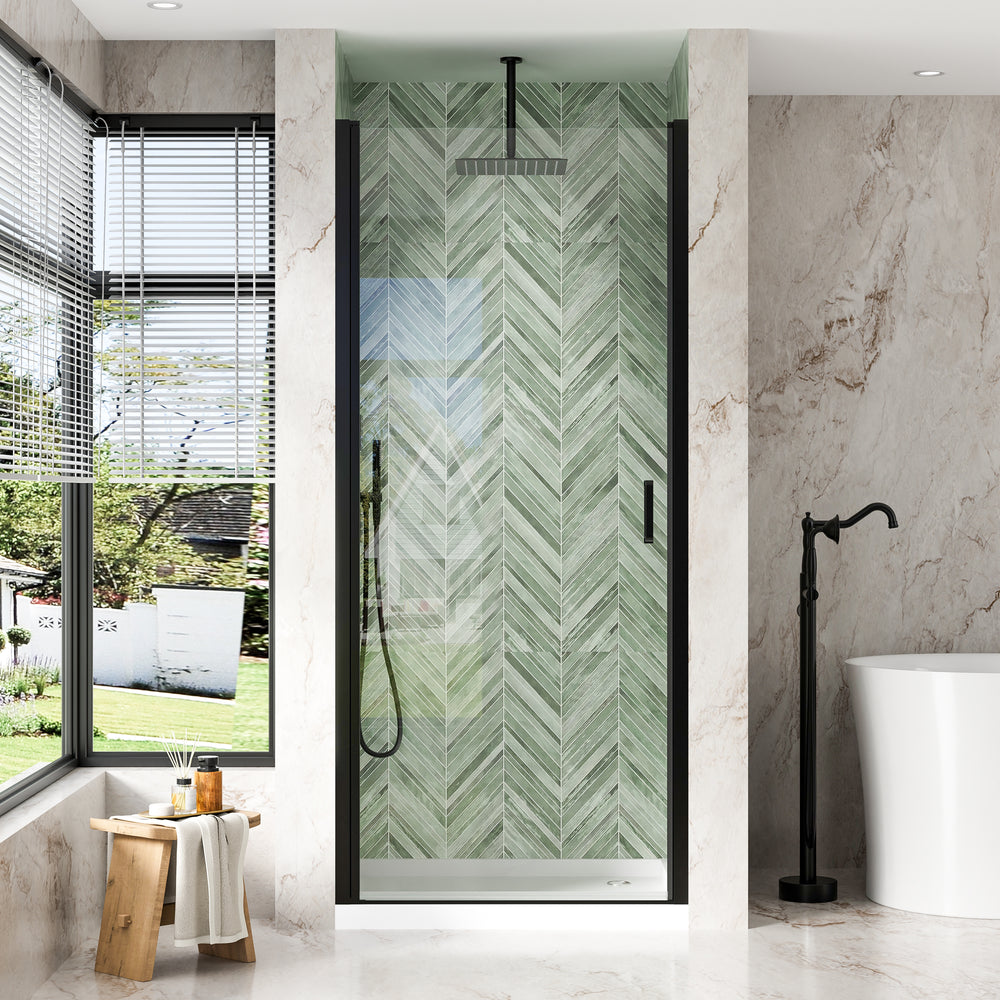



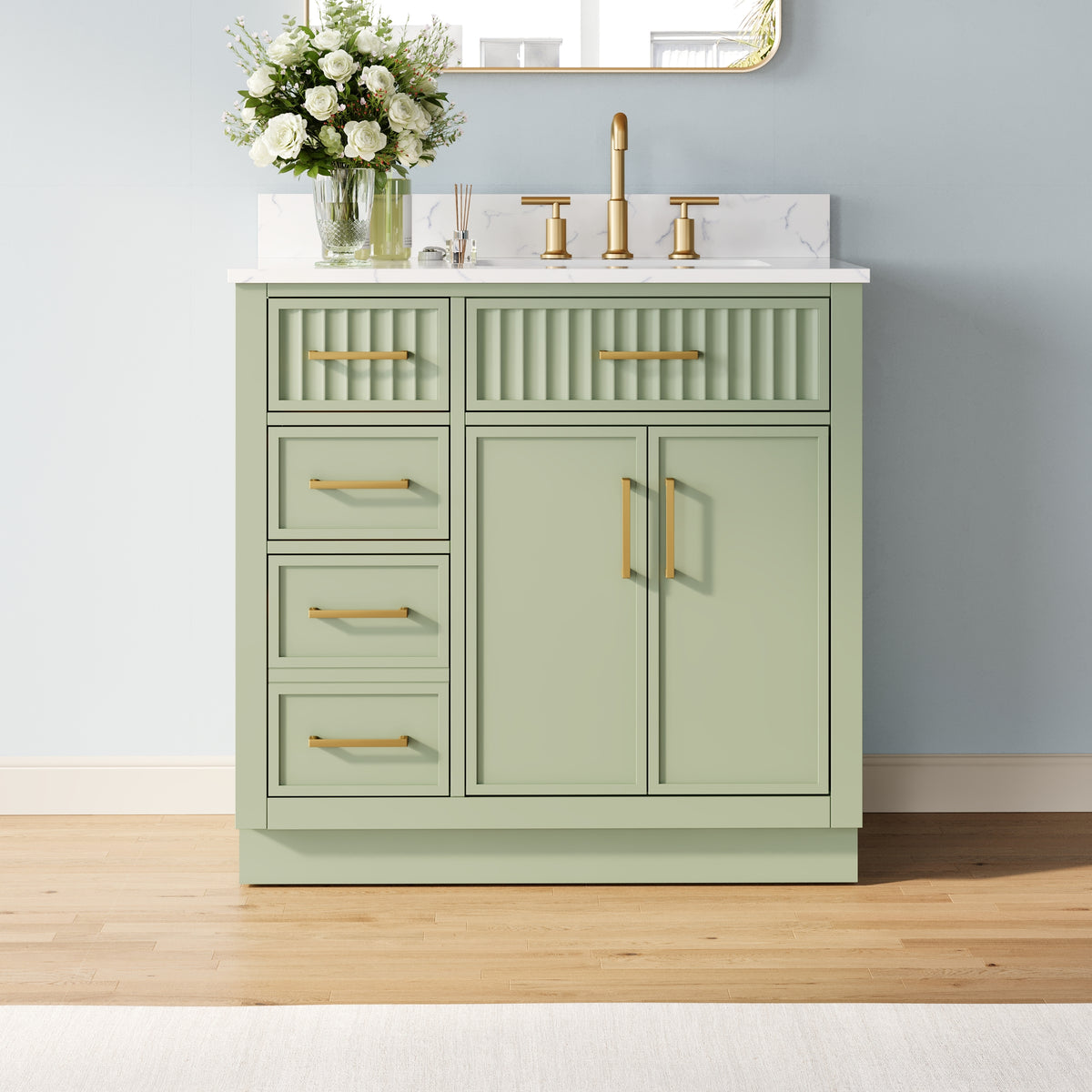
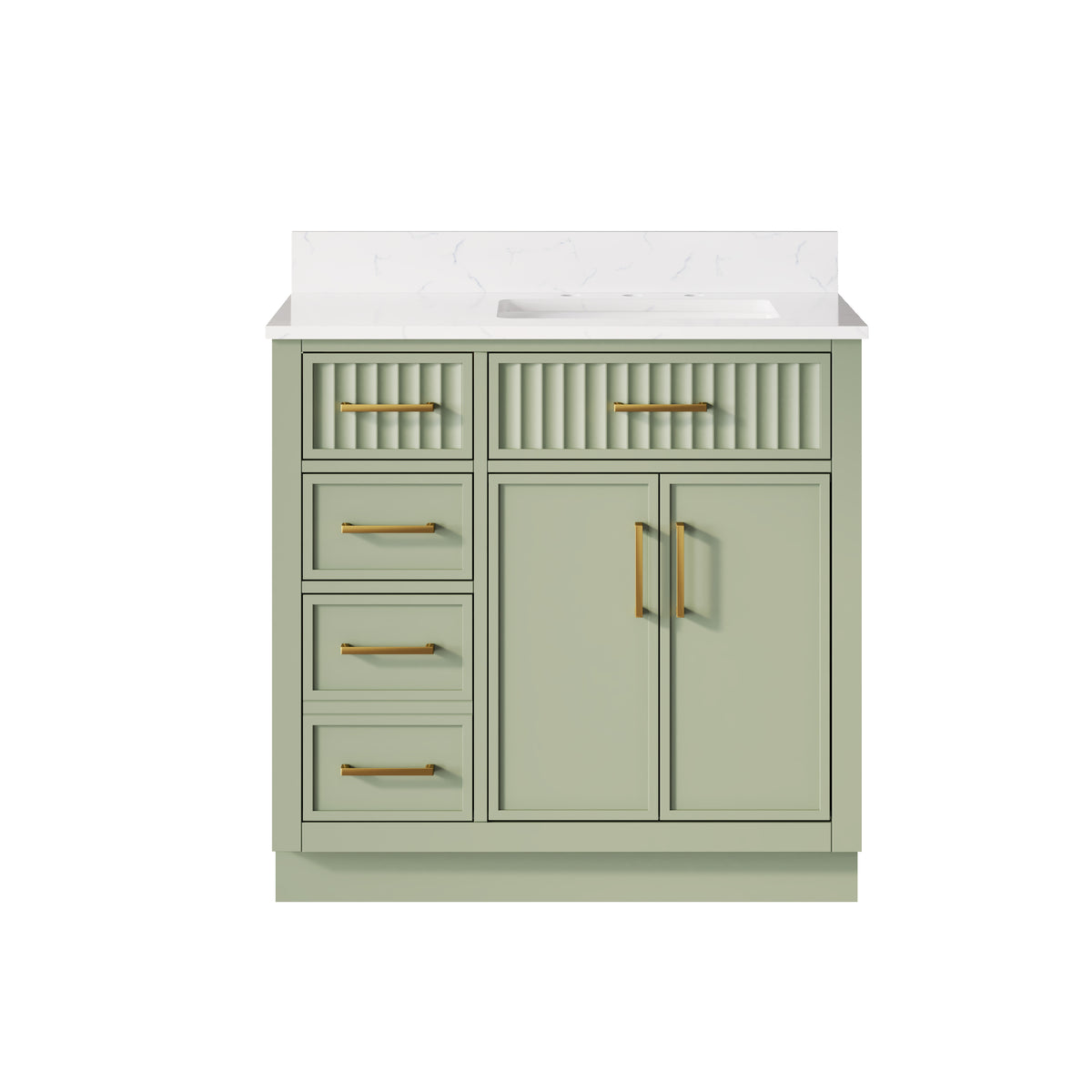
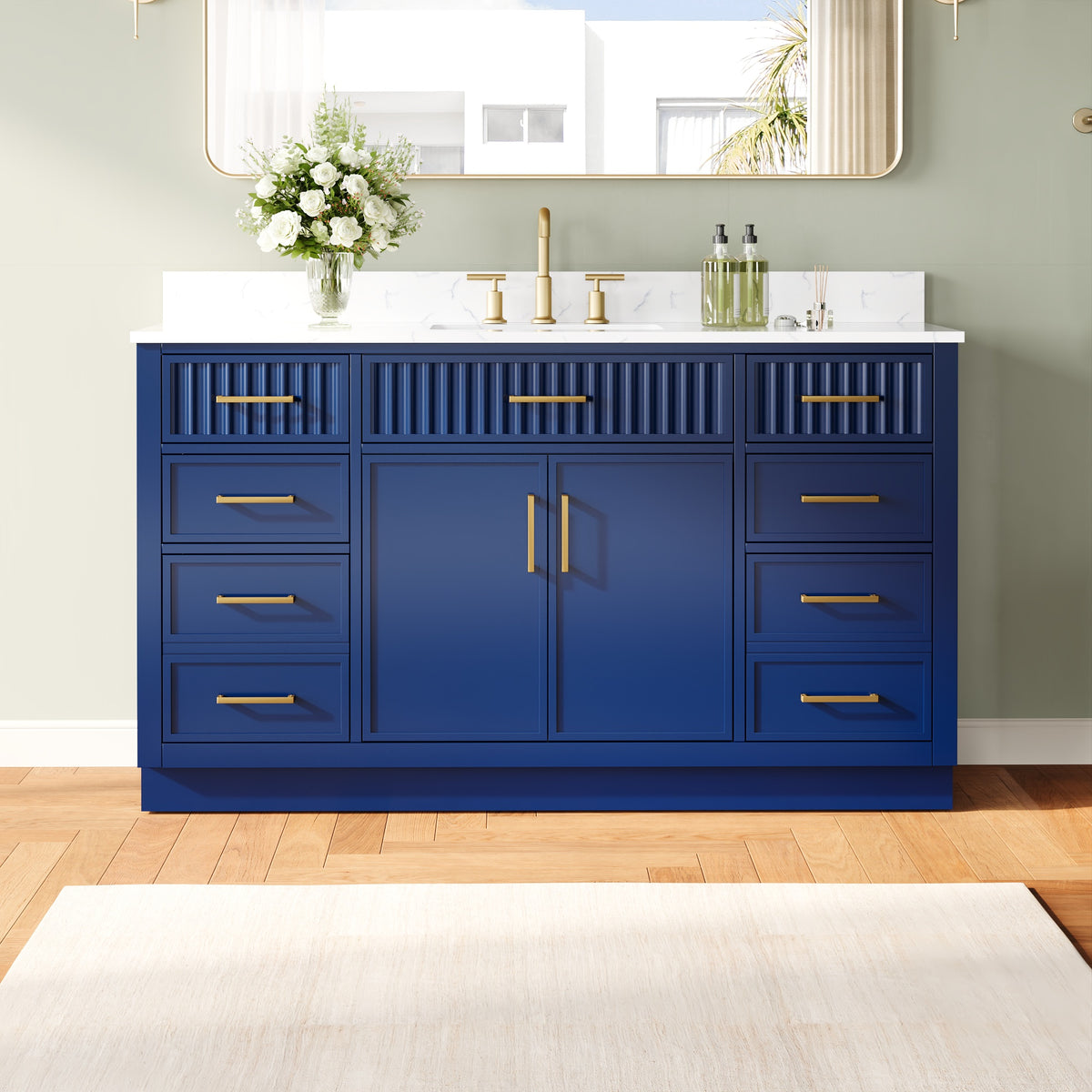
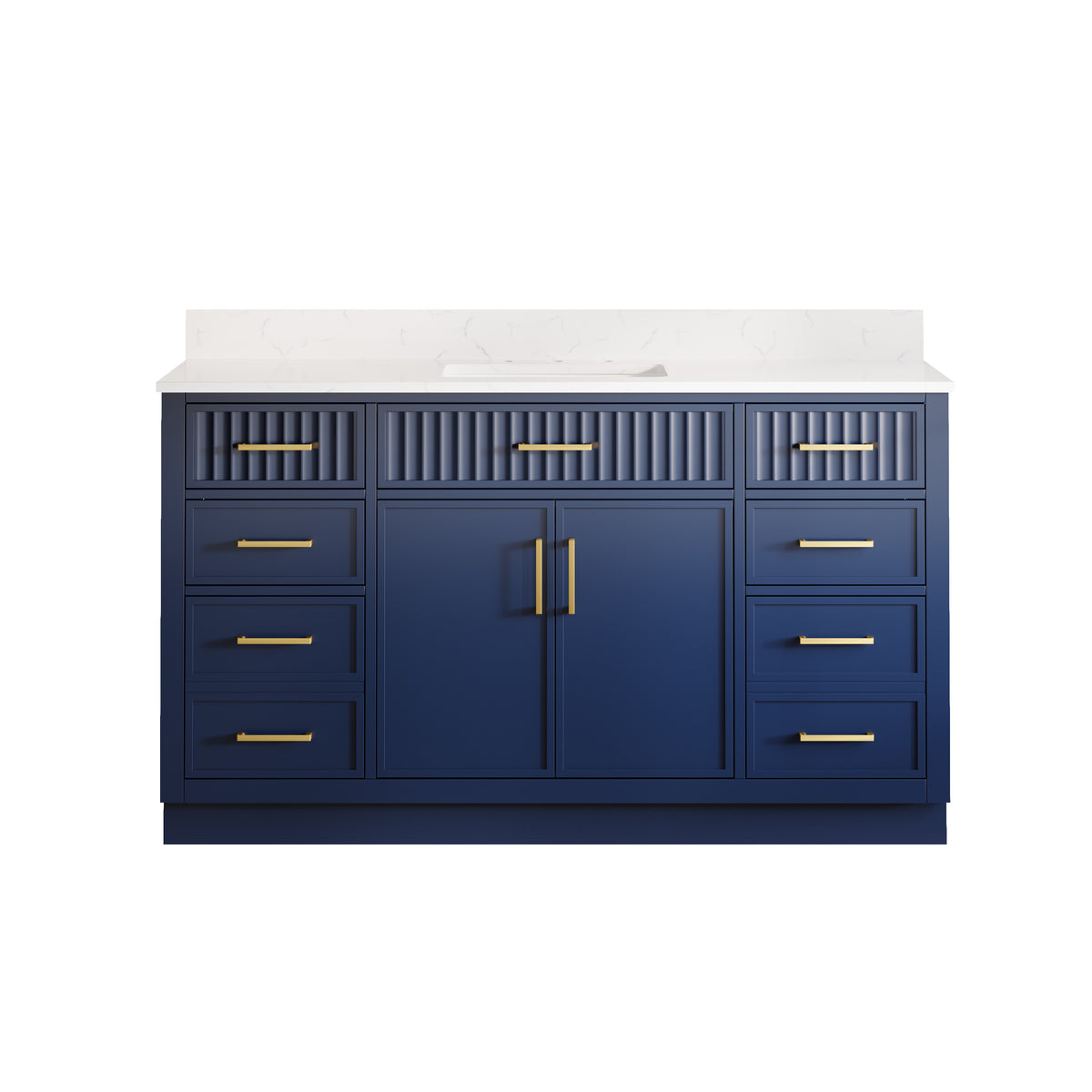
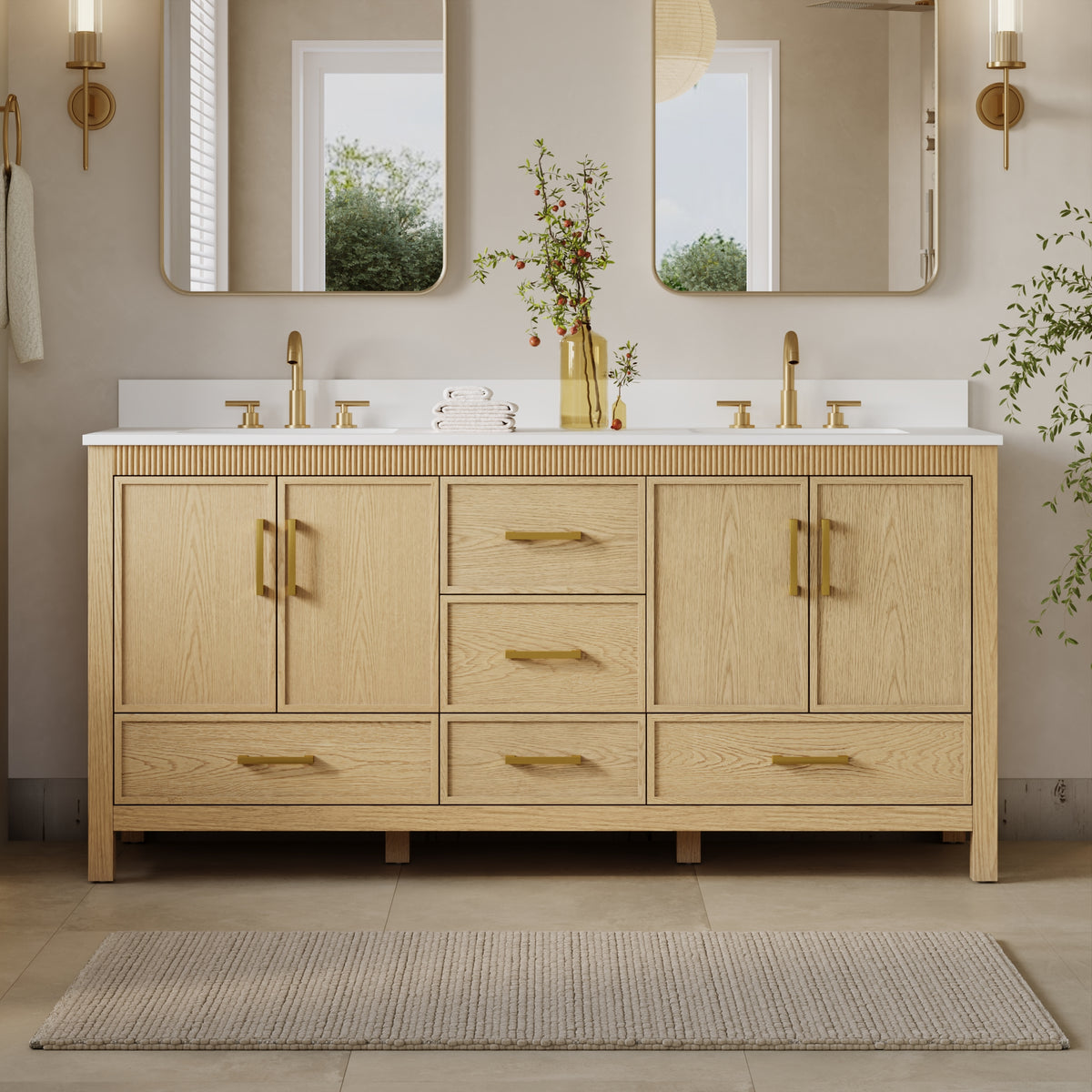
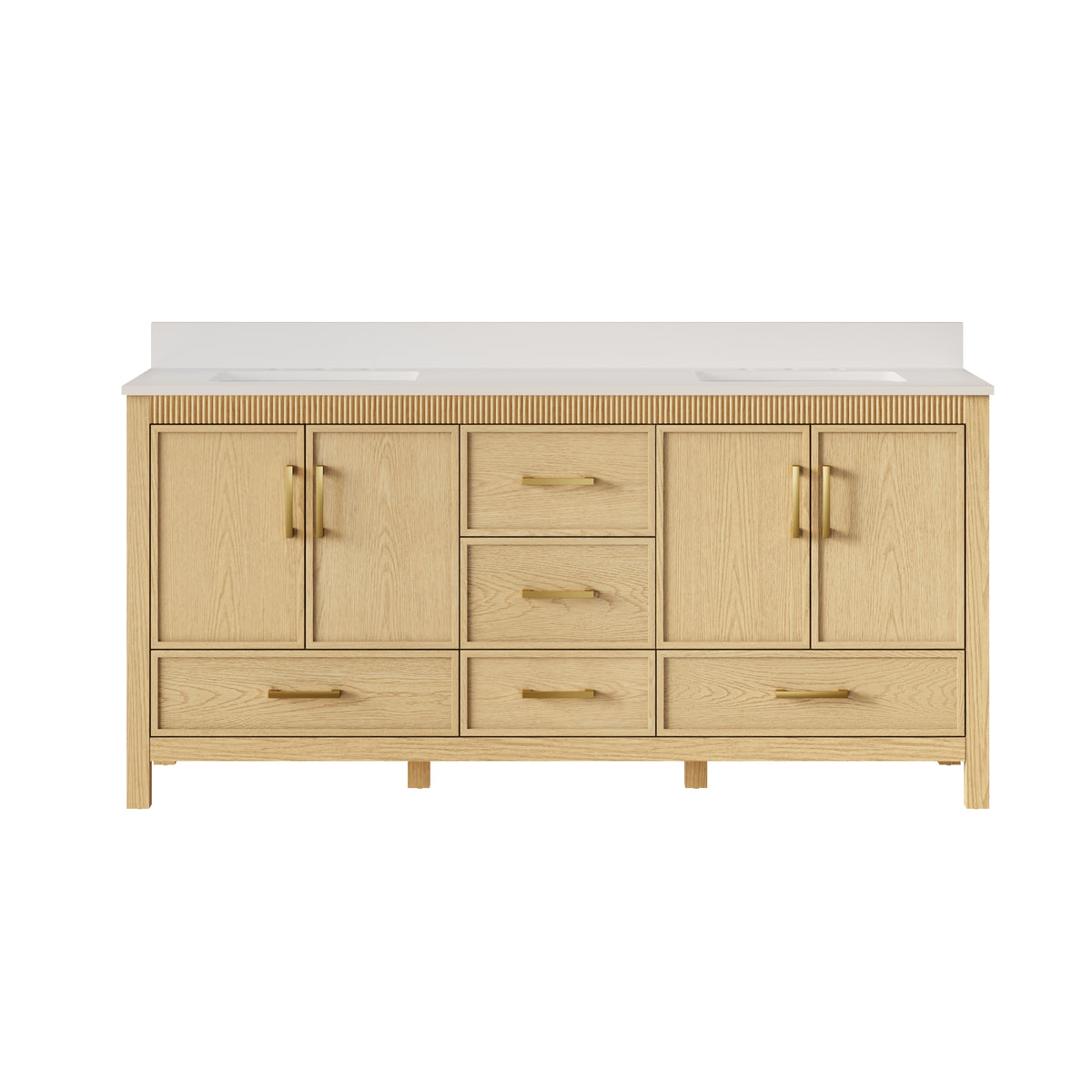
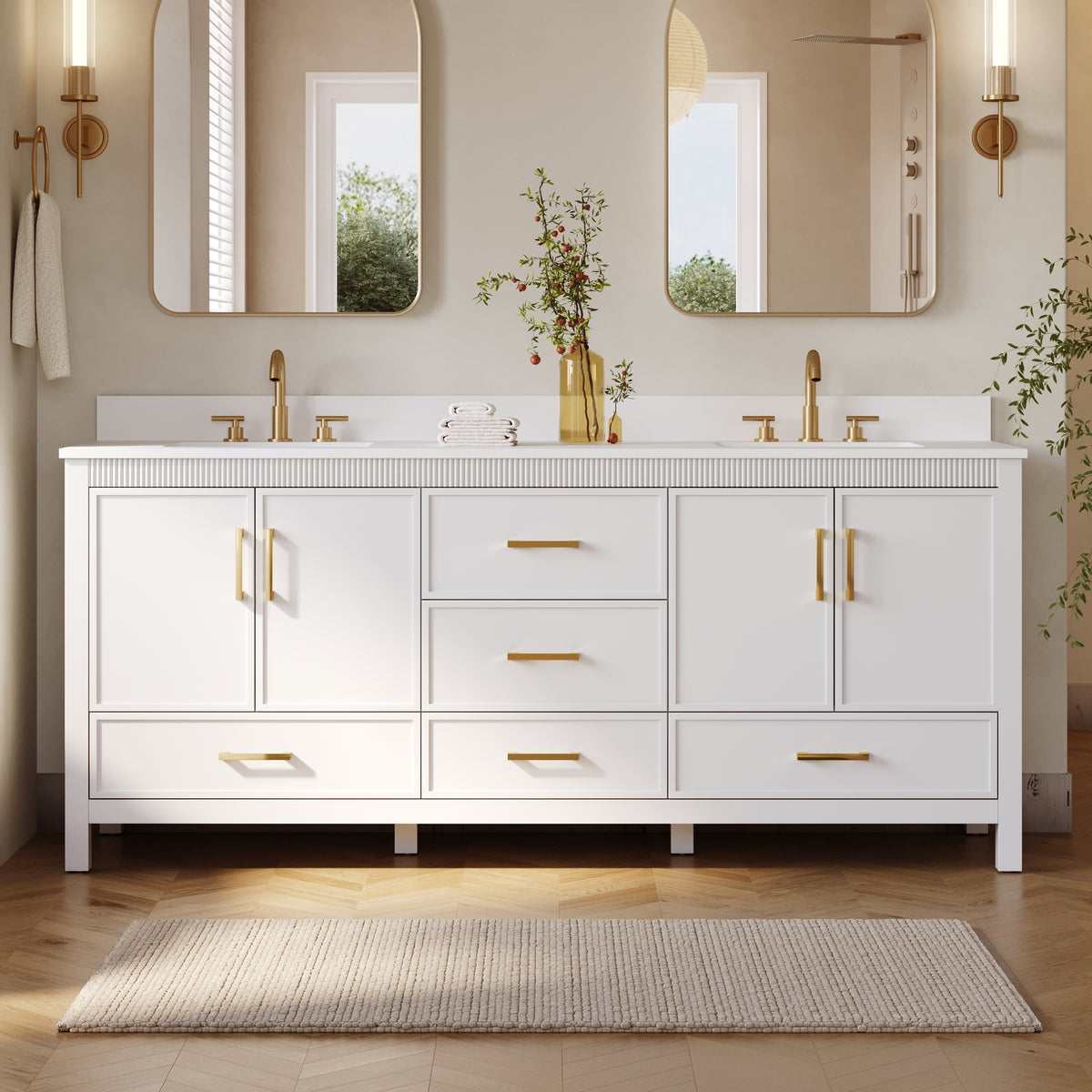
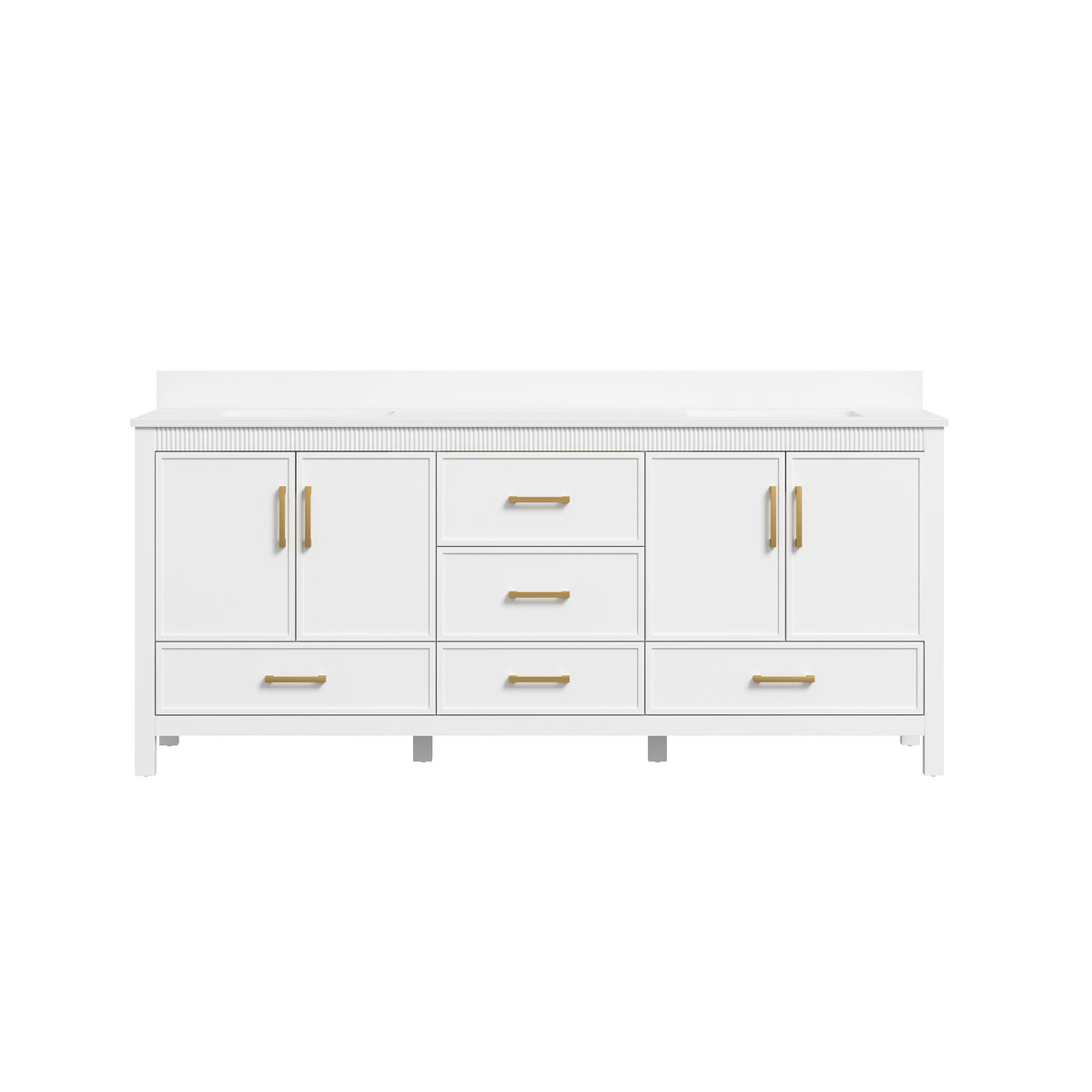

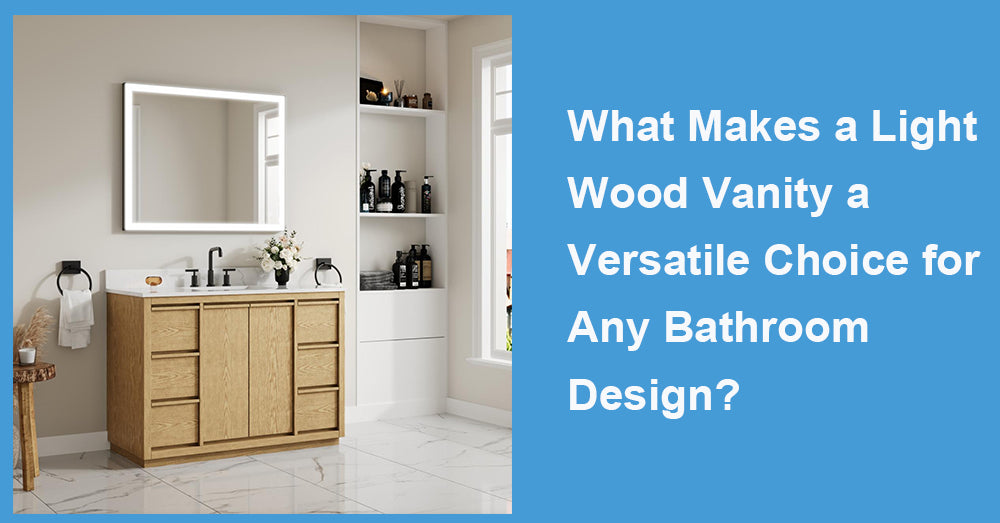
As residential interior design increasingly prioritizes natural materials, functional storage, and comfortable living, a light wood bathroom vanity has emerged as a standout choice for modern bathrooms. Ranging from pale oak to natural maple, these veneer finishes bring a warm, light, and airy visual effect to the space while seamlessly blending with various design styles, including modern minimalism, Nordic/Japandi, and transitional aesthetics. For bathrooms with limited square footage or insufficient natural light, thoughtfully incorporating light wood vanities can dramatically enhance the overall aesthetic—making the space appear brighter, cleaner, and more open.

Under this design trend, leading bathroom brands like Wellfor are focusing on solutions that help homeowners balance visual appeal, smart storage, and daily functionality.
Thus, the results of light finishing affect how people see a bathroom.
The characteristic trait of bathrooms is the presence of a variety of hard and shiny materials—the presence of mirrors, tiles, glass partitions, metal details, as well as ceramic elements in touch. When deep and dark finishes are applied to vanities, they have an oppressive and shrinking effect in the case of small-sized bathrooms. In this way, light tones like light oak and warm beige will allow for a good combination of shades with white walls and light gray tiles, and the absence of strong visual contrast.
From an optical standpoint, lighter surfaces reflect significantly more visible light than darker ones. While light wood grain cannot physically expand a bathroom’s footprint, it lightens the visual weight of bulky furniture, making compact spaces feel noticeably more open and airy.
This particular feature serves to its greatest advantage in standard bathroom layouts such as regular apartments and limited master bathrooms. In these small areas, it is crucial for furniture sizes and colors to be balanced well. Bathroom vanities with smooth lines and gentle, neutral colors would be an excellent solution since they allow for the needed amount of storage space without giving too much visual weight to the vanity furniture.
Natural Wood Grain Adds Warmth to Modern Bathrooms
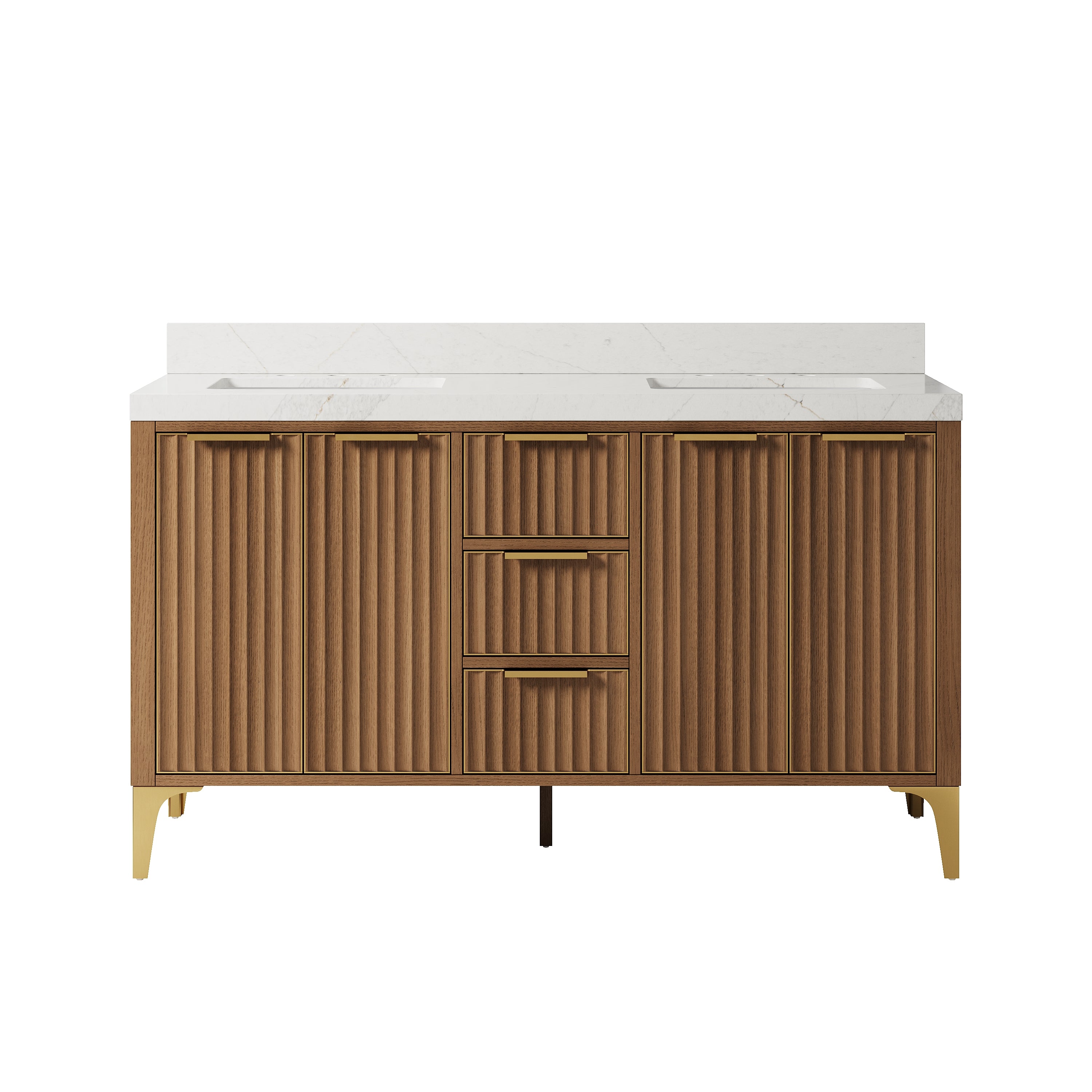
The advantages of light wood vanities go beyond simply brightening a room. Unlike stark white cabinetry, natural wood grain introduces subtle texture and depth, preventing monochromatic spaces from feeling overly cold or sterile.
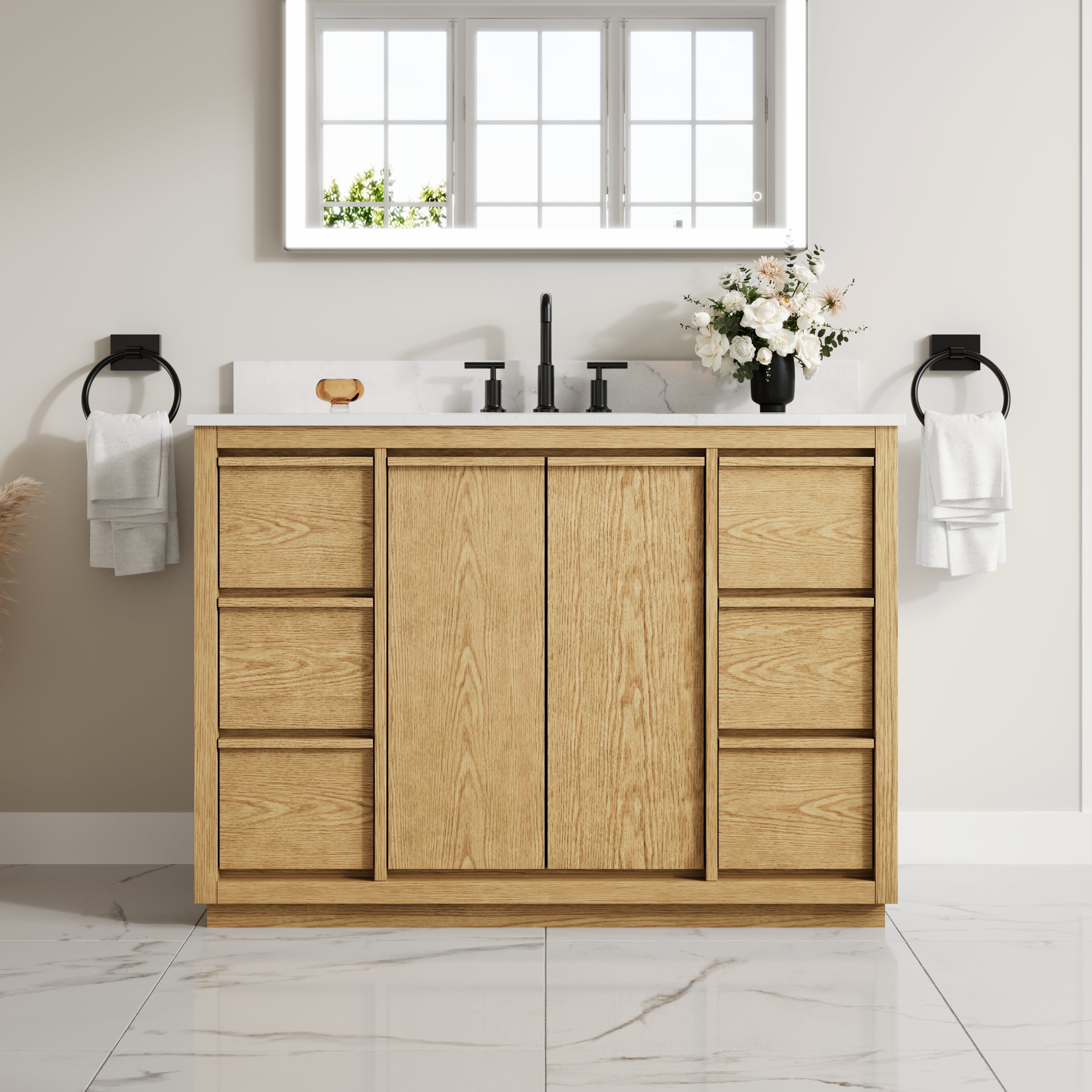
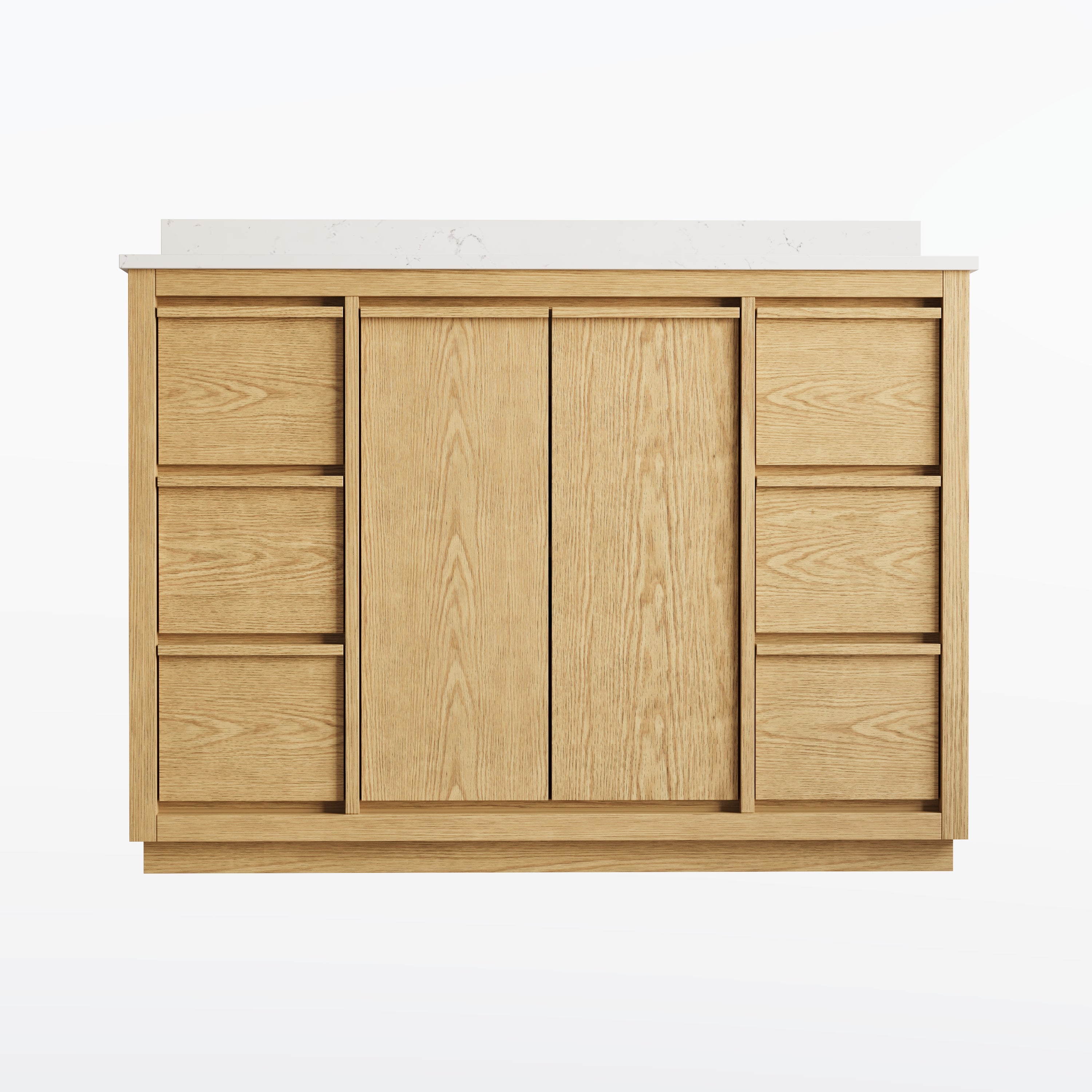
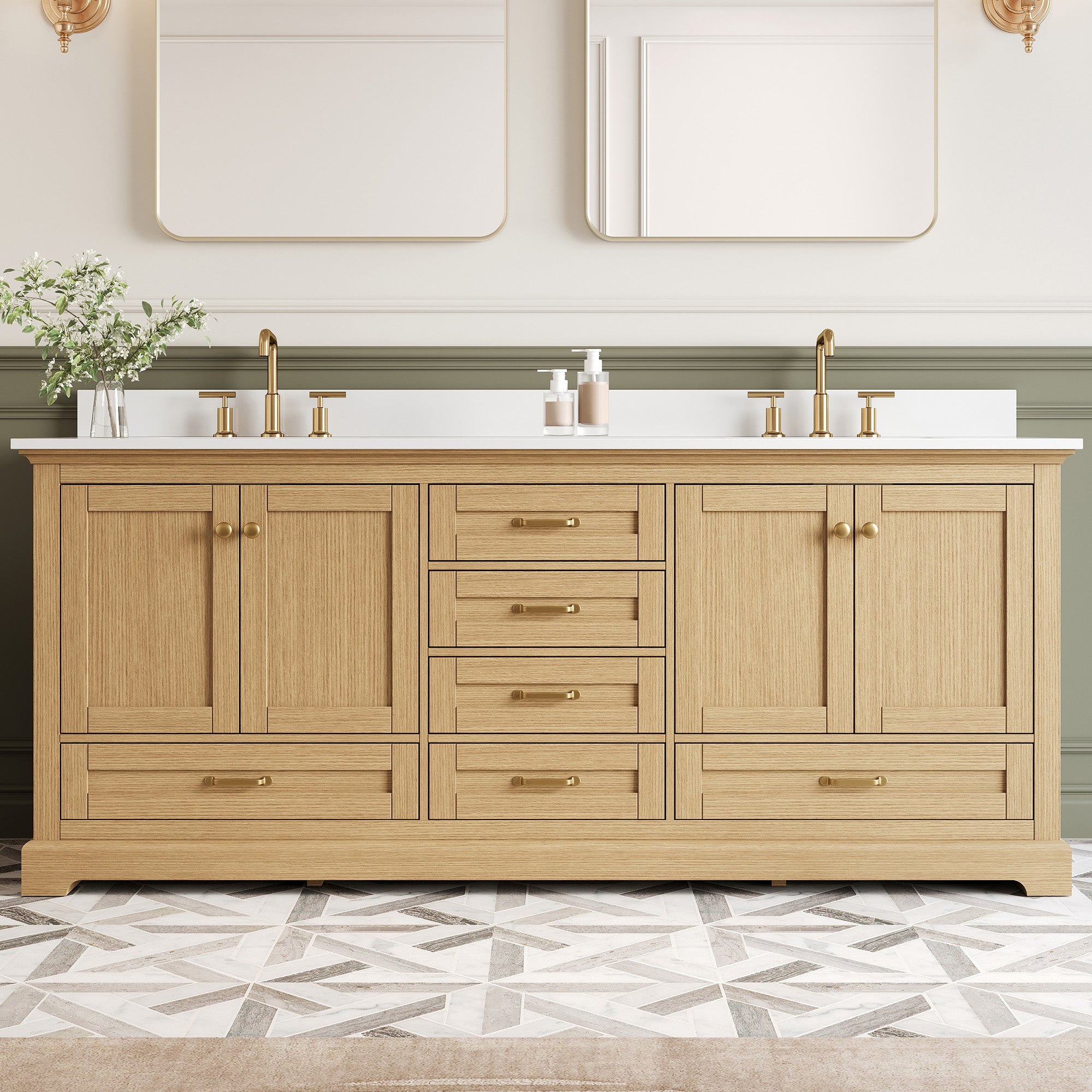
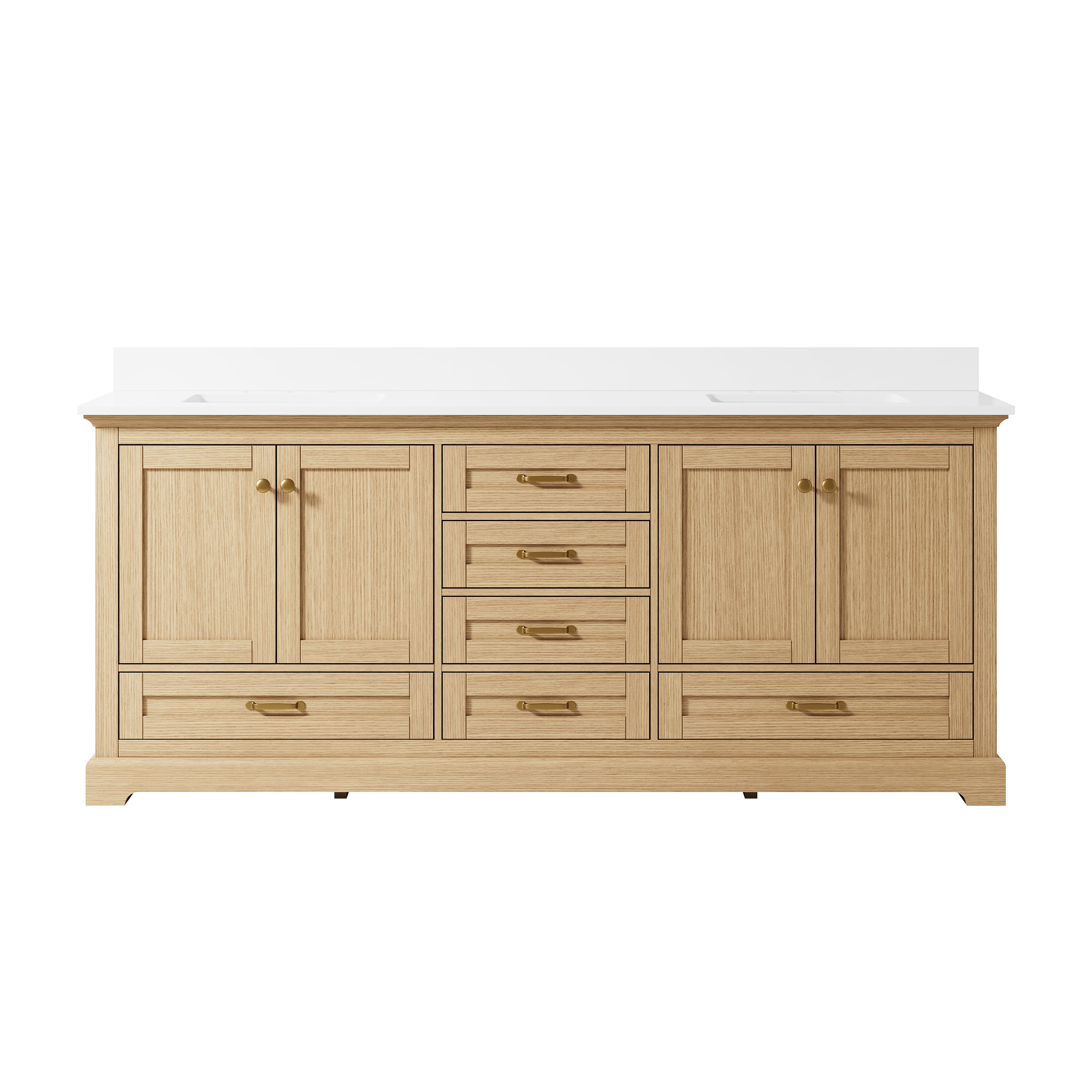
Light Oak: Characterized by clear, prominent grain patterns, light oak pairs exceptionally well with white quartz countertops, matte black faucets, and clear glass shower doors.
Natural Maple: Featuring a finer, more delicate grain, maple creates a soft, organic look when paired with off-white walls, warm gray floor tiles, and brushed nickel hardware.
To enhance this cozy, natural feel, homeowners can layer in green plants, organic cotton or linen linens, and warm ambient lighting.
In practical design, color coordination is key. If the walls, countertops, and floors lean toward cool white, introducing warm-toned wood grain balances the space and softens hard edges. Conversely, if the floor tiles already feature bold wood patterns or complex textures, choosing a vanity with a simpler, understated light grain prevents visual clutter.
Brands like Wellfor cater directly to this need by offering light wood vanities that easily integrate into diverse decor schemes, allowing homeowners to strike the ideal balance between sleek modern aesthetics and everyday utility. When purchasing, buyers should evaluate product finishes, dimensions, countertop options, and installation requirements to ensure a seamless fit.
Supported by Data: Addressing the Design Needs of Small Bathrooms
Architectural trends and data highlight the challenges of modern bathroom design. According to the American Housing Survey (jointly conducted by the U.S. Census Bureau and HUD), residential properties span a wide spectrum—from single-family homes to multi-family apartments—each with varying bathroom dimensions, natural lighting, and layout configurations. Consequently, bathroom renovations almost always require optimizing functionality within compact spaces.
Data from the U.S. Department of Energy further reinforces the importance of integrated design: energy-efficient LED lighting uses at least 75% less energy and lasts significantly longer than traditional incandescent bulbs. Combining energy-saving LED fixtures with light wood cabinetry, expansive mirrors, and layered light placement maximizes both energy efficiency and spatial brightness.
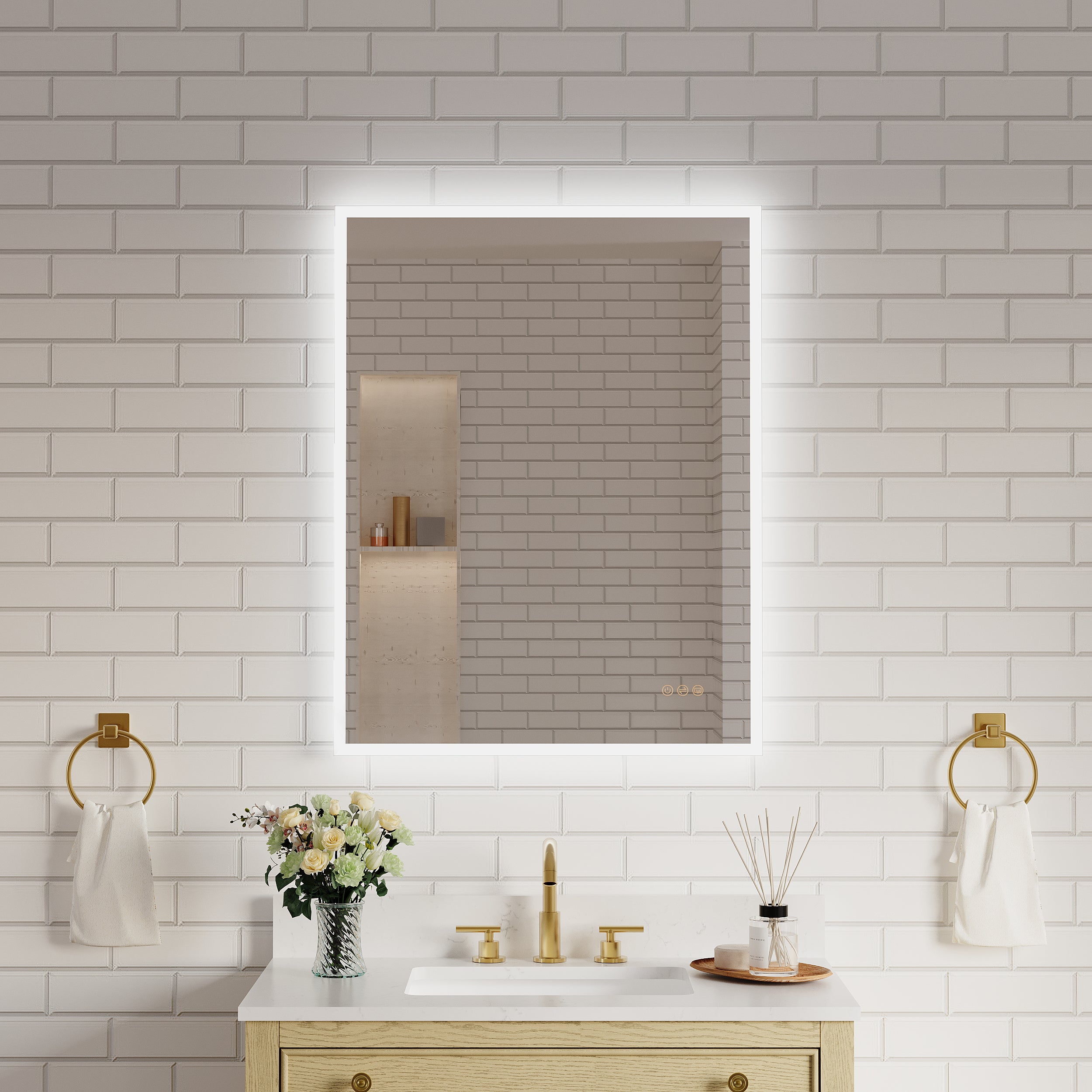
However, light cabinetry alone cannot replace proper illumination. A windowless bathroom with light oak vanities will still feel dim without adequate lighting. Successful designs incorporate layered illumination—including backlit vanity mirrors, targeted task lighting, and ambient ceiling fixtures with high Color Rendering Index (CRI)—to eliminate harsh shadows and create a functional grooming environment.
Enhancing Openness Through Vanity Proportions and Layout
Color is only one component of spatial design; vanity depth, clearance height, countertop size, and placement relative to the shower all influence visual continuity.
Proportion & Depth: In narrow bathrooms, choosing a vanity with a slender profile prevents the countertop from encroaching on pathways.
Floating (Wall-Mounted) Vanities: Where storage requirements permit, wall-hung vanities expose more floor area. This maintains uninterrupted tile lines, visually extending the room while making floor cleaning effortless.
Freestanding Vanities: For households requiring maximum storage capacity, floor-standing units remain the most practical choice for concealing cleaning supplies, extra linens, and personal care items.
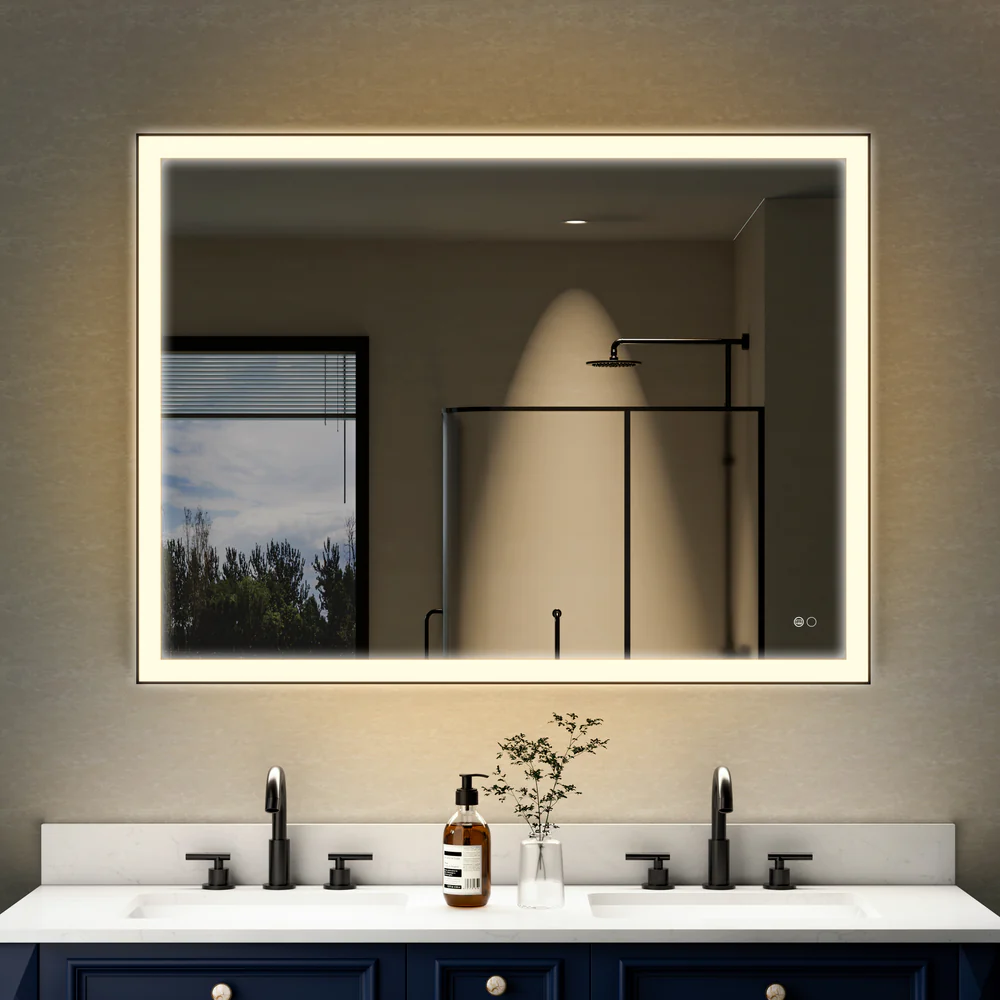
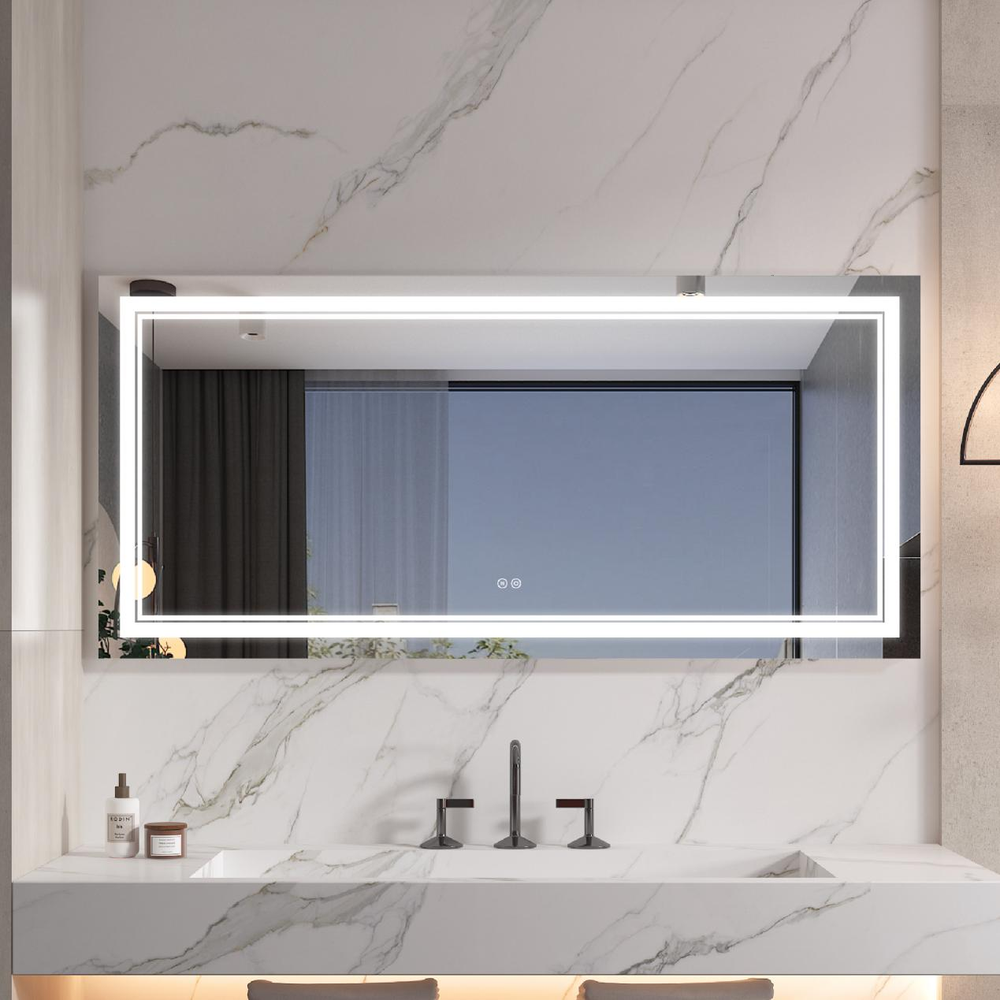
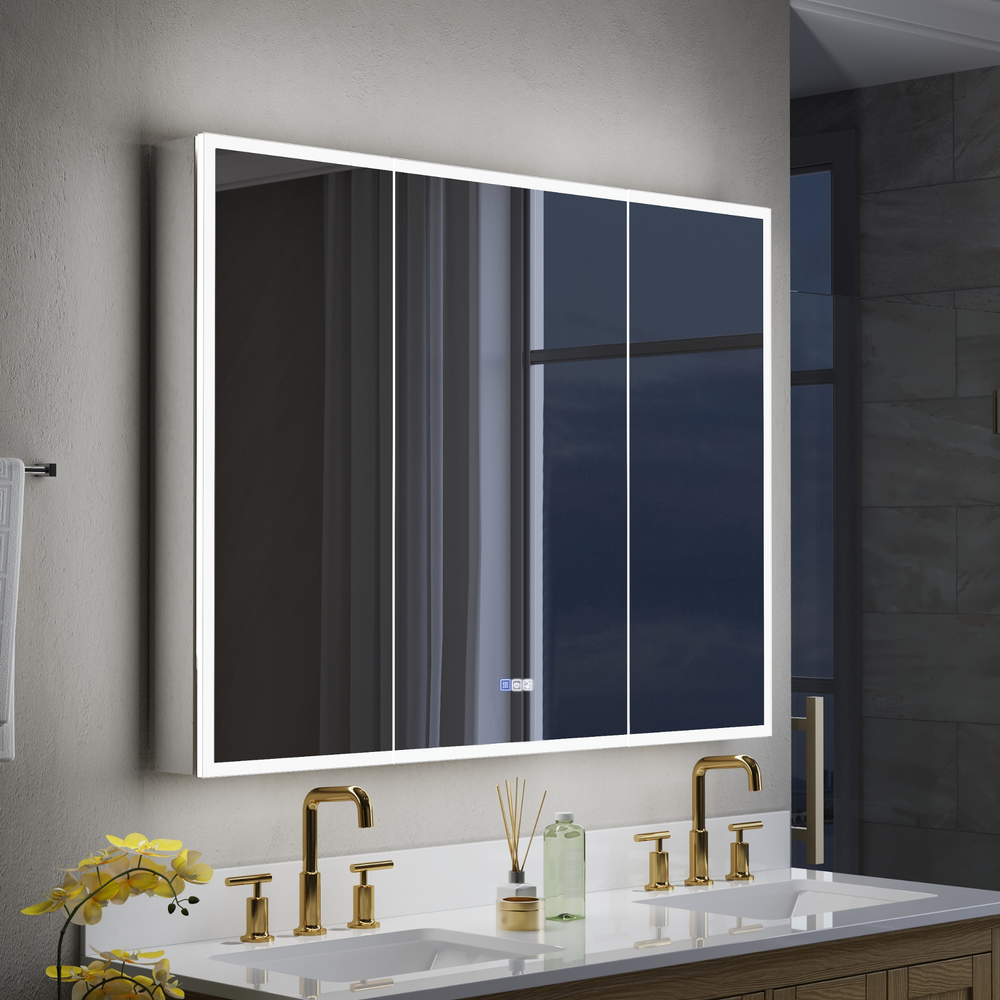
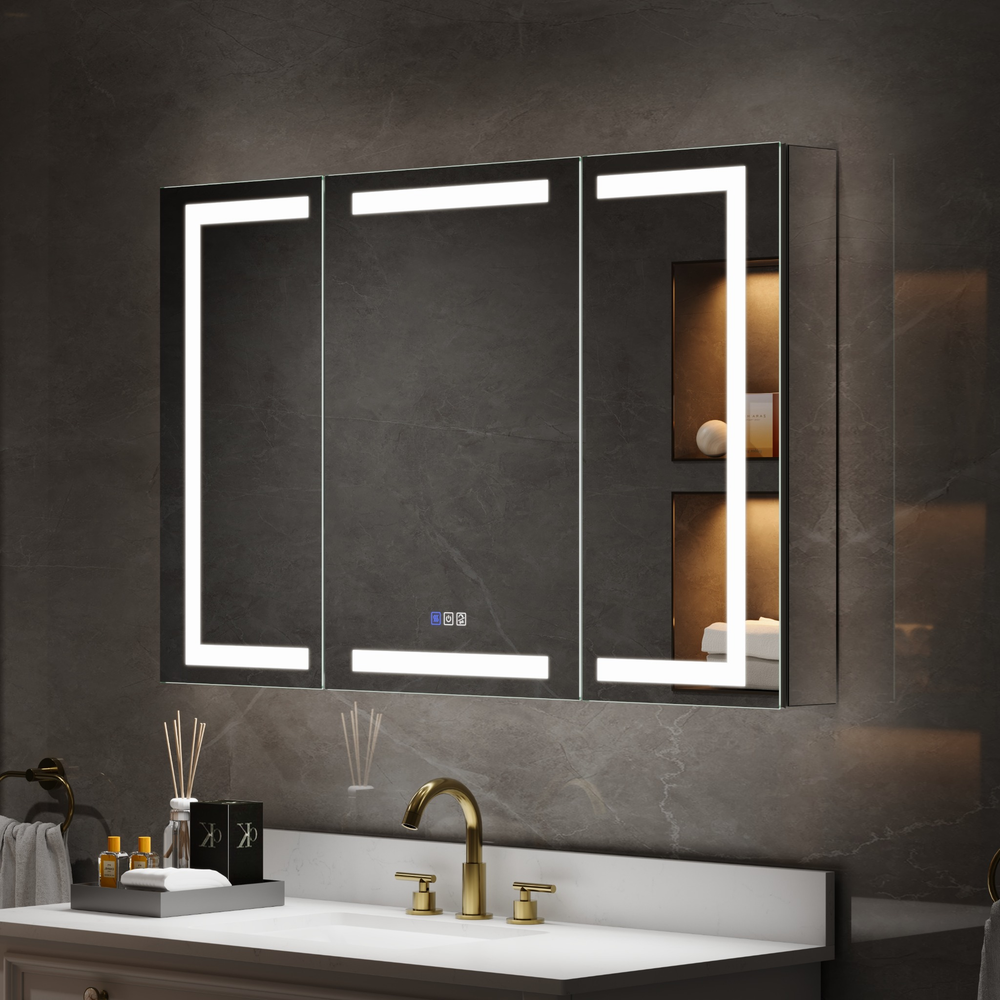
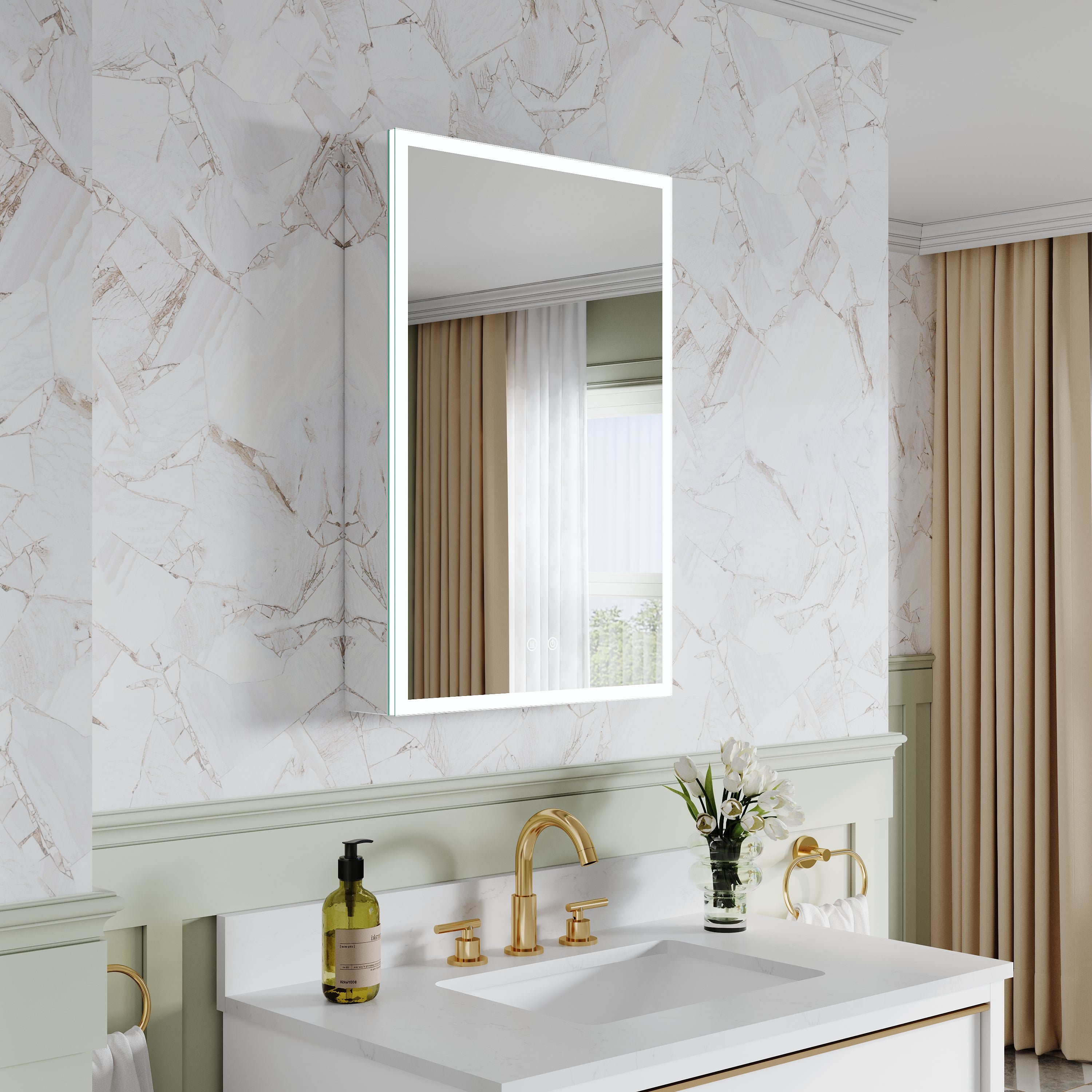
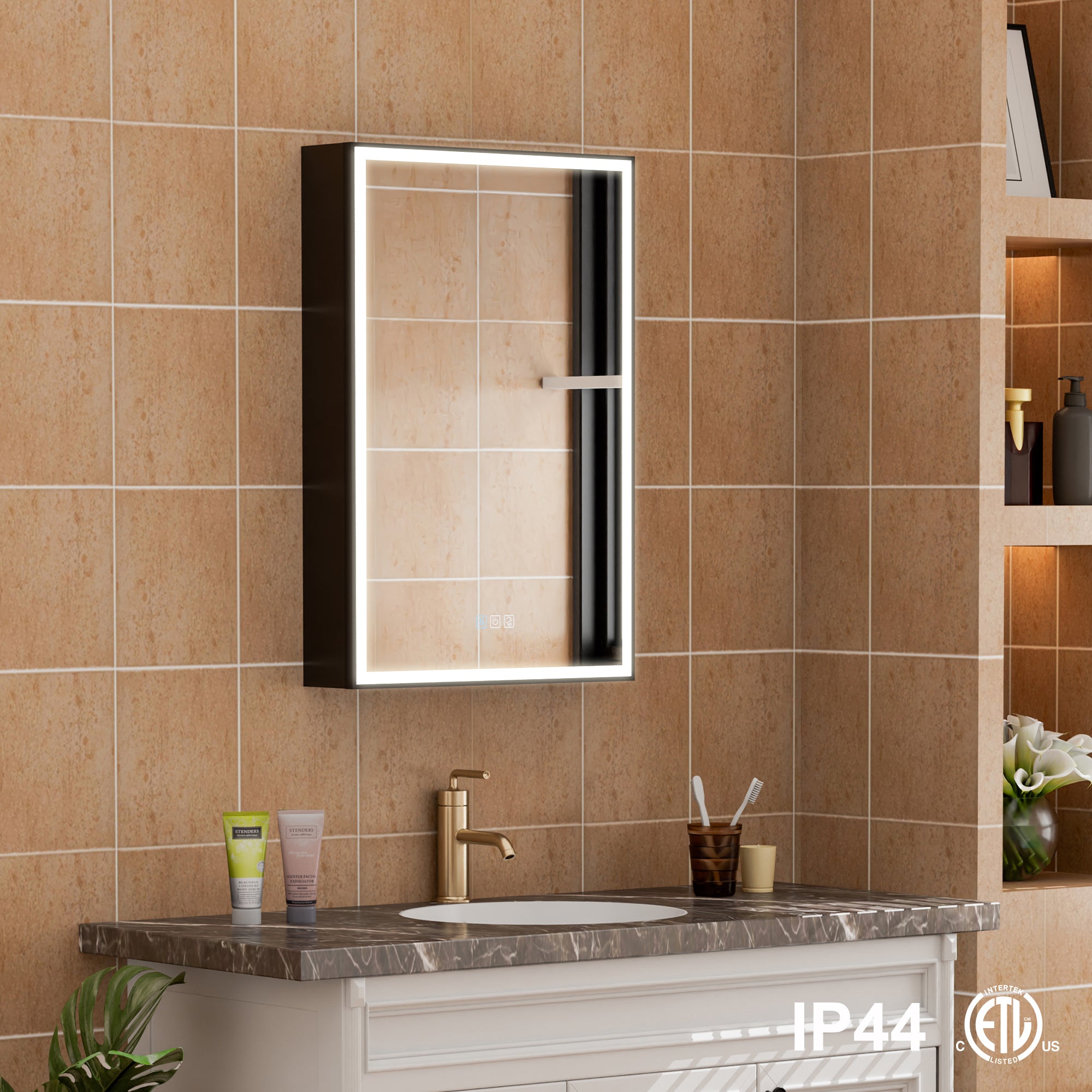
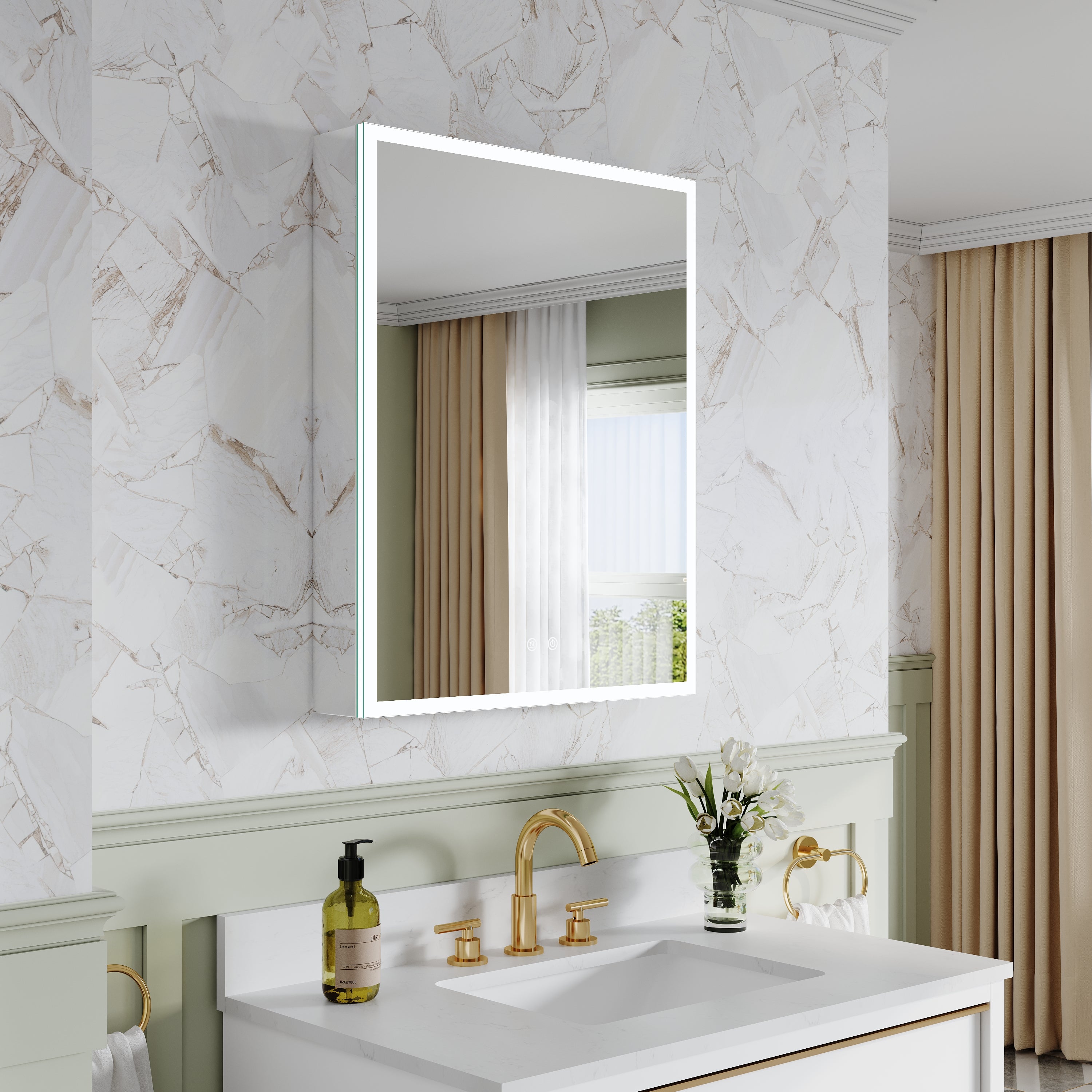
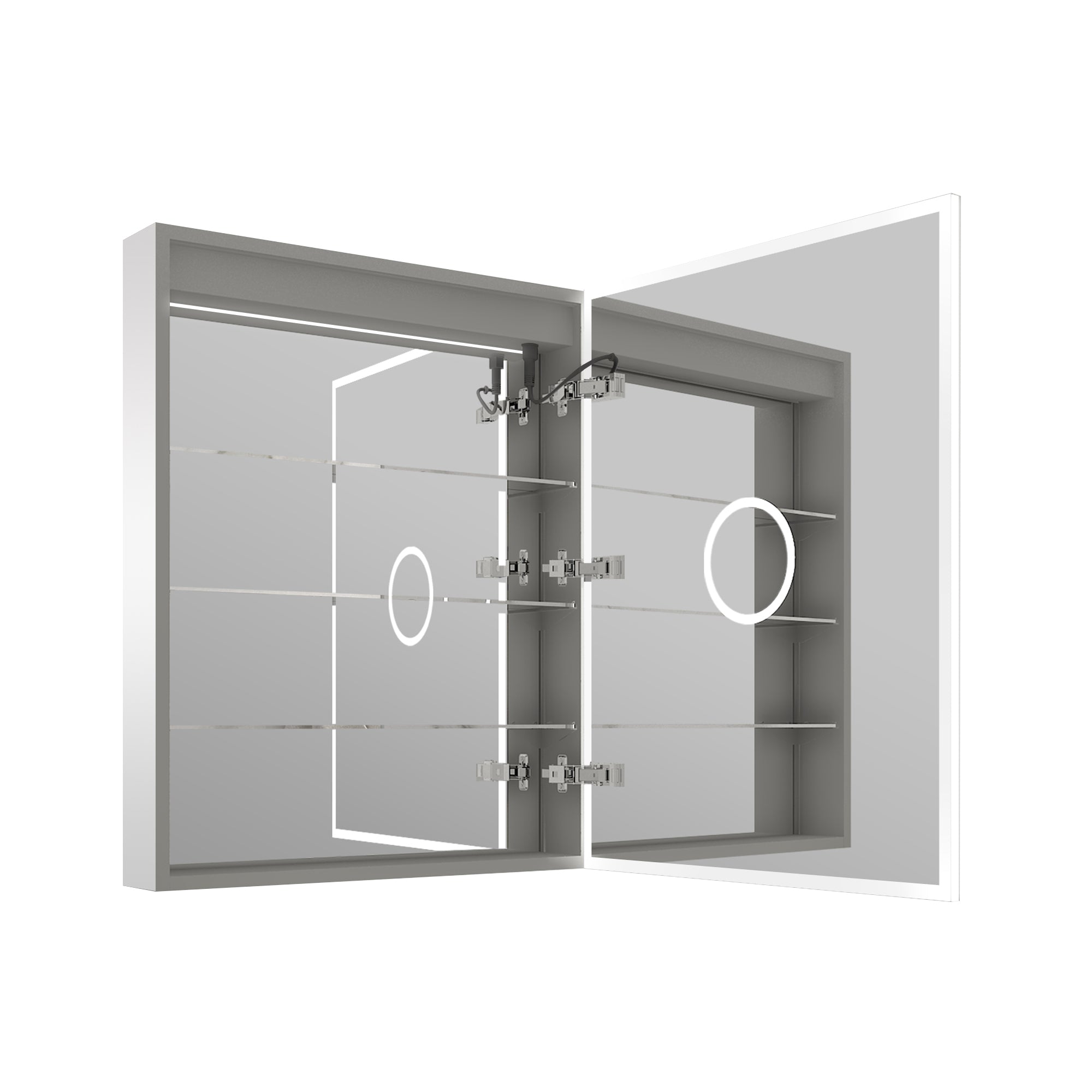
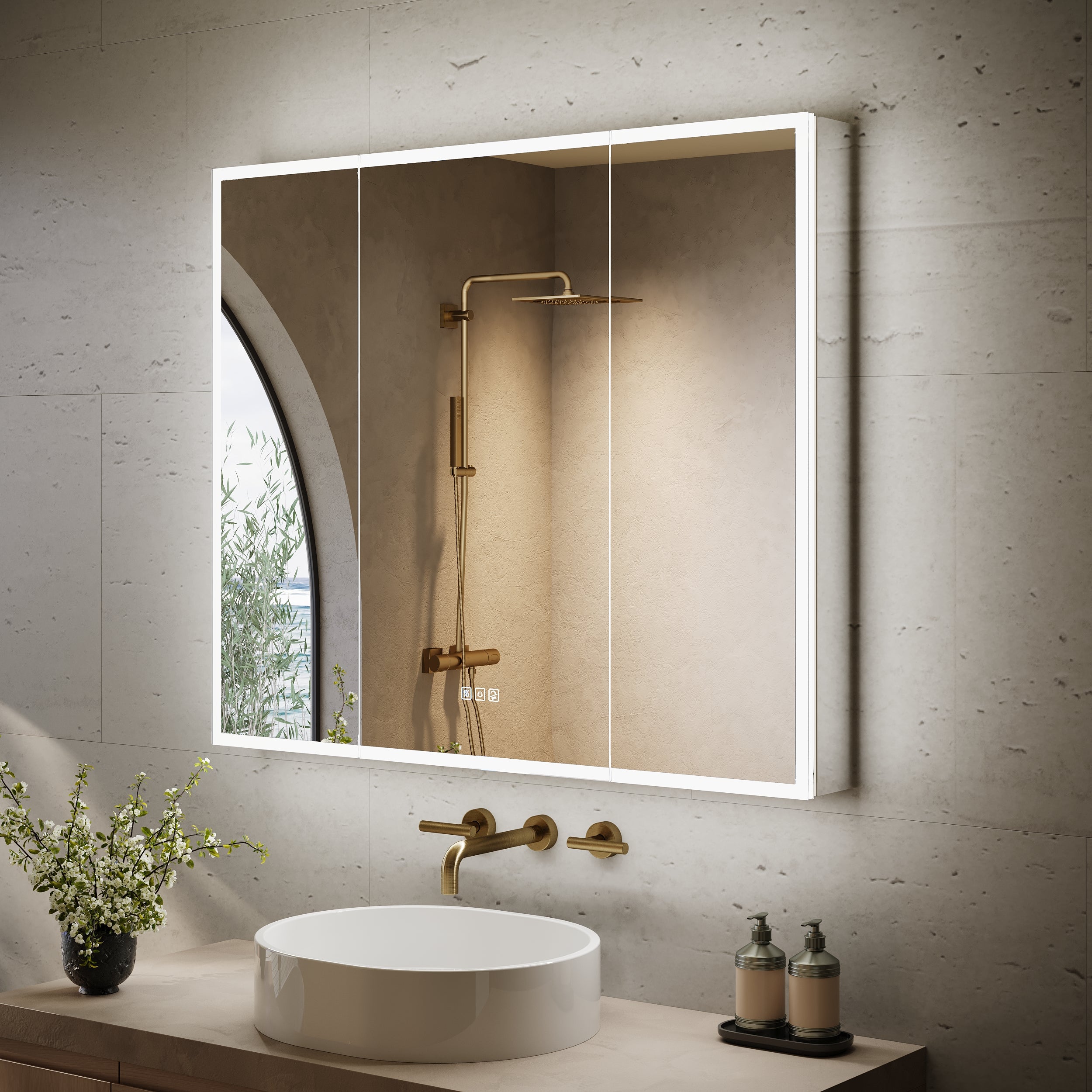
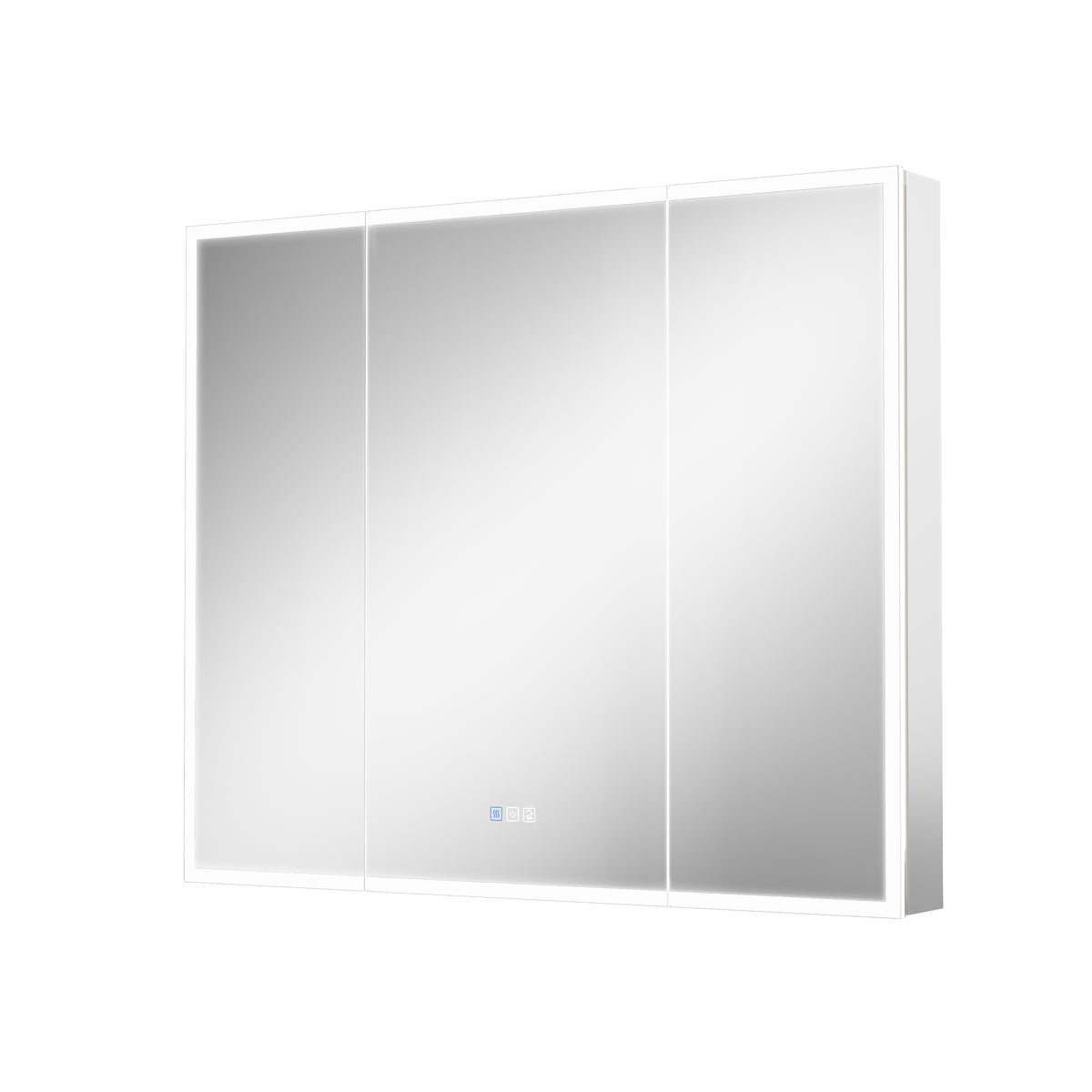
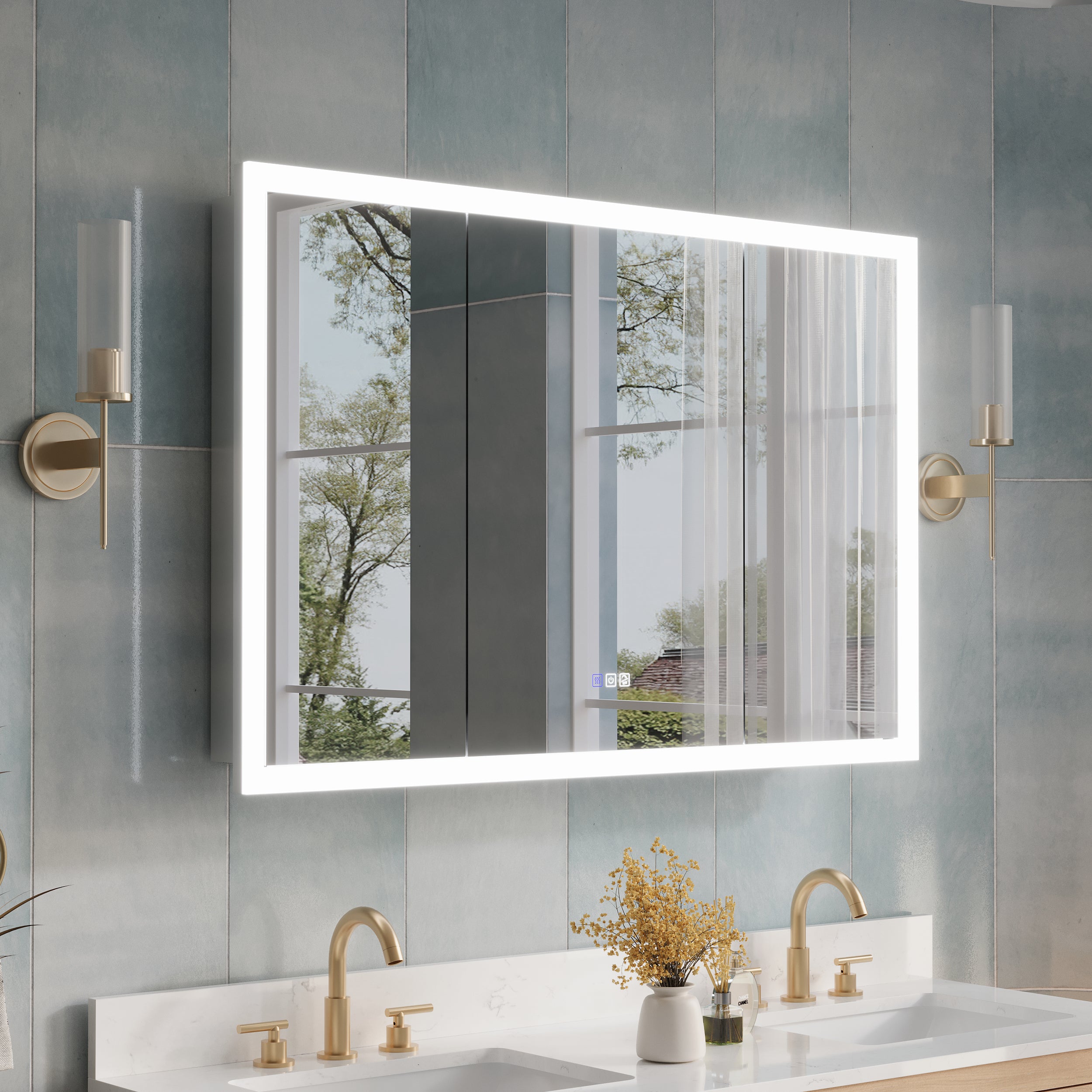
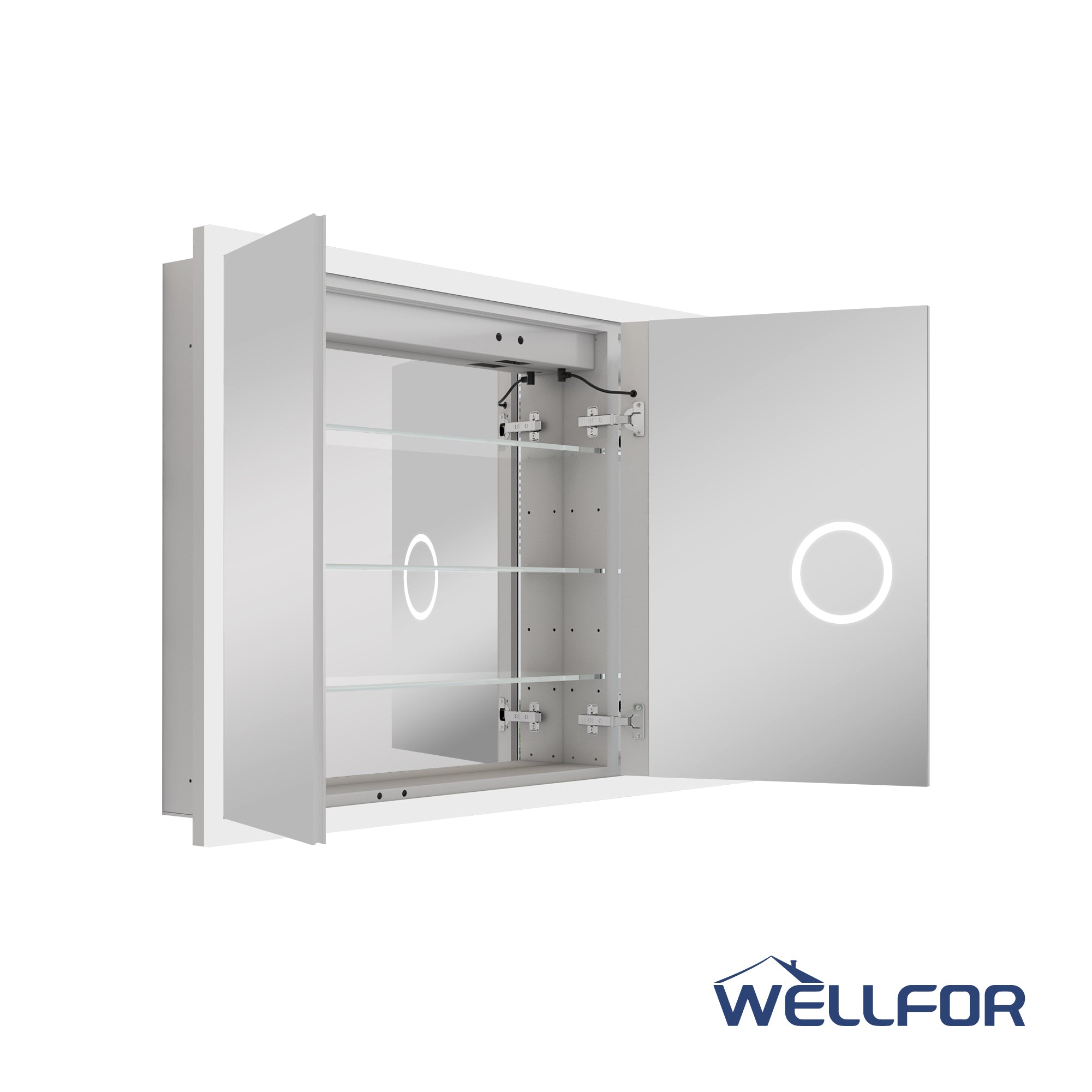
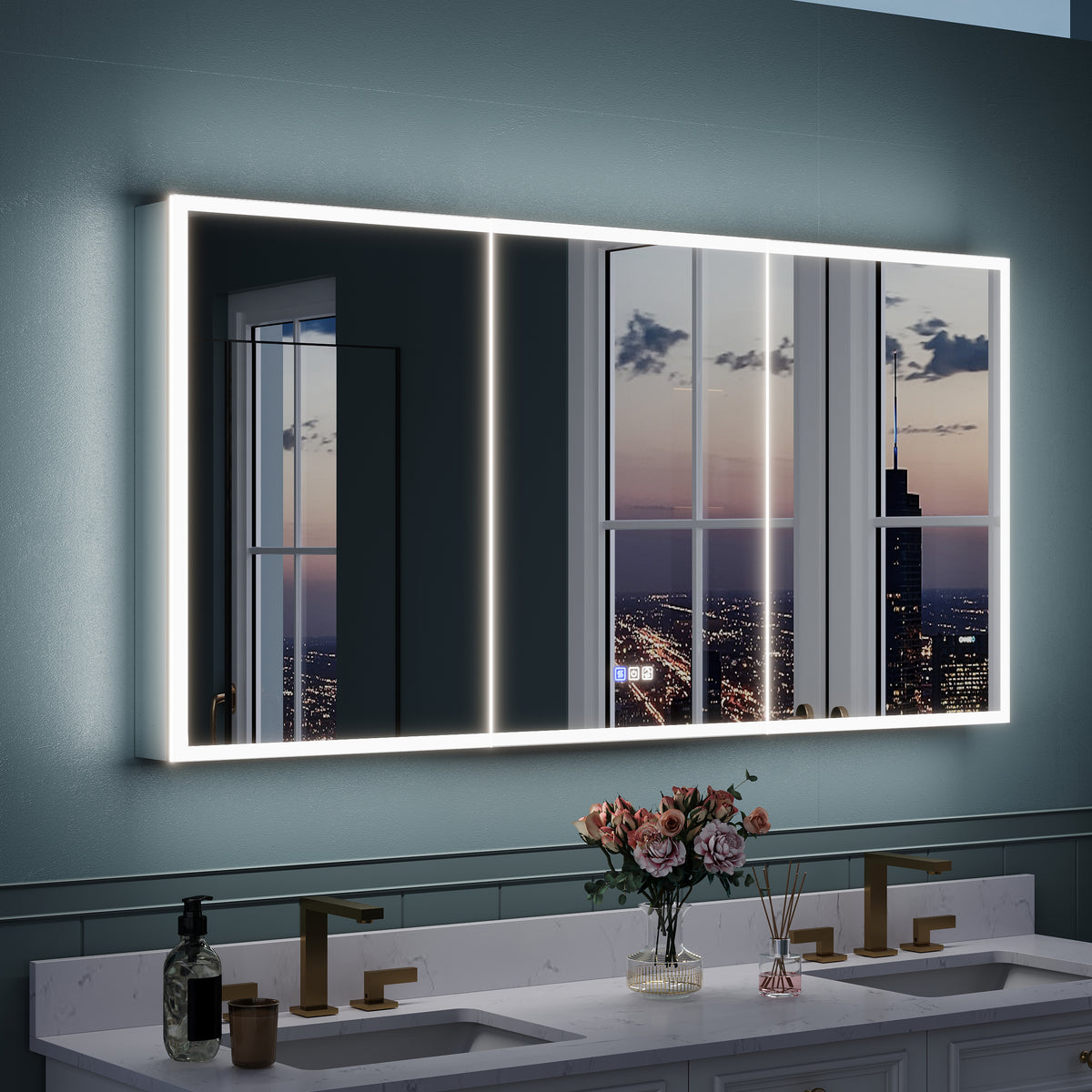
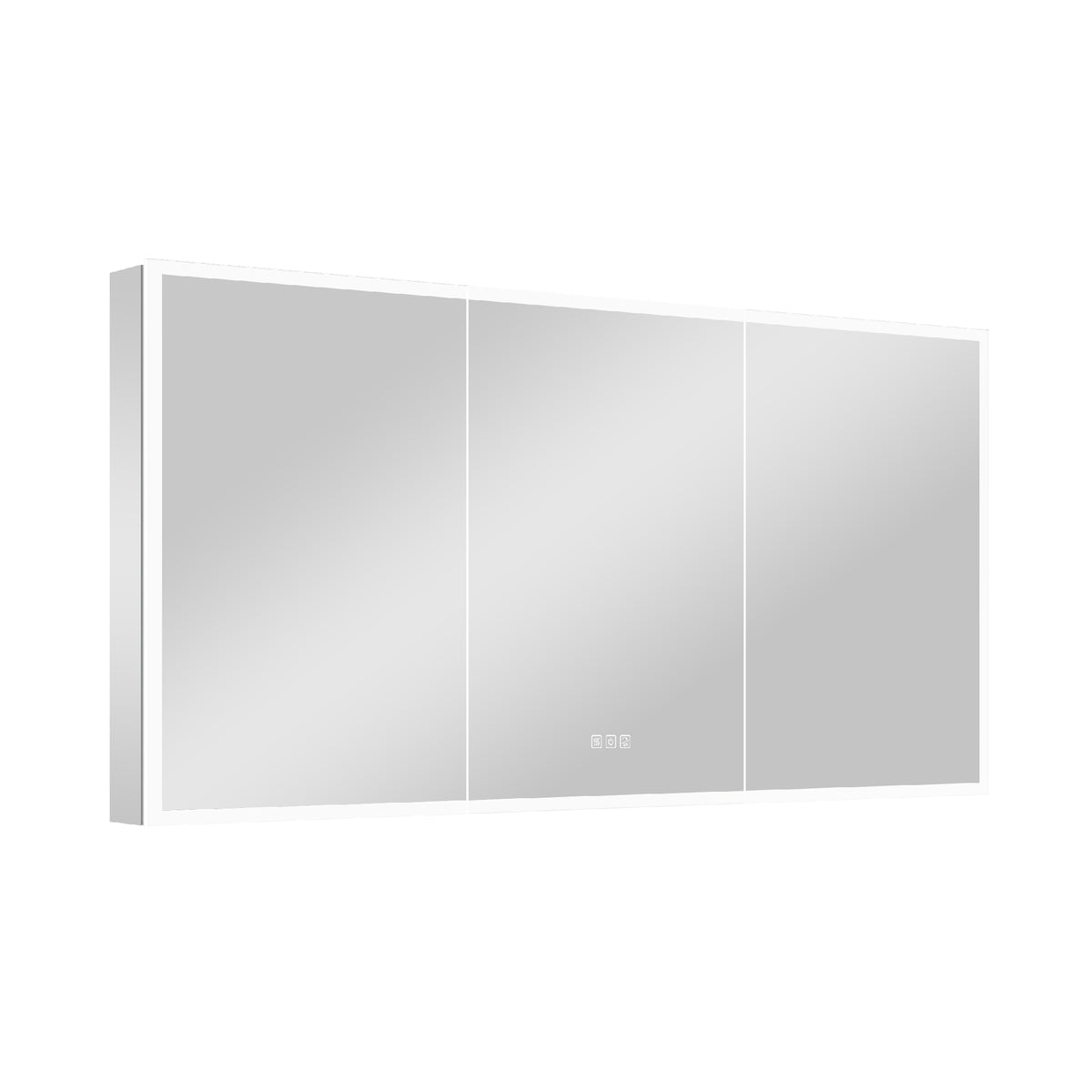
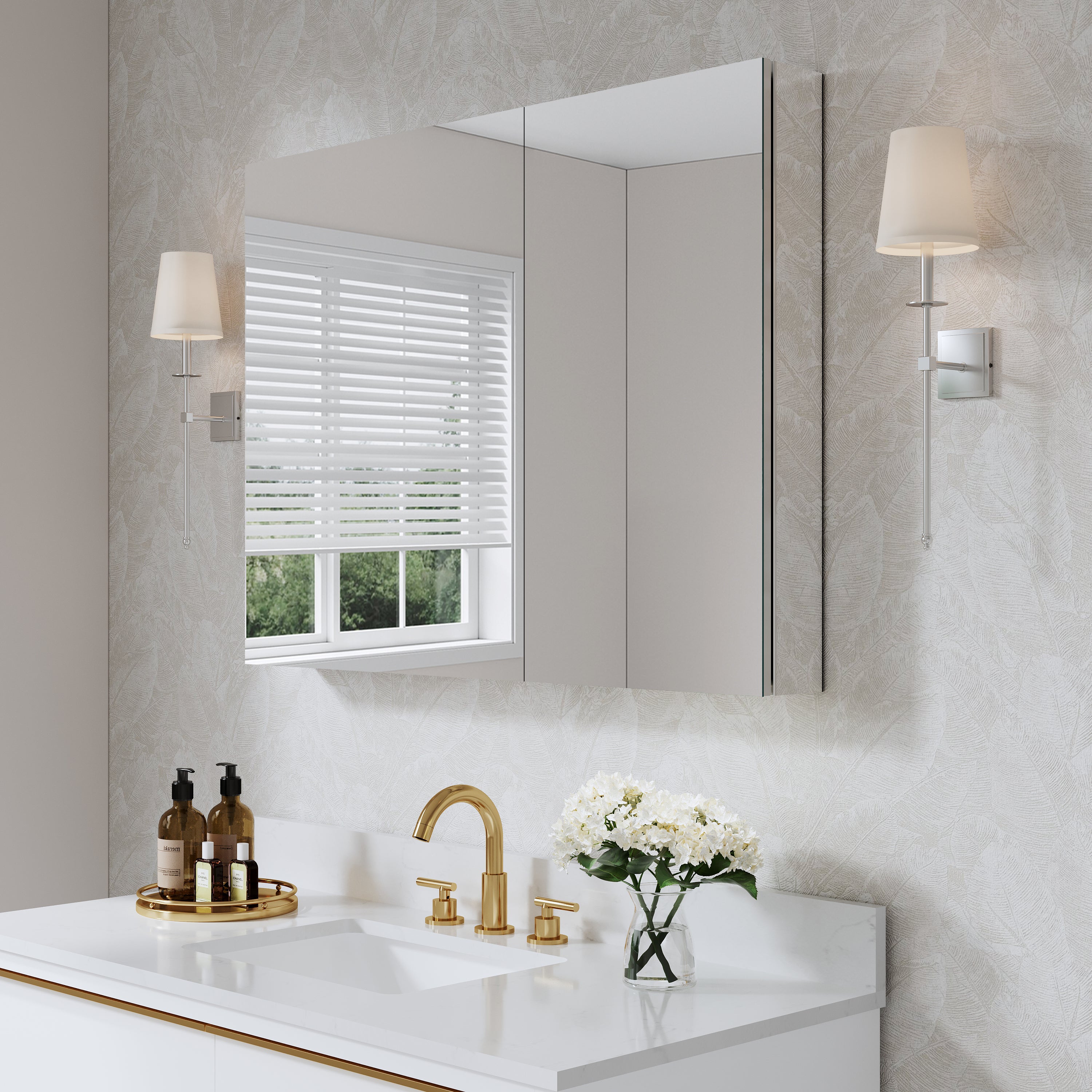
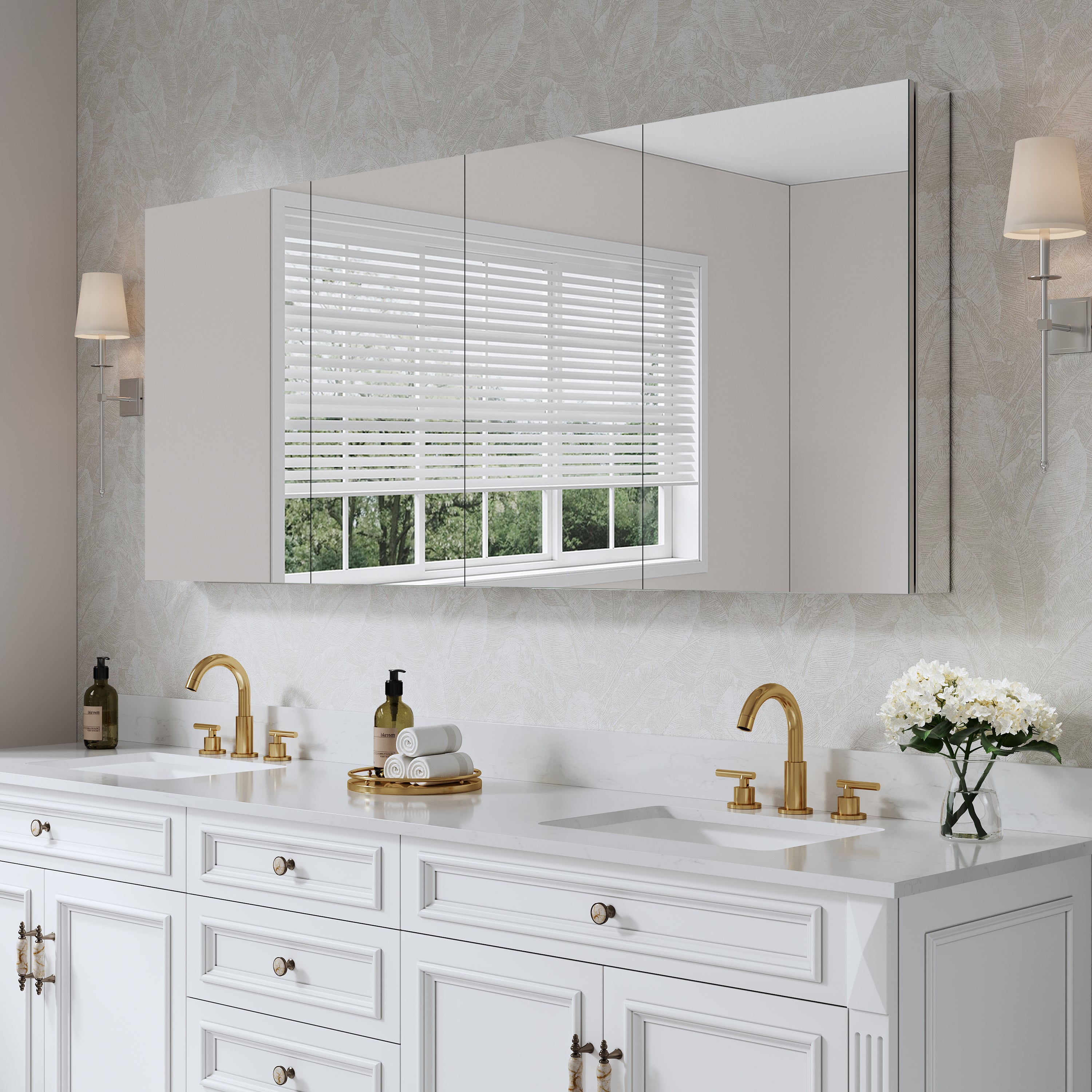
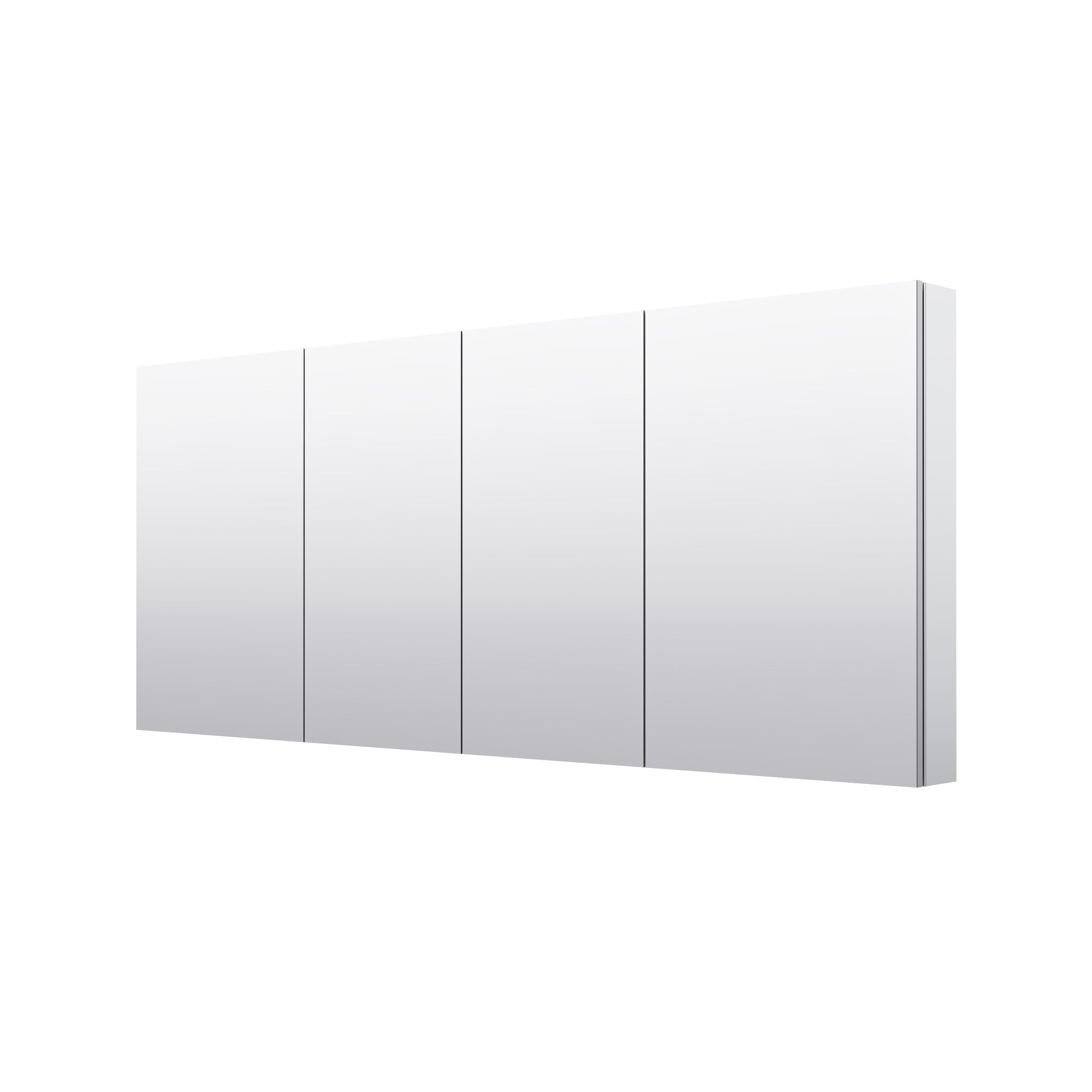
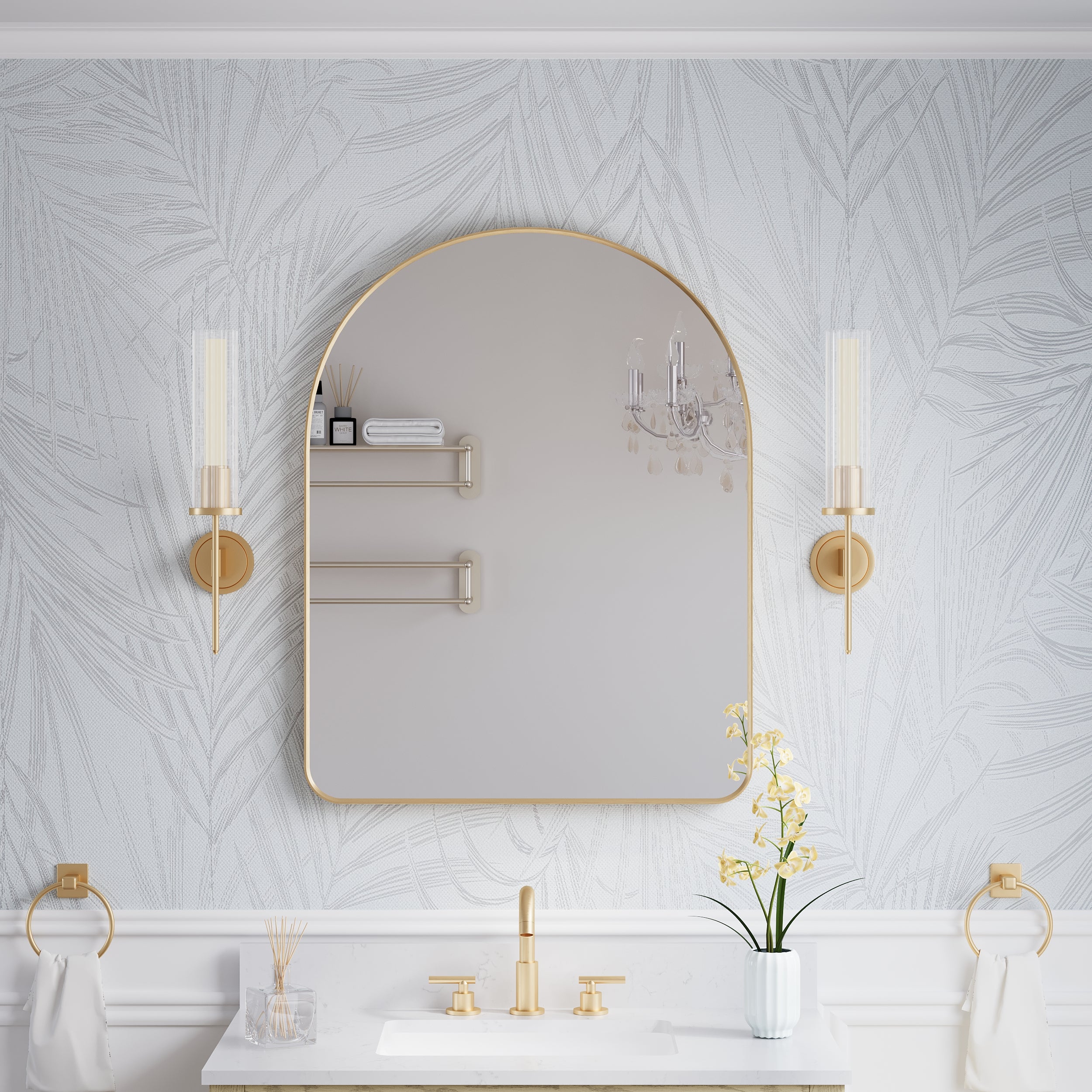
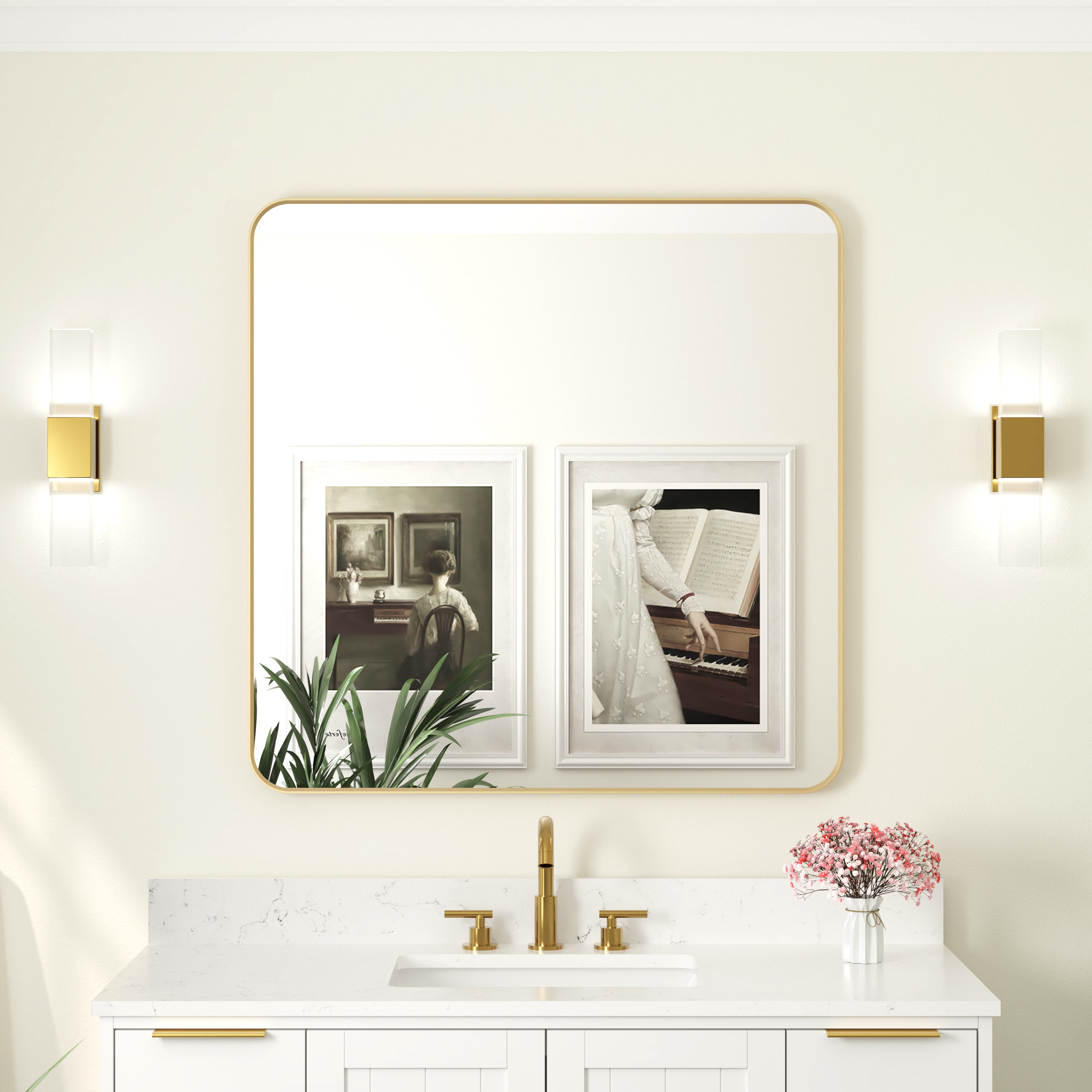
Mirrors & Mirror Vanities: Oversized mirrors reflect ambient light and visually expand the walls. Pairing a recessed mirror cabinet with a light wood vanity provides hidden storage, keeping countertops clutter-free. Mirror proportions should always be balanced against the basin, faucet, and overall wall dimensions.
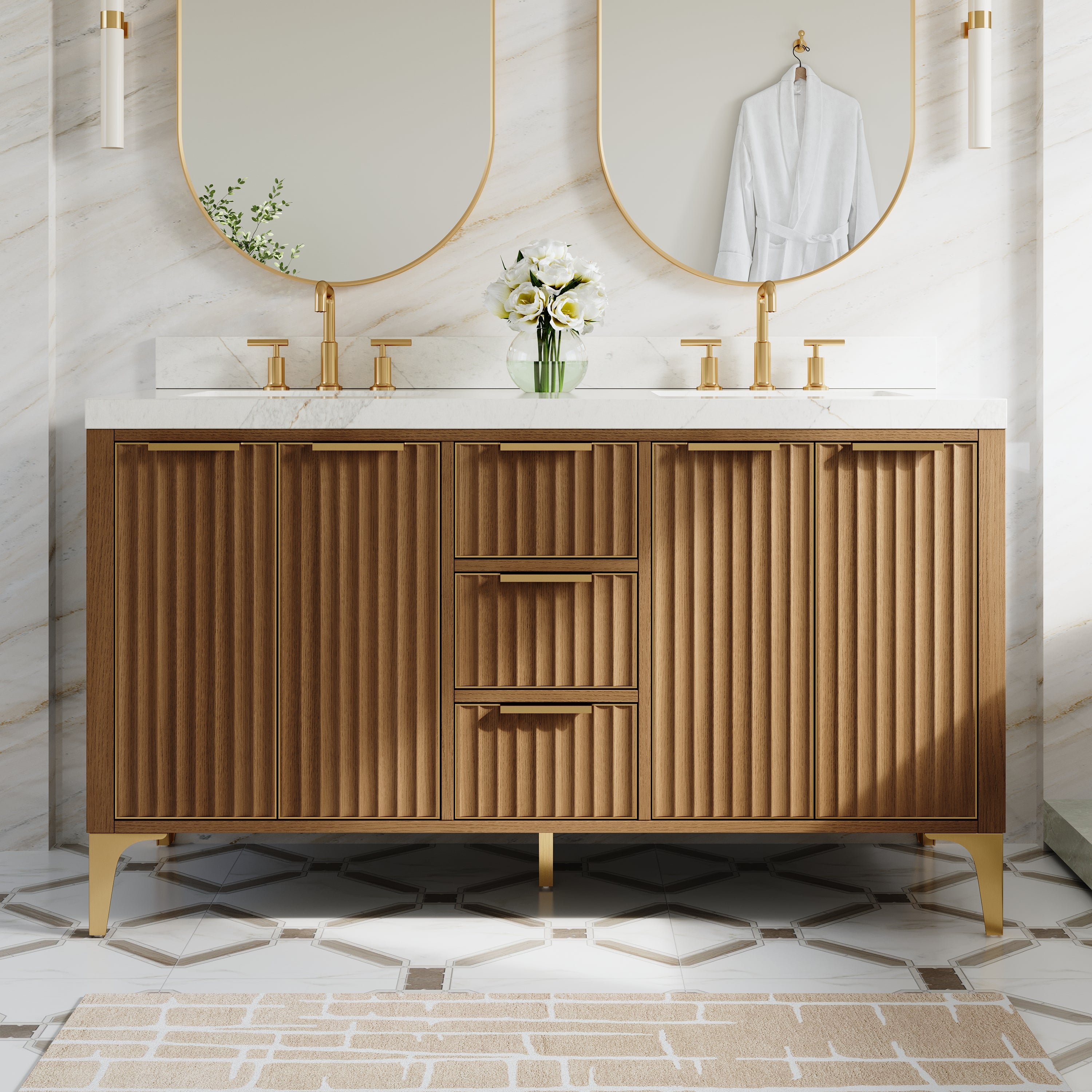
Bathroom brands like Wellfor design their product offerings around these specific usage scenarios—focusing on depth efficiency and storage density for small powder rooms, while prioritizing spacious countertops, dual-sink configurations, and easy-clean surfaces for master suites.
Material Durability and Daily Maintenance
Because bathrooms are high-humidity environments, selecting light wood vanities requires looking beyond surface aesthetics. Substrate quality, edge-banding precision, protective coatings, and proper installation are critical to long-term performance.
If engineered wood or MDF is used, homeowners should verify its moisture resistance, edge sealing quality, and manufacturer care guidelines. Even with protective coatings, prolonged exposure to standing water or constant high humidity can damage cabinetry over time. Proper installation must include sealed plumbing connections, adequate wall waterproofing, and effective room ventilation.
From a maintenance perspective, while light finishes create a clean aesthetic, they can still highlight certain types of grime. Toothpaste splatters, hard water spots, and makeup stains may show on light countertops or cabinet fronts. To protect the protective seal and finish, clean surfaces regularly using non-abrasive, pH-neutral cleaners, avoiding harsh acids or alkalis.
By providing clear specifications on dimensions, moisture resistance, installation steps, and care instructions, brands like Wellfor empower consumers to make informed choices that ensure longevity alongside style.
The Verdict: A Harmonious Blend of Nature, Brightness, and Functionality
Light-colored wooden bathroom vanities continue to grow in popularity because they fulfill multiple practical needs: they soften visual weight, introduce natural textures, and deliver essential daily storage. While not the only solution for every home, they offer an exceptional option for anyone looking to brighten small spaces, eliminate the heavy feel of dark furniture, and foster a warm, modern sanctuary.
As homeowners prioritize long-term value and daily comfort, bathroom design is no longer just about standalone pieces. The interplay between cabinetry, lighting, mirrors, tiles, hardware, and moisture-resistant materials forms a holistic experience.
By combining natural light wood aesthetics with functional storage, robust build quality, and versatile layouts, modern bathroom brands help homeowners craft spaces that are not only visually open and inviting, but built for real life.












Leave a comment
This site is protected by hCaptcha and the hCaptcha Privacy Policy and Terms of Service apply.