














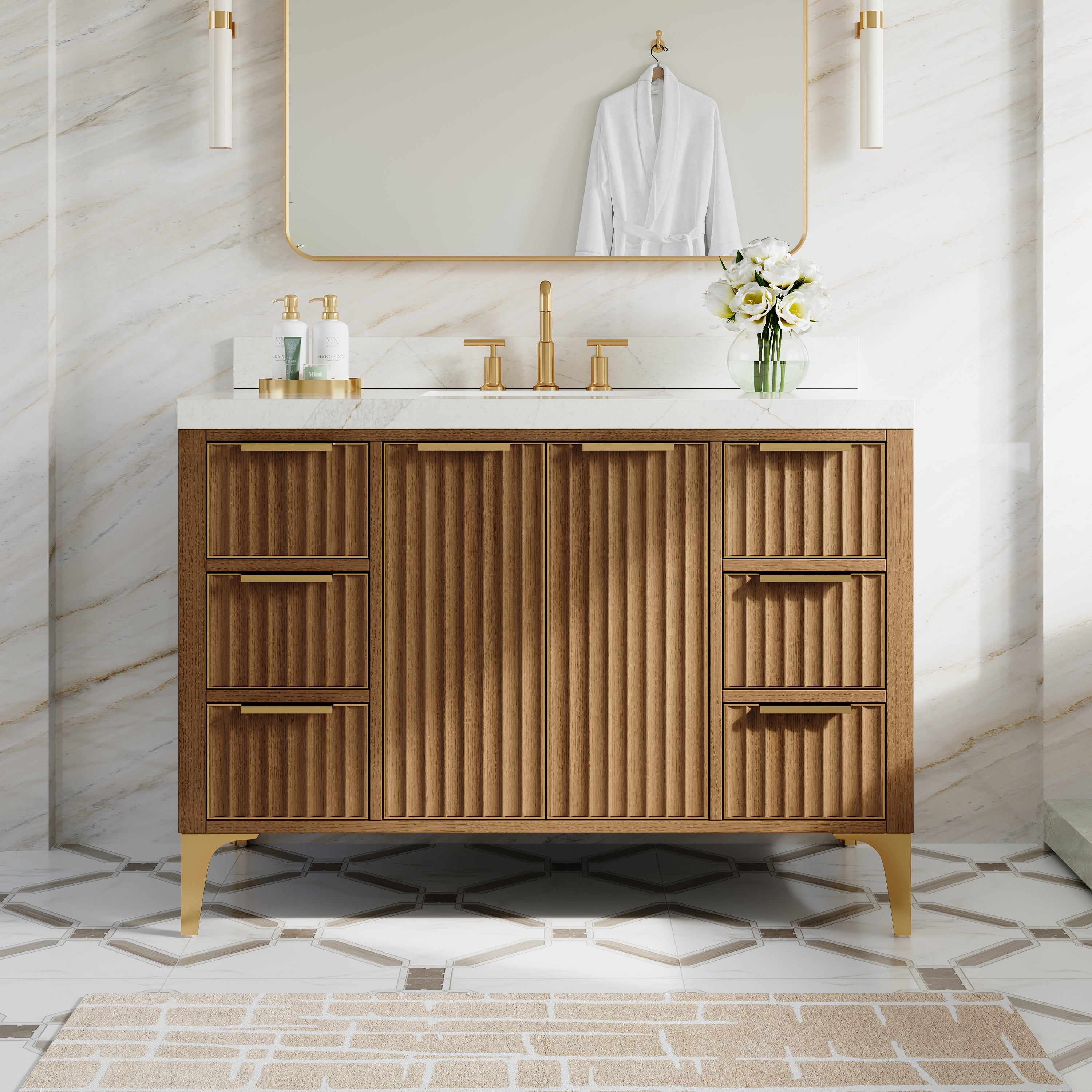


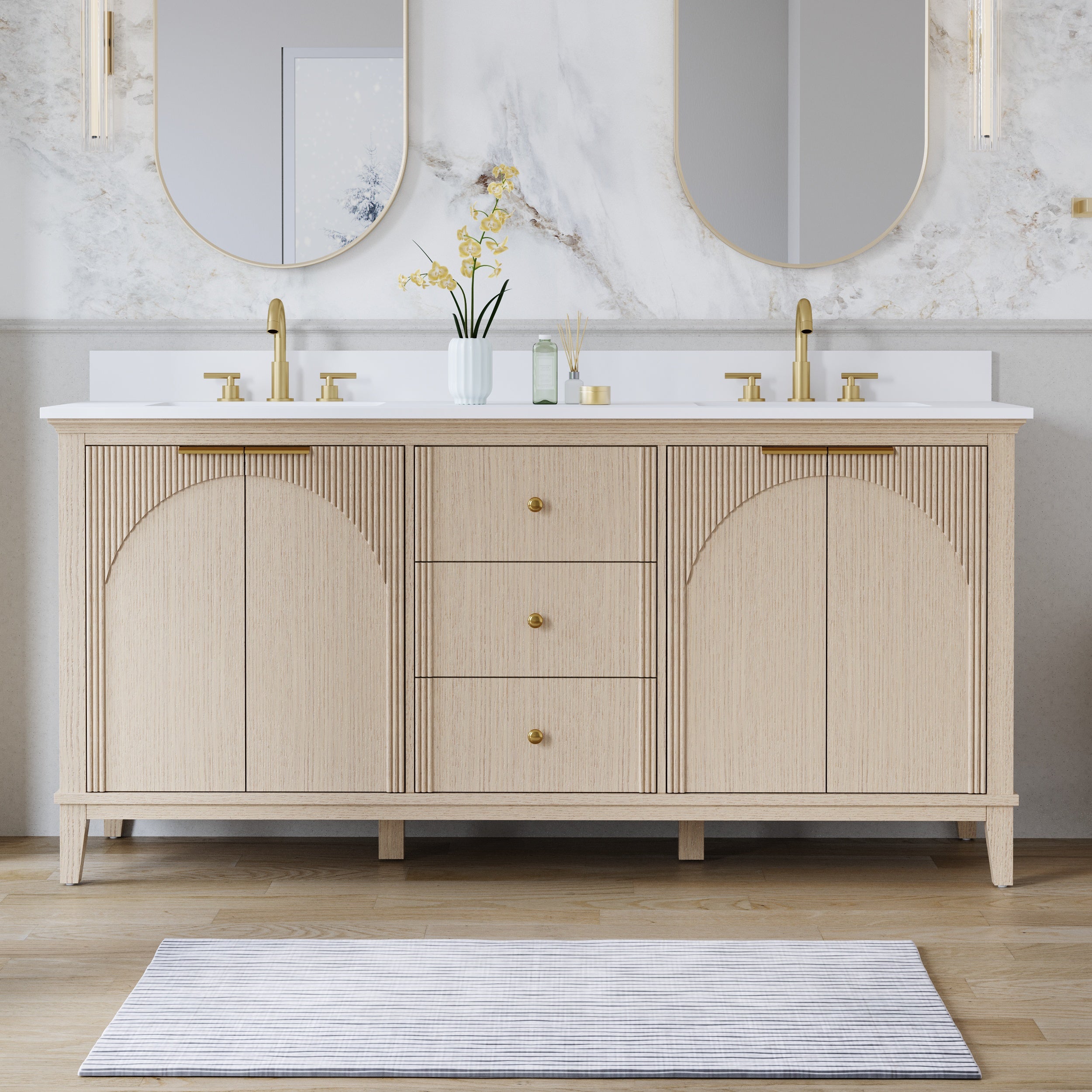
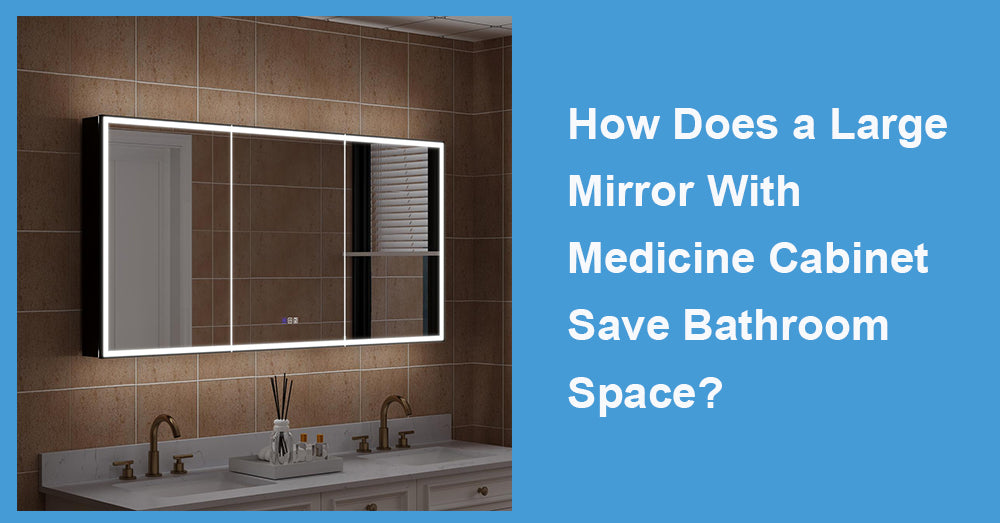
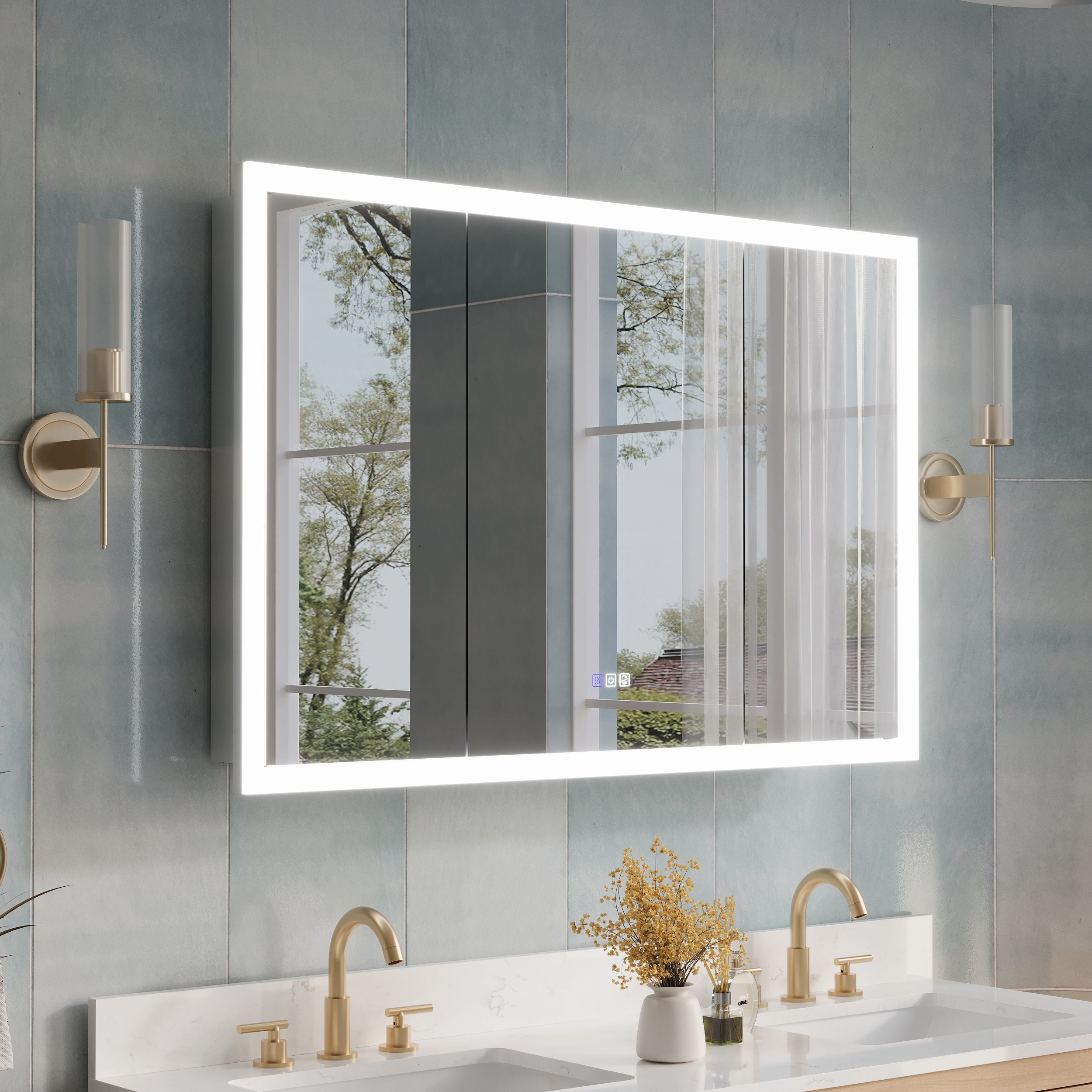
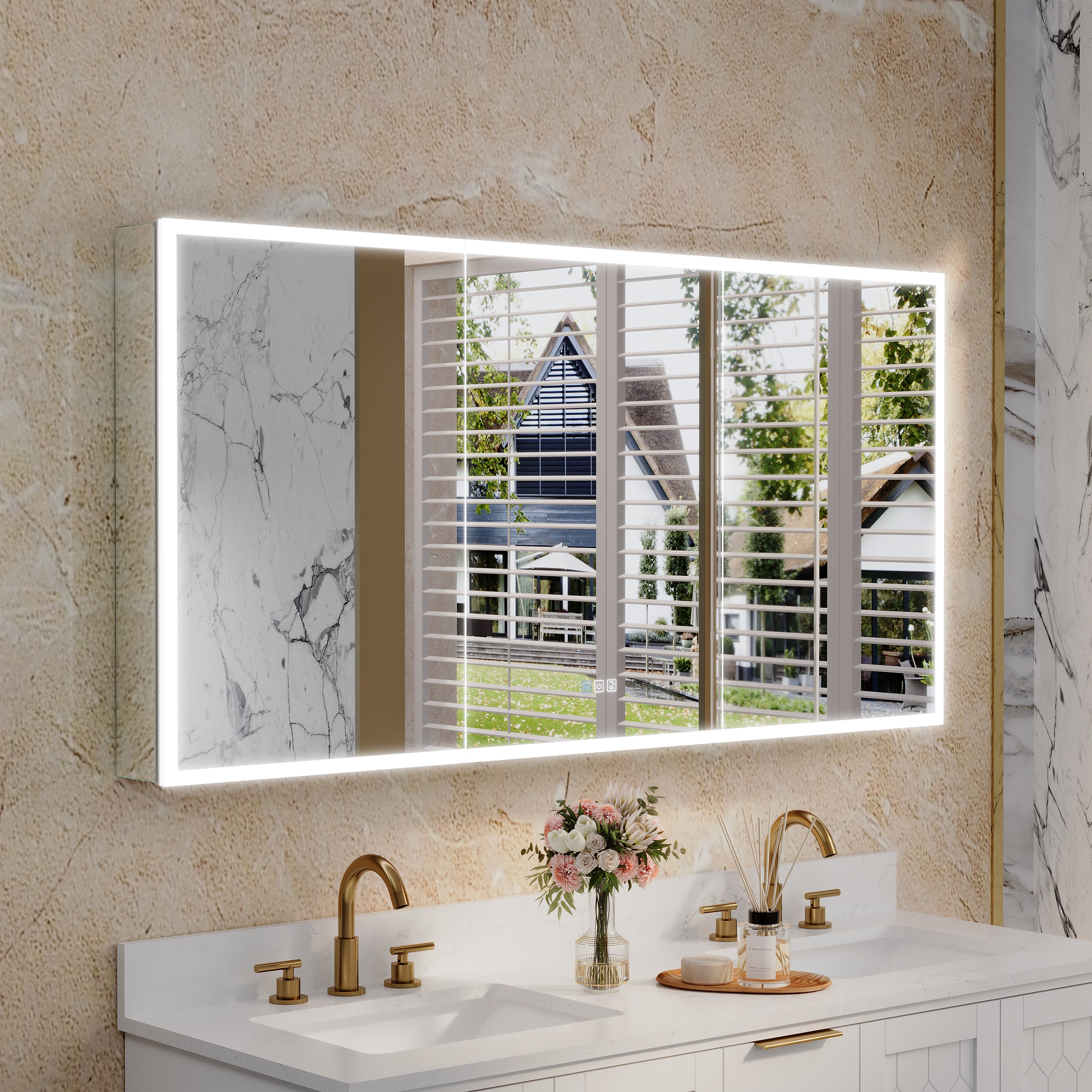
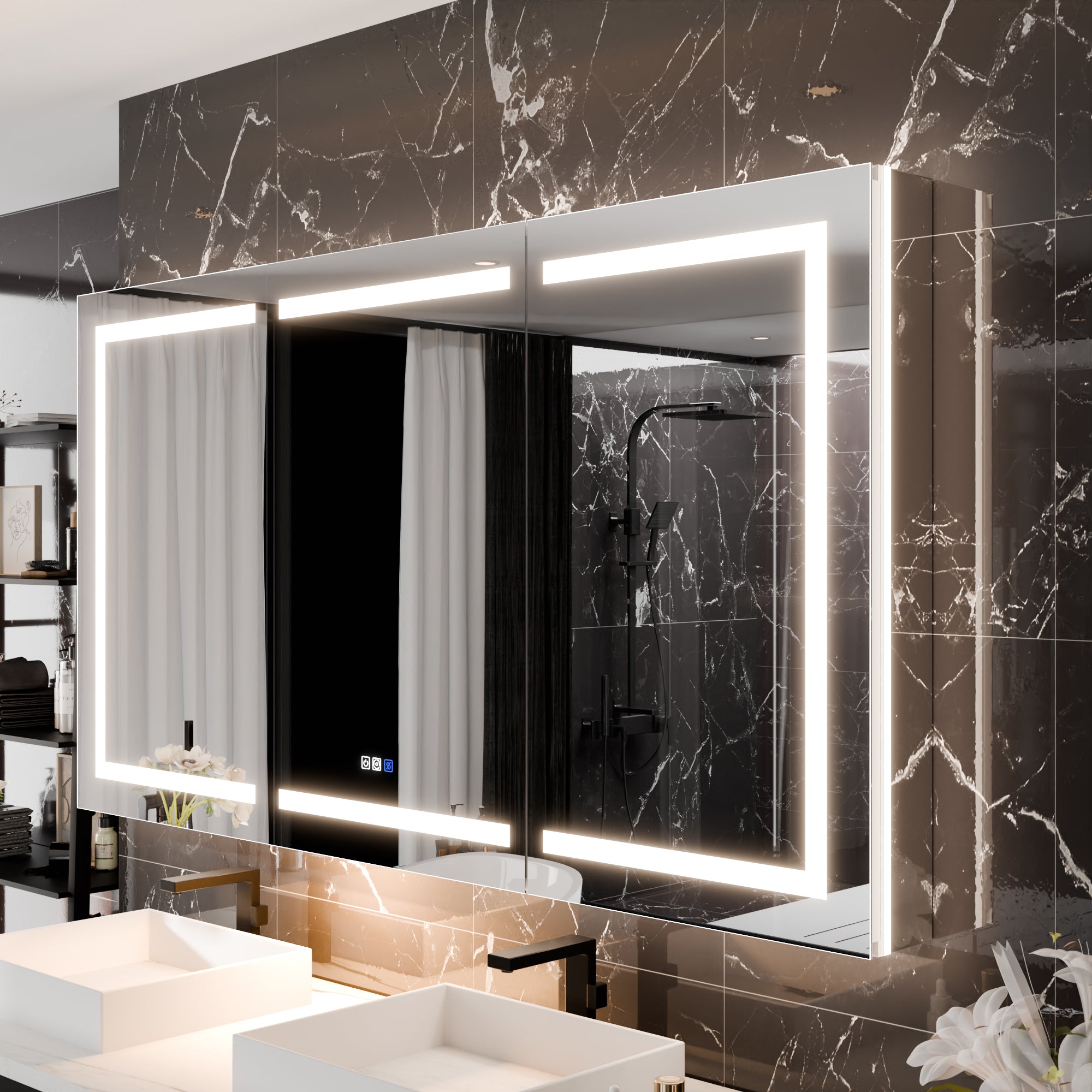
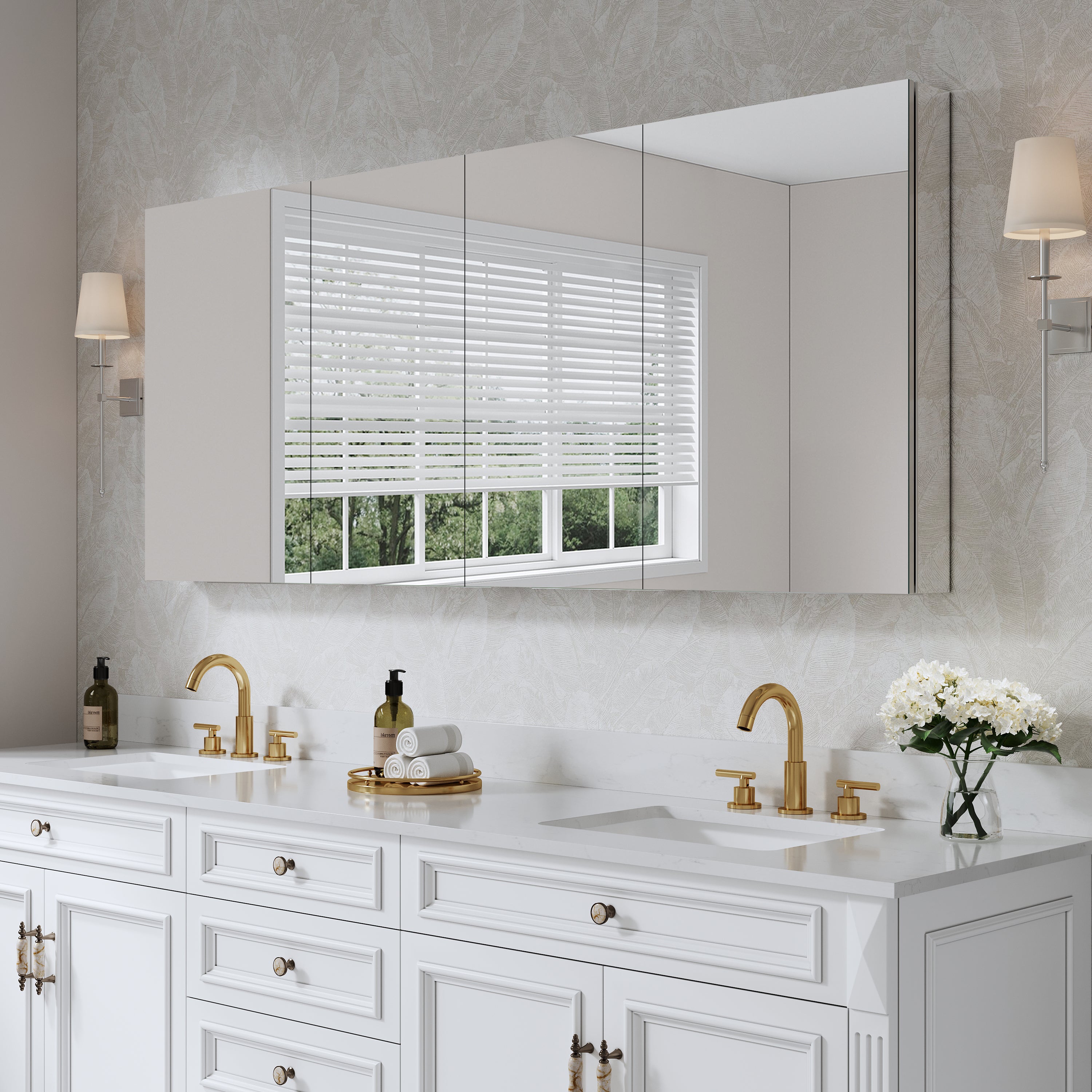
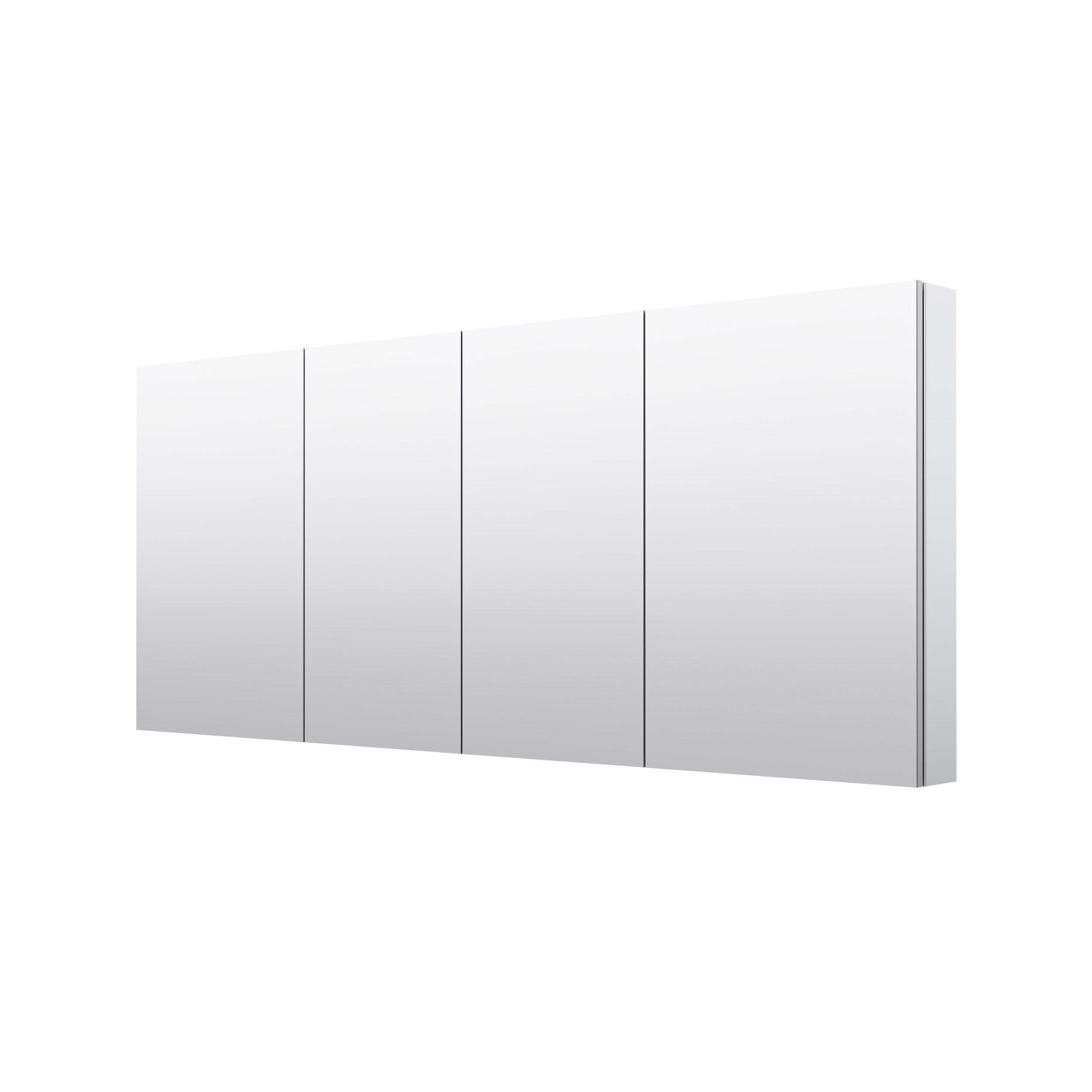
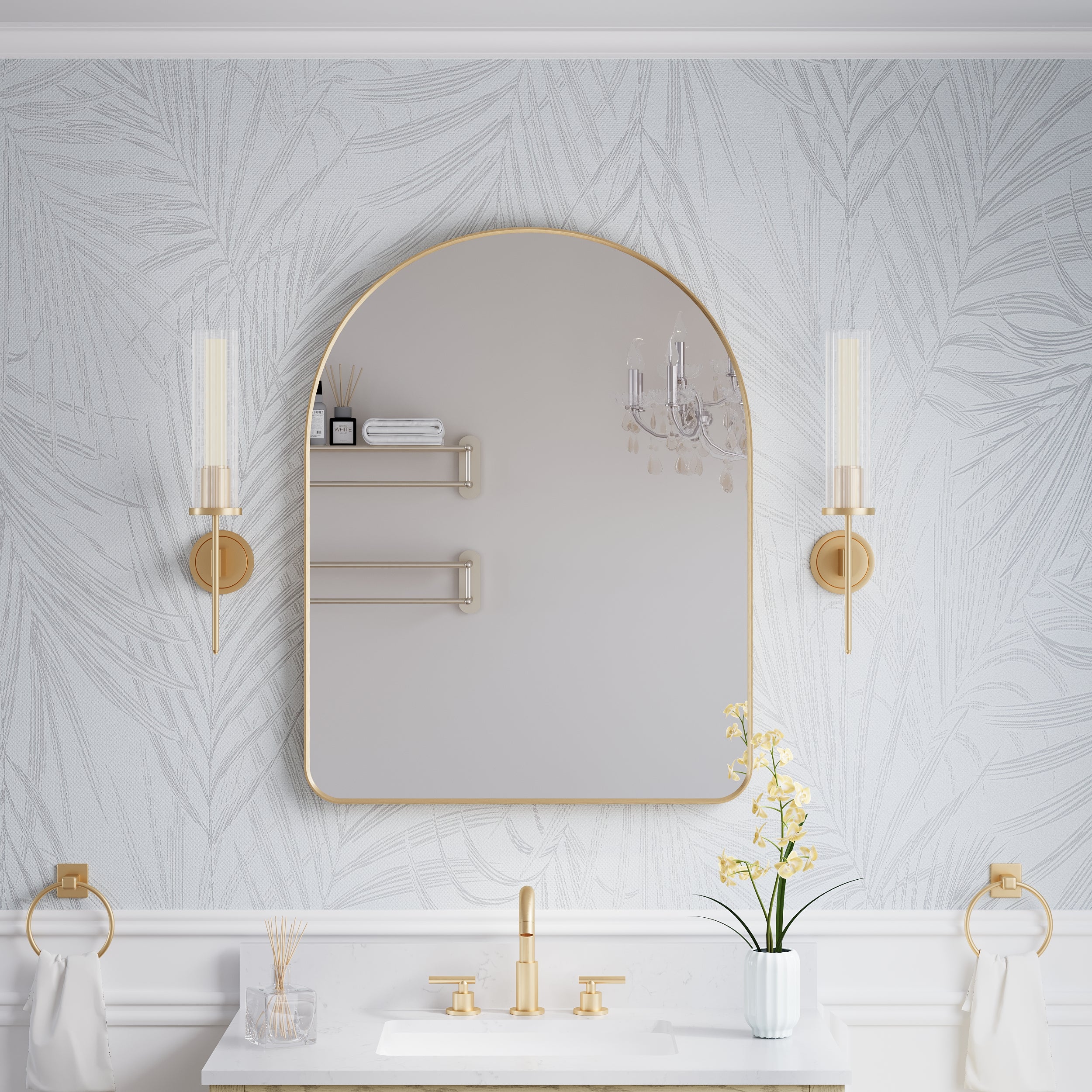
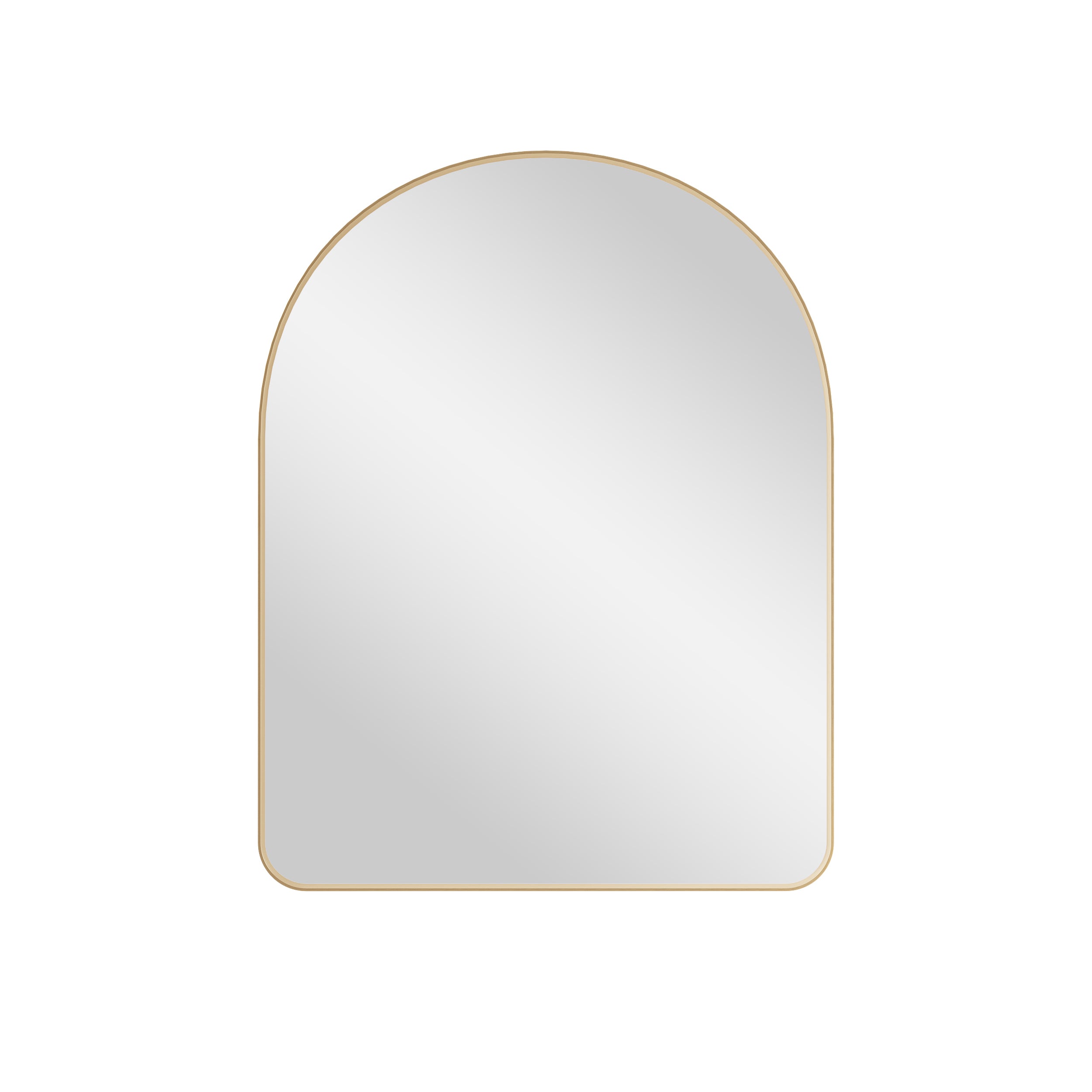
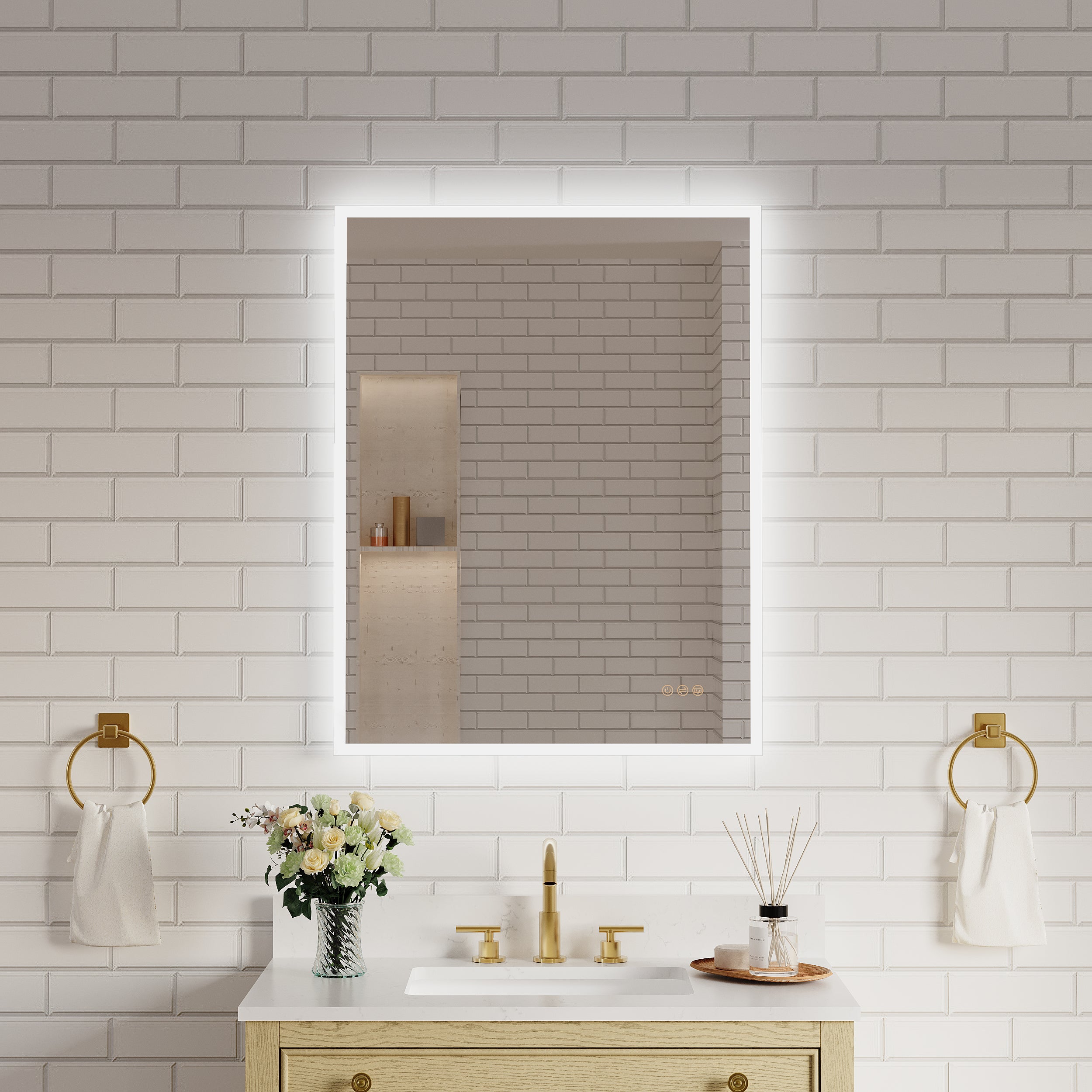
In line with the ongoing evolution towards "functional centralization" and "visual lightweighting" in bathroom spaces, a large mirror with medicine cabinet is increasingly a preferred choice in more projects. It combines the mirror, storage, and wall design into a single module, significantly improving space utilization efficiency without occupying additional floor area. This design is not simply a combination of functions, but a systematic reconstruction around the logic of bathroom use.
1. The core contradiction of bathroom space. increasing demand and limited area
Industry data shows that bathrooms are one of the spaces with the highest functional density in residential buildings. Under limited wall and floor conditions, the demands for washing, storage, lighting, and aesthetics continue to overlap. Traditional methods often solve the problem by adding side cabinets or floor-to-ceiling storage, but the result is further space compression.
The emergence of a large mirror with a medicine cabinet solves this contradiction. By "asking for space from the wall", it concentrates small items that were scattered initially in countertops, drawers, and side cabinets in the mirror area, fundamentally reducing the encroachment of exposed storage on space.
2. Mirror space. a long-neglected 'high-value area.'
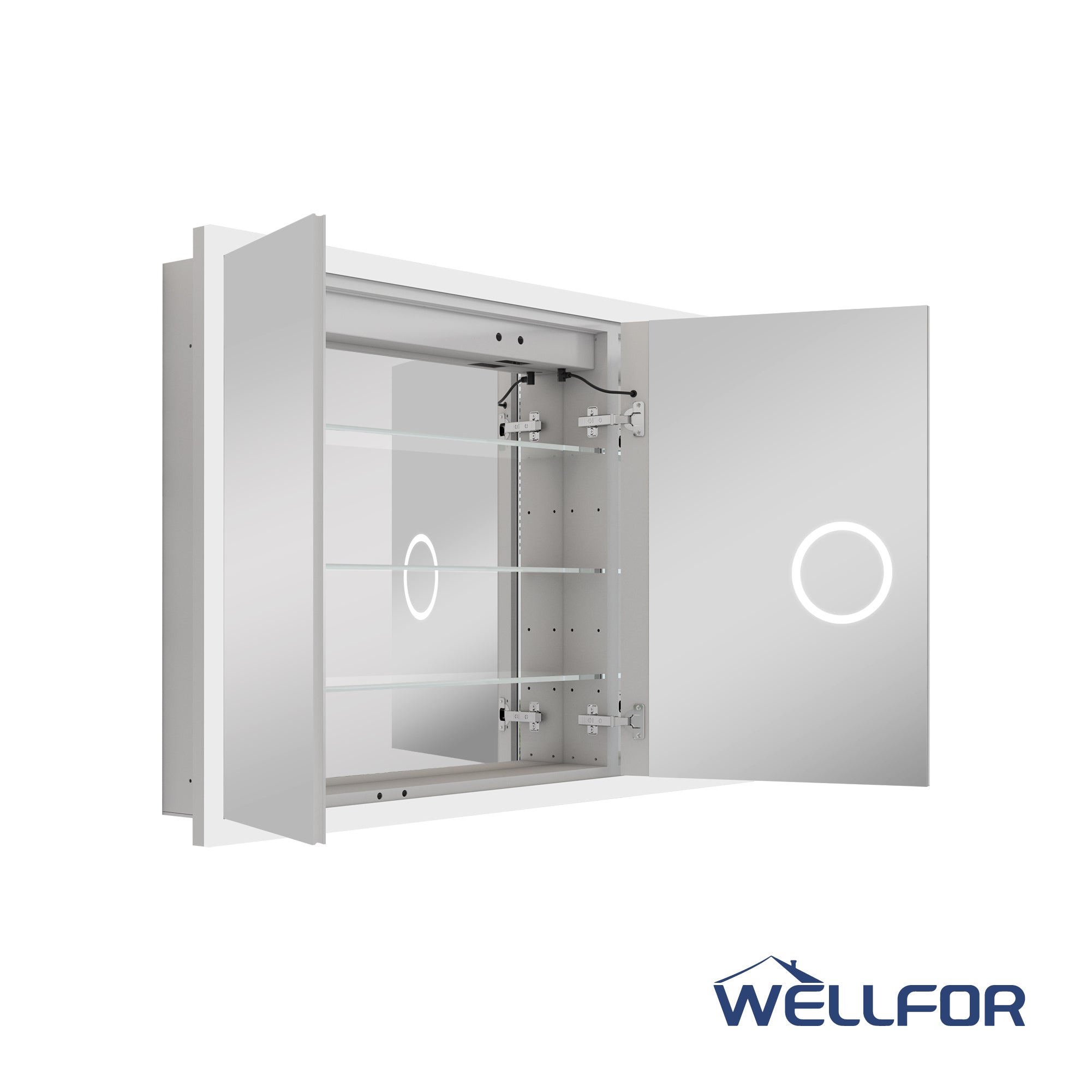
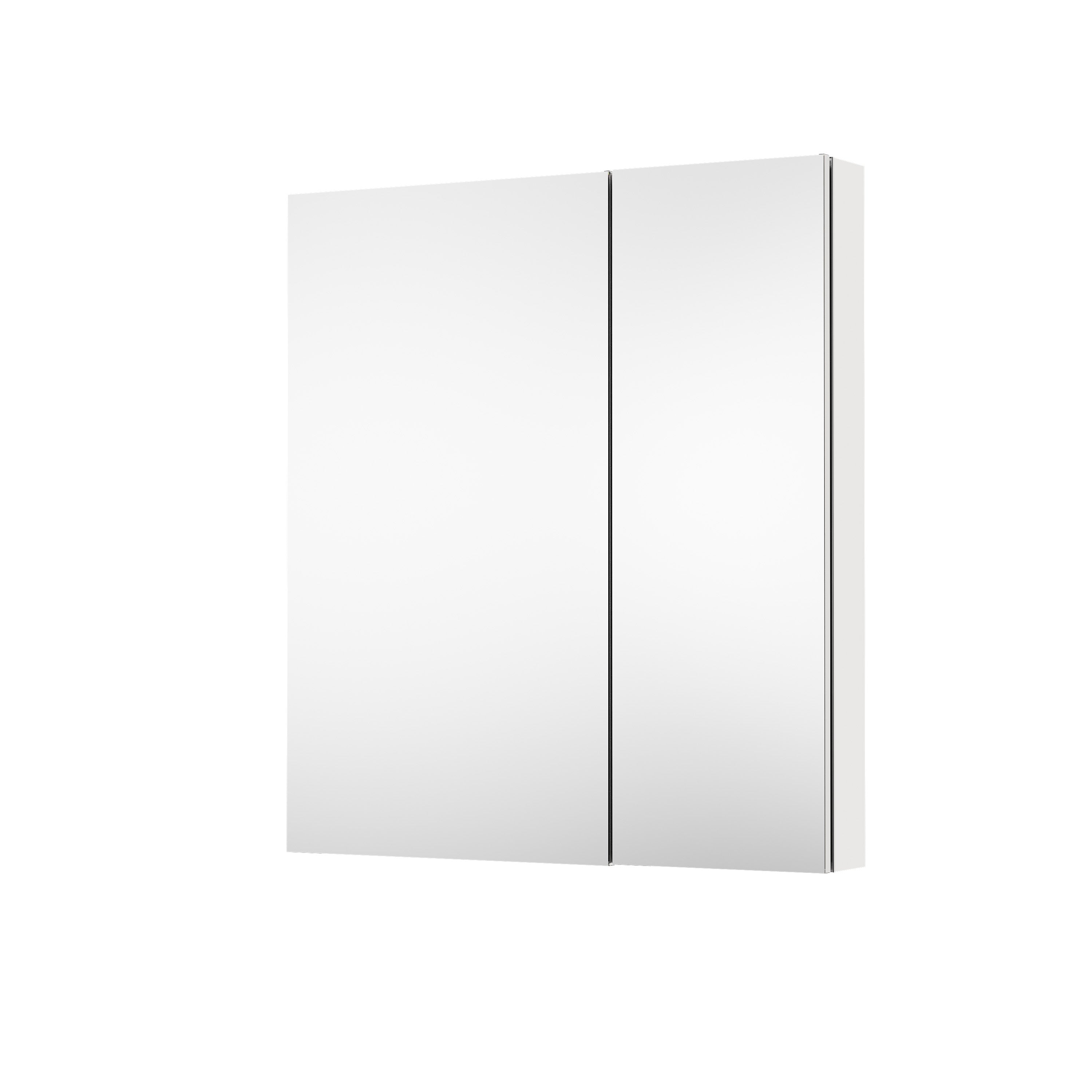
From a structural perspective, ordinary bathroom mirrors occupy only the surface layer of the wall, while medical cabinets utilize the hidden space formed by the wall's thickness or surface extension. The industry-standard depth for large mirror cabinets is usually 4-6 inches, but they can offer multiple adjustable storage partitions.
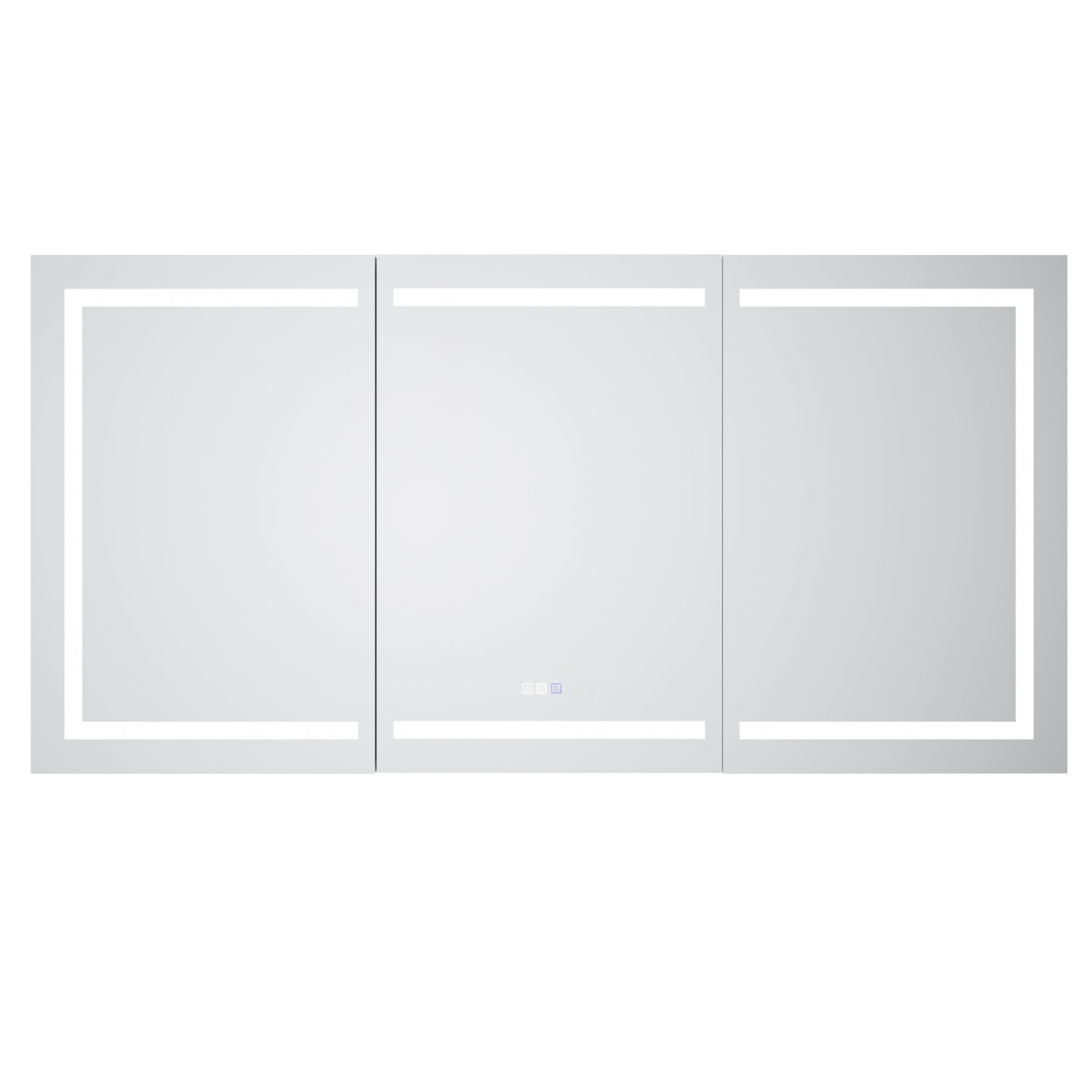
Research has shown that a large mirror cabinet with a width of 36-48 inches and a height of 30-40 inches can replace at least one standard under-the-table drawer system in terms of adequate storage capacity. This means that the bathroom can release more operational and activity space without increasing any floor or countertop occupation.
3. Reduce clutter on the countertop and enlarge the visual sense of space
Whether a space appears large or not depends not only on its actual area, but also heavily on visual order. Messy countertops are often a significant reason bathrooms appear crowded.
The advantage of a large mirror with a medicine cabinet is that it can hide high-frequency items, such as toothbrushes, electric shavers, skincare products, and medicines, behind the mirror, exposing them only briefly during use. When the countertop remains simple, and wall continuity is enhanced, the spatial boundaries are visually stretched, making the bathroom appear more spacious.
Industry design feedback indicates that when the number of exposed items on the countertop decreases by more than 40%, users' subjective ratings of the space's "spaciousness" will increase significantly.
4. The 'spatial amplification effect' brought by large-sized mirrors
Compared to small mirror cabinets, large mirrors with medicine cabinets have significant visual advantages. A larger mirror can reflect more light and enhance the sense of depth in the space, especially in bathrooms with limited natural lighting.
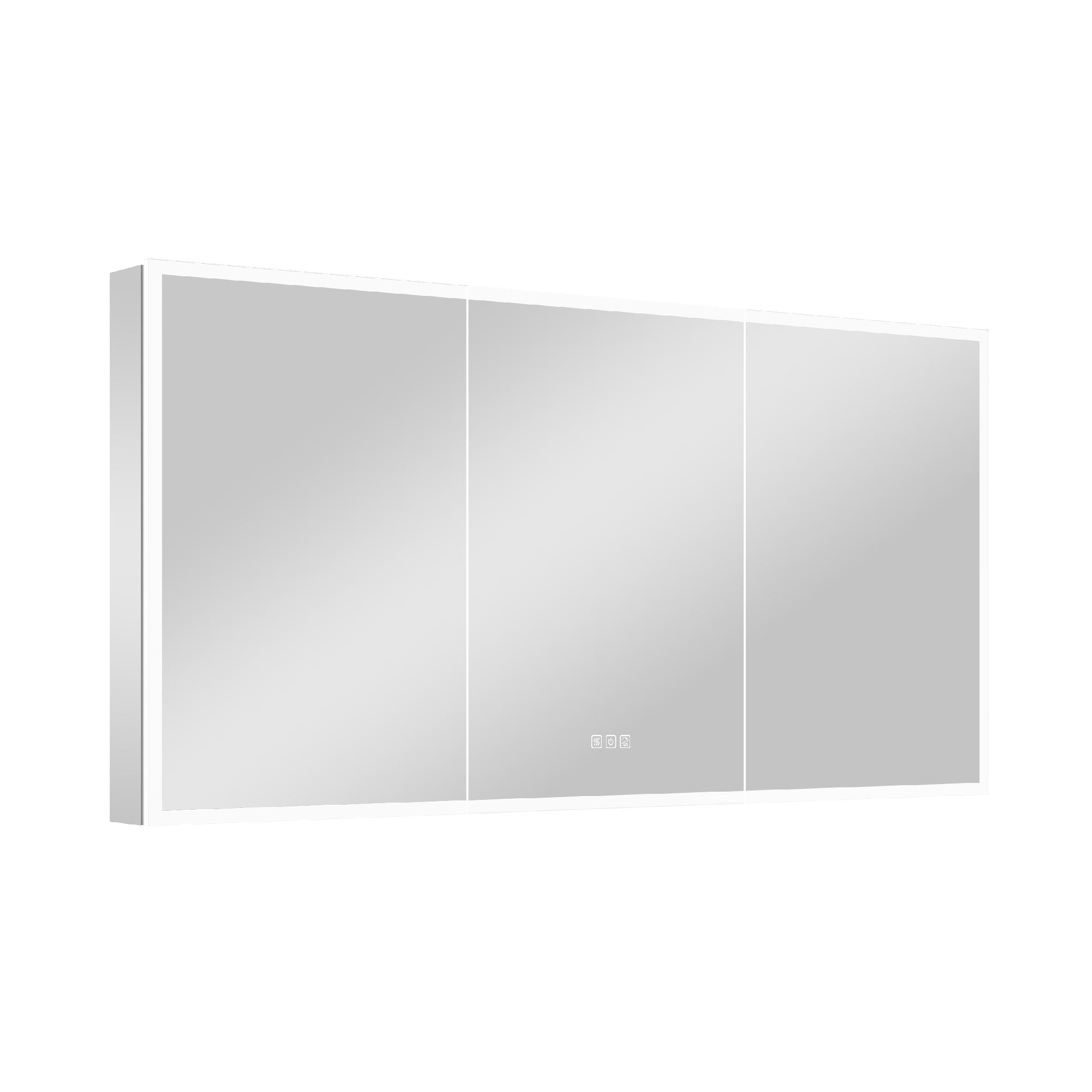
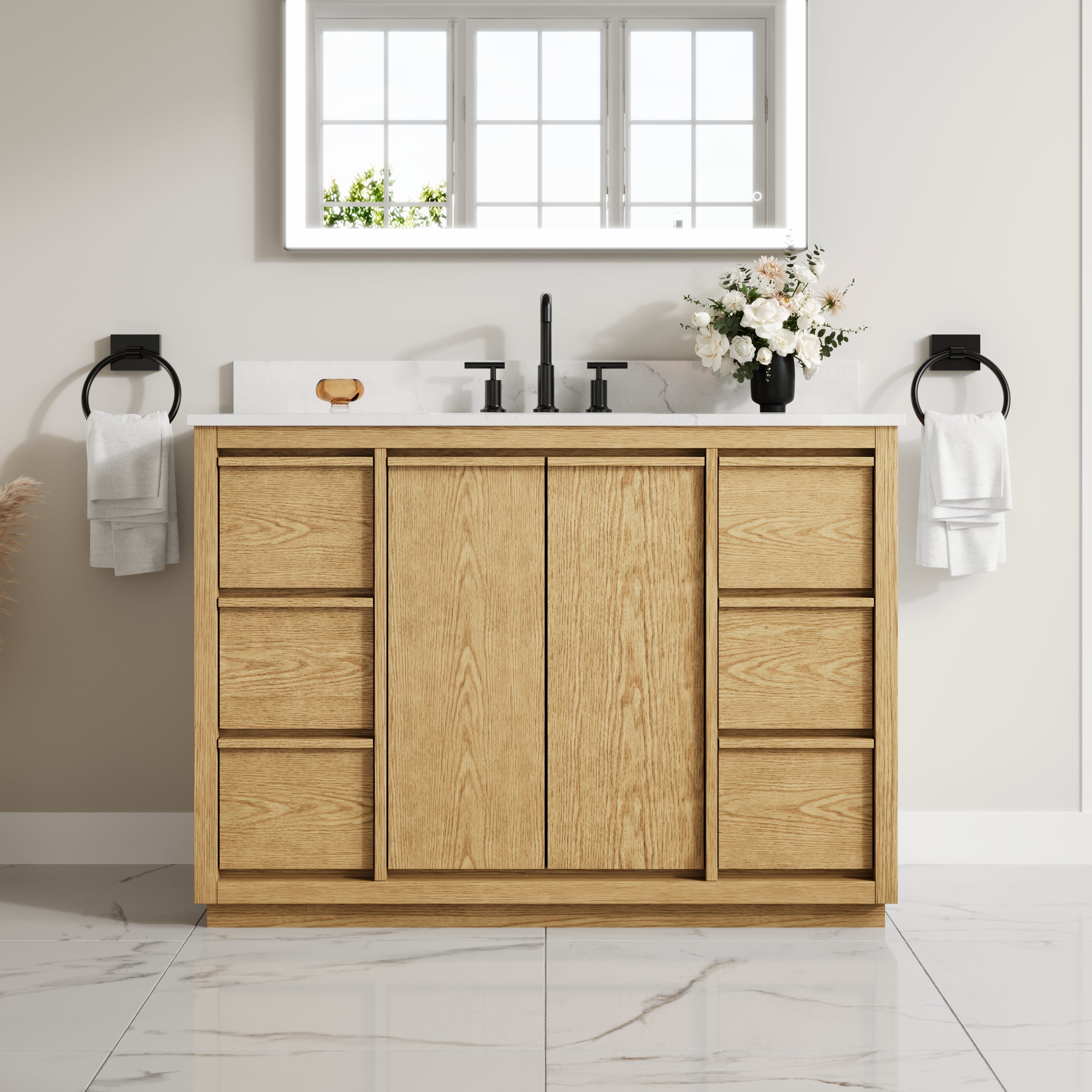
When the mirror is close to or equal to the width of the bathroom cabinet (e.g., 48 inches to 48 inches), the wall will form a stable horizontal ratio, helping avoid visual separation. The more complete the mirror, the weaker the wall appears, and the cleaner the space appears.
This is also why the industry tends to recommend large mirror cabinets rather than multiple small mirror combinations in medium- to large-sized bathrooms.
5. Comparison of Space Efficiency with Traditional Storage Methods
If traditional solutions are adopted, placing storage functions in side cabinets or floor cabinets usually requires 12-18 inches of horizontal or vertical space. This not only squeezes the passage area, but may also affect the opening and use of doors.
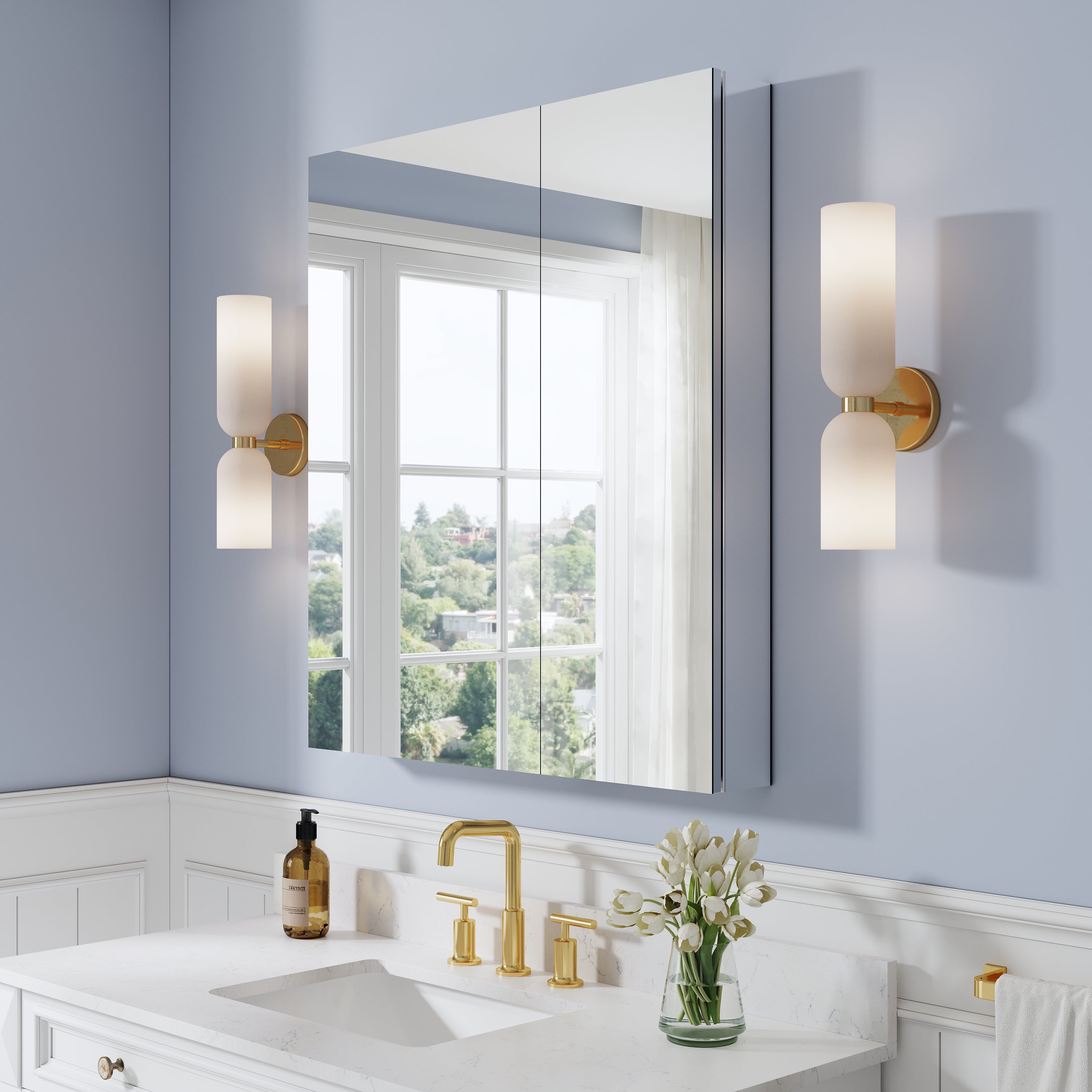
In contrast, the mirror cabinet is fully attached to the original wall structure, and its "added volume" is almost entirely reflected along the wall thickness. Even surface-mounted mirror cabinets usually have a forward extension distance of no more than 6 inches, which is much lower than the space occupied by side cabinets.
From a space-efficiency perspective, this is a typical "high-density storage" solution.
6. The optimization effect of the large mirror cabinet on the use of moving lines
The comfort of bathroom space largely depends on whether the flow is smooth. A large mirror with a medicine cabinet combines mirrors with storage, forming a complete standing operation loop of "mirror retrieval use retrieval".
This design reduces the need for frequent turning, bending, or moving positions, making it particularly friendly for narrow or single-aisle bathrooms. Industry observations show that when core functions are concentrated in front of the washbasin, space utilization efficiency is significantly improved, especially during the morning and evening peak hours of use.
7. Space difference between embedded and surface-mounted
When discussing space saving, an embedded large mirror with a medicine cabinet is often considered the "optimal solution. When the mirror cabinet is embedded in the wall, its front is almost flush with the wall, resulting in the least visual and physical intrusion.
However, even in situations where embedding is not possible, modern surface-mounted mirror cabinets use ultra-thin designs to keep thickness within a reasonable range, reducing their impact on space compared to traditional external storage furniture.
Industry trends indicate that mirror cabinets are evolving towards "thinner, wider, and more integrated" to adapt to different wall conditions.
8. The essence of space saving from an industry perspective
From a more macro perspective, the spatial value of a large mirror with a medicine cabinet is not just about "adding more things", but reducing reliance on additional furniture through functional integration.
When a single module can simultaneously perform the functions of mirror, storage, lighting, and even intelligent control, the number of independent components required in the bathroom naturally decreases, and the space is released accordingly.
This "modular integration" approach is gradually becoming an important direction in modern bathroom design.

9. Conclusion. Saving space is actually reconstructing the logic of the bathroom
The industry generally believes that the significance of a large mirror with a medicine cabinet lies not only in saving a few inches of physical space, but also in redefining the role of walls in the bathroom.
When the wall transforms from a "background" to an efficient functional carrier, the utilization of bathroom space also upgrades accordingly. By combining concealed storage, complete mirror surfaces, and reasonable proportions, large mirror cabinets provide a practical and restrained solution for bathrooms.
The fundamental reason why a large mirror with a medicine cabinet continues to receive attention is to achieve more functions in a limited space while maintaining visual simplicity and order.














Leave a comment
This site is protected by hCaptcha and the hCaptcha Privacy Policy and Terms of Service apply.